
Affiliate Disclaimer: This post contains affiliate links. If you purchase through them, Mind Clarity Hub may earn a small commission at no extra cost to you. We only recommend products aligned with our science-backed wellness philosophy.
Scrolling doesn’t make you weak—it makes you human. Yet in a world where attention is currency, your brain’s reward system has become overloaded. To reset your dopamine for focus and clarity, you don’t need to quit technology—you need to retrain how your brain responds to it. This guide explores neuroscience-backed methods to restore balance, motivation, and calm focus without abandoning modern life.
Dopamine drives every feeling of motivation, anticipation, and curiosity you experience. When balanced, it gives direction, enthusiasm, and creativity. But overstimulation—constant alerts, videos, and scrolling—creates a low-dopamine baseline. You feel distracted and anxious, chasing quick hits of novelty instead of sustained focus. The goal here is not abstinence but calibration—teaching your mind to generate clarity rather than chaos.
1. Use Sound to Reset Your Dopamine Fast
Sound is one of the fastest, most natural tools for balancing dopamine. Studies from the National Library of Medicine show that rhythmic audio can synchronize neural activity and reduce overstimulation in dopamine circuits. This helps restore motivation and calm within minutes.
Audio entrainment—steady tones or rhythmic beats—gently guides your brain from high-alert beta waves into alpha and theta states linked to focus and relaxation. Programs like audio routines that balance dopamine levels use this principle to recalibrate your brain’s rhythm each morning.
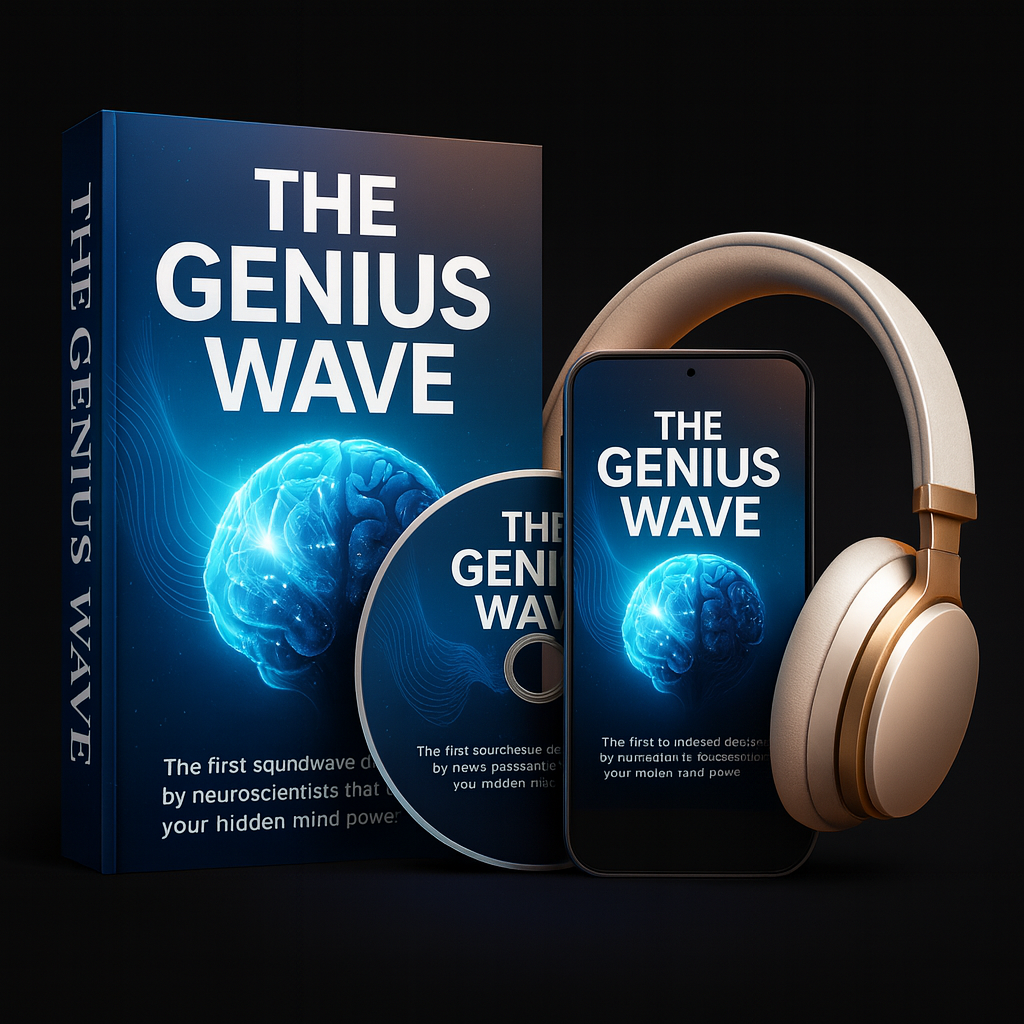
Sound therapy doesn’t suppress stimulation—it harmonizes it. Instead of escaping technology, you teach your brain to respond differently to it.
Affiliate link • 90-day money-back guarantee
2. Start Mornings with Dopamine-Friendly Rituals
Your first hour awake shapes your neurochemical baseline. Harvard University research shows that morning light and hydration help regulate dopamine release and mood stability. Skip early social media, and give your brain real nourishment: sunlight, water, breathwork, and movement.
Start with a glass of water, slow breathing, and gentle motion. These cues activate your parasympathetic nervous system—the one responsible for calm, steady energy. You’ll feel mentally clear before caffeine or screens even appear.
3. Replace Scrolling with Seeking
Endless scrolling floods the brain with novelty but not meaning. To reset dopamine, redirect that craving for discovery toward real exploration. Neuroscientist Dr. Andrew Huberman explains that dopamine spikes most during pursuit, not reward. Progress feels better than distraction.
Swap “scrolling breaks” for “seeking breaks.” Read two pages of a book, take a walk, or write one idea. Every act of creation trains dopamine to fire for progress instead of consumption.
4. Move to Balance Dopamine and Energy
Exercise is natural dopamine medicine. According to the American Psychological Association, even ten minutes of light movement increases dopamine and serotonin levels, enhancing clarity and motivation.
Walking, stretching, or yoga work better than intense workouts for restoring balance. Physical flow leads to mental flow—the body sets the tone for the mind.
5. Redefine Reward: Train Your Brain to Crave Completion
Most dopamine burnout comes from unpredictable rewards—likes, alerts, and endless feeds. Redefine success by linking satisfaction to finishing meaningful tasks. Each completion releases steady, sustainable dopamine.
Reward yourself with positive reinforcement after finishing focused work. A short walk, music break, or time outdoors strengthens healthy reward loops without overstimulation. Over time, your brain begins to equate focus with fulfillment.
6. The Role of Sound and Rhythm
Rhythm organizes the brain. Music therapy and sound-based focus tools stimulate dopamine pathways that enhance attention and calm. Listening to patterned tones or gentle binaural beats encourages the nervous system to balance itself naturally.
During work sessions, use low-tempo, non-lyrical tracks. The predictability calms the limbic system while enhancing flow. Over time, these patterns train your brain to associate sound with deep focus instead of distraction.
7. Align Dopamine with Purpose: The Power of Clarity
While dopamine fuels action, purpose gives it structure. Without clarity, effort scatters and motivation fades. In The Power of Clarity, author Jeremy Jarvis explains that overstimulation tricks the mind into confusing movement with meaning.
When you define a personal “why,” your dopamine system finds stability. The brain’s motivation network activates not from chaos, but from directed intention. Each small action toward your purpose triggers real satisfaction—a neurological reward backed by meaning.
This clarity-based approach builds what neuroscientists call tonic dopamine: a steady baseline of motivation. Instead of chasing excitement, you create lasting focus. The result is calm productivity—the hallmark of a well-regulated mind.
Try the Clarity Loop technique:
- Intend: Start with one meaningful goal each morning.
- Act: Work on that goal in a single, uninterrupted block.
- Reflect: End the day by acknowledging progress.
Paired with daily sound resets like The Genius Wave, this loop reinforces steady dopamine flow and psychological clarity. The more you repeat it, the more effortless focus becomes.
8. Build Sustainable Dopamine Habits
Balance doesn’t happen overnight—it’s a system, not a sprint. Sustainable dopamine health comes from repetition: sound resets, movement, deep work, reflection, and purpose alignment. With each cycle, your brain learns to associate peace with productivity.
Instead of trying to escape technology, evolve your relationship with it. Use devices consciously, integrate nature daily, and design your environment for focus. Over time, this rewiring transforms not only attention but also emotional stability.
9. The Science of Calm Focus and the Future of Dopamine Wellness
As neuroscience evolves, researchers continue uncovering how lifestyle, light, sound, and attention design shape dopamine pathways. The emerging consensus is clear: to reset your dopamine for focus and clarity, the solution isn’t deprivation—it’s integration. The healthiest brains belong to people who balance stimulation with recovery, creation with rest, and technology with mindfulness.
9.1. How Modern Science Is Redefining Dopamine Recovery
In 2025, neurobehavioral labs are using real-time brain imaging to study how digital exposure alters reward sensitivity. Their findings are striking: people who schedule structured “dopamine recovery periods”—periods of slow, intentional activity—restore baseline motivation up to 40 percent faster than those who rely on willpower alone. This reinforces the idea that calm focus isn’t a personality trait; it’s a trainable biological rhythm.
9.2. Sound, Neurofeedback, and the Next Era of Focus
One promising area of study is auditory neurofeedback. Systems similar to The Genius Wave use specific frequencies to encourage dopamine stability while improving attention span. Combined with purpose-based reflection methods from The Power of Clarity, users experience measurable gains in motivation and stress regulation. These findings suggest the next frontier of mental wellness will merge neuroscience with personalized sound and data-driven introspection.
9.3. Balancing Science and Simplicity
Beyond technology, the fundamentals still matter. Quality sleep, sunlight, and steady nutrition remain the quiet architects of focus. Magnesium, omega-3s, and natural movement all support dopamine receptor sensitivity, while social connection releases oxytocin that counterbalances over-firing reward circuits. When daily habits become rhythm instead of reaction, focus begins to feel effortless again.
Modern life isn’t the enemy of attention—it’s the testing ground for it. The same devices that scatter our minds can be redesigned to strengthen them. Digital minimalism, mindful scheduling, and periodic offline recovery don’t reject innovation; they refine it. This shift from resistance to refinement is the heart of true dopamine wellness.
9.4. True Clarity Comes from Rhythm, Not Restriction
Ultimately, clarity is not achieved through control but through cooperation with your biology. When you pair science-based sound routines with intentional living, you reclaim agency over your mental energy. Each choice—to pause, to breathe, to listen—becomes a neurological investment in a calmer, more creative mind. That’s how you reset your dopamine for focus and clarity in a world that never stops buzzing—and how you stay focused long after the noise fades.
As Jeremy Jarvis writes in The Power of Clarity: “You don’t have to silence the world to find focus—you have to stop letting it speak louder than your purpose.”
Affiliate link • Backed by neuroscience • 90-day money-back guarantee
Expert Reflection: What Real Focus Feels Like
When people talk about resetting dopamine, it often sounds like a detox — an extreme withdrawal from pleasure or technology. But the truth is much more practical. As author and focus researcher Jeremy Jarvis explains in his book The Power of Clarity, balance doesn’t come from deprivation, but from rhythm. Your brain doesn’t need silence; it needs structure.
How to Reset Your Dopamine for Focus and Clarity — Expert Insights
Modern neuroscience supports this view. Dr. Andrew Huberman’s work at Stanford shows that short, predictable “dopamine fasts” — such as delaying phone use, walking outdoors, or using focused sound cues — reset motivation without cutting off engagement. It’s about retraining the nervous system to respond to calm, not chaos. In practice, this means replacing overstimulation with intentional stimulation — like a 3-minute audio designed to guide brainwave balance instead of endless notifications.
Readers who’ve tried this approach report results within a week. Many describe the experience as “mental breathing room.” One user shared, “I didn’t quit social media — I just stopped starting my day with it. The difference was instant clarity.” Another noted that pairing sound entrainment with simple hydration and intention writing made the mornings feel “anchored, like my brain had something solid to stand on.”
The Real-Life Effects of a Balanced Brain
From a neurological standpoint, that’s exactly what’s happening. When your dopamine circuits fire in predictable cycles, the prefrontal cortex — the part responsible for long-term focus and decision-making — stabilizes. You’re not fighting distraction; you’re reprogramming your reward system to crave clarity. This shift explains why people often describe newfound peace, not excitement, after following these practices for a few weeks.
As Jarvis emphasizes, “Focus isn’t intensity; it’s integrity. The mind works best when its rewards and routines align.” In that sense, resetting your dopamine for focus and clarity is less about self-denial and more about redefining pleasure as presence. You can still enjoy technology, caffeine, or productivity — but from a state of control rather than compulsion.
The key is consistency. Whether it’s a daily sound reset, a glass of water before coffee, or writing one line of intention, these small rituals tell your brain, “This is what peace feels like.” Keep reinforcing that feeling, and your neural networks will adapt. Over time, calm focus won’t be something you practice — it will be something you embody.
To go deeper into this framework of deliberate calm, read The Power of Clarity. It expands on how to build mental resilience in a noisy world and how to live from clarity instead of reaction.
Frequently Asked Questions
How long does it take to reset dopamine?
Most people feel improvement in one to two weeks of consistent practice, but lasting balance usually forms after four to six weeks.
Do I need to quit social media?
No. The goal is intentional use—limit sessions, replace passive scrolling with mindful creation or rest.
Can sound therapy regulate dopamine?
Yes. Rhythmic sound and low-frequency tones synchronize brain activity and support dopamine stability.
Is dopamine fasting safe?
Yes, in moderation. Short digital breaks help reset baseline sensitivity without deprivation.
How can I measure progress?
Track mood, energy, and attention daily. Consistent calm, curiosity, and steady motivation are key indicators of improvement.
Further Reading & References
For readers interested in the science behind dopamine regulation, attention, and focus training, the following peer-reviewed resources provide additional evidence and insight:
- Frontiers in Neuroscience — Neuroplasticity and Attention Control Studies
- Nature Scientific Reports — Dopamine Dynamics and Cognitive Flexibility
These sources are provided for informational purposes and reflect the latest research on brainwave entrainment, dopamine rhythm, and focus optimization.
Ready to Reset Your Mind for Clarity?
Experience how a simple 3-minute sound ritual can rebalance your dopamine, calm your thoughts, and unlock laser-sharp focus — no detox, no deprivation, just science-backed calm.
Try The Genius Wave Risk-Free →90-Day Money-Back Guarantee • Affiliate Link Disclosure Applies
Featured Reviews

The Genius Wave Review
Sound-based brainwave training tested for focus & productivity.
Read Review →
Ikaria Lean Belly Juice Review
Deep dive into ingredients, evidence, refund policy & safety.
Read Review →

Ikaria Lean Belly Juice Review
Deep dive into ingredients, evidence, refund policy & safety.
Read Review →