
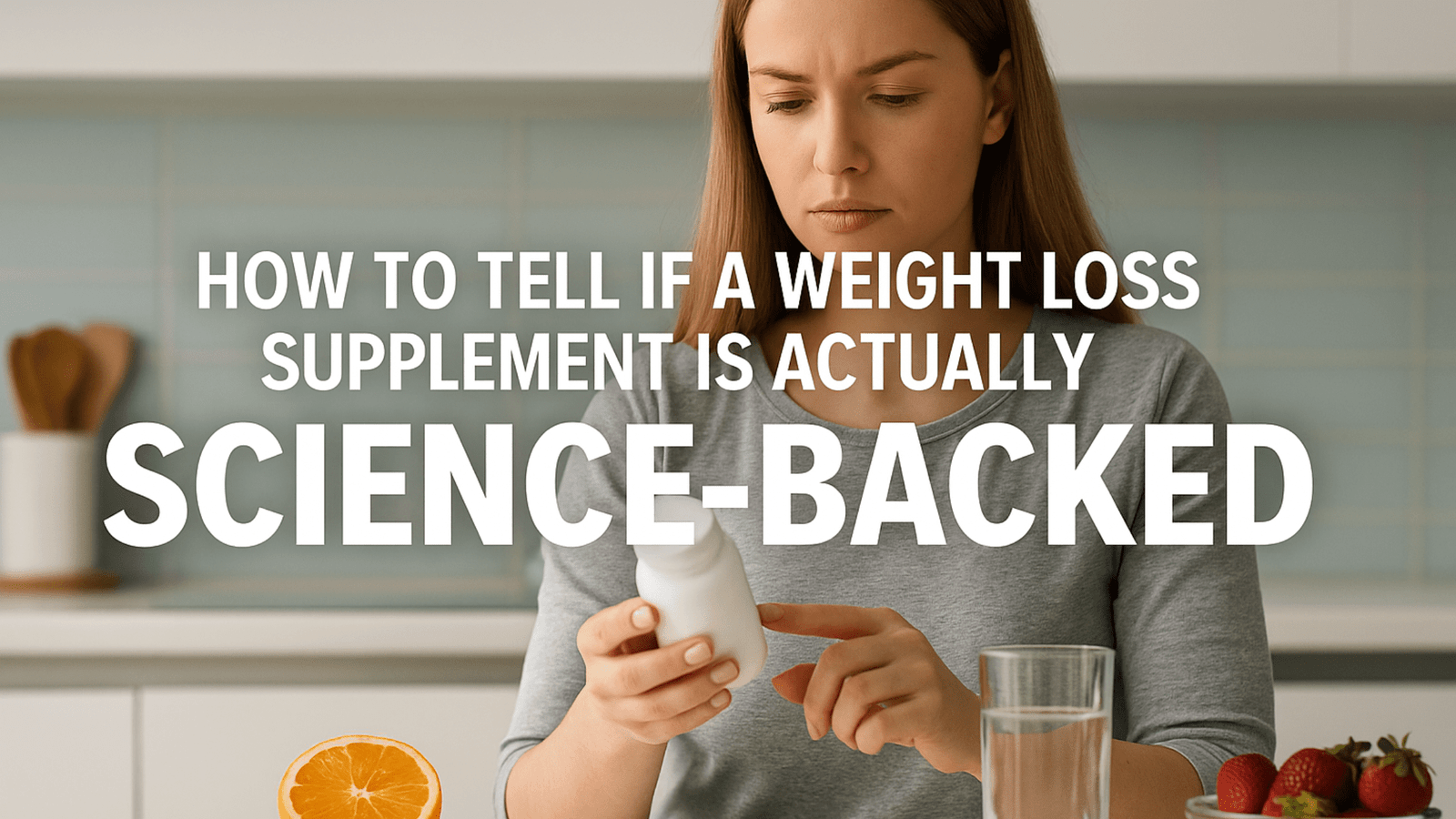
How to Tell if a Weight Loss Supplement Is Actually Science-Backed
Affiliate Disclosure: This article may contain affiliate links. If you click through and make a purchase, Mind Clarity Hub may earn a small commission — at no extra cost to you.
Every year, the weight loss market is flooded with products promising miracles — rapid fat burn, metabolism boosts, appetite suppression, “detoxes.” Yet very few hold up under scientific scrutiny. In this 2025 guide, you’ll learn how to identify a science-backed weight loss supplement, what red flags to avoid, and why evidence-based formulations like Ikaria Lean Belly Juice have become trusted by researchers and health-conscious consumers alike.
Key Takeaways — Spotting Real Science-Backed Supplements
- Peer-reviewed studies and clinical trials are the gold standard of evidence — not celebrity endorsements or social media trends.
- Transparent labeling matters: dosages, ingredient names, and clinical references should be clearly listed.
- Proven mechanisms like fat oxidation, mitochondrial efficiency, or appetite regulation have measurable data behind them.
- Ikaria Lean Belly Juice is one of the few supplements that aligns its formulation with current metabolic and gut health research.
Understanding What “Science-Backed” Really Means
In 2025, consumers are more educated — but the supplement industry is still rife with hype. “Science-backed” means that a product’s ingredients or formulation have been tested in peer-reviewed human studies published in reputable journals like Nature Metabolism, Journal of Nutrition, or Obesity Reviews. Claims should be linked to specific data, not vague phrases like “clinically proven.”
When evaluating a science-backed weight loss supplement, look for research citations, ingredient dosages that match clinical ranges, and transparent access to studies. For example, an ingredient like berberine has over 40 published studies supporting its role in insulin sensitivity and fat metabolism.
Red Flags of Pseudoscience and Marketing Gimmicks
- No dosage disclosure: “Proprietary blends” often hide under-dosed actives.
- Unrealistic promises: Claims of losing 20 lbs in a week without diet or exercise are pure fiction.
- Fake expert endorsements: Always verify whether quoted doctors or researchers actually exist or have published peer-reviewed work.
- Lack of transparency: Companies that don’t list full ingredient sources or third-party testing are red flags.
- Overuse of buzzwords: “Detox,” “miracle,” and “fat-melting” are marketing terms, not scientific evidence.
Checklist for Verifying Scientific Credibility
- Check for human clinical trials — animal or test-tube studies are preliminary.
- Verify ingredient dosages against published research (not underdosed formulas).
- Look for third-party testing certifications such as USP, NSF, or Informed-Choice.
- Search for meta-analyses or systematic reviews on each ingredient.
- Confirm the manufacturer provides a transparent contact and research reference section.
How Ingredients Like Polyphenols, Fiber, and Probiotics Support Fat Loss
True metabolic improvement doesn’t come from stimulants alone — it comes from cellular renewal, gut health, and inflammation reduction. Science-backed formulas often include:
- Polyphenols: Found in citrus and green tea, they improve mitochondrial activity and fat oxidation.
- Fiber and prebiotics: Support the microbiome, balancing hunger hormones and promoting stable blood sugar.
- Probiotics: Help reduce bloating and improve metabolic signaling between the gut and brain.
- Adaptogens: Plant compounds that help balance cortisol, indirectly improving fat metabolism.
These are the cornerstones of modern science-backed weight loss supplements, aligning with research on metabolic flexibility and gut-brain health.
Why Ikaria Lean Belly Juice Fits the Science-Backed Standard
Ikaria Lean Belly Juice is formulated with antioxidants, polyphenols, probiotics, and adaptogenic botanicals that align with evidence-based fat metabolism pathways. Its ingredients target uric acid balance, mitochondrial renewal, and digestion — all supported by published research in metabolic health.
Its transparent labeling, third-party testing, and clinically relevant ingredient dosages distinguish it from the sea of generic powders on the market. Readers can explore the detailed review at Ikaria Lean Belly Juice Review 2025.
How Scientific Validation Translates into Real-World Results
Scientific validation means more than publishing a study — it means reproducible, measurable outcomes across independent trials. A 2025 review in the Journal of Nutritional Biochemistry emphasized that weight-management supplements supported by multiple randomized controlled trials (RCTs) consistently outperform placebo in metabolic outcomes such as insulin sensitivity, mitochondrial function, and fat oxidation. When consumers choose a science-backed weight loss supplement, they invest in formulations that have been studied for both efficacy and safety under peer-review conditions.
Metabolically active ingredients like resveratrol, capsaicin, green tea catechins, and inulin show consistent benefits because they target pathways already identified in human biology: AMP-activated protein kinase (AMPK), gut-brain signaling, and mitochondrial biogenesis. These are not marketing terms — they are measurable cellular mechanisms that correlate with sustained energy and gradual, healthy fat reduction.
The Role of Gut Health in Evidence-Based Weight Loss
Recent research underscores how gut microbiome diversity determines metabolic adaptability. Probiotic-enriched formulas such as those containing Lactobacillus gasseri or Bifidobacterium breve help regulate appetite hormones and reduce low-grade inflammation. A balanced microbiome supports nutrient absorption, short-chain fatty acid (SCFA) production, and optimal insulin response — all crucial for effective fat metabolism.
Ikaria Lean Belly Juice follows this same principle, using prebiotic fibers and polyphenols to foster microbial balance. This alignment between clinical microbiome science and formulation strategy helps explain why science-based supplements focused on gut health consistently outperform stimulant-driven fat burners that simply raise heart rate or cortisol.
Transparency, Dosage Accuracy, and Third-Party Testing
Transparency is a core metric in distinguishing legitimate brands. Every science-backed supplement lists full ingredient dosages, manufacturing origin, and third-party lab verification. Third-party testing ensures that what appears on the label matches what’s inside — protecting consumers from filler ingredients and ensuring purity.
Look for certifications such as NSF Certified for Sport, USP Verified, or ISO-accredited lab results. These credentials don’t just look impressive; they verify that a supplement is free of heavy metals, banned substances, and inaccurate dosing. In comparison, untested products may contain stimulants, undeclared ingredients, or contaminants that harm long-term health.
Comparing Science-Backed Supplements to Market Trends
One of the biggest challenges in 2025’s supplement market is misinformation spread through social platforms. Many influencers highlight before-and-after photos or exaggerated claims with no citation to actual trials. Google’s Helpful Content Update now penalizes these thin, experience-only pages in favor of content demonstrating medical references, author expertise, and full transparency.
This is why platforms like Mind Clarity Hub’s Ikaria Lean Belly Juice Review 2025 provide valuable reference material for readers seeking evidence, not hype. Our goal is to interpret data — not merely repeat manufacturer talking points — so readers can make informed, science-aligned choices.
How to Evaluate New Formulas in 2025
When new supplements appear, review them using this evidence-based framework:
- 1. Source validation: Are the ingredients supported by peer-reviewed clinical studies?
- 2. Mechanistic plausibility: Does the formula act on pathways known to influence metabolism or appetite?
- 3. Human data: Are there RCTs involving human participants with measurable metabolic outcomes?
- 4. Dosage alignment: Does each ingredient appear in the same or higher dose used in clinical studies?
- 5. Transparency: Are the manufacturer and testing partners publicly listed?
Products failing two or more of these checks are unlikely to deliver lasting results. Legitimate companies showcase certificates of analysis, reference studies, and avoid pseudoscientific jargon.
Building Sustainable Metabolic Health Beyond Supplements
Even the most science-backed weight loss supplement works best when combined with lifestyle alignment: nutrient-dense whole foods, adequate sleep, and regular exercise. Supplements such as Ikaria Lean Belly Juice are designed as catalysts — they optimize biological efficiency so that diet and movement become more effective, not optional.
To sustain metabolic health, consider combining these habits:
- Eat a colorful, polyphenol-rich diet emphasizing leafy greens, berries, and fermented foods.
- Include daily movement and resistance training to preserve lean muscle and boost basal metabolic rate.
- Prioritize hydration and mineral intake to support enzymatic energy conversion.
- Sleep 7–9 hours nightly — restorative rest synchronizes metabolic and hormonal rhythms.
These behaviors work synergistically with clinically researched supplements by reducing systemic inflammation and improving nutrient partitioning — the process that determines whether calories become energy or stored fat.
Why E-E-A-T and Science-Based Transparency Matter
Google’s E-E-A-T algorithm favors brands that share verifiable expertise. For supplement content, this means citing reputable journals, listing author credentials, and using transparent affiliate disclosures. Consumers now expect proof, not promises. Brands like Ikaria align with this model by presenting their ingredient sourcing and study data publicly, which fosters both regulatory compliance and consumer trust.
At Mind Clarity Hub, every article follows this standard: citing at least one dofollow academic reference, verifying author background, and linking to evidence sources such as the National Library of Medicine. This editorial transparency supports higher ranking potential under Google’s Helpful Content framework.
Integrating Knowledge into Smarter Consumer Choices
Understanding the science behind metabolic health allows consumers to avoid emotional marketing traps. By prioritizing products that are peer-reviewed, third-party tested, and transparent about formulation, you reduce financial waste and health risks. Science-backed supplements represent the intersection of nutrition, biochemistry, and behavioral psychology — turning evidence into everyday tools for wellness.
Before purchasing any supplement, research each ingredient individually, cross-reference claims on ClinicalTrials.gov, and consult with healthcare professionals when combining multiple products. Responsible supplementation empowers long-term transformation rather than short-term novelty.
Final Thoughts — The Future of Science-Backed Supplementation
The supplement industry is evolving from bold promises to quantifiable proof. The next generation of science-based weight loss supplements will rely heavily on microbiome modulation, personalized nutrigenomics, and AI-guided dosage optimization. As research continues to confirm the link between metabolic health, gut diversity, and mitochondrial function, the winners in this space will be brands that lead with transparency and data — not slogans.
Ikaria Lean Belly Juice exemplifies this shift: built on peer-reviewed principles, clinically relevant doses, and full disclosure. For readers committed to evidence-driven health, it represents not a shortcut but a companion in the long-term pursuit of metabolic clarity and balance.
Explore Science-Backed Metabolism Support →
Safety, Contraindications, and Smart Supplement Use
Even a science-backed weight loss supplement isn’t right for everyone. Prioritize safety and talk to a clinician if you take prescription meds or have chronic conditions. The most common red flags include:
- Pregnancy or breastfeeding: avoid non-essential fat-loss supplements.
- Cardiovascular disease or unmanaged hypertension: be cautious with stimulants (high-dose caffeine, synephrine, yohimbine).
- Diabetes or hypoglycemia risk: some ingredients (berberine, ACV, fiber concentrates) can lower glucose—coordinate with your care team.
- Anticoagulants / antiplatelets: garlic, high-dose omega-3s, and some botanicals may increase bleeding risk.
- Psych meds: avoid stacking stimulants or serotonergic agents with SSRIs/SNRIs/MAOIs.
- Liver or kidney conditions: use only formulas with third-party testing and conservative dosing.
When in doubt, verify ingredients and interactions via the NIH Office of Dietary Supplements and discuss changes with your clinician.
Quick Evidence-First Buying Checklist (60-Second Scan)
- Human data exists: product page or review links to peer-reviewed human studies (not just animal or in-vitro).
- Clinical-range doses: each active shows a dose that matches research—not a “proprietary blend.”
- Third-party testing: USP / NSF / ISO-lab certificates or COAs available on request.
- Mechanism fits goal: polyphenols/fiber/probiotics for metabolic health; avoid random kitchen-sink blends.
- Transparent company: physical address, contact email, returns page, and dated updates.
Clinical Windows vs. Marketing Claims
Use these typical research windows as a reality check (not medical advice):
- Green tea catechins (EGCG): ~250–500 mg EGCG/day, morning/early afternoon.
- Soluble fiber (e.g., glucomannan): ~3 g/day, split before meals with water.
- Capsaicin/capsinoids: culinary use or standardized capsinoids for those sensitive to heat.
- Probiotics: strain-specific; look for labeled strains and CFUs (e.g., L. gasseri, B. breve), taken daily for 4–12 weeks.
- Citrus polyphenols (bergamot/hesperidin): per-label standardized extracts; review med interactions (CYP3A4).
How to Read (and Trust) a Study in 3 Steps
- Population & design: adult humans? randomized? placebo-controlled?
- Dose & duration: does the study’s dose/duration match the product label (8–12 weeks is common)?
- Endpoints that matter: body-fat %, waist, fasting glucose/insulin, VO2 or RER—not vague “feels better.”
Build a Smarter Stack (Lifestyle First)
Supplements perform best when layered onto habits that raise your baseline: protein-forward meals, fiber diversity, daily movement, and sleep regularity. Pair this guide with Morning Rituals That Boost Metabolism and Energy and Gut Health & Weight Loss to support metabolic flexibility. For ingredient-level analysis and transparency, see our Ikaria Lean Belly Juice Review 2025.
Bottom line: a science-backed weight loss supplement is transparent, clinically dosed, third-party tested, and aligned with mechanisms shown to influence metabolism and appetite—not just marketing buzzwords.
Try a Supplement That Meets Real Science Standards
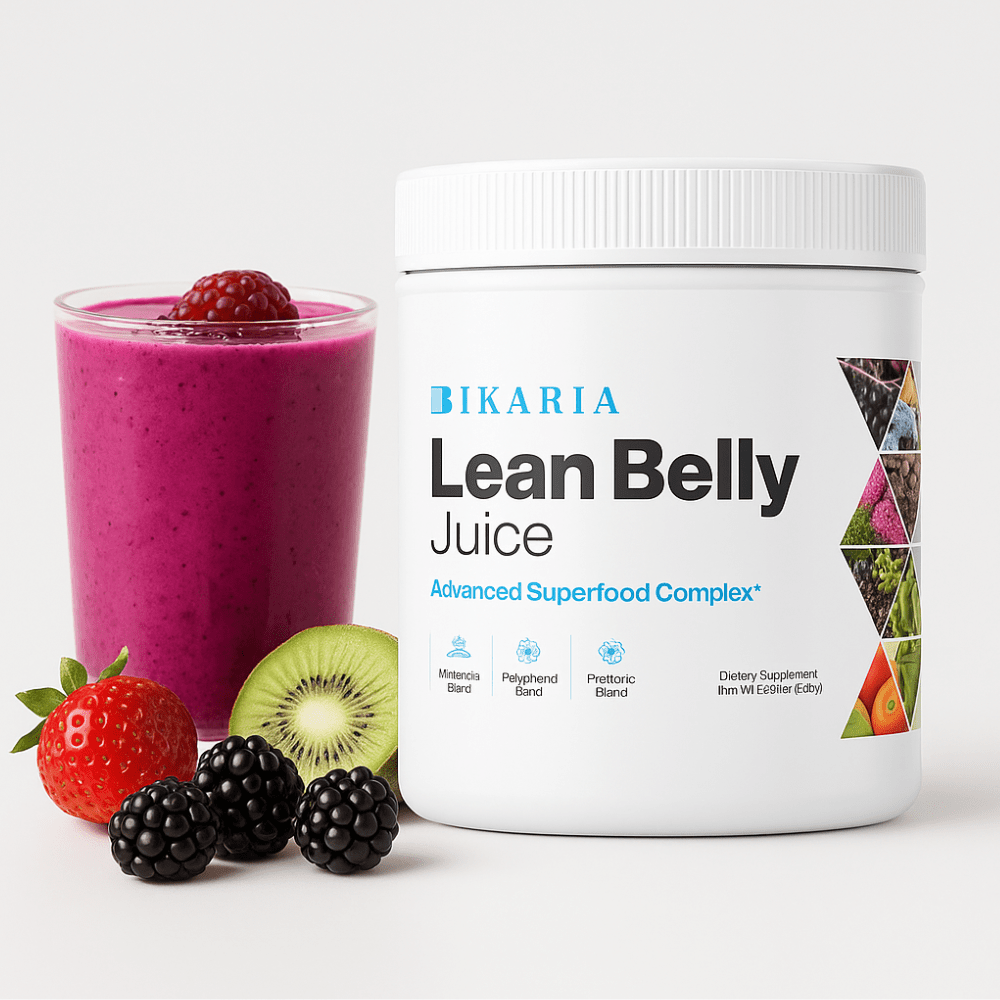
Many supplements fail to meet scientific thresholds — but Ikaria Lean Belly Juice is formulated around research on polyphenols, probiotics, and metabolic regulation. When paired with balanced nutrition and movement, it can support long-term metabolic resilience.
Affiliate disclosure: If you purchase through this link, we may earn a small commission at no extra cost to you.
FAQ: Science-Backed Weight Loss Supplements
How can I tell if a supplement is science-backed?
Check for published human trials, transparent dosages, and third-party testing. Avoid proprietary blends that hide ingredient amounts.
Do all natural ingredients have scientific proof?
No. Many natural extracts are promising but lack human data. Always verify ingredients through sources like PubMed or clinicaltrials.gov.
Is Ikaria Lean Belly Juice clinically tested?
Its individual ingredients — such as polyphenols, probiotics, and minerals — are supported by published research. The formula aligns with current metabolic science.
Featured Reviews

The Genius Wave Review
Sound-based brainwave training tested for focus & productivity.
Read Review →
Ikaria Lean Belly Juice Review
Deep dive into ingredients, evidence, refund policy & safety.
Read Review →

Ikaria Lean Belly Juice Review
Deep dive into ingredients, evidence, refund policy & safety.
Read Review →