


Affiliate Disclosure: This post may contain affiliate links. If you click and make a purchase, Mind Clarity Hub may earn a small commission at no extra cost to you.
When you feel drained even after a full night’s sleep, stick to your diet yet see no progress on the scale, the issue often isn’t calories — it’s the deeper link between inflammation, fatigue, weight plateaus. This hidden metabolic triad acts like a silent brake on your body’s energy systems, disrupting hormones, slowing recovery, and making fat loss harder. Over time, this biochemical friction saps vitality and stalls progress until inflammation is addressed at its root.
In 2025, health research continues to highlight the connection between chronic low-grade inflammation and metabolic slowdown. Your immune system, mitochondria, and endocrine pathways are in constant dialogue — when one is overactive, the others compensate, often by lowering metabolic output to preserve energy. This article breaks down the science behind this link and offers evidence-based strategies to restore energy, burn fat, and rebalance your metabolism.
Key Takeaways — Inflammation, Fatigue & Metabolic Slowdown
- Inflammation interferes with mitochondrial efficiency, reducing the body’s ability to convert food into energy.
- Persistent inflammation elevates cortisol and insulin, encouraging fat storage and fatigue cycles.
- Restoring balance through anti-inflammatory foods, sleep, stress regulation, and gut health can restart fat burning.
- Supplements like Ikaria Lean Belly Juice can complement these changes by supporting oxidative balance and digestion.
Understanding How Inflammation Disrupts Metabolism
Inflammation isn’t always bad — it’s your body’s protective response to stress or injury. However, when it becomes chronic, the immune system stays switched on, releasing cytokines that interfere with hormonal signaling and energy regulation. The result? Your mitochondria — the “engines” inside cells — can’t efficiently produce ATP, leading to sluggish metabolism and fatigue.
Research published in the Journal of Metabolic Health (2024) shows that even modest elevations in inflammatory markers like CRP and TNF-α predict lower fat oxidation rates. That means inflammation doesn’t just make you feel tired — it literally slows how your body burns fuel.
Chronic inflammation also promotes water retention and cellular swelling, which can mask fat loss on the scale. It’s one reason people following clean diets still experience stubborn weight plateaus despite caloric accuracy.
Why Fatigue and Weight Plateaus Often Go Hand in Hand
Fatigue is one of the earliest warning signs of metabolic stress. When inflammation hijacks cellular energy, the brain senses danger and triggers adaptive mechanisms to conserve fuel — reduced thyroid conversion, lower spontaneous movement, and even increased appetite for quick carbs. Over time, this “energy emergency mode” locks your metabolism into maintenance rather than loss.
That’s why the combination of low energy, sugar cravings, and stalled weight loss is rarely coincidence. It’s your biology signaling an imbalance between energy use and inflammation recovery.
The Role of the Gut-Immune Axis
About 70% of the immune system resides in the gut. When gut bacteria become imbalanced — a condition called dysbiosis — it triggers systemic inflammation through endotoxins like lipopolysaccharides (LPS). These molecules enter circulation, inflame fat tissue, and impair insulin sensitivity. In short, a leaky gut can make your metabolism leaky, too.
Adding fermented foods, fiber diversity, and polyphenol-rich plants supports microbial balance and reduces inflammatory load. This principle forms the backbone of our gut health and weight loss guide.
Hormonal Cascades: Cortisol, Insulin, and Leptin Resistance
Chronic inflammation disrupts the delicate rhythm of cortisol — your body’s primary stress hormone. Elevated cortisol increases insulin output, which drives energy into storage mode. Meanwhile, leptin resistance develops, tricking your brain into thinking you’re starving even when you’re not. This hormonal storm leads to stubborn midsection fat and unrelenting hunger.
Balanced morning routines, like those described in our post on morning rituals for metabolism, can help realign cortisol timing and restore metabolic rhythm.
How to Break the Cycle: Strategies to Reduce Inflammation Naturally
- Prioritize sleep: 7–9 hours of consistent rest lowers cytokine activity and resets hormonal balance.
- Anti-inflammatory diet: Focus on omega-3 fats (salmon, flaxseed), colorful vegetables, and low-glycemic fruits like berries.
- Move regularly: Moderate exercise reduces inflammation markers and improves mitochondrial function.
- Support gut integrity: Prebiotic fibers, probiotics, and polyphenols strengthen the gut barrier and immune tolerance.
- Hydrate and mineralize: Even mild dehydration raises cortisol; electrolyte balance aids detoxification and energy flow.
Consider integrating Ikaria Lean Belly Juice as part of an overall anti-inflammatory lifestyle. It’s not a quick fix, but a science-informed tool that may complement a broader, holistic approach to health.
Amplify Recovery and Resilience
Recovery is as crucial as activity. Meditation, breathwork, and low-intensity outdoor walks stimulate the parasympathetic nervous system — the “rest and repair” state that allows inflammation to subside. Studies in Frontiers in Physiology confirm that consistent stress-reduction practices significantly improve glucose tolerance and fat oxidation.
Adding light cold exposure (like short contrast showers) and nature immersion enhances anti-inflammatory pathways. Nature exposure alone reduces circulating cortisol and CRP levels, which indirectly supports weight management and mood balance.
Is Your Weight Plateau Actually Inflammation-Driven?
When fat loss stalls despite accurate calories and regular training, the hidden variable is often metabolic inflammation. Instead of cutting more calories (which can increase stress hormones and slow thyroid conversion), scan for these inflammation signals first. Addressing them can restore mitochondrial efficiency, reduce cravings, and restart fat oxidation.
Early Signs and Patterns to Watch
- Afternoon energy dips even with adequate sleep, plus brain fog after meals.
- High-carb “rescue” cravings when stress spikes or sleep is short.
- Puffy, water-retentive look and morning stiffness that improves with gentle movement.
- Exercise tolerance drops—easy workouts feel unusually hard for 24–48 hours.
- Skin flare-ups (rosacea, acne) after ultra-processed meals or alcohol.
Lab Markers to Discuss with Your Clinician
Lab work is not mandatory, but it can clarify the picture. Consider asking your clinician about: hs-CRP (systemic inflammation), fasting insulin and HOMA-IR (glycemic stress), ALT/AST (liver load), ferritin (can be inflammatory in excess), uric acid (metabolic friction), and a basic thyroid panel (TSH, free T3, free T4). Elevated hs-CRP with normal calories is a classic inflammation-plateau signature.
An Anti-Inflammatory Eating Pattern That Supports Fat Loss
Think “color + fiber + protein” at every meal. This simple rule drives satiety, nourishes the microbiome, and provides polyphenols that switch off inflammatory signaling. Use this practical template for the next 14 days:
- Protein anchor (20–40 g): eggs, Greek yogurt, fish, tofu, legumes, or lean meats to protect lean mass and metabolic rate.
- Color load (2–3 fistfuls): leafy greens, crucifers, peppers, berries—polyphenols modulate NF-κB and support gut-immune balance.
- Smart carbs: oats, quinoa, sweet potato, cooled rice/legumes for resistant starch; keep portions aligned with activity.
- Anti-inflammatory fats: olive oil, avocado, walnuts, chia/flax; aim for 10–20 g per meal.
- Hydration & minerals: 2–3 L water/day with a pinch of electrolytes during hotter, high-activity days.
Two add-ons that often accelerate progress: a cup of green tea (EGCG for fat oxidation) with breakfast, and a tart-cherry or blueberry portion with the evening meal to support sleep and overnight recovery.
Seven-Day Meal Sketch (repeat/rotate)
Breakfasts: Greek-yogurt bowl with berries + chia; veggie omelet with avocado; protein smoothie with spinach and oats. Lunches: salmon salad with olive-oil citrus dressing; lentil-quinoa bowl with broccoli and tahini; turkey-veg lettuce wraps. Dinners: tofu stir-fry with mixed veg; baked cod, roasted sweet potato, arugula; chicken thighs with Brussels sprouts and garlic. Keep sauces simple and spice with turmeric, ginger, and rosemary for extra anti-inflammatory punch.
Movement That Lowers Cytokines (Without Overtraining)
Exercise is anti-inflammatory—until the load overwhelms recovery. The sweet spot for plateau breakers is a hybrid plan:
- 3 strength sessions/week (full-body, 45–60 min) to preserve muscle and improve insulin sensitivity.
- 2–3 zone-2 cardio sessions (30–45 min brisk walking/cycling) to increase mitochondrial density and fat oxidation.
- Daily 10-minute mobility + breathwork to downshift the nervous system and reduce cortisol load.
If soreness or HRV data suggest poor recovery, trim volume by 20% for a week and increase sleep/protein rather than grinding harder. Recovery is where inflammation resolves—and fat loss typically resumes.
Micronutrients & Botanicals with Evidence
Use supplements to close gaps, not to replace habits. Review interactions via the NIH Office of Dietary Supplements and with your clinician.
- Omega-3s (EPA/DHA) — support eicosanoid balance and lower CRP; food first via salmon/sardines, then add a verified fish-oil if needed.
- Curcumin + piperine — modulates NF-κB; choose enhanced-absorption forms to reach effective plasma levels.
- EGCG / green-tea extract — aids fat oxidation and antioxidant status; avoid late-evening dosing.
- Magnesium glycinate — supports sleep quality, glucose handling, and muscle relaxation.
- Probiotics + prebiotic fibers — strain-specific support for gut barrier and endotoxin reduction; pair with fermented foods.
- Citrus polyphenols (bergamot/hesperidin) — assist lipid and glucose metabolism; screen for CYP3A4 interactions.
These compounds align with 2025 research on metabolic flexibility, mitochondrial renewal, and gut-mediated inflammation—key levers behind fatigue and weight plateaus.
Uric Acid, Water Weight, and “Hidden” Plateaus
Elevated uric acid doesn’t just affect joints; it can heighten oxidative stress and dampen nitric-oxide signaling, indirectly reducing fat oxidation while increasing water retention. If your weight swings 2–4 lbs overnight and you feel puffy after high-fructose meals, consider strategies from our guide on uric acid and weight gain: more hydration, citrus polyphenols, mineral balance, and steady fiber intake.
Sleep & Stress: The Inflammation Thermostat
Short sleep and unrelieved stress up-regulate cytokines and down-regulate thyroid conversion (T4→T3). Protect sleep with a consistent wind-down (dim lights, screens off, magnesium, tart cherry) and morning natural-light exposure. If 7–9 hours is hard, start with 20-minute earlier bedtimes three nights a week. Pair this with a 3–5 minute breathing drill from our morning rituals article to reduce morning cortisol spikes.
Two-Week “Inflammation Reset” Checklist
- Eat protein (20–40 g) + color + fiber at all main meals; add olive-oil based dressings.
- Swap ultra-processed snacks for fruit + nuts or yogurt + chia; limit alcohol to 0–3 drinks/week.
- Train 3× strength + 2× zone-2 cardio; walk 7–10k steps most days; 10-minute wind-down nightly.
- Hydrate 2–3 L/day; consider electrolytes on training days; aim for consistent, calm mornings.
- Support digestion and antioxidant status with food first; layer targeted supplements thoughtfully (polyphenols, probiotics, omega-3s, magnesium).
- Track non-scale wins: energy, sleep quality, waist, gym performance, and mood.
For a deeper ingredient breakdown, see our natural ingredients for fat burn guide. If you prefer a ready-made blend built around polyphenols, probiotics, and antioxidant support, our full analysis of Ikaria Lean Belly Juice explains how it can fit into an anti-inflammatory, fatigue-reducing strategy without relying on harsh stimulants.
📌 Unlocking Progress: Deeper Insights into Inflammation, Fatigue, Weight Plateaus
Even with clean eating, smart workouts, and consistency, many people hit a wall. That wall often isn’t discipline-related — it’s physiological. The interplay between inflammation, fatigue, and weight plateaus is now considered one of the most overlooked causes of stalled progress in wellness journeys. This trio acts like a metabolic traffic jam: energy is blocked, fat loss slows, and recovery lags behind.
Research from 2025 suggests that even in the absence of overt illness, low-grade chronic inflammation can subtly shift your body into conservation mode. This means fewer calories burned at rest, less spontaneous movement, more cravings, and stalled recovery — even if your caloric intake hasn’t changed. The metabolic cost of inflammation isn’t just theoretical — it’s measurable in lab work, physical symptoms, and mental burnout.
🧬 Why Inflammation, Fatigue, Weight Plateaus Are Biochemically Linked
When your body is inflamed, it reallocates resources — not toward performance or fat loss, but toward immune defense and repair. This includes shunting glucose away from muscle cells, reducing thyroid hormone conversion, and down-regulating mitochondrial activity. The result is less energy production (fatigue) and fewer metabolic signals for fat loss (plateau).
Cytokines like IL-6 and TNF-α, which rise in response to inflammation, have been shown to directly impair insulin sensitivity and increase feelings of tiredness. On top of that, the mitochondria — your cellular power plants — become less efficient. That leads to reduced ATP output, poor exercise tolerance, and slow recovery from stressors like workouts, sleep loss, or calorie deficits.
The hormonal cascade that follows only reinforces the cycle. Cortisol rises, leptin desensitizes the brain to satiety signals, and ghrelin — the hunger hormone — increases. These changes don’t just make you feel off; they actively fight your fat loss progress by skewing your biology toward survival over optimization.
🔄 Functional Ways to Interrupt the Inflammation-Fatigue Cycle
- 1. Start with micronutrient repletion: Magnesium, zinc, and vitamin D all play critical roles in inflammation modulation and energy restoration. Blood tests can reveal if you’re deficient.
- 2. Use movement as medicine: Gentle cardio (zone 2 training) 3–4x per week can improve mitochondrial density and decrease inflammatory markers without adding recovery debt.
- 3. Shift meal timing to reduce inflammation: Earlier eating windows (e.g., 10am–6pm) have been shown to lower CRP levels and improve insulin sensitivity.
- 4. Try adaptogenic support: Botanicals like ashwagandha and rhodiola help balance cortisol rhythm, which improves recovery, mood, and fat oxidation.
- 5. Prioritize “restorative input” practices: 5–10 minutes of breathwork, midday breaks in nature, and screen-free evenings reduce nervous system overactivation — a key driver of inflammation.
🌱 Personalized Nutrition to Reduce Inflammation & Reset Fat Burning
If you’ve experienced all the signs — bloating, joint tightness, afternoon slumps, stubborn midsection fat — your internal fire might be burning too hot. A targeted anti-inflammatory protocol could include:
- Cutting out omega-6-heavy seed oils and replacing them with extra virgin olive oil or avocado oil
- Adding 2–3 servings daily of polyphenol-rich foods like blueberries, turmeric, pomegranate, or green tea
- Swapping processed carbs for high-fiber smart carbs like lentils, steel-cut oats, or cooled rice
- Including a potent natural fat-burning supplement blend with probiotics, curcumin, and citrus polyphenols
🚦 Listen to Your Body’s Signals of Inflammatory Resistance
In our work with readers and clients, the following symptoms often appear right before inflammation, fatigue, weight plateaus take hold:
- Feeling more bloated or puffy after “healthy” meals
- Strong sugar cravings despite eating full meals
- Morning stiffness that fades only after movement
- Unexplained irritability or mental fog, especially after high-carb meals
- Sleep that feels “long” but not restorative
These may not scream illness — but they’re often the earliest indicators that your system is inflamed and shifting out of fat-burning mode.
🔁 Your Anti-Inflammation Reset in One Week
- ✔ Eat 3 meals/day focused on protein + color + smart carbs (no snacking unless needed)
- ✔ Sleep 7.5+ hours with a 30-minute wind-down routine
- ✔ Walk 7,000–10,000 steps/day + 2 strength workouts + 2 light cardio
- ✔ Eliminate processed snacks and sugar-sweetened beverages
- ✔ Add omega-3s, probiotics, and polyphenols daily — food first, supplements as backup
In just 5–7 days, you may notice less puffiness, more energy, and better satiety — long before the scale reflects deeper change. That’s how inflammation shifts: from the inside out.
Support Metabolic Renewal and Anti-Inflammatory Balance
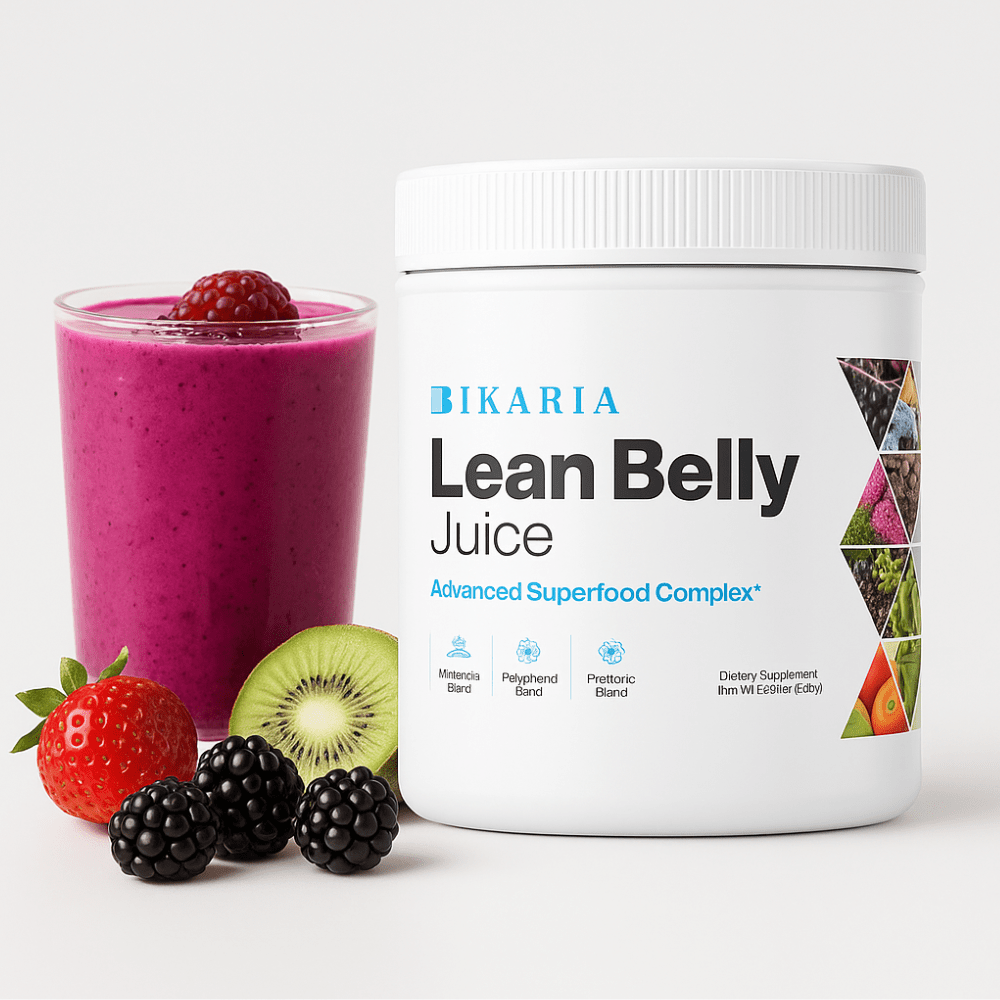
Combining nutrition, rest, and botanical support can reset your body’s inflammatory response. Ikaria Lean Belly Juice blends polyphenols, probiotics, and natural antioxidants that complement these changes for better energy and sustainable fat metabolism.
Related Reading on Mind Clarity Hub
FAQ: Inflammation, Fatigue, and Weight Plateaus
Why does inflammation cause fatigue?
Inflammatory molecules interfere with mitochondrial energy production, forcing the body to use more fuel for less energy, resulting in fatigue.
Can lowering inflammation help restart fat loss?
Yes. Reducing inflammation improves insulin sensitivity and thyroid function, both of which are crucial for metabolic recovery and fat burning.
What foods fight inflammation naturally?
Omega-3s, turmeric, green tea, leafy greens, and berries reduce inflammatory signaling and support metabolic health.
How long until results show?
Energy and digestion often improve within 2–3 weeks; weight stabilization and inflammation markers may normalize within 8–12 weeks of consistency.
Featured Reviews

The Genius Wave Review
Sound-based brainwave training tested for focus & productivity.
Read Review →
Ikaria Lean Belly Juice Review
Deep dive into ingredients, evidence, refund policy & safety.
Read Review →

Ikaria Lean Belly Juice Review
Deep dive into ingredients, evidence, refund policy & safety.
Read Review →