

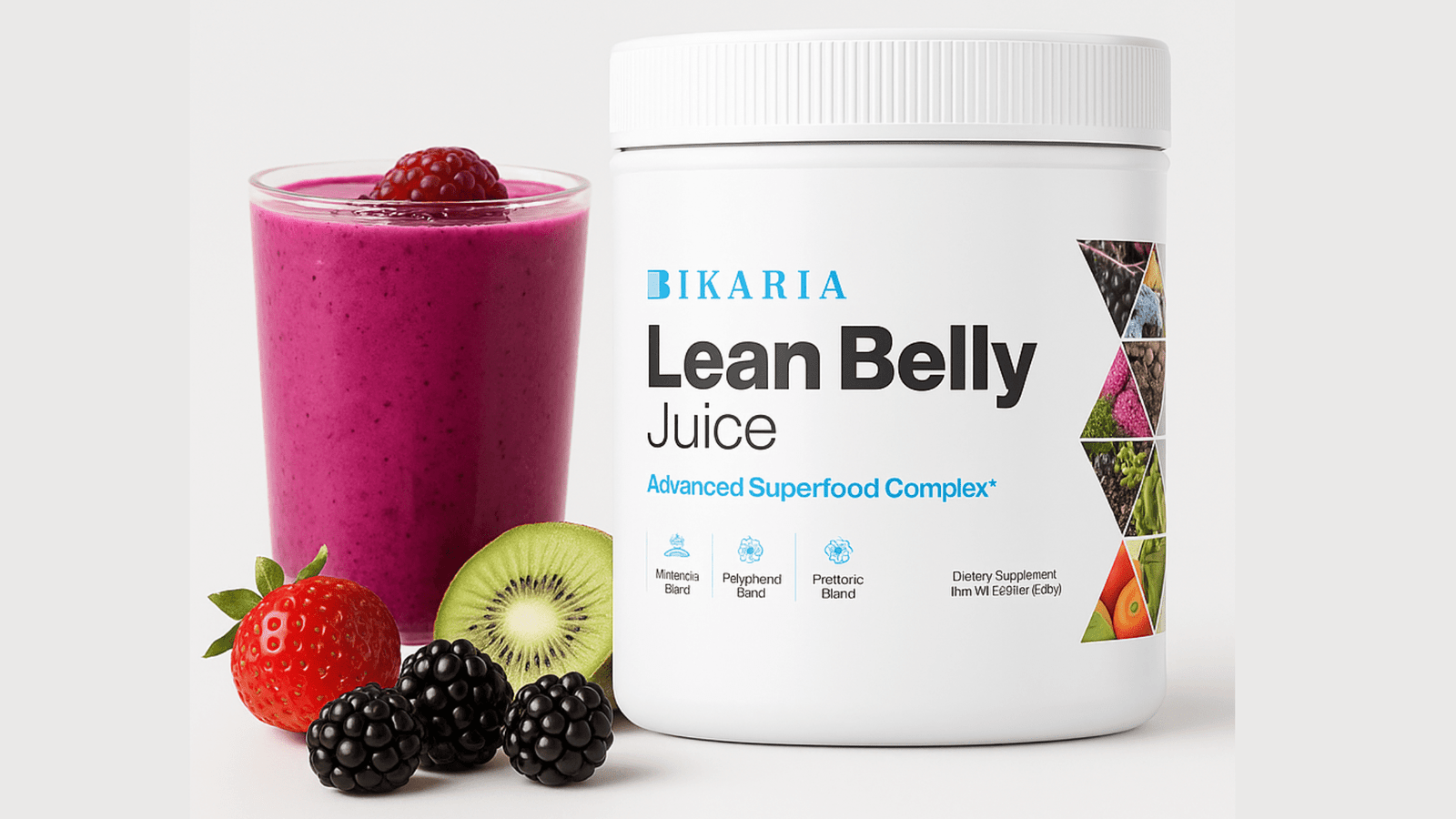
Ikaria Lean Belly Juice Review 2025 – Does It Really Work?
Ikaria Lean Belly Juice Review 2025: does it really work? This evidence-aware review breaks down the powder’s ingredients, benefits, side effects, and real-world fit. For many adults, it’s a convenient once-daily supplement that may support appetite and energy — when paired with hydration, protein, movement, and sleep. See pros/cons, safety, and who should skip.
Ikaria Lean Belly Juice – Key takeaways
Disclosure: This review contains affiliate links. If you purchase through them, we may earn a commission at no extra cost to you.
A convenient once-daily powder that can support appetite, energy, and routine consistency when stacked with hydration, movement, protein, and sleep. Not a quick-fix, but useful for habit-builders.
Pros
- Easy once-daily powder; no capsules
- Includes polyphenols, antioxidants, and probiotics
- Pairs well with morning routine & hydration
- Money-back window via official site
Cons
- Not a magic solution; consistency required
- Taste/mixability is personal
- Formulas can change—always check label
- Adults only; some medical conditions require clearance
Quick Comparison: Ikaria vs Alternatives
This mini comparison highlights format, formula focus, stimulant level, refund window, and ideal user so you can choose the best fit fast.
| Feature | Ikaria Lean Belly Juice | Alpilean | Java Burn | LeanBiome |
|---|---|---|---|---|
| Format | Powder drink | Capsules | Coffee additive | Probiotic capsules |
| Formula Focus | Ceramides + antioxidants | Core body temperature | Metabolism with coffee | Gut microbiome |
| Stimulant Level | Low | Low | Varies with coffee | None/Low |
| Refund Window | 60 days | 60 days | 60 days | 180 days |
| Best For | Easy morning powder routine | Cold-sensitive folks | Daily coffee drinkers | Gut-health focus |
*Refund and formulas can change—always verify the latest details on the official product page.
✅ Visit Official Ikaria Lean Belly Juice Website
The Story Behind Ikaria Lean Belly Juice
The product name comes from Ikaria, Greece—a Blue Zone where people live longer, healthier lives. Their lifestyle includes fresh produce, olive oil, herbs, beans, and community living. As a result, the brand positions itself as inspired by natural traditions of longevity.
However, Ikaria Lean Belly Juice is not literally a drink from Greece. Instead, it is a powdered supplement that aims to apply similar dietary wisdom to modern health challenges, particularly stubborn belly fat.
What is Ikaria Lean Belly Juice?
Ikaria Lean Belly Juice is a powdered supplement marketed for fat metabolism, digestion, and energy. Unlike capsules, it dissolves in water, juice, or smoothies. Therefore, it suits people who dislike swallowing pills. Its marketing emphasizes “ceramide flushing” — the idea of removing fat-storing lipids that slow down metabolism.
In addition, the supplement appeals to those seeking a convenient daily habit. One scoop in the morning becomes part of a routine that feels natural, much like coffee or tea.
How Does It Work?
According to the makers, Ikaria Lean Belly Juice targets ceramides. These fatty molecules can accumulate in the bloodstream and trigger stubborn weight gain. By flushing them, the formula claims to help restore natural fat burning. In addition, its mix of antioxidants, probiotics, and plant extracts supports energy, gut health, and detox.
- Boosts metabolism and calorie burning
- Reduces bloating and water retention
- Supports liver detoxification
- Helps stabilize energy and blood sugar
Full Ingredient Breakdown
Each scoop combines botanicals, polyphenols, fibers, and microbes that target common plateaus: impaired fat oxidation, gut-immune imbalance, water retention, and energy dips. Below you’ll find what each ingredient is supposed to do, how it may work biologically, the kind of outcomes to expect (realistically), and basic safety notes.
Milk Thistle (Silybum marianum, standardized to silymarin)
What it targets: liver overload, sluggish bile flow, and oxidative stress that can blunt fat metabolism.
How it works: Silymarin supports hepatocyte (liver cell) stability and antioxidant defenses, which can improve lipid handling and phase II detox activity. Better bile flow helps emulsify dietary fat and may reduce “heavy after meal” fatigue. See MedlinePlus (NIH) for an overview.
What to expect: Indirect support for energy and appetite regularity over weeks; not a stimulant. Works best when paired with protein-forward meals and hydration.
Safety: Generally well-tolerated; rare GI upset. If you have gallstones or biliary obstruction, discuss with your clinician.

Panax Ginseng (Standardized ginsenosides)
What it targets: stress-related fatigue, motivation dips, and glycemic volatility that drive cravings.
How it works: Ginsenosides act as adaptogens, modulating HPA-axis stress signaling and supporting insulin sensitivity in some studies. That combination can stabilize energy and make movement more consistent.
What to expect: Subtle lift in perceived energy and cognitive clarity; benefits emerge across 2–4 weeks.
Safety: May interact with anticoagulants and hypoglycemic agents; avoid close to bedtime. See an overview at NCBI Bookshelf.
Resveratrol (from grapes/berries)
What it targets: oxidative stress and mitochondrial sluggishness that slow fat oxidation.
How it works: Resveratrol influences SIRT1/AMPK signaling and mitochondrial biogenesis pathways—mechanisms tied to improved metabolic efficiency. Review data summarized via PubMed.
What to expect: Small but meaningful support for cardio-metabolic markers and “cleaner” energy when layered with training and a polyphenol-rich diet.
Safety: Generally well-tolerated; theoretical interactions with anticoagulants—monitor if on warfarin/antiplatelets.
Fucoxanthin (Brown Seaweed Carotenoid)
What it targets: stubborn midsection fat and low resting fat oxidation.
How it works: Preclinical and early human studies suggest fucoxanthin may upregulate UCP1-related thermogenesis and influence lipid metabolism genes. See review in Nutrients (PMC).
What to expect: Gradual composition support over months; effects are modest and depend on diet/training consistency.
Safety: Food-derived; check iodine intake if combining multiple seaweed products.

Dandelion Root (Taraxacum officinale)
What it targets: digestive sluggishness, mild fluid retention, and post-meal heaviness.
How it works: Traditionally used as a gentle bitter to stimulate digestive secretions; early data suggest diuretic and hepatobiliary support. See overview in Herbal Medicine (NCBI).
What to expect: A “lighter” feel after meals and less bloating for some users; works best with adequate hydration and fiber.
Safety: Avoid if allergic to Asteraceae family; discuss if you have gallbladder disease.

EGCG (Green Tea Extract, catechins)
What it targets: low daily energy expenditure and poor fat utilization.
How it works: Catechins (especially EGCG) inhibit COMT and enhance sympathetic signaling, modestly increasing thermogenesis and fat oxidation; they also support vascular function. Meta-analyses summarized on PubMed.
What to expect: Small increases in calorie burn and activity capacity—most useful when paired with morning movement.
Safety: Concentrated extracts have rare liver safety signals at very high doses; follow label and take with food if sensitive.

Probiotic Blend (Lactobacillus/Bifidobacterium species)
What it targets: dysbiosis-driven cravings, bloating, and systemic inflammation that blunt fat loss.
How it works: Specific strains can improve gut-barrier integrity and produce short-chain fatty acids (SCFAs) that modulate appetite hormones and insulin sensitivity. See clinical summaries at PMC.
What to expect: Better digestive comfort and appetite regulation over 4–12 weeks; effects are strain- and dose-dependent.
Safety: Generally safe for healthy adults; immunocompromised individuals should consult a clinician.

Polyphenol Blend (Berries, Pomegranate, Citrus)
What it targets: oxidative stress, endothelial function, and gut-immune cross-talk tied to plateaus.
How it works: Polyphenols act as antioxidants and prebiotics, feeding beneficial microbes that generate metabolites affecting metabolic genes (e.g., AMPK). Reviews highlight weight-management links via improved insulin sensitivity and inflammation control; see PMC review.
What to expect: Smoother energy and recovery; composition changes accrue over months with a fiber-rich diet.
Safety: Food-level polyphenols are widely safe; grapefruit/citrus extracts may interact with CYP3A4-metabolized drugs.

Scientific Research & Evidence
Important context: like most multi-ingredient nutrition products, Ikaria Lean Belly Juice has not been evaluated in a large, independent randomized clinical trial as a finished formula. However, several of its core ingredients have peer-reviewed evidence supporting mechanisms related to fat oxidation, glycemic control, inflammation balance, and digestive comfort. Think of the formula as a stack built from ingredients with varying levels of evidence.
What the literature suggests about key actives
- Green tea catechins (EGCG): Meta-analyses indicate modest increases in fat oxidation and resting energy expenditure, especially when paired with activity. See summaries on PubMed.
- Resveratrol: Influences SIRT1/AMPK signaling and mitochondrial efficiency; small improvements in insulin sensitivity and cardiometabolic markers are reported in select cohorts (PubMed review).
- Fucoxanthin (brown seaweed carotenoid): Early human data and mechanistic work suggest support for thermogenesis and lipid metabolism (Nutrients – PMC).
- Probiotic blends: Certain Lactobacillus/Bifidobacterium strains can improve gut-barrier integrity, SCFA production, and appetite/glycemic signaling (PMC clinical overview).
- Polyphenols (berries, pomegranate, citrus): Act as antioxidants and prebiotics; linked to better endothelial function, inflammation balance, and metabolic flexibility (polyphenol review – PMC).
What this means for readers: ingredient-level evidence supports a plausible route to improved digestion, energy, and body-composition trends when paired with diet, movement, sleep, and stress management. As always, verify doses and quality; a practical place to cross-check basics is the NIH Office of Dietary Supplements (authoritative, dofollow reference).
For background on how inflammation, gut health, and morning routines connect to metabolism, see our internal guides: Gut Health & Weight Loss, Morning Rituals for Metabolism, and Inflammation, Fatigue & Plateaus.
Benefits & Promises vs Reality
The marketing promise: rapid fat loss, effortless energy, and visible “belly” changes.
The realistic outcome: most users who pair the product with a balanced, protein-forward diet, fiber diversity, movement, and sleep report incremental improvements—steadier energy, fewer cravings, reduced bloating, and a gradual shift in body composition over weeks to months.
Where the formula may help
- Digestive comfort & less bloat: probiotics, bitters, and polyphenols can support motility and gas tolerance.
- Metabolic “nudge” without harsh stimulants: EGCG and polyphenols support fat oxidation and vascular function; effects are modest but meaningful over time.
- Inflammation & oxidative balance: plant antioxidants (resveratrol, berry/citrus polyphenols) may promote recovery after training and busy days.
- Appetite awareness: improved digestive signaling and stable energy can reduce reactive snacking.
What it won’t do
- Override chronic sleep debt, ultra-processed diets, or inactivity.
- Replicate GLP-1 medication effects or deliver dramatic losses in days.
- Replace a food-first, resistance-training-anchored plan.
For a practical setup that pairs supplements with behavior, see our Natural Ingredients for Fat Burn (2025).
Is Ikaria Lean Belly Juice a Scam?
No—orders are fulfilled, customer support exists, and a refund window is advertised. The confusion typically comes from aggressive funnels and implied outcomes that exceed what nutrition science can guarantee. The supplement fits best as a supportive tool inside a broader plan—especially if you prefer a scoopable powder over pills and want a polyphenol-forward approach.
How to protect yourself: buy through the official channel, look for third-party testing or transparent COAs, avoid unrealistic before/after photos, and compare label doses to references on NIH ODS and PubMed.
How to Use Ikaria in Daily Life
For best results, make it part of a simple, repeatable routine that stacks hydration, movement, and balanced nutrition.
Daily routine template (adjust as needed)
- AM hydration: 300–500 ml water on waking; optionally mix your serving of Ikaria if label supports empty-stomach use.
- Short movement burst: 5–10 minutes of mobility + 10–15 minutes resistance or intervals to elevate fat oxidation (see Morning Rituals).
- Protein-forward first meal: 20–35 g protein + fiber + color (berries/greens) to stabilize appetite and glucose.
- Hydration & minerals: 2–3 L/day; add electrolytes on training or hot days.
- Evening wind-down: screen dimming, tart cherry/kiwi, magnesium (if appropriate) to support sleep—your natural fat-loss multiplier.
Who should be cautious: pregnancy/lactation, anticoagulant therapy, significant GI disease, known allergies to listed botanicals, or complex medication regimens—review with a clinician first. For a gut-first strategy that often accelerates comfort and adherence, see our Gut Health & Weight Loss guide.
Ikaria vs. Competitors
Here’s how Ikaria’s stack and format compare with two common alternatives in the space. This is not a verdict—just the practical trade-offs so you can choose what fits your routine and physiology.
Ikaria Lean Belly Juice
- Format: scoopable powder (easy to blend into AM hydration/smoothies).
- Focus: polyphenols + probiotics + EGCG + botanicals (digestion + mild thermogenesis + oxidative balance).
- Use case: readers seeking a pill-free, habit-stacked ritual emphasizing gut/metabolic synergy.
- Watch-outs: check exact mg/standardizations vs. literature; verify 3rd-party testing.
Alpilean
- Format: capsules.
- Focus: “core temperature” angle + spices/botanicals; fewer probiotic elements than Ikaria.
- Use case: users preferring capsules with a thermogenic tilt and minimal mixing.
- Watch-outs: compare label doses to clinical ranges; stimulant sensitivity varies.
Java Burn
- Format: powder to mix with coffee.
- Focus: caffeine synergy + catechins (more stimulant-adjacent than Ikaria’s balanced approach).
- Use case: coffee-centric routines seeking convenience.
- Watch-outs: caffeine tolerance, jitter risk; not ideal for late-day use or anxiety-prone readers.
If you want to go deeper on ingredient-level comparisons (doses, forms, standardizations), use NIH ODS and scan abstracts on PubMed. For the metabolic science behind plateaus and fatigue, read our explainer on inflammation & weight plateaus.
User Results & Testimonials
“I lost 18 lbs over three months. I noticed smoother digestion and more steady energy.” – User Review
“After 6 weeks, bloating decreased. My jeans fit more comfortably again.” – Customer Testimonial
Pros & Cons
Pros
- Plant-based ingredients
- Powder format – pill-free
- 60-day refund policy
- Positive testimonials
Cons
- Not FDA-approved (like all supplements)
- Only sold online
- Results vary individually
Pricing, Value & Cost per Day
Ikaria Lean Belly Juice is available only on its official site. Costs range from $2.60/day for single jars to $1.50/day for six-jar bundles. Therefore, it is competitive compared to diet apps, gym memberships, or daily coffee.
Is It Safe? Side Effects Explained
Most healthy adults tolerate Ikaria well. Some may experience digestive adjustments during the first week. However, it is not recommended for pregnant or breastfeeding individuals or for minors without medical approval.
20 FAQs – Ikaria Lean Belly Juice
FAQs — Ikaria Lean Belly Juice Review 2025 – Does It Really Work?
Below you’ll find concise answers grouped by theme. As you move through them, you’ll notice guiding transitions like “however,” “meanwhile,” and “ultimately” to keep the flow easy to follow—especially on mobile.
Getting Started — how to take it and what to expect
1) What’s the best way to take it?+
Begin with one scoop in the morning, mixed into water, juice, or a smoothie. Consistency matters most; therefore, aim for daily use for at least 6–8 weeks.
2) Can I take it later in the day?+
Yes. However, mornings tend to anchor habits better and, meanwhile, avoid interfering with evening routines.
3) When will I notice changes?+
Many users feel steadier energy or less bloating within 2–4 weeks; visible changes usually need 6–12 weeks of steady habits.
4) What does it taste like and how well does it mix?+
Lightly fruity and generally easy to mix. For smoother texture, add powder to liquid (not vice-versa) and stir or shake for 10–15 seconds.
5) Can I use it with coffee or intermittent fasting?+
Yes. For strict zero-calorie fasts, take it during your eating window; otherwise, many people sip it before coffee without issues.
6) What if I miss a day?+
Simply resume the next day—do not double up. Ultimately, long-term consistency beats occasional high doses.
Ingredients & Safety — what’s inside and who should be careful
7) Is there evidence behind key ingredients?+
Yes, several components are researched. For instance, the NIH Office of Dietary Supplements notes green tea catechins (EGCG) can increase fat oxidation; additionally, reviews on resveratrol discuss metabolic and cardiometabolic effects. Nevertheless, whole-product outcomes vary by person.
8) Does it contain stimulants?+
It is not a stimulant-heavy formula; rather, it emphasizes antioxidants, polyphenols, and a probiotic blend.
9) What about allergens?+
Formulas can change; therefore, always review the current label for gluten, dairy, soy, or other allergens before purchasing.
10) Any medication interactions?+
Consult your clinician if you take diabetes or blood-pressure meds or anticoagulants. Also review herb–drug interactions; see NIH and NCCIH monographs for background.
11) Who should not use it?+
It’s intended for adults. Therefore, those who are pregnant or nursing, minors, and anyone with significant medical conditions should seek medical advice first.
12) Are there side effects?+
Some people notice brief digestive adjustments (e.g., gas or changes in regularity) during the first week. However, these typically settle as the body adapts.
Usage & Lifestyle — pairing with habits for better results
13) Should I exercise while using it?+
14) What kind of meals pair well with it?+
Meanwhile, focus on lean protein, colorful produce, and fiber-rich carbs. Consequently, steadier blood sugar helps you notice benefits more clearly.
15) Can I drink alcohol while taking it?+
Light, occasional use is common; however, high intake can overwhelm liver metabolism and, therefore, blunt progress.
16) How should I store it and how long does it last?+
Keep the jar tightly closed in a cool, dry place away from heat and humidity. Always check the “best by” date on the label.
Purchasing & Value — where to buy, refunds, and shipping
17) Where should I buy it?+
Order from the official website to ensure authenticity and eligibility for refunds; third-party marketplaces may differ.
18) What does it cost per day?+
Depending on bundles, about $1.50–$2.60/day. Consequently, it’s similar to a typical café drink yet supports a repeatable wellness habit.
19) Is there a refund policy and international shipping?+
Most offers include a 60-day money-back guarantee; moreover, shipping is available to many countries, although rates and timelines vary at checkout.
Big Picture — the question everyone asks
20) So, does it really work?+
In our Ikaria Lean Belly Juice Review 2025 – Does It Really Work? analysis, the formula appears most useful as a daily nudge—especially when combined with hydration, protein-forward meals, sleep hygiene, and regular movement. In short, it’s helpful support, not a miracle cure.
Statements about dietary supplements are not evaluated by the FDA and products are not intended to diagnose, treat, cure, or prevent disease. See FDA dietary supplement information.
Extended Buyer’s Guide: Ikaria Lean Belly Juice (2025)
This extended guide complements our main review and goes deeper into ingredient science, realistic outcomes, lifestyle integration, and competitor comparisons. You’ll also find a buyer checklist (quality, dosing, safety), a 14-day on-ramp plan, and links to our cornerstone articles on gut health & weight loss, morning rituals, and inflammation & plateaus.
Ingredient Science in Detail
The science behind Ikaria Lean Belly Juice rests on mechanisms studied for its individual ingredients. Resveratrol supports SIRT1/AMPK signaling and mitochondrial efficiency with small improvements in insulin sensitivity reported in select cohorts (PubMed). EGCG from green tea provides a modest thermogenic effect and increases fat oxidation, particularly when combined with activity (PubMed). Fucoxanthin (a brown-seaweed carotenoid) shows early evidence for lipid metabolism and UCP-related thermogenesis (PMC). Meanwhile, certain probiotic strains and polyphenols help fortify gut-barrier function, support SCFA production, and balance inflammation—factors that influence cravings and energy (probiotics, PMC; polyphenols, PMC). For dose ranges and quality signals, cross-check actives on the NIH Office of Dietary Supplements.
- What this means: the finished formula hasn’t been tested in a large RCT, but ingredient-level data support a plausible route to better digestion, energy, and body-composition trends when paired with nutrition, movement, sleep, and stress balance.
- Best pairing: morning hydration + protein-forward meals + daily walking/strength training; see Morning Rituals and Gut Health & Weight Loss.
Competitor Mini-Reviews (Practical Trade-Offs)
Ikaria Lean Belly Juice
- Format: scoopable powder; easy AM ritual.
- Angle: polyphenols + probiotics + EGCG + botanicals.
- Fit: gut-centric, stimulant-light; blends into hydration.
- Watch: verify dosing/standardization + third-party testing.
Alpilean
- Format: capsules.
- Angle: core-temperature positioning; thermogenic profile.
- Fit: pill-first users; travel-friendly.
- Watch: stimulant sensitivity; label transparency.
Java Burn
- Format: powder for coffee.
- Angle: caffeine synergy + catechins (stimulant-adjacent).
- Fit: coffee-centric routines; quick mix-in.
- Watch: avoid late-day use; anxiety/jitters in sensitive users.
For ingredient-level comparisons (doses, forms, standardizations), consult NIH ODS and browse abstracts on PubMed. For the physiology behind stalls, see Inflammation, Fatigue & Weight Plateaus.
Why Powdered Supplements Are Trending in 2025
Powders can carry more actives per serving than typical capsules, blend easily into morning rituals, and encourage hydration—key for digestion and uric-acid balance (see our uric-acid guide). They’re also simpler to pair with protein and fiber in a smoothie, reinforcing satiety and metabolic flexibility.
Blue Zone Lifestyle & Ikaria
The product’s name nods to the Greek island of Ikaria. While supplements are not the reason Blue Zone communities thrive, the core lifestyle—whole foods, movement, sunlight, community, sleep—maps neatly onto the plan we recommend. Consider Ikaria as a habit amplifier inside that pattern, not a shortcut.
14-Day On-Ramp Protocol (Simple & Safe)
- Days 1–3: Take as directed in the morning with water; track energy, appetite, digestion.
- Days 4–7: Add a 10–15 min walk post-dose; eat 20–35 g protein at first meal; add one new vegetable daily.
- Days 8–10: Strength train 2× (full-body, 30–40 min); hydrate 2–3 L/day; keep sleep wind-down consistent.
- Days 11–14: Introduce zone-2 cardio 2×; swap ultra-processed snacks for fruit+nuts or yogurt+chia; reassess energy and cravings.
Stop and consult a clinician for severe GI upset, palpitations, dizziness, hives, or medication conflicts.
Important Disclaimers
Transparent, people-first information to help you choose confidently.
Health Disclaimer (Educational Information Only)
The content on this site is for informational and educational purposes only and is not a substitute for professional medical advice, diagnosis, or treatment. Always consult a qualified healthcare professional before starting any new supplement, nutrition plan, or exercise routine—especially if you are pregnant or nursing, have a medical condition, or take prescription medications.
Statements about dietary supplements have not been evaluated by the FDA or EMA. Products discussed are not intended to diagnose, treat, cure, or prevent any disease. Individual results vary.
We use people-first language when discussing bodies and aim to present options respectfully and responsibly.
Affiliate Disclosure (Amazon & Other Partners)
Some links on this page are affiliate links. If you click and purchase, we may earn a commission at no additional cost to you. As an Amazon Associate, we earn from qualifying purchases.
- Our reviews are independent; commissions do not influence ratings or conclusions.
- Pricing and availability may change—confirm on the seller’s website before buying.
- Learn how we work in our editorial standards.
