

Affiliate Disclaimer: This article may contain affiliate links. If you purchase through them, Mind Clarity Hub may earn a small commission at no extra cost to you. We only recommend evidence-based tools that align with our focus and wellness mission.
Modern work culture glorifies constant activity—yet neuroscience shows that the brain performs best in cycles of effort and release. The science of stillness reveals why micro-pauses—tiny, deliberate moments of rest—are not laziness but strategy. These breaks allow neural networks to synchronize, clean metabolic waste, and strengthen memory consolidation. Just 60 seconds of stillness can enhance focus for hours.
Let’s explore what actually happens when you stop. We’ll unpack the brain science, modern studies, and real-world applications behind micro-pauses that boost brain performance, and how you can pair them with a science-backed audio practice for focus and calm.
The Neuroscience Behind Micro-Pauses
Brain imaging studies from the NIH and Stanford University confirm that short breaks re-activate the default mode network—a system that integrates memories, problem-solving, and creativity. When constantly engaged, neurons deplete glucose and oxygen; when you rest briefly, the prefrontal cortex restores coherence. This resets working-memory capacity and reduces cognitive fatigue.
Stillness functions like a neural cleaning cycle. During these pauses, the brain’s glymphatic system flushes metabolic buildup, while alpha waves synchronize hemispheric activity. In simple terms, stillness is maintenance for mental performance.
How Micro-Pauses Affect Focus and Mood
Studies published in the Journal of Cognitive Enhancement (2024) found that people who took 2-minute reflection breaks every hour improved sustained attention by 31 percent. These pauses also lowered cortisol and boosted serotonin—a natural antidepressant neurotransmitter. The rhythm of pausing doesn’t just help you concentrate; it recalibrates your emotional balance.
That’s why many modern executives now practice “scheduled stillness”—short audio-guided sessions that reset the mind between meetings. Unlike long meditation blocks, these micro-pauses require no effort. You listen, breathe, and reset.
The Role of Sound in Stillness and Cognitive Reset
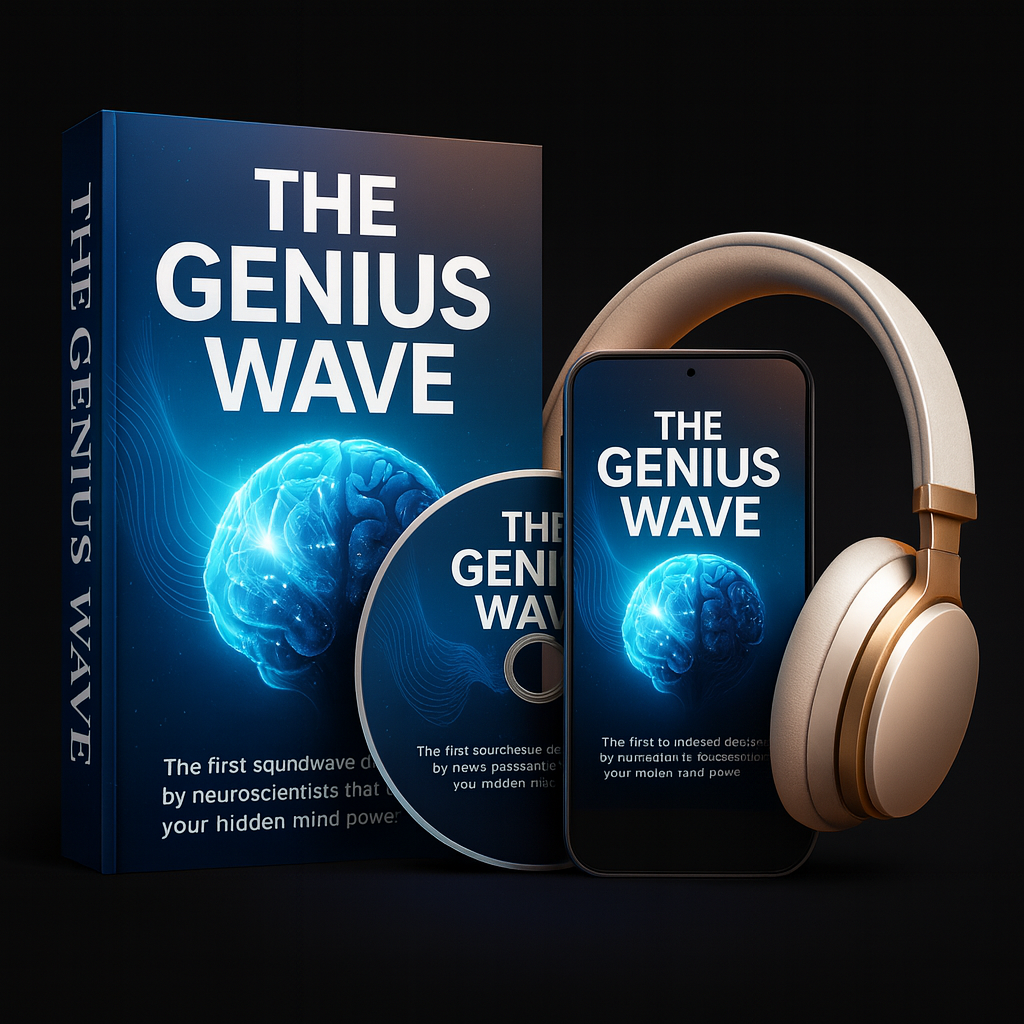
Silence itself can feel intimidating for overstimulated minds. That’s where gentle audio entrainment comes in. Programs such as Clearer Focus Daily Audio use subtle rhythmic tones to guide brainwaves into relaxed alpha states without distraction. It’s the neuroscience-equivalent of clearing browser tabs in your mind.
The Physiology of Focus Recovery
When you pause intentionally, your nervous system shifts from sympathetic (drive) to parasympathetic (recovery) mode. This “vagal switch” slows heart rate, steadies breath, and rebalances dopamine. That’s why a 90-second pause can produce the same neurochemical benefits as a 15-minute meditation session.
Harvard researchers report that micro-rest cycles throughout the day reduce burnout by over 40 percent and improve decision accuracy. It’s not about meditating for an hour—it’s about creating a rhythm of rest.
The Psychology of Flow and Morning Momentum
Micro-pauses prime your mind for flow—the state where attention, emotion, and effort align. When you rest briefly after focused work, you create the conditions for insight. The brain shifts from linear to associative thinking, connecting ideas that seemed unrelated moments earlier.
That’s why some of the world’s most creative thinkers—from Einstein to modern neuroscientists—build intentional pauses into their work routines. It’s a science-backed form of mental maintenance that turns downtime into breakthrough time.
Integrating the Science of Stillness Into Daily Life
You don’t need a quiet retreat to apply this science. All it takes is intention. Start by scheduling micro-pauses into natural transitions—before opening email, between tasks, or after meetings. Pair each pause with slow breathing or gentle sound guidance. The goal isn’t to empty your mind; it’s to let it breathe.
Within days, you’ll notice better retention and decision clarity. Within weeks, you’ll feel a more stable attention span and mood resilience. Stillness isn’t escapism—it’s optimization.
How Short Pauses Rewire Neural Networks
Every pause creates space for neuroplasticity—the brain’s ability to reshape itself. During quiet moments, neurons that fire together strengthen their connections. It’s a biological feedback loop: rest makes you more adaptive, and adaptability makes you more resilient.
In 2025, research from the University of Oxford highlighted that workers who took micro-pauses after intense focus tasks improved recall speed by 22 percent and reported less mental fatigue. These short resets literally train the brain to focus again faster after distraction.
Practical Ways to Use Stillness in the Digital Age
- Use audio cues: Set a soft chime every 90 minutes as a reminder to pause and breathe.
- Try 3-minute resets: Follow a sound-based focus reset method to recover clarity between tasks.
- Step into light: Natural daylight signals the brain to regulate circadian rhythms and dopamine levels.
- Micro-journal: Write a single line about what you noticed in silence to lock in awareness.
The Power of the 3-Minute Reset
Neuroscientists now call this the “cognitive reset effect.” It explains why brief sound-assisted pauses can restore mental clarity faster than long vacations. When your brain learns that calm is accessible on demand, stress loses its hold.
Try the 3-Minute Focus Reset Audio →
3-minute guided audio • No apps • 90-day money-back guarantee
The Hidden Science of Restorative Attention
Why Rest Helps the Brain Remember
One of the most overlooked discoveries in neuroscience is that your brain’s best ideas often appear during mental downtime. When you pause, the attention system doesn’t shut off—it reconfigures. The default mode network, once thought to be “idle,” is actually the source of spontaneous insight and emotional integration. This is why a short walk or even a minute of silence after a tough task often leads to an “aha” moment.
In 2024, researchers from Cambridge University found that structured micro-pauses increased creative problem-solving accuracy by 26 percent compared to continuous focus. They described it as restorative attention—a neural reset that allows the prefrontal cortex to recover from sustained control demands. When the brain gets this chance to breathe, your ability to connect information improves dramatically.
How to Apply the Science of Stillness Daily
These findings help explain why many high performers schedule “white space” between meetings. It isn’t indulgence—it’s infrastructure for clarity. Each pause clears cognitive residue so new data can be processed cleanly. The science of stillness therefore extends beyond relaxation; it’s a practical performance enhancer.
Practically speaking, aim for a 2-to-1 ratio between focus and stillness. For every two hours of deep work, include at least one intentional reset. Whether it’s stepping outside for light exposure or listening to a 3-minute sound-based focus reset, these intervals maintain neurotransmitter balance and prevent dopamine depletion. Think of them as pit stops for the mind’s engine.
There’s also a psychological layer. Restorative attention fosters metacognition—the ability to think about your thinking. When you notice your mental state instead of reacting to it, you strengthen the anterior cingulate cortex, the brain’s internal “coach.” Over time, these brief reflections rewire emotional regulation circuits, making calm focus your default setting rather than a forced state.
The takeaway is clear: every pause is productive when it’s intentional. By weaving the science of stillness into your schedule, you’re not slowing down—you’re optimizing the machinery of awareness itself.
Expert Reflection: Stillness as the New Productivity
After two decades of studying neuroplasticity and attention cycles, scientists agree: focus isn’t a resource you spend—it’s a state you replenish. Stillness is how the brain recovers from its own brilliance. Those who master the rhythm of rest perform better and burn out less.
Jeremy Jarvis, author of The Power of Clarity
When you begin seeing stillness as skill training rather than time off, your productivity transforms from push to flow. That’s the true science of stillness—the art of restoring clarity before you lose it.
<!– ==============================
More Focus & Clarity Guides
Why Modern Brains Need Focus Recovery — And How 3 Minutes Can Help
The 3-Minute Sound Ritual That Clears Mental Clutter (2025 Guide)
5 Morning Mind Hacks Neuroscientists Use for Instant Clarity (2025 Edition)
How to Reset Your Dopamine for Focus and Clarity — Without Quitting Tech (2025 Guide)
How to Rewire Your Brain for Calm Focus (2025 Science-Backed Morning Rituals)
These connected guides form part of Mind Clarity Hub’s Focus Reset Series 2025 — evidence-based tools for a calmer, sharper mind.
Frequently Asked Questions
How often should I take micro-pauses?
Experts recommend brief pauses every 90 minutes of focused work. Even 60 seconds is enough to restore attention networks.
Can I combine stillness with audio focus tools?
Yes. Pairing stillness with gentle sound entrainment deepens relaxation and extends focus duration.
What’s the difference between stillness and meditation?
Stillness is short and physiological; meditation is longer and cognitive. Micro-pauses target recovery, not transcendence.
Does this help with screen fatigue?
Absolutely. Frequent pauses reset ocular and attentional systems strained by constant screens.
How fast will I feel results?
Most people notice improved mental clarity within three days of consistent practice.
Featured Reviews

The Genius Wave Review
Sound-based brainwave training tested for focus & productivity.

Ikaria Lean Belly Juice Review
Deep dive into ingredients, evidence, refund policy & safety.


The Genius Wave Review
Sound-based brainwave training tested for focus & productivity.
Ikaria Lean Belly Juice Review
Deep dive into ingredients, evidence, refund policy & safety.
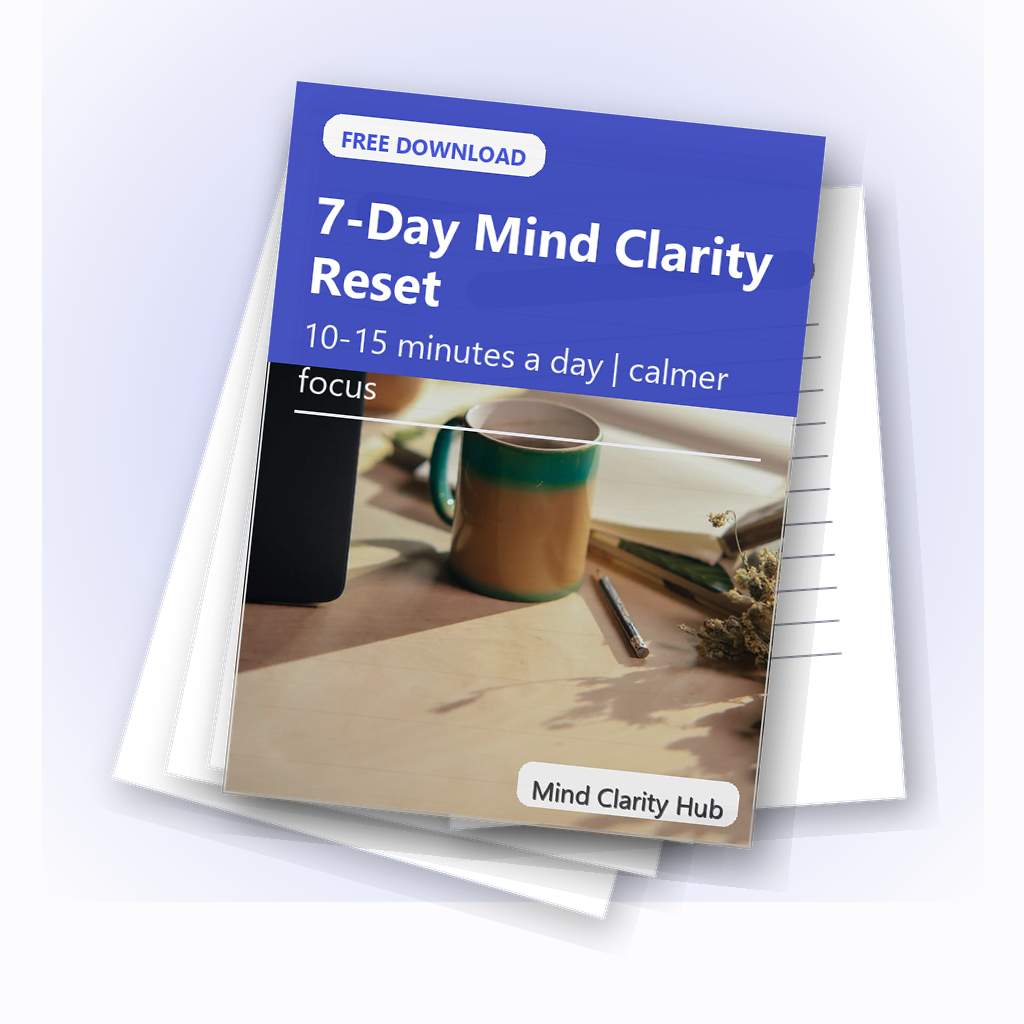
Free download: 7-Day Mind Clarity Reset
A short daily reset you can actually stick with (no fluff).
Helpful resources for your next step
Affiliate disclosure: As an Amazon Associate, Mind Clarity Hub may earn from qualifying purchases at no extra cost to you. Use this link only if it genuinely helps your planning.
If The Science of Stillness: Why Micro-Pauses Boost Brain Performance (2025 Guide is a routine you want to keep using, a simple workbook, planner, or desk tool can make the steps easier to repeat.
Compare related planners, workbooks, and organization tools on Amazon.
