...

Tag: home organization

  • Calm Home Organization Habits for Small Spaces and Busy Weeks

    Calm Home Organization Habits for Small Spaces and Busy Weeks

    Small space living does not need to feel frantic. With calm home organization habits, your rooms can reset fast even on your busiest weeks. This guide gives you clear steps, short routines, and light tools that help you keep surfaces clear, put daily items on autopilot, and free your attention for what matters.

    Because clutter adds stress and visual noise, a calmer system should be simple, repeatable, and easy to restart after a long day. You will find quick wins you can do in five minutes, and a weekly reset that never takes your whole weekend.

    Key takeaways for calm home organization habits

    • Start with one small “reset zone” and one repeatable cue. Keep it the same every day.
    • Use open containers at eye level for daily items. Hide only what you use weekly or less.
    • Plan a 45-minute weekly reset with three clear blocks: surfaces, laundry loop, floors.
    • Measure progress by speed to reset, not hours spent organizing.
    • Choose light steps you can keep on your most tired days. Consistency beats intensity.

    What are calm home organization habits?

    Calm home organization habits are small, high-return routines that lower friction and make tidying almost automatic. They use simple cues, tiny steps, and visible storage so your home resets itself with less thought. Instead of a big weekend overhaul, you lean on short bursts you can repeat on busy days.

    Put plainly, these habits make the next action obvious. You hang the bag without thinking. You see the tray and drop the keys. You run a quick surface pass and move on with your night. As you repeat these micro steps, rooms hold their shape with less effort.

    Why small spaces and busy weeks need a calmer plan

    In tight rooms, every item competes for visual attention. Research shows that visual clutter can tax your brain and reduce focus. For example, work from Princeton Neuroscience suggests that multiple visual inputs can limit how well you process information and stay on task (Princeton Neuroscience Institute). In addition, earlier UCLA fieldwork linked home clutter with higher stress markers in families (household chaos and executive function research).

    Sleep also affects how well you stick to routines. A calm, tidy bedroom supports healthy sleep hygiene and a smoother morning (Sleep Foundation). As a result, a calmer plan focuses on quick resets, less decision-making, and containers that make the next tidy step obvious. And because small spaces have low margins, the plan favors gentle daily care over rare deep sessions.

    Calm home organization habits for small spaces

    Use small, repeatable actions. Keep steps obvious and visible, and let containers signal where items land. Below is a pocket-time menu you can use any day.

    Pocket-time reset menu
    Time Do this Why it helps
    1 minute Hang keys and bag on one hook. Prevents entry clutter every day.
    3 minutes Clear and wipe one counter edge to edge. Visible surface wins anchor the habit.
    5 minutes Start a “laundry loop”: collect, start, set a finish reminder. Ends piles, creates flow.
    10 minutes Do a “daily dash”: set a timer and return all out-of-place items. Fast resets keep rooms usable.
    15 minutes Declutter one container: keep, move, recycle, trash. One-bin focus avoids overwhelm.

    How do calm home organization habits reduce stress?

    They cut choices and make the next step obvious. Also, they limit visual noise by giving every daily item a visible “home.” Because you run short resets more often, messes never grow into weekend projects. Therefore, your brain loads less, you switch tasks less, and you finish more.

    In practice, you spend fewer minutes hunting for tools and more minutes using them. You avoid decision fatigue because the path is clear: hook, tray, bin, wipe, done. And when you slip, the first step back is so small you can take it at once.

    Set your foundation: a visible home for daily items

    Start with a “reset zone” where clutter lands first: the entry, desk, kitchen counter, or nightstand. Give that zone an open tray or bin for keys, phone, wallet, mail, and earbuds. Label lightly if you share the space.

    • Open beats closed for daily items. You will use what you can see.
    • One hook per person for bags or coats. Add a second hook only if the first is full for a week.
    • Use small trays, not big baskets, so items do not spread.

    Tidy white desk with a tray and plant that shows calm home organization habits.
    A small, calm workspace uses one tray for daily items and keeps surfaces clear. Photo by Hanna Pad via Pexels.

    Containers that guide calm home organization habits

    Small-space containers: what to use where
    Container Best for Why it works
    Shallow tray Keys, earbuds, wallet Keeps small items visible and corralled.
    Open bin Mail, returns, library books Signals “action soon,” prevents pile spread.
    Vertical file Active papers Stores upright to reduce surface sprawl.
    Over-door hooks Bags, jackets Adds storage without drilling or bulk.
    Under-bed box Off-season clothes Hides low-use items, frees closet space.

    Micro routines that build calm home organization habits

    Stack tiny cues to make order the default. For example, link “hang bag” to “lock door,” or “wipe counter” to “start kettle.” Because the cue already happens, the new step rides along.

    • Entry reset: hook bag, drop keys in tray, sort mail for 60 seconds.
    • Desk reset: close tabs, file one paper, clear and wipe desk edges.
    • Kitchen reset: load or start the dishwasher, swipe counters, set a clean sink cue.
    • Laundry loop: collect, start a load, move when the reminder pings, fold once warm.

    These calm home organization habits work even when you are tired because the start line is short and obvious. First, you take the smallest step. Next, the next step feels natural, not forced.

    Which calm organizing habits fit 5, 10, or 20 minutes?

    Pick the smallest step that unlocks the next step. The menu below removes guesswork and keeps you moving without stress.

    Pick-a-reset by time block
    Time Reset task Next unlocks
    5 minutes Clear and wipe sink; soak anything stubborn. Dishwasher run or a fresh start in the morning.
    10 minutes Return all items to their open bins in the living room. Floor space for a quick sweep.
    15 minutes Fold a warm load while standing. Drawers that close, fewer piles on chairs.
    20 minutes Declutter one hot spot: entry ledge, coffee table, bedside. Lower visual noise in your busiest zone.

    Weekly reset you can keep in 45 minutes

    Instead of a marathon clean, use three tight blocks. Set a gentle timer, play calm music, and move with light steps. Meanwhile, keep a small donate bag handy.

    45-minute weekly reset plan
    Block Time Actions
    Surfaces 15 min Clear counters and tables, wipe, recycle obvious junk mail.
    Laundry loop 15 min Move washer → dryer, fold warm load, lay out next wash.
    Floors 15 min Quick vacuum or sweep paths and entry.

    If you miss a block, do not scrap the plan. Instead, run one block today and one tomorrow. This short loop restores order fast and leaves energy for the week ahead.

    Storage that supports calm home organization habits

    Choose storage that makes today’s actions easy and tomorrow’s resets faster. Also, use vertical space, doors, and under-bed spots for low-use items. Finally, keep labels light and friendly.

    Small-space storage options: pros and watch-outs
    Option Pros Watch-outs
    Wall shelves Free floor space, add style Overloading creates visual noise—leave space between items.
    Rolling cart Mobile, zones tools by task Needs a parking spot; keep top shelf minimal.
    Over-door rack Zero-install vertical storage Can slam; pad hooks and avoid overstuffing.
    Bed risers + bins Big capacity, hidden look Label sides; choose wheels for easy access.
    Clear drawer dividers Each item has a home Keep sizes simple to avoid Tetris.
    Minimal desk with neatly arranged stationery and clear zones for calm organization.
    Use trays and clear dividers to define small zones. Photo by Jess Bailey Designs via Pexels.

    Can roommates and kids follow calm home organization habits?

    Yes—if the system is light, visible, and forgiving. For example, make it easy to do the right thing: one hook per person, one tray per person, and a bin with a clear label. Because the steps are obvious, you do less reminding and more reinforcing. In addition, keep a “good enough” rule: items land in the right bin, not the perfect spot.

    To build buy-in, agree on one shared cue and one shared win. For instance, set the same timer tone for the nightly “3-minute floor sweep,” and celebrate the clear path at the end. Small, shared victories turn into shared norms.

    Start here: calm home organization habits when overwhelmed

    Start where you stand and win the first five minutes. Clear one small surface you see often. Set a cue you already do, like brewing coffee. Also, set a gentle timer and stop when it ends. Tomorrow, repeat in the same zone. Therefore, the routine grows without pressure.

    If the space feels stuck, remove only what blocks use. Then stop. A tiny gain you keep is worth more than a big clean you redo next week.

    Fall behind? Reset with calm organizing habits

    Use the 5–10–20 menu. Pick the smallest step and do it now. Because you built visible homes for daily items, a quick return-to-bin sweep restores order fast. Finally, forgive the week and reset on your next 45-minute block.

    Also, plan a “bounce-back” script: “I missed two days. Today I will clear the sink and run the laundry loop. Tomorrow I will sweep paths.” Scripts cut blame and spark action.

    How many containers do I need?

    Use fewer, more obvious containers. One tray per hot spot. One open bin per person for fast returns. If a bin overflows for a week, add one more—or remove the least-used items to a hidden box.

    As a rule, stop at 80% full. Space to spare makes every reset quicker and calmer.

    Tiny daily resets you can watch

    Here is a short video with simple daily habits that match this guide’s approach.

    If the embed is blocked, you can watch it on YouTube: 10 tiny habits for a clean and clutter-free home.

    Room-by-room quick wins

    Entry

    • Mount a row of hooks. One per person plus one for guests.
    • Add a letter tray: top for “in,” bottom for “out.”
    • Place a small shoe rack with a strict limit.

    Living room

    • Use a lidded ottoman to hide blankets and remotes.
    • Keep one open bin for kids’ toys; rotate weekly.
    • Do a 3-minute floor sweep each night.

    Kitchen

    • Store daily mugs and plates on the lowest shelf.
    • Use a vertical file for cutting boards and trays.
    • Run or empty the dishwasher before bed for a clean-sink cue.

    Bedroom

    • Clear nightstands; use a small dish for glasses and rings.
    • Fold warm laundry at the bed, then put away at once.
    • Make the bed in one minute for a quick visual reset.

    Bathroom

    • Hang a mesh pouch on the shower rod for daily bottles; keep extras under the sink.
    • Use a magnetic strip inside a cabinet for tweezers and nail tools.
    • Wipe the mirror and tap handles with a microfiber after each use.

    Closet

    • Group clothes by “work, out, rest.” Keep the front rail for the next seven days.
    • Use slim hangers and one labeled bin for accessories.
    • Keep a small donate bag on the closet floor; drop in one item per week.

    Workspace

    • Stand a vertical file on the desk for “today, this week, later.”
    • End the day with a 2-minute tab close and cord wrap.
    • Park your notebook and pen in the same tray corner.

    Measure success with calm home organization habits

    • Time-to-reset: how long it takes to clear a counter or desk.
    • Restart ease: how fast you can relaunch the routine after travel or illness.
    • Visual calm: how open your main surfaces feel at day’s end.

    Track wins in a simple note. For example, “Sink reset in 3 minutes,” “Laundry loop complete by 8:10 p.m.” Small proof builds steady belief.

    Simple rules that keep you moving

    • One-in, one-out for tools and containers.
    • Daily items live in open view. Weekly items live behind doors. Rare items live under the bed or on the highest shelf.
    • Stop at 80% full. Space to spare speeds resets.

    Also, place limits in plain sight. A bin with a label that says “Towels: 6” reduces debate and keeps shelves tidy.

    How do calm home organization habits fit a shared home?

    Use friendly labels, open storage, and clear limits. Also, set shared cues: a catchy timer tone, a hook per person, and a weekly reset time that works for everyone. Because the system is visible and easy, others need less coaching to help.

    When space is tight, assign zones by task, not by person. For example, one rolling cart for “homework,” one tray for “mail and returns,” and one bin for “cleaning supplies.” Zones make it simple to see what goes where, even when schedules clash.

    Light declutter, then organize

    Declutter only what blocks daily flow. Then organize what remains. For example, remove duplicates, stained containers, and freebies you do not use. Instead of drama, make it a calm, quick pass that clears space for what you keep.

    Next, right-size storage for the current volume, not the “someday” volume. If you later add more, you can add one more bin. Until then, enjoy the open space.

    Low-stress home routines for mornings and nights

    Bookend your day with short, friendly loops. The aim is not perfection; it is momentum. Choose steps you can keep even on hectic days.

    Morning mini-loop (7 minutes)

    • Open blinds and make the bed (1 minute).
    • Clear and wipe one kitchen surface (2 minutes).
    • Move laundry if the reminder pings (2 minutes).
    • Stage your “launch pad”: keys, bag, bottle (2 minutes).

    Night mini-loop (9 minutes)

    • Run or empty the dishwasher; shine the sink (3 minutes).
    • Return strays to open bins in the living room (3 minutes).
    • Quick sweep of paths and entry (3 minutes).

    If you miss a step, skip it and sleep. Because the loops are short, you can restart tomorrow without dread.

    Paper and digital flow for peaceful home organization

    Paper piles and messy desktops drain focus. Build a simple flow that clears both. Keep tools close, names plain, and steps short.

    Paper inbox (3 slots)

    • In: today’s mail and school notes.
    • Pay: bills and forms due this week.
    • Out: returns, drop-offs, library books.

    Stand the inbox near the entry. Sort for one minute when you arrive. Schedule bill pay during your weekly reset surfaces block.

    Digital desktop (5-minute sweep)

    • Delete obvious downloads and duplicates.
    • Move receipts and statements into one “2026 Receipts” folder.
    • Rename files with “date-topic” so you can search fast.

    Store reference-only papers out of sight. Keep only “active” items at hand. This keeps your eyes calm and your steps clear.

    Kitchen prep and a capsule cleaning kit

    Make chores lighter by staging tools where you use them. A small, repeatable kit reduces trips and speeds resets.

    Capsule cleaning kit loadout

    • Two microfiber cloths (one light, one dark).
    • Small spray bottle with a gentle all-purpose cleaner.
    • Dish brush and a scraper.
    • Compact broom or handheld vacuum for quick paths.
    • Mesh caddy that hangs on a hook or cart.

    Park the kit where you clean most. After use, reload cloths and return the caddy to its hook. Because tools live in one simple spot, you start faster and finish sooner.

    Bathroom and closet wins in small spaces

    These tight rooms benefit the most from vertical space and clear limits. Set them once, and many small choices disappear.

    • Mount a single over-door rack for robes and towels. Label hooks if you share.
    • Limit makeup or grooming items to one small tray; store backstock in a labeled bin.
    • Use under-shelf baskets to double short shelves.
    • Create a tiny capsule wardrobe rail for the next week’s outfits.
    • Keep one hamper per person, right where clothes change.

    Troubleshooting that keeps routines steady

    When a step fails, shrink it. If a bin overflows, lower the limit or add a second, smaller bin. If a hook stays empty, move it two inches or swap its task. Small tweaks remove friction.

    • If you forget the laundry loop, place the hamper where you trip on it (near the door) and set a phone reminder.
    • If counters attract piles, place a labeled “Action” tray and schedule a 3-minute sort after dinner.
    • If shared tools wander, add a bright tag and a photo label where they live.

    Above all, treat the system as a draft. Adjust once each week. Because your life shifts, your setup should flex with it.

    FAQs: calm home organization habits

    What are the first two calm home organization habits to try?

    Start with a visible entry reset and a nightly sink reset. Hook your bag and drop keys in one tray when you get home. Before bed, clear and wipe the sink, then run or empty the dishwasher. These two tiny wins unlock faster mornings and set the tone for your weekly reset.

    How can I keep my counters clear in a small kitchen?

    Limit counters to “always used” items only: electric kettle or coffee maker, cutting board, and one utensil jar. Put everything else in drawers or an over-door rack. Then do a 3-minute wipe and return-to-bin each night so you wake to a clear start.

    How do I reset after a chaotic week without losing Saturday?

    Run the 45-minute weekly reset. Clear surfaces for 15 minutes, run the laundry loop for 15 minutes, and sweep or vacuum paths for 15 minutes. If you need more, repeat the loop tomorrow. Short, calm repeats beat a single long session.


    Make calm home organization habits stick this month

    1. Pick one reset zone (entry or sink) and one cue.
    2. Place open containers at eye level where you stand to use them.
    3. Schedule a 45-minute weekly reset on your lightest evening.
    4. Track time-to-reset for one surface; aim to cut it in half.

    Put the plan where you can see it. A simple note on the fridge keeps the loop top of mind and easy to start.

    Keep learning and build your reading plan

    For deeper, steady progress, explore our book hub and our latest reviews. You will find practical, low-stress reads that fit busy weeks and small-space living.

    If you want a structured next step, start with The Work-Life Reset Workbook for weekly reset prompts and gentle routines, then pair it with Focus Recharged if you want a simple system for protecting attention after your home feels calmer.

    Finally, start small. Pick two calm home organization habits today and let the rest wait. The goal is a home that resets itself, not a home that needs you all weekend.


    Sources: Visual clutter and attention limits (Princeton Neuroscience Institute); home clutter and stress correlates (household chaos and executive function research); healthy bedroom environment for better sleep (Sleep Foundation).

    Helpful resources for your next step

    Affiliate disclosure: As an Amazon Associate, Mind Clarity Hub may earn from qualifying purchases at no extra cost to you. Use this link only if it genuinely helps your planning.

    If Calm Home Organization Habits for Small Spaces and Busy Weeks is a routine you want to keep using, a simple workbook, planner, or desk tool can make the steps easier to repeat.

    Compare related planners, workbooks, and organization tools on Amazon.

  • The Laundry Loop System to Prevent Clothing Pile-Ups

    The Laundry Loop System to Prevent Clothing Pile-Ups

    If your laundry seems to multiply on chairs, the sofa, and the end of your bed, you are not alone. A simple, reliable laundry loop system to prevent clothing pile-ups can end the clutter without eating your weekends. This guide shows you how to build a closed-loop flow from hamper to closet, add basket zoning, and use day-of-week tags so clean clothes do not stall on the last step.

    Key takeaways

    • Build a closed loop: the same sequence every time from hamper to closet, with no open ends.
    • Zone your baskets so every item has a path and a place at each step.
    • Use day-of-week tags to batch, track progress, and prevent stalls.
    • Run a small daily cycle or a steady every‑other‑day loop to match your household size.
    • Keep capacity rules (80% full triggers action) so work stays light and fast.

    Quickstart: finish one closed loop today in 20 minutes

    Here is a fast way to feel the win of a complete loop right now. If you are starting cold, begin with clean dry laundry that is waiting to be folded. This quickstart shows the core pattern in miniature and sets up the laundry loop system to prevent clothing pile-ups going forward.

    1. Sort in place (3 minutes): Make three zones on a table or bed: hang, fold, and re-home (items that belong elsewhere). Stand and sort—do not sit. Keep it brisk.
    2. Fold and hang (10 minutes): Fold tops and bottoms to a simple standard (thirds or halves). Hang items that wrinkle. Skip perfection.
    3. Put away immediately (5 minutes): Walk folded stacks and hangers straight to their final homes. Close the loop. If something blocks you (crowded drawer, no hangers), fix just that friction.
    4. Tag tomorrow (2 minutes): Choose which day you will run your next load. Place a day-of-week tag on your hamper or on a hanger at the front of your closet.

    That is it. You have completed one visible loop. Tomorrow, repeat with a small, easy load and keep momentum. As a result, you will feel early progress and avoid the classic mid-week pile-up.

    Set up your space for smooth flow

    You do not need a big room to run a steady loop. You need a clear path and a few smart tools placed in reach. Set up once, and the work feels lighter every time.

    • Place the surface: Keep a waist-high folding spot within two steps of the dryer. A small wall-mounted shelf or a sturdy cart is enough.
    • Hang close: Add a short rail, a retractable line, or two over-door hooks near the dryer. Keep 10–15 slim hangers there.
    • Stage where you stand: Put a small, person-labeled tote on the folding surface. Fold right into it so the next step is one trip.
    • Use a narrow cart: A three-tier cart can hold detergent, mesh bags, a lint brush, and a marker for quick label fixes.
    • Light it well: Good light speeds sorting and spot checks. A small LED puck light helps in dark corners.
    • Vent and safety: Clean lint often, keep detergents high or latched, and never block doors or walkways.

    Make the space obvious. Tape a small “Hamper → Sort → Wash → Dry → Stage → Put Away” card where you can see it. This keeps your laundry loop system to prevent clothing pile-ups on track, even when you are tired.

    What is a closed-loop laundry routine?

    A laundry loop is a repeatable, closed sequence that moves clothes from hamper to closet without delays. Instead of big weekend marathons, you run small, rapid cycles that always end with clothes put away. The loop thrives on predictable triggers (like a day-of-week tag or an 80% full basket) and friction-free stages. Because the steps are short, you can weave them into busy days and still finish.

    Why a laundry loop system to prevent clothing pile-ups works

    Pile-ups happen when one stage (often folding or putting away) gets skipped. A laundry loop system to prevent clothing pile-ups solves this by defining each stage and locking in a tiny, non-negotiable final step: return clothes to their homes. Also, the loop reduces decision fatigue. You do not ask, “Do I feel like folding?” You just do the next tiny step. Research on habit formation suggests consistent cues and repetition make small routines stick over time (UCL habit formation overview).

    In addition, small daily loads help machines work efficiently, and modern high‑efficiency washers are designed for frequent use with proper sorting and settings (ENERGY STAR clothes washer guidance). Meanwhile, good hygiene tips—like washing with the right temperature for soil level and drying items fully—keep musty smells from creating rework (CDC laundry hygiene).

    From hamper to closet: stages in a hamper-to-closet laundry loop

    Use this map to set up every step and the tools you need. Build the simplest version first. Over time you can add improvements like day tags or hanging stations. This practical map keeps the laundry loop system to prevent clothing pile-ups simple and visible.

    Stage Trigger Action Tools/Notes
    Hamper 80% full or day tag Carry to sort spot Breathable hamper; mesh bag for delicates
    Sort Timer (3–5 min) Lights, darks, linens, delicates Color‑safe routine; quick visual sort
    Wash Start button Right cycle and dose HE detergent; avoid over-dosing; follow labels
    Dry Move within 15 min Tumble or hang dry Clean lint trap; use low heat for delicates
    Stage When dry cycle ends Fold/hang immediately Flat surface; hangers ready; small basket per person
    Put Away Before leaving the room Walk to closet/drawers Route planned; no detours; door-to-drawer in one trip
    Close Loop Empty basket Return empty basket to start Visual reset proves you are finished

    Laundry math: right load size and cadence

    Match load size to your people and your week. The goal is small, steady cycles that you can finish the same day. Use this quick guide to right-size your loop.

    Household Loads per week Minutes per day (avg) Notes
    1 person 3–4 15–20 Every other day works; combine towels with lights/darks as needed.
    2 people 5–6 20–25 Alternate lights/darks; keep towels/linens on a fixed tag day.
    Family of 3–4 7–9 25–35 Daily micro‑load; assign color+day per person to keep loads small.
    Family of 5+ 10–12 35–45 Two short cycles on two days, plus a linens day, often beats one marathon.

    Track for one week: note start/stop times and any stalls. If a step often delays you, shrink the load or move a tool closer. Match cadence to your laundry loop system to prevent clothing pile-ups and you will stay ahead with less effort.

    Basket zoning for a closed-loop laundry routine

    Basket zoning means you assign baskets to roles, not just to rooms. Each stage gets its own container so items keep moving. Because baskets signal location and purpose, you touch clothes fewer times and never “park” a pile.

    • Sort baskets: Lights, darks, linens, delicates. Keep them nested near the washer.
    • Stage baskets: One small tote per person for clean items leaving the dryer.
    • Return baskets: Lightweight carriers that only move empty from closets back to the start.

    To reinforce flow, label baskets with big, clear words. Or, use colored tape bands. With basket zoning in place, a laundry loop system to prevent clothing pile-ups becomes the house default, not a special sprint.

    Day-of-week tags in a laundry system to stop clothing pile-ups

    Day tags give you a cue you can see. Place a small, color-coded tag (or rubber band with a labeled card) on the hamper handle, or hang a tag on the first closet hanger. The tag shows which load runs today and which stage you are on. For families, give each person a color and a day so loads stay small and fast. As a result, you reduce bottlenecks and stop the weekend avalanche.

    Keep tags simple. For example:

    • Mon: darks
    • Tue: lights
    • Thu: linens/towels

    Add tiny checkboxes (“Sort / Wash / Dry / Stage / Put Away”) under each weekday on the card. Check them with a pencil as you move. The small reward of a checked box helps the habit stick. If you prefer digital, set repeating reminders tied to your real day (after dinner, or right before school pickup).

    Safety note: Store detergents and packets out of reach of children; laundry pods can be dangerous if swallowed (CPSC detergent packet safety).

    Stack of neatly folded blue jeans staged in a basket zone for fast put-away.
    Stage baskets keep items moving. Photo: Castorly Stock via Pexels.
    Rubber bands for day-of-week tags in a laundry loop system to prevent clothing pile-ups.
    Low-cost day tags: rubber bands and index cards. Photo: Pixabay via Pexels.

    Capacity rules for a laundry system to stop clothing pile-ups

    Set a simple rule: when a basket hits about 80% full, you run the next step. Why 80%? It keeps loads manageable, reduces re-washing from smells, and makes carrying safer. Also, small frequent loads reduce decision friction and help your machines run efficiently when paired with the right settings (ENERGY STAR guidance).

    Use a strip of colored tape around the hamper to mark the 80% line. That way, anyone in the home can act when it is time. If weekend sports or work uniforms create spikes, add a bonus tag (“gear wash”) that jumps the line when needed.

    Settings that support your hamper-to-closet laundry loop

    • Soil level: Use normal for most clothes; heavy for very dirty items.
    • Water temperature: Warm for most, cold for brights/darks, hot for linens if the care label allows (CDC laundry basics).
    • Detergent: Use HE at the measured dose; over-dosing leaves residue.
    • Dryer: Clean the lint filter every cycle to speed drying and reduce energy.

    For fewer wrinkles, choose a shorter, gentler dry and remove items while warm. Hang shirts, dresses, and pants right away. If an item needs de-wrinkling, toss it back with a damp washcloth for five minutes and hang.

    Daily loop or batch days for a closed-loop laundry routine?

    Choose the smallest consistent plan you can keep. A steady daily loop fits 2–4 people well. A batch-two-days plan can work for solo or duo households. Use the table to compare. Either choice keeps the laundry loop system to prevent clothing pile-ups running with low friction.

    Plan Pros Cons Best for
    Daily micro‑load Low piles, fast habit, easy to recover Needs near‑daily attention Families, busy weekdays
    Every other day Less frequent starts, still small Can stack up if a day is skipped 1–2 people, variable schedules
    Two batch days Predictable blocks Higher weekend risk of stalls Shift work, tight weekday time

    Morning or evening? If mornings are calmer, start the washer after breakfast and aim to fold after dinner. If evenings are busy, wash right after work and fold during a set TV break. Tie the step to a habit you already do so the cue is obvious.

    Sorting rules for a laundry system to stop clothing pile-ups

    Sorting does not have to be complex. Keep it visual and quick. You can refine later if you have specialty fabrics.

    • Darks vs. lights
    • Linens/towels separate (hotter water if allowed)
    • Delicates in mesh bags

    Because you are running smaller loads, borderline items are less risky. However, always follow care labels. When in doubt, wash cold and hang dry.

    Make pre‑treat easy: keep a small brush and a stain stick by the hamper. Mark a tiny “spot” dot on the care tag with a washable marker to remind yourself which item needs attention.

    Stage smarter in your hamper-to-closet laundry loop

    Staging is where many people stall. Make the surface and tools so obvious that you cannot forget. Keep hangers within arm’s reach. Place a small person‑labeled tote on the folding surface. Fold into the tote; hang from a rail or door hook. Then walk once to each room and put away. A laundry loop system to prevent clothing pile-ups depends on this quick, final handoff.

    Road‑test your route: start at the dryer, fold five items, hang three, and walk the tote to its room. If you hit a snag (a stuck drawer or crowded shelf), pause for 5–10 minutes and fix just that spot. Small fixes speed every future loop.

    Speed boosts for drying and finishing

    • Spin at higher RPM if your washer supports it; clothes enter the dryer drier.
    • Dry similar weights together so cycles finish at the same time.
    • Remove shirts and pants while slightly warm to smooth by hand and hang.
    • Clean lint trap every cycle to keep airflow high (ENERGY STAR dryer basics).

    Keep a small timer next to the machine and set it for “wash end” and “dry end.” A gentle chime is enough. When the timer rings, act before you answer a text or open another app.

    Share the hamper-to-closet laundry loop at home

    Assign roles that match ages and abilities. Kids can sort by color, carry small totes, and match socks. Teens can run full cycles. Clear roles help your laundry loop system to prevent clothing pile-ups survive busy weeks. For age‑appropriate chore ideas, see guidance from the American Academy of Pediatrics (AAP chore suggestions).

    Make it fair and visible: post a simple chart on the wall. Example: “Mon—Alex: start wash; Jamie: fold and put away.” Rotate weekly. Add a tiny reward for a 100% loop week (pick the Friday movie, or choose Saturday breakfast).

    If you use a laundromat or shared machines

    You can still run a clean loop even if the machines are not in your home. The trick is to prep hard, run small, and avoid stalls between steps.

    • Pack smart: Bring pre‑sorted bags, measured detergent, mesh bags for delicates, and a folding tote per person.
    • Time it: Choose off‑peak hours so you can move loads on schedule. Set two timers: one for wash end, one for dry end.
    • Stage on site: Fold/hang at the table before you leave. Use your person‑labeled totes to keep owners clear.
    • Drive the loop home: Walk totes straight to closets when you enter. Do not set them on the couch.

    With this plan, a laundry loop system to prevent clothing pile-ups works even in shared spaces because you close the loop before another task interrupts you.

    Fixes for a laundry system to stop clothing pile-ups

    Even a good system needs tune‑ups. If you see piles, check these hotspots first. A laundry loop system to prevent clothing pile-ups is resilient when frictions are tiny.

    • No hangers ready: Pre‑stage 10–15 slim hangers near the dryer.
    • Drawer jam: Use a 10‑minute micro‑declutter on the worst drawer.
    • Mixed owners: Label totes by person to stop mid‑hall sorting.
    • Forgotten loads: Set a phone timer for wash end and dry end.
    • Detergent overuse: Measure every time; residue causes rewash.
    • Musty smell: Rewash with the right temp, clean washer gasket, and leave the door open to dry.
    • Wrinkle traps: Pull out shirts at the 90% mark and hang warm.
    • Too many items: Try a mini‑capsule: pause inflow, retire 10 low‑use pieces to reduce folding.

    Your 7‑day activation plan

    Use this tiny plan to lock in the habit. It is light, fast, and forgiving.

    Day Focus Action
    Day 1 Start small Run one micro‑load and finish the loop
    Day 2 Zone baskets Set sort, stage, and return baskets
    Day 3 Tags Create day-of-week tags and assign colors
    Day 4 Frictions Fix one bottleneck (hangers, drawer, timer)
    Day 5 Speed Test a higher spin; prep hangers
    Day 6 Share Assign one role to each person
    Day 7 Review Note wins, adjust tag schedule, celebrate

    Keep notes in a small card taped near the washer. Write one improvement for next week (“Move hangers to wall hook,” “Shift towels to Thursday”). Tiny reviews keep momentum high.

    What about special items?

    Keep special‑care items from clogging the loop. Use a dedicated mesh bag for delicates and a separate hamper for hand‑wash/wool. Run those on a specific tag day (for example, Friday night) so they do not block your main flow. Always follow garment labels and consider air drying to reduce wear.

    For gym gear, rinse or hang to dry right after use, then wash soon. For muddy sports clothes, pre‑rinse with cold water outdoors or in a sink before they hit the hamper. Treat tough stains (grass, oil, makeup) at sort time so you do not have to run a second cycle later.

    Video assist for your closed-loop laundry routine

    Sometimes a small idea—like how to hang a tricky garment—removes a minute of friction. Here is a quick hack that may spark a smoother staging move.

    If the embed does not load, open the video here: This Is A Genius Clothes Hanging Life Hack.

    When to refresh your laundry system to stop clothing pile-ups

    Review your loop at the change of seasons or whenever a life pattern shifts (new job, new baby, school sports). You might add a “gear wash” tag in spring or swap your towel day to match swim lessons. The goal is not perfection; it is a resilient laundry loop system to prevent clothing pile-ups even as life changes.

    More guides to support your hamper-to-closet laundry loop

    Want more practical, steady systems you can keep? Explore the Mind Clarity book hub for titles on habits and home routines, and scan the reviews hub for tools that make small steps easier.

    FAQ: laundry loop system to prevent clothing pile-ups

    What is a laundry loop system to prevent clothing pile-ups?

    It is a closed sequence from hamper to closet that you run the same way each time. It uses small loads, basket zoning, and day-of-week tags so every stage finishes and nothing stalls in a pile.

    How many baskets do I need for the loop?

    Start with five: two for sorting (lights/darks), one for linens, one stage tote per person, and one return basket. Add a mesh bag for delicates.

    Do I still need a big laundry day?

    Usually not. A daily or every‑other‑day micro‑load keeps pace for most homes. Save batch days for bedding or seasonal gear.

    How do I stop clean clothes from camping on the couch?

    Stage near the dryer, not the couch. Fold into person‑labeled totes and walk them straight to closets before you leave the room.

    Can this work in a small apartment?

    Yes. Use slim, stackable baskets and a fold‑down surface. Hang a short rail or over‑door hooks for staging.

    Will this save money or energy?

    Small, well‑sorted loads with the right settings help avoid rewashes and overdrying. Clean the lint trap and use appropriate temperatures to support efficiency (ENERGY STAR).

    One more nudge to finish strong

    Before you leave your laundry area today, complete the loop on one small load and return the empty basket to its start point. That one visual reset proves the system works. Keep repeating small wins, and your laundry loop system to prevent clothing pile-ups will soon feel automatic.

    Helpful resources for your next step

    Affiliate disclosure: As an Amazon Associate, Mind Clarity Hub may earn from qualifying purchases at no extra cost to you. Use this link only if it genuinely helps your planning.

    If The Laundry Loop System to Prevent Clothing Pile-Ups is a routine you want to keep using, a simple workbook, planner, or desk tool can make the steps easier to repeat.

    Compare related planners, workbooks, and organization tools on Amazon.

  • Small Space Reset Routine: A Calm Room-by-Room System

    Small Space Reset Routine: A Calm Room-by-Room System

    When your home is tiny, clutter builds fast. A small space reset routine gives you a simple loop you can finish quickly so each zone feels calm again. In this guide, you will get a clear, room-by-room method, short checklists, and science-backed habits that help the order stick.

    Key takeaways for fast calm

    • A small space reset routine should be short, repeatable, and tied to daily cues like meals or leaving for work.
    • Use a tiny timer (5–15 minutes) per zone to keep momentum and avoid perfectionism.
    • Park a one-bag reset caddy so tools are always within reach.
    • Hide friction: pre-label micro-bins, keep one hook per person at the door, and use a single-swipe surface rule.
    • Protect your future time: assign every object a first home (where it lives) and a second home (temporary drop spot).

    Why this works: short cycles cut decisions, visible homes cut hunting, and staging one item for tomorrow gives a tiny reward. As a result, you finish more often and feel done sooner.

    What is a small space reset routine?

    It is a short sequence you repeat to bring any room back to “ready.” The goal is not deep cleaning. The goal is quick clarity: clear surfaces, reset tools, and restore paths. Because you circle through rooms with the same steps and the same timer, you avoid decision fatigue and reclaim calm in minutes.

    Here is the simple definition you can use today: a reset equals put back, toss/relocate, quick wipe, and stage for next use. That is it. When time is tight, you stop when the timer ends. As a result, you get reliable wins instead of long, stalled cleanups.

    What “ready” looks like in a small home:

    • Surfaces: one clear surface per zone, nothing stacked on the floor.
    • Traffic: doors and main walkways are open and safe.
    • Tools: the next-use item is out and visible (mug, pen, gym shoes).
    • Trash: bag tied and near the exit if it is close to full.

    Think of it as a maintenance loop, not a makeover. With practice, you will notice how visual noise drops within minutes even when square footage is tight.

    Quick-start small space reset routine: 10 minutes tonight

    Start a small space reset routine tonight with this one-room sprint:

    1. Set a 10-minute timer. Stand where you will start tomorrow morning.
    2. Grab a small tote, 2 microfiber cloths, and a trash bag.
    3. Put back anything that has a clear home (no sorting).
    4. Relocate anything that belongs in another room to the tote.
    5. Wipe the most-touched surface (handles, light switch, desk front).
    6. Stage one thing for tomorrow (coffee mug, workout shoes, lunch box).
    7. Stop when the timer ends. Note one friction you can remove.

    Two-day ramp plan:

    • Day 1: Do the sprint above in your highest-traffic zone. Write your biggest friction on a sticky note.
    • Day 2: Repeat the sprint in a second zone. Remove the friction from Day 1 (add a hook, place a tray, label a bin).

    Micro-journal prompt (30 seconds): “What cue did I use? Where did I stall? What one fix will make tomorrow easier?” Keep this note at your start point.

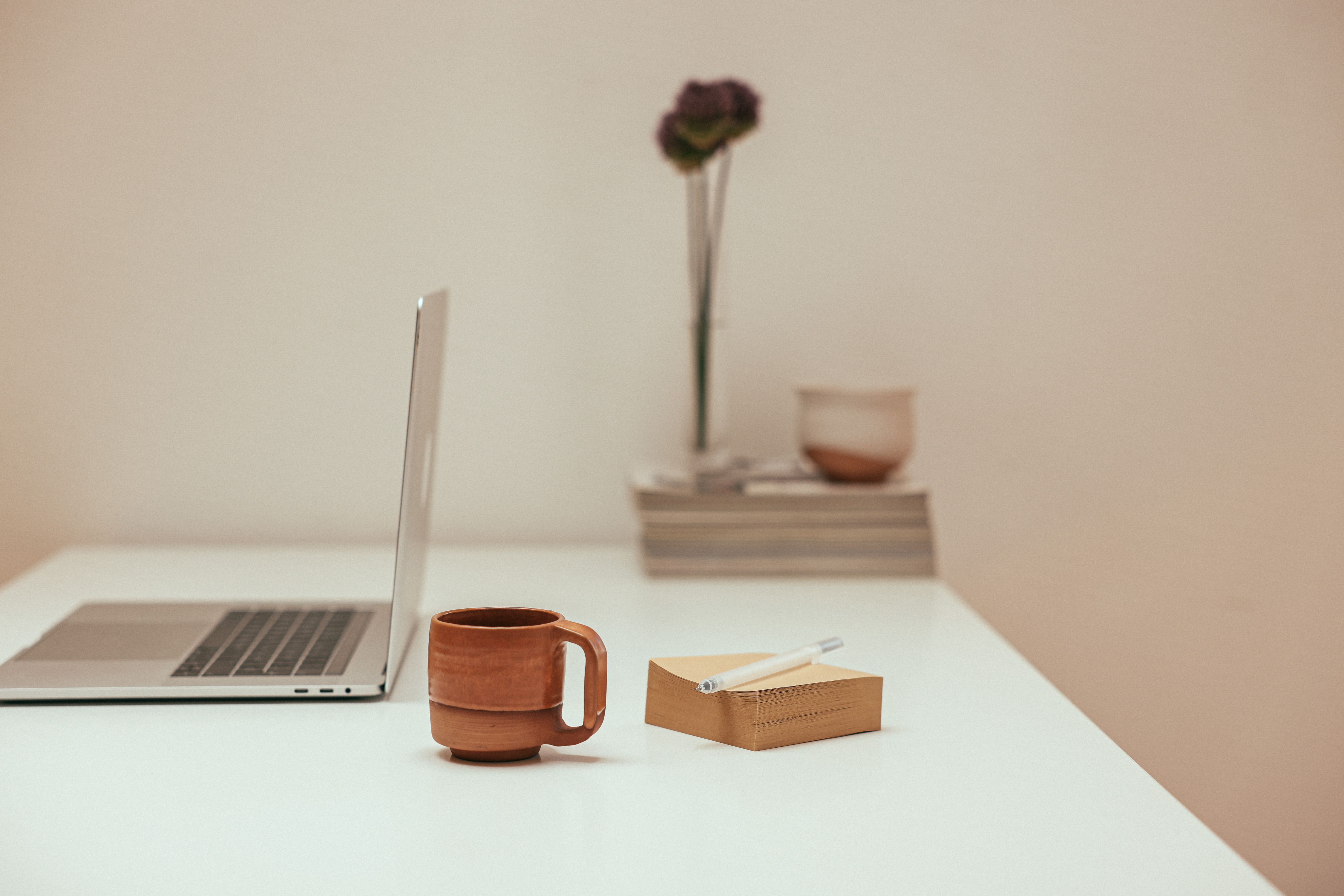
    Desk setup for a small space reset routine with a laptop, mug, pen, and notepad on a white desk.
    A tiny desk is easier to reset when tools are few and visible. Photo by Cup of Couple via Pexels.

    Visual loop for a tiny home reset

    This loop helps you see where you are and what comes next at a glance.

    Make the loop even easier:

    • Keep the tote parked at your first zone so you can begin without walking.
    • Use the same color cloth for the same room to reduce thinking.
    • Play a short song you like; when it ends, you are done.

    Room-by-room small space reset routine method

    Use this flow the same way in each zone. Because the steps never change, your pace improves and your brain stays calm.

    Entry or door zone

    Use your small space reset routine at the door to stop clutter before it spreads.

    • Put back: Shoes to rack, coat to hook, keys to tray.
    • Relocate: Mail to a single magazine file; packages to a staging corner.
    • Swipe: Handle, light switch, and tray.
    • Stage: Umbrella on wet days; gym bag on training days.

    Micro-zones to watch:

    • Hooks: one per person, plus one guest hook if space allows.
    • Landing tray: empty coins and earbuds nightly.
    • Shoe rack: cap pairs per person; extras live in a closed bin.

    60-second version: hang coats, drop keys into tray, tie trash if near full, and wipe the handle strip.

    Kitchenette or kitchen corner

    The small space reset routine for the kitchen is about clear counters and a clean sink start.

    • Put back: Spices, utensils, cutting board.
    • Relocate: Pantry items out of the prep zone.
    • Swipe: Counter, faucet handle, appliance fronts.
    • Stage: Coffee setup or water bottle for morning.

    Micro-zones to watch:

    • Sink: commit to an empty sink at shutdown; air-dry rack stays half-clear.
    • Counter: limit tools to a three-item rule (for example: kettle, knife block, board).
    • Fridge door: keep only daily-use items there for fast access.

    Staging ideas: pre-fill the kettle, load the coffee filter, place a lunch container on the top shelf, or set vitamins near a water bottle.

    Bathroom small space reset routine

    A quick bathroom reset keeps moisture and products from spreading.

    • Put back: Toothbrush, skincare, hair tools in a labeled pouch.
    • Relocate: Laundry to the hamper; extras to a single bin.
    • Swipe: Faucet, handle, and mirror strip.
    • Stage: Fresh towel or morning kit.

    Micro-zones to watch:

    • Shower caddy: limit to daily basics; stash spares in a closed bin.
    • Back-of-door hooks: one towel per person; swap when dampness lingers.
    • Drawer top layer: a small insert holds only the items used this week.

    60-second version: hang towel, cap bottles, wipe faucet edge and one mirror strip.

    Living/work area apartment reset routine

    If your desk is in your living room, a tidy end state boosts focus tomorrow.

    • Put back: Remote, chargers, notebooks to a tray or magazine file.
    • Relocate: Dishes to sink, hobby gear to a tote.
    • Swipe: Coffee table edge, desk surface, keyboard.
    • Stage: Open your planner to the next page and place one pen.

    Micro-zones to watch:

    • Charging station: one power strip and labeled cables to end cord clutter.
    • Paper zone: a single magazine file marked “Action” for bills and forms.
    • Remote tray: add a divider so remotes and earbuds have visible slots.

    60-second version: collect dishes, align remotes, flip planner open, and wipe one table edge.

    Bed or studio corner mini room reset

    In a studio, your bed is a visual anchor. A quick reset prevents stress at bedtime.

    • Put back: Clothing to hooks or the single chair rule (one chair, one outfit max).
    • Relocate: Books you are not reading to shelf or return bin.
    • Swipe: Nightstand and phone face.
    • Stage: Tomorrow’s outfit on one hanger.

    Micro-zones to watch:

    • Nightstand: allow one book, one light, one water glass—no stacks.
    • Under-bed bin: store off-season items; label the short side for easy reach.
    • Chair rule: the chair holds only today’s outfit; clear it nightly.

    60-second version: fold or hang clothing, set a glass on a coaster, place the hanger on the closet knob.

    Area Target time Trigger (cue) Top actions
    Entry 3–5 min When you arrive home Hook, tray, handle wipe, stage bag
    Kitchen 6–10 min Right after dinner Clear sink, counters, stage coffee/water
    Bathroom 4–6 min After evening wash Put back caddy, wipe faucet/mirror strip
    Living/desk 6–10 min Before TV off or at sign-off Tray items, relocate dishes, open planner
    Bed/studio 3–5 min Before lights out One-hanger outfit, clear nightstand
    Calm bedroom corner with soft light and a simple chair beside a bed.
    Soft light, clear surfaces, and one ready item make a room feel done. Photo by ready made via Pexels.

    When should you run a reset?

    Pick one anchor per room. Also, use a short timer. Instead of waiting for a free hour, you stack resets onto moments that already happen.

    Reset type Best daily anchors Why it works
    Entry reset Walk-in or walk-out Objects are already in hand; fast decisions
    Kitchen reset After meals Hot water is ready; fewer dried-on messes
    Bathroom reset After shower Mirror fog shows swipe zones; limited items out
    Desk reset Before shutdown Natural boundary ends work; one-touch filing
    Bed reset Before sleep Signals rest; easier morning start

    Morning vs evening:

    • Morning micro-resets shine for the entry and desk: you can stage your bag and task list fast.
    • Evening micro-resets shine for the kitchen and bathroom: surfaces are already in use.
    • If in doubt, choose the anchor you never skip (for example, “after teeth” or “after dinner”).
    Day Zones Timer Marker of done
    Mon Entry + Kitchen 5 + 8 min Bag staged; kettle filled
    Tue Bathroom + Desk 5 + 7 min Towel hung; planner open
    Wed Kitchen + Bed 8 + 4 min Empty sink; hanger prepped
    Thu Entry + Living 5 + 8 min Keys in tray; remotes aligned
    Fri Flex zone (messiest today) 10–15 min One before/after photo

    Use a weekly flex day for seasonal swings (packages, guests, projects). If life is hectic, run only the first zone on the chart. Some is enough.

    Small space reset routine tools that fit one tote

    Keep a one-bag kit. Because everything lives together, you start faster and stop without hunting for supplies.

    Tool Size Primary use Storage tip
    Two microfiber cloths Small Dry polish, damp wipe Color-code for rooms
    All-purpose spray Travel bottle Quick surface swipe Refill weekly; label clearly
    Disposable gloves Flat pack Bathroom/food messes Keep one pair per reset
    Mini broom or brush Compact Crumbs at entry/kitchen Hang inside closet door
    Zip pouch + labels Flat Tiny parts, hardware, cords One pouch per category
    13-gal trash bag Folded Relocate/toss shuttle Stash 2–3 behind tote

    Optional add-ons (space allowing): a small squeegee for shower glass, a lint roller for soft surfaces, and a folding grabber for high or low reaches. Store add-ons on a single clip ring so you can remove them when you want a lighter kit.

    Safety and surfaces: use gentle cleaners for daily swipes and follow product labels. For general home care guidance, see the CDC’s advice on cleaning your home. Ventilate if products have a scent and keep supplies out of reach of children and pets.

    Habit science for your apartment reset routine

    Habits stick when the behavior is easy, obvious, and tied to a cue. The Fogg Behavior Model shows that when motivation is average, only very easy actions happen. Therefore, keep resets tiny and visible.

    Also, plan the exact “if–then” you will follow. Psychologists call this an implementation intention (for example, “If I turn off the TV, then I clear the coffee table”). This simple line removes guesswork.

    Make the cue hard to miss:

    • Place the tote where your foot will almost touch it at your anchor time.
    • Use a 10-minute sand timer or a kitchen timer with a pleasant chime.
    • Put a tiny checklist on the inside of a cupboard door or near the entry.

    Tracking that takes seconds:

    • Drop one paperclip in a jar per completed room; tip them out on Sunday.
    • Use a sticky note grid: five boxes across for weekdays, one row per room.
    • Take a single “ready” photo per room each week to see real progress.

    Finally, clean in a safe, routine way. For general home care, see the CDC’s guidance on cleaning your home. You do not need harsh methods for daily resets; a gentle, regular swipe is enough for most surfaces.

    See a quick reset in action

    If the video does not load, watch it on YouTube: Sunday reset routine.

    Try watching at 1.25× speed while you run your own 10-minute timer. Mirror the steps, pause if needed, and stop when your timer ends.

    Small space reset routine blockers and fixes

    Blocker Cause Fix
    “Nowhere to put this” No first home set Create a labeled bin; use a second-home tray for in-between
    “Takes too long” Too many steps Cut to four moves: put back, relocate, swipe, stage
    “I forget” Weak cue Attach to a strong daily anchor; place a note at the start point
    “Roommates undo it” Rules not visible Make a 3-rule sign; add one hook/bin per person
    “Paper piles” Mixed categories One magazine file labeled “Action”; clear it at shutdown
    Time/energy Action plan Good enough result
    2–3 minutes Hang coats, clear handles, stage one item Entry looks open; tomorrow is set
    5 minutes Put back + relocate only Surfaces visible again
    10 minutes Full loop: put back, relocate, swipe, stage Room feels done
    15 minutes Full loop + one mini task (empty trash, quick sweep) Room ready and improved

    Renter-friendly tweaks:

    • Use removable hooks for vertical storage in entries and closets.
    • Choose narrow carts on wheels for kitchen or bath and park them in dead corners.
    • Use under-bed boxes with fabric tops to keep dust down without heavy lids.

    Deep clean or small space reset routine first?

    Reset first. Because resets are short, they reduce overwhelm and expose what truly needs deeper work. After a few days of resets, choose one deep-clean task each week when energy is higher.

    Simple deep-clean rotation (one per week):

    • Kitchen: degrease stovetop grates or wipe inside the microwave.
    • Bathroom: scrub shower floor or descale the shower head.
    • Living/desk: dust high shelves or vacuum under the sofa.
    • Entry/bed: wash the door mat or launder pillow covers.

    Keep this list short so it never blocks your daily loop.

    How often is enough?

    Daily is ideal for tiny homes, but the real key is consistency. Pick two to three zones for daily attention and give the rest a weekly reset. Therefore, you keep gains without spending your whole evening cleaning.

    Signals that your frequency is right:

    • You can see at least one clear surface per room without starting a timer.
    • Entry and desk are ready for tomorrow by habit, not by effort.
    • Trash and dishes never surprise you in the morning.

    How do you keep roommates or family on board?

    Keep rules simple and visible. Use one hook and one bin per person at the entry. Also, share a photo of the “done” look for each zone. Then, run a 10-minute group reset before a shared anchor like dinner or a show.

    Shared-space agreements that help:

    • One-in, one-out at the entry tray after 6 p.m.
    • Dish handoff: person who cooks hits the timer while the other clears and stages.
    • Quiet reset: headphones on, timer set, no chatting until the chime.

    Customize your small space reset routine

    • Pick two daily zones and one flex zone (the messiest today).
    • Use a single color label per room so returns are obvious.
    • Give each hobby a tote. If the tote is full, swap before starting a new one.
    • Limit surfaces: if you add a tray, remove a basket.
    • Take one picture of “ready” in each room; copy it weekly.

    Seasonal swaps:

    • Winter: add a boot tray and a glove bin by the door.
    • Spring: place a small mat for plant repotting tools.
    • Summer: keep a beach tote pre-packed on a hook.
    • Fall: rotate a rain kit (umbrella + towel) to the front.

    Make cues personal: attach your loop to habits you already have. Examples: “After tea, clear the desk,” or “After brushing teeth, wipe the faucet and hang towel.”

    A calmer week with tiny anchors

    You do not need more time. You need fewer, clearer moves. When you run your small space reset routine the same way each day, rooms return to ready fast, and your mind has room to think again.

    Next-level idea: keep a 30-day calendar where you mark only the days you start. Streaks grow when starting is easy. Missing a day? Start the next one with a single room and stop at the chime.

    More guides for your next step

    Build a reading list that supports your habits and calm. See the Mind Clarity Books Hub for organization and productivity picks, and visit the Reviews Hub if you like to compare before you buy or borrow.

    FAQ

    What is the difference between a reset and cleaning?

    A reset restores function and clear surfaces fast. Cleaning targets dirt and requires more time and tools. Do a reset daily and clean weekly or as needed.

    How long should a reset take in a studio?

    Most rooms need 5–10 minutes. A full studio often fits in 25–40 minutes when you rotate two daily zones and one flex zone.

    What belongs in my reset caddy?

    Two cloths, a small spray, gloves, a mini brush, labels, a pen, and a folded trash bag. Keep it light so it is easy to grab.

    How do I make a small space reset routine stick?

    Tie it to a strong daily cue, keep steps the same, and end with a visible “stage” action that rewards tomorrow’s self.

    What if I miss a day?

    Start with one room today. Because the steps are tiny, momentum returns fast. Avoid catch-up marathons.

    Helpful resources for your next step

    Affiliate disclosure: As an Amazon Associate, Mind Clarity Hub may earn from qualifying purchases at no extra cost to you. Use this link only if it genuinely helps your planning.

    If Small Space Reset Routine: A Calm Room-by-Room System is a routine you want to keep using, a simple workbook, planner, or desk tool can make the steps easier to repeat.

    Compare related planners, workbooks, and organization tools on Amazon.

confidence hypnotherapy in melbourne.