...

Tag: household systems

  • Fridge Declutter Checklist Organized by Food Safety Priority

    Fridge Declutter Checklist Organized by Food Safety Priority

    This fridge declutter checklist by food safety priority helps you act fast, avoid cross-contamination, and cut waste without guesswork. You will triage the riskiest foods first, reset easy “before/after” zones, and follow a simple reminder cadence so your fridge stays clear week after week.

    Because food safety comes first, keep your refrigerator at 40°F (4°C) or below and your freezer at 0°F (-18°C). That target slows bacterial growth and keeps ready-to-eat foods safer for longer. According to the USDA and CDC, holding foods at the right temperature and storing high-risk items in the right zones are two of the biggest wins you can make today.

    If your fridge tends to become a holding zone for half-used sauces, mystery leftovers, and grocery-day overflow, this guide gives you a repeatable system instead of another one-time cleanout. The goal is not a photo-ready refrigerator. The goal is a calmer kitchen, safer food, and fewer open mental loops every time you reach for breakfast or lunch.

    Key takeaways at a glance

    • Start with the highest risk foods: leftovers, deli meats, cut produce, and raw meat/seafood.
    • Top and middle shelves are for ready-to-eat foods. Bottom shelf is the safe landing zone for raw meat and seafood.
    • Door is warmest. Keep condiments there, not milk or eggs.
    • Label, date, and use a weekly sweep to prevent science projects.
    • Set a 15-minute timer. Small, steady resets beat marathon cleanups.

    Fridge Declutter Checklist by Food Safety Priority: Quick start

    Keep this fridge declutter checklist by food safety priority handy as you work. Also, set a 15-minute timer so the task stays quick and focused.

    • Wash hands. Empty the trash and clear counter space.
    • Check a fridge thermometer. Aim for 40°F (4°C) or below.
    • First pass (Tier 1, ready-to-eat): leftovers, deli meats, cut fruit/veg, soft cheeses. Toss expired, sniffy, or unknown items.
    • Next pass (Tier 2, raw proteins): raw meat, poultry, seafood. Look for leaks, repackage on a tray, and move to the bottom shelf.
    • Then (Tier 3, dairy and prepared sauces, eggs in carton): check dates and quality.
    • After that (Tier 4, whole produce): remove slimy leaves, add paper-towel liners, sort by humidity drawer.
    • Door sweep: condiments only. Group like-with-like and date lids if you often forget open dates.
    • Wipe shelves and gaskets quickly as you go.
    • Set “after” zones: top = ready-to-eat, middle = dairy/leftovers, bottom = raw proteins, drawers = produce, door = condiments.
    • Label one bin “Eat First.” Park all quick-to-spoil items there.

    Why a fridge declutter checklist by food safety priority works

    Different foods carry different risks and storage limits. Ready-to-eat foods (like deli meat or leftovers) can grow Listeria in the fridge if kept too long. Raw meat and seafood can drip and contaminate foods below. Therefore, a safety-first order reduces both illness risk and cleanup time. It also makes weekly upkeep simple because you always check the same tiers in the same order. This fridge declutter checklist by food safety priority keeps the highest risk items visible and contained.

    For temperature and storage basics, see the USDA on refrigeration safety, the FDA on storing foods safely, and the CDC’s core “clean, separate, cook, chill” guidance. These core rules power the simple system below.

    What to check first in a refrigerator declutter checklist by safety priority

    Start with what can make you sick fastest or spoil the soonest. Then move to lower-risk categories. This order keeps you decisive and protects the rest of your food.

    Safety priority tiers for a fast triage
    Tier Category Examples What to do
    1 (Highest RTE risk) Ready-to-eat, quick spoilage Leftovers, deli meats, cut fruit/veg, soft cheeses Toss unknowns. Date and label keepers. Place on top/middle shelves.
    2 (Cross-contam risk) Raw meat, poultry, seafood Chicken, ground beef, fish, shellfish Contain leaks on a tray. Store on bottom shelf. Cook soon or freeze.
    3 Dairy and eggs (in carton) Milk, yogurt, hard cheeses, eggs Check dates and smell. Keep on middle/back shelves, not the door.
    4 Whole produce Leafy greens, berries, apples, carrots Use crisper drawers. Separate ethylene-sensitive items. Add liners.
    5 (Warmest area) Condiments and stable sauces Mustard, ketchup, pickles, hot sauce Door shelves only. Group and rotate. Date lids if you often forget.

    Fridge declutter checklist by food safety priority: before-and-after zones

    Instead of memorizing rules, map your shelves once. Then keep the same map every week. The “after” layout below follows temperature gradients and drip risks.

    • Before: milk in the door, raw chicken on the middle shelf, leftovers under meat trays.
    • After: milk on a back shelf, raw meat on the bottom over a tray, leftovers and deli on the top or middle shelves, condiments in the door.

    Refrigerator declutter checklist by safety priority: where foods live

    Zones do the heavy lifting. As a result, you store items by risk and by temperature stability. Here is a simple map you can follow today.

    Zone map that matches temperature and drip risk
    Zone Best for Why it works Examples
    Top shelf Ready-to-eat foods Coldest stable air; no raw drips above Leftovers, cooked grains, deli meat, hummus
    Middle shelf Dairy and ready-to-eat Stable temp for milk/yogurt; easy to see Milk, yogurt, hard cheese, meal-prepped boxes
    Bottom shelf Raw proteins Prevents drips onto other foods Chicken, ground beef, fish (on a tray)
    Crisper drawers Produce by humidity Controls moisture to extend freshness Leafy greens (high humidity), apples (low)
    Door Condiments and stable sauces Warmest area; not for milk or eggs Pickles, mustard, hot sauce
    Sink-side cleanup step that helps a fridge declutter checklist by food safety priority work after dinner.
    Quick cleanup and container prep make leftovers easier to date and store. Photo by Sardwim via Pexels.

    Pro tip: Keep a shallow “Eat First” bin on the top shelf. Also, set a weekly alarm to check it before planning meals.

    Step-by-step: Printable fridge declutter checklist by food safety priority

    Print these steps or save them as a phone note. Therefore you can run the same routine in less time every week.

    1. Wash hands and set a 15-minute timer.
    2. Verify temperature: fridge at 40°F (4°C) or below.
    3. High-risk sweep (Tier 1): leftovers, deli meats, cut produce, soft cheeses. Toss if doubtful.
    4. Raw proteins next (Tier 2): repackage leaks and move to the bottom shelf.
    5. Dairy and eggs (Tier 3): check dates and smell. Rotate forward.
    6. Whole produce (Tier 4): remove wilted bits. Dry greens and add liners.
    7. Door check: group condiments. Date lids. Remove near-duplicates.
    8. Wipe shelves and drawers. Clean gaskets.
    9. Reset zones: top = ready-to-eat; middle = dairy/leftovers; bottom = raw proteins; drawers = produce; door = condiments.
    10. Label and date. Use “Eat First” and “Thaw Here” bins.
    Print-friendly checklist you can check off weekly
    Task Done
    Wash hands. Set 15-min timer. [ ]
    Verify 40°F (4°C) or below. [ ]
    High-risk sweep (Tier 1): toss unknowns. [ ]
    Raw proteins contained (Tier 2) on bottom shelf. [ ]
    Dairy and eggs rotated (Tier 3). [ ]
    Produce refreshed (Tier 4) and drawers lined. [ ]
    Door: condiments reviewed and grouped. [ ]
    Wipe shelves/gaskets. [ ]
    Reset zones and label bins. [ ]

    How often should you run the fridge declutter checklist by food safety priority?

    Run a quick sweep weekly. Also, add a deeper monthly reset and a seasonal clean. The cadence below keeps your fridge safe and easy without turning it into a project.

    Reminder cadence that maintains safety and flow
    Frequency Focus Time
    Weekly (15–20 min) Tiered sweep, wipe spills, rotate, refresh “Eat First” bin Short and steady
    Monthly (30–40 min) Deep clean drawers and shelves, check gaskets, wash bins More thorough
    Seasonal (45–60 min) Defrost if needed, vacuum coils, full inventory and reset labels Performance boost

    Tools and temps for a fridge declutter checklist by food safety priority

    Keep the fridge at 40°F (4°C) or below and the freezer at 0°F (-18°C). Also, place an inexpensive fridge thermometer on a middle shelf so you can spot swings. Therefore, when the door is opened often, you still keep a stable average. Use a shallow tray under raw proteins, paper-towel liners in drawers, and a bold “Eat First” label on a top-shelf bin. As part of your fridge declutter checklist by food safety priority, keep milk off the door and keep raw proteins contained.

    Raw meat placement in a fridge cleanout checklist by safety risk

    Place raw meat, poultry, and seafood on the bottom shelf in a leak-proof container or tray. As a result, you prevent drips onto ready-to-eat foods. If you buy family packs, divide them into meal-size portions and freeze what you will not cook within a day or two.

    Date labeling step for leftovers in a fridge declutter checklist by food safety priority.
    Dating containers turns a quick fridge reset into a repeatable system. Photo by Jakub Zerdzicki via Pexels.

    Labeling, bins, and zones for a fridge declutter checklist by food safety priority

    • Label bins by function: Eat First, Thaw Here, Lunch Fixings, Kids’ Snacks.
    • Date lids with a marker. Use “MM/DD + content.”
    • Pick tray sizes that fit your bottom shelf. A rim contains leaks.
    • Use high humidity for leafy greens; low for most fruits.
    • Group condiments by use: sauces, dressings, breakfast, spicy.

    When should you freeze instead of refrigerate?

    A fridge declutter checklist by food safety priority works even better when you decide quickly what should leave the fridge entirely. Freezing buys time, protects quality on items you cannot use soon, and prevents the “I meant to cook that yesterday” cycle that leads to waste.

    Use the freezer when the fridge timeline is too short
    Item Refrigerate when Freeze when
    Raw chicken, beef, seafood You plan to cook it within 1-2 days Dinner plans changed or you bought extra
    Cooked leftovers You will eat them within 3-4 days You already know this week is full
    Bread, tortillas, buns You will finish them this week You only need a few portions at a time
    Shredded cheese or cooked grains You meal prep often You buy warehouse-size bags or bulk cook

    Label freezer items clearly so they do not vanish into long-term storage. A simple “freeze by” decision during your weekly sweep cuts clutter faster than reorganizing the same shelf three times.

    Door storage myths in a fridge declutter checklist by food safety priority

    • Milk and eggs: keep them on a back shelf, not the door. The door is the warmest zone because it opens.
    • Condiments: most are fine on the door after opening; check each label and “refrigerate after opening” notes.
    • Butter: many keep a small butter dish in the door. However, for longer storage and in warm kitchens, use an interior shelf.
    • Drinks: the door is convenient for bottles and seltzers. Rotate often so older cans move forward.
    • As you apply your fridge declutter checklist by food safety priority, move any high-risk foods off the door first.

    Leftovers rotation plan you will use

    Keep leftovers safe and visible so they get eaten on time. Tie this plan to your fridge declutter checklist by food safety priority and you will cut waste fast.

    • Use clear, shallow containers so food cools faster and stacks well.
    • Label with date and dish name. Add “Eat by” if it helps you act.
    • Adopt FIFO: First In, First Out. Place newest items behind older ones.
    • Stage leftovers on the top or middle shelf so they are eye level.
    • During the weekly sweep, move anything due soon into the “Eat First” bin.

    Grocery day mini-reset: 8-minute method

    Before you unload, do a fast pass so you do not stack new food on top of old. In fact, running the fridge declutter checklist by food safety priority right before unpacking keeps your zones honest.

    1. Quick toss anything expired or unknown.
    2. Slide raw proteins to the bottom tray space you kept clear.
    3. Rotate older milk/yogurt to the front; stage new behind.
    4. Refresh the “Eat First” bin with items to use in the next two days.
    5. Wipe one shelf if you see crumbs or drips. Then load in by zone.

    How to use a fridge declutter checklist by food safety priority in a shared household

    Shared kitchens fail when the rules live in one person’s head. Therefore, make your fridge declutter checklist by food safety priority visible and simple enough that a partner, roommate, or older child can follow it in under a minute.

    • Give every shelf a job: top for ready-to-eat, bottom for raw proteins, door for condiments.
    • Keep one marker and one tape roll nearby so dating food is friction-free.
    • Choose two shared bins only: Eat First and Lunch Fixings. Too many labels create visual noise.
    • Agree on one default rule for unknown containers: if no one can identify it right away, it does not stay.
    • Run the weekly sweep before the main grocery trip so nobody has to rearrange crowded shelves later.

    If you live with people who snack directly from packages or forget leftovers, put the most perishable ready-to-eat foods at eye level. Visibility often solves more waste than another lecture about food safety.

    Small fridge and dorm adjustments

    • Use two slim bins instead of one big tray for raw proteins; they fit narrow shelves.
    • Choose half-depth organizers so you can still see the back.
    • Run shorter, twice-weekly sweeps; small fridges warm faster when opened.
    • Skip bulky packaging. Decant into stackable, leak-resistant containers.
    • Post the fridge declutter checklist by food safety priority on the inside wall for a fast visual cue.

    Household rules that keep systems going

    • One label style only. Keep a marker and tape near the fridge so dating takes seconds.
    • “If it drips, it goes low.” Everyone follows this rule, every time.
    • Use simple color hints: red dot for raw proteins, green for produce, blue for ready-to-eat.
    • After cooking, plate one extra meal into a labeled container for tomorrow’s lunch.
    • Assign a weekly sweep owner, then rotate. Keep it to 15 minutes.

    Troubleshooting smells and temperature swings

    • Persistent odor? Remove items, wash shelves and bins with mild soap, then place an open box of baking soda to absorb smells.
    • Condensation or frost? Check gaskets for gaps and avoid overfilling so air can circulate.
    • Warm spots? Verify the thermometer on a middle shelf. Do not block vents with containers or bags.
    • Leaky packs? Use a rimmed tray and discard any food that was exposed to raw drips.
    • Frequent door opening? Group snacks together and keep them visible to shorten open time.

    How this fridge checklist fits a calmer weekly reset

    The best home systems reduce decision fatigue across the whole week, not just in one appliance. That is why this fridge declutter checklist by food safety priority works well as part of a broader reset rhythm: five minutes to review leftovers, five minutes to stage the next meals, and five minutes to wipe the highest-use shelf.

    If you want a bigger routine around food, paperwork, and work blocks, pair this habit with The Work-Life Reset Workbook. If your bigger challenge is protecting attention long enough to keep small systems going, Focus Recharged is a practical next read. The same principle applies in every room: fewer decisions, clearer zones, and repeatable cues.

    More calm systems for busy weeks

    Once your fridge is easier to manage, connect it to one or two other low-friction systems instead of starting a giant organizing project. The paper clutter triage system for a calmer home office pairs well with grocery-day planning because both use quick sorting rules. If you want a broader reading list of routines, planning tools, and habit guides, browse the Mind Clarity Hub books hub or scan the reviews hub for tools that support your weekly reset.

    Food waste micro-tracker

    A tiny log makes choices easier. Track opened and cooked dates where you see them. Tie this to the fridge declutter checklist by food safety priority so the habit sticks.

    Simple fridge waste and use-by tracker
    Item Opened/Cooked Eat By Status
    [ ] [ ] [ ] [Use / Freeze / Toss]
    [ ] [ ] [ ] [Use / Freeze / Toss]
    [ ] [ ] [ ] [Use / Freeze / Toss]

    Common mistakes to avoid

    • Storing milk or eggs in the door where it is warmest.
    • Putting raw chicken above salad fixings.
    • Keeping leftovers without a date label.
    • Washing berries then storing them wet. Rinse right before eating, or dry very well first.
    • Ignoring your thermometer. Adjust temperature if it drifts above 40°F (4°C).

    Trusted references for safe storage and times

    FAQ: fridge declutter checklist by food safety priority

    How long can I keep leftovers?

    Most cooked leftovers last 3–4 days in the fridge at 40°F (4°C) or below. Label the date and store them on a top or middle shelf so you see them. When in doubt, throw it out. For common times, check the FoodSafety.gov cold storage charts.

    Are the door shelves safe for milk and eggs?

    No. The door is the warmest zone because it swings open. Keep milk and eggs on a colder shelf near the back. Use the door for condiments and stable sauces.

    Should I wash produce before storing it?

    Rinse produce under running water right before you eat or cook it. If you pre-wash for meal prep, dry it very well before storing in clean containers lined with paper towels to limit moisture. The goal is to prevent extra humidity that speeds spoilage.

    What if the power goes out?

    Keep the fridge door closed. Food stays safe about 4 hours in a closed fridge. If foods are above 40°F (4°C) for more than 2 hours, many perishable items should be discarded. When power returns, check a thermometer and follow USDA guidance on what to toss.

    Can raw meat go above produce if it is sealed?

    Do not store raw meat above produce. Even sealed packs can leak. Keep raw proteins on the bottom shelf in a bin or tray. That setup protects foods below.

    How can I keep the system going?

    Run your weekly sweep, keep an “Eat First” bin, and reset zones after every grocery run. Also, place a small marker and labels in a magnetic cup on the fridge side so dating takes seconds.


    Finally, keep your momentum with one simple rule: if it drips, it lives on the bottom; if it is ready-to-eat, it lives high and visible. Use this fridge declutter checklist by food safety priority each week, and your fridge will stay clear, safer, and easier to use.

    Editor’s note: Guidance reflects widely accepted food safety basics. Always follow local regulations and manufacturer instructions for your specific appliance. Last reviewed: May 2026.

    Next step: build calmer home routines with short, automatic checklists. Start with the Books hub, use The Work-Life Reset Workbook for your weekly rhythm, and skim the Reviews hub when you want practical tools that support the system.

    Helpful resources for your next step

    Affiliate disclosure: As an Amazon Associate, Mind Clarity Hub may earn from qualifying purchases at no extra cost to you. Use this link only if it genuinely helps your planning.

    If Fridge Declutter Checklist Organized by Food Safety Priority is a routine you want to keep using, a simple workbook, planner, or desk tool can make the steps easier to repeat.

    Compare related planners, workbooks, and organization tools on Amazon.

  • The Laundry Loop System to Prevent Clothing Pile-Ups

    The Laundry Loop System to Prevent Clothing Pile-Ups

    If your laundry seems to multiply on chairs, the sofa, and the end of your bed, you are not alone. A simple, reliable laundry loop system to prevent clothing pile-ups can end the clutter without eating your weekends. This guide shows you how to build a closed-loop flow from hamper to closet, add basket zoning, and use day-of-week tags so clean clothes do not stall on the last step.

    Key takeaways

    • Build a closed loop: the same sequence every time from hamper to closet, with no open ends.
    • Zone your baskets so every item has a path and a place at each step.
    • Use day-of-week tags to batch, track progress, and prevent stalls.
    • Run a small daily cycle or a steady every‑other‑day loop to match your household size.
    • Keep capacity rules (80% full triggers action) so work stays light and fast.

    Quickstart: finish one closed loop today in 20 minutes

    Here is a fast way to feel the win of a complete loop right now. If you are starting cold, begin with clean dry laundry that is waiting to be folded. This quickstart shows the core pattern in miniature and sets up the laundry loop system to prevent clothing pile-ups going forward.

    1. Sort in place (3 minutes): Make three zones on a table or bed: hang, fold, and re-home (items that belong elsewhere). Stand and sort—do not sit. Keep it brisk.
    2. Fold and hang (10 minutes): Fold tops and bottoms to a simple standard (thirds or halves). Hang items that wrinkle. Skip perfection.
    3. Put away immediately (5 minutes): Walk folded stacks and hangers straight to their final homes. Close the loop. If something blocks you (crowded drawer, no hangers), fix just that friction.
    4. Tag tomorrow (2 minutes): Choose which day you will run your next load. Place a day-of-week tag on your hamper or on a hanger at the front of your closet.

    That is it. You have completed one visible loop. Tomorrow, repeat with a small, easy load and keep momentum. As a result, you will feel early progress and avoid the classic mid-week pile-up.

    Set up your space for smooth flow

    You do not need a big room to run a steady loop. You need a clear path and a few smart tools placed in reach. Set up once, and the work feels lighter every time.

    • Place the surface: Keep a waist-high folding spot within two steps of the dryer. A small wall-mounted shelf or a sturdy cart is enough.
    • Hang close: Add a short rail, a retractable line, or two over-door hooks near the dryer. Keep 10–15 slim hangers there.
    • Stage where you stand: Put a small, person-labeled tote on the folding surface. Fold right into it so the next step is one trip.
    • Use a narrow cart: A three-tier cart can hold detergent, mesh bags, a lint brush, and a marker for quick label fixes.
    • Light it well: Good light speeds sorting and spot checks. A small LED puck light helps in dark corners.
    • Vent and safety: Clean lint often, keep detergents high or latched, and never block doors or walkways.

    Make the space obvious. Tape a small “Hamper → Sort → Wash → Dry → Stage → Put Away” card where you can see it. This keeps your laundry loop system to prevent clothing pile-ups on track, even when you are tired.

    What is a closed-loop laundry routine?

    A laundry loop is a repeatable, closed sequence that moves clothes from hamper to closet without delays. Instead of big weekend marathons, you run small, rapid cycles that always end with clothes put away. The loop thrives on predictable triggers (like a day-of-week tag or an 80% full basket) and friction-free stages. Because the steps are short, you can weave them into busy days and still finish.

    Why a laundry loop system to prevent clothing pile-ups works

    Pile-ups happen when one stage (often folding or putting away) gets skipped. A laundry loop system to prevent clothing pile-ups solves this by defining each stage and locking in a tiny, non-negotiable final step: return clothes to their homes. Also, the loop reduces decision fatigue. You do not ask, “Do I feel like folding?” You just do the next tiny step. Research on habit formation suggests consistent cues and repetition make small routines stick over time (UCL habit formation overview).

    In addition, small daily loads help machines work efficiently, and modern high‑efficiency washers are designed for frequent use with proper sorting and settings (ENERGY STAR clothes washer guidance). Meanwhile, good hygiene tips—like washing with the right temperature for soil level and drying items fully—keep musty smells from creating rework (CDC laundry hygiene).

    From hamper to closet: stages in a hamper-to-closet laundry loop

    Use this map to set up every step and the tools you need. Build the simplest version first. Over time you can add improvements like day tags or hanging stations. This practical map keeps the laundry loop system to prevent clothing pile-ups simple and visible.

    Stage Trigger Action Tools/Notes
    Hamper 80% full or day tag Carry to sort spot Breathable hamper; mesh bag for delicates
    Sort Timer (3–5 min) Lights, darks, linens, delicates Color‑safe routine; quick visual sort
    Wash Start button Right cycle and dose HE detergent; avoid over-dosing; follow labels
    Dry Move within 15 min Tumble or hang dry Clean lint trap; use low heat for delicates
    Stage When dry cycle ends Fold/hang immediately Flat surface; hangers ready; small basket per person
    Put Away Before leaving the room Walk to closet/drawers Route planned; no detours; door-to-drawer in one trip
    Close Loop Empty basket Return empty basket to start Visual reset proves you are finished

    Laundry math: right load size and cadence

    Match load size to your people and your week. The goal is small, steady cycles that you can finish the same day. Use this quick guide to right-size your loop.

    Household Loads per week Minutes per day (avg) Notes
    1 person 3–4 15–20 Every other day works; combine towels with lights/darks as needed.
    2 people 5–6 20–25 Alternate lights/darks; keep towels/linens on a fixed tag day.
    Family of 3–4 7–9 25–35 Daily micro‑load; assign color+day per person to keep loads small.
    Family of 5+ 10–12 35–45 Two short cycles on two days, plus a linens day, often beats one marathon.

    Track for one week: note start/stop times and any stalls. If a step often delays you, shrink the load or move a tool closer. Match cadence to your laundry loop system to prevent clothing pile-ups and you will stay ahead with less effort.

    Basket zoning for a closed-loop laundry routine

    Basket zoning means you assign baskets to roles, not just to rooms. Each stage gets its own container so items keep moving. Because baskets signal location and purpose, you touch clothes fewer times and never “park” a pile.

    • Sort baskets: Lights, darks, linens, delicates. Keep them nested near the washer.
    • Stage baskets: One small tote per person for clean items leaving the dryer.
    • Return baskets: Lightweight carriers that only move empty from closets back to the start.

    To reinforce flow, label baskets with big, clear words. Or, use colored tape bands. With basket zoning in place, a laundry loop system to prevent clothing pile-ups becomes the house default, not a special sprint.

    Day-of-week tags in a laundry system to stop clothing pile-ups

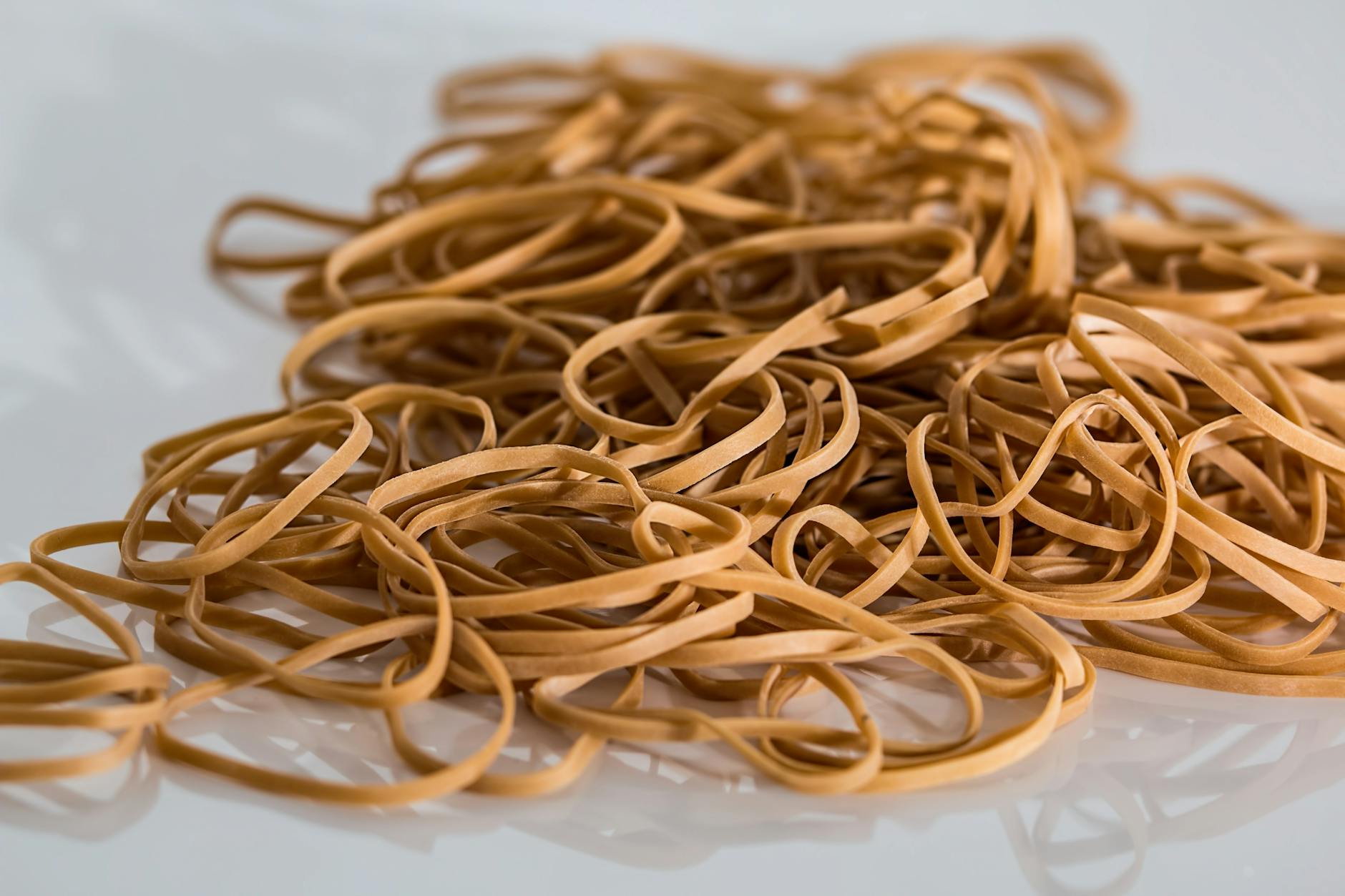
    Day tags give you a cue you can see. Place a small, color-coded tag (or rubber band with a labeled card) on the hamper handle, or hang a tag on the first closet hanger. The tag shows which load runs today and which stage you are on. For families, give each person a color and a day so loads stay small and fast. As a result, you reduce bottlenecks and stop the weekend avalanche.

    Keep tags simple. For example:

    • Mon: darks
    • Tue: lights
    • Thu: linens/towels

    Add tiny checkboxes (“Sort / Wash / Dry / Stage / Put Away”) under each weekday on the card. Check them with a pencil as you move. The small reward of a checked box helps the habit stick. If you prefer digital, set repeating reminders tied to your real day (after dinner, or right before school pickup).

    Safety note: Store detergents and packets out of reach of children; laundry pods can be dangerous if swallowed (CPSC detergent packet safety).

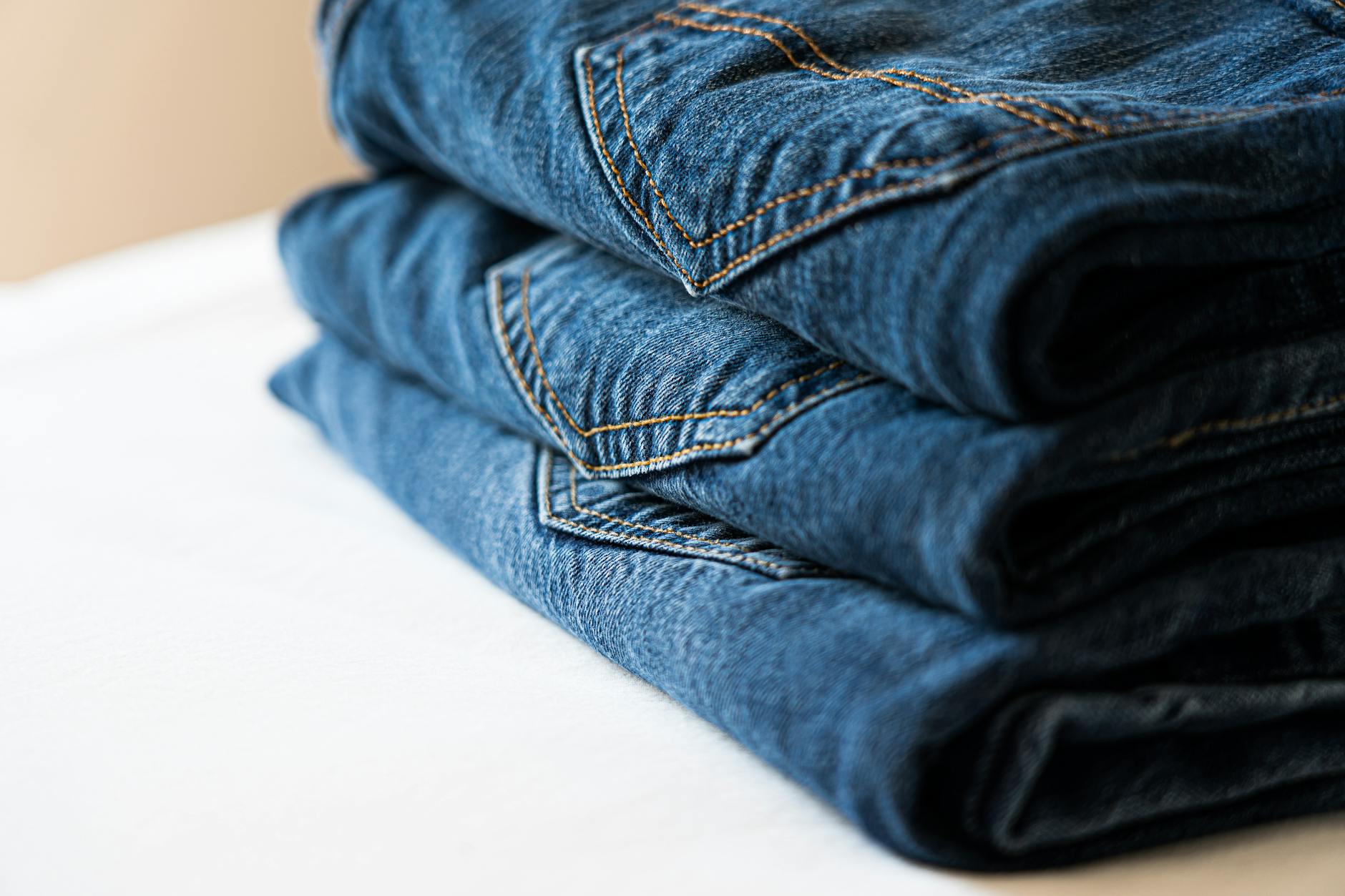
    Stack of neatly folded blue jeans staged in a basket zone for fast put-away.
    Stage baskets keep items moving. Photo: Castorly Stock via Pexels.
    Rubber bands for day-of-week tags in a laundry loop system to prevent clothing pile-ups.
    Low-cost day tags: rubber bands and index cards. Photo: Pixabay via Pexels.

    Capacity rules for a laundry system to stop clothing pile-ups

    Set a simple rule: when a basket hits about 80% full, you run the next step. Why 80%? It keeps loads manageable, reduces re-washing from smells, and makes carrying safer. Also, small frequent loads reduce decision friction and help your machines run efficiently when paired with the right settings (ENERGY STAR guidance).

    Use a strip of colored tape around the hamper to mark the 80% line. That way, anyone in the home can act when it is time. If weekend sports or work uniforms create spikes, add a bonus tag (“gear wash”) that jumps the line when needed.

    Settings that support your hamper-to-closet laundry loop

    • Soil level: Use normal for most clothes; heavy for very dirty items.
    • Water temperature: Warm for most, cold for brights/darks, hot for linens if the care label allows (CDC laundry basics).
    • Detergent: Use HE at the measured dose; over-dosing leaves residue.
    • Dryer: Clean the lint filter every cycle to speed drying and reduce energy.

    For fewer wrinkles, choose a shorter, gentler dry and remove items while warm. Hang shirts, dresses, and pants right away. If an item needs de-wrinkling, toss it back with a damp washcloth for five minutes and hang.

    Daily loop or batch days for a closed-loop laundry routine?

    Choose the smallest consistent plan you can keep. A steady daily loop fits 2–4 people well. A batch-two-days plan can work for solo or duo households. Use the table to compare. Either choice keeps the laundry loop system to prevent clothing pile-ups running with low friction.

    Plan Pros Cons Best for
    Daily micro‑load Low piles, fast habit, easy to recover Needs near‑daily attention Families, busy weekdays
    Every other day Less frequent starts, still small Can stack up if a day is skipped 1–2 people, variable schedules
    Two batch days Predictable blocks Higher weekend risk of stalls Shift work, tight weekday time

    Morning or evening? If mornings are calmer, start the washer after breakfast and aim to fold after dinner. If evenings are busy, wash right after work and fold during a set TV break. Tie the step to a habit you already do so the cue is obvious.

    Sorting rules for a laundry system to stop clothing pile-ups

    Sorting does not have to be complex. Keep it visual and quick. You can refine later if you have specialty fabrics.

    • Darks vs. lights
    • Linens/towels separate (hotter water if allowed)
    • Delicates in mesh bags

    Because you are running smaller loads, borderline items are less risky. However, always follow care labels. When in doubt, wash cold and hang dry.

    Make pre‑treat easy: keep a small brush and a stain stick by the hamper. Mark a tiny “spot” dot on the care tag with a washable marker to remind yourself which item needs attention.

    Stage smarter in your hamper-to-closet laundry loop

    Staging is where many people stall. Make the surface and tools so obvious that you cannot forget. Keep hangers within arm’s reach. Place a small person‑labeled tote on the folding surface. Fold into the tote; hang from a rail or door hook. Then walk once to each room and put away. A laundry loop system to prevent clothing pile-ups depends on this quick, final handoff.

    Road‑test your route: start at the dryer, fold five items, hang three, and walk the tote to its room. If you hit a snag (a stuck drawer or crowded shelf), pause for 5–10 minutes and fix just that spot. Small fixes speed every future loop.

    Speed boosts for drying and finishing

    • Spin at higher RPM if your washer supports it; clothes enter the dryer drier.
    • Dry similar weights together so cycles finish at the same time.
    • Remove shirts and pants while slightly warm to smooth by hand and hang.
    • Clean lint trap every cycle to keep airflow high (ENERGY STAR dryer basics).

    Keep a small timer next to the machine and set it for “wash end” and “dry end.” A gentle chime is enough. When the timer rings, act before you answer a text or open another app.

    Share the hamper-to-closet laundry loop at home

    Assign roles that match ages and abilities. Kids can sort by color, carry small totes, and match socks. Teens can run full cycles. Clear roles help your laundry loop system to prevent clothing pile-ups survive busy weeks. For age‑appropriate chore ideas, see guidance from the American Academy of Pediatrics (AAP chore suggestions).

    Make it fair and visible: post a simple chart on the wall. Example: “Mon—Alex: start wash; Jamie: fold and put away.” Rotate weekly. Add a tiny reward for a 100% loop week (pick the Friday movie, or choose Saturday breakfast).

    If you use a laundromat or shared machines

    You can still run a clean loop even if the machines are not in your home. The trick is to prep hard, run small, and avoid stalls between steps.

    • Pack smart: Bring pre‑sorted bags, measured detergent, mesh bags for delicates, and a folding tote per person.
    • Time it: Choose off‑peak hours so you can move loads on schedule. Set two timers: one for wash end, one for dry end.
    • Stage on site: Fold/hang at the table before you leave. Use your person‑labeled totes to keep owners clear.
    • Drive the loop home: Walk totes straight to closets when you enter. Do not set them on the couch.

    With this plan, a laundry loop system to prevent clothing pile-ups works even in shared spaces because you close the loop before another task interrupts you.

    Fixes for a laundry system to stop clothing pile-ups

    Even a good system needs tune‑ups. If you see piles, check these hotspots first. A laundry loop system to prevent clothing pile-ups is resilient when frictions are tiny.

    • No hangers ready: Pre‑stage 10–15 slim hangers near the dryer.
    • Drawer jam: Use a 10‑minute micro‑declutter on the worst drawer.
    • Mixed owners: Label totes by person to stop mid‑hall sorting.
    • Forgotten loads: Set a phone timer for wash end and dry end.
    • Detergent overuse: Measure every time; residue causes rewash.
    • Musty smell: Rewash with the right temp, clean washer gasket, and leave the door open to dry.
    • Wrinkle traps: Pull out shirts at the 90% mark and hang warm.
    • Too many items: Try a mini‑capsule: pause inflow, retire 10 low‑use pieces to reduce folding.

    Your 7‑day activation plan

    Use this tiny plan to lock in the habit. It is light, fast, and forgiving.

    Day Focus Action
    Day 1 Start small Run one micro‑load and finish the loop
    Day 2 Zone baskets Set sort, stage, and return baskets
    Day 3 Tags Create day-of-week tags and assign colors
    Day 4 Frictions Fix one bottleneck (hangers, drawer, timer)
    Day 5 Speed Test a higher spin; prep hangers
    Day 6 Share Assign one role to each person
    Day 7 Review Note wins, adjust tag schedule, celebrate

    Keep notes in a small card taped near the washer. Write one improvement for next week (“Move hangers to wall hook,” “Shift towels to Thursday”). Tiny reviews keep momentum high.

    What about special items?

    Keep special‑care items from clogging the loop. Use a dedicated mesh bag for delicates and a separate hamper for hand‑wash/wool. Run those on a specific tag day (for example, Friday night) so they do not block your main flow. Always follow garment labels and consider air drying to reduce wear.

    For gym gear, rinse or hang to dry right after use, then wash soon. For muddy sports clothes, pre‑rinse with cold water outdoors or in a sink before they hit the hamper. Treat tough stains (grass, oil, makeup) at sort time so you do not have to run a second cycle later.

    Video assist for your closed-loop laundry routine

    Sometimes a small idea—like how to hang a tricky garment—removes a minute of friction. Here is a quick hack that may spark a smoother staging move.

    If the embed does not load, open the video here: This Is A Genius Clothes Hanging Life Hack.

    When to refresh your laundry system to stop clothing pile-ups

    Review your loop at the change of seasons or whenever a life pattern shifts (new job, new baby, school sports). You might add a “gear wash” tag in spring or swap your towel day to match swim lessons. The goal is not perfection; it is a resilient laundry loop system to prevent clothing pile-ups even as life changes.

    More guides to support your hamper-to-closet laundry loop

    Want more practical, steady systems you can keep? Explore the Mind Clarity book hub for titles on habits and home routines, and scan the reviews hub for tools that make small steps easier.

    FAQ: laundry loop system to prevent clothing pile-ups

    What is a laundry loop system to prevent clothing pile-ups?

    It is a closed sequence from hamper to closet that you run the same way each time. It uses small loads, basket zoning, and day-of-week tags so every stage finishes and nothing stalls in a pile.

    How many baskets do I need for the loop?

    Start with five: two for sorting (lights/darks), one for linens, one stage tote per person, and one return basket. Add a mesh bag for delicates.

    Do I still need a big laundry day?

    Usually not. A daily or every‑other‑day micro‑load keeps pace for most homes. Save batch days for bedding or seasonal gear.

    How do I stop clean clothes from camping on the couch?

    Stage near the dryer, not the couch. Fold into person‑labeled totes and walk them straight to closets before you leave the room.

    Can this work in a small apartment?

    Yes. Use slim, stackable baskets and a fold‑down surface. Hang a short rail or over‑door hooks for staging.

    Will this save money or energy?

    Small, well‑sorted loads with the right settings help avoid rewashes and overdrying. Clean the lint trap and use appropriate temperatures to support efficiency (ENERGY STAR).

    One more nudge to finish strong

    Before you leave your laundry area today, complete the loop on one small load and return the empty basket to its start point. That one visual reset proves the system works. Keep repeating small wins, and your laundry loop system to prevent clothing pile-ups will soon feel automatic.

    Helpful resources for your next step

    Affiliate disclosure: As an Amazon Associate, Mind Clarity Hub may earn from qualifying purchases at no extra cost to you. Use this link only if it genuinely helps your planning.

    If The Laundry Loop System to Prevent Clothing Pile-Ups is a routine you want to keep using, a simple workbook, planner, or desk tool can make the steps easier to repeat.

    Compare related planners, workbooks, and organization tools on Amazon.