


Published:
Quick answer: This midweek reset routine on Wednesdays to prevent burnout is a short, repeatable pause that trims your calendar, prunes your task list, and resets your space so the rest of the week feels lighter. In 15 minutes, you can remove what does not matter, protect what does, and step back into your day with more energy.
Burnout is complex and has personal and workplace drivers. It is not solved by a single hack. However, a consistent midweek reset creates a small buffer: it reduces overload, brings clarity, and encourages real rest later in the week. You will run a three-part sweep—calendar triage, task pruning, and space reset—and then add a few quick wins.
Before we start, a quick scope note: the World Health Organization classifies burn-out as an “occupational phenomenon” with three dimensions—exhaustion, mental distance, and reduced efficacy—and not as a medical condition (WHO). If you’re worried about your health or safety, consider speaking with a qualified clinician. For workplace stress basics and prevention concepts, see resources from OSHA and NIOSH/CDC.
What is a midweek reset routine on Wednesdays to prevent burnout?
It is a scheduled, 15-minute checkpoint that you run every Wednesday at the same time. The goal is to reduce midweek friction so you do not carry avoidable weight into Thursday and Friday. The reset is not more planning for planning’s sake. It is three quick moves that create relief now and focus for the next 48 hours.
- Calendar triage (3 minutes): Move, merge, or cancel low-value blocks.
- Task pruning (7 minutes): Delete, defer, or delegate to cut clutter and keep only what advances your goals.
- Space reset (5 minutes): Clear the surface, set your next action in view, and remove digital noise.
Because you repeat the same actions each Wednesday, your brain learns the pattern and resists decision fatigue. Also, short breaks and micro-breaks have evidence for improving well-being and, with longer breaks, performance (PLOS ONE 2022). In addition, psychological detachment from work during nonwork time predicts better later well-being (PLOS ONE 2024). Your Wednesday reset supports both: it shortens load now and sets up easier detachment later.
A simple reset you can stick with
Daily actions, gentle structure, and a clear next-step plan – free PDF.
Why Wednesday works for a Wednesday reset routine to prevent burnout (and what it cannot do)
Wednesday sits between early-week ramp up and late-week delivery. You can still influence outcomes, and you can still recover energy for the weekend. Some studies show day-of-week mood patterns, but they are mixed and context-specific; we avoid claims that Wednesday is inherently best or worst (Journal of Positive Psychology, 2012).
What a Wednesday reset can do:
- Cut avoidable commitments and busywork.
- Reduce decision fatigue by using a fixed routine.
- Protect recovery time later in the week.
What it cannot do:
- Fix harmful workloads or toxic systems by itself. Organizational changes matter too (International Archives of Occupational and Environmental Health, 2023).
- Replace professional care when you face severe distress.
- Guarantee outcomes. It is one helpful tactic inside a larger plan.
The 15-minute Wednesday sweep: calendar, tasks, space (midweek Wednesday reset)
Set a timer for 15 minutes. Stand if you can. Breathe. Then move through three fast passes. If you need more time, add a second 15-minute block later in the day. However, do not turn it into a two-hour planning session. Speed is part of the relief.
Step 1: Calendar triage (3 minutes)
Open your week view. Focus on the next 48 hours. You will make three kinds of moves: remove, reduce, or rearrange.
| Move | When to use it | Example |
|---|---|---|
| Remove | No owner, no agenda, or not tied to a goal | Standing status with no decisions due |
| Reduce | Value exists, but time is padded | 60-minute touch-base to 25 minutes |
| Rearrange | Right task, wrong time slot | Move deep work to your peak focus hour |
Ask: What meeting or block, if removed or reduced, would free the most energy? Then change it now. If you need consent, send a short note with a useful reason and an option: propose an async update, a shorter slot, or a written decision. Keep it kind and clear.
Step 2: Task pruning (7 minutes)
Now open your task list. Sort by due date, then by impact. You will delete, defer, or delegate.
| Action | Signal | Script |
|---|---|---|
| Delete | No clear outcome; low impact even if done | “Closing this to focus on X. Reopen if needed.” |
| Defer | Valuable, but not this week’s lever | “Parking to next sprint; will review Monday.” |
| Delegate | Someone else can do it well enough | “Could you own this by Friday? Here’s context.” |
Cut 20–30% of what remains for this week. Then pick one move-the-needle task for today and one for tomorrow. Put those two on your calendar. Because decisions drain energy, a simple rule helps: if a task takes less than two minutes, do it now; if it matters and needs an hour, calendar it; if it does neither, remove it.
Step 3: Space reset (5 minutes)
Clutter crowds attention. Clear the surface you see most. Put tools you will use in the next block within reach. Close the browser tabs you do not need. Set your next action in view—a single sticky, a top card, or a draft window ready to type. Finally, drink water, stretch, and take one deep breath.
Calendar
Remove • Reduce • Rearrange
Tasks
Delete • Defer • Delegate
Space
Clear • Stage • Breathe
Wednesday Reset: 15 minutes
Graphic summary: In 15 minutes, move from Calendar (remove, reduce, rearrange) to Tasks (delete, defer, delegate) to Space (clear, stage, breathe).
What should your calendar triage remove or move? (Wednesday reset routine to prevent burnout)
Ask three fast questions:
- Is there a decision, deliverable, or learning we need right now? If not, remove or move.
- Can we do it async? If yes, switch to a short written update.
- Would a shorter slot focus us? If yes, reduce and add an agenda line.
Use these scripts to make changes with care and respect:
- “To protect delivery this week, can we switch today’s 60 to a 20-minute check with a written update?”
- “No decision is due. I propose canceling for this week so we can finish X.”
- “Could we move this to tomorrow 10:30 so it follows the draft I’m shipping at 9:00?”
How do you prune tasks without dropping the ball? (midweek Wednesday reset)
Keep a short Now/Later/Never lens open while you scan your list. You will make mistakes if you try to be perfect. Instead, be explicit and leave breadcrumbs for your future self.
- Now: The next one to two tasks that change outcomes this week.
- Later: Real value, wrong week. Move to next week’s list or calendar.
- Never: Nice-to-haves that do not earn their keep. Close them.
Also, for anything you defer or delegate, write a one-sentence status note and a date to revisit. That way, nothing vanishes. This is where a midweek reset routine on Wednesdays to prevent burnout helps most: it gives you a steady place to move tasks with intention, not guilt.
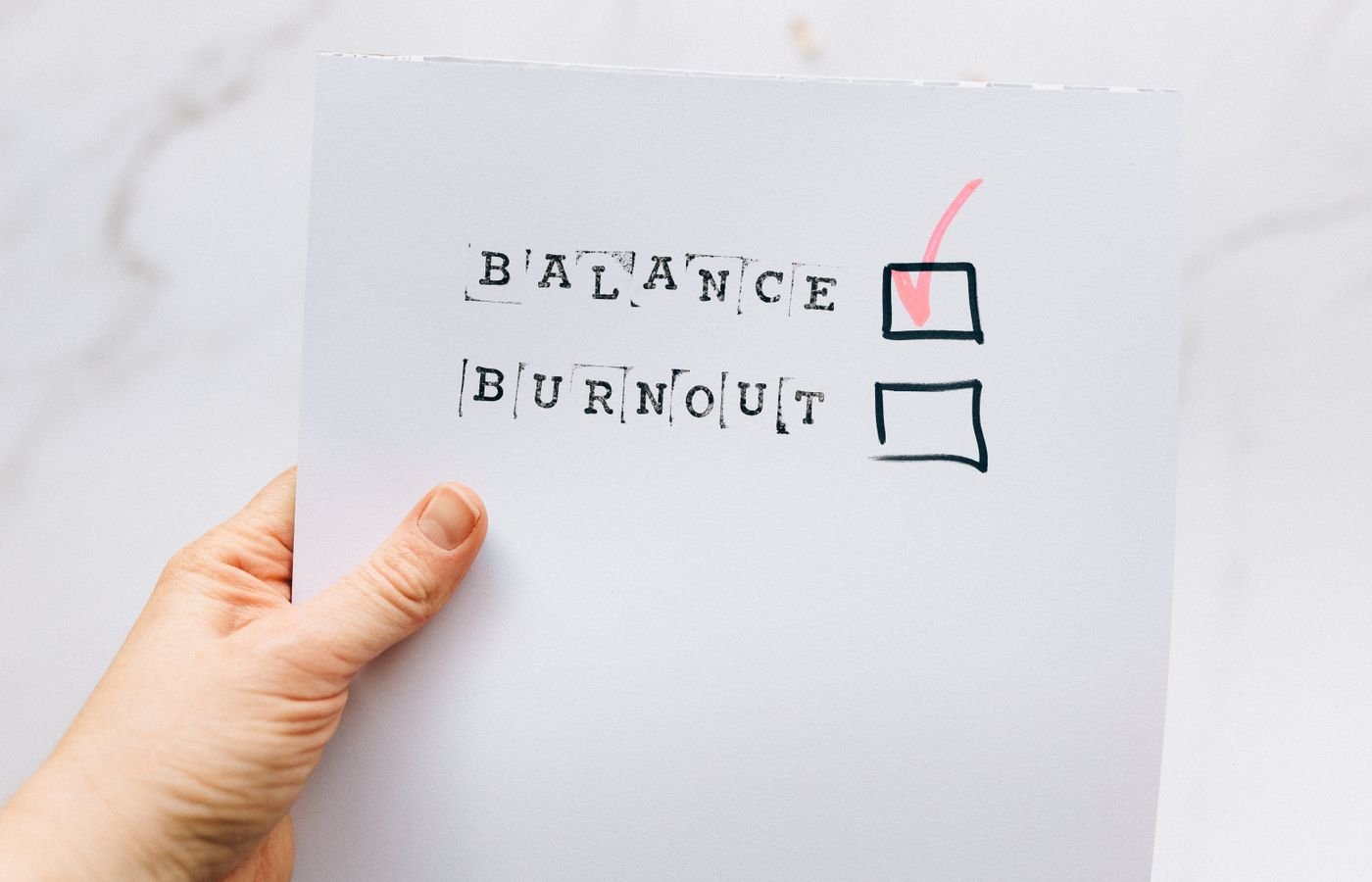
The 15-minute Wednesday checklist (Wednesday burnout reset)
Run this fast list without pausing to debate. Use a timer. When the timer ends, end the reset.
- Open week view; look only at the next 48 hours.
- Cancel one low-value event or convert it to async.
- Shorten one meeting by at least 25 minutes.
- Move one deep-work task into your peak focus hour.
- Delete three tasks that do not change outcomes.
- Defer two tasks to next week with a calendar note.
- Delegate one task with clear context and a due date.
- Clear your main surface; put the next action in view.
- Close nonessential tabs; silence one noisy channel.
- Drink water, breathe, and stand or stretch for 30 seconds.
This is a midweek reset routine on Wednesdays to prevent burnout because it cuts decision noise and creates small wins you can feel right away.
Quick wins you can do in under five minutes (midweek Wednesday reset)
- Send a two-sentence update instead of attending the meeting.
- Block 45 minutes tomorrow for the true priority and protect it.
- Archive your read-later pile and start fresh with one item.
- Write the first sentence of the draft you fear. Then stop.
- Set your phone to “Do Not Disturb” for the next work block.
Because micro-breaks and brief resets can boost well-being (PLOS ONE 2022), these tiny moves pay off. They also make it easier to detach after work, which supports mental health and reduces spillover fatigue (PLOS ONE 2024).
Boundaries that protect your reset (Wednesday reset routine to prevent burnout)
Good routines need protection. A calendar event helps, but culture and norms matter too.
- Make it visible: Title the block “Wednesday reset—back at :15.”
- Limit inputs: Close chat or set a status for 15 minutes.
- Use scripts: “I’ll confirm by 2 pm after my midweek reset.”
- Start small: Run the reset solo; then invite a teammate if useful.
Over time, a simple midweek reset routine on Wednesdays to prevent burnout can spread as a team norm. Still, remember OSHA and NIOSH note that stress is also organizational (OSHA; NIOSH). Advocate for sane workloads, clear roles, and reasonable deadlines.
Templates you can copy for your Wednesday reset (midweek Wednesday reset)
Adapt these quick templates to your tools. Copy, paste, and tweak in your calendar or task app.
| Template | Text you can paste |
|---|---|
| Cancel or convert | “To protect delivery this week, can we cancel today’s sync and switch to an async update? I’ll send mine by 3 pm.” |
| Shorten and focus | “Proposing 20 minutes with this agenda: 1) blocker, 2) decision, 3) owner. If no decision is needed, I’ll send notes.” |
| Delegate with context | “Could you own X by Fri 12:00? Here’s context and the done definition. I’ll be available 2–3 pm today for questions.” |
| Defer safely | “Parking Y to next Wed. Adding a calendar note to review at 9:00. Doing this frees time for Z, which unblocks the team.” |

Variations by role and schedule
Frontline or shift-based work. Keep the reset portable. Do it at the start of a handover, during a short break, or right after a high-intensity task. Use paper or a simple phone note if systems are locked down. The same three passes apply, but you may focus more on deferring noncritical admin and staging safety-critical tools.
Educators and clinicians. Run a micro version between sessions. First, scan the next block for must-haves. Next, drop one optional item to guard energy. Then, stage your next chart, slide, or resource so re-entry is smooth.
Remote knowledge workers. Protect a quiet 15-minute slot. Also, convert at least one meeting to async each week. Then, batch pings by using status updates at set times. This reduces context switching and supports a steadier midweek Wednesday reset.
Students and caregivers. Treat the reset as a quick triage of classes, assignments, and home tasks. Therefore, cancel one nonessential activity, commit to one priority task, and set out what you need for the next morning.
Common pitfalls and how to avoid them
Over-planning. The reset is not a full planning session. If you find yourself grooming every task, stop. Instead, pick two high-impact moves and return to work.
All-or-nothing thinking. If you miss your slot, do a 5-minute mini reset. A small win beats waiting a week. Consistency matters more than length.
Invisible trade-offs. When you cancel or shorten a meeting, explain the benefit. Say what you will deliver instead and when. This keeps trust and makes a Wednesday reset routine to prevent burnout easier to defend.
Re-cluttering. A clean desk at noon can be a mess at 4 pm. Close the day with a 60-second sweep so tomorrow starts clear.
A quick troubleshooting map
Use this map when the day goes sideways. It turns vague stress into small, concrete steps you can take now.
| Blocker | Quick move | Why it helps |
|---|---|---|
| Back-to-back meetings | Ask for outcomes in minute 1; timebox decisions | Sets focus and ends drift |
| Too many urgent pings | Silence chat for 15 minutes; post a status | Reduces context switching |
| Low energy | Walk or stretch for 3 minutes; water, snack | Brief recovery restores attention |
| Cluttered tools | Close all tabs; reopen only what the next task needs | Removes visual noise |
| Unclear priority | Ask “What unlocks the most by Friday?” then choose one | Aligns work with outcomes |
Make it stick: habit and environment design
Habits grow when they are easy and tied to a cue. First, anchor the reset to a fixed signal, such as your first Wednesday coffee or the top of your lunch hour. Next, reduce friction by saving a one-click shortcut to your calendar week view and task list. Finally, celebrate a tiny win. A simple “done” check is enough to keep momentum.
Environment beats willpower. Put a small note on your monitor that reads “Wed: Trim • Prune • Reset.” Place a clean tray or folder labeled “Next block” on your desk so you can stage items in seconds. These nudges turn the midweek Wednesday reset from a nice idea into a reliable habit.
Accessibility and inclusion considerations
Design the reset so it works for you and your team. If you use screen readers or prefer large fonts, save a high-contrast, simple checklist. Notification-sensitive readers can use system-wide Focus modes during the reset window. When you share space, use headphones and a status card to signal that you will be back in 15 minutes.
Also, different brains work in different ways. Short, concrete steps help many people get started. Therefore, keep the checklist visible, avoid vague labels, and break large tasks into the next visible action. A kind, flexible approach supports more people and makes the Wednesday burnout reset more durable.
What if your midweek reset routine on Wednesdays to prevent burnout fails?
Sometimes the day derails. That is normal. You can still win the hour.
- Too many fires? Run a 5-minute mini-reset: cancel one thing, defer one thing, stage one next action.
- Back-to-back meetings? Use the first two minutes of a call to ask for outcomes and timebox decisions.
- Low energy? Swap to a brief recovery block: walk, water, snack, or stretch. Then try again in the next slot.
Also, remember that burnout includes systemic factors. If your workload remains unsafe, raise issues with a manager, HR, or a trusted advisor. The WHO definition helps frame the conversation (WHO), and OSHA/NIOSH have guidance for employers and employees.
Signs to watch and when to seek help
Common signs of job burnout include cynicism, irritability, reduced performance, and persistent fatigue. You may also notice sleep changes or trouble focusing. For a fuller list and help-seeking guidance, see Mayo Clinic. If you experience ongoing distress, consider talking with a licensed clinician or calling local support resources.
Will this routine help a team, not just individuals? (Wednesday reset routine to prevent burnout)
Yes, and it is better with support. Try a shared 15-minute block where everyone triages, prunes, and resets in parallel with cameras off. Then post one win in a team channel. Over time, track a simple metric—meetings reduced, tasks closed, or on-time finishes—to see if your midweek reset routine on Wednesdays to prevent burnout correlates with better weeks. Remember, though, team and organizational changes often matter most (IAOEH 2023).
How we suggest you use this advice
- Start next Wednesday. Put a 15-minute block on your calendar now.
- Use the exact checklist above for two weeks without editing.
- In week three, tune one lever: meeting scripts, pruning rules, or space cues.
- After four weeks, review what changed and what still hurts. Then adjust.
Because this is a behavior change, give it time. Small, consistent steps beat rare “perfect” weeks.
Answering common questions
Does a Wednesday reset work if I already do a Sunday or Monday reset?
Yes. Keep your Sunday or Monday planning, then add a midweek relief valve. The point of a midweek reset routine on Wednesdays to prevent burnout is to remove overload that appears after the week starts.
Should I include personal tasks?
Include anything that affects your stress or focus. For example, booking a short appointment or planning a simple dinner can reduce evening friction, which improves next-day energy.
What if my manager controls my calendar?
Use respectful scripts and show trade-offs. Offer clear outcomes you can deliver if you protect one or two blocks. Managers often support focus when they see the benefit.
See it in action: a short video (midweek Wednesday reset)
If your browser blocks embeds, watch here: Weekly reset video.
Printable Wednesday reset: one-page checklist
Copy this into a note or print it. Mark each box as you go.
| □ | Action |
|---|---|
| [ ] | Cancel one low-value event |
| [ ] | Shorten one meeting by 25 minutes |
| [ ] | Move one deep-work block to peak focus hour |
| [ ] | Delete three tasks |
| [ ] | Defer two tasks with calendar notes |
| [ ] | Delegate one task with context |
| [ ] | Clear main surface |
| [ ] | Stage next action |
| [ ] | Close tabs and silence one channel |
| [ ] | Water, stretch, breathe |
Over time, this midweek reset routine on Wednesdays to prevent burnout becomes muscle memory. That frees your mind for meaningful work.
When should you skip the reset?
Skip when an urgent safety or people issue needs you now. Otherwise, do at least a 5-minute mini version. Consistency matters more than length.
What results should you expect and measure? (Wednesday reset routine to prevent burnout)
Track simple, behavior-based signals first:
- Meetings canceled or shortened each Wednesday
- Two priority tasks scheduled and done (yes/no)
- Clutter cleared and next action staged (yes/no)
Subjective signals matter too: a quick 1–5 rating for midweek stress before and after the reset. If trends improve across a month, keep going. If not, adjust rules, or bring the topic to your team or manager.
Then, look at second-order effects. Are deadlines less rushed by Friday? Do teammates report fewer status meetings and more useful updates? Is progress steadier on the one or two efforts that matter most? Write one short reflection each week so you have data, not fog.
Finally, involve your manager or team. Share what the midweek Wednesday reset changed for you. Suggest one shared boundary, such as “no new meetings after noon on Wednesdays,” and test it for two weeks.
Key takeaways (midweek Wednesday reset)
- A 15-minute Wednesday reset cuts noise and protects focus.
- Use three passes: calendar triage, task pruning, space reset.
- Pair it with healthy boundaries and team norms.
- Remember systemic factors. Advocate and seek support when needed.
Keep it simple. Repeat it weekly. Let the results compound. A steady midweek reset routine on Wednesdays to prevent burnout will not fix everything, but it can give you energy and clarity when you need it most.
FAQ: midweek Wednesday reset to prevent burnout
How long should a Wednesday reset take?
Fifteen minutes is enough for most weeks. If you need more, add a second 15-minute block later. Do not let it sprawl.
Is this only for office workers?
No. Teachers, healthcare staff, trades, students, and caregivers can adapt it. Use the same three passes, but tailor the scripts and tools.
Can a reset reduce burnout by itself?
It helps, but it is not sufficient alone. Use it alongside healthy workloads, supportive leadership, and real recovery time. See WHO, OSHA, and NIOSH resources for broader strategies.
What tools do I need?
Any calendar, any task list, and a timer. Fancy tools are optional. The habit is what matters.
What if my week changes a lot?
All the better. A short, fixed routine gives you a stable anchor in a shifting week. Keep it light and flexible.
Sources and further reading
- WHO – Burn-out an occupational phenomenon (ICD-11)
- Mayo Clinic – Job burnout: How to spot it and take action
- OSHA – Workplace Stress
- NIOSH/CDC – STRESS…At Work
- PLOS ONE (2022) – Micro-breaks and well-being/performance
- PLOS ONE (2024) – Detachment and mental well-being
- International Archives of Occupational and Environmental Health (2023) – Organizational interventions and exhaustion
- Journal of Positive Psychology (2012) – Day-of-week mood patterns
Try these next
Build a reading and reflection habit that supports focus. For a deeper workbook path, see The Work-Life Reset Workbook and Burnout Breakthrough. You can also browse the full Mind Clarity Hub books library or compare balanced, real-world picks in the latest reviews. Your midweek reset routine on Wednesdays to prevent burnout should lead to a calmer next step, not another pile of advice.
Helpful resources for your next step
Affiliate disclosure: As an Amazon Associate, Mind Clarity Hub may earn from qualifying purchases at no extra cost to you. Use this link only if it genuinely helps your planning.
If The Wednesday Midweek Reset to Prevent Burnout is a routine you want to keep using, a simple workbook, planner, or desk tool can make the steps easier to repeat.
Compare related planners, workbooks, and organization tools on Amazon.
