

9 Treadmills on Amazon That You’ll Actually Stick With (2025)
If you’re choosing a treadmill for real life, prioritize fit, comfort, and friction-free start-up. These picks are organized by how people actually use treadmills at home: running performance, incline walking, small-space storage, heavy-duty mileage, and coaching-driven motivation.

Affiliate disclosure: Some links are affiliate links. If you buy through them, we may earn a small commission at no extra cost to you. This helps fund updates and testing.
Most treadmill “best lists” obsess over premium price tags. In real homes, the reason treadmills fail is simpler: the deck feels cramped, the controls are annoying, the machine shakes when you speed up, or it’s loud enough that you keep postponing workouts.
This guide flips the logic. We start with the friction points that kill consistency—space, joint comfort, stability, incline usefulness, and how fast you can begin a session—then match you with the treadmill that solves those problems.
Use the comparison table to narrow quickly, then read the “who it’s for” section under each treadmill. The right pick isn’t the fanciest model. It’s the one you’ll use on a normal Tuesday when motivation is average and time is limited.
Quick Comparison
| Model | Top Speed | Incline | Best For |
|---|---|---|---|
| Horizon 7.4 AT | 12 mph | 15% | Runner-first deck + fast controls |
| WalkingPad X Series (X218) | 11.5 mph | — | Compact living + vertical storage |
| Sunny Auto Incline | 0.6–12 mph | 15 levels | Incline walking + app variety |
| NordicTrack T Series | 0–12 mph | 12% | Value “smart” sweet spot |
| Peloton Cross Training Tread | 12.5 mph | Auto | Coaching + training ecosystem |
| 3G Elite Runner X | 12 mph | 15% | Commercial-grade home mileage |
| 3G Pro Runner X | 12 mph | — | Heavy-use value + orthopedic feel |
| RUNOW Curved | Up to 25 mph (listed) | Manual resistance | HIIT + sprint conditioning |
| XTERRA Sport Series | 12 mph | 15% | Budget smart essentials |
Quick Picks by Goal
- If you run often: Horizon 7.4 AT (runner controls + deck) or 3G Elite Runner X (commercial-grade stability).
- If you walk for fat loss: Sunny Auto Incline (15 incline levels) or NordicTrack T Series (value smart incline).
- If you live tight on space: WalkingPad X Series (vertical storage makes it practical to own).
- If motivation is your bottleneck: Peloton Cross Training Tread (coaching ecosystem, rotating screen).
- If you want HIIT-style conditioning: RUNOW Curved (self-powered pace control).
- If price is the constraint: XTERRA Sport (solid speed + incline + programs).
Tip: choose the treadmill that makes starting easy in your actual room. Consistency beats a “perfect spec sheet.”
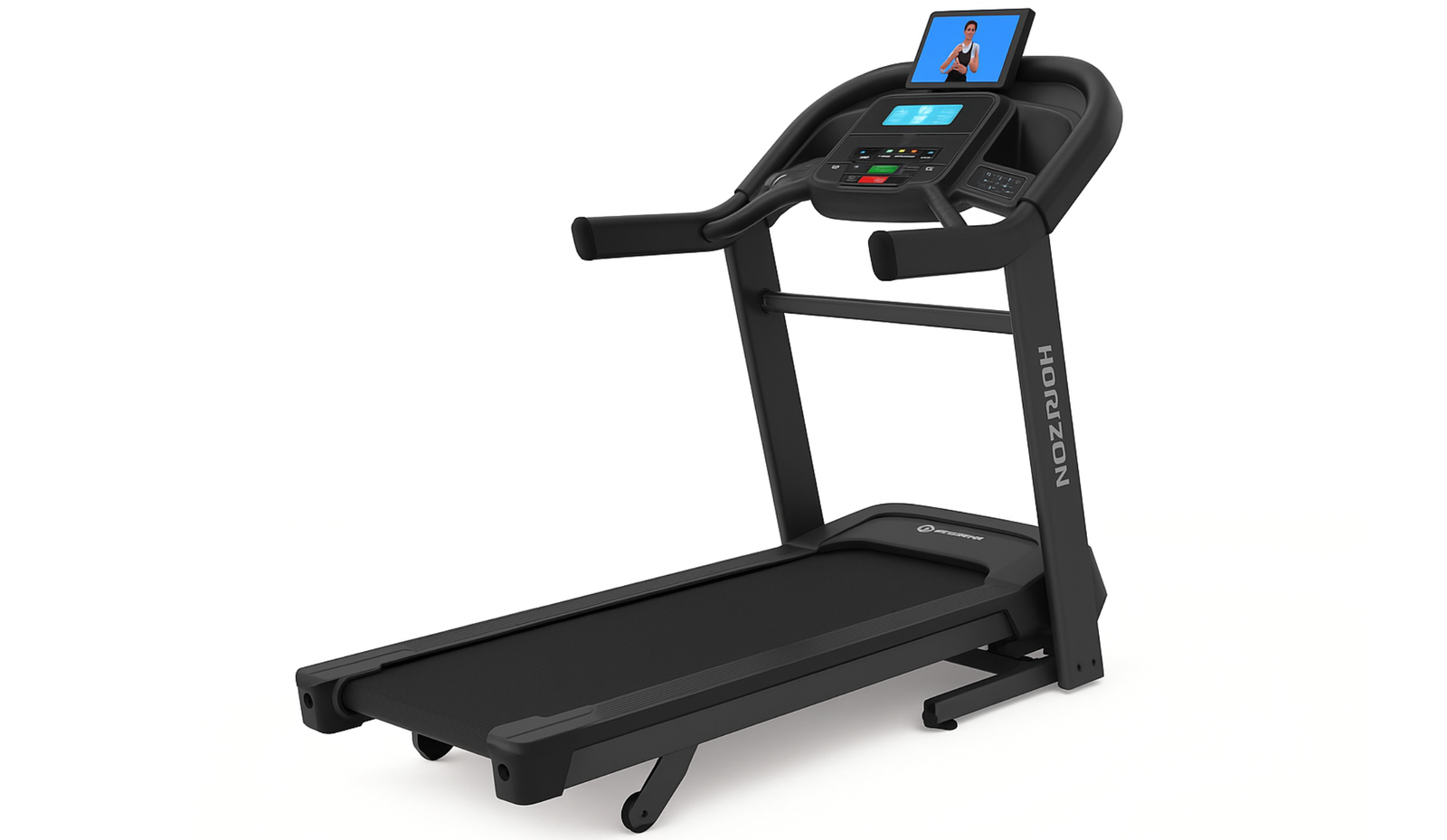
Best for Runners: Horizon Fitness 7.4 AT
Runner-first: roomy deck, fast incline/speed adjustments, and an approach that doesn’t force a subscription.
Why it’s on this list
If your treadmill will be used for real running, you want two things: a deck that doesn’t feel cramped and controls that don’t interrupt your stride. The Horizon 7.4 AT is built around those realities. It’s a strong pick for long steady miles, incline work, and interval sessions.
- Price: $1,799
- Top speed: 12 mph
- Incline: 0–15%
- Deck: 22″ × 60″
- Highlights: Bluetooth connectivity + device rest, rapid-charge USB (listed), no required subscription
Pros
- Runner-friendly deck size and stability.
- Fast speed/incline changes for intervals without breaking rhythm.
- Bring-your-own entertainment and apps.
Cons
- Heavier footprint; measure your room and access paths.
- Less “big touchscreen ecosystem” than premium coaching platforms.
- Best value often depends on promo pricing.
Who this is best for
Runners who care about stability, stride room, and quick adjustments more than built-in screens. Ideal if you’ll run multiple times per week.
What to check before buying
Confirm the exact assembly footprint in the listing, and measure doorways and turns. For runners, deck comfort and room placement matter as much as specs.
Training use case
Strong for steady distance runs, incline blocks, and interval sessions where quick adjustments keep you locked in.
Promo pricing can change—verify the live listing before you commit.
Best Folding Vertical Storage: WalkingPad X Series (X218)
A premium compact treadmill that stores upright fast—ideal if your treadmill must “disappear” after workouts.

Why it’s on this list
Space is the silent treadmill killer. If setting up your treadmill feels like rearranging the room, you won’t use it. The WalkingPad X Series is built around quick folding and vertical storage, while still aiming at real running capability for a compact unit.
- Price: $1,799
- Top speed: Up to 11.5 mph (listed)
- Capacity: Up to 300 lb (listed)
- Deck: 55.1″ × 20″ running surface (listed)
- Design: Tri-fold + vertical storage • Rotary control + LED display (listed)
- Motor: Brushless motor positioning (listed)
Pros
- Vertical storage makes ownership realistic in small homes.
- Wide belt for a compact treadmill.
- Minimal design that fits multipurpose rooms.
Cons
- Premium compact pricing.
- Confirm upright storage clearance where you’ll park it.
- Not everyone prefers compact builds for long runs.
Who this is best for
Apartment dwellers and multipurpose-room setups where the treadmill must be stored neatly after sessions.
Why storage changes consistency
When your treadmill is easy to put away, you stop negotiating with yourself. That reduces the “start-up friction” that kills habits.
Placement tip
Pick a spot where you can fold/store without moving furniture. The best storage treadmill still fails if it’s blocked by daily clutter.
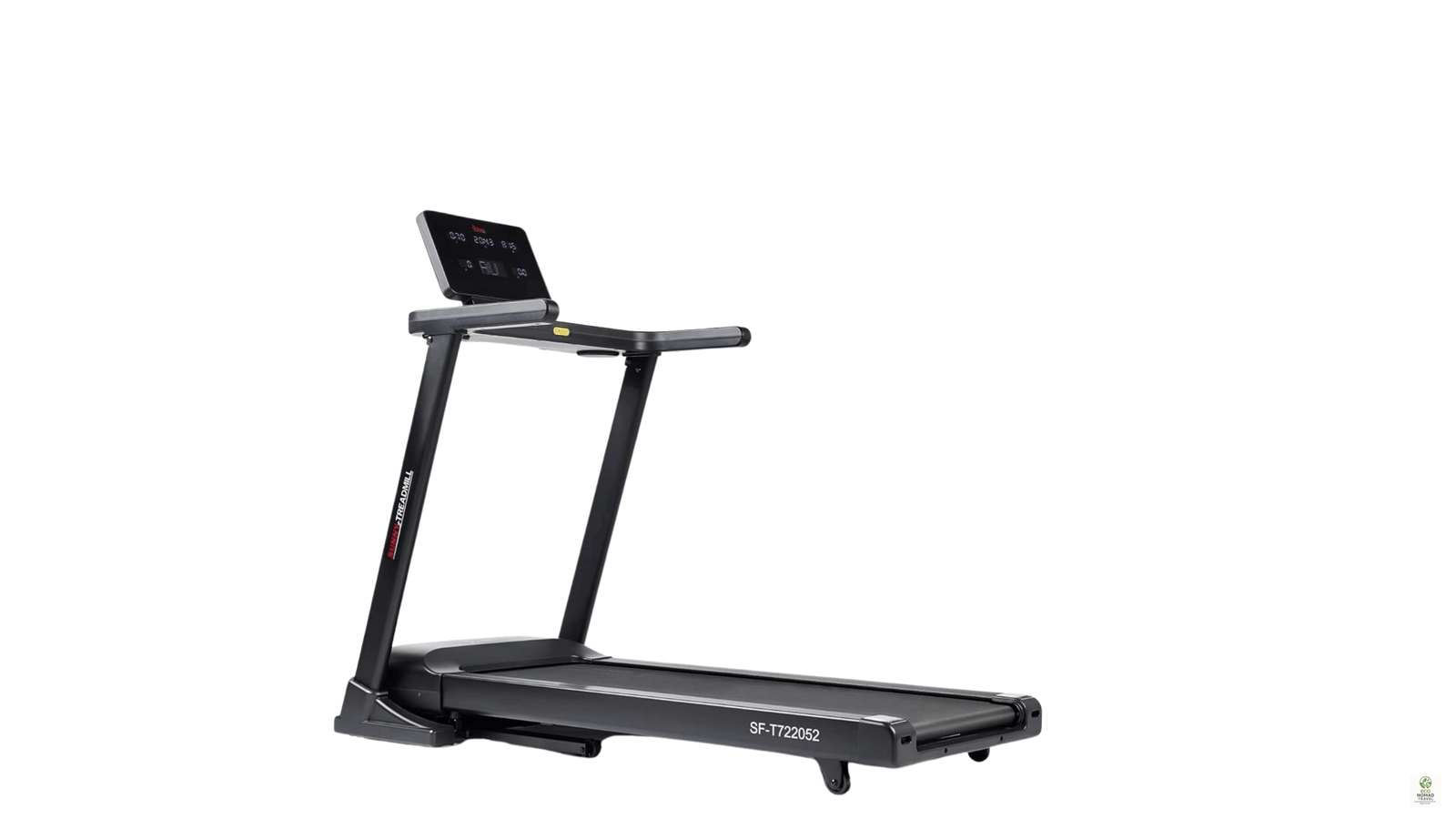
Best App + Auto Incline: Sunny Health & Fitness (Smart Heavy-Duty Auto Incline)
Incline walking is the quickest way to make short workouts feel meaningful—this pick makes incline easy and repeatable.
Why it’s on this list
Incline is the “quiet upgrade” that helps many people stay consistent. You can raise heart rate and training effect without sprinting, which matters if you’re protecting knees or rebuilding fitness. This treadmill pairs 15 automatic incline levels with free app connectivity.
- Price: $1,199
- Top speed: 0.6–12 mph (listed)
- Incline: 15 automatic levels
- Deck: 55″ × 20″ running space (listed)
- Capacity: Up to 300 lb (listed)
- Highlights: Brushless motor positioning, shock absorption, SunnyFit app connection (listed)
Pros
- Auto incline makes walking workouts dramatically more effective.
- Deck width supports a more comfortable stride.
- App connection adds variety without needing complex planning.
Cons
- Measure ceiling height—incline raises your running height.
- Still a substantial treadmill; plan placement and assembly.
- Confirm noise expectations for your space type.
Who this is best for
People who want results from walking workouts, anyone managing joint comfort, and households that want variety without overcomplicating training.
Why incline helps adherence
Incline gives you intensity at lower speeds. That makes sessions feel achievable even on low-energy days, which improves consistency over time.
Practical checklist
Measure room length, check ceiling clearance, and confirm whether you want folding storage or a dedicated treadmill spot.
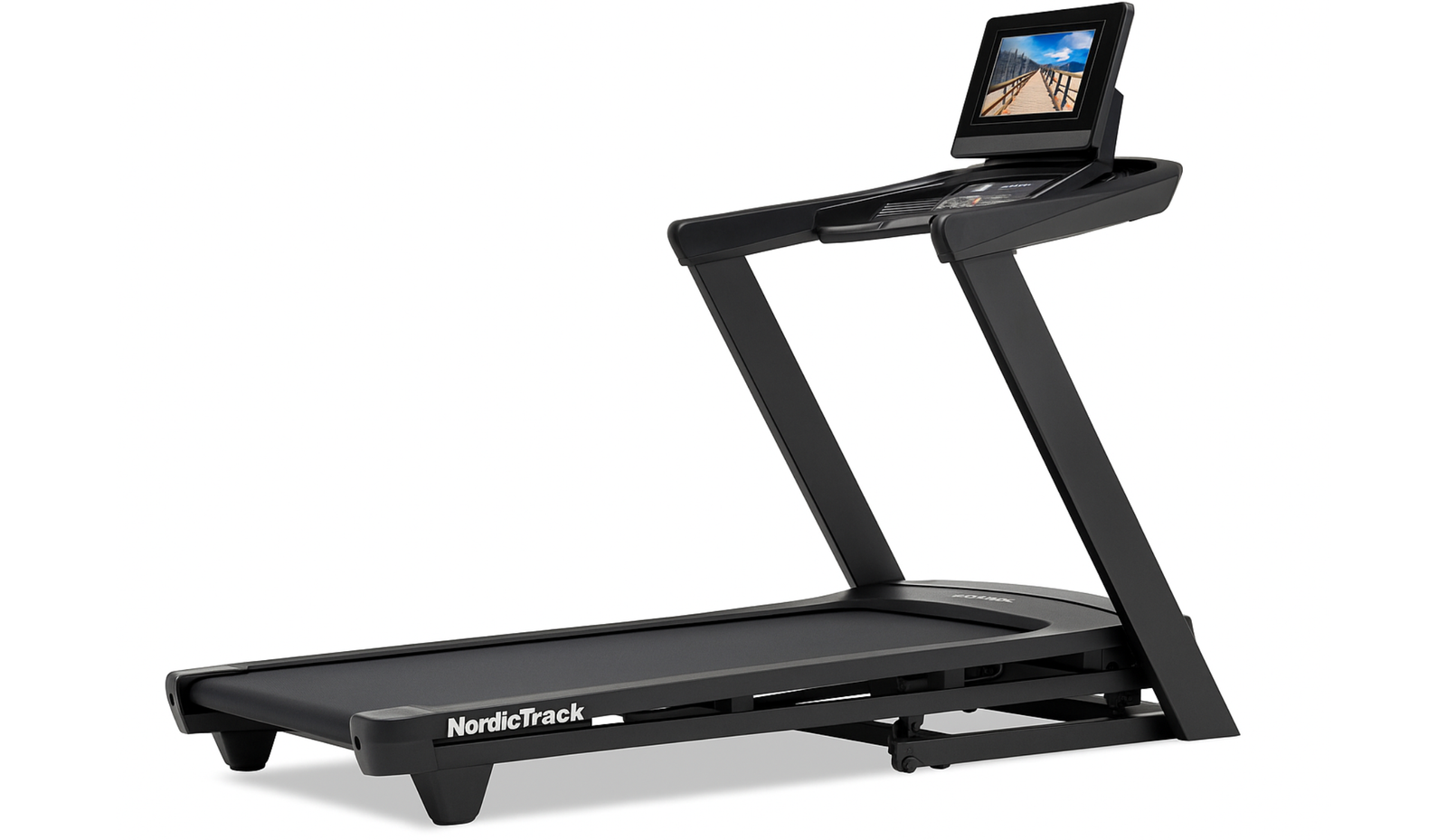
Best Value Smart Pick: NordicTrack T Series
A smart treadmill sweet spot: meaningful speed and incline, plus app connectivity without premium pricing.
Why it’s on this list
This is the “most people” treadmill: fast enough for running, incline for effort, and enough smart features to reduce decision fatigue. If you want structure without paying luxury pricing, this is a strong starting point.
- Price: ~ $1,020
- Top speed: 0–12 mph
- Incline: 0–12%
- Connectivity: App connectivity (iFIT + fitness app sync options listed)
- Notes: Some advanced features require membership
Pros
- Balanced “smart” features at a value tier.
- Incline supports low-impact intensity.
- Flexible use case: walking, jogging, running.
Cons
- Some coaching features may require a subscription.
- Always confirm deck size and footprint for your room.
- Smart features only matter if you’ll actually use them.
Who this is best for
Anyone who wants one treadmill that covers most needs: daily steps, occasional runs, and incline sessions without expensive upgrades.
How smart features help real habits
When pace and incline changes are guided, you stop negotiating mid-workout. That reduces mental load and increases the chance you repeat the session tomorrow.
What to watch for
If you dislike memberships, treat coaching as optional and make sure you’re happy using the treadmill without premium add-ons.
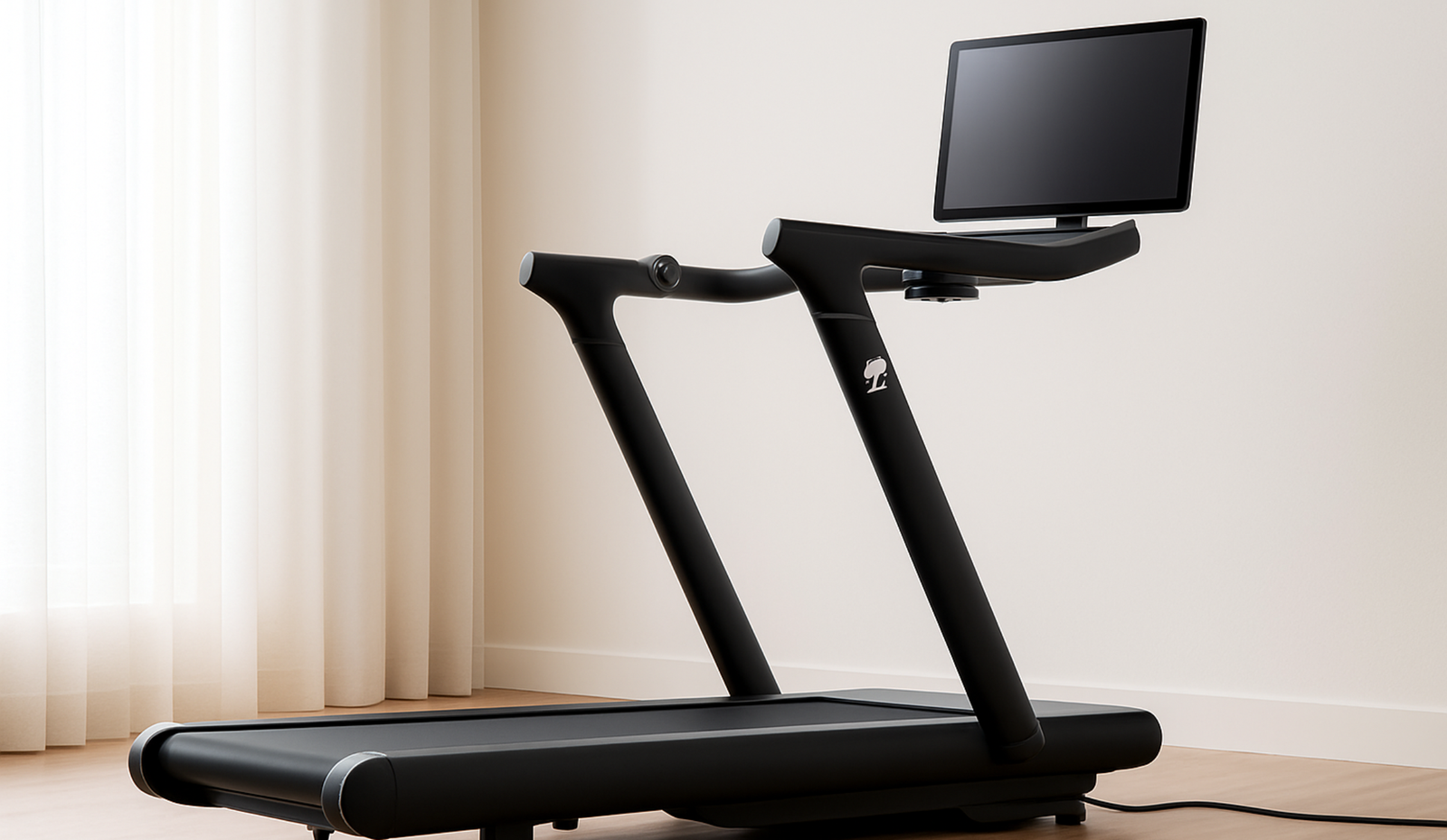
Best Overall Smart Tread: Peloton Cross Training Tread
A premium coaching experience with a rotating HD screen built for running plus cross-training.
Why it’s on this list
Peloton’s real advantage is behavior design: you don’t just own a treadmill, you plug into a coaching system that makes starting easier. The rotating screen supports running plus strength, yoga, barre, and mobility without moving to a separate setup.
- Price: $3,295
- Top speed: 12.5 mph
- Screen: 21.5” rotating Full HD touchscreen
- Dimensions: 68″ D × 33″ W × 64.5″ H • Weight: 258 lb
- Notes: Membership required for full content experience (listed)
Pros
- Coaching ecosystem that improves adherence for many people.
- Rotating screen makes cross-training feel natural.
- Premium “studio” feel at home.
Cons
- Ongoing membership cost is part of the real budget.
- Heavy unit; plan placement before delivery.
- Overkill if you only want simple walking.
Who this is best for
People who struggle with consistency and want a treadmill that feels like a guided plan, not a piece of equipment.
The “why it works” factor
When the workout is queued and coached, you remove the planning step. That’s often the difference between skipping and starting.
Limited stock can happen—check the live listing before you buy.
Best Commercial-Grade Home Option: 3G Cardio Elite Runner X (4.0 HP)
Club-rated build for serious weekly mileage, larger strides, and long-term durability.

Why it’s on this list
If you’ve ever run on a treadmill that felt light, loud, or shaky, you already understand the value of commercial-grade stability. This pick is built for commitment: bigger deck, high-capacity build, and a motor spec positioned for serious use.
- Price: $4,250
- Motor: 4.0 HP (listed)
- Top speed: 12 mph
- Incline: Up to 15% (listed)
- Deck: 22″ × 62″ running platform (listed)
- Capacity: 400 lb • Weight: 366 lb
Pros
- Stability and deck size feel closer to gym equipment.
- High capacity supports frequent use.
- Better confidence at speed for committed runners.
Cons
- Premium price.
- Logistics matter: delivery paths, doorway turns, and setup space.
- Not meant to be moved around regularly.
Who this is best for
Serious runners and multi-user households that will put real mileage on the machine week after week.
Where the value actually shows up
Long runs highlight instability. Commercial-grade builds reduce vibration, feel steadier at speed, and tend to hold up better under consistent training volume.
Logistics checklist
Measure doorways, turns, and floor protection. Also confirm warranty and return terms on the live listing before purchasing.
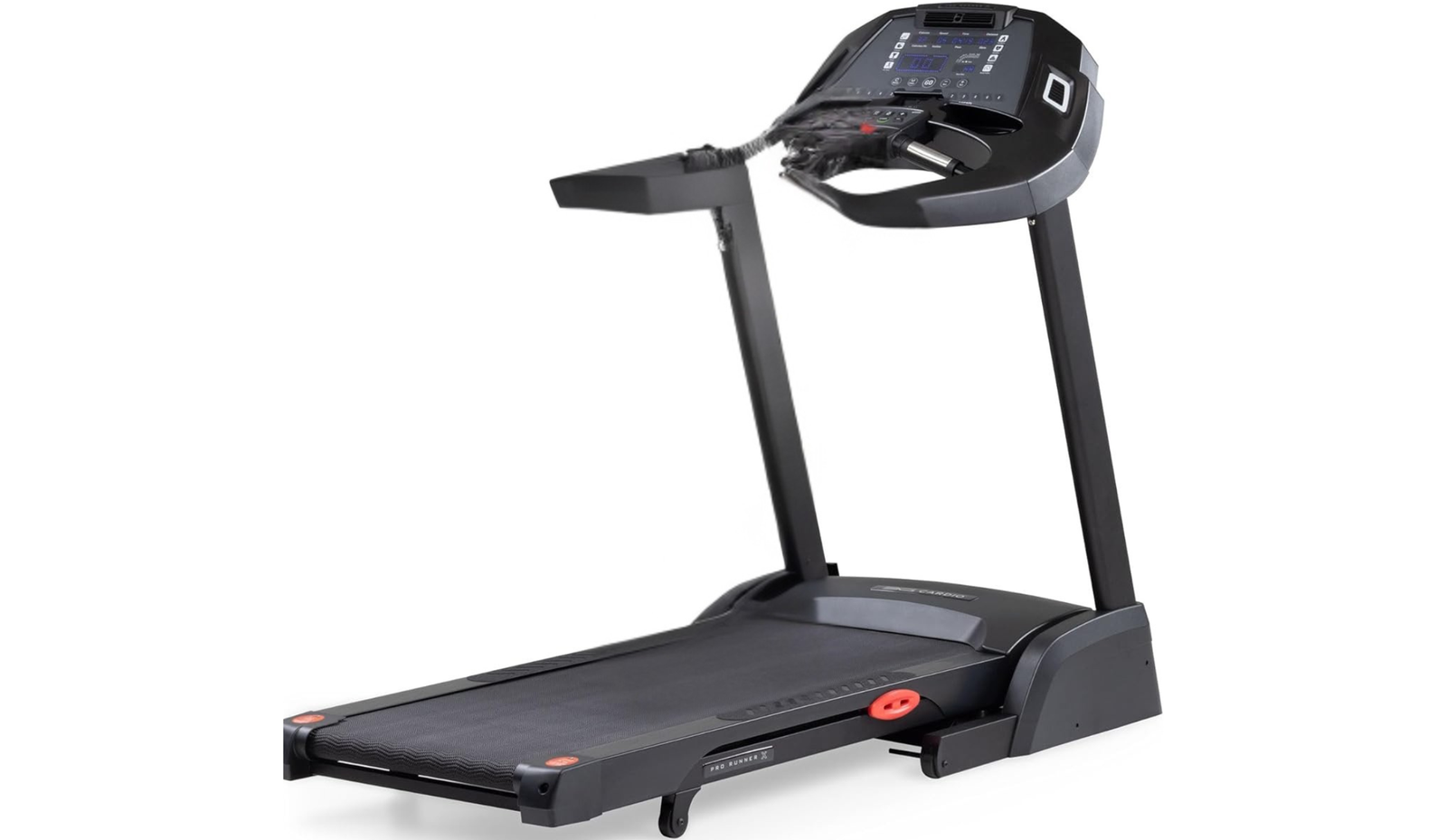
Best Heavy Use Value: 3G Cardio Pro Runner X
A durability-first treadmill with an orthopedic belt feel and training-oriented build.
Why it’s on this list
When you’ll use a treadmill frequently, comfort and stability matter more than a flashy screen. This pick leans into training hardware: a strong motor spec, supportive belt feel, and a folding design that’s still positioned toward stability.
- Motor: 3.0 HP (listed)
- Top speed: 12 mph
- Capacity: 350 lb
- Deck: 20.5″ × 58″ running space listed • orthopedic belt positioning
- Notes: Foldable + Bluetooth features listed
Pros
- Comfort-forward belt feel for repeat sessions.
- Strong motor spec for longer workouts.
- Heavy-use orientation without a luxury screen price.
Cons
- Confirm deck length if you have a long stride.
- Not a lightweight mover; plan placement.
- Less about “classes,” more about training hardware.
Who this is best for
People who want a stable, supportive treadmill feel and plan to train consistently without paying for a big screen ecosystem.
How to decide between this and the Elite Runner X
Choose Elite Runner X if you want a more gym-like platform and expect very high mileage. Choose Pro Runner X if you want heavy-use value at a lower spend.
Inventory can fluctuate—confirm availability on the live listing.
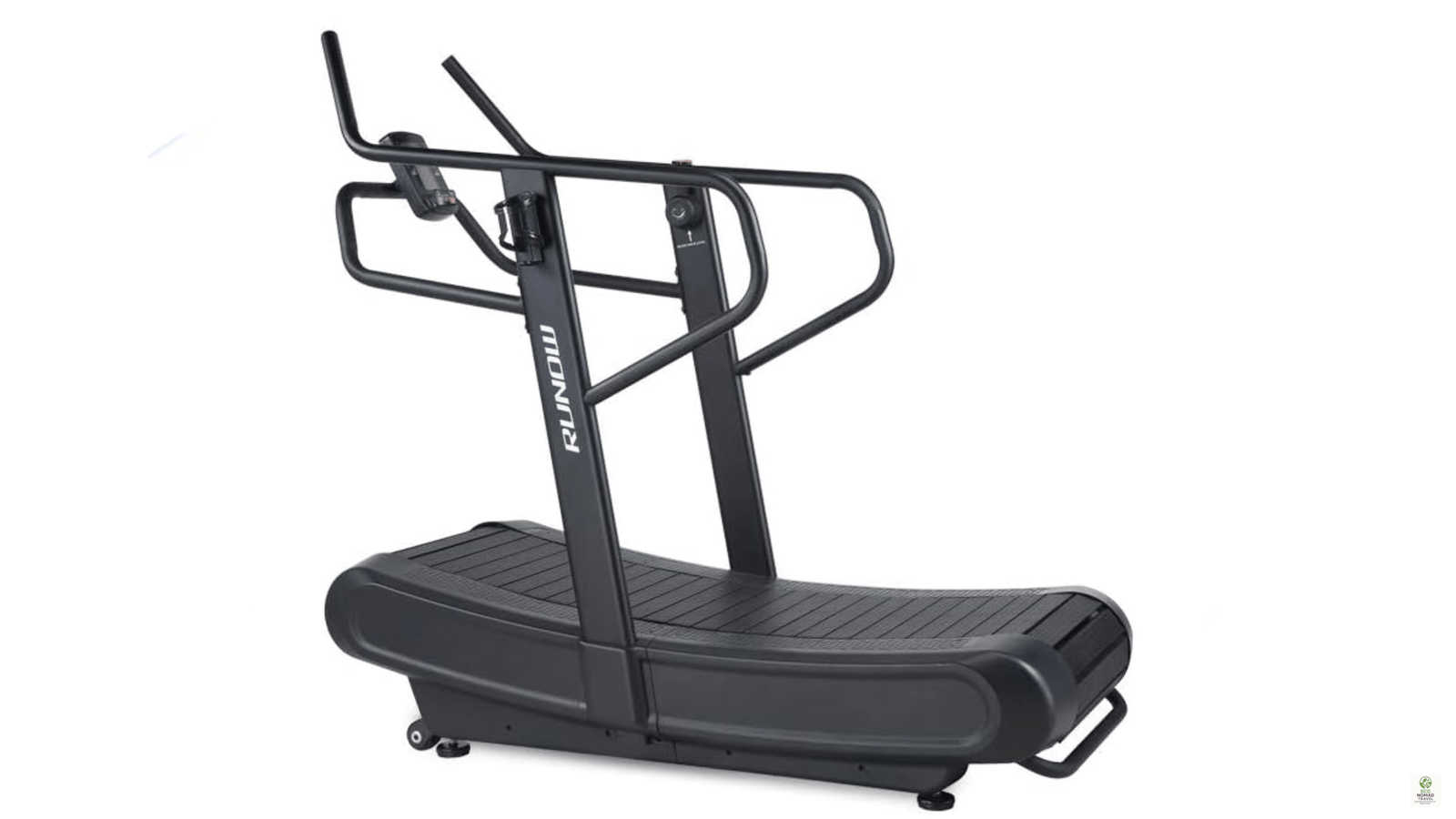
Best Curved Manual Treadmill: RUNOW Curved Treadmill (Non-Electric)
Self-powered pace control for HIIT, sprint intervals, and conditioning sessions—no electricity required.
Why it’s on this list
Curved manual treadmills feel different. You drive the belt with your stride, so pace changes respond instantly. That’s perfect for conditioning blocks where you want “athlete-style” effort without waiting for a motor to catch up.
- Type: Curved, non-motorized (self-powered)
- Top speed: “Up to 25 mph” listed
- Resistance: 4-level manual adjustment (listed)
- Dimensions: 67″ D × 32″ W × 62″ H • Weight: 287 lb
- Display: 5” mini LCD with training metrics (listed)
Pros
- Instant pace control for sprints and HIIT.
- No electricity required.
- Resistance levels add training variety.
Cons
- Learning curve if you’ve only used motorized treadmills.
- Not ideal for relaxed walking while watching TV.
- Heavy unit; plan placement.
Who this is best for
Athletes, runners who love intervals, and anyone who wants treadmill sessions to feel like conditioning, not “cardio time.”
How to use it effectively
Short sessions work best: sprint bursts + recovery walks, or incline-style resistance blocks if your listing model supports it.
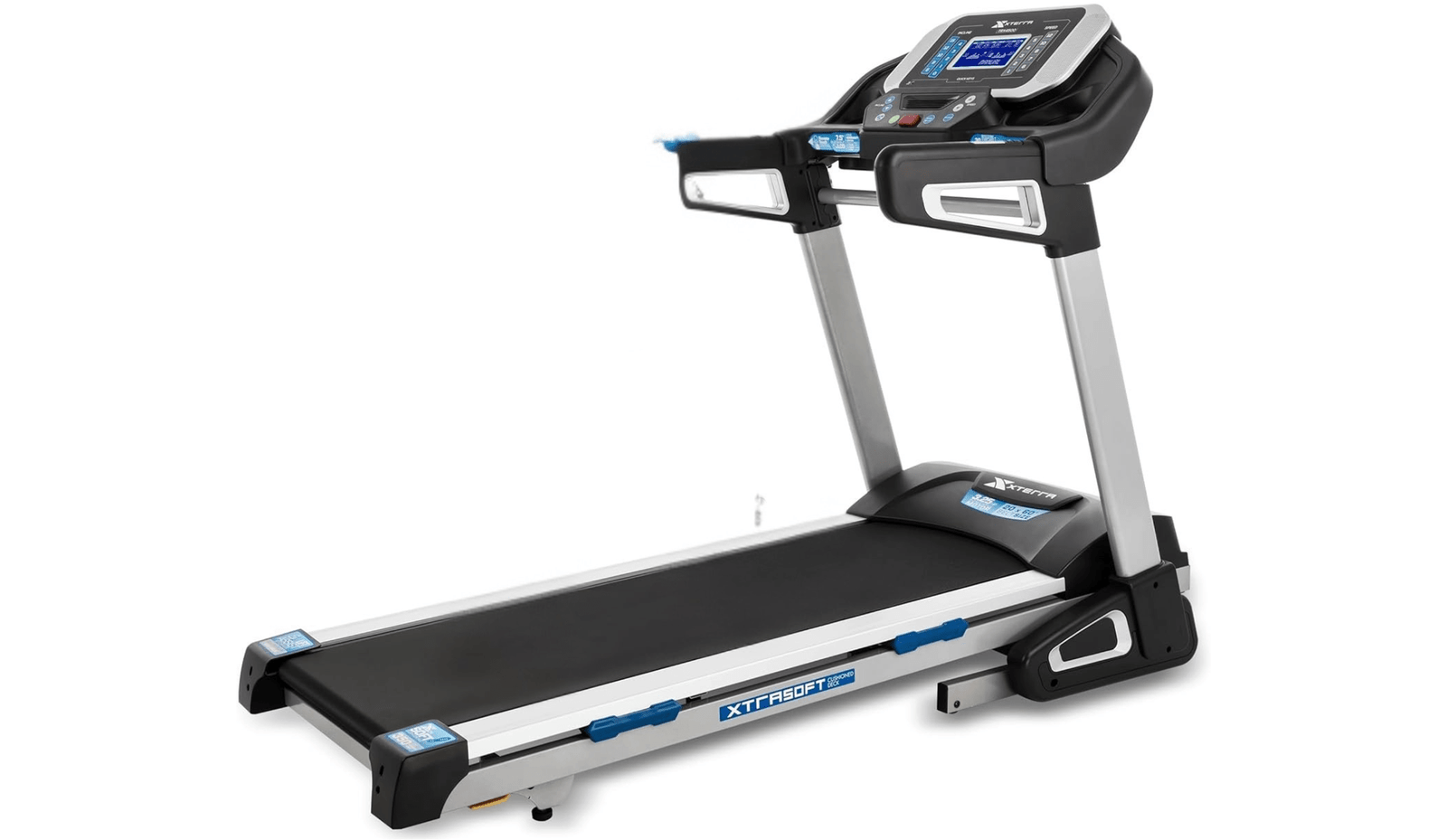
Best Budget Smart: XTERRA Sport Series
A budget-friendly treadmill that still hits the essentials: real speed, incline, and program variety.
Why it’s on this list
This is the practical choice if you want running capability and incline without spending into premium tiers. It’s the kind of treadmill that works best when you want quick-start workouts, simple tracking, and programs that reduce planning.
- Motor: 3.25 HP (listed)
- Top speed: 12 mph
- Incline: Up to 15%
- Programs: 30 presets (listed)
- Deck: 60″ length • 20″ width (listed)
Pros
- Strong essentials for the price tier.
- Good family treadmill: simple controls, multiple use cases.
- Incline makes walking workouts more effective.
Cons
- Not the same premium feel as heavy commercial builds.
- Confirm fold/storage needs for your room.
- Verify listing details by seller.
Who this is best for
Budget-focused buyers who still want a treadmill that can handle real running speeds and meaningful incline.
How to get the most from it
Use incline walking sessions on busy days and short interval runs once or twice per week. That pattern is easier to maintain than “run hard daily.”
How to Choose the Right Treadmill (Fast)
Decide what your treadmill must do on most days. Then buy the model that makes that habit easiest. If you try to buy for every possible scenario, you’ll overpay or end up with a treadmill you avoid.
- Daily steps + fat loss walking: prioritize incline, comfort, and quick start (Sunny Auto Incline, NordicTrack T Series).
- Running performance: prioritize deck size, stability, and fast controls (Horizon 7.4 AT, 3G Elite Runner X).
- Small-space ownership: storage design matters more than specs (WalkingPad X Series).
- Motivation bottleneck: coaching ecosystem can be worth it (Peloton).
- HIIT conditioning: self-powered pace is the point (RUNOW Curved).
Practical tip: measure room length, doorway width, and ceiling height before you buy—especially if you’ll use incline.
Before You Buy: The 7 “Regret-Proof” Checks
- Deck length: Runners usually feel best around 60″ length; shorter decks can feel cramped at speed.
- Deck width: Wider decks reduce foot-placement stress and improve confidence for bigger strides.
- Stability: Heavier frames and stronger motor specs tend to feel steadier for frequent use.
- Noise and vibration: Apartments benefit from cushioned decks and smoother motor designs.
- Incline clearance: Incline raises your standing height; confirm ceiling clearance if you’re tall.
- Storage reality: Folding only helps if you can fold it easily in your exact layout.
- Subscription cost: If a membership is required for your preferred experience, include it in the budget up front.
If you want the “easy win,” pick the treadmill that requires the least daily setup in the room where you’ll use it.
Simple Workout Templates You Can Repeat
These are intentionally boring—in a good way. They’re designed to be repeatable when motivation is average.
Template A: Incline Walking (25 minutes)
- 5 minutes easy walk
- 15 minutes incline walk (moderate effort; you can talk but prefer not to)
- 5 minutes cool down
Template B: Beginner Run/Walk (20 minutes)
- 5 minutes warm-up walk
- 10 rounds: 30 seconds jog + 60 seconds walk
- 3 minutes easy walk
Template C: Intervals for Runners (24 minutes)
- 6 minutes easy jog
- 8 rounds: 45 seconds hard + 75 seconds easy
- 4 minutes cool down
If you’re managing injury risk or medical concerns, get clearance from a qualified professional before starting intense intervals.
Quick Video
Privacy-enhanced embed (YouTube-nocookie).
FAQs
Which treadmill is best if I’m trying to run consistently?
What’s the best treadmill if I mostly walk for weight loss?
Is a folding treadmill always better for small spaces?
Are subscriptions worth paying for?
Do I need 12 mph if I’m not a runner?
Are manual curved treadmills good for beginners?
How do I reduce treadmill noise in an apartment?
What’s the simplest treadmill plan for consistency?
Should I buy for “future me” who will run more?
What’s the single biggest mistake treadmill buyers make?
Support Mind Clarity Hub
If this guide helped you choose faster, you can support Mind Clarity Hub by checking today’s pricing through our Amazon link. There’s no extra cost to you, and it helps us keep these recommendations updated.
See Today’s Amazon Treadmill Deals →Disclosure: As an Amazon Associate, we earn from qualifying purchases.
Explore the Mind Clarity Hub Library
Practical books on focus, digital habits, resilience, and building a calmer mind.
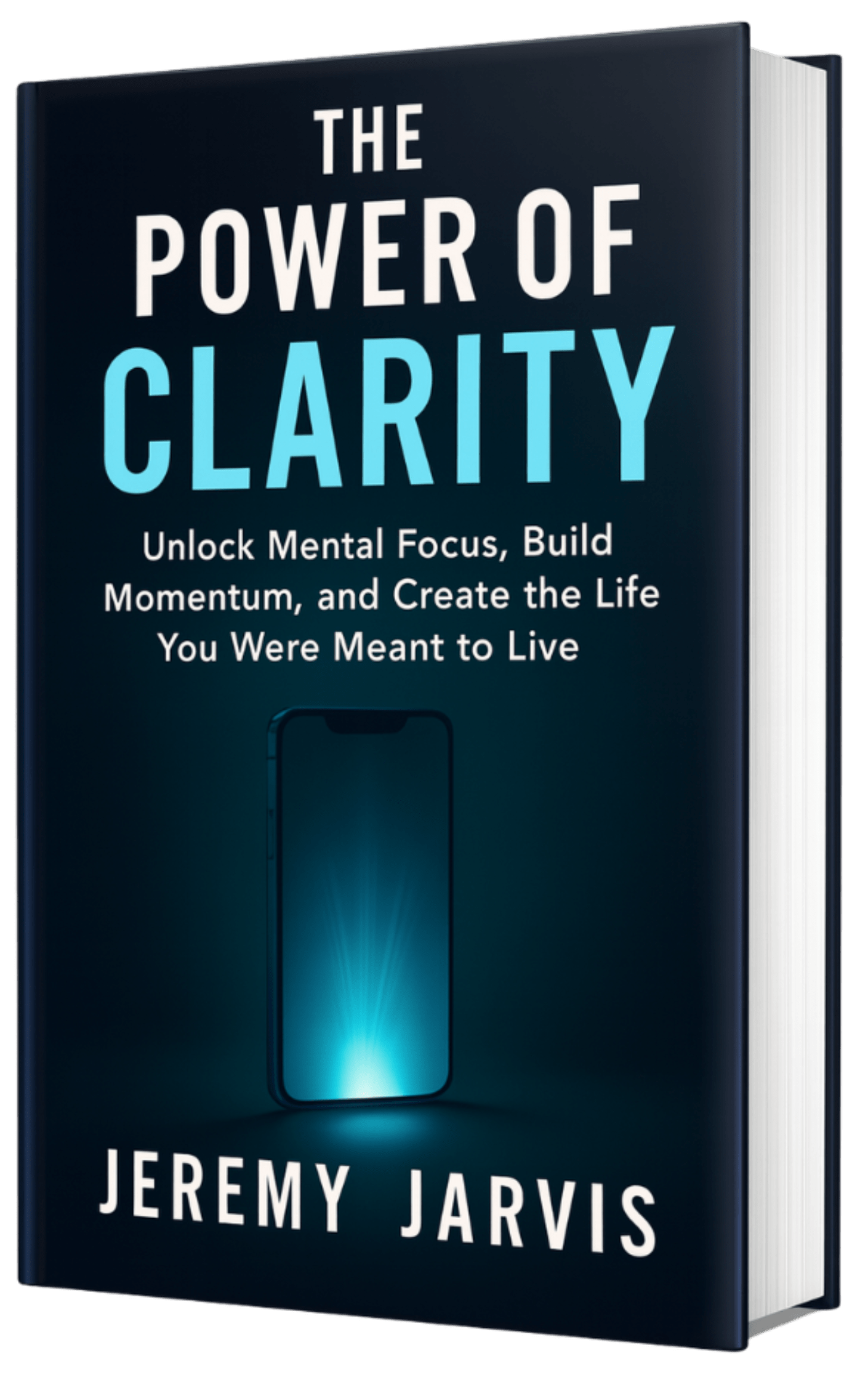
The Power of Clarity
Unlock mental focus, build momentum, and create the life you were meant to live.
View book →
AI & ChatGPT for Beginners
No PhD needed — a 2025 guide to AI, prompts, and productivity without coding.
View book →
Zen in the Digital Jungle
Mindfulness for a chaotic world.
View book →
The Slow Reset
Mindful living in a fast-paced world.
View book →
Perfectly Imperfect
Stop self-criticism, set boundaries, and embrace the real you.
View book →
Reclaiming Silence
A dopamine detox guide to finding peace in a noisy world.
View book →
The Focused Freelancer
Productivity, pricing & positioning for independents in 2025.
View book →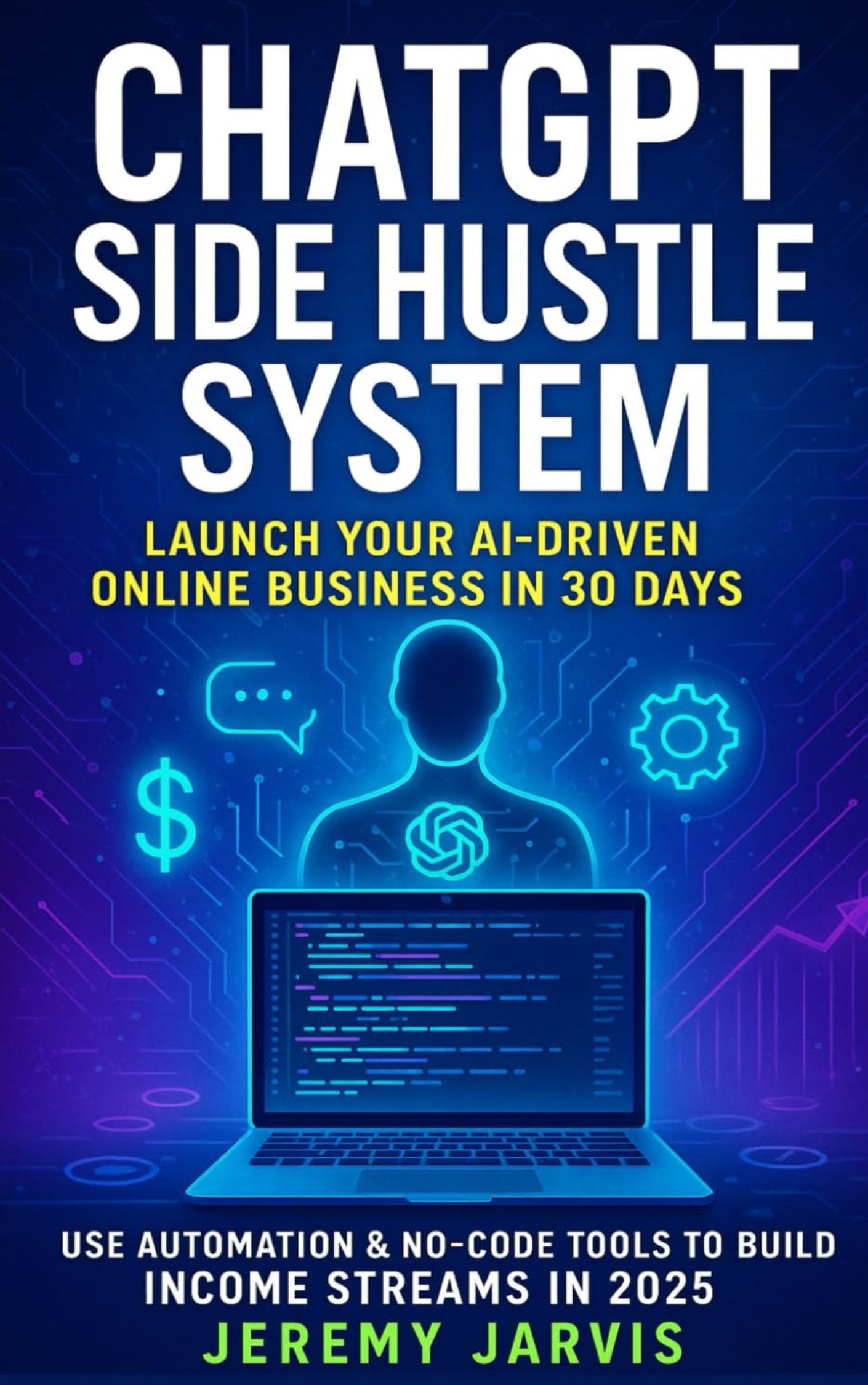
ChatGPT Side Hustle System
Launch your AI-driven online business in 30 days.
View book →
Burnout, Interrupted
A proven path to restore energy and reclaim your life.
View book →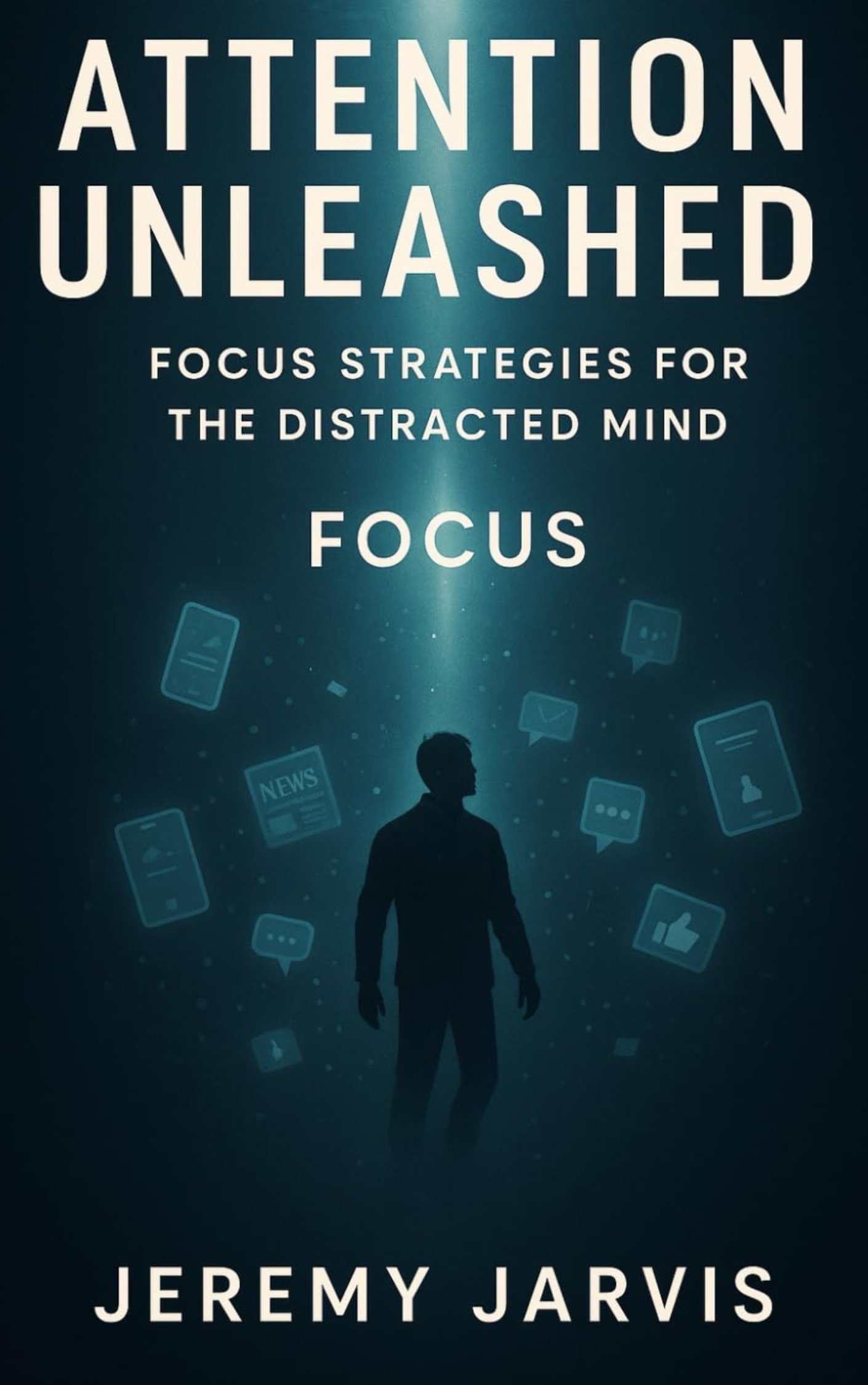
Attention Unleashed
Focus strategies for the distracted mind.
View book →
Side Hustle Launchpad
Your quick-start guide to extra income.
View book →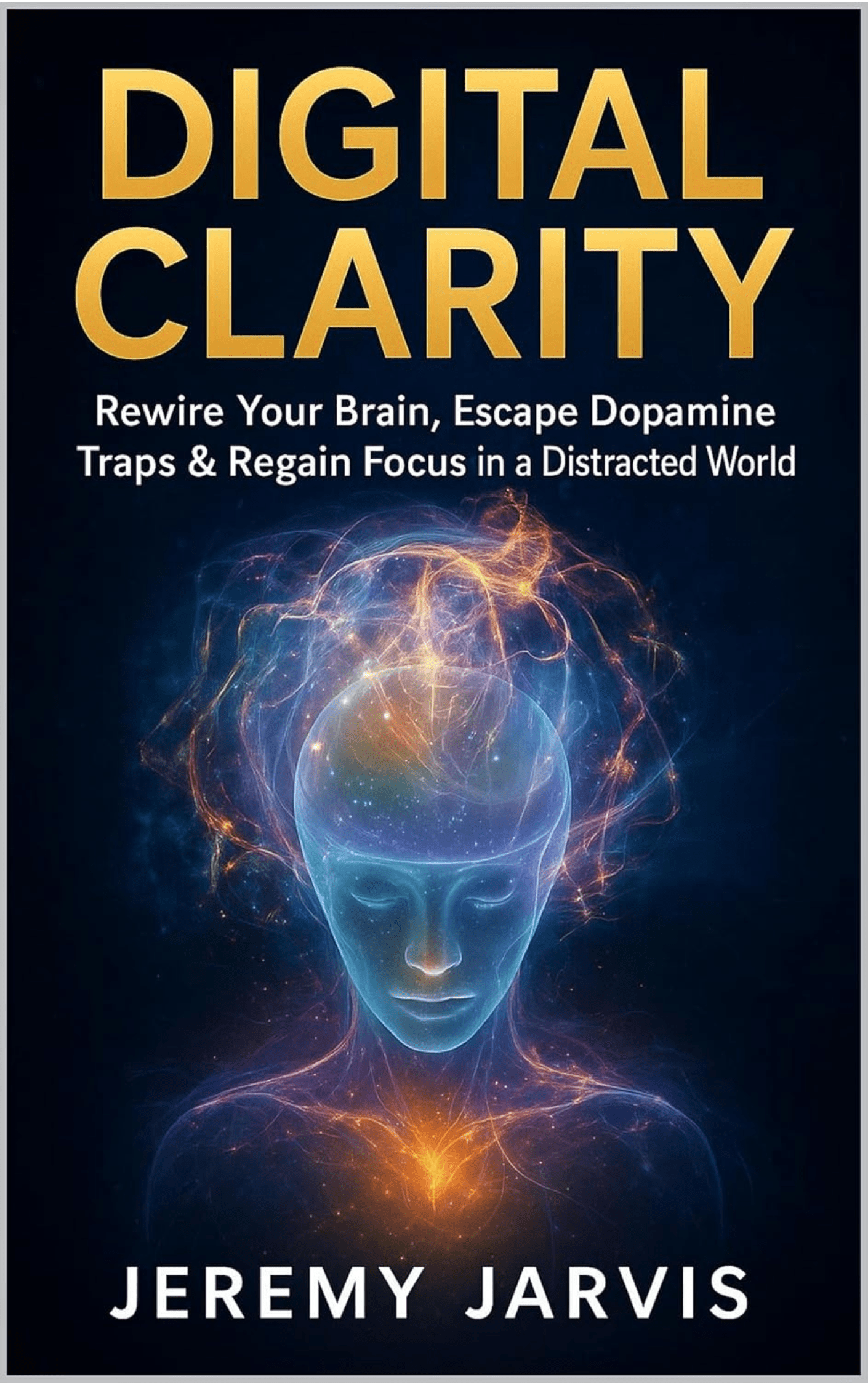
Digital Clarity
Rewire your brain, escape dopamine traps & regain focus.
View book →
Break the Scroll
Reduce screen time and take back control of your life.
View book →
Climate Compassion
Transform eco-anxiety into empowered action.
View book →
Village Mentality
The power of community for mental wellness.
View book →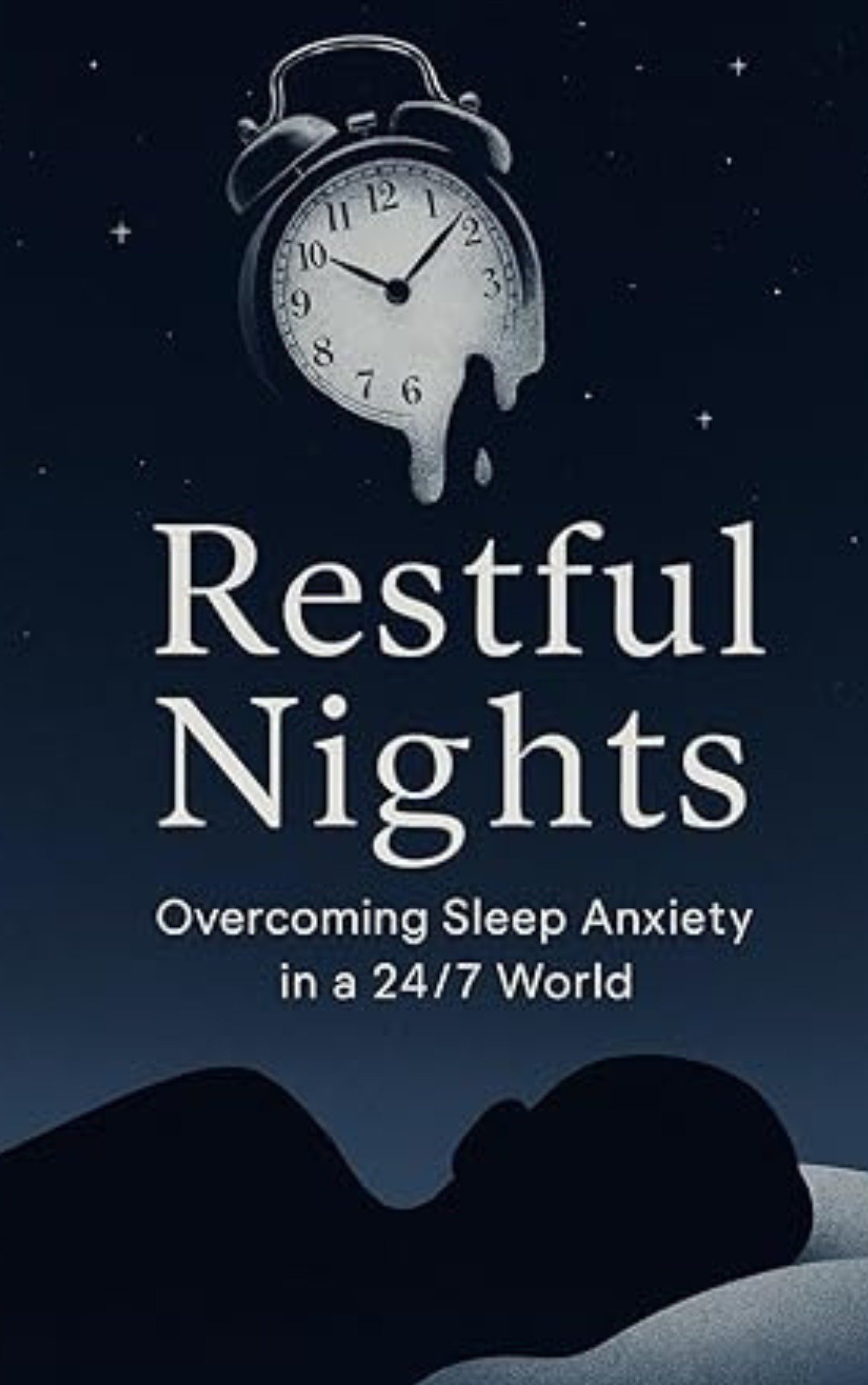
Restful Nights
Overcoming sleep anxiety in a 24/7 world.
View book →
Connected Again
Combat loneliness and build meaningful relationships.
View book →
Focus Recharged
Mastering attention and productivity in the digital era.
View book →
Marketing Magic with ChatGPT
AI-powered content, campaigns, and copywriting to grow faster.
View book →
The 6-Figure Creator
Turn knowledge into passive income with books, courses & AI.
View book →
Burnout Breakthrough
Reset your work-life balance and thrive in 2025.
View book →
The Emotionally Intelligent Man
A modern guide to self-awareness and communication.
View book →
AI Personalized Wellness
Create your custom health plan with data-driven habits.
View book →
Everyday AI Made Easy
Use ChatGPT and smart tools to simplify life.
View book →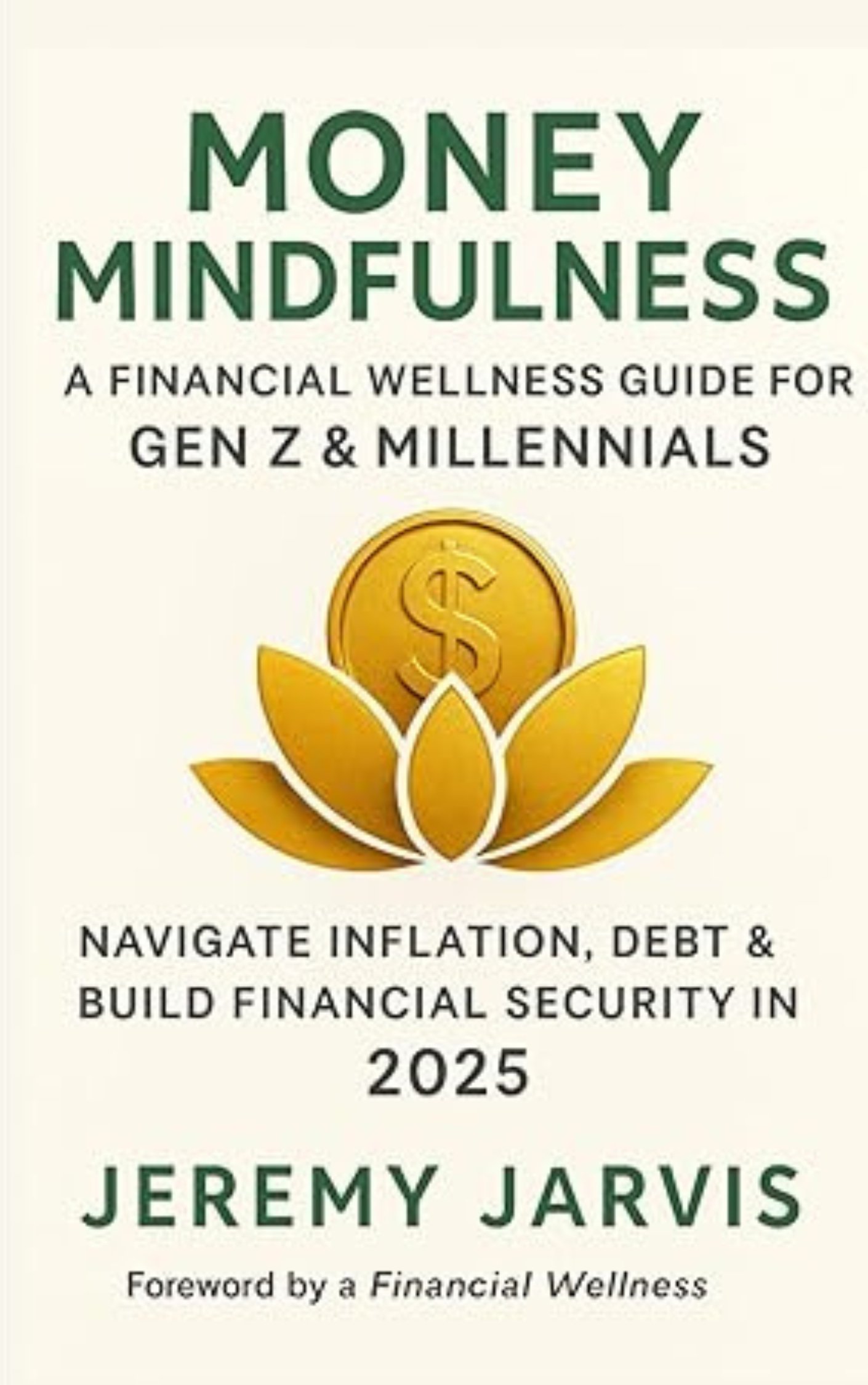
Money Mindfulness
A financial wellness guide for Gen Z & Millennials.
View book →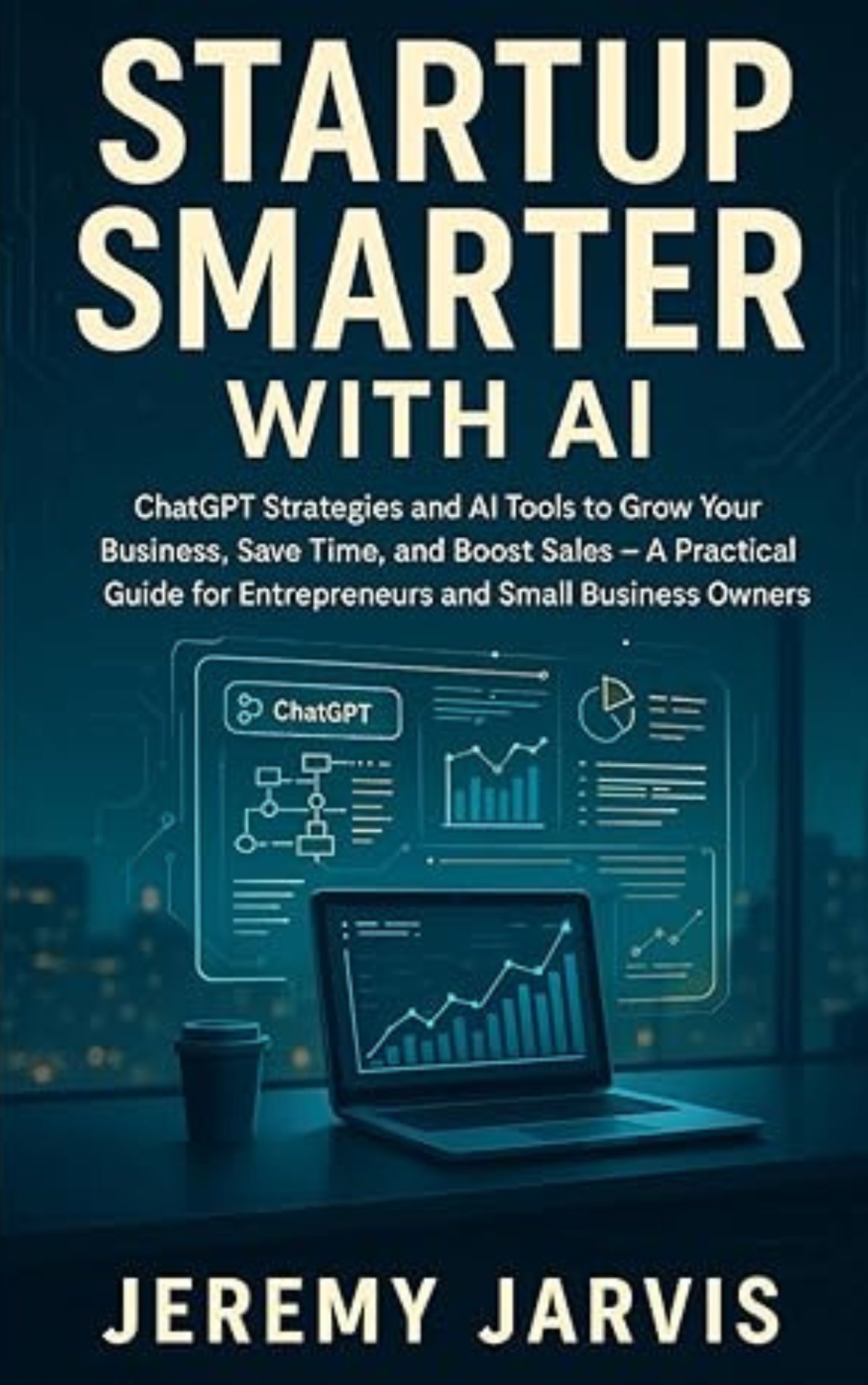
Startup Smarter with AI
ChatGPT strategies and tools to grow your business.
View book →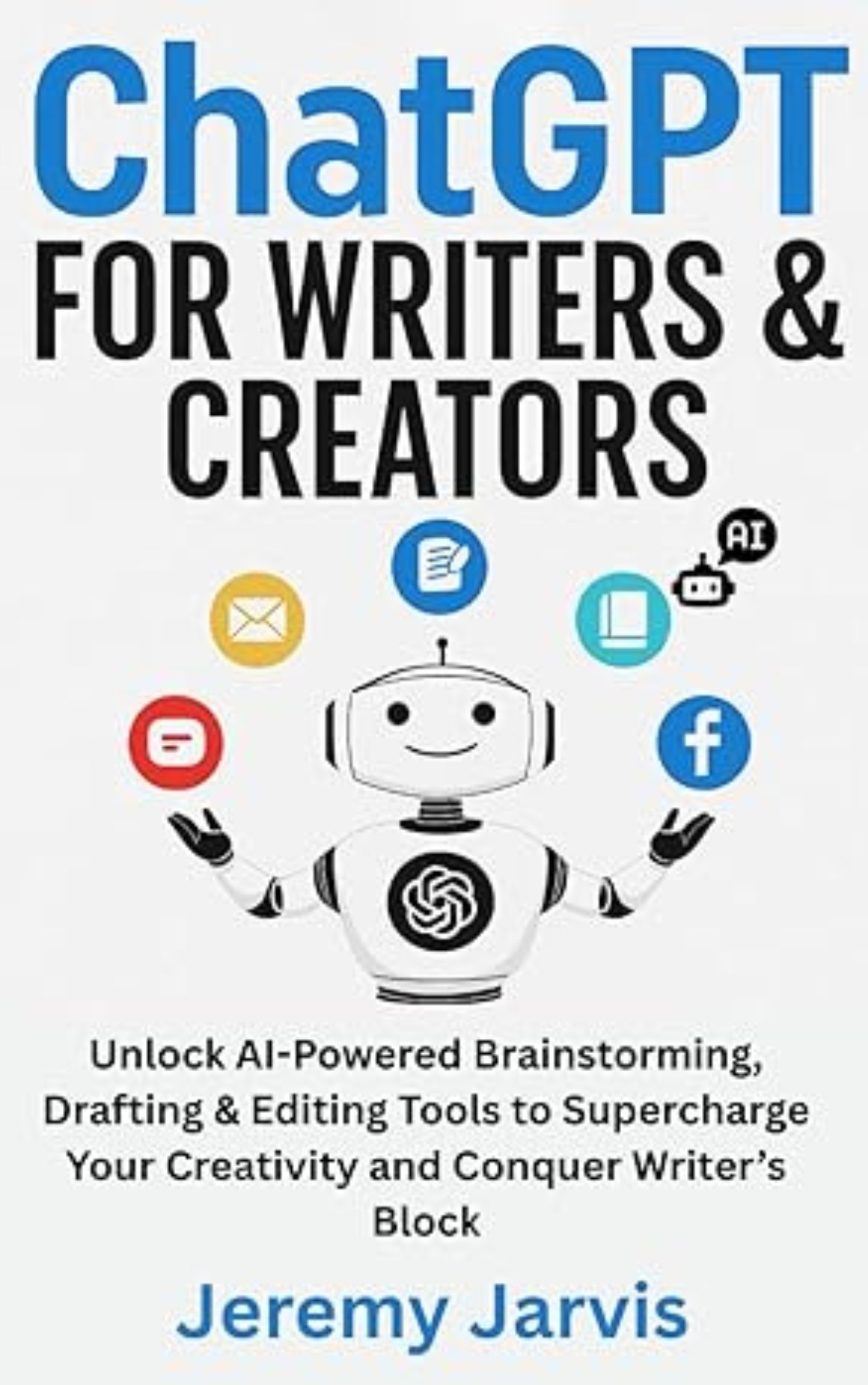
ChatGPT for Writers & Creators
Unlock AI-powered brainstorming, drafting & editing.
View book →