The Modern Attention Diet: A Dopamine Detox to Restore Focus in 2025
A comprehensive guide to reducing digital overwhelm, stabilizing your brain’s reward system, and rebuilding attention with a targeted attention diet.

Jeremy Jarvis — Founder, Mind Clarity Hub
Published • Last updated
Jeremy is a cognitive-clarity researcher focused on how dopamine, attention, and digital habits shape modern productivity and focus. His work blends neuroscience, practical routine frameworks and environmental design for clarity-driven minds.
Key Takeaways
- A structured attention diet helps your brain recover from digital overwhelm.
- Stabilizing dopamine through low-stimulus routines rebuilds working memory and focus.
- Minimal environments, predictable rhythms and low novelty improve executive function and clarity.
- A meaningful dopamine detox doesn’t mean quitting tech—it means rebuilding how you engage with it.
You’d think that attention is simply a matter of willpower or discipline—yet what you’re experiencing isn’t because you’re weak. In fact, your brain is working **exactly** as it was designed—just in an environment it never intended. Every beep, update, swipe, and glance adds micro-costs to your cognitive bandwidth. Over days, weeks, and months, these micro-costs accumulate into a heavy sense of mental fog, fragmented attention, and the feeling that focus has simply “disappeared.”
In 2025, the modern human faces perhaps the greatest assault on attention in history. That’s why the concept of a **“modern attention diet”** matters now more than ever. This isn’t about self-punishment or rigid detoxes—it’s about reorganizing how you engage with stimuli, how you use tech, and how you rebuild neural systems for clarity and long-term focus.
If you’ve already explored the frameworks in The Power of Clarity, Digital Clarity, Break the Scroll or Attention Unleashed, this article will build on those systems. If not—this is your gateway into a personalized attention reset.
Why the Brain Needs an Attention Diet in 2025
The digital ecosystem today functions like an all-you-can-eat buffet of stimuli—only your brain wasn’t designed for endless novelty. Notifications, rapid scrolling, multi-tab workflows, and background tasks generate constant dopamine spikes. Individually they seem trivial, but cumulatively they:
- Destabilize your baseline dopamine and tolerance
- Short-circuit sustained attention and create constant micro-switching
- Overload working memory and reduce clarity
- Create reactive, rather than deliberate, thinking patterns
This is why many people say they “can’t focus even when they want to” or feel mentally swamped by mid-afternoon even after a full sleep. Understanding the mechanism behind this is the first step toward regaining control.
What a Dopamine Detox Really Means
A dopamine detox is far less extreme than most people assume. Instead of cutting out joy or abandoning technology, the true goal is to reduce rapid-fire dopamine stimulation long enough for your neural reward system to settle into a healthier rhythm. Modern devices deliver constant micro-rewards that destabilize dopamine baselines, weaken attention stability, and train the brain to prefer novelty over depth. When you intentionally lower these fast-trigger inputs, your cognitive systems finally get the breathing room needed to restore clarity.
Why a Dopamine Detox Isn’t a “Brain Reset,” But a Neural Recalibration
Many people misunderstand dopamine detoxing as an attempt to “reset the brain.” In reality, you’re creating a temporary low-stimulation environment that allows your neural pathways to cool down. By strategically reducing artificial dopamine spikes, the brain naturally shifts back toward slower, more sustainable focus patterns. As this recalibration happens, executive function improves, working-memory strain decreases, and the prefrontal cortex begins functioning with far more efficiency.
Begin the Reset by Reducing High-Stim Behaviors
- Short-form video exposure, rapid swiping, and micro-scanning
- Compulsive notification checking and reactive phone use
- Tab-hopping, multitasking, and constant digital micro-switching
- High-stim snacks or caffeine surges that amplify dopamine cycling
Replace High-Stim Inputs With Deep-Attention Activities
- Long-form reading, extended focus blocks, and writing
- Analog routines such as journaling, sketching, planning, or quiet reflection
- Minimalist work setups with fewer tabs, fewer devices, and fewer distractions
- Nature exposure, breathing practices, and low-stimulation movement rituals
How Neural Reconditioning Strengthens the Brain’s Attention System
Those practices recalibrate your internal reward system and rebuild the neural networks that fuel deep focus. You’ll also strengthen what cognitive researchers call the “attention muscle”—the integrated network of prefrontal circuits responsible for deliberate concentration. This system is explored deeply in Digital Clarity, where sustainable neural resets replace temporary detox trends.
Once the brain begins functioning at a slower, steadier dopamine pace, a new experience emerges: attention feels less fragile. Your mind stops fighting against distraction because novelty loses its addictive pull. This shift often arrives within 7–14 days of reducing extreme stimulation, and it becomes more stable the longer you practice intentional engagement.
Although a dopamine detox helps rapidly, its long-term benefit comes from committing to predictable rhythms of digital interaction. When your nervous system consistently receives fewer novelty spikes, it gradually stops seeking them. As a result, deep focus becomes easier, task engagement becomes smoother, and mental fog begins to lift.
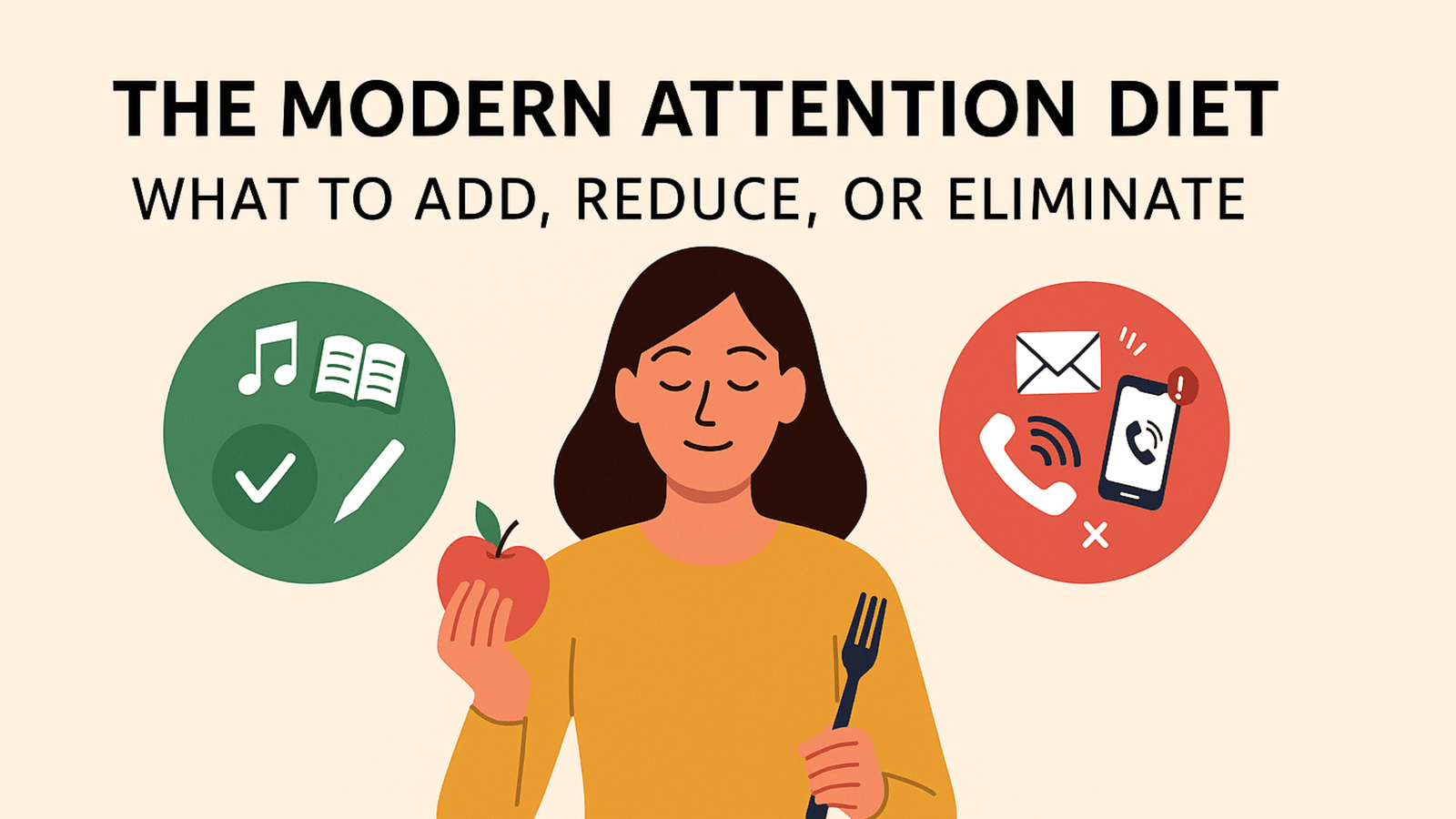
The Three-Tier Attention Diet Model: Add, Reduce, Eliminate
Because not all stimuli impact your brain equally, the modern attention diet organizes your digital inputs into three strategic tiers. This model helps you understand which behaviors rebuild clarity, which ones slowly erode your attention, and which ones aggressively hijack your cognitive systems. When you follow this structure intentionally, you reduce digital overwhelm, stabilize dopamine, and restore long-form attention far more efficiently.
Tier 1: ADD — Focus-Rebuilding Inputs
The first tier includes inputs that actively strengthen attention. These are the behaviors your brain craves when recovering from overstimulation. Adding them into daily routines begins rewiring your neural pathways toward long-term clarity.
- Single-task work blocks that eliminate internal multitasking friction
- Early-morning rituals with no screens, slow breathing, and analog writing
- Nature exposure, soft fascination, and low-stimulation sensory environments
- Deep reading sessions that stabilize dopamine and extend concentration
- Minimalist workspaces that reduce visual and cognitive noise
Each of these practices reinforces slow neural rhythms. Over time, they restore your prefrontal cortex’s ability to regulate attention without constantly fighting digital distraction.
Tier 2: REDUCE — Moderate-Stimulus Inputs
The second tier addresses habits that aren’t harmful individually but create cumulative cognitive stress when used excessively. Reducing these behaviors helps prevent attention fragmentation and working-memory overload.
- Open-tab multitasking and background media streams
- High-volume chat notifications and frequent message responses
- Rapid inbox checking and reactive emails
- Recurring screen switching during focused tasks
These behaviors elevate cognitive load and create attention residue. Once reduced, your mind experiences fewer micro-fractures throughout the day, and your concentration naturally deepens.
Tier 3: ELIMINATE — High-Stim Attention Hijackers
The third tier focuses on the most destructive digital patterns—the ones engineered for instant dopamine spikes. Removing or tightly controlling these behaviors is crucial for repairing your attention system.
- TikTok, Instagram Reels, and any infinite-scroll platform
- Breaking-news loops, click-refresh cycles, and algorithmic novelty traps
- Notification-heavy apps that constantly trigger micro-rewards
- High-stim games and applications built around impulsive reinforcement
By eliminating these hijackers, you prevent repeated dopamine flooding. This single step dramatically reduces distraction cravings and allows your attention to stabilize faster than any other intervention.
Once all three tiers are active, your attention diet becomes a structured system rather than a temporary detox. The brain begins working with you instead of against you, and clarity becomes easier to maintain throughout every part of your day.
How the Brain Repairs Attention: Neuro-Insights in 2025
Modern research reveals attention breakdown isn’t just a “lack of will,” it’s a measurable state of neural dysfunction: working-memory overload, prefrontal fatigue, reward dysregulation, and chronic novelty-seeking.
Reward-Prediction Error & Novelty Hijacking
Reward-prediction error occurs when your brain expects a predictable outcome (focus) but instead receives rapid novelty (feeds, alerts). When this gap persists, you drift away from goal-directed thinking and toward passive novelty consumption. That shift contributes to what many users call the “doom-scroll loop.”
Working Memory Saturation & Attention Fragmentation
Scientific teams at MIT and Stanford indicate the human working-memory limit hovers around 4 meaningful items. Every extra tab, unfinished task, or phone alert adds a cognitive item to that queue. When you exceed it, clarity collapses and mental performance drops.
Prefrontal Control Networks & Environmental Load
Your prefrontal cortex acts as the “attention manager” in your brain. High sensory load—bright screens, movement, audio cues—forces the PFC to constantly inhibit distractions, which depletes it faster. That’s why low-stimulus zones and stillness matter more than ever.
Start Your Attention Rebuild Routine: 5-Step Action Plan
You don’t need weeks of isolation. You need a focused, repeatable routine aligned with today’s brain-needs. Here’s how:
Step A — Clear the Launch Zone
Dedicate 10 minutes first thing in the morning to shut off non-essential notifications, close all tabs except one, and set a clear intention for the day. This ensures you start with minimal cognitive debt. This mirrors techniques from *Morning Routine Rewire Focus 2025*.
B — Block 25–45 Minute Focus Sessions
During each session, keep only one active task. Limit visual distractions and mute notifications. After the session ends, take 3–5 minutes of stillness (stand, breathe, walk quietly). This trains slow-focus and reduces dopamine craving.
C — Insert Micro-Rest Intervals
After every two or three focus blocks, insert a 10-minute break without screens, chats, or work alerts. Use this time for analog thinking: reflect, journal, stretch. These intervals reset your prefrontal circuits and restore clarity.
Step D — Evening Digital Wind-Down
One hour before bed, shift your environment: dim lights, switch off high-stim apps, do slow reading or breathing. This routine reduces dopamine spikes and supports the cognitive recovery your brain needs overnight.
Step E — Weekly Check-In & Adjust
At the end of each week, review: • Did I follow the attention diet model (Add, Reduce, Eliminate)? • What distractions snuck in? • Which focus blocks felt strong or weak? • What tasks aligned best with my clarity goals? Adjust your strategy for the next week accordingly.
Extended Strategies for Long-Term Attention & Clarity
Sustained focus isn’t something you achieve once—it’s a cognitive state you continue to build, reinforce, and protect. Modern attention is shaped by your routines, your environment, your dopamine stability, and how effectively you manage sensory input. As digital intensity rises in 2025, long-term attention maintenance requires more than short sprints; it requires a full ecosystem that supports clarity, cognitive endurance, and mental resilience. The following strategies expand your attention diet into a lifestyle you can sustain for months and years.
Use Nature as a Strategic Reset (Attention Restoration Theory)
One of the most powerful tools for long-term clarity is exposure to nature. Not because it’s “relaxing,” but because natural environments trigger what researchers call soft fascination—the gentle, low-stimulus attention mode described in Attention Restoration Theory (ART). Soft fascination doesn’t demand effortful focus, nor does it overstimulate your reward system. Instead, it gives your prefrontal cortex the downtime it needs to recover from decision fatigue, digital overload, and cognitive interference.
You don’t need a forest retreat to harness this effect. Small daily exposures—10–20 minutes of trees, sky, moving water, or natural light—are enough to significantly reduce cognitive load. Even urban green pockets, window views, or slow walks without your phone activate restorative attention pathways. This complements the clarity frameworks you explore in Attention Unleashed, where nature-based resets serve as anchors for controlled dopamine and mental recovery.
For deeper exploration of ART, you can review foundational research from the National Library of Medicine , which outlines how natural environments replenish directed attention.
Design Your Digital Ecosystem for Cognitive Stability
Long-term attention doesn’t survive in chaotic digital environments. Your device layout, notification settings, workspace aesthetics, and even the visual density of your screen influence dopamine flow and executive function. When your digital ecosystem is cluttered, your mind remains in a hyper-reactive state—jumping between micro-stimuli, scanning for novelty, and draining your prefrontal cortex.
Begin by removing friction points that fracture your attention: disable non-essential alerts, hide social media icons, group apps by purpose, and create screen-free zones or “no-notification windows.” Minimalistic interfaces reduce cognitive noise, which aligns with the focus-first systems introduced in Digital Clarity.
Physical workspace also matters. Clean lines, soft lighting, and reduced visual clutter all lower sensory load, allowing your brain to shift into deeper, slower patterns of concentration. Think of your environment as part of your attention diet—something that feeds or depletes clarity depending on how it’s structured.
Train Your Attention in Low-Stimulation Environments
High-stim environments make the brain dependent on novelty. Low-stim environments retrain it for depth. Practicing intentional silence, long-form reading, or analog tasks without digital interruptions strengthens the neural pathways responsible for sustained concentration. It’s not about deprivation—it’s about restoring your brain’s tolerance for stillness, slowness, and uninterrupted thought.
Try spending 10–15 minutes each day in a low-stim space doing a single analog activity: reading, sketching, writing, or thinking quietly. At first, the stillness may feel uncomfortable—this is a sign of reward-system recalibration. Over time, your cognitive endurance increases, your baseline dopamine stabilizes, and your mind becomes capable of deeper, calmer focus throughout the day.
Create Predictable Rhythms That Reduce Cognitive Friction
Predictability is underrated. The more predictable your routines, the less energy your brain wastes on transitions, micro-decisions, and task switching. Predictable rhythms reduce what psychologists call executive-function strain—the hidden cost of deciding what to do next.
Build anchor points into your day: a consistent wake-time, a no-screen morning ritual, midday quiet reset, and an evening wind-down. These cues protect your prefrontal cortex from decision fatigue and create mental spaciousness. You’ll see this mirrored in The Power of Clarity, where predictable systems act as scaffolding for deep mental performance.
Reduce Reward Saturation with Dopamine-Safe Habits
Long-term attention collapses when dopamine becomes unstable. Reward saturation—constant novelty, scrolling, alerts, and micro-stimulation—leads to low dopamine baseline, impaired motivation, and rising attention fragmentation. To reverse this, integrate dopamine-safe habits:
- Switch from rapid scrolling to long-form reading
- Use analog tools during focus sessions
- Limit novelty windows to dedicated times of day
- Replace reactive checking with scheduled review periods
- Practice micro-boredom—small intentional pauses with no input
These habits stabilize reward pathways and reduce the addictive pull that fragments attention.
Strengthen Cognitive Endurance with Deep-Work Conditioning
Sustained focus is like physical fitness—the more you train it, the stronger it becomes. Deep-work conditioning involves gradually increasing the length and intensity of your focused blocks. Start with 20–25 minutes of uninterrupted attention, then extend to 40–60 minutes as your cognitive endurance improves.
Each deep-focus session creates structural changes in the prefrontal cortex, strengthening your ability to resist novelty and maintain task-directed thinking. These improvements compound over time, forming a long-term foundation for clarity, creativity, and productivity.
Align Your Attention Diet With Your Biological Rhythms
One of the most overlooked clarity tools is your circadian rhythm. Your biological clock determines when your brain is most capable of deep work, creative output, memory formation, and recovery. Aligning your attention diet with these rhythms drastically increases your mental performance:
- Do your hardest cognitive work 1–3 hours after waking
- Use early afternoon for admin, shallow tasks, or light movement
- Reserve evenings for reflection, reading, or restoration
- Avoid high-stim environments 90 minutes before bed
This biological alignment reduces friction, boosts clarity, and supports dopamine balance.
Leverage Behavioral Bundling for Automatic Focus
Behavioral bundling—pairing a desired habit with an existing routine—helps automate attention-friendly behaviors. For example:
- Silence notifications while making morning coffee
- Open your daily focus planner after brushing your teeth
- Start a deep-focus block immediately after a 3-minute breathing ritual
- Review your goals during your evening wind-down
Bundling reduces the mental effort needed to start clarity-building habits, making your attention diet sustainable over time.
The Cumulative Result of a Long-Term Attention Diet
When you apply these strategies consistently, something profound happens: your brain stops fighting you. Distraction no longer feels inevitable. Clarity becomes your default mode. You begin to experience:
- Higher cognitive calm
- Longer attention spans
- More stable motivation
- Stronger working memory
- Reduced mental fog
- Greater resistance to digital overstimulation
Over months, these gains become compounding advantages—helping you think better, act with intention, reduce stress, and maintain mental clarity even in a high-noise world.
Building an Attention Lifestyle: How to Make Clarity Your Default State
After strengthening your baseline focus, the next step is to build a lifestyle that naturally supports cognitive stability. A long-term attention diet works best when the habits you practice during isolated sessions begin influencing the rest of your day. Because digital overload affects every corner of modern life, clarity must become a living ecosystem—something your routines reinforce automatically. This approach transforms attention from a fragile resource into a durable skill you can rely on consistently.
As you begin applying these principles, you’ll notice something surprising: most distraction doesn’t come from a lack of willpower. Instead, it comes from environmental friction, overstimulation, and the reward loops that keep the brain seeking novel input. Therefore, a sustainable clarity lifestyle aims to reduce friction in all the places your attention is hijacked—the micro-moments, transitions, and background habits that shape your mental state even when you aren’t conscious of them.
Rebuild Your Day Around Cognitive Energy Patterns
Your brain cycles through predictable waves of alertness, dopamine readiness, and mental stamina. Supporting these waves is one of the easiest ways to improve long-term performance. For example, most people experience a mid-morning cognitive peak—an ideal window for deep work, strategic planning, or high-precision tasks. After lunch, cognitive energy often drops slightly due to circadian dips, making this a perfect time for shallow tasks, admin work, or movement breaks.
By aligning your tasks with your biological patterns, you dramatically reduce the internal resistance that leads to procrastination and fragmented attention. This approach also reinforces the principles explored in your clarity frameworks, where biological rhythms and dopamine stability work hand-in-hand to protect long-form concentration.
Reduce Cognitive Load With Automatic Rituals
Another key element of an attention lifestyle is the strategic use of automation. Humans are notoriously poor at repeatedly choosing the “harder” but more beneficial behavior. Consequently, you must design your lifestyle so the clarity-supportive choice becomes the easy one. For instance, keeping your phone in another room during your first focus block removes a major source of cognitive interference. Similarly, pre-setting your workspace the night before eliminates the mental clutter that distracts you before you’ve even begun.
These micro-rituals create psychological momentum. Instead of wasting energy deciding when or how to begin, your environment guides you into focus automatically. Over time, these tiny steps accumulate into powerful clarity habits, reducing the mental fatigue that digital overstimulation often produces.
Strengthen Cognitive Boundaries to Protect Your Focus
In an era where digital overwhelm is normalized, boundary-setting becomes a neurological necessity. Frequent interruptions—notifications, message pings, app badges, and algorithmic content—act as micro-hits of novelty that destabilize dopamine. Therefore, adopting firm boundaries is one of the most protective measures you can take for long-term attention and emotional health.
Create what psychologists call a “protected cognitive window”—a block of time where your tech inputs are tightly controlled. This could include disabling notifications, using a minimalist home screen, hiding apps in folders, or scheduling social media checks at specific intervals. These boundaries reduce reward spikes and preserve the deep-focus circuits your clarity system depends on.
Let Clarity Lead Your Identity, Not Just Your Schedule
Ultimately, the goal is to allow clarity to become part of who you are—not just something you practice occasionally. When clarity becomes an identity trait rather than a temporary behavior, distraction loses its grip. This identity shift reinforces your internal narrative: “I am someone who values depth, intention, slowness, and presence.” That narrative drives the daily choices that protect your focus—choices that shape your digital environment, your morning rituals, your sensory diet, and the mental spaces you inhabit.
As you internalize these systems, clarity becomes less about effort and more about alignment. Your habits, rhythms, and environment all pull you toward deeper focus, reduced overstimulation, and a more stable, energized mind in an increasingly chaotic world.
Why Identity-Based Clarity Creates Long-Term Cognitive Stability
Once clarity becomes part of your identity, the brain shifts into a more sustainable mode of self-regulation. Instead of relying on motivation or discipline, you begin operating from an internal standard that guides your decisions automatically. As a result, distraction becomes less tempting because your actions no longer depend on moment-to-moment impulses. Rather, they follow the narrative you’ve chosen to embody.
Furthermore, identity-based clarity reduces cognitive friction. When you identify as someone who values calm, depth, and mental spaciousness, your environment gradually aligns with those expectations. You begin removing high-stimulation habits without feeling deprived, because your internal compass is pointed toward long-term focus rather than short-term novelty. This shift builds what neuroscientists call self-regulated attention stability, a trait linked to higher working-memory capacity and stronger executive function.
Additionally, identity-driven behavior naturally integrates transition-based awareness. For example, as you move from one activity to another, you become more mindful of what supports focus and what erodes it. These micro adjustments—such as silencing notifications before meetings, taking a slow breath before opening your inbox, or choosing analog tools when you feel overstimulated—compound into a more stable cognitive ecosystem over time.
Build Cognitive Momentum Through Environmental Alignment
To reinforce this identity shift, it helps to gradually sculpt your surroundings so they promote clarity without conscious effort. Begin by minimizing visual noise, simplifying your digital layouts, and removing high-novelty cues from your immediate field of view. As your environment becomes clearer, your mind follows. This relationship is supported by environmental psychology research showing that low-clutter spaces reduce cortisol, improve task initiation, and strengthen sustained attention.
In addition, you can create predictable patterns that reduce the mental strain of constant decision-making. Predictability gives the prefrontal cortex a break, which allows for deeper, slower thinking. This principle aligns with the long-term frameworks explored in The Power of Clarity, where structured rhythms consistently outperform chaotic routines for attention resilience.
Strengthen Your Mental Baseline Through Low-Stimulus Recovery
As your identity shifts toward clarity, low-stimulus recovery becomes even more essential. These short, quiet intervals replenish the brain’s attentional bandwidth and reverse reward-system fatigue. By incorporating controlled stillness—brief pauses, slow breathing, silent walks, or nature micro-breaks—you allow your mind to reset before it becomes overloaded. Over time, these restorative moments increase clarity, improve emotional regulation, and deepen your attention capacity.
Moreover, recovery intervals help stabilize dopamine, which is crucial in a world saturated with artificial stimulation. Stable dopamine strengthens the circuits that handle long-form thought, reduces overstimulation cravings, and supports the cognitive endurance needed for deep work. This approach mirrors the slow-focus strategies discussed in Digital Clarity, where small, consistent resets reshape the brain more effectively than dramatic detox attempts.
Transform Distraction Resistance Into an Automatic Skill
Ultimately, the purpose of identity-based clarity is to make distraction resistance automatic. Instead of battling impulses, your attention flows toward choices that match your sense of self. Because this internal alignment removes friction, your mental energy can support deeper focus, stronger creativity, and more stable emotional regulation. With time, clarity becomes something you express through every layer of your life—your habits, your digital environment, your interpersonal boundaries, and the internal language you use to guide your thinking.
As this identity solidifies, you will notice fewer moments of overwhelm, shorter recovery times after mentally demanding tasks, and a much stronger ability to maintain attention without forcing it. Consequently, clarity stops being a fragile resource and becomes a reliable cognitive baseline, even when life feels chaotic.
Research Sources Supporting This Framework
- American Psychological Association — Attention restoration, cognitive load & distraction research.
- MIT Neuroscience — Working-memory limits and task interference studies.
- Harvard Center for the Developing Child — Executive-function and attentional control frameworks.
- Journal of Cognitive Neuroscience — Dopamine regulation and novelty-seeking neural loops.
- Kaplan & Kaplan — Foundational Attention Restoration Theory (ART).
Ready to Dive Deeper?
Explore the full clarity systems in The Power of Clarity and Digital Clarity.
Frequently Asked Questions About the Modern Attention Diet
What is an attention diet?
Does a dopamine detox mean I must quit technology?
How long does it take to see results?
Will it work if I have ADHD?
Practical Screen-Use Rules During a Dopamine Detox
Can I still use screens during the diet?
Why does multitasking harm focus?
Does nature exposure really support focus?
How do I measure my focus improvement?
Is this method backed by research?
What is the ideal “attention diet” plan?
Explore the Mind Clarity Hub Library
Practical books on focus, digital habits, resilience, and building a calmer mind.
The Power of Clarity
Unlock mental focus, build momentum, and create the life you were meant to live.
View book →
AI & ChatGPT for Beginners
No PhD needed — a 2025 guide to AI, prompts, and productivity without coding.
View book →
Zen in the Digital Jungle
Mindfulness for a chaotic world.
View book →
The Slow Reset
Mindful living in a fast-paced world.
View book →
Perfectly Imperfect
Stop self-criticism, set boundaries, and embrace the real you.
View book →
Reclaiming Silence
A dopamine detox guide to finding peace in a noisy world.
View book →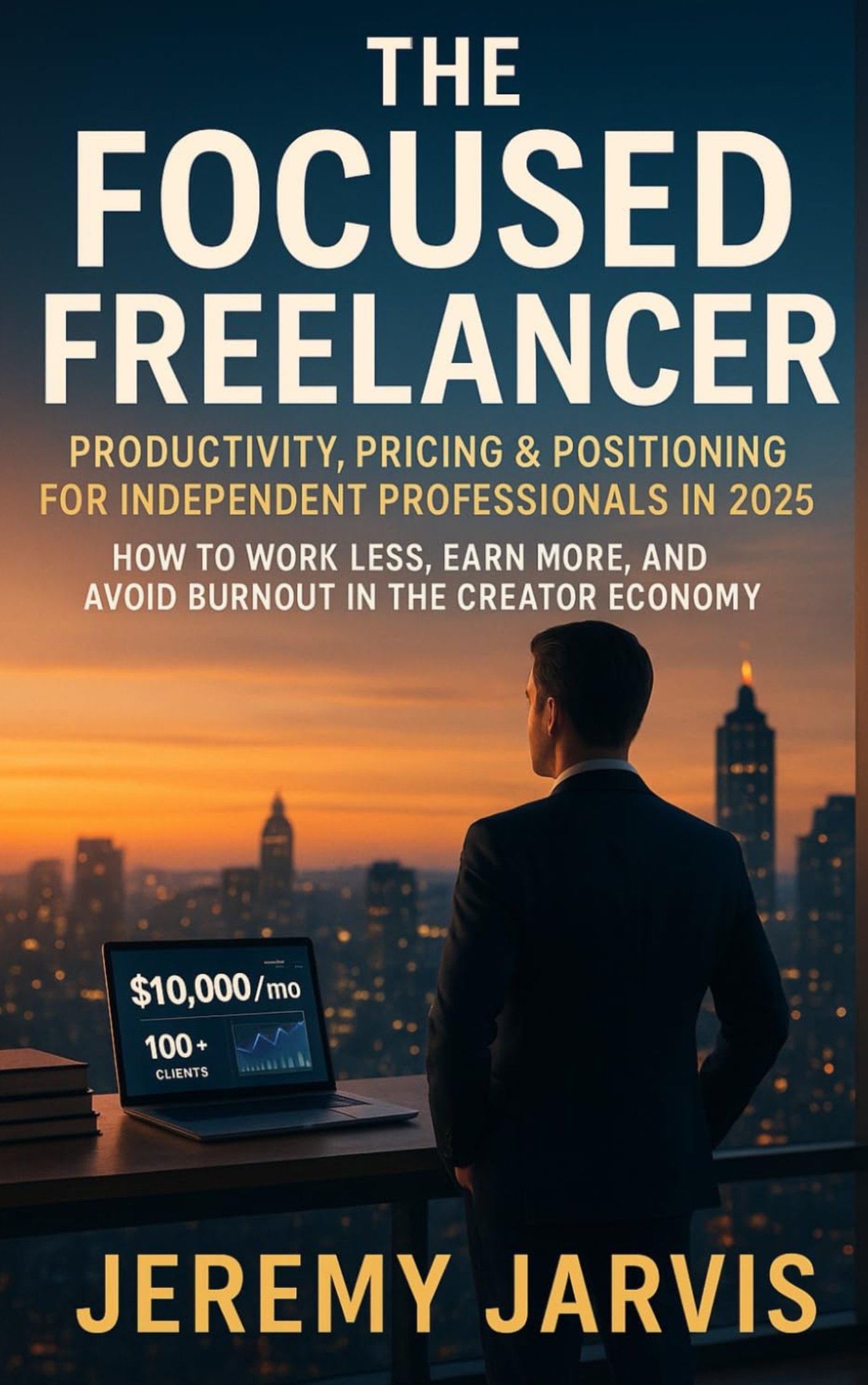
The Focused Freelancer
Productivity, pricing & positioning for independents in 2025.
View book →
ChatGPT Side Hustle System
Launch your AI-driven online business in 30 days.
View book →
Burnout, Interrupted
A proven path to restore energy and reclaim your life.
View book →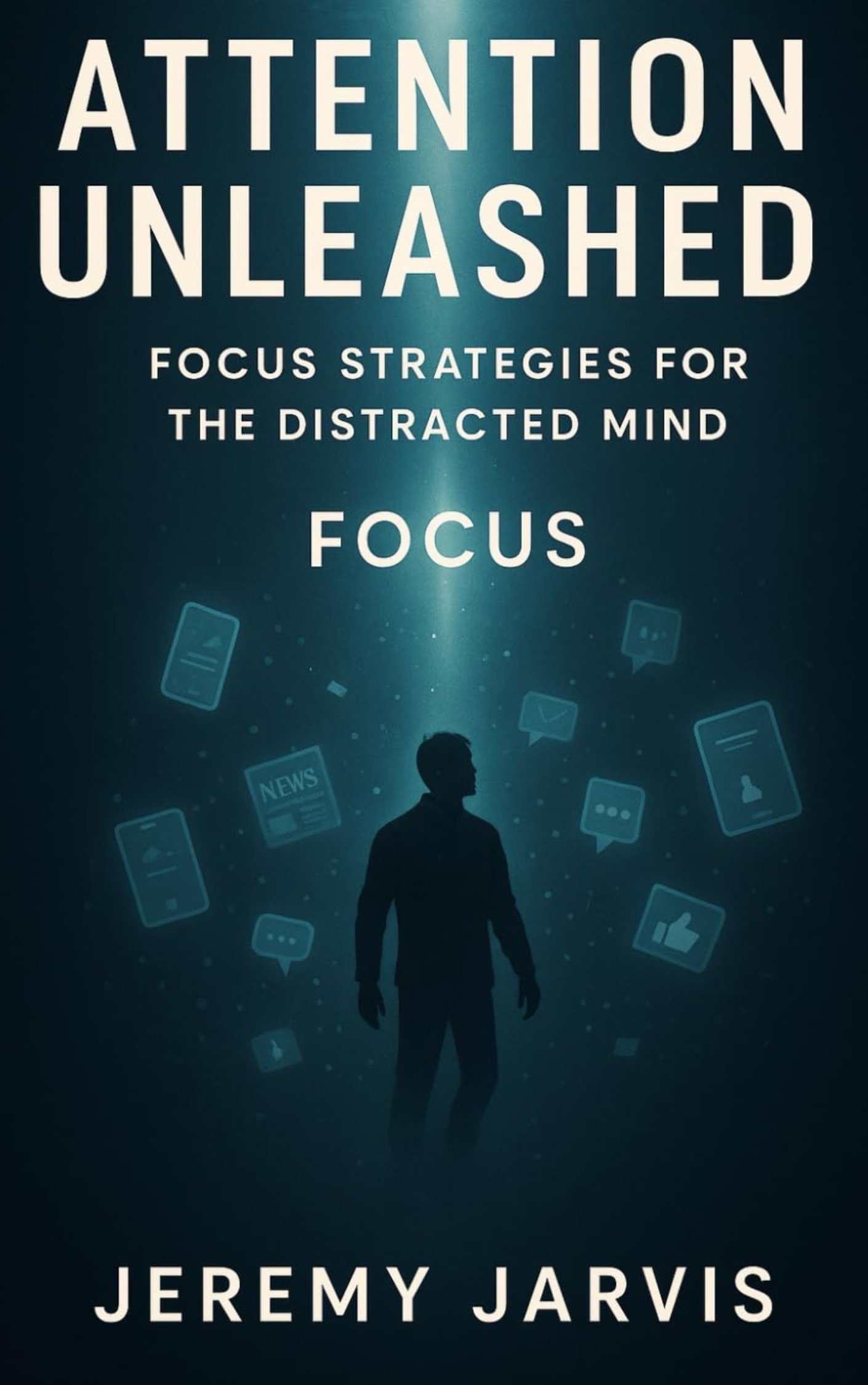
Attention Unleashed
Focus strategies for the distracted mind.
View book →
Side Hustle Launchpad
Your quick-start guide to extra income.
View book →
Digital Clarity
Rewire your brain, escape dopamine traps & regain focus.
View book →
Break the Scroll
Reduce screen time and take back control of your life.
View book →
Climate Compassion
Transform eco-anxiety into empowered action.
View book →
Village Mentality
The power of community for mental wellness.
View book →
Restful Nights
Overcoming sleep anxiety in a 24/7 world.
View book →
Connected Again
Combat loneliness and build meaningful relationships.
View book →
Focus Recharged
Mastering attention and productivity in the digital era.
View book →
Marketing Magic with ChatGPT
AI-powered content, campaigns, and copywriting to grow faster.
View book →
The 6-Figure Creator
Turn knowledge into passive income with books, courses & AI.
View book →
Burnout Breakthrough
Reset your work-life balance and thrive in 2025.
View book →
The Emotionally Intelligent Man
A modern guide to self-awareness and communication.
View book →
AI Personalized Wellness
Create your custom health plan with data-driven habits.
View book →
Everyday AI Made Easy
Use ChatGPT and smart tools to simplify life.
View book →
Money Mindfulness
A financial wellness guide for Gen Z & Millennials.
View book →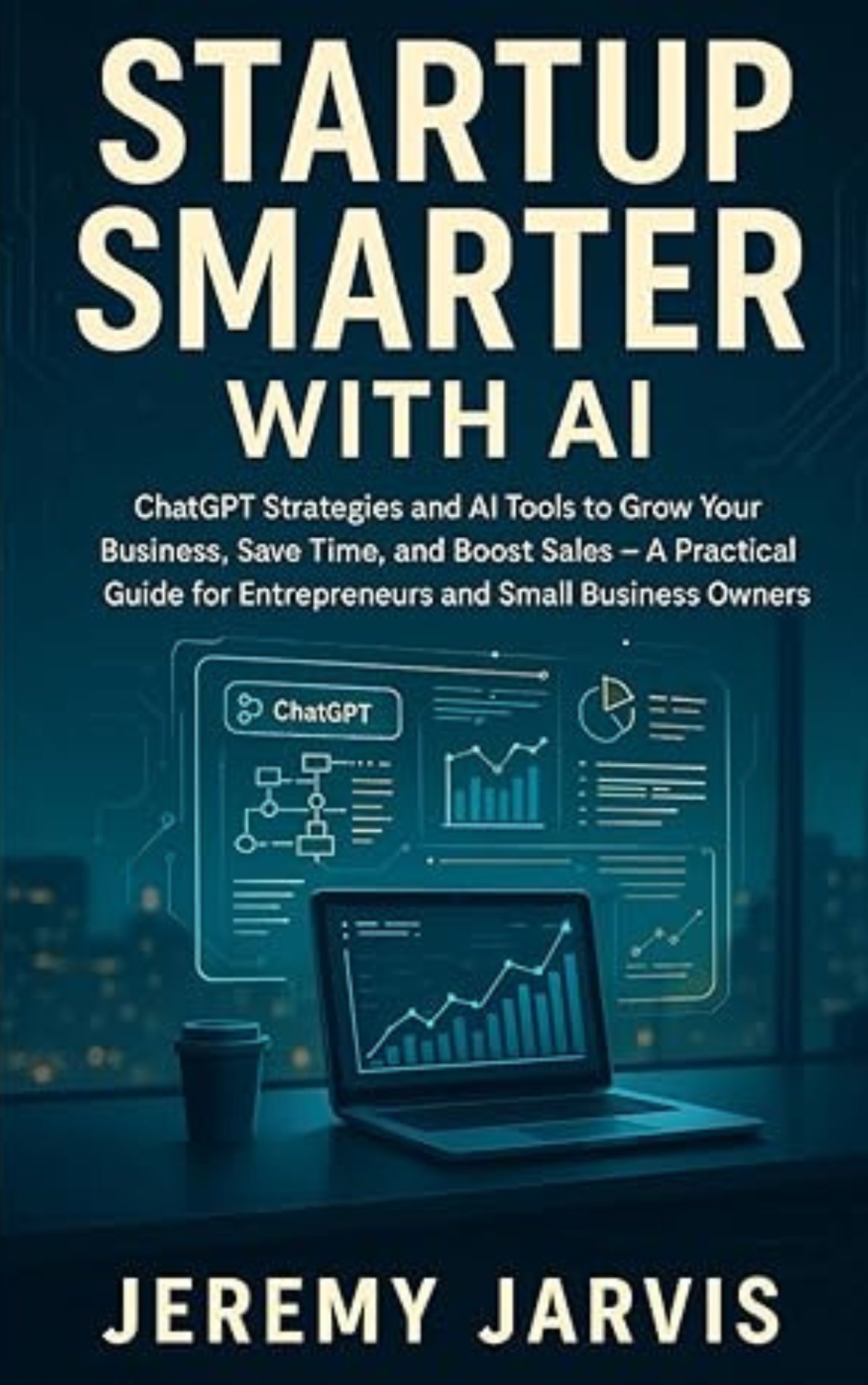
Startup Smarter with AI
ChatGPT strategies and tools to grow your business.
View book →
ChatGPT for Writers & Creators
Unlock AI-powered brainstorming, drafting & editing.
View book →