


The shift to remote work offers unparalleled flexibility, but it also presents a unique set of challenges to our focus and efficiency. Without the built-in structure of a traditional office, the lines between work and life can easily blur, leaving even the most disciplined professionals feeling scattered and overwhelmed. Mastering a few powerful remote work productivity tips is essential. This guide is designed to cut through the noise with a comprehensive collection of actionable strategies, each grounded in principles of neuroscience and behavioral psychology. Subsequently, we move beyond generic advice to provide specific, evidence-backed techniques you can implement immediately.

This isn’t just another list of obvious suggestions. Instead, you’ll find a structured framework for redesigning your workday for maximum output and minimal stress. For example, we will explore how to create an optimized physical and digital workspace, master attention-management techniques like time-blocking and the Pomodoro method, and establish firm boundaries that protect your focus and well-being. Furthermore, you will learn to leverage asynchronous communication to reclaim your schedule and implement simple pre-work and end-of-day rituals that signal your brain when to switch on and off.
Each tip is presented with a clear rationale, explaining why it works from a psychological or neurological perspective, alongside practical steps and real-world examples. Whether you’re a seasoned remote professional looking to refine your system or a student new to working from home, these strategies will help you build a sustainable, productive, and more balanced remote work life. Think of this as your toolkit for not just getting things done, but for thriving in a location-independent environment.
Disclosure: This article may contain affiliate links. If you make a purchase through these links, we may earn a small commission at no extra cost to you. This helps support our work in creating valuable content.
1. Establish a Dedicated Workspace for Better Focus
Creating a physical and psychological boundary between your professional and personal life is one of the most impactful remote work productivity tips you can implement. When your living room couch doubles as your office, the lines blur, making it difficult for your brain to switch into “work mode” or fully disengage after hours. A dedicated workspace, consequently, acts as a powerful environmental cue, signaling to your brain that it’s time to focus.
This concept is rooted in environmental psychology, which explores how our physical surroundings influence our thoughts, emotions, and behaviors. By associating a specific location with a specific activity, you create a conditioned response. In other words, stepping into your designated workspace primes your brain for concentration, while leaving it helps you transition back into your personal life, reducing the risk of burnout.
How to Create Your Dedicated Space
You don’t need a separate room with a door to reap the benefits. The key is dedication and consistency, not square footage.
- Define Your Zone: Even a small corner in a quiet room can work. Use a room divider, a bookshelf, or even a rug to visually separate your work area from the rest of the living space.
- Invest in Ergonomics: Your physical comfort directly impacts your focus. An ergonomic chair and an adjustable standing desk can prevent physical strain and boost energy levels throughout the day.
- Optimize Your Setup: Ensure good lighting to reduce eye strain and keep the area free of personal clutter. The only items on your desk should be those essential for your work tasks.
- Set Clear Boundaries: Communicate with family or roommates that when you are in your workspace, you are “at work” and should not be disturbed except for emergencies.
Real-World Example: Sarah, a graphic designer in a one-bedroom apartment, uses a foldable screen to partition off a corner of her living room. When the screen is up, her partner knows she’s in “deep work” mode. This simple physical cue has drastically reduced interruptions and helped her mentally “leave” work at the end of the day.
2. Implement the Pomodoro Technique to Boost Productivity
Maintaining focus over long stretches can feel impossible, especially with the constant digital distractions of remote work. The Pomodoro Technique is a time-management method designed to break this cycle, leveraging timed intervals to maximize concentration and prevent mental fatigue. Consequently, it turns your workday into a series of focused sprints, making large tasks feel more approachable and manageable.
This method is grounded in the psychological principle that frequent, short breaks can significantly improve mental agility. By working in focused 25-minute bursts (called “pomodoros”), you train your brain’s prefrontal cortex to concentrate intensely. Meanwhile, the built-in breaks allow for mental consolidation and recovery, preventing the cognitive decline associated with sustained effort. This rhythm helps combat decision fatigue and makes it one of the most effective remote work productivity tips.

How to Implement the Pomodoro Technique
Getting started is simple. All you need is a timer and a commitment to honor the intervals.
- Choose a Task: Select a single task to work on to avoid context switching.
- Set Your Timer for 25 Minutes: Work on the task without interruption. Turn off all notifications to ensure an unbroken focus session.
- Take a Short 5-Minute Break: When the timer rings, stop working immediately. Use this time to stretch, grab a glass of water, or simply rest your eyes away from the screen.
- Repeat and Take a Longer Break: After completing four pomodoros, take a longer break of 15-30 minutes. This extended rest is crucial for recharging.
Real-World Example: Alex, a software developer, uses the Pomodoro Technique to tackle complex coding bugs. He commits to one 25-minute pomodoro to investigate the issue. Often, the focused, uninterrupted time allows him to identify the root cause quickly. The mandatory breaks prevent him from getting stuck and frustrated, which used to lead to hours of unproductive effort.
3. Set Clear Working Hours and Boundaries to Avoid Burnout
Without the physical separation of an office, the digital nature of remote work can easily lead to an “always on” culture. Setting clear start and end times for your workday is one of the most critical remote work productivity tips for preventing overworking and burnout. Establishing firm boundaries protects your personal time, which is essential for mental and emotional recovery.
This practice is grounded in the psychological need for structure and predictability. When work hours are ambiguous, your brain remains in a state of low-grade alert, anticipating the next email. This constant vigilance consumes mental energy and prevents deep rest. By defining a clear “end of day,” you create a cognitive trigger that allows your brain to fully disengage, promoting better sleep, reducing stress, and ultimately improving your focus during work hours.
How to Enforce Your Work-Life Boundaries
The goal is to create a clear and consistent separation between your professional responsibilities and personal life.
- Communicate Explicitly: Announce your working hours to your team. Use your calendar status (e.g., in Microsoft Teams or Slack) to automatically reflect when you are available or offline.
- Create a Shutdown Ritual: Develop a short routine to signal the end of your workday. This could include reviewing your to-do list for tomorrow, tidying your desk, and closing all work-related applications.
- Leverage Technology: Set up automatic “out of office” email responses. Schedule emails to be sent during your working hours, even if you write them at night.
- Separate Your Devices: If possible, avoid using your work computer for personal activities. This physical separation reinforces the mental boundary.
Real-World Example: Maria, a project manager, updated her Slack status to automatically show a “brb” emoji during her 12:30-1:00 PM lunch break and a “powering down” emoji at 5:30 PM. This small, consistent signal has trained her team not to expect instant replies during those times, allowing her to take a real break and disconnect on time.
4. Use Time-Blocking for Proactive Remote Work Productivity
Simply having a to-do list is not enough. Time-blocking is a time management method that involves scheduling every part of your day in advance and dedicating specific “blocks” of time to particular tasks. This proactive approach transforms your calendar from a record of appointments into a strategic plan for your attention.
This technique is a direct countermeasure to multitasking, which cognitive psychology shows can reduce productivity by as much as 40%. By assigning a specific job to each time slot, you eliminate the mental friction of deciding what to work on next. This preserves your cognitive resources for deep, focused work, turning your schedule into a powerful tool for intentional productivity.
How to Implement Time-Blocking
Effective time-blocking is about being realistic and strategic, not rigid.
- Schedule Deep Work: Identify your peak energy hours (e.g., early morning) and reserve those blocks for your most cognitively demanding tasks.
- Batch Similar Tasks: Group related activities. For example, create a one-hour “communications block” for answering emails instead of letting them interrupt you all day.
- Block Distraction-Free Time: Explicitly schedule “Focus Time” on your shared calendar. This signals to colleagues that you are unavailable.
- Plan for Breaks and Buffers: Schedule short breaks after intense focus sessions. Also, add 15-minute buffers between tasks for mental transition.
- Review and Adapt Weekly: At the end of each week, review your calendar. Did your time estimates hold up? Adjust for the upcoming week.
Real-World Example: Ben, a marketing manager, time-blocks his Mondays. He reserves 9-11 AM for “Strategy & Planning,” 11-12 PM for “Team Check-ins,” 1-3 PM for “Content Creation,” and 3-4 PM for “Email & Slack.” As a result, his week starts with clear direction and momentum, preventing him from getting pulled into reactive tasks. For a deeper dive into this, you can learn more about how to increase productivity at work.
5. Minimize Distractions to Improve Remote Focus
In a remote setting, your biggest productivity challenge is the battle against interruptions. From social media notifications to household noises, distractions can derail your focus. Minimizing these using technology and environmental adjustments is a critical remote work productivity tip for reclaiming your attention.
This strategy is about proactively creating a “bubble” of focus. By leveraging digital tools to block out online noise and making small changes to your physical surroundings, you reduce the cognitive load required to constantly fight off interruptions. Consequently, this frees up mental energy, allowing you to direct your full concentration toward complex tasks, a concept central to improving your ability to focus better at work.

How to Minimize Your Distractions
A distraction-free environment doesn’t happen by accident; it’s designed. The goal is to make focus the path of least resistance.
- Deploy Digital Blockers: Use apps like Freedom or Cold Turkey to block distracting websites and applications during your scheduled focus blocks.
- Curate Your Soundscape: Utilize noise-canceling headphones to eliminate ambient household sounds. For added focus, play concentration-enhancing audio from services like Brain.fm.
- Manage Notifications Intentionally: Turn off all non-essential notifications on your computer and phone. Use “Focus Mode” or “Do Not Disturb” status in communication apps.
- Create Physical Boundaries: A simple visual cue like a sign on your door or keeping your headphones on can signal to family that you’re in deep work mode.
- Separate Your Digital Selves: Create separate browser profiles for work and personal use. This prevents personal bookmarks and social media from tempting you.
Real-World Example: Chloe, a writer, creates a “Deep Work” profile in her Chrome browser that has no social media bookmarks and uses a distraction-blocking extension. When she switches to this profile, it’s a clear signal to her brain that it’s time to write, and the digital temptations are simply not there.
6. Take Regular Breaks and Practice Movement
Chaining yourself to your desk for hours is a direct path to mental fatigue. One of the most counterintuitive yet powerful remote work productivity tips is to intentionally step away. Integrating regular breaks and physical movement prevents cognitive decline, boosts energy levels, and sustains focus over the long term.
This principle is rooted in how our brains manage energy. Sustained focus depletes cognitive resources, leading to decision fatigue. Short breaks, especially with physical movement, help replenish these resources. Movement increases blood flow to the brain, delivering more oxygen and nutrients, which enhances cognitive function, mood, and alertness.

How to Integrate Breaks and Movement
The goal is to make breaks a non-negotiable part of your workflow.
- Implement the 20-20-20 Rule: To combat digital eye strain, every 20 minutes, look at something 20 feet away for at least 20 seconds.
- Schedule Movement Alarms: Set a timer to go off every hour, prompting you to stand up, stretch, or walk around for just five minutes.
- Embrace Walking Meetings: For one-on-one calls that don’t require a screen, take the meeting on the go.
- Protect Your Lunch Break: Step completely away from your workspace to eat. Using this time for a brisk walk is crucial to learn how to recover from burnout.
Real-World Example: David, a data analyst, sets a recurring calendar event at 2:30 PM every day titled “15-Min Walk.” By putting it on his shared calendar, it becomes a legitimate appointment he’s less likely to skip. He returns to his desk feeling refreshed and often solves problems that he was stuck on before the break.
7. Master Asynchronous Communication for Deep Work
Shifting your team’s mindset from real-time urgency to thoughtful, non-real-time collaboration is a transformative remote work productivity tip. Asynchronous communication, where interactions don’t require an immediate response, dismantles the culture of constant interruptions. It frees up long, uninterrupted blocks of time essential for deep, focused work.
This approach is grounded in attention management. Cognitive psychology teaches us that every interruption incurs a “context-switching” cost, forcing our brains to disengage and then re-engage. By defaulting to asynchronous methods, you minimize these costly switches, preserving cognitive resources. It empowers individuals to engage with messages on their own schedule, leading to more considered responses.
How to Implement an Async-First Culture
Building an effective asynchronous system requires clear norms and the right tools. The goal is clarity and autonomy.
- Default to Async: Train your team to ask, “Could this meeting be an email, a document, or a video message?”
- Embrace Detailed Documentation: Use platforms like Notion or Confluence to create detailed project briefs and decision logs. This replaces the need for status update meetings.
- Use Video for Nuance: For complex explanations, record a quick video using a tool like Loom. This provides context without needing a live call.
- Set Clear Expectations: Establish and communicate expected response times, for instance, a 24-hour window for non-urgent requests. This removes the pressure for instant replies.
Real-World Example: A globally distributed marketing team replaced their weekly 60-minute status meeting with an asynchronous update thread in Asana. Each team member posts their progress by Monday morning. This saves 60 minutes of meeting time for everyone and creates a written record of progress, all while respecting different time zones.
8. Adopt a Task Prioritization System for Clarity
Without a structured system to manage your workload, remote work can quickly devolve into chaos. Implementing a task prioritization system creates clarity, ensuring you focus on high-impact activities. This is one of the most essential remote work productivity tips for maintaining control.
This approach is grounded in cognitive psychology principles related to executive functioning. By externalizing your workflow into a trusted system, you reduce cognitive load. Instead of trying to remember every to-do item, your brain is freed up to concentrate on complex problem-solving.
How to Implement a Prioritization System
The right system is one you will use consistently.
- Adopt a Framework: Use a proven model like the Eisenhower Matrix to categorize tasks by urgency and importance. This helps you decide what to do now, schedule, delegate, or eliminate.
- Visualize Your Workflow: A Kanban board (via tools like Trello or Jira) is excellent for visualizing work stages like “To-Do,” “In Progress,” and “Done.”
- Break It Down: Overcome procrastination by breaking large projects into smaller, actionable sub-tasks. Checking off these smaller items builds momentum.
- Set Daily Priorities: Before starting your day, identify your top 1-3 “Most Important Tasks” (MITs). This ensures you make meaningful progress.
Real-World Example: A freelance consultant was overwhelmed by client requests. By implementing a simple Trello board, they created columns for “New Requests,” “This Week,” and “Waiting for Client.” This visual system immediately clarified their priorities and helped them communicate timelines more effectively, reducing their stress significantly.
9. Develop Rituals to Start and End Your Workday
In the absence of a physical commute, the psychological lines between home and work can dissolve. Developing pre-work and end-of-day rituals creates the clear mental “on-ramps” and “off-ramps” your brain needs to transition effectively. These consistent routines act as powerful triggers, signaling when it’s time to focus and when it’s time to disengage.
This practice is grounded in the psychological principle of “transition rituals.” A pre-work ritual primes your brain for focus. Conversely, a shutdown ritual provides closure, allowing you to mentally “close the tabs” on work, which is crucial for preventing chronic stress. This makes it one of the most effective remote work productivity tips for long-term well-being.
How to Build Your Rituals
The power of these rituals lies in their consistency, not their complexity.
- Design Your Morning On-Ramp (10-15 mins): Before opening email, dedicate time to prime your day. This might involve reviewing your calendar and identifying your top three priorities. For more ideas, explore powerful morning rituals for focus on mindclarityhub.com.
- Craft Your Evening Shutdown (5-10 mins): Create a clear end to your workday. Review what you accomplished, prepare a preliminary task list for tomorrow, and physically tidy your workspace.
- Use Physical Cues: Incorporate a tangible action, like making a specific type of tea to start your day or closing your laptop to end it.
- Achieve Psychological Closure: After planning the next day, say a specific phrase aloud, like “Shutdown complete,” to signal to your brain that the workday is officially over.
Real-World Example: At 5:00 PM, an account manager spends five minutes updating her CRM, then writes her top three priorities for the next day on a sticky note. Finally, she closes her laptop, puts it in a drawer, and says, “Work is done.” This simple, consistent ritual helped her stop checking emails in the evening.
10. Optimize Communication Channels for Less Noise
A chaotic communication environment is a silent killer of remote focus. When every message feels urgent, you spend your day context-switching. Optimizing communication channels means establishing clear, team-wide rules about what tool to use for which message, a powerful remote work productivity tip for reclaiming attention.
This approach is grounded in the cognitive science principle of reducing cognitive load. Every time a random notification pulls you away, your brain pays a “switching cost.” By creating a predictable communication system, you minimize these interruptions, allowing for longer stretches of concentration.
How to Implement a Communication Protocol
The goal is to match the message’s urgency with the appropriate channel.
- Document the Rules: Create a simple document outlining the protocol. For example: Use Slack for quick questions (response within 3 hours), email for formal decisions (response within 24 hours).
- Segment Your Channels: In tools like Slack or Teams, create specific channels for different topics:
#announcements,#project-alpha, and#social. - Define Urgency: Reserve a specific method (like a phone call) for true emergencies only.
- Batch Your Responses: Schedule 2-3 specific times per day to check and respond to messages. This is a key strategy to manage email overload and prevent your inbox from dictating your schedule.
Real-World Example: A support team was overwhelmed by constant Slack messages. They created a new channel, #urgent-support, and established a rule that it was only for system-down emergencies. All other questions went to the standard #support-questions channel. This immediately reduced interruptions for the on-call engineer by over 70%.
Editor’s Note
After reviewing countless strategies, what truly works for remote productivity isn’t a single “miracle app” but a foundational shift in mindset. The most effective tips are #1 (Dedicated Workspace) and #3 (Clear Boundaries). These create the psychological separation necessary for both deep focus and genuine rest. These tips are best for anyone feeling like their work and home lives have completely merged. A key limitation is that not everyone has the physical space for a separate office, but even a designated corner can make a huge difference. While techniques like Pomodoro are excellent, they are less effective if your environment and schedule are constantly bleeding into each other. Start by creating clear boundaries first, then layer on other techniques.
Disclaimers and Important Information
- Affiliate Disclosure: Please note that this article contains affiliate links. If you choose to make a purchase through these links, we may earn a small commission at no additional cost to you.
- Educational Content: The information provided in this article is for educational and informational purposes only and is not intended as a substitute for professional medical or psychological advice, diagnosis, or treatment. Always seek the advice of your physician or other qualified health provider with any questions you may have regarding a medical condition or mental health concern.
Frequently Asked Questions (FAQ)
1. What is the single most important remote work productivity tip for beginners?
For beginners, the most crucial tip is #1: Establish a Dedicated Workspace. Creating a physical boundary is the first step to creating a mental one. It signals to your brain—and others in your home—when it’s time to work, which helps build all other productive habits.
2. How do I stay focused when I feel unmotivated working from home?
When motivation is low, try #2: The Pomodoro Technique. The goal of working for just 25 minutes feels much more achievable than tackling a multi-hour task. The small wins from completing a few “pomodoros” can build momentum and reignite your motivation.
3. My team is constantly messaging me. How can I get deep work done?
Mastering #7: Asynchronous Communication is key. Propose clear communication guidelines to your team. Advocate for using email or project management tools for non-urgent updates and reserve instant messaging for true emergencies. Additionally, block out “Focus Time” on your calendar so colleagues know you are unavailable.
4. I feel like I’m working all the time. How do I switch off?
Implement #9: Pre-Work and End-of-Day Rituals. A simple 5-minute “shutdown ritual”—like planning your next day, tidying your desk, and closing your laptop—creates a powerful psychological cue that the workday is over, making it easier to disconnect.
5. Are all these remote work productivity tips necessary?
Not at all. The goal is to build a system that works for you. Start by identifying your biggest challenge—whether it’s distractions, blurred boundaries, or poor prioritization—and implement the one or two tips that directly address it.
Ready to explore more strategies for mental clarity and peak performance? Browse other resources on Mind Clarity Hub or check out our productivity boards on Pinterest for visual inspiration.
Explore the Mind Clarity Hub Library
Practical books on focus, digital habits, resilience, and building a calmer mind.
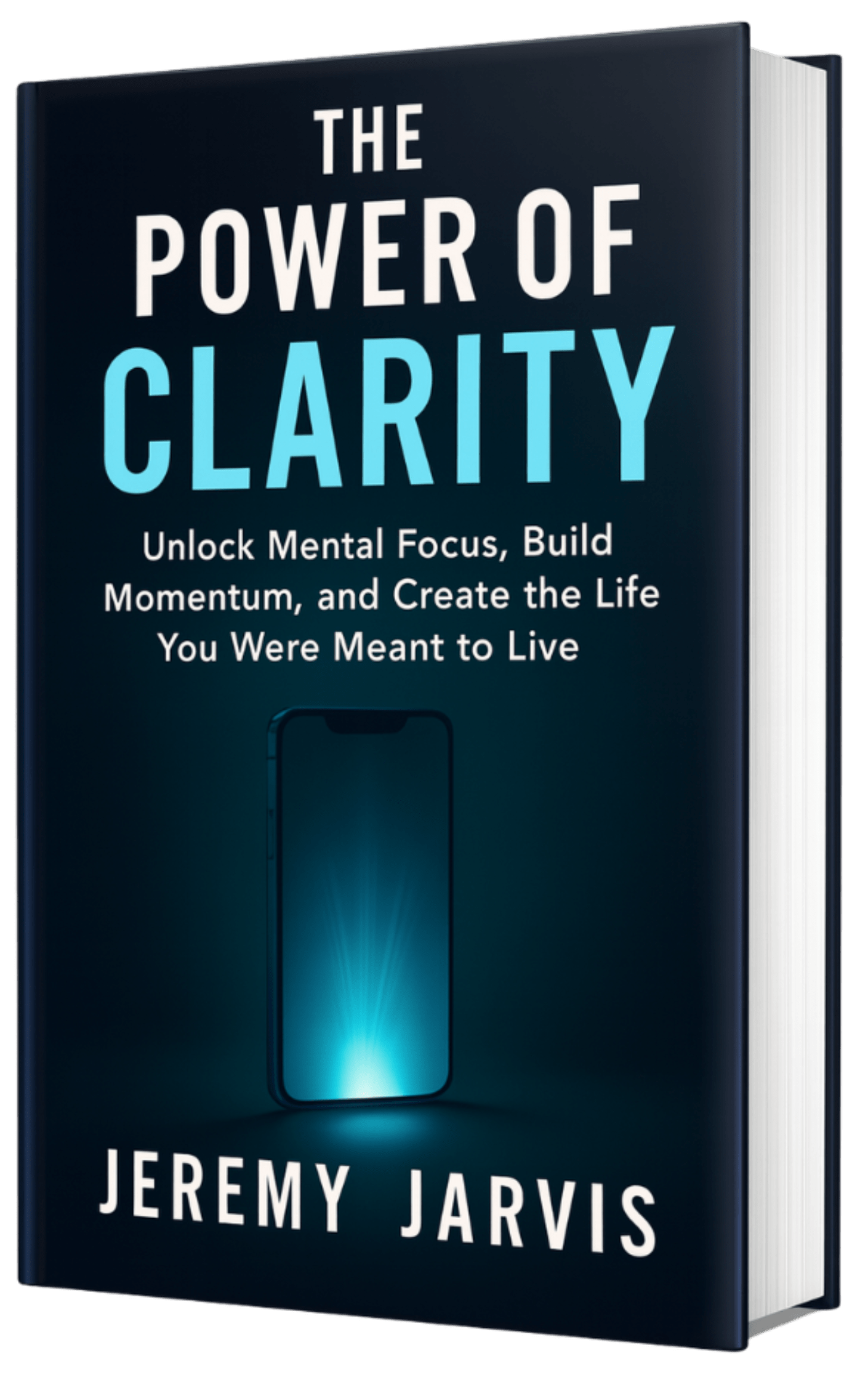
The Power of Clarity
Unlock mental focus, build momentum, and create the life you were meant to live.
View book →
AI & ChatGPT for Beginners
No PhD needed — a 2025 guide to AI, prompts, and productivity without coding.
View book →
Zen in the Digital Jungle
Mindfulness for a chaotic world.
View book →
The Slow Reset
Mindful living in a fast-paced world.
View book →
Perfectly Imperfect
Stop self-criticism, set boundaries, and embrace the real you.
View book →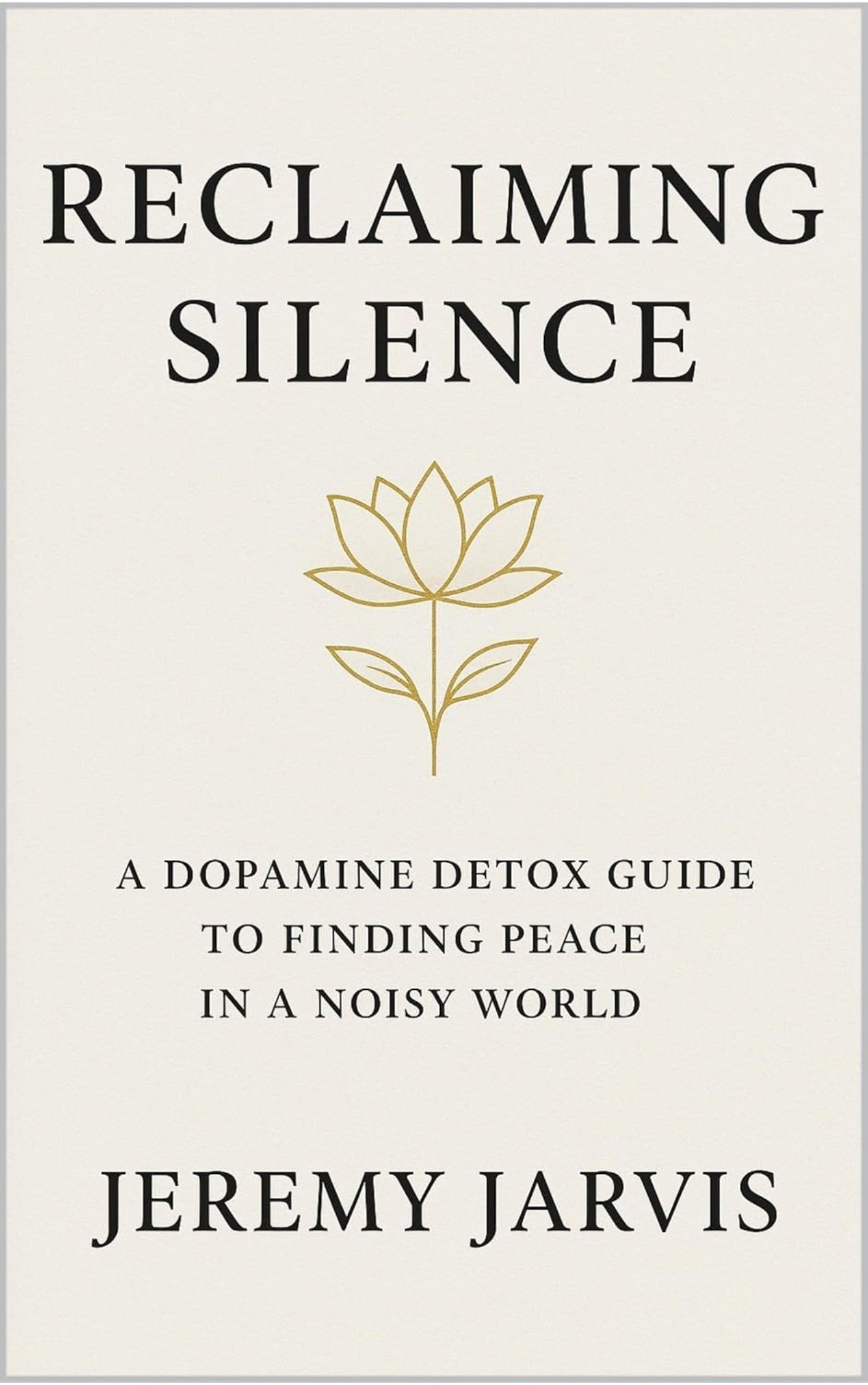
Reclaiming Silence
A dopamine detox guide to finding peace in a noisy world.
View book →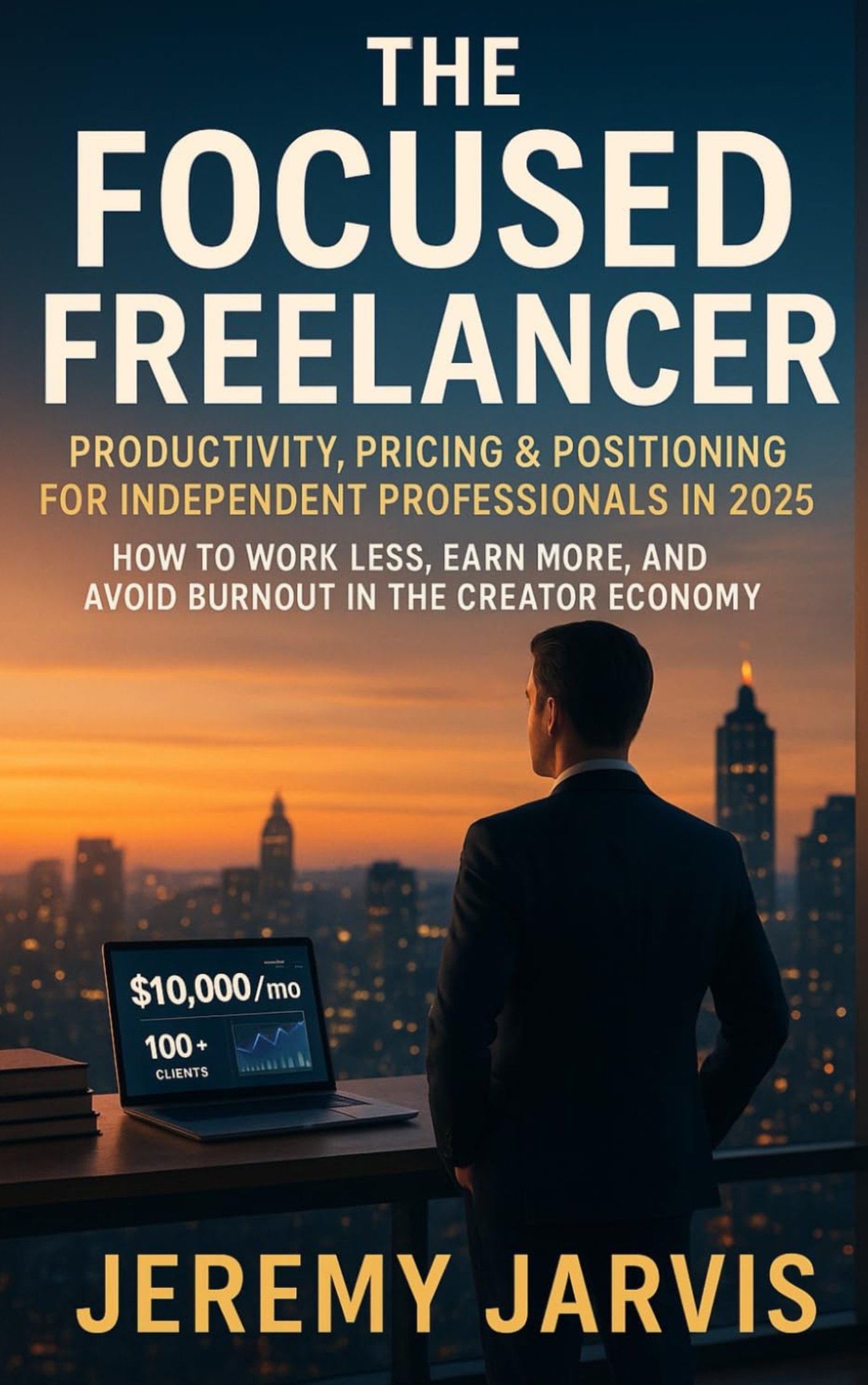
The Focused Freelancer
Productivity, pricing & positioning for independents in 2025.
View book →
ChatGPT Side Hustle System
Launch your AI-driven online business in 30 days.
View book →
Burnout, Interrupted
A proven path to restore energy and reclaim your life.
View book →
Attention Unleashed
Focus strategies for the distracted mind.
View book →
Side Hustle Launchpad
Your quick-start guide to extra income.
View book →
Digital Clarity
Rewire your brain, escape dopamine traps & regain focus.
View book →
Break the Scroll
Reduce screen time and take back control of your life.
View book →
Climate Compassion
Transform eco-anxiety into empowered action.
View book →
Village Mentality
The power of community for mental wellness.
View book →
Restful Nights
Overcoming sleep anxiety in a 24/7 world.
View book →
Connected Again
Combat loneliness and build meaningful relationships.
View book →
Focus Recharged
Mastering attention and productivity in the digital era.
View book →
Marketing Magic with ChatGPT
AI-powered content, campaigns, and copywriting to grow faster.
View book →
The 6-Figure Creator
Turn knowledge into passive income with books, courses & AI.
View book →
Burnout Breakthrough
Reset your work-life balance and thrive in 2025.
View book →
The Emotionally Intelligent Man
A modern guide to self-awareness and communication.
View book →
AI Personalized Wellness
Create your custom health plan with data-driven habits.
View book →
Everyday AI Made Easy
Use ChatGPT and smart tools to simplify life.
View book →
Money Mindfulness
A financial wellness guide for Gen Z & Millennials.
View book →
Startup Smarter with AI
ChatGPT strategies and tools to grow your business.
View book →
ChatGPT for Writers & Creators
Unlock AI-powered brainstorming, drafting & editing.
View book →