


The best early morning exercise routine is the one you actually stick with, even if it’s just for 10-15 minutes. Kicking off your day with a bit of movement gets your metabolism going, sharpens your focus, and can even lead to deeper, more restorative sleep over time.
It’s one of the most reliable ways to set a productive, positive tone for the rest of your day.
Affiliate Disclosure: Please note that some links in this article are affiliate links. If you make a purchase through them, we may earn a small commission at no extra cost to you. This helps support our work in creating evidence-based content.
The Hidden Power of Early Morning Exercise
Starting your day with physical activity does a lot more than just check a box on your to-do list. It fundamentally changes your brain and body for the better.
For busy professionals, students, or anyone looking to get more out of their day, an early morning exercise routine is a secret weapon. This isn’t about grueling, hour-long workouts. It’s about creating a powerful ripple effect that carries you through the next 12 hours.

Aligning With Your Body’s Natural Rhythm
Your body runs on an internal 24-hour clock called the circadian rhythm. This biological timer manages your sleep-wake cycle, hormone release, and even your core body temperature. When you get moving in the morning, you send a strong signal to this internal clock that the day has officially begun. This simple act helps synchronize all your body’s systems, leading to more stable energy and preventing that dreaded afternoon slump. Behavioral research shows that morning workouts can promote deeper, more restful sleep at night, creating a powerful cycle where quality rest makes it easier to wake up for your next session.
Real-World Example: Imagine a student who struggles with late-night study sessions and groggy mornings. By swapping an hour of cramming for a 20-minute morning jog, they work with their biology. The exercise helps reset their circadian clock, improving their focus and memory for studying later in the day far more effectively than another hour of tired reading could.
The Immediate Benefits for Your Brain and Mood
Beyond the long-term health perks, the immediate neurological benefits are a huge reason to embrace early movement. When you exercise, your brain releases a cocktail of powerful neurochemicals that set you up for a better day.
- Endorphins: Often called “feel-good” chemicals, they act as a natural mood booster and can reduce the perception of pain.
- Dopamine: This neurotransmitter is key for motivation, focus, and that feeling of satisfaction you get from completing a task.
- Norepinephrine: This chemical sharpens your attention and improves cognitive function, making you feel alert and ready for complex tasks.
Real-World Example: A busy professional’s day usually starts with the anxiety of a stressful inbox. By swapping that habit for a brisk 15-minute walk, they aren’t just getting fresh air—they’re chemically priming their brain with dopamine and norepinephrine for a more focused, positive, and productive workday. It’s a proactive way to manage their mental state before the day’s demands take over.
For more ideas on how to build a powerful start to your day, explore our guide on morning rituals to boost metabolism and energy.
Why Your Brain Loves a Morning Workout
Ever notice how a good day often kicks off with a productive morning? That’s not a coincidence. There’s a powerful neurological reason behind it, and it has everything to do with how your brain responds to movement.
Think of an early morning exercise routine as a biological ignition switch. It jolts your system awake, priming your mind for the complexity and demands of the day ahead.
When you get moving shortly after waking up, you trigger an immediate spike in blood flow. This isn’t just about waking up your muscles; it’s about delivering a fresh supply of oxygen and nutrients straight to your brain. This process physically clears out that lingering mental grogginess, or “sleep inertia,” that makes so many of us reach for a second cup of coffee. The result is sharper, clearer thinking from the get-go.
Igniting Your Brain’s Chemistry
The real magic, though, happens on a microscopic level. Exercise stimulates a cascade of key neurotransmitters—the chemical messengers that literally shape your mood, motivation, and ability to focus.
- Dopamine: This is your brain’s reward and motivation chemical. Finishing a morning workout, even a short one, delivers a natural dopamine hit. This creates an immediate sense of accomplishment that makes it easier to tackle that first big task on your to-do list.
- Endorphins: Often called the “feel-good” chemicals, endorphins are your body’s natural mood elevators. They’re the source of that clean, positive feeling you get after a good sweat session.
- Norepinephrine: This chemical is all about alertness and focus. It sharpens your attention and primes the brain for learning, problem-solving, and sustained concentration.
Real-World Example: A student feeling swamped by an upcoming exam could trade 30 minutes of anxious scrolling for a brisk walk. That simple swap chemically rebalances their brain. The norepinephrine helps them focus, while the dopamine from completing the walk provides a sense of achievement, making it far easier to absorb information and think clearly.
From Foggy to Focused
This powerful cocktail of brain-boosting chemicals doesn’t just fade away when you towel off. Its effects on your cognitive performance can last for hours.
The combination of enhanced blood flow and a rebalanced neurochemical state directly improves your executive functions—the critical mental skills housed in the prefrontal cortex that include working memory, flexible thinking, and self-control.
This explains why so many people anecdotally report their best ideas hitting them during or just after a morning workout. By clearing away the mental clutter, you create the ideal neurological conditions for creativity and insight to emerge. It’s a proactive way to enhance your brain’s natural ability to problem-solve and innovate throughout the day.
Disclaimer: While consistent exercise is a powerful tool for supporting mental well-being, this article is for educational purposes only. It is not a substitute for professional medical or psychological care for conditions like anxiety, depression, burnout, or ADHD. Always consult with a qualified healthcare professional for personalized advice.
Designing a Morning Routine That Actually Sticks
Let’s be honest: the jump from wanting to work out in the morning to actually doing it is where most people stumble. The secret isn’t a sudden jolt of motivation. It’s about designing a simple, repeatable system based on how your brain actually works.
Behavioral science calls this the “Habit Loop,” and it has three parts: a trigger (cue), a routine, and a reward. When you build this loop with intention, you remove the morning friction that keeps you buried under the covers. The habit starts to feel automatic.
When you get it right, that morning movement sets off a positive chain reaction in your brain, paving the way for a sharper, more focused day.
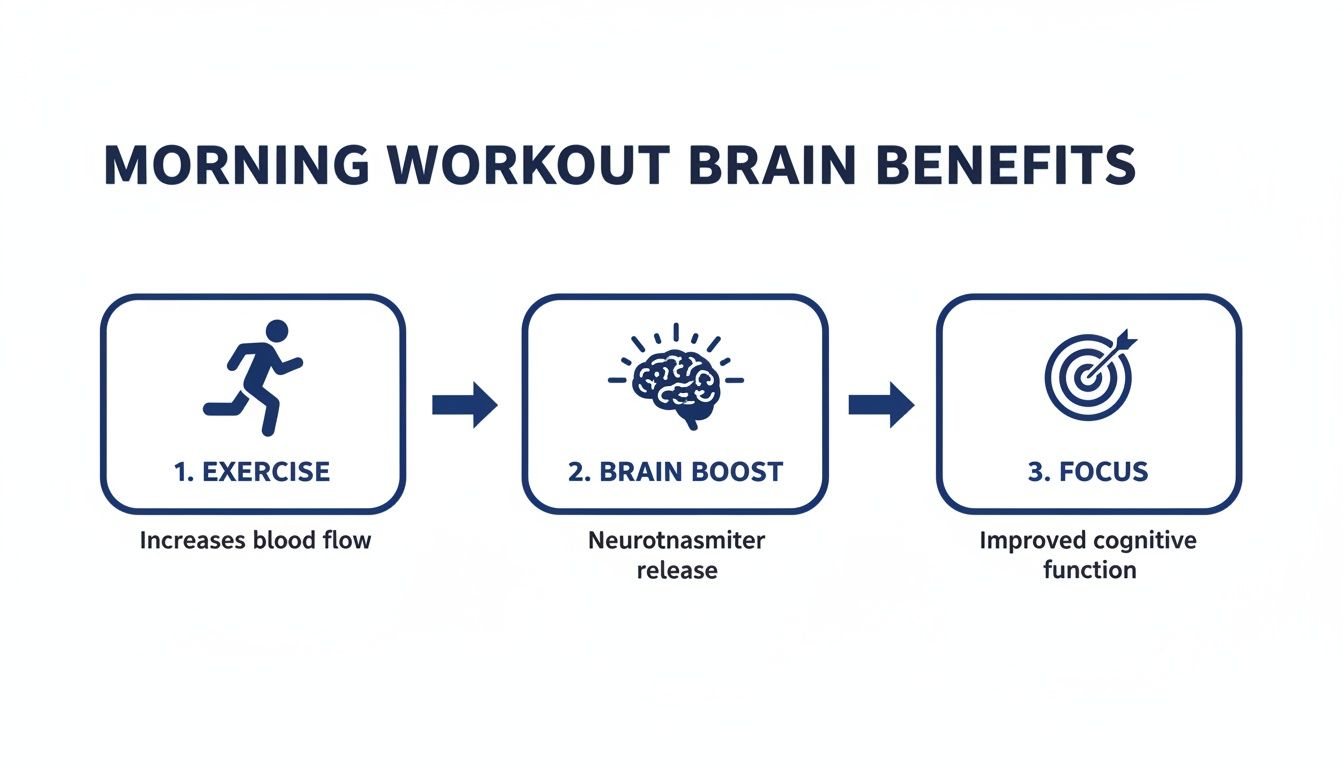
As you can see, the simple act of moving your body kicks off a brain boost that pays dividends for hours.
Set Your Trigger The Night Before
Your trigger is the cue that tells your brain it’s time to start. A weak trigger is why so many morning plans fall apart before the sun is even up. The key is to make it so obvious that it requires zero brainpower when you’re groggy.
Real-World Example: A busy parent trying to start their day with yoga needs a stronger trigger than just an alarm. A powerful trigger system would involve laying out their yoga mat and workout clothes right next to the bed, placing a full water bottle on the nightstand, and setting the coffee maker to start brewing 5 minutes before the alarm rings. When the alarm goes off, the decision is already made. The path of least resistance leads straight to the workout, not back to the snooze button.
Scale Your Routine From Tiny to Triumph
The routine is the workout itself, and it’s critical to start ridiculously small. Trying to leap into a 60-minute HIIT session on day one is a classic recipe for burnout. Your initial goal should be so easy that it feels silly not to do it.
Real-World Example: Your first routine could be just five minutes of stretching. That’s it. Once that becomes automatic for a week, you can add five minutes of bodyweight squats. This approach builds momentum and, more importantly, self-efficacy—the quiet belief that you can actually follow through. You can learn more about how to redesign your entire morning routine to rewire your focus.
The goal isn’t to have one perfect workout. The goal is to build the identity of someone who exercises in the morning. You achieve that through consistency, not intensity.
Find a Reward That Cements the Habit
The reward is the final, crucial piece. It’s what tells your brain’s reward pathways, “Hey, that was worth it. Let’s do that again tomorrow.” For this to work, the reward needs to be immediate and satisfying.
Long-term benefits like better health are great, but your brain is wired for immediate gratification.
Real-World Example: A satisfying reward doesn’t have to be a grand prize. It can be incredibly simple: sipping a really good cup of coffee while looking out the window, taking five minutes to sit in silence and enjoy the feeling of accomplishment, or listening to an episode of your favorite podcast as you cool down. This immediate positive feedback is what closes the habit loop, training your brain to actually look forward to your next early morning exercise session.
How Morning Workouts Can Reshape Your Body
Beyond the immediate mental lift, a consistent early morning exercise routine can fundamentally change your body’s physiology. We’re talking about rewiring how it manages energy and burns fat by aligning your physical effort with your body’s natural metabolic clock.
It’s less about magic and more about smart timing.
When you exercise shortly after waking up—especially before your first big meal—your body’s glycogen (stored sugar) levels are naturally lower. This state nudges your system to tap into its fat reserves for fuel, a process called fat oxidation. This doesn’t mean calories just disappear, but it does make your workout a lot more effective at targeting stored fat from the get-go.
Kickstarting Your Daily Metabolism
Think of an early workout as turning the ignition on your metabolism. It sets your internal engine to a higher gear that can stay humming for hours. This “afterburn” effect means you keep burning calories at an elevated rate long after you’ve finished your last stretch. Your body becomes a more efficient energy-burning machine for the rest of the day.
This metabolic advantage also has a surprising effect on your appetite. Exercise helps regulate hormones like ghrelin (the “I’m hungry” hormone) and leptin (the “I’m full” hormone). By starting your day with movement, you encourage a healthier hormonal balance that often leads to more mindful eating and fewer late-night cravings.
Real-World Example: Imagine someone who always struggles with evening snacking. By swapping their sporadic evening workouts for a regular 7 AM routine, they might find those late-night cravings just… fade. It’s not about willpower; their body’s hunger signals (ghrelin) are better regulated throughout the day, reducing the urge to overeat at night.
The Timing Advantage for Body Composition
More and more research shows that when you exercise can be just as important as how you exercise. For instance, some clinical trials suggest that morning exercise may lead to better results in weight loss and body composition compared to the same workouts done in the evening. This could be because high-intensity aerobic training in the morning is simply more efficient for those goals when aligned with the body’s natural hormonal cycles.
Real-World Example: Two friends follow the same diet and workout plan, but one exercises at 7 AM and the other at 7 PM. After a few months, the morning exerciser might notice a slightly greater reduction in body fat. This isn’t because they worked harder, but because their timing gave them a small but consistent metabolic edge.
Ultimately, consistency and a balanced diet are the true keys to reshaping your body. But using the timing of your workouts gives you a powerful strategic edge.
Overcoming Common Morning Workout Roadblocks
Let’s be honest. Even with a perfect plan, the reality of an early morning exercise routine hits differently when the alarm goes off. The warmth of your bed, a wave of fatigue, or just a complete lack of motivation can derail everything.
But the key isn’t to rely on sheer willpower. It’s about having practical, psychology-backed strategies ready for these inevitable moments. This is your troubleshooting guide for the common hurdles that stand between you and a consistent morning habit.

The Snooze Button Dilemma
That nine-minute reprieve feels harmless, but it’s usually the first domino to fall in a failed morning routine. Instead of fighting a war you can’t win, try a simple behavioral trick called the “five-minute rule.”
The rule is simple: when your alarm goes off, your only goal is to get out of bed and stay up for five minutes. That’s it. You don’t have to commit to a full workout. Just stand up, stretch, or walk to the kitchen for a glass of water.
Real-World Example: The alarm rings at 6 AM. The thought of a 30-minute run feels impossible. Instead of hitting snooze, you tell yourself, “I just have to put my feet on the floor and drink this water.” The psychology here is powerful. It bypasses the overwhelming mental negotiation. Most people find that once they’re physically up and moving, the initial inertia is broken, making it much easier to just keep going.
When Motivation Is Low
Some mornings, you’ll wake up feeling energized and ready to go. Other days, you’ll feel completely uninspired. This is normal. The trick is to have a plan for when motivation is absent, instead of just waiting for it to strike.
- Have a “Plan B” Workout: This should be a ridiculously easy, low-effort routine. Maybe it’s five minutes of gentle stretching or a slow walk around the block. Having an easy alternative keeps your habit streak alive without demanding peak performance.
- Focus on the Feeling, Not the Task: From a psychological perspective, reminding yourself of the immediate reward—that post-workout clarity and mood boost—can be a powerful mental switch. Shift your focus from the effort of the workout to the satisfaction of its completion.
Real-World Example: You wake up feeling tired and unmotivated. Instead of forcing your usual run (“Plan A”), you switch to “Plan B”: ten minutes of sun salutations. You maintain your habit, get the neurological benefits of movement, and strengthen the neural pathways that make the habit more automatic next time.
If you feel constantly unmotivated, it might also be a sign of deeper fatigue. It could be helpful to explore our guide on how to recover from burnout for more strategies.
The Foundation of Sleep Hygiene
A successful morning workout always begins the night before. If you’re consistently too tired to get up, the problem likely isn’t your morning—it’s your evening. Prioritizing good sleep is non-negotiable for an effective early morning exercise routine. This means creating a restful environment and sticking to a consistent pre-bed ritual. Sleep science is clear: without adequate rest, your cognitive function, mood regulation, and physical energy are all compromised, making a morning routine nearly impossible to sustain.
Editor’s Take on What Really Works
Here’s the honest truth about making an early morning exercise routine stick: consistency will always, always beat intensity. This is especially true in the beginning.
This advice is gold for anyone with a predictable schedule, like a student or a professional working a standard 9-to-5. You have a rhythm you can build on.
But it can be a tough sell for new parents or shift workers whose mornings are a complete wild card. For them, the “best” time to exercise is simply the time they can realistically protect. If that’s noon or 9 PM, that’s a win. Don’t let the “morning” ideal get in the way of just getting it done.
The most effective strategy I’ve seen is starting ridiculously small. Forget the 30-minute ideal for now. Aim for just 10 minutes. The real goal isn’t a killer workout—it’s building the non-negotiable habit of showing up. You can always add more time later.
The Real Secret Weapon
Your true foundation for any morning routine is sleep. It’s the one variable that makes everything else possible.
If you’re consistently getting poor sleep, even the best-laid plans will crumble under the weight of fatigue. Prioritizing your sleep hygiene isn’t just a helpful tip; it’s the non-negotiable prerequisite for success. Everything starts there.
A final reminder: This article contains affiliate links and is for educational purposes only. It is not a substitute for professional medical or psychological advice, diagnosis, or treatment. Always seek the advice of your physician or another qualified health provider with any questions you may have.
Your Questions About Morning Exercise Answered
We get it. Shifting your routine to the early morning hours brings up a lot of practical questions. Let’s tackle some of the most common ones we hear, so you can start with a clear head.
Should I Eat Before or After My Workout?
This is one of those “it depends” situations, and the right answer really comes down to listening to your body and knowing your workout.
If you’re planning a light session—think gentle yoga or a relaxed walk—working out on an empty stomach (or “fasted”) is perfectly fine. Some people find it even helps them feel more energized and dialed into their body’s signals.
But for anything more intense? A small, easy-to-digest snack can be a game-changer. A banana, a handful of almonds, or a piece of toast about 30–60 minutes before you start can give you the fuel needed to perform well and keep you from feeling dizzy or weak. Experiment and see what works for you.
How Can I Stay Motivated on Dark, Cold Mornings?
Motivation on those dark, chilly mornings is notoriously fickle. This is where you stop relying on willpower and start leaning on smart habits.
The trick is to make getting started ridiculously easy. Reduce every possible point of friction the night before:
- Lay out your warmest workout clothes right where you’ll see them.
- Set your coffee maker on a timer so the smell is your first cue.
- Have an upbeat, energizing playlist cued up and ready to go.
And most importantly, start small. Your only goal might be 10 minutes of movement. That’s it. Knowing the bar is that low makes it infinitely easier to just begin. Once you’re up and moving, you’ll almost always find the energy to do a little more.
What Is the Shortest Workout I Can Do and Still See Benefits?
You absolutely do not need an hour-long gym session to make a difference. Even 10–15 minutes of focused, intentional movement can deliver incredible benefits.
A quick burst of bodyweight exercises (squats, push-ups, planks), a brisk walk around the block, or a short yoga flow is more than enough to kickstart your metabolism, lift your mood, and sharpen your focus for the entire day.
Consistency will always beat duration. A daily 15-minute routine is far more powerful than one heroic hour-long workout you only manage once a month.
Can Morning Exercise Really Improve My Sleep?
Yes, absolutely. This is one of the most powerful (and often overlooked) benefits. Morning exercise helps to anchor your body’s internal clock, known as your circadian rhythm.
When you get moving and expose yourself to natural light shortly after waking, you send a strong “it’s daytime!” signal to your brain. This helps regulate the production of hormones all day long, including prompting your body to produce melatonin (the sleep hormone) at the correct time in the evening.
The result? You fall asleep more easily and experience deeper, more restorative rest. It creates a fantastic positive feedback loop: better sleep gives you more energy for your morning workout, which in turn leads to even better sleep.
Ready to dive deeper into practical wellness strategies? Explore the full library of guides and resources at Mind Clarity Hub.
Find your next step toward a more focused and intentional life at https://mindclarityhub.com.
For more visual inspiration on building healthy habits, be sure to check out our boards on Pinterest.
Explore the Mind Clarity Hub Library
Practical books on focus, digital habits, resilience, and building a calmer mind.
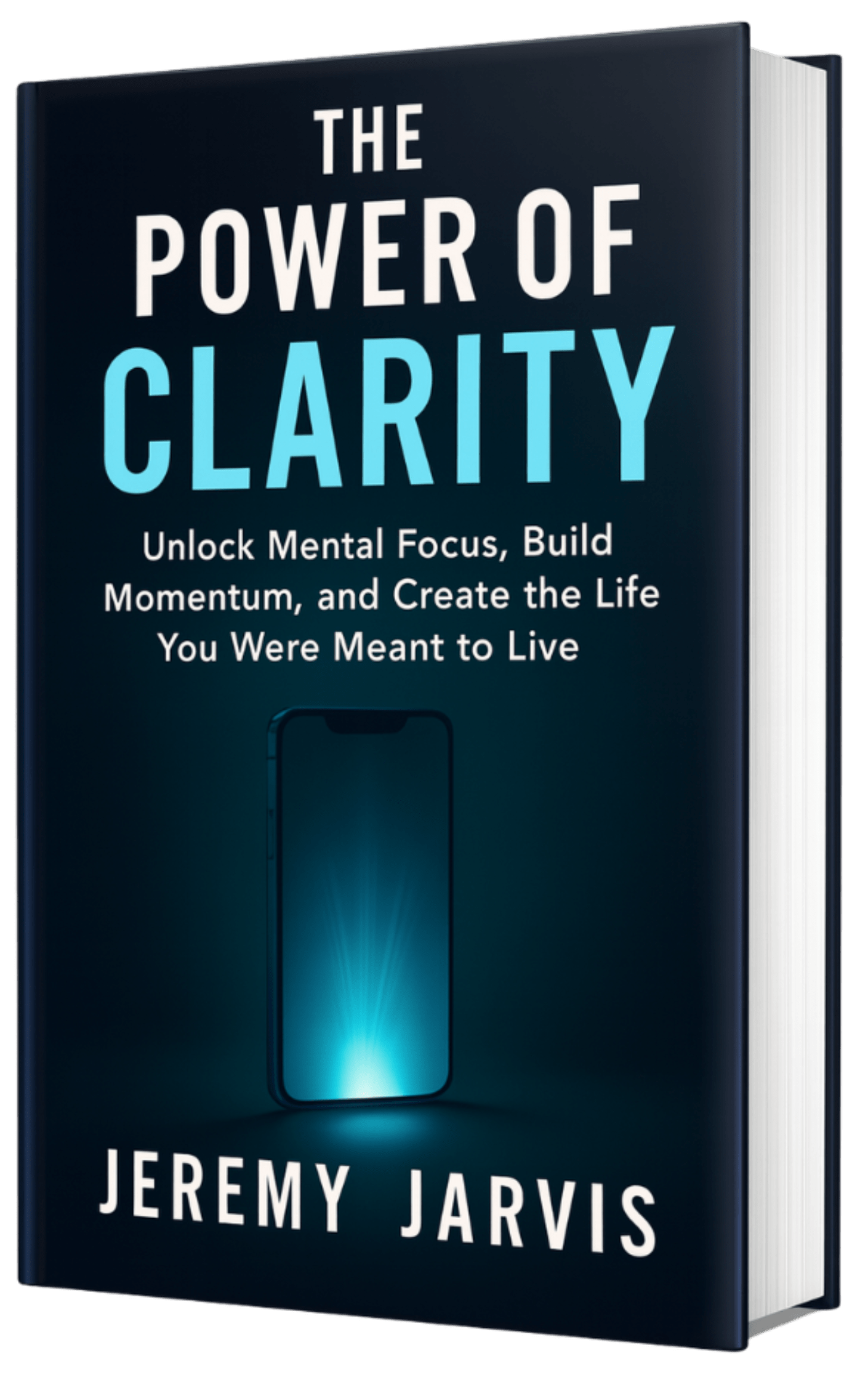
The Power of Clarity
Unlock mental focus, build momentum, and create the life you were meant to live.
View book →
AI & ChatGPT for Beginners
No PhD needed — a 2025 guide to AI, prompts, and productivity without coding.
View book →
Zen in the Digital Jungle
Mindfulness for a chaotic world.
View book →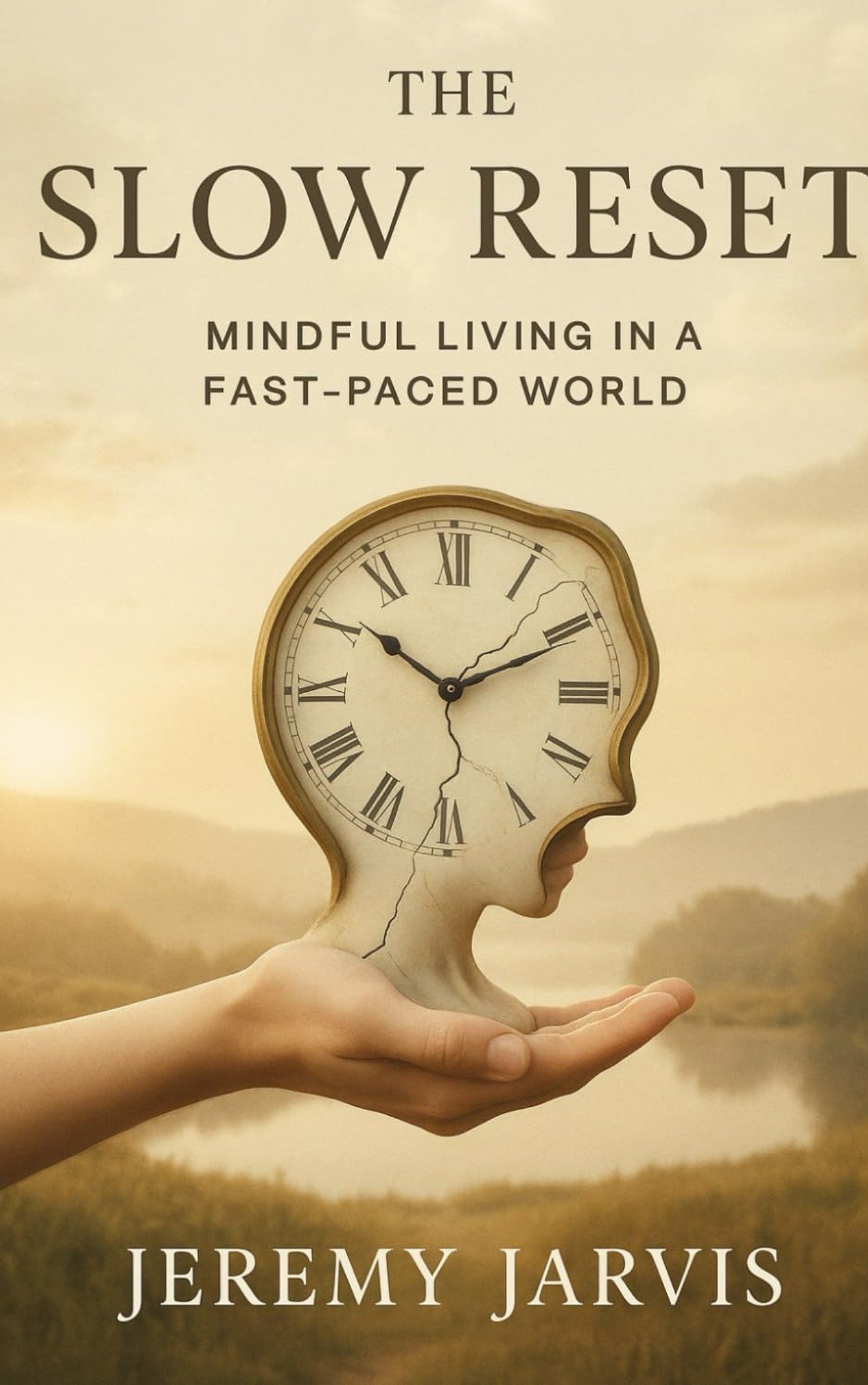
The Slow Reset
Mindful living in a fast-paced world.
View book →
Perfectly Imperfect
Stop self-criticism, set boundaries, and embrace the real you.
View book →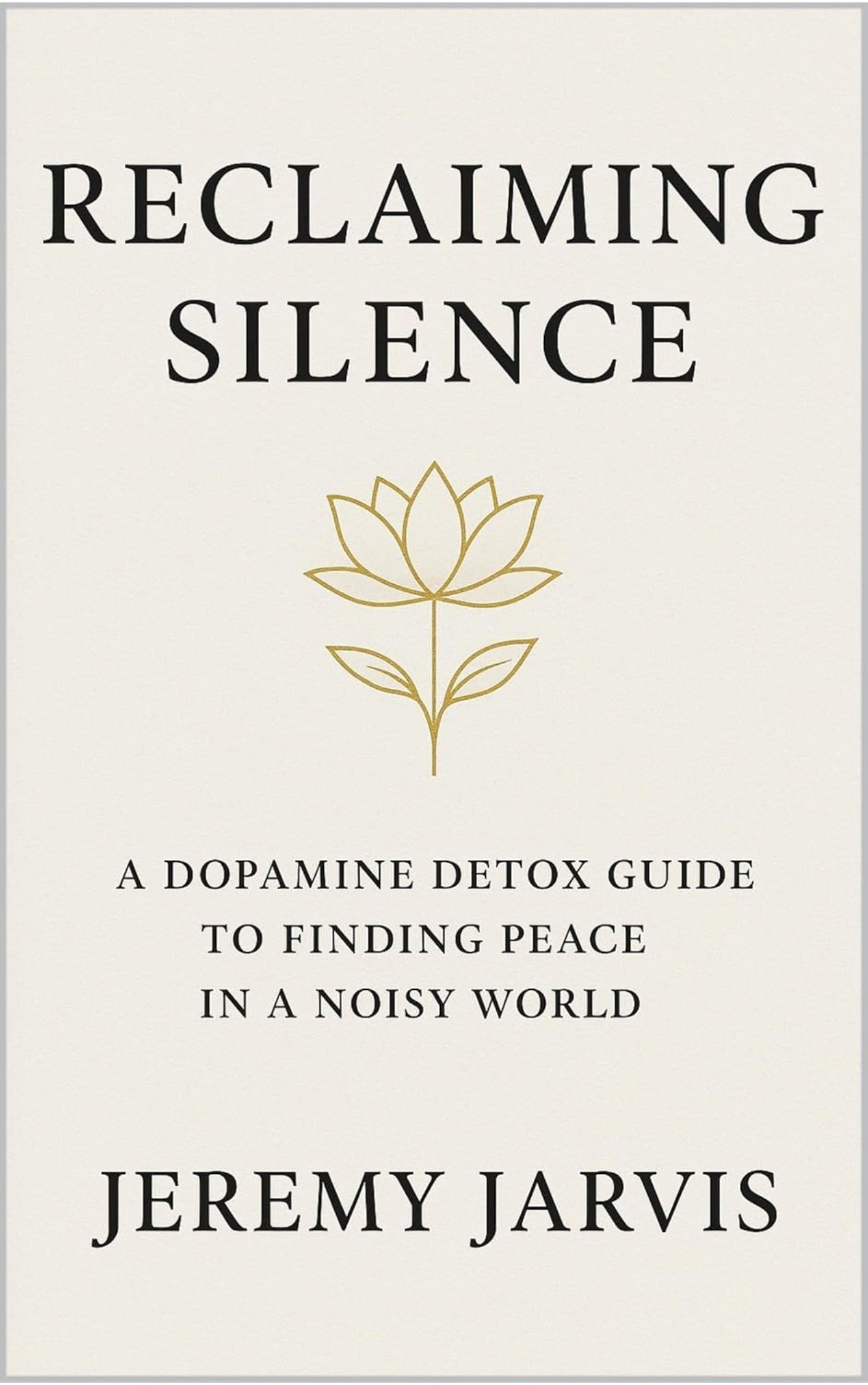
Reclaiming Silence
A dopamine detox guide to finding peace in a noisy world.
View book →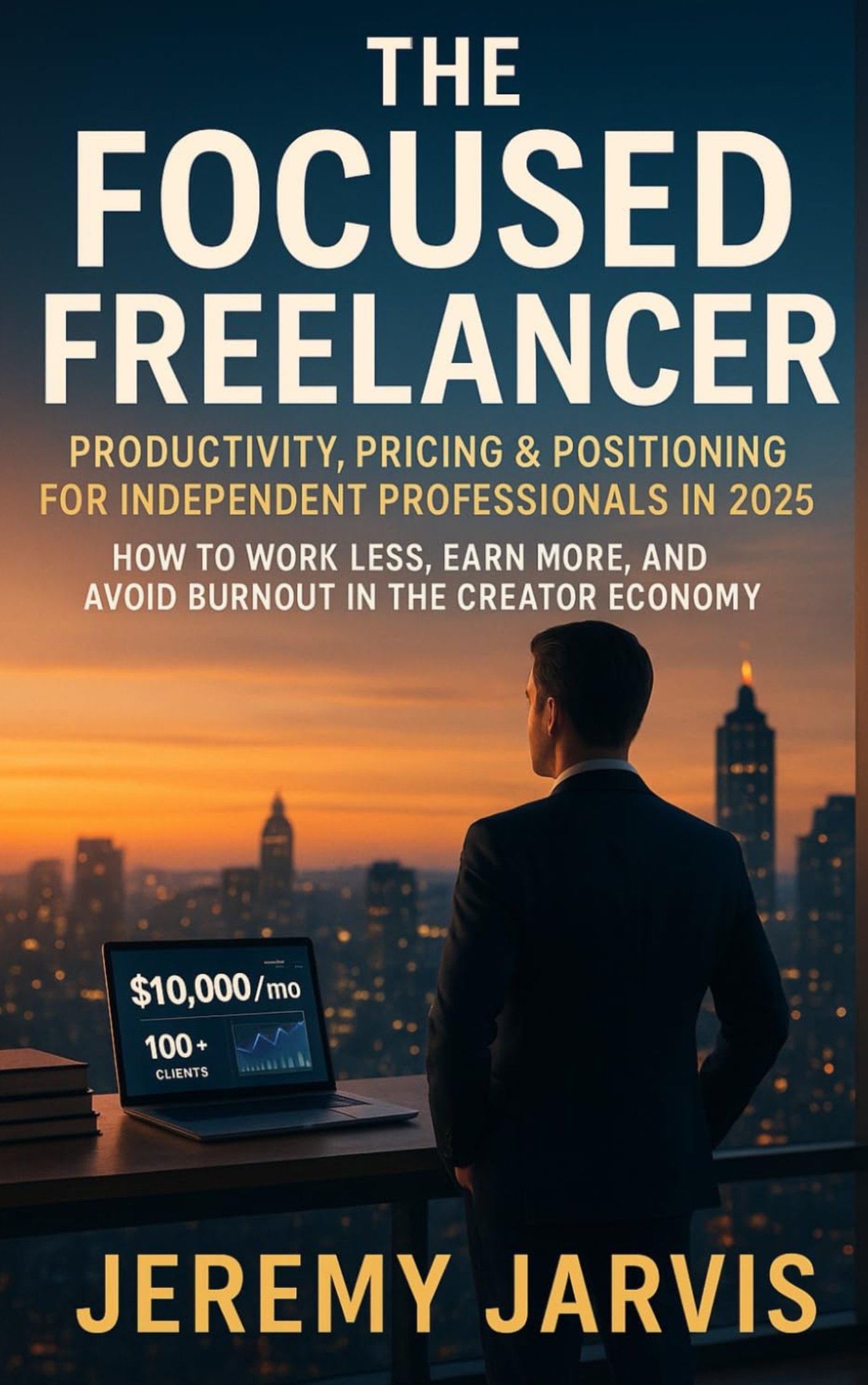
The Focused Freelancer
Productivity, pricing & positioning for independents in 2025.
View book →
ChatGPT Side Hustle System
Launch your AI-driven online business in 30 days.
View book →
Burnout, Interrupted
A proven path to restore energy and reclaim your life.
View book →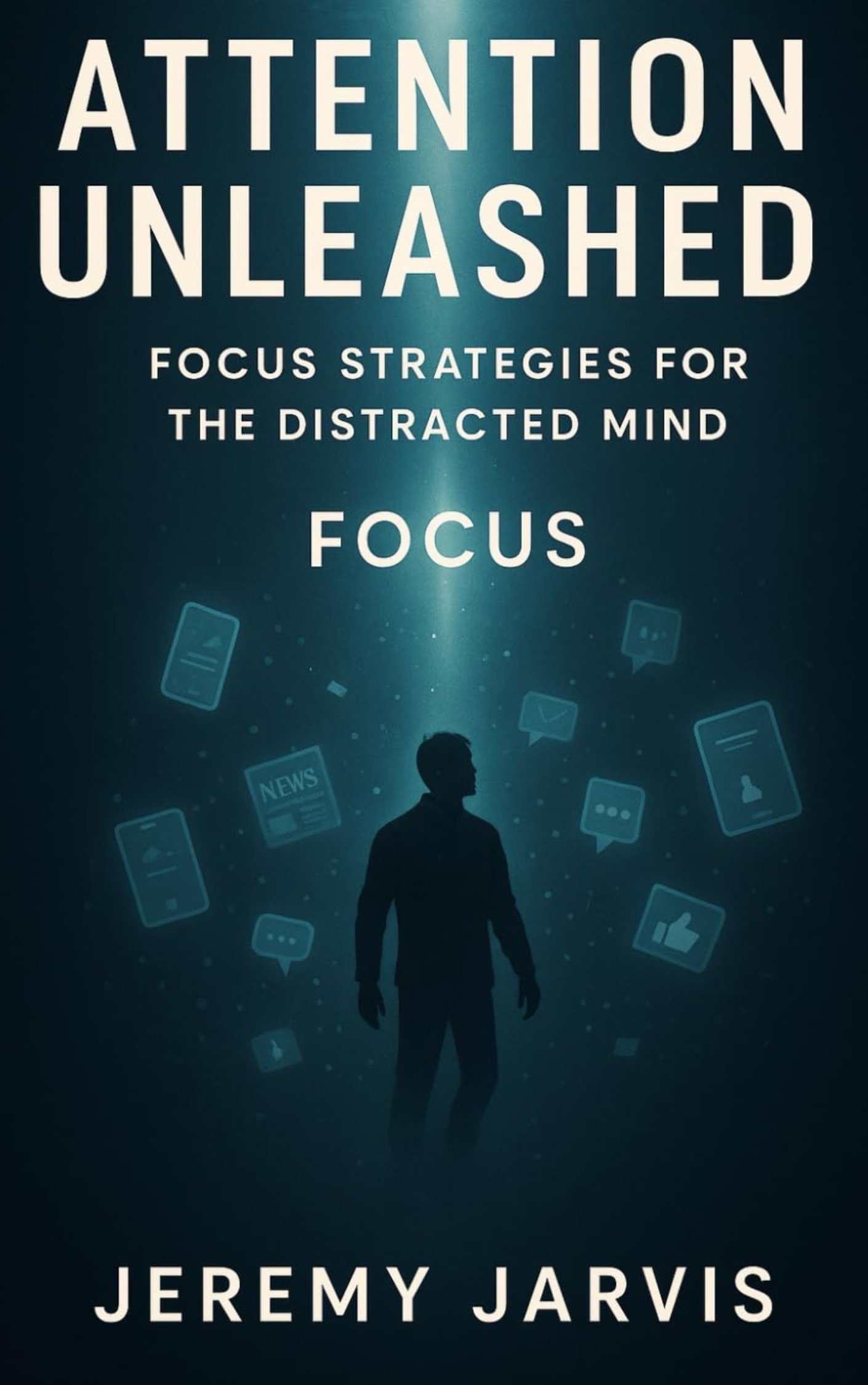
Attention Unleashed
Focus strategies for the distracted mind.
View book →
Side Hustle Launchpad
Your quick-start guide to extra income.
View book →
Digital Clarity
Rewire your brain, escape dopamine traps & regain focus.
View book →
Break the Scroll
Reduce screen time and take back control of your life.
View book →
Climate Compassion
Transform eco-anxiety into empowered action.
View book →
Village Mentality
The power of community for mental wellness.
View book →
Restful Nights
Overcoming sleep anxiety in a 24/7 world.
View book →
Connected Again
Combat loneliness and build meaningful relationships.
View book →
Focus Recharged
Mastering attention and productivity in the digital era.
View book →
Marketing Magic with ChatGPT
AI-powered content, campaigns, and copywriting to grow faster.
View book →
The 6-Figure Creator
Turn knowledge into passive income with books, courses & AI.
View book →
Burnout Breakthrough
Reset your work-life balance and thrive in 2025.
View book →
The Emotionally Intelligent Man
A modern guide to self-awareness and communication.
View book →
AI Personalized Wellness
Create your custom health plan with data-driven habits.
View book →
Everyday AI Made Easy
Use ChatGPT and smart tools to simplify life.
View book →
Money Mindfulness
A financial wellness guide for Gen Z & Millennials.
View book →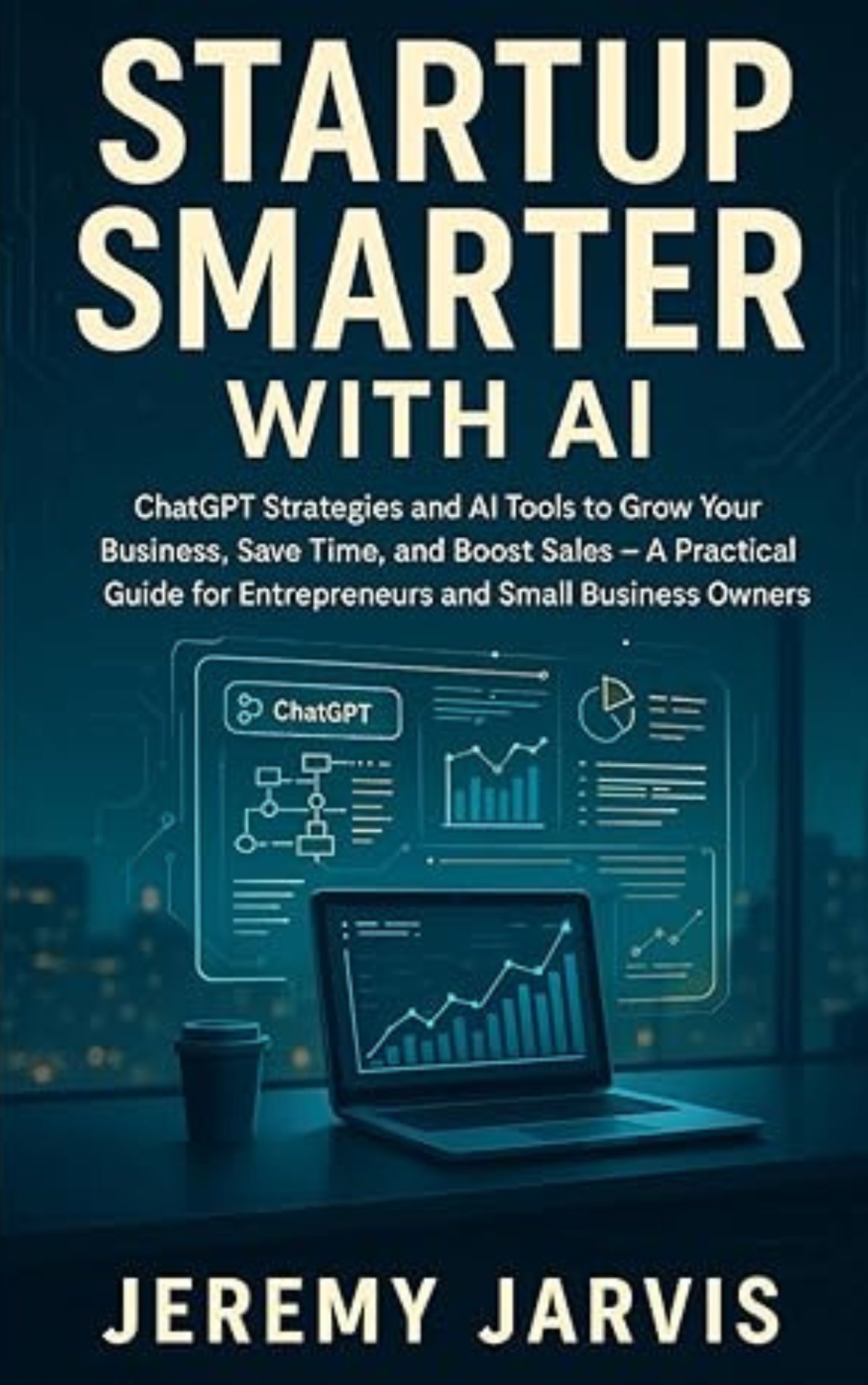
Startup Smarter with AI
ChatGPT strategies and tools to grow your business.
View book →
ChatGPT for Writers & Creators
Unlock AI-powered brainstorming, drafting & editing.
View book →