


In a world of endless notifications and infinite scrolls, reclaiming your mental space can feel impossible. The constant digital noise isn’t just distracting; research in neuroscience and psychology shows it reshapes our brain’s reward pathways, shortens attention spans, and can elevate stress levels. This persistent state of being “on” contributes to burnout, hampers deep work, and leaves many feeling perpetually overwhelmed.
But what if you could take back control without disconnecting completely? This guide offers 10 practical, science-backed digital detox tips designed specifically for busy professionals and students. We will move beyond generic advice like “use your phone less” and dive into specific, actionable strategies you can implement immediately.
You will learn how to:
- Set up physical and temporal boundaries with your devices.
- Use technology to mindfully manage your technology use.
- Rebuild your focus with structured work-rest cycles.
- Replace mindless scrolling with intentional, restorative activities.
A note about affiliate links: This article may contain affiliate links. If you make a purchase through one of these links, Mind Clarity Hub may earn a small commission at no extra cost to you. We only recommend products and services we believe in.
These aren’t just vague suggestions; they are concrete routines to help you build healthier habits, improve your mood, and sharpen your focus in a sustainable way. Our approach is grounded in behavioral science to help you reclaim your attention without sacrificing productivity. Ready to find clarity and break free from digital overload? Let’s begin.
1. Set Designated Phone-Free Zones
One of the most effective digital detox tips involves reclaiming your physical environment from the constant presence of screens. Creating designated “phone-free zones” establishes clear boundaries, signaling to your brain that certain spaces are reserved for rest, connection, or focus, not digital engagement. This practice physically separates you from the source of constant notifications and the temptation of endless scrolling.
The core principle is rooted in environmental design, a concept from behavioral psychology suggesting our surroundings heavily influence our actions. By making your phone inaccessible in specific areas, you reduce the cognitive load of constantly resisting its pull. This is not just about willpower; it’s about creating an environment where willpower isn’t as necessary.
Real-world example: Imagine your dining table is piled with mail and clutter. You’re more likely to eat on the couch. But if it’s clear and set, you’ll use it for meals. The same goes for your phone. If it’s on the dining table, you’ll check it between bites. If you create a rule that phones stay in a charging basket in the living room during dinner, you naturally create space for conversation.

Why It Works for Focus and Wellbeing
Keeping phones out of the bedroom is particularly powerful. Research from institutions like the National Sleep Foundation consistently links pre-sleep screen use to disrupted sleep patterns. The blue light emitted by devices can suppress melatonin, the hormone that regulates your sleep-wake cycle, making it harder to fall asleep and reducing sleep quality. By making the bedroom a phone-free zone, you protect this crucial recovery period, leading to better mood, cognitive function, and overall health. Similarly, a device-free dining table encourages mindful eating and deeper social connections, turning mealtime into a genuine opportunity for conversation and presence.
Actionable Steps to Create Your Zones
Implementing this strategy is straightforward with a few practical steps:
- Start with the Bedroom: This single change offers the highest return on investment for your well-being. Purchase a simple alarm clock to replace your phone’s alarm function.
- Establish a “Charging Dock”: Create a central charging station in a common area like the living room or kitchen. Make it a household rule that all devices “sleep” there overnight.
- Communicate the Boundaries: Involve everyone in your household. Discuss why you’re creating these zones and agree on the rules together to ensure buy-in.
- Enrich the Space: Replace the digital void with appealing analog alternatives. Stock your bedroom nightstand with books or a journal. Place a deck of cards or a board game near the dining table to encourage interaction after meals.
2. Implement a Digital Sunset (No Screens After Specific Time)
One of the most impactful digital detox tips is to establish a strict evening cutoff for all screen use, a practice often called a “digital sunset.” This involves powering down smartphones, laptops, tablets, and televisions at a set time each night, typically 60 to 90 minutes before you plan to sleep. This ritual creates a crucial buffer period that allows your mind to unwind and your body to prepare for restorative rest, directly countering the stimulating effects of digital engagement.
The science behind a digital sunset is tied to our natural circadian rhythms. Our bodies are designed to respond to light cues, producing the sleep hormone melatonin as darkness falls. By creating an artificial “dusk” free from screen light, you support this biological process instead of disrupting it. This isn’t about simply avoiding social media drama before bed; it’s a fundamental strategy for aligning your modern lifestyle with your evolutionary biology for better sleep and reduced evening anxiety.
Real-world example: Sarah, a marketing manager, used to answer work emails until 10:30 PM, then scroll social media in bed. She felt wired and couldn’t sleep. After implementing a 9 PM digital sunset, she replaced screen time with reading a novel and light stretching. Within a week, she reported falling asleep faster and waking up feeling more refreshed, demonstrating how a simple boundary can transform sleep quality.

Why It Works for Sleep and Mental Clarity
The primary benefit of a digital sunset is its profound effect on sleep quality. As sleep researcher Matthew Walker explains, the blue light from screens is particularly potent at suppressing melatonin. Shutting down devices an hour before bed allows melatonin levels to rise naturally, making it easier to fall asleep and achieve deeper, more restorative sleep cycles. This leads to improved mood, sharper focus, and better cognitive performance the next day. The hidden costs of screen time are often most apparent in our sleep patterns, and this strategy directly addresses the root cause. Learn more about the hidden costs of screen time on mindclarityhub.com.
Actionable Steps to Create Your Sunset
Making this a consistent habit requires a proactive plan. Here’s how to get started:
- Set a Sunset Alarm: Use your phone to set a recurring daily alarm for 15 minutes before your designated cutoff time. This serves as a “wind-down” warning.
- Define Your Analog Activities: Decide in advance what you will do with your screen-free time. Plan to read a book, listen to a podcast or calming music, journal, or do some light stretching.
- Communicate Your Boundaries: Let friends, family, and colleagues know you are unavailable after a certain hour. A simple “I go offline after 9 PM to recharge for the next day” is usually sufficient.
- Charge Devices Elsewhere: As with phone-free zones, establish a charging station outside the bedroom to remove the temptation to grab your device if you wake up during the night.
3. Use App Limiters and Screen Time Tracking Tools
One of the most practical digital detox tips is to leverage technology against itself. Using built-in tools like Apple’s Screen Time or Google’s Digital Wellbeing, you can gain objective insight into your digital habits and create firm, automated boundaries. These features track how much time you spend on specific apps and websites, providing a clear, data-driven picture of your consumption patterns that often surprises users.
This approach is grounded in the principle of self-monitoring, a cornerstone of cognitive-behavioral therapy. By making your unconscious digital behaviors visible, these tools move you from mindless scrolling to mindful awareness. They don’t just rely on your willpower to change; they create a system of accountability that automatically enforces your intentions.
Real-world example: Alex was convinced he only spent “a little time” on Instagram. His first weekly Screen Time report revealed he was averaging two hours per day. Seeing the hard data was a wake-up call. He set a 45-minute daily limit. The first few days, he hit the limit by noon, which forced him to become more intentional about when he opened the app instead of using it as a default time-filler.
Why It Works for Awareness and Accountability
The true power of these tools lies in revealing the gap between our intended use and our actual behavior. Weekly reports can pinpoint exactly which apps are consuming the most time, helping you identify digital triggers. According to research on habit formation, awareness is the first step toward change. Seeing a report that you spent seven hours on social media in a week makes the abstract problem of “too much screen time” concrete and measurable, motivating you to set specific, achievable reduction goals.
Actionable Steps to Use Tracking Tools Effectively
Implementing this strategy is about setting smart, sustainable limits, not just cutting yourself off completely.
- Establish a Baseline: Before setting any limits, let the app run for one full week to gather data. This gives you a realistic starting point.
- Set Gradual Limits: If you currently spend 90 minutes a day on a particular app, set your initial limit to 75 minutes. Drastic cuts often backfire; aim for small, consistent reductions.
- Utilize “Downtime” Features: Schedule blocks of time, such as during the first hour of your workday or after 9 PM, when most apps are automatically blocked. This is highly effective for protecting deep work sessions and sleep routines.
- Review Weekly Reports: Make it a Sunday ritual to review your screen time report. Identify trends, celebrate successes, and adjust your limits for the upcoming week based on your findings and goals.
4. Practice the Pomodoro Technique with Digital Focus
One of the most effective digital detox tips is not about avoiding work, but about structuring it intelligently. The Pomodoro Technique provides a framework for deep, focused work by breaking your day into managed intervals. This method involves intense, single-tasking work sessions (typically 25 minutes) followed by short, rejuvenating breaks, creating a rhythm that naturally builds offline moments into your schedule.
Developed by Francesco Cirillo in the 1980s, the technique is grounded in the psychological principle that frequent breaks can improve mental agility and sustain concentration over long periods. By committing to a short burst of uninterrupted focus, you train your brain to resist the constant lure of notifications, emails, and social media. This turns your work time into a productive sanctuary, free from the digital noise that fragments attention and drains mental energy.
Real-world example: A student writing a research paper feels overwhelmed and keeps checking their phone. By using the Pomodoro Technique, they commit to just 25 minutes of writing with their phone in another room. The timer goes off, and they take a 5-minute break to stretch. After four “Pomodoros,” they’ve accomplished nearly two hours of focused work that would have otherwise taken all afternoon due to distractions.
Why It Works for Focus and Wellbeing
The Pomodoro Technique directly combats the cognitive strain of multitasking. By dedicating a “Pomodoro” to a single task, you reduce context-switching, which is the mental cost of shifting your attention between different activities. This allows you to enter a state of deep concentration more easily, often referred to as a “flow state.” The built-in breaks are equally crucial; they act as a cognitive reset, preventing burnout and allowing your brain to consolidate information. This structure not only boosts productivity but also reinforces the boundary between focused work and restorative rest, a key element of a successful digital detox. Learn more about how to achieve a state of focused concentration.
Actionable Steps to Implement This Technique
Integrating Pomodoro into your workflow is simple and requires minimal setup:
- Choose a Physical Timer: Avoid using your phone’s timer, as it can be a source of distraction. A simple kitchen timer or a dedicated desk timer works best to keep your workspace screen-free.
- Define Your Task: Before starting the timer, clearly define the one task you will focus on for the next 25 minutes. Write it down to solidify your commitment.
- Honor the Breaks: When the timer rings, step away from your screen completely. Use the 5-minute break to stretch, grab a glass of water, or look out a window. Avoid checking your phone.
- Track Your Progress: Keep a simple log of how many Pomodoros you complete each day. This provides a sense of accomplishment and helps you understand your productivity patterns. After every four Pomodoros, take a longer break of 15-30 minutes.
5. Implement a Weekly Digital Sabbath (24-Hour Device Detox)
While creating phone-free zones helps reclaim physical space, a Digital Sabbath reclaims a significant block of time. This practice involves designating one full 24-hour period each week, typically on a weekend, to completely disconnect from all screens. It’s an extended reset that provides deep recovery from the constant cognitive demands of our hyper-connected lives, inspired by ancient traditions like the Jewish Sabbath (Shabbat) but adapted for a secular, modern context.
The principle behind this powerful digital detox tip is to allow your brain’s attentional systems a chance to fully recover and your dopamine pathways to reset. Chronic screen use keeps our brains in a state of high alert and constant, low-grade stimulation. A full day of disconnection breaks this cycle, offering a profound opportunity for rest, genuine social connection, and reflection, something often advocated by digital wellness leaders and even practiced by Silicon Valley executives seeking to preserve their focus.
Real-world example: A family feels disconnected, spending Saturdays on separate devices. They decide to try a Digital Sabbath from Friday evening to Saturday evening. They put their phones in a box and spend the day hiking, playing board games, and cooking together. The first time feels strange, but soon it becomes their favorite day of the week, a time for genuine connection without digital interruption.
Why It Works for Mental Clarity and Creativity
Taking a full 24-hour break from digital inputs allows your brain to shift from reactive, short-term thinking to more creative and introspective modes. Without the constant stream of notifications and information, the brain’s “default mode network,” which neuroscience links to creativity and self-reflection, can become more active. This extended period of quiet is essential for consolidating memories, solving complex problems, and reducing mental fatigue. By reclaiming silence, you create the mental space necessary for new ideas and deeper insights to emerge.
Actionable Steps to Plan Your Digital Sabbath
Successfully implementing a weekly unplugging day requires a bit of preparation:
- Schedule It Consistently: Choose the same day each week (e.g., from sundown Friday to sundown Saturday) to build a consistent rhythm and make it a non-negotiable part of your routine.
- Inform Your Contacts: Let key friends, family, and colleagues know you will be offline. This manages expectations and prevents you from feeling anxious about being unreachable. You can set an auto-responder on your email.
- Plan Analog Activities: Don’t leave a void; fill the time with engaging offline activities. Plan a hike, visit a museum, cook a new recipe, or work on a creative project.
- Remove Temptation: Physically put your devices away in a drawer or another room. Out of sight truly helps keep them out of mind. If 24 hours feels daunting, start with a 12-hour period and gradually extend it.
6. Replace Scrolling with Intentional Offline Activities
A powerful strategy for a successful digital detox involves not just removing a habit, but consciously replacing it. Simply stopping mindless scrolling leaves a vacuum that your brain will rush to fill, often with the same old digital habit. Replacing that time with pre-planned, fulfilling offline activities addresses the core of behavioral change by substituting a low-value habit with a high-value one, making the transition more sustainable and rewarding.
This approach is grounded in the principles of habit formation, famously detailed by authors like James Clear in Atomic Habits. The core idea is that to break a bad habit, you must make it unattractive and difficult, while simultaneously making a good habit obvious, attractive, and easy. By having appealing analog alternatives ready to go, you are not relying on sheer willpower to resist your phone; you are simply choosing a more engaging and fulfilling option that is already at your fingertips.
Real-world example: Every evening, Mark would collapse on the couch and scroll through news feeds for an hour. To break the habit, he placed his guitar on a stand right next to the couch. Now, instead of picking up his phone, he picks up the guitar and practices for 15-20 minutes. He replaced a passive, draining habit with an active, skill-building one by making the new habit more accessible than the old one.

Why It Works for Fulfillment and Skill-Building
Mindless scrolling often provides a temporary hit of dopamine but leaves you feeling drained and unaccomplished. Intentional offline activities, whether it’s learning a new chord on a guitar, finishing a chapter in a book, or going for a walk, provide a deeper sense of satisfaction and progress. This practice actively shifts your brain from a state of passive consumption to one of active engagement and creation. Over time, this builds new skills, deepens your knowledge, and fosters a stronger sense of self-efficacy and purpose, directly combating the feelings of emptiness that can follow excessive screen time.
Actionable Steps to Replace the Habit
Implementing this habit replacement strategy is about preparation and intention:
- Create an “Activity Menu”: Brainstorm and write down a visible list of at least 10 offline activities you genuinely enjoy or want to try. Post it somewhere you’ll see it often, like on your fridge or desk.
- Make Hobbies Accessible: Reduce the friction to starting. Keep your book on your nightstand, your running shoes by the door, or your art supplies on your desk. The easier it is to start, the more likely you are to do it.
- Schedule Your Activities: Intentionally block out time in your calendar for your hobbies, especially during periods you are most likely to scroll, such as after work or before bed.
- Join an Offline Group: Add a layer of social accountability and connection by joining a book club, sports league, or local maker space. This makes the new habit more engaging and harder to skip.
7. Use Smartphone Alternatives (Basic Phones or Dumb Phones)
For those seeking a more definitive digital detox, replacing your smartphone with a basic or “dumb” phone is the most direct route. This strategy involves switching to a device limited to core functions like calls and texts, effectively removing the portals to social media, endless email, and addictive apps. It’s a powerful method that forces a fundamental shift in your relationship with technology, moving from constant consumption to intentional connection.
The principle behind this is a form of choice architecture, a behavioral science concept where you intentionally constrain your options to guide yourself toward a desired outcome. By eliminating the source of distraction entirely, you sidestep the need for constant self-control. This approach is gaining traction, with devices like the Light Phone II being marketed specifically to individuals looking to escape the hyper-connected world and reclaim their attention.
Real-world example: An artist finds that her smartphone is killing her creativity, as she’s constantly distracted by notifications and social media comparisons. She switches to a basic phone for her daily driver but keeps her smartphone at her studio, treating it like a specialized work tool for uploading photos or checking emails once a day. This hybrid approach allows her to stay connected for work while being fully present and creative in her personal life.

Why It Works for Deep Focus and Presence
Adopting a basic phone eliminates the neurological loop of variable rewards that keeps us hooked. Without notifications, likes, or infinite feeds, the brain is no longer anticipating the next dopamine hit, which allows your baseline dopamine levels to reset. This can lead to a profound increase in your ability to engage in deep work, be fully present in conversations, and find satisfaction in slower, analog activities. It’s one of the most effective digital detox tips because it addresses the root of the problem, not just the symptoms, freeing up immense mental bandwidth.
Actionable Steps to Make the Switch
Transitioning to a basic phone requires preparation but can be managed smoothly:
- Start with a Trial Period: Commit to a one-week or one-month experiment. This lowers the psychological barrier and allows you to assess the real-world impact before fully committing.
- Adopt a Hybrid Approach: Consider using a basic phone for your personal life on evenings and weekends, while keeping a smartphone strictly for work hours. This balances connectivity needs with personal well-being.
- Inform Your Inner Circle: Let close friends, family, and colleagues know you are switching and may be less responsive. Managing expectations is key to a smooth transition.
- Plan for Essentials: If you rely on your smartphone for essentials like GPS or banking, keep it in your car or bag for specific tasks only, rather than as a primary communication device.
8. Create a Notification Purge and Customization Strategy
One of the most powerful yet overlooked digital detox tips is to seize control of your notifications. A notification purge involves systematically disabling all non-essential alerts and customizing the remaining few to be less intrusive. This strategy directly combats the reactive, always-on state that constant pings, banners, and badges create, allowing you to engage with your digital world on your own terms, not in response to an algorithm’s demand for your attention.
The principle is grounded in the psychology of intermittent variable rewards, the same mechanism that makes slot machines addictive. Each notification carries the potential for a social reward or important information, training your brain to crave the next one. By eliminating the majority of these interruptions, you break the cycle of distraction and reduce the cognitive cost of constantly switching tasks.
Real-world example: During a busy workday, a programmer keeps getting pulled out of a complex coding problem by news alerts and social media pings. Frustrated, she spends 10 minutes turning off all notifications except for direct messages from her team’s Slack channel. For the rest of the day, she’s able to stay in a “flow state” for long periods, solving the problem in half the time it would have normally taken.
Why It Works for Focus and Wellbeing
Constant notifications are a primary driver of fractured attention. Research on “attention residue” shows that even after a brief interruption, a part of your cognitive resources remains stuck on the previous task or notification, impairing your ability to perform deep work. By implementing a notification strategy, you create longer, uninterrupted blocks of time, which are essential for complex problem-solving and creative thinking. This reduces mental fatigue, lowers stress, and is a key step to rebuild attention in a world of distraction. A quieter digital life directly supports a calmer and more focused mind.
Actionable Steps to Create Your Strategy
Implementing a notification purge is a liberating process with immediate benefits:
- Start with a “Silent Reset”: Go into your settings and turn off notifications for every single app. This creates a clean slate and forces you to be intentional about what you let back in.
- Whitelist the Essentials: One by one, re-enable only critical notifications. This typically includes phone calls and messages from your primary contacts and calendar alerts. Everything else remains off.
- Disable Badges and Previews: Turn off the red number badges on app icons and lock screen notification previews. These visual cues create a persistent, low-grade anxiety and a compulsion to “clear” them.
- Master “Do Not Disturb”: Schedule “Do Not Disturb” or “Focus” modes for work blocks, meals, and sleep. Customize them to allow calls from specific emergency contacts to get through.
- Batch Your Checking: Designate specific times in your day, perhaps once in the morning and once in the afternoon, to open social media or email apps and catch up on what you’ve missed. This turns a reactive habit into a proactive task.
9. Establish Social Accountability and Detox Partners
Embarking on a digital detox journey alone can be challenging, as individual willpower often waivers. Establishing social accountability transforms the process from a solitary struggle into a shared, supportive mission. By enlisting a detox partner or joining a community, you create a powerful external motivation system that reinforces your commitment and celebrates your progress.
This strategy is grounded in the principles of social commitment theory, which shows that people are significantly more likely to follow through on goals they have publicly declared or shared with others. The act of stating your intentions to someone else creates a psychological contract, making you less likely to abandon your efforts.
Real-world example: Two colleagues both struggle with checking work email late into the evening. They agree to be “detox partners.” They share their weekly screen time reports with each other and send a quick message at 8 PM saying “offline for the night!” This simple check-in system adds a layer of positive peer pressure, and both find it much easier to stick to their goal of disconnecting after hours.
Why It Works for Motivation and Consistency
Accountability introduces a positive form of social pressure that helps maintain momentum. When you know a partner will be checking in on your screen time goals, you are more motivated to stick to them. This system is particularly effective for busy professionals and students who can easily fall back into old habits under stress. Communities like the popular Reddit forum r/nosurf provide a space to share struggles and successes, proving you are not alone in your challenges. This sense of camaraderie is a powerful antidote to the isolation that can sometimes accompany digital overuse.
Actionable Steps to Build Your Support System
Finding the right accountability structure is key to making this one of the most effective digital detox tips in your toolkit:
- Choose a Compatible Partner: Team up with a friend, colleague, or family member who shares similar digital wellness goals. Ensure your objectives and commitment levels are aligned.
- Schedule Regular Check-ins: Set up a recurring weekly or bi-weekly call or meeting to discuss progress, challenges, and strategies. This formalizes the commitment.
- Share Specific Metrics: Move beyond vague statements. Share tangible data, like weekly screen time reports or the number of phone-free hours you achieved, to track progress objectively.
- Join an Online Community: If a local partner isn’t an option, explore online groups. Facebook groups dedicated to digital minimalism or forums like r/nosurf offer vast networks of support.
- Celebrate Wins Together: Acknowledge and celebrate small victories, like a successful phone-free weekend or hitting a screen time reduction goal. Positive reinforcement builds long-term motivation.
10. Practice Mindful Smartphone Usage with Intentional Access
This digital detox tip shifts your smartphone usage from a reflexive, automatic habit to a conscious, deliberate choice. By strategically introducing small obstacles, or “friction,” between you and your device, you disrupt the mindless feedback loop that leads to endless scrolling. This practice forces a moment of pause, giving your rational brain a chance to ask, “Do I really need to check my phone right now, or am I just acting on impulse?”
The principle is grounded in behavioral psychology and popularized by figures like Cal Newport in his book Deep Work. It acknowledges that our environment often dictates our actions. If a phone is within easy reach, we will grab it without thinking. By making access slightly more difficult, you replace a frictionless, dopamine-driven habit with an intentional action, reclaiming control over your attention one deliberate choice at a time.
Real-world example: To curb her habit of checking social media while working, a freelancer places her phone in a stylish wooden box on a bookshelf across the room. The simple act of having to stand up, walk across the room, and open the box is enough “friction” to make her pause. Most of the time, she realizes she doesn’t actually need to check it and sits back down, preserving her focus.
Why It Works for Focus and Wellbeing
Every time you effortlessly unlock your phone, you reinforce a neural pathway. Introducing friction weakens this connection. Forcing yourself to enter a complex password, walk to another room, or open a physical box gives you a crucial window to override the impulse. This isn’t about blocking access entirely; it’s about ensuring every interaction is a conscious decision. This practice is a powerful way to manage your brain’s reward system. To understand more about this, explore our guide on how you can reset your dopamine for focus and clarity on mindclarityhub.com.
Actionable Steps to Create Your Zones
Implementing intentional access involves adding small but effective barriers:
- Create Physical Distance: During focused work, place your phone in another room. The simple act of having to get up and walk to retrieve it is often enough to deter mindless checks.
- Use Digital Barriers: Disable Face ID or fingerprint unlock and use a strong, alphanumeric password that you must type manually. The slight delay forces you to consider if accessing the app is worth the effort.
- Add an “App Lock”: Use built-in features or third-party apps that require an additional password or gesture to open specific problematic apps like social media or email.
- Embrace Grayscale Mode: Go to your phone’s accessibility settings and enable the grayscale filter. Removing the vibrant, stimulating colors makes the screen significantly less appealing and reduces its psychological pull.
- Practice the “10-Minute Pause”: When you feel the urge to check your phone for a non-urgent reason, set a timer for 10 minutes. More often than not, the impulse will pass before the timer goes off.
10-Point Digital Detox Strategy Comparison
| Strategy | Implementation Complexity 🔄 | Resource Requirements ⚡ | Expected Outcomes 📊 | Key Advantages ⭐ | Ideal Use Cases & Tips 💡 |
|---|---|---|---|---|---|
| Set Designated Phone-Free Zones | Moderate — needs household agreement and consistency | Low — signage, charging station, physical space | Improved sleep, richer meals, fewer unconscious checks | Reduces ambient exposure; promotes psychological separation | Families/households; start with bedroom, place charger outside room |
| Implement a Digital Sunset (No Screens After Specific Time) | Low — set and enforce an evening cutoff | Low — reminders, optional blue‑light glasses | Faster sleep onset, reduced evening anxiety | Aligns with circadian rhythm; simple to adopt | 30–60 min before bed; use alarms, replace screens with calming rituals |
| Use App Limiters & Screen Time Tracking Tools | Low — initial setup then maintenance | Low–Medium — built‑in OS tools or third‑party apps | Greater awareness, measurable usage reduction | Automated limits and analytics for accountability | Use OS features, set realistic limits, review weekly reports |
| Practice the Pomodoro Technique with Digital Focus | Low — habit change with simple structure | Low — timer (physical preferred) | Boosted productivity and regular screen‑free breaks | Structured focus intervals with predictable rest | Use physical timer, take screen‑free breaks, adapt interval length |
| Implement a Weekly Digital Sabbath (24‑Hour Detox) | High — planning, communication, and consistency required | Medium — advance planning, auto‑responders, offline activities | Deep rest, dopamine reset, stronger relationships | Extended recovery and creativity boost | Pick same day weekly, inform contacts, start with shorter trial (12 hrs) |
| Replace Scrolling with Intentional Offline Activities | Moderate — requires planning and habit substitution | Medium — materials, memberships, scheduled time | New skills, improved well‑being, reduced cravings | Provides tangible rewards that replace digital habits | Create visible list of activities, keep materials handy, schedule sessions |
| Use Smartphone Alternatives (Basic/Dumb Phones) | High — major lifestyle and workflow adjustment | Medium — purchasing device, potential separate tools | Dramatic drop in distractions; sustained focus gains | Near‑complete elimination of app temptations | Trial period first, inform contacts, consider hybrid phone for work |
| Create a Notification Purge & Customization Strategy | Low — quick settings changes, periodic review | Low — time to configure settings | Fewer interruptions, higher task completion rates | High impact for minimal effort; immediate relief | Disable non‑essentials, whitelist critical contacts, batch checks |
| Establish Social Accountability & Detox Partners | Moderate — coordination and vulnerability needed | Low–Medium — time for check‑ins, community platforms | Higher adherence, shared motivation and tips | Strong external reinforcement increases success rates | Choose similar goals partner, schedule regular check‑ins, share metrics |
| Practice Mindful Smartphone Usage with Intentional Access | Low — behavioral friction techniques | Low — drawers, passwords, timers, grayscale mode | Reduced habitual checking; increased conscious use | Keeps device utility while preventing impulsive use | Store phone out of reach, add multiple access steps, wait 10 minutes before unlocking |
Editor’s Take: What Really Works?
After reviewing and testing these digital detox tips, what’s the bottom line? The most effective strategies are those that change your environment and create friction—not the ones that rely on pure willpower.
- What Actually Works Best: Combining Tip #1 (Phone-Free Zones), specifically the bedroom, with Tip #8 (Notification Purge) delivers the biggest and fastest improvements to focus and sleep. These two tips alone can dramatically reduce subconscious digital dependency.
- Who This Is For: These tips are ideal for professionals, students, or anyone who feels their attention is fragmented but can’t completely disconnect. They are about creating a smarter, more intentional relationship with technology, not abandoning it.
- Important Caveats: A “Digital Sabbath” (Tip #5) is powerful but can be impractical for those with on-call jobs or family caregiving responsibilities. Similarly, a “dumb phone” (Tip #7) is a big leap. Start with smaller, more sustainable changes like setting app limits and creating intentional offline activities. Success comes from consistency, not radical, short-lived efforts.
Your Next Steps Toward Digital Clarity
Embarking on a digital detox isn’t about rejecting technology. It’s about reclaiming your autonomy and forging a more intentional relationship with the devices that shape your day. Throughout this guide, we’ve explored a powerful arsenal of science-backed digital detox tips, moving far beyond generic advice to provide actionable frameworks for busy professionals, students, and anyone feeling the cognitive weight of constant connectivity. You now have a toolkit designed not for deprivation, but for empowerment.
The journey to digital clarity is not a one-time fix but an ongoing practice of mindful adjustments. It’s about recognizing that every notification, every infinite scroll, and every mindless check-in has a neurological cost. The strategies we’ve covered, from implementing a “Digital Sunset” to creating phone-free zones, are designed to lower that cost by rebuilding the boundaries that technology has systematically eroded. These aren’t just tricks to reduce screen time; they are methods for reclaiming your most valuable resources: your focus, your time, and your mental energy.
Recapping Your Path to Intentional Technology Use
Let’s distill the core principles we’ve discussed into a clear, actionable summary. Your success hinges on moving from passive consumption to active, intentional engagement with your digital world.
- Boundary Creation: The most effective digital detox tips involve creating clear, non-negotiable boundaries. This includes physical boundaries, like designated phone-free zones (the dinner table, the bedroom), and temporal boundaries, such as a Digital Sunset routine or a full Weekly Digital Sabbath. These act as firewalls for your attention.
- Mindful Awareness: True change begins with awareness. Using app limiters and screen time trackers isn’t about shaming yourself; it’s about gathering data. Understanding exactly where your time goes is the first step toward redirecting it toward more fulfilling activities.
- Intentional Action: Swap mindless habits with mindful alternatives. Instead of defaulting to scrolling, have a list of intentional offline activities ready. When you do use your devices, practice mindful smartphone usage by asking “Why?” before you unlock your screen. This small pause can break the cycle of subconscious, dopamine-seeking behavior.
- Systemic Overhaul: For lasting change, you need to address the system, not just the symptoms. A notification purge is a prime example of this. By turning off non-essential alerts, you are fundamentally altering your phone’s ability to interrupt you, shifting the power dynamic back in your favor.
Reclaim Your Focus: Turn Technology Into a Tool, Not a Trigger
The ultimate goal of these digital detox tips is to transform your relationship with technology from one of reactive distraction to one of purposeful utility. It’s about making your devices work for you, not the other way around. Start with the one or two strategies that feel most achievable and build from there. Consistency, not perfection, is the key to lasting digital well-being.
Important Disclaimer: This article is for educational purposes only and is not a substitute for professional medical or psychological advice, diagnosis, or treatment. If you are experiencing symptoms of anxiety, depression, burnout, or sleep problems, please consult a qualified healthcare provider. This article may contain affiliate links.
Ready to build a complete system for focus and productivity? If these digital detox tips resonated with you, the Mind Clarity Hub offers a comprehensive library of resources, including printable worksheets, guided challenges, and advanced productivity frameworks to help you master your attention. Take the next step in your journey and explore our full suite of tools at Mind Clarity Hub.
Frequently Asked Questions (FAQ)
1. What is a digital detox?
A digital detox is a period during which a person voluntarily refrains from using digital devices such as smartphones, computers, and social media platforms. The goal is to reduce stress, improve focus, and reconnect with the physical world and in-person social interactions. It can range from a few hours to several days or longer.
2. How long should a digital detox last?
There’s no single answer. A short detox can be a “digital sunset” of 1-2 hours before bed. A medium-length detox could be a 24-hour “Digital Sabbath” over a weekend. Some people opt for a week-long detox on vacation. The best duration depends on your goals; even small, consistent breaks can be highly effective.
3. Will a digital detox help with anxiety or burnout?
Many people report feeling less anxious and overwhelmed after reducing their digital consumption. A detox can help by quieting the constant stream of information and social pressure. However, while these tips can be a helpful part of a wellness strategy, they are not a cure or treatment for clinical anxiety, depression, or burnout. If you are struggling, it is essential to seek help from a medical or mental health professional.
Digital Detox for Remote Work: How to Stay Online Without Staying Distracted
4. Can I do a digital detox if my job requires me to be online?
Absolutely. A digital detox for a working professional is about creating boundaries, not complete abandonment. Focus on strategies like a “digital sunset” (no screens after work hours), a notification purge to minimize interruptions during the day, and using the Pomodoro Technique to schedule offline breaks. The goal is to control technology, not let it control you.
5. What’s the easiest digital detox tip to start with?
The two easiest and most impactful tips for beginners are: 1) Charging your phone outside your bedroom at night. This single change can significantly improve sleep quality. 2) Turning off all non-essential notifications. You will be amazed at how much calmer and more focused you feel without the constant pings and buzzes.
Explore the Mind Clarity Hub Library
Practical books on focus, digital habits, resilience, and building a calmer mind.
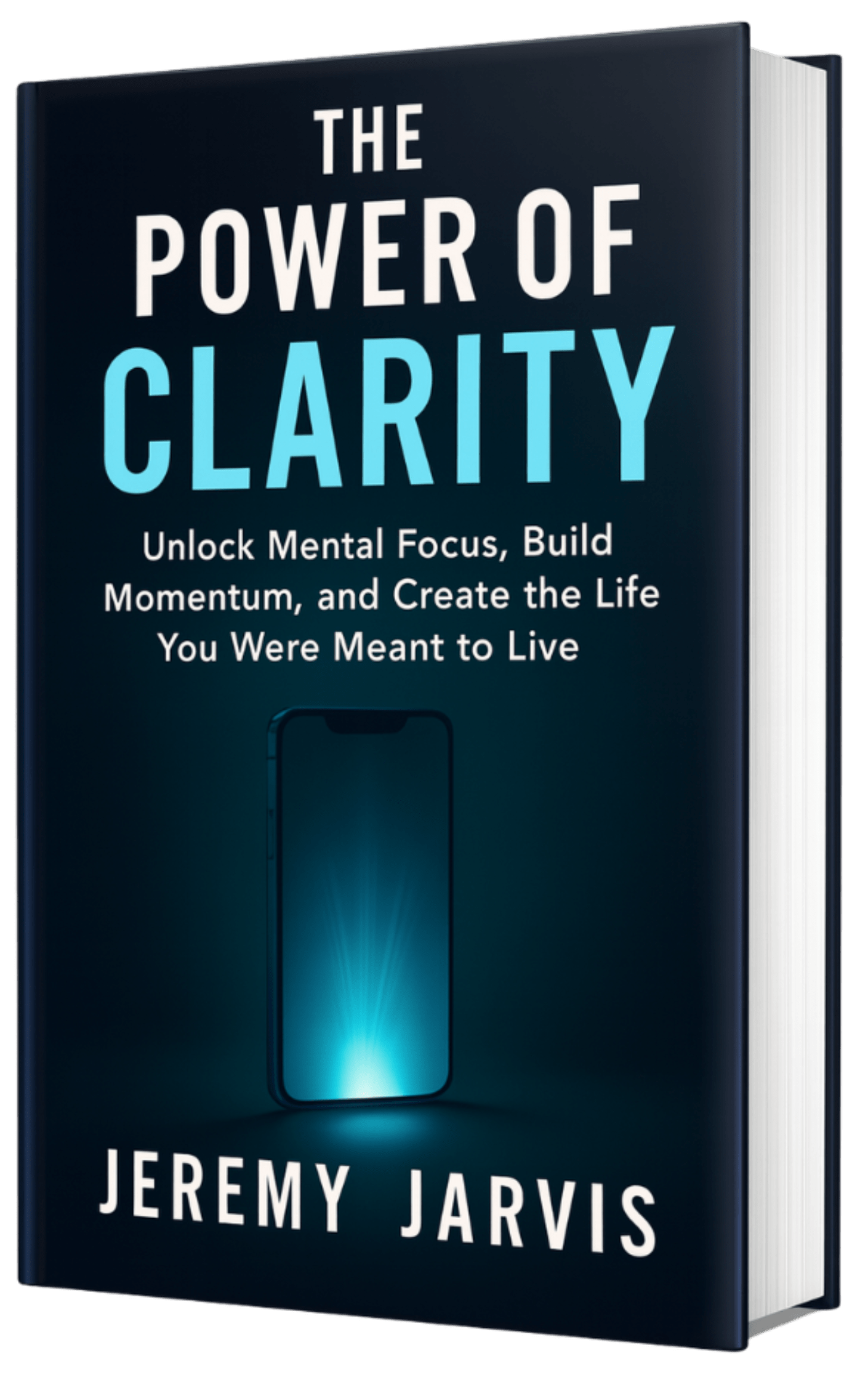
The Power of Clarity
Unlock mental focus, build momentum, and create the life you were meant to live.
View book →
AI & ChatGPT for Beginners
No PhD needed — a 2025 guide to AI, prompts, and productivity without coding.
View book →
Zen in the Digital Jungle
Mindfulness for a chaotic world.
View book →
The Slow Reset
Mindful living in a fast-paced world.
View book →
Perfectly Imperfect
Stop self-criticism, set boundaries, and embrace the real you.
View book →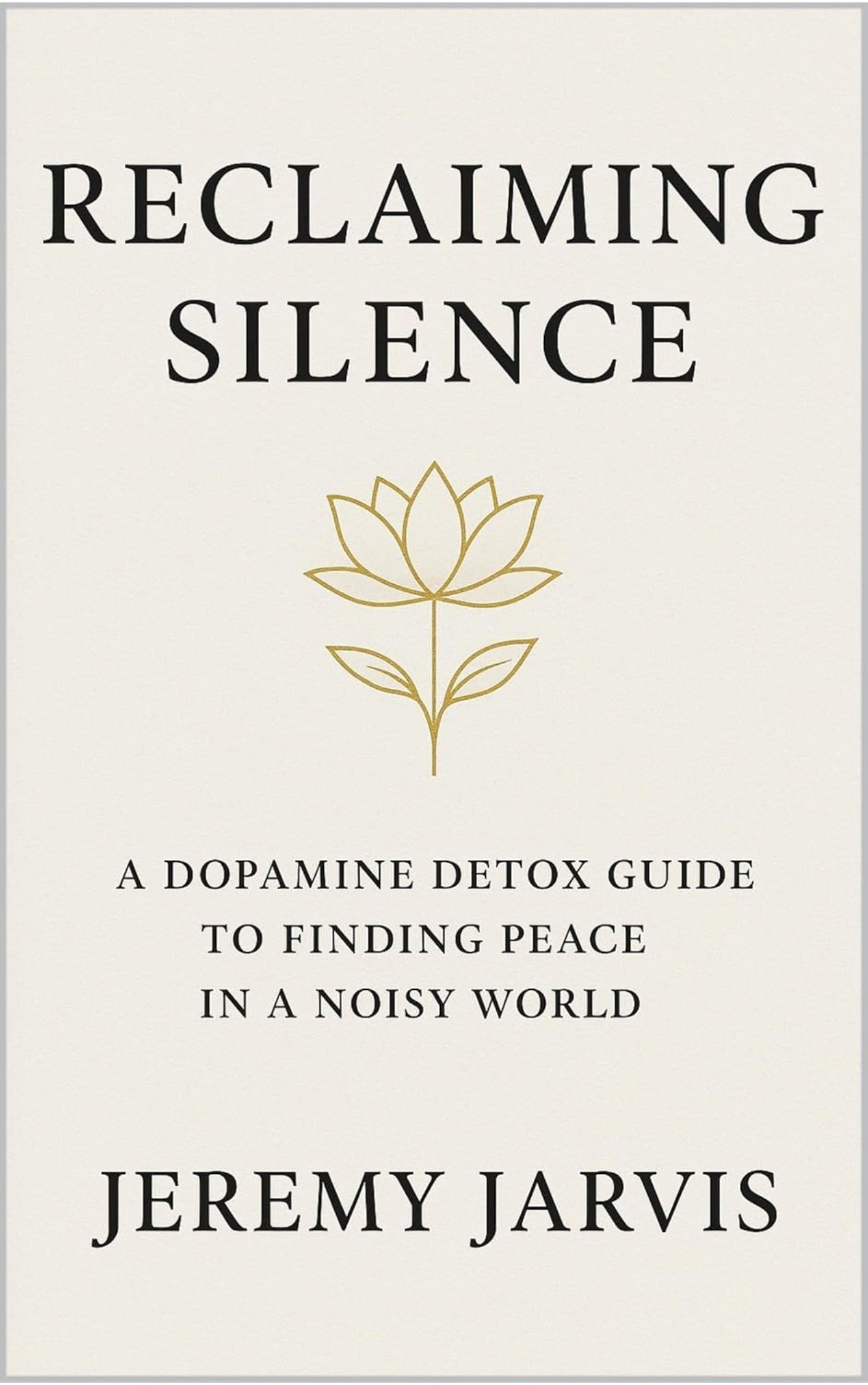
Reclaiming Silence
A dopamine detox guide to finding peace in a noisy world.
View book →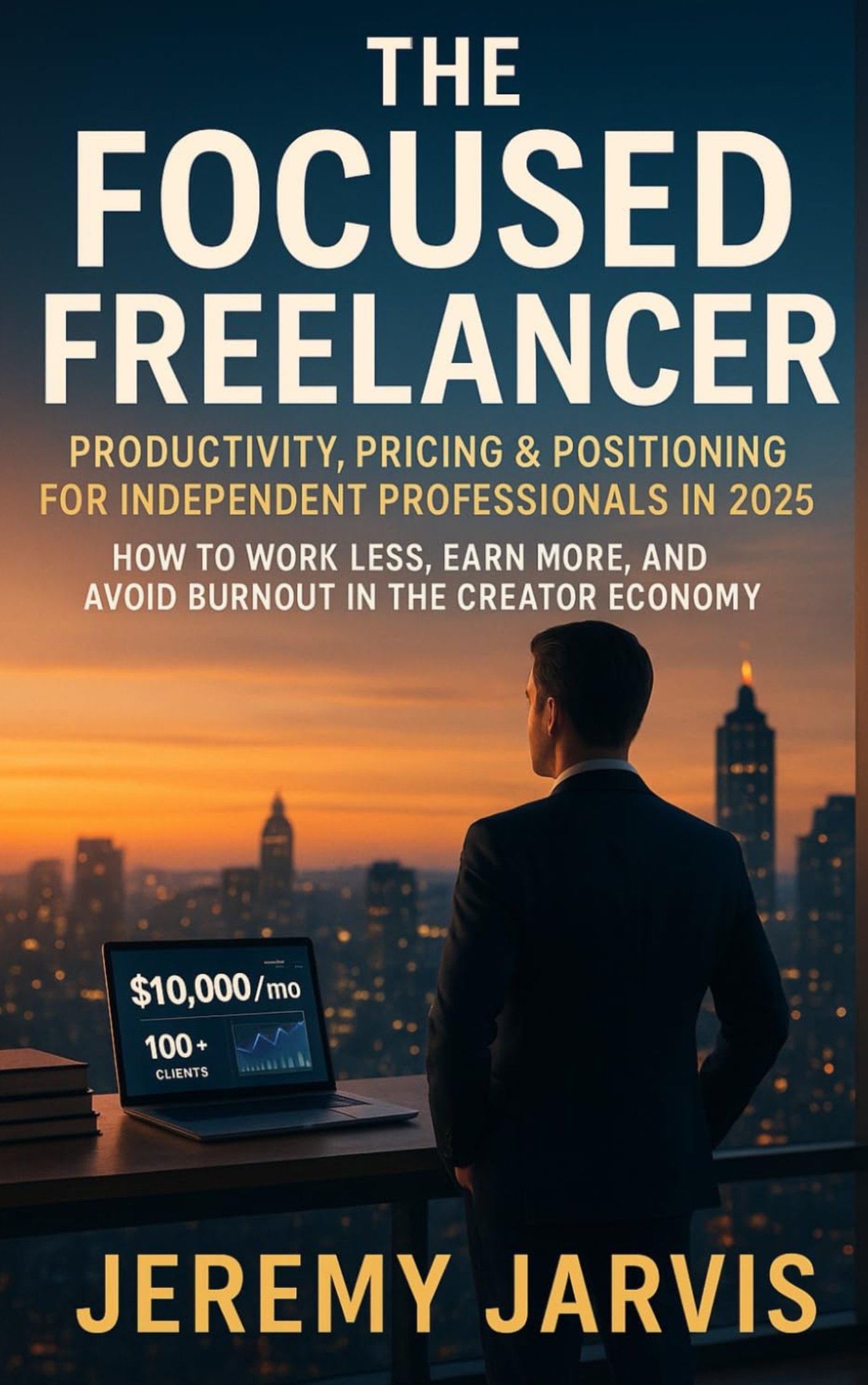
The Focused Freelancer
Productivity, pricing & positioning for independents in 2025.
View book →
ChatGPT Side Hustle System
Launch your AI-driven online business in 30 days.
View book →
Burnout, Interrupted
A proven path to restore energy and reclaim your life.
View book →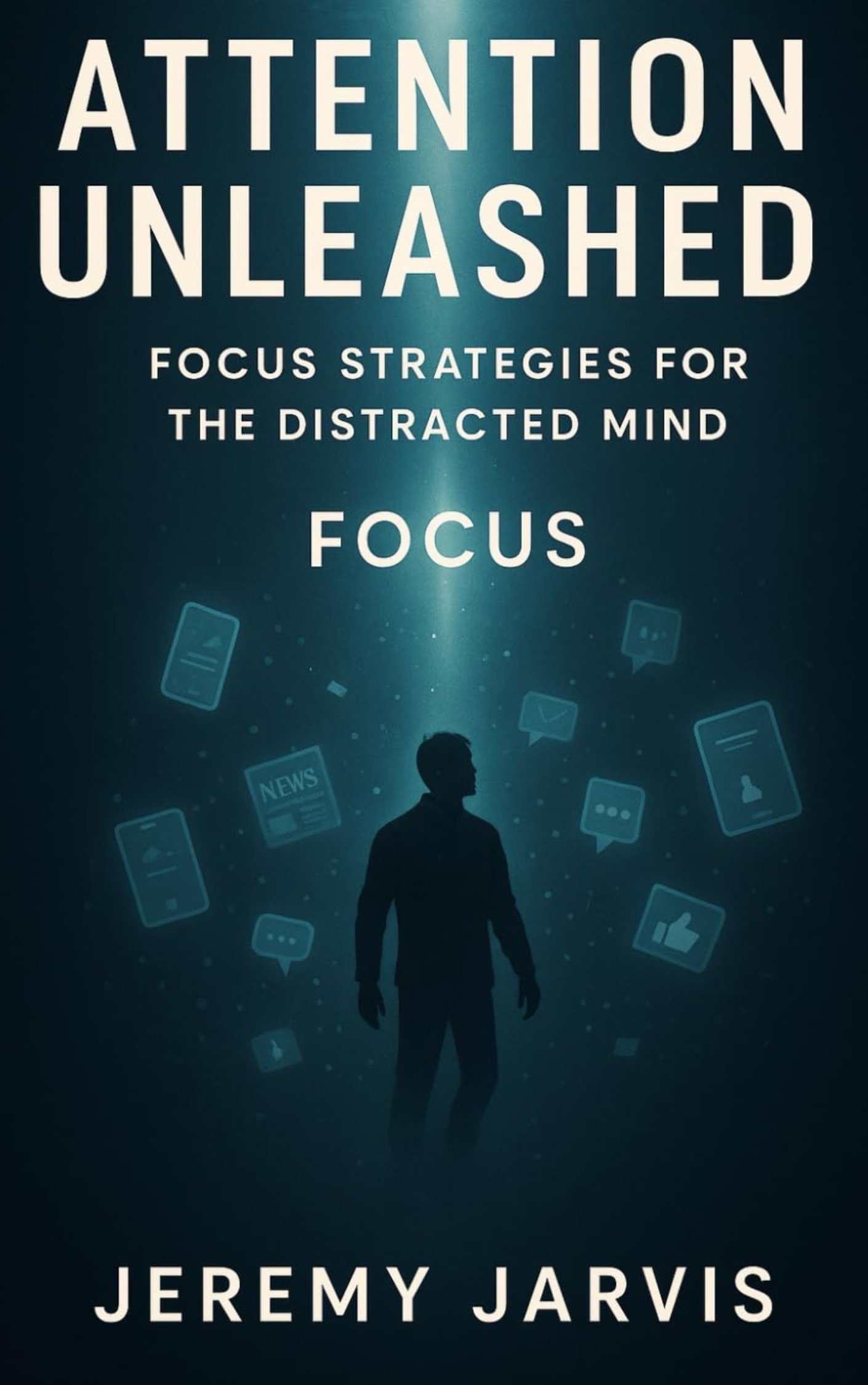
Attention Unleashed
Focus strategies for the distracted mind.
View book →
Side Hustle Launchpad
Your quick-start guide to extra income.
View book →
Digital Clarity
Rewire your brain, escape dopamine traps & regain focus.
View book →
Break the Scroll
Reduce screen time and take back control of your life.
View book →
Climate Compassion
Transform eco-anxiety into empowered action.
View book →
Village Mentality
The power of community for mental wellness.
View book →
Restful Nights
Overcoming sleep anxiety in a 24/7 world.
View book →
Connected Again
Combat loneliness and build meaningful relationships.
View book →
Focus Recharged
Mastering attention and productivity in the digital era.
View book →
Marketing Magic with ChatGPT
AI-powered content, campaigns, and copywriting to grow faster.
View book →
The 6-Figure Creator
Turn knowledge into passive income with books, courses & AI.
View book →
Burnout Breakthrough
Reset your work-life balance and thrive in 2025.
View book →
The Emotionally Intelligent Man
A modern guide to self-awareness and communication.
View book →
AI Personalized Wellness
Create your custom health plan with data-driven habits.
View book →
Everyday AI Made Easy
Use ChatGPT and smart tools to simplify life.
View book →
Money Mindfulness
A financial wellness guide for Gen Z & Millennials.
View book →
Startup Smarter with AI
ChatGPT strategies and tools to grow your business.
View book →
ChatGPT for Writers & Creators
Unlock AI-powered brainstorming, drafting & editing.
View book →