

The real secret to reading more isn’t about finding more time—it’s about understanding how your brain has been rewired by the digital world and then gently rewiring it back. Grounded in behavioral science, the key is to acknowledge that modern technology actively trains you for distraction, making deep, focused reading feel like a chore. Once you understand this, you can start building small, consistent habits to reclaim your focus and make reading a natural, effortless part of your day.
Heads up: This article may contain affiliate links. If you make a purchase through one of these links, we may earn a small commission at no extra cost to you. It’s a great way to support our work and keep the insights coming!
Why It Feels Harder Than Ever to Read Books
Ever find yourself staring at a bookshelf full of unread titles, only to instinctively reach for your phone instead? You’re not alone. This isn’t a personal failure; it’s a predictable consequence of the digital world we live in. Our online environments are masterfully engineered to hijack our attention with a nonstop stream of quick, rewarding content.
This constant firehose of notifications, short videos, and infinite scrolls is literally changing your brain’s reward pathways. From a neuroscience perspective, every ping and alert delivers a tiny hit of dopamine, the chemical messenger tied to pleasure and motivation. Over time, your brain’s reward system starts craving these instant rewards, making slower, more demanding activities—like getting lost in a good book—feel far less appealing.

The Challenge of Deep Focus
Sustained reading demands a totally different kind of mental muscle. It requires deep focus, a state that becomes harder to achieve when our brains are conditioned for rapid-fire task-switching.
Every time you glance at your phone while trying to read, your brain pays a cognitive price called “attentional residue.” A part of your focus stays stuck on whatever you just looked at, making it nearly impossible to fully immerse yourself in the text. If this sounds painfully familiar, you’ll want to read our guide on why you can’t read long articles anymore, which dives deeper into this exact phenomenon.
Real-World Scenario: Imagine a student trying to read a dense textbook. Their phone is on the desk, screen up. A text message notification flashes. Even if they don’t pick up the phone, a part of their brain is now wondering who texted and what they want. That cognitive “leak” makes it harder to absorb the complex information in the book, forcing them to re-read the same paragraph three times. This is attentional residue in action.
This mental fragmentation is exactly why picking up a book can feel like an exhausting workout. Your brain, accustomed to the easy dopamine hits from a screen, resists the quiet, sustained effort that deep reading requires.
The Reading Gap: Why Most People Struggle
The gap between wanting to read and actually doing it often comes down to a few key habits and environmental factors. Here’s a quick look at how infrequent readers and consistent readers approach the same challenges differently.
| Challenge | Typical Approach (Infrequent Reader) | Strategic Approach (Consistent Reader) |
|---|---|---|
| Environment | Phone is always within reach, notifications are on. Reads in a high-distraction area. | Phone is in another room or on Do Not Disturb. Creates a designated, quiet reading spot. |
| Mindset | “I don’t have time.” Feels guilty about not reading, which leads to avoidance. | “I’ll start with 5 minutes.” Sees reading as a skill to be practiced, not a moral failing. |
| Strategy | Tries to read for an hour straight, gets distracted, and gives up. | Uses habit stacking (e.g., reads after morning coffee) and micro-reading (5-minute bursts). |
| Tools | Relies on willpower alone to fight digital temptation. | Leverages tools like Kindle’s “airplane mode” and read-later apps to reduce friction. |
Seeing these side-by-side makes it clear: consistent reading isn’t about having more willpower. It’s about having a better system. The national data reflects this struggle. It’s not that people don’t want to read; it’s that their environment and habits are working against them. Ultimately, understanding this dynamic is the first real step toward change. It’s not about forcing yourself to read through sheer will. It’s about creating an environment and building routines that make reading the easier, more compelling choice.
Recalibrating Your Brain for Deep Focus to Read More Books
Before you can build a reading habit that sticks, we need to address the real reason it feels so hard in the first place: your focus is likely fragmented. If picking up a book feels “boring” or difficult, that’s a huge clue. It signals that your brain has adapted to a high-speed, high-stimulus digital world. This isn’t a character flaw—it’s a predictable neurochemical response.
Every notification and endless scroll delivers a quick, cheap hit of dopamine. Your brain’s reward circuitry, especially the limbic system, learns to crave these tiny, instant payoffs. The slower, more demanding reward of reading—which requires sustained attention from your prefrontal cortex—simply can’t compete. The first real step is to gently recalibrate this system.
This isn’t about some punishing, extreme “dopamine fast.” Think of it more like a gentle digital declutter. The goal is to carve out small pockets of quiet in your day, giving your brain a chance to reset its baseline. Over time, this makes slower activities like reading feel engaging and rewarding again.
Taming Digital Distractions to Improve Reading Habits
The key is to turn down the volume on the constant, low-level stimulation that keeps your brain on high alert. Start by identifying and shutting down the noisiest interruptions.
- Silence Non-Essential Notifications: Go into your phone’s settings and turn off alerts for everything except calls, texts from key people, and calendar reminders. Social media, news apps, and email can wait. Each notification you silence is a small win for your focus.
- Create “No-Phone Zones”: Designate specific areas in your home where phones just aren’t allowed. The dinner table and the bedroom are the perfect places to start. This simple rule creates a physical boundary that helps you mentally disconnect.
- Schedule Your Screen Time: Instead of checking email and social media whenever the urge strikes, block out specific times for it. Try checking your inbox at 10 AM, 1 PM, and 4 PM—and stay off it otherwise. This puts you back in control of your own attention.
By consciously reducing digital inputs, you’re not just removing distractions; you’re retraining your brain’s reward circuitry. This process makes the quiet focus required for reading feel less like a chore and more like a welcome relief.
Real-World Scenario: Imagine a freelance graphic designer who feels constantly wired. Their phone buzzes with client emails and Slack messages late into the evening. They want to read before bed but feel too mentally scattered to even try. They decide on one simple rule: after 7 PM, their phone goes on a charging stand in the living room, not on the nightstand. The first few nights feel strange, almost antsy. But by the end of the week, they notice they actually have the mental space to pick up a novel and read a chapter without feeling the phantom buzz of their phone. This small environmental shift recalibrated their entire evening routine, making reading an appealing choice again.
Preparing Your Body and Mind for Reading
Physical comfort is another huge, and often overlooked, part of sustaining focus. After staring at screens all day, our eyes are often shot. For a deep dive, check out this practical guide on how to reduce eye strain. Reducing physical discomfort makes it so much easier to stay locked in with a good book.
This foundational work on your environment and your brain is crucial. By lowering the background noise of digital life, you create the mental stillness needed for deep reading to take root. This process is similar to what’s explored in techniques for limbic system retraining, where the goal is to calm an overstimulated nervous system to change automatic responses. You are teaching your brain that focus can be just as rewarding as distraction.
Building a Reading System That Actually Sticks
Recalibrating your focus is a great start, but good intentions alone won’t get you across the finish line. To make reading a permanent part of your life, you need a system—a set of simple, repeatable actions that work with your brain, not against it.
Instead of white-knuckling it with motivation that comes and goes, we’ll use a couple of proven behavioral science techniques. These strategies make picking up a book feel less like a chore and more like an automatic, easy choice.
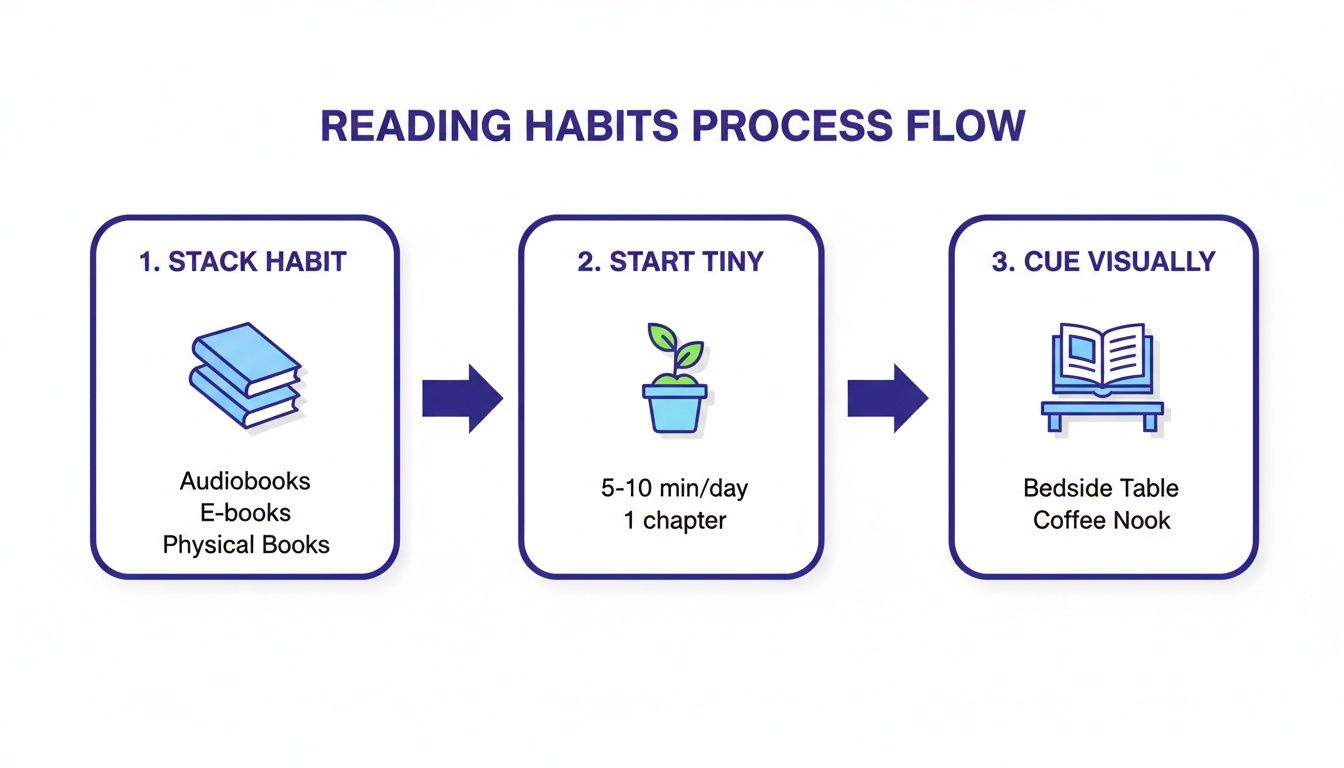
Use Habit Stacking to Link Reading to Your Existing Routine
The idea behind Habit Stacking, popularized by author James Clear, is elegantly simple. You just anchor your new desired habit (reading) to an old, deeply ingrained one. The formula looks like this:
“After I [CURRENT HABIT], I will [NEW HABIT].”
Your brain loves this because it doesn’t have to carve out a new routine from scratch. It just bolts the new action onto a neural pathway that’s already paved and smooth.
Here’s how this looks in the real world:
- Morning Coffee: “After I pour my morning coffee, I will read for five minutes.”
- Lunch Break: “After I finish eating lunch, I will read one chapter of my book.”
- Evening Wind-Down: “After I brush my teeth at night, I will get into bed and read until I feel sleepy.”
The key is to pick an anchor habit that’s rock-solid—something you do every single day without fail. That existing habit becomes a powerful, automatic trigger that reminds you to pick up your book.
Real-World Scenario: A busy parent wants to read more but their free time feels chaotic. They realize, however, that their toddler has a consistent 15-minute quiet time with puzzles right after lunch. They stack their reading habit onto this existing routine. The rule becomes: “When my child starts their puzzles, I will sit next to them and read my book.” It starts with ten minutes, but soon it becomes a cherished, non-negotiable part of both of their days.
Start So Small You Can’t Fail with Tiny Habits
Often, the biggest thing stopping us from reading more is that it feels like a massive commitment. The thought of tackling a 400-page book can be so intimidating that you never even start. This is where the “Tiny Habits” method, developed by Stanford behavior scientist BJ Fogg, is a game-changer.
The whole point is to make your new habit so laughably small that it’s impossible to say no. You’re not committing to “read for 30 minutes every day.” You’re committing to something like:
- “I will read one sentence.”
- “I will open my Kindle app.”
- “I will read one page.”
This approach completely bypasses your brain’s natural resistance to effort. And once you’ve read one page, it’s so much easier to just keep going and read another. The goal isn’t the page count; it’s the consistency of starting. That tiny action builds momentum and reinforces your identity as “someone who reads.”
Create a Reading-Ready Environment
Your physical space sends constant, powerful signals to your brain about what actions are easy and expected. If your phone is on the coffee table and your book is on a dusty shelf upstairs, you’re making distraction the path of least resistance. To read more, you just need to flip that script. It all comes down to creating obvious visual cues that prompt you to read.
- Leave a book on your nightstand instead of your phone.
- Place a book on the coffee table right where you relax in the evening.
- Keep your Kindle or a paperback in your work bag, ready for any unexpected downtime.
Every time you see the book, it’s a gentle, passive reminder of your goal. You’re no longer relying on memory or willpower; you’re letting your environment do the heavy lifting for you. And as you read more, you might find you want to remember more of what you’re consuming. Learning how to take effective notes from a book can deepen your engagement and make the whole experience feel even more rewarding.
Make Smart Tools and Formats Your Reading Allies
Building a system for reading isn’t just about blocking out time; it’s about removing the tiny points of friction that stop you from picking up a book in the first place. In a life filled with commutes, chores, and endless to-do lists, a traditional paperback isn’t always practical. If you want to genuinely boost your book count, you have to make technology your ally and embrace reading in multiple formats.
This means completely rethinking what “reading time” looks like. It doesn’t have to be an hour in a quiet armchair. It can be 15 minutes of an audiobook while you walk the dog, a chapter on your Kindle app while waiting for a meeting to start, or listening to a novel as you fold laundry. Using different formats turns moments of “dead time” into genuine reading sessions.
As you can see, building a solid reading habit is all about attaching small actions to routines you already follow and using visual triggers to make reading the easiest, most obvious choice.
Embrace Ebooks and Audiobooks Without Guilt
Digital formats are built for the modern, mobile reader. Ebooks and audiobooks let you carry an entire library in your pocket, making it ridiculously easy to capitalize on any unexpected pocket of free time. Many people find that using multiple formats simply helps them read more books.
One of the best features for anyone straddling both formats is Amazon’s Whispersync. This slick piece of tech syncs your Kindle ebook with its Audible audiobook counterpart, so you never lose your place.
Real-World Scenario: You’re reading a non-fiction book on your Kindle during your lunch break. Later, you hop in the car to drive home, open the Audible app on your phone, and the audiobook picks up exactly where you left off reading. That seamless transition removes all the friction, letting you stay immersed in one book across different parts of your day. This is a practical application of how to read more books without finding new pockets of time.
How to Use Your Digital Tools Strategically
Just having the apps isn’t enough. To get the most out of digital reading, a few small practices can make all the difference.
- Curate Your Digital Library: Treat your ebook library like a physical bookshelf. Only fill it with titles you’re genuinely excited about. Use wish lists and read sample chapters to make sure a book grabs you before you commit.
- Fix Your Device Settings: Don’t let eye strain kill your reading vibe. Adjust the font size, screen brightness, and background color. Most e-readers and apps now have a warm, sepia-toned background that’s much easier on the eyes than a stark white screen.
- Go into Airplane Mode: The single biggest advantage of a dedicated e-reader like a Kindle is its glorious lack of distractions. Put that thing in airplane mode to create a focused reading bubble, free from notifications and the siren call of the internet.
Use AI as a Reading Assistant, Not a Replacement
Finally, let’s talk about AI. Artificial intelligence can be a powerful assistant in your quest to read more, but its role is to make your reading time more effective, not to do the reading for you. For instance, you can use an AI tool to generate a quick, high-level summary of a dense non-fiction book to decide if it’s worth a full read. It’s also great for refreshing your memory on the key concepts from a book you finished months ago.
For a deeper dive, check out our guide on the best AI tools for productivity to find systems that might fit your workflow.
How to Protect Your Time for Deep Reading
Let’s tackle the biggest hurdle: finding the time. The secret isn’t discovering some magical, empty hour in your day. It’s about getting brutally protective of your attention. You don’t find time; you make it. This means shifting from hoping for a free moment to deliberately carving out and defending your reading time like it’s a critical meeting.
One of the most effective ways to do this is time blocking. It’s simple: treat your reading sessions with the same seriousness you’d give a doctor’s appointment. You schedule it directly into your calendar, turning a vague intention into a non-negotiable commitment.

Real-World Scenario: A remote project manager felt her days were completely eaten by back-to-back video calls. To reclaim her focus, she started blocking out a 25-minute “Reading Break” in her Google Calendar right after her last meeting. That visual block was a powerful signal to herself and her team that this time was occupied, transforming a fuzzy goal into a solid daily practice. This is how to read more books even with a packed schedule.
Capitalize on Small Windows with Micro-Reading
Beyond blocking out bigger chunks of time, the art of micro-reading can radically change the game. This is all about using those small, often-wasted five-to-ten-minute gaps scattered throughout your day. Think about the time you spend waiting for a Zoom meeting to start, standing in line for coffee, or watching a file download. Most of us fill these moments by mindlessly scrolling our phones. Instead, these are perfect opportunities to knock out a few pages.
From a behavioral psychology perspective, consistent, short sessions build stronger and more durable neural pathways for a new habit than rare, lengthy binges. Each tiny session reinforces your identity as a reader.
Set and Communicate Your Boundaries
Once you’ve scheduled your reading time, you have to protect it. This is where setting clear boundaries becomes non-negotiable.
- Be Proactive: Let your family or roommates know about your reading block. A simple, “Hey, I’m taking the next 30 minutes to read and disconnect. I’ll be available right after,” can head off most interruptions.
- Use Your Tools for Defense: Put your phone on “Do Not Disturb” mode. If you’re working, update your Slack or Teams status to “Focusing” or “Deep Work.” Let your tech signal your unavailability for you.
- Create a Physical Barrier: If you can, close your office door. Putting on headphones is another universal sign that says, “I’m unavailable right now.”
To really lock in these habits, you can dive deeper into practical approaches with these helpful Time Management Tips. And if digital distractions are your main enemy, our guide on actionable digital detox tips gives you the framework you need to create more space for focused reading.
Editor’s Take: What Actually Works to Read More
After trying just about everything, let’s be honest about what it takes to read more books in a world overflowing with digital noise. Forget the ambitious, shame-inducing goals for a minute.
The single most effective strategy I’ve found is pairing a gentle digital declutter with the ‘tiny habits’ method. This combination works so well because it attacks the problem from two different angles.
First, the declutter lowers your brain’s baseline craving for high-stimulus content. This is key. It makes the quiet, slow engagement of a book feel appealing again, not like a chore. Then, starting with a ridiculously small habit—like a “one-page” rule—bypasses the internal resistance and overwhelm that kills most reading goals before they even get off the ground.
Who This Advice Is Really For
This approach is tailor-made for busy professionals, students, and frankly, anyone suffering from screen fatigue who feels like their attention span is shot. It’s for those of us who have tried and failed with lofty goals like “read one book a week” because life, inevitably, got in the way.
The crucial caveat here is that consistency over intensity is everything. It will take a few weeks for your brain to genuinely rewire its focus patterns and stop craving the next notification. Be patient with the process.
Remember, the goal isn’t just to hit a number. It’s about reclaiming a quiet space for deep, focused thought in a world that constantly demands your attention.
For people with long commutes or jobs that require staring at a screen all day, audiobooks are the ultimate game-changer. They seamlessly transform unproductive time into valuable reading time without adding more eye strain to your day. This multi-format approach isn’t cheating; it’s a practical solution for a modern problem.
Disclaimer: This article is for educational and informational purposes only and is not a substitute for professional medical or psychological advice, diagnosis, or treatment. The content may reference topics like anxiety, depression, ADHD, or burnout, but it is not intended to be a substitute for professional care. Always seek the advice of your physician or other qualified health provider with any questions you may have regarding a medical condition. Some links in this article may be affiliate links, meaning we may earn a commission if you make a purchase, at no extra cost to you.
FAQ: Your Questions About How to Read More Books
As you start to build a more intentional reading habit, practical questions always come up. Here are answers to 10 common queries to help you find your rhythm.
1. How many books a year is “well-read”?
There’s no magic number. “Well-read” has more to do with the quality and diversity of your reading than the quantity. Instead of chasing a specific count, a much healthier goal is consistency. Aim to make reading a regular part of your life, whether that means one book a month or just 15 minutes a day. The real value comes from the ideas you engage with.
2. What’s the best way to find books I’ll actually enjoy?
The secret is to follow your genuine curiosity. Start with what you already love in other media, like movies or podcasts, and look for books in similar genres. Websites like Goodreads are fantastic for finding recommendations based on what you’ve enjoyed. Don’t be afraid to “try before you buy”—read the first chapter, and if it doesn’t grab you, move on.
3. Is it better to read one book at a time or several?
This is personal preference. Some people thrive on monogamous reading to stay fully immersed. Others find that juggling multiple books (e.g., one fiction, one non-fiction, and an audiobook) keeps things fresh and prevents reading slumps. Experiment to see what feels right. A great start is having one physical book for quiet time and one audiobook for your commute.
4. How can I improve my reading speed without losing comprehension?
Boosting reading speed is a skill. A common technique is to minimize subvocalization—the inner voice that says each word. You can practice this by using your finger to trace the lines of text, forcing your eyes to move faster than your inner voice. However, simply reading more will naturally increase your speed and processing efficiency over time.
5. What are some good reading strategies for someone with ADHD?
For a brain wired for novelty, a few strategies can be game-changers. Audiobooks engage auditory senses and allow for movement. Embrace “micro-reading” in short, timed bursts of 10-15 minutes. Also, picking books with short chapters or essay collections provides frequent “finish lines,” which can deliver a rewarding dopamine hit and keep you motivated.
6. Do audiobooks really count as reading?
Absolutely. Neuroscience shows that whether you listen to a story or read it on a page, your brain processes the language, narrative, and emotional content in remarkably similar ways. Audiobooks are an incredibly powerful tool for turning “dead time” like commutes or chores into productive reading time.
7. How do I stop buying books and actually read the ones I own?
This is a common struggle known as tsundoku in Japanese. A great fix is the one-in, one-out rule: you can’t buy a new book until you’ve finished one from your current pile. Another strategy is to “shop your own shelves”—pick up a book you already own and commit to reading just the first chapter. That’s often all it takes to get hooked.
8. What should I do if I lose my reading streak?
Don’t panic. An all-or-nothing mindset is the enemy of building any long-term habit. If you miss a day or a week, the most important thing is to simply start again the next day without guilt. A broken streak doesn’t erase your progress. The goal is consistency over perfection.
9. How can I read more non-fiction without getting bored?
Start with topics you’re genuinely passionate about. A well-written biography or science book from a skilled storyteller can be as gripping as a novel. It also helps to alternate non-fiction with fiction. And remember, you don’t have to read every single word; it’s okay to skim less relevant sections and dive deep into chapters that capture your interest.
10. What is the best time of day to read for better retention?
Research on memory consolidation suggests that reading just before sleep can be highly effective. During sleep, your brain processes and stores information, which can lead to better recall. That said, the true “best” time is simply the time you can consistently protect from interruptions. Consistency will always beat perfect timing.
Ready to build a sustainable system for focus in a distracted world? At Mind Clarity Hub, we specialize in science-based guides that offer practical, step-by-step roadmaps to help you reclaim your mental space and achieve your goals.
Explore our full library of books on focus, productivity, and digital clarity.
Explore the Mind Clarity Hub Library
Practical books on focus, digital habits, resilience, and building a calmer mind.
The Power of Clarity
Unlock mental focus, build momentum, and create the life you were meant to live.
View book →
AI & ChatGPT for Beginners
No PhD needed — a 2025 guide to AI, prompts, and productivity without coding.
View book →
Zen in the Digital Jungle
Mindfulness for a chaotic world.
View book →
The Slow Reset
Mindful living in a fast-paced world.
View book →
Perfectly Imperfect
Stop self-criticism, set boundaries, and embrace the real you.
View book →
Reclaiming Silence
A dopamine detox guide to finding peace in a noisy world.
View book →
The Focused Freelancer
Productivity, pricing & positioning for independents in 2025.
View book →
ChatGPT Side Hustle System
Launch your AI-driven online business in 30 days.
View book →
Burnout, Interrupted
A proven path to restore energy and reclaim your life.
View book →
Attention Unleashed
Focus strategies for the distracted mind.
View book →
Side Hustle Launchpad
Your quick-start guide to extra income.
View book →
Digital Clarity
Rewire your brain, escape dopamine traps & regain focus.
View book →
Break the Scroll
Reduce screen time and take back control of your life.
View book →
Climate Compassion
Transform eco-anxiety into empowered action.
View book →
Village Mentality
The power of community for mental wellness.
View book →
Restful Nights
Overcoming sleep anxiety in a 24/7 world.
View book →
Connected Again
Combat loneliness and build meaningful relationships.
View book →
Focus Recharged
Mastering attention and productivity in the digital era.
View book →
Marketing Magic with ChatGPT
AI-powered content, campaigns, and copywriting to grow faster.
View book →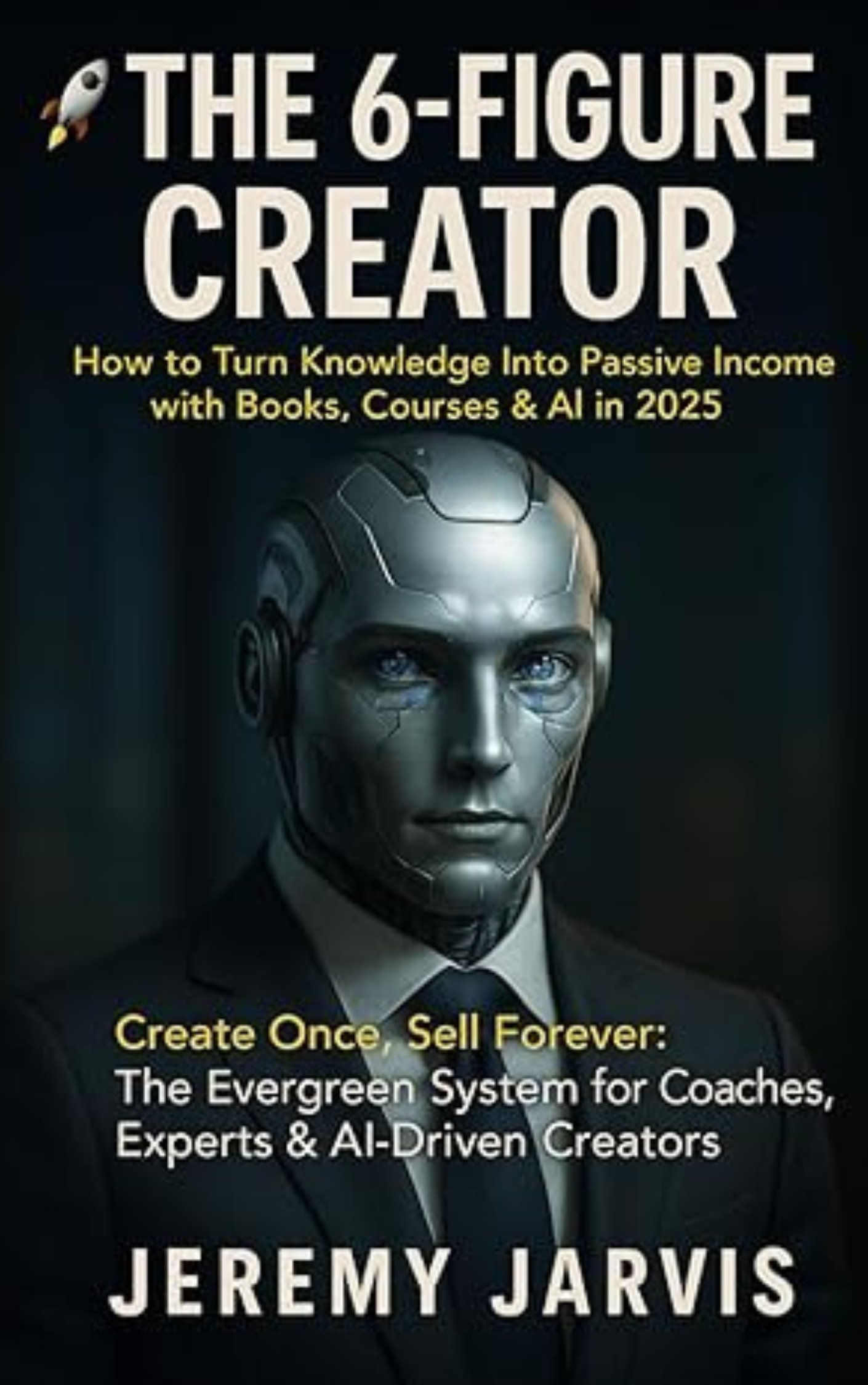
The 6-Figure Creator
Turn knowledge into passive income with books, courses & AI.
View book →
Burnout Breakthrough
Reset your work-life balance and thrive in 2025.
View book →
The Emotionally Intelligent Man
A modern guide to self-awareness and communication.
View book →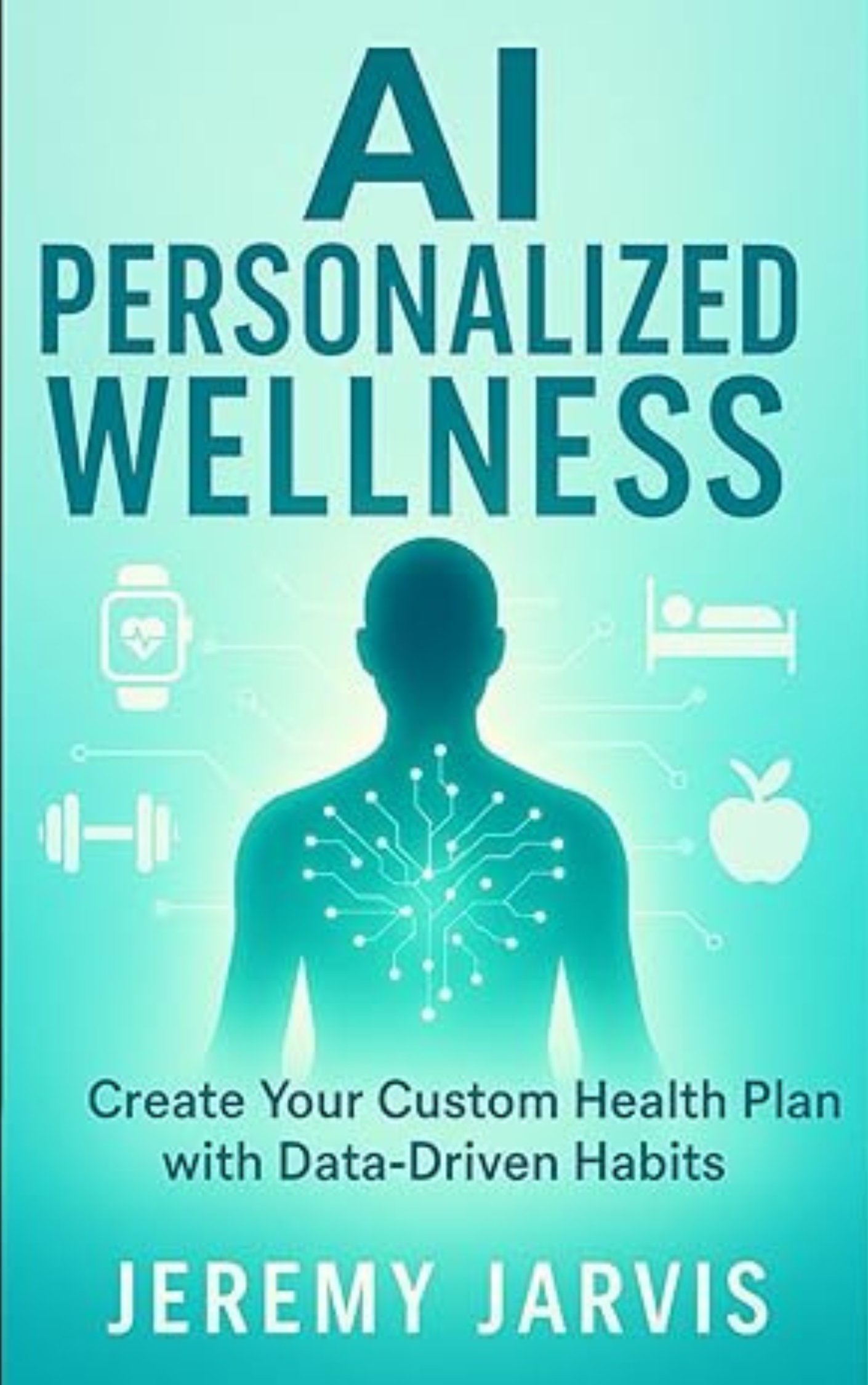
AI Personalized Wellness
Create your custom health plan with data-driven habits.
View book →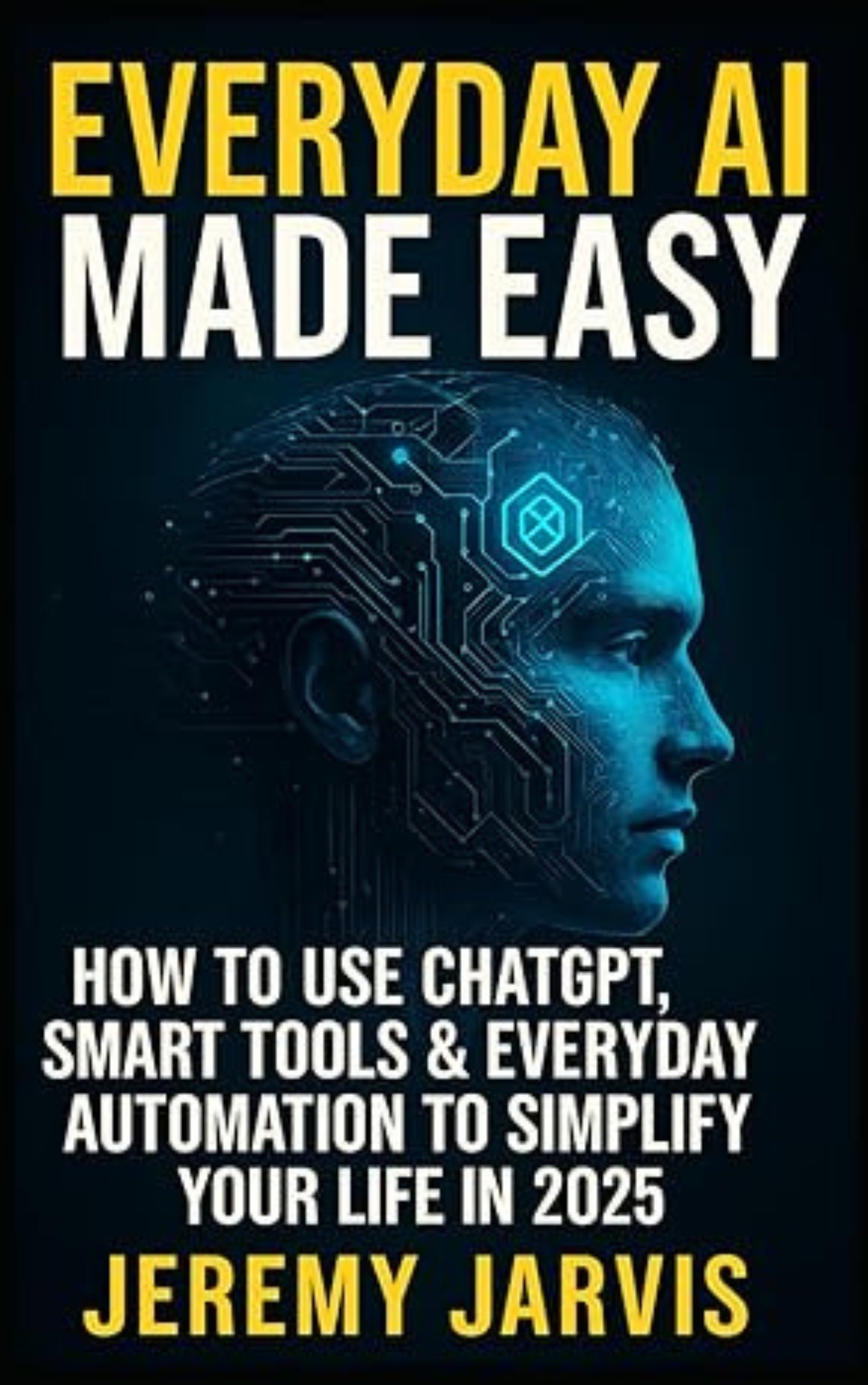
Everyday AI Made Easy
Use ChatGPT and smart tools to simplify life.
View book →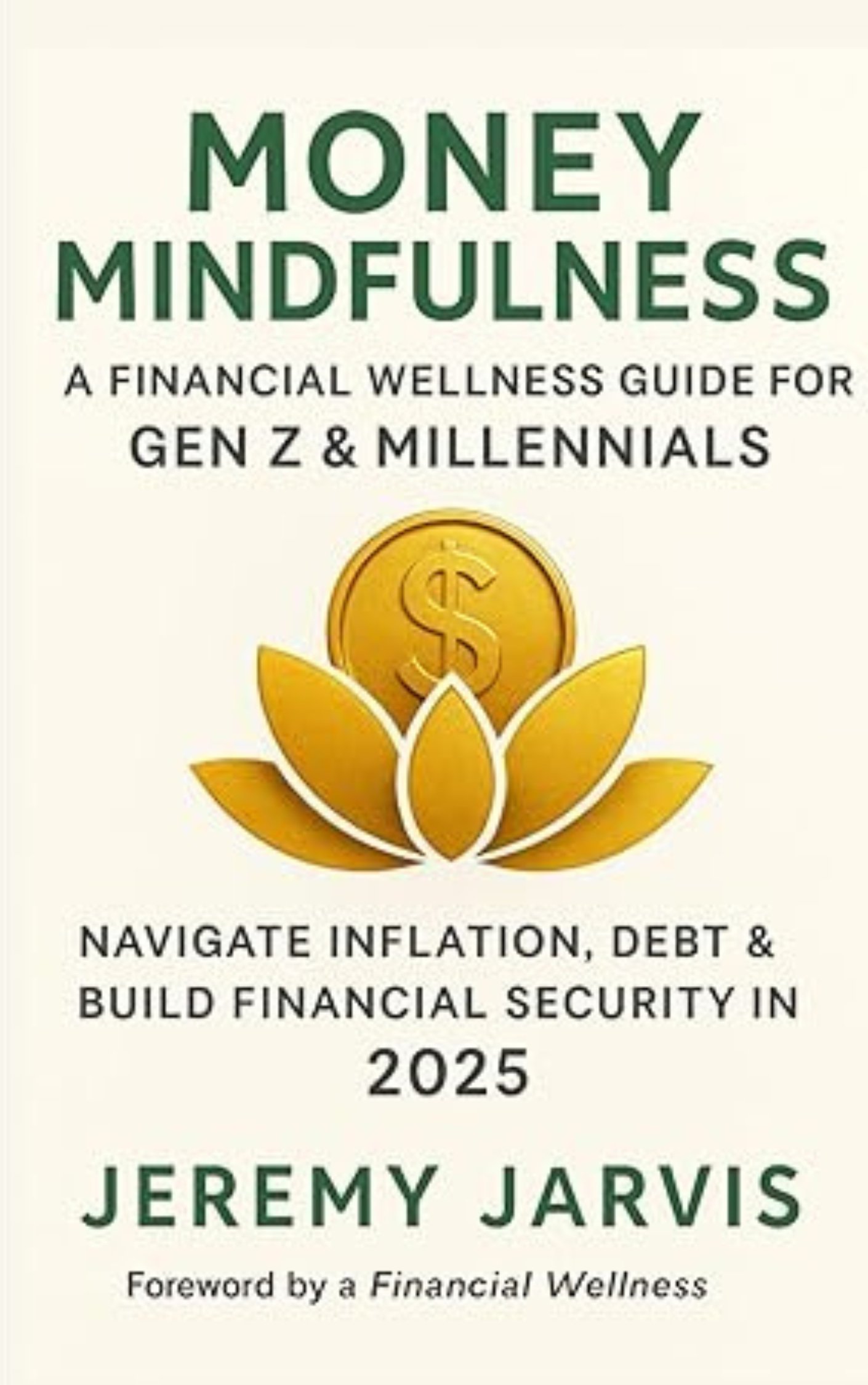
Money Mindfulness
A financial wellness guide for Gen Z & Millennials.
View book →
Startup Smarter with AI
ChatGPT strategies and tools to grow your business.
View book →
ChatGPT for Writers & Creators
Unlock AI-powered brainstorming, drafting & editing.
View book →