


Tackling chronic stress isn’t about finding one magic fix. It’s about building a practical, two-part toolkit: one set of tools for immediate relief when you’re overwhelmed, and another for building long-term resilience through daily habits. This dual approach helps you calm your nervous system in the moment and lower your baseline stress over time.
This guide will walk you through exactly how to build that toolkit, from quick, neuroscience-based techniques to a sustainable framework for lasting well-being.
(Note: This article may contain affiliate links. Purchases made through these links may earn us a small commission at no extra cost to you.)

Why You Need a Mix of Strategies to Manage Chronic Stress
Think about it like your physical health. When you have a headache, you might take a pain reliever for immediate relief. But you also focus on long-term wellness through good nutrition and regular exercise. Learning how to manage chronic stress works the exact same way. You need quick interventions for acute moments and consistent routines that prevent stress from piling up in the first place.
This approach is grounded in neuroscience. Prolonged exposure to stress hormones like cortisol can impair everything from memory to focus. Behavioral research shows that when your brain’s “fight-or-flight” response is constantly activated, it weakens the prefrontal cortex, the area responsible for focus and decision-making. By implementing small, consistent habits, you help regulate your nervous system and train it to return to a calm baseline more quickly.
By understanding both your immediate needs and long-term goals, you can create a personalized system that addresses stress from all angles, promoting both immediate calm and lasting resilience.
Immediate Vs. Long-Term Chronic Stress Management Strategies
To make this practical, it helps to see how different strategies fit into your day. Some are designed for quick resets, while others are foundational practices that build your capacity to handle stress over weeks and months. This table gives you a quick overview of the two types of tools we’ll be building.
| Strategy Type | Technique | Best For | Time Commitment |
|---|---|---|---|
| Immediate Relief | Deep Breathing (Box Breathing) | Calming panic or sudden anxiety | 1-5 minutes |
| Immediate Relief | 5-4-3-2-1 Grounding | Interrupting racing thoughts | 2-3 minutes |
| Immediate Relief | Progressive Muscle Relaxation | Releasing physical tension | 5-10 minutes |
| Long-Term Habit | Daily Mindfulness Practice | Building emotional regulation | 10-20 minutes daily |
| Long-Term Habit | Regular Physical Activity | Reducing cortisol levels | 30+ minutes, 3-5x/week |
| Long-Term Habit | Consistent Sleep Hygiene | Restoring cognitive function | 7-9 hours nightly |
This isn’t an exhaustive list, but it illustrates the core idea: you need both types of tools. An in-the-moment breathing exercise is perfect for a sudden stressful email, while consistent sleep is what prevents that email from completely derailing your week.
Building Your Personal Framework to Manage Chronic Stress
Our goal here is to explore a variety of proven methods. Your job is to identify your unique stress triggers and then hand-pick the strategies that actually fit your life. This isn’t about piling more onto your to-do list; it’s about making smarter, more protective choices for your mental energy. By focusing on managing your energy, not just your time, you create a much more sustainable path to both productivity and peace.
This article is for educational purposes only and does not constitute medical or psychological advice. If you are experiencing severe stress, anxiety, depression, or burnout, please consult with a qualified healthcare professional.
For those situations where chronic stress has tipped into something more severe, it’s crucial to have the right resources. If you’re feeling the effects of long-term depletion, consider exploring a practical guide to recovering from burnout for more intensive strategies.
The Science Behind Chronic Stress: What’s Happening in Your Brain and Body
To truly understand how to manage chronic stress, you first have to understand what’s happening under the hood. This isn’t about just feeling “stressed out.” It’s a biological process driven by your brain and nervous system.
Think of it this way: acute stress is like a smoke alarm that goes off when there’s a real fire. It’s sharp, useful, and designed to save you. Chronic stress, on the other hand, is that same alarm blaring 24/7, even when there’s no smoke. Your nervous system gets stuck in “fight-or-flight,” a state governed by the sympathetic nervous system, and that’s where the trouble begins.
This constant state of high alert floods your body with stress hormones, especially cortisol. In short bursts, cortisol is your friend—it sharpens your focus and gives you a jolt of energy. But when it never lets up, it starts to wreak havoc on nearly every system in your body. This is the neuroscientific “why” behind that feeling of being foggy, exhausted, and emotionally spent after weeks of tight deadlines and an endless stream of notifications.
The Brain on Overload: A Neuroscience Perspective
When cortisol levels stay high for too long, your brain takes a direct hit. One of the first areas to feel the strain is the hippocampus, a region critical for memory consolidation and learning. Psychological research has shown that excess cortisol can weaken the connections between neurons in this area, making it harder to form new memories.
This is why you struggle to remember details or find the right word when you’re burned out. That “brain fog” so many professionals talk about? It’s not just a feeling—it’s a real, measurable effect of stress on your brain’s hardware.
At the same time, your brain’s threat-detection center, the amygdala, becomes overactive. It starts seeing threats everywhere, even in harmless emails or neutral comments. This is what fuels that constant, low-grade anxiety and the feeling of being perpetually on edge. It’s a nasty feedback loop: stress makes your brain more sensitive to threats, which in turn creates more stress. Our guide on how limbic system retraining can help calm this overactive response offers a deeper dive into breaking this cycle.
From Mental Drain to Physical Symptoms
The damage doesn’t stop at brain fog and anxiety. The constant demand on your body’s resources kicks off a cascade of physical problems. This isn’t theory; the mind-body connection here is incredibly well-documented.
A key takeaway from behavioral research is that an overactive stress response directly contributes to inflammation, disrupts sleep cycles, and compromises your immune system, making you more susceptible to illness.
This has become a massive global health issue. Between 2008 and 2021, psychological stress got worse in about 85% of countries around the world. In the U.S. alone, roughly 76% of workers say that job stress is a major problem for them. The stakes are high: people dealing with long-term workplace stress have a 50% higher risk of cardiovascular disease.
What This Looks Like in Your Daily Life: A Mini-Scenario
Let’s ground this science in a real-world scenario. Picture a project manager juggling tight deadlines, team conflicts, and demanding clients. Their day might look like this:
- Morning: They wake up already feeling drained. High cortisol levels from the day before disrupted their deep sleep cycle. They immediately grab their phone, see an urgent email, and boom—the amygdala fires, kicking off the day with a jolt of anxiety.
- Afternoon: They’re trying to concentrate on a complex report, but their mind keeps drifting. That’s the hippocampus struggling under the cognitive load of sustained stress. They make small mistakes, which only adds to their frustration.
- Evening: Instead of winding down, their mind is racing, replaying the day’s unresolved issues. Their nervous system is still stuck in high-alert mode, making it almost impossible to relax, connect with family, or get to sleep at a decent hour.
This cycle shows exactly why “just relax” is such useless advice. To truly manage chronic stress, you need intentional strategies that get to the physiological and neurological roots of the problem. For a closer look at how stress affects physical health, especially metabolism, check out this excellent resource on understanding the link between stress and belly fat, along with practical stress management tips.
Techniques to Calm Your Nervous System Right Now
When your heart is pounding and your thoughts are racing, you don’t need a long-term wellness plan. You need an emergency brake. A huge part of learning how to manage chronic stress is having a toolkit for these exact moments—simple, fast-acting techniques that can pull your nervous system out of high alert.
These aren’t just “calm down” tricks; they’re grounded in neuroscience. By intentionally changing your breathing or shifting your focus, you send powerful safety signals to your brain, interrupting the fight-or-flight response right in its tracks.

Use the Physiological Sigh to Reset Your Brain
One of the quickest and most effective methods is the physiological sigh, a breathing pattern studied extensively by neuroscientists. It’s a specific sequence of inhales and a long exhale that offloads carbon dioxide efficiently and signals calm to your brain.
Here’s the simple neuroscience behind it: your lungs are filled with millions of tiny sacs called alveoli. When you’re stressed, these sacs can collapse, reducing oxygen exchange. A double inhale forces them to pop back open, while the long, slow exhale slows your heart rate via the vagus nerve—your body’s main relaxation pathway.
How to Do It:
- Take a deep breath in through your nose.
- Without fully exhaling, take a second, sharper breath in through your nose to completely fill your lungs.
- Exhale slowly and fully through your mouth, making the exhale longer than both inhales combined.
- Repeat one to three times. That’s usually all it takes.
Real-World Example: You’ve just received a blunt, critical email from a client. Before you even think about replying, close your office door (or find a quiet corner) and do three physiological sighs. This quick reset can stop you from firing off a reactive, emotional response.
Ground Yourself with the 5-4-3-2-1 Method
When stress sends your thoughts spinning, your mind gets stuck in a loop of worry about the past or future. The 5-4-3-2-1 grounding technique yanks your attention back to the present moment by methodically engaging all your senses. This process forces the thinking part of your brain (the prefrontal cortex) to focus on concrete, neutral information, which helps quiet the overactive amygdala.
This technique isn’t about ignoring stress; it’s about proving to your brain that you are physically safe right now, which is often enough to dial down the immediate panic.
How to Practice It:
- 5 Things You Can See: Look around and name five objects. Notice details. “I see my blue coffee mug, the steam rising from it, the scratch on my desk, the green plant on the windowsill, and the light reflecting off my monitor.”
- 4 Things You Can Feel: Tune into physical sensations. “I can feel the smooth texture of my desk, the fabric of my chair against my back, my feet flat on the floor, and the weight of my watch on my wrist.”
- 3 Things You Can Hear: Listen for sounds you might normally tune out. “I hear the hum of the computer, the distant sound of traffic, and the quiet rhythm of my own breathing.”
- 2 Things You Can Smell: What scents are in the air? “I can smell the faint scent of coffee and the hand soap from the restroom.”
- 1 Thing You Can Taste: Focus on the taste in your mouth. “I can taste the lingering hint of mint from my toothpaste.”
Real-World Example: Let’s say you’re about to walk into a nerve-wracking performance review. While waiting outside the conference room, run through the 5-4-3-2-1 method. It gives your brain a specific, neutral task, preventing you from catastrophizing about what might happen inside.
Quick Stress Relief Techniques and When to Use Them
Knowing which technique to grab in the moment can make all the difference. Here’s a quick guide to match the right tool to the right scenario for how to manage chronic stress.
| Scenario | Recommended Technique | Why It Works (Simple Science) | Time Required |
|---|---|---|---|
| Just got a stressful email or message | Physiological Sigh | Directly slows heart rate via the vagus nerve and improves oxygen exchange. | Under 30 seconds |
| Feeling overwhelmed by a long to-do list | 5-4-3-2-1 Grounding | Pulls attention from future worries to the present sensory environment, calming the amygdala. | 1-2 minutes |
| About to enter a high-stakes meeting | Physiological Sigh | Quickly reduces physical symptoms of anxiety (racing heart, shallow breathing). | Under 30 seconds |
| Mind is racing and you can’t focus | 5-4-3-2-1 Grounding | Forces the prefrontal cortex to focus on concrete details, interrupting thought loops. | 1-2 minutes |
| Feeling anxious in a crowded or noisy space | 5-4-3-2-1 Grounding | Creates an “internal anchor” by focusing on your own sensory experience instead of external chaos. | 1-2 minutes |
Think of these as your first-aid kit for stress. They’re not a cure-all, but they are incredibly effective at stopping a stress response from escalating. These immediate techniques are crucial, but they work best when paired with proactive habits that lower your overall stress load. A major source of modern stress is the constant digital barrage we face. For practical steps on creating a calmer digital space, explore our guide on effective digital detox tips to reclaim your focus. Combining in-the-moment relief with a less stressful environment is a powerful one-two punch against chronic stress.
Building a Resilient Daily Routine to Manage Chronic Stress
While in-the-moment relief techniques are your emergency brake for acute stress, long-term resilience is built differently. It’s forged not in grand, sweeping gestures but in the small, consistent habits that quietly shape your day. A resilient daily routine acts as a buffer, proactively managing your energy and nervous system so that everyday challenges don’t automatically spiral into overwhelming stress.

The idea is to create a structure that supports your brain, not drains it. We know from behavioral science that our brains actually love predictability because it lowers cognitive load. When you automate positive behaviors, you conserve precious mental energy for high-value tasks, making you far less susceptible to the draining effects of chronic stress.
Start Your Day with Intention, Not Notifications
How you begin your morning sets the tone for everything that follows. If the first thing you do is grab your phone, you’re basically handing over control of your mood and focus to your inbox and social media. This immediately jolts your brain into a reactive, threat-scanning mode. Instead, try carving out a screen-free “first hour” dedicated to intentional, calming activities.
- Hydrate First: Before you even think about coffee, drink a full glass of water. It’s a simple win that rehydrates your body and brain after a night’s sleep.
- Move Gently: Just five minutes of light stretching is enough to boost blood flow to the brain and release endorphins, which naturally improves your mood.
- Practice Mindfulness: A five-minute meditation works wonders. So does simply sitting with your coffee and focusing on your breathing. The goal is to ground yourself in the present moment.
Real-World Example: Sarah used to wake up and immediately scroll through work emails, which left her feeling anxious before her feet even hit the floor. She implemented a new rule: no phone for the first 30 minutes. Now, she spends 15 minutes stretching and 15 minutes journaling. This small change has transformed her mood, allowing her to approach her workday with a clear mind rather than a reactive one.
Make Changes Stick with Habit Stacking
Let’s be honest: creating new habits is hard. That’s why leveraging a principle from behavioral science called habit stacking is such a game-changer. The concept is simple: you anchor a new, desired behavior to an existing, automatic one.
Real-World Example: Instead of a vague promise to “meditate more,” you link it directly to your morning coffee. Your new rule becomes: “After I pour my morning coffee, I will sit and do five minutes of guided breathing.” Your coffee is the existing habit (the trigger), and the meditation is the new habit you’re building. This creates a neurological link that makes the new behavior feel more automatic and less like a chore.
Fuel Your Brain and Body Strategically
The food you eat has a direct impact on your brain chemistry and ability to manage stress. A diet high in processed foods and sugar can trigger energy crashes and mood swings, leaving you more vulnerable to stress. On the other hand, nutrient-dense foods can actively support cognitive function and emotional stability.
Try to focus on incorporating these stress-reducing foods:
- Omega-3 Fatty Acids: Found in salmon and walnuts, these are critical for brain health and have been shown to help reduce symptoms of anxiety.
- Magnesium: Often called the “calming mineral,” magnesium helps regulate cortisol. Find it in leafy greens like spinach, almonds, and dark chocolate.
- Complex Carbohydrates: Foods like oats and quinoa provide a steady supply of energy, preventing the blood sugar spikes and crashes that can wreak havoc on your mood.
Establish a Non-Negotiable Shutdown Ritual
Just as important as how you start your day is how you end it. Without a clear boundary, the workday bleeds into your personal time, preventing your brain from ever truly disconnecting and recovering. A “shutdown ritual” is a short, consistent routine that signals the end of your professional obligations for the day.
This ritual can be incredibly simple:
- Final Review: Spend five minutes looking over your to-do list and jotting down your top priorities for tomorrow. This gets nagging tasks out of your head.
- Tidy Your Workspace: A quick declutter of your desk creates a powerful sense of closure.
- Verbal or Physical Cue: Say a phrase out loud, like, “Work is now done,” or physically close your laptop and put it away. This simple action reinforces the transition.
This deliberate disengagement is vital for preventing the kind of chronic stress that leads to exhaustion and burnout. For a deeper look at what happens when these boundaries dissolve, you might find our guide on how to recover from burnout helpful. This is especially critical for mid-career professionals, a group facing a sharp rise in health issues. The American Psychological Association’s 2023 report revealed that for adults aged 35 to 44, chronic illness prevalence jumped from 48% to 58% between 2019 and 2023. You can discover more insights about these stress trends from the APA.
Redesign Your Environment to Reduce Stress Triggers
Your environment—both physical and digital—is a massive, often invisible force shaping your stress levels. Every ping, notification, and piece of clutter demands a tiny slice of your mental energy. Over a day, these small demands add up to a significant cognitive drain. Taking back control over these environmental inputs is a non-negotiable part of managing chronic stress.

The constant connectivity of modern work is a huge part of this. A 2023 global survey named stress the third-biggest health problem societies face. For knowledge workers, this digital overwhelm disrupts sleep, shatters focus, and slowly erodes the quality of our decisions. You can see the full research on global stress perceptions on Statista.com.
Tame Your Digital Environment First
For most of us, the real source of environmental stress is digital. From a neuroscience perspective, every unexpected alert triggers a minor release of cortisol as your brain scrambles to figure out if it’s a threat. A “notification audit” is one of the single most powerful changes you can make.
- Kill all non-human notifications. Turn off all banners, sounds, and badge icons for everything that isn’t a direct message from another person.
- Schedule “Do Not Disturb” hours. Use your phone’s built-in focus modes to automatically silence everything during deep work blocks and in the evening.
- Move distracting apps off your home screen. Shove social media and news apps into a folder on your second or third screen. That tiny bit of friction is often enough to break the cycle of mindless, stress-inducing scrolling.
By curating your digital inputs, you reclaim your attention and dramatically lower the number of micro-stressors you face each day. It’s about making your technology serve you, not the other way around.
Optimize Your Physical Workspace for Calm
Your physical surroundings send subtle signals to your brain. A cluttered, chaotic workspace can elevate stress, while an organized, calming one promotes focus. You don’t need a huge office makeover; small tweaks can make a world of difference.
Real-World Example: Imagine a freelance writer, Alex, whose desk is buried under old papers and tangled cords. Every time Alex sits down to work, their brain is subconsciously processing this visual noise, making it harder to focus. To fix this, Alex spends just 15 minutes decluttering. The papers get filed and the cords get wrangled. They add a small plant and adjust the desk lamp for softer light. The next morning, sitting down to work feels calmer and more inviting, lowering the mental barrier to getting started. For a deeper dive, check out our guide on specific workplace stress management techniques.
Implement Systems to Protect Your Focus
Beyond just tidying up, you need systems to manage the flow of information. An “always-on” approach to communication is a surefire recipe for chronic stress. Two of the most effective systems you can implement are email batching and using focus tools.
- Email Batching: Stop checking your email constantly. Instead, pick two or three specific times per day to process your inbox (say, 10 AM, 1 PM, and 4 PM).
- Focus Blockers: Use an app or browser extension (like Freedom or Cold Turkey) to block distracting websites and apps during your planned work periods.
Editor’s Take
Let’s be honest: learning how to manage chronic stress isn’t a one-time fix. It’s a daily practice. The single biggest factor that separates what works from what doesn’t is consistency. Quick-fix breathing exercises are lifesavers in a pinch, but the real, lasting change comes from weaving small, stress-reducing habits into your day.
This guide is best for busy professionals who feel overwhelmed by digital noise and want to reclaim some mental space. It’s less suited for anyone in an acute mental health crisis—in that case, professional support is the essential first step.
The most important takeaway is to pinpoint your specific triggers. A notification audit might be a game-changer for one person, while another desperately needs scheduled time outdoors. One size never fits all. Treat this guide as a menu, not a rigid prescription. Experiment with a few strategies, see what genuinely lowers your shoulders and quiets your mind, and then double down on those.
Disclaimer: This article contains affiliate links, which means we may earn a small commission if you make a purchase at no extra cost to you. The content provided here is for educational and informational purposes only and is not a substitute for professional medical or psychological advice, diagnosis, or treatment. Always seek the advice of your physician or other qualified health provider with any questions you may have regarding a medical condition.
Frequently Asked Questions About How to Manage Chronic Stress
Here are answers to some of the most common questions about managing long-term stress.
1. What are the first physical signs of chronic stress?
Early warning signs often include persistent headaches, muscle tension (especially in the neck and shoulders), digestive issues, and a deep fatigue that sleep doesn’t seem to fix. These are your body’s signals that its stress-response system is overworked.
2. How is chronic stress different from burnout?
Think of chronic stress as being in a prolonged state of high alert—you feel over-engaged, anxious, and constantly “on.” Burnout is the result of unmanaged chronic stress, characterized by emotional exhaustion, cynicism, and a feeling of ineffectiveness.
3. Can I really manage chronic stress without medication?
For many people, yes. Lifestyle strategies like mindfulness, exercise, nutrition, and setting firm boundaries are incredibly powerful. However, for severe stress, or if it’s co-occurring with anxiety or depression, medication and therapy may be essential. It is not a substitute for medical care.
4. How long does it take for stress management techniques to work?
Immediate techniques like the physiological sigh can provide relief in under a minute. Long-term strategies, like building a morning routine, are about building resilience over time. You might notice small improvements in a few weeks, with more significant changes appearing after a few months of consistent practice.
5. When should I see a doctor about my stress?
You should consult a doctor or mental health professional if your stress feels unmanageable, interferes with your daily life, or is accompanied by physical symptoms like chest pain. Do not wait until you reach a breaking point.
How to manage chronic stress: What’s the biggest mistake people make when trying to manage stress?
6. What is the biggest mistake people make when trying to manage stress?
The most common mistake is looking for a single “magic bullet” solution. Effective stress management relies on building a personalized toolkit of different strategies—some for immediate relief and others for long-term resilience.
7. Can a better diet really help with chronic stress?
Absolutely. From a biological standpoint, foods rich in omega-3s, magnesium, and complex carbs help regulate cortisol and support neurotransmitter function. Conversely, a diet high in sugar and processed foods can exacerbate mood swings and energy crashes, making you more vulnerable to stress.
8. Is “brain fog” from stress a real thing?
Yes, it’s a real neurobiological phenomenon. Chronic stress and high cortisol levels can impair the function of the hippocampus and prefrontal cortex, the brain regions responsible for memory, focus, and executive function.
9. How does technology contribute to chronic stress?
Constant notifications, the pressure to be always available, and the endless stream of information keep our nervous systems in a perpetual state of low-grade alert. Each notification can trigger a small cortisol release, contributing to a significant cumulative stress load over time.
10. What’s one simple habit I can start today?
Implement a “shutdown ritual” at the end of your workday. Spend five minutes tidying your desk and writing down tomorrow’s top three priorities. Then, close your laptop and physically put it away. This simple action creates a powerful psychological boundary between work and rest.
At Mind Clarity Hub, we build practical, science-backed guides to help you reclaim your focus and create a calmer, more productive life. You can explore our full library of books on everything from mindful productivity to digital clarity.
Find your next guide at Mind Clarity Hub.
Explore the Mind Clarity Hub Library
Practical books on focus, digital habits, resilience, and building a calmer mind.
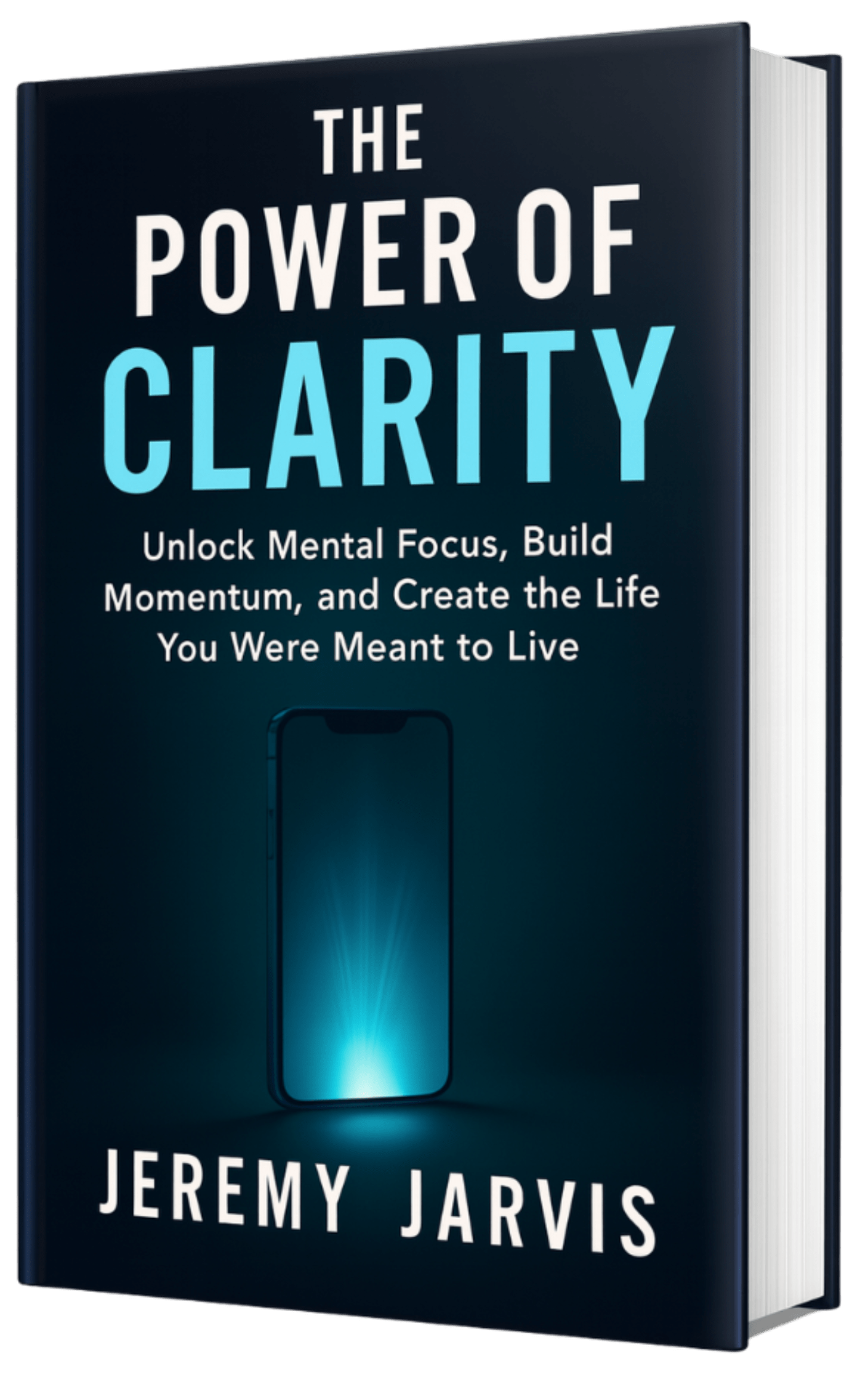
The Power of Clarity
Unlock mental focus, build momentum, and create the life you were meant to live.
View book →
AI & ChatGPT for Beginners
No PhD needed — a 2025 guide to AI, prompts, and productivity without coding.
View book →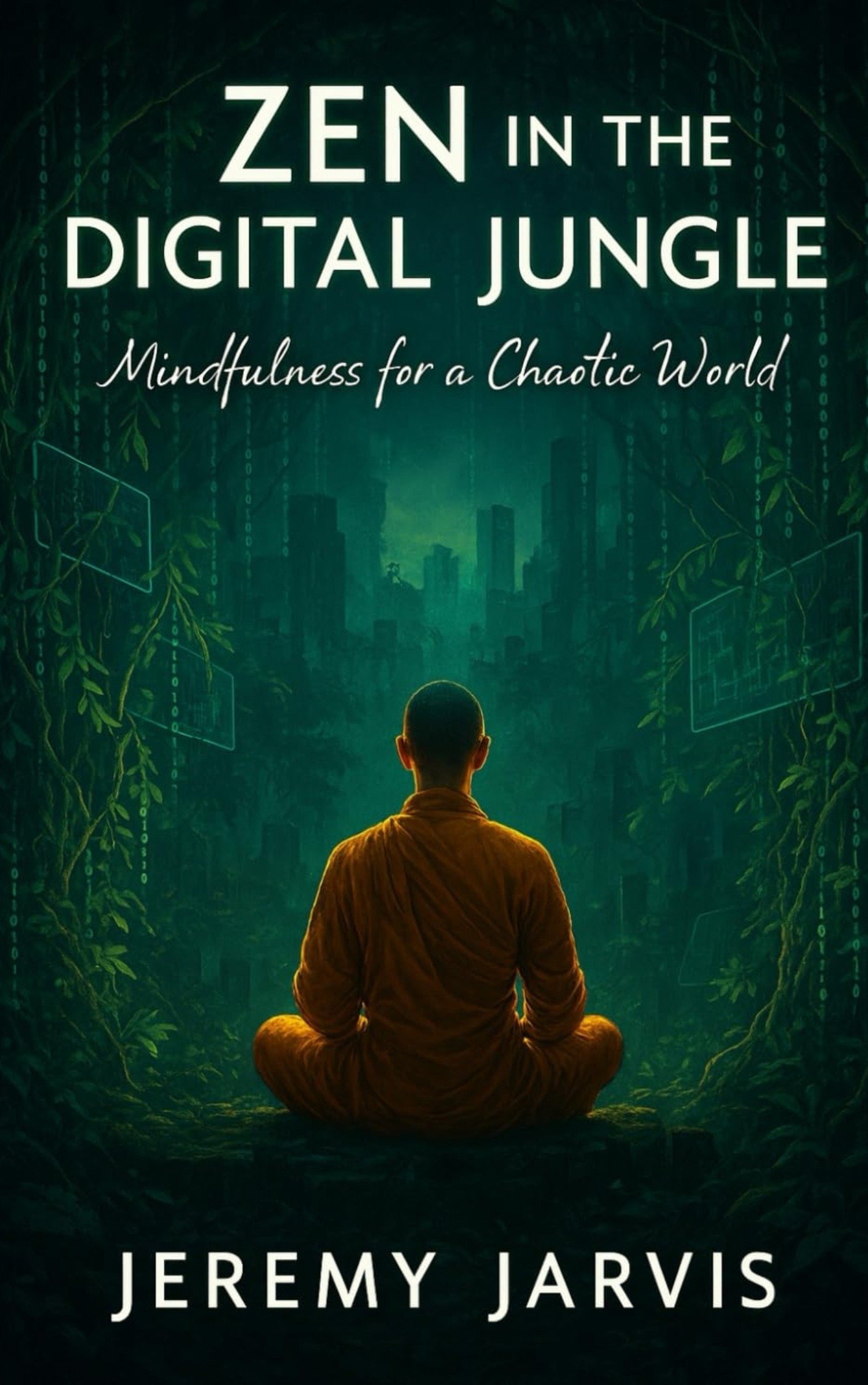
Zen in the Digital Jungle
Mindfulness for a chaotic world.
View book →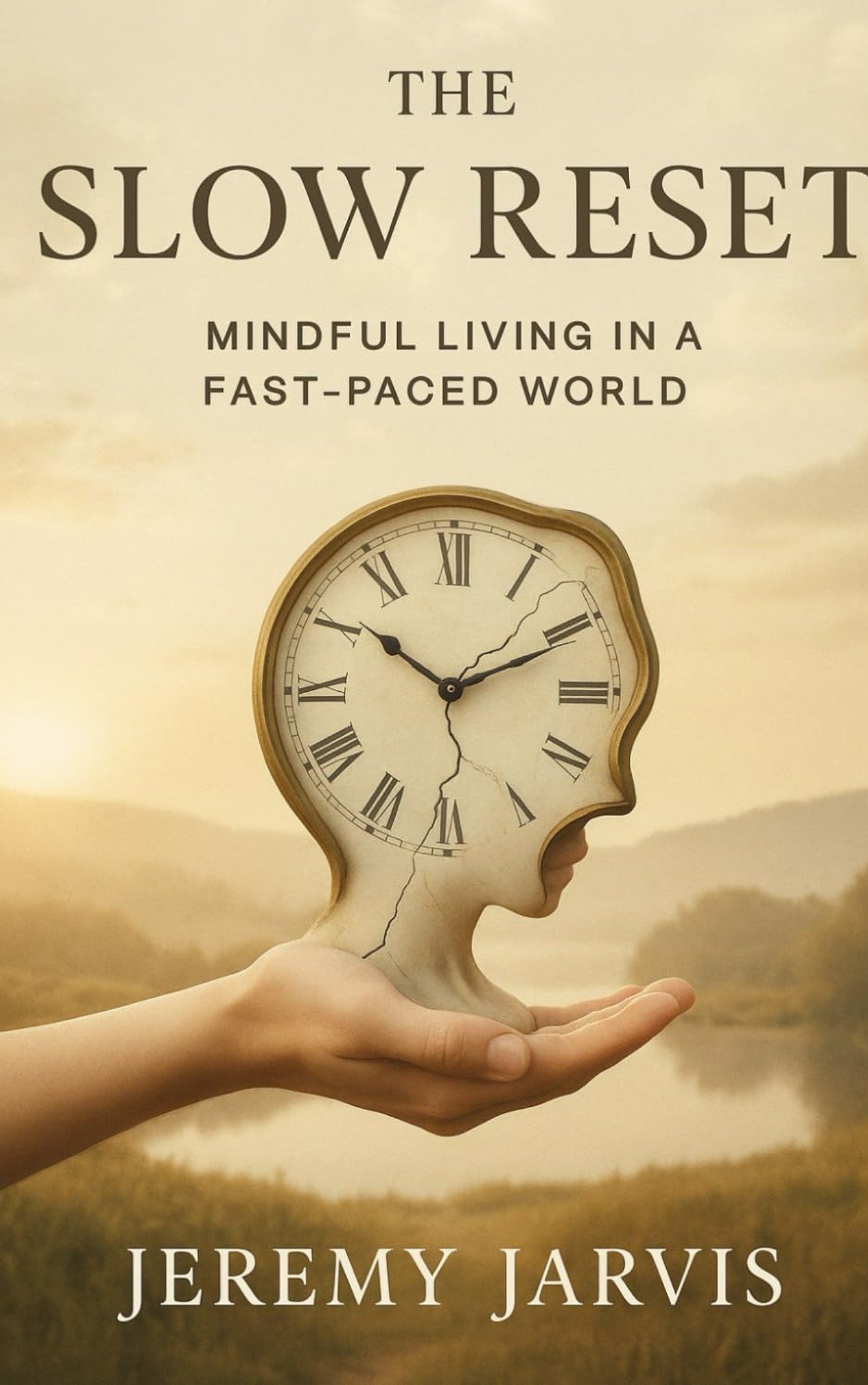
The Slow Reset
Mindful living in a fast-paced world.
View book →
Perfectly Imperfect
Stop self-criticism, set boundaries, and embrace the real you.
View book →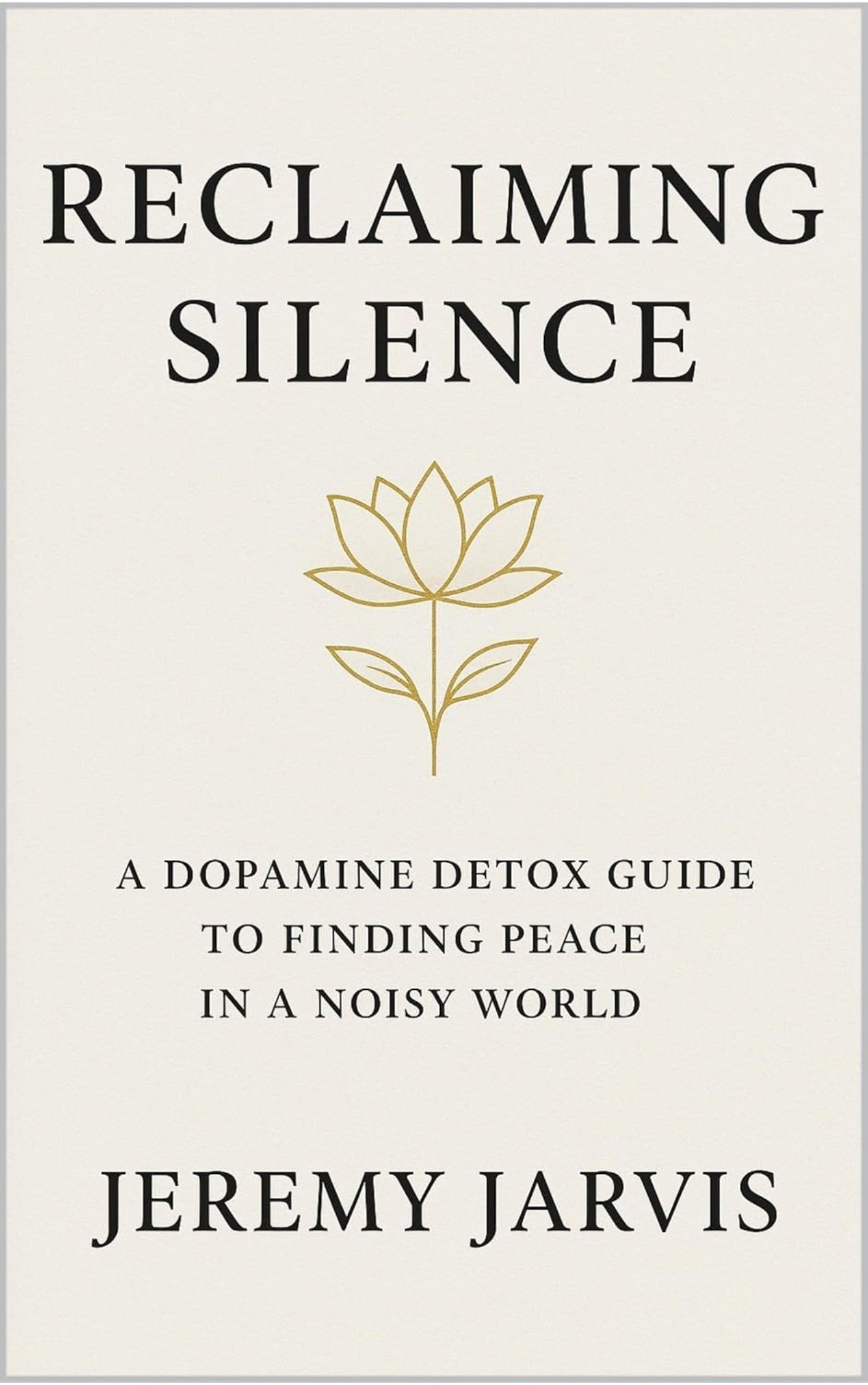
Reclaiming Silence
A dopamine detox guide to finding peace in a noisy world.
View book →
The Focused Freelancer
Productivity, pricing & positioning for independents in 2025.
View book →
ChatGPT Side Hustle System
Launch your AI-driven online business in 30 days.
View book →
Burnout, Interrupted
A proven path to restore energy and reclaim your life.
View book →
Attention Unleashed
Focus strategies for the distracted mind.
View book →
Side Hustle Launchpad
Your quick-start guide to extra income.
View book →
Digital Clarity
Rewire your brain, escape dopamine traps & regain focus.
View book →
Break the Scroll
Reduce screen time and take back control of your life.
View book →
Climate Compassion
Transform eco-anxiety into empowered action.
View book →
Village Mentality
The power of community for mental wellness.
View book →
Restful Nights
Overcoming sleep anxiety in a 24/7 world.
View book →
Connected Again
Combat loneliness and build meaningful relationships.
View book →
Focus Recharged
Mastering attention and productivity in the digital era.
View book →
Marketing Magic with ChatGPT
AI-powered content, campaigns, and copywriting to grow faster.
View book →
The 6-Figure Creator
Turn knowledge into passive income with books, courses & AI.
View book →
Burnout Breakthrough
Reset your work-life balance and thrive in 2025.
View book →
The Emotionally Intelligent Man
A modern guide to self-awareness and communication.
View book →
AI Personalized Wellness
Create your custom health plan with data-driven habits.
View book →
Everyday AI Made Easy
Use ChatGPT and smart tools to simplify life.
View book →
Money Mindfulness
A financial wellness guide for Gen Z & Millennials.
View book →
Startup Smarter with AI
ChatGPT strategies and tools to grow your business.
View book →
ChatGPT for Writers & Creators
Unlock AI-powered brainstorming, drafting & editing.
View book →