

Published:
Welcome to your practical guide for mastering the world of Amazon Books. With a digital library that feels endless, finding the right book—one that genuinely improves your focus and well-being—can feel like a job in itself. This guide is here to cut through the noise, showing you how to go from discovering science-backed books to choosing the perfect format for your life.
Affiliate Disclosure: Please note that some links in this article are affiliate links. If you make a purchase through them, we may earn a small commission at no extra cost to you. This helps support our work in creating helpful, evidence-based content.
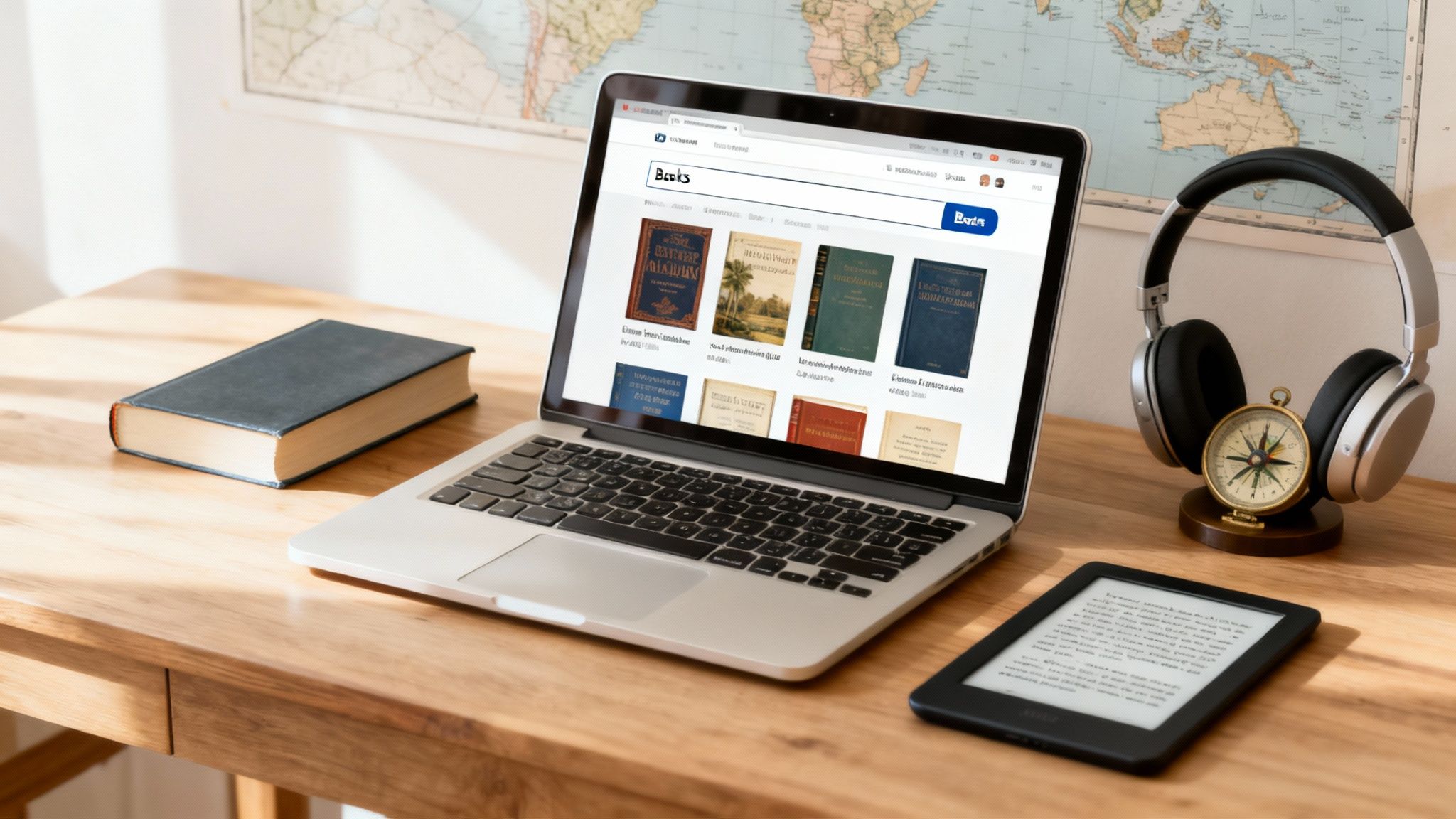
Navigating the vast selection of Amazon books can feel overwhelming. With millions of titles at your fingertips, the sheer volume of choice can trigger decision fatigue. This is a real psychological phenomenon where the quality of your decisions deteriorates after making too many choices. For instance, after a long day of work decisions, you might find it harder to pick a book, defaulting to something familiar rather than something new and beneficial.
But once you understand the tools at your disposal, this daunting task becomes an empowering one. This guide gives you clear, step-by-step advice to find actionable roadmaps for personal and professional growth—not just abstract theories. We focus on science-backed titles that can genuinely impact your focus, mood, and habits. Please note, this article is for educational purposes only and is not a substitute for professional medical or psychological advice.
Finding Clarity on the Digital Shelf
Our goal is to help you cut through the noise. Instead of getting lost in endless scrolling, you’ll learn to use Amazon’s ecosystem to your advantage. We will cover everything you need to become a smarter, more intentional book buyer, from practical search tips to understanding the different formats.
Here’s what you can expect to learn:
- Understanding the Ecosystem: We’ll break down what “Amazon Books” really means today—a powerful combination of print books, Kindle e-books, and Audible audiobooks.
- Choosing Your Format: You will get a clear comparison between Kindle, paperback, and audiobook so you can match your reading style to your lifestyle.
- Smart Search Strategies: Discover how to use filters, read reviews effectively, and use handy features like ‘Look Inside’ to vet books before you commit.
Ultimately, our aim is to connect you with resources that make a real difference. For a curated selection of titles focused on mental clarity and productivity, you can always explore our recommended books. This article sets the stage, tackling information overload and promising clear solutions.
What Exactly Are Amazon Books?
When you hear “Amazon Books,” it’s easy to think of the online store where you bought your last paperback. But that’s just the tip of the iceberg. Today, it’s a massive, interconnected ecosystem that has completely reshaped how we find, buy, and even think about reading. It’s less of a digital storefront and more like a colossal library with specialized wings built for every kind of reader.
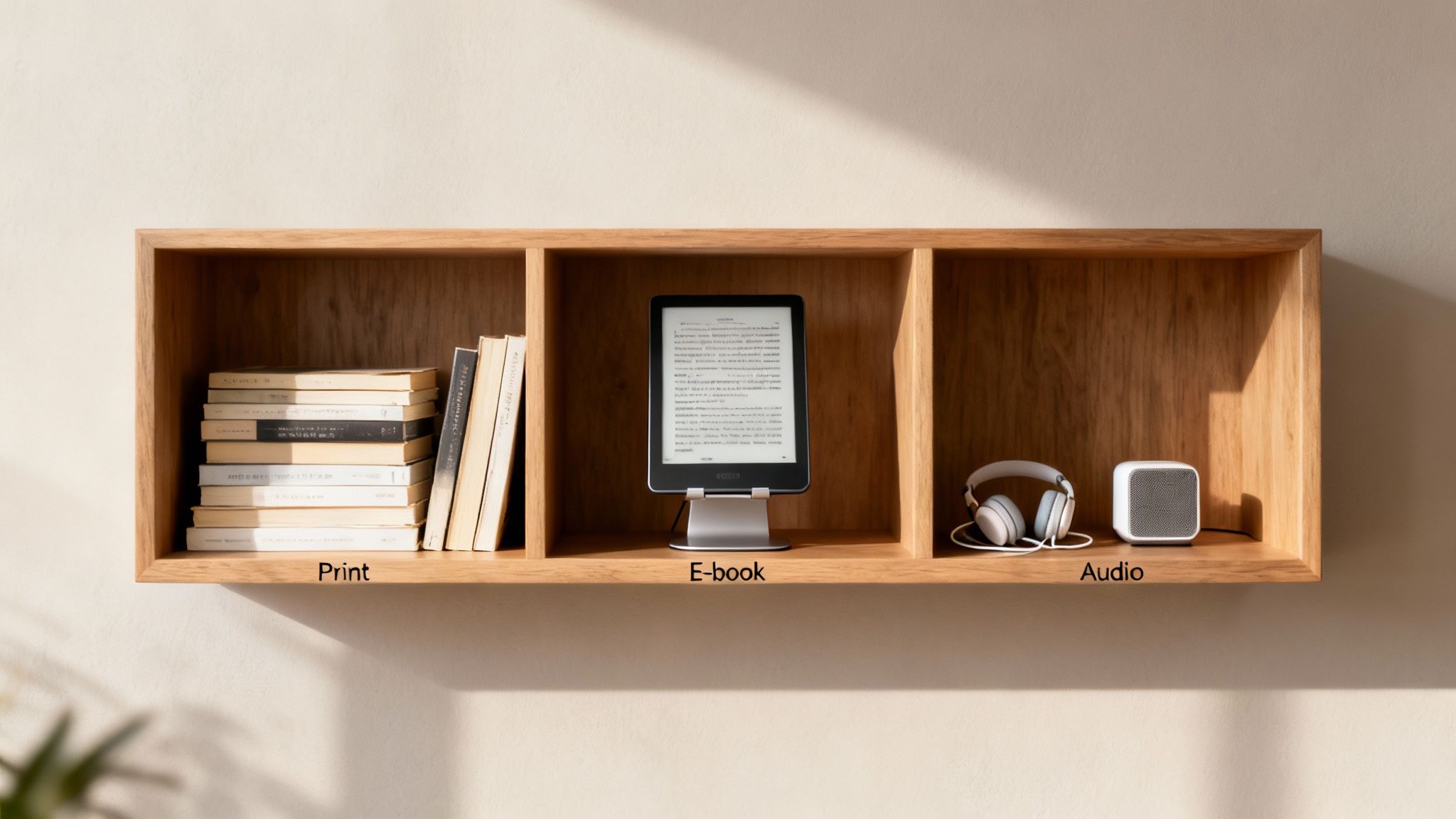
Think of it this way: one wing is filled with traditional print books for those who love the feel of paper. Another wing is dedicated to Kindle e-books, perfect for digital minimalists. And a third wing houses Audible audiobooks, designed for busy people who listen while commuting. This multi-format approach has made Amazon the default destination for millions.
A Global Powerhouse for Readers and Authors
Amazon’s grip on the global book market is staggering. Its dominance is backed by an estimated $28 billion in annual book sales. To put that in perspective, the company handles over 50% of all new print book sales in the U.S. and a commanding 67% of the U.S. e-book market.
This creates a powerful feedback loop. Readers flock to Amazon because the selection is unparalleled. In turn, authors and publishers prioritize the platform because that’s where the readers are. This dynamic cements its role as the central hub for the modern book world.
If you’re curious about the creator side of this equation, understanding the publishing process can be enlightening. Resources like this guide on how to sell digital products on Amazon like a pro offer a peek behind the curtain.
More Than Just a Store
Beyond simply selling books, Amazon has built a rich environment of services and features that wrap around the entire reading experience. These tools are designed to make finding and enjoying your next read easier than ever.
- Kindle Direct Publishing (KDP): This self-publishing service empowers authors to bypass traditional gatekeepers. The result is a flood of diverse voices and niche topics.
- Customer Reviews and Ratings: The five-star system and user reviews act as social proof. This gives you a real-world feel for a book’s quality before you commit.
- Prime Reading & Kindle Unlimited: Think of these like a streaming service for reading. For a monthly fee, you get access to a massive, rotating library.
Getting a handle on this ecosystem helps you move from being a passive browser to an active, informed navigator. For more practical advice on getting the most out of your reading, you can explore our collection of bookworm tips.
Choosing Your Format for Amazon Books: Kindle vs Paperback vs Audiobook
Deciding on the right format for your next read on Amazon isn’t just a minor detail—it’s a choice that shapes your entire experience. Whether you choose a Kindle e-book, a classic paperback, or an Audible audiobook changes everything from when you can read to how your brain processes the information. Each format is tailored for different lifestyles, goals, and even moods.
The world of reading has tilted toward digital. Global e-book sales are on track to hit $14.92 billion by 2025, and Amazon’s Kindle ecosystem owns a staggering 67% of the U.S. market. This shift means you can carry a whole library in your pocket, but it’s worth thinking about what that means for your focus and learning.
The Kindle E-book Experience
Kindle e-books offer incredible portability and instant gratification. With one slim device, you can hold thousands of Amazon books, a game-changer for anyone who travels or hates clutter. But the real magic is in the features—adjustable font sizes, a built-in dictionary, and searchable text.
For readers interested in multilingual access, there’s also Amazon’s AI-powered Kindle Translate feature, which helps bridge language gaps. The ability to highlight and export notes is another huge win for active learners. In fact, we have a guide on how to take notes from a book effectively to lock in what you’ve learned.
The Timeless Appeal of Paperback
Even with digital convenience, the traditional paperback holds its ground. There’s something deeply satisfying about the tactile experience—the feel of the paper and the act of turning a page. From a behavioral psychology standpoint, this physical interaction creates a stronger sensory memory trace, which can aid in recall. For many, this is a form of mindfulness, a welcome escape from glowing screens.
Reading on paper can also reduce screen fatigue and the associated cognitive load. This makes paperbacks a fantastic choice when you need to dig into complex topics without the temptation of notifications, which can disrupt the brain’s focus networks.
Real-World Scenario: A student digging into neuroscience-backed habits might grab the paperback version. Why? To eliminate digital pings and foster the kind of deep, uninterrupted concentration that’s crucial for building long-term memory.
The Power of Audible Audiobooks
Audiobooks, especially through Amazon’s Audible service, have turned reading into a multitasking activity. They’re perfect for busy people who want to learn on the move—during a commute, at the gym, or while doing chores. Listening engages different neural pathways than reading, making it a powerful way to absorb stories and big-picture ideas.
For example, a busy entrepreneur can listen to a book on AI workflows while driving. They absorb key concepts and strategies without needing dedicated sit-down reading time. This format makes learning possible even on the most packed days.
Kindle vs Paperback vs Audiobook: Which Amazon Books Format Is Right for You?
So, which one should you choose? It really boils down to your specific needs, your environment, and what you want to get out of the book. There’s no single “best” format—only the best format for you at a particular moment. To make the decision easier, here’s a quick comparison.
| Feature | Kindle E-book | Paperback Book | Audible Audiobook |
|---|---|---|---|
| Best For | Portability & Convenience | Deep Focus & Tactile Feel | Multitasking & On-the-Go Learning |
| Key Benefit | Instant downloads, searchable text | No screen fatigue, easy to share | Hands-free listening, immersive narration |
| Ideal Scenario | Reading on vacation with multiple books | Unplugged weekend reading session | Commuting or exercising |
Ultimately, the best approach might be to mix and match. You might use Kindle for your daily commute, a paperback for quiet weekends, and an audiobook for your workouts. The goal is to choose the format that best serves your learning and lifestyle.
How to Find the Best Amazon Books for You
Finding the perfect book on Amazon can feel like wading through a massive, endless library. But with a few smart moves, you can turn a frustrating scroll into a rewarding discovery. The secret isn’t just typing a keyword—it’s using Amazon’s own tools to cut through the noise.
For example, if you search for a practical guide on “burnout recovery,” you’ll get thousands of hits. To find the real gems, you need to think like a savvy researcher, filtering out shallow advice to pinpoint strategies that can genuinely help. Remember, while books can offer helpful strategies for managing burnout, this information is educational and not a substitute for professional care.
Master the Art of Filtering
Your best friends in this process are the advanced filters on the left side of the search results page. These tools let you slice through the endless options. Don’t just settle for what’s on the first page; refine your search to see what’s truly relevant.
Here are a few filters to get comfortable with:
- Average Customer Review: Start by setting this to “4 Stars & Up.” This simple click is a powerful quality filter, instantly hiding poorly-rated books.
- Publication Date: If you’re digging into topics like neuroscience, you want the latest research. Filter by “Last 90 Days” or the current year for up-to-date information.
- Format: Know you want a physical copy? Select “Paperback.” This helps you focus only on the options that fit how you like to read.
This quick diagram shows the flow for the most common book formats you can filter for.
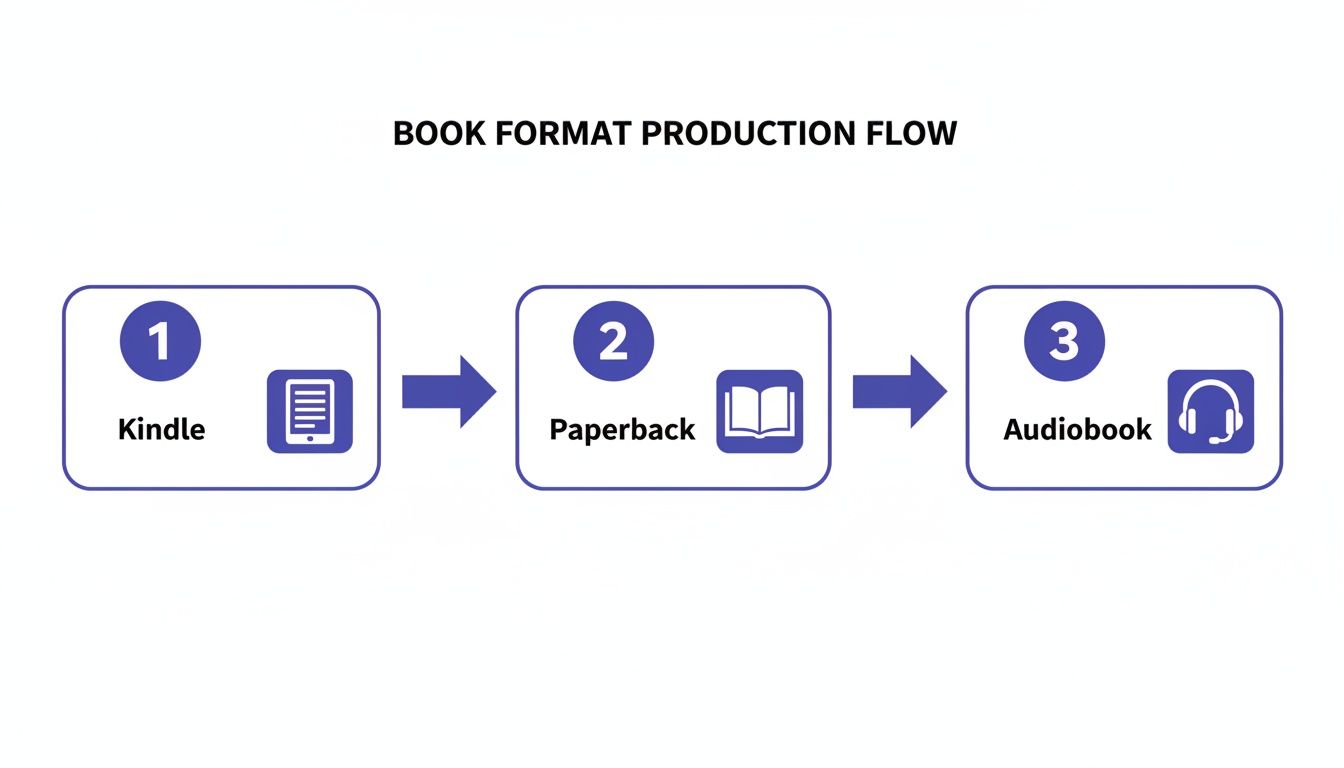
Each one—Kindle for convenience, Paperback for focus, and Audiobook for multitasking—serves a different purpose in a modern reader’s life.
Look Beyond the Stars
Customer reviews are a goldmine of information, but you have to know how to read them. A high star rating is a good start, but the real story is in the comments. Don’t just skim the five-star raves; make a point to read the three-star and one-star reviews, too.
These mixed reviews often give you a more balanced picture, highlighting a book’s weaknesses or telling you who it isn’t for. A one-star review complaining that a book is “too academic” might be exactly what you’re looking for if you want deep, research-based content.
One of the most underutilized tools is the “Look Inside” feature. It lets you flip through the first chapters and scan the table of contents. This is your chance to see if the author’s writing style resonates with you, preventing buyer’s remorse.
Finally, while the Amazon Best Seller Rank (BSR) shows you what’s popular, it doesn’t always equal quality. It’s just a measure of recent sales, not lasting value. Use it as a loose guide, but always trust your own judgment after using filters and the “Look Inside” preview. Mastering these strategies is key if you want to learn how to read more books that you’ll actually finish.
Editor’s Note: What Really Works When Choosing Amazon Books
Let’s be honest: finding genuinely useful Amazon books can feel like searching for a needle in a haystack. So, here’s what I’ve found actually works. The “best” format—Kindle, paperback, or audiobook—is completely personal and depends on your goal. E-books offer unbeatable convenience, paperbacks are fantastic for deep focus, and audiobooks are a game-changer for learning on the move. Your goal dictates the format.
While glowing reviews are a helpful signal, never skip the ‘Look Inside’ feature. This is your single best tool for getting a feel for the author’s voice and style before you commit. It’s a simple step that makes all the difference, and it’s one of the surest ways to know if a book will help you learn how to retain what you read.
This advice is for anyone overwhelmed by choice who wants a reliable way to find books that deliver on their promise. A quick word of caution: a Best Seller badge doesn’t always signal quality; it often reflects a hefty marketing budget. Look past the sales rank and align a book’s core message with what you actually need—practical, science-backed guidance. Substance always wins.
Key Takeaways for Finding Your Next Read on Amazon
If you’re feeling overwhelmed by the sheer volume of choices on Amazon, let’s cut through the noise. Here is your quick-reference guide for making smarter, more confident decisions.
- Choose the Right Format for Your Goal: The best format is the one that fits your current need. Kindle is for convenience, paperback encourages deep focus, and audiobooks are perfect for learning on the move.
- Use Filters Wisely: The fastest way to improve your search results is to filter by “4 Stars & Up” and publication date. This simple step weeds out low-quality options right away.
- Trust the ‘Look Inside’ Feature: This is your best friend for vetting a book. A quick scan of the table of contents and a few paragraphs will tell you more than any review ever could.
- Read Reviews with a Critical Eye: Look for a healthy mix of positive and negative feedback. A “Verified Purchase” badge adds credibility, but don’t be swayed by a Best Seller rank.
- Curated Guides Save You Time: Let others do the heavy lifting. Using trusted sources, like our list of recommended books, is a great way to find titles already vetted for quality.
Disclaimer: Please remember that the links in this article may be affiliate links, which means we might earn a small commission at no extra cost to you. Furthermore, the content provided here is for educational purposes only and is not a substitute for professional medical or psychological advice, diagnosis, or treatment.
FAQ: Common Questions About Reading with Amazon Books
Diving into the world of Amazon books can bring up a few questions. This is especially true if you’re trying to figure out the best format or how to use all the features. Here are some straightforward answers to the questions we hear most often.
1. Do I need a Kindle device to read Kindle e-books?
No, you don’t. You can read Kindle e-books on almost any device you own, including your smartphone, tablet, or computer. Just download the free Kindle app to access your entire library wherever you go.
2. What is the difference between Kindle Unlimited and buying an e-book?
Buying an e-book means you own that digital file forever. In contrast, Kindle Unlimited is a subscription service. You pay a monthly fee for access to a large, rotating library of books, but you don’t own them. If you cancel your subscription, you lose access.
3. How can I tell if customer reviews on Amazon books are trustworthy?
Look for the “Verified Purchase” badge. This label confirms the reviewer actually bought the book on Amazon. For a balanced view, read a mix of 5-star, 3-star, and 1-star reviews to understand a book’s strengths and weaknesses.
4. What does the Amazon Best Seller Rank (BSR) actually mean?
The BSR shows how well a book is selling compared to others on Amazon right now. A lower number is better. However, this rank updates hourly and reflects recent popularity, not necessarily a book’s overall quality or long-term value.
5. What is the ‘Look Inside’ feature?
The ‘Look Inside’ feature is a preview tool. It lets you read the first few pages, check the table of contents, and get a feel for the author’s writing style before you buy. It is one of the best ways to see if a book is a good fit.
6. Can I return an Amazon e-book?
Yes. Amazon allows you to return a Kindle e-book for a full refund within seven days of purchase. This is provided you haven’t read a significant portion of it. The process is simple and can be done from your Amazon account.
7. Which format is best for focus and retaining information?
From a cognitive psychology perspective, paperbacks are often best for deep focus. The lack of digital distractions and the tactile sensation of turning pages can help improve concentration and memory retention compared to reading on a screen.
8. Are audiobooks as “good” as reading a physical book?
It depends on your goal. For absorbing stories or high-level concepts, audiobooks are excellent and engage different parts of the brain. For detailed, complex information that requires careful study, a physical book may be more effective.
9. How do I find books on specific niche topics on Amazon?
Use very specific keywords in the search bar. Then, use filters to narrow down the results. Also, look at the “Customers who bought this item also bought” section on a book page you like to discover related titles.
10. Is Prime Reading the same as Kindle Unlimited?
No, they are different. Prime Reading is a benefit for Amazon Prime members, offering access to a smaller, rotating catalog of about a thousand books and magazines. Kindle Unlimited is a separate, more extensive subscription with over a million titles.
Explore the Mind Clarity Hub Library
Practical books on focus, digital habits, resilience, and building a calmer mind.
The Power of Clarity
Unlock mental focus, build momentum, and create the life you were meant to live.
View book →
AI & ChatGPT for Beginners
No PhD needed — a 2025 guide to AI, prompts, and productivity without coding.
View book →
Zen in the Digital Jungle
Mindfulness for a chaotic world.
View book →
The Slow Reset
Mindful living in a fast-paced world.
View book →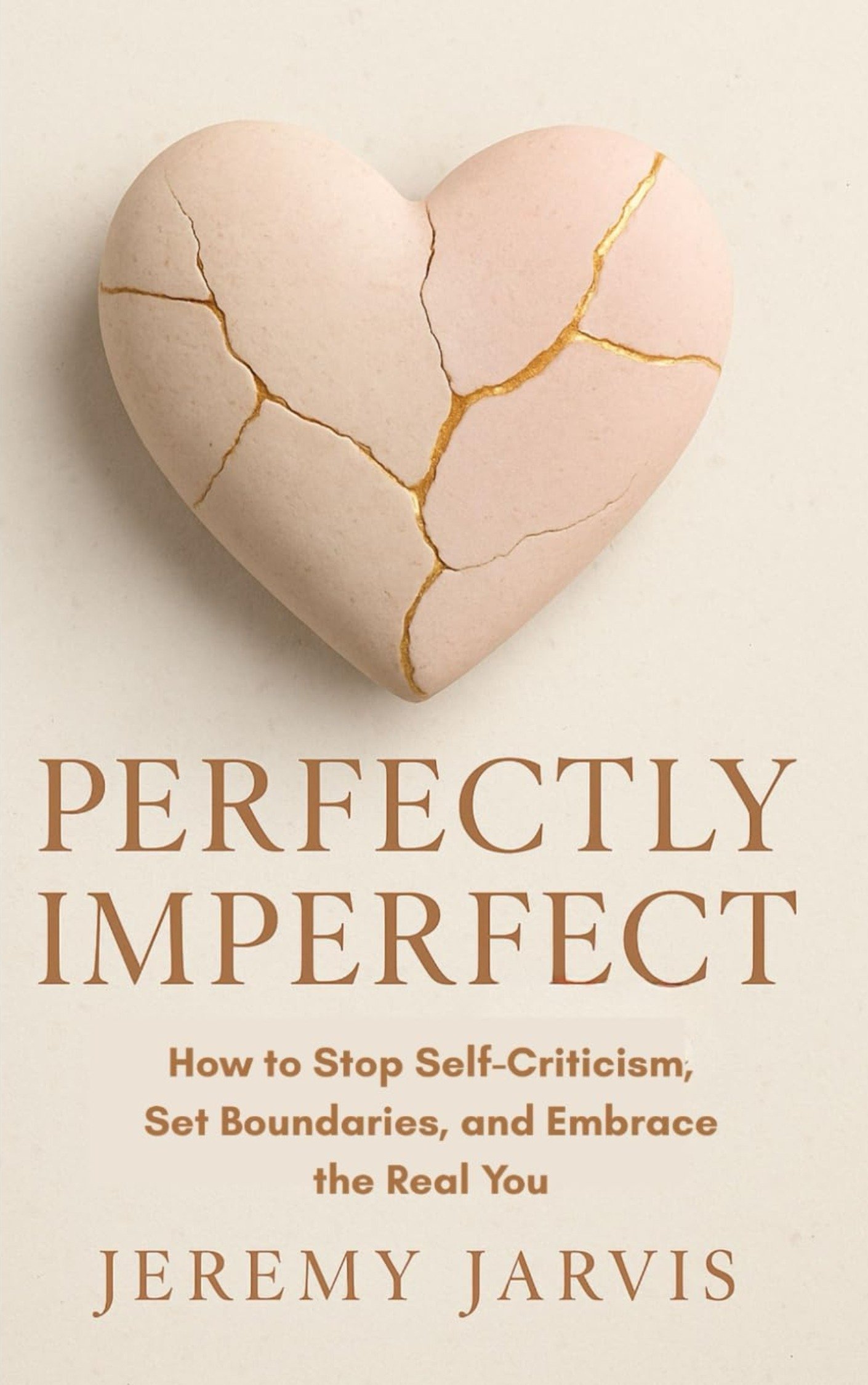
Perfectly Imperfect
Stop self-criticism, set boundaries, and embrace the real you.
View book →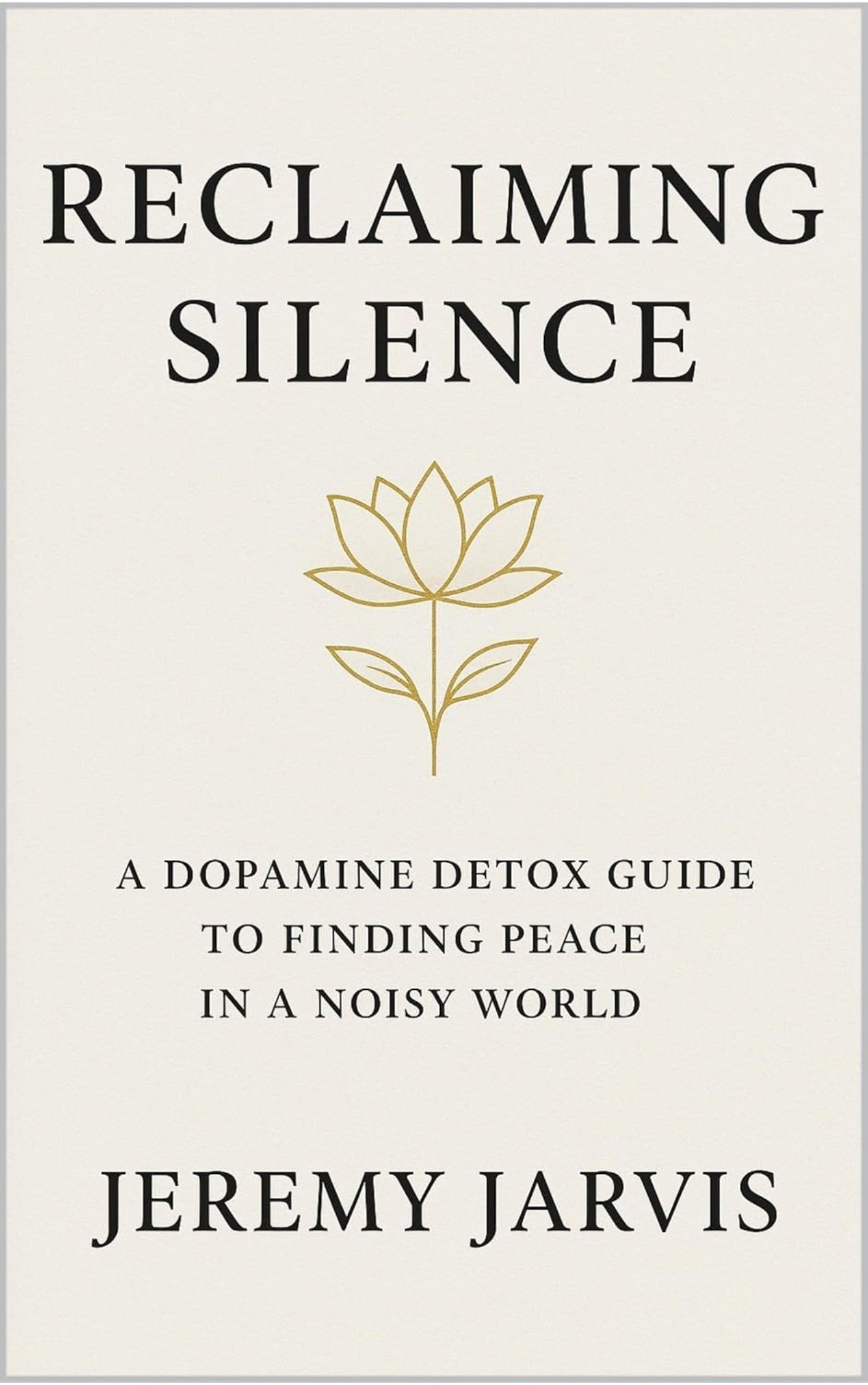
Reclaiming Silence
A dopamine detox guide to finding peace in a noisy world.
View book →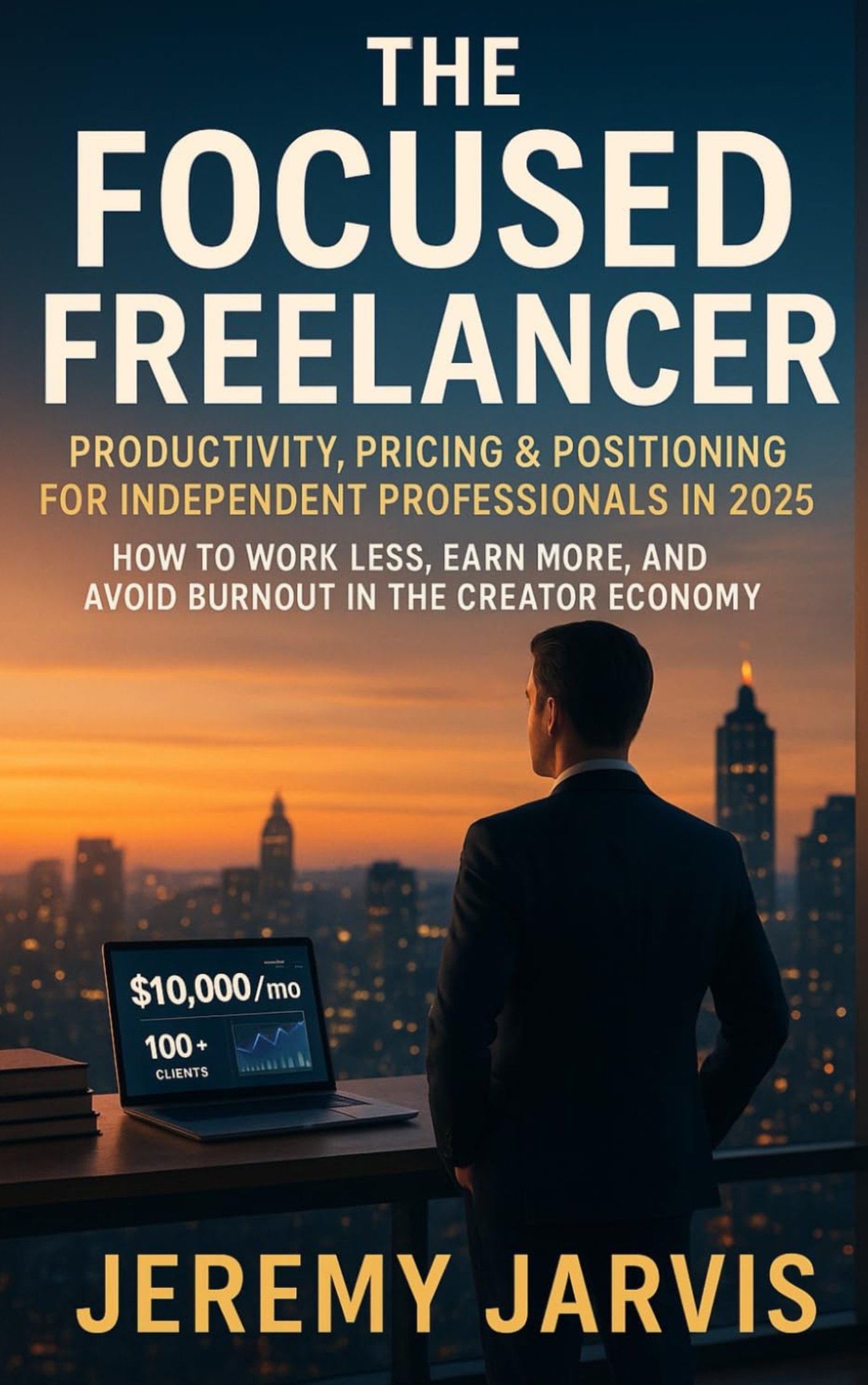
The Focused Freelancer
Productivity, pricing & positioning for independents in 2025.
View book →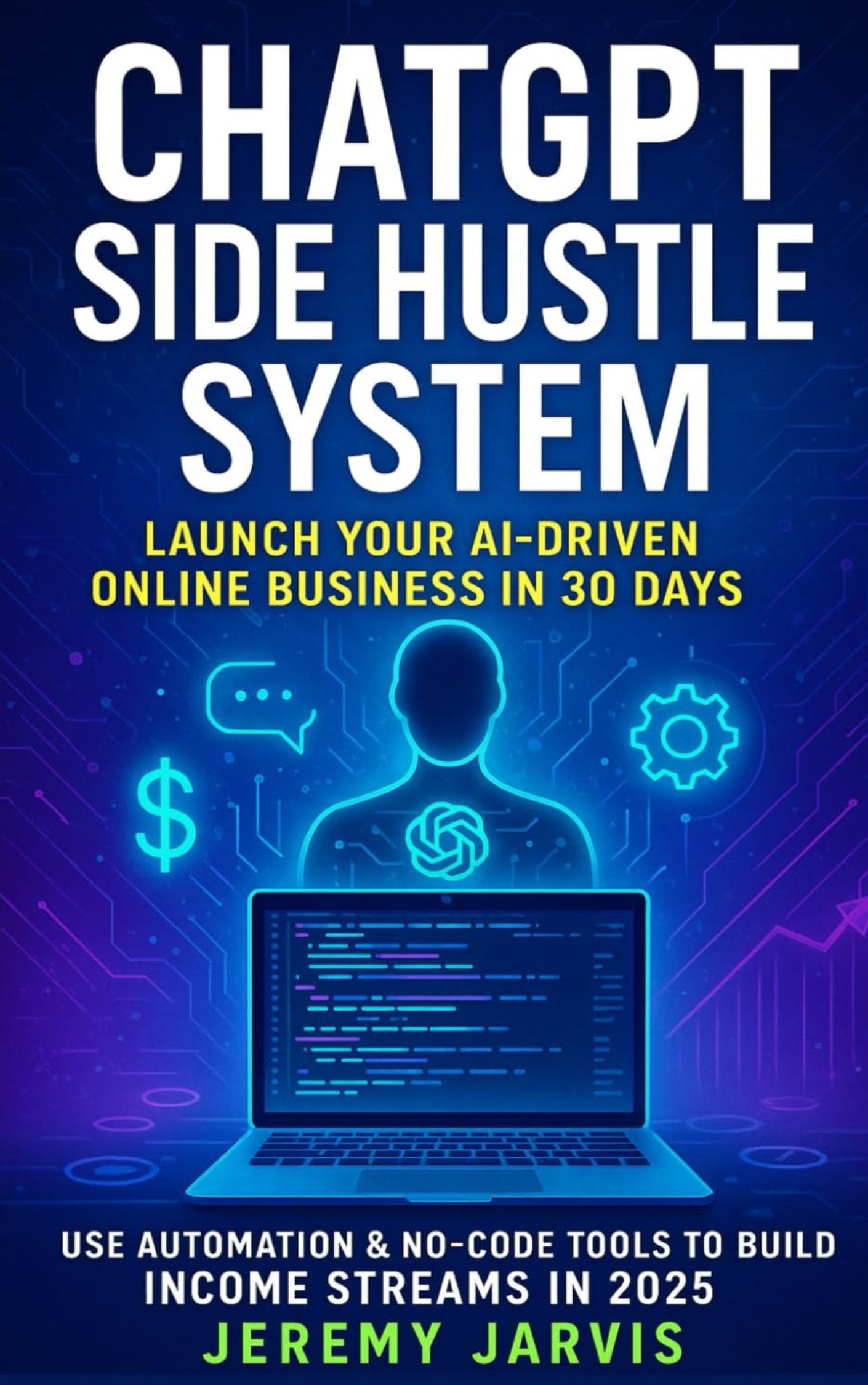
ChatGPT Side Hustle System
Launch your AI-driven online business in 30 days.
View book →
Burnout, Interrupted
A proven path to restore energy and reclaim your life.
View book →
Attention Unleashed
Focus strategies for the distracted mind.
View book →
Side Hustle Launchpad
Your quick-start guide to extra income.
View book →
Digital Clarity
Rewire your brain, escape dopamine traps & regain focus.
View book →
Break the Scroll
Reduce screen time and take back control of your life.
View book →
Climate Compassion
Transform eco-anxiety into empowered action.
View book →
Village Mentality
The power of community for mental wellness.
View book →
Restful Nights
Overcoming sleep anxiety in a 24/7 world.
View book →
Connected Again
Combat loneliness and build meaningful relationships.
View book →
Focus Recharged
Mastering attention and productivity in the digital era.
View book →
Marketing Magic with ChatGPT
AI-powered content, campaigns, and copywriting to grow faster.
View book →
The 6-Figure Creator
Turn knowledge into passive income with books, courses & AI.
View book →
Burnout Breakthrough
Reset your work-life balance and thrive in 2025.
View book →
The Emotionally Intelligent Man
A modern guide to self-awareness and communication.
View book →
AI Personalized Wellness
Create your custom health plan with data-driven habits.
View book →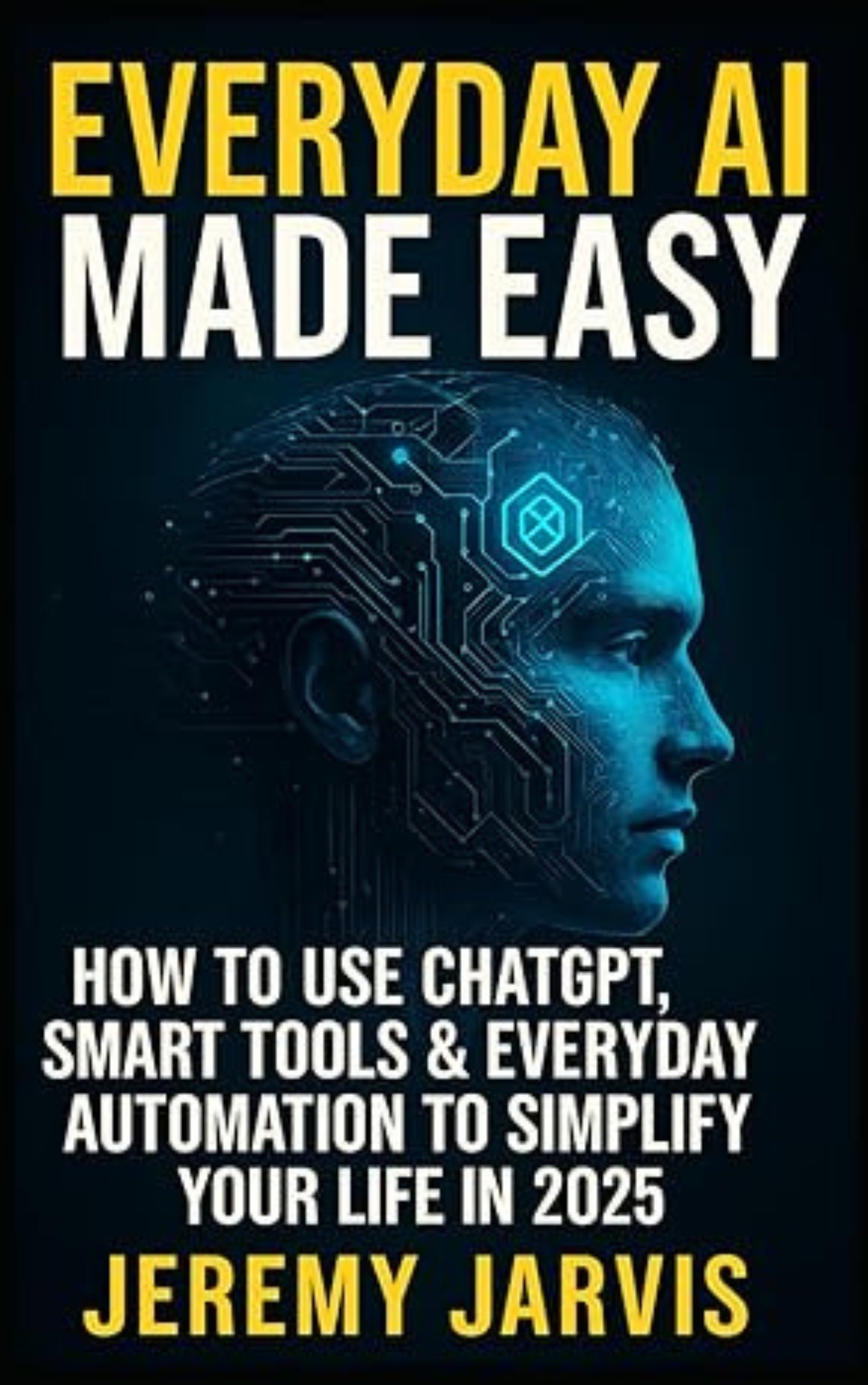
Everyday AI Made Easy
Use ChatGPT and smart tools to simplify life.
View book →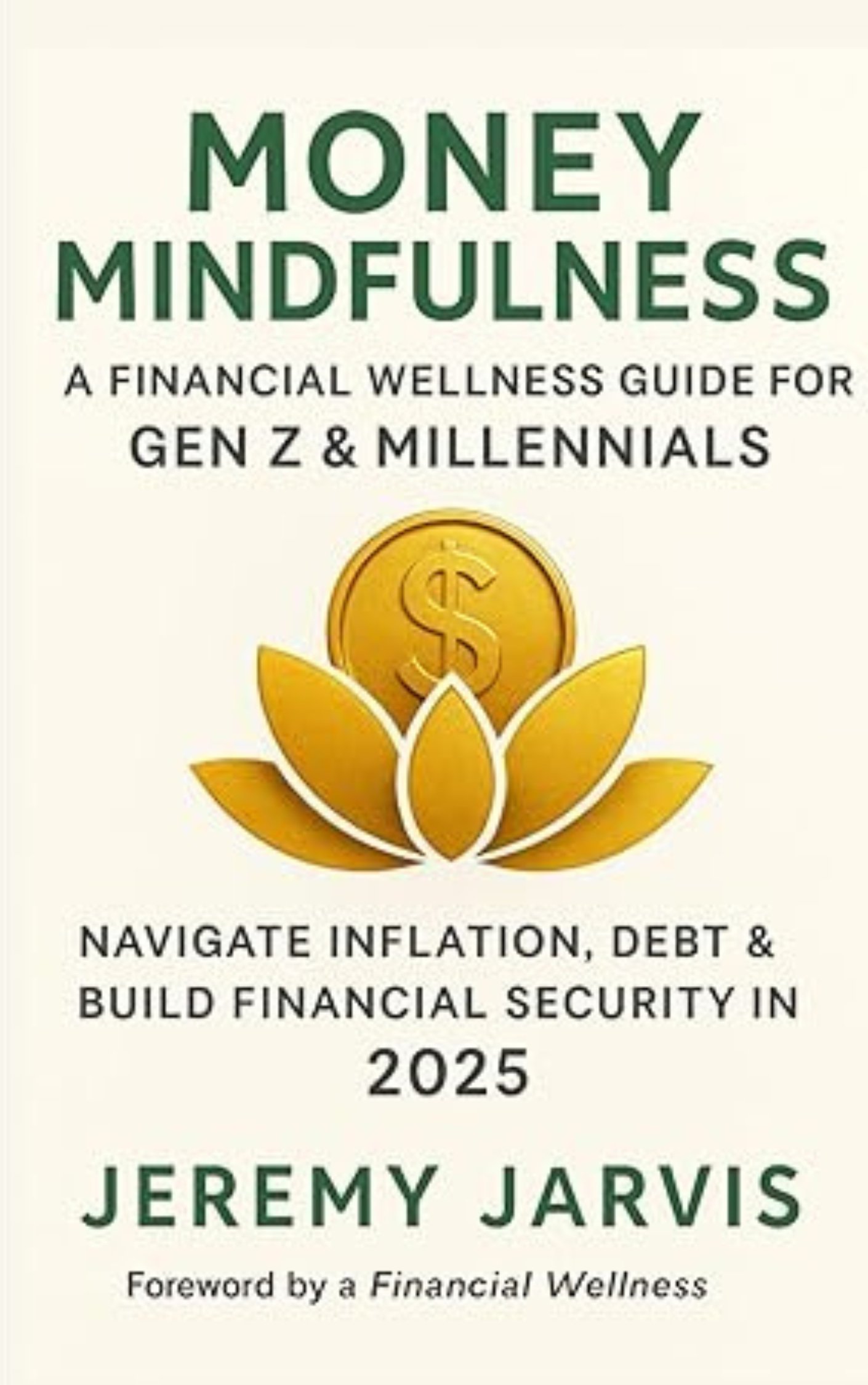
Money Mindfulness
A financial wellness guide for Gen Z & Millennials.
View book →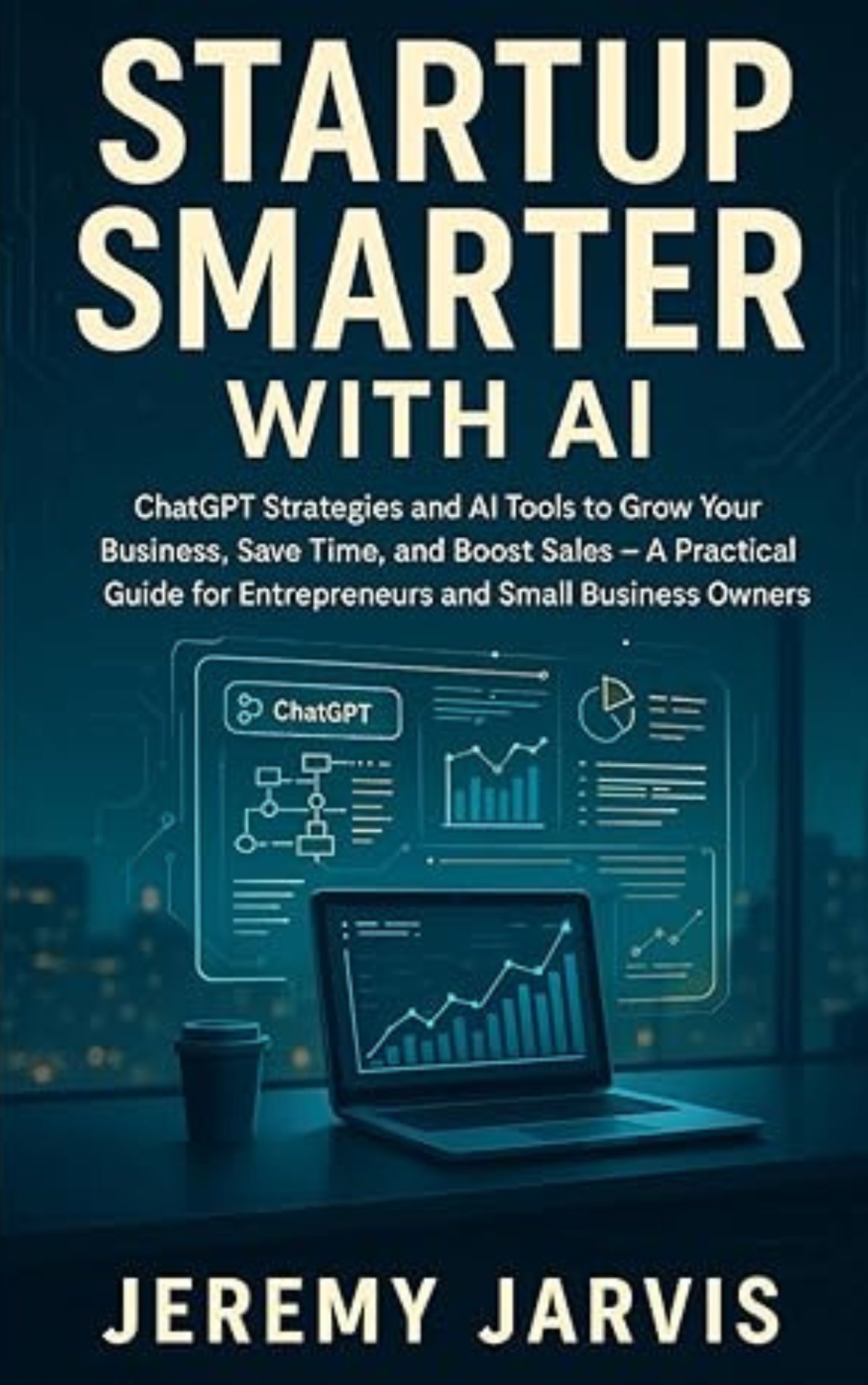
Startup Smarter with AI
ChatGPT strategies and tools to grow your business.
View book →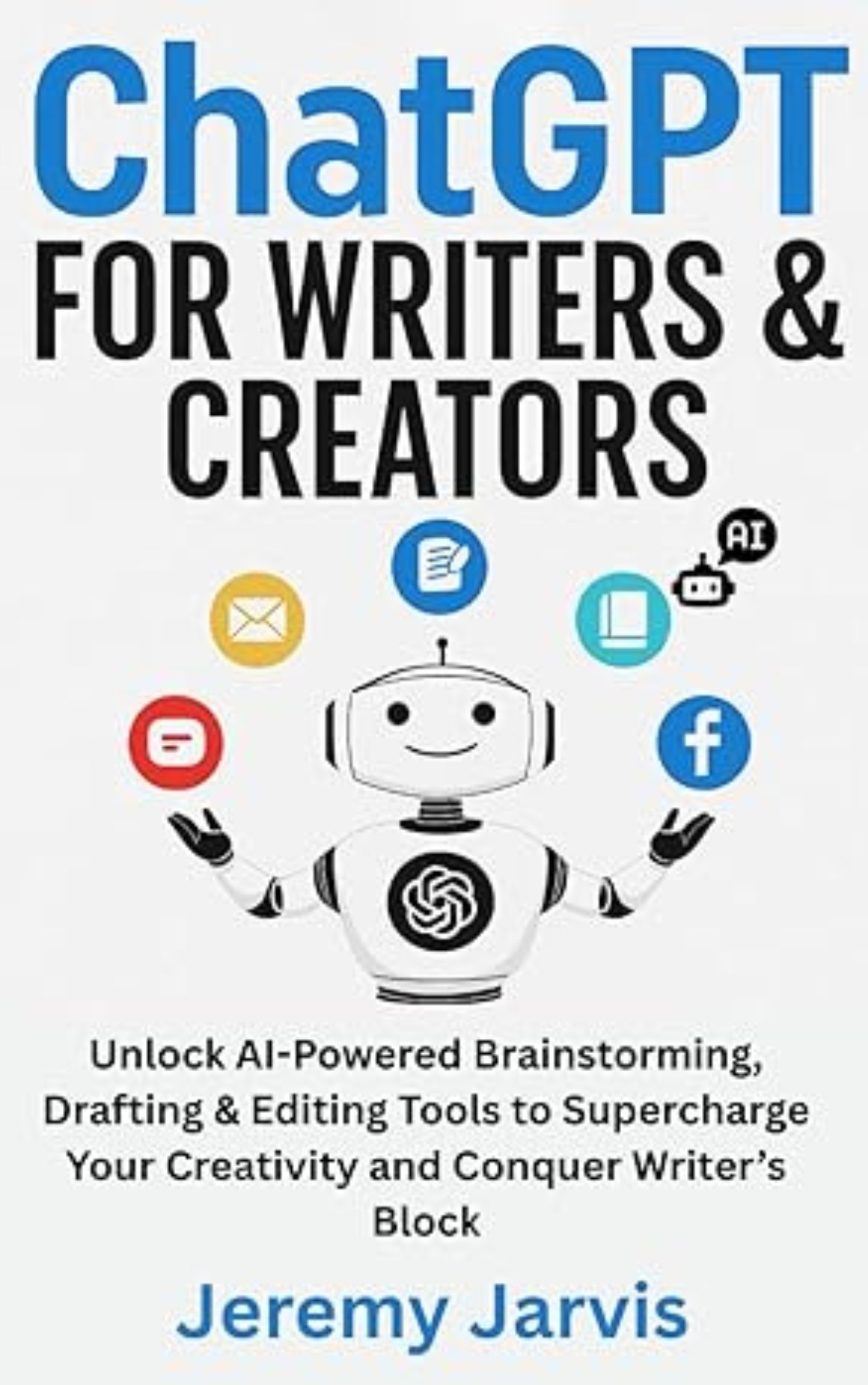
ChatGPT for Writers & Creators
Unlock AI-powered brainstorming, drafting & editing.
View book →