
Category: Mental Clarity & Focus
Mental Clarity & Focus is a core category on Mind Clarity Hub dedicated to helping readers think more clearly, strengthen attention, and improve concentration in a world full of distractions, stress, and mental overload. This section explores the habits, challenges, and daily factors that shape cognitive performance, including brain fog, focus problems, overstimulation, poor routines, emotional fatigue, and the constant pull of modern digital life. Rather than offering empty productivity clichés, this category provides practical, research-aware guidance for building sharper thinking, better awareness, and stronger mental presence in everyday life.
Readers will find useful content on improving concentration, reducing brain fog, supporting attention span, building better routines, managing mental fatigue, strengthening working memory, and creating environments that make clear thinking easier. This category is designed for anyone who feels mentally scattered, unfocused, overwhelmed, or stuck in cycles of distraction and wants realistic support for restoring clarity and improving daily performance. Whether someone is trying to focus better at work, think more clearly, study more effectively, or simply feel less mentally drained, Mental Clarity & Focus offers helpful, accessible content that supports better attention, stronger thinking, and a calmer, more capable mind.
-

Self-Discipline Practices: A Practical Guide With Real Numbers
Discover practical self-discipline practices backed by real numbers and expert insights. Learn how to improve your focus, set goals, and achieve success in your personal and professional life.
-

A Calm Quarterly Life Review: Checklist and Prompts That Actually Help
Discover the power of a calm quarterly review to enhance your life and work. Learn how to create a practical checklist and use prompts for goal setting, productivity, and personal growth.
-

How to Stop Overcomplicating Productivity and Pick a System You Will Use
Struggling with tool bloat, planner hopping, and complex routines? Learn a simple way to choose, test, and keep a lightweight system you’ll actually use.
-
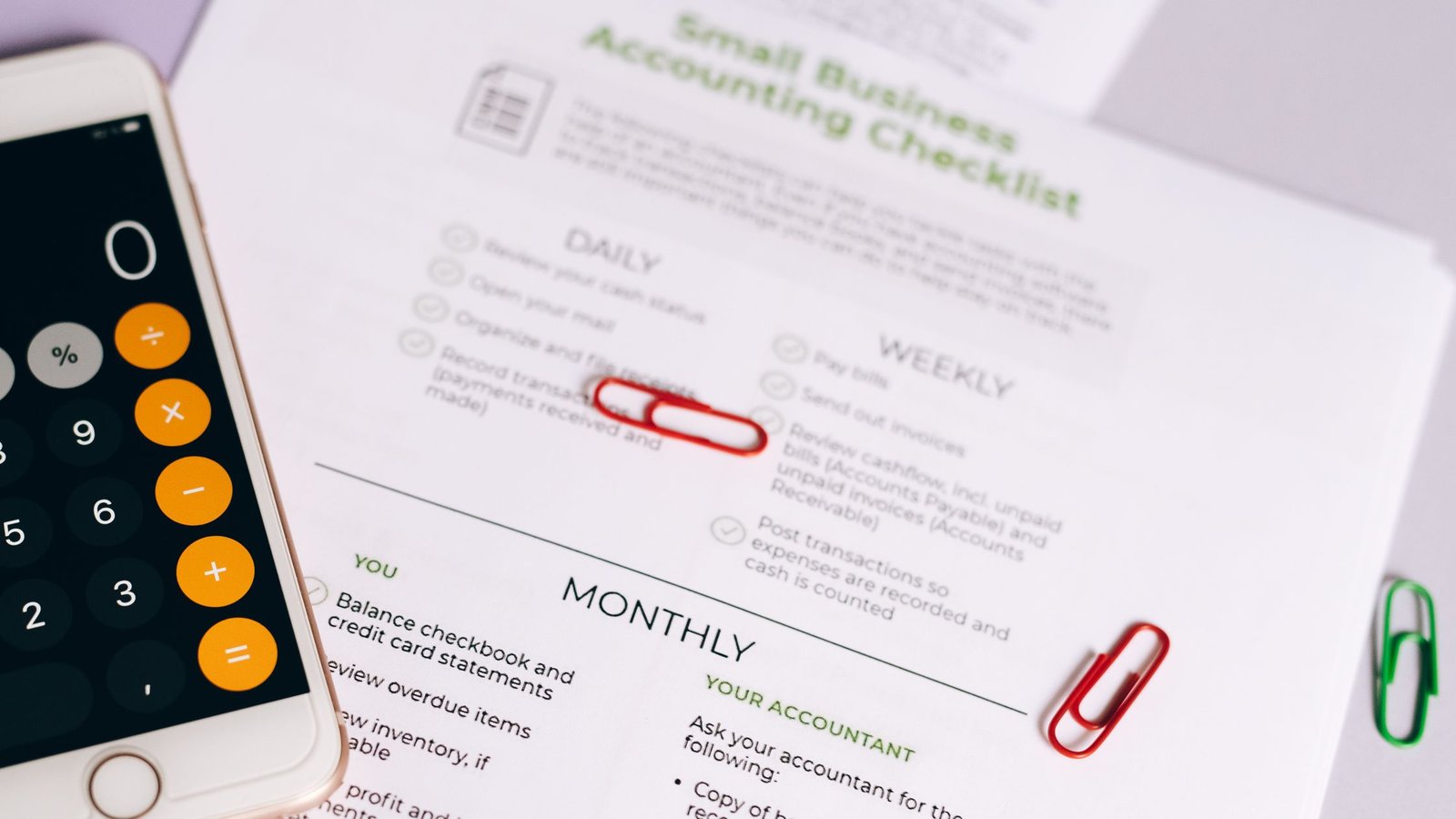
Monthly Reset Checklist: Home, Calendar, Money, and Mind
A clear, repeatable monthly reset checklist to refresh your home, calendar, money, and mind in about 90 minutes. Use the step-by-step flow, quick tables, and prompts.
-

Simple Weekly Meal Planning Routine for Less Decision Fatigue
Cut evening chaos with a simple weekly meal planning routine that takes 20–30 minutes. Batch decisions once, shop smarter, and enjoy calmer dinners all week.
-

Brain Dump Checklist: Turn Mental Noise Into a Clear Next Step List
Use this brain dump checklist to capture mental clutter, sort it fast, and turn it into a simple next-step plan you can trust and review in minutes.
-

Desk Organization Ideas for Focus: What to Keep, Move, and Remove
Use a simple Keep–Move–Remove system to clear visual noise, place tools with intent, and build a desk layout that protects deep work. Learn practical steps, quick wins, and ergonomic tips you can apply today.
-

Calm Weekly Cleaning Schedule for Small Spaces and Busy People
A gentle, repeatable weekly home reset for tiny homes and tight calendars. Use 20-minute resets, room loops, and simple checklists to keep calm and clean.
-

One-Hour Life Admin Reset: Bills, Inbox, Calendar, and Next Steps
Use a one hour life admin reset to clear bills, tame your inbox, audit your calendar, and plan next steps. A practical, step-by-step 60‑minute system.
-

How to Organize Digital Notes Without Building a Complicated System
A simple, durable setup to capture, name, file, and find your notes across apps—without a complex PKM rabbit hole. Build it in minutes and keep it forever.
-

How to Make Routines Stick Without Starting Over Every Week
Learn how to make routines stick with cues, small steps, low-friction setup, restart rules, and weekly reviews that survive real life.
-

Minimalist Productivity System: Fewer Tools, Better Follow-Through
Build a minimalist productivity system with one task list, one calendar, clear notes, and a weekly review for calmer follow-through.