

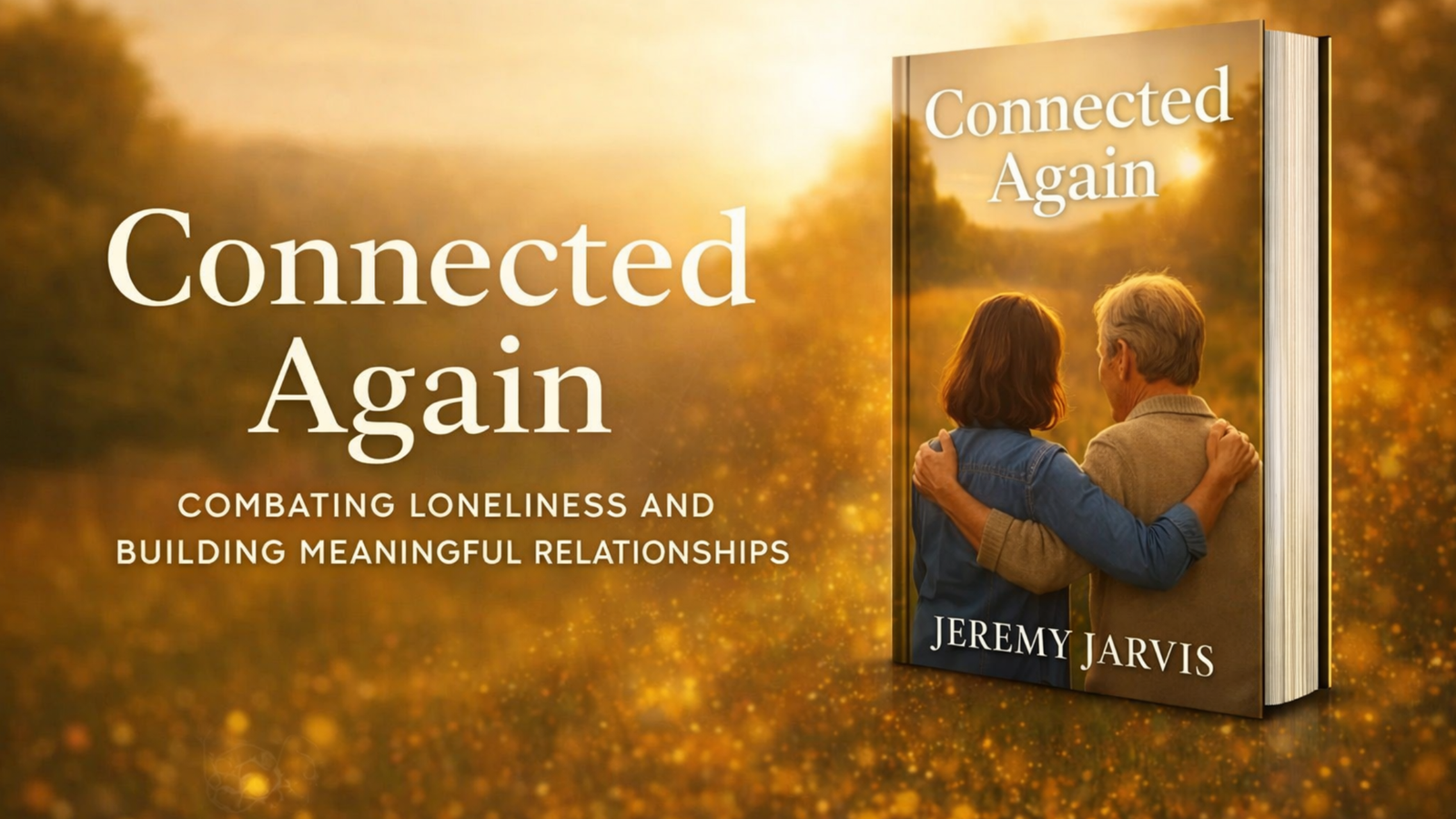
Connected Again: Combating Loneliness and Building Meaningful Relationships
Reclaim real connection, heal from loneliness, and build relationships that last in Connected Again by Jeremy Jarvis — a compassionate guide for today’s disconnected world.
View on Amazon →Affiliate Disclosure: This page contains affiliate links. If you purchase through these links, Mind Clarity Hub may earn a small commission at no extra cost to you. These commissions support our research, writing, and community wellness initiatives.
📘 Author: Jeremy Jarvis
Publication Date: July 2 2025 | Print Length: 267 pages
ISBN-13: 979-8290707785 | Language: English
Formats: Kindle · Paperback · Hardcover | Dimensions: 6 × 0.61 × 9 inches
“The author, Jeremy, has put together a great book that tackles a very sensitive issue in our community… After reading, you’ll understand loneliness on a deeper level and learn how to enjoy your own company.”
– bluemoon, Verified Kindle Purchase (⭐ 4.0 / 5)
Why Connection Matters More Than Ever
Modern life offers endless connectivity — yet many feel profoundly alone. Notifications, algorithms, and endless feeds promise belonging but deliver comparison and silence. Connected Again reframes loneliness as a human signal, not a flaw, reminding us that disconnection isn’t weakness — it’s an invitation to heal. Transitioning from isolation to inclusion requires courage, self-awareness, and genuine empathy — skills this book helps rebuild step by step.
The Science of Loneliness, Belonging, and the “Social Pain” Response
Loneliness is not just an emotion. It is a nervous-system signal. Research in social neuroscience and behavioral psychology suggests that social exclusion can activate many of the same pain-processing pathways as physical pain, which helps explain why isolation feels so heavy and exhausting. Moreover, chronic loneliness can amplify stress, disrupt sleep, and weaken focus—especially when life already feels noisy and overstimulated. Connected Again translates this science into practical steps so you can move from “I feel stuck” to “I know what to do next.” As a result, you start rebuilding emotional safety, mental clarity, and a real sense of belonging.
If you have also noticed attention issues, mental fog, or digital fatigue alongside loneliness, pair this with The Power of Clarity and digital fatigue recovery. The overlap is real: the brain struggles to connect when it is depleted.
Overcoming Fear of Rejection, Social Anxiety, and Emotional Guarding
Many people do not lack desire for connection—they lack safety. After rejection, betrayal, grief, or years of self-protection, the brain learns avoidance as a survival strategy. Consequently, you may withdraw, overthink every interaction, or convince yourself you are “better off alone.” Connected Again meets that pattern with warmth and structure. You will learn approachable loneliness recovery strategies that reduce social friction: how to start conversations without forcing it, how to rebuild trust slowly, and how to create connection through small consistent actions instead of big emotional leaps.
This is also where emotional resilience matters. If burnout or overwhelm is part of your story, read How to Recover from Burnout and Burnout Interrupted to strengthen your recovery foundation while you rebuild community and relationships.
Digital Relationships vs. Real-World Bonds
Social media can create the illusion of closeness while quietly increasing comparison, self-doubt, and emotional distance. Therefore, Connected Again teaches a healthier “digital relationship” approach: use platforms intentionally, reduce passive scrolling, and prioritize real-life presence where trust can actually grow. When you shift from online validation to offline belonging, you often notice a surprising change—more calm, stronger self-esteem, and better emotional regulation.
If distraction is pulling you away from real connection, explore Break the Scroll, the hidden costs of screen time, and rebuilding attention in a world of distraction. Better attention often leads to better relationships.
From Loneliness to Emotional Intelligence and Secure Attachment Skills
The fastest way to deepen relationships is not perfection—it is emotional skill. Connected Again weaves emotional connection techniques into everyday life: active listening, calm honesty, empathy mapping, and repair after conflict. Additionally, the book helps you recognize common patterns that sabotage closeness—people-pleasing, avoidance, emotional shutdown, or anxious over-texting—and replace them with healthier communication habits that build secure attachment over time.
For readers who want deeper emotional skill-building, pair this with The Emotionally Intelligent Man and the quiet crisis of feeling lost. Many people are not broken—they are simply disconnected from themselves and others.
Build Your Connection Blueprint: A Practical Plan for Community, Friendship, and Love
Connection is not luck. It is structure. The book’s “Connection Blueprint” shows you how to design a relationship ecosystem that supports mental wellness: choosing the right environments, creating repeatable social rituals, and building consistency without burnout. You will also learn relationship-building habits that compound—weekly check-ins, low-pressure invitations, shared routines, and simple follow-up systems that keep bonds alive even when life is busy.
If you want a mindset and community foundation that supports this process, explore Village Mentality. It reinforces the truth that mental wellness improves when life is built around supportive connection instead of isolated self-reliance.
Healthy Solitude vs. Loneliness: Learning to Recharge Without Withdrawing
Equally important, Connected Again reframes solitude as restoration rather than absence. You will learn the difference between “time alone that heals” and “time alone that isolates,” plus practical routines—journaling prompts, mindful walks, and small acts of self-trust—that make alone time feel calm instead of empty. As you strengthen this skill, social confidence often rises because you stop using people as your only source of stability.
If sleep issues, anxiety, or nighttime rumination are blocking your emotional resilience, continue with Restful Nights. Better rest makes connection easier—because your nervous system is not fighting you.
Integration and Forward Momentum: From “I Hope” to “I Reach Out”
Ultimately, this book is about moving from passive longing to active belonging. Instead of waiting to feel confident first, you practice connection in small, repeatable ways until confidence shows up naturally. You will learn how to start again after distance, rebuild trust after pain, and create relationships that feel mutually supportive rather than draining. The message is simple, but it changes lives: healing often begins with a clear, genuine “hello.”
Loneliness Recovery Strategies You Can Use This Week
Awareness is powerful; however, action is what rewires the brain. Connected Again includes practical loneliness recovery strategies that blend mindset, communication, and habit science—so you are not left with theory. You will learn how to spot the moments you tend to withdraw, how to replace negative self-talk with connection-oriented thinking, and how to set small weekly goals that build momentum. Moreover, you will practice re-framing vulnerability as courage, which is essential for deeper friendships, stronger family relationships, and healthier romantic bonds.
Emotional Connection Techniques for Real Conversations
To make progress stick, Jarvis focuses on emotional connection techniques that work in everyday life: asking better questions, reflecting feelings without “fixing,” and using micro-moments of warmth (eye contact, laughter, appreciation) to create safety. Furthermore, these skills strengthen empathy, reduce conflict, and help you feel seen and understood—without having to perform or pretend. Over time, connection becomes a trainable skill, not an unpredictable event.
Relationship-Building Habits That Last (Without Burnout)
Lasting connection comes from rhythm, not perfection. That is why the closing framework emphasizes sustainable relationship-building habits: regular check-ins, gentle invitations, consistent follow-through, and meaningful shared rituals. Consequently, readers learn how to turn “acquaintance energy” into real friendships, and how to transform drifting relationships into secure, supportive bonds built on respect and authenticity.
Continue exploring connected living through Village Mentality, improve your recovery foundation with Restful Nights, and strengthen clarity with The Power of Clarity. If you are ready to put these tools into practice now, the fastest next step is to grab Connected Again on Amazon and start the first week of the Connection Blueprint.
Frequently Asked Questions
Is Connected Again based on scientific research?
Yes. It draws from psychology, sociology, and neuroscience studies on loneliness and emotional resilience.
Does it include practical exercises?
Absolutely. Every chapter includes conversation prompts, empathy practices, and a 30-day challenge for real-life progress.
Can introverts benefit from this book?
Definitely. The tone honors quiet strength and teaches comfortable, sustainable ways to connect authentically.
Is it useful for digital-age relationships?
Yes. It helps balance online and offline connection habits for genuine presence.
What’s the key takeaway?
Connection isn’t popularity — it’s presence. The book shows how small acts of empathy rebuild belonging.
Top Books by Jeremy Jarvis
The Power of Clarity
Unlock mental focus, build momentum, and create the life you were meant to live.
View Book →
Digital Clarity
Rewire your brain, escape dopamine traps & regain focus in a distracted world.
View Book →
The 6-Figure Creator
Turn knowledge into passive income with books, courses & AI in 2025.
View Book →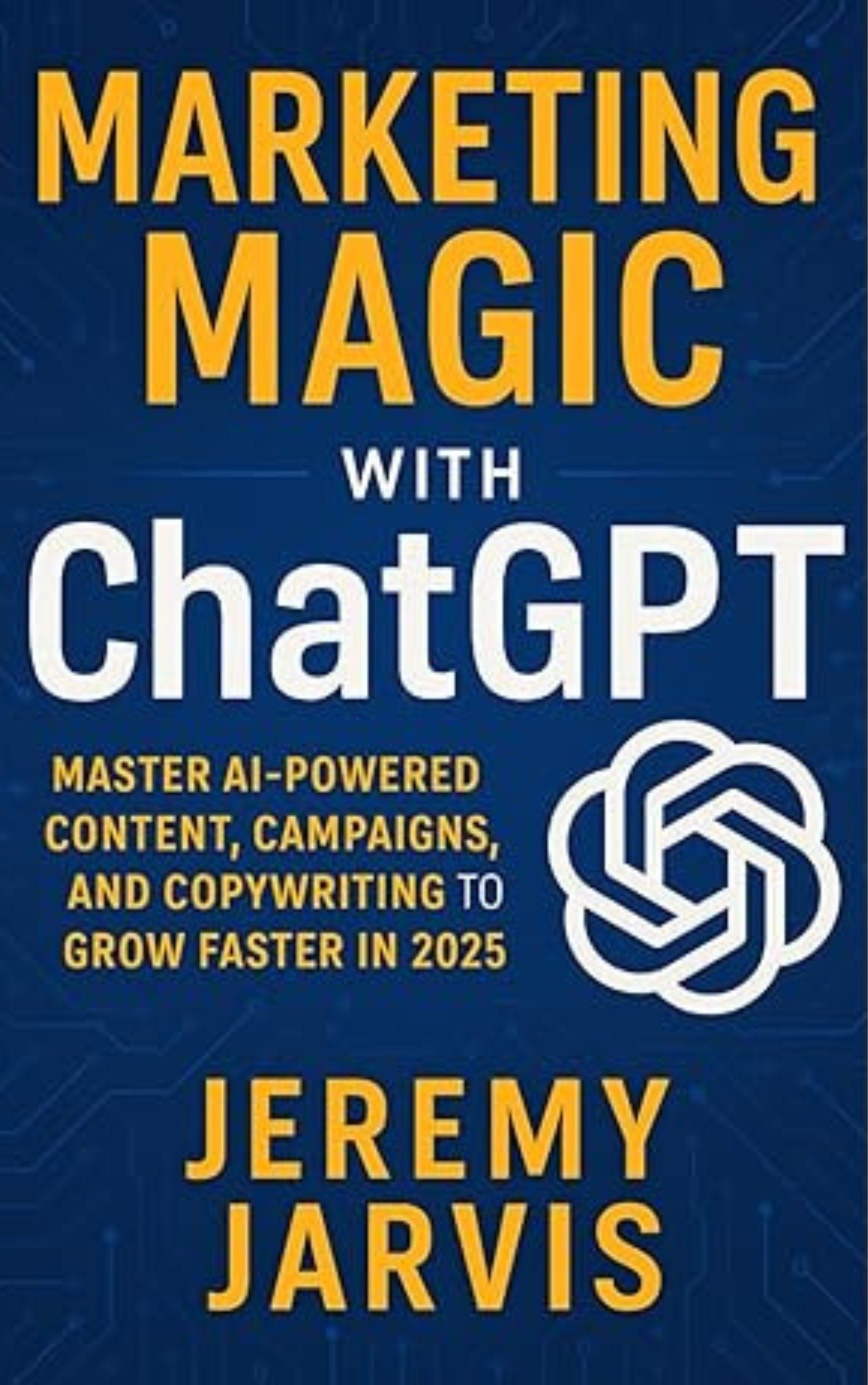
Marketing Magic with ChatGPT
Master AI-powered content, campaigns, and copywriting to grow faster in 2025.
View Book →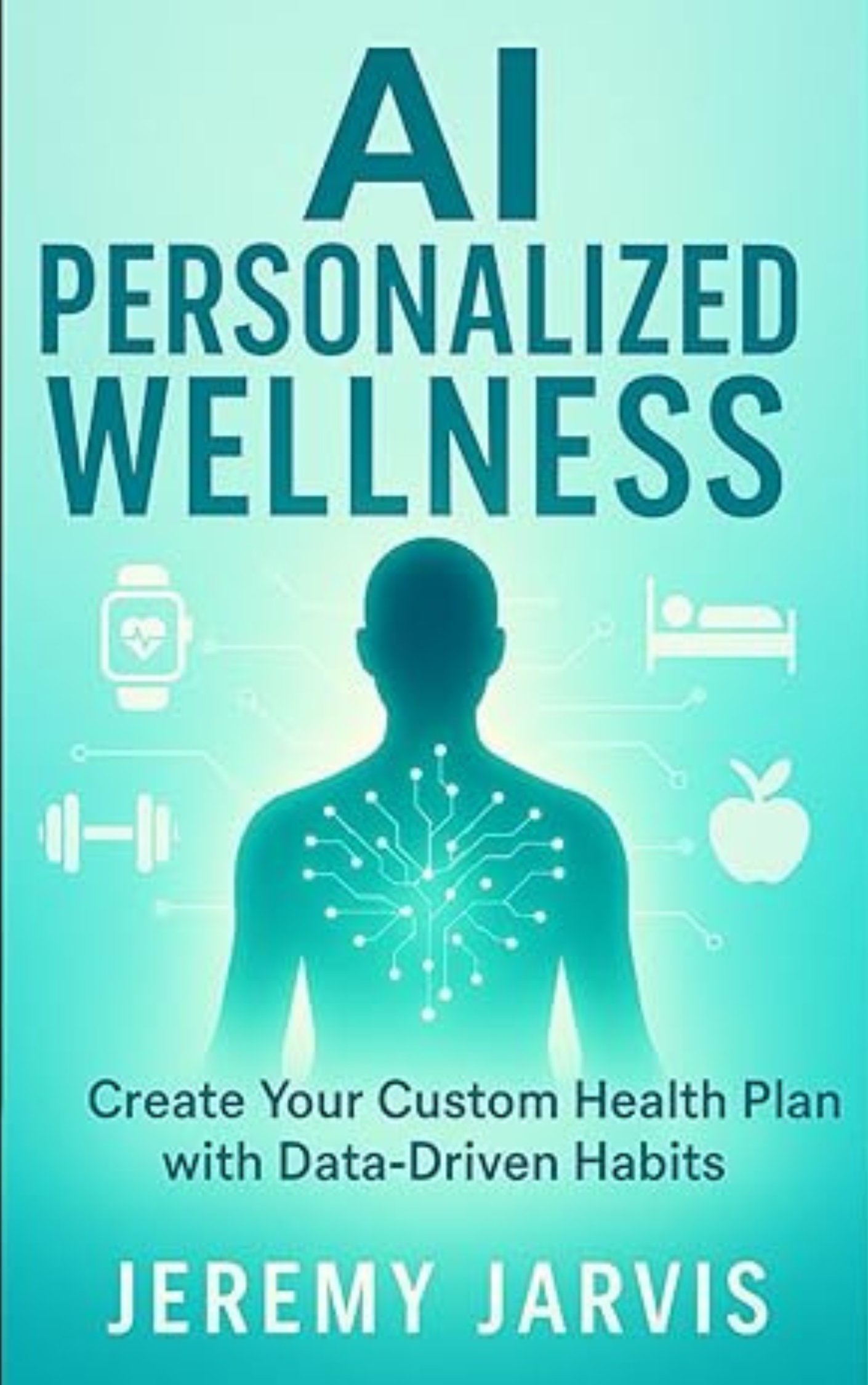
AI Personalized Wellness
Create your custom health plan with data-driven habits for your unique body.
View Book →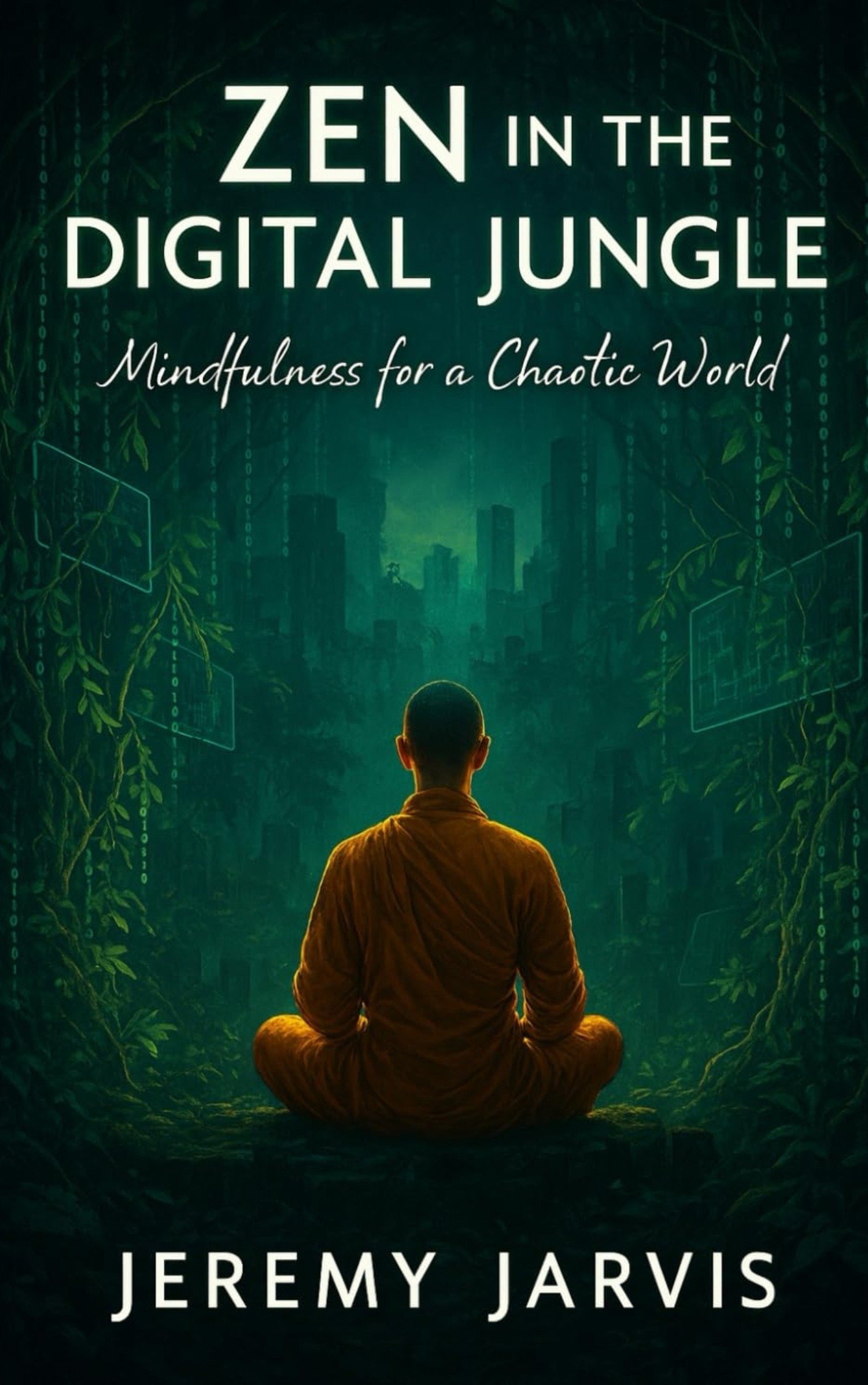
Zen in the Digital Jungle
Mindfulness for a chaotic world — practical Zen wisdom for the digital age.
View Book →Explore the Mind Clarity Hub Library
Practical books on focus, digital habits, resilience, and building a calmer mind.
The Power of Clarity
Unlock mental focus, build momentum, and create the life you were meant to live.
View book →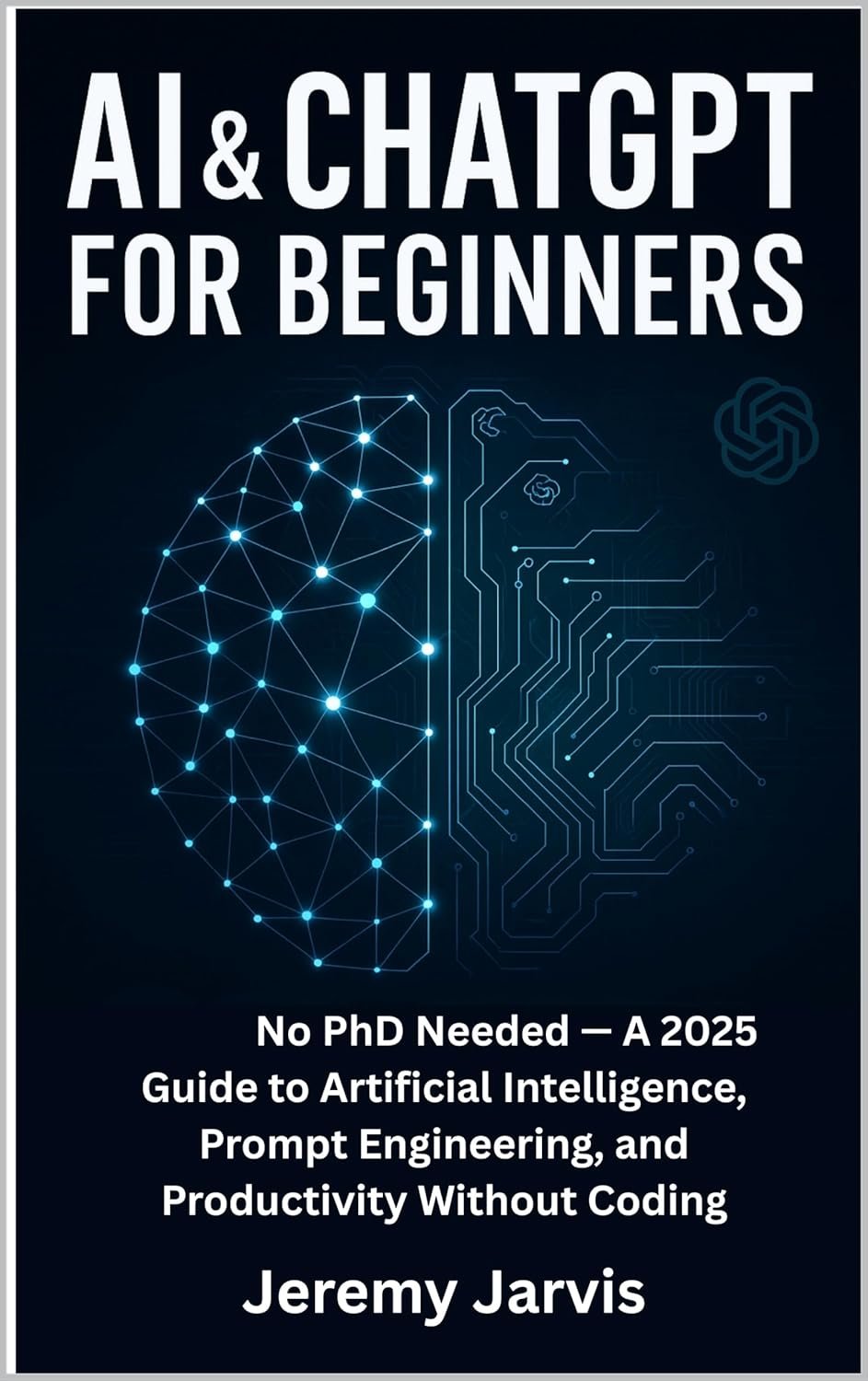
AI & ChatGPT for Beginners
No PhD needed — a 2025 guide to AI, prompts, and productivity without coding.
View book → Zen in the Digital Jungle
Mindfulness for a chaotic world.
View book →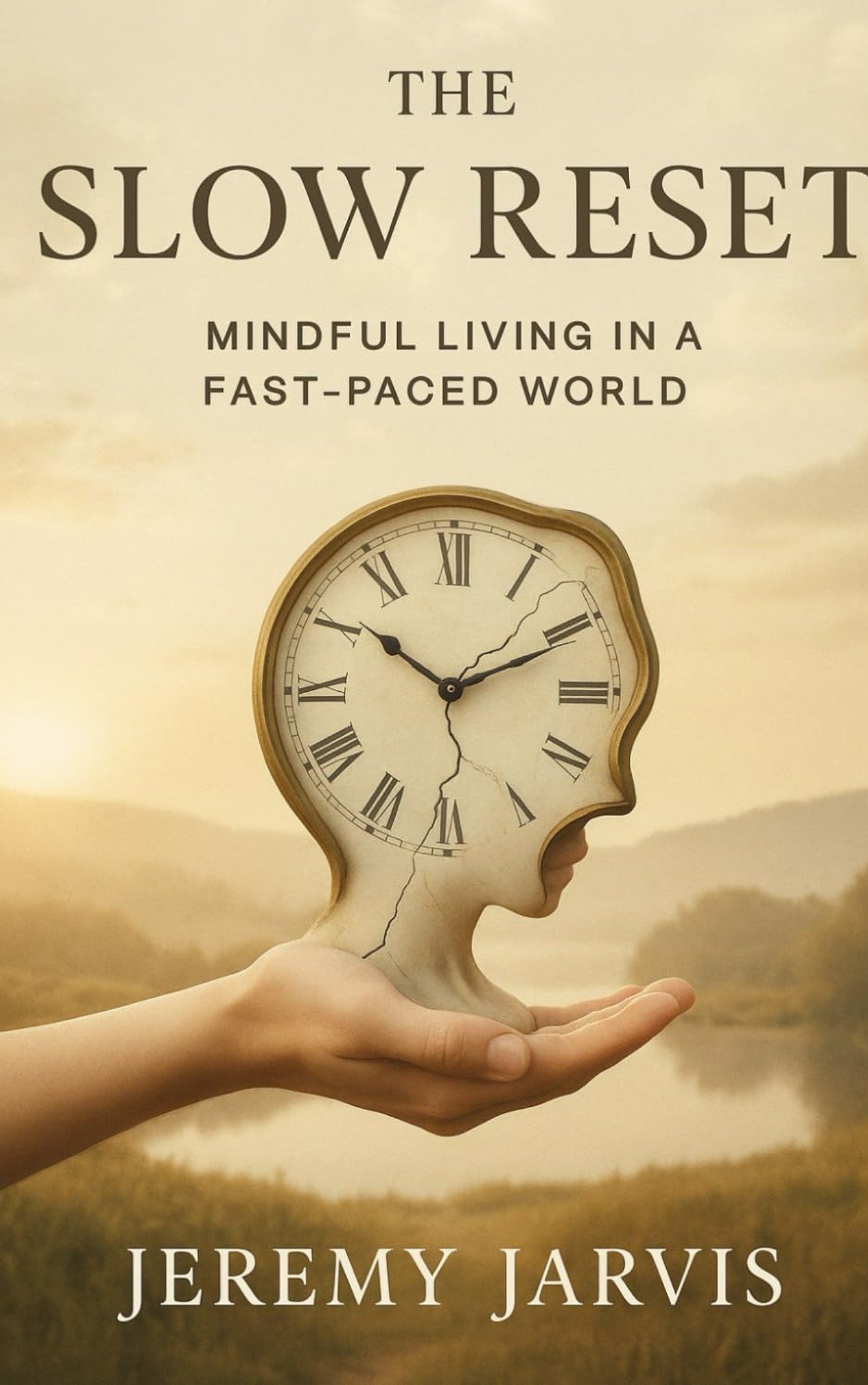
The Slow Reset
Mindful living in a fast-paced world.
View book →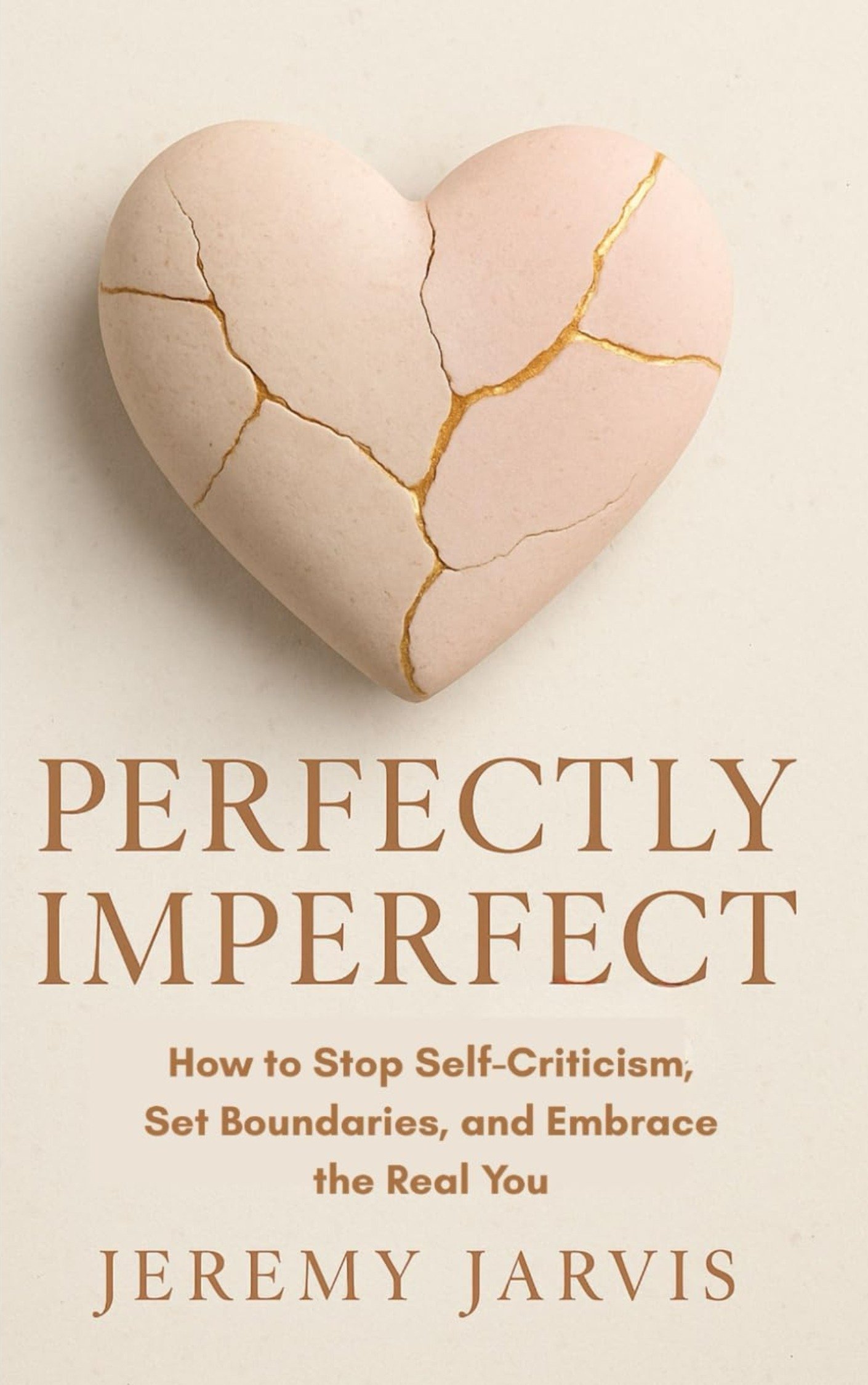
Perfectly Imperfect
Stop self-criticism, set boundaries, and embrace the real you.
View book →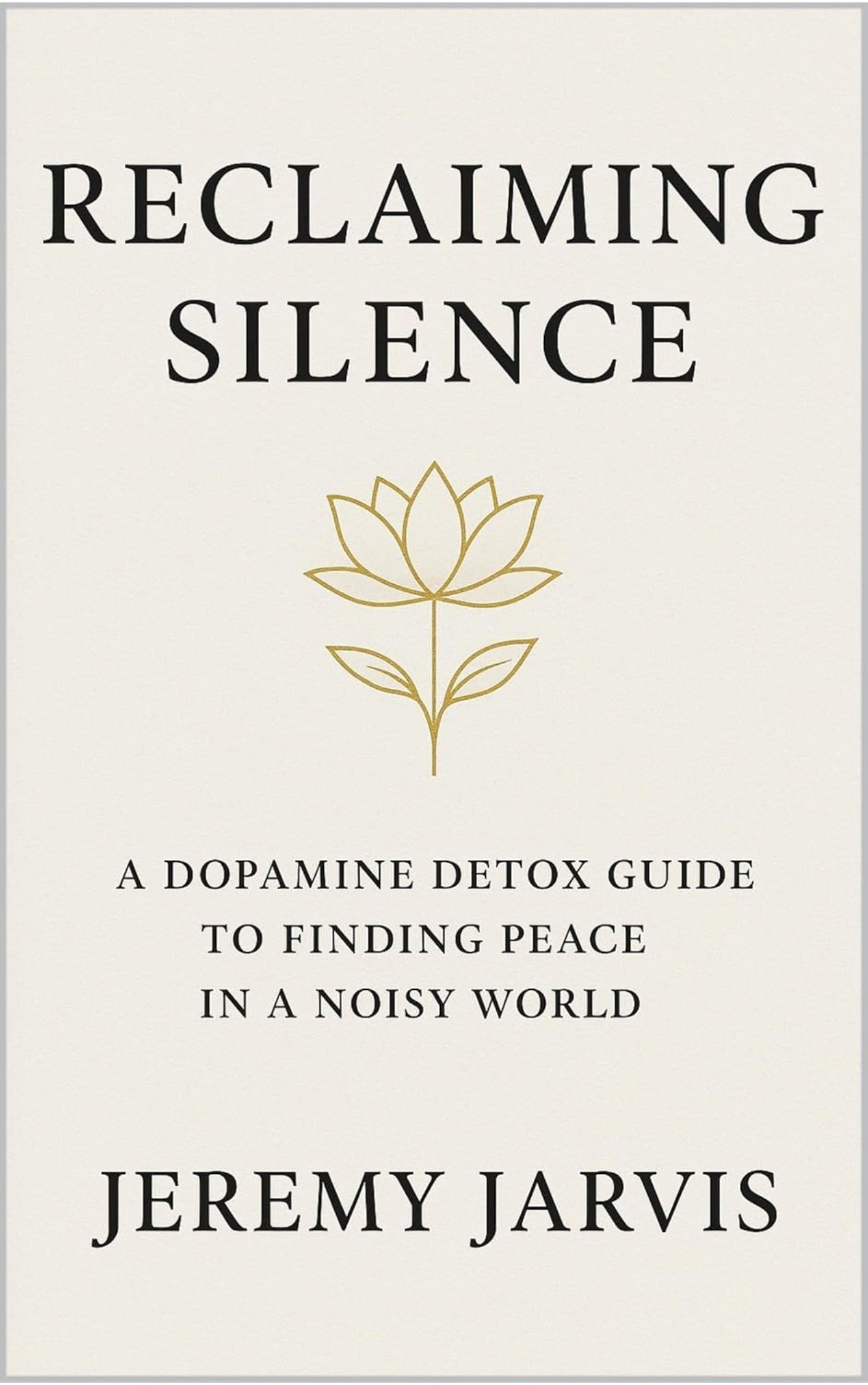
Reclaiming Silence
A dopamine detox guide to finding peace in a noisy world.
View book →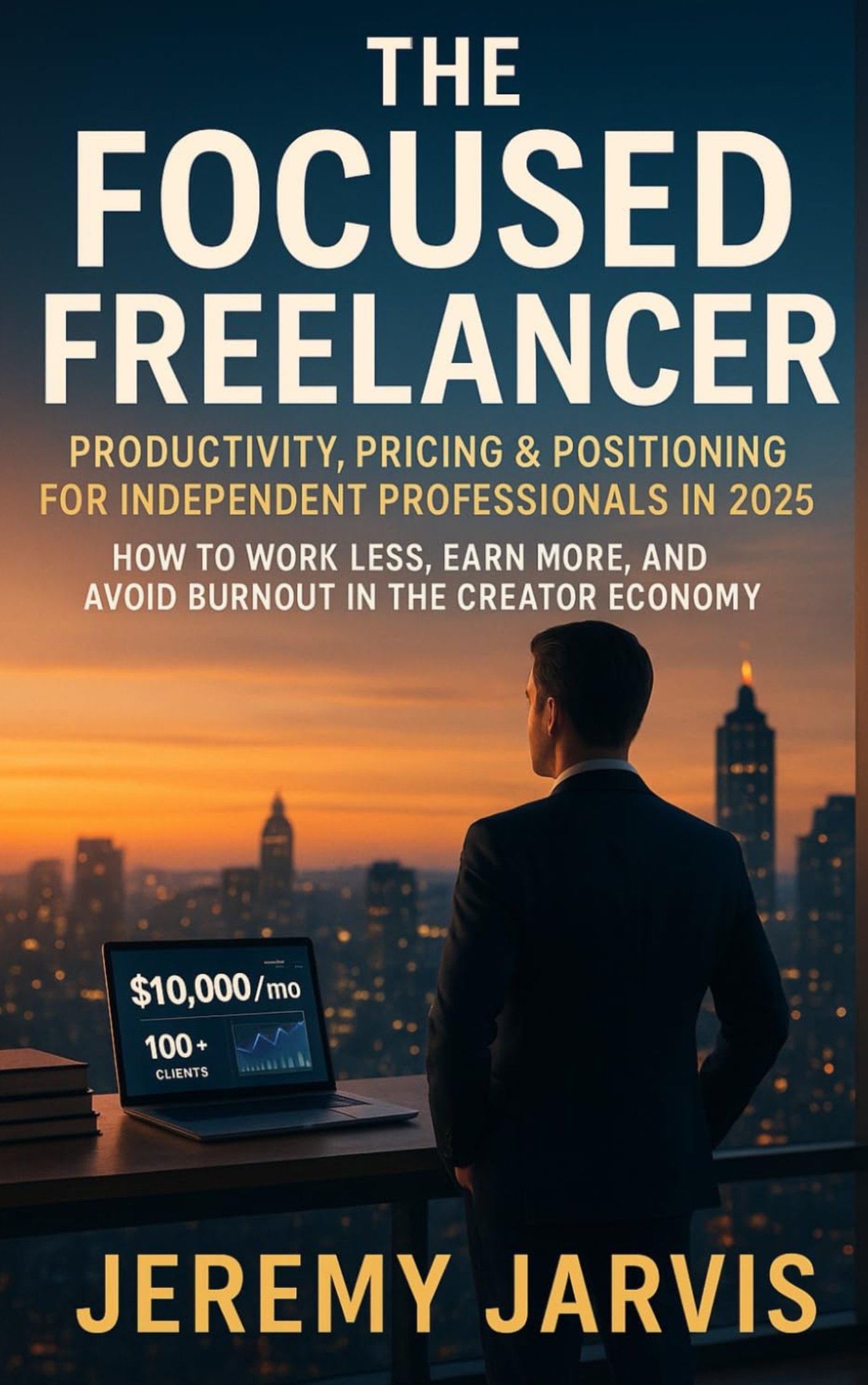
The Focused Freelancer
Productivity, pricing & positioning for independents in 2025.
View book →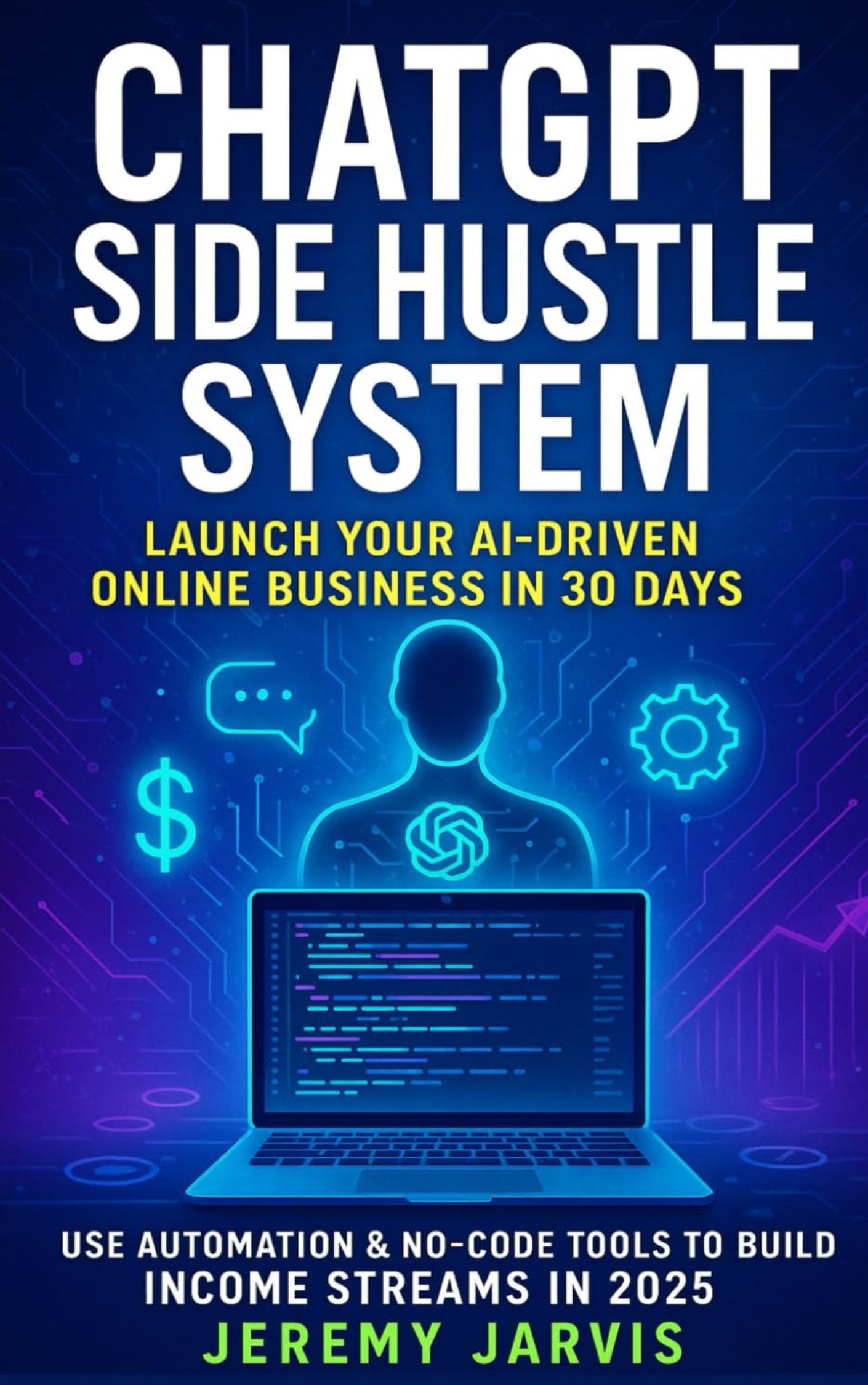
ChatGPT Side Hustle System
Launch your AI-driven online business in 30 days.
View book →
Burnout, Interrupted
A proven path to restore energy and reclaim your life.
View book →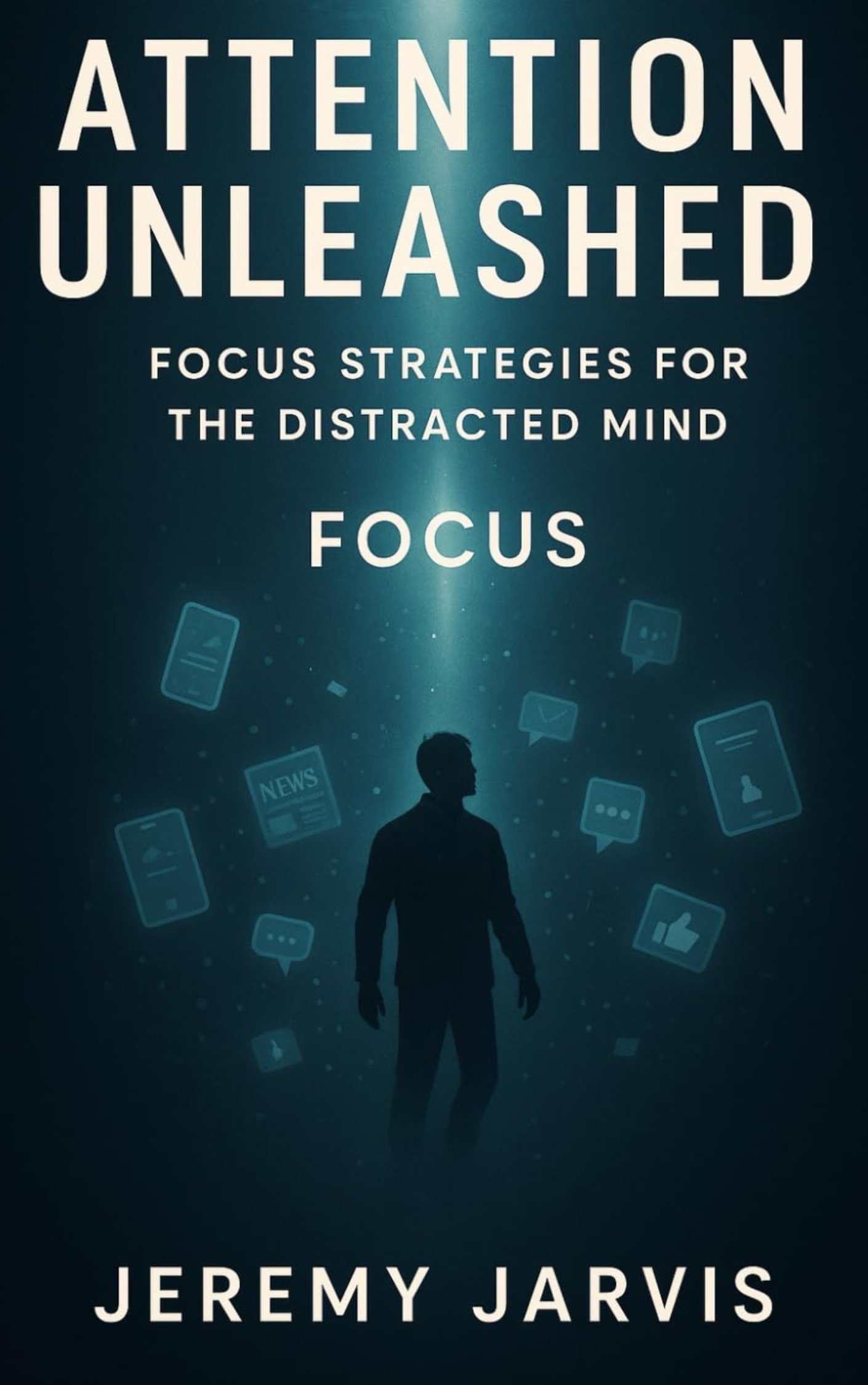
Attention Unleashed
Focus strategies for the distracted mind.
View book →
Side Hustle Launchpad
Your quick-start guide to extra income.
View book → Digital Clarity
Rewire your brain, escape dopamine traps & regain focus.
View book →
Break the Scroll
Reduce screen time and take back control of your life.
View book →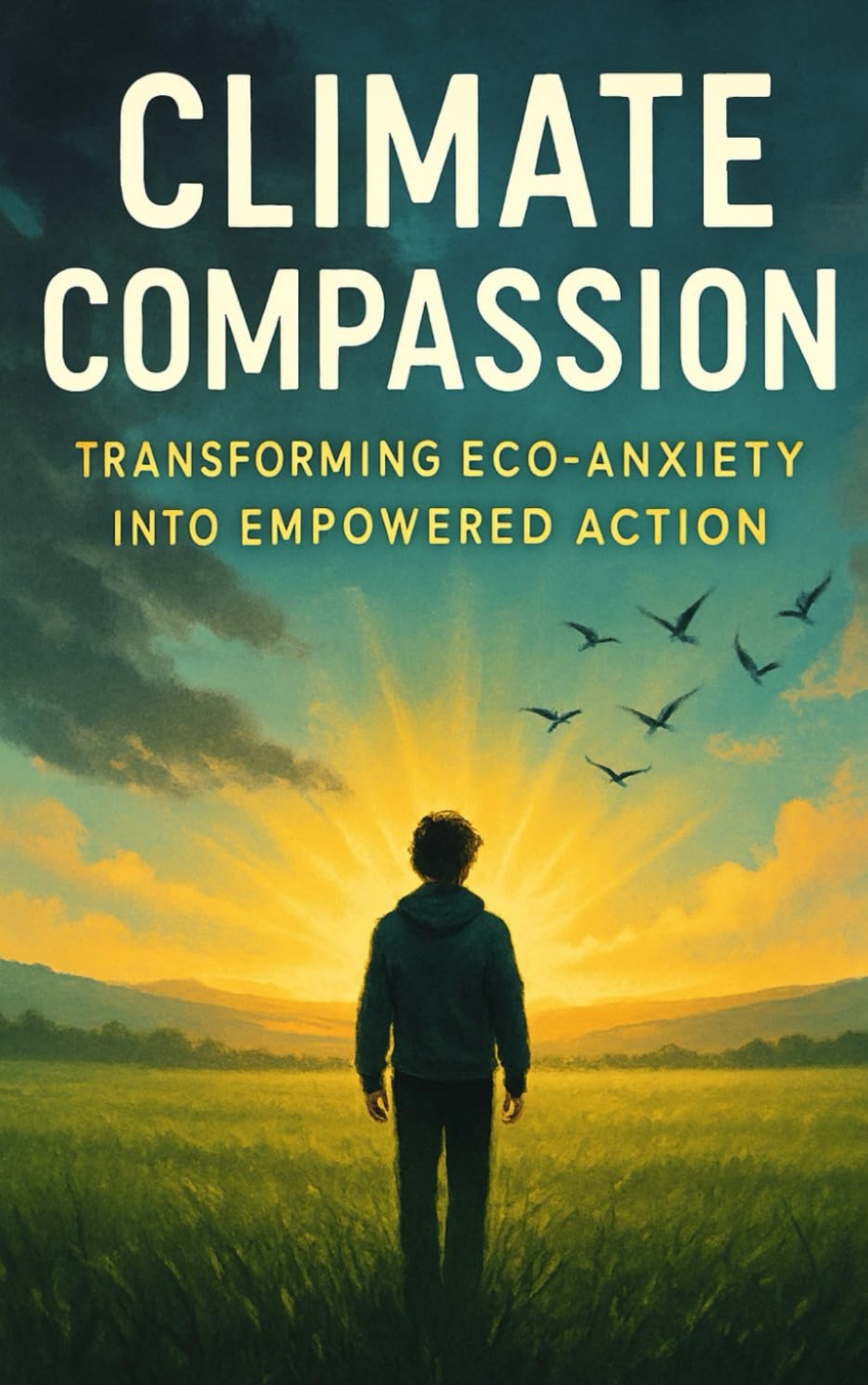
Climate Compassion
Transform eco-anxiety into empowered action.
View book →
Village Mentality
The power of community for mental wellness.
View book →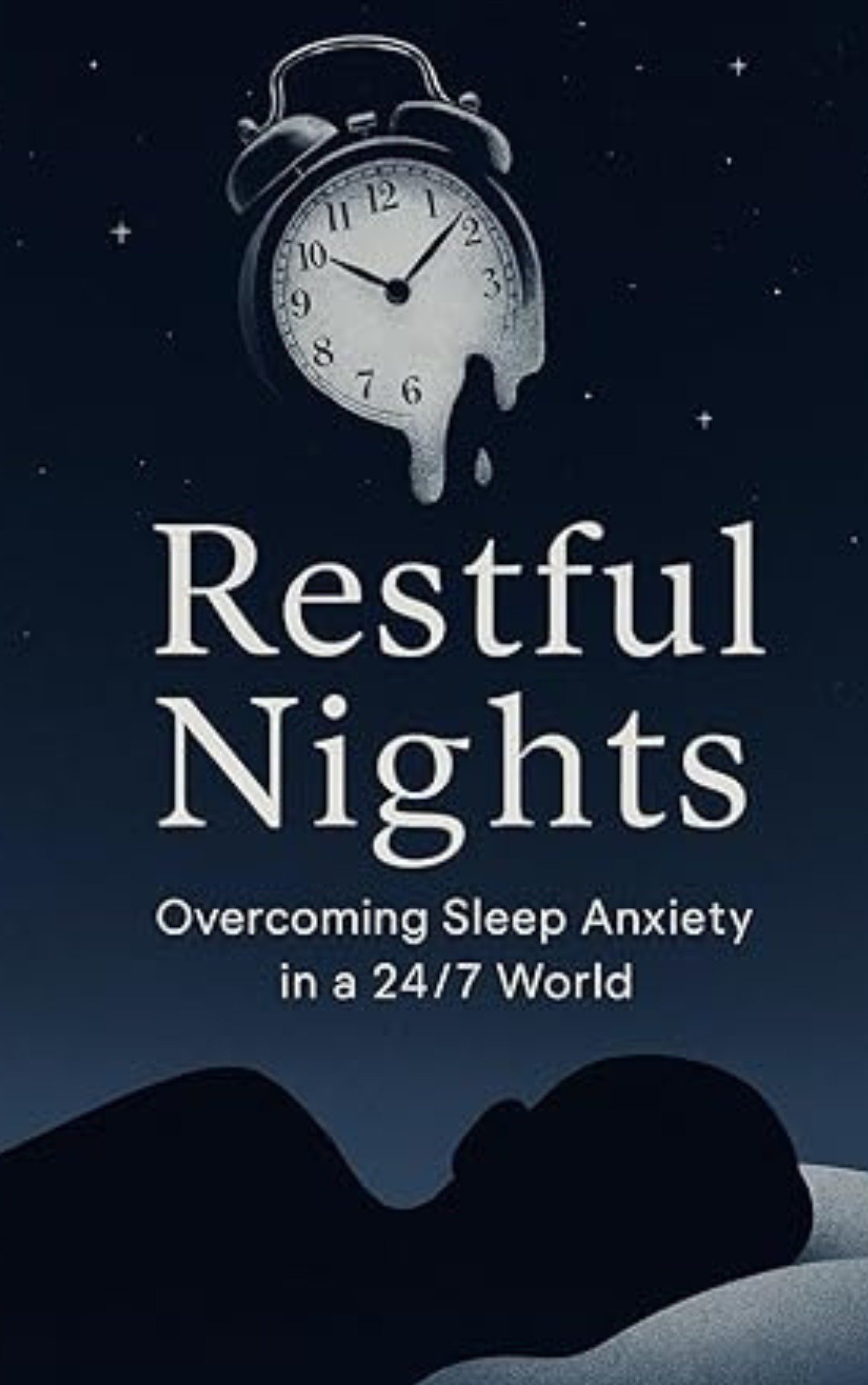
Restful Nights
Overcoming sleep anxiety in a 24/7 world.
View book →
Connected Again
Combat loneliness and build meaningful relationships.
View book →
Focus Recharged
Mastering attention and productivity in the digital era.
View book → Marketing Magic with ChatGPT
AI-powered content, campaigns, and copywriting to grow faster.
View book → The 6-Figure Creator
Turn knowledge into passive income with books, courses & AI.
View book →
Burnout Breakthrough
Reset your work-life balance and thrive in 2025.
View book →
The Emotionally Intelligent Man
A modern guide to self-awareness and communication.
View book → AI Personalized Wellness
Create your custom health plan with data-driven habits.
View book →
Everyday AI Made Easy
Use ChatGPT and smart tools to simplify life.
View book →
Money Mindfulness
A financial wellness guide for Gen Z & Millennials.
View book →
Startup Smarter with AI
ChatGPT strategies and tools to grow your business.
View book →
ChatGPT for Writers & Creators
Unlock AI-powered brainstorming, drafting & editing.
View book →