


The Focus Reset: 7 Evidence-Backed Habits People Use to Reclaim Mental Space
When your brain feels like it has 50 open tabs, you don’t need more willpower. You need a simple reset routine that clears mental clutter and restores focus.

By Jeremy Jarvis · Founder of Mind Clarity Hub & clarity-focused author
Published:
If your mind feels noisy, scattered, or permanently “on,” you are not broken. You are living in an environment that constantly competes for your attention. Notifications, unfinished tasks, worries, and background stress all pile up in your mental space until focus feels impossible.
A focus reset is a short, intentional sequence of habits that clears that mental backlog and gives your brain room to think again. Instead of trying to power through, you step back, run the reset, and then return to your work with a calmer, more decisive mind.
Key takeaways
- A focus reset is not a hack; it is a repeatable routine to clear mental clutter and reclaim attention.
- Each of the 7 habits is backed by psychological and neuroscience research on attention, stress, and memory.
- You can run a mini reset in 10–15 minutes or a deeper reset in 30–40 minutes when your brain feels overloaded.
- Small, consistent resets throughout the week are more powerful than one big productivity overhaul.
Why Your Mental Space Feels Crowded
Most people do not struggle because they lack discipline. They struggle because their cognitive bandwidth is already overloaded before they even start the day.
Psychologists sometimes describe this as cognitive overload or “too many open loops.” Unfinished tasks, constant context-switching, and digital noise all compete for the same limited attention system in your brain. Over time, this shows up as:
- Starting a task, then bouncing to three others without finishing any of them.
- Reading the same email or paragraph multiple times without absorbing it.
- Feeling wired and tired at the same time when you try to sleep.
The goal of a focus reset is simple: give your brain fewer, clearer inputs so it can do deep, meaningful work again.
The Focus Reset Framework in One Glance
Think of these seven habits as a short algorithm you can run whenever your mind feels cluttered. You do not need all seven every time, but the full sequence creates a powerful reset.
- Mindfulness check-in: land in the present moment.
- Time box one priority: choose and protect a single task.
- Micro digital detox: temporarily remove noisy inputs.
- Movement reset: wake up your body to wake up your brain.
- Brain dump journaling: clear mental loops onto paper.
- Sleep support: protect tonight’s recovery in advance.
- Boundaries and “no” list: stop new clutter from rushing in.
Habit #1: Mindfulness Check-In (3–5 Minutes)
Before you can organize your thoughts, you have to notice what is already happening in your mind.
A short mindfulness check-in is one of the fastest ways to interrupt autopilot and bring your attention back into the present. Do not worry about “clearing your mind.” The goal is simply to observe.
How to do it
- Sit comfortably, close your eyes or soften your gaze.
- Set a timer for 3–5 minutes.
- Place attention on the sensation of breathing (air at the nostrils or rise and fall of the chest).
- Each time your mind wanders, gently note “thinking” and return to the breath.
Even brief mindfulness exercises have been associated with improvements in attention, working memory, and emotional regulation in laboratory studies. You are teaching your brain to notice distraction and come back on purpose—exactly the skill you need for deep work.
Habit #2: Time Box One Meaningful Priority
Your focus reset needs a destination. That destination is one clearly defined task.
Instead of a vague to-do list, time boxing gives your next hour a shape. You decide in advance what matters most, then protect a block of time dedicated to it. Techniques like the Pomodoro method (25 minutes on, 5 minutes off) or 50/10 blocks are simply structured forms of this habit.
How to do it
- Write down one task that would genuinely move the needle for you today.
- Choose a realistic block: 25, 40, or 50 minutes of focused work.
- Put it on your calendar or timer as “Focus block – do only this.”
- Everything else waits until the block is finished.
Studies on time blocking and single-tasking show that committing to one task at a time reduces the cognitive cost of task-switching and helps people get more meaningful work done with less mental fatigue.
Habit #3: Micro Digital Detox (10–30 Minutes)
Your brain cannot reset if it is still being pinged from five different apps.
A micro digital detox is a short, intentional window where you strip away most digital input: no scrolling, no notifications, no inbox refresh. You are not quitting technology; you are giving your nervous system a brief break.
How to do it
- Silence your phone and flip it face down in another room if possible.
- Close non-essential tabs and messaging apps on your computer.
- For the next 10–30 minutes, engage only with your chosen focus task or an offline activity (reading, walking, stretching).
Research on screen breaks suggests that even short periods away from high-stimulation feeds can improve mood and perceived focus, especially when combined with movement or time outdoors.
Habit #4: Movement Reset for Your Brain
When your body is static for hours, your mind often feels sluggish too.
Physical movement increases blood flow and oxygen delivery to the brain, which supports executive functions like planning, attention, and working memory. You do not need a full workout to benefit. A short, intentional movement reset is enough to wake up your system.
How to do it
- Set a 5–10 minute timer.
- Walk briskly, climb stairs, or do a simple mobility routine (neck rolls, shoulder circles, hip hinges).
- Focus attention on body sensations rather than your to-do list.
Regular movement breaks have been linked to better concentration and lower perceived fatigue during knowledge work. In the context of a focus reset, this is the step that literally changes your state.
Habit #5: Brain Dump Journaling to Clear Mental Loops
Mental clutter is often just unspoken, unorganized thoughts taking up space.
A brain dump is a simple journaling exercise where you move everything out of your head and onto paper. You are not trying to write beautifully. You are giving your mind a place to put its open loops.
How to do it
- Open a blank notebook or document.
- Set a 5–10 minute timer.
- Write down every task, worry, idea, and “don’t forget” that comes to mind.
- When the timer ends, quickly mark items that truly require action versus those that simply needed to be acknowledged.
Expressive writing has been shown in multiple studies to reduce stress and improve mood. For focus, it functions like clearing a crowded desk so you can see what is actually in front of you.
Habit #6: Protect Tonight’s Sleep Before the Day Ends
You cannot reclaim mental space if your brain never gets true downtime.
Sleep is when your brain consolidates memories, clears metabolic waste, and resets emotional reactivity. Chronic sleep debt makes focus resets feel like pushing a boulder uphill.
How to do it
- Choose a consistent “shutdown” time in the last 60–90 minutes before bed.
- Pause email and work apps; capture any last-minute tasks in your brain dump rather than keeping them in your head.
- Dim lights, lower screen brightness, and avoid intense scrolling.
- Use a simple 10–15 minute wind-down ritual (reading, stretching, or light journaling) to signal your brain that you are off duty.
Studies link regular sleep schedules and bedtime routines with better cognitive performance and more stable mood— both essential ingredients for sustained focus.
Habit #7: Boundaries and the “Not This Week” List
A reset is temporary if new commitments flood your mental space the next day.
Setting boundaries is not just about saying no to other people; it is about saying yes to a realistic amount of focus for yourself. A simple way to operationalize this is with a “Not This Week” list.
How to do it
- Look at your brain dump and calendar for the week.
- Identify tasks, requests, or ideas that are good but not essential right now.
- Move them to a “Not This Week” list in your notebook or task app.
- When new requests arrive, check that list before you say yes.
People who consciously limit their active commitments tend to report lower stress and higher follow-through on the projects that matter most. Boundaries keep your focus reset from being immediately erased.
Deep Dive: Turning Your Focus Reset into a Weekly Ritual
Reading about a focus reset is one thing; turning it into a weekly ritual you can rely on is where the real change happens. In other words, this is the difference between another productivity article and a practical, evidence-informed system for reclaiming mental space and protecting your attention.
Think of your focus reset routine as mental hygiene. Just as you brush your teeth every day to prevent buildup, you run a short reset to prevent cognitive overload, decision fatigue, and that “open tabs” feeling in your brain. Over time, these resets create a more spacious, intentional inner environment where deep work, creativity, and calm are actually possible.
Why a focus reset works in the real world
Modern attention researchers talk a lot about attentional control and cognitive load. When your mental load is high and your working memory is full of half-finished thoughts, your brain struggles to prioritize. Consequently, you feel scattered and reactive instead of clear and deliberate. A structured reset cuts through that by:
- Reducing mental clutter through journaling and “Not This Week” boundaries, so fewer tasks compete for your focus.
- Calming your nervous system with mindfulness, movement, and better sleep, which improves emotional regulation and stress resilience.
- Designing your environment with micro digital detox windows, so you are not fighting constant notification noise while trying to concentrate.
These are the same principles you see in respected psychological literature on stress, attention, and self-regulation. For example, the American Psychological Association highlights the role of boundaries, movement, and recovery in protecting mental health and cognitive performance. As a result, even small routines like this can compound into noticeably better focus.
Designing your own “Focus Reset Day” each week
One of the most reliable ways to anchor this system is to choose a recurring Focus Reset Day. Many people pick Sunday evening or Monday morning as a natural reset point before the week accelerates. On this day, you intentionally walk through each of the seven habits in a slightly longer, more reflective way.
A simple structure could look like this:
- 10–15 minutes mindfulness: notice what is already loud in your mind.
- 15 minutes brain dump journaling: list tasks, worries, ideas, and unfinished loops.
- 10 minutes boundaries: build your “Not This Week” and “Top 3 Priorities” lists.
- 20–30 minutes planning: time box deep work blocks and schedule your movement resets.
- Short evening wind-down: protect sleep so your brain can consolidate and recover.
If you already use short routines from the 3-minute morning focus hacks guide , you can gradually layer them into this weekly reset for extra stability. In practice, the goal is not complexity; it is consistency and repeatable mental clarity.
Linking your reset to your bigger clarity goals
A focus reset becomes even more powerful when it is connected to a larger clarity framework: what you are actually trying to build with your time and attention. That might mean writing a book, growing a business, healing from burnout, or simply feeling less fragmented day to day. Therefore, it helps to review your reset through the lens of your bigger goals.
One practical way to connect the dots is to review your reset alongside your longer-term plans or reading list. For example, if you are working through clarity-focused books from the Mind Clarity Hub book collection , you can use your weekly reset to:
- Capture insights from what you are reading into your brain dump notebook.
- Choose one small experiment from the book to test during the coming week.
- Time box a specific deep work block to apply those ideas, instead of just underlining them.
This approach turns passive reading into active behavior change and keeps your mental clarity practice grounded in real life instead of staying theoretical. Over time, this is what shifts you from “always consuming” to actually implementing.
Keeping your focus reset light, not perfectionistic
It is tempting to treat a new system as an all-or-nothing project. However, a reset is meant to be a lightweight ritual, not another perfectionist standard you use to beat yourself up. Some weeks you will run all seven habits. On other days you will only have time for a three-step reset:
- 3 minutes mindfulness.
- 5 minutes brain dump.
- 25 minutes single-tasking on one priority.
That still counts. Small, repeatable circuits of mental decluttering, deep work, and recovery gradually change your baseline. The point is to keep giving your brain opportunities to return to a calmer, more focused state, rather than waiting until you are in full burnout before you intervene.
When a focus reset is not enough
Finally, a clarity routine is not a replacement for professional care. If your concentration problems come with severe anxiety, depression, or physical symptoms, or if you suspect ADHD or another underlying condition, a focus reset will help—but it should sit alongside proper medical and psychological support. In those cases, use this routine as a gentle framework to support the treatment plan you develop with a qualified clinician.
For more strategies on reducing digital overwhelm and designing sustainable, mentally healthy work patterns, you can also explore guides like AI & ChatGPT for Beginners , which shows how to use AI tools in a way that supports clarity instead of constant distraction. Taken together, these resources form a practical ecosystem for protecting your attention in an age that is designed to fragment it.
Clarity-Focused Reading to Deepen Your Focus Reset
If this focus reset routine resonates with you, you may want a deeper, more structured path to rebuilding attention, resetting work–life balance, and designing a healthier relationship with technology and your own mind. That is exactly why I write longer-form clarity books for Mind Clarity Hub readers.
Each title below takes one key dimension of mental clarity—focus, digital habits, burnout recovery, or health behavior change—and turns it into a complete, step-by-step framework. You can read them alongside this focus reset guide and then use your weekly reset to apply the exercises in a realistic way.
The Power of Clarity: Building a North Star for Your Attention
The Power of Clarity is the core book that underpins much of what you see on Mind Clarity Hub. Instead of giving you more random productivity hacks, it helps you define what truly matters, then align your calendar, tools, and daily choices around that. When you combine a weekly focus reset with a clear “North Star,” it becomes much easier to say no to distractions and low-value tasks because you know exactly what you are protecting.
Many readers use The Power of Clarity as a companion to this article: they run the seven habits as a practical routine while working through the book’s deeper reflection prompts, priority-mapping exercises, and long-term planning templates. As a result, their focus reset stops being a one-off exercise and becomes part of a larger clarity system.
Digital Clarity: Rewriting Your Relationship with Screens
If your biggest source of mental clutter is your phone, inbox, or endless feeds, then Digital Clarity goes further than this article can. Where this guide gives you a short focus reset, Digital Clarity walks you through a full audit of your digital environment: notifications, apps, social media, news intake, and the way you use AI tools day to day.
You will learn how to design low-friction digital boundaries, create screen-light mornings and evenings, and implement dopamine-conscious habits that support attention instead of fragmenting it. When paired with the micro digital detox habit from this article, the result is a calmer, more intentional relationship with your devices—not an all-or-nothing detox you abandon after a week.
Burnout Breakthrough: Resetting Work–Life Balance and Mental Space
If you are reading this because your brain is not just scattered but deeply exhausted, then you may be closer to burnout than simple distraction. In that case, Burnout Breakthrough: Reset Your Work-Life Balance & Thrive in 2025 is designed for you.
The book looks at the structural drivers of burnout—overload, lack of control, misaligned work, and chronic stress—and helps you redesign your weeks, not just your to-do list. You will find routines for sustainable energy management, boundary-setting scripts for real conversations with colleagues or partners, and a more compassionate approach to recovery. In practice, your weekly focus reset becomes the tactical layer, while Burnout Breakthrough gives you the strategic map for a healthier work–life rhythm.
AI Personalized Wellness: Using Technology to Support, Not Hijack, Your Focus
Finally, if you want to bring data and AI into your mental wellness in a thoughtful way, AI Personalized Wellness: Create Your Custom Health Plan with Data-Driven Habits explores how to build a personalized wellness system without adding more overwhelm.
You will learn how to use apps, wearables, and AI tools to track sleep, stress, focus, and mood in a simple, sustainable way—then connect those insights back to habits like movement, journaling, and sleep hygiene. Used wisely, technology can help you spot patterns such as which days your mental space feels most crowded, how caffeine or screen time affects your focus, and which parts of your focus reset routine have the biggest impact.
How to integrate these books with your focus reset
You do not have to read everything at once. Instead, start with the area that feels most urgent:
- Clarity and direction: begin with The Power of Clarity.
- Digital overload: read Digital Clarity alongside your micro digital detox habit.
- Burnout and exhaustion: pair this article with Burnout Breakthrough.
- Health and data: explore AI Personalized Wellness as you fine-tune your routines.
During your weekly focus reset, choose one insight or exercise from your current book and deliberately plug it into your upcoming week. Over time, this turns reading into a continuous feedback loop between clarity, behavior, and mental space—which is the heart of what Mind Clarity Hub exists to support.
How to Run a 20–40 Minute Focus Reset
You do not need a whole day off to reclaim mental space. Instead, you can use these habits together in a straightforward, 20–40 minute routine that fits into a normal week.
Your 7-step focus reset (quick overview)
Step-by-step focus reset routine
- 3–5 minutes: Mindfulness check-in to notice what feels loud or distracting (Habit 1).
- 5–10 minutes: Brain dump journaling to empty mental loops onto paper (Habit 5).
- 3–5 minutes: Choose and time box one meaningful priority for deep work (Habit 2).
- 5–10 minutes: Movement reset such as a brisk walk or light stretching (Habit 4).
- 10–25 minutes: Run a micro digital detox while you single-task on that one priority (Habit 3).
- 5 minutes (evening): Sleep-supporting shutdown ritual to help your brain switch off (Habit 6).
- 5 minutes (planning): Update your “Not This Week” list and adjust boundaries (Habit 7).
You can treat this as a template. On busy days, shorten a few steps. On days when you feel especially overloaded, extend the journaling, movement, or deep work block. The power comes from repetition and gentle adjustment, not from doing it perfectly.
Adapting the routine to your mornings
Many readers find it helpful to run a mini version of this reset in the morning. For instance, you might do three minutes of mindfulness, a quick brain dump, and then one focused block before checking messages. For more ideas you can stack with this reset, see the 3-minute morning focus hacks guide . This way, your focus reset becomes a natural part of how you start the day instead of another task you never quite get around to.
Next steps: design your own weekly focus reset
Pick one habit from this guide and run it every day for the next seven days. Once it feels automatic, layer in a second habit and turn it into your personal focus reset routine.
For more ideas on building sustainable, low-friction work routines, explore additional Mind Clarity Hub guides and related resources.
If you are also interested in designing a more sustainable lifestyle and work rhythm, you can explore Eco Nomad Travel for slow travel and low-impact work inspiration.
Explore more focus-building habitsFocus Reset & Mental Space FAQ
These common questions cover how a focus reset works, how often to use it, and how it connects with digital detox, mental health, AI tools, and real-world boundaries around your time and energy.
Understanding the Focus Reset Routine
What is a focus reset and how is it different from a productivity hack?
A focus reset is a short, structured routine that clears mental clutter and helps you regain attention on purpose. Instead of one-off productivity hacks or quick tips, it combines several evidence-informed habits—mindfulness, movement, journaling, boundaries, and better sleep—into a repeatable system you can run weekly or even daily. The goal is not to squeeze more tasks into your day, but to create more mental space so the right tasks actually get done.
How often should I run a focus reset routine?
Most people benefit from a mini focus reset (10–20 minutes) several times a week and a deeper reset once a week. For example, you might run a short reset on Monday and Wednesday, then a longer “Focus Reset Day” on Sunday evening to review your brain dump, adjust boundaries, and plan deep work blocks. The key is consistency: small, regular resets protect your mental clarity far better than a rare all-or-nothing overhaul.
How long does a full focus reset take?
A full focus reset typically takes 20–40 minutes, depending on how many steps you include. A short version might combine 3–5 minutes of mindfulness, 5–10 minutes of brain dump journaling, a 5–10-minute movement break, and a single 25-minute deep work block. When you are especially overloaded, you can expand each step—longer journaling, a deeper digital detox, and more time boxing—to create a more thorough reset for your attention span and nervous system.
What if I don’t have time for all seven habits in the focus reset?
You do not need to use all seven habits every time. On very busy days, you can run a three-step reset: a short mindfulness check-in, a quick brain dump, and one protected focus block on your most important task. On calmer days, you can layer in movement, a micro digital detox, sleep support, and boundary-setting. The aim is progress, not perfection; even a small reset can noticeably reduce mental overload.
Digital Detox, Screen Time, and Attention
How a Digital Detox Boosts Focus, Attention Span, and Mental Clarity
Does a digital detox really improve focus and mental clarity?
Research on digital overload suggests that constant notifications, rapid context switching, and high-stimulation feeds can erode attention and increase stress. Short, deliberate “micro digital detox” windows—where you silence notifications, step away from feeds, and focus on a single task or offline activity—give your brain a chance to reset. Over time, this reduces noise in your mental space and makes it easier to do deep work without feeling constantly pulled back to your phone.
Results, Timing, and What to Expect
How long does it take to notice results from these focus habits?
Many people notice small improvements in mental calm and concentration within a week of running regular focus resets—especially when they combine journaling, movement, and digital boundaries. More substantial changes in attention, energy, and burnout risk often emerge over several weeks of consistent practice. Think of it like training: you are gradually rewiring your default habits around focus, not flipping a switch overnight.
Mental Health, ADHD, and When to Seek Help
Can a focus reset help with ADHD or clinical anxiety?
The habits in this article—mindfulness, movement, journaling, time boxing, and clearer boundaries—can support people who live with ADHD, anxiety, or burnout, but they are not a replacement for medical or psychological care. If you suspect ADHD, depression, or an anxiety disorder, use this focus reset as a gentle framework alongside guidance from a qualified professional. Structured routines often complement therapy or medication, but they should not be treated as standalone treatment.
When should I seek professional help instead of relying on a focus reset?
If concentration problems come with severe or persistent symptoms—such as constant exhaustion, hopelessness, panic, physical health changes, or serious work and relationship breakdowns—it is important to talk to a doctor, therapist, or other qualified clinician. A focus reset is a self-help framework, not a diagnostic tool. Use it to support your well-being, but do not delay professional care if you suspect burnout, depression, anxiety disorders, ADHD, or other medical conditions that affect attention and mental space.
AI Tools, Boundaries, and Real-Life Interruptions
Can I use AI tools without wrecking my focus reset?
Yes—if you use AI intentionally. Tools like ChatGPT can support mental clarity by helping you outline projects, summarize research, or plan routines faster. The problem arises when AI is just another tab in an already noisy browser. Pair your focus reset with clear rules for AI use: open it only for specific tasks, close the tab when you are done, and avoid falling into endless experimentation. For deeper guidance, you can explore books like Digital Clarity or AI Personalized Wellness .
What if other people don’t respect my boundaries or focus time?
External noise—colleagues, roommates, family, constant messages—can undermine even the best routines. This is where the “Not This Week” list and simple boundary scripts help. During your weekly focus reset, decide which requests you can realistically honor and which will need to wait. Communicate your focus windows clearly (“I’m heads-down from 9 to 11; I’ll reply after”) and use visual cues like headphones, closed doors, or calendar blocks to reinforce them. Over time, consistent boundaries make your reset routine much more effective and protect your mental space.
Further Reading on Focus & Mental Clarity
If you found this focus reset helpful, you may want to go deeper with longer-form guides and book pages on Mind Clarity Hub. These resources expand on mental clarity, digital minimalism, burnout recovery, and data-informed wellness.
- Build your core clarity framework with The Power of Clarity .
- Redesign your relationship with screens using Digital Clarity .
- If you are close to burnout, explore Burnout Breakthrough for a deeper reset of work–life balance and energy.
- To use AI and data in a calmer, more intentional way, see AI Personalized Wellness .
You can also browse the full Mind Clarity Hub book collection to find the next clarity-focused system that fits your current season of life.
Explore the Mind Clarity Hub Library
Practical books on focus, digital habits, resilience, and building a calmer mind.
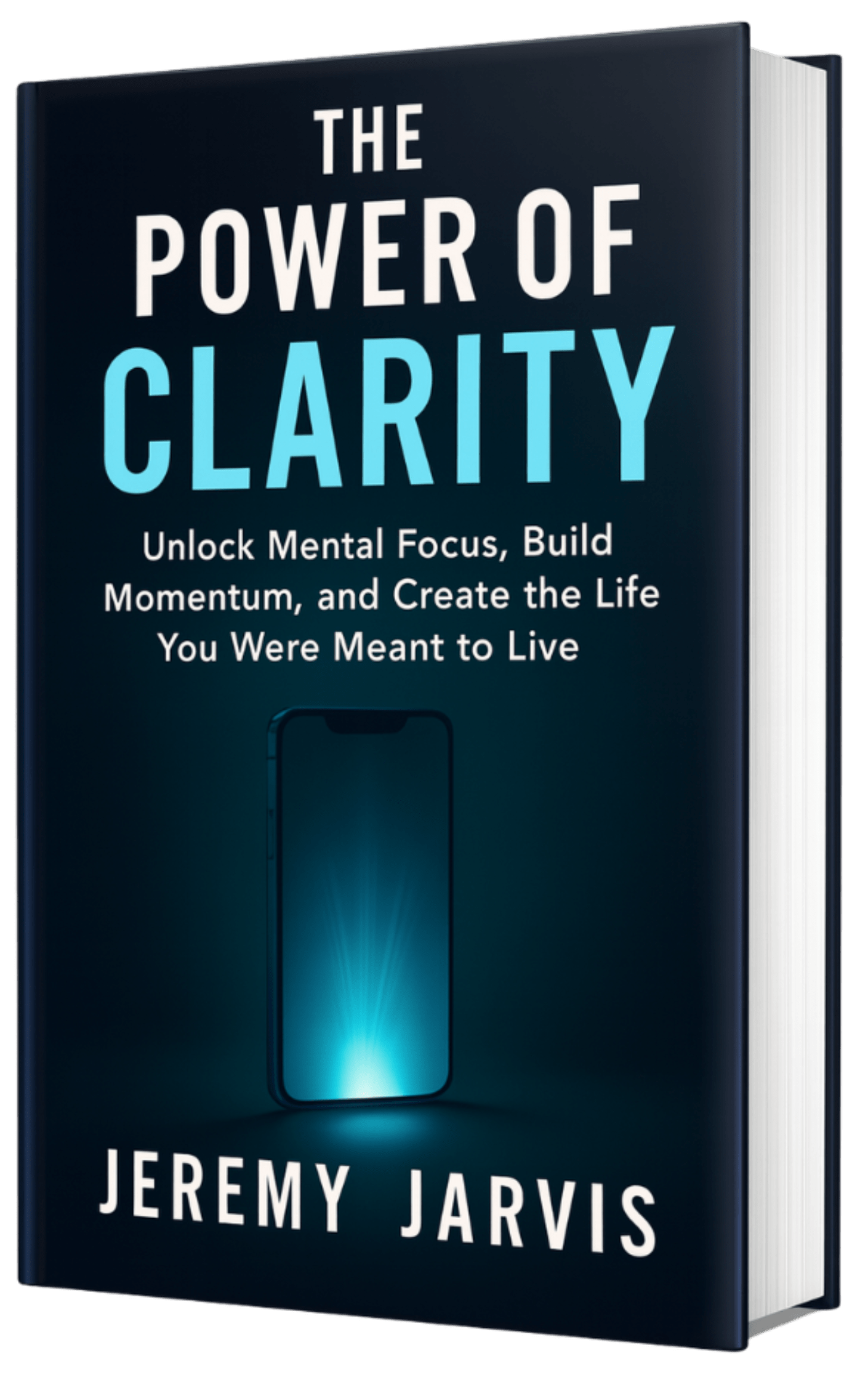
The Power of Clarity
Unlock mental focus, build momentum, and create the life you were meant to live.
View book →
AI & ChatGPT for Beginners
No PhD needed — a 2025 guide to AI, prompts, and productivity without coding.
View book →
Zen in the Digital Jungle
Mindfulness for a chaotic world.
View book →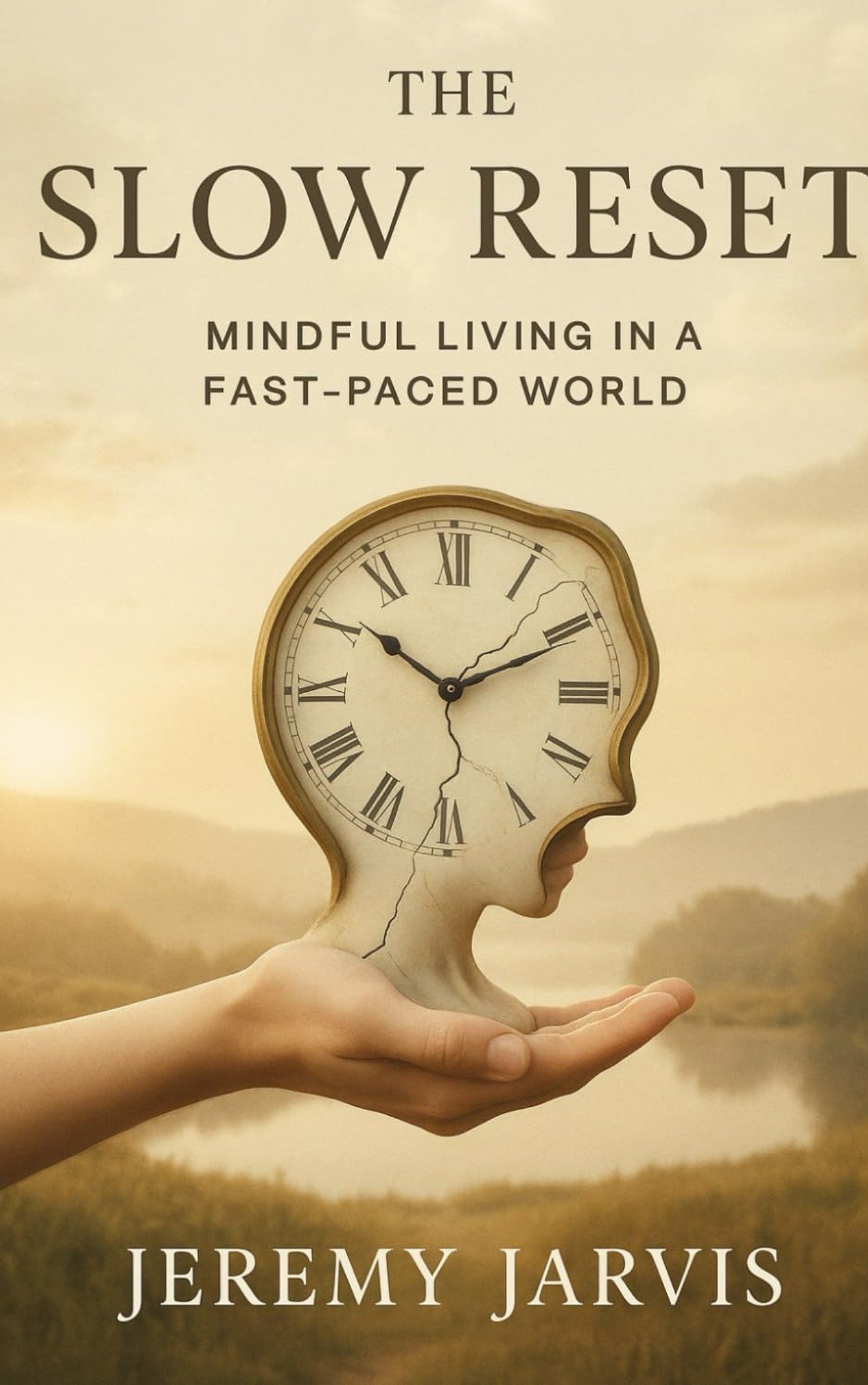
The Slow Reset
Mindful living in a fast-paced world.
View book →
Perfectly Imperfect
Stop self-criticism, set boundaries, and embrace the real you.
View book →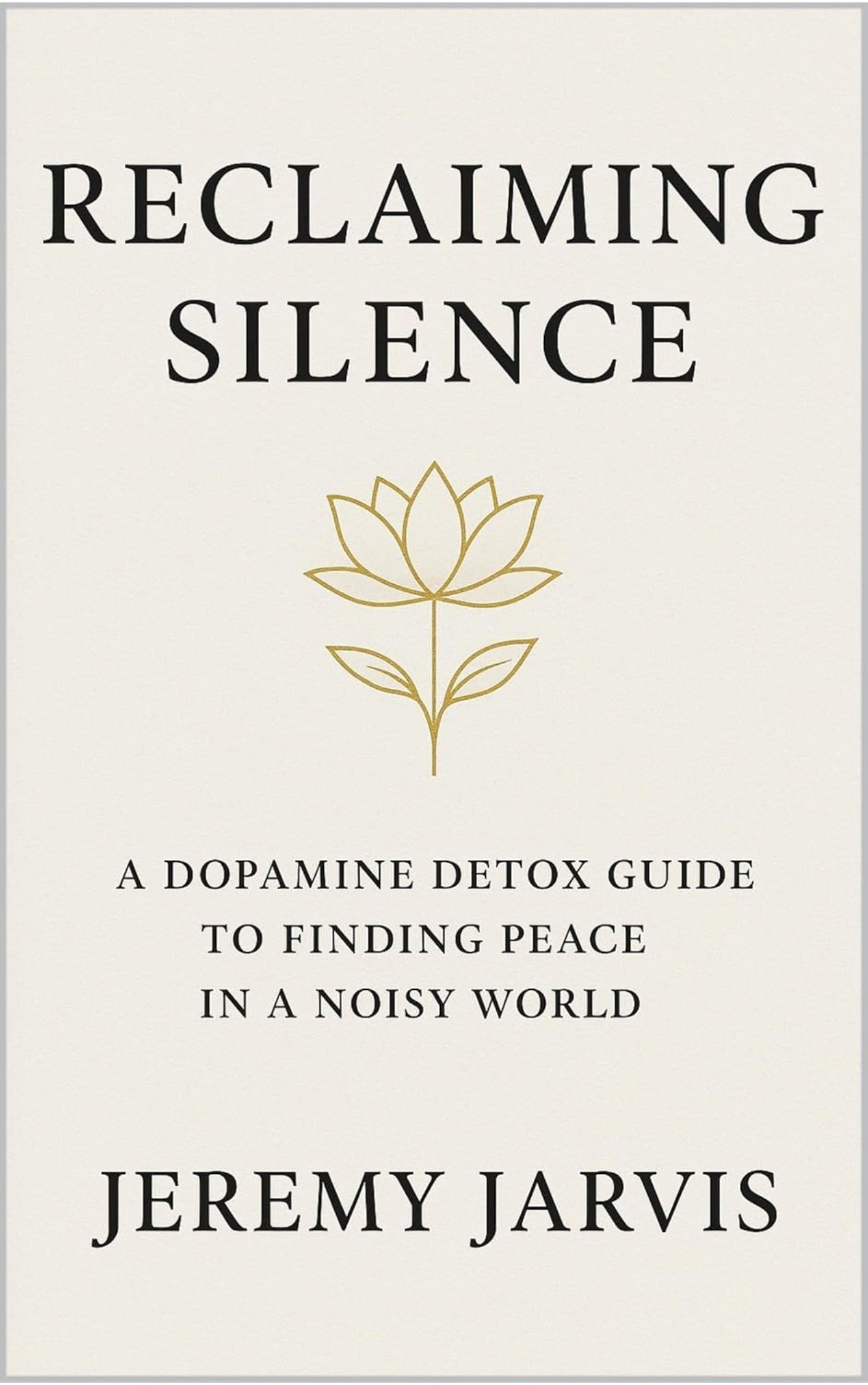
Reclaiming Silence
A dopamine detox guide to finding peace in a noisy world.
View book →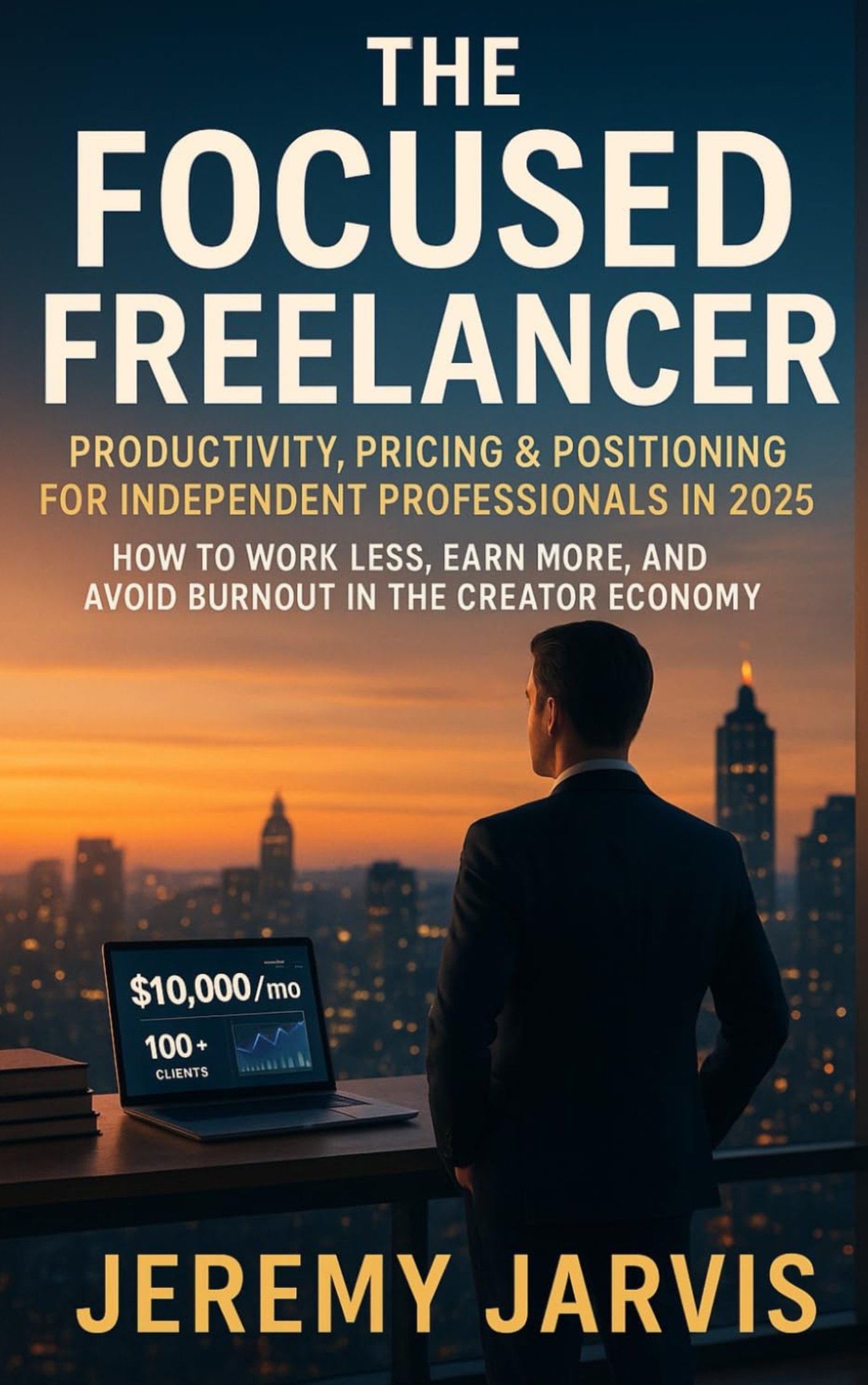
The Focused Freelancer
Productivity, pricing & positioning for independents in 2025.
View book →
ChatGPT Side Hustle System
Launch your AI-driven online business in 30 days.
View book →
Burnout, Interrupted
A proven path to restore energy and reclaim your life.
View book →
Attention Unleashed
Focus strategies for the distracted mind.
View book →
Side Hustle Launchpad
Your quick-start guide to extra income.
View book →
Digital Clarity
Rewire your brain, escape dopamine traps & regain focus.
View book →
Break the Scroll
Reduce screen time and take back control of your life.
View book →
Climate Compassion
Transform eco-anxiety into empowered action.
View book →
Village Mentality
The power of community for mental wellness.
View book →
Restful Nights
Overcoming sleep anxiety in a 24/7 world.
View book →
Connected Again
Combat loneliness and build meaningful relationships.
View book →
Focus Recharged
Mastering attention and productivity in the digital era.
View book →
Marketing Magic with ChatGPT
AI-powered content, campaigns, and copywriting to grow faster.
View book →
The 6-Figure Creator
Turn knowledge into passive income with books, courses & AI.
View book →
Burnout Breakthrough
Reset your work-life balance and thrive in 2025.
View book →
The Emotionally Intelligent Man
A modern guide to self-awareness and communication.
View book →
AI Personalized Wellness
Create your custom health plan with data-driven habits.
View book →
Everyday AI Made Easy
Use ChatGPT and smart tools to simplify life.
View book →
Money Mindfulness
A financial wellness guide for Gen Z & Millennials.
View book →
Startup Smarter with AI
ChatGPT strategies and tools to grow your business.
View book →
ChatGPT for Writers & Creators
Unlock AI-powered brainstorming, drafting & editing.
View book →