

The pursuit of self-improvement often feels like a vague, never-ending marathon. We set ambitious resolutions only to see them fade by February because they lack structure, clarity, and practical steps. This cycle of starting strong and losing momentum isn’t a personal failing; it’s a systems problem. The most effective goals for self-improvement aren’t just about what you want to achieve, but how you plan to get there with actionable, science-backed systems.
This guide moves beyond generic advice like “be more productive” or “spend less time online.” Instead, it provides a comprehensive roundup of specific, measurable goals designed for the challenges of modern work and life. You’ll find concrete ideas organized into clear categories, from mastering deep work and implementing a digital detox to leveraging AI for smarter productivity and prioritizing intentional rest.
(As an affiliate, we may earn a small commission from qualifying purchases at no extra cost to you. This helps us continue creating helpful content.)
Please Note: This article is for educational purposes only and is not a substitute for professional medical or psychological advice, diagnosis, or treatment. If you are experiencing symptoms of anxiety, depression, burnout, or other mental health concerns, please consult a qualified healthcare provider.
1. Clarity on Values & Life Design as a Goal for Self-Improvement
Establishing your core values is a foundational goal for self-improvement, acting as a compass for every decision you make. This practice involves identifying what truly matters to you—beyond external metrics like income or status—and intentionally designing your life around those principles. Research from positive psychology suggests that aligning your daily actions with your core values can increase life satisfaction and provide a powerful source of resilience during difficult times.
Instead of drifting through choices, values clarification enables you to live proactively. It’s the difference between accepting a job for the salary and choosing a role that honors your value of creativity, even if the pay is lower.
Real-World Example: Sarah, a marketing manager, feels unfulfilled despite a high salary. Her values audit reveals “Community” and “Impact” as top priorities. She starts volunteering for a local non-profit on weekends. Six months later, she transitions to a marketing role at a mission-driven organization, taking a pay cut but experiencing a profound increase in job satisfaction because her daily work now aligns with her core values.
How to Implement Values-Based Living
- Conduct a Values Audit: Start by listing 10-15 values that resonate with you (e.g., integrity, curiosity, community). Gradually narrow this list to your top 5 core values. For a structured approach, consider using a free assessment like the VIA Character Strengths Survey.
- Define and Align: For each core value, write a single sentence defining what it means to you. For example, “Adventure means seeking new experiences and stepping outside my comfort zone at least once a month.”
- Use the ‘Values-First’ Filter: Before making a significant decision, ask yourself, “Which option best honors my core values?” This simple question reframes the choice, focusing on long-term fulfillment over short-term gains.
- Schedule Quarterly Check-ins: Set a recurring calendar reminder to review your values. Ask yourself: Are my current projects, relationships, and habits aligned with what I identified as most important? This regular check-in helps you make adjustments before you drift too far off course.
2. Dopamine Detox & Digital Minimalism Goals for Self-Improvement
Implementing a dopamine detox is one of the most impactful goals for self-improvement in our hyper-stimulated world. This practice involves intentionally reducing high-dopamine activities like social media scrolling, constant notifications, and binge-watching. Neuroscience research shows that chronic overstimulation elevates our dopamine baseline, making simple, meaningful activities feel less rewarding. By temporarily removing these intense stimuli, you can help reset your brain’s reward system, restoring focus and finding more joy in everyday life.

This isn’t about abandoning technology forever; it’s about reclaiming control. It’s the difference between mindlessly reacting to every ping and intentionally scheduling deep work hours. By recalibrating your attention, you make space for creativity, reflection, and genuine connection.
Real-World Example: Alex, a student struggling with focus for his exams, realizes he spends hours on TikTok. He decides on a 48-hour dopamine detox for the weekend. He deletes the app, puts his phone in another room, and spends his time reading, going for a run, and cooking. By Monday, he finds it significantly easier to sit down and study, as the urge to constantly check his phone has diminished.
How to Implement a Dopamine Detox
- Define Your Detox Period: Start with a manageable timeframe, like a 48-hour weekend or a full 7-day period. A defined end date makes the goal less intimidating and increases the likelihood of completion.
- Delete and Create Friction: Instead of just muting notifications, temporarily delete the most distracting apps from your phone. The extra effort required to reinstall them acts as a powerful barrier against impulsive use.
- Prepare Replacement Activities: A successful detox requires a plan. Fill the newly created time with fulfilling activities like reading a book, going for a nature walk, exercising, or dedicating time to a creative hobby.
- Use the ‘Phone-Free Zone’ Rule: Establish permanent, non-negotiable tech-free zones in your home, such as the bedroom or dining table. This simple environmental change reinforces healthier habits long-term. For a complete strategy, learn more about how to reset your dopamine for focus and clarity on mindclarityhub.com.
3. Mindful Productivity & Intentional Work Systems
This approach moves beyond the hustle culture mindset by merging present-moment awareness with structured productivity systems. It’s a foundational goal for self-improvement because it targets not just what you do, but how you do it, fostering high-quality output without burnout. Psychological research shows mindfulness practices can improve focus and emotional regulation—key components of the brain’s executive functions that are critical for sustainable performance.
Instead of simply tracking hours or tasks, mindful productivity emphasizes aligning your work with your values and energy. It’s the difference between powering through a to-do list while feeling stressed and intentionally focusing on high-impact tasks in a calm, centered state.
Real-World Example: Maria, a project manager, often feels overwhelmed by back-to-back meetings. She implements 5-minute mindful breaks between calls. Instead of checking emails, she closes her eyes and focuses on her breathing. This small habit helps her reset her nervous system, enter each new meeting feeling composed, and make clearer decisions throughout the day.
How to Implement Mindful Productivity
- Start with Daily Intention-Setting: Before you begin work, take five minutes to write down your top three intentions for the day. Align them with your larger goals and values. This small habit frames your day around what truly matters.
- Use the Eisenhower Matrix: Separate tasks into four quadrants: Urgent/Important, Not Urgent/Important, Urgent/Not Important, and Not Urgent/Not Important. Focus your primary energy on the “Important” tasks to ensure your work has a meaningful impact.
- Practice Mindful Breaks: Work in focused blocks, followed by a scheduled 5-minute mindful break. During your break, step away from screens, stretch, or simply pay attention to your breathing to reset your focus.
- Create an ‘End-of-Day Reflection’ Ritual: At the end of your workday, list three small wins, one key learning, and one thing you will do differently tomorrow. This practice builds momentum and encourages continuous improvement. For those looking to deepen their focus, you can learn more about how to achieve a flow state with these techniques.
4. Setting Burnout Recovery & Rest Intentionality Goals
Recovering from burnout is a critical goal for self-improvement that goes beyond taking a simple vacation. It involves systematically addressing the core symptoms of exhaustion, cynicism, and reduced effectiveness by implementing structured rest and rebuilding protective boundaries. Research by psychologists like Christina Maslach highlights that true recovery is a process, often requiring consistent behavioral changes to restore energy and reconnect with a sense of purpose.
This intentional approach prevents relapse far more effectively than short-term breaks. It’s the difference between a week away from work and redesigning your work habits to include a hard stop at 5 p.m., reclaiming your evenings and improving family relationships.
Real-World Example: Ben, a graphic designer, is experiencing classic signs of burnout: he’s cynical about projects, constantly tired, and making simple mistakes. His recovery plan starts with one non-negotiable boundary: no work emails after 6 p.m. He also schedules a 30-minute walk during his lunch break every day, without his phone. These small, consistent actions gradually restore his energy and creative drive over several months.
How to Implement Burnout Recovery
- Assess and Establish Boundaries: Start by objectively measuring your burnout level using a validated tool like the Maslach Burnout Inventory. Immediately create non-negotiable boundaries, such as no work emails after 6 p.m. and keeping at least one full day per week completely work-free.
- Prioritize Foundational Recovery: Focus on establishing a consistent sleep window before tackling other changes. Quality sleep is the bedrock of neurological and emotional recovery, stabilizing mood and improving cognitive function.
- Create a Recovery Plan: Schedule non-work activities that actively replenish your energy. This plan should include weekly time in nature, physical exercise, dedicated hobbies, and social connection with supportive friends or family. Learn more about how to create your own plan with this guide on how to recover from burnout.
- Communicate and Adjust Workload: Have a direct conversation with your manager or key stakeholders about creating a sustainable workload. If possible, explore options like a temporary role change, reduced hours, or a planned sabbatical to create the space needed for a full recovery.
5. Digital Detox & Screen-Time Optimization as Goals for Self-Improvement
A digital detox is an intentional and strategic reduction of screen time, designed to improve focus, sleep quality, and mental wellbeing. This goal for self-improvement is not about eliminating technology, but rather about reclaiming control. Behavioral research consistently links excessive screen time, particularly before bed, to increased anxiety, sleep disruption, and attention fragmentation by interfering with the brain’s natural sleep-wake cycles.
Instead of unconsciously scrolling, you learn to use technology with purpose. It’s the difference between ending your day with an hour of mindless social media and choosing to read a book, which actively supports your brain’s need to wind down and prepare for restorative sleep.
Real-World Example: A family notices their evenings are spent in the same room but on separate devices. They implement a “tech-free basket” where everyone deposits their phones from 7 p.m. to 9 p.m. They start playing board games and talking more. After a few weeks, they notice deeper connections and better sleep quality for everyone.
How to Implement a Digital Detox
- Audit Your Screen Time: Use your phone’s built-in tools (like iOS Screen Time or Android Digital Wellbeing) to track your usage for one week. Identify the apps that consume the most time and attention.
- Create Phone-Free Zones and Times: Designate specific areas, like the dining table and bedroom, as screen-free. Implement “digital bookends” for your day by avoiding screens for the first 60 minutes after waking and the 60 minutes before sleeping.
- Reduce Digital Rewards: Move your most distracting apps off the home screen. For a more advanced technique, switch your phone to grayscale mode (iPhone: Accessibility > Display > Color Filters) to make it less visually stimulating to your brain’s reward centers.
- Plan Your Replacements: Consciously decide what you will do with the time you reclaim. Replace scrolling with activities like walking, conversing with a friend, or engaging in a hobby. For more structured guidance, you can explore detailed strategies for a healthier tech-life balance. Learn more about digital detox tips on mindclarityhub.com.
6. AI Literacy & Smart Tool Implementation
Developing AI literacy is a crucial goal for self-improvement in the digital age, enabling you to use tools like ChatGPT or Claude to enhance productivity without undermining your core skills. This involves understanding what AI excels at—like generating first drafts or synthesizing research—versus what requires human judgment, such as strategic decision-making and emotional intelligence. Effectively implementing smart AI workflows can reclaim hours of your work week, freeing you for higher-value activities.
Instead of passively accepting AI-generated content, this skill allows you to actively direct these tools as powerful assistants. It’s the difference between asking an AI to “write a blog post” and providing a detailed prompt with a target audience, tone, and key points to create a specific, high-quality draft that you then refine with your unique expertise.
Real-World Example: A small business owner spends hours each week writing social media captions. They learn to use an AI tool by providing it with their brand’s voice and key messages. The AI generates ten caption ideas in minutes, which the owner then quickly edits and personalizes. This saves them 3-4 hours per week, which they now use for strategic business planning.
How to Implement AI Literacy
- Master One Workflow: Start with a single tool (like ChatGPT) and a specific, recurring task. For example, use it exclusively to brainstorm content ideas or create initial outlines for your projects before expanding to other uses.
- Learn Prompt Engineering: The quality of your output depends on the quality of your input. Be specific in your requests, define the desired format (e.g., “in a bulleted list”), and provide examples of the style you want.
- Use the ‘First-Draft’ Filter: Leverage AI for idea generation and creating first drafts, but always reserve final strategic decisions and creative vision for yourself. A writer might use AI to cut drafting time, then spend that saved time on deep editing.
- Schedule Quarterly Audits: Set a reminder each quarter to review your AI tools and workflows. Ask: Is this tool still saving me time? Are the outputs accurate? This ensures you are using AI effectively and not just creating busywork. Always verify factual claims.
7. Habit Stacking & Behavior Design as Personal Growth Goals
Habit stacking is a powerful behavior design technique that anchors a new desired habit to an existing, automatic routine. Popularized by experts like B.J. Fogg and James Clear, this method leverages established neural pathways in the brain, making habit adoption significantly more likely than relying on willpower alone. Instead of trying to remember a brand-new action, you link it to something you already do without thinking.
This approach dramatically lowers the cognitive load required to start a new behavior. It’s the difference between vaguely intending to meditate and tying it to a concrete trigger: “After I pour my morning coffee, I will meditate for five minutes.” The coffee is the cue, making the new habit almost effortless to initiate and sustain.
Real-World Example: Emily wants to get stronger but struggles to stick with a workout routine. She knows she always changes into comfortable clothes the moment she gets home from work. She creates a habit stack: “After I change into my sweatpants, I will immediately do 10 push-ups.” The action is small, and the trigger is automatic. Soon, this becomes a consistent part of her day.
How to Implement Habit Stacking
- Identify Anchor Habits: List routines you already perform daily without fail, such as brushing your teeth, making coffee, or closing your laptop for the day. These are your anchors.
- Create a Specific “Stack”: Formulate a clear, simple rule using this structure: “After [Current Habit], I will [New Habit].” For example, “After I finish lunch, I will walk outside for 10 minutes.” Be precise.
- Start Absurdly Small: Make the new habit so easy it’s almost impossible to skip. Aim for two minutes of stretching, reading one page, or writing one sentence. The goal in the first few weeks is consistency, not intensity.
- Use Visual Cues and Track Progress: Place a physical reminder at the location of your anchor habit, like a book next to your coffee maker. Track your completion with a simple checkmark on a calendar. This provides positive reinforcement to your brain and builds momentum.
8. Prioritizing Sleep Optimization & Recovery
Sleep optimization is one of the most impactful goals for self-improvement, serving as the biological foundation for focus, mood, and cognitive function. This involves improving not just the quantity of your sleep but its quality, through deliberate changes to your environment and habits. Research from neuroscientists like Matthew Walker shows that optimized sleep can improve learning capacity and cognitive performance significantly.

Instead of viewing sleep as a luxury, prioritizing recovery treats it as a non-negotiable part of peak performance. It’s the difference between an entrepreneur removing all screens from the bedroom to gain restorative sleep and a remote worker simply shifting their bedtime an hour earlier, resulting in a jump in morning focus.
Real-World Example: A college student suffering from afternoon slumps and poor grades realizes they are only getting 5-6 hours of sleep. They implement two changes: no caffeine after 2 p.m. and charging their phone across the room instead of next to their bed. Within two weeks, their sleep duration increases to over 7 hours, and they find it easier to concentrate in class.
How to Implement Sleep Optimization
- Anchor Your Circadian Rhythm: Get 15-30 minutes of direct morning sunlight exposure shortly after waking. This signals your brain to start the internal 24-hour clock, which regulates alertness and sleepiness.
- Create a Sleep Sanctuary: Optimize your bedroom to be cool (around 65°F / 18°C), completely dark, and quiet. Blackout curtains can make a significant difference. Your brain associates this environment strictly with sleep.
- Establish a ‘Power-Down’ Routine: Create a 60-minute pre-sleep ritual that is screen-free. The blue light from screens can suppress melatonin, the hormone that helps you sleep. Activities like reading a physical book or gentle stretching help transition your mind away from the day’s stimulation.
- Time Your Consumables: Avoid caffeine after 2 p.m. and alcohol within three hours of bedtime. While alcohol can make you feel sleepy, it severely disrupts your REM sleep later in the night, reducing overall sleep quality.
9. Improving Communication Skills & Boundary Setting
Mastering assertive communication and firm boundary-setting is one of the most impactful goals for self-improvement, especially for preventing burnout and managing stress. This involves clearly articulating your needs and respectfully declining requests that overextend you. Psychological studies consistently show that individuals with strong boundaries experience less stress and report higher relationship satisfaction.
Instead of passively accepting every request, this approach builds mutual respect. It’s the difference between silently working late to accommodate scope creep and calmly stating, “This new task falls outside our initial agreement, but I can add it to Phase 2 for an additional fee.”
Real-World Example: Mark, a freelancer, is constantly stressed by clients contacting him on weekends. He updates his email signature to state his working hours (Mon-Fri, 9-5) and sets an auto-responder for weekends. The first time a client emails on a Saturday, they get the auto-response. On Monday, Mark replies to their request. This simple system professionally trains his clients on his boundaries, protecting his personal time.
How to Implement Better Communication & Boundaries
- Identify Your Non-Negotiables: Before you can communicate boundaries, you must know what they are. List your hard limits regarding work hours, availability, and personal time.
- Communicate Proactively and Clearly: Don’t wait for a boundary to be crossed. Set expectations upfront. A remote worker might state in their email signature, “My working hours are 9 AM to 5 PM ET. I will respond to messages within that timeframe.”
- Practice the Simple, Direct ‘No’: You don’t always need a long explanation. A polite but firm refusal like, “Unfortunately, I can’t take that on right now,” is often sufficient.
- Use the ‘No, And…’ Formula: When appropriate, soften a ‘no’ by offering an alternative. For instance, a manager could say, “I can’t approve this for today’s deadline, and here’s what I can do: we can move the deadline to Friday or simplify the requirements.”
- Address Violations Promptly: If a boundary is crossed, address it calmly and quickly. For example, if a client calls after hours, you can say, “As we discussed, I’m unavailable after 5 PM. Let’s schedule a call for tomorrow morning to resolve this.”
10. Financial Literacy & System Automation
Building financial literacy and creating automated systems for saving and investing is a self-improvement goal that directly reduces long-term stress. This involves understanding core concepts like budgeting, compound interest, and debt management, then using technology to put your financial plan on autopilot. Behavioral economics shows that automating financial decisions—like auto-transferring money to a savings account on payday—dramatically increases savings rates by removing the need for daily willpower.
It’s the difference between hoping you have money left at the end of the month and ensuring your savings goals are met before you spend anything.
Real-World Example: Maria earns a good salary but never seems to save much. She sets up an automatic transfer of 10% of her paycheck to a high-yield savings account the day after she gets paid. She also automates her credit card payments. Because the money is gone before she sees it, she doesn’t miss it and effortlessly builds an emergency fund without feeling deprived.
How to Implement Financial Literacy
- Conduct a Financial Audit: Spend one month tracking every single expense to understand exactly where your money is going. Use an app like Mint or a simple spreadsheet.
- Create a Simple Budget: Use the 50/30/20 rule as a starting point: 50% of your after-tax income for needs, 30% for wants, and 20% for savings and debt repayment. Adjust the percentages to fit your life.
- Automate Everything: Set up automatic transfers to your savings and investment accounts for the day after your payday. Automate bill payments to avoid late fees. This “pay yourself first” strategy is a cornerstone of building wealth.
- Schedule a Quarterly Review: Once a quarter, review your budget, check on your savings goals, and adjust your plan as needed. This ensures your financial system continues to work for you as your life changes.
Editor’s Take
While all ten goals offer value, the most transformative starting points are Sleep Optimization and Habit Stacking. Why? Because quality sleep is the biological foundation for everything else—focus, mood, and decision-making. Without it, pursuing other goals is an uphill battle. Habit stacking is the engine that makes change stick; it’s a meta-skill that applies to any other goal on this list. This advice is best for individuals who feel overwhelmed and don’t know where to start. The key limitation is that these goals require consistency over intensity; you won’t see results overnight, but the long-term impact is profound.
Disclaimer
This article is for educational and informational purposes only and is not intended as medical or psychological advice. The content is not a substitute for professional consultation, diagnosis, or treatment. Always seek the advice of a qualified health provider with any questions you may have regarding a medical or mental health condition. This site may contain affiliate links, which means we may earn a small commission if you make a purchase through our links, at no additional cost to you.
Frequently Asked Questions (FAQ)
1. What are the best goals for self-improvement for beginners?
For beginners, the best goals are foundational and have a high return on investment. Start with Sleep Optimization (improving energy and focus) and Habit Stacking (learning the skill of consistent behavior change). These two create a strong base for tackling other goals.
2. How many self-improvement goals should I work on at once?
It’s best to focus on only one or two major goals at a time. Trying to change too much at once can lead to overwhelm and burnout, which is counterproductive. Once a new habit or system becomes automatic, you can then add another.
3. How do I stay motivated with my personal growth goals?
Motivation often follows action, not the other way around. Use Habit Stacking to make starting ridiculously easy. Track your progress with a simple checkmark on a calendar; seeing your streak builds momentum. Also, connect your goal to a core value to give it deeper meaning beyond just the task itself.
4. Are digital detoxes actually effective?
Yes, when done correctly. A digital detox can help reset your brain’s reward pathways, making you less dependent on constant digital stimulation. The key is to have a plan for what you’ll do instead of scrolling and to slowly reintroduce technology with intentional boundaries afterward.
5. What is the difference between self-improvement and self-help?
While often used interchangeably, “self-help” can sometimes refer to passive consumption of books or videos. “Self-improvement” implies the active, intentional process of setting and working toward specific personal development goals. This article focuses on the active process of self-improvement through actionable systems.
Ready to build the systems that make these goals a reality? The Mind Clarity Hub offers a complete suite of neuroscience-backed planners, worksheets, and courses designed to help you master focus, build better habits, and achieve your most ambitious goals. Turn your intentions into achievements by exploring our toolkit at Mind Clarity Hub.
Explore the Mind Clarity Hub Library
Practical books on focus, digital habits, resilience, and building a calmer mind.
The Power of Clarity
Unlock mental focus, build momentum, and create the life you were meant to live.
View book →
AI & ChatGPT for Beginners
No PhD needed — a 2025 guide to AI, prompts, and productivity without coding.
View book →
Zen in the Digital Jungle
Mindfulness for a chaotic world.
View book →
The Slow Reset
Mindful living in a fast-paced world.
View book →
Perfectly Imperfect
Stop self-criticism, set boundaries, and embrace the real you.
View book →
Reclaiming Silence
A dopamine detox guide to finding peace in a noisy world.
View book →
The Focused Freelancer
Productivity, pricing & positioning for independents in 2025.
View book →
ChatGPT Side Hustle System
Launch your AI-driven online business in 30 days.
View book →
Burnout, Interrupted
A proven path to restore energy and reclaim your life.
View book →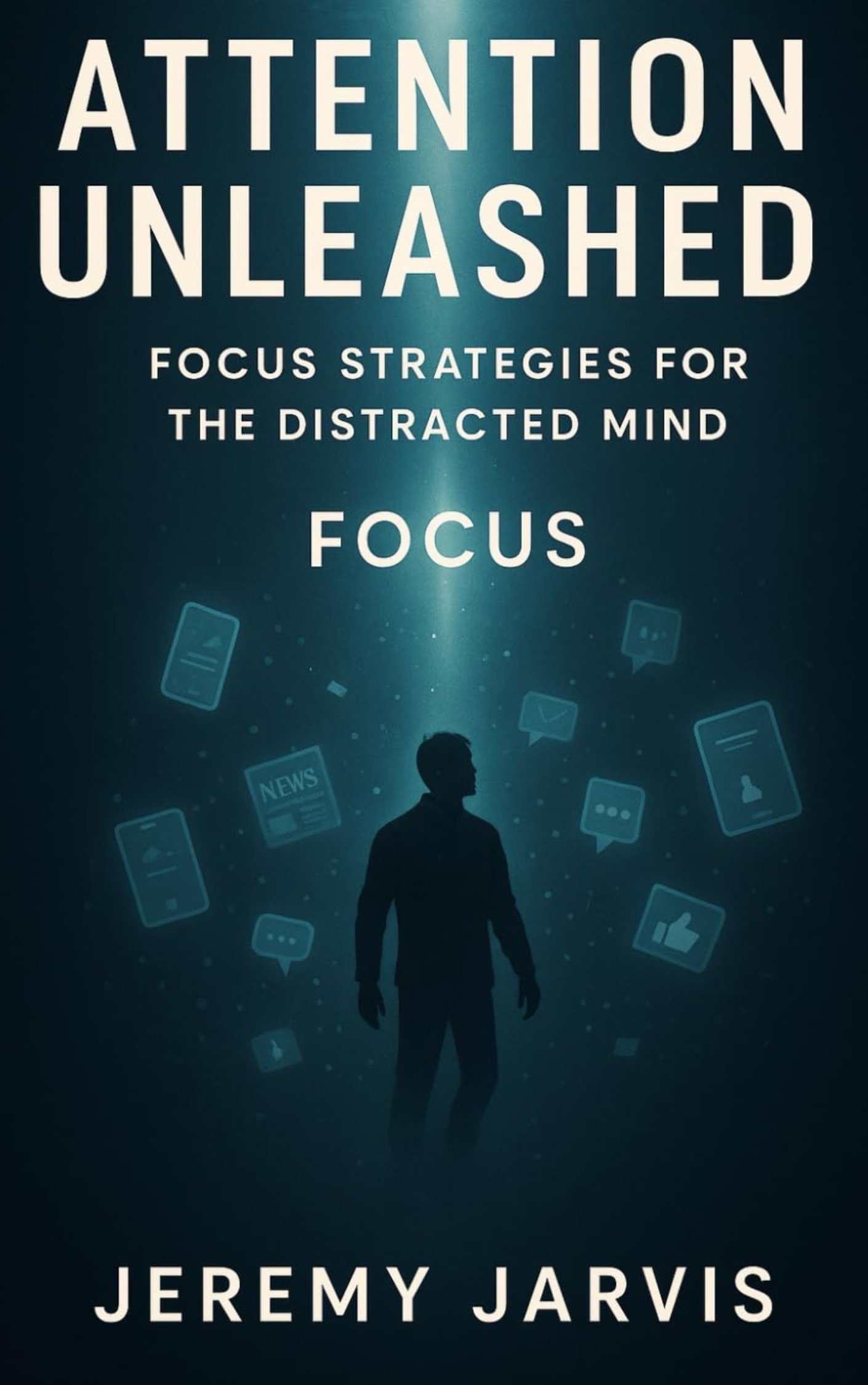
Attention Unleashed
Focus strategies for the distracted mind.
View book →
Side Hustle Launchpad
Your quick-start guide to extra income.
View book →
Digital Clarity
Rewire your brain, escape dopamine traps & regain focus.
View book →
Break the Scroll
Reduce screen time and take back control of your life.
View book →
Climate Compassion
Transform eco-anxiety into empowered action.
View book →
Village Mentality
The power of community for mental wellness.
View book →
Restful Nights
Overcoming sleep anxiety in a 24/7 world.
View book →
Connected Again
Combat loneliness and build meaningful relationships.
View book →
Focus Recharged
Mastering attention and productivity in the digital era.
View book →
Marketing Magic with ChatGPT
AI-powered content, campaigns, and copywriting to grow faster.
View book →
The 6-Figure Creator
Turn knowledge into passive income with books, courses & AI.
View book →
Burnout Breakthrough
Reset your work-life balance and thrive in 2025.
View book →
The Emotionally Intelligent Man
A modern guide to self-awareness and communication.
View book →
AI Personalized Wellness
Create your custom health plan with data-driven habits.
View book →
Everyday AI Made Easy
Use ChatGPT and smart tools to simplify life.
View book →
Money Mindfulness
A financial wellness guide for Gen Z & Millennials.
View book →
Startup Smarter with AI
ChatGPT strategies and tools to grow your business.
View book →
ChatGPT for Writers & Creators
Unlock AI-powered brainstorming, drafting & editing.
View book →