

Published October 27, 2025 | By Jeremy Jarvis | Mind Clarity Hub
In 2025, more men than ever report feeling drained, unfocused, or stuck in a low-energy loop. The cause often hides in plain sight — hormones. From testosterone and cortisol to thyroid and insulin balance, these invisible messengers govern your focus, drive, and resilience. When they fall out of rhythm, burnout follows.
This article breaks down how to restore hormone balance for men naturally — using science-backed strategies that optimize focus, reduce stress, and rebuild energy. You’ll also see how supplements like ProstaVive fit into a holistic system of men’s health and mental clarity.
Affiliate Disclosure: This article may contain affiliate links. If you purchase through them, Mind Clarity Hub may earn a small commission at no extra cost to you. This supports our independent wellness research.
Shop ProstaVive on the Official Site →The Connection Between Hormones and Mental Focus
Hormones regulate nearly every brain function — from motivation and attention to mood stability. Testosterone enhances dopamine sensitivity, giving men drive and goal orientation. Cortisol, in moderation, sharpens alertness. But chronic stress flips the switch, lowering testosterone and flooding the system with stress hormones. The result? Fatigue, irritability, and mental fog.
Modern life makes balance difficult. Blue light exposure, poor sleep, and constant digital noise push cortisol levels up while disrupting melatonin and growth hormone cycles. Over time, this biochemical imbalance turns into the modern triad: low focus, high stress, and low energy.
Natural Ways to Restore Hormonal Harmony
Luckily, your body is resilient. Lifestyle changes can reset hormone rhythm faster than most realize. Start with three pillars — sleep, nutrition, and movement:
- Sleep: Deep rest regenerates testosterone and lowers cortisol. Aim for consistent 7–8-hour nights with dark, cool environments.
- Nutrition: Prioritize zinc, magnesium, and omega-3s for hormone production. Limit ultra-processed foods that spike insulin.
- Movement: Resistance training and walking both improve insulin sensitivity and hormone output.
Adaptogens and Modern Supplements
Adaptogenic herbs — like Ashwagandha, Ginseng, and Nettle Root — help balance cortisol and support testosterone. These are key ingredients in ProstaVive, a men’s supplement formulated to promote energy, focus, and hormonal health.
Clinical trials show Ashwagandha can lower stress hormone levels by up to 30%, while Ginseng has demonstrated improvements in both vitality and concentration. Combining these with micronutrients like vitamin D and selenium offers holistic support for both mind and body.
Explore Burnout Breakthrough →Mind–Body Connection: Stress, Hormones, and Clarity
Stress doesn’t just tax the mind — it rewires your hormones. Chronic cortisol spikes lead to dopamine depletion and lower testosterone, creating a cycle of anxiety and fatigue. Practicing mindfulness, journaling, and digital detox rituals breaks this cycle, stabilizing both stress hormones and focus.
Readers of The Power of Clarity already understand how reducing cognitive clutter directly enhances mental and hormonal balance. When your attention system calms, your endocrine system follows suit.
Key Takeaways for 2025
- Optimize testosterone naturally with better sleep, movement, and nutrition.
- Lower cortisol through mindfulness, walking, and structured rest.
- Consider supplements with proven adaptogens for men’s vitality.
- Digital balance equals hormonal balance — protect your attention.
Expert Insights: Hormone Balance Beyond Fitness
Modern endocrinology emphasizes how hormonal health shapes brain performance, not just muscle growth. Studies from the National Library of Medicine show that even minor testosterone fluctuations alter cognitive speed and mood regulation.
However, balance—not excess—is key. Too much testosterone can elevate irritability and anxiety, while low levels lead to fatigue and loss of motivation. Healthy ranges are maintained through consistent habits, nutrient sufficiency, and stress management.
Gut–Brain–Hormone Axis
Emerging research reveals gut bacteria affect testosterone metabolism and cortisol sensitivity. A diet high in fiber, fermented foods, and antioxidants supports this axis, enhancing energy and emotional stability.
Holistic Prevention
Hormone balance aligns perfectly with the mission of Mind Clarity Hub — uniting physical vitality and mental sharpness. By integrating wearables, mindfulness data, and targeted nutrition, men can track and improve hormonal rhythms over time.
Learn more about personalized health optimization in AI Personalized Wellness, where technology meets human biology for smarter recovery and focus tracking.
Expert Insights: How Hormone Balance Shapes Mind, Mood, and Longevity
True hormone balance for men extends far beyond testosterone levels. It’s about the elegant coordination between cortisol, insulin, thyroid hormones, and even dopamine — the neurotransmitter of motivation. When one system falters, the others scramble to compensate. The result is often low mood, brain fog, stubborn belly fat, or the creeping sense of fatigue many men assume is “just getting older.”
Recent data published by the National Library of Medicine highlights how chronic stress and sleep debt impair the hypothalamic–pituitary–gonadal (HPG) axis, the hormonal highway linking your brain to your endocrine glands. When this circuit misfires, testosterone dips and cortisol stays elevated — leading to restless nights, irritability, and poor concentration.
Modern Triggers of Hormonal Decline
Men today are dealing with stressors our grandparents never had to think about. Ultra-processed foods, late-night screen time, and constant sitting at a desk all quietly push the body toward hormonal imbalance. Microplastics, industrial seed oils, and sugary snacks create low-grade inflammation. At the same time, long hours of screen exposure disturb circadian rhythm and blunt natural testosterone and growth hormone production.
When this happens, men notice classic signs of hormone imbalance for men: stubborn belly fat, brain fog, low motivation, and more frequent night wakings to use the bathroom. That is why any realistic plan for men’s hormone health has to address daily life, not just lab numbers. Simple changes like walking after meals, dimming screens at night, and shifting to whole, nutrient-dense foods begin to reverse this trend.
Supplements can support that process when used wisely. Formulas like ProstaVive are designed to sit alongside lifestyle upgrades, not replace them. They combine prostate-support ingredients with minerals and adaptogens that help the body adapt to stress. If you want an overview of how different formulas compare, ProstaVive Comparison walks through the key differences between leading men’s health supplements in plain language.
From Stress to Strength: The Cortisol Connection
Cortisol is not the enemy. You need it in the morning to wake up feeling alert, focused, and ready to move. The trouble starts when cortisol stays high all day and into the night. Notifications, email, caffeine, and constant pressure keep the nervous system in “fight-or-flight” mode. Over time, this pattern wears down the adrenals, disrupts sleep, and flattens testosterone.
The good news is that cortisol rhythms are highly trainable. Just two weeks of early morning sunlight, a consistent wake time, and breathing breaks can begin to normalize the curve. Readers interested in the bigger picture can explore Men’s Health 2025, which connects stress, energy, and focus in a simple framework for modern men.
Mental routines matter just as much as physical ones. Books like The Power of Clarity and Burnout Breakthrough show how reducing noise and overload improves both concentration and hormone stability. When stress inputs become intentional, the body has room to recover and rebuild strength.
Nutrient Synergy and the Gut–Hormone Axis
The gut is one of the most overlooked levers for male hormone balance. A healthy microbiome helps process estrogen metabolites, regulate inflammation, and support the enzymes that convert cholesterol into testosterone and other key hormones. When the gut is inflamed or depleted, men often experience bloating, low mood, and a slow but steady drop in energy.
Building a hormone-friendly gut environment starts with fiber, color, and quality fats. Vegetables, berries, beans, extra-virgin olive oil, and omega-3s all feed beneficial bacteria and calm inflammation. Micronutrients like zinc, magnesium, and selenium act as co-factors in testosterone production and thyroid function, yet many men fall short on all three.
For men focused specifically on the prostate, the article Reduce Prostate Inflammation Naturally explains how diet, circulation, and targeted nutrients work together. If you want to see which supplements combine these ingredients in a smart way, Best Men’s Health Supplements 2025 breaks down the most promising options, including how they support both gut and hormone health.
Digital Overload and Dopamine Depletion
Constant scrolling does more than waste time. Every new notification and clip triggers a dopamine spike. Over months and years, the brain becomes less responsive to normal, slower rewards like deep work, time with loved ones, or a good book. Many men feel this as “nothing is satisfying anymore,” which often shows up alongside low testosterone and chronic fatigue.
Resetting this pattern does not require abandoning technology. Instead, it means carving out pockets of low-stimulation time: device-free walks, reading, or simple boredom. These “dopamine resets” allow receptors to regain sensitivity, which in turn restores motivation and drive. That same drive is essential for maintaining the routines that support hormone balance for men.
If you want a deeper dive on how stress and screen time affect hormones and focus, Stress, Hormones & Clarity lays out the connections step by step. It pairs well with the more prostate-focused guide Are Prostate Supplements Safe? if you’re trying to understand both brain and body effects in one plan.
Personalized Data and Preventive Metrics
One of the biggest advantages men have in 2025 is access to real data. Wearables now track heart-rate variability, sleep quality, resting heart rate, and even stress load across the day. Instead of guessing how your hormones are doing, you can see how your body responds when you change your habits, adjust a supplement dose, or improve your evening routine.
Taken together, these metrics form a real-time dashboard of recovery. If your sleep deepens, resting heart rate drops, and daily energy feels more stable, that is often a sign that your internal environment is becoming more supportive of balanced testosterone and healthy cortisol patterns. When the numbers move in the opposite direction—even if you feel “okay”—it’s a nudge to reevaluate stress, nutrition, or your supplement stack.
For men who like a structured, data-driven approach, AI Personalized Wellness shows how to connect these numbers with everyday choices. You can also use the broader Men’s Health 2025 series as a roadmap for building a personal dashboard that tracks energy, focus, and recovery over time.
The real goal is not a single “perfect” hormone reading, but a life where your energy, mood, and focus feel reliable. When you align movement, food, stress habits, and the right men’s health supplements, hormone balance becomes the natural outcome rather than a constant struggle.
Performance and Recovery: The Daily Side of Hormone Balance for Men
Most men notice hormone imbalance not in lab reports, but in the small details of daily life: hitting snooze three times, losing focus halfway through the afternoon, or feeling too drained to be present with family at night. Hormone balance for men shows up as the opposite—steady wake-ups, clear thinking, and the sense that you still have something left in the tank when the workday ends.
Performance is only half of that equation. The other half is recovery. Deep, regular sleep is when the body replenishes neurotransmitters, repairs tissues, and restores testosterone. Gentle strength training, walking, and mobility work signal the body to build muscle and improve insulin sensitivity, but it is the nightly recovery window that locks in those gains.
A practical way to bring this together is to design a “minimum viable day” for yourself: a short walk, one or two sets of strength exercises, a simple whole-food dinner, and a consistent bedtime. On top of that, many men add a well-chosen prostate and hormone support formula. For an evidence-aware look at one option, see ProstaVive Review 2025, which explains how its ingredients fit into a broader performance and recovery plan.
If your main concern is the prostate side of the equation—nighttime trips to the bathroom, weak flow, or pelvic discomfort—start with Reduce Prostate Inflammation Naturally. Then, layer in guidance from Saw Palmetto Benefits for Men and the safety overview in Are Prostate Supplements Safe? to build a plan you can trust long term.
For a bigger-picture overview of how these pieces work together, Best Men’s Health Supplements 2025 and the Stress, Hormones & Clarity guide map out the full landscape of men’s wellness in plain, non-technical language. Together, they show how small, repeatable habits plus the right tools can restore the kind of calm, sustainable energy most men thought they had lost.
Balanced hormones do not turn life into a constant high—they create a strong, reliable baseline. From that baseline, it becomes much easier to build strength, protect prostate health, stay focused, and live with the kind of steady confidence that does not depend on caffeine or willpower alone.
Explore More Men’s Wellness Posts (2025)
- ProstaVive Review 2025
- Best Men’s Health Supplements 2025
- Saw Palmetto Benefits for Men
- Reduce Prostate Inflammation Naturally
- Men’s Health 2025
- Are Prostate Supplements Safe?
- ProstaVive Comparison
- Stress, Hormones & Clarity
From clarity to hormone health — explore all expert-reviewed guides in the Men’s Health 2025 collection.
Frequently Asked Questions
Common causes include stress, sleep deprivation, nutrient deficiencies, and exposure to endocrine disruptors found in plastics and pesticides.
Yes. A diet rich in omega-3s, cruciferous vegetables, and lean proteins supports testosterone production and reduces inflammation.
Chronic stress elevates cortisol, which suppresses testosterone synthesis. Mindfulness and breathing techniques restore balance.
ProstaVive includes adaptogens like Ashwagandha and Nettle Root that support hormone regulation and men’s energy naturally.
Regular strength and aerobic training improve insulin sensitivity, lower cortisol, and boost testosterone — the core hormonal trifecta.
Most men notice improved energy and mood within 3–6 weeks of consistent lifestyle and supplement changes.
They can be when medically supervised, but lifestyle and natural approaches should always come first.
Absolutely. Sleep deprivation reduces testosterone and increases cortisol — making recovery nearly impossible.
Yes. Anxiety and depression alter cortisol and serotonin balance, indirectly influencing testosterone and energy.
Begin with sleep consistency, add daily walks, reduce caffeine after noon, and track your progress with a journal or wearable.
Ready to Support Prostate Health the Smart Way?
If you are considering a natural prostate supplement, start with a formula that prioritizes ingredient transparency, clinical dosing, and real-world results. ProstaVive is designed to support prostate comfort, hormone balance, and steady energy as part of a broader lifestyle plan.
View ProstaVive Bundles on the Official Site →This is an affiliate link. If you decide to purchase through it, Mind Clarity Hub may earn a small commission at no additional cost to you. We only highlight products that align with our research and reader safety standards.
Sources & Further Reading on Prostate Supplement Safety
For readers who want to go deeper into the research behind prostate supplements, hormone balance, and men’s health, these evidence-based resources are a helpful starting point:
- National Library of Medicine (PubMed). Systematic reviews and clinical trials on saw palmetto, beta-sitosterol, lycopene, and other prostate support ingredients. Browse PubMed →
- Mayo Clinic. Evidence summaries on herbal supplements for prostate and urinary symptoms, including safety, side effects, and dosage considerations. Mayo Clinic Supplements Database →
- Harvard Health Publishing – Men’s Health. Articles on prostate health, PSA screening, and lifestyle factors that influence urinary and sexual function. Harvard Men’s Health →
- American Urological Association. Clinical guidelines on lower urinary tract symptoms, benign prostatic hyperplasia (BPH), and integrative treatment options.
- Office of Dietary Supplements (NIH). Fact sheets on zinc, vitamin D, selenium, and other nutrients commonly found in men’s health supplements. NIH ODS Fact Sheets →
- For natural and lifestyle-based strategies, see the related Mind Clarity Hub guides: Reduce Prostate Inflammation Naturally, Saw Palmetto Benefits for Men, and Best Men’s Health Supplements 2025.
Editor’s Take: How to Use Prostate Supplements Wisely
My view, after reviewing the research and talking with readers, is straightforward: prostate supplements are most effective when they ride on top of solid habits, not in place of them. A good formula can support urinary comfort, hormone balance, and day-to-day energy, but it will never outrun chronic stress, poor sleep, or an inflammatory diet.
If you decide to try a product like ProstaVive, treat it as one tool in a broader plan that includes better food choices, more movement, and calmer evenings. Check labels for transparency, talk with your clinician about medications and PSA testing, and give any supplement at least 6–12 weeks before you judge results. Track simple markers—nighttime bathroom trips, energy in the afternoon, and overall mood—to see whether you are moving in the right direction.
The goal is not perfection. It is a steady, realistic upgrade in how you feel and function. Used thoughtfully, the right prostate supplement can be a helpful part of that upgrade—not a miracle cure, but a meaningful nudge toward better health.
Featured Reviews

The Genius Wave Review
Sound-based brainwave training tested for focus & productivity.
Read Review →
Ikaria Lean Belly Juice Review
Deep dive into ingredients, evidence, refund policy & safety.
Read Review →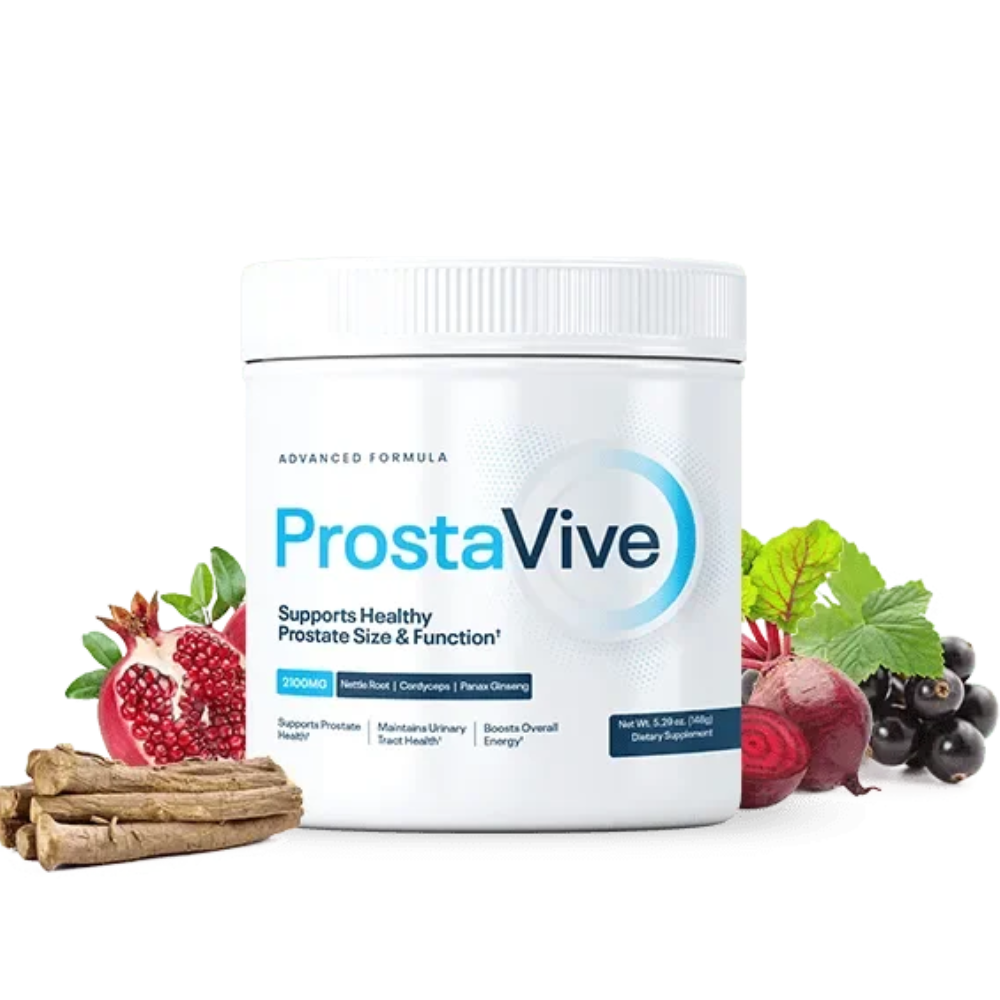

Ikaria Lean Belly Juice Review
Deep dive into ingredients, evidence, refund policy & safety.
Read Review →Explore the Mind Clarity Hub Library
Practical books on focus, digital habits, resilience, and building a calmer mind.
The Power of Clarity
Unlock mental focus, build momentum, and create the life you were meant to live.
View book →
AI & ChatGPT for Beginners
No PhD needed — a 2025 guide to AI, prompts, and productivity without coding.
View book →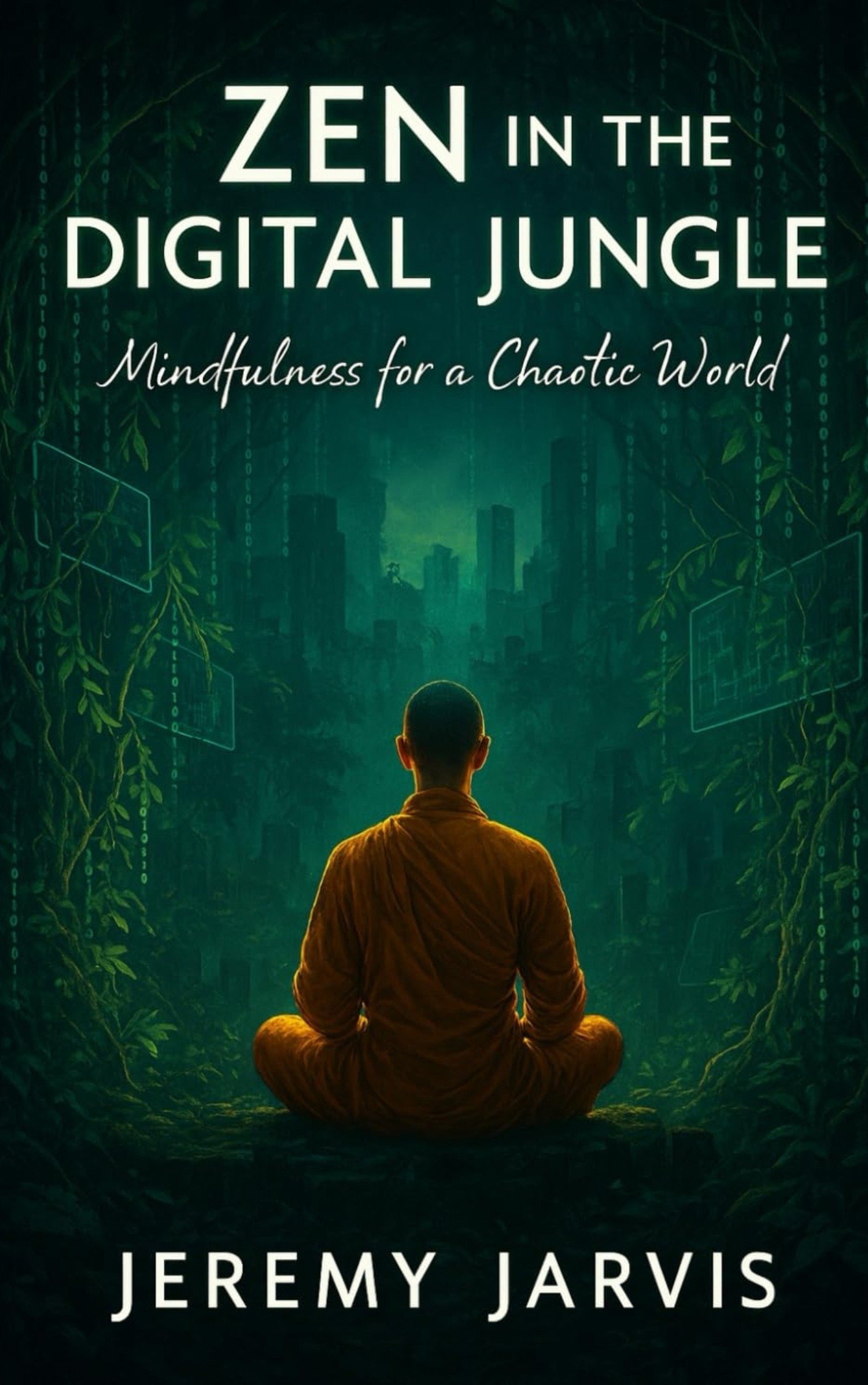
Zen in the Digital Jungle
Mindfulness for a chaotic world.
View book →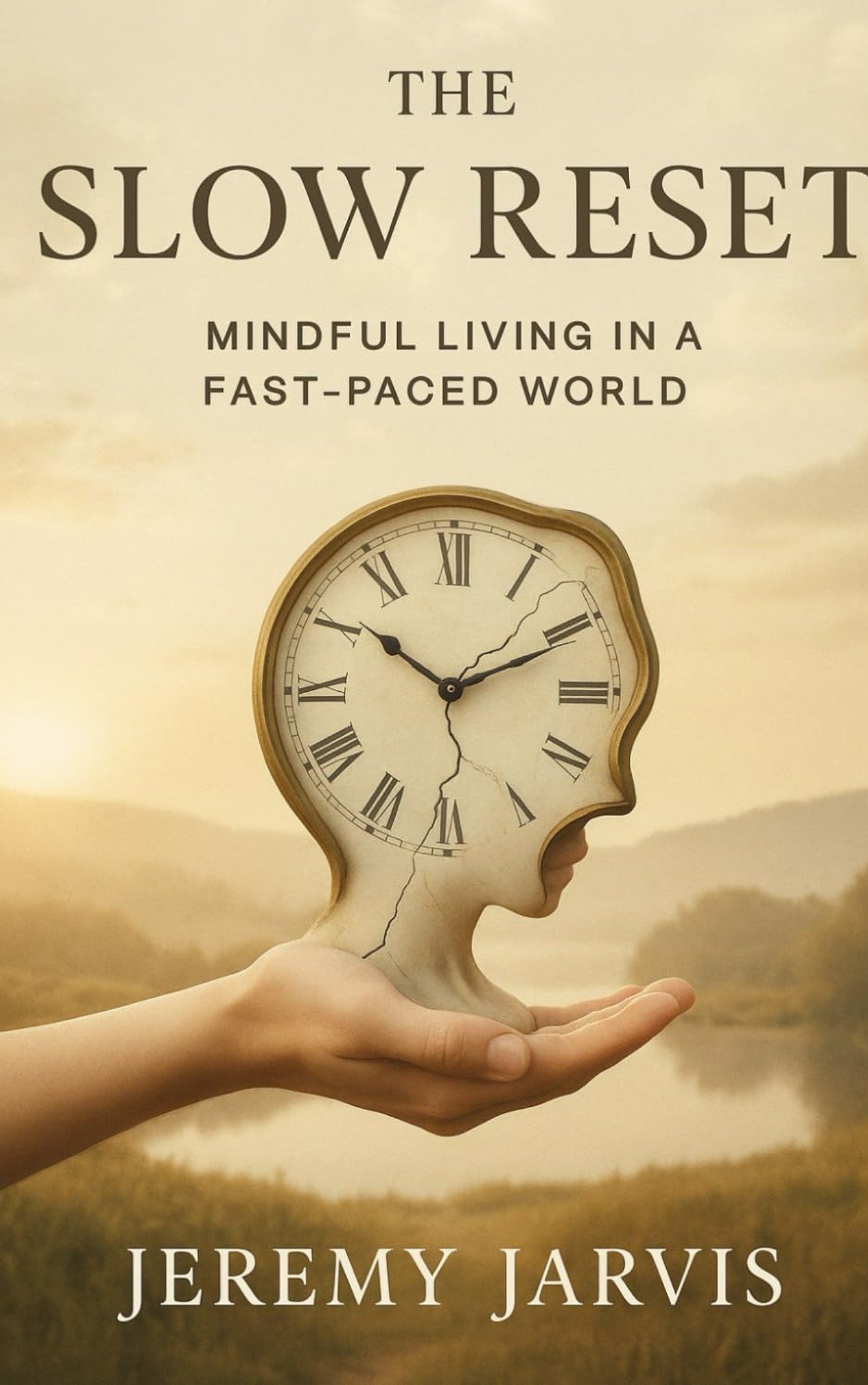
The Slow Reset
Mindful living in a fast-paced world.
View book →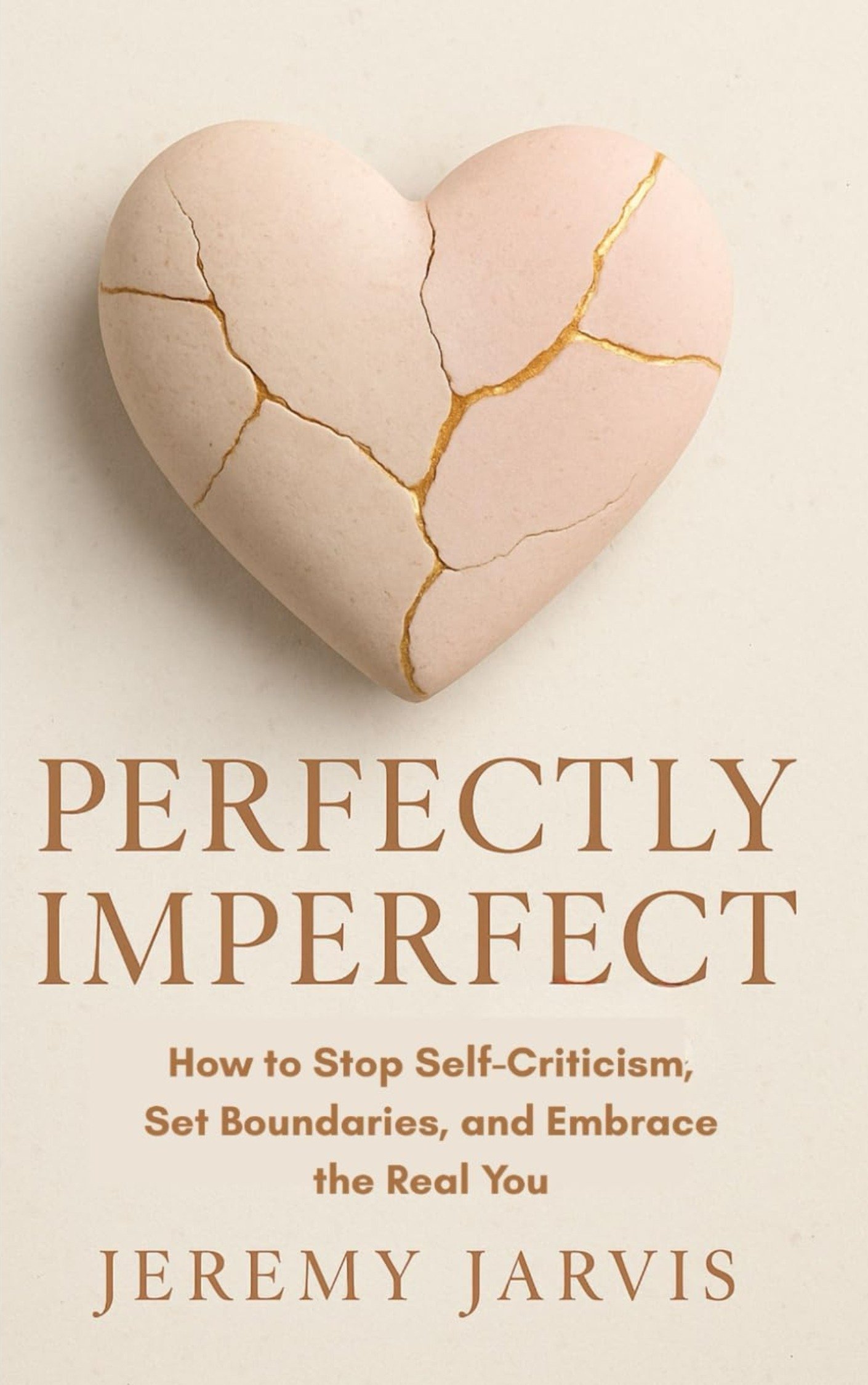
Perfectly Imperfect
Stop self-criticism, set boundaries, and embrace the real you.
View book →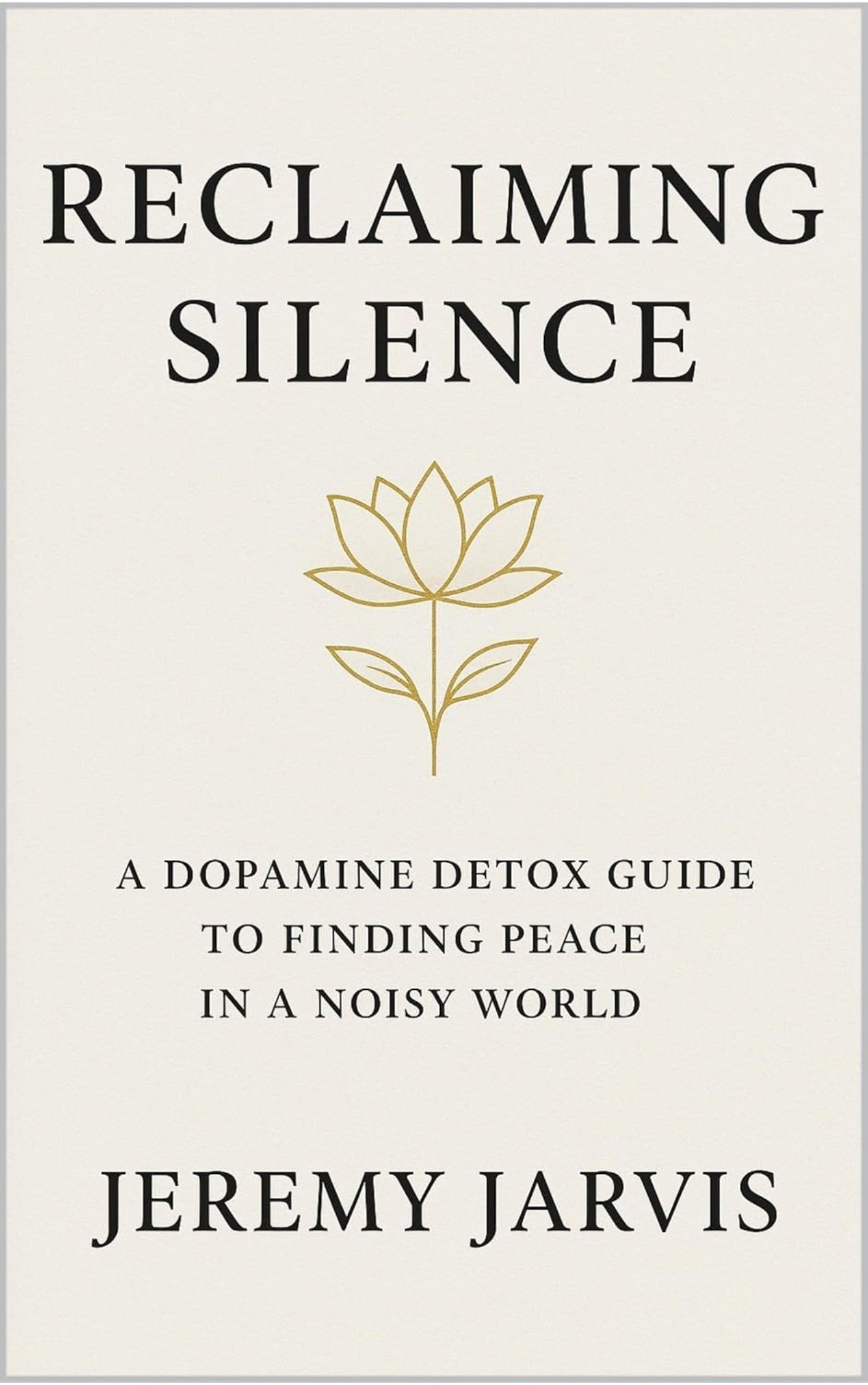
Reclaiming Silence
A dopamine detox guide to finding peace in a noisy world.
View book →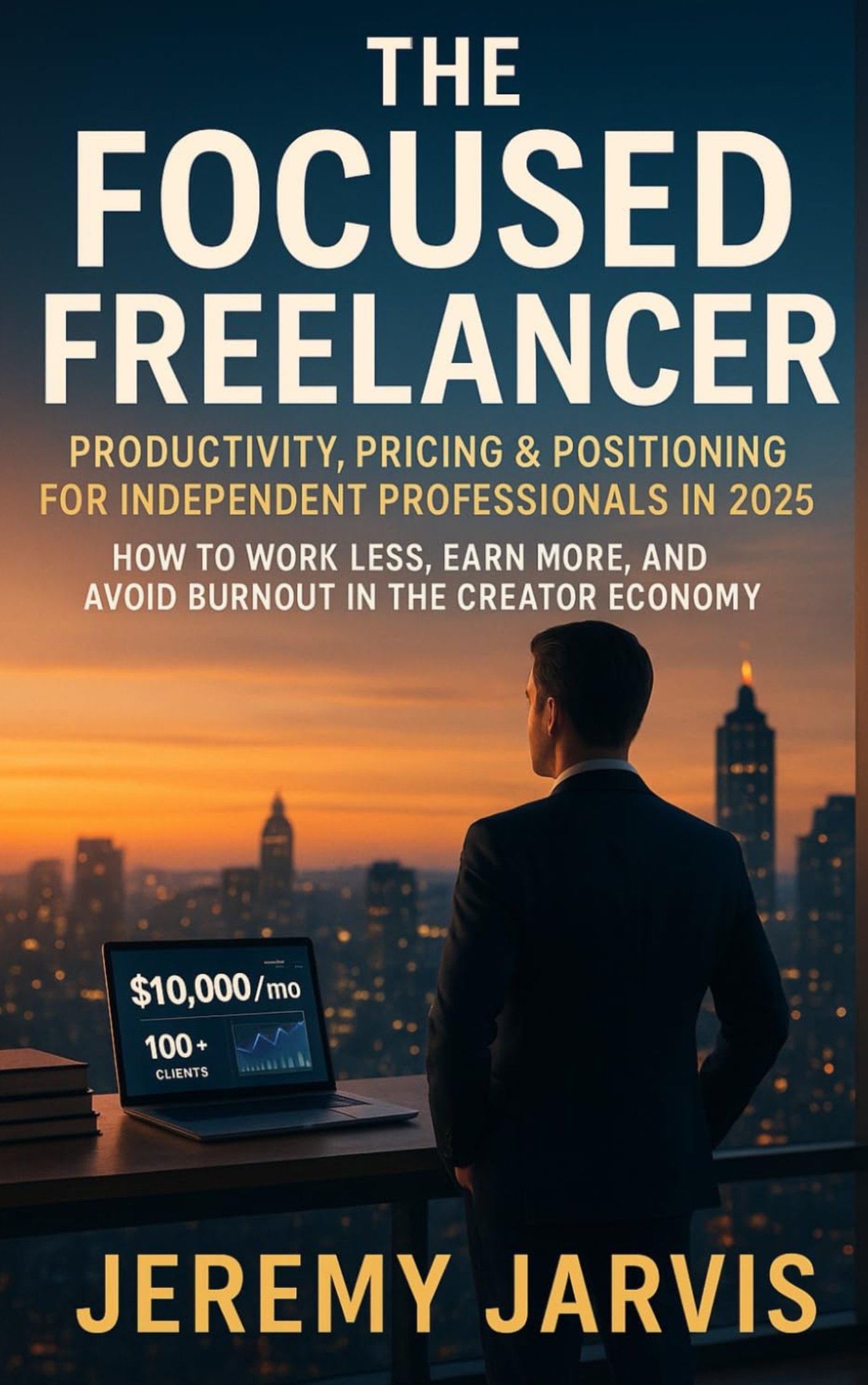
The Focused Freelancer
Productivity, pricing & positioning for independents in 2025.
View book →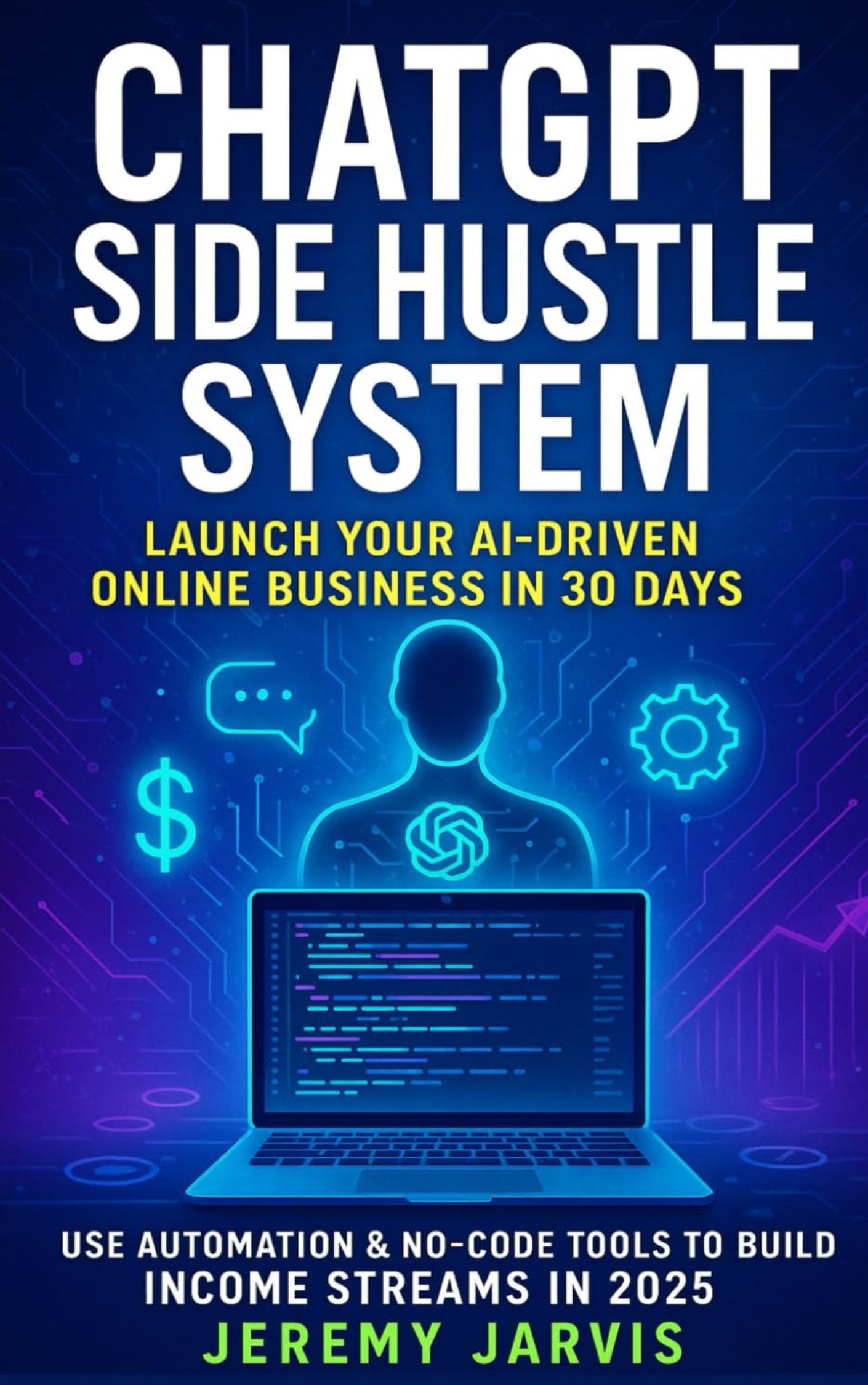
ChatGPT Side Hustle System
Launch your AI-driven online business in 30 days.
View book →
Burnout, Interrupted
A proven path to restore energy and reclaim your life.
View book →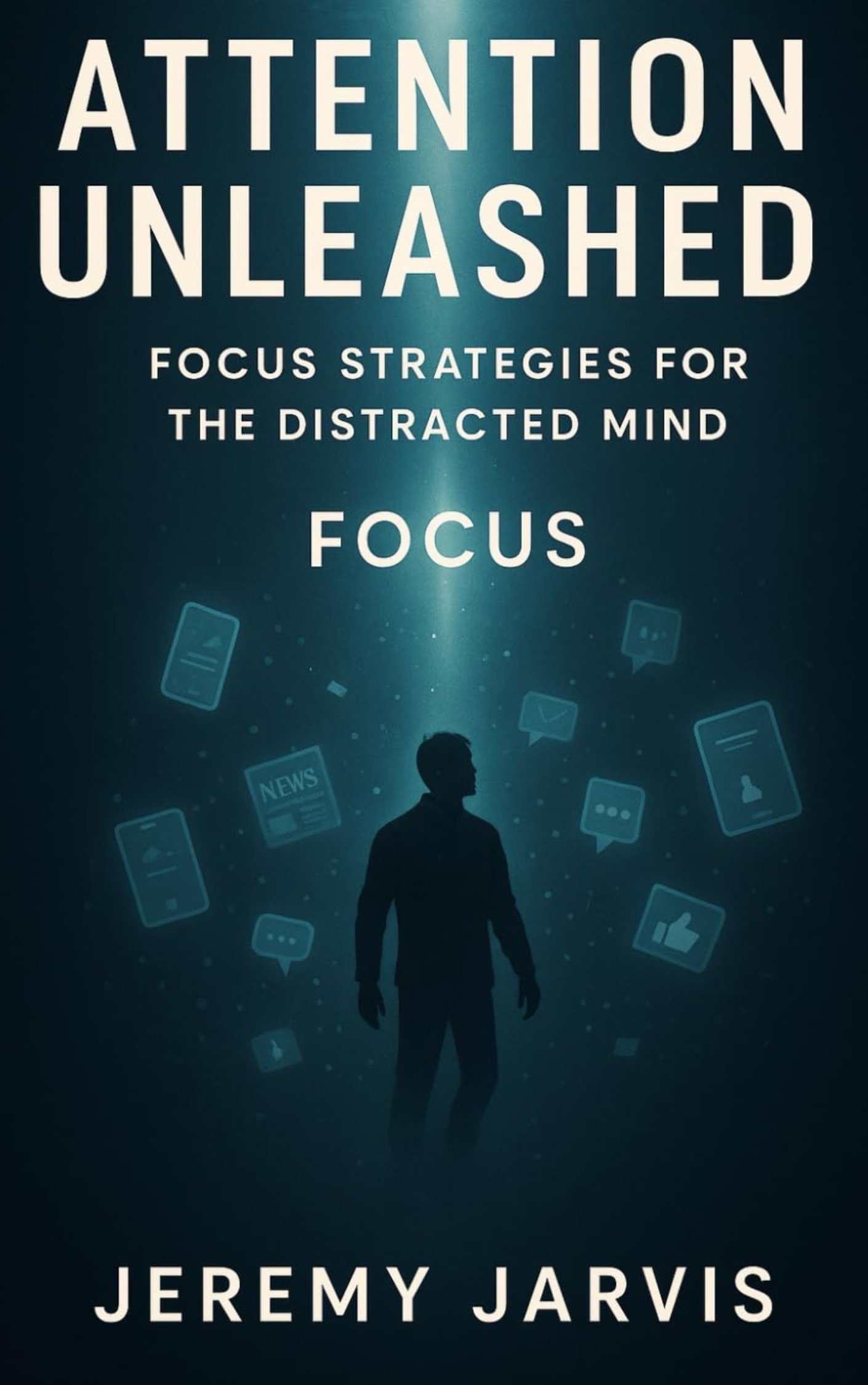
Attention Unleashed
Focus strategies for the distracted mind.
View book →
Side Hustle Launchpad
Your quick-start guide to extra income.
View book →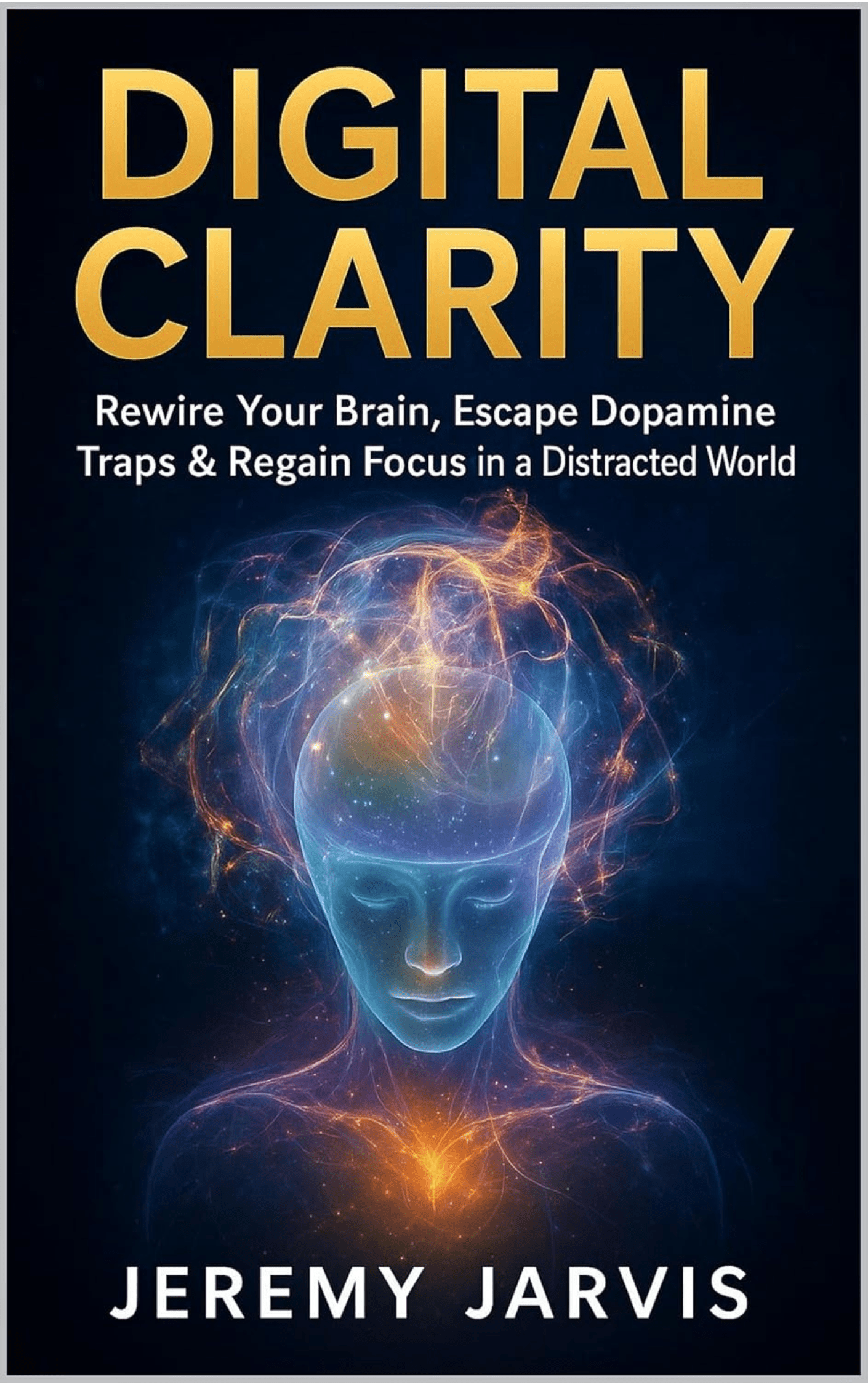
Digital Clarity
Rewire your brain, escape dopamine traps & regain focus.
View book →
Break the Scroll
Reduce screen time and take back control of your life.
View book →
Climate Compassion
Transform eco-anxiety into empowered action.
View book →
Village Mentality
The power of community for mental wellness.
View book →
Restful Nights
Overcoming sleep anxiety in a 24/7 world.
View book →
Connected Again
Combat loneliness and build meaningful relationships.
View book →
Focus Recharged
Mastering attention and productivity in the digital era.
View book →
Marketing Magic with ChatGPT
AI-powered content, campaigns, and copywriting to grow faster.
View book →
The 6-Figure Creator
Turn knowledge into passive income with books, courses & AI.
View book →
Burnout Breakthrough
Reset your work-life balance and thrive in 2025.
View book →
The Emotionally Intelligent Man
A modern guide to self-awareness and communication.
View book →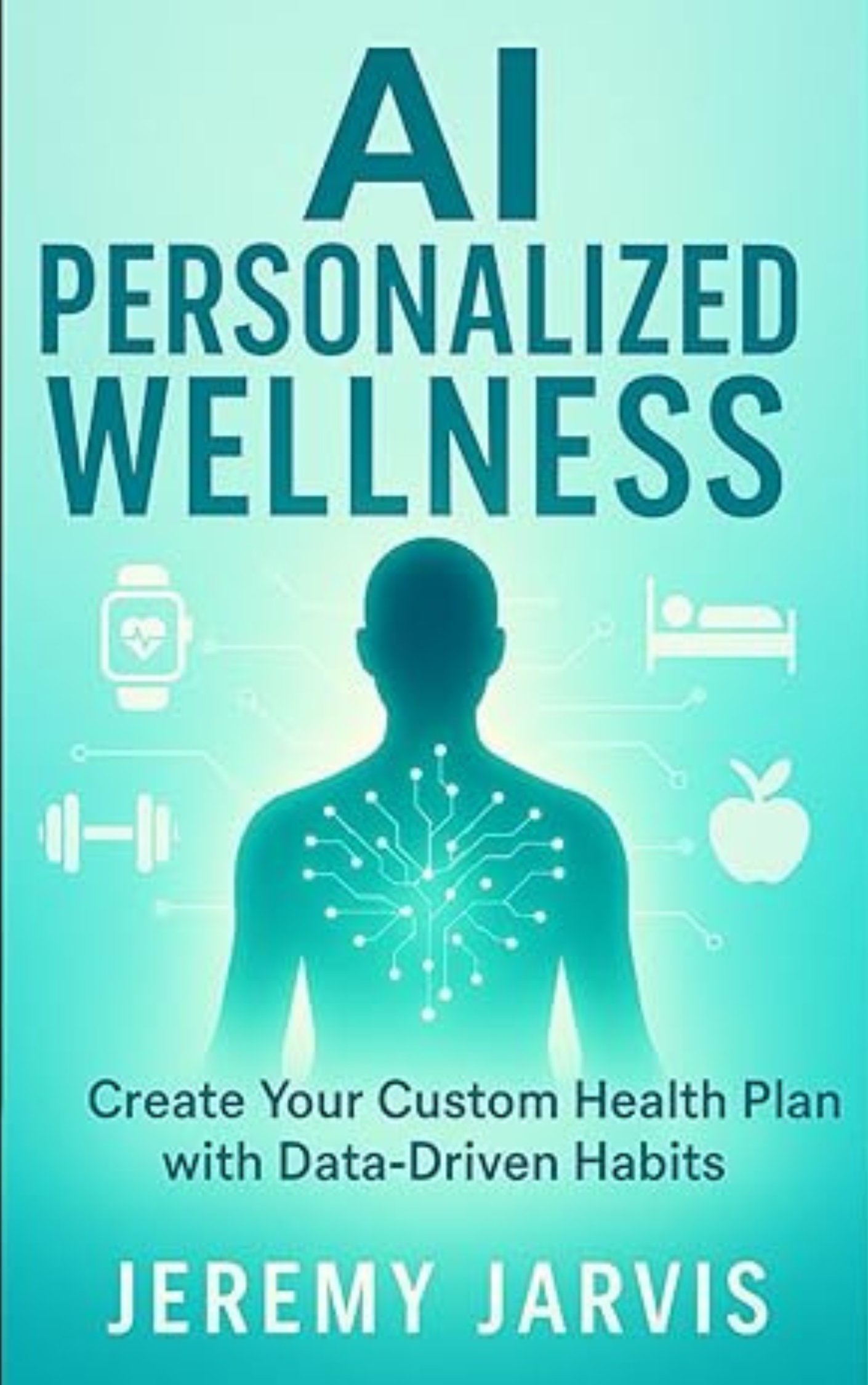
AI Personalized Wellness
Create your custom health plan with data-driven habits.
View book →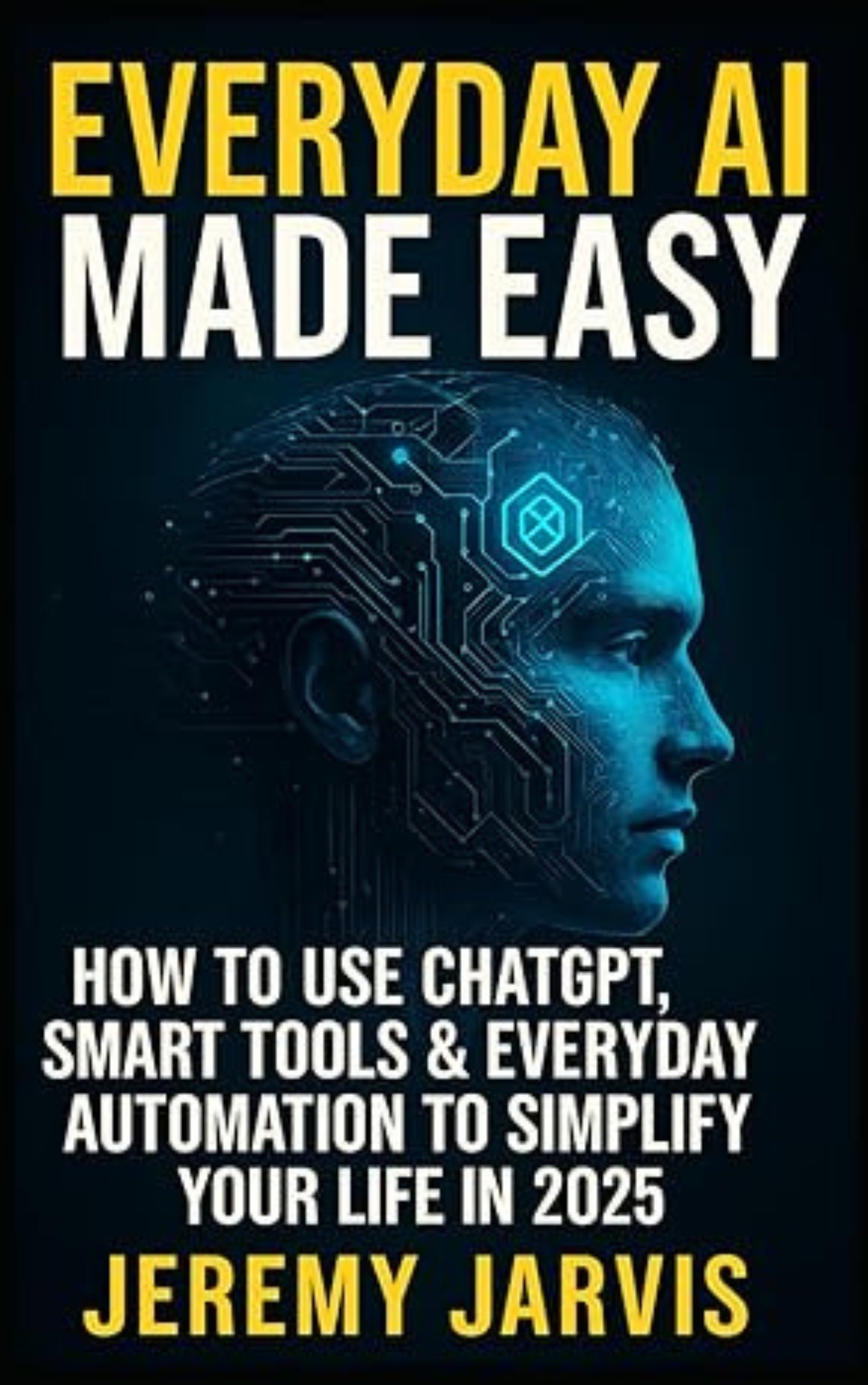
Everyday AI Made Easy
Use ChatGPT and smart tools to simplify life.
View book →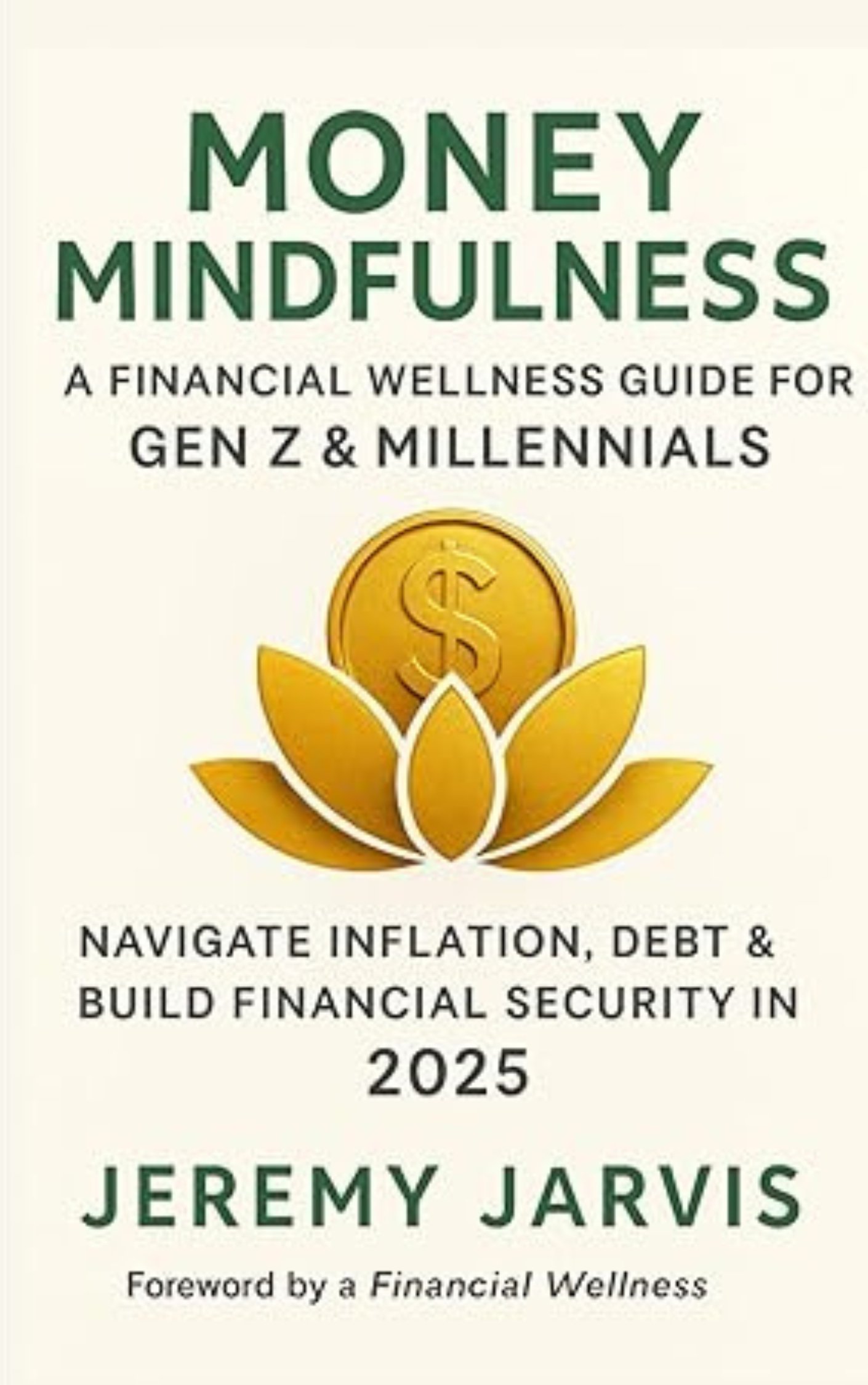
Money Mindfulness
A financial wellness guide for Gen Z & Millennials.
View book →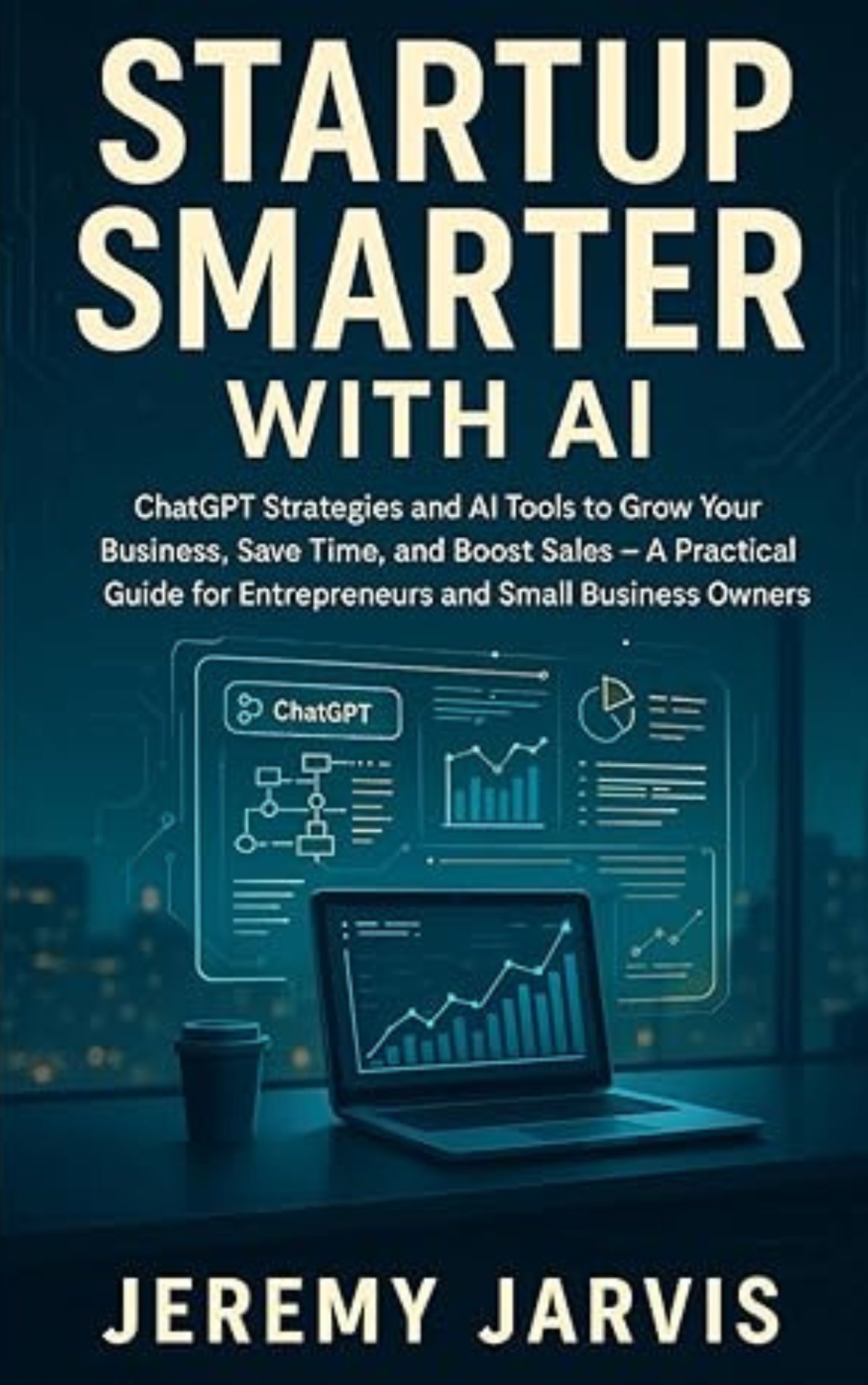
Startup Smarter with AI
ChatGPT strategies and tools to grow your business.
View book →
ChatGPT for Writers & Creators
Unlock AI-powered brainstorming, drafting & editing.
View book →