Is Your Brain Addicted to Micro-Dopamine? Signs You’re Overstimulated
If you feel like your brain slides off long articles now, you are not broken. You are living in an environment that quietly trains micro dopamine addiction, pulling your attention toward quick hits instead of deep reading. Here is how to gently rebuild your long-form focus, one small step at a time.

By
Jeremy Jarvis
· Founder of Mind Clarity Hub & clarity-focused author
Evidence-informed guidance on attention, digital overwhelm, and sustainable focus.
Key takeaways
- Your difficulty with long-form reading is closely tied to micro dopamine addiction, where your brain is constantly trained to seek short, high-reward bursts of information.
- This is not a personal failure; it is a predictable nervous system response to feeds, notifications, multitasking, and always-on devices.
- You can rebuild your “long-form reading muscles” by using short, structured attention ladders, micro digital detox windows, and calmer, distraction-light reading environments.
- Linking long-form reading to a bigger attention rebuild plan makes it more meaningful and sustainable, turning it into part of a long-term strategy rather than a one-off willpower test.
Designing a Gentle Attention Plan When You Ask “Is Your Brain Addicted to Micro-Dopamine?”
If you keep wondering, “Is your brain addicted to micro-dopamine?”, the next step is to design a
gentle, realistic attention plan around long-form reading. Instead of treating this as a harsh dopamine detox
challenge, you treat it as a 30-day experiment in rebuilding your deep reading muscles, calming an
overstimulated brain, and giving your nervous system room to think in full paragraphs again.
A useful mindset shift is to see long-form reading as attention training, not just a hobby. Every
time you stay with an article or chapter a little longer, you are pushing back against micro-dopamine scrolling and
strengthening the same circuits you need for meaningful work, learning, creativity, and problem-solving.
Research on
deep reading and comprehension
suggests that slow, deliberate reading supports better critical thinking, memory, and emotional insight than
skimming feeds or headlines. In other words, every long-form session becomes one more small vote against
micro-dopamine addiction and for a clearer mind.
Step 1: Anchor Reading to a Daily Low-Dopamine Attention Window
First, choose one small part of your day that will be reserved for low-dopamine, high-focus
activity. This window becomes your daily reading anchor and your starting point for answering,
“Is your brain addicted to micro-dopamine?” with something more hopeful.
- A short morning slot before email, group chats, and social media.
- A lunchtime reset away from your desk, inbox, and notifications.
- An evening wind-down block that replaces doomscrolling or short-form video binges.
During this window, you deliberately lower digital noise and pick one longer article instead of
bouncing between dopamine-heavy apps. You can pair this with habits from
The Focus Reset: 7 Evidence-Backed Habits People Use to Reclaim Mental Space
,
using a quick mindfulness check-in or a short brain dump before you read so your mind feels less crowded when you
sit down.
Step 2: Match Reading Difficulty to Your Current Attention Bandwidth
Next, be intentional about the “intensity” of what you read. When your nervous system has been wired for constant
micro-dopamine hits, it is unrealistic to jump straight into dense academic papers or heavy reports. Therefore, it
helps to choose a difficulty level that fits your current attention bandwidth.
- On high-stress, low-sleep days, pick a shorter, well-structured article with clear subheadings and summaries.
-
On calmer days, experiment with deeper essays, in-depth explainers, or book chapters that stretch your
concentration.
Over time, you gradually increase your “reading load,” similar to progressive overload in strength training. The
goal is not to impress anyone with how complex the content is. Instead, you steadily expand the amount of
continuous attention your brain can comfortably sustain, even while it is recovering from
micro dopamine addiction.
Step 3: Pair Long-Form Reading with a Modern Attention Diet and Dopamine Detox
Long-form reading becomes dramatically easier when you reduce the baseline level of dopamine hijacking in the rest
of your day. That is where a structured
attention diet and dopamine detox
comes in. Rather than quitting all screens overnight, you gradually remove the most aggressive “slot machine”
inputs: infinite scroll, notification-heavy apps, and rapid-fire short-form video.
As you lower these constant micro-dopamine hits, your nervous system has fewer spikes to manage.
Consequently, when you sit down with a long article, your brain is not being forced to jump from ultra-stimulating
content into quiet, reflective prose in a single step. Instead, the background stimulation is already softer, so
long-form reading feels less punishing and more natural for a brain that once felt addicted to micro-dopamine.
Step 4: Use Long-Form Reading to Understand Your Own Attention Hijacking
Another effective way to stay motivated is to read about the exact mechanisms that are shaping your focus. Guides like
Digital Overwhelm Isn’t Your Fault: The New Neurology of Attention Hijacking
and
The Science of Mental Fog: Why Your Brain Feels “Full” in 2025
explain how constant interruptions, multitasking, and screen fatigue gradually rewire your attention system.
As you work through those pieces, you are both practicing deep reading and gaining language for
what is happening inside your own overstimulated brain. This dual benefit reduces shame and makes it easier to lean
into realistic, science-informed changes instead of blaming yourself for “weak willpower” or laziness. Little by
little, the question “Is your brain addicted to micro-dopamine?” starts to feel less like a
diagnosis and more like a prompt for curiosity and change.
Step 5: Connect Your Reading Ritual to a Larger Attention Rebuild Roadmap
Long-form reading is most powerful when it sits inside a wider, intentional plan for your attention and energy. The
broader guide
How to Rebuild Attention in a World Built for Distraction
shows how reading slots can work alongside deep work blocks, micro digital detox windows, and better boundaries with
work and notifications.
When you approach your day this way, your reading session stops feeling like “extra effort” crammed into an already
overloaded schedule. Instead, it becomes a cornerstone habit in a larger attention rebuild plan
designed to reduce digital overwhelm, support focus, and calm a chronically overstimulated, micro-dopamine-driven
nervous system.
Step 6: Track How Long-Form Reading Feels as Micro-Dopamine Load Drops
attention system is
changing. Over a few weeks of consistent practice, many people notice that:
- They feel less edge-of-panic urgency when they are away from their phone or inbox.
- They can tolerate quiet, slow moments without reaching for a quick dopamine hit.
- They handle complex ideas, emotions, and uncertainty with more patience and clarity.
You can capture these observations in a simple notebook or pair them with the reflective tracking inside your
focus reset routine. If you are also using tools from
The Focus Reset
,
it helps to add a one-line note each week on how long-form reading feels: “10 minutes was a slog” may gradually
become “20 minutes felt easier than last time,” and eventually “lost track of time in a great essay.”
Step by step, you are not just regaining the ability to finish long articles. You are actively building a more
spacious, resilient mind that can handle modern demands without surrendering your entire attention span to
micro-dopamine loops, algorithms, and alerts. That is how you move from asking,
“Is your brain addicted to micro-dopamine?” to noticing, “My brain finally feels calmer, clearer,
and capable of deep focus again.”
Life Beyond Micro-Dopamine: What a Calmer Attention System Looks Like
Once you start reducing micro-dopamine hits and rebuilding your long-form reading muscles, the changes often show up
in subtle but powerful ways. You are not just reading more articles. You are gradually creating a nervous system
that does not need constant stimulation to feel okay, and a mind that can stay with one idea long enough for it to
actually change you.
This is what it means to move from micro dopamine addiction toward a healthier, more sustainable
attention system. You are retraining your brain to find reward in deep focus, slow thinking, and
real comprehension instead of only in quick swipes, pings, and novelty.
Noticing the Early Wins of a Dopamine-Conscious Attention Reset
Before everything feels dramatically different, you will often see small, early wins. Readers working through
dopamine-conscious routines like the
Modern Attention Diet: A Dopamine Detox to Restore Focus in 2025
frequently report three simple shifts.
- They can read one or two extra paragraphs before feeling the urge to check something else.
- Short “micro detox” windows (15–20 minutes without feeds) feel uncomfortable at first, then gradually more normal.
- They feel a little less “electrified” by every notification and a little more grounded in what they are doing.
These are early signs that your dopamine baseline is shifting. Instead of needing constant spikes,
your brain is starting to tolerate – and even enjoy – slower, richer inputs. That is exactly the environment where
long-form reading can thrive again and where you can honestly ask, “Is your brain addicted to micro-dopamine?”
and see the answer begin to change.
How Long-Form Reading Helps Clear Micro-Dopamine Mental Fog
When your day is dominated by micro-dopamine loops and rapid context switching, your inner experience often feels
like mental fog: crowded, jumpy, and hard to organize. A surprising benefit of deep reading is that
it forces your brain to hold one narrative thread long enough to untangle that fog. In other words, long-form
reading gently retrains your attention away from scattered, micro-dopamine-driven focus.
In
The Science of Mental Fog: Why Your Brain Feels “Full” in 2025
,
I break down how chronic overload and fragmented attention clog working memory. Long-form reading pulls in the other
direction. It invites your mind to:
- Follow one line of thought from beginning to end.
- Integrate new information instead of just reacting to it.
- Make slower, more deliberate connections between ideas.
Over time, these deep-reading sessions act like a gentle “mental defrag.” They do not instantly erase fog. However,
they give your brain repeated practice in thinking clearly without constant micro-stimulation and without feeding
the question, “Is your brain addicted to micro-dopamine?”.
Building Daily Attention Hygiene Around Micro-Dopamine
Rebuilding long-form reading is easier when it sits inside broader attention hygiene practices.
You are not just changing how you read; you are changing how you relate to notifications, feeds, and background
stress all day. This is especially true if you suspect your brain is addicted to micro-dopamine and wants constant
stimulation.
Small Rules That Protect Deep Reading When Your Brain Craves Micro-Dopamine
To make your long reading blocks stick, it helps to create a few simple rules that apply every day. For example:
- No short-form video or fast social feeds in the 30 minutes before your reading window.
- No email checking during your chosen article or chapter, even if it is “just a quick glance.”
- Use the same device, chair, and basic setup each time so your body recognizes this as “deep reading mode.”
These rules might sound small. Nevertheless, they steadily reduce digital overwhelm and make your
reading environment less hostile to sustained attention. For a more complete system, you can pair them with a weekly
reset from the
Focus Reset: 7 Evidence-Backed Habits People Use to Reclaim Mental Space
,
so that your calendar, energy, and reading ambitions are working together instead of fighting each other.
Daily Attention Hygiene Habits for a Brain Addicted to Micro-Dopamine
In addition to small rules, daily attention hygiene keeps your nervous system from sliding back
into constant micro-dopamine loops. Simple habits such as short movement breaks, consistent sleep, and brief
journaling sessions all help reduce background stress. As a result, your brain has more capacity for slow,
reflective reading.
When you repeat these habits, you are sending a consistent message to your attention system: “We are allowed to
slow down.” Over weeks, that message competes directly with the old pattern of chasing quick hits and asking,
almost automatically, “Is your brain addicted to micro-dopamine?”.
Balancing Deep Reading with Real-World Demands
A common concern is that deep reading and dopamine detox routines will make you less responsive at
work or disconnected from what is happening online. The goal is not to become unreachable. Instead, it is to create
small, clearly defined blocks where you reclaim your brain from constant micro-dopamine hits.
One practical approach is to divide your day into “fast-response” windows and “deep-focus” windows. During fast
windows, you handle messages, quick tasks, and shallow updates. During deep windows, you protect your attention for
writing, problem-solving, or reading long-form content like this guide or the broader article
Digital Overwhelm Isn’t Your Fault: The New Neurology of Attention Hijacking
.
This kind of structure makes it easier to stick with your reading plan without pretending you live in a
distraction-free world. It also makes it easier to see that even if your brain feels addicted to micro-dopamine
now, it can still learn a calmer rhythm.
Next Steps: Where to Go After You Tame Micro-Dopamine
If this article resonates, you may already sense that your struggles with long-form reading are part of a much
larger pattern: chronic distraction, tired thinking, and a nervous system that rarely gets to fully downshift.
The good news is that once you start addressing micro dopamine addiction, you gain leverage over
all of those layers at once.
Deepen Your Reboot with Structured Attention Rebuild Guides
If you want a more complete roadmap, you can pair this article with the broader attention rebuild guide
How to Rebuild Attention in a World Built for Distraction
.
That piece zooms out beyond reading and shows how to integrate deep work blocks, calmer mornings, and micro digital
detox habits into a single, coherent plan. Together, these strategies help you move from “Is your brain addicted to
micro-dopamine?” to “My brain feels more stable and less hijacked.”
For readers who prefer book-length structure, titles like
The Power of Clarity
and
Digital Clarity
go deeper into designing a clarity framework for your time, tools, and digital habits. This way your reading,
work, and recovery are all aligned instead of competing.
Keep One Eye on the Science as You Experiment
American Psychological Association
reinforce that attention is not just a character trait. It is a trainable capacity, shaped by sleep, stress,
environment, and the kinds of inputs you repeatedly give your brain.
As you keep experimenting with long-form reading, dopamine-conscious habits, and gentler digital routines, you are
not chasing perfection. Instead, you are steadily building a life where your brain is less hijacked by
micro-dopamine loops and more available for depth, learning, and the kind of calm focus that modern life rarely
offers by default. Step by step, the question “Is your brain addicted to micro-dopamine?” becomes
less of a fear and more of a reminder of how far your attention has already come.
FAQs: Is Your Brain Addicted to Micro-Dopamine, Attention, and Long-Form Reading
Understanding Micro-Dopamine Addiction and Overstimulated Attention
Is your brain addicted to micro-dopamine?
When people ask, “Is your brain addicted to micro-dopamine?” they usually mean that their
attention feels hijacked by tiny hits of novelty, validation, or entertainment. Technically, it is not an
addiction to dopamine itself. Instead, it is your reward system being trained to expect frequent, fast
micro-rewards from feeds, notifications, and short-form content.
As a result, the pattern can feel like a behavioral addiction. You reach for your phone automatically, you
struggle with long-form reading, and you feel restless whenever nothing stimulating is happening. The
encouraging part is that micro dopamine addiction is reversible. With a more
dopamine-conscious attention diet and small changes to your digital environment, your brain
can gradually learn to tolerate slower, deeper focus again.
What are the most common signs of micro-dopamine overload?
Common signs of micro-dopamine overload include restless scrolling, difficulty finishing
long articles, checking your phone in every tiny pause, and feeling mentally “full” but not truly satisfied.
You might also notice that your attention span feels shorter, yet you spend more time online.
In addition, sleep can suffer. Late-night screen time, notifications, and short-form video binges often make
it harder to wind down. If several of these are true, it suggests that your attention system has adapted to
a high-stimulation environment. In that case, a gentle attention reset and a more
intentional response to micro-dopamine triggers can help.
Is dopamine itself bad for focus and long-form reading?
No, dopamine itself is not bad. In fact, healthy dopamine signaling keeps you motivated, curious, and
engaged with your goals. The issue is not dopamine, but the way micro dopamine addiction
forms when modern apps trigger it in rapid, high-intensity bursts.
When you chase constant micro-dopamine hits, long-form reading feels slow and “flat” by comparison.
However, as you reduce overstimulation and rebuild deep reading habits, your brain starts
to enjoy slower, more meaningful rewards again. Over time, this shift makes long articles feel easier and
more satisfying.
Rebuilding Long-Form Reading in a Micro-Dopamine World
How do I start reading long articles again if my attention span feels broken?
A realistic way to begin is to use simple attention ladders. First, pick one article and
commit to five to seven minutes of reading with notifications off and your phone out of reach. Then, once
that feels manageable, you gradually extend the time and difficulty.
In addition, create a small reading ritual. For example, sit in the same chair, make a warm drink, and take
three slow breaths before you start. These cues tell your overstimulated brain that this is a different
mode – not another micro-dopamine loop. Over time, these small steps rebuild your
long-form reading capacity without relying on brute willpower.
Does a digital detox really help with long-form reading?
A full digital detox can help some people, but it is not required. Often, targeted “micro detox” windows are
enough. When you temporarily step away from high-dopamine inputs – such as infinite-scroll feeds and
rapid-fire short videos – long-form reading becomes much easier.
Even a 15–20 minute window with notifications silenced and social apps closed can make a big difference.
During that time, your nervous system gets a break from constant micro-dopamine hits, and your brain has a
fair chance to stay with a single article or chapter from beginning to end.
How long does it take to rebuild my “long-form reading muscles”?
There is no universal timeline, because everyone’s level of micro dopamine addiction and
stress is different. However, many people notice real improvements in attention span and reading stamina
within three to four weeks of consistent practice.
For faster progress, combine a daily reading window with a weekly reset. Frameworks like
The Focus Reset: 7 Evidence-Backed Habits People Use to Reclaim Mental Space
give your brain regular chances to unclutter, which makes deep reading feel less like a battle and more like
a natural part of your routine.
Dopamine Detox, Lifestyle Factors, and Sustainable Attention
What role do sleep and stress play in micro-dopamine addiction?
Sleep and stress sit at the core of micro dopamine addiction. When you are underslept or
chronically stressed, your brain craves fast relief. As a result, high-dopamine behaviors – like endless
scrolling, compulsive checking, or late-night video binges – become even more tempting.
By improving sleep hygiene and adding small recovery moments into your day, you lower your need for
constant stimulation. In turn, the pull of micro-dopamine loops weakens. This makes it far
easier to choose long-form reading, deep work, and slower hobbies without feeling deprived or “behind.”
Do I need to quit all social media to fix my attention?
Not always. Quitting social media is one option, but it is not the only way to repair an overstimulated,
micro-dopamine-driven brain. A more sustainable approach is to run a structured
attention diet where you reduce the most intense triggers first.
For example, you might remove short-form video at night, limit notifications to specific times, and keep
social feeds off-limits during your long-form reading
How Long-Form Reading Helps When You Ask “Is Your Brain Addicted to Micro-Dopamine?”
Can long-form reading really change how my brain responds to dopamine?
Over time, yes. While the neuroscience is complex, shifting from constant micro-stimulation to slower,
deliberate activities can change how your reward system behaves. Finishing a thoughtful essay or chapter
gives your brain a different type of reward: one built on understanding, progress, and meaning instead of
pure novelty.
By regularly choosing long-form reading, reflective thinking, and focused work, you gently train your
nervous system away from micro dopamine addiction. Gradually, your brain becomes less
dependent on tiny spikes of stimulation and more comfortable with sustained, calm attention.
What should I do if micro-dopamine habits are hurting my work and mental health?
If your habits around micro-dopamine – constant checking, endless scrolling, or late-night feeds – are
harming your work, relationships, or mental health, it is important to treat them seriously. You can start
with the practical steps in this guide: attention ladders, micro digital detox windows, and a structured
attention rebuild plan.
In addition, consider professional support. A therapist, coach, or clinician who understands
digital overwhelm, anxiety, or ADHD can help you adapt these tools to your situation.
Meanwhile, continuing to use long-form reading as a training ground gives you a concrete way to practice
calmer focus while you untangle micro dopamine addiction at a deeper level.
Next Steps: Turn Micro-Dopamine Awareness into a Real Attention Plan
Now that you can name what is happening – and even ask, “Is your brain addicted to micro-dopamine?” –
the next step is to turn that insight into a gentle, realistic plan. You do not need to quit every app or
instantly become a perfect long-form reader. Instead, you can slowly shift your environment so deep focus,
long-form reading, and genuine mental clarity become easier by default.
Layer 1: Small Habit Tweaks That Reduce Micro-Dopamine Noise
A helpful way to think about this is in layers. At the surface, you are adjusting small habits such as
notification settings, reading rituals, and when you open your most distracting apps. These shifts seem minor,
yet they change how often your brain gets those fast micro-dopamine hits during the day.
For example, you might turn off non-essential alerts, move high-friction apps off your home screen, and create
a short, predictable reading ritual three to five times per week. Over time, these choices tell your attention
system that it no longer has to be “on call” for constant novelty. This calmer baseline makes it easier to stay
with one article, one chapter, or one idea at a time.
Layer 2: A Dopamine-Conscious Attention Diet You Can Actually Maintain
Just beneath those small habits sits a more intentional dopamine-conscious attention diet. Here,
you are not eliminating all pleasure or stimulation. Instead, you are deliberately cutting back the most
aggressive “slot machine” inputs that train your brain to crave rapid novelty.
That is where a structured guide like
The Modern Attention Diet: A Dopamine Detox to Restore Focus in 2025
becomes useful. It helps you redesign your feeds, notifications, and screen defaults so they support your
attention instead of hijacking it. As the overall micro-dopamine load drops, long-form reading and deep work
stop feeling like such a shock to your nervous system.
Want a structured path out of micro-dopamine overload?
If you are ready to go beyond quick tips and build a full attention reset, these Mind Clarity Hub resources
are designed to work together:
-
Start with
The Modern Attention Diet: A Dopamine Detox to Restore Focus in 2025
for a step-by-step dopamine detox that fits real life instead of forcing a total digital shutdown. -
Pair it with
The Focus Reset: 7 Evidence-Backed Habits People Use to Reclaim Mental Space
to create a weekly ritual that keeps mental clutter, stress, and digital overwhelm from quietly building back up. -
Then deepen your understanding with
The Science of Mental Fog: Why Your Brain Feels “Full” in 2025
and
Digital Overwhelm Isn’t Your Fault: The New Neurology of Attention Hijacking
so you can see exactly how today’s environment shapes your attention system.
Together, these guides form a practical roadmap: you learn how micro-dopamine loops work, you reduce the
highest-friction triggers, and you rebuild long-form reading, deep work, and calmer focus step by step.
Layer 3: Clarity Frameworks That Support Deep Reading and Focus
Deeper still, you are rebuilding a life where your time, tools, and work are aligned with what actually
matters. At this layer, you are not just asking, “Is your brain addicted to micro-dopamine?” You are also
asking, “What kind of attention do I want to protect for the next few years of my life?”
If you prefer to work in book form, you can use your reading time to move through clarity-focused titles like
The Power of Clarity
and
Digital Clarity
.
These books turn concepts such as digital overwhelm, micro-dopamine habits, and scattered focus
into concrete, repeatable systems you can plug straight into your weeks.
As you combine these clarity frameworks with your new attention diet and focus reset routines, long-form reading
stops feeling like a battle. Instead, it becomes a natural part of how you plan your days, make decisions, and
process complex ideas.
Start Small, Then Let the Gains Compound Over Time
Most importantly, nothing in this article is about perfection. You do not have to eliminate every
high-dopamine input or finish every long article you open. Instead, you are simply shifting the balance: a
little less compulsive scrolling, a little more intentional reading; a few fewer micro-dopamine spikes, a few
more calm, focused blocks where your brain can actually breathe.
Over time, those small shifts compound. Step by step, you are not only answering the question
“Is your brain addicted to micro-dopamine?” You are also building a mind that feels less
hijacked, more spacious, and far more capable of the deep attention your best work, relationships, and ideas
deserve.
Explore the Mind Clarity Hub Library
Practical books on focus, digital habits, resilience, and building a calmer mind.
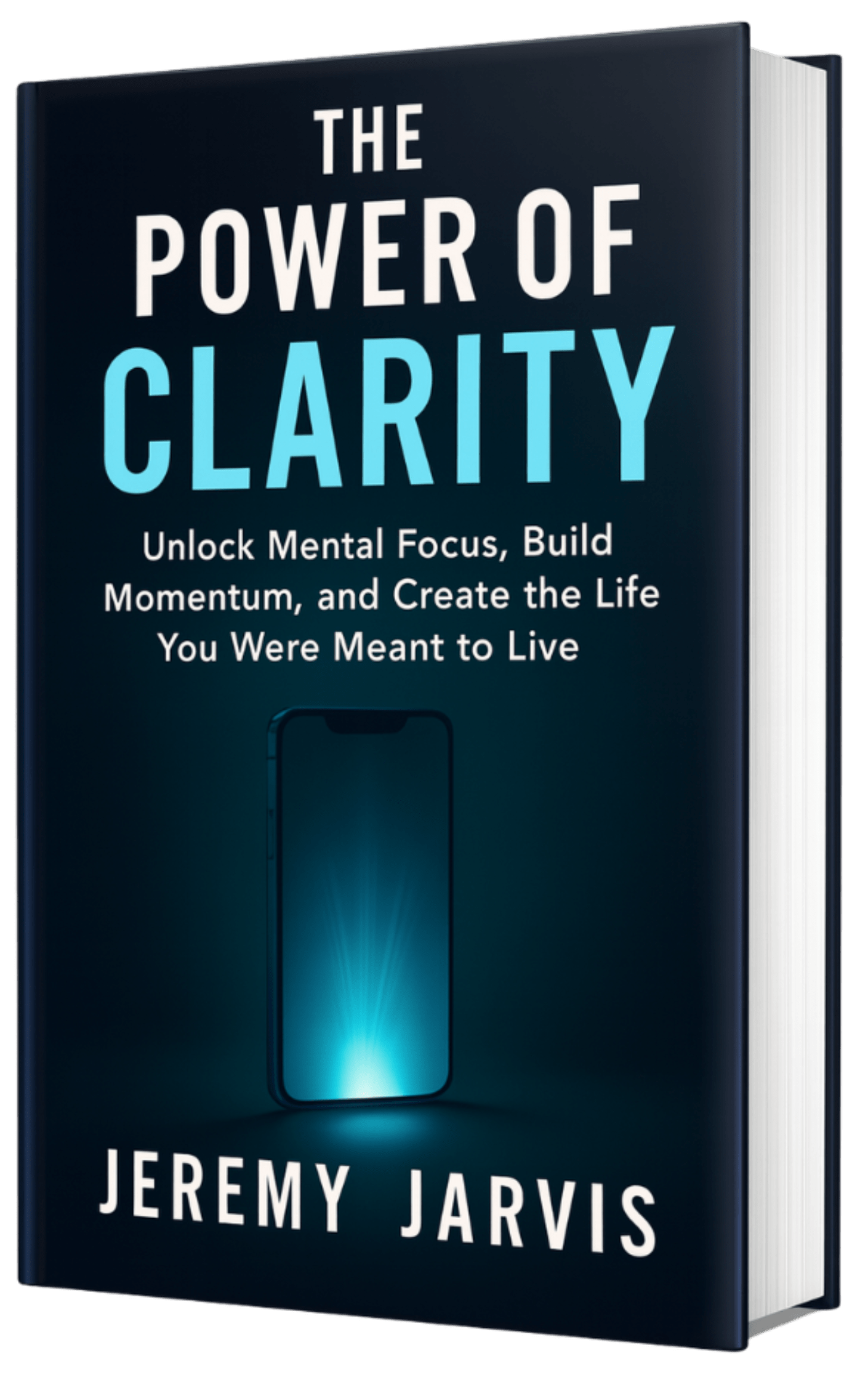
The Power of Clarity
Unlock mental focus, build momentum, and create the life you were meant to live.
View book →

AI & ChatGPT for Beginners
No PhD needed — a 2025 guide to AI, prompts, and productivity without coding.
View book →
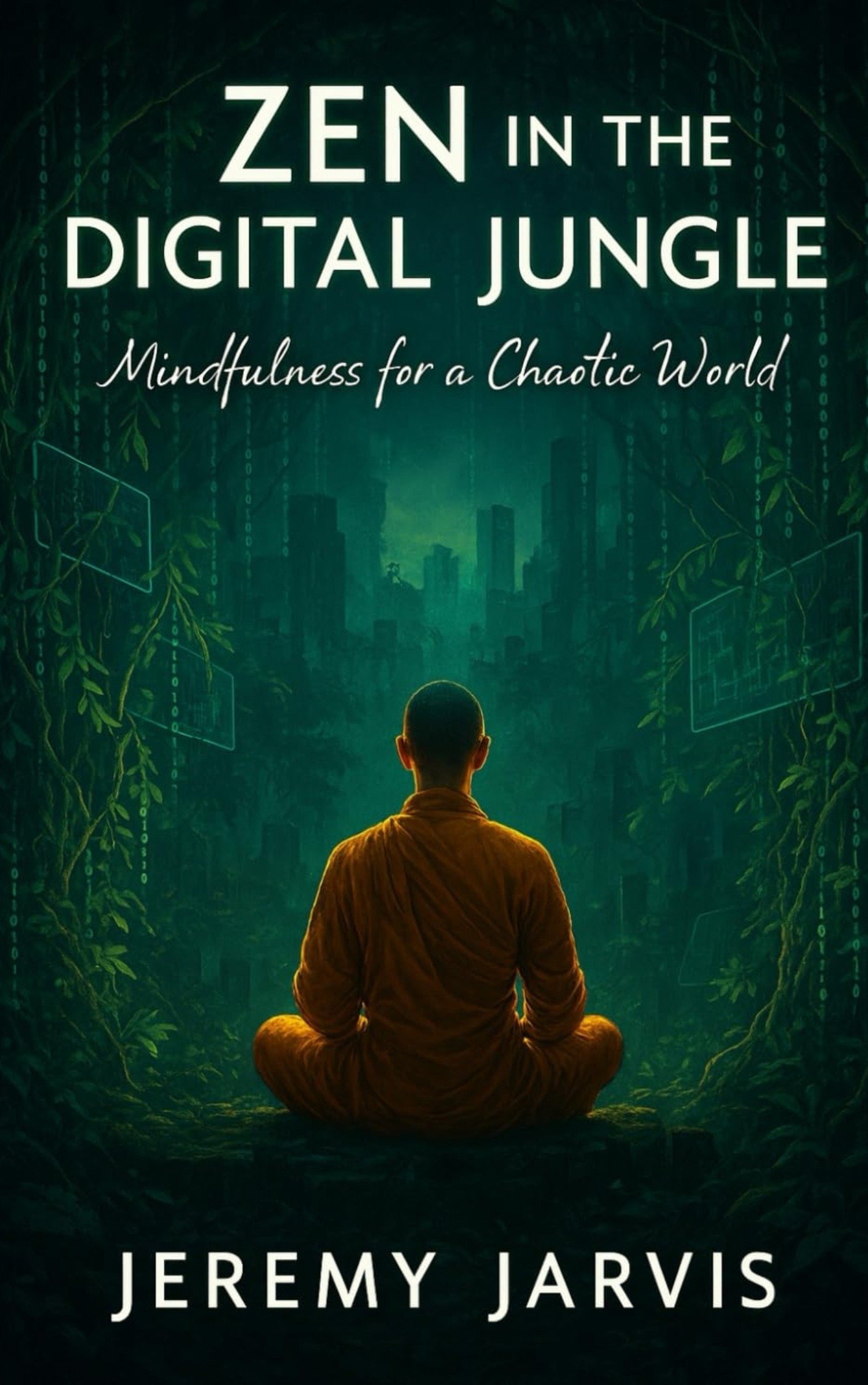
Zen in the Digital Jungle
Mindfulness for a chaotic world.
View book →
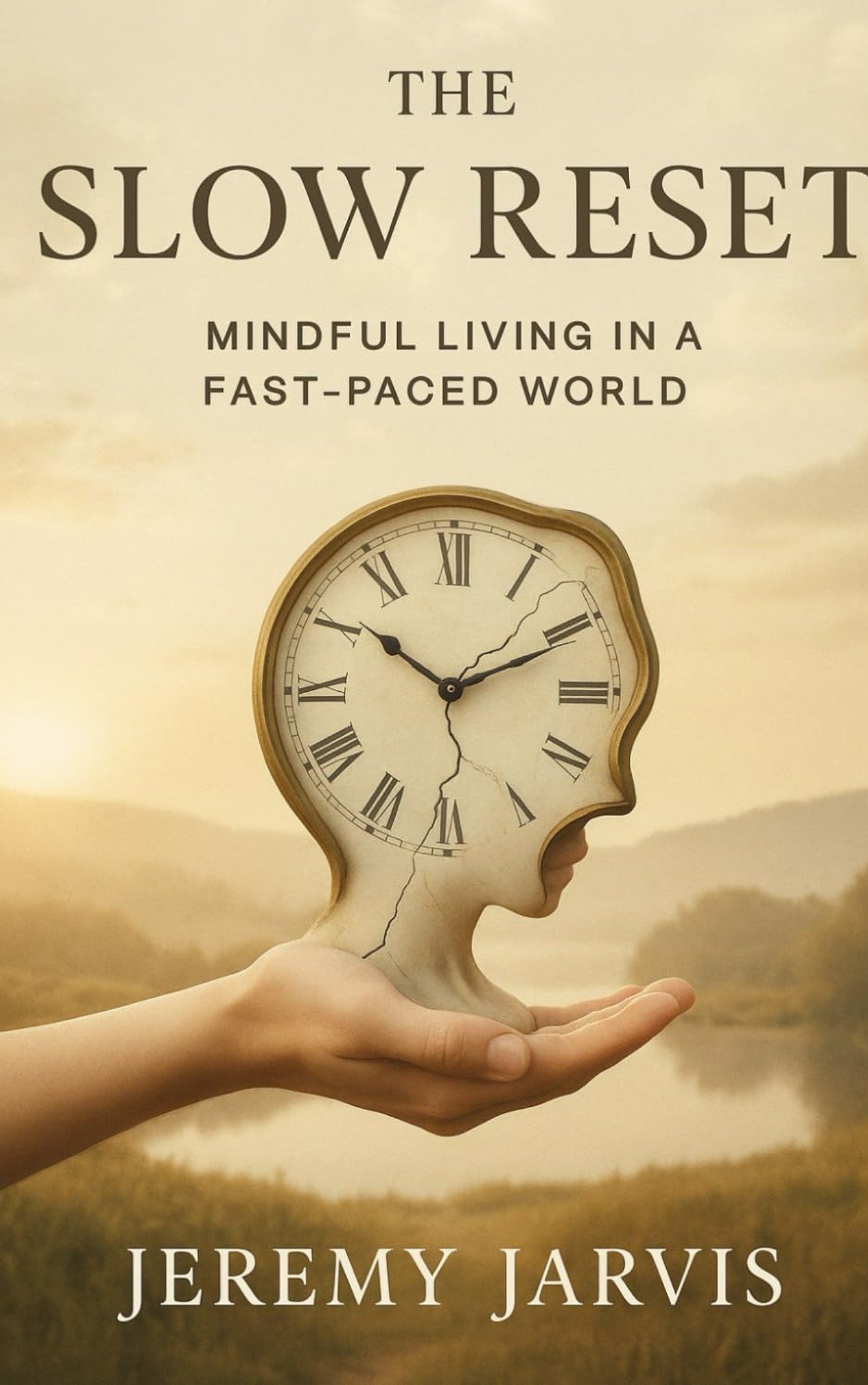
The Slow Reset
Mindful living in a fast-paced world.
View book →

Perfectly Imperfect
Stop self-criticism, set boundaries, and embrace the real you.
View book →
Reclaiming Silence
A dopamine detox guide to finding peace in a noisy world.
View book →
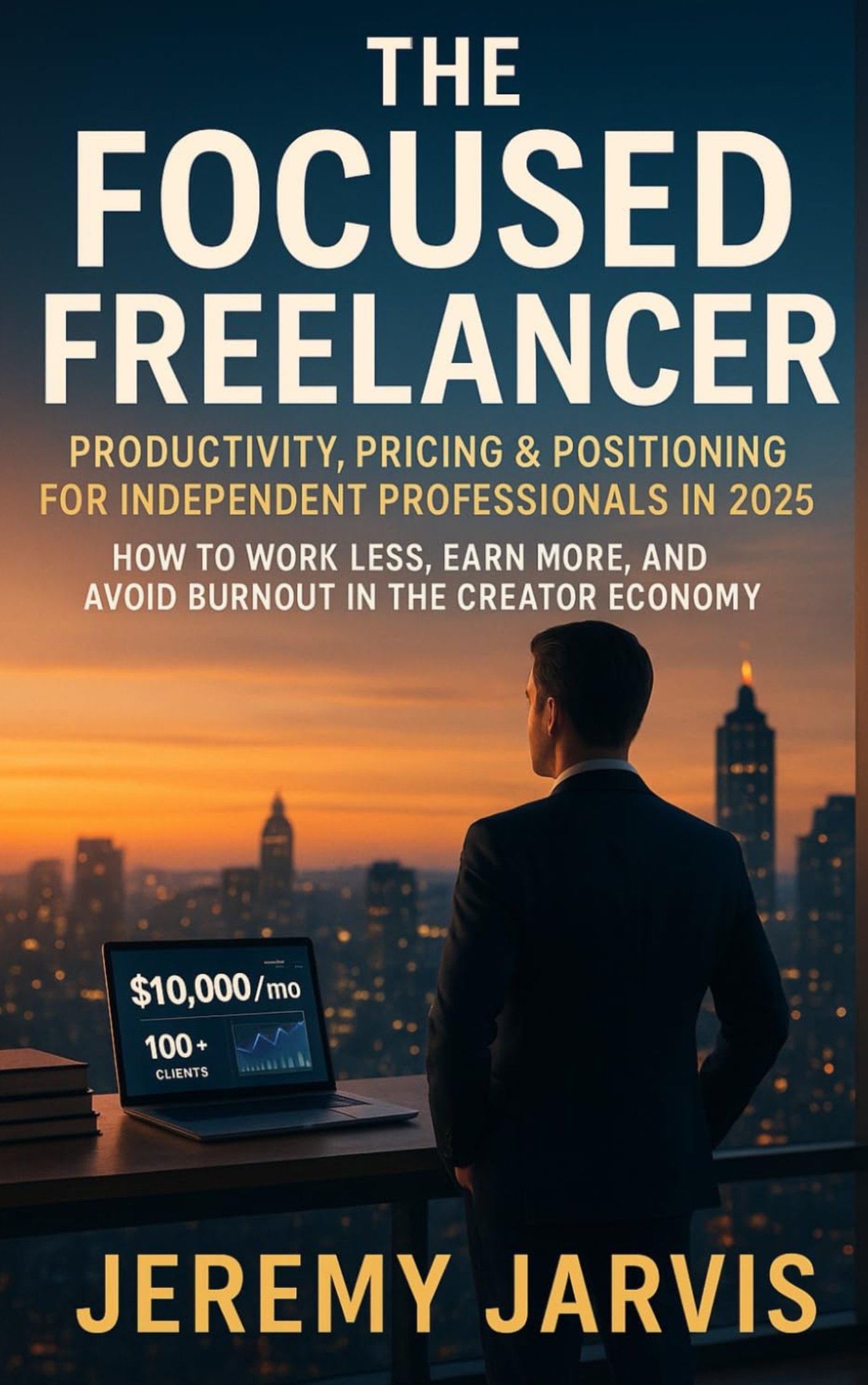
The Focused Freelancer
Productivity, pricing & positioning for independents in 2025.
View book →

ChatGPT Side Hustle System
Launch your AI-driven online business in 30 days.
View book →

Burnout, Interrupted
A proven path to restore energy and reclaim your life.
View book →
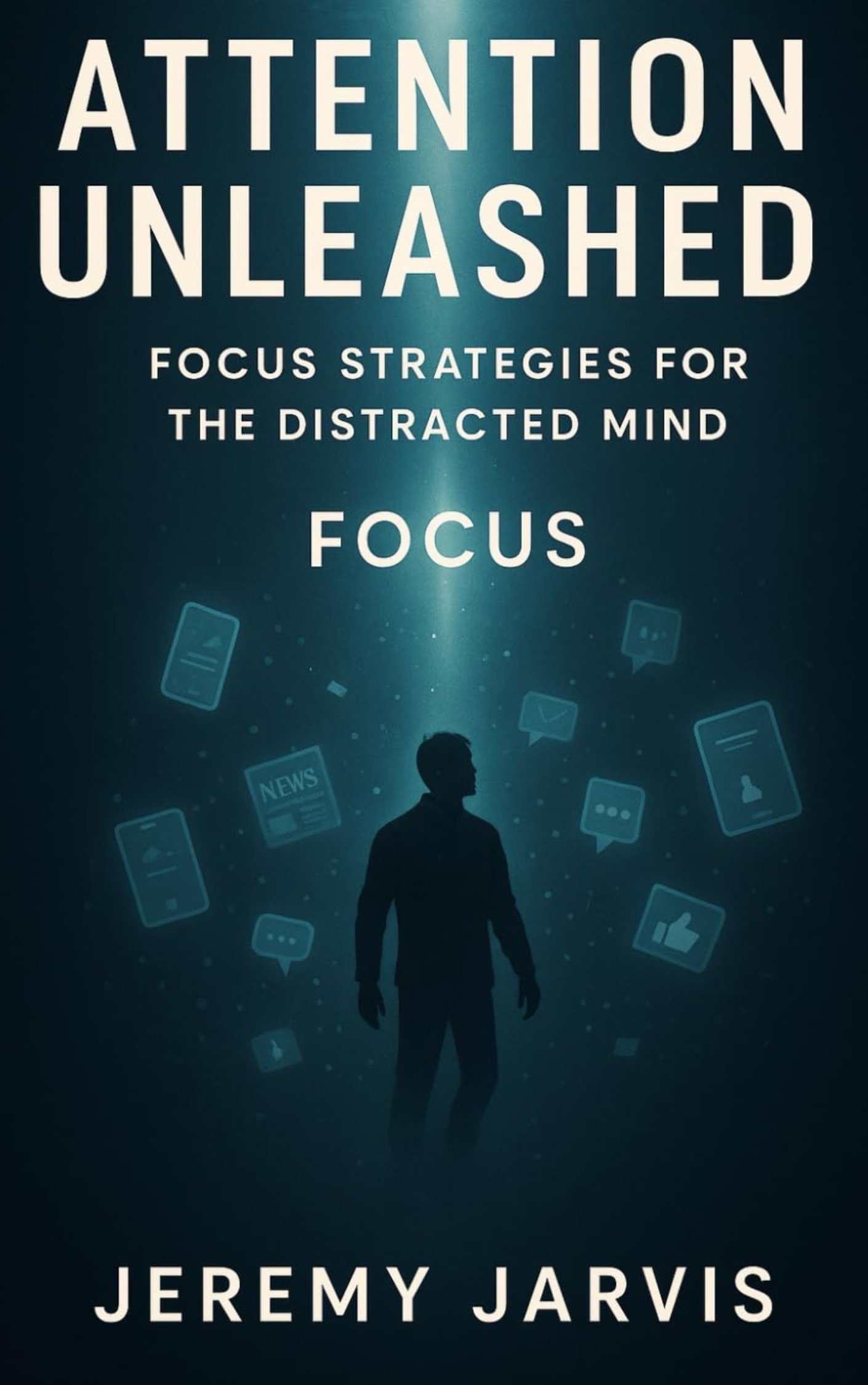
Attention Unleashed
Focus strategies for the distracted mind.
View book →

Side Hustle Launchpad
Your quick-start guide to extra income.
View book →
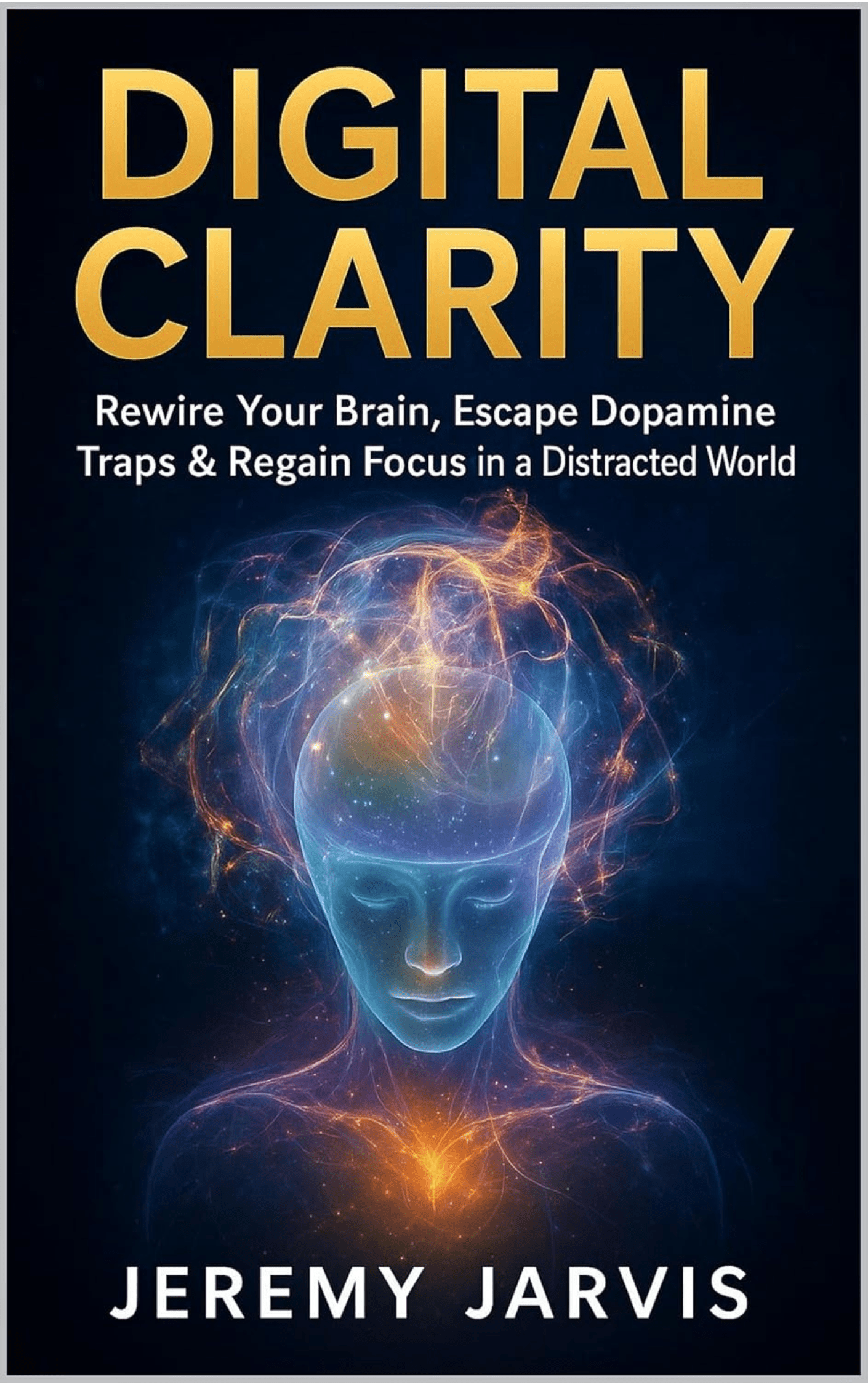
Digital Clarity
Rewire your brain, escape dopamine traps & regain focus.
View book →

Break the Scroll
Reduce screen time and take back control of your life.
View book →

Climate Compassion
Transform eco-anxiety into empowered action.
View book →

Village Mentality
The power of community for mental wellness.
View book →
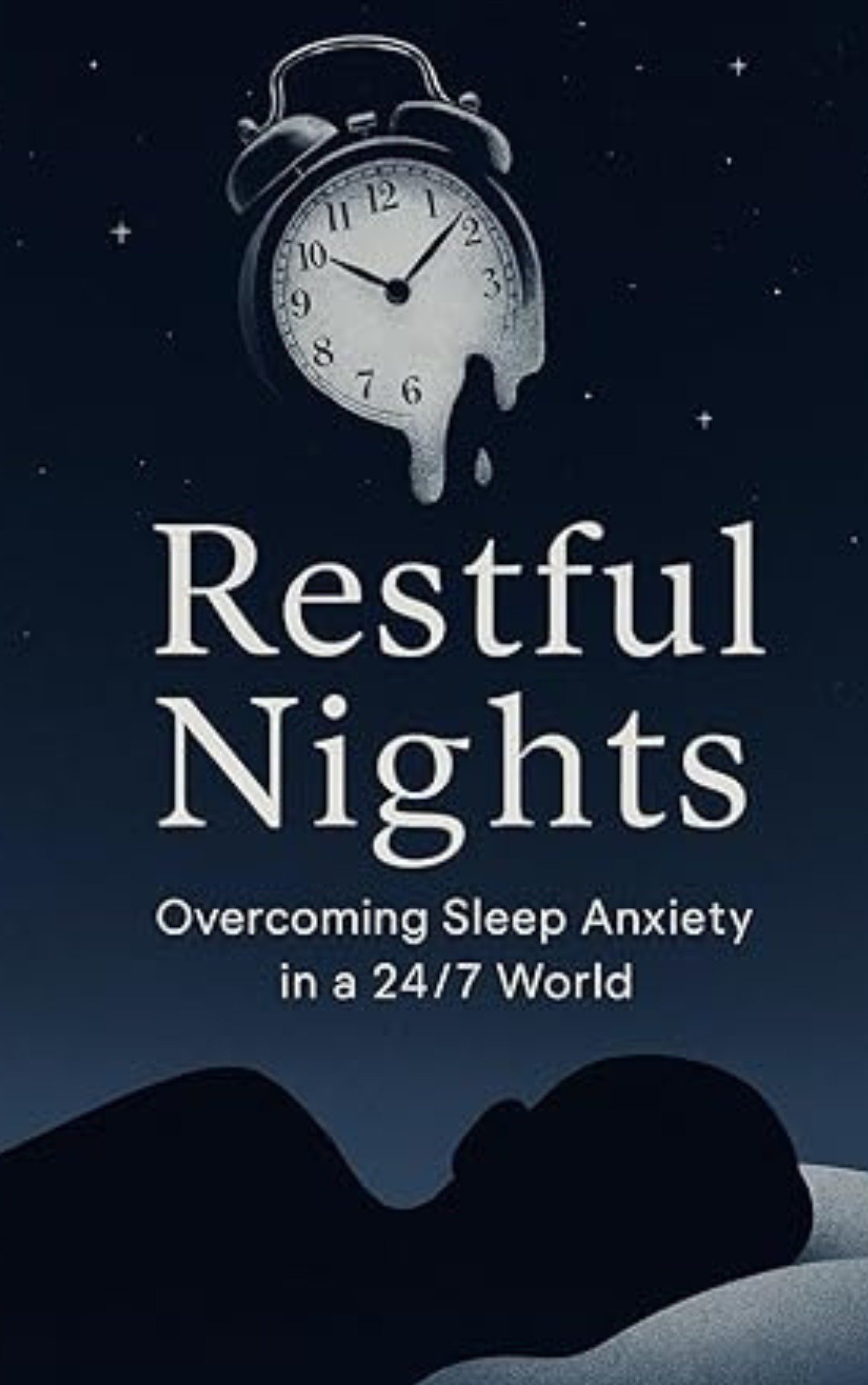
Restful Nights
Overcoming sleep anxiety in a 24/7 world.
View book →

Connected Again
Combat loneliness and build meaningful relationships.
View book →
Focus Recharged
Mastering attention and productivity in the digital era.
View book →

Marketing Magic with ChatGPT
AI-powered content, campaigns, and copywriting to grow faster.
View book →

The 6-Figure Creator
Turn knowledge into passive income with books, courses & AI.
View book →

Burnout Breakthrough
Reset your work-life balance and thrive in 2025.
View book →

The Emotionally Intelligent Man
A modern guide to self-awareness and communication.
View book →
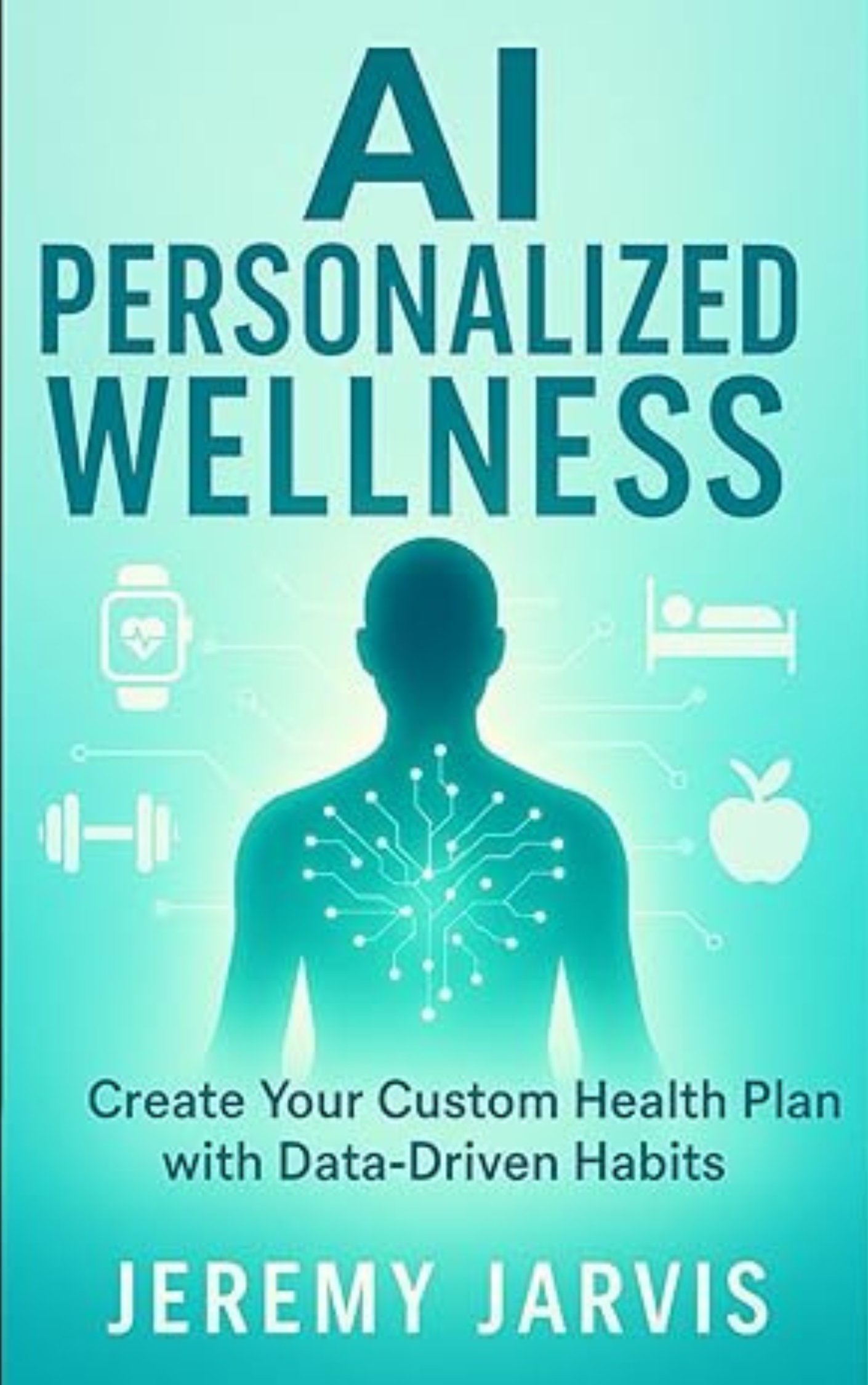
AI Personalized Wellness
Create your custom health plan with data-driven habits.
View book →

Everyday AI Made Easy
Use ChatGPT and smart tools to simplify life.
View book →

Money Mindfulness
A financial wellness guide for Gen Z & Millennials.
View book →
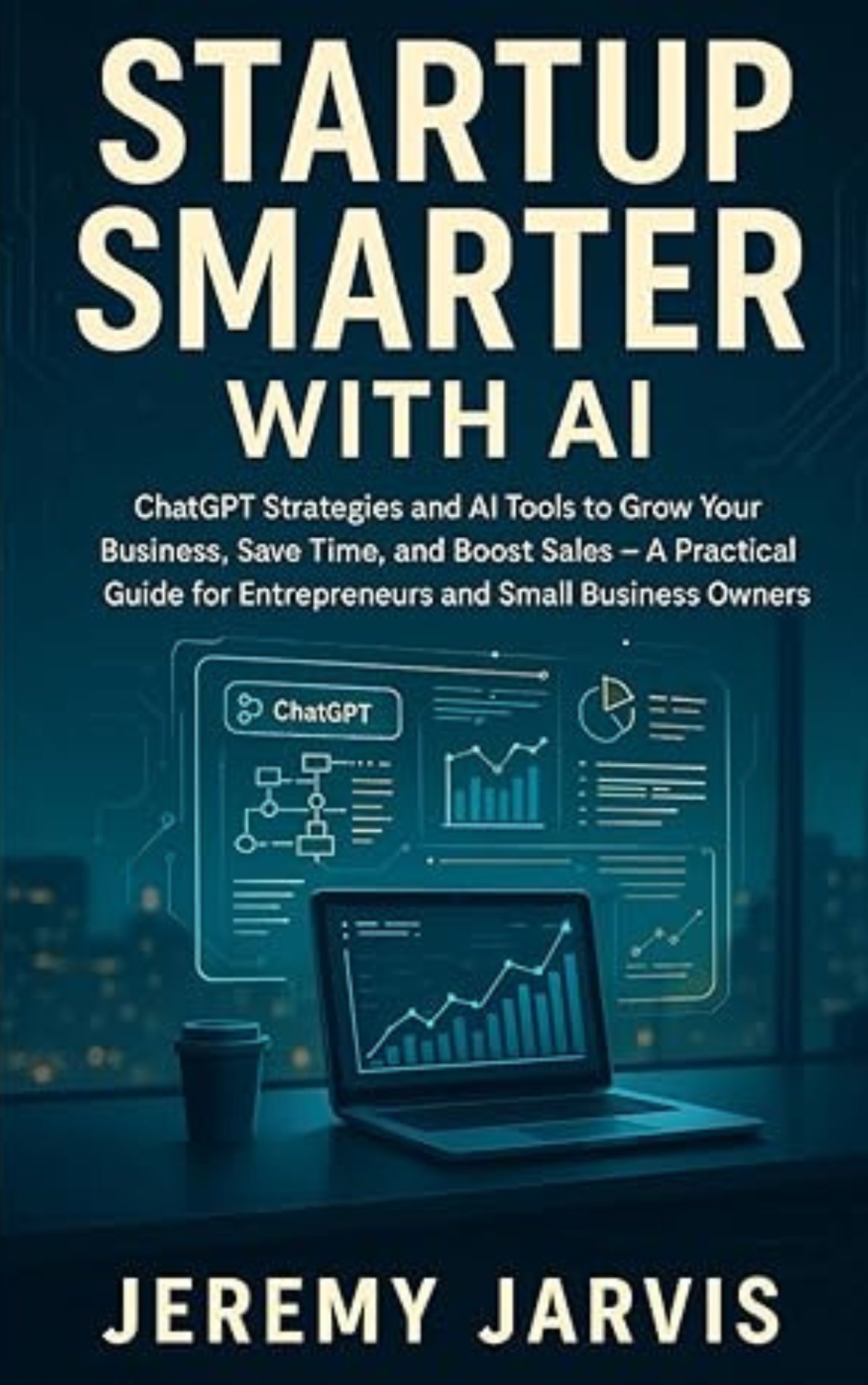
Startup Smarter with AI
ChatGPT strategies and tools to grow your business.
View book →
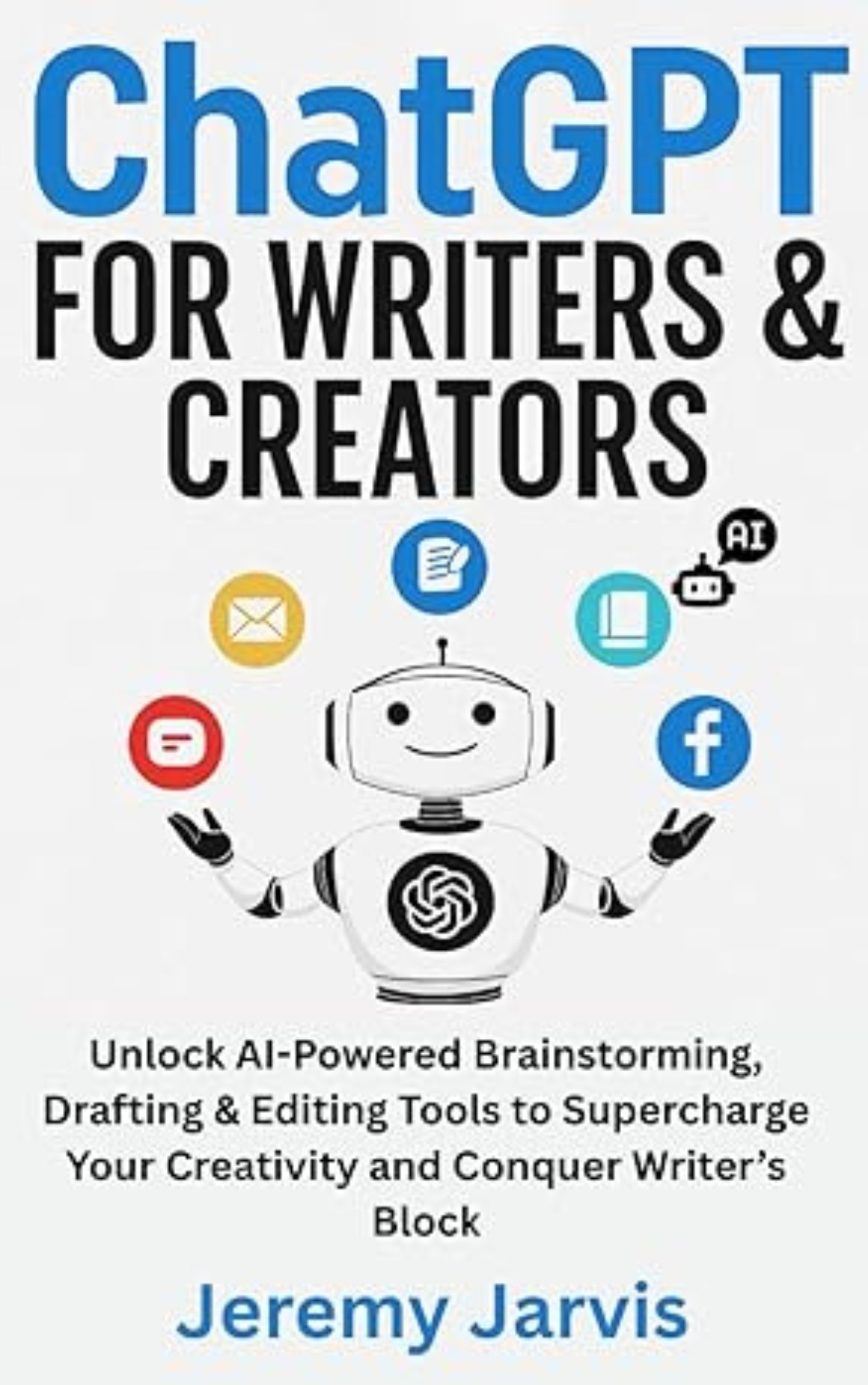
ChatGPT for Writers & Creators
Unlock AI-powered brainstorming, drafting & editing.
View book →