
Last updated: December 2025 • Mind Clarity Hub

Your brain can change. The real question is: how fast?
If you have been scattered, exhausted, and glued to short-form content, it is easy to fear that your attention
span is permanently damaged. You try a “dopamine detox” weekend or delete a few apps, but by Wednesday your
brain is back to tab-hopping and micro-scrolling. At that point, a very understandable question pops up:
how long does it actually take to rewire my brain for focus?
How Long It Really Takes to Rewire Your Brain for Focus
The honest answer is that there is no single magic number. However, there are clear patterns. In this
guide we will break down what “rewiring your brain” really means, realistic timelines for change, and the
specific habits that make neuroplasticity work in your favor instead of against you. Along the way we will
connect this to earlier pieces like
Why Can’t I Focus Anymore?
and your
modern attention diet
,
so you can see how everything fits together.
Key takeaways
-
“Rewiring your brain for focus” means changing well-worn attention pathways through
neuroplasticity, not turning yourself into a different person. -
Many people feel noticeable changes in focus in about 2–4 weeks, deeper habit shifts in
6–8 weeks, and more stable, “this is just how I work now” changes over
3–6 months. -
Your timeline depends on sleep, stress, digital habits, underlying conditions (like ADHD or anxiety), and how
consistently you protect daily focus windows. -
Small, repeatable routines—such as a daily
focus reset block
or a short
clarity morning routine
—tend to rewire attention circuits far more effectively than occasional “all-or-nothing” detoxes. -
If progress feels unusually slow, it is not a moral failure: it is a signal to look at sleep, mental health,
and possible neurodivergence rather than pushing yourself harder.
What does “rewiring your brain for focus” actually mean?
In neuroscience terms, you are working with neuroplasticity—your brain’s ongoing ability to
strengthen certain connections and weaken others based on experience. Every time you repeat a pattern, whether
it is checking your phone or sitting with a difficult paragraph, you are effectively casting a vote for that
pathway to become easier to fire next time.
Over years of notifications and multitasking, your brain quietly built fast, efficient circuits for:
- Switching tasks frequently.
- Chasing novelty and micro-dopamine hits.
- Escaping discomfort the moment a task feels hard.
Rebuilding the Deep-Work Circuits Your Brain Has Been Neglecting
Meanwhile, the circuits for deep work, long-form reading, and quiet reflection got less practice. They did not
disappear—but they did lose some of their “strength.” Rewiring for focus simply means flipping the
practice pattern: giving your attention systems more repeated experience with single-tasking and less
experience with frantic context switching.
If you want to see the emotional side of this, you might revisit
how digital overwhelm hijacks your neurology
.
That article zooms in on what is happening in your reward and attention systems when you feel “pulled” by your
devices.
The short answer: typical timelines to expect
Everyone’s nervous system is different, but for many people, rewiring their brain for focus tends to follow a
rough pattern like this:
- Days 1–7: You mainly notice withdrawal from constant stimulation. Focus feels clunky
and your brain keeps reaching for old habits. - Weeks 2–4: Short focus blocks start to feel more doable. It is still effortful, but you can
see glimpses of your old concentration returning. - Weeks 5–8: New routines (like a daily deep work hour) begin to feel familiar. Distraction is
still there, yet you recover more quickly when your mind wanders. - Months 3–6: The way you work and consume content starts to feel fundamentally different. You
default more often to single-tasking and long-form focus than to constant micro-scrolling. - Beyond 6 months: For many people, this is where identity-level change shows up—“I am a
focused person again,” not just “I am trying a focus experiment.”
None of this is a guarantee or medical advice. Instead, think of it as a realistic expectation
range so you do not abandon the process after week two, just when your brain is starting to adapt.
What makes rewiring faster or slower?
Before you compare your progress to anyone else’s, it helps to notice the factors that strongly shape your
timeline:
- Sleep and recovery: a chronically tired brain takes longer to change. Sleep is one of the
fastest ways to improve focus and neuroplasticity. - Stress and burnout: if you are already in survival mode, your system will prioritize coping
over building new attention habits. - Underlying conditions: ADHD, anxiety, depression, and certain medical issues can all affect
concentration and may require professional support alongside habit changes. - Environment: trying to rewire focus in a notification-heavy, open-tab environment is like
trying to meditate at a rock concert. - Consistency: 20–40 minutes of real focus most days will usually beat a single six-hour
“focus marathon” once a month.
If you suspect mental fog or exhaustion are playing a big role, this deeper explainer on the
science of mental fog
will help you see what is going on behind the scenes.
Weeks 1–2: lowering the noise floor
The first stage of rewiring is not about heroic deep work. It is about reducing the constant input
your brain has to fight just to focus at all. During these first two weeks, you are helping your
nervous system calm down enough to notice what focus even feels like again.
Simple, realistic moves for this stage include:
- Silencing non-essential app notifications, especially social and shopping apps.
- Removing the biggest “one tap away” distractions from your home screen.
- Creating one daily 25–45 minute focus block with your phone out of arm’s reach.
- Replacing at least one short-form content session per day with a long-form article or book chapter.
If you want a step-by-step version, you can pair this with the
modern attention diet and gentle dopamine detox
.
Think of this stage as clearing mental clutter so your brain is no longer firing in “emergency multitask mode”
all day.
Weeks 3–6: building new focus circuits on purpose
Once the noise floor is lower, you can start to train focus like a muscle. During weeks three
through six, the goal is not to be perfect; it is to repeat simple patterns often enough that your brain begins
to recognize them as the new default.
For example, you might:
- Protect one deep work block every weekday at roughly the same time.
- Use the first 10–15 minutes to “warm up” with a small task, then move into harder work.
- Track your deep work minutes per day instead of obsessing over hours.
- End each day by writing a two-line plan for tomorrow’s focus block.
Routines like the
focus reset for mental space
or the
12-minute clarity morning
are ideal here. They give your brain a predictable “on-ramp” into focus so you are not starting cold every
time you sit down to work.
Months 2–6: when rewiring turns into “this is just how I work”
Somewhere between the second and sixth month, most people notice that their relationship with focus has changed
at a deeper level. You might catch yourself:
- Opening fewer tabs by default.
- Feeling more comfortable sitting with mildly boring or hard tasks.
- Choosing long-form content more often than doomscrolling.
- Recovering from distraction faster instead of spiraling into a lost afternoon.
At this stage, it is useful to zoom out and ask: “What kind of attention environment am I building for my
future self?” The answer might involve rearranging your workspace, renegotiating meetings, or rethinking how you
use your best mental energy. This is where the ideas in
Rebuild Attention in a World of Distraction
become especially relevant.
By months three to six, you are no longer just doing a “focus experiment.” You are teaching your brain—and your
calendar—that sustained attention is normal again.
What if you’ve been trying for months and still feel scattered?
If you have been making genuine changes for several months and still feel stuck in brain fog, it is worth taking
a compassionate, honest look at what else might be going on. Sometimes the issue is not your discipline—it is
your starting conditions.
For instance, you might be:
- Running on chronic sleep debt or irregular sleep patterns.
- Dealing with ongoing anxiety, depression, or burnout.
- Living with undiagnosed ADHD or another neurodivergent profile.
- Managing a workload that is simply unsustainable, no matter how focused you are.
In those cases, self-guided tools are still helpful, but they work best alongside professional support.
If you have not already, it may be time to speak with a doctor, psychologist, or therapist who can help you
understand the full picture, rather than leaving you to guess. The companion article
Why Can’t I Focus Anymore?
walks through when it makes sense to get an evaluation.
Small habits that make rewiring your focus measurably faster
While you cannot control everything about your brain, you can stack the odds in your favor. The following
habits consistently show up in people who successfully rebuild their attention:
- A daily deep work block: even 25–45 minutes of single-task focus most days sends a strong
“this matters” signal to your brain. - A clear morning ramp: a short routine that moves you from half-awake scrolling into
intentional, focused work—such as the
clarity morning
. - Fewer open loops: ending each day with a two-line plan so your brain is not trying to hold
everything in working memory. - Boundaries with micro-dopamine: specific rules for when you check social feeds or news,
instead of letting them fill every micro-moment. - Regular long-form input: reading a book chapter, an in-depth article, or a dense post like
this one from start to finish at least a few times per week.
Over time, these habits work together. They give your attention circuits thousands of “reps” of staying with
one thing, which is exactly how you rewire a brain that has been trained to crave constant novelty.
The real leverage is not in finding the “perfect” habit, but in making a few simple behaviors so repeatable that
your brain starts to expect them. Each time you follow the same small ritual—same place, same time, same warmup—
you are telling your nervous system, “This is what we do here.” Over weeks, those repetitions matter far more
than whether you used the perfect app, timer, or notebook.
Turn your focus block into a ritual, not a negotiation
One of the most underrated ways to speed up brain rewiring is to remove as many decisions as possible from your
focus time. Instead of wondering if you will do a deep work session today, decide once when it
happens and what the first step looks like. That way, you are not burning precious executive function on
debating with yourself every time.
For example, your ritual might look like:
- Same window of time each weekday (for instance, 8:30–9:15 a.m.).
- Same physical cue: sit in the same chair, with the same drink, and the same notebook or app open.
- Same warmup: a 3–5 minute review of your plan and the one task you will ship first.
Over time, your brain begins to link this micro-environment with focus, not scrolling. You can see a deeper
breakdown of this in the
focus reset for mental space
,
which walks you through designing a repeatable environment that supports attention instead of draining it.
Track deep work minutes, not just hours at your desk
Another way to support neuroplasticity is to measure what actually matters: minutes of real
focus, not just time spent “at the computer.” Many of us sit near our work for 8–10 hours and then feel
defeated when we realize only a fraction of that time involved true concentration.
Instead, you might simply jot down your deep work minutes in a small log: 25 minutes here, 40 minutes there,
adding up over the day. Even if you start at 15–20 minutes, those numbers give you honest feedback. Your
attention span is no longer an abstract, shame-filled story—it becomes a measurable behavior you can improve.
This also pairs well with a nightly two-line review:
- “Today I gave my brain about X minutes of true focus.”
- “Tomorrow’s most important deep work block is [time] → [task].”
That simple loop—focus, log, quick plan—acts like strength training for your attention circuits. You are
strengthening the part of your executive function that chooses long-term goals over short-term dopamine hits.
Reduce friction on the tasks that actually deserve your best attention
Small habits help your brain rewire faster when they are paired with an honest look at where your
attention goes. If your deep work blocks are always consumed by low-impact tasks—checking inboxes, tweaking
settings, rearranging widgets—your brain learns “focus is for busywork,” not meaningful progress.
A simple exercise is to list your three highest-leverage tasks for the week—the work that truly moves your life
or career forward. Then, deliberately schedule those tasks into your best focus windows. Everything else can
happen around them. This aligns your rewiring with a deeper sense of clarity, which is exactly what
The Power of Clarity
is designed to help you do.
When your brain sees that focused attention leads to visible progress on meaningful work, not just more digital
noise, it becomes easier to choose focus the next time. You are quietly rebuilding the link between “effort”
and “real reward.”
Make your attention diet boring in the right places
Rewiring your brain for focus is not only about what you do during deep work sessions; it is also about what you
feed your attention the rest of the day. If every micro-break is filled with high-intensity content—doomscrolling,
outrage threads, fast-cut videos—your nervous system never really gets to idle. It stays in a semi-activated
state that makes calm concentration much harder.
A “boring by design” attention diet could mean:
- Using text-only or minimal feeds during work hours.
- Keeping just one or two high-quality news sources instead of ten different hot-take streams.
- Replacing auto-play short videos with a single, intentional long-form piece of content.
This does not mean removing all pleasure. It means reducing the constant spikes in stimulation that
leave your focus circuits numb. For a broader look at how this works, you can revisit
Digital Clarity
and
why long-form reading feels so hard now
.
Expect resistance—and treat it as a signal, not a verdict
Even with smart habits, there will be days when your brain rebels. You will feel a physical pull toward your
phone, an urge to open a dozen tabs, or an almost comical resistance to starting a project you know you care
about. This is not a sign that your rewiring has failed; it is a sign that the old pathways are still alive and
trying to keep their job.
When that happens, it helps to zoom out and notice the pattern: “Of course my brain wants the easy dopamine
route right now. This is exactly what I trained it to do for years.” Then, instead of fighting the feeling in
shame or frustration, you can use a gentle intervention—standing up for a quick walk, doing a one-minute
breathing exercise, or breaking your task into the smallest visible next step.
Over time, those micro-moments of choosing a different response are what actually rewire your brain. You are
giving your attention circuits hundreds of small, consistent reminders that they have more options than “scroll
or suffer.” And that is ultimately what this whole process is about: not becoming a perfect productivity robot,
but teaching your very human brain that steady, calm focus is safe, possible, and worth practicing again.
How books can support your brain rewiring process
Articles are a useful start, but sometimes you want a deeper, structured path. That is where long-form guides
come in. If you are serious about rewiring your brain for focus, you may find these Mind Clarity titles helpful:
-
The Power of Clarity
– for defining what actually matters and aligning your focus around it. -
Digital Clarity
– for rewiring your relationship with screens and breaking destructive dopamine loops. -
Attention Unleashed
– for training practical, research-backed focus strategies in a distracted world. -
Zen in the Digital Jungle
– for adding mindfulness tools that support calm, steady attention.
None of these books can replace medical or psychological care, but they can give you language, frameworks, and
daily practices that make your rewiring process much more intentional.
Further reading on focus, attention, and your “attention diet”
If this article resonated, these related pieces will deepen your understanding and give you more practical tools:
This article draws on current research in cognitive neuroscience, attention, and executive function from
peer-reviewed journals, clinical psychology texts, and reputable mental-health organizations. It is designed for
educational purposes and is not a substitute for personalized medical or psychological advice. If your focus
struggles are severe, long-standing, or tied to mood changes, please speak with a qualified healthcare
professional.
Frequently asked questions about rewiring your brain for focus
1. How long does it really take to rewire your brain for focus?
There is no single magic number, but many people notice meaningful changes in focus within
2–4 weeks of consistent habit changes. With that said, deeper rewiring—where focus starts to
feel more natural than constant distraction—often takes around 6–8 weeks, and more stable
identity-level shifts tend to happen over 3–6 months.
In other words, you can feel early wins relatively quickly, but long-term neuroplasticity is more like training
for a marathon than taking a single supplement. Repeated small choices are what teach your brain that deep
work is the new normal.
2. What does “rewiring your brain for focus” actually mean in neuroscience terms?
In neuroscience terms, you are working with neuroplasticity: your brain’s ability to strengthen
some neural pathways and weaken others based on what you repeatedly do. When you multitask and micro-scroll all
day, you strengthen circuits for rapid context switching and quick dopamine hits. When you protect deep work
time and consume more long-form content, you strengthen the circuits for sustained attention.
Put simply, rewiring means changing which patterns get the most practice. You are not becoming a new
person—you are teaching your existing brain that focus, not distraction, is the path you intend to repeat.
3. Why do the first 1–2 weeks of a focus reset feel so uncomfortable?
The early phase is difficult because your brain is experiencing a drop in micro-dopamine.
Those tiny hits from notifications, short videos, and constant checking were giving you fast rewards. When you
reduce them, your nervous system temporarily interprets that change as “something is wrong,” even though you are
moving toward a healthier attention diet.
Thankfully, this discomfort is usually temporary. As you follow a structured approach—like a gentle
attention diet and dopamine detox
—your reward system gradually recalibrates. Deep work will still require effort, but it will not feel quite
as painful or alien as it does in the first week.
4. How much focused time per day do I need for my brain to start changing?
You do not need 6–8 hours of perfect concentration to see benefits. In fact, many people notice progress with
just 25–60 minutes of real deep work most days, especially if that time is shielded from
notifications, multitasking, and unnecessary interruptions.
Over time, you can increase that number. However, starting with a realistic daily
focus reset block
is often far more effective than aiming for an ideal you can’t maintain. Consistency is what tells your brain,
“This is our new baseline.”
5. Can my brain still rewire for focus if I’m older or feel burned out?
Yes. Although neuroplasticity tends to be more rapid in childhood and young adulthood, your brain retains the
ability to form new connections throughout life. What changes is the conditions required: older
brains, and burned-out brains, often need more support in the form of sleep, recovery, and realistic
expectations.
If you are navigating burnout or chronic exhaustion, it may be helpful to pair attention tools with a broader
reset, such as the ideas in
the science of mental fog
or longer-form resources on stress and work-life balance. Your brain can still rewire; it just needs a gentler,
better-supported path.
Turning timelines into practical, everyday focus habits
6. How do I structure the first month of rewiring my brain for focus?
A helpful way to approach the first month is to divide it into two phases. In the first one to two weeks, focus
on lowering the noise floor: clean up notifications, remove the most tempting apps from your
home screen, and replace at least one scrolling session per day with long-form reading.
Then, in weeks three and four, gradually add a daily deep work block and a simple morning ramp, such as the
clarity morning routine
.
This phased approach lets your brain adapt step by step instead of overwhelming it with a dozen changes at once.
7. How do I know if my rewiring efforts are actually working?
Progress rarely shows up as “perfect” focus. Instead, you will notice gradual shifts: you open fewer tabs,
recover from distraction faster, and feel less panicked when a task requires deep thinking. You may also find it
easier to read long articles or book chapters without constantly reaching for your phone.
To make this more visible, many people track deep work minutes per day or use a simple weekly
review. When you can see that number slowly increasing, it is much easier to trust that your brain is changing,
even when individual days still feel messy.
8. What if I keep slipping back into old distraction habits?
Slipping back is part of the process, not proof that rewiring has failed. Remember, you spent years teaching
your brain that constant checking, multitasking, and micro-rewards were “normal.” It is completely expected that
those pathways will try to pull you back when you are tired, stressed, or overwhelmed.
Instead of treating every setback as a moral failure, use it as data. Ask: “What triggered the slide today?”
Then, adjust your environment—shorten your focus block, protect your best energy hours, or set clearer rules
around certain apps. The companion article,
Why Can’t I Focus Anymore?
,
can help you map those triggers more clearly.
9. When should I consider ADHD, anxiety, or depression instead of “just” distraction?
It is worth considering a deeper evaluation if your focus problems started in childhood,
persist across many different environments, or come with other symptoms like chronic anxiety, low mood, sleep
issues, or overwhelming mental fog. In those cases, it is not that your brain cannot rewire—it is that you may
need professional support and possibly treatment alongside habit changes.
Self-help tools, including books like
Attention Unleashed
and
Digital Clarity
,
can still be extremely useful. However, they are most powerful when paired with a clinician’s insight into what
your specific brain is navigating.
10. What is the most important mindset to keep while rewiring my brain for focus?
The most helpful mindset is to see yourself as a scientist of your own attention, not a judge
handing out verdicts. Instead of asking, “Why am I so bad at focusing?”, ask, “What pattern did my brain follow
today, and how can I tweak the conditions tomorrow?”
With this approach, each deep work block, slip, and adjustment becomes part of an ongoing experiment. Over
weeks and months, those experiments add up to real neuroplastic change. You are not aiming for flawless focus;
you are teaching your brain, patiently and repeatedly, that calm concentration is both possible and worth
practicing.
Join the sustainable work and focus movement
If you are working to design a calmer, more sustainable way of working and living—one that protects your focus
instead of burning it out—you are not alone. For visual guides, checklists, and slow-productivity ideas that
support both your mind and the planet, explore our boards on Eco Nomad Travel’s Pinterest.
Explore the Mind Clarity Hub Library
Practical books on focus, digital habits, resilience, and building a calmer mind.
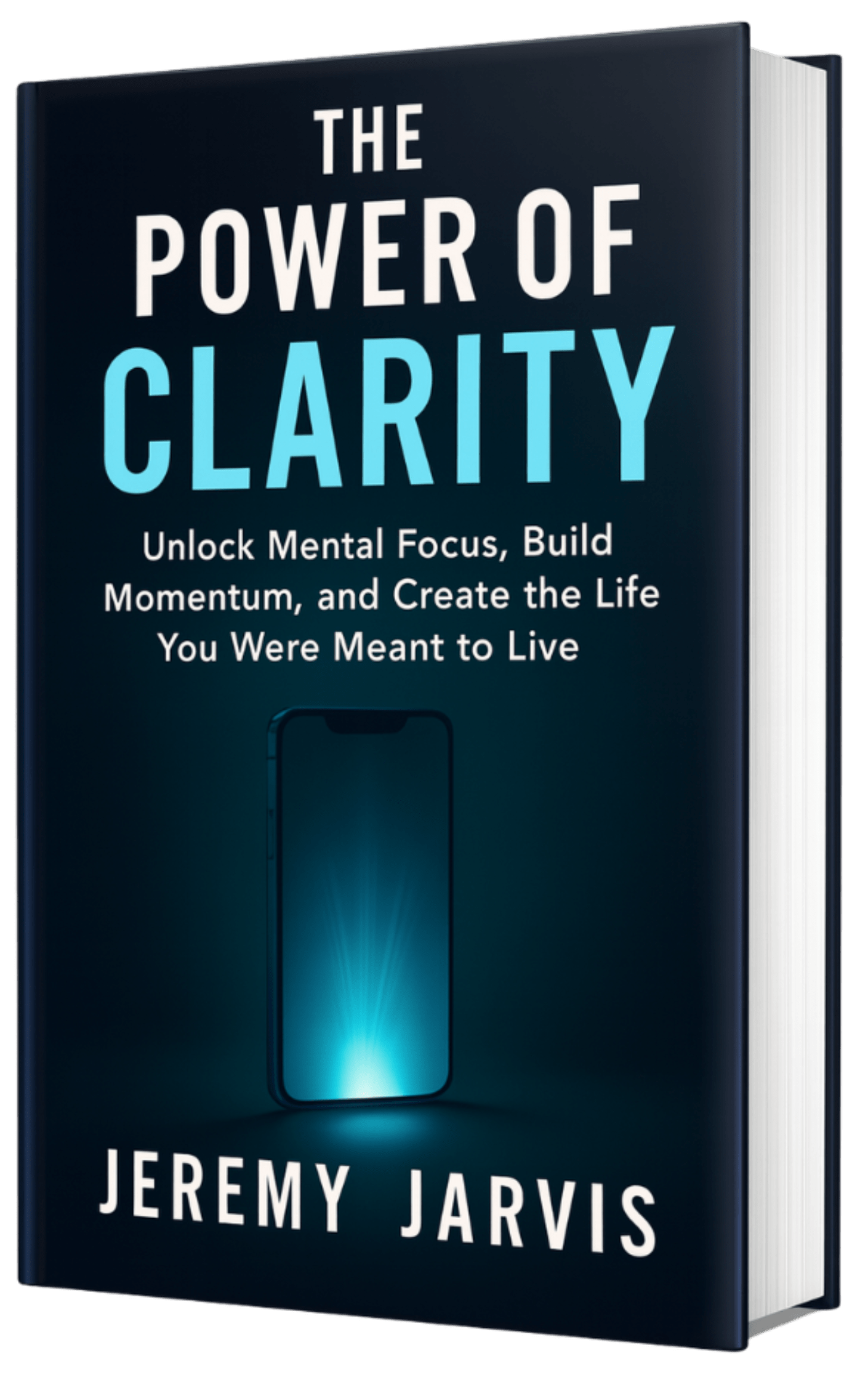
The Power of Clarity
Unlock mental focus, build momentum, and create the life you were meant to live.
View book →

AI & ChatGPT for Beginners
No PhD needed — a 2025 guide to AI, prompts, and productivity without coding.
View book →

Zen in the Digital Jungle
Mindfulness for a chaotic world.
View book →

The Slow Reset
Mindful living in a fast-paced world.
View book →

Perfectly Imperfect
Stop self-criticism, set boundaries, and embrace the real you.
View book →

Reclaiming Silence
A dopamine detox guide to finding peace in a noisy world.
View book →
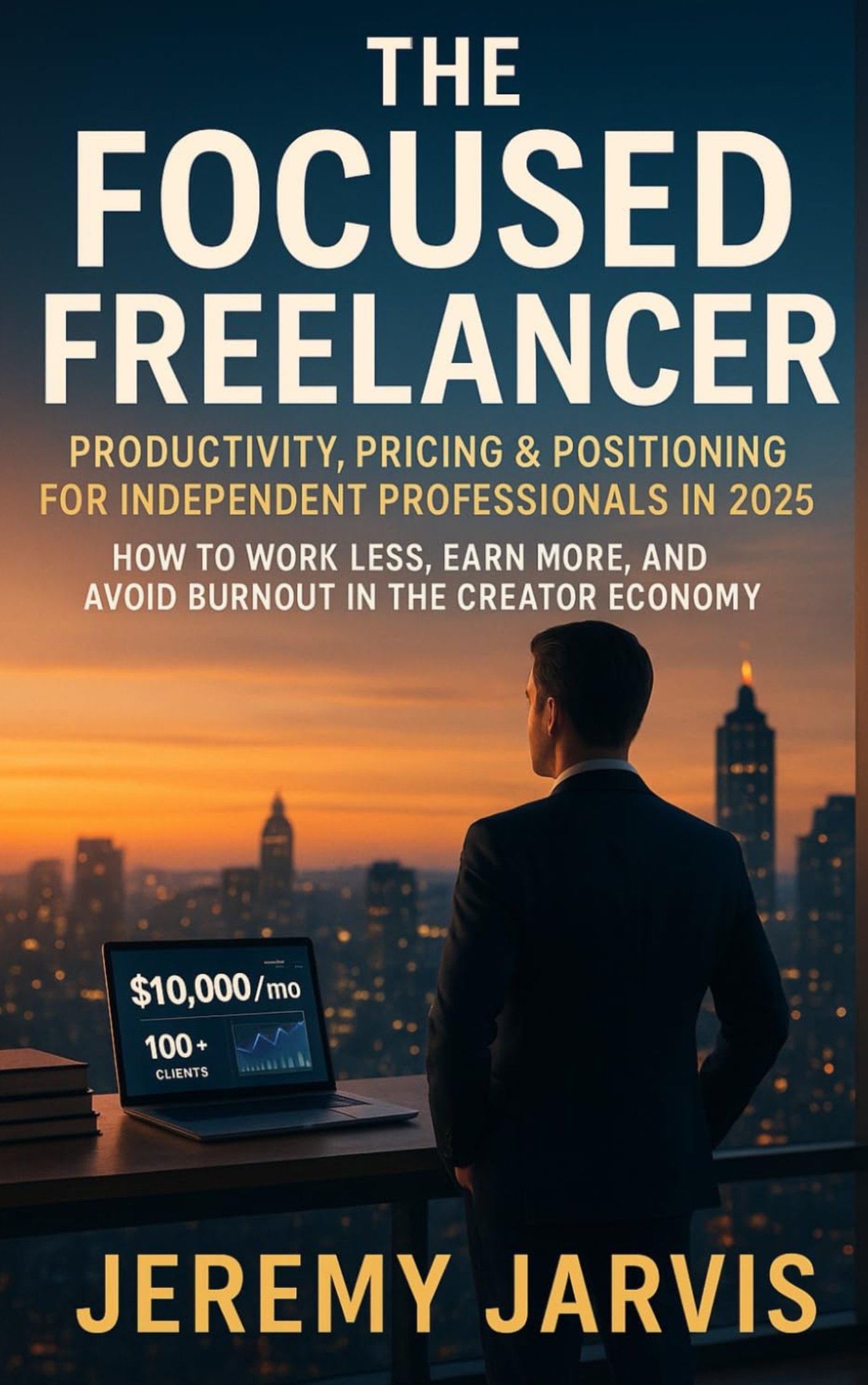
The Focused Freelancer
Productivity, pricing & positioning for independents in 2025.
View book →

ChatGPT Side Hustle System
Launch your AI-driven online business in 30 days.
View book →

Burnout, Interrupted
A proven path to restore energy and reclaim your life.
View book →
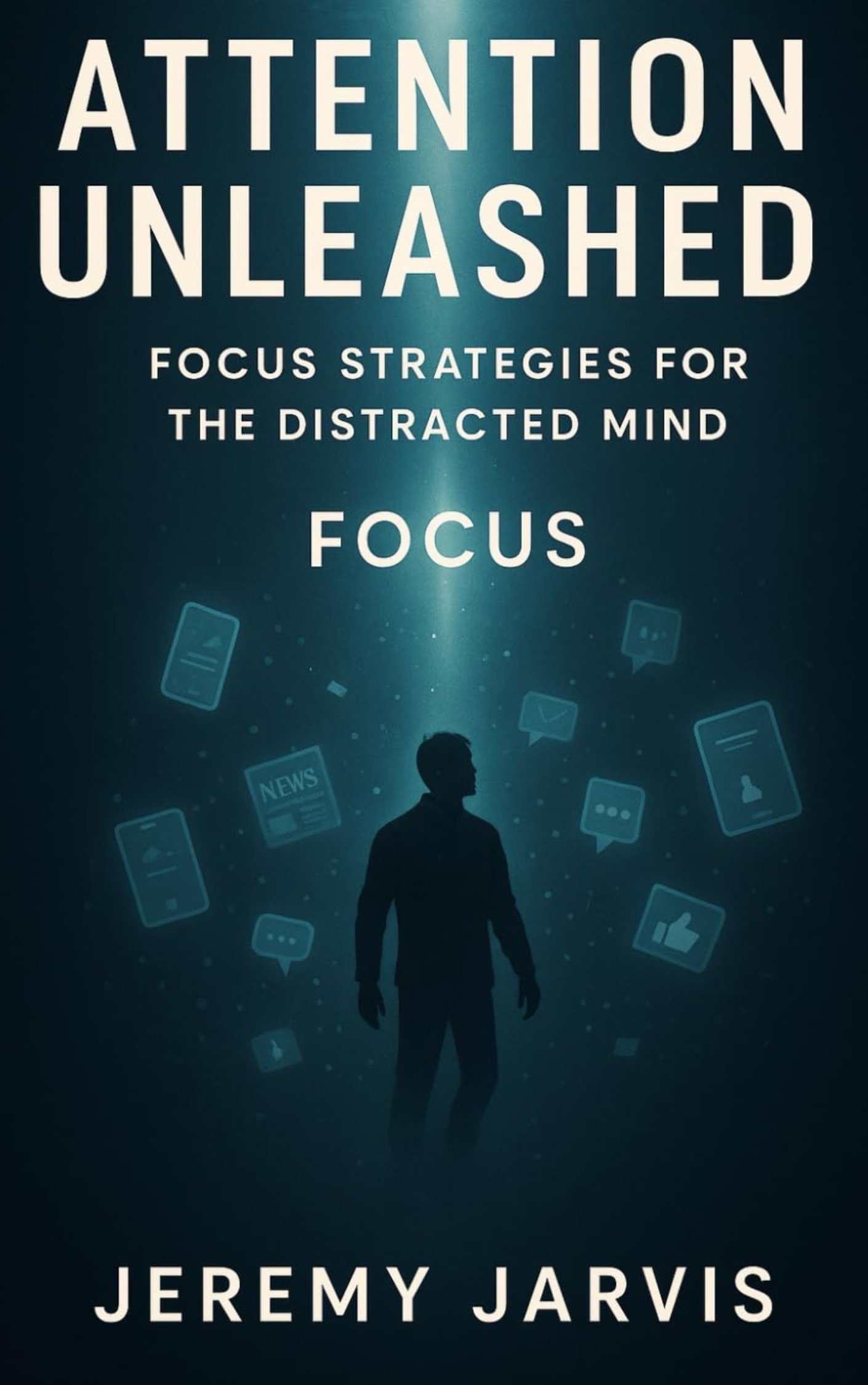
Attention Unleashed
Focus strategies for the distracted mind.
View book →

Side Hustle Launchpad
Your quick-start guide to extra income.
View book →

Digital Clarity
Rewire your brain, escape dopamine traps & regain focus.
View book →

Break the Scroll
Reduce screen time and take back control of your life.
View book →

Climate Compassion
Transform eco-anxiety into empowered action.
View book →

Village Mentality
The power of community for mental wellness.
View book →

Restful Nights
Overcoming sleep anxiety in a 24/7 world.
View book →

Connected Again
Combat loneliness and build meaningful relationships.
View book →
Focus Recharged
Mastering attention and productivity in the digital era.
View book →

Marketing Magic with ChatGPT
AI-powered content, campaigns, and copywriting to grow faster.
View book →

The 6-Figure Creator
Turn knowledge into passive income with books, courses & AI.
View book →

Burnout Breakthrough
Reset your work-life balance and thrive in 2025.
View book →

The Emotionally Intelligent Man
A modern guide to self-awareness and communication.
View book →

AI Personalized Wellness
Create your custom health plan with data-driven habits.
View book →

Everyday AI Made Easy
Use ChatGPT and smart tools to simplify life.
View book →

Money Mindfulness
A financial wellness guide for Gen Z & Millennials.
View book →

Startup Smarter with AI
ChatGPT strategies and tools to grow your business.
View book →

ChatGPT for Writers & Creators
Unlock AI-powered brainstorming, drafting & editing.
View book →