A research-backed guide to cognitive overload, attention residue, dopamine loops, and modern mental fatigue.

Jeremy Jarvis — Founder, Mind Clarity Hub
Published • Last updated
Jeremy is a cognitive-clarity researcher focused on how attention, digital habits, and neuroscience shape modern productivity. His work blends peer-reviewed research with practical frameworks for regaining focus in a distracted world.
Key Takeaways
- Mental fog has identifiable biological causes, including dopamine imbalance and attention fragmentation.
- Multitasking increases attention residue, which stalls deep focus and creates cognitive overload.
- Constant micro-stimulation disrupts working memory and reduces clarity.
- Daily resets and structured focus windows help restore cognitive precision.
Mental fog is no longer an occasional annoyance. In 2025, it has become a widespread cognitive burden shaped by digital overload, stimulant dependence, and nonstop task switching. Many people now describe their minds as “full,” “foggy,” or “scattered,” even after a good night’s sleep. This rising trend is not random. It is a predictable outcome of how our brains process information in an always-on environment.
This article breaks down the neuroscience behind mental fog and explains why your brain struggles to maintain clarity. You will explore concepts such as attention residue, dopamine loops, context switching, and neural fatigue—supported by real research and modern cognitive science.
Why Mental Fog Is Increasing in 2025
The average person now switches tasks more than 1,200 times per day. Each switch introduces a small cognitive delay called attention residue. This residue builds up until the brain can no longer clear space for new thoughts. The result is mental fog. Continuous micro-interruptions—from notifications, message threads, email pings, and app changes—guarantee that residue remains.
Research from the American Psychological Association shows that attention switching reduces cognitive output by up to 40 percent. These switches also stimulate dopamine reward pathways. The brain becomes trained to seek shallow stimulation instead of sustained focus. This cycle quickly leads to mental exhaustion and the “brain-full” sensation that so many describe today.
Dopamine Cycles and Digital Fog
Dopamine drives motivation and attention. Modern apps hijack this chemical through tiny bursts of novelty: notifications, feed updates, rapid-scrolling content, and micro-achievements. Each hit feels harmless. However, dopamine spikes create dependence on fast stimulation. Over time, baseline levels fall. Your brain requires more stimulation to feel normal.
This cycle makes deep work difficult. When baseline dopamine drops, the brain struggles with sustained attention. Mental fog appears as the brain attempts to stabilize itself. Stimulants such as caffeine can help, but they often mask the underlying imbalance.
The Working Memory Bottleneck
Working memory is the brain’s mental scratchpad. It holds small amounts of information for short periods. When overloaded, the system slows down. Modern digital environments overwhelm working memory with dozens of inputs per minute. Each new input competes for limited space.
Cognitive scientists at MIT note that working memory can only hold four meaningful items at once. Notifications, browser tabs, email threads, and background tasks exceed this limit instantly. Once capacity maxes out, fog becomes unavoidable.
How Input Overload Creates Fog
- Too many simultaneous tasks overwhelm neural buffers.
- Unfinished tasks linger and drain attention.
- High-stimulation content competes with goal-directed focus.
How to Clear Mental Fog and Regain Focus
You can reduce fog without radically changing your environment. The key is lowering cognitive load and stabilizing dopamine. Daily resets work extremely well: short walks, silent moments, deep breathing, or environmental changes. These small resets lower internal noise and restore clarity.
Daily Fog-Reduction Strategies
- Use one-tab focus sessions to reduce switching.
- Start mornings with quiet routines to lower stimulation.
- Limit background noise and micro-interruptions.
- Use analog tasks to reset dopamine levels.
- Schedule intentional “no-input windows.”
The Deeper Science Behind Mental Fog (2025 Research Trends)
Cognitive fog is no longer viewed as a vague symptom. In 2025, neuroscientists classify it as a measurable state driven by attention overload, dysregulated dopamine cycles, hyperstimulation, and working-memory depletion. As information density increases, so does the neurological cost of switching between tasks, platforms, and digital demands.
Why Modern Brains Are Overloaded
Research shows that the human brain is not designed for the constant flux of notifications, digital environments, and micro-decisions that define the modern day. Every interruption causes attention residue — small cognitive fragments left behind when we rapidly switch between tasks. Over time, these fragments accumulate and create the heavy, sluggish feeling many people now describe as “mental fog.”
Studies from the American Psychological Association confirm that overstimulation reduces working-memory capacity and increases mental fatigue, especially in knowledge workers and remote professionals. This pattern aligns closely with rising interest in digital clarity practices and tech-minimalist routines.
Underlying Patterns That Shape Mental Clarity
Mental fog rarely comes from one cause. It builds through hidden patterns like executive function strain, sensory overload, reward chasing, and attention fragmentation. These forces work quietly in the background and slowly weaken your ability to focus with ease.
As people explore mental clarity, they often look for practical ways to regain control. Many readers begin with small shifts, such as morning routines that strengthen attention rhythms , or gentle brain-calming habits . Others turn to structured digital habits like the strategies in Break the Scroll , which reduce screen-driven cognitive clutter.
Why Slow Focus Is Overtaking Fast Productivity
One of the most important shifts in 2025 is the move away from “speed-based productivity” toward slow focus — a deliberate, neuroscience-backed approach to restoring deep concentration. Slow focus relies on long, uninterrupted cognitive blocks, predictable morning rhythms, and controlled dopamine release. These habits counteract the mental fog produced by multitasking, short-form content, and digital overstimulation.
Hybrid professionals, entrepreneurs, and remote workers benefit especially from this model. It encourages routines that protect cognitive bandwidth and aligns with frameworks discussed in The Power of Clarity and in the broader “Digital Clarity Ecosystem” your site is building.
What Leading Researchers Say About Mental Fog in 2025
Mental fog is now considered a measurable cognitive state driven by shifting neurological patterns. In 2025, researchers highlight three core forces: distracted attention loops, working-memory overload, and dopamine-driven task fragmentation. These factors align with rising public interest in cognitive longevity, digital-wellness strategies, and attention-reset routines.
1. Cognitive Load & Fragmented Focus
Neuroscientists from Stanford and MIT emphasize that modern digital environments produce constant micro-switching — a rapid alternation of focus that strains the prefrontal cortex. This directly impacts decision-making, emotional regulation, and deep-work capacity. Their findings complement insights from calm-focus rewiring methods.
2. Dopamine Variability & Reward Fatigue
Studies in cognitive neurochemistry reveal that constant novelty-seeking (short-form feeds, alerts, multitasking) reduces dopamine stability. This instability creates the “foggy” sensation many describe in busy work environments. These findings connect closely with content in dopamine-reset frameworks .
3. Attention Repair Through Slow, Predictable Routines
Research from Harvard’s cognitive labs shows that predictable routines — especially morning sequences — restore executive function by reducing “decision drain.” This supports the principles outlined in morning mind-hacks for focus and the practices behind The Power of Clarity .
4. Long-Term Cognitive Preservation
Journals in neuroplasticity and brain health point to strategies such as controlled breathing, deep-focus cycles, auditory neural regulation, and environmental minimalism. These themes resonate with popular guidance in neural sound-ritual systems and digital-wellness practices now trending in 2025.
5-Minute Cognitive Clarity Diagnostic
Use this brief diagnostic to understand your current mental-fog state. It captures daily patterns that influence focus, attention, and cognitive load. Keep your responses simple and notice your trends over a full week.
1. Attention Stability Check
- Do you lose focus in under ten minutes?
- Do small interruptions derail your tasks?
- Do you switch tabs without clear intent?
2. Memory & Working-Memory Load
- Do you forget steps in a task you started?
- Do you need reminders for routine actions?
- Do you hold too many small tasks in mind?
3. Reward Sensitivity & Dopamine Balance
- Do you crave novelty when bored?
- Do you refresh apps without reason?
- Do short-form feeds capture your attention quickly?
4. Energy & Cognitive Fatigue
- Do you feel mentally tired before noon?
- Do simple tasks feel heavier than they should?
- Do your thoughts feel slow or cloudy?
If you answered “yes” often, you may be working under high cognitive load. Start with the slow-work routines in The Power of Clarity and the dopamine frameworks in this guide.
Mental Fog: Myths vs Reality
Many people misunderstand mental fog. These myths cause frustration, poor habits, and unnecessary worry. Let’s clear up the most common misconceptions using current cognitive-science insights.
Myth 1: “Mental Fog Means Something Is Wrong With Your Brain.”
Mental fog rarely signals damage. It often reflects high cognitive load, scattered attention, or reward dysregulation. These patterns improve with structured routines and low-stim environments.
Myth 2: “You Need Supplements to Fix Mental Fog.”
No supplement can replace behavioral changes. The biggest improvements come from sleep consistency, deep-focus cycles, dopamine resets, and environmental decluttering. Use research-backed tools instead of quick fixes.
Myth 3: “Digital Detoxes Must Be Extreme.”
You don’t need to quit tech. You need predictable rhythms that limit novelty and support stable reward patterns. The micro-approach works best, as explained in Break the Scroll .
Myth 4: “Mental Fog Is Only About Stress.”
Stress plays a role, but fog also comes from attention residue, multitasking, late-night stimulation, and inconsistent routines. Your environment shapes your clarity more than you realize.
Myth 5: “More Productivity Apps Will Fix It.”
More tools add more cognitive load. The brain prefers fewer inputs and steady rhythms. Use simple, repeatable systems like the ones in Digital Clarity .
You can explore deeper focus tools in related Mind Clarity Hub posts like Morning Routine Rewire Focus 2025 and the 3-Minute Sound Ritual.
Want to Go Deeper?
Explore practical systems for building clarity and mental precision in The Power of Clarity.
Frequently Asked Questions About Mental Fog (2025)
What exactly is mental fog?
Mental fog describes a temporary state where clarity drops and thinking slows. It often comes from cognitive overload and rapid task switching.
Why does mental fog feel more common in 2025?
Digital interruptions, fast dopamine cycles, and constant notifications strain attention systems. These stressors make fog more frequent for many people.
Does screen time make fog worse?
Yes. High screen exposure increases micro-switching, which leaves attention residue and disrupts deep focus.
Can poor sleep lead to mental fog?
Absolutely. Sleep restores working memory and clears neural waste. Poor rest reduces clarity and slows decision making.
Can dopamine imbalance cause mental fog?
Yes. Fast dopamine spikes train the brain to seek quick stimulation. This pattern undermines sustained focus and produces fog.
Is multitasking harmful for clarity?
Multitasking increases cognitive load and reduces efficiency. Each switch leaves residue that blocks clear thinking.
Can diet influence mental fog?
Yes. Foods that stabilize blood sugar support clearer thinking, while inflammation-heavy foods worsen fog for many people.
Does mental fog affect memory?
Mental fog can limit working memory capacity. When overloaded, the brain cannot keep information active for long.
How long does mental fog usually last?
Fog can last minutes or several hours depending on stress load, dopamine levels, sleep, and stimulation exposure.
What is the fastest way to clear mental fog?
Short resets, sunlight, hydration, and reducing inputs help the brain stabilize. Many people clear fog quickly with ten minutes of quiet movement.
Explore the Mind Clarity Hub Library
Practical books on focus, digital habits, resilience, and building a calmer mind.
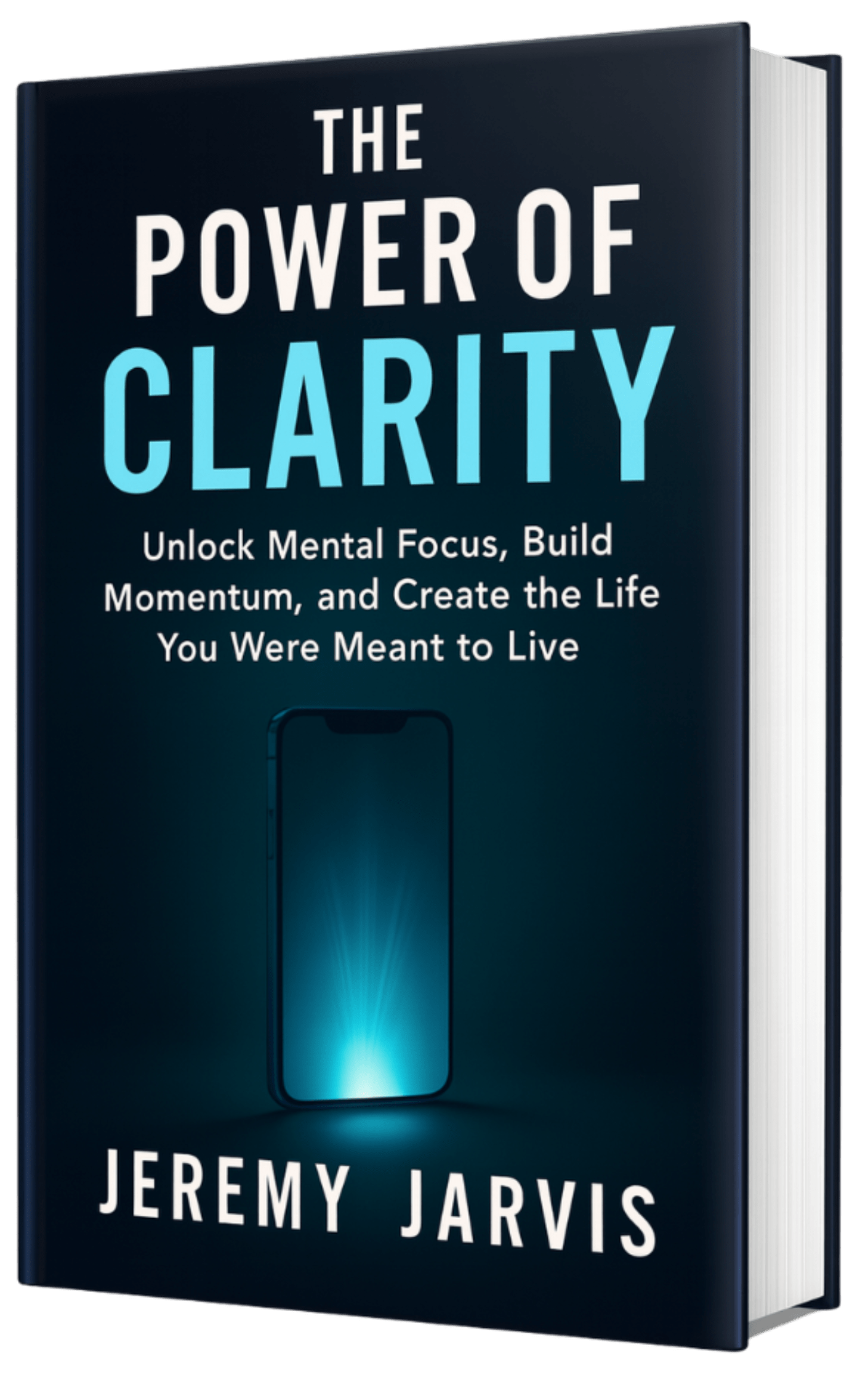
The Power of Clarity
Unlock mental focus, build momentum, and create the life you were meant to live.
View book →
AI & ChatGPT for Beginners
No PhD needed — a 2025 guide to AI, prompts, and productivity without coding.
View book →
Zen in the Digital Jungle
Mindfulness for a chaotic world.
View book →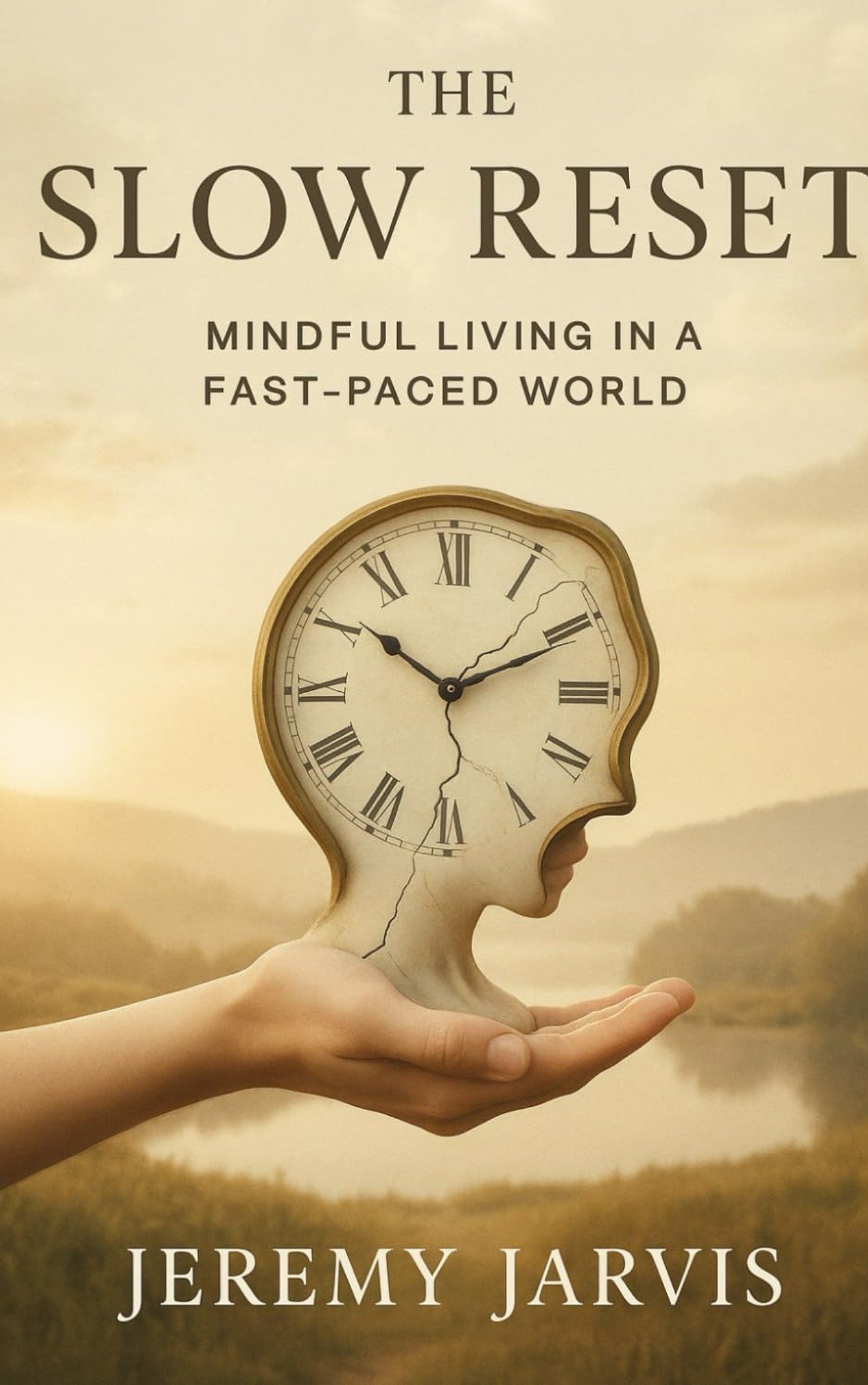
The Slow Reset
Mindful living in a fast-paced world.
View book →
Perfectly Imperfect
Stop self-criticism, set boundaries, and embrace the real you.
View book →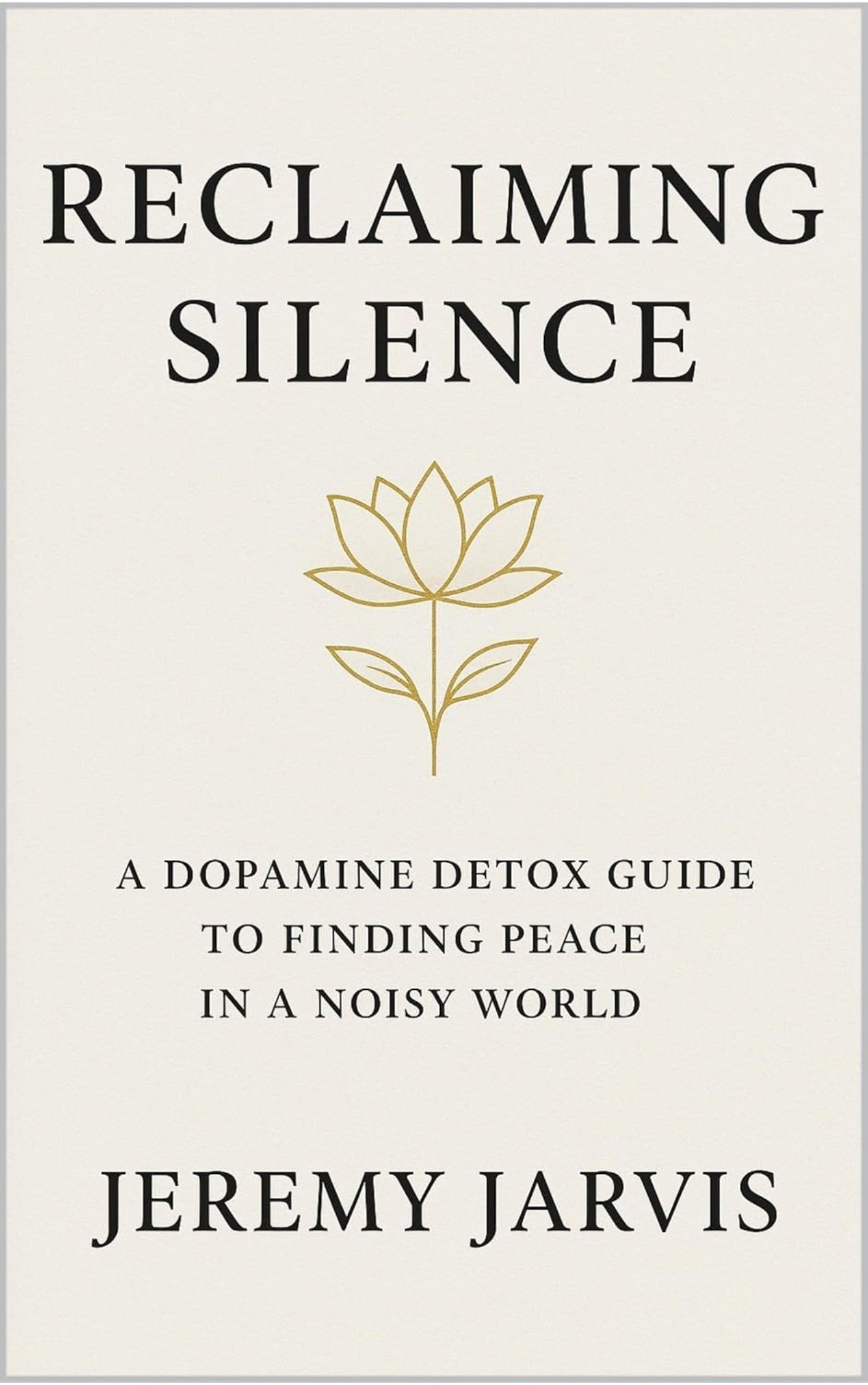
Reclaiming Silence
A dopamine detox guide to finding peace in a noisy world.
View book →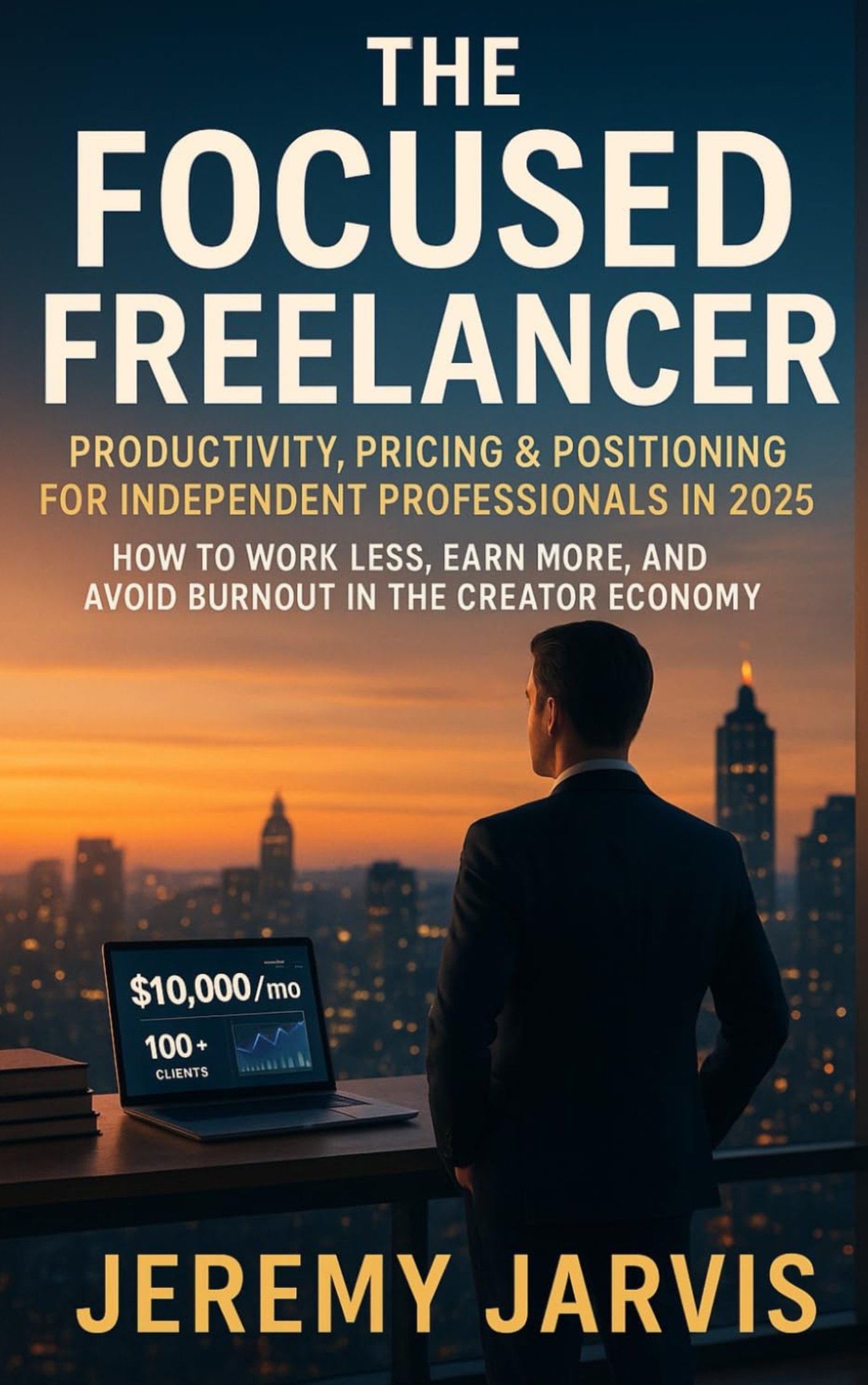
The Focused Freelancer
Productivity, pricing & positioning for independents in 2025.
View book →
ChatGPT Side Hustle System
Launch your AI-driven online business in 30 days.
View book →
Burnout, Interrupted
A proven path to restore energy and reclaim your life.
View book →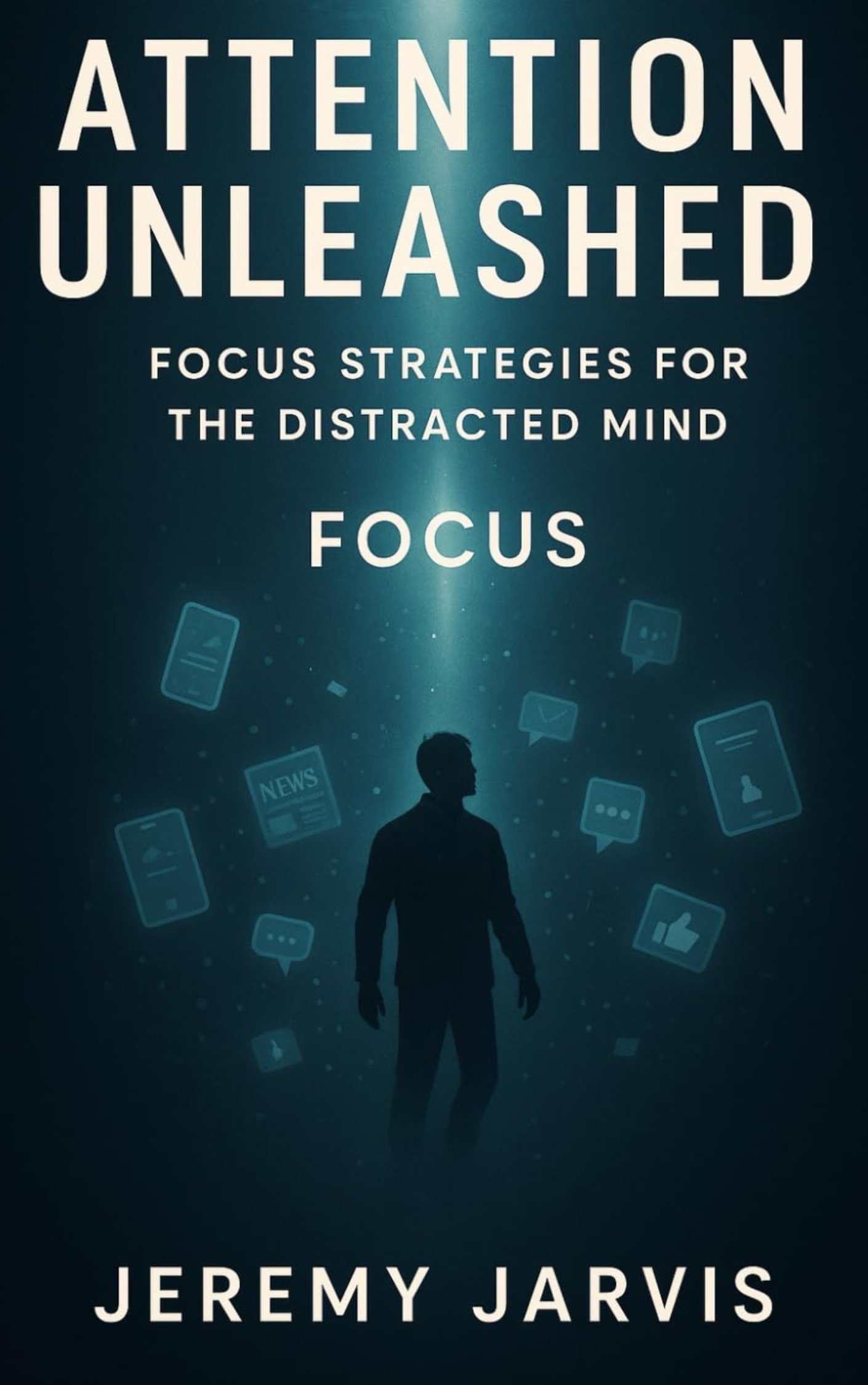
Attention Unleashed
Focus strategies for the distracted mind.
View book →
Side Hustle Launchpad
Your quick-start guide to extra income.
View book →
Digital Clarity
Rewire your brain, escape dopamine traps & regain focus.
View book →
Break the Scroll
Reduce screen time and take back control of your life.
View book →
Climate Compassion
Transform eco-anxiety into empowered action.
View book →
Village Mentality
The power of community for mental wellness.
View book →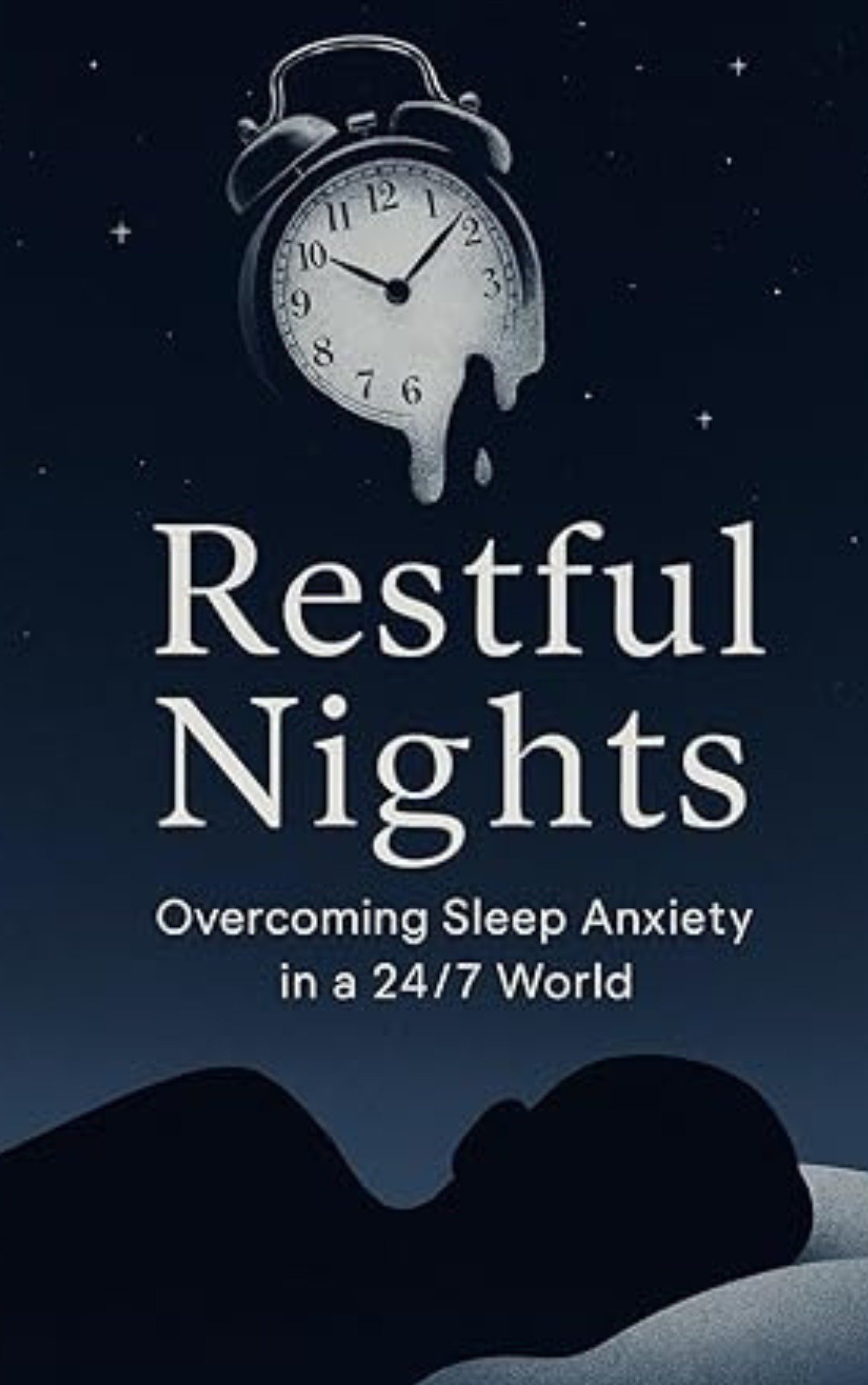
Restful Nights
Overcoming sleep anxiety in a 24/7 world.
View book →
Connected Again
Combat loneliness and build meaningful relationships.
View book →
Focus Recharged
Mastering attention and productivity in the digital era.
View book →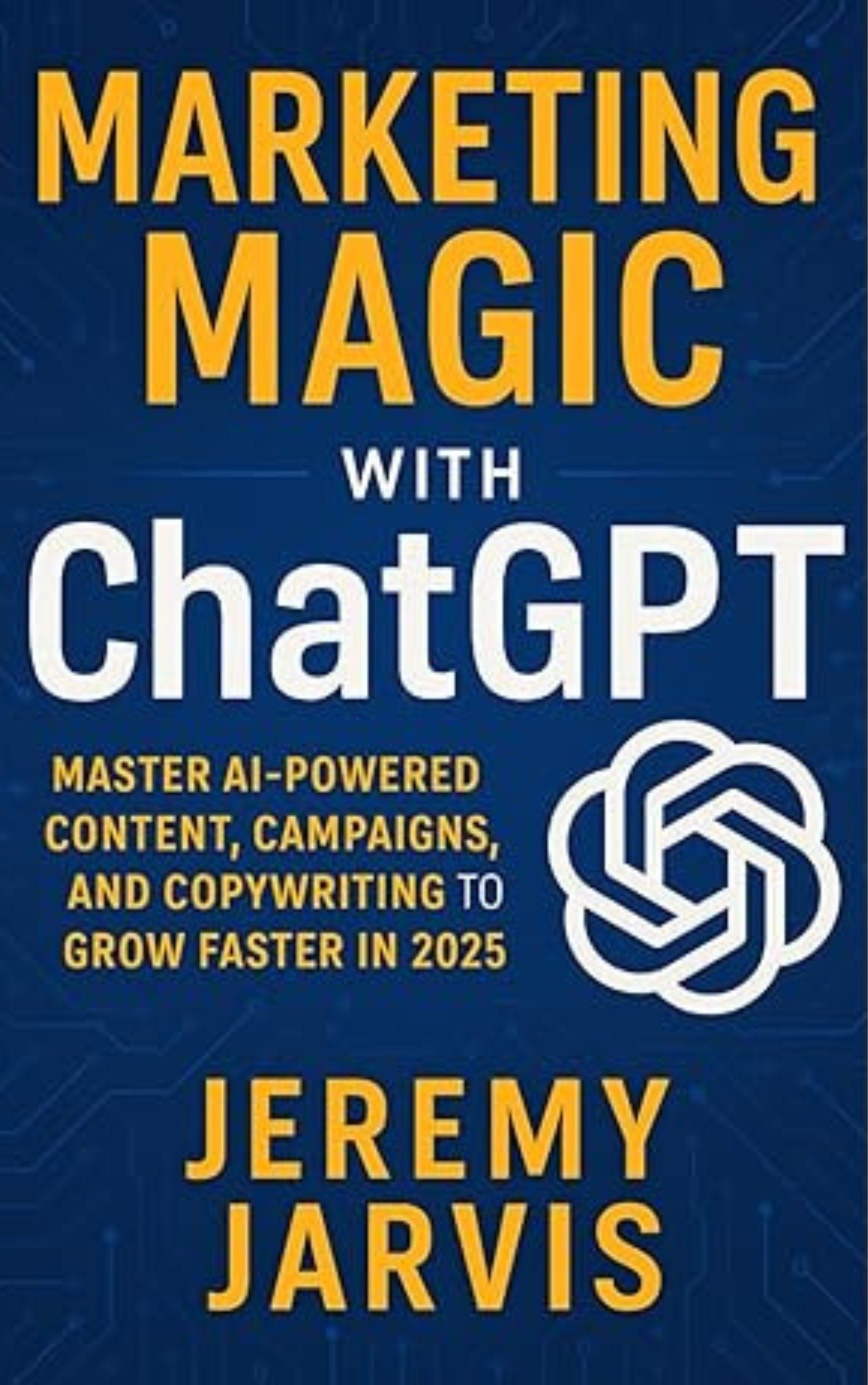
Marketing Magic with ChatGPT
AI-powered content, campaigns, and copywriting to grow faster.
View book →
The 6-Figure Creator
Turn knowledge into passive income with books, courses & AI.
View book →
Burnout Breakthrough
Reset your work-life balance and thrive in 2025.
View book →
The Emotionally Intelligent Man
A modern guide to self-awareness and communication.
View book →
AI Personalized Wellness
Create your custom health plan with data-driven habits.
View book →
Everyday AI Made Easy
Use ChatGPT and smart tools to simplify life.
View book →
Money Mindfulness
A financial wellness guide for Gen Z & Millennials.
View book →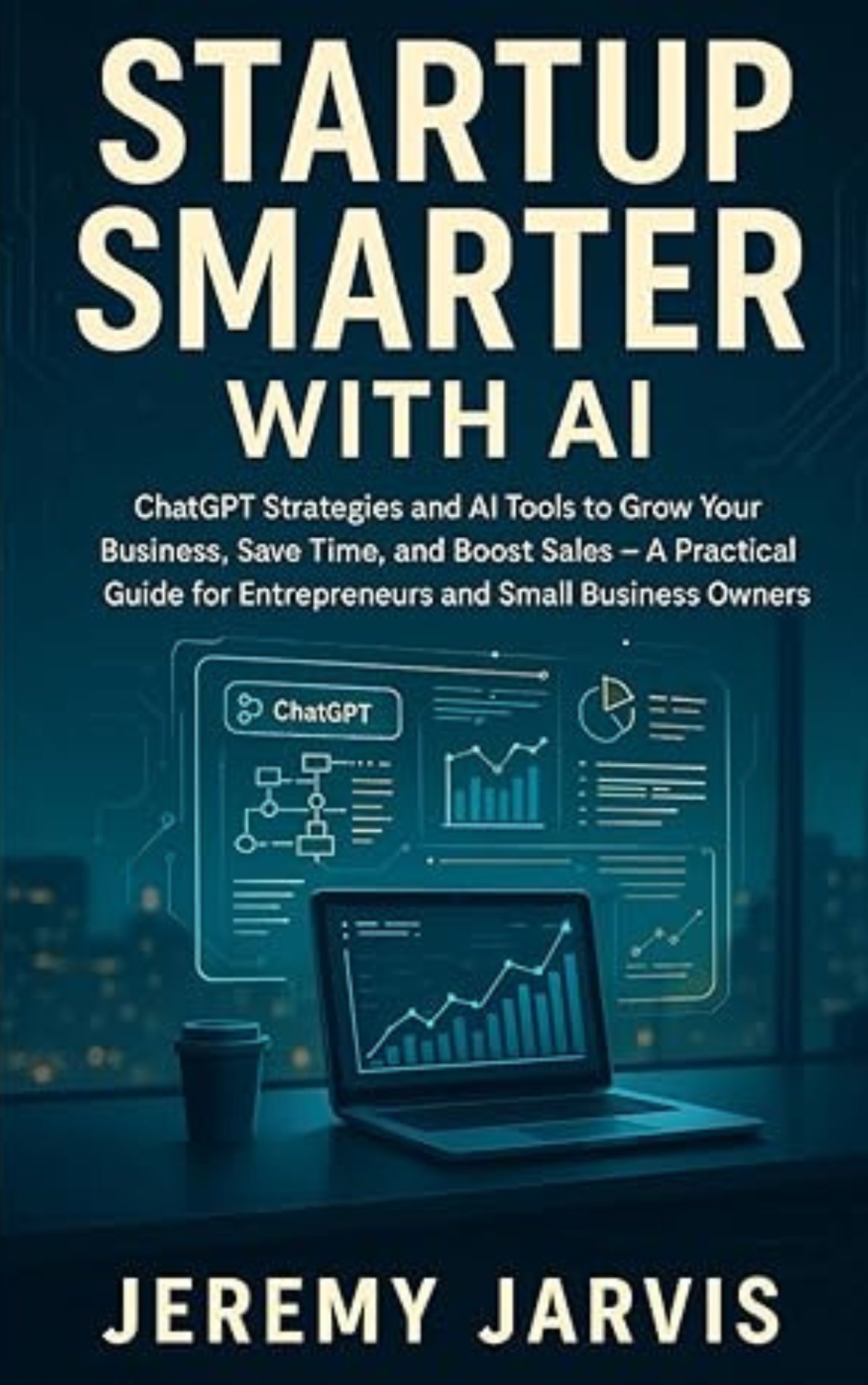
Startup Smarter with AI
ChatGPT strategies and tools to grow your business.
View book →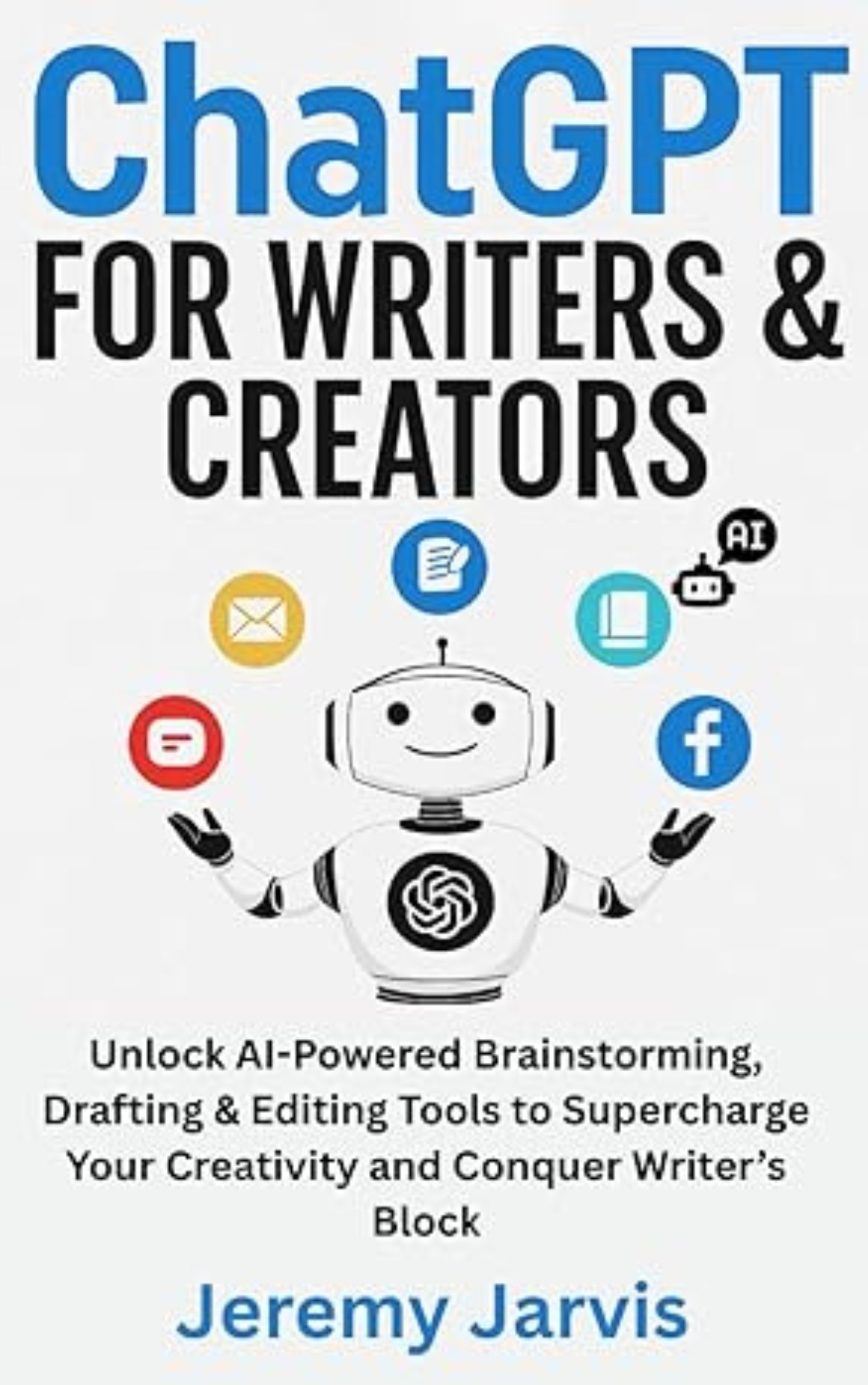
ChatGPT for Writers & Creators
Unlock AI-powered brainstorming, drafting & editing.
View book →