
...

Tag: digital well-being

  • The Unfollow Sprint: Tidy Your Instagram and TikTok in 20 Minutes

    The Unfollow Sprint: Tidy Your Instagram and TikTok in 20 Minutes

    PGgyPjxzdHJvbmc+VGhlIFVuZm9sbG93IFNwcmludDogVGlkeSBZb3VyIEluc3RhZ3JhbSBhbmQgVGlrVG9rIGluIDIwIE1pbnV0ZXM8L3N0cm9uZz48L2gyPgogIDxwPkFyZSB5b3UgZmZlZWxpbmcgb3ZlcndoZWxtZWQgYnkgdGhlIGNvbnN0YW50IGZsb29kIG9mIGNvbnRlbnQgb24gSW5zdGFncmFtIGFuZCBUaWtUb2s/IFlvdS’re not alone. The endless scroll, the comparison trap, and the sheer volume of information can quickly turn a fun pastime into a source of stress. This social media unfollow sprint guide for Instagram and TikTok overwhelm is designed to help you reclaim your digital peace in just 20 minutes. We’ll walk you through a quick, effective method to declutter your feeds, focusing on what truly adds value to your life.

    Many users report feeling overwhelmed or anxious due to their online activity, according to Pew Research Center studies. The good news is that you have the power to change your experience. By strategically unfollowing and muting accounts, you can transform your social media from a source of dread into a curated space that inspires, informs, and entertains you on your terms. Let’s dive into how to achieve this with our efficient Unfollow Sprint.

    Why a Social Media Unfollow Sprint is Essential

    In today’s hyper-connected world, our social media feeds often become digital junk drawers. We follow accounts out of habit, obligation, or a fleeting interest that’s long since faded. Over time, this digital clutter contributes to what’s often called "doomscrolling" – the tendency to continuously scroll through negative or overwhelming content. A targeted unfollow sprint offers a powerful antidote.

    Research from the American Psychological Association (APA) suggests a correlation between excessive social media use and increased feelings of loneliness or comparison. Taking control of your feed is a proactive step towards better digital well-being. This guide helps you manage your social media following list effectively.

    What Are the Benefits of Unfollowing Accounts on Instagram and TikTok?

    The advantages of a clean, curated social media feed are numerous:

    • Reduced Overwhelm: Less noise means less mental fatigue.
    • Improved Mood: A feed filled with positive, relevant content can boost your spirits.
    • Increased Focus: Without constant distractions, you can concentrate better on your goals.
    • More Time: Less aimless scrolling frees up precious minutes for other activities.
    • Better Mental Health: Experts suggest a more curated feed can lead to a more positive online experience.
    • Enhanced Creativity: Exposure to inspiring content can spark new ideas.

    This social media unfollow sprint guide for Instagram and TikTok overwhelm is your roadmap to these benefits.

    Preparing for Your 20-Minute Unfollow Sprint

    Before you begin, set yourself up for success. Find a quiet space where you won’t be interrupted. Put on some focus music if that helps. The goal is to be intentional and efficient.

    Affiliate disclosure: Some links in this guide may be affiliate links. If you buy through them, Mind Clarity Hub may earn a commission at no extra cost to you.

    Set Your Timer and Intentions

    Grab your phone and open your timer app. Set it for 20 minutes. This strict time limit is crucial for maintaining momentum and preventing analysis paralysis. Your intention for this sprint is simple: to create a social media feed that genuinely serves your well-being and interests.

    Define Your Values Filter

    What do you want your social media experience to be? Consider these questions:

    • Does this account inspire me?
    • Does it educate me in a positive way?
    • Does it make me laugh or feel good?
    • Is it relevant to my current goals or interests?
    • Does it consistently make me feel inadequate, anxious, or angry?

    Use these questions as your "values filter" during the sprint. If an account doesn’t align, it’s a candidate for unfollowing or muting. This social media unfollow sprint guide for Instagram and TikTok overwhelm emphasizes intentional curation.

    Close-up of a smartphone screen showing popular app icons like YouTube, Maps, and TikTok on a black background.
    A smartphone screen displaying various app icons, including TikTok, ready for a digital declutter. (Photo by indra projects from Pexels)

    The Unfollow Sprint: Step-by-Step

    Now, let’s get into the actionable steps for your social media unfollow sprint guide for Instagram and TikTok overwhelm.

    Step 1: Instagram – The "Following" List (5 Minutes)

    Open Instagram. Go to your profile and tap on "Following." You’ll see a list of all the accounts you follow. Instagram’s algorithm often shows you "Least Interacted With" and "Most Shown in Feed" categories, which can be incredibly helpful. Focus on these first.

    • Least Interacted With: These are accounts you rarely engage with. If you don’t miss their content, unfollow them.
    • Most Shown in Feed: Review these. Do they still align with your values filter? If not, unfollow or mute.
    • General Scroll: Quickly scroll through your entire following list. If you see an account and think "Who is this?" or "Why am I following them?" – unfollow.

    Mute vs. Unfollow Rule: If you feel obligated to follow someone (e.g., a distant relative, an old colleague) but don’t want to see their content, use the "Mute" option. This hides their posts and stories without unfollowing them. To mute, go to their profile, tap "Following," then "Mute."

    Step 2: TikTok – Managing Your "For You Page" (5 Minutes)

    TikTok’s "For You Page" (FYP) is algorithm-driven. While you don’t "follow" content in the same way, you can train the algorithm and unfollow accounts you’ve explicitly followed. This is a critical part of your social media unfollow sprint guide for Instagram and TikTok overwhelm.

    • Review Followed Accounts: Go to your profile and tap "Following." Scroll through and unfollow any accounts that no longer resonate.
    • Train Your FYP: As you scroll your FYP, if you see content you don’t like, long-press on the video and select "Not interested." You can also choose "Hide videos from this user" or "Hide videos with this sound."
    • Block When Necessary: For truly negative or harmful content/users, use the "Block" function.

    Step 3: Quick Feed Scan (5 Minutes)

    Spend the next five minutes doing a rapid scan of your actual Instagram and TikTok feeds. As you scroll, if you see content from an account that immediately triggers a negative feeling, or simply doesn’t align with your values filter, take immediate action:

    • Instagram: Tap the three dots next to the post and choose "Unfollow" or "Mute."
    • TikTok: Long-press the video and select "Not interested" or "Hide videos from this user."

    Don’t overthink it. Trust your gut reaction. This quick scan reinforces your curation efforts from the previous steps of this social media unfollow sprint guide for Instagram and TikTok overwhelm.

    Step 4: Reflection and Planning (5 Minutes)

    Your 20 minutes are up! Take a moment to reflect on what you’ve accomplished. How does your feed feel now? Even a small number of unfollows can make a big difference.

    Use this time to plan your maintenance cadence. How often will you do a mini-sprint? Weekly? Monthly? Consistency is key to long-term digital well-being. This social media unfollow sprint guide for Instagram and TikTok overwhelm is a starting point, not a one-time fix.

    Maintaining Your Curated Social Media Space

    An unfollow sprint is a powerful reset, but maintaining a healthy social media environment requires ongoing effort. Consider these strategies:

    Strategy Description Frequency
    Mini-Sprints Dedicate 5-10 minutes weekly to review your feeds and unfollow/mute new offenders. Weekly
    Notification Audit Turn off non-essential notifications for Instagram and TikTok. Only allow alerts for direct messages if needed. Monthly / As needed
    Time Limits Use your phone’s built-in screen time features to set daily limits for social media apps. Daily
    Mindful Scrolling Before opening an app, ask yourself: "What is my intention for being here?" Avoid mindless scrolling. Every session
    Digital Sabbath Consider taking a few hours or a full day each week completely off social media. Weekly

    By integrating these habits, you can ensure your social media remains a tool for connection and inspiration, rather than a source of stress. This social media unfollow sprint guide for Instagram and TikTok overwhelm is about empowering you.

    Smartphone screen displaying social media app notifications in a dimly lit setting.
    A smartphone screen showing an array of social media notifications, highlighting the need for digital decluttering. (Photo by dumitru B from Pexels)

    How to Unfollow Everyone on Instagram and TikTok Quickly?

    While this guide focuses on a strategic sprint, some users might wonder about mass unfollowing. It’s important to note that both Instagram and TikTok have daily limits on the number of accounts you can unfollow to prevent spamming and bot activity. Attempting to unfollow too many accounts too quickly can flag your account for suspicious behavior and potentially lead to temporary restrictions or even suspension.

    Therefore, a "quick" mass unfollow is generally not recommended. Instead, consistent mini-sprints, as outlined in this social media unfollow sprint guide for Instagram and TikTok overwhelm, are safer and more effective for long-term account health and digital well-being. Avoid third-party apps that promise bulk unfollowing, as these often violate platform terms of service and can compromise your account security.

    The Unfollow Sprint Decision Tree

    Use this simple decision tree to guide your unfollowing choices during the sprint:

    Start: See Account

    Does it add value or joy?

    No

    Yes

    Does it cause obligation?

    Keep Following

    Yes

    No

    Unfollow

    Mute

    Amazon Resources for Digital Well-being

    To further support your journey to digital clarity, consider these helpful resources available on Amazon:

    Affiliate disclosure: As an Amazon Associate, Mind Clarity Hub may earn from qualifying purchases made through the links below at no extra cost to you. These are genuinely useful tools for managing your digital life.

    FAQ: Your Social Media Unfollow Sprint Questions Answered

    Q: How often should I do a social media unfollow sprint?

    A: For optimal results, aim for a 20-minute sprint once a month. You can also do shorter, 5-10 minute "mini-sprints" weekly to keep your feeds tidy. Consistency is key to managing social media unfollow sprint guide for Instagram and TikTok overwhelm.

    Q: Will unfollowing accounts affect my social media reach or engagement?

    A: Unfollowing accounts you don’t engage with will likely improve your feed’s quality without negatively impacting your own reach. In fact, by engaging more with content you truly enjoy, you might even see a positive shift in the algorithm showing you more of what you like, and potentially, showing your content to more relevant audiences.

    Q: What if I accidentally unfollow someone important?

    A: Don’t worry! You can always refollow them. The sprint is about quick decisions. If you realize you’ve unfollowed someone you truly wanted to keep, simply search for their profile and follow them again. This social media unfollow sprint guide for Instagram and TikTok overwhelm is flexible.

    Q: Can I use this sprint for other social media platforms?

    A: Absolutely! While this guide specifically targets Instagram and TikTok, the principles of the unfollow sprint – defining your values filter, setting a timer, and strategically unfollowing/muting – can be applied to any social media platform, including Facebook, Twitter, or LinkedIn.

    Take Control of Your Digital Space

    The Unfollow Sprint is more than just deleting accounts; it’s an act of self-care. By taking 20 minutes to curate your Instagram and TikTok feeds, you’re investing in your mental clarity, focus, and overall well-being. Don’t let social media overwhelm dictate your mood. Use this social media unfollow sprint guide for Instagram and TikTok overwhelm to create a digital environment that truly supports you. Start your sprint today and experience the difference!

    Simple follow-through check for social media unfollow sprint guide for instagram and tiktok overwhelm

    Before you turn this advice into a new system, choose one small action that can be repeated on a normal day. The best clarity tools are the ones that still work when the calendar is full, energy is low, or the workspace is imperfect. For social media unfollow sprint guide for instagram and tiktok overwhelm, start with the lowest-friction step, then notice whether it makes the next task easier to begin.

    Keep the routine visible and easy to reset. A short checklist, a labeled folder, a planning page, or a single reminder can do more than a complicated setup that only works once. If the process feels heavy, reduce the number of steps until it becomes something you can trust again tomorrow.

    How can you make social media unfollow sprint guide for instagram and tiktok overwhelm easier to keep?

    A helpful routine should reduce friction rather than become another task to manage. Start by deciding where the action will happen, what cue will start it, and what counts as enough on a low-energy day. This keeps the plan grounded in real life. It also prevents the common mistake of building a system that only works when everything is quiet.

    Use source-backed claims carefully. Everyday planning, sleep, stress, and focus habits can support wellbeing, but they are not medical treatment. If a symptom is severe, persistent, or unsafe, professional support matters. For ordinary habit design, the practical goal is smaller: create a repeatable cue, remove one avoidable barrier, and give yourself a way to restart without shame.

    Check What to confirm Best next step
    Energy Choose one low-friction step that works on a normal weekday. Shorten the routine before adding tools.
    Environment Check whether the setup works in the real room, desk, or schedule you use. Move the cue into sight and remove one barrier.
    Evidence Use credible health or productivity sources for claims. Avoid treatment promises and keep advice practical.
    Follow-through Decide how you will reset after a missed day. Use a two-minute restart instead of an all-or-nothing plan.

    Which sources can keep the advice grounded?

    What should you test this week?

    • Pick one cue that already happens daily, such as opening a laptop, making coffee, or closing a notebook.
    • Choose a version of the habit that takes two minutes or less.
    • Write the restart rule before you miss a day.
    • Review after seven days and remove the step that caused the most friction.

    This simple review turns social media unfollow sprint guide for instagram and tiktok overwhelm from a vague intention into a small operating loop. You are not trying to prove discipline. You are trying to make the next useful action easier to notice and easier to repeat.

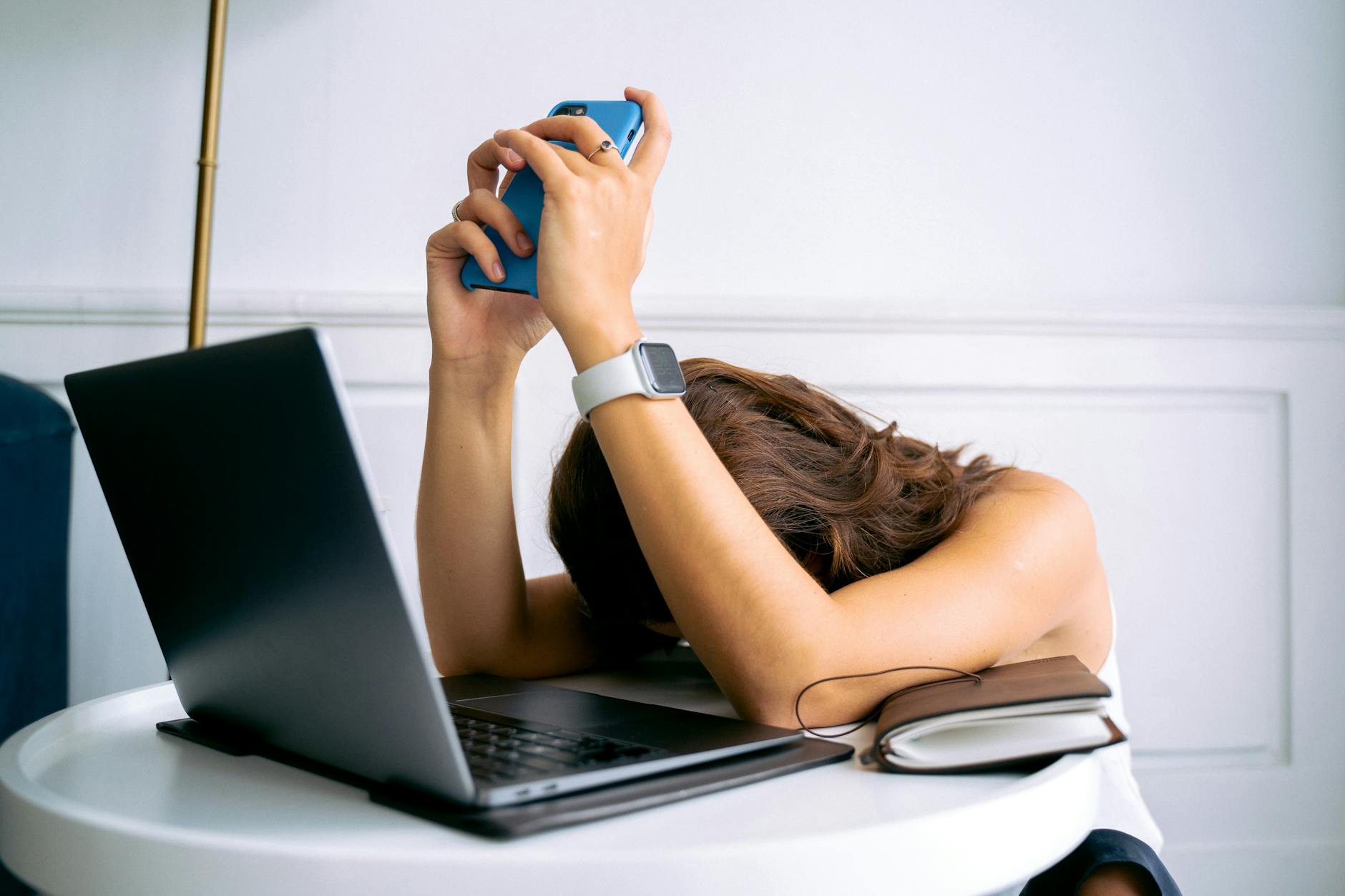
    Simple follow-through check for social media unfollow sprint guide for instagram and tiktok overwhelm

    Before you turn this advice into a new system, choose one small action that can be repeated on a normal day. The best clarity tools are the ones that still work when the calendar is full, energy is low, or the workspace is imperfect. For social media unfollow sprint guide for instagram and tiktok overwhelm, start with the lowest-friction step, then notice whether it makes the next task easier to begin.

    Keep the routine visible and easy to reset. A short checklist, a labeled folder, a planning page, or a single reminder can do more than a complicated setup that only works once. If the process feels heavy, reduce the number of steps until it becomes something you can trust again tomorrow.

    How can you make social media unfollow sprint guide for instagram and tiktok overwhelm easier to keep?

    A helpful routine should reduce friction rather than become another task to manage. Start by deciding where the action will happen, what cue will start it, and what counts as enough on a low-energy day. This keeps the plan grounded in real life. It also prevents the common mistake of building a system that only works when everything is quiet.

    Use source-backed claims carefully. Everyday planning, sleep, stress, and focus habits can support wellbeing, but they are not medical treatment. If a symptom is severe, persistent, or unsafe, professional support matters. For ordinary habit design, the practical goal is smaller: create a repeatable cue, remove one avoidable barrier, and give yourself a way to restart without shame.

    Check What to confirm Best next step
    Energy Choose one low-friction step that works on a normal weekday. Shorten the routine before adding tools.
    Environment Check whether the setup works in the real room, desk, or schedule you use. Move the cue into sight and remove one barrier.
    Evidence Use credible health or productivity sources for claims. Avoid treatment promises and keep advice practical.
    Follow-through Decide how you will reset after a missed day. Use a two-minute restart instead of an all-or-nothing plan.

    Which sources can keep the advice grounded?

    What should you test this week?

    • Pick one cue that already happens daily, such as opening a laptop, making coffee, or closing a notebook.
    • Choose a version of the habit that takes two minutes or less.
    • Write the restart rule before you miss a day.
    • Review after seven days and remove the step that caused the most friction.

    This simple review turns social media unfollow sprint guide for instagram and tiktok overwhelm from a vague intention into a small operating loop. You are not trying to prove discipline. You are trying to make the next useful action easier to notice and easier to repeat.

  • A Microbreak Routine to Cut Screen Fatigue Without Losing Flow

    A Microbreak Routine to Cut Screen Fatigue Without Losing Flow

    If screens tire your eyes and stiffen your back, a microbreak routine for screen fatigue relief can help you reset without losing flow. This guide gives you evidence-backed intervals, a 60-second posture reset, a 20-20-20 eye relief script, and easy browser reminders. You will also get a one-page routine card you can print or pin next to your monitor.

    Key takeaways for your screen break routine

    • Use the 20-20-20 eye rule every 20 minutes for 20 seconds to reduce strain and dryness.
    • Add a 60–90 second posture reset every 30–40 minutes to ease neck, shoulder, and back tension.
    • Stand and walk for 3–5 minutes every 90–120 minutes to refresh blood flow and alertness.
    • Set friction-free browser or OS reminders so breaks happen even on busy days.
    • Keep breaks brief and consistent so you maintain focus and protect your energy.

    What is a microbreak routine for screen fatigue relief?

    A microbreak is a short, planned pause from the screen or static posture. It lasts seconds to a few minutes. The goal is to reset your visual focus, posture, and attention before discomfort builds. A microbreak routine for screen fatigue relief strings these tiny resets together across your day. It uses a simple rhythm and small actions. Because the breaks are short, you return to the task with less strain and steadier focus.

    Research supports short, regular breaks. Brief mental breaks can reset attention and improve performance on sustained tasks. Ergonomic guidance also encourages posture changes and micro-movements to reduce musculoskeletal load at computer workstations. Eye care groups recommend the 20-20-20 rule to ease digital eye strain. These streams of evidence point to a practical plan that fits real work.

    Why this screen break routine works

    Three pillars guide this routine: eyes, posture, and attention. When you manage all three, comfort rises and errors fall.

    • Eyes: The American Academy of Ophthalmology promotes the 20-20-20 rule. Every 20 minutes, look at something 20 feet away for 20 seconds. This reduces accommodative spasm and dryness from reduced blink rates.
    • Posture: OSHA’s computer workstation guidance emphasizes neutral posture and frequent posture change to reduce static load on the neck, shoulders, and lower back. Very short movement breaks can help unload tissues and restore comfort.
    • Attention: Brief and rare breaks in sustained attention tasks can prevent performance drops over time. Even a few seconds to switch focus can help your brain reset.

    Put together, these points favor a microbreak routine for screen fatigue relief that is easy to remember and hard to skip.

    In addition, short resets help with β€œdecision fatigue.” After many small choices, your next choice can slow down. A 20-second distant gaze or a one-minute posture reset offers a micro-reset that restores mental clarity without pulling you into a new task. As a result, you return with steadier attention for the next block of work.

    Sources for the above recommendations:

    How the screen break routine fits a real workday

    Here is a practical structure you can follow from your first email to your shutdown ritual. It is simple on purpose. Also, it scales with your workload.

    Work mode Every 20 min Every 30–40 min Every 90–120 min Notes
    Standard focus (most tasks) 20-20-20 eyes (20s) Posture reset (60–90s) Walk/move (3–5 min) Use this by default for steady output.
    Deep work (high focus) Soft blink + distant gaze (10–20s) Micro-move at 40–50 min Walk/move at 100–120 min Keep breaks predictable to protect flow.
    Meeting-heavy (video calls) Look away during slide changes (10–20s) Neck and shoulder roll between meetings (60s) Stand between back-to-backs (3 min) Use chat breaks to reset posture and eyes.

    Because the actions are short, you can place them at natural seams in the task. For example, run the eye break as you wait for a file to save. Then stand and do the posture reset after you send a draft. Over time, you will see more of these β€œmicro-openings,” such as compile times, page loads, or meeting handoffs.

    Your first week with eye and posture microbreaks

    Start with one rhythm and keep it for five days. This makes tracking and tuning easier.

    1. Pick the Standard focus track from the table above.
    2. Install two reminders: a 20-minute eye cue and a 40-minute posture cue.
    3. Write the eye script on a sticky note until it feels automatic.
    4. Print the routine card below. Keep it next to your keyboard.
    5. At the end of each day, rate eye strain and neck/back comfort from 1–5. Adjust one thing for the next day.

    After a week, you will know which interval needs more support. Then you can swap the 40-minute posture reset to 35 or 45 as needed. If you already feel great, stay the course for another week to lock in the habit.

    How often should you run eye and posture microbreaks?

    Short answer: more often than you think, but for less time. The 20-20-20 rule is a quick and reliable visual reset. A 60–90 second posture break every 30–40 minutes reduces static load. A longer 3–5 minute movement window every 90–120 minutes restores blood flow. This cadence keeps the benefits high and the costs low. It also keeps your microbreak routine for screen fatigue relief easy to remember.

    Posture reset for your screen break routine

    Follow this simple sequence. You can do it seated or standing. Move within a comfortable, pain-free range. If anything hurts, skip it.

    1. Un-hunch and lengthen: Sit tall or stand with feet hip-width. Imagine a string lifting the crown of your head.
    2. Shoulder rolls: 5 slow circles back, then 5 forward. Breathe out as your shoulders drop.
    3. Neck mobility: Look left-right 3 times. Nod yes 3 times. Tilt ear to shoulder 2 times each side.
    4. Open the chest: Interlace fingers behind your back or place hands on the desk edge. Gently draw shoulder blades together for 10 seconds. Release.
    5. Hip and hamstring wake-up: While standing, hinge at hips and reach toward the floor or thighs. Hold a gentle stretch for 10 seconds. Rise slowly.

    That is it. You have unloaded big muscle groups, expanded your breathing, and re-centered your posture. This pairs well with a microbreak routine for screen fatigue relief because it is fast and repeatable.

    20-20-20 eye relief script (say it out loud)

    Try this short script. Saying it helps you follow through.

    β€œEyes up. Find a far point. Breathe in. Blink soft and slow. Twenty seconds. Return.”

    Tips to make it work:

    • Pick a landmark at least 20 feet away. A tree out a window or a wall corner in a big room works.
    • Close your eyes for one breath if they feel dry. Add two slow blinks.
    • As a result, your ciliary muscles relax and tear film can recover.

    Use the script within your microbreak routine for screen fatigue relief so your eyes reset before strain builds.

    Micro-moves for eye and posture microbreaks

    • Calf pumps: Rise onto toes for 10 slow reps. Then rock back on heels 10 reps.
    • Wall or desk push-ups: 10–15 slow reps while keeping shoulders down.
    • Figure-4 hip stretch: Cross ankle over opposite knee. Sit tall and hinge forward for 10–20 seconds each side.
    • Forearm and wrist stretch: Extend one arm. Gently pull fingers back and then flex for 10 seconds each side.
    • Seated march: Sit tall and lift one knee, then the other, for 30–45 seconds.

    These moves are brief. They help you reset blood flow and tissue load so you can return to work ready to focus. If you wear business clothes or work in a shared office, choose discreet options like calf pumps and wrist stretches.

    Worker using a microbreak routine for screen fatigue relief: looking away from laptop and relaxing shoulders.
    Use natural seams in your task to look away, blink, and reset your posture. Photo by Anna Tarazevich via Pexels.

    Description and provenance: Realistic stock photo licensed via Pexels. Photographer: Anna Tarazevich. Source: Pexels image 6173668.

    Tools to cue your screen break routine without derailing flow

    Reminders should be quick to set, hard to miss, and easy to dismiss. Here are three simple routes.

    Option Best for How it cues you Setup speed
    Browser alarms Chromebook, web-first users Tab chime + badge Fast
    OS notifications Windows/macOS power users Native toast/banners Fast
    Calendar pings People who live in calendars Popup at set intervals Moderate

    Add browser reminders for eye and posture microbreaks

    1. In Chrome or Edge, open a new tab. Search β€œonline interval timer 20 minutes.” Pick a simple one that runs in a pinned tab.
    2. Pin the tab. Right-click the tab, choose Pin. Also, set the timer to loop with a soft sound.
    3. Open a second timer for 40 minutes and pin it too. Name tabs β€œEyes 20” and β€œPosture 40.”

    Set OS-level reminders for your screen break routine

    • Windows: Open Clock > Timer. Create 20m and 40m timers. Toggle sound to low. Pin Clock to the taskbar.
    • macOS: Open Reminders. Make a list β€œMicrobreaks.” Add recurring reminders: Every 20m β€œEyes,” Every 40m β€œPosture.” Turn on notifications.
    • Linux: Use your desktop’s clock or a light-weight notifier like a cron job that runs a local notification command.

    Use calendar pings for your digital eye strain microbreak plan

    1. Create a calendar named β€œBreaks.”
    2. Add a repeating event from 9:00–5:00 with 20-minute notifications (some apps allow repeated reminders on one event; if not, create two: one for 20m, one for 40m).
    3. Color it light gray so it stays in the background.

    Whichever method you choose, keep the cue gentle. The goal is a microbreak routine for screen fatigue relief that runs in the background, not a loud interruption.

    Does this screen break routine protect deep work?

    Yes, if you keep actions brief and predictable. The brain handles planned, low-friction switches far better than surprise interruptions. A 10–20 second eye shift and a one-minute posture reset will not erase context. In fact, they reduce fatigue that can push you to task-switch. Therefore, keep the cadence steady. Also, stack the actions at natural seams like compile times, save dialogs, page loads, or meeting transitions.

    Eye and posture microbreaks when you cannot leave your desk

    Stay seated, and do a micro-version:

    • Eyes: Close them for one slow breath, then look far for 10 seconds.
    • Posture: Scoot to the chair edge. Sit tall. Do 5 shoulder rolls and 3 neck nods.
    • Movement: Heel-toe pumps and seated marches for 30 seconds.

    This still counts. Also, the consistency keeps your microbreak routine for screen fatigue relief on track.

    Quick fixes inside a screen break routine

    Symptom Likely driver Quick microbreak fix
    Dry, burning eyes Reduced blink rate 20-20-20 script + two soft blinks
    Neck ache Forward head posture Sit tall, chin tuck, shoulder rolls (60s)
    Upper back tightness Rounded posture Chest openers + standing hinge (60–90s)
    Foggy focus Sustained attention fatigue Look far, 3 deep breaths, short walk (2–3 min)

    Build your cadence for eye and posture microbreaks

    Not everyone needs the same interval. Your work type, display setup, and sleep quality all matter. Use this three-step loop to dial it in:

    1. Start Standard cadence: 20-20-20 every 20 minutes; posture reset every 40 minutes; 3–5 minute walk every 100–120 minutes.
    2. Track comfort and focus once per day. A 1–5 scale is enough.
    3. Adjust only one lever each week. For example, move posture to 35 minutes if neck ache persists, or extend the long break from 100 to 90 minutes if you feel foggy.

    As a result, your microbreak routine for screen fatigue relief will match your body and schedule.

    One-page card for your screen break routine

    Copy, print, or pin this mini card. Keep it in view. Read it once each morning as part of your startup ritual.

    Microbreak Routine β€” Keep Flow, Cut Fatigue

    • Every 20 min: 20-20-20 eyes β€” Look 20 ft away for 20s. Blink softly.
    • Every 35–40 min: Posture reset β€” Sit/stand tall. Shoulder rolls x5. Neck moves x3. Open chest 10s. Hinge 10s.
    • Every 100–120 min: Walk/move 3–5 min β€” breathe, swing arms, reset stance.
    • Script: β€œEyes up, find far point, slow blinks, twenty seconds, return.”
    • Notes: Keep cues gentle. Stack at natural seams. Log comfort 1–5 at day end.

    Make it yours: adjust one lever per week.

    Place this card where you will see it. The visible reminder keeps your microbreak routine for screen fatigue relief on autopilot.

    Visual guide: eye and posture microbreaks loop


    A simple loop showing a focus block leading to brief eye, posture, and movement breaks before returning to focus.

    Focus
    (20–40m)

    Eyes
    20s

    Posture
    60–90s

    Move
    3–5m

    Repeat

    Keep your loop short: Eyes (20s), Posture (60–90s), Move (3–5m), and return to focus.

    Desk setup to support your screen break routine

    Ergonomics will not replace breaks, but it can reduce the strain that forces them. Use these quick checks:

    • Screen height: Top line of text at or just below eye level.
    • Distance: About an arm’s length from your eyes to the display.
    • Chair: Hips slightly above knees. Feet flat. Lumbar support snug.
    • Keyboard and mouse: Elbows near 90Β°. Shoulders relaxed, not hiked.
    • Lighting: Reduce glare. Increase ambient light if your screen is the brightest thing in the room.

    Good setup plus a microbreak routine for screen fatigue relief keeps effort low and gain high.

    Make the habit stick: cues, routine, and reward

    Habits grow when the loop is clear. First, pick a cue you will always notice, like a soft chime or a calendar badge. Next, run the tiny routine: a 20-second gaze or a 60–90 second posture reset. Finally, add a small reward. For example, sip water, check a box on a paper tracker, or tap a streak app. That quick win teaches your brain to repeat the action.

    Here is a simple formula you can use: β€œAfter I hit Save, I look far for 20 seconds.” Or, β€œAfter I send a message, I do shoulder rolls for 60 seconds.” By pairing a fixed work event to each action, you do not have to rely on willpower.

    If you manage a team, consider setting shared norms. For instance, add a 20-second blink-and-breathe pause at the top of long meetings. This models healthy focus without adding meeting time.

    Troubleshoot reminders without losing momentum

    If reminders feel annoying, lower the volume or switch to a silent banner. You can also bundle cues into fewer pop-ups: one calendar event set to alert at 20 and 40 minutes. If you are heads-down, let a single cycle pass and catch up on the next cue. The goal is consistency across the day, not perfection on every tick.

    Prefer tactile prompts? Keep a small stress ball on your desk. When you notice it under your palm, that is your trigger to look far and do two deep breaths. On mobile, use a focus-mode schedule that silences most apps but allows break notifications.

    Accessibility and customization notes

    Contact lenses can dry out during screen work. If you use lenses, the 20-20-20 gaze and soft blinks often help. You can also close your eyes for one relaxed breath. Migraine-prone readers may benefit from warmer display color and reduced brightness, especially in the evening. If you have limited mobility, choose upper-body moves like shoulder rolls, neck mobility, and wrist stretches. Always move within a comfortable, pain-free range. If you have medical questions, consult a qualified clinician for personalized guidance.

    How to use this advice safely

    This guide is educational. It does not diagnose, treat, or prevent disease. If you have pain, vision changes, or other health concerns, talk with a qualified clinician. Move within a comfortable, pain-free range. Stop any action that causes pain, dizziness, or numbness.

    FAQ: digital eye strain microbreak plan

    Will breaks make me lose my place?

    Short, predictable microbreaks help you keep context. You are not switching tasks. You are giving your body and eyes a quick reset so you can stay with the task longer.

    Is the 20-20-20 rule enough by itself?

    No. It helps the eyes, but posture and movement matter too. Pair the eye script with a 60–90 second posture reset every 30–40 minutes for best results.

    What if my job is meeting-heavy?

    Use slide transitions and pauses to look away and blink. Between meetings, stand and do a 60-second reset. Even 30 seconds helps if you are short on time.

    Can I batch breaks into one longer break?

    Long breaks have value, but batching removes the micro-doses that prevent buildup. Keep the microbreak routine for screen fatigue relief, and still enjoy a real lunch and an afternoon walk.

    How do I make this stick?

    Automate reminders, keep actions tiny, and track comfort once a day. Celebrate streaks, not seconds. Over time, you will do the steps by habit.

    Research and further reading

    More ways to support focus between eye and posture microbreaks

    Build a daily system that protects deep work and your well-being. Explore the Mind Clarity Hub books library for frameworks you can use this month, check our reviews hub for tools that support posture, lighting, and healthy breaks, and try a daily focus warmup to prime your brain before you open your inbox.

    At-home desk worker practicing a one-minute posture reset between tasks as part of a microbreak routine.
    A 60–90 second reset helps your neck and shoulders recover while your mind stays on task. Photo by Kaboompics via Pexels.

    Description and provenance: Realistic stock photo licensed via Pexels. Photographer: Kaboompics. Source: Pexels image 5908779.

    Put your screen break routine together today

    Start with two timers and the eye script. Keep the actions tiny and repeatable. Because the routine is simple, you will actually use it. Your body will thank you, and your work will benefit from steadier focus. Most of all, your microbreak routine for screen fatigue relief will become automatic within two weeks.

    Helpful resources for your next step

    Affiliate disclosure: As an Amazon Associate, Mind Clarity Hub may earn from qualifying purchases at no extra cost to you. Use this link only if it genuinely helps your planning.

    If A Microbreak Routine to Cut Screen Fatigue Without Losing Flow is a routine you want to keep using, a simple workbook, planner, or desk tool can make the steps easier to repeat.

    Compare related planners, workbooks, and organization tools on Amazon.