Learning how to read quickly and comprehend more of what you read isn’t about raw speed. The real path to efficient reading is using strategies that force your brain to actually engage with the material, not just slide your eyes over the words. From a neuroscience perspective, deep reading strengthens neural pathways associated with focus and memory, while skimming often fails to create these lasting connections.
Think about your Monday morning. Your inbox is a disaster, you have a stack of reports to get through, and you already feel behind. The temptation to just “speed read” everything is huge. This is where behavioral psychology comes in; our brains seek the path of least resistance, which often means shallow processing to feel a sense of accomplishment, even if retention is low.
_As an Amazon Associate, we may earn from qualifying purchases. This means that if you click on a link and make a purchase, we may receive a small commission at no extra cost to you. This helps support our work in creating valuable content._

The Real Bottleneck Is Understanding
The desire to read faster is a direct response to information overload. But the true bottleneck isn’t the speed of your eyes. It’s the processing capacity of your brain. From a cognitive psychology standpoint, your working memory has a limited capacity. When you force your reading pace, you overwhelm this system, preventing information from moving into long-term memory.
Reading is a complex cognitive workout. It involves everything from decoding letters and words to connecting new ideas with knowledge you already have. When you force your pace, you often skip the deeper mental work required for true comprehension.
- Real-world scenario: Imagine you’re a student cramming for a history exam. You fly through three chapters in an hour, but when you try to recall the key dates, you draw a blank. Your eyes saw the words, but your brain didn’t have time to encode the information. This creates a frustrating loop. You read a document, get to the end, and realize nothing sank in. That leads to rereading and wasted time—a classic symptom of cognitive overload, where your brain simply can’t keep up. To really learn how to read quickly and comprehend, you have to shift your focus from speed to strategy. You can learn more by understanding what cognitive overload is and how to fix it.
The Gap Between Reading and Knowing
Globally, there’s a surprising gap between basic literacy and genuine comprehension. Just because someone can read words doesn’t mean they understand the author’s intent or can draw logical conclusions from the text. This isn’t about intelligence; it’s about the cognitive skills of analysis and synthesis.
For instance, while global literacy is around 87%, studies show that nearly half of teenagers worldwide can’t read with full comprehension. In the U.S. alone, a staggering 54% of adults have literacy skills below a sixth-grade level, which highlights that knowing how to read isn’t the same as understanding what you’ve read.
This is a critical point for professionals. In a work environment, mistaking scanning for understanding can lead to poor decisions, missed details, and embarrassing mistakes. The goal isn’t just to get through your reading list—it’s to extract value, make connections, and apply what you’ve learned. This guide will show you exactly how to do that, turning you into a more effective and truly efficient reader.
Assess Your Baseline to Truly Improve Reading Speed
If you want to read faster without your comprehension falling off a cliff, you have to know where you’re starting. Diving into speed-reading tricks without a baseline is like trying to improve your marathon time without ever timing a run. You need an honest, clear starting point.
This isn’t just about numbers; it’s about metacognition—turning your attention toward your own habits. You’re moving from a passive reader to an active participant in your own learning. Behaviorally, this act of self-monitoring is the first step in breaking old, inefficient reading patterns and building new, effective ones. If you’ve ever felt your focus slide off a long article, getting a handle on your baseline is the first real step toward fixing it. That feeling is incredibly common, something we explore in depth in our guide on why you can’t read long articles anymore.

How to Measure Your Reading Speed and Comprehension
Let’s get a real-world measurement. This quick test will give you your two most important metrics: your Words Per Minute (WPM) and your comprehension score.
- Find Your Material: Grab a non-fiction text you haven’t seen before, something around 1,000–1,500 words. A news analysis or a chapter from a business book is perfect. Avoid poetry or highly technical jargon.
- Set a Timer: Use your phone or a simple pomodoro timer. Set it for exactly one minute.
- Read Normally: Start the timer and read at your comfortable, natural pace. Don’t push it. The goal is to capture your everyday speed, not a sprint. When the minute is up, mark the last word you read.
- Calculate Your WPM: Count the total words you read in that minute. That number is your baseline WPM.
- Test Your Comprehension: Now, without looking back, jot down a few sentences summarizing the main arguments and any key details you remember. How well did you really understand it?
It’s worth doing this a few times with different texts to get a reliable average. Your reading speed can fluctuate based on the material, time of day, and your energy level. For a benchmark text, you can start with this chapter from The Power of Clarity to get a clear starting point.
Setting Goals That Don’t Frustrate You
There’s a persistent myth that the average adult reads at 300+ WPM. The reality is quite different. A massive analysis of 190 studies found the average silent reading speed for adults is actually 238 WPM. College students clock in around 250 WPM. You can discover more insights about reading rate research here.
Why does this matter? It helps you set goals that are ambitious but achievable. Chasing a mythical number is a recipe for frustration and often leads to sacrificing comprehension for speed. This aligns with the psychological principle of setting SMART goals (Specific, Measurable, Achievable, Relevant, Time-bound) to maintain motivation.
- Real-world scenario: A new manager wants to “read faster” to keep up with industry reports. Instead of vaguely trying to rush, she measures her baseline at 240 WPM. She sets an achievable goal of hitting 270 WPM with good comprehension in one month. This concrete target keeps her motivated without feeling overwhelmed.
The goal isn’t to become a superhuman reader overnight, but to become a more effective and intentional one. A 10–20% increase in your WPM while maintaining or improving your comprehension is a fantastic starting goal.
By getting an honest baseline, you’ve done something crucial. You’ve turned a vague wish to “read faster” into a concrete project with real numbers. Now you have a benchmark to track against and a realistic target to aim for. This is the solid foundation on which all the other speed and comprehension techniques are built.
Core Techniques to Boost Speed Without Losing Meaning
Once you have your baseline, it’s time to start retraining your brain. Learning to read faster without sacrificing meaning isn’t about some hidden trick; it’s about systematically unlearning the slow, plodding habits you’ve practiced for years through neuroplasticity—the brain’s ability to reorganize itself by forming new neural connections.
These core techniques are designed to make your reading more efficient by changing how your eyes and brain team up. The goal is to shift from a passive, word-by-word slog to a more active, strategic approach. You’ll learn to see the big picture first, process text in larger units, and manage that inner monologue that’s been holding you back.
Master Previewing and Skimming for Context
You wouldn’t start a long road trip without glancing at a map. Think of previewing as creating a mental map of a document before you dive in. It gives your brain a structure to hang all the details on later. This technique, from a cognitive psychology perspective, is called “priming.” By exposing your brain to key concepts first, you make it easier to recognize and process them during a full read.
This technique is about getting the gist before you commit to a deep read. By scanning headings, introductions, conclusions, and any bolded text, you prime your brain. You’re activating the relevant neural networks, making it much easier to absorb the information when you read it for real.
- Real-world scenario: You’re a consultant handed a 50-page report an hour before a big meeting. Reading it word-for-word is a lost cause. Instead, you apply this: You read the executive summary, scan the table of contents, and read the first sentence of each paragraph in the most critical sections. In just a few minutes, you know the report’s main arguments, its structure, and where to find specific data if asked. You walk into that meeting prepared and confident.
How to Read Quickly and Comprehend by Chunking
Instead of reading one… word… at… a… time, you need to train your eyes to see groups of words—or “chunks”—all at once. This directly tackles one of the biggest physical barriers to reading speed: saccades, the tiny, sharp jumps your eyes make from one point to the next. Neuroscientifically, this reduces the cognitive load on your visual cortex.
By taking in 3-4 words with every glance, you dramatically reduce the number of eye movements needed to get through a line of text. This also puts your peripheral vision to work. While you focus on the central chunk, your brain is already getting a preview of the words on either side, smoothing out the entire process. For anyone facing dense material on an exam, understanding the core skills of LSAT Reading Comprehension shows just how critical this skill is in high-stakes environments.
A simple drill to build this habit is using a pen or your finger as a pacer. Move it smoothly under each line, just a little faster than your comfortable reading pace. This forces your eyes to keep up and naturally encourages them to take in wider blocks of text. You can find more strategies like this in our guide on active reading techniques.
Control Your Inner Voice to Increase Reading Speed
Subvocalization—the common habit of saying words in your head as you read—is a major speed bump. While it’s a helpful tool for understanding truly complex material, it also creates an artificial ceiling on your reading speed. This is because the brain regions for speech (like Broca’s area) are activated, limiting your processing speed to that of spoken language.
Your inner voice can only “speak” at around 150-250 WPM. That means as long as you’re sounding out every single word, you’ll never read faster than you can talk.
The goal isn’t to eliminate subvocalization entirely. That’s nearly impossible and not even desirable for difficult texts where you need deep analysis. The goal is to control it. You want to be able to quiet that inner narrator when reading simpler material where the goal is just to acquire information quickly.
Real-World Drill: A lawyer reading through familiar legal briefs doesn’t need to sound out every standard clause. By consciously pushing to read faster than their inner voice can keep up, they focus on grasping key phrases and arguments. But when they encounter a tricky new precedent, they can slow down and let subvocalization return to ensure full comprehension.
To practice turning it down, try humming gently or chewing gum while reading easy material like a news article. This engages the muscles tied to speech and makes it harder to subvocalize, forcing your brain to rely more on visual recognition alone. Another great tool for focus is a good pair of noise canceling headphones, which can help quiet both external noise and your inner monologue.
How to Choose the Best Reading Strategy for Deep Comprehension
Learning to read faster with techniques like chunking is a great first step, but speed without understanding is a hollow victory. To truly get the most out of what you read, you have to pair those speed skills with strategies that force your brain to actively engage.
Passive reading is what happens when information flows past you, gone almost as soon as you see it. Active reading, on the other hand, is how you build real, lasting knowledge. It’s the difference between letting words wash over you and truly wrestling with them. From a neuroscience perspective, this “wrestling” is called “effortful retrieval,” and it’s the process that moves information from short-term to long-term memory.
This is where a few proven cognitive methods come in. They transform reading from a spectator sport into an interactive process, creating mental hooks that make new information stick.
The Power of the SQ3R Method: Best for Academic Study
One of the most robust systems for deep study is the SQ3R method. It’s a five-step process designed for dense, important texts where your goal is total comprehension. It stands for Survey, Question, Read, Recite, and Review.
Think of it as building a mental scaffold before you start filling in the details. This structure makes it far easier for your brain to encode information and find it again later.
Let’s say you’re a researcher tackling a new academic paper. Here’s how you’d use SQ3R:
- Survey: First, you’d skim the entire paper—the abstract, headings, charts, and conclusion—to get a high-level map of the territory.
- Question: Next, you’d turn each of those headings into a question. “Introduction” becomes, “What is the core problem this paper is trying to solve?” “Methodology” becomes, “How did the authors actually run this study?”
- Read: Now, you read with a purpose. You go through the paper one section at a time, actively hunting for the answers to the questions you just created.
- Recite: After each section, you pause. Look away from the page and summarize the key points and answers in your own words. This is where the magic happens.
- Review: Once you’ve finished the entire paper, you review your notes and mentally walk through the structure, the main arguments, and the conclusion.
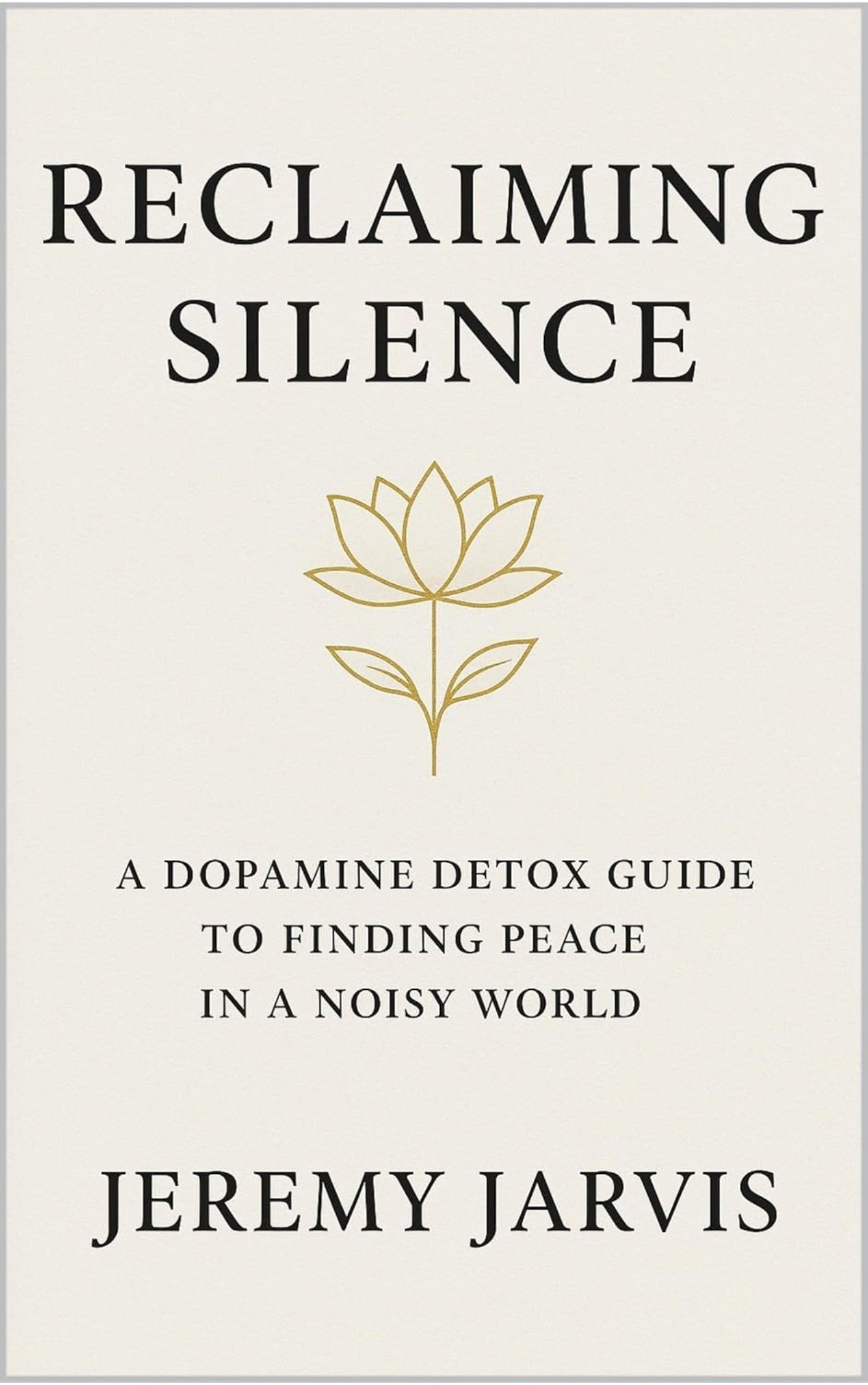
By the end, you haven’t just read the paper. You’ve dissected it, understood it, and made it your own. For another powerful approach to focused work, explore the ideas in our book, Reclaiming Silence.
Solidify Knowledge with Active Recall and the Feynman Technique
Beyond a full system like SQ3R, two other techniques are fantastic for cementing what you’ve learned.
Active Recall is the simple, powerful act of pulling information out of your memory without looking at the source. After reading a chapter, just close the book and ask yourself, “What were the three main arguments here?” That moment of effortful retrieval is what strengthens the neural pathways for that memory.
The Feynman Technique pushes this even further. The process is straightforward: try to explain a concept you just learned in the simplest terms you can, as if you were teaching it to a child. If you get stuck, stumble, or have to fall back on jargon, you’ve just found a gap in your own understanding. You can then return to the material to fill that gap.
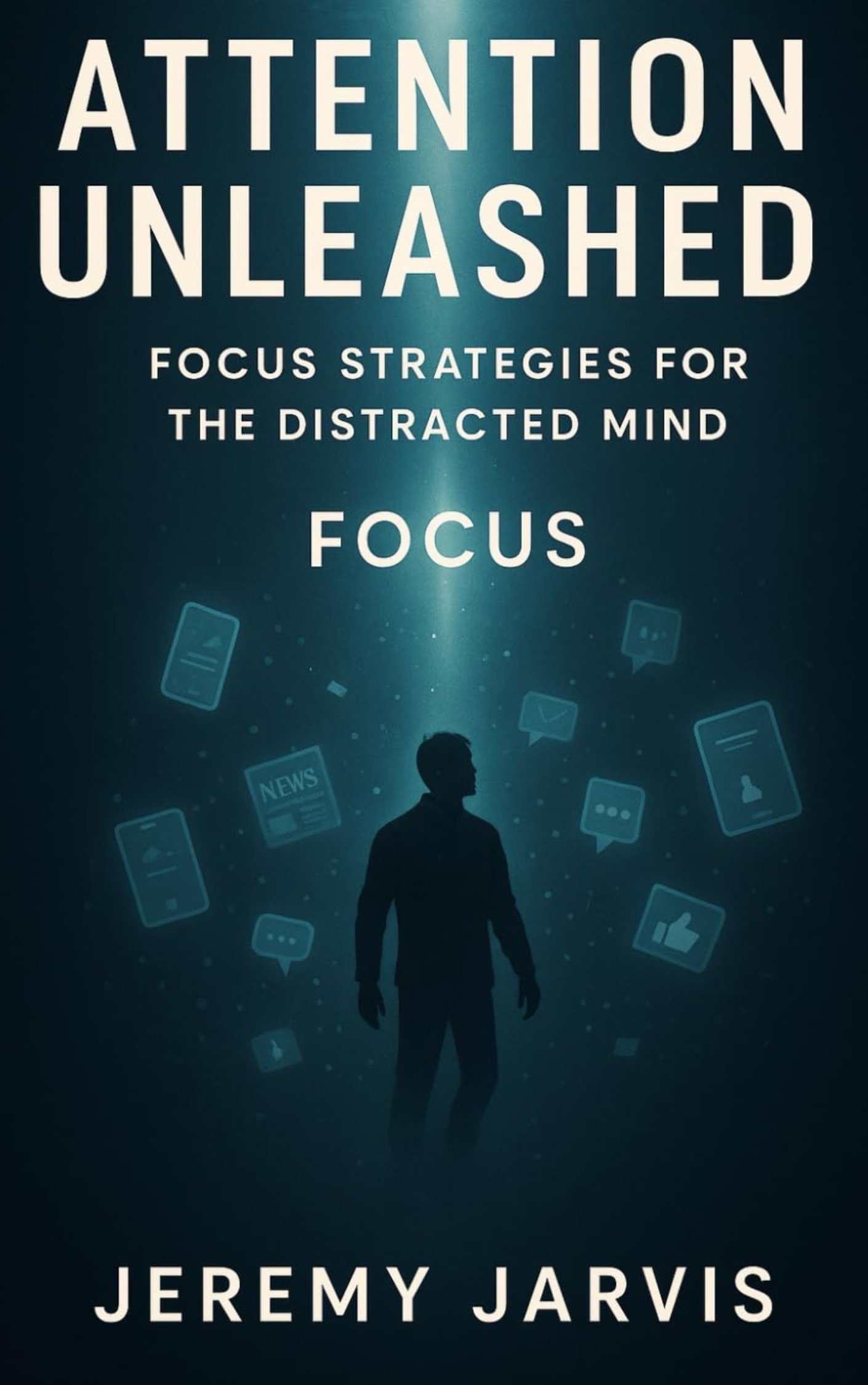
Both of these techniques are fundamental for building deep, flexible knowledge. It’s a core idea we explore throughout our book, Attention Unleashed.
This simple decision tree can help you pick the right reading technique based on what you need to accomplish in the moment.

As the visual shows, your goal—whether it’s a quick overview or deep absorption—should always dictate your approach. [Compare options] now to see what works best for your reading list.
How to Choose Your Reading Strategy: A Comparison
Not every piece of text deserves the same level of focus. A quick work email doesn’t demand the same mental energy as a dense textbook chapter. The key to efficient learning is matching your strategy to the material and your goal.
This table breaks down when to use each approach.
| Technique | Best For | When to Use It |
|---|---|---|
| Strategic Skimming | Getting the gist of a long document or deciding if something is worth a deep read. | Reviewing emails, news articles, or business reports before a meeting. |
| Chunking and Pacing | Increasing speed on material where full comprehension isn’t critical on the first pass. | Reading fiction for pleasure, catching up on industry blogs, reviewing familiar material. |
| SQ3R Method | Maximum comprehension and long-term retention of complex information. | Studying for an exam, learning a new skill from a book, analyzing a research paper. |
| Active Recall | Testing and strengthening your memory of what you’ve just read. | After reading a chapter, pausing to summarize key points without looking at the text. |
Choosing the right tool for the job makes all the difference. For those preparing for timed assessments where speed and accuracy are crucial, a complete guide to TOEFL reading can offer specialized tactics.
By matching your method to your material, you can finally stop sacrificing comprehension for speed and start building a smarter, more effective reading practice today.
Building a Sustainable Habit for Faster Comprehension
Learning the right techniques—chunking, active recall, previewing—is one thing. But those tricks only stick if you actually use them. The real path to how to read quickly and comprehend for good isn’t about finding a magic bullet; it’s about building a system that makes focused reading a default part of your day.
This isn’t a willpower problem. It’s a behavioral design problem. Lasting habits are built on two simple psychological ideas: designing your environment and piggybacking new behaviors onto old ones. When you get this right, you don’t need to rely on motivation, which almost always runs out.
Important Educational Note: The strategies discussed here are for building effective reading habits. If you experience persistent difficulties with focus, attention, or comprehension that impact your daily life, especially related to conditions like ADHD, anxiety, or burnout, it’s important to consult with a medical or psychological professional. This article is for educational purposes only and is not a substitute for professional diagnosis or care.
Best Option for Building Consistency: Environment Design
Your brain takes constant cues from your surroundings. A desk piled high with distractions signals chaos and context-switching. A dedicated, quiet space primes your mind for focus. This is called environment design, and it’s one of the fastest ways to make a new habit stick.
- Create a Reading Nook: It doesn’t have to be fancy. Just designate one specific chair or corner of a room for reading. When you sit there, your brain gets the signal that it’s time to read, not scroll or worry about email.
- Remove the Friction: Put your phone in another room. Better yet, use a phone lock box timer to remove the temptation entirely. On your computer, close every tab that isn’t related to what you’re reading.
- Optimize for Comfort: Make sure your space is genuinely comfortable. Good lighting and an ergonomic keyboard for digital reading can be the difference between a frustrating 10-minute session and an effortless hour.
An entrepreneur I know wanted to get through more business books. He set up a single armchair with a good lamp in his home office, and his laptop and phone were not allowed in that corner. That tiny shift made picking up a book almost frictionless. If your biggest hurdle is digital noise, our guide on achieving Digital Clarity offers a full plan for quieting the chaos.

Use Habit Stacking and Tracking
Habit stacking is a game-changer. It’s a simple practice from behavioral science where you link a new habit you want to build with a habit you already do automatically. The formula is straightforward: “After I [Current Habit], I will [New Habit].”
- For the Busy Parent: “After I finish my morning coffee, I will read one chapter of my book on my commute.” The coffee becomes the trigger.
- For the Student: “After I pack my bag for tomorrow’s classes, I will do one 10-minute timed reading drill.” Packing the bag is the cue.
To really make it stick, you need to see your progress. A simple time blocking planner or a habit tracker journal gives you visible proof of your consistency, which sends a powerful signal back to your brain that this new habit is part of who you are. You can find more strategies for this in our guide on how to read more books.
It’s also worth remembering why this matters. While the UK reports a 99% adult literacy rate, that number can be misleading. OECD data reveals that around 16.4% of adults in England have reading skills low enough to struggle with everyday tasks. You can read more about the importance of reading proficiency here. This highlights the massive gap between just being able to read words and being able to quickly synthesize complex information—a skill every professional needs.
Don’t be surprised if you feel frustrated at first or even feel like you’re getting worse for a week or two. That’s a normal part of the learning curve as your brain forges new pathways. Trust the system you’ve designed, stick with the small habits, and eventually, they will become second nature.
Key Takeaways
If you want to read faster, the goal is not to just move your eyes across the page more quickly. It is about building a smarter system for taking in and understanding information. Here are the core ideas from this guide to keep in mind.
- Find your starting line. You can’t improve what you don’t measure. Calculating your baseline words per minute (WPM) and comprehension score gives you a real starting point for tracking progress.
- Comprehension is the real finish line. Raw speed means nothing if you don’t understand or remember the material. Always choose techniques that deepen your grasp of the text over tricks that just boost speed.
- Use the foundational skills together. Real improvement comes from layering techniques: previewing to build a mental map, chunking to read phrases instead of single words, and learning to quiet your inner voice for simpler texts.
- Reading isn’t a passive sport. Engaging with the material through methods like SQ3R (Survey, Question, Read, Recite, Review) and active recall forces your brain to process information, not just see it. This is the key to long-term retention.
- Make it a real habit, not a one-off trick. Lasting change comes from consistency. A dedicated reading space, habit stacking, and tracking your sessions in a simple productivity journal are what turn a new skill into a permanent one.
Disclaimer: This article is for educational purposes and is not a substitute for professional medical or psychological advice. Some links may be affiliate links, meaning we might earn a small commission if you make a purchase, at no extra cost to you.
Remember, becoming a faster, more effective reader is a skill you build over time, not overnight. For a deeper look at processing what you read, check out our guide on how to summarize book chapters without losing the important details. [See the book that fits your goal] on our site for even more strategies.
Editor’s Take
Let’s get real for a moment. The idea of “speed reading”—blasting through books at 1,000+ words per minute with perfect recall—is mostly a myth. The real, lasting benefit comes from becoming a more strategic and flexible reader, not just from moving your eyes faster across the page.
From our experience coaching professionals and students, the most significant gains in both speed and comprehension come from two core practices. First, consistently previewing material to build a mental map before you dive in. Second, using active recall to force your brain to engage with and actually retain what you just read. These are the quiet workhorses of efficient reading.
The goal isn’t just raw speed; it’s efficient comprehension. It’s about extracting the maximum value from your reading time, not just being the first one to finish the book.
These techniques are best for dedicated professionals and students who are willing to put in the practice. This isn’t a magic bullet, and it won’t double your reading speed overnight. It requires real, consistent effort.
Ultimately, this approach is about shifting your goal from just getting through the text to truly understanding it. If you commit to being a more strategic reader, you’ll see substantial improvements in both how fast you read and, more importantly, how much you remember.
Speed Reading FAQs: Your Questions, Answered
Making sense of speed reading techniques in real life can bring up a lot of questions. Here are some of the most common ones I hear from people learning to read faster without losing the plot.
How Long Does It Take to See Real Improvement?
There’s no magic number here. Your progress depends on your starting point and, more importantly, your consistency. However, most people report feeling a noticeable shift in both speed and understanding within several weeks of steady practice.
The real key is consistency over intensity. Carve out 15–20 minutes each day for specific drills. That daily habit will build momentum far more effectively than a long, frustrating session once a week.
Can I—and Should I—Stop Subvocalizing Completely?
No, and you shouldn’t even try. That inner voice you “hear” while reading, known as subvocalization, is a natural and often necessary part of understanding what you’re reading, especially with complex or important material.
The goal isn’t to eliminate it. It’s to reduce it for faster processing when you’re dealing with simpler texts. Think of it as a volume dial you can learn to turn down, not an on/off switch.
What’s the Best Kind of Material to Practice On?
Start with material that is both easy and genuinely interesting to you. Think news articles, your favorite blogs, or lighter non-fiction. This lets you focus on the mechanics of the techniques themselves without getting bogged down by difficult content.
Once you’re feeling more confident, you can gradually level up to more challenging non-fiction books or the dense articles you need for work. The trick is to match the material to your current skill level to keep frustration at bay.
Do Those Speed Reading Apps Actually Work?
They can be a helpful piece of the puzzle, but they aren’t the whole solution. Most speed reading apps are fantastic for one specific thing: training your physical eye movements. They’re great for drills that reduce saccades and widen your eye span.
Where they fall short is on the comprehension side. An app won’t teach you powerful strategies like the SQ3R method or active recall. My advice? Use them as a supplement for your physical drills, but don’t rely on them as your primary learning tool.
Is It Better to Read on a Screen or on Paper?
The research on this is pretty mixed, so the honest answer is: you have to experiment and see what works for you. Many people find they sink into the text better on paper, simply because it has fewer built-in distractions.
If you do most of your reading on a screen, your main job is to create a distraction-free digital space. You might also find that using blue light blocking glasses helps reduce the eye strain that can cut a reading session short. Ultimately, the best medium is whichever one lets you focus most deeply.
Free download: 7-Day Mind Clarity Reset
A short daily reset you can actually stick with (no fluff).
Helpful resources for your next step
Affiliate disclosure: As an Amazon Associate, Mind Clarity Hub may earn from qualifying purchases at no extra cost to you. Use this link only if it genuinely helps your planning.
If How to Read Quickly and Comprehend More in 2026 is a routine you want to keep using, a simple workbook, planner, or desk tool can make the steps easier to repeat.
Compare related planners, workbooks, and organization tools on Amazon.