

Why You Can’t Read Long Articles Anymore — And How to Fix It
If you can’t finish articles you genuinely care about without checking your phone three times, you are not broken. Your brain is adapting to an environment that was never designed for deep reading. This guide shows you why that happens — and how to rebuild your attention on purpose.

By Jeremy Jarvis · Founder of Mind Clarity Hub & clarity-focused author
Evidence-informed tools for focus, digital wellness, and AI productivity.
Key takeaways
- Struggling to finish long articles is a predictable outcome of today’s high-stimulation, notification-heavy environment — not a personal failure.
- Short-form feeds train your brain to crave constant novelty, which makes deep reading feel “too slow” and triggers dopamine-driven checking loops.
- You can retrain attention with small, repeatable habits: a healthier attention diet , structured focus resets , and gentle exposure back to long-form reading.
Why It Feels Like “You’re Broken” When You Can’t Finish an Article
Many people quietly blame themselves for not being able to read the way they used to. You open a thoughtful essay or an in-depth guide, only to bounce after three paragraphs and check your phone, inbox, or another tab. It feels like a willpower problem, but it is mostly an environment problem.
In the last decade, your brain has been repeatedly trained to expect fast, bite-sized content. Every short video, notification, and endless scroll has been a tiny repetition of one idea: “If this is not instantly rewarding, something better is one swipe away.” Long-form reading is the opposite. It starts slow, requires patience, and delays the payoff.
When you try to read deeply in a world built for distraction, your attention system is fighting upstream. That clash shows up as:
- Feeling restless after a few sentences.
- Scrolling ahead to “get to the point” instead of moving line by line.
- Skimming subheadings, then abandoning the article entirely.
- Checking your phone in the middle of a paragraph without noticing you decided to.
If this sounds familiar, it is not a personal defect. It is a predictable reaction to an attention hijacking environment that rewards speed and novelty over depth. I explore this new landscape more deeply in Digital Overwhelm Isn’t Your Fault: The New Neurology of Attention Hijacking .
What Is Actually Happening in Your Brain When You Try to Read
To fix your relationship with long-form reading, it helps to understand what is going on under the hood. Your attention is not a single “muscle”; it is a set of systems that can be trained in different directions.
Dopamine and the “micro-reward” loop
Short-form content platforms are built around micro-rewards: likes, notifications, new clips, and fresh posts every few seconds. Each small hit teaches your brain that checking is rewarded. Over time, this reinforces a pattern:
- Feel bored or strained for a moment.
- Check phone or open a new tab.
- Get a tiny hit of novelty or social feedback.
Long articles, books, and deep work sessions do not deliver those hits. Therefore, your nervous system quietly votes against them, nudging you toward easier, faster rewards.
Cognitive load, mental fog, and decision fatigue
At the same time, your brain is dealing with high cognitive load: dozens of open tasks, half-finished conversations, and a backlog of “shoulds.” When your working memory is full, following a long argument or story becomes genuinely harder. It is like trying to read with multiple browser windows open inside your head.
In The Science of Mental Fog: Why Your Brain Feels “Full” in 2025 , I break down how chronic overload, stress, and poor sleep combine to create that heavy, foggy feeling that makes sustained reading feel impossible.
Signs Your Reading Brain Is Overloaded (It’s Not Just You)
Before you change your habits, it helps to notice how this shows up in daily life. Once you see the pattern, you can interrupt it with kinder, more intentional choices.
- You save dozens of long articles “for later” but almost never return to them.
- You skim a long guide, jump to the conclusion, and still feel like you did not really absorb anything.
- You feel a strong urge to multitask while reading: checking email, opening another tab, or scrolling.
- You reread the same paragraph multiple times because your mind drifted away halfway through.
- You feel guilty about how little you read, which makes you avoid reading even more.
These are classic signs of an overloaded attention system — the same patterns I address in How to Rebuild Attention in a World Built for Distraction (2025 Guide) . The good news is that the pathway back to deep reading does not begin with forcing yourself to “try harder.” It starts with changing the conditions around your brain.
How to Start Reading Long Articles Again (Without Forcing Yourself)
Instead of treating this as a self-discipline problem, treat it as a training problem. You are helping your brain shift from high-speed, high-novelty inputs back to slower, deeper ones. That shift works best when you go gradually, not all at once.
1. Tidy your attention diet before you “fix” reading
First, it helps to look at your overall attention diet. If most of your spare moments are spent on ultra-short content, your nervous system will keep expecting that rhythm. You can keep entertainment in your life while still reducing the most corrosive patterns.
If you want a step-by-step framework for this, see The Modern Attention Diet: A Dopamine Detox to Restore Focus in 2025 . That guide walks you through adjusting your feeds, notifications, and default habits so long-form reading has a fair shot again.
2. Run a quick “focus reset” before you read
Next, instead of going straight from chaotic multitasking into a 2,000-word article, insert a short warm-up ritual. In The Focus Reset: 7 Evidence-Backed Habits People Use to Reclaim Mental Space , I outline a simple circuit you can use in 20–40 minutes. For reading, you can use a shorter version:
- 3 minutes of breathing or mindfulness to settle your nervous system.
- 5 minutes of brain dump journaling to clear mental clutter.
- Choose one article and decide: “I will stay with this for 15–20 minutes.”
This routine reduces internal noise before you ask your brain to process dense information.
3. Use “reading sprints,” not marathon expectations
Instead of demanding that you read for an hour, start with short reading sprints. Set a timer for 10–15 minutes, choose one article, and commit to staying with it until the timer ends. During that sprint:
- Put your phone in another room or at least face down, on silent.
- Keep only the article tab open if possible.
- Let yourself read at a comfortable pace; there is no prize for speed.
Gradually, you can extend these sprints to 20 or 25 minutes. Over time, your brain remembers that this deeper, slower mode is safe and satisfying.
4. Make the article easier to digest (without dumbing it down)
You can also support your brain by making the article feel less overwhelming. For example, you can:
- Resize the text slightly larger to reduce eye strain.
- Print the article or use a “reader mode” to strip visual noise.
- Pause after each major subheading to summarize the key idea in one sentence.
- Highlight or underline phrases that resonate instead of passively skimming.
These small adjustments turn reading into an active process instead of a passive one, which keeps your attention more engaged.
5. Pair reading with environmental cues
Your brain learns by association. Therefore, if you always attempt deep reading in the same chaotic environment where you answer messages and scroll feeds, it will keep defaulting to those behaviors.
Instead, try designating a specific chair, corner, or even a particular café as your reading spot. Use similar cues each time — a warm drink, noise-cancelling headphones, the same playlist — so your nervous system recognizes, “This is the mode where we read slowly.”
Connecting Long-Form Reading to Your Bigger Attention Rebuild
Relearning how to read long articles is not just about finishing content. It is about rebuilding the kind of attention that makes meaningful work, learning, and calm possible again.
That is why I frame reading as part of a larger attention rebuild, not a standalone habit. In the broader guide How to Rebuild Attention in a World Built for Distraction , I connect long-form reading to:
- Your approach to work and deep projects.
- The way you use AI tools and automation.
- The structure of your days, energy, and boundaries.
When you see reading as one piece of a bigger clarity system, it becomes easier to respect it. You are not just “trying to read more”; you are actively designing a life where your brain can think in full paragraphs again.
Designing a Reading Practice That Actually Fits Your Life
Once you see long-form reading as part of a full attention rebuild, the next step is to design a reading practice that fits your current life, not an idealized version of it. Instead of blaming yourself for a short attention span, you begin adjusting your environment, your energy and your digital inputs so your brain can stay with one article long enough to get the benefit.
This is why I often recommend pairing this article with the broader guide How to Rebuild Attention in a World Built for Distraction . Together, they give you both the big-picture plan for your attention rebuild and a concrete habit—long-form reading—that you can practice a few minutes at a time. When you treat reading sessions as miniature “workouts” for deep focus, it becomes much easier to protect them.
Step 1: Choose “just-right” reading windows
Long-form reading does not have to mean sitting with a 5,000-word essay for an hour. In fact, at the beginning, it is often better to work with shorter, realistic windows. For example, you might start with a 10–15 minute session where you read one section of an article, then pause to reflect instead of scrolling away.
A practical way to do this is to link your reading sessions to a simple focus reset . First, you run a tiny reset—one minute of breathing, a quick brain dump, and a decision about which article you are going to read. Then you set a timer for your reading window and treat that block like any other deep work commitment. Over time, these small, consistent windows train your brain back into deep reading mode.
Step 2: Build a “friction-light” reading environment
Even the best reading intentions fall apart if your environment is built for interruption. Therefore, your next move is to strip away as much friction and distraction as possible before you start reading. That might mean:
- Switching your phone to airplane mode or focus mode during your reading window.
- Using a reader view or read-it-later app that removes sidebars, pop-ups and autoplay videos.
- Keeping just one tab open—the article you are currently reading—so your brain is not tempted by other “open loops.”
These small tweaks mirror the principles in The Modern Attention Diet: A Dopamine Detox to Restore Focus in 2025 . You are, in effect, taking your brain off a constant diet of micro-stimulation and replacing it with slower, more nutritious attention—one article at a time.
Step 3: Use “checkpoint reflections” instead of passive scrolling
One reason long articles feel harder now is that we have been trained to skim and move on, not to stay and reflect. To rebuild deep focus, you can deliberately insert short “checkpoint reflections” throughout your reading. After each major section, pause for 30–60 seconds and ask:
- What is the main idea I just read?
- How does this connect to something I am struggling with right now?
- Is there one sentence worth writing down or highlighting?
This kind of active reading not only strengthens memory; it also helps your brain file the new information in a way that reduces mental fog. There is growing research on how reflection and retrieval practice improve learning and comprehension, and organizations such as the American Psychological Association frequently highlight how active engagement beats passive consumption for long-term understanding.
Step 4: Notice how digital overwhelm shows up while you read
As you practice, it is useful to pay attention to the exact moment your concentration slips. Do you feel a sudden urge to check messages? Do you jump to search for another article before finishing the current one? Do you find yourself re-reading the same paragraph without taking it in?
Those micro-moments are live examples of the patterns explored in Digital Overwhelm Isn’t Your Fault: The New Neurology of Attention Hijacking . Instead of treating them as proof that you are “bad at focusing,” you can treat them as data: signals that your attention system has been primed for short loops and constant novelty. This shift in mindset is crucial. When you understand the neurology behind attention hijacking, you can respond with tools instead of shame.
Step 5: Connect reading sessions to your mental energy curve
Long-form reading draws on the same cognitive resources you use for deep work, problem-solving and complex communication. Therefore, it makes sense to align your reading windows with the parts of the day when your mental energy is naturally higher. For some people that is first thing in the morning; for others, it is a quiet hour in the afternoon or evening.
You can learn a lot about your personal energy rhythms by noticing when mental fog peaks. If you often feel like your brain is “full” by 3 p.m., you will probably relate to the patterns described in The Science of Mental Fog: Why Your Brain Feels “Full” in 2025 . Instead of forcing heavy reading into your lowest-energy blocks, you can use those times for lighter tasks and protect a different window for genuine deep reading.
Turning long-form reading into a keystone habit
Over time, this kind of intentional, low-friction reading can become a keystone habit for your entire attention rebuild. It sits alongside your focus reset routine, your attention diet , and the broader systems you design in the attention rebuild guide . Instead of being one more thing you “should” be doing, it becomes a calming ritual your brain associates with relief from information overload.
The key is to start gently, reduce friction, and keep connecting your long-form reading habit to the bigger story: you are not just trying to get through more articles; you are deliberately building a life where your mind can think clearly again. As you do, you will notice something subtle but powerful—your capacity for deep focus during work, conversations, and creative projects begins to grow along with it.
If this article resonated with you, your attention is worth protecting. Start with one practical change: a single reading sprint, a lighter attention diet this week, or a short focus reset before you open your next long-form piece.
Over time, these small steps compound. Your brain remembers how to slow down, your mental fog lifts, and the long articles that used to exhaust you begin to feel satisfying again.
Try the 7-step focus reset next →FAQs About Long-Form Reading & Mental Clarity
Understanding why long articles feel harder now
Why can’t I concentrate on long articles the way I used to?
In most cases, your ability to read has not vanished; your brain has adapted to an environment that constantly rewards short, high-novelty content. Frequent notifications, fast-moving feeds, and multitasking all train your nervous system to expect quick rewards. As a result, slower, deeper reading feels unusually effortful, even though you are just asking your brain to do what it evolved to do.
Is my attention span permanently damaged by social media?
Evidence suggests that attention systems are plastic, which means they can change in both directions. Intense exposure to short-form content can make deep reading harder for a while, but small, consistent changes to your attention diet and environment can restore a capacity for sustained focus. That is why I recommend pairing this article with a structured attention reset, such as The Modern Attention Diet .
Practical strategies to rebuild reading focus
How long should I aim to read when I’m just starting over?
It is better to start small and succeed than to aim for an hour and give up. Many readers do well with 10–15 minute reading sprints at first. As those become easier, you can gradually extend to 20 or 25 minutes. The key is consistency: shorter, regular sessions retrain your attention far more effectively than rare marathons.
Should I try a full digital detox to fix my reading?
A full detox can be helpful for some people, but it is not required — and it is often unsustainable. Instead, consider shorter, targeted digital detox windows around your reading time, where notifications are off and distracting apps are closed. This approach is easier to keep up, especially if you combine it with a structured focus reset routine.
Does a digital detox really improve focus and mental clarity?
Short, intentional breaks from high-stimulation feeds can reduce cognitive noise and give your attention system room to recover. Readers often report clearer thinking, less urge to check their phones, and better recall when they regularly step away from constant digital input. For a deeper breakdown, you can explore both the attention diet guide and Digital Overwhelm Isn’t Your Fault .
When to seek more support
How do I know if my reading issues are actually a sign of burnout?
If your difficulty reading comes alongside chronic exhaustion, emotional numbness, frequent illness, or a sense of dread about work, you may be dealing with burnout rather than “just” distraction. In that case, attention habits still help, but you may also need to examine workload, boundaries, and recovery. Consider pairing this article with broader burnout resources or speaking with a clinician.
Could conditions like ADHD or anxiety be affecting my ability to read?
Yes. ADHD, anxiety disorders, depression, and other conditions can all affect concentration and reading comfort. Self-help tools such as focus resets, attention diets, and reading sprints can still be useful, but they are not a substitute for proper assessment and care. If you suspect an underlying condition, consider talking with a qualified professional while using these habits as gentle support.
Is it worth trying to rebuild long-form reading if I mostly use AI and summaries now?
Summaries and AI tools can be incredibly helpful, but they are not a full replacement for deep reading. Long-form pieces train your brain to follow complex ideas, weigh nuance, and hold multiple perspectives at once. Those abilities matter for decision-making, creativity, and emotional depth. Rebuilding long-form reading is less about nostalgia and more about protecting these deeper cognitive skills in an era of constant shortcuts.
Where should I start if this all feels overwhelming?
Start with one small experiment this week. For example, choose a single long article, run a 10-minute focus reset beforehand, and give yourself a 15-minute reading sprint with your phone in another room. Afterwards, notice how you feel rather than judging how “productive” it was. Then, build from there — one reset, one article, one week at a time.
Next Steps: Training Your Brain Back to Deep Reading
If you recognize yourself in this article, that is a good sign—not a failure. It means you are finally noticing how modern design is shaping your attention and you are ready to rebuild deeper focus on purpose.
You do not have to fix everything at once. Start small: choose one long article, one protected reading window, and one change to your digital environment. Then repeat that pattern a few times this week and watch how your ability to stay with ideas begins to return.
Want more structured help rebuilding your attention and mental space?
- Use the Focus Reset routine to clear mental clutter before you read.
- Try The Modern Attention Diet if your screen habits feel out of control.
- Go deeper with How to Rebuild Attention in a World Built for Distraction for a full attention rebuild plan.
Over time, these small, repeatable changes compound into something bigger: a life where long articles, deep work and real calm feel possible again.
Explore the Mind Clarity Hub Library
Practical books on focus, digital habits, resilience, and building a calmer mind.
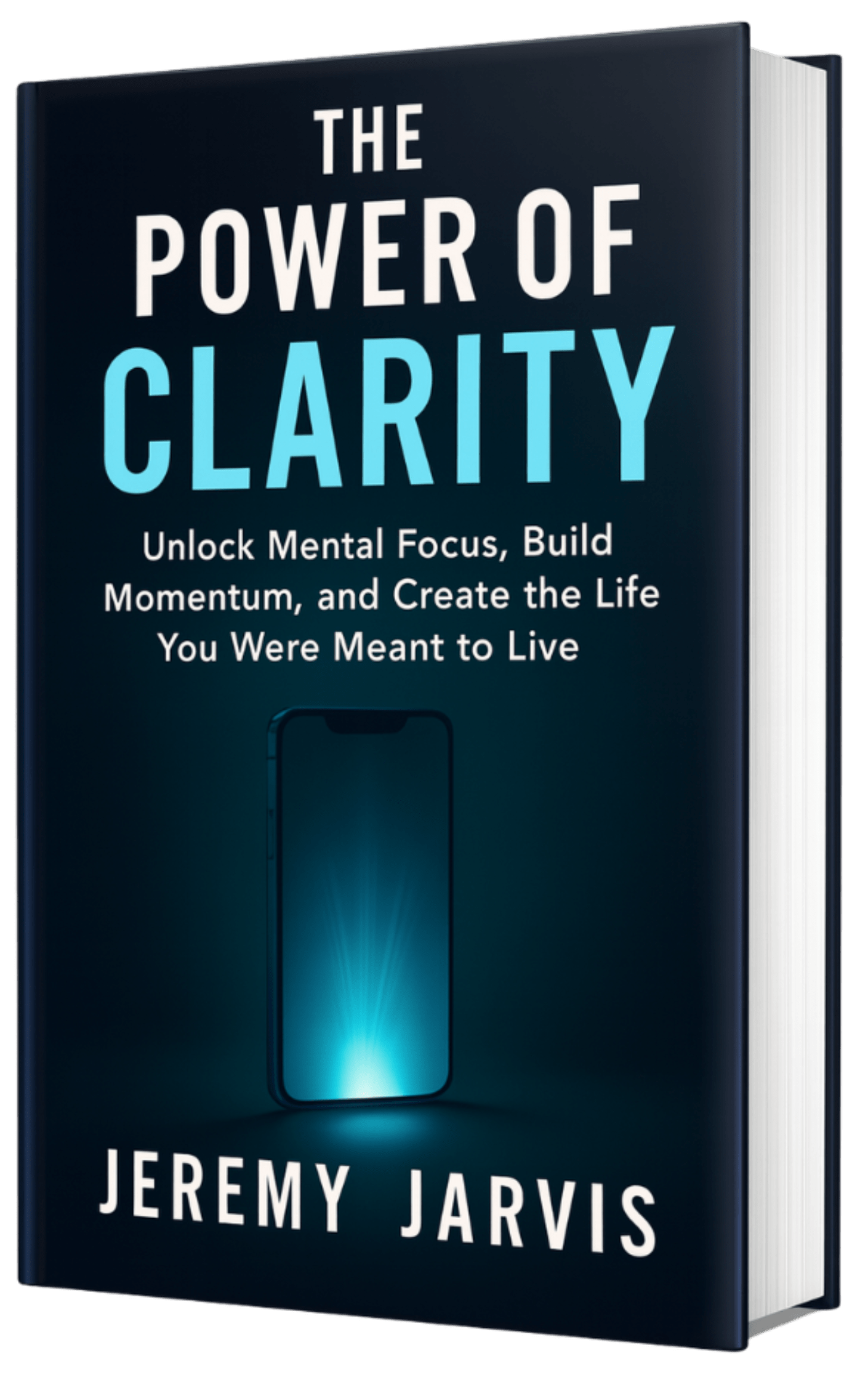
The Power of Clarity
Unlock mental focus, build momentum, and create the life you were meant to live.
View book →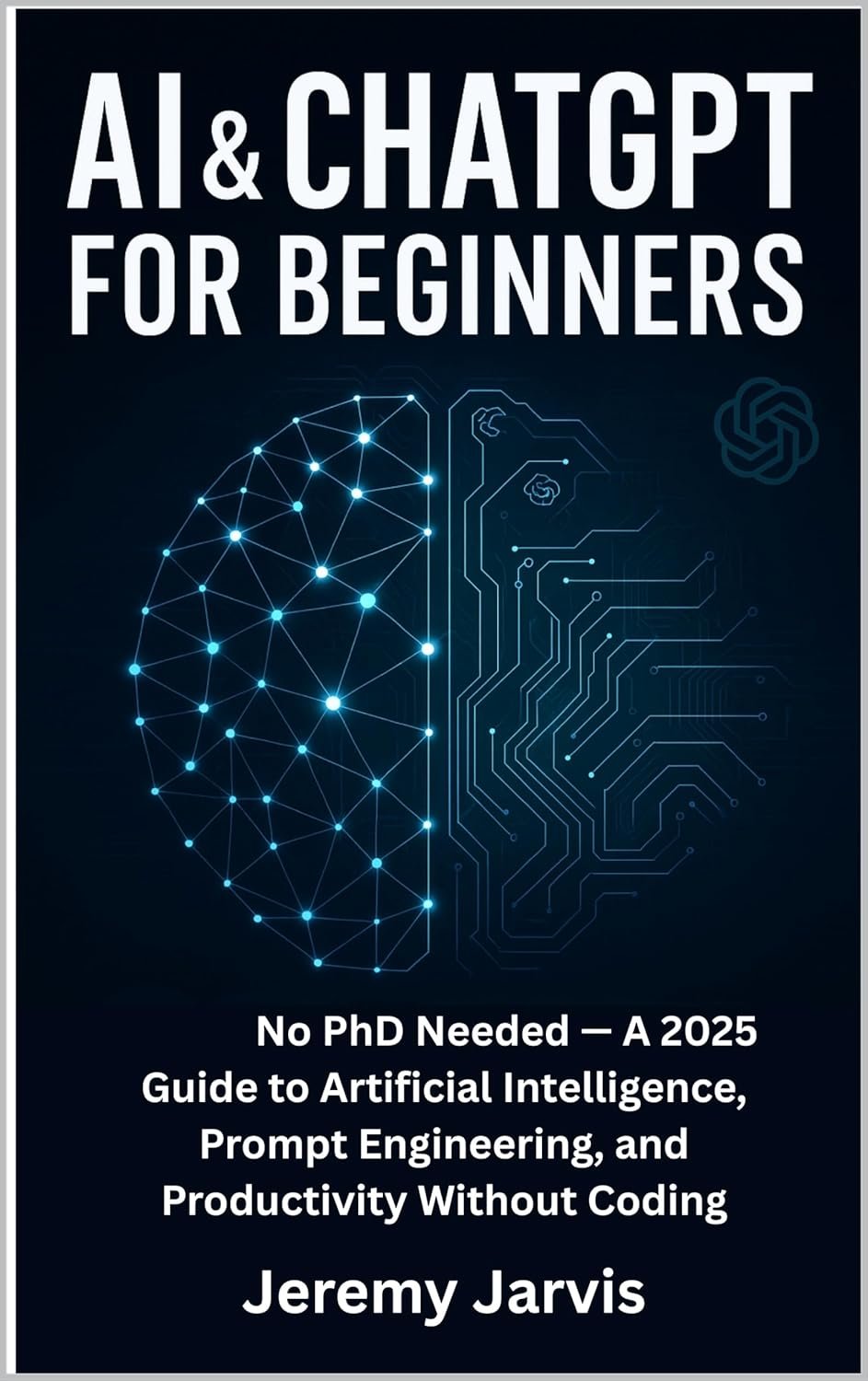
AI & ChatGPT for Beginners
No PhD needed — a 2025 guide to AI, prompts, and productivity without coding.
View book →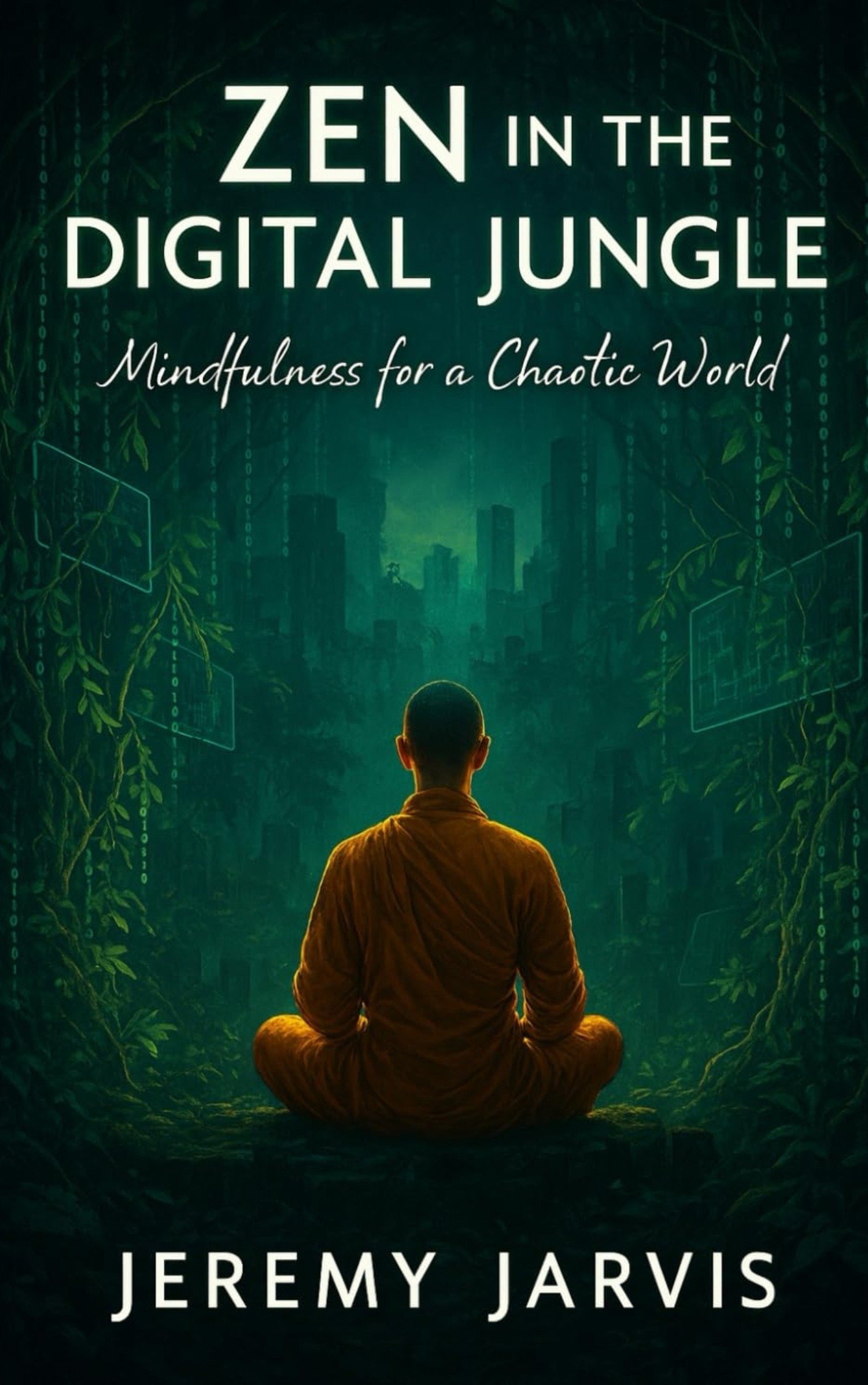
Zen in the Digital Jungle
Mindfulness for a chaotic world.
View book →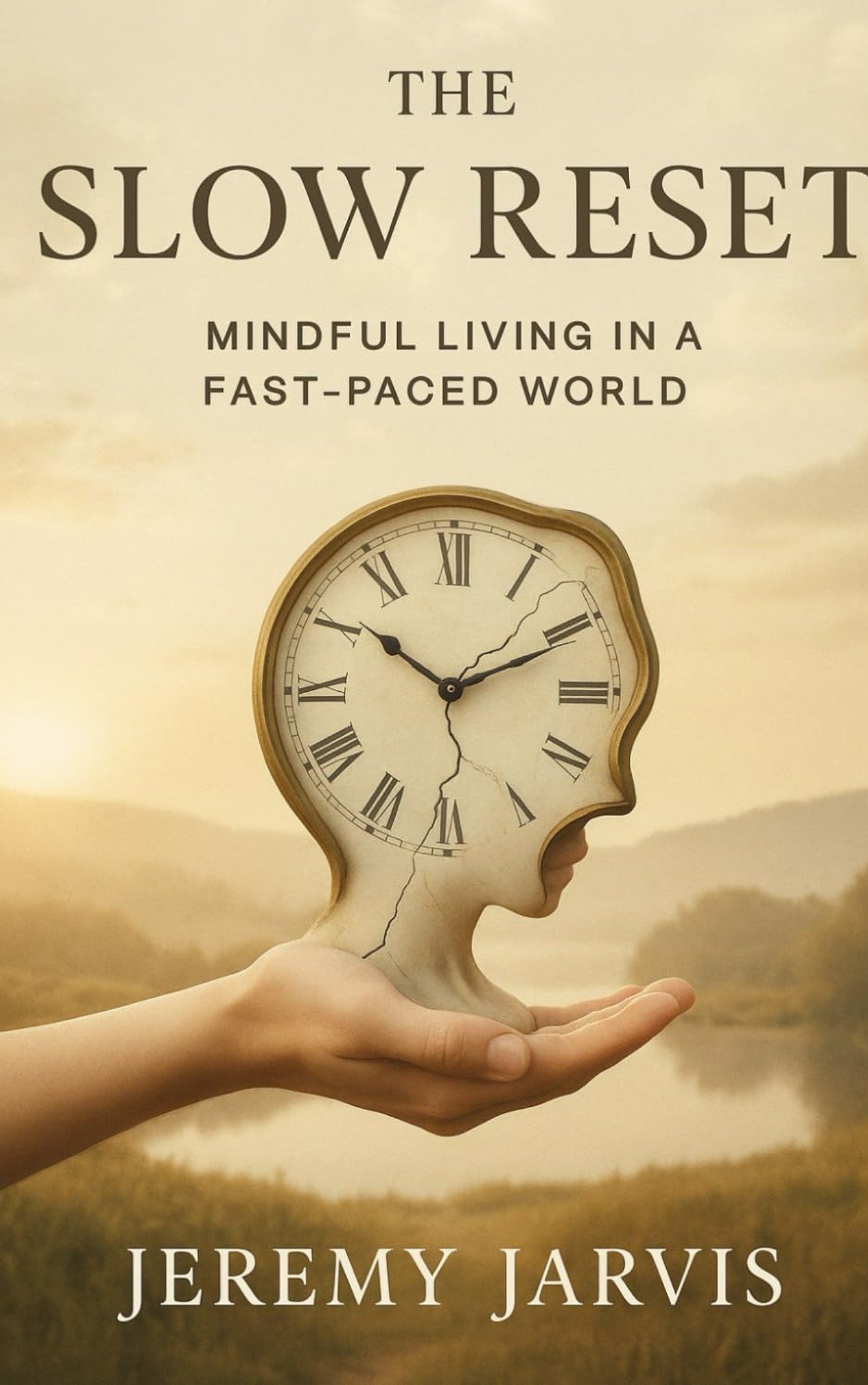
The Slow Reset
Mindful living in a fast-paced world.
View book →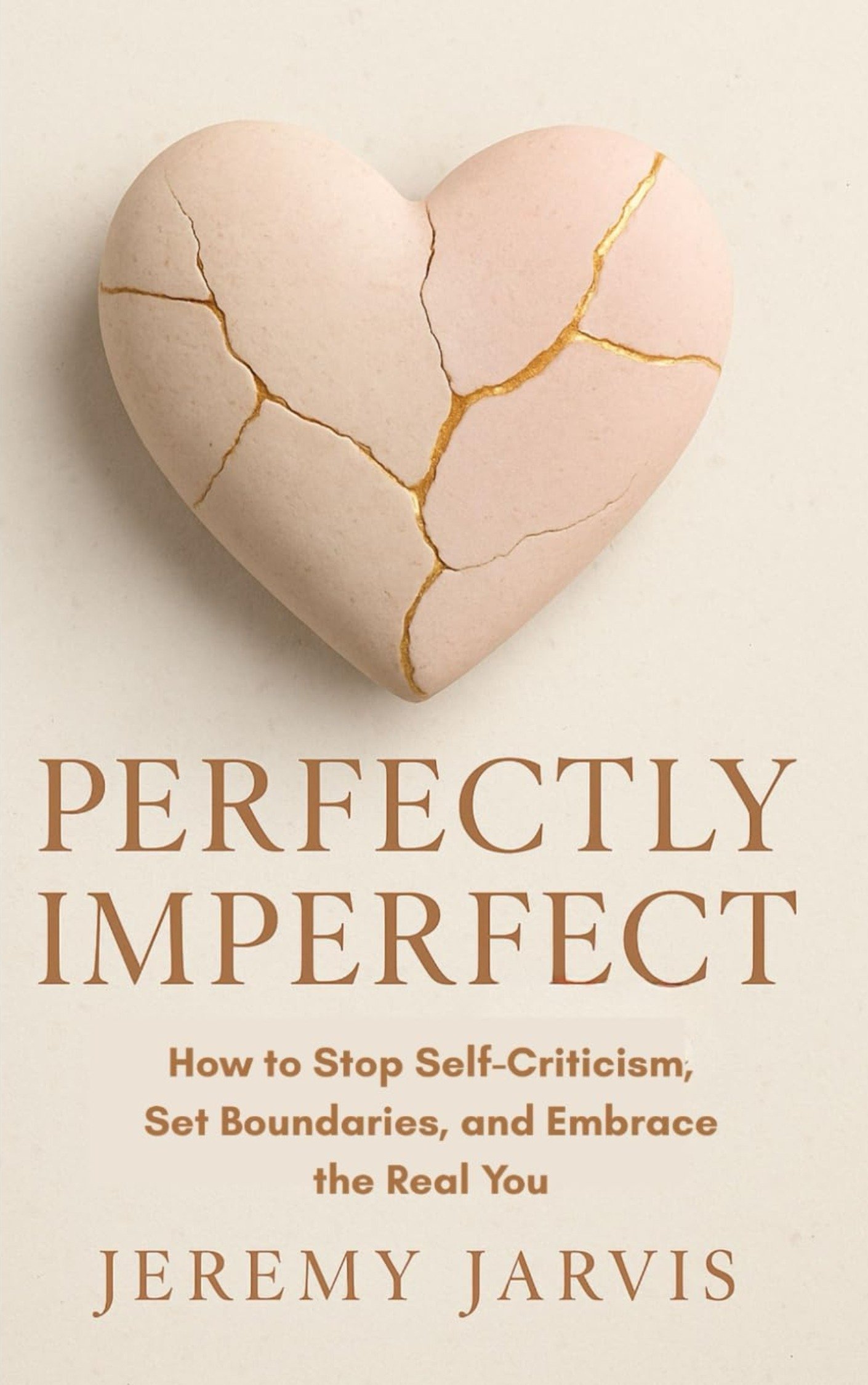
Perfectly Imperfect
Stop self-criticism, set boundaries, and embrace the real you.
View book →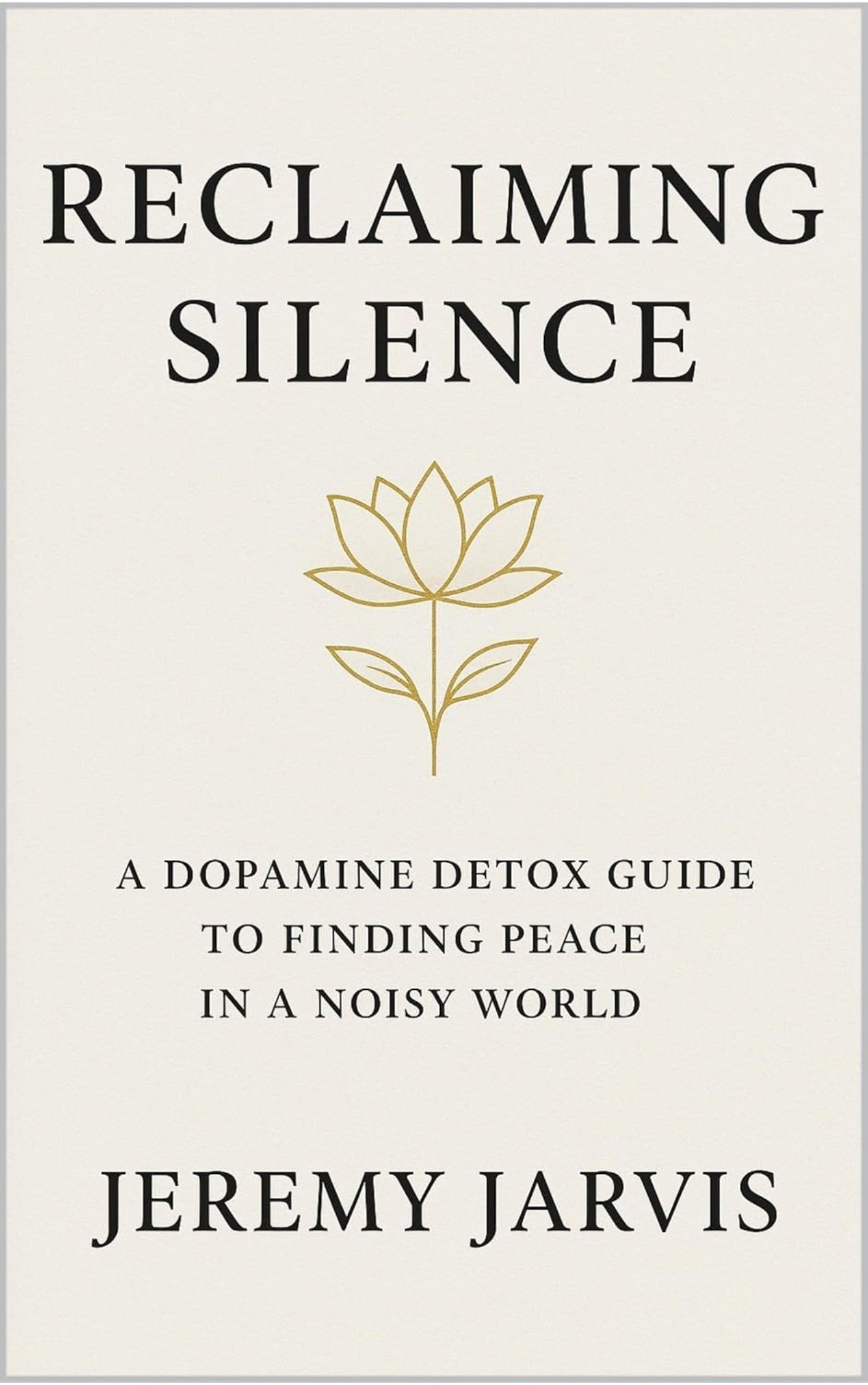
Reclaiming Silence
A dopamine detox guide to finding peace in a noisy world.
View book →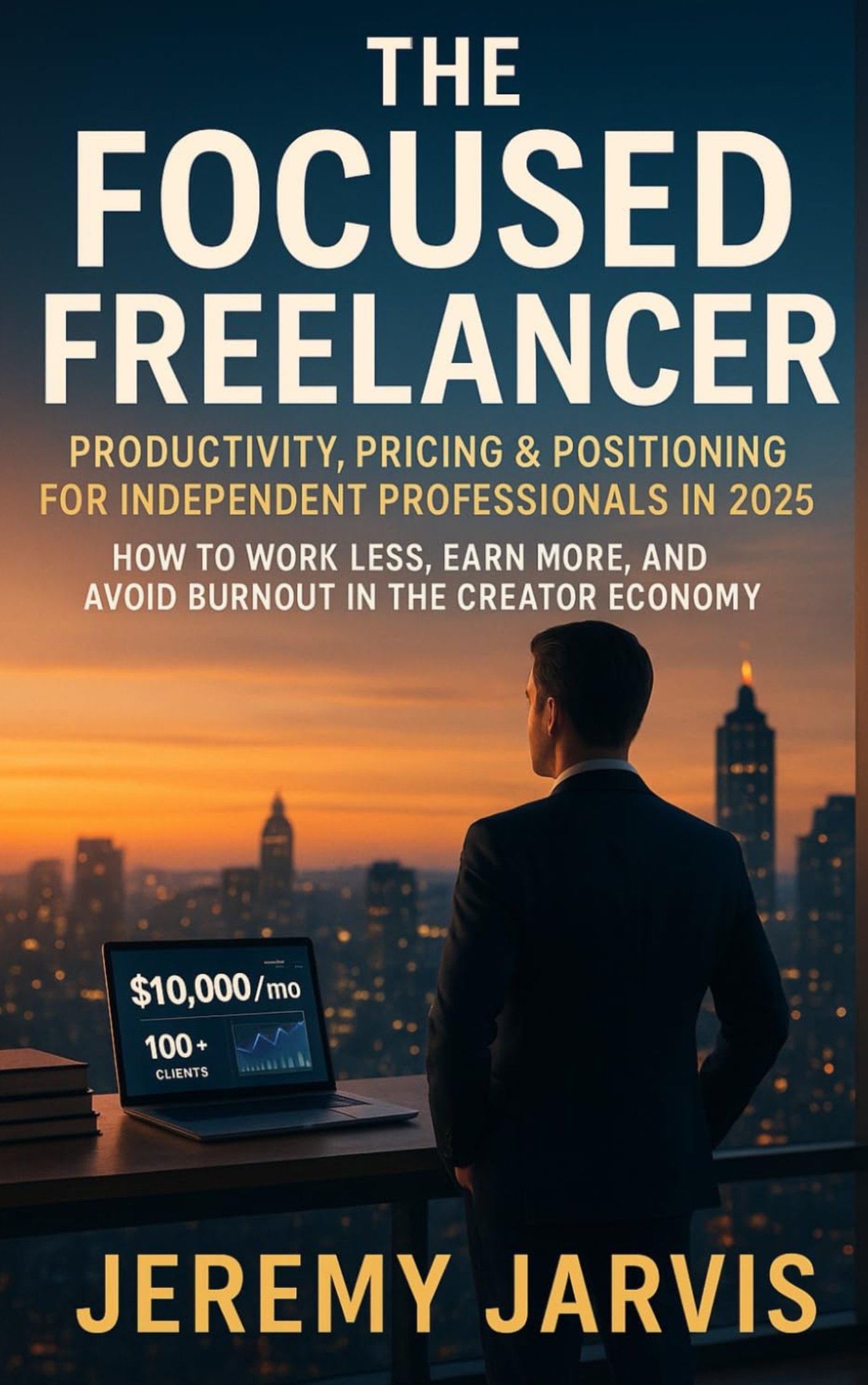
The Focused Freelancer
Productivity, pricing & positioning for independents in 2025.
View book →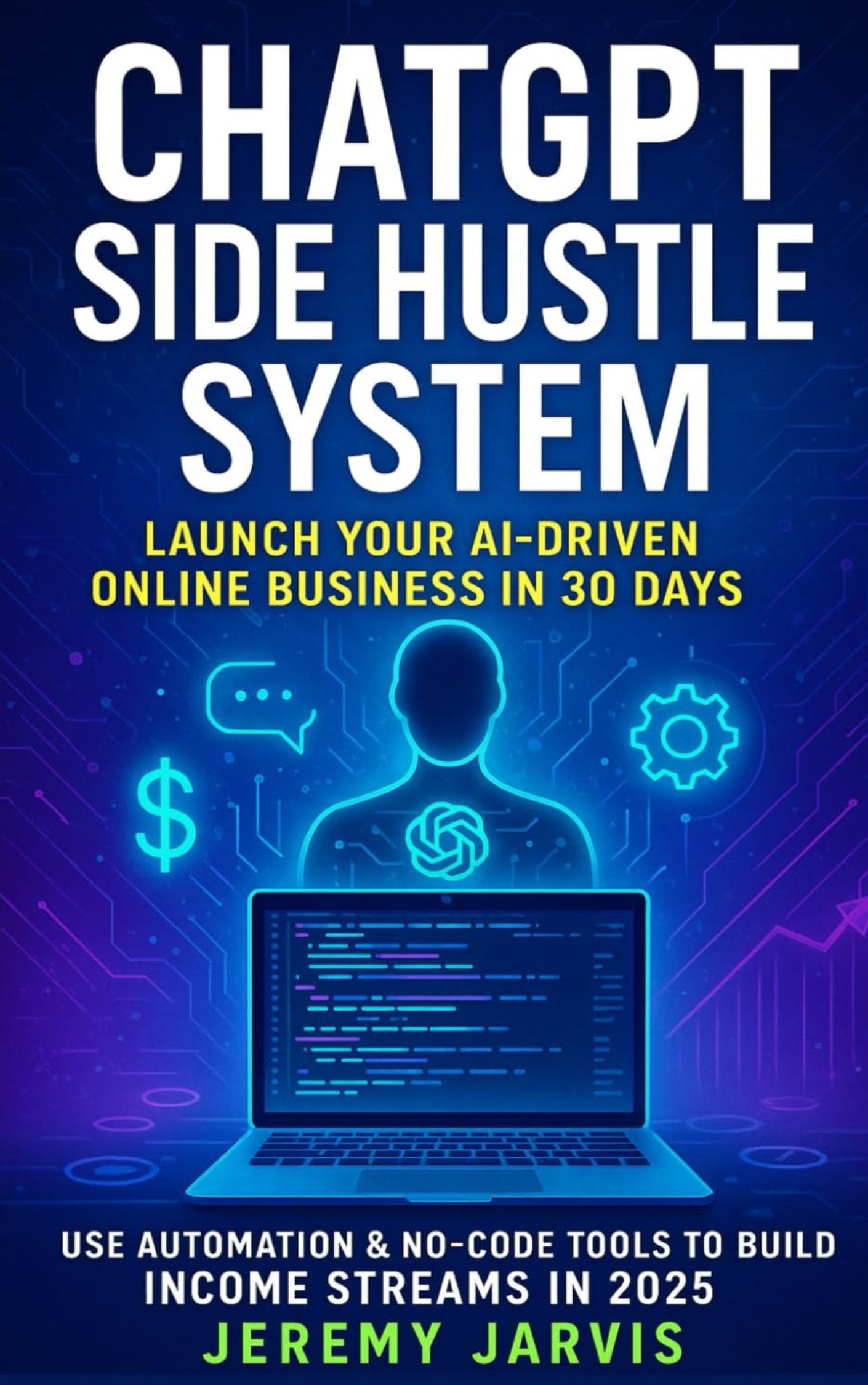
ChatGPT Side Hustle System
Launch your AI-driven online business in 30 days.
View book →
Burnout, Interrupted
A proven path to restore energy and reclaim your life.
View book →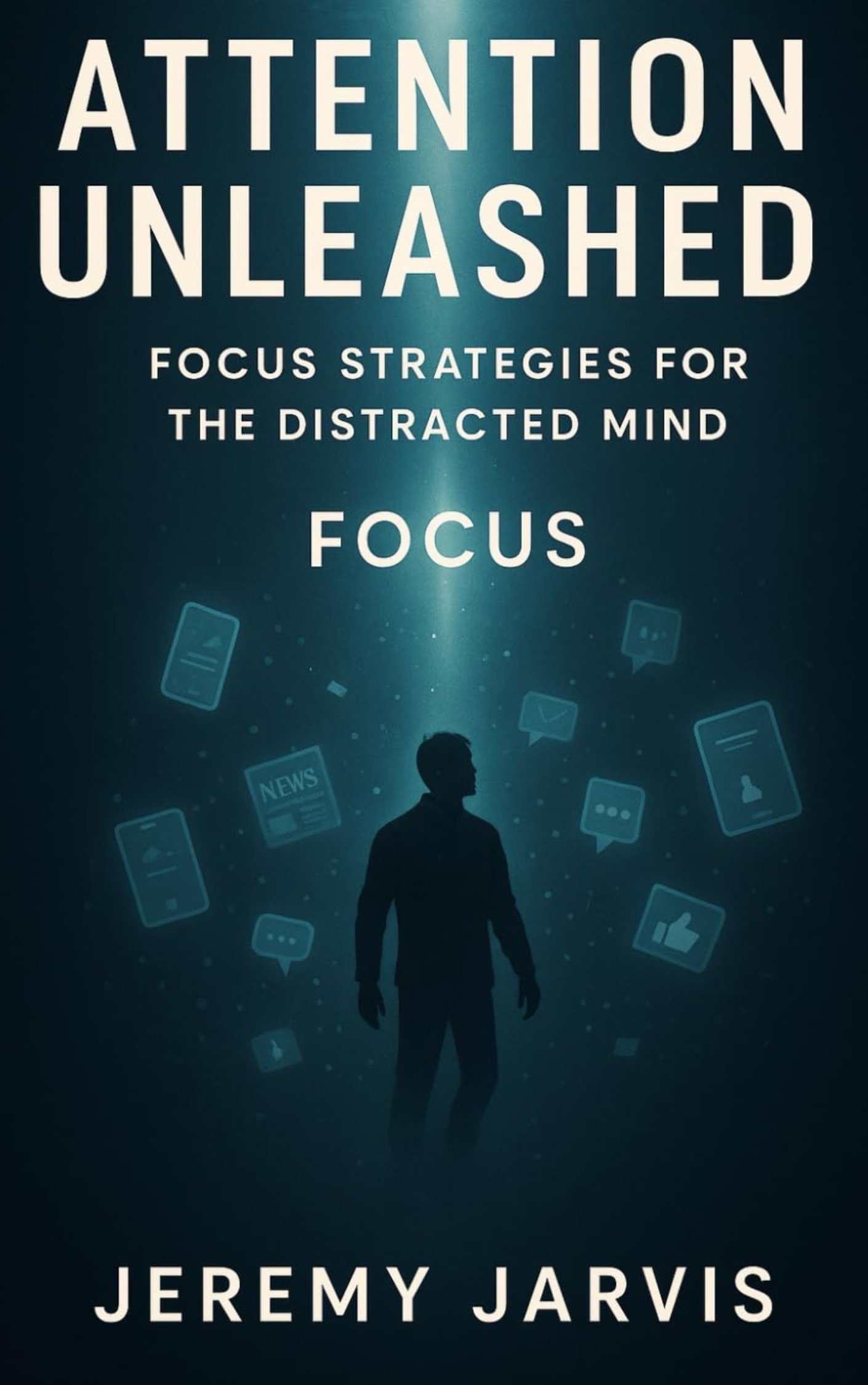
Attention Unleashed
Focus strategies for the distracted mind.
View book →
Side Hustle Launchpad
Your quick-start guide to extra income.
View book →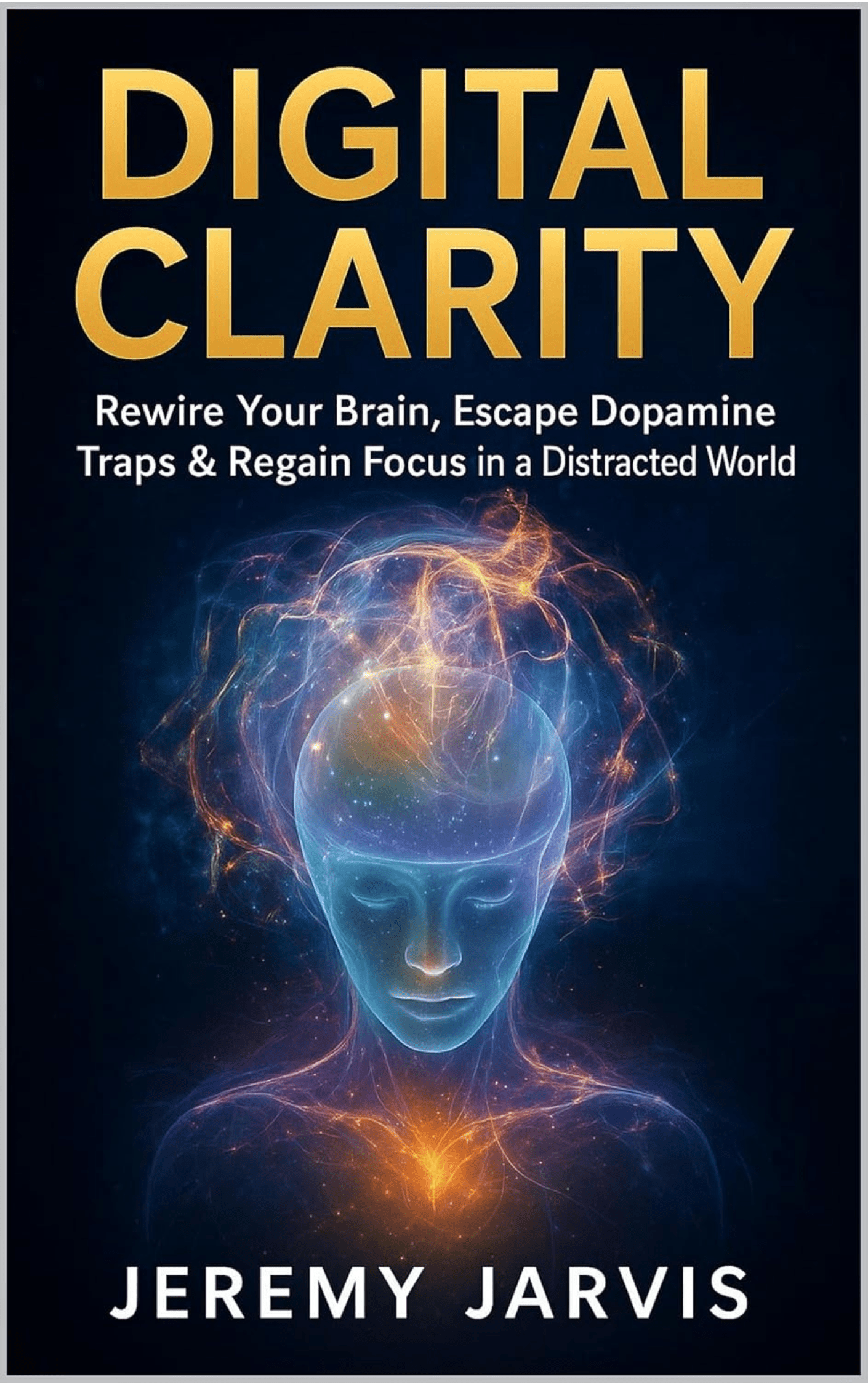
Digital Clarity
Rewire your brain, escape dopamine traps & regain focus.
View book →
Break the Scroll
Reduce screen time and take back control of your life.
View book →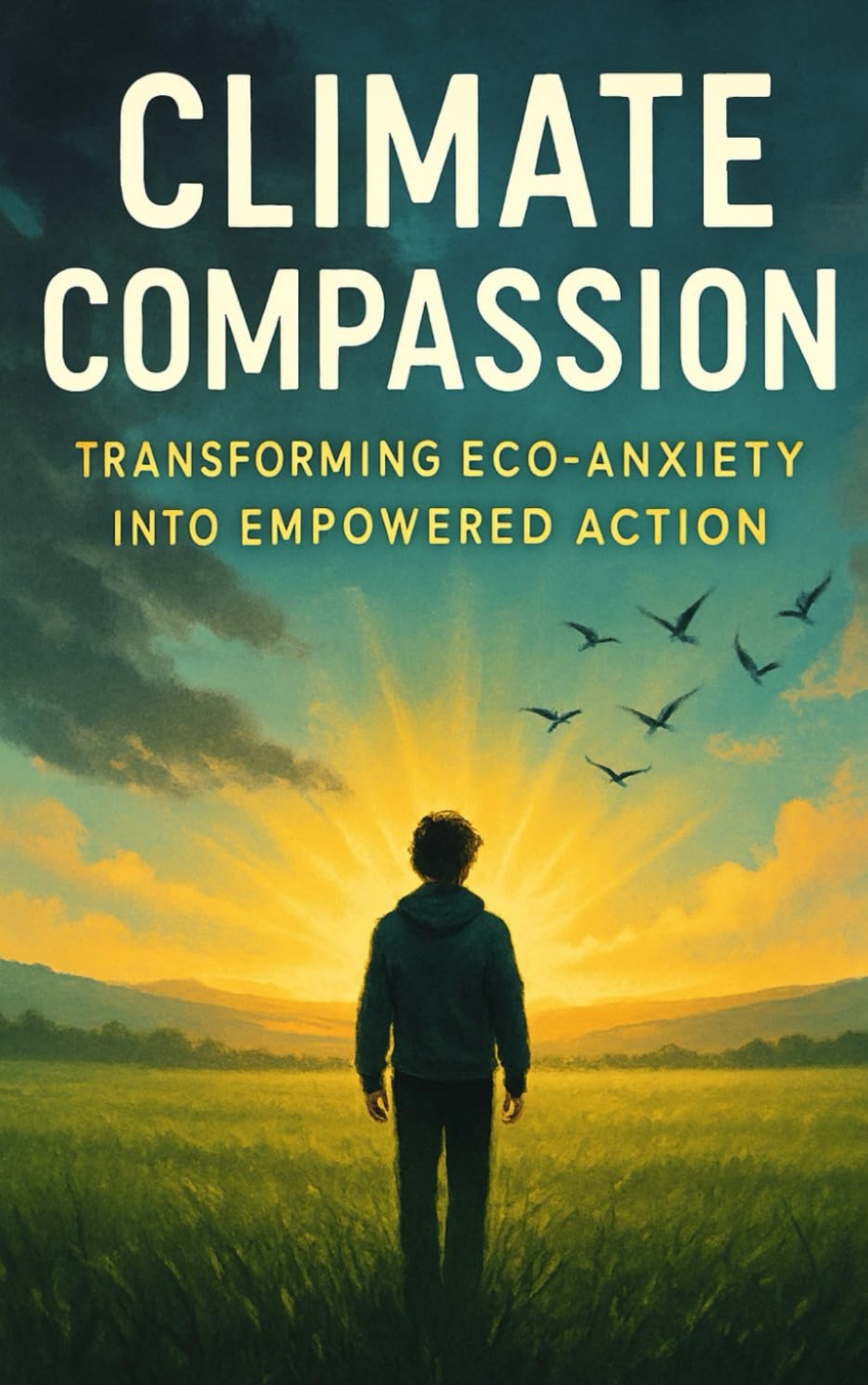
Climate Compassion
Transform eco-anxiety into empowered action.
View book →
Village Mentality
The power of community for mental wellness.
View book →
Restful Nights
Overcoming sleep anxiety in a 24/7 world.
View book →
Connected Again
Combat loneliness and build meaningful relationships.
View book →
Focus Recharged
Mastering attention and productivity in the digital era.
View book →
Marketing Magic with ChatGPT
AI-powered content, campaigns, and copywriting to grow faster.
View book →
The 6-Figure Creator
Turn knowledge into passive income with books, courses & AI.
View book →
Burnout Breakthrough
Reset your work-life balance and thrive in 2025.
View book →
The Emotionally Intelligent Man
A modern guide to self-awareness and communication.
View book →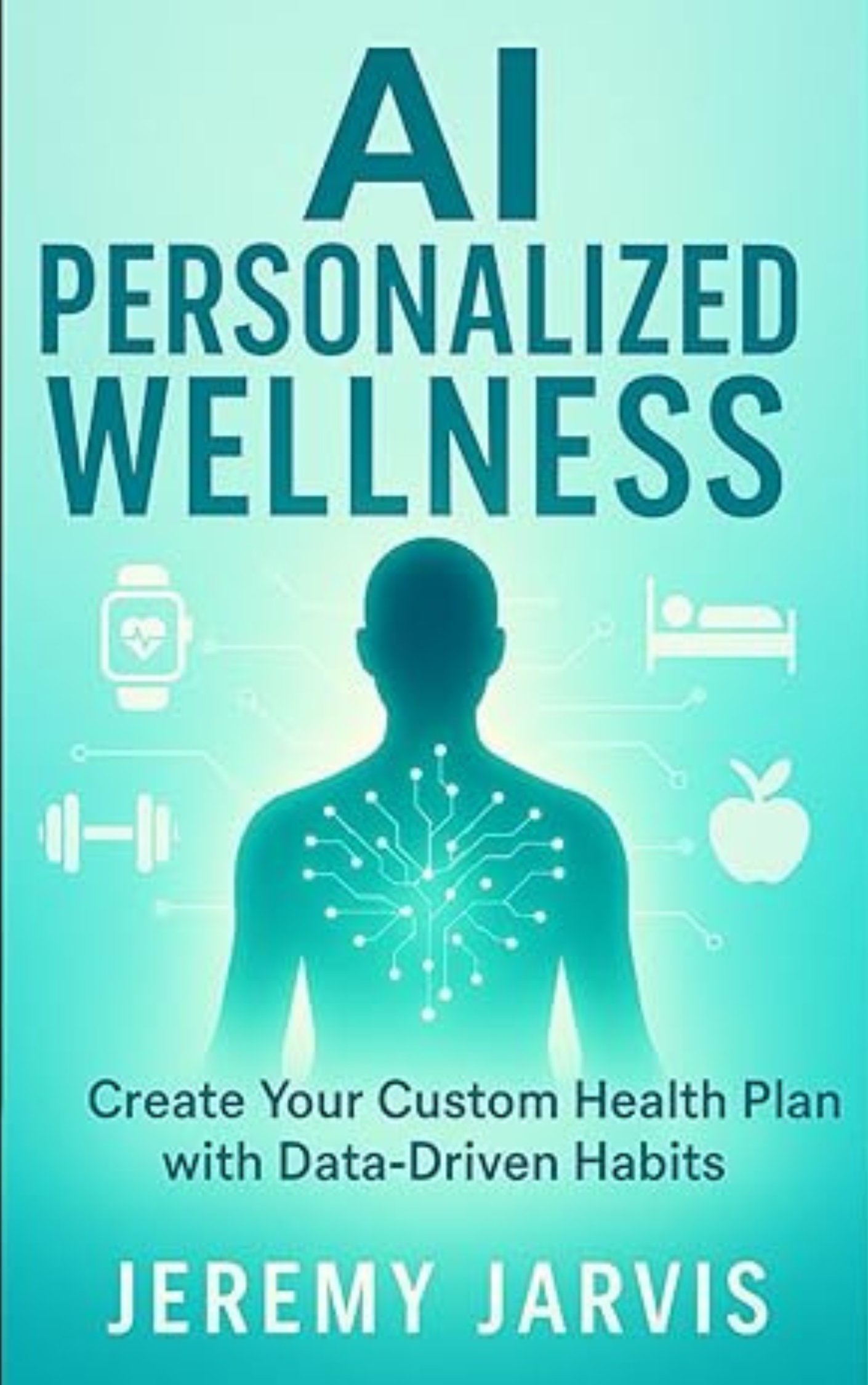
AI Personalized Wellness
Create your custom health plan with data-driven habits.
View book →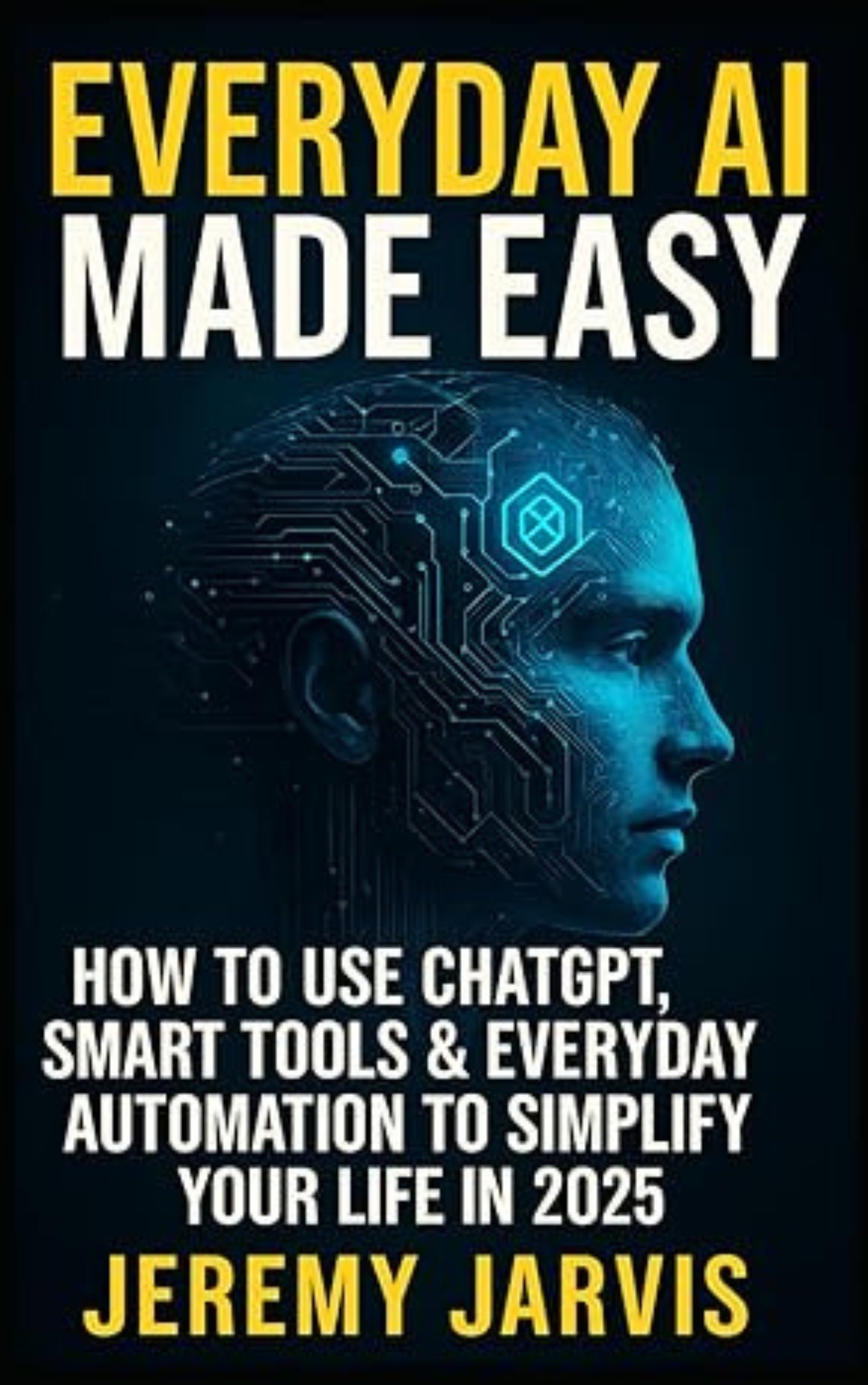
Everyday AI Made Easy
Use ChatGPT and smart tools to simplify life.
View book →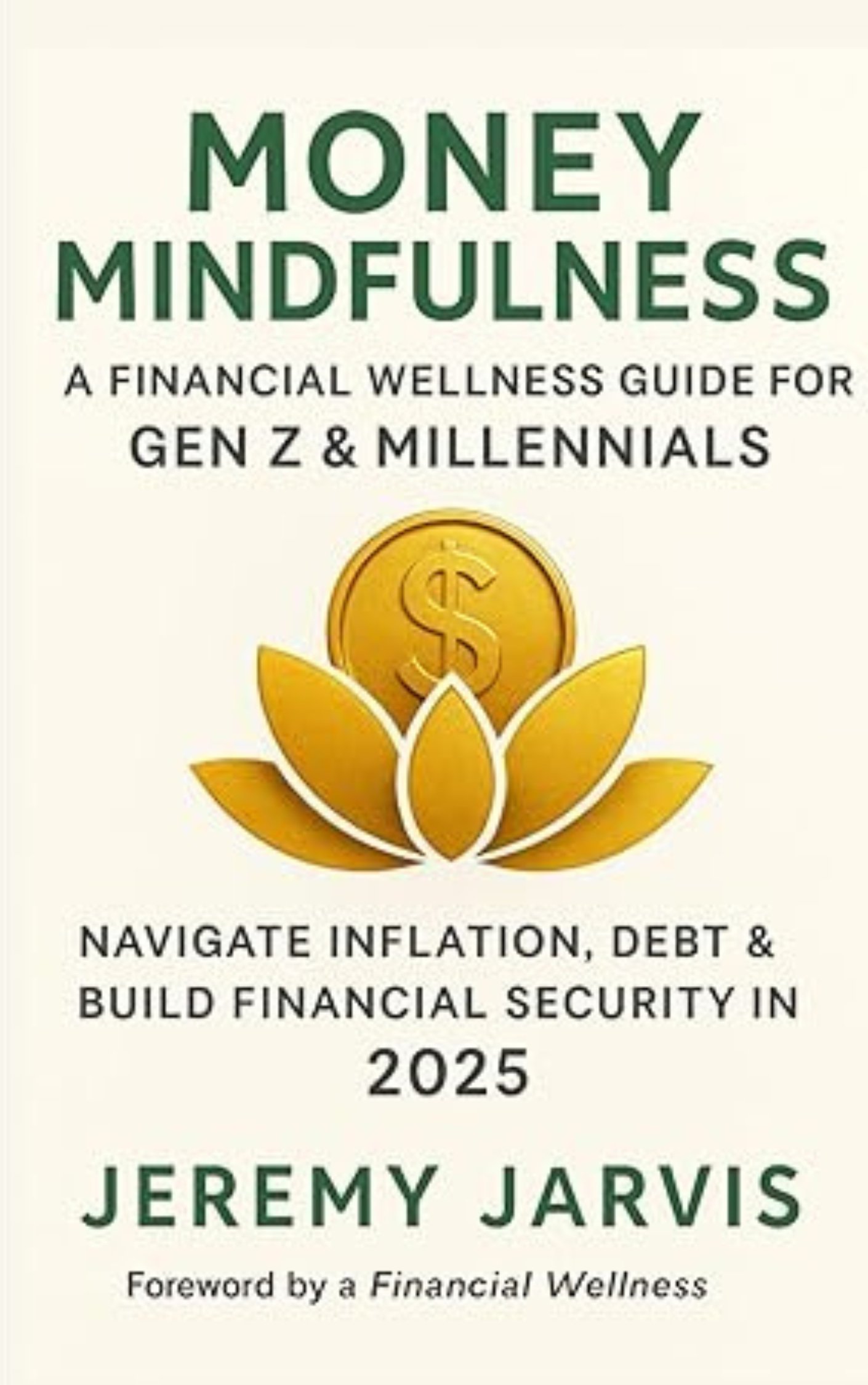
Money Mindfulness
A financial wellness guide for Gen Z & Millennials.
View book →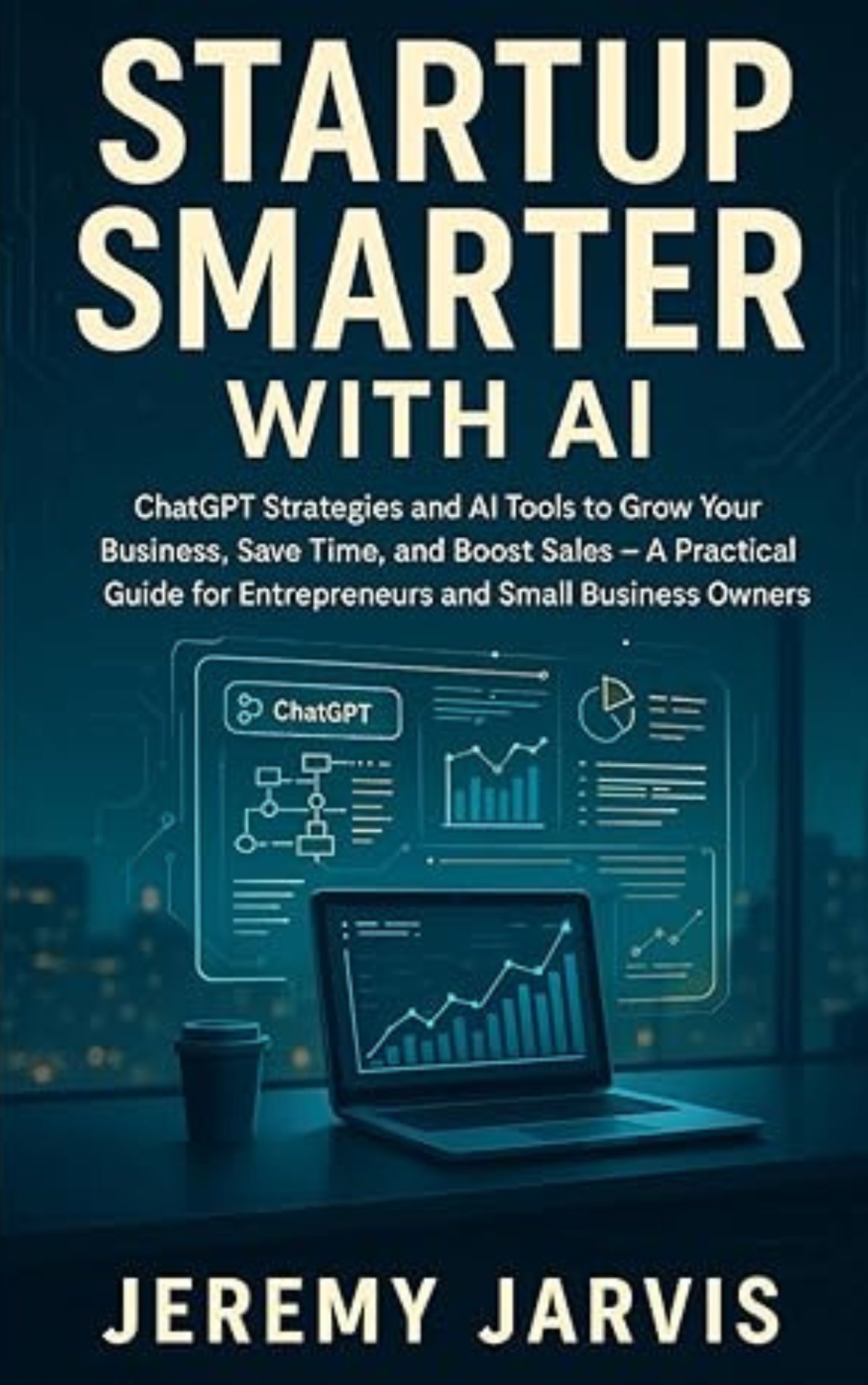
Startup Smarter with AI
ChatGPT strategies and tools to grow your business.
View book →
ChatGPT for Writers & Creators
Unlock AI-powered brainstorming, drafting & editing.
View book →