
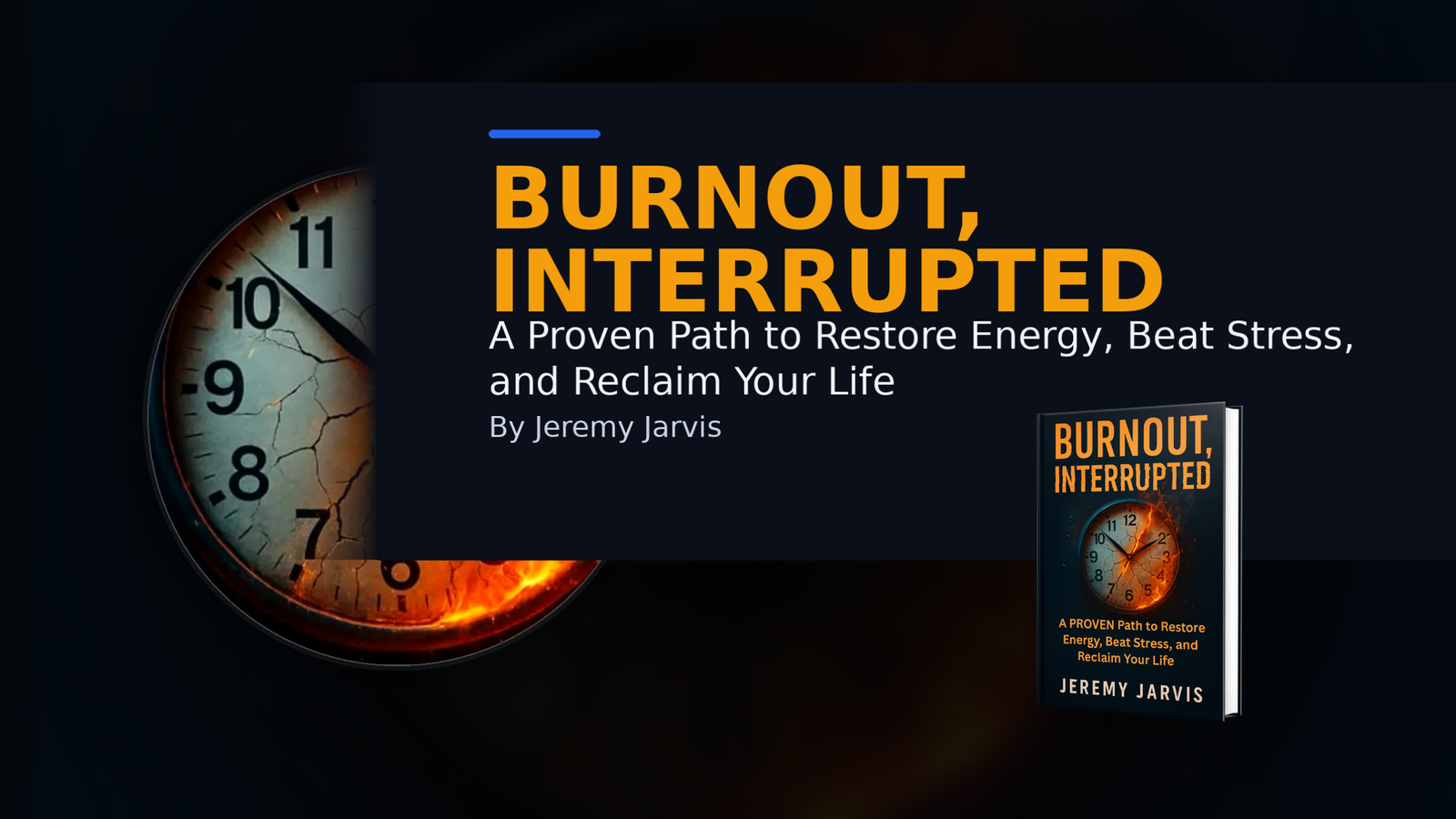
A Proven Path to Restore Energy, Beat Stress, and Reclaim Your Life
By Jeremy Jarvis — Author of The Power of Clarity & Digital Clarity
The Neuroscience of Burnout Recovery
If you’re experiencing work burnout or thinking “i am burnt out,” it’s not a character flaw—it’s a nervous-system state. Research shared by the American Psychological Association shows how prolonged stress can reshape attention, motivation, and emotional regulation. Over time, chronic pressure can drain your ability to concentrate, lower frustration tolerance, and make everyday tasks feel heavier than they should—classic signs of mental exhaustion. Burnout, Interrupted translates that science into a recovery path that’s realistic for people who can’t just “take time off.”
This book explains what’s happening in your brain when you’re stuck in survival mode—why your memory feels unreliable, why motivation disappears, and why your energy doesn’t come back after a weekend. If you want a companion read for the “why is my brain foggy?” side of burnout, pair this with Science of Mental Fog (2025) and Mentally Exhausted After Doing Nothing. These resources help you recognize attention fatigue early—before a full crash.
Work Burnout, Burn Out Cycles, and Why Rest Alone Isn’t Enough
Many people try to “fix” burn out by sleeping more or taking a short break—then they feel guilty when they’re still tired. The truth is that burnout recovery often requires more than rest: it requires nervous system repair, boundary rebuilding, and re-training your attention so your brain stops treating everything like an emergency. Burnout, Interrupted breaks down the cycle of overwork → adrenaline → shutdown → catch-up → overwork, and shows how to exit it without quitting your life.
If your burnout is tied to constant urgency, racing thoughts, or stress loops, you’ll get more traction by pairing this page with How to Recover from Burnout and Quiet Crisis: Feeling Unfocused and Lost. Together, they reinforce the same message: you don’t need more pressure—you need a better system for safety, pace, and recovery.
Building Sustainable Energy Habits (So You Don’t Relapse)
Burnout often returns when life speeds up again—because the underlying rhythm never changed. That’s why Burnout, Interrupted focuses on energy management, not just time management. Guided by principles echoed in Harvard Health, the book helps you design an energy-aware week: protect your highest-capacity hours, reduce friction during low-energy windows, and build recovery into the schedule the same way you schedule meetings.
If you’re rebuilding your baseline, add Focus Reset: Mental Space for a practical reset routine, and Science of Stillness (2025) for the brain-performance side of recovery. These support the same theme: small daily inputs create a calmer, more resilient nervous system over time.
The goal isn’t to become “productive again” at all costs. The goal is to become steady—so your focus returns, your mood stabilizes, and your energy isn’t held hostage by the next stressful week.
Workplace Wellness, Mental Exhaustion, and Digital Overload
For many people, work burnout is amplified by tech: nonstop email, constant Slack pings, and the feeling that you’re never fully off. The Mayo Clinic notes how burnout can show up as emotional depletion, cynicism, and reduced performance—especially when work stress is continuous. Burnout, Interrupted includes practical strategies for reducing cognitive load: attention batching, notification limits, decompression rituals, and boundary scripts you can actually use.
If your burnout is tied to screen pressure and decision fatigue, pair this section with: Digital Fatigue: How to Recover Faster, Hidden Costs of Screen Time (2025), and How to Manage Email Overload. These internal guides reinforce the same recovery principle: you can’t heal in the same input environment that burned you out.
And if anxiety is part of the picture—tight chest, constant worry, dread before work—this pairs well with How to Deal With Anxiety at Work.
Restoring Purpose Through Mindful Living (Not “Just Relax”)
Burnout recovery isn’t only physical. It’s also about meaning. When you’re burnt out, everything can start to feel pointless—even the things you used to enjoy. Burnout, Interrupted helps you rebuild purpose without forcing positivity. It uses reflection, self-compassion, and nervous-system-safe routines to reconnect you with what matters, at a pace your body can tolerate. This aligns with mindfulness-based findings summarized in PubMed Central, where consistent mindful practice is associated with stress reduction and improved emotional regulation.
For Mind Clarity Hub readers who want a calmer daily framework, pair with How to Improve Mental Clarity and Focus Reset: Mental Space. These support the “rebuild from the inside out” approach—so your recovery is not a temporary break, but a new baseline.
From Exhaustion to Empowerment: A Practical Recovery Roadmap
The World Health Organization describes burn-out as an occupational phenomenon linked to chronic workplace stress that hasn’t been successfully managed. That framing matters, because it shifts the solution away from self-blame and toward systems: workload boundaries, recovery cycles, attention protection, and emotional regulation practices.
Burnout, Interrupted is built for people who still have responsibilities. It doesn’t demand a total life overhaul. Instead, it gives you step-by-step ways to reduce stress load, restore energy, and rebuild concentration—even if you’re starting from “I’m exhausted and I can’t think straight.” If attention collapse is part of your burnout, add: Why Can’t I Focus Anymore? and Rebuild Attention in a World of Distraction.
The end result is not “hustle harder with better habits.” It’s steadier energy, clearer thinking, healthier boundaries, and a life that feels sustainable again—at work and at home.
FAQs — Burnout, Interrupted: A Proven Path to Restore Energy, Beat Stress, and Reclaim Your Life
Understanding Burnout and Recovery
1. What is Burnout, Interrupted about?
Burnout, Interrupted by Jeremy Jarvis is a science-backed guide that helps readers heal from chronic stress and exhaustion. It explores how modern work culture, digital overload, and constant stimulation impact the nervous system — and provides actionable tools to restore balance, focus, and energy.
2. What makes this burnout book different?
Unlike quick-fix self-care guides, Burnout, Interrupted focuses on long-term nervous-system healing. It blends neuroscience, psychology, and daily routines to create sustainable recovery — no drastic lifestyle changes or unrealistic time demands required.
3. Who should read this book?
This book is ideal for professionals, caregivers, entrepreneurs, and students who feel mentally drained or emotionally exhausted. It’s written for people balancing ambition with the need for recovery — those who want clarity, not just coping strategies.
Applying the Burnout Recovery Framework
4. What are the key burnout recovery techniques covered?
Jeremy Jarvis outlines a complete recovery system that includes grounding exercises, nervous-system regulation, energy-management methods, and mindset reframing. The framework combines scientific insights with practical daily steps that fit real-world routines.
5. How long does it take to recover from burnout?
Results vary by person, but many readers experience noticeable improvements within 2–4 weeks when consistently applying the methods. The book provides a 30-day structured plan designed to restore motivation and focus through gradual, evidence-based change.
6. Can I use these strategies while working full-time?
Yes. Burnout, Interrupted is designed for busy professionals. Every technique — from micro-breaks to energy resets — can be practiced without quitting your job or taking long breaks from work.
Science, Stress, and Real-World Impact
7. What science supports this approach?
The book integrates findings from neuroscience, behavioral psychology, and stress-reduction research. Studies from institutions like the American Psychological Association and NIH confirm how chronic stress affects cognition, immunity, and emotion — and how nervous-system regulation reverses these effects.
8. Does the book include exercises or just theory?
Each chapter includes practical exercises, self-reflection prompts, and action steps. Readers can apply these daily to strengthen energy, focus, and resilience through gradual, real-world implementation.
9. How can this help with digital fatigue and stress overload?
The book provides a dedicated section on “digital burnout,” showing how to reduce screen-induced stress while maintaining productivity. Techniques like “dopamine resets,” mindful device use, and structured downtime help restore balance in connected lifestyles.
10. Where can I buy the book?
Burnout, Interrupted (ISBN 979-8287713553) is available globally. View on Amazon →
Start your recovery journey today
Explore the Mind Clarity Hub Library
Practical books on focus, digital habits, resilience, and building a calmer mind.
The Power of Clarity
Unlock mental focus, build momentum, and create the life you were meant to live.
View book →
AI & ChatGPT for Beginners
No PhD needed — a 2025 guide to AI, prompts, and productivity without coding.
View book →
Zen in the Digital Jungle
Mindfulness for a chaotic world.
View book →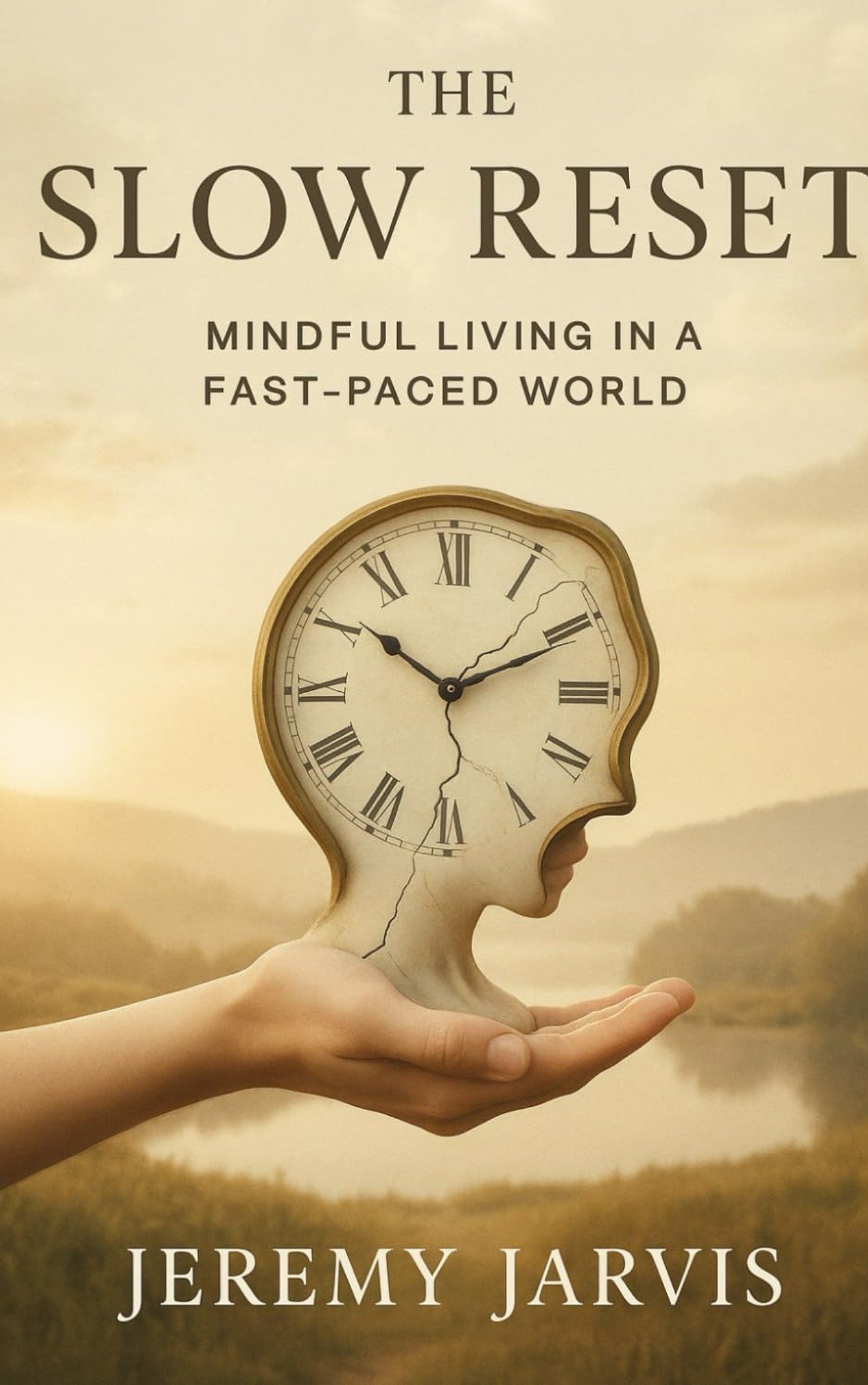
The Slow Reset
Mindful living in a fast-paced world.
View book →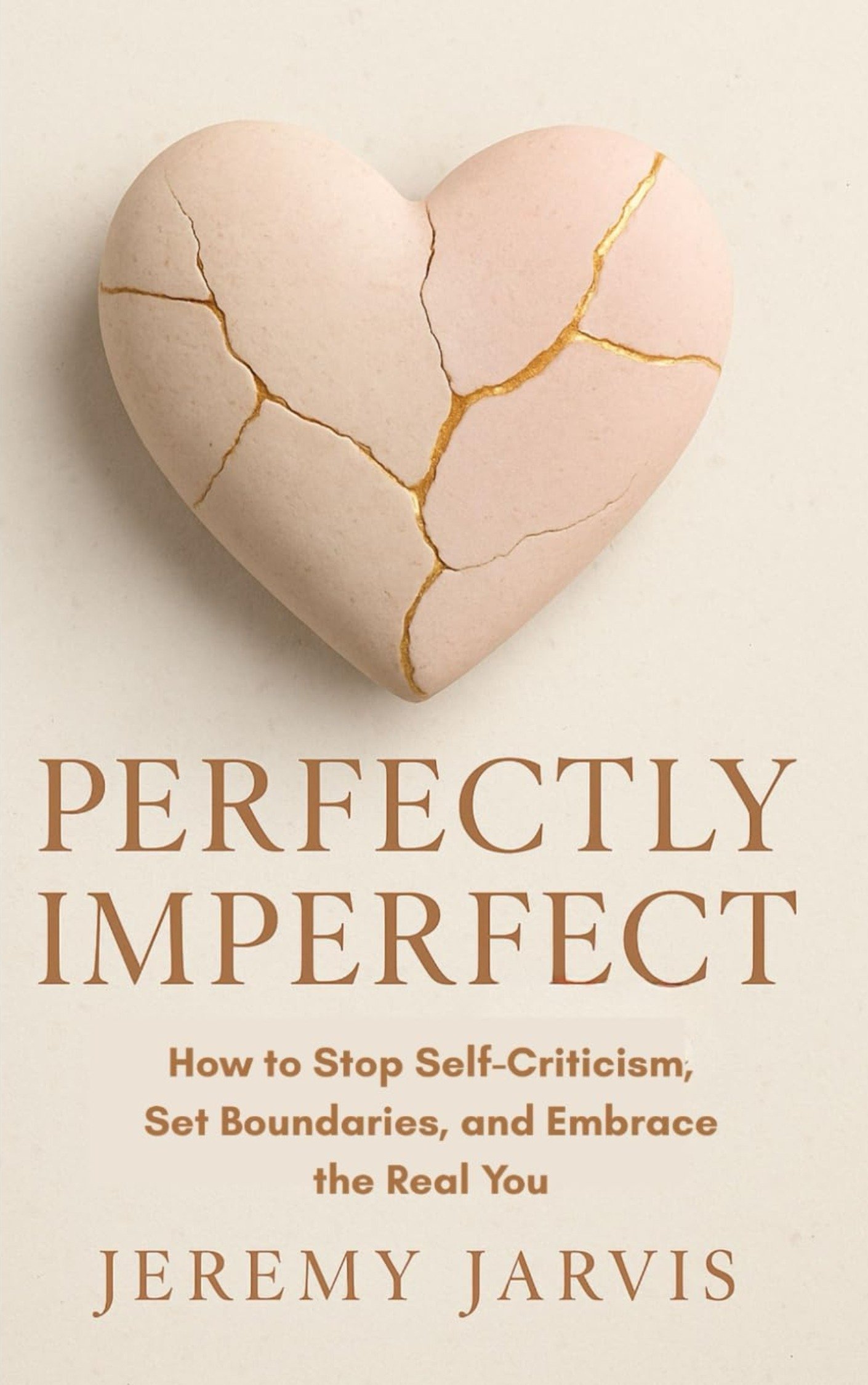
Perfectly Imperfect
Stop self-criticism, set boundaries, and embrace the real you.
View book →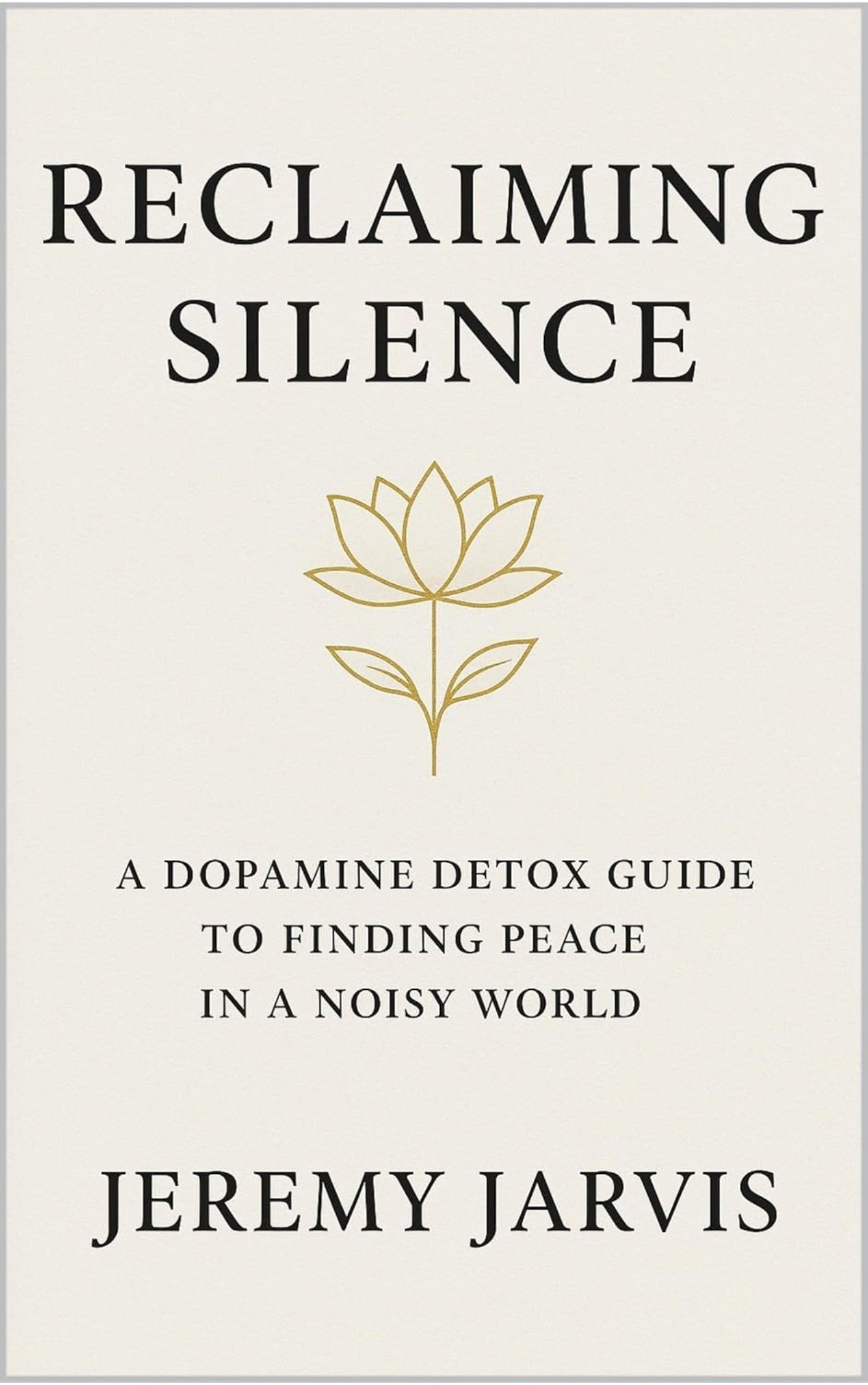
Reclaiming Silence
A dopamine detox guide to finding peace in a noisy world.
View book →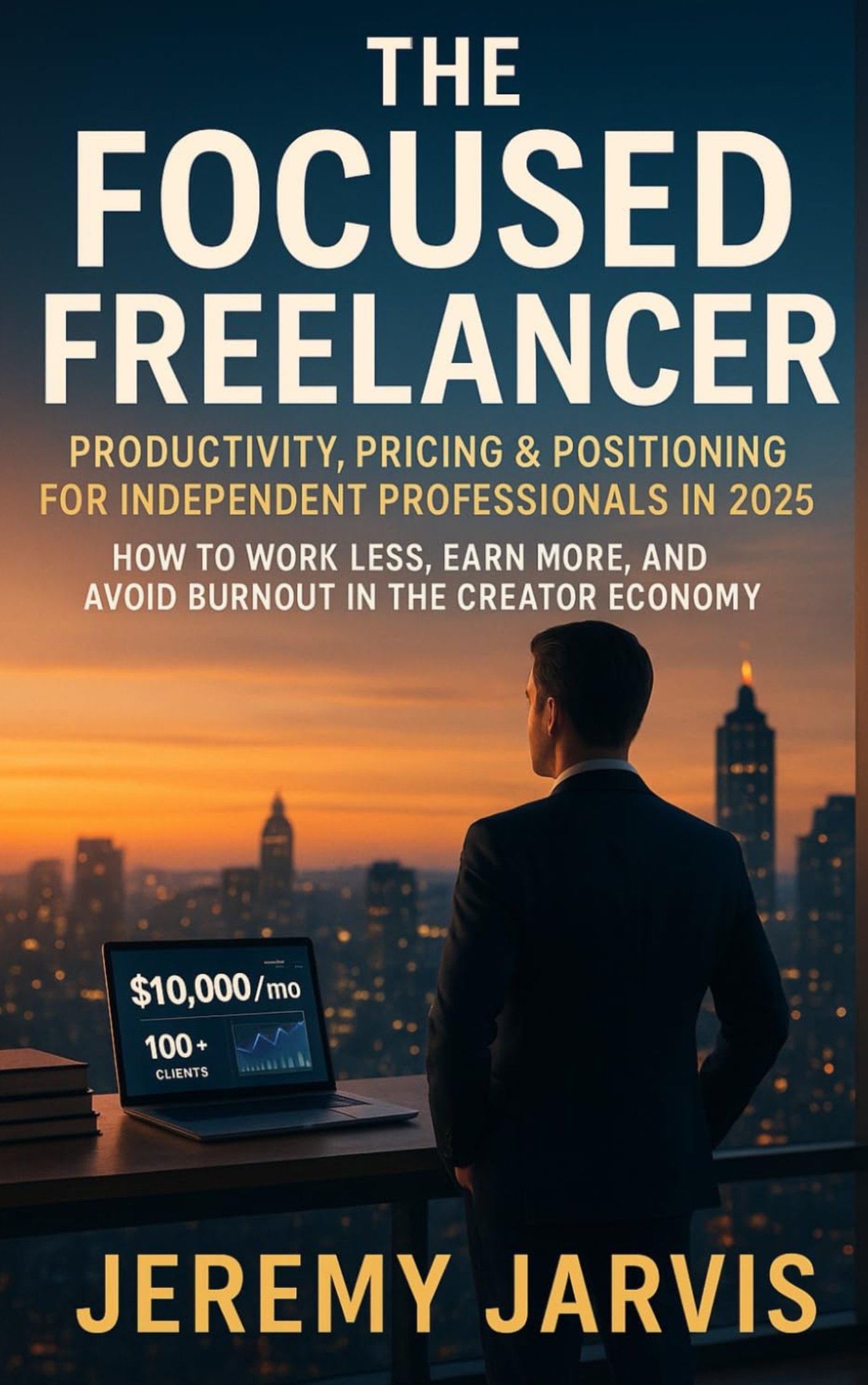
The Focused Freelancer
Productivity, pricing & positioning for independents in 2025.
View book →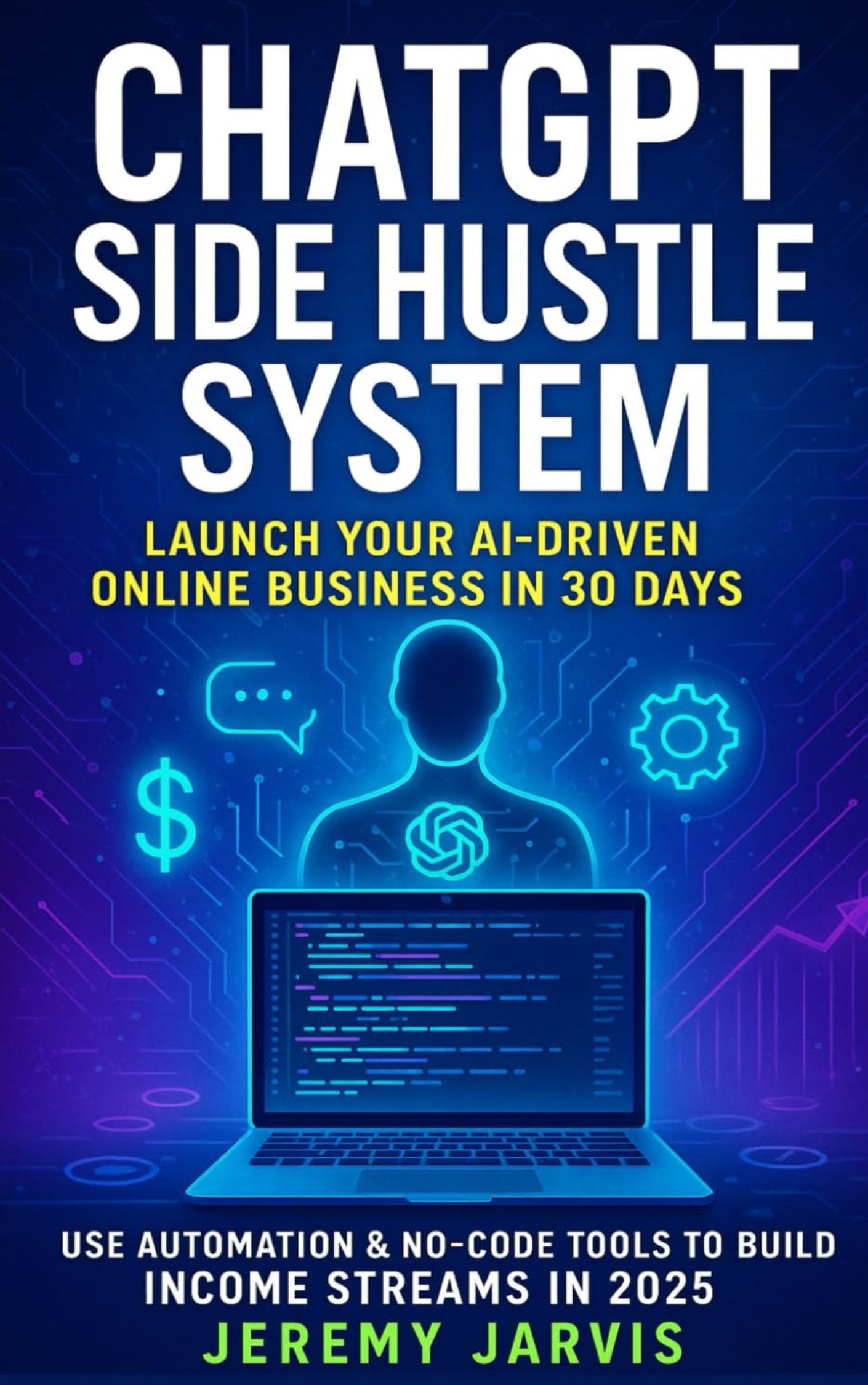
ChatGPT Side Hustle System
Launch your AI-driven online business in 30 days.
View book →
Burnout, Interrupted
A proven path to restore energy and reclaim your life.
View book →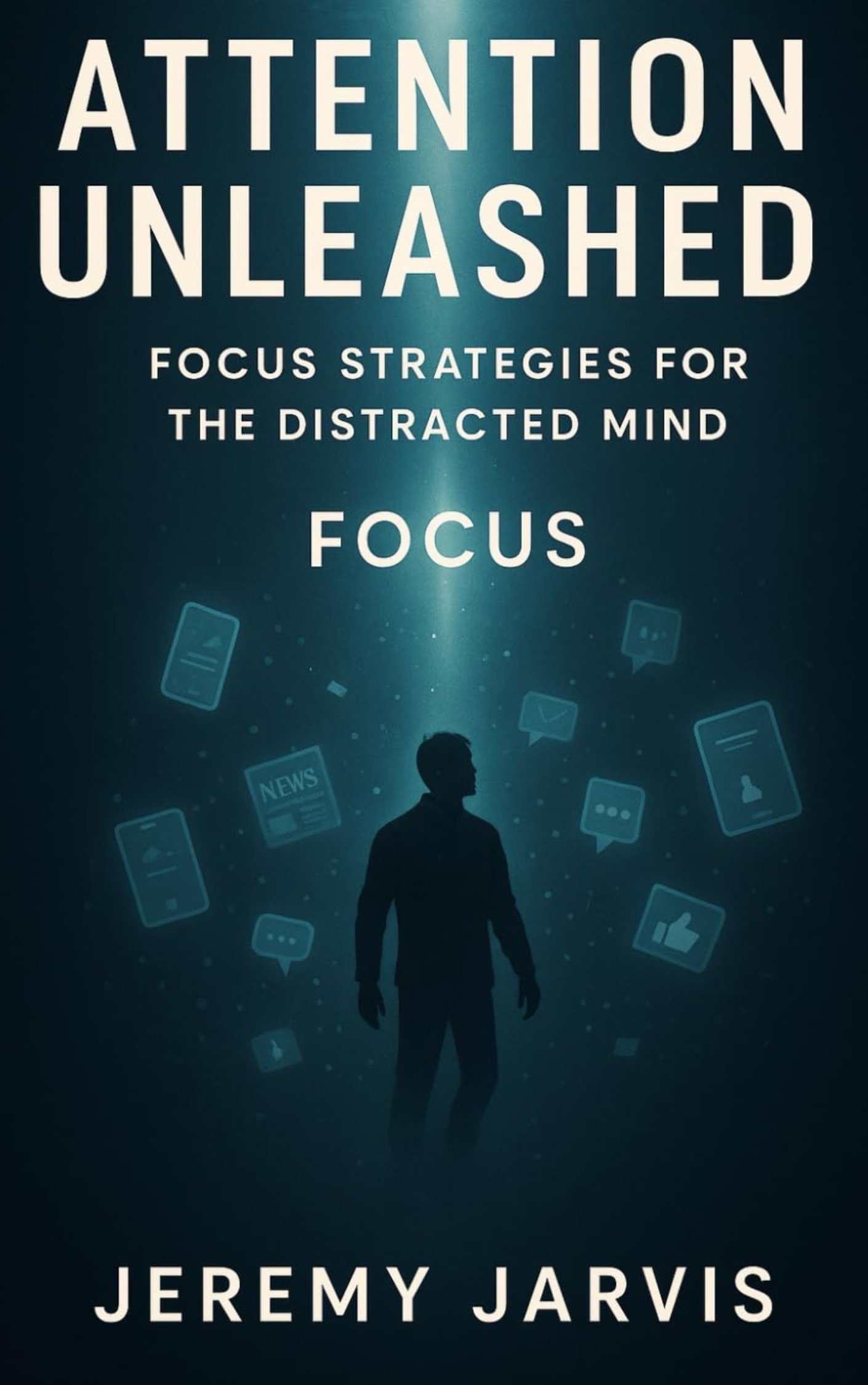
Attention Unleashed
Focus strategies for the distracted mind.
View book →
Side Hustle Launchpad
Your quick-start guide to extra income.
View book →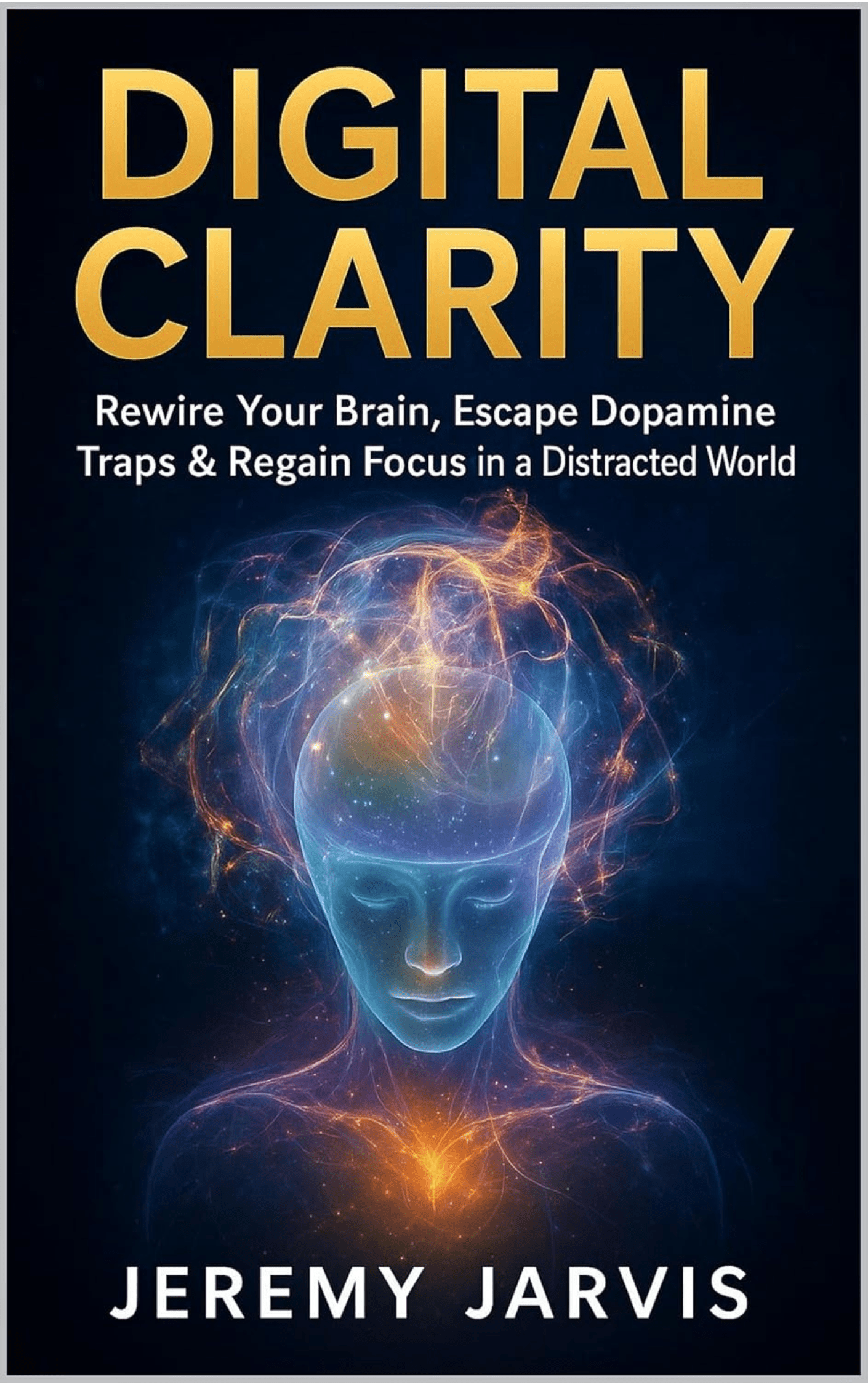
Digital Clarity
Rewire your brain, escape dopamine traps & regain focus.
View book →
Break the Scroll
Reduce screen time and take back control of your life.
View book →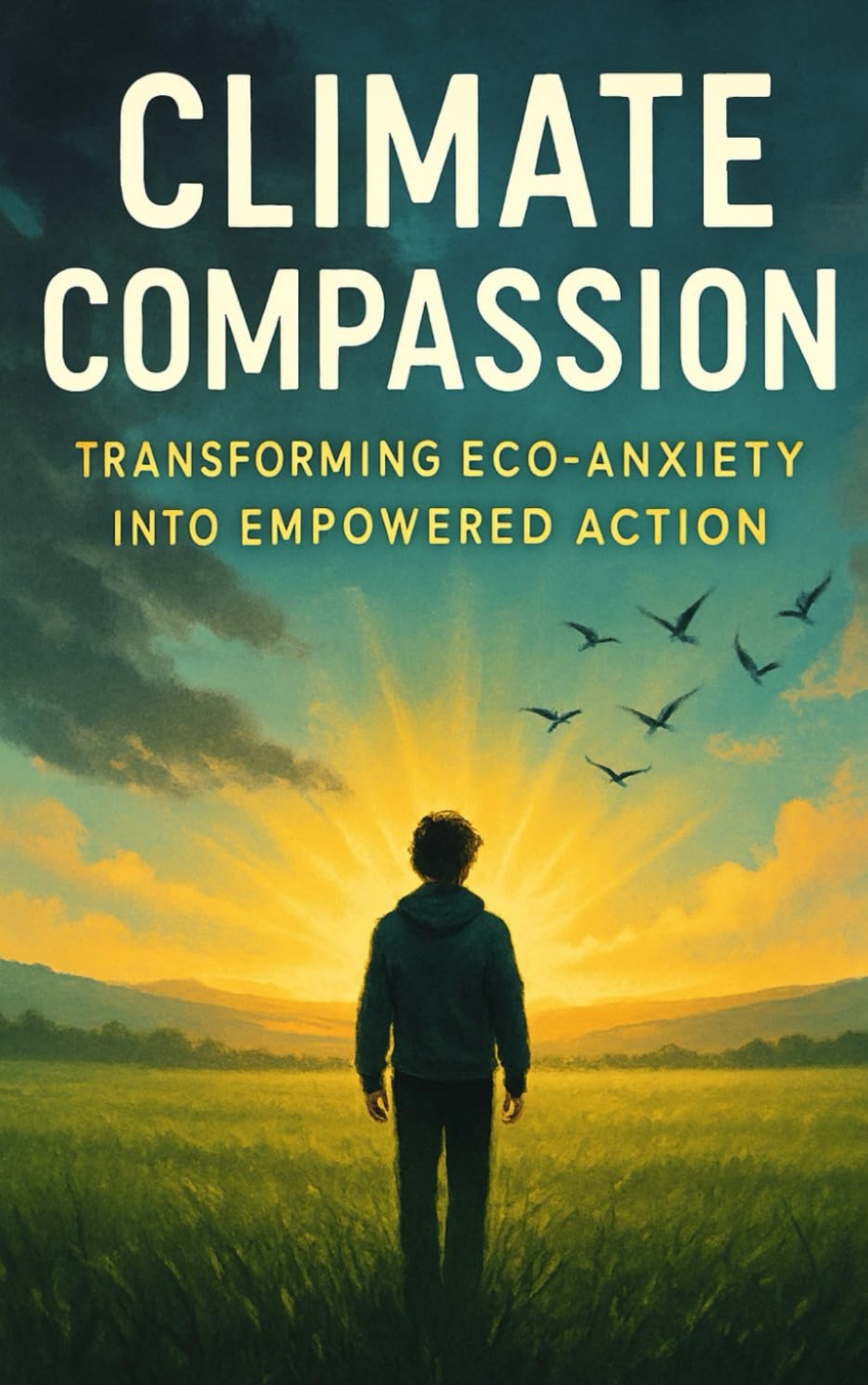
Climate Compassion
Transform eco-anxiety into empowered action.
View book →
Village Mentality
The power of community for mental wellness.
View book →
Restful Nights
Overcoming sleep anxiety in a 24/7 world.
View book →
Connected Again
Combat loneliness and build meaningful relationships.
View book →
Focus Recharged
Mastering attention and productivity in the digital era.
View book →
Marketing Magic with ChatGPT
AI-powered content, campaigns, and copywriting to grow faster.
View book →
The 6-Figure Creator
Turn knowledge into passive income with books, courses & AI.
View book →
Burnout Breakthrough
Reset your work-life balance and thrive in 2025.
View book →
The Emotionally Intelligent Man
A modern guide to self-awareness and communication.
View book →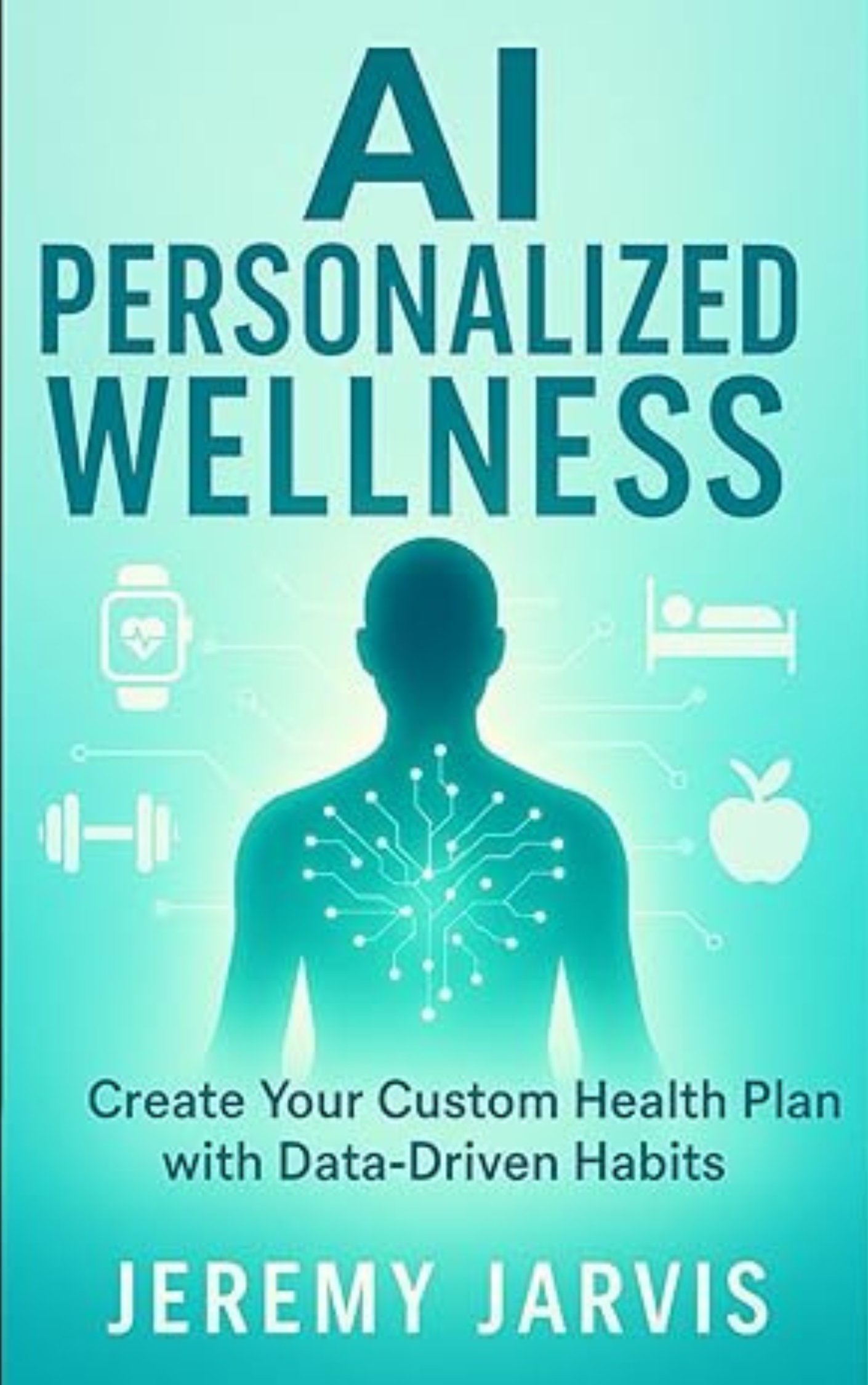
AI Personalized Wellness
Create your custom health plan with data-driven habits.
View book →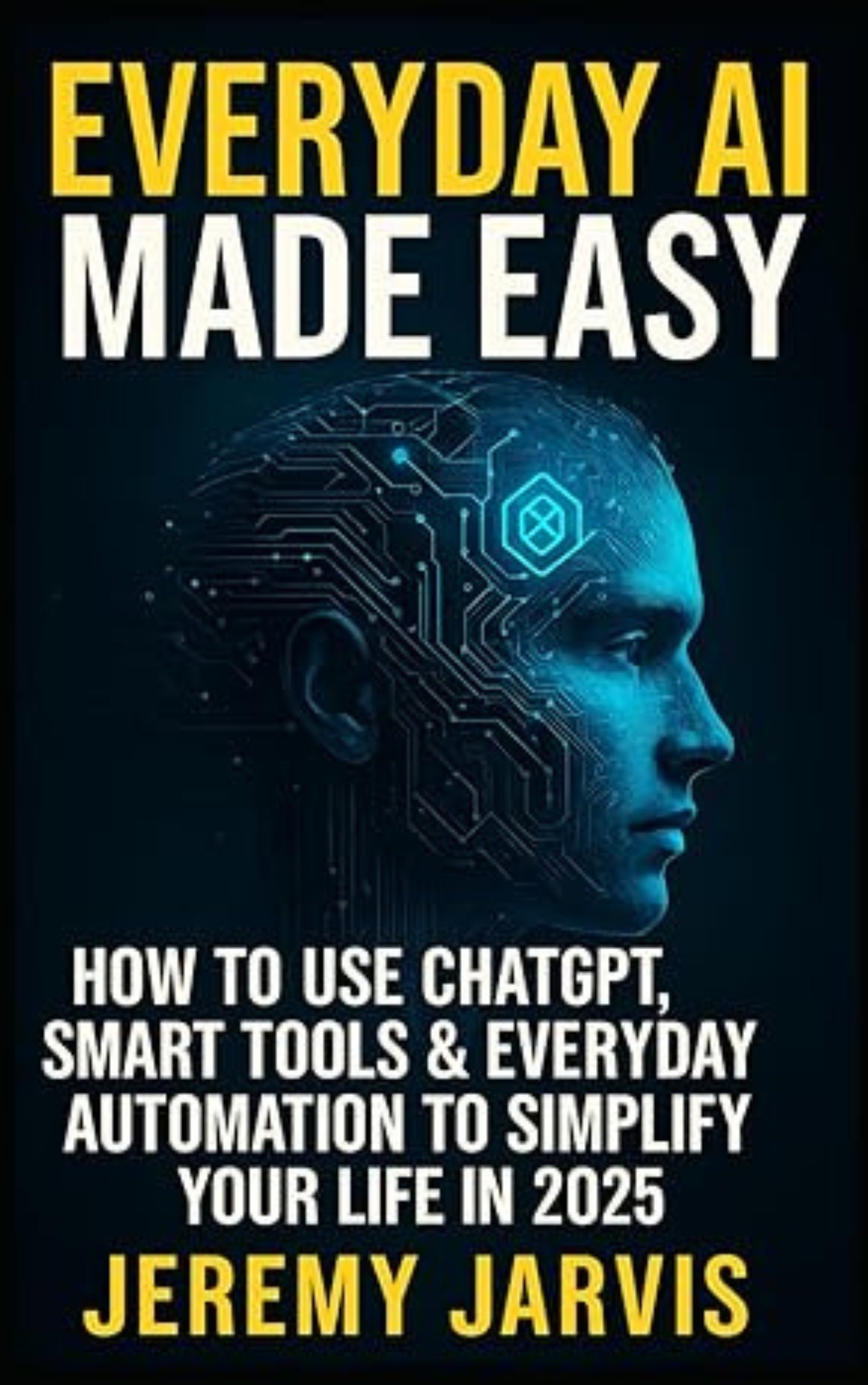
Everyday AI Made Easy
Use ChatGPT and smart tools to simplify life.
View book →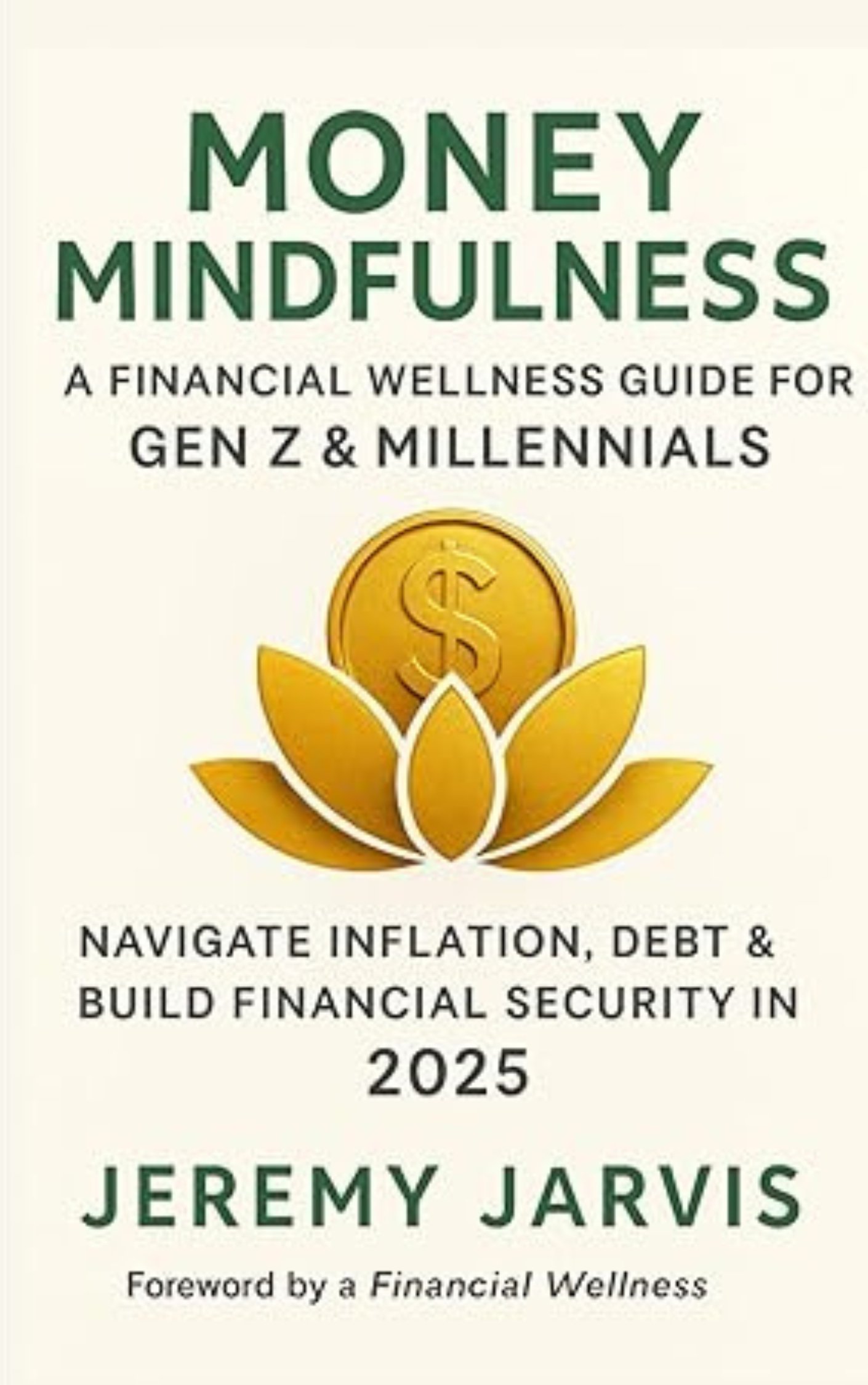
Money Mindfulness
A financial wellness guide for Gen Z & Millennials.
View book →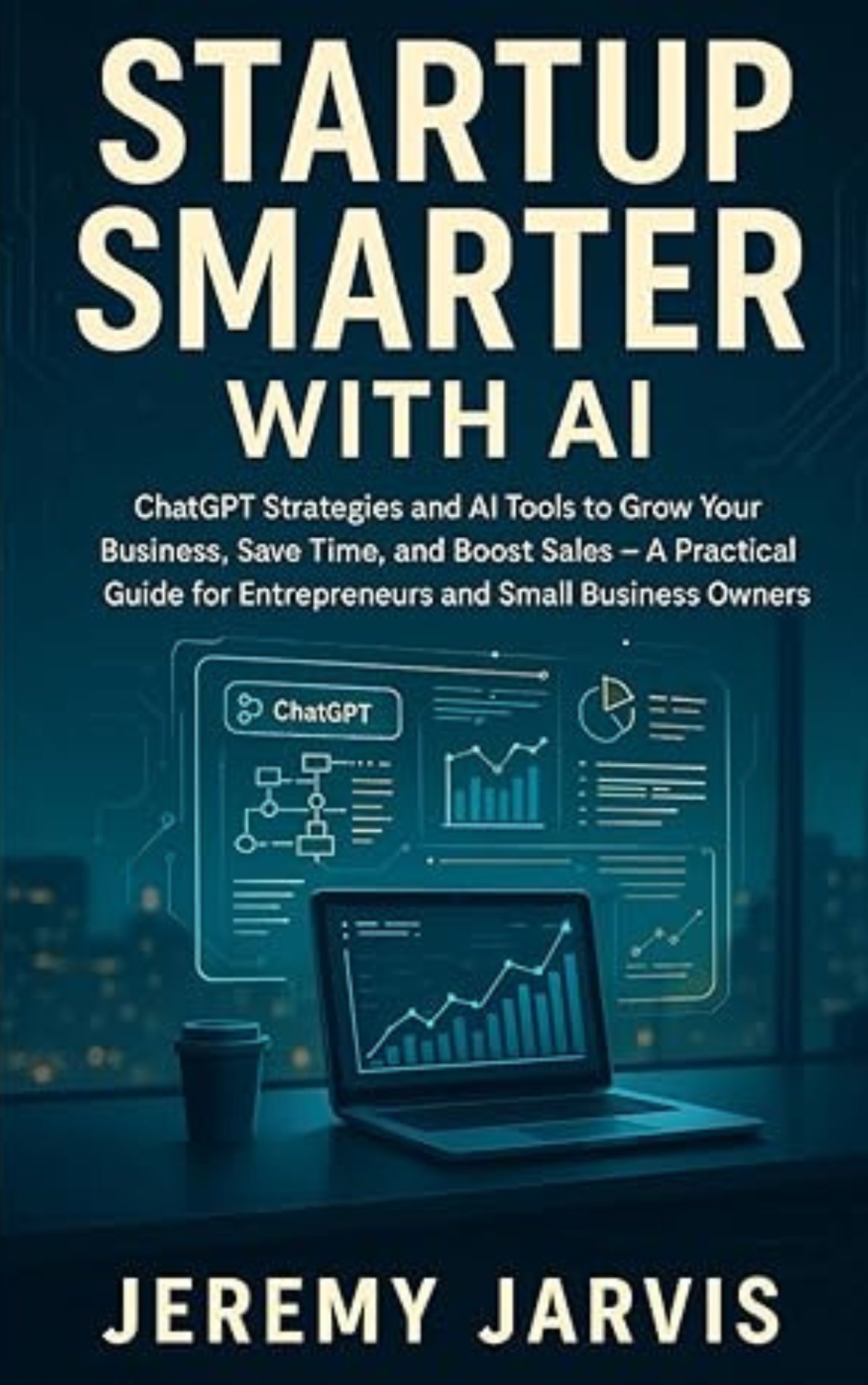
Startup Smarter with AI
ChatGPT strategies and tools to grow your business.
View book →
ChatGPT for Writers & Creators
Unlock AI-powered brainstorming, drafting & editing.
View book →