
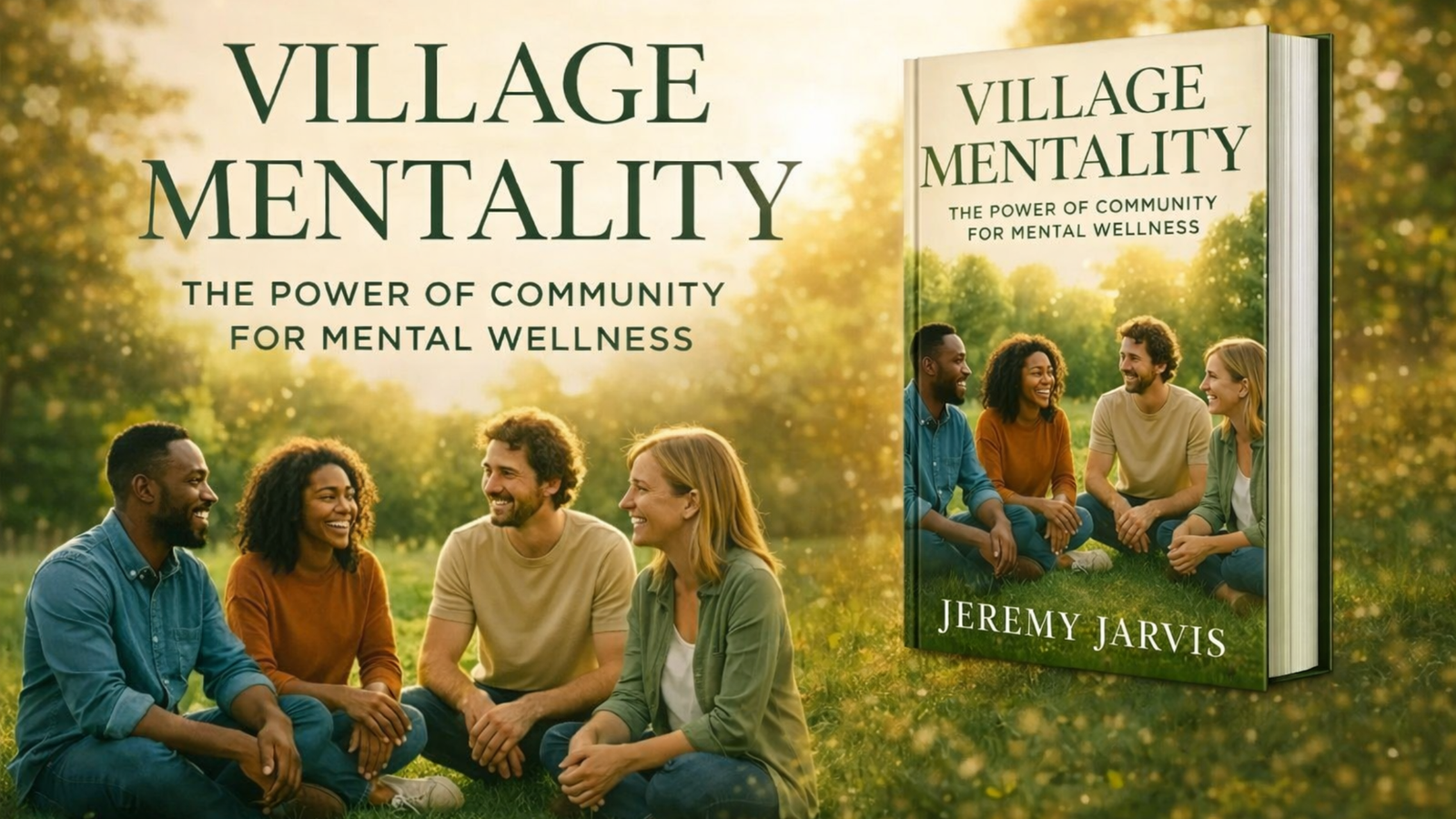
Village Mentality: The Power of Community for Mental Wellness
Loneliness is rising —but so is the power of connection. Village Mentality reveals how belonging, empathy, and shared purpose can reshape mental health in 2025 and beyond.
View on Amazon →Affiliate Disclosure: This page contains affiliate links. If you purchase through these links, Mind Clarity Hub may earn a small commission at no extra cost to you. These commissions support our research, writing, and community wellness initiatives.
📘 Author: Jeremy Jarvis
Publication Date: July 4 2025 | Print Length: 363 pages
ISBN-13: 979-8291043448 | Language: English
Dimensions: 6 × 0.82 × 9 inches
Key Takeaways
- Village Mentality shows how authentic community reduces loneliness, supports mental wellness, and improves emotional resilience.
- Learn practical, science-aware steps to build a wellness village: micro-rituals, belonging cues, and relationship habits that last.
- Turn empathy, shared purpose, and consistent connection into better mood stability, stronger focus, and healthier daily routines.
Why Village Mentality Matters Today
Modern life rewards independence, productivity, and constant self-reliance. However, the “do it all alone” mindset often comes with a quiet cost: loneliness, social isolation, and a persistent sense of disconnection that can show up as anxiety, low motivation, and mental fatigue. Village Mentality reframes connection as a real-world mental wellness tool—because belonging is not a luxury; it is part of how the human brain regulates stress.
In other words, Village Mentality is not simply a community book. It’s a practical, grounded guide to building supportive relationships, strengthening emotional resilience, and restoring mental clarity through everyday connection. Jeremy Jarvis blends psychology, neuroscience, and relatable stories to help you move from “I should be fine” to “I have support.” If you’ve been craving calmer thoughts, steadier mood, and more meaning in your day, this is where village thinking becomes a usable system.
The Science of Belonging and Why Connection Heals
Belonging is not only emotional—it’s biological. When you feel safe with others, your nervous system downshifts. As a result, stress hormones decrease, your attention becomes steadier, and your brain gets more capacity for reflection, creativity, and problem-solving. That is why community support is strongly linked with improved mental health outcomes, stronger coping skills, and even better sleep quality over time.
Village Mentality translates “big research” into simple habits you can actually use. It explains how micro-connection—small moments of shared attention, eye contact, laughter, and active listening—can improve mood stability and reduce emotional overload. If this topic resonates, you may also like Connected Again for a deeper loneliness-to-connection pathway.
From Loneliness to Emotional Resilience
Many people assume loneliness means “not enough people.” In practice, loneliness is often “not enough safety.” You can be surrounded and still feel unseen. That’s why Village Mentality focuses on belonging, trust, and consistent support—not popularity. Instead of chasing a bigger circle, the book helps you build a better one: fewer relationships, stronger roots, healthier boundaries.
You’ll learn how to recognize the patterns that keep people stuck—over-functioning, over-giving, social masking, conflict avoidance, and the “I’ll handle it” reflex. Then, you’ll practice replacement habits that produce stability: asking for help clearly, setting expectations gently, and choosing environments that support healing. For readers who also feel scattered or mentally overloaded, pairing this with The Power of Clarity can help you reduce the mental noise that makes connection harder.
Building Your Own “Wellness Village” Step by Step
A wellness village is a small, intentional support system that helps you stay grounded—especially when life gets heavy. Village Mentality makes this practical by guiding you through three pillars: people (safe relationships), places (healthy environments), and rituals (repeatable connection habits). Because consistency matters more than intensity, the book focuses on what you can repeat weekly—not what you can do once.
You’ll find strategies for building community in real life and online without falling into scroll fatigue: book clubs, neighborhood walks, coworking meetups, volunteering, faith or interest groups, and small “anchor” routines like a weekly check-in. Additionally, the book helps you create relationship-building habits that stick—so your support system grows naturally. If digital boundaries are part of your wellness plan, see Break the Scroll for practical steps to reduce algorithm-driven isolation.
Overcoming Barriers to Connection (Without Forcing Yourself)
Connection gets blocked for understandable reasons: social anxiety, fear of rejection, past betrayal, burnout, or feeling “behind” in life. Consequently, many people withdraw to protect themselves, even while craving closeness. Village Mentality meets that reality with empathy while still giving you a way forward. It teaches small exposure steps that rebuild confidence without demanding extroversion.
Instead of “be more social,” you’ll learn to create safety through structure: scripts for reaching out, low-pressure invitations, and simple conversation practices that reduce awkwardness. You’ll also learn how to repair after missed texts, long gaps, or emotional shutdown—because shame is one of the biggest drivers of isolation. For readers navigating stress overload, explore Quiet Crisis as a companion piece on feeling stuck and disconnected.
Technology, Modern Belonging, and the Difference Between Noise and Community
Screens can connect us, yet they can also fragment attention and amplify comparison. Village Mentality draws a clear line between “high interaction” and “real connection.” The goal is not quitting technology; it’s using it intentionally to support mental wellness. That includes leaving passive scrolling behind and choosing community spaces that produce encouragement, accountability, and real conversation.
If you’ve noticed that constant digital stimulation makes you feel more alone, you’re not imagining it. Attention overload can reduce empathy, shorten patience, and make connection feel like work. To rebuild steadier focus (which supports better relationships), see Neuroscience of Single-Tasking and Rebuild Attention in a World of Distraction.
From Insight to Action: Habits That Create Belonging
This is where the book becomes a toolkit. Each chapter ends with reflection prompts and practical actions that move you from understanding to change. You’ll learn how to build trust through consistency, how to practice empathy without losing boundaries, and how to create a shared purpose with the people around you. Over time, these “small social investments” compound into resilience, clarity, and steadier emotional regulation.
Additionally, Village Mentality introduces a simple weekly rhythm that keeps community from becoming another obligation: one check-in, one shared activity, one act of service, and one moment of gratitude. It’s intentionally light—because sustainable mental health habits must fit real schedules. If sleep or nervous system stress is part of your story, pairing this approach with Restful Nights can strengthen your overall recovery loop.
Integrating Village Thinking Into Everyday Life
Village thinking is a mindset shift: you stop treating wellness as a solo project. Instead, you build a life where support is normal, asking is allowed, and showing up matters more than being impressive. Even brief moments—thanking a neighbor, speaking kindly to a coworker, reaching out to a friend—can train the brain toward trust and belonging.
Importantly, Village Mentality does not romanticize community. It helps you build connection with discernment: healthy boundaries, respectful communication, and an awareness of what truly supports your mental wellness. If you’re also interested in broader mental wellness frameworks, you may appreciate Science of Stillness for clarity, calm, and cognitive recovery practices.
Final Reflections: We Were Never Meant to Heal Alone
Village Mentality is a reminder and a method: mental health improves when support becomes part of your environment, not something you chase only in crisis. When empathy meets shared purpose, anxiety softens, resilience grows, and life feels more livable. The book’s message is simple, yet it lands deep—we were never meant to heal alone.
If you’re ready to build a real support system—without forcing a new personality—this book will give you the tools, the language, and the structure to start. Visit the listing to see formats, pricing, and reader details.
View Village Mentality on Amazon →Prefer to explore first? Browse the full collection at Jeremy Jarvis Books.
Continue your journey with related titles like Climate Compassion, Connected Again, and The Power of Clarity.
Frequently Asked Questions
What is Village Mentality about?
It explores how community and belonging can transform mental wellness by reducing loneliness and building resilience.
Who should read this book?
Anyone seeking deeper connection or emotional support—from introverts to community leaders—will benefit.
Does it include scientific research?
Yes, it integrates psychology and neuroscience findings on social support and mental health.
How is this different from typical self-help books?
Instead of focusing solely on individual change, it emphasizes collective growth through shared purpose.
Can it help with burnout or anxiety?
Absolutely. By reconnecting you with supportive networks, it helps regulate stress and restore balance.
Are there practical exercises?
Each chapter offers reflection prompts and simple social actions you can apply immediately.
Is this book for professionals or everyday readers?
It’s written for everyone—accessible enough for casual readers yet valuable for mental-health professionals.
Where can I buy it?
It’s available worldwide on Amazon.
Does Jeremy Jarvis have other books?
Yes—see Mind Clarity Hub Books for his full catalog.
How can I connect with the author?
Follow Jeremy Jarvis on Instagram or Facebook.
Explore the Mind Clarity Hub Library
Practical books on focus, digital habits, resilience, and building a calmer mind.
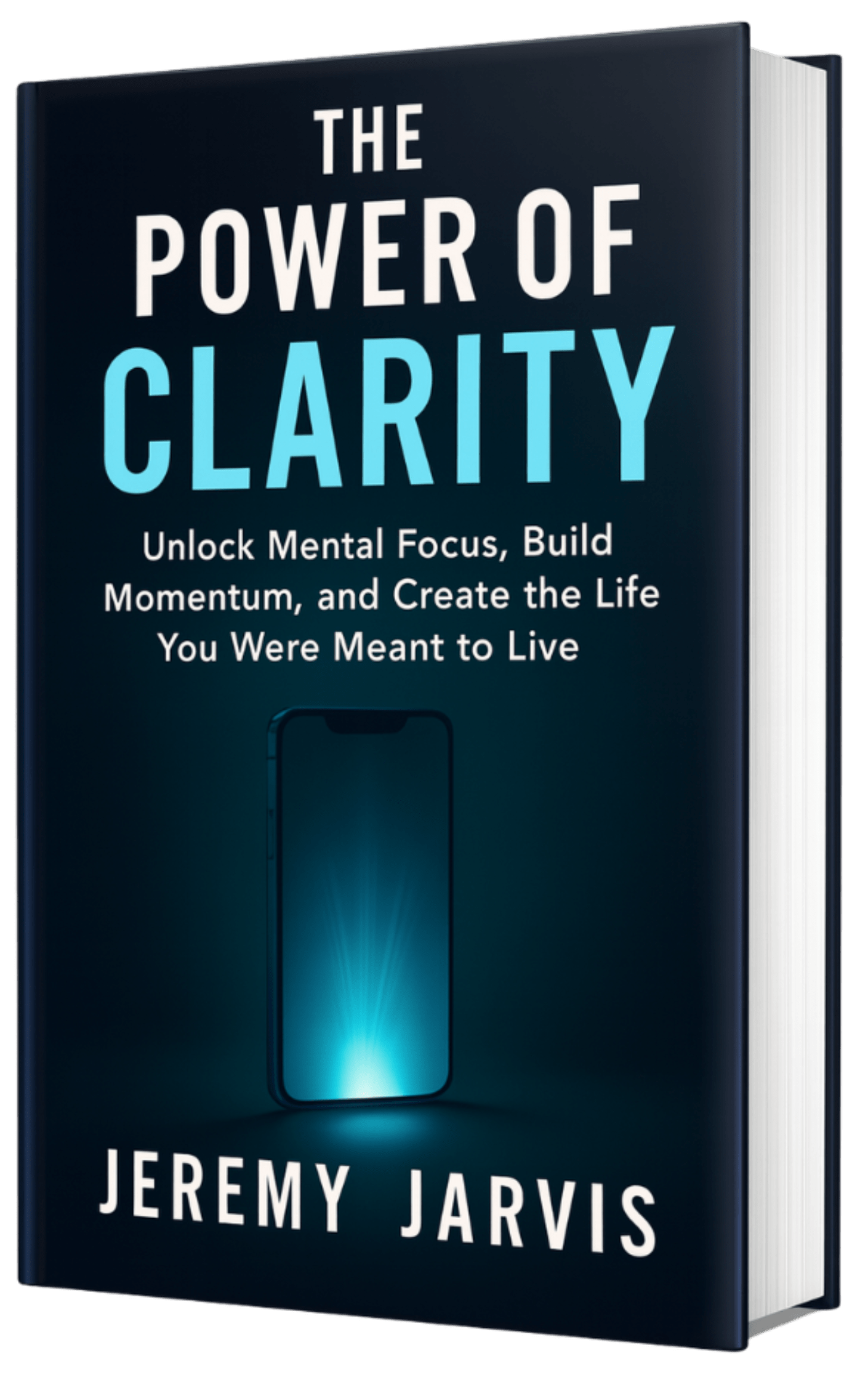
The Power of Clarity
Unlock mental focus, build momentum, and create the life you were meant to live.
View book →
AI & ChatGPT for Beginners
No PhD needed — a 2025 guide to AI, prompts, and productivity without coding.
View book →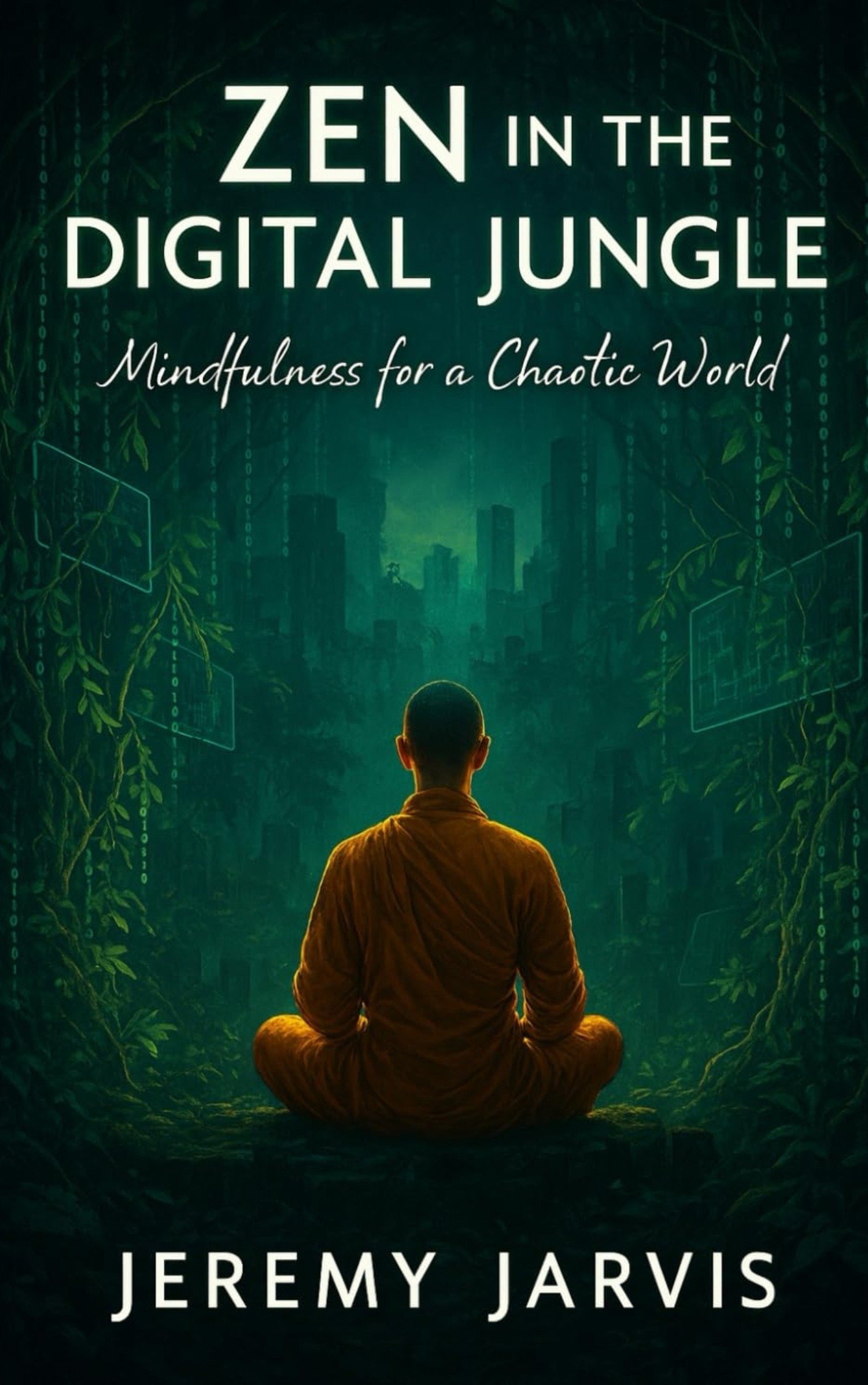
Zen in the Digital Jungle
Mindfulness for a chaotic world.
View book →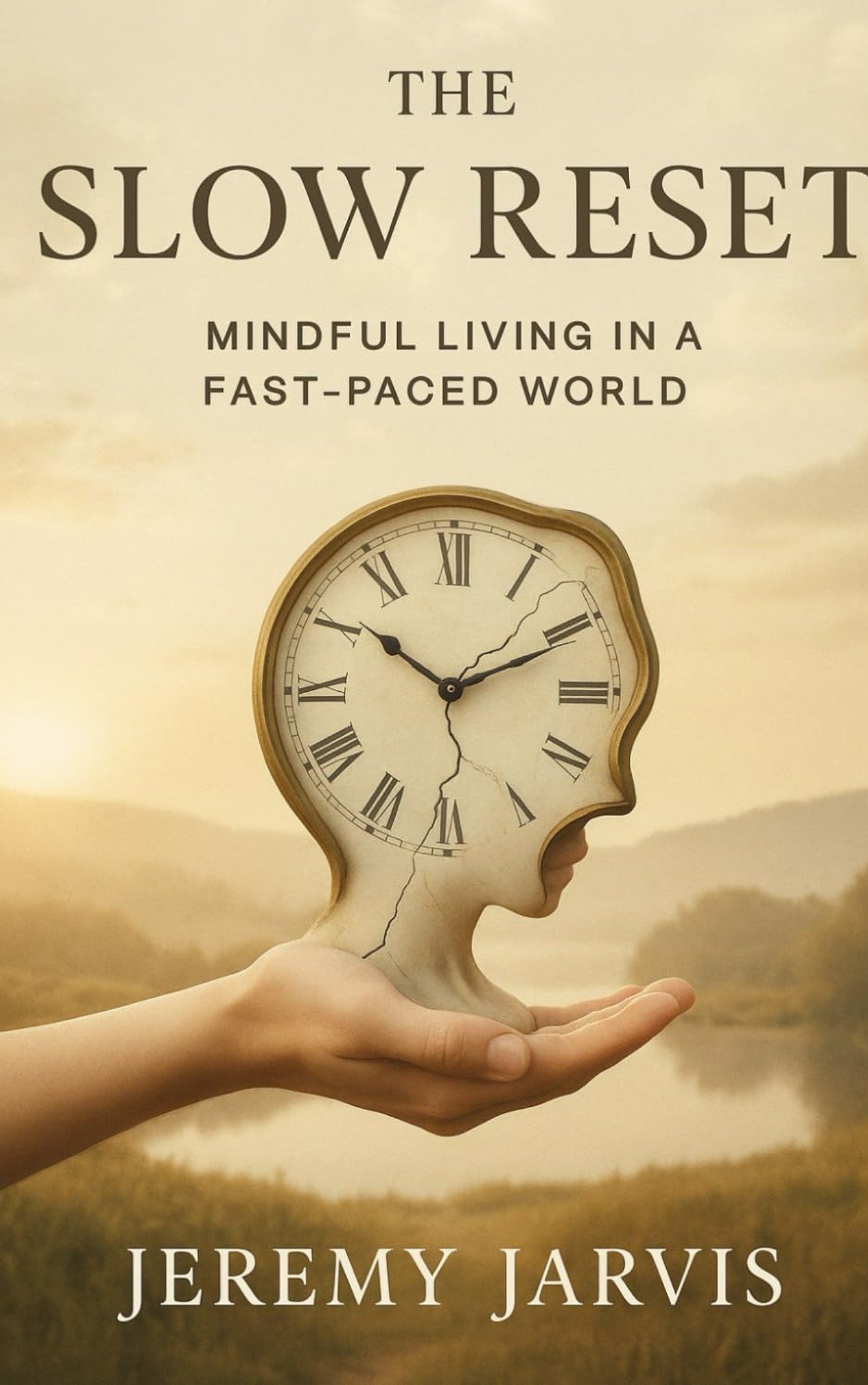
The Slow Reset
Mindful living in a fast-paced world.
View book →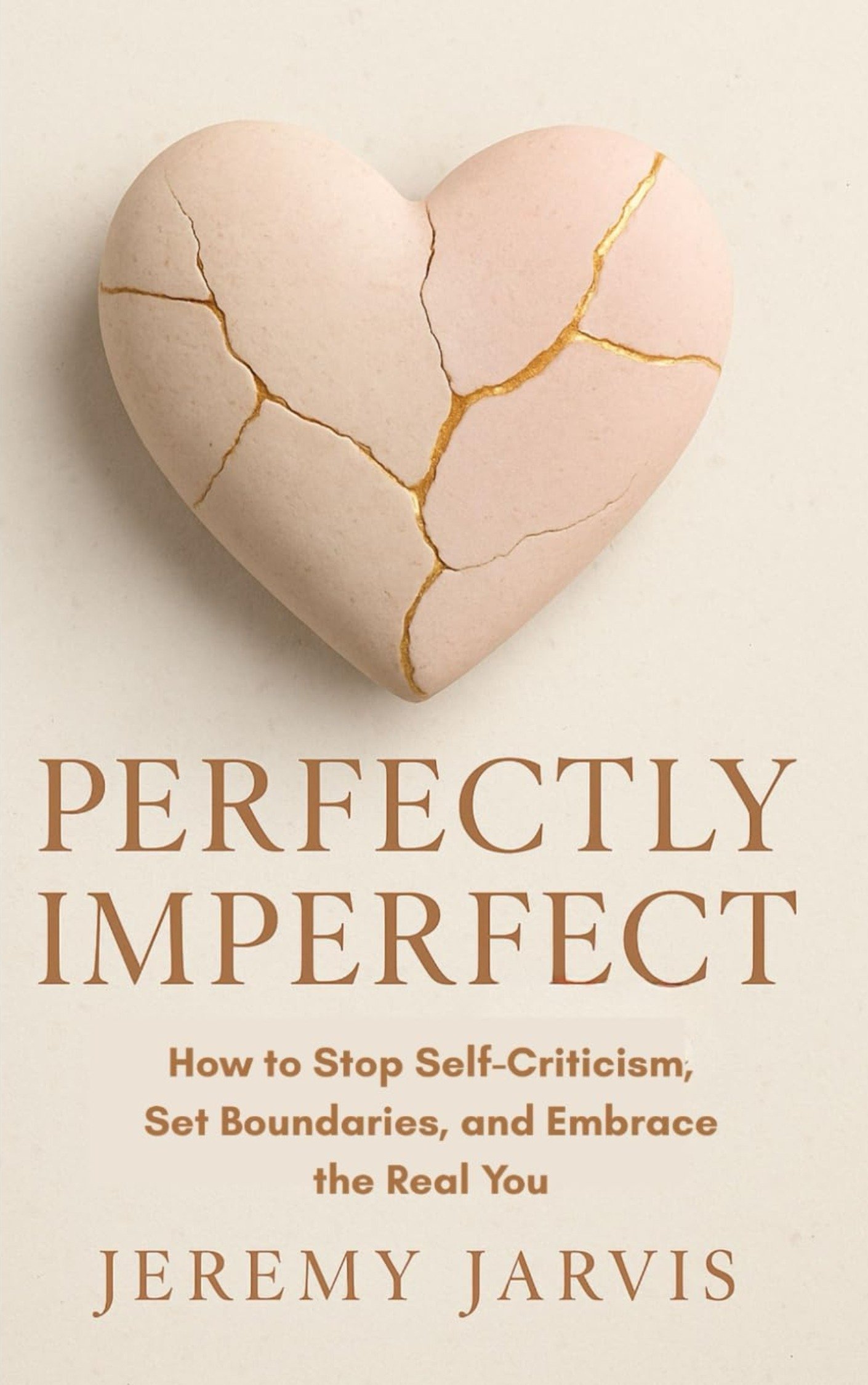
Perfectly Imperfect
Stop self-criticism, set boundaries, and embrace the real you.
View book →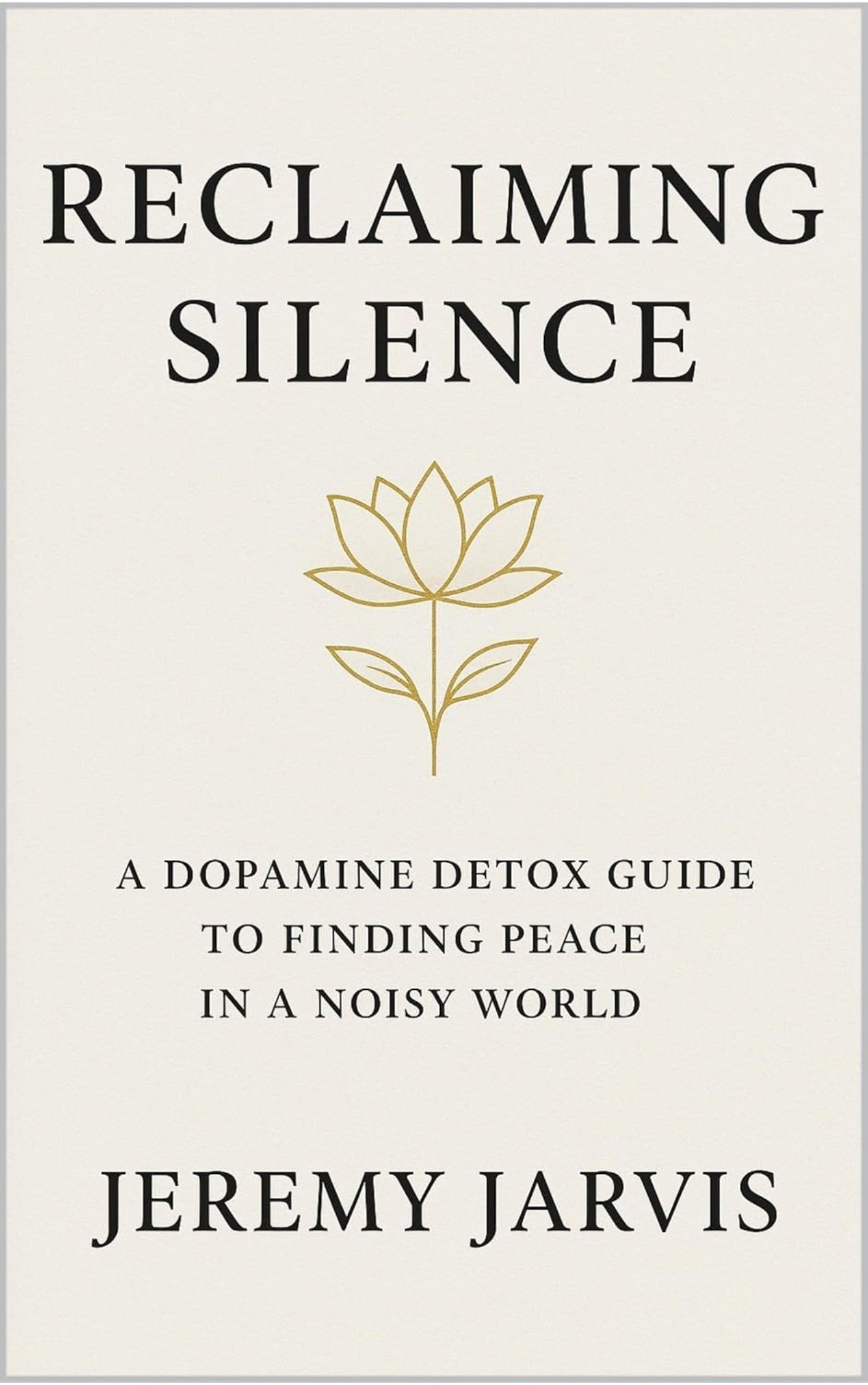
Reclaiming Silence
A dopamine detox guide to finding peace in a noisy world.
View book →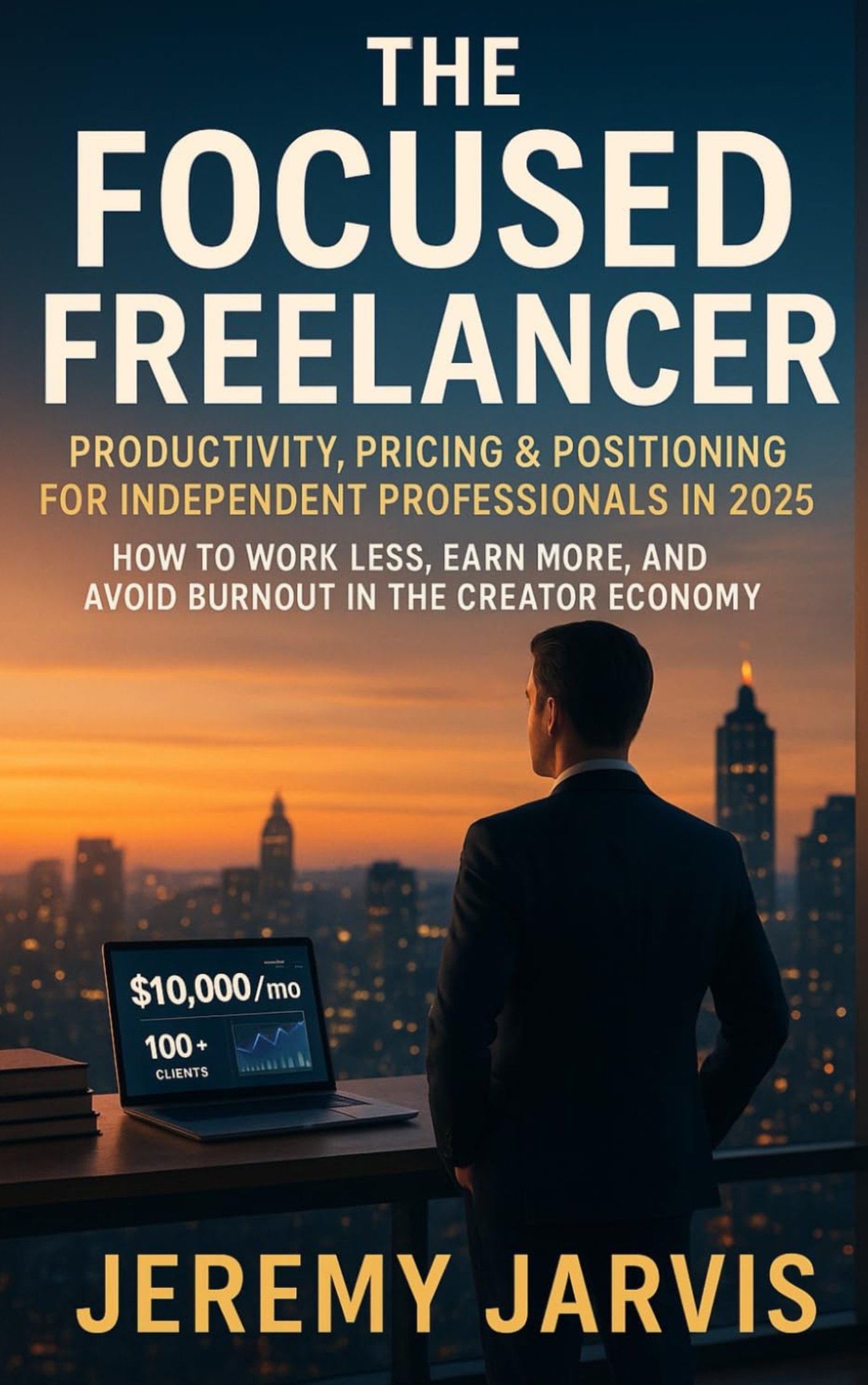
The Focused Freelancer
Productivity, pricing & positioning for independents in 2025.
View book →
ChatGPT Side Hustle System
Launch your AI-driven online business in 30 days.
View book →
Burnout, Interrupted
A proven path to restore energy and reclaim your life.
View book →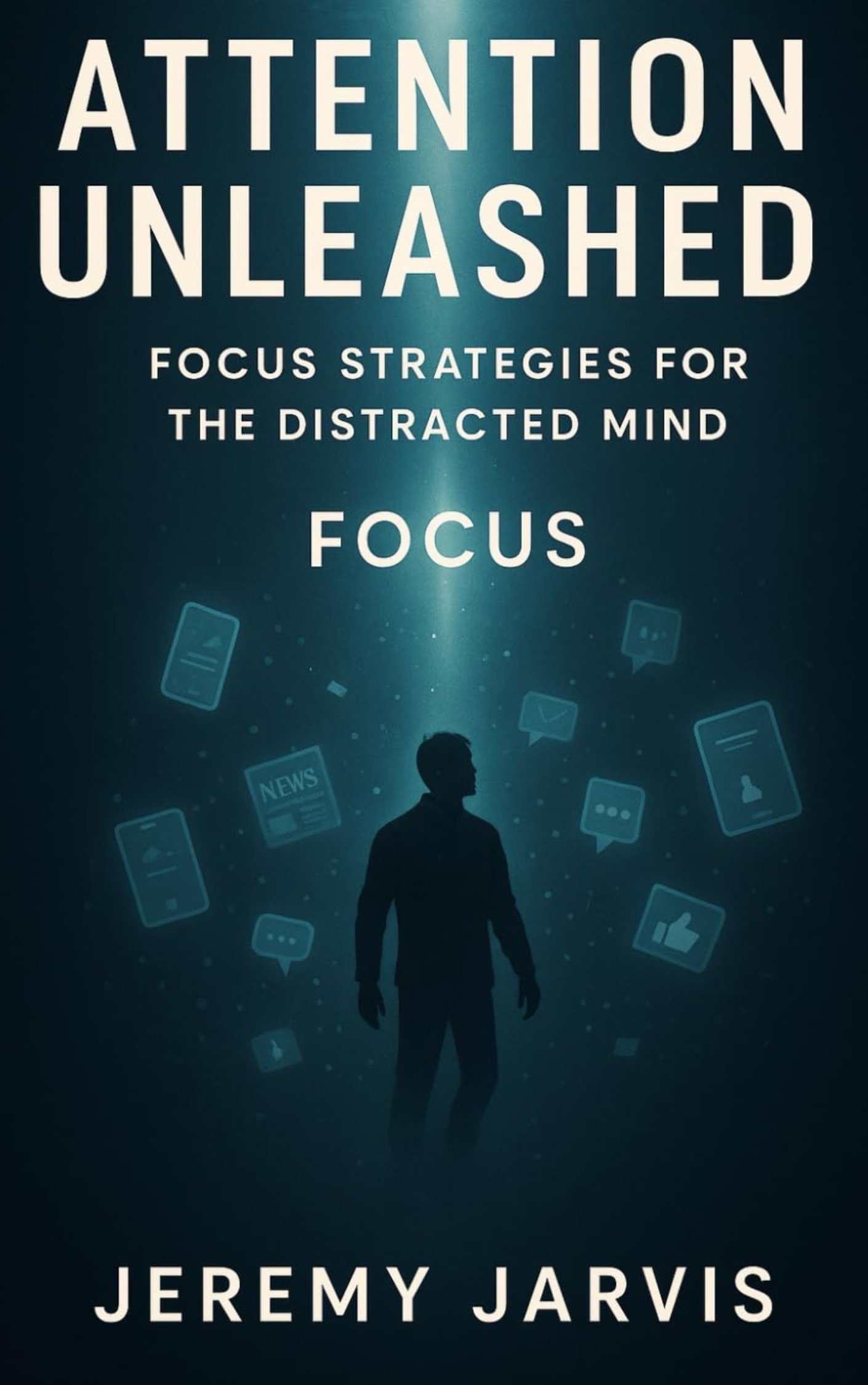
Attention Unleashed
Focus strategies for the distracted mind.
View book →
Side Hustle Launchpad
Your quick-start guide to extra income.
View book →
Digital Clarity
Rewire your brain, escape dopamine traps & regain focus.
View book →
Break the Scroll
Reduce screen time and take back control of your life.
View book →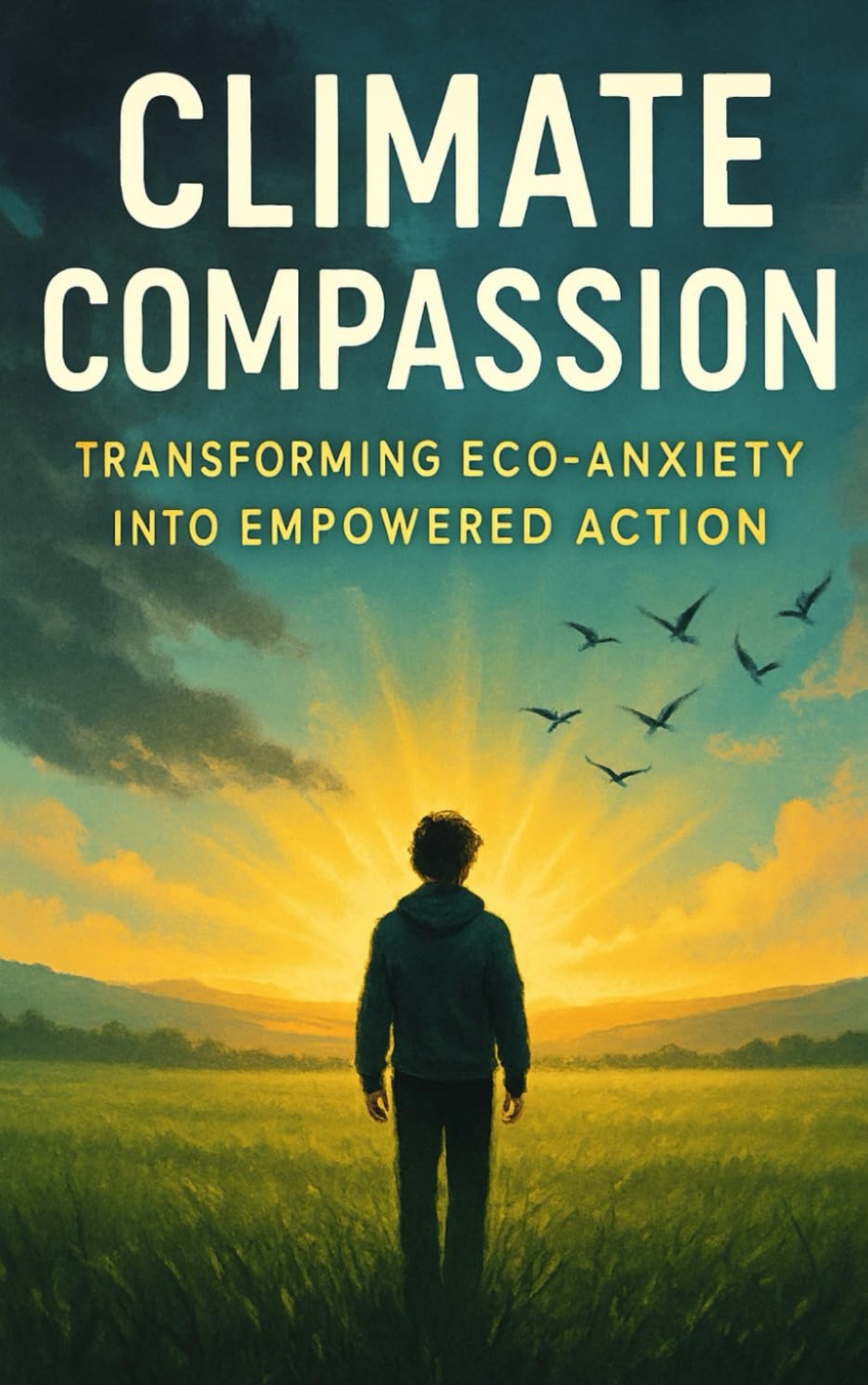
Climate Compassion
Transform eco-anxiety into empowered action.
View book →
Village Mentality
The power of community for mental wellness.
View book →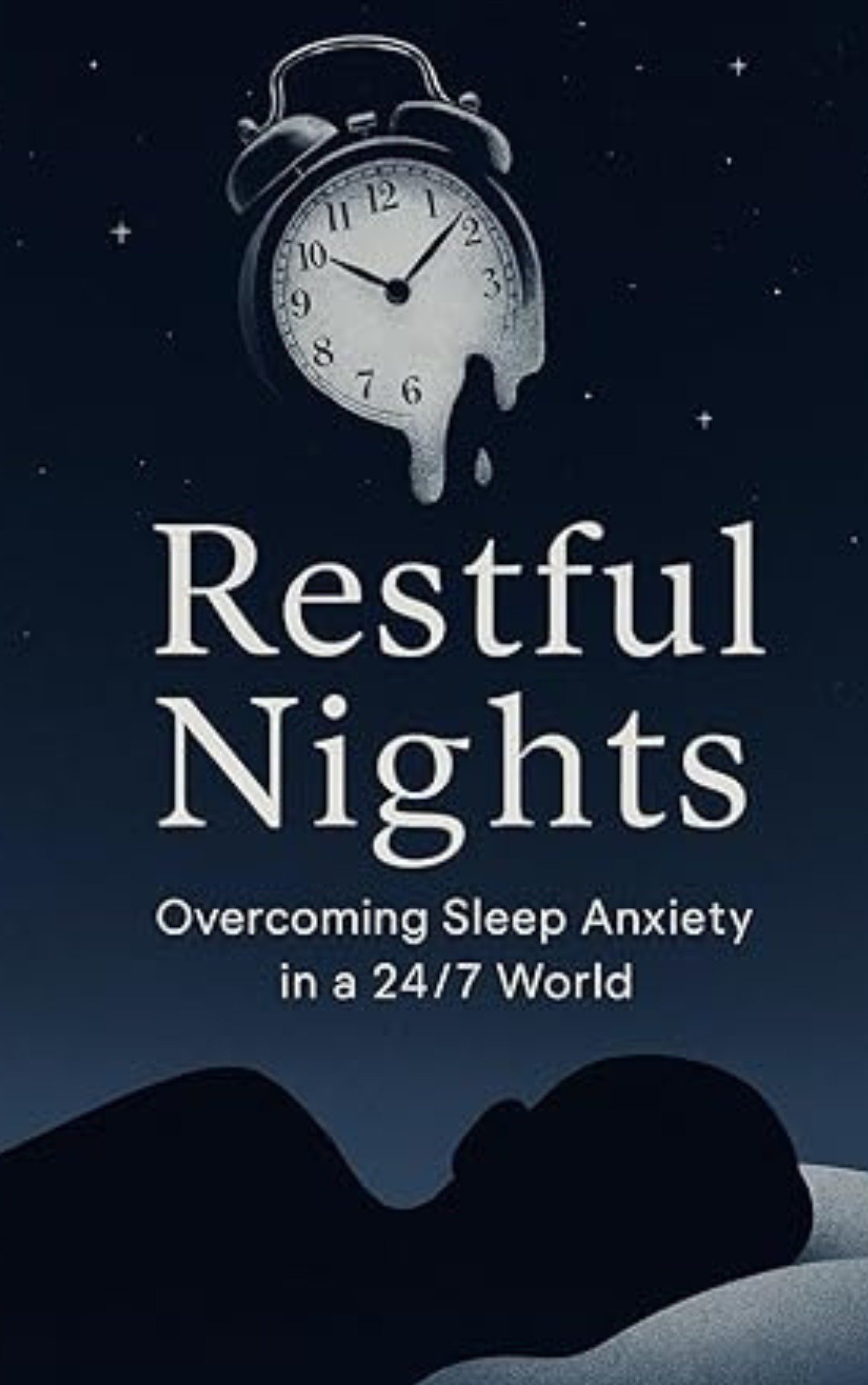
Restful Nights
Overcoming sleep anxiety in a 24/7 world.
View book →
Connected Again
Combat loneliness and build meaningful relationships.
View book →
Focus Recharged
Mastering attention and productivity in the digital era.
View book →
Marketing Magic with ChatGPT
AI-powered content, campaigns, and copywriting to grow faster.
View book →
The 6-Figure Creator
Turn knowledge into passive income with books, courses & AI.
View book →
Burnout Breakthrough
Reset your work-life balance and thrive in 2025.
View book →
The Emotionally Intelligent Man
A modern guide to self-awareness and communication.
View book →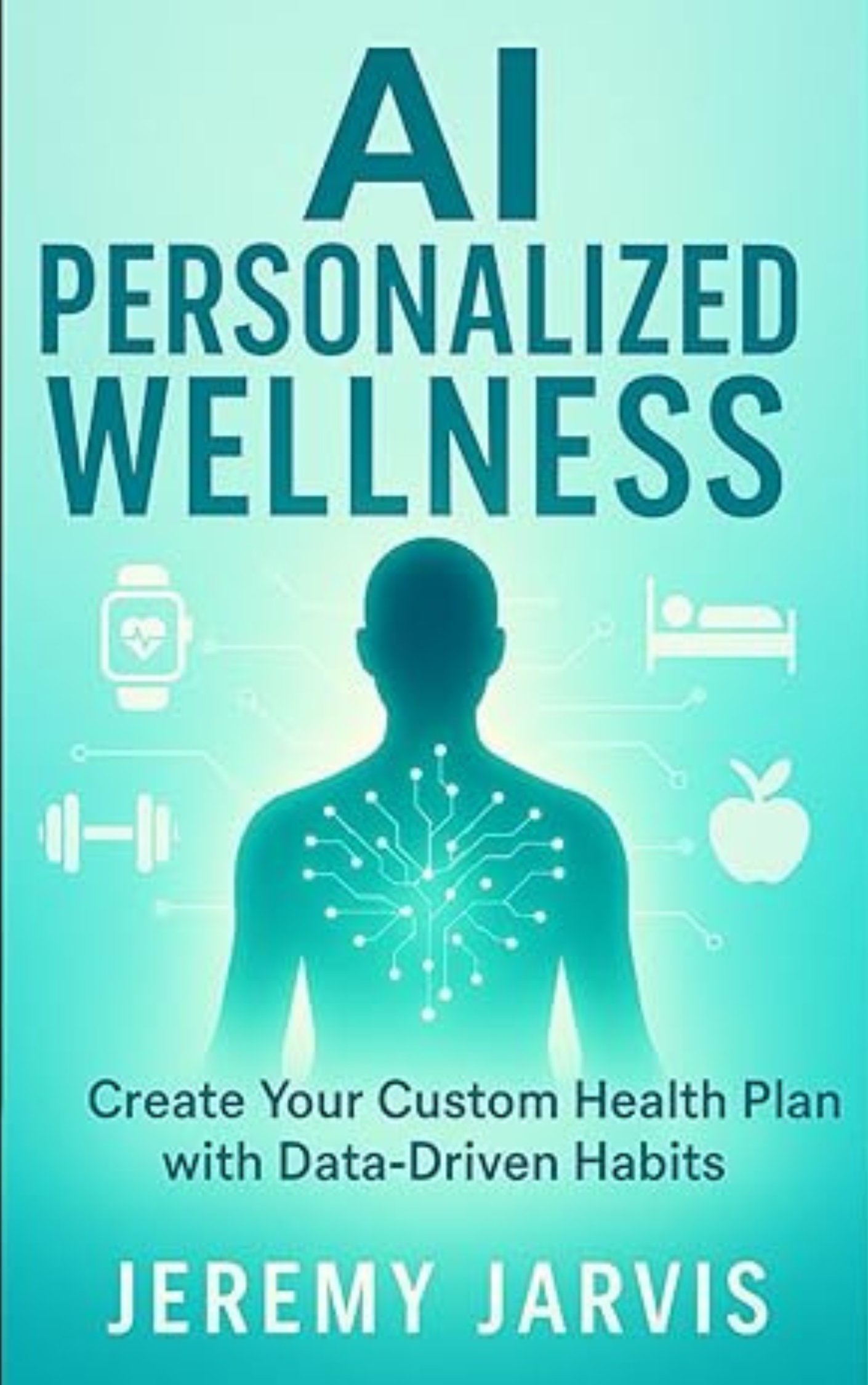
AI Personalized Wellness
Create your custom health plan with data-driven habits.
View book →
Everyday AI Made Easy
Use ChatGPT and smart tools to simplify life.
View book →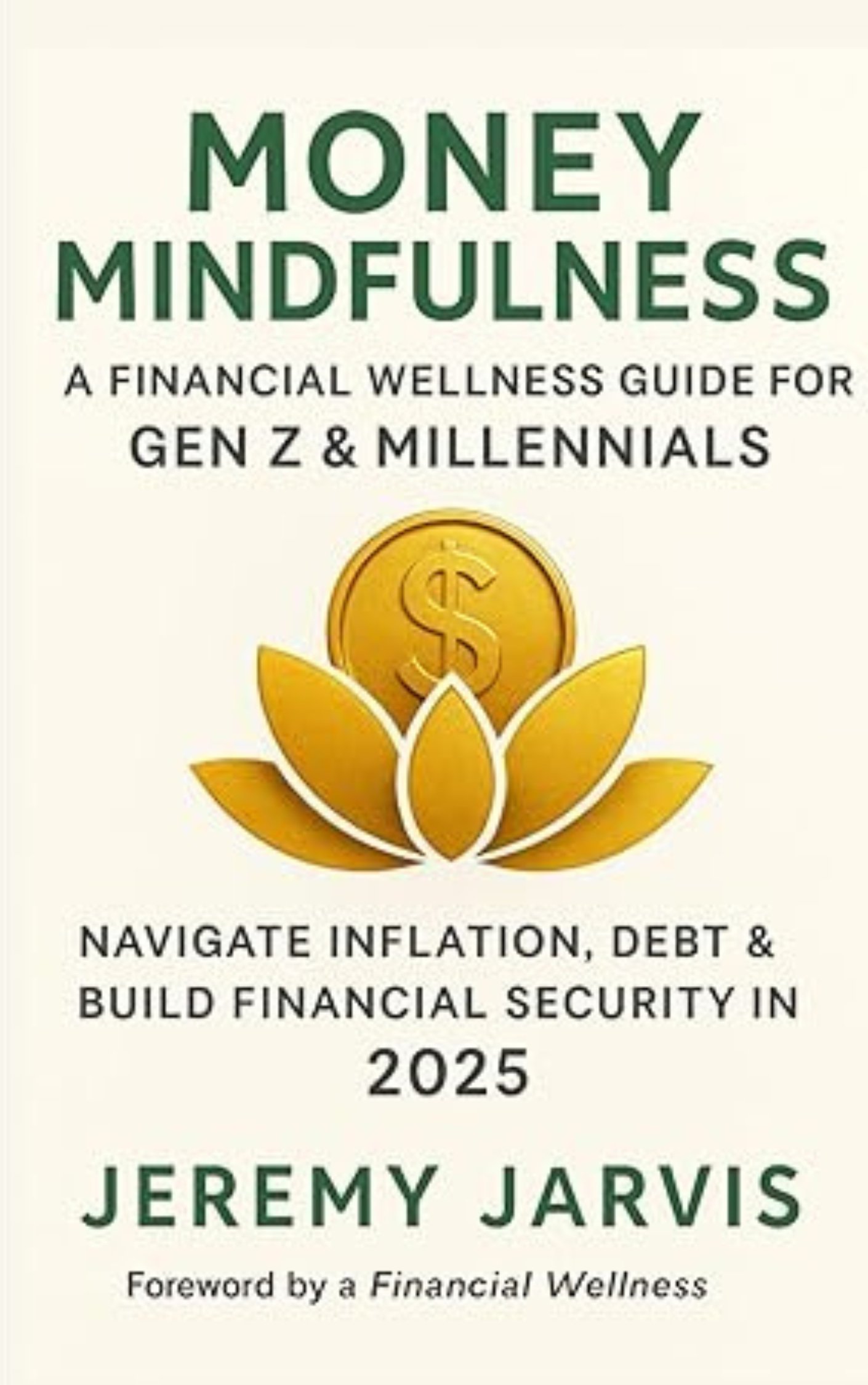
Money Mindfulness
A financial wellness guide for Gen Z & Millennials.
View book →
Startup Smarter with AI
ChatGPT strategies and tools to grow your business.
View book →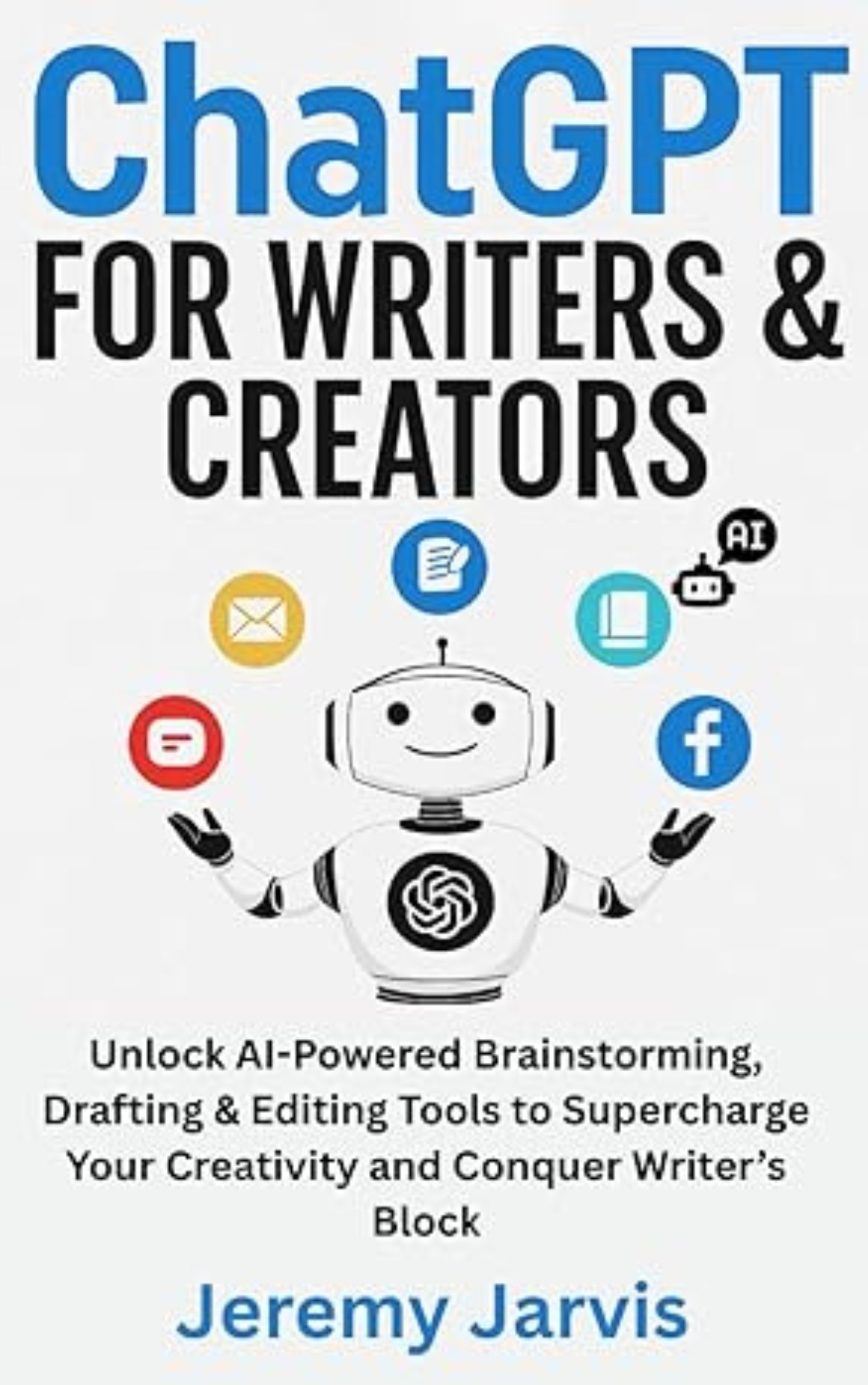
ChatGPT for Writers & Creators
Unlock AI-powered brainstorming, drafting & editing.
View book →