

AI Personalized Wellness Book: Create Your Custom Health Plan with Data-Driven Habits
Published: August 19, 2025 · Last updated: October 10, 2025
A step-by-step wellness guide that helps you build a plan that fits your body and your schedule. In addition, you will learn how to use simple tracking plus ChatGPT by OpenAI prompts to make sleep, nutrition, movement, and stress routines easier to follow in 2025.
Affiliate Disclosure: This page contains affiliate links. If you use them to make a purchase, Mind Clarity Hub may earn a commission at no additional cost to you. This supports our work and helps keep our guides available.
The AI Personalized Wellness book is built for a simple truth: your body is specific, so your plan should be specific too. However, most wellness advice still sounds one-size-fits-all. This guide helps you switch from guessing to learning—so you can adjust sleep, nutrition, movement, and stress habits based on what your data actually shows.
Even better, the AI Personalized Wellness book shows how to use ChatGPT by OpenAI as a planning assistant. For example, you can turn raw notes, wearable snapshots, and weekly reflections into a routine you will follow. As a result, your next step becomes clearer, lighter, and easier to repeat.
Key Takeaways from the AI Personalized Wellness Book
- Personalization beats intensity. Small, targeted changes often outperform big, generic overhauls.
- Data becomes useful with context. Track a few signals, then connect them to sleep, stress, and recovery patterns.
- ChatGPT by OpenAI can reduce friction. Use prompts to plan meals, workouts, and recovery days without decision overload.
- Privacy-first habits matter. Share less, store less, and keep your workflow simple and controlled.
- Consistency is a design choice. Build routines that fit real life so you can stick with them during busy weeks.
What the AI Personalized Wellness Book Actually Helps You Do
Instead of chasing the “perfect” plan, the AI Personalized Wellness book helps you build a plan that adapts. In practice, you will learn a repeatable loop: notice a signal, test a change, evaluate results, and then keep what works. Consequently, your plan improves without turning your life into a spreadsheet.
While many health guides focus on motivation alone, this book focuses on systems. Moreover, it shows how to translate data into action using small weekly experiments. That structure makes it easier to stay steady, even when your schedule changes.
Why Personalized Wellness Matters in 2025
Wearables, apps, and health dashboards are everywhere now. Still, the hardest part is knowing what to do with the information. Therefore, the AI Personalized Wellness book keeps the focus on clarity: track fewer signals, interpret them better, and adjust one lever at a time.
Additionally, personalization reduces guilt. When your plan is built around your energy patterns and constraints, it stops feeling like a moral test. Instead, it becomes a practical process you can repeat.
What You’ll Learn Inside the AI Personalized Wellness Book
The AI Personalized Wellness book is organized around four pillars: sleep, nutrition, movement, and stress resilience. Each pillar includes simple tracking ideas, realistic habit options, and decision rules so you know what to try next. Furthermore, you get prompt templates you can use with ChatGPT by OpenAI to plan routines and remove friction.
1) Sleep: Build a Recovery Baseline
First, you learn how to stabilize sleep with realistic anchor points. Next, you track a few signals—like consistency, wake time, and perceived energy—so you can see what actually improves recovery. Then, you adjust gently, which keeps progress sustainable.
2) Nutrition: Create a “Default Day” You Can Repeat
Rather than chasing perfect macros, you build a repeatable meal framework. Moreover, you learn how to plan around your week so food supports energy, focus, and mood. As a result, nutrition becomes simpler instead of stressful.
3) Movement: Train for Energy, Not Punishment
You will see how to choose movement based on recovery and capacity. In addition, the book helps you build a minimum-effective routine for busy seasons. That approach improves consistency while reducing burnout risk.
4) Stress: Turn Regulation into a Daily Skill
Finally, you learn short regulation practices that fit into real life. For example, you will use breath cues, transitions, and recovery windows to lower stress load. Consequently, your plan supports your nervous system instead of fighting it.
How the AI Personalized Wellness Book Uses ChatGPT by OpenAI
The goal is not to “outsource” your health to a tool. Instead, the AI Personalized Wellness book shows how to use ChatGPT by OpenAI to organize your thinking, reduce decision fatigue, and create plans you will follow. In other words, ChatGPT becomes a structured assistant, not a replacement for common sense or professional care.
For example, you can feed ChatGPT a weekly snapshot—sleep consistency, stress rating, and a few notes—then ask for a one-week plan. After that, you choose the suggestions that match your life. Consequently, your routine stays realistic while still improving over time.
Copy-and-Paste Prompt (Wellness Week Planner)
Use this with ChatGPT by OpenAI to generate a plan that respects recovery, time, and stress level.
You are my planning assistant. Build a 7-day wellness plan using the details below.
Constraints: keep it simple, low-cost, and realistic. Offer 2 options per day (minimum + ideal).
Include: sleep anchor, meal framework, movement, and a 5-minute stress reset.
Also include: one “if-then” rule for setbacks.

My snapshot:
- Sleep: [bedtime range], [wake time range], energy 1–10 = [#]
- Stress 1–10 = [#], biggest stressors = [list]
- Movement this week: [what you did]
- Nutrition: [what felt good / what felt off]
- Time available daily: [minutes]
- Equipment/access: [none / gym / walking]
Return the plan in a clean checklist format.
From Tracking to Action: A Clean Data Workflow
Data can help, yet too much data can distract. That is why the AI Personalized Wellness book emphasizes “small inputs, clear outputs.” Start with a short list—sleep consistency, energy, stress, and one behavior—then review weekly.
After you collect a week of signals, you look for patterns. Moreover, you choose one adjustment at a time, which prevents chaos. Over a month, those small changes compound into meaningful improvement.
A simple weekly review that takes 10 minutes
- First, note your average energy and stress (1–10).
- Next, choose one pillar to focus on this week (sleep, nutrition, movement, or stress).
- Then, pick one small habit change you can do on your worst day.
- Finally, set a reminder for a short midweek check-in.
Who the AI Personalized Wellness Book Is For
This book is for people who want a plan that fits real life. For example, it works well for students balancing classes, professionals managing deadlines, and creators trying to protect energy. Likewise, it is useful for older adults who prefer simple routines and gentle progress, especially when recovery matters.
On the other hand, if you want a rigid “30-day challenge” with zero flexibility, this may feel different. Instead, the AI Personalized Wellness book is designed to be adaptive, practical, and repeatable. That design makes it easier to stay consistent long after motivation fades.
How AI Personalized Wellness Connects to Focus, Clarity, and Digital Balance
Wellness is not separate from attention. When sleep is unstable and stress is high, focus usually suffers. Therefore, the AI Personalized Wellness book pairs health habits with clarity practices that support your brain.
If you want a deeper focus framework, you can also explore The Power of Clarity. Similarly, if technology has started to feel heavy, Digital Clarity expands on healthier device use. In combination, these resources help you build a lifestyle that supports both health and attention.
A practical connection: recovery improves decision-making
When recovery improves, choices get easier. Consequently, meal planning, movement, and stress regulation feel less like willpower battles. That is also why the AI Personalized Wellness book uses structure: it lowers friction so you can follow through.
If you feel mentally foggy, start with the basics
Mental fog often has multiple causes, so a single trick rarely solves it. Instead, combine stable sleep anchors, steady hydration, and manageable movement. For additional context, see Science of Mental Fog, then return here to build your personalized routine.
Privacy and Safety: A Practical, Calm Approach
Personalization should never require oversharing. That is why the AI Personalized Wellness book encourages privacy-first defaults. When you use ChatGPT by OpenAI, share general patterns, not sensitive identifiers.
Additionally, keep your system simple. Store your weekly snapshot in a basic note, and avoid uploading documents you do not need. As a result, you get the organizational benefits without adding risk.
A quick privacy checklist
- Use categories and trends, not personal identifiers.
- Save summaries locally when possible.
- Share “enough” context for planning, then stop.
- Review app permissions quarterly.
- When in doubt, keep it offline.
A 4-Week Starter Plan from the AI Personalized Wellness Book
If you want a simple way to begin, use this four-week structure. It is intentionally light, so you can succeed even during busy weeks. Additionally, it mirrors the “one lever at a time” approach used throughout the AI Personalized Wellness book.
Week 1: Stabilize sleep anchors
Choose one consistent wake time range. Then, set a gentle wind-down cue that fits your evenings. After that, keep the goal simple: repeat the pattern more often than not.
Week 2: Build a default meal framework
Pick one breakfast and one lunch you can repeat. Moreover, add one “rescue meal” for chaotic days. Consequently, nutrition becomes more consistent without extra effort.
Week 3: Add a minimum movement routine
Decide on a short routine you can complete in 10–20 minutes. For example, walking plus light strength work can be enough. Afterwards, use a weekly check-in to adjust intensity based on energy.
Week 4: Practice stress regulation daily
Add a five-minute reset during a natural transition. Then, write one sentence about how you feel after. Over time, that practice builds awareness, which improves self-regulation.
Quick Look: The Book Cover and Page Context
Below is the classic cover image used for smaller placements on this page. It is included here for layout consistency and for readers who prefer a simple visual reference. Additionally, it helps when sharing the page preview across platforms.
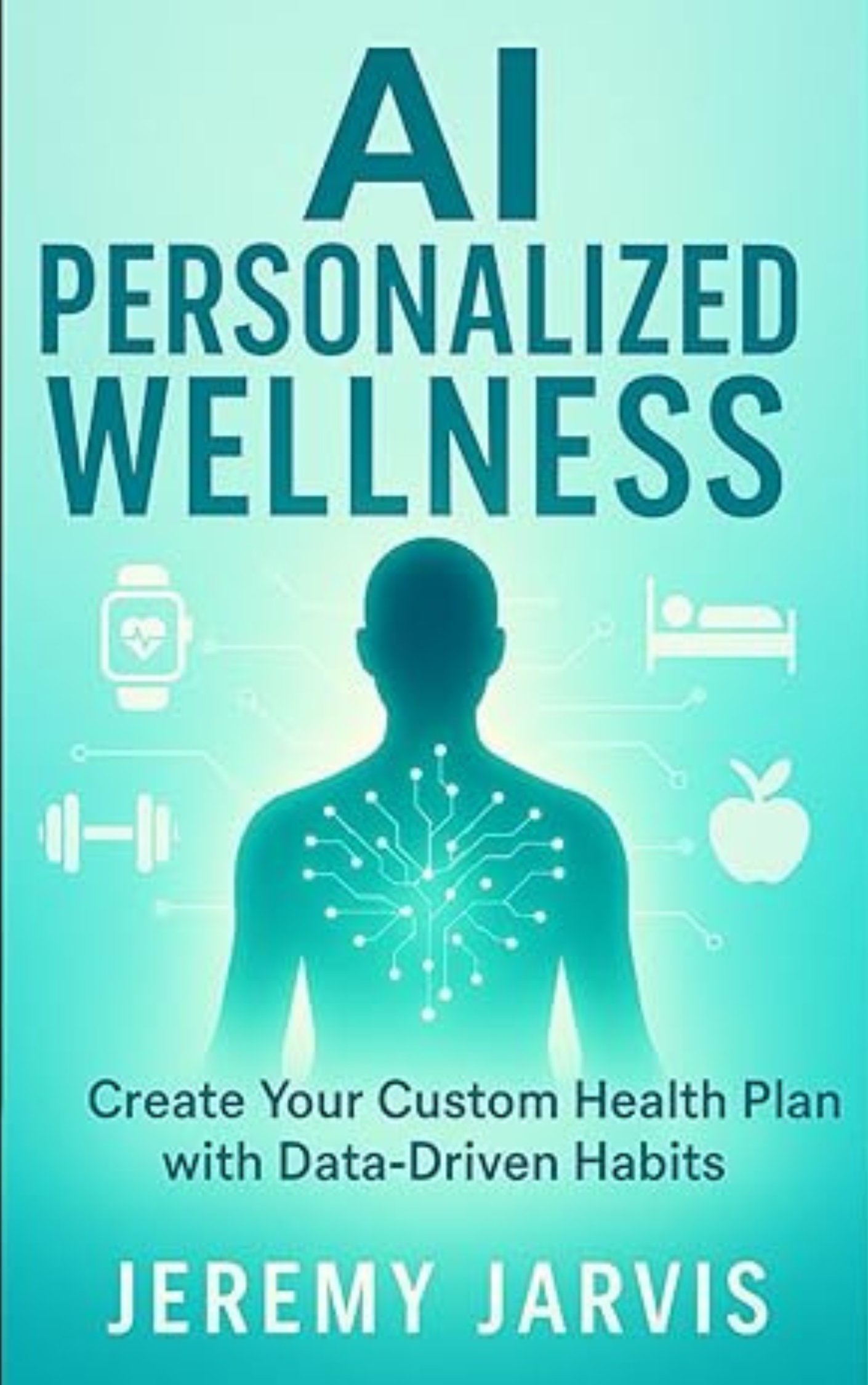
A quick promise of the AI Personalized Wellness book
You will learn to build a custom health plan with data-driven habits. Moreover, you will learn how to plan weekly routines with ChatGPT by OpenAI without making the process complicated. As a result, you keep momentum while protecting your time and attention.
If you want to start now, the simplest next step is a weekly snapshot plus one small change. Then, you repeat. That is how personalized progress is built.
Frequently Asked Questions
Understanding the AI Personalized Wellness Book
Is the AI Personalized Wellness book beginner-friendly?
Do I need a wearable device to use this system?
How is this different from generic wellness plans?
ChatGPT by OpenAI, Prompts, and Practical Use
How does the book use ChatGPT by OpenAI?
Are there ready-to-use prompt templates included?
Health Areas Covered: Sleep, Nutrition, Movement, Stress
Does the AI Personalized Wellness book cover sleep and recovery?
Is nutrition covered in a simple, realistic way?
Does it include movement and fitness planning?
Privacy, Formats, and Purchasing
Does the book address privacy and data protection?
Where can I buy the AI Personalized Wellness book?
Ready to Build Your Custom Health Plan?
Start with one small change, then keep what works. The AI Personalized Wellness book gives you the structure to personalize your routine with clarity, calm, and consistency.
View Book on Amazon →Explore the Mind Clarity Hub Library
Practical books on focus, digital habits, resilience, and building a calmer mind.
The Power of Clarity
Unlock mental focus, build momentum, and create the life you were meant to live.
View book →
AI & ChatGPT for Beginners
No PhD needed — a 2025 guide to AI, prompts, and productivity without coding.
View book →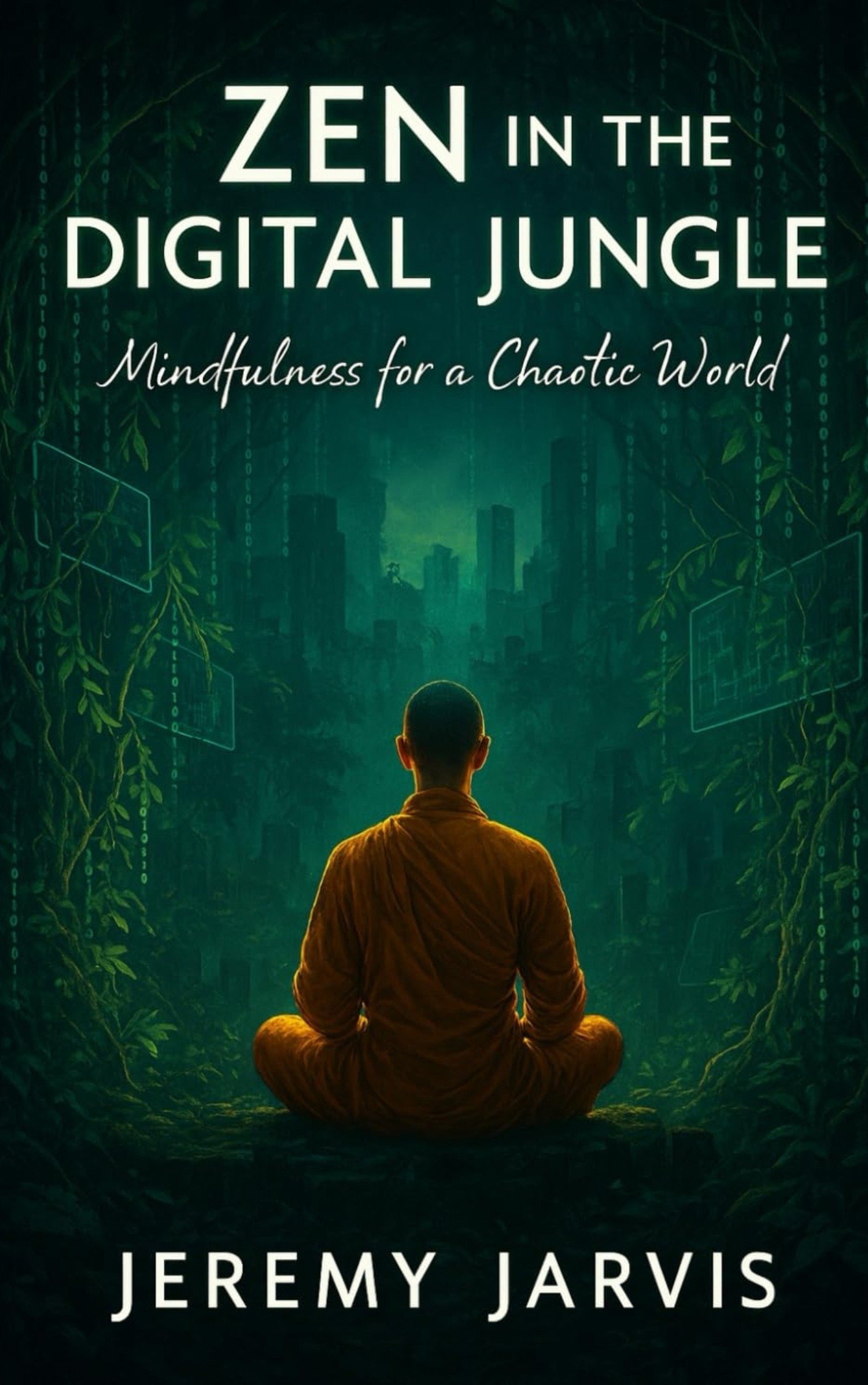
Zen in the Digital Jungle
Mindfulness for a chaotic world.
View book →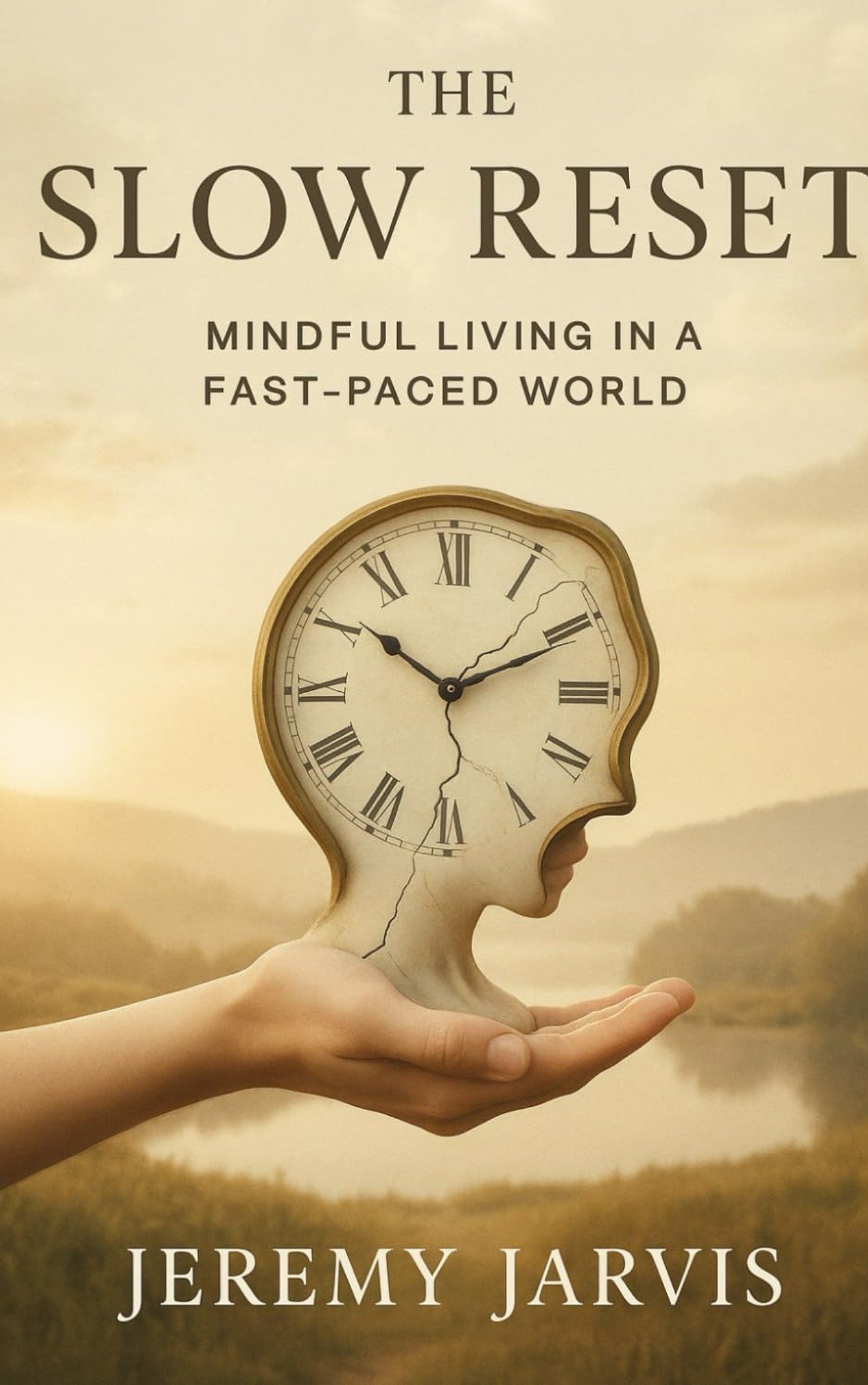
The Slow Reset
Mindful living in a fast-paced world.
View book →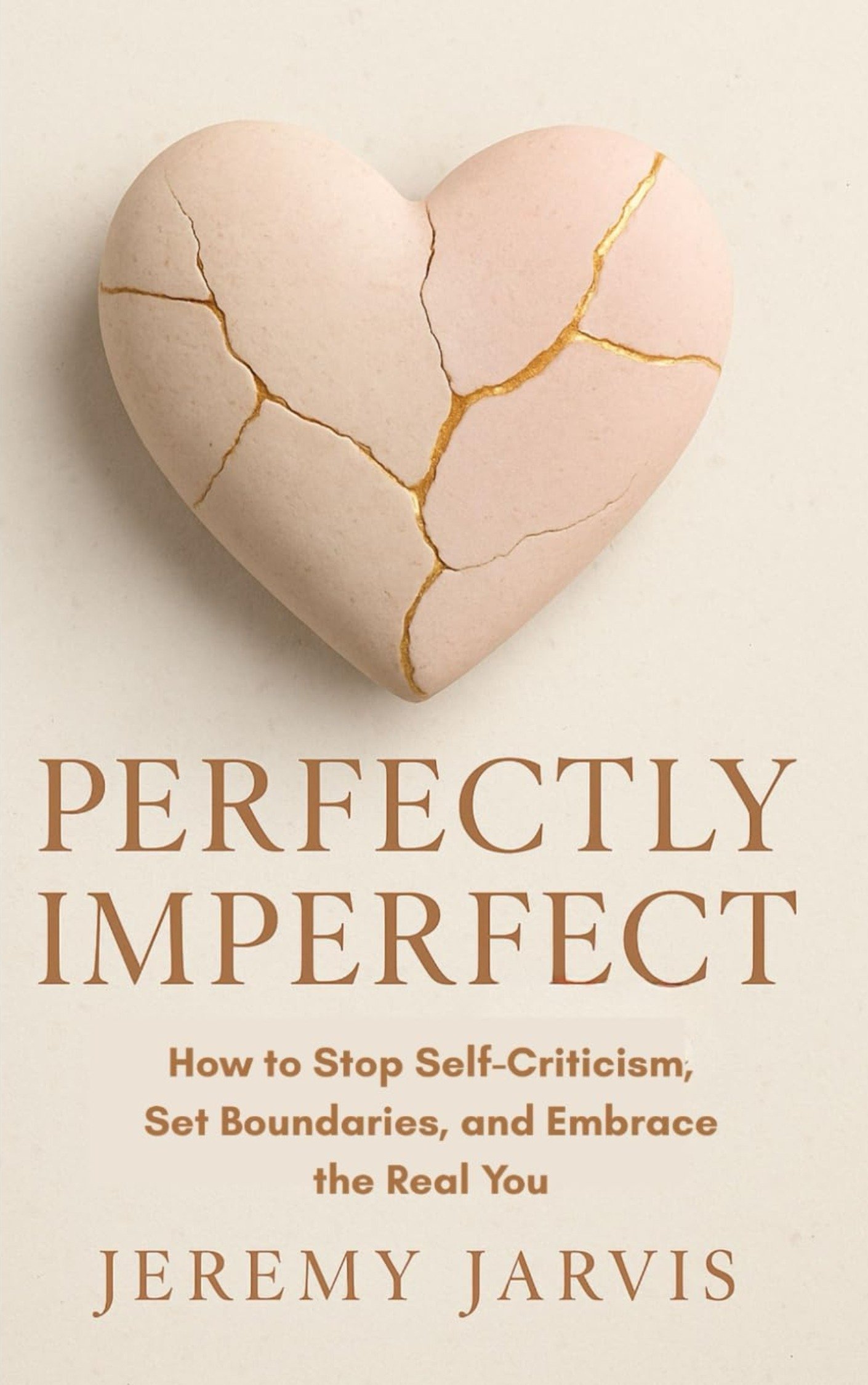
Perfectly Imperfect
Stop self-criticism, set boundaries, and embrace the real you.
View book →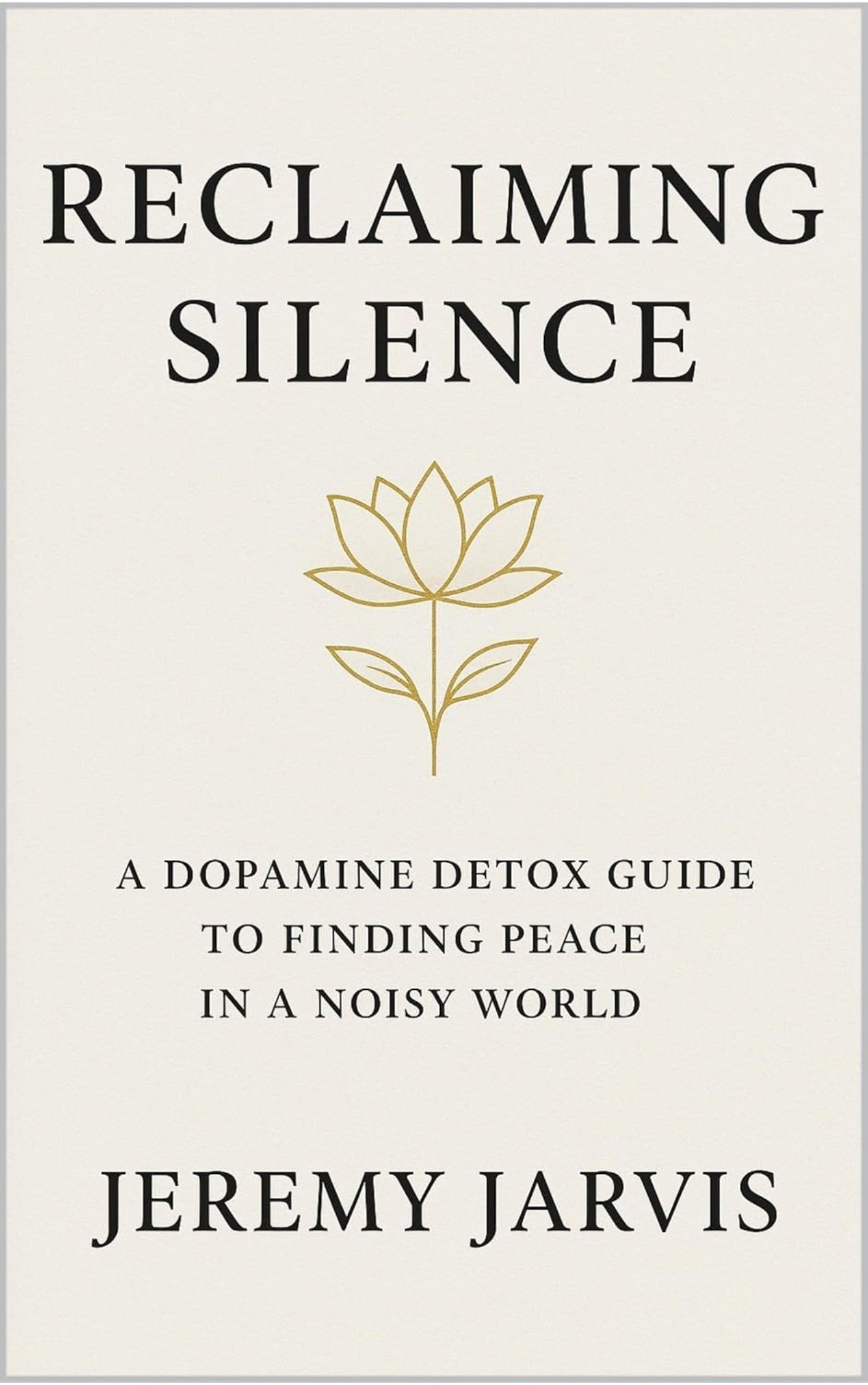
Reclaiming Silence
A dopamine detox guide to finding peace in a noisy world.
View book →
The Focused Freelancer
Productivity, pricing & positioning for independents in 2025.
View book →
ChatGPT Side Hustle System
Launch your AI-driven online business in 30 days.
View book →
Burnout, Interrupted
A proven path to restore energy and reclaim your life.
View book →
Attention Unleashed
Focus strategies for the distracted mind.
View book →
Side Hustle Launchpad
Your quick-start guide to extra income.
View book →
Digital Clarity
Rewire your brain, escape dopamine traps & regain focus.
View book →
Break the Scroll
Reduce screen time and take back control of your life.
View book →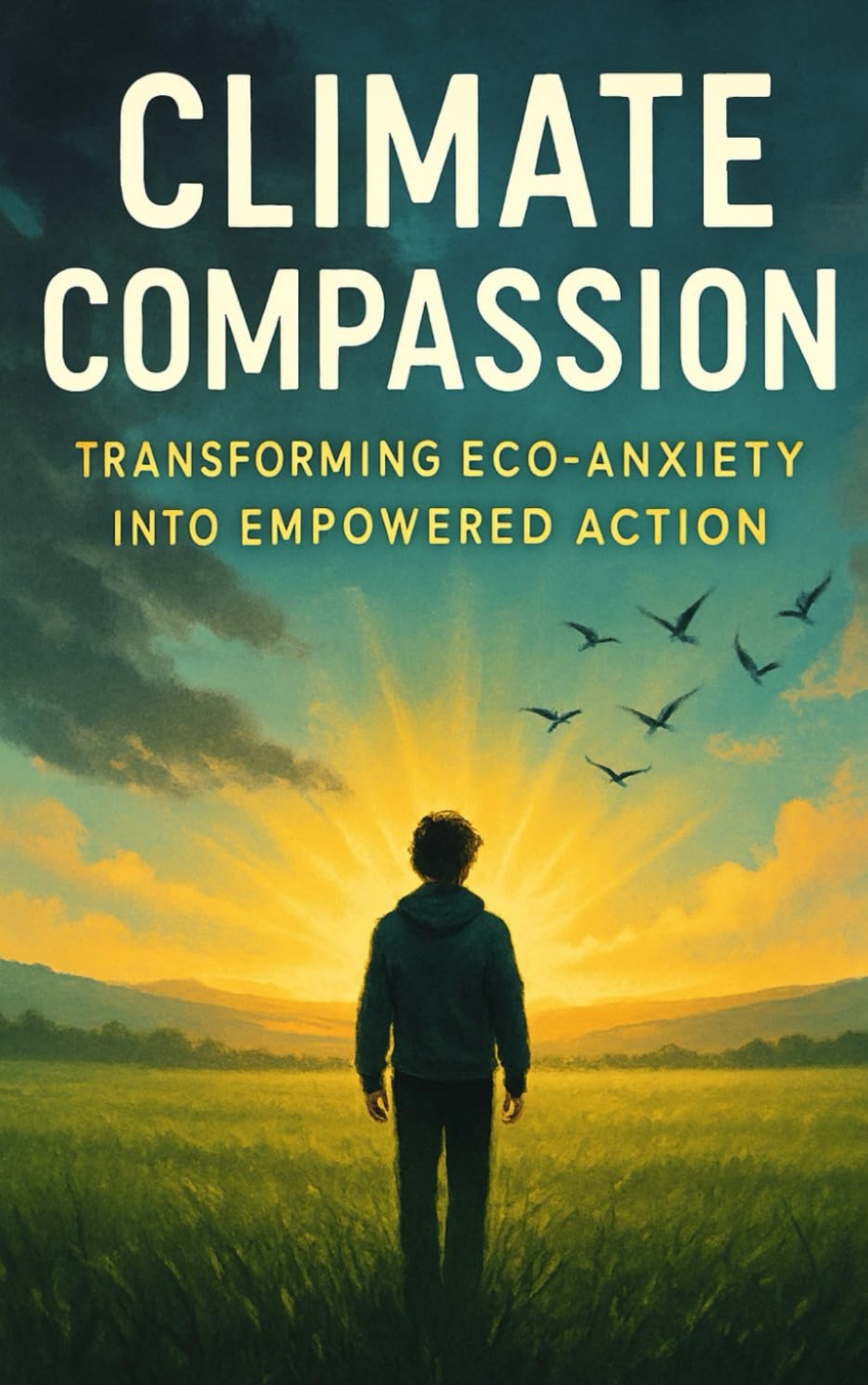
Climate Compassion
Transform eco-anxiety into empowered action.
View book →
Village Mentality
The power of community for mental wellness.
View book →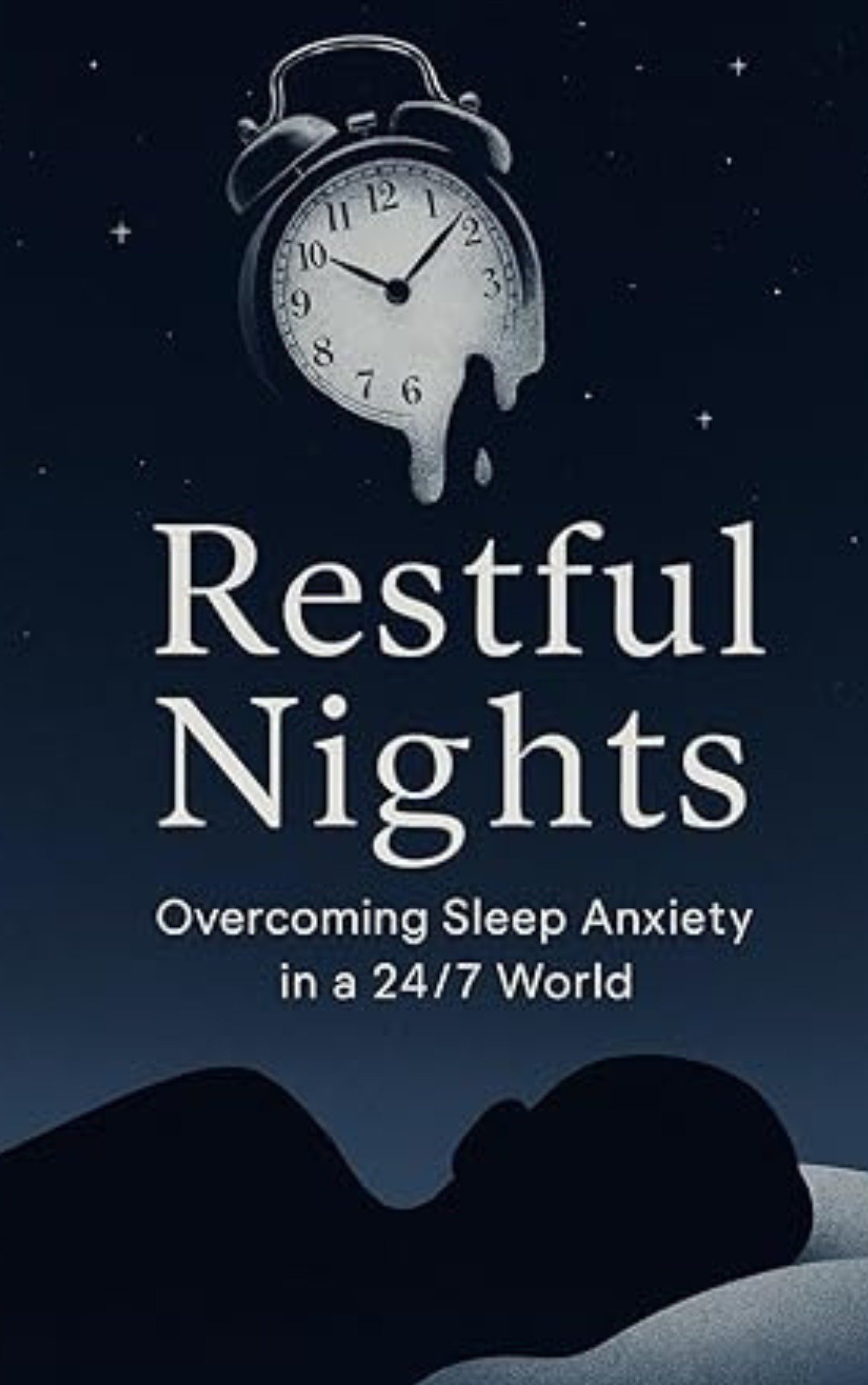
Restful Nights
Overcoming sleep anxiety in a 24/7 world.
View book →
Connected Again
Combat loneliness and build meaningful relationships.
View book →
Focus Recharged
Mastering attention and productivity in the digital era.
View book →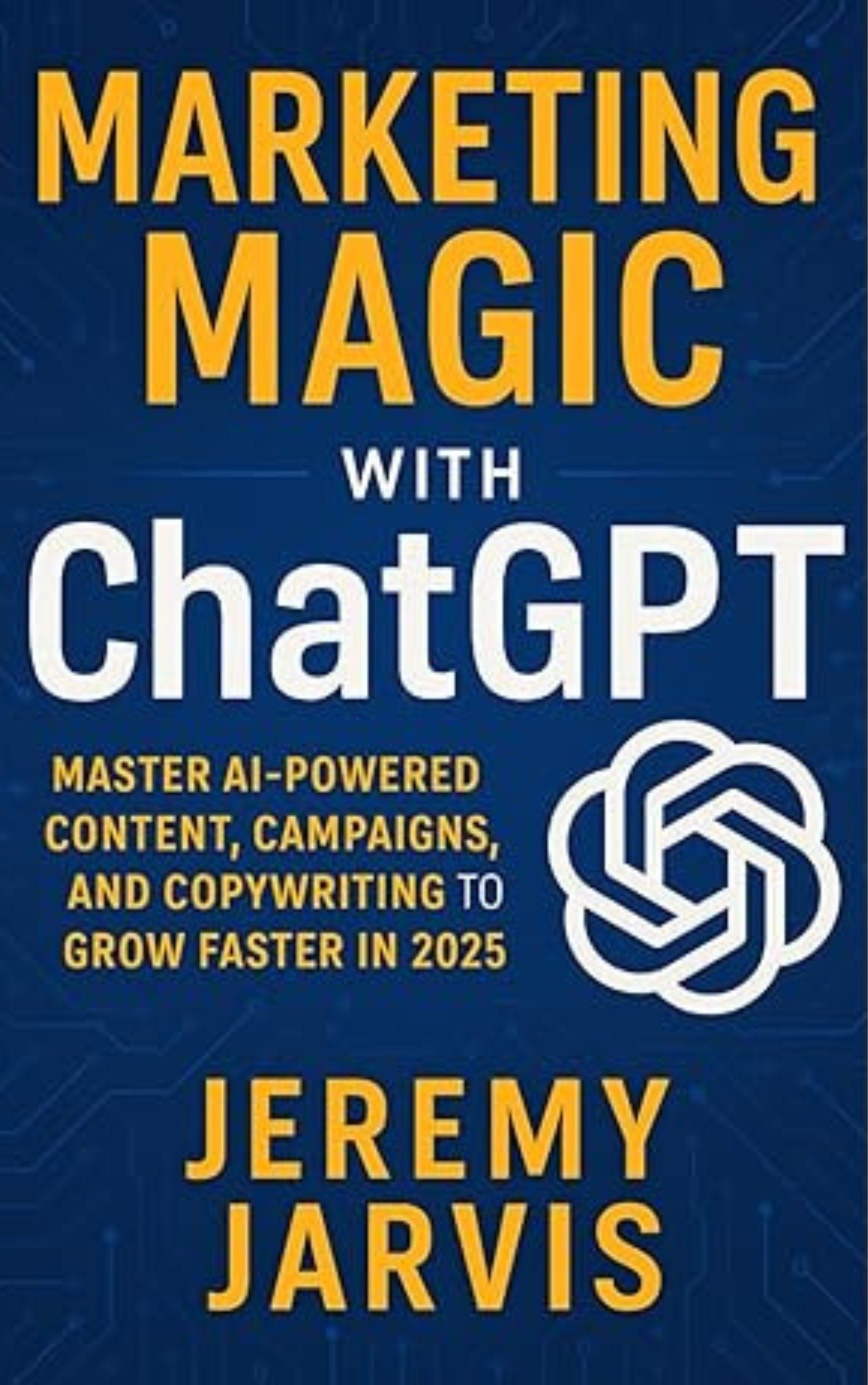
Marketing Magic with ChatGPT
AI-powered content, campaigns, and copywriting to grow faster.
View book →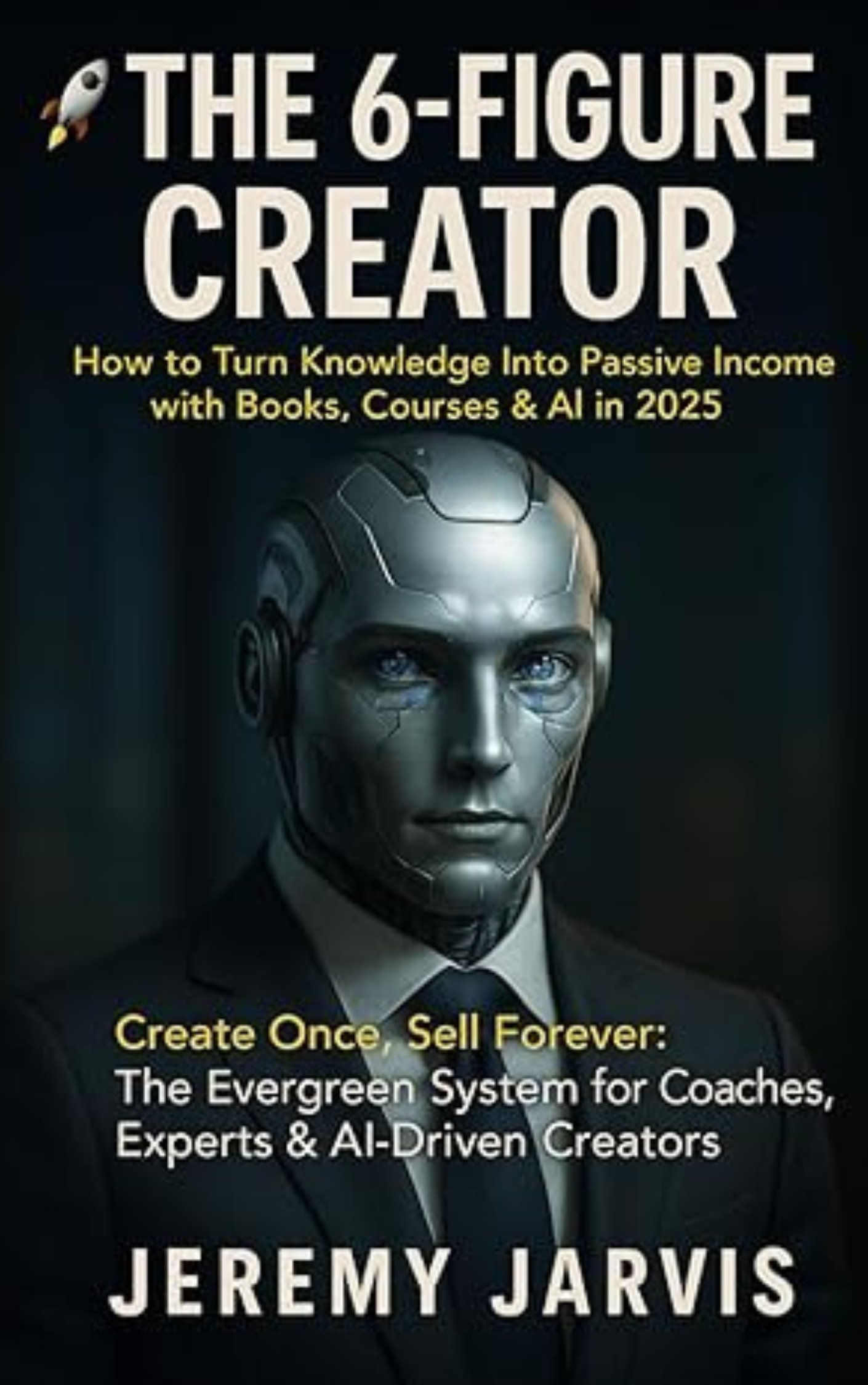
The 6-Figure Creator
Turn knowledge into passive income with books, courses & AI.
View book →
Burnout Breakthrough
Reset your work-life balance and thrive in 2025.
View book →
The Emotionally Intelligent Man
A modern guide to self-awareness and communication.
View book → AI Personalized Wellness
Create your custom health plan with data-driven habits.
View book →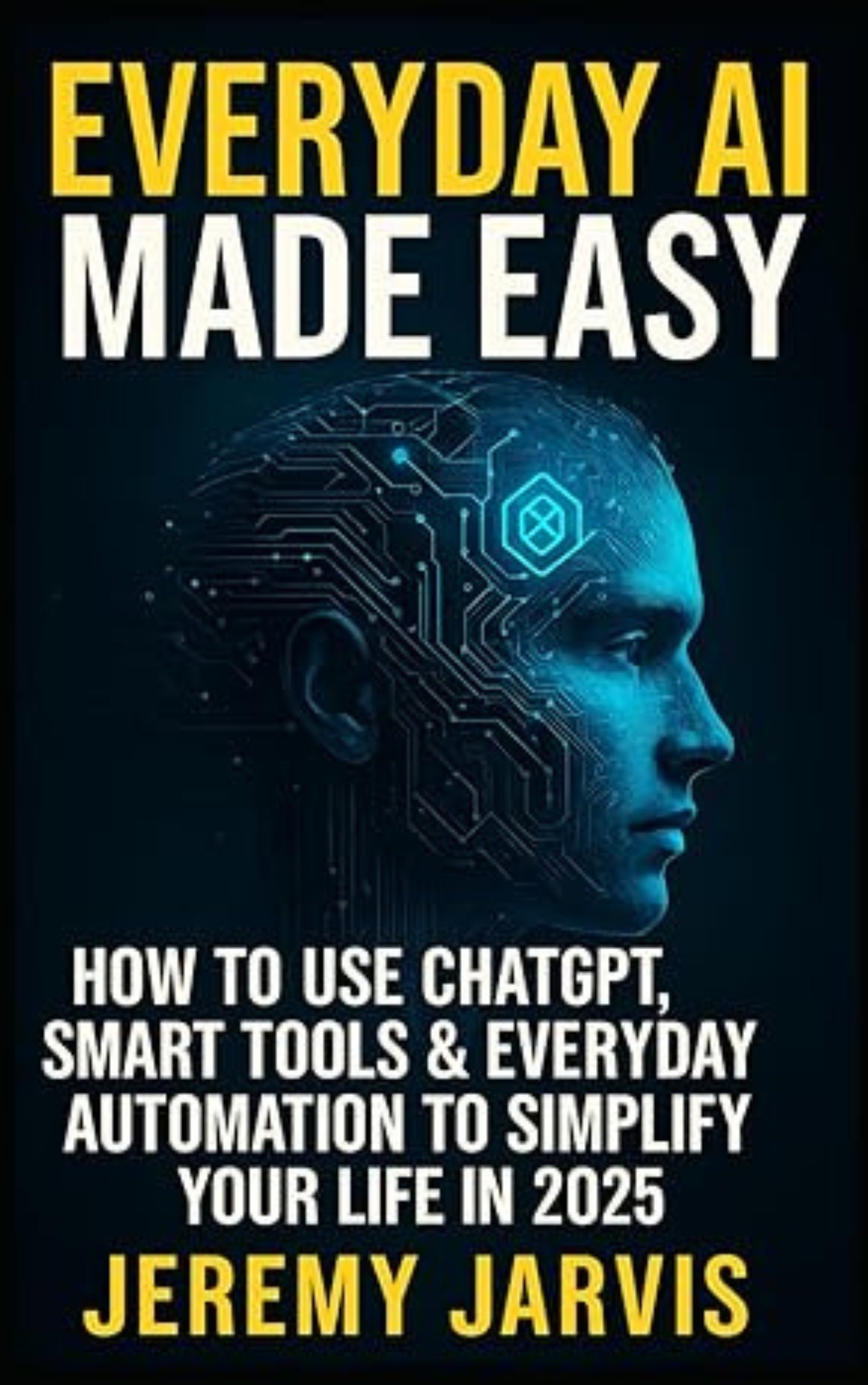
Everyday AI Made Easy
Use ChatGPT and smart tools to simplify life.
View book →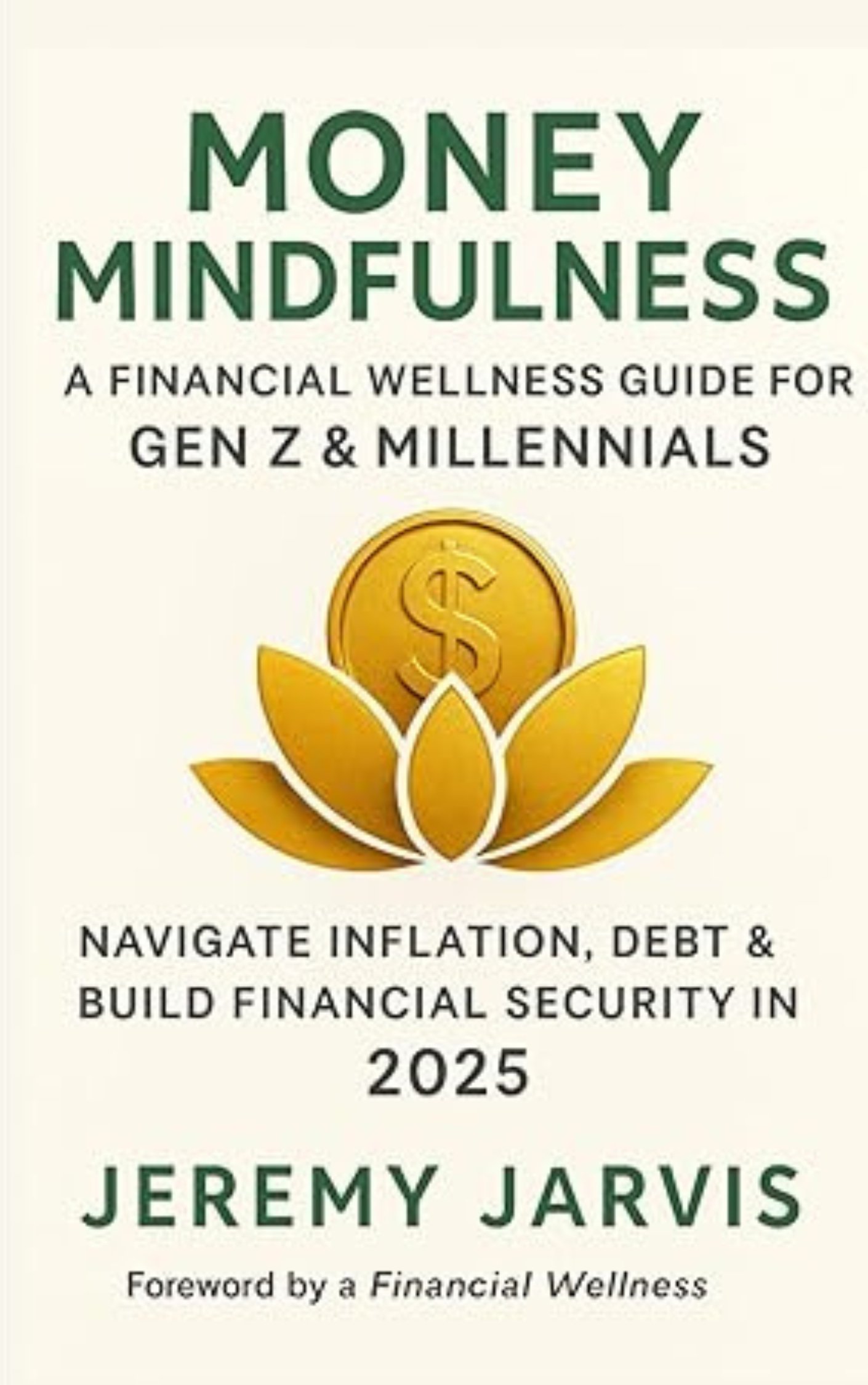
Money Mindfulness
A financial wellness guide for Gen Z & Millennials.
View book →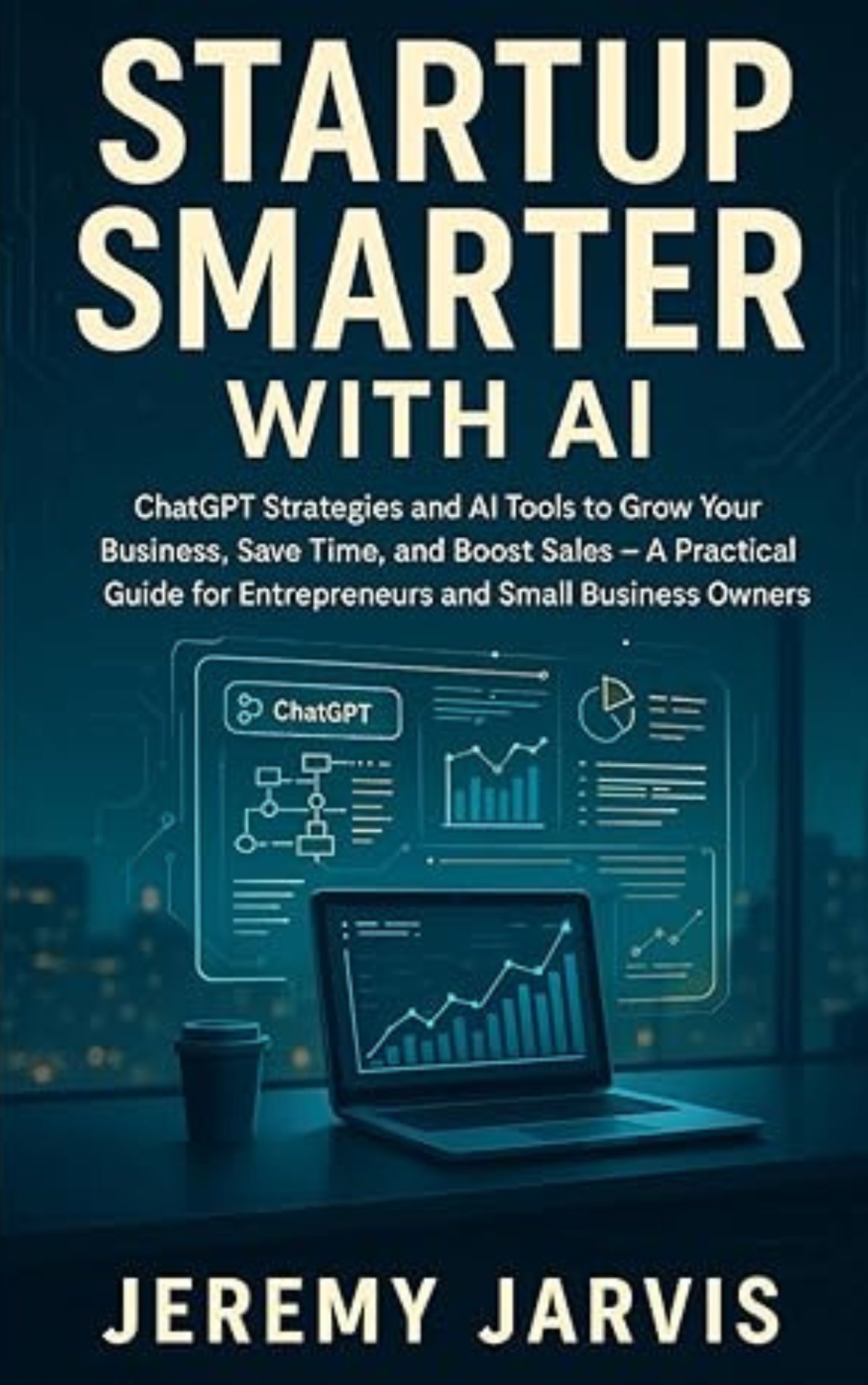
Startup Smarter with AI
ChatGPT strategies and tools to grow your business.
View book →
ChatGPT for Writers & Creators
Unlock AI-powered brainstorming, drafting & editing.
View book →