

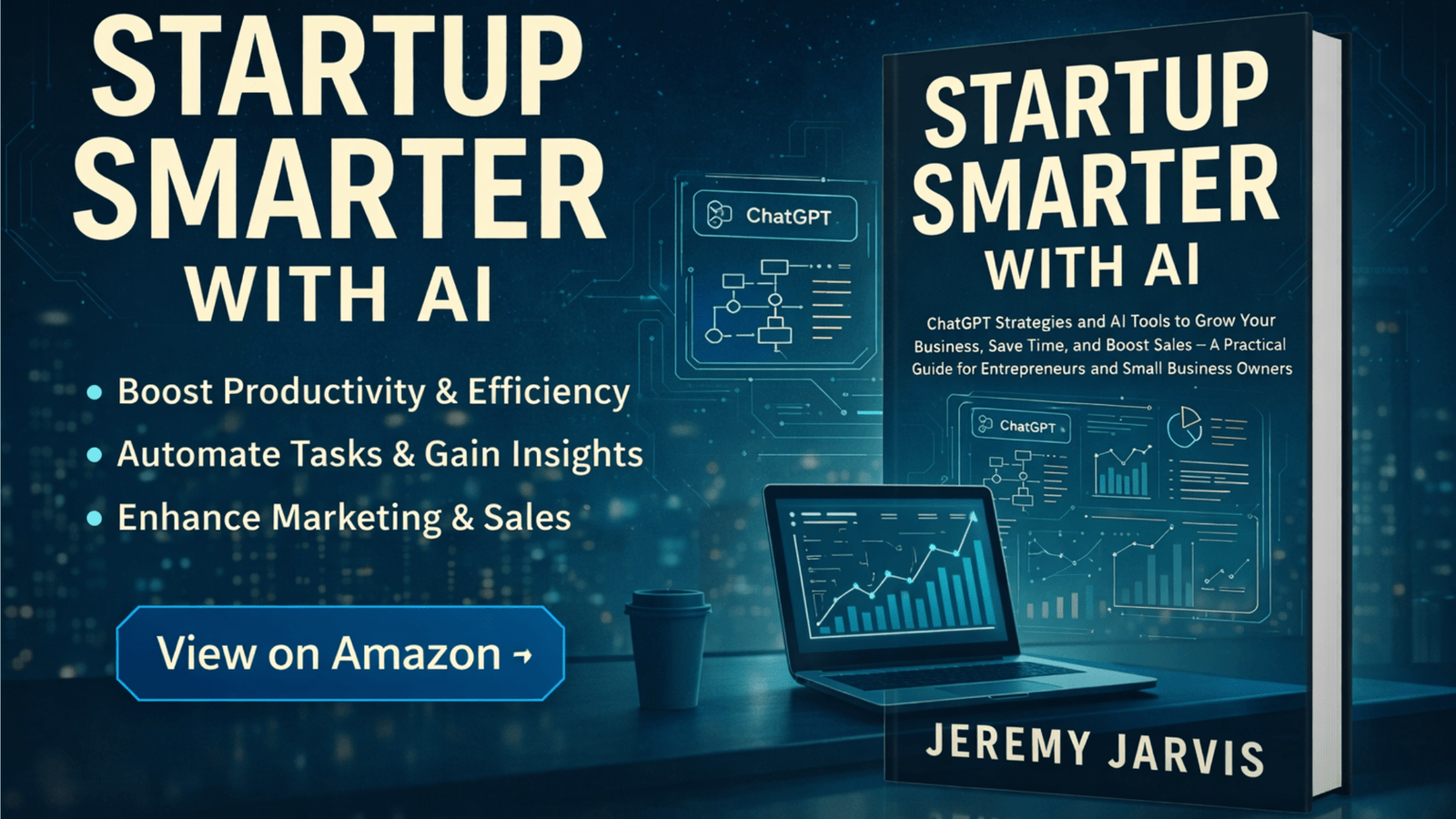
Startup Smarter with AI: ChatGPT Strategies & AI Tools to Grow Your Business, Save Time, and Boost Sales
If you’re building a business with limited time, limited budget, and endless tasks, you don’t need more hustle—you need better systems. Startup Smarter with AI turns OpenAI and ChatGPT into a practical operating advantage: clearer marketing, faster content, stronger sales follow-up, better customer support, and smoother day-to-day operations—without hiring a massive team or burning out.
Built for founders, solopreneurs, freelancers, agencies, eCommerce shops, and small business owners who want ChatGPT for business workflows that actually produce results.
Affiliate Disclosure: This page contains affiliate links. If you use them to make a purchase, Mind Clarity Hub may earn a commission—at no cost to you. This helps support our content and mission.
📘 Author: Jeremy Jarvis
Publication Date: July 17, 2025 | Print Length: 231 pages
ISBN-13: 979-8292985235 | Language: English
Dimensions: 6 x 0.53 x 9 inches
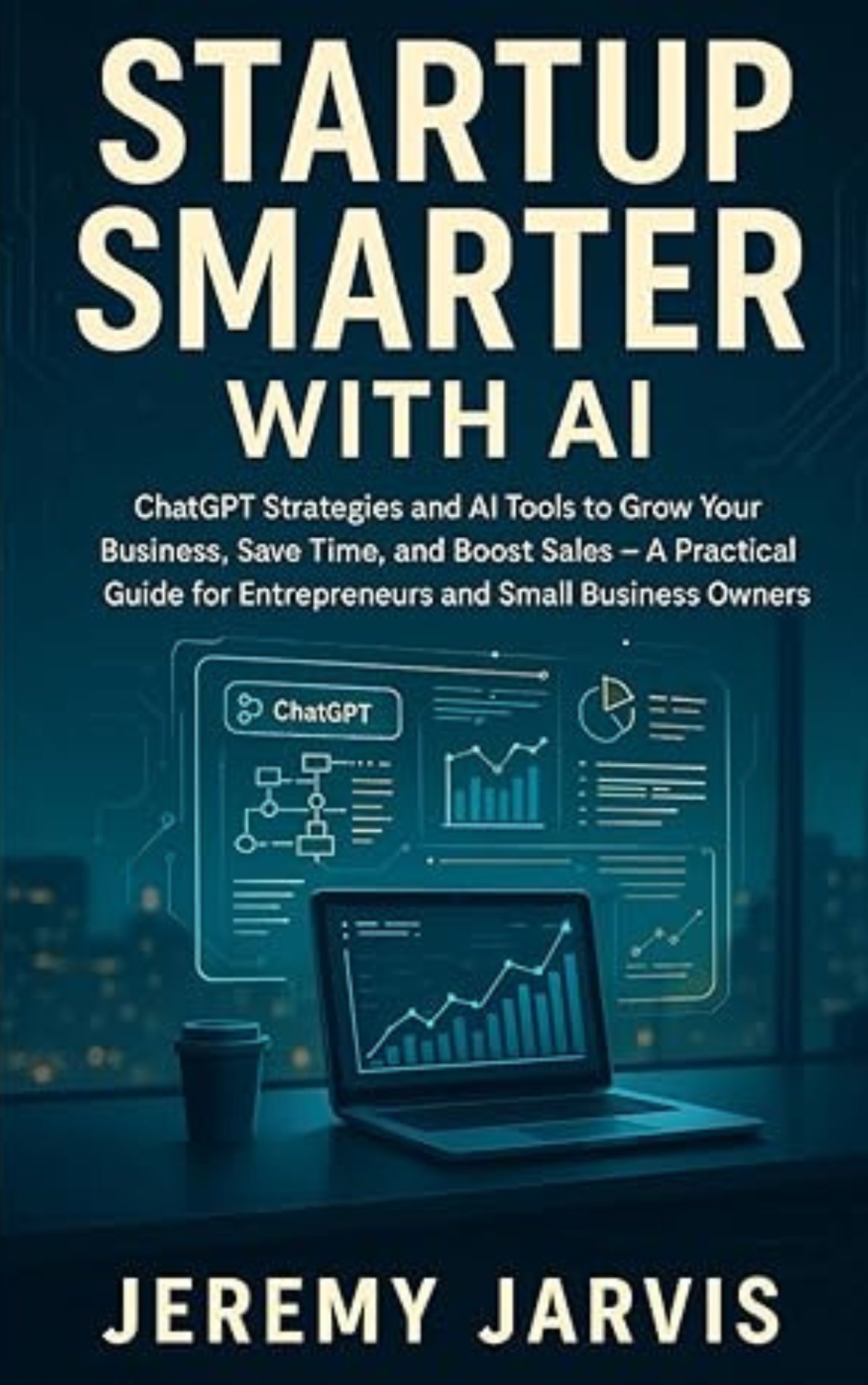
Why Entrepreneurs Need OpenAI + ChatGPT Playbooks Now
Today, the biggest constraint for most founders isn’t creativity—it’s time. Customers expect fast responses, consistent content, and a clear brand voice, while budgets and headcount stay tight. That’s exactly where OpenAI and ChatGPT become a competitive advantage—if you use them with a repeatable system. Startup Smarter with AI gives you practical, step-by-step playbooks for ChatGPT for business, so you can automate the busywork, sharpen decision-making, and move from scattered effort to compounding momentum.
What’s Inside (Actionable, No Fluff)
Instead of theory, you get real workflows: ChatGPT prompts for marketing, ChatGPT prompts for sales, customer support chatbot scripts, and AI automation SOPs you can run weekly. You’ll learn how to create on-brand content fast (blogs, landing pages, emails, ad copy, social posts), how to improve conversion with better positioning, and how to use OpenAI-powered writing to speed up everything from customer messaging to internal documentation. In addition, the book shows you how to measure ROI so your AI stack stays profitable—not just “interesting.”
Marketing: From Content to Customers with ChatGPT
Marketing becomes easier when you stop guessing. First, you define your ICP and core promise. Next, you use ChatGPT to generate angles, hooks, keyword clusters, and content briefs that match search intent and customer pain points. Then, you convert one strong idea into a full funnel: landing page, email sequence, lead magnet, social snippets, and ad variants. As a result, your content stops being random and starts acting like a pipeline. Even better, you can run the same loop every week and steadily improve messaging, SEO, and conversions.
Sales: Faster Prospecting, Cleaner Follow-Up, Higher Close Rates
Sales is where speed and clarity pay off immediately. With the right prompts, ChatGPT helps you write outreach that feels human, not spammy—because it’s built around the customer’s job-to-be-done, objections, and desired outcome. Moreover, you’ll learn how to create discovery questions, call notes, follow-up emails, proposals, and one-page offers that reduce friction. Consequently, you get more replies, more booked calls, and more consistent closing—without spending your whole week writing.
Support & Operations: OpenAI Systems That Save Hours Every Week
Support and ops are where founders quietly lose dozens of hours. So the book shows you how to build an AI customer support system that handles FAQs, drafts replies, summarizes tickets, and escalates complex issues with context. At the same time, you’ll create lightweight SOPs for admin, onboarding, internal checklists, and reporting. Therefore, instead of doing everything from scratch, you run a repeatable operating system that keeps quality high while your workload drops.
Prompt Engineering for Business Outcomes (Not Just “Cool Outputs”)
The difference between “generic AI text” and usable work is structure. That’s why Startup Smarter with AI teaches prompt engineering for entrepreneurs: voice-locking, constraints, acceptance criteria, and evaluation rubrics. In other words, you train your ChatGPT workflow to produce consistent outputs for marketing assets, sales sequences, support macros, policy drafts, and operating documents. As a result, you spend less time rewriting and more time executing.
How to Use OpenAI and ChatGPT to Grow a Startup Without Burning Out
If you’re wearing ten hats, you don’t need more motivation—you need leverage. That’s why OpenAI and ChatGPT matter for founders: they reduce the cost of clarity. Instead of spending hours writing, rewriting, and second-guessing, you can use ChatGPT for entrepreneurs to compress work into short, repeatable cycles. First, you turn messy ideas into clean positioning. Next, you convert that positioning into marketing assets. Then, you translate those assets into sales follow-up and customer support. Finally, you standardize it as an SOP so it runs again next week. Consequently, your business starts compounding instead of restarting.
More specifically, Startup Smarter with AI helps you build an “AI-first workflow” across the core business functions that drive revenue: lead generation, content marketing, conversion rate optimization, sales enablement, and customer retention. For example, you’ll learn how to use ChatGPT to create high-intent landing page copy, write onboarding emails that reduce churn, and produce ad variations that test new angles quickly. At the same time, you’ll learn how to keep quality high with voice-locking prompts, proof-point checklists, and “do-not-say” constraints—so your brand stays consistent rather than sounding like generic AI.
From Random Effort to a Repeatable Weekly Growth Loop
Many startups fail because they don’t run enough experiments—or they run too many without a system. So this book gives you a simple loop: one hypothesis → one asset → one channel → one metric. First, use ChatGPT to outline a hypothesis (who, what, why now). Next, generate the asset (landing page, email sequence, ad copy, short-form post). Then, ship it through a single channel and track one metric (CTR, CPL, replies, booked calls). After the results come in, revise the message and run the loop again. Therefore, growth becomes a schedule, not a hope.
Additionally, the book shows you how to keep a founder-friendly “decision log” so you stop repeating the same debates. You’ll use OpenAI prompts to summarize test results, extract customer language from calls, and turn scattered notes into a clearer offer. Over time, this creates a compounding advantage: your messaging, pricing, and funnel improve each week because you’re learning in public with a tight feedback loop.
ChatGPT for Marketing, Sales, and Customer Support (End-to-End)
When you connect functions, your business gets easier. For instance, marketing learns from sales objections; sales improves with cleaner positioning; support strengthens retention by removing friction. With OpenAI and ChatGPT, you can build a shared knowledge base: messaging pillars, FAQs, offer language, and proof points. Then, you can generate consistent outputs across email marketing, social content, proposals, support macros, and internal docs. In short, you create a unified customer experience, which raises trust and improves conversion at every stage.
Practically, this means using ChatGPT for marketing automation to draft content briefs, write SEO-ready sections, and build ad creative variants; then using ChatGPT for sales to create discovery questions, follow-ups, proposal outlines, and objection-handling scripts; and finally using ChatGPT for customer support to generate help-center articles, ticket summaries, and response macros. Meanwhile, you maintain quality with a single set of brand rules—tone, promises, proof points, and boundaries.
AI Content Strategy + SEO Without Losing Your Voice
Search still rewards usefulness, clarity, and specificity. So rather than chasing random keywords, the strategy here is to publish around problems your customers already have: “how to write better landing pages,” “how to improve conversion rate,” “how to automate customer support,” “how to build a content calendar,” and “how to scale a small business.” Then, you use ChatGPT to create structured outlines, cleaner transitions, stronger headlines, and more scannable formatting. As a result, your content becomes both human-friendly and SEO-friendly.
If you also care about focus and deep work while building, pair this book with Rewire Your Brain for Focus and Rebuild Attention in a World of Distraction. Those guides help you protect the mental bandwidth you need to execute. Likewise, if your brain feels scattered from constant context switching, bookmark Why Can’t I Focus Anymore? and use it as a reset reference when the week starts to drift.
AI Automation That Actually Pays Off
It’s easy to buy tools; it’s harder to get ROI. So the book focuses on AI automation that pays quickly: response time reduction, fewer support tickets, faster content creation, more consistent follow-up, and clearer reporting. Moreover, you’ll learn how to calculate ROI using hours saved, error reduction, and incremental revenue. That way, you don’t just “use AI”—you build a profitable OpenAI and ChatGPT stack that supports your growth goals.
In other words, you’ll stop collecting apps and start building a system. You’ll create a lightweight “AI operating system” for your business: a prompt library, reusable templates, role-based checklists, and a weekly review ritual. Consequently, your marketing gets more consistent, your sales process gets cleaner, your support becomes faster, and your operations feel less chaotic. For founders who struggle with digital overwhelm, it also helps to read Digital Overwhelm: The Neurology of Attention Hijacking so you can keep your execution sharp while you scale.
OpenAI, Responsible Use, and Trust (What Customers Notice)
Customers don’t care that you used AI—they care whether the experience is accurate, helpful, and human when it needs to be. So this book encourages a “human-in-the-loop” standard: use ChatGPT to draft, then verify, edit, and own the final output. In practice, that means keeping a single source of truth for policies, updating FAQs as you learn, and setting clear escalation paths for support. If you want a credible external reference point for responsible adoption, review the NIST AI Risk Management Framework as a baseline for thinking about risk, reliability, and transparency.
Why This OpenAI + ChatGPT Guide Works for Small Business Owners
Ultimately, this is a practical playbook for real founders. You’ll learn how to use ChatGPT for small business even if you’re not technical, because the system is built around copy-paste prompts, checklists, and templates. If you want to save time, ship faster, improve marketing, strengthen sales, and run a smarter operation in 2025, this book gives you a clean starting point—and a repeatable path forward.
Finally, if you’re building a brand around AI and want the broader mindset and everyday use cases, explore Everyday AI Made Easy and AI & ChatGPT for Beginners. These pair well with Startup Smarter with AI because they reinforce the fundamentals while you implement the growth playbooks.
Explore the Mind Clarity Hub Library
Practical books on focus, digital habits, resilience, and building a calmer mind.
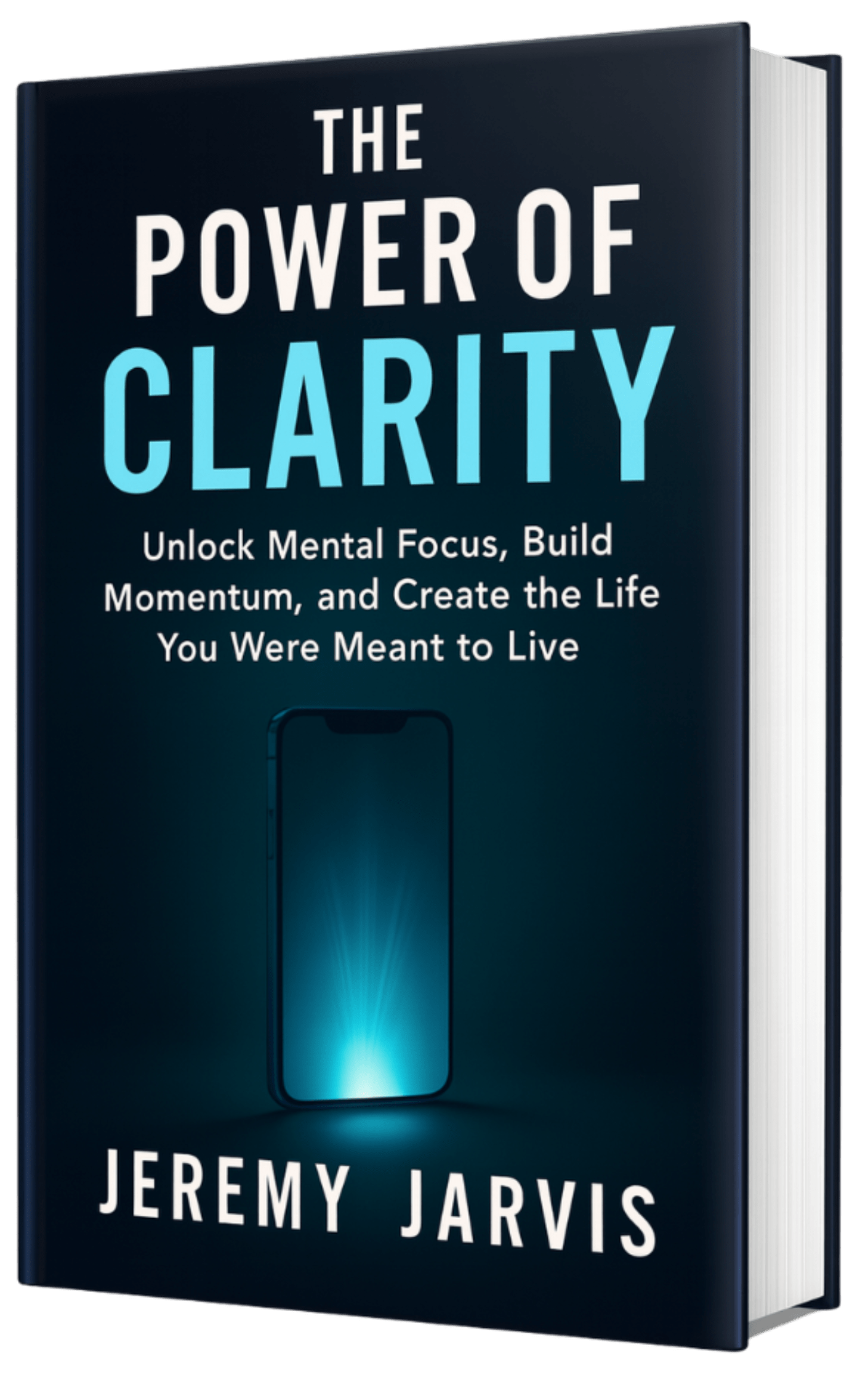
The Power of Clarity
Unlock mental focus, build momentum, and create the life you were meant to live.
View book →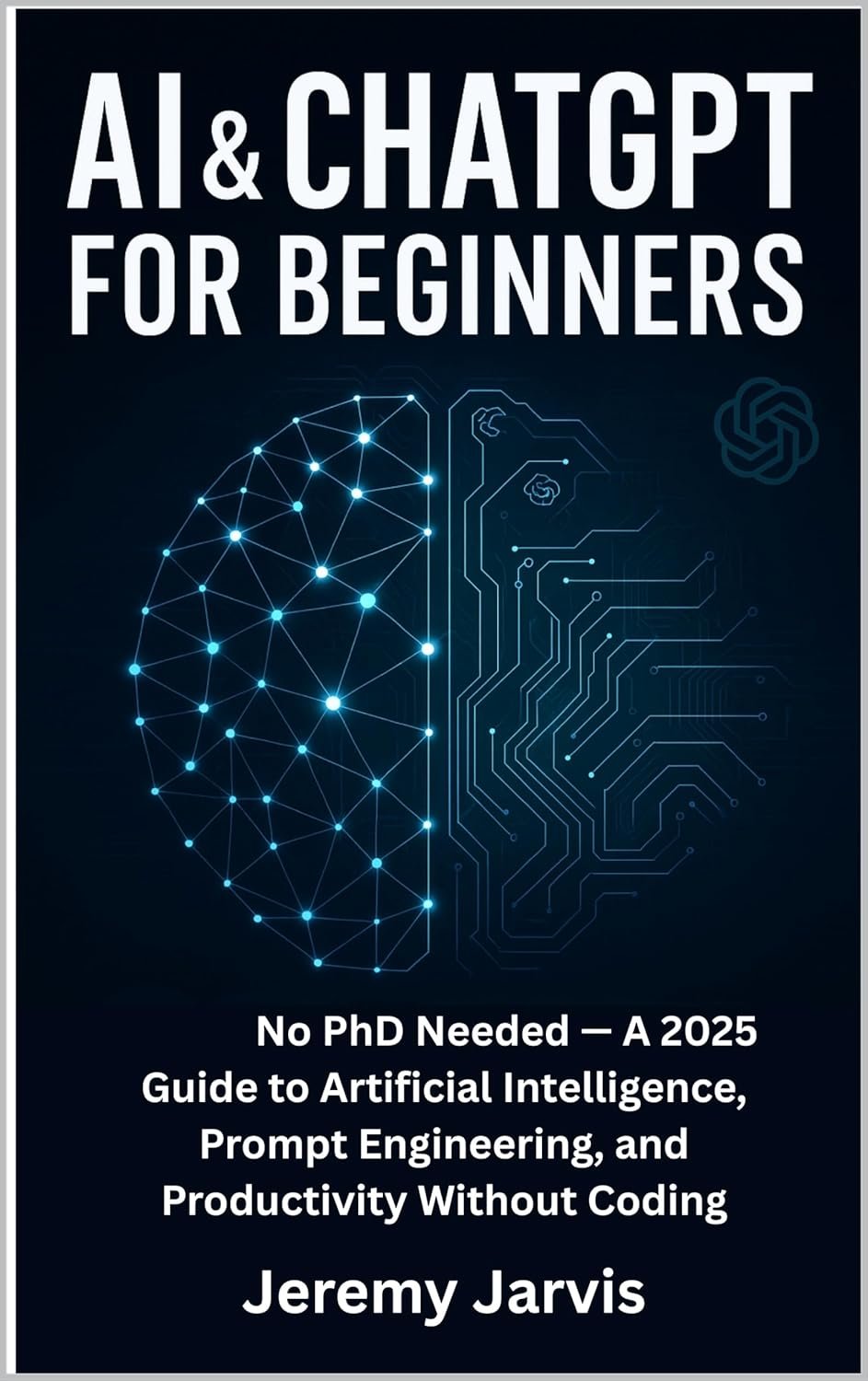
AI & ChatGPT for Beginners
No PhD needed — a 2025 guide to AI, prompts, and productivity without coding.
View book →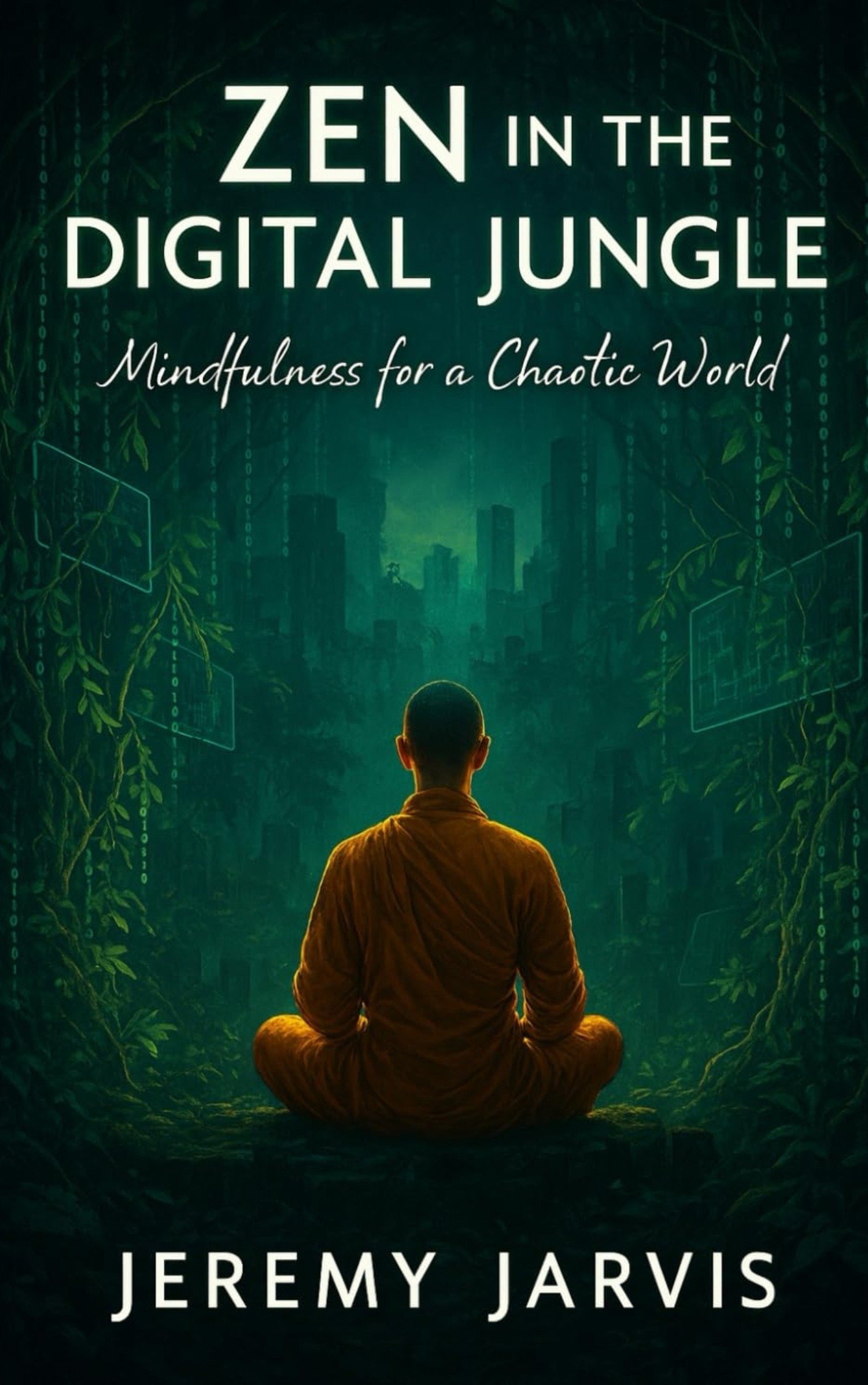
Zen in the Digital Jungle
Mindfulness for a chaotic world.
View book →
The Slow Reset
Mindful living in a fast-paced world.
View book →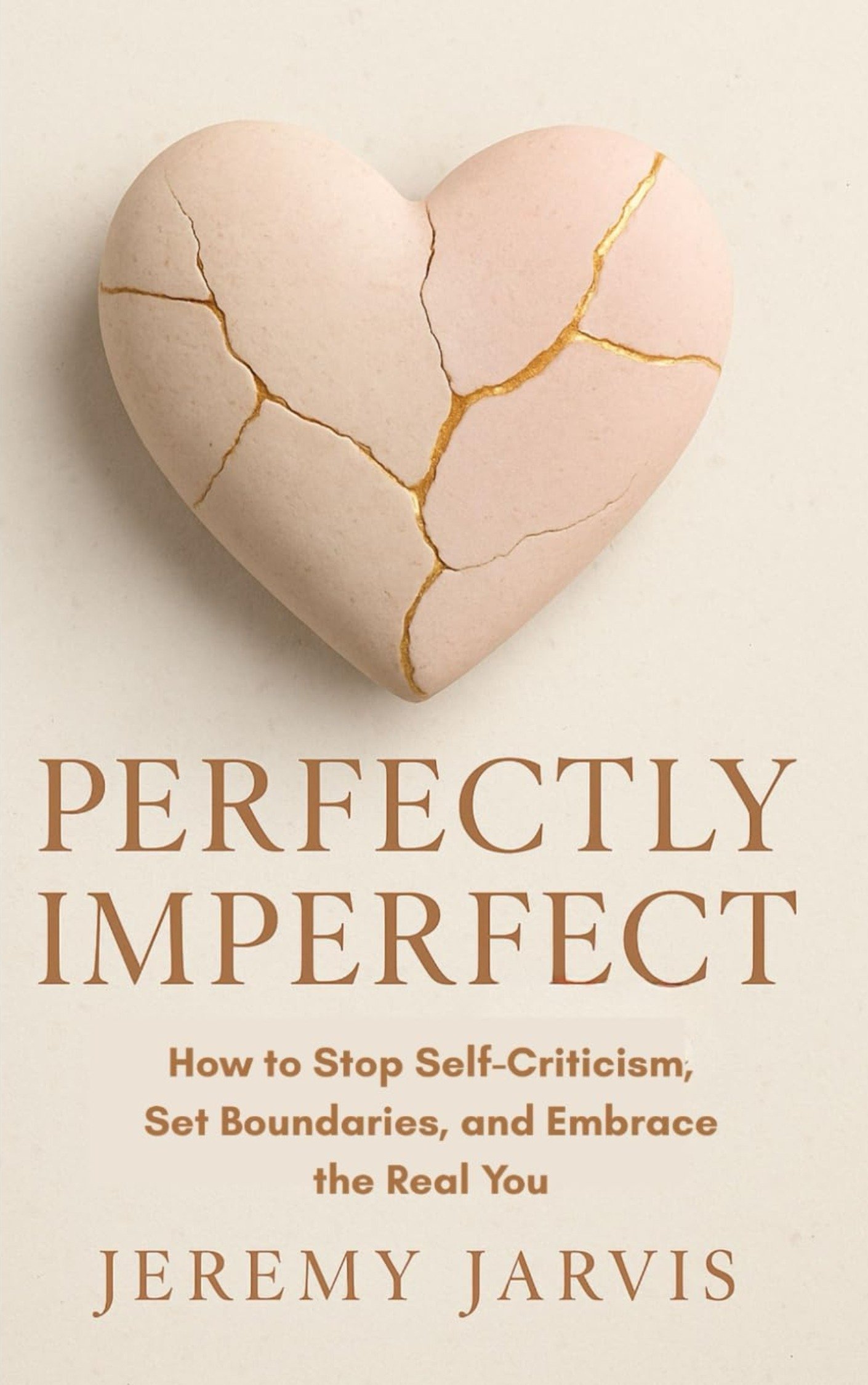
Perfectly Imperfect
Stop self-criticism, set boundaries, and embrace the real you.
View book →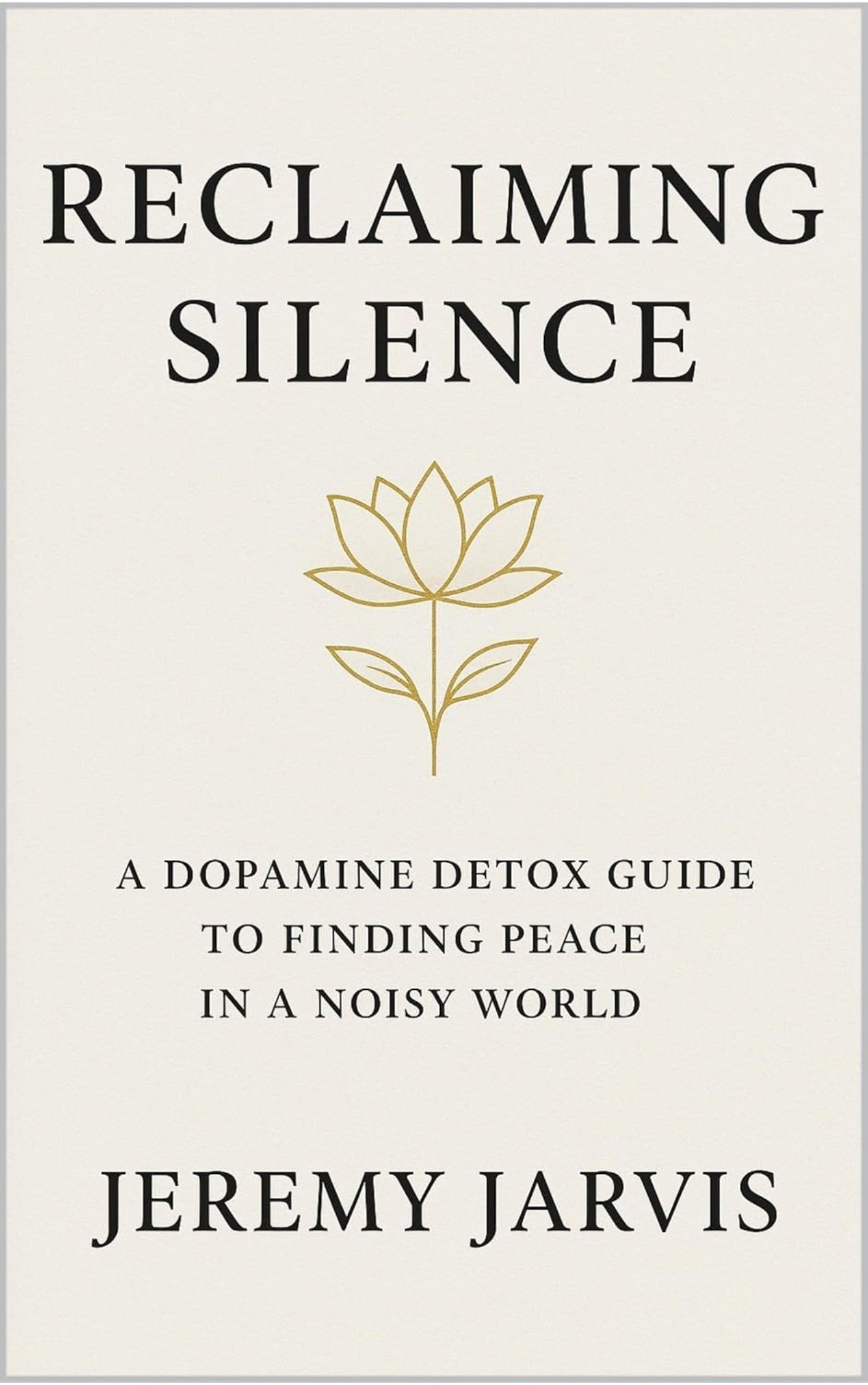
Reclaiming Silence
A dopamine detox guide to finding peace in a noisy world.
View book →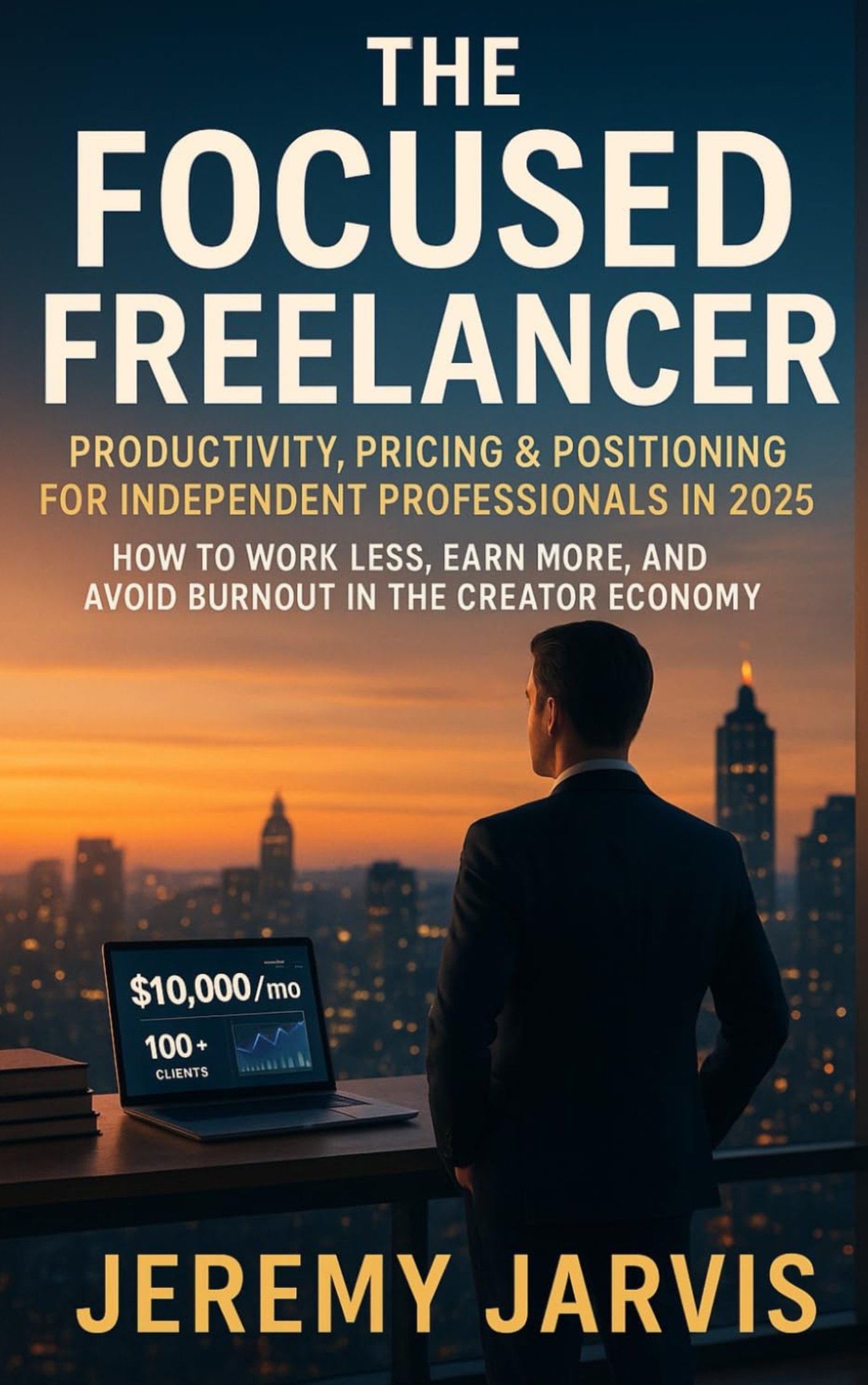
The Focused Freelancer
Productivity, pricing & positioning for independents in 2025.
View book →
ChatGPT Side Hustle System
Launch your AI-driven online business in 30 days.
View book →
Burnout, Interrupted
A proven path to restore energy and reclaim your life.
View book →
Attention Unleashed
Focus strategies for the distracted mind.
View book →
Side Hustle Launchpad
Your quick-start guide to extra income.
View book →
Digital Clarity
Rewire your brain, escape dopamine traps & regain focus.
View book →
Break the Scroll
Reduce screen time and take back control of your life.
View book →
Climate Compassion
Transform eco-anxiety into empowered action.
View book →
Village Mentality
The power of community for mental wellness.
View book →
Restful Nights
Overcoming sleep anxiety in a 24/7 world.
View book →
Connected Again
Combat loneliness and build meaningful relationships.
View book →
Focus Recharged
Mastering attention and productivity in the digital era.
View book →
Marketing Magic with ChatGPT
AI-powered content, campaigns, and copywriting to grow faster.
View book →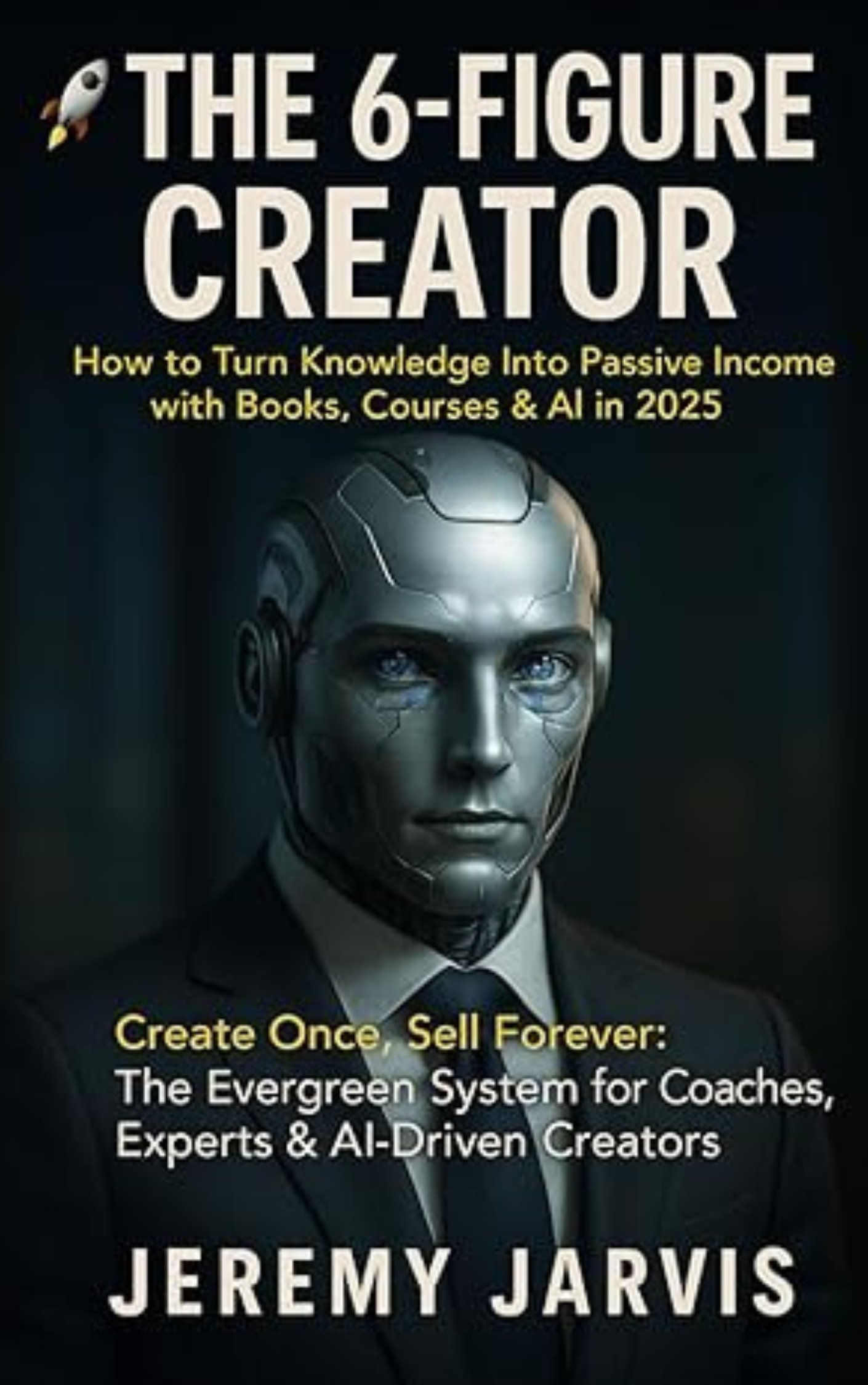
The 6-Figure Creator
Turn knowledge into passive income with books, courses & AI.
View book →
Burnout Breakthrough
Reset your work-life balance and thrive in 2025.
View book →
The Emotionally Intelligent Man
A modern guide to self-awareness and communication.
View book →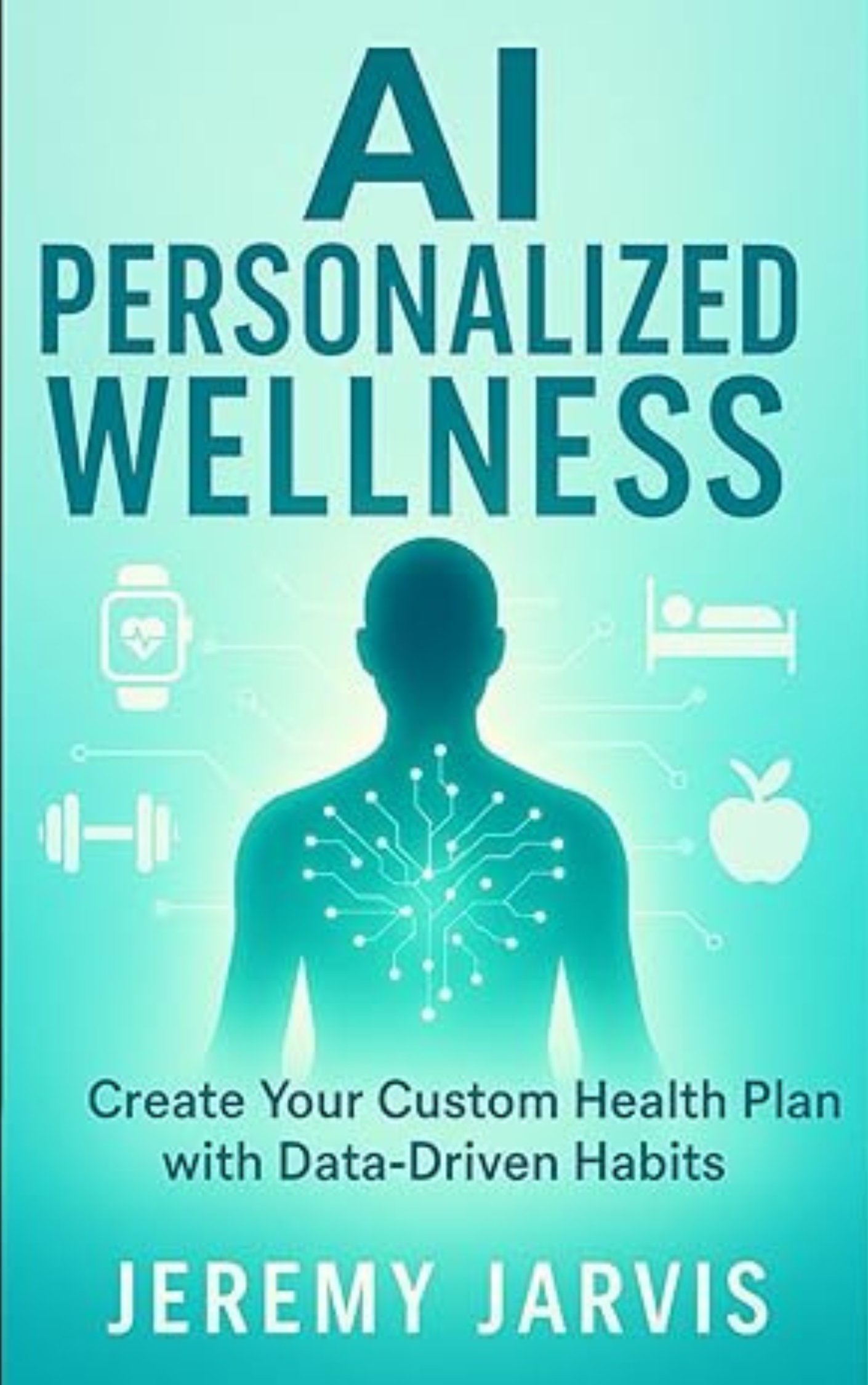
AI Personalized Wellness
Create your custom health plan with data-driven habits.
View book →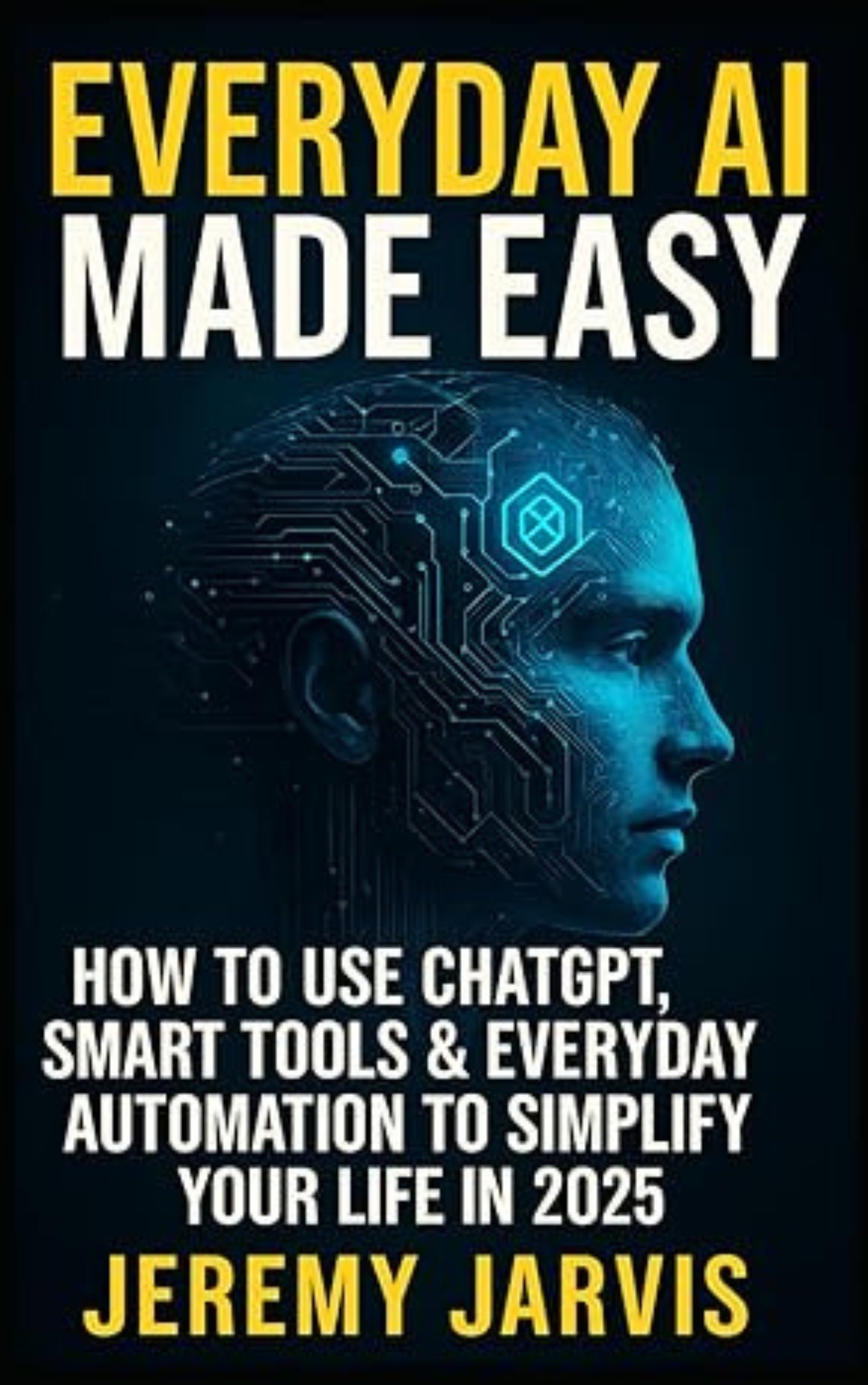
Everyday AI Made Easy
Use ChatGPT and smart tools to simplify life.
View book →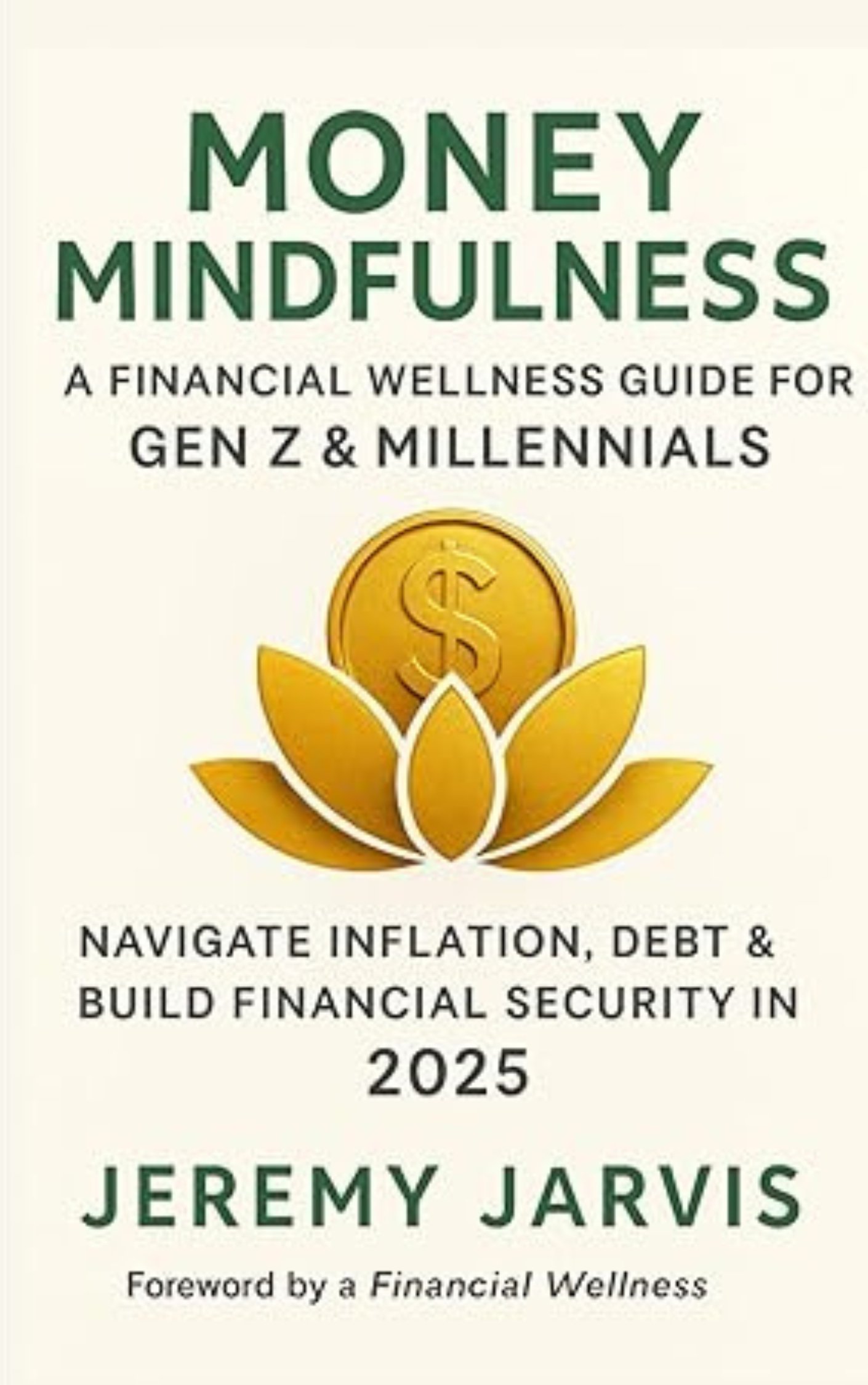
Money Mindfulness
A financial wellness guide for Gen Z & Millennials.
View book → Startup Smarter with AI
ChatGPT strategies and tools to grow your business.
View book →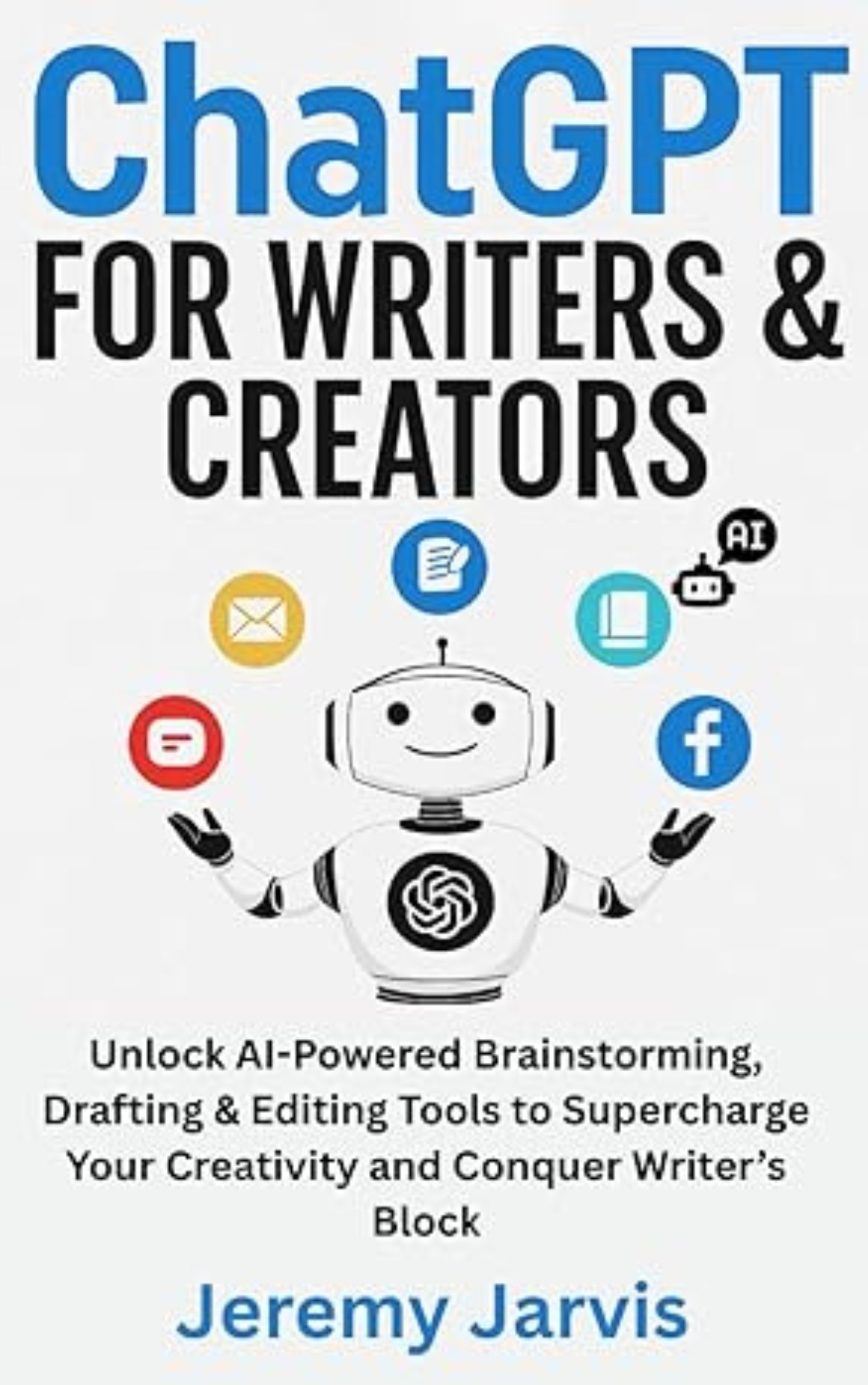
ChatGPT for Writers & Creators
Unlock AI-powered brainstorming, drafting & editing.
View book →