

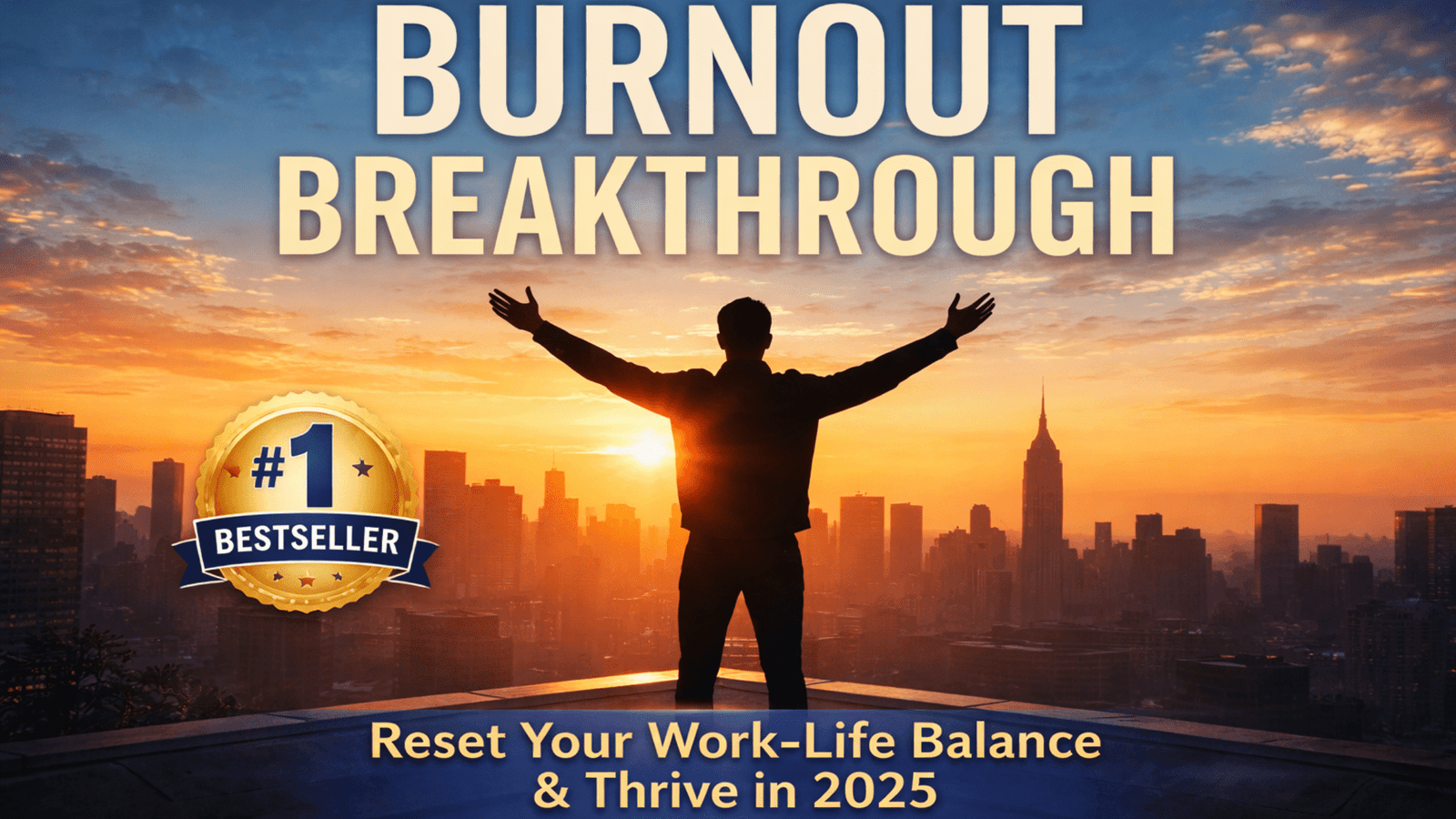
Burnout Breakthrough: Reset Your Work-Life Balance & Thrive in 2025
Last updated: December 24, 2025
Burnout is not laziness. It is a predictable outcome of chronic stress, blurred boundaries, and constant cognitive load. This book gives you a realistic path to burnout recovery—so you can keep your ambition without sacrificing your health.
Book details
Author: Jeremy Jarvis
Publication date: August 20, 2025
ISBN: 979-8299020472
Length: 244 pages
Formats: Kindle, Paperback, Hardcover
Category: Work-life balance, stress management, productivity
Share + save
If burnout is impacting your focus, sleep, motivation, or emotional bandwidth, save this page and come back to it on a low-energy day.
What “burnout” really feels like (and why it’s so hard to fix with quick tips)
Burnout is often a systems problem, not a willpower problem
Most people try to fix burnout with motivation, a new planner, or a weekend off. That usually fails because burnout is built from repeating patterns: high workload, low recovery, constant context switching, and a nervous system that never fully downshifts. Over time, the body learns that “rest” is unsafe because there is always one more message, task, or demand waiting. Burnout Breakthrough helps you change the environment and the habits that keep burnout in place, so recovery can actually stick.
A practical definition you can use
If your focus is fragile, sleep is lighter, patience is shorter, and your best effort is starting to feel “flat,” you may be in a burnout cycle. The goal is not to escape work. The goal is to rebuild capacity, protect attention, and create a work-life balance that does not collapse under pressure. This page walks you through the book’s approach in a way that is clear, realistic, and immediately usable.
Who this book is for
If you are functional, but constantly depleted
Burnout does not always look like a breakdown. Sometimes it looks like competence with a hidden cost: you still deliver, but it takes more from you than it used to. Burnout Breakthrough is written for high-functioning people who feel mentally exhausted, emotionally stretched, and tired of living in reaction mode.
Common burnout patterns this book addresses
- Remote work burnout and “always-on” digital fatigue
- Chronic stress that shows up as brain fog, irritability, or low motivation
- Work-life imbalance caused by unclear boundaries and constant notifications
- Productivity without recovery: doing more while feeling worse
- Perfectionism, people-pleasing, and over-responsibility loops
What’s inside Burnout Breakthrough
A burnout recovery plan built around real constraints
The book is structured to work even when life is busy. You do not need a sabbatical to begin burnout recovery. You need a plan that prioritizes the highest-leverage moves: recovery windows, attention protection, boundary scripts, and routines that stabilize your energy. The goal is sustainable productivity—output that does not require self-sacrifice.
Part 1: Stabilize
Reduce overload, rebuild sleep momentum, and create small recovery rituals that signal safety to your nervous system.
- Burnout symptoms and the “hidden drain” checklist
- Micro-breaks that actually restore attention
- Stop-start boundaries (workday open/close ritual)
Part 2: Rebuild
Strengthen focus, improve emotional regulation, and design a schedule that respects your cognitive limits.
- Time blocking for burnout recovery
- Single-tasking and cognitive bandwidth protection
- Digital detox habits for modern work
Part 3: Redesign
Create a work-life balance model you can maintain through high-demand seasons.
- Boundary scripts and expectation resets
- Workload triage: what to drop, delegate, or defer
- Recovery planning for travel, deadlines, and life stress
Part 4: Maintain
Prevent relapse with a simple system that keeps you out of the burnout loop.
- Early warning signals and weekly “energy audits”
- Resilience habits that do not rely on motivation
- Long-term focus recovery and attention hygiene
Key takeaways (the ideas readers use immediately)
Burnout recovery is built from repeatable moves
The most effective burnout strategies are the ones you can repeat when you are tired. This book emphasizes consistency over intensity. Instead of chasing perfect routines, it teaches you how to build an energy floor: minimum standards that protect sleep, reduce cognitive overload, and lower digital stimulation without breaking your job.
Work-life balance is a design problem
Work-life balance is not a personality trait. It is a set of systems: how you start your day, how you handle messages, how you plan your week, and how you close down work so your brain can recover. Burnout Breakthrough gives you scripts and frameworks to change the system, not just your intentions.
Quick visual summary
If you want the “what to do next” version

Start here: stabilize sleep, protect attention, reduce digital noise, then rebuild boundaries and workload clarity.
Related reading on Mind Clarity Hub: Science of Mental Fog, Digital Overwhelm, Neuroscience of Single-Tasking.
Burnout recovery in 2025: what most people miss
The real enemy is cognitive overload, not effort
Many people think burnout comes from working hard. More often, burnout comes from working fragmented: meetings, messages, switching tabs, and making decisions all day. That constant context shifting drains executive function and makes simple tasks feel heavy. Burnout Breakthrough teaches attention hygiene: fewer open loops, fewer reactive checks, and more protected focus windows. If you want a deeper companion read, start with Executive Function Repair.
Burnout symptoms can be quiet
Burnout symptoms are not always dramatic. They can look like “fine” on the outside and numb on the inside: less excitement, slower recovery, more procrastination, and a brain that can’t tolerate one more demand. Naming these signals early is burnout prevention. For additional context, you may also like Mentally Exhausted After Doing Nothing.
Focus recovery depends on how you end your day
A big piece of burnout recovery is closure. If your day ends in a blur, your brain keeps “running” long after work is done. The book includes a simple shutdown ritual: capture loose tasks, choose tomorrow’s first step, then close. This improves sleep quality and reduces late-night rumination. For focus-specific support, see Focus Reset: Mental Space.
Burnout and mental health at work (evidence-based context)
Burnout is recognized as a real workplace health issue
If you feel guilty for struggling, you should know this: burnout is widely recognized as a serious occupational phenomenon. A useful overview of mental health at work and common risks is available through the World Health Organization: WHO: Mental health at work. Burnout Breakthrough translates this reality into personal action: you learn how to reduce exposure, increase recovery, and rebuild sustainable performance.
Why “just take a break” is not enough
Rest helps, but burnout recovery also requires changing the pattern that created burnout in the first place. That is why the book focuses on boundaries, workload design, and attention protection. If your environment keeps triggering overload, your nervous system never gets the consistent safety signal it needs to downshift.
Reader snapshot
What readers tend to say after finishing the book
“This didn’t just give me tips. It helped me see why I was stuck in the same burnout cycle. The routines are simple, the boundary scripts are realistic, and the focus recovery sections felt like someone finally explained what my brain was doing.”
Who gets the most value
Readers who are managing high mental load—leaders, creators, caregivers, and remote workers—typically get the fastest results because the book targets the core problem: chronic cognitive strain plus insufficient recovery. If your work requires you to be online, the digital detox sections are designed for you, not against you.
FAQs About Burnout (Recovery, Work-Life Balance, and Focus)
Planning your burnout recovery approach
QWhat are the most common burnout symptoms?
Burnout symptoms often include mental exhaustion, reduced motivation, irritability, sleep disruption, brain fog, and a sense that simple tasks feel unusually heavy. Some people also notice emotional numbness, lower empathy, and a shorter fuse at work or at home. If these patterns have lasted for weeks, treat it as a signal to reduce overload and rebuild recovery—especially if digital fatigue and constant notifications are part of your day.
QHow is burnout different from stress?
Stress can be temporary and sometimes even energizing. Burnout is what happens when stress becomes chronic and recovery becomes inconsistent. With burnout, your capacity shrinks: you can still perform, but it takes more from you and gives less back. Burnout recovery typically requires system changes (boundaries, workload clarity, attention protection), not just “trying harder.”
QHow long does burnout recovery take?
It depends on how long burnout has been building and whether the overload pattern changes. Many people feel early relief in 1–2 weeks when they stabilize sleep, reduce digital noise, and create daily recovery windows. Deeper burnout recovery often takes 6–12 weeks of consistent routines, clearer boundaries, and a more realistic work-life balance plan that prevents relapse during high-demand seasons.
Digital fatigue, remote work, and always-on pressure
QCan I do a digital detox if my job requires me to be online?
Yes. A work-friendly digital detox is not “no internet.” It is reducing reactive checking and protecting attention. Start with practical rules: scheduled message windows, fewer notification channels, and device-free transitions (first 30 minutes of the day and the last 30 minutes). This lowers digital fatigue, improves focus recovery, and makes burnout recovery more realistic without risking your job.
QWhat boundaries reduce burnout fastest for remote workers?
The fastest boundary upgrades are time boundaries and attention boundaries. Time boundaries: a defined start and stop, plus a shutdown ritual. Attention boundaries: single-task blocks, fewer meetings, and one primary inbox. If you cannot reduce workload quickly, reduce fragmentation—because constant switching is a major burnout driver in remote work.
QHow do I stop thinking about work after hours?
Use closure. Capture loose tasks, write tomorrow’s first step, and create a consistent “work off” cue (short walk, shower, stretching, or changing rooms). Your brain needs proof that nothing important is being dropped. This reduces rumination, improves sleep quality, and supports long-term burnout recovery.
Sleep, energy, and focus recovery
QWhy does burnout affect sleep even when I’m exhausted?
Burnout often keeps the nervous system activated. You can be tired and still “wired,” especially if screens, late-night work, or constant stress cues are present. Recovery improves when you reduce late stimulation, create a consistent wind-down, and stop feeding your brain new tasks after a set time.
QWhat daily habit helps burnout recovery most?
A short recovery window you repeat every day. Ten minutes can be enough if it is consistent: a walk, breath practice, quiet reading, light mobility, or a device-free reset. The key is repeatability. Consistency builds capacity and makes focus recovery possible even when workload stays high.
QHow do I rebuild focus when my brain feels scattered?
Start with fewer open loops. Pick one task, define a clear next step, set a short timer, and remove inputs (notifications, extra tabs, background media). Focus recovery improves when you reduce cognitive noise and practice single-tasking again. Support reads: Neuroscience of Single-Tasking and Why Can’t I Focus Anymore?.
Work-life balance and prevention
QHow do I prevent burnout from coming back?
Prevention is a system: a weekly energy audit, clear boundaries, protected recovery time, and early warning signals you take seriously. Burnout prevention works best when it is built into your calendar, not dependent on mood. If your workload spikes, protect sleep and reduce fragmentation first.
Further reading on Mind Clarity Hub
If you want deeper science and practical tools
Burnout Breakthrough is the reset button for modern work
A sustainable approach to stress management and work-life balance
If you have been stuck in chronic stress, digital fatigue, and the feeling that you can’t fully recover, this book gives you a practical path forward. Start small, build stability, and create a burnout recovery system that survives real life.
Explore the Mind Clarity Hub Library
Practical books on focus, digital habits, resilience, and building a calmer mind.
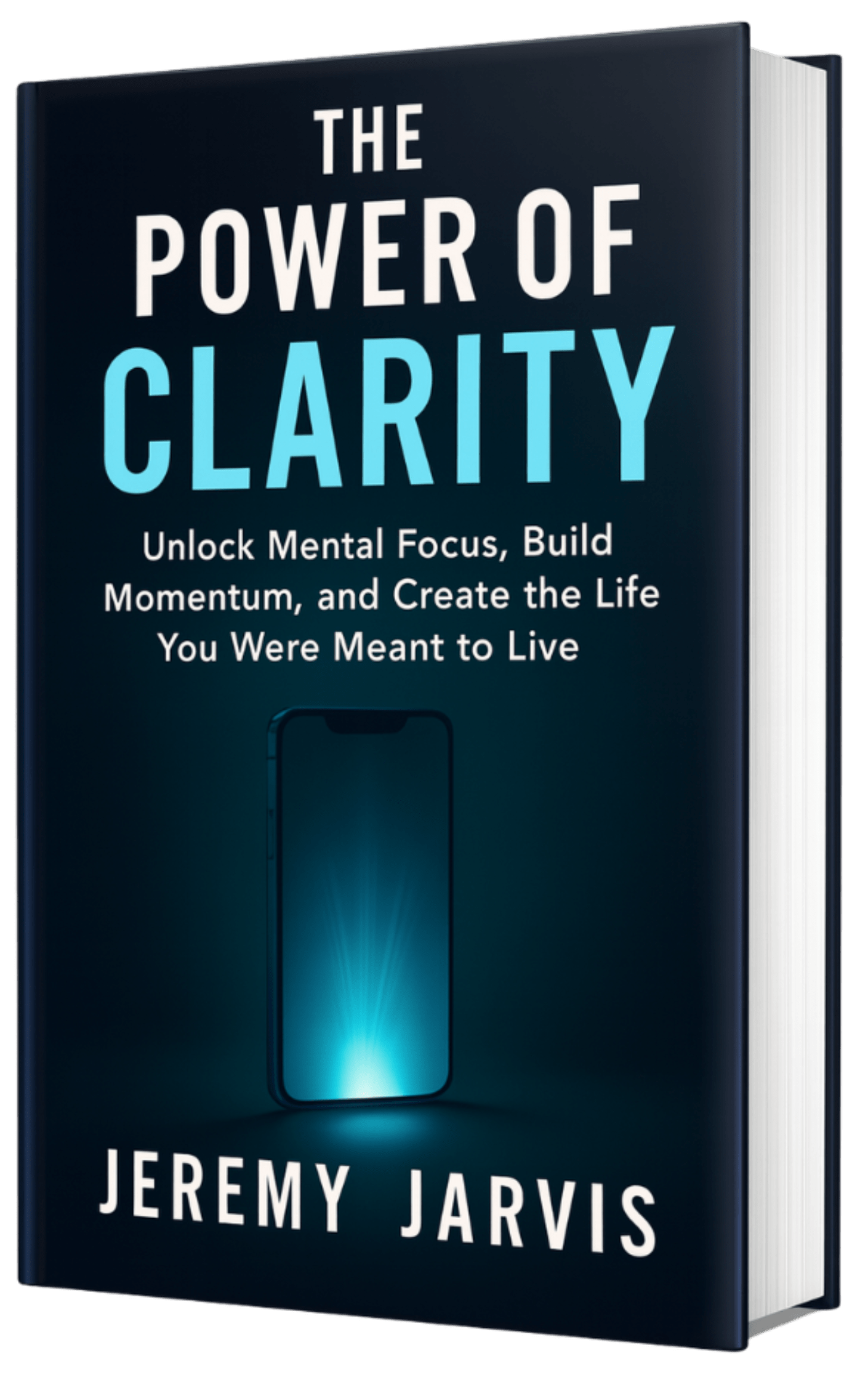
The Power of Clarity
Unlock mental focus, build momentum, and create the life you were meant to live.
View book →
AI & ChatGPT for Beginners
No PhD needed — a 2025 guide to AI, prompts, and productivity without coding.
View book →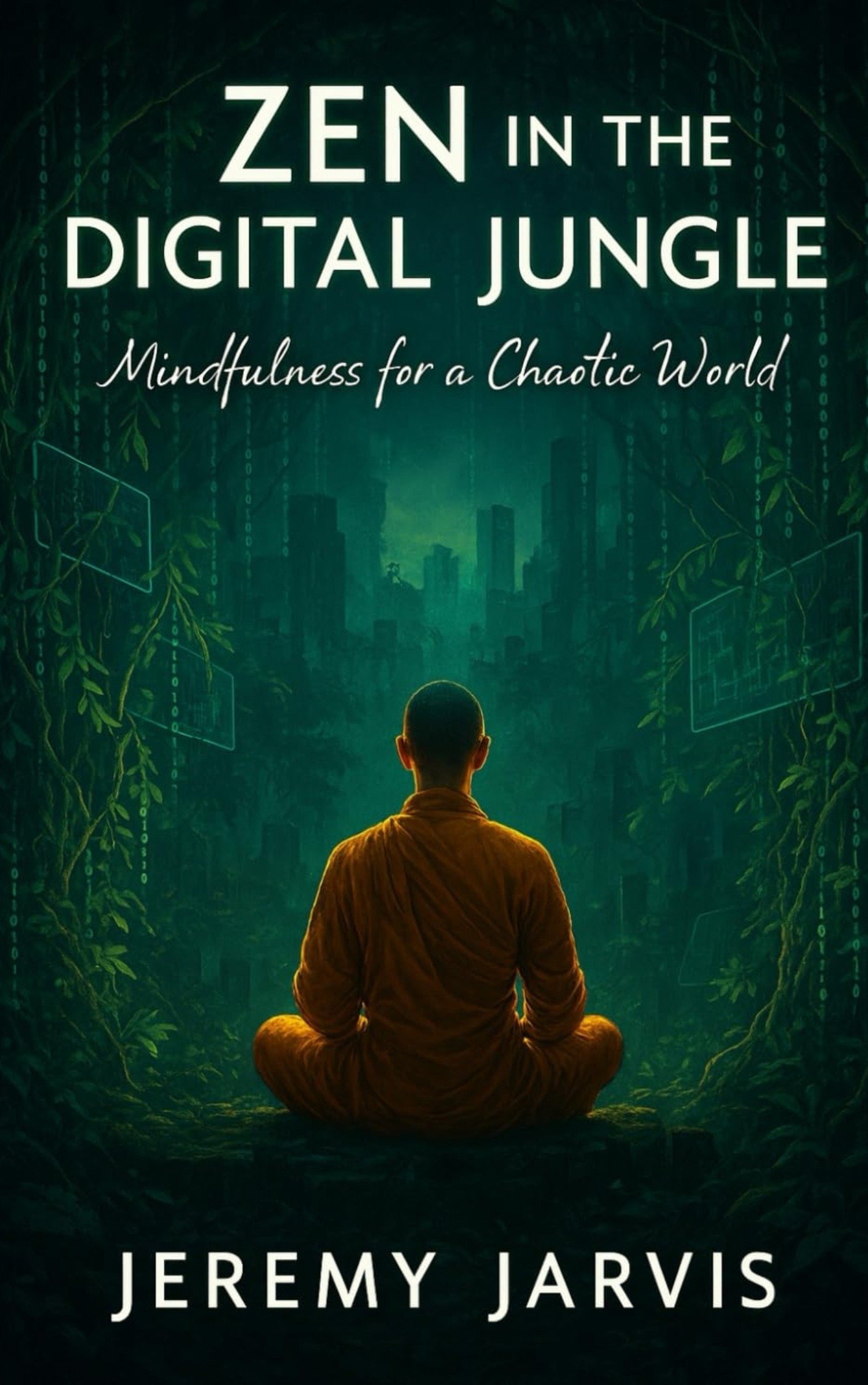
Zen in the Digital Jungle
Mindfulness for a chaotic world.
View book →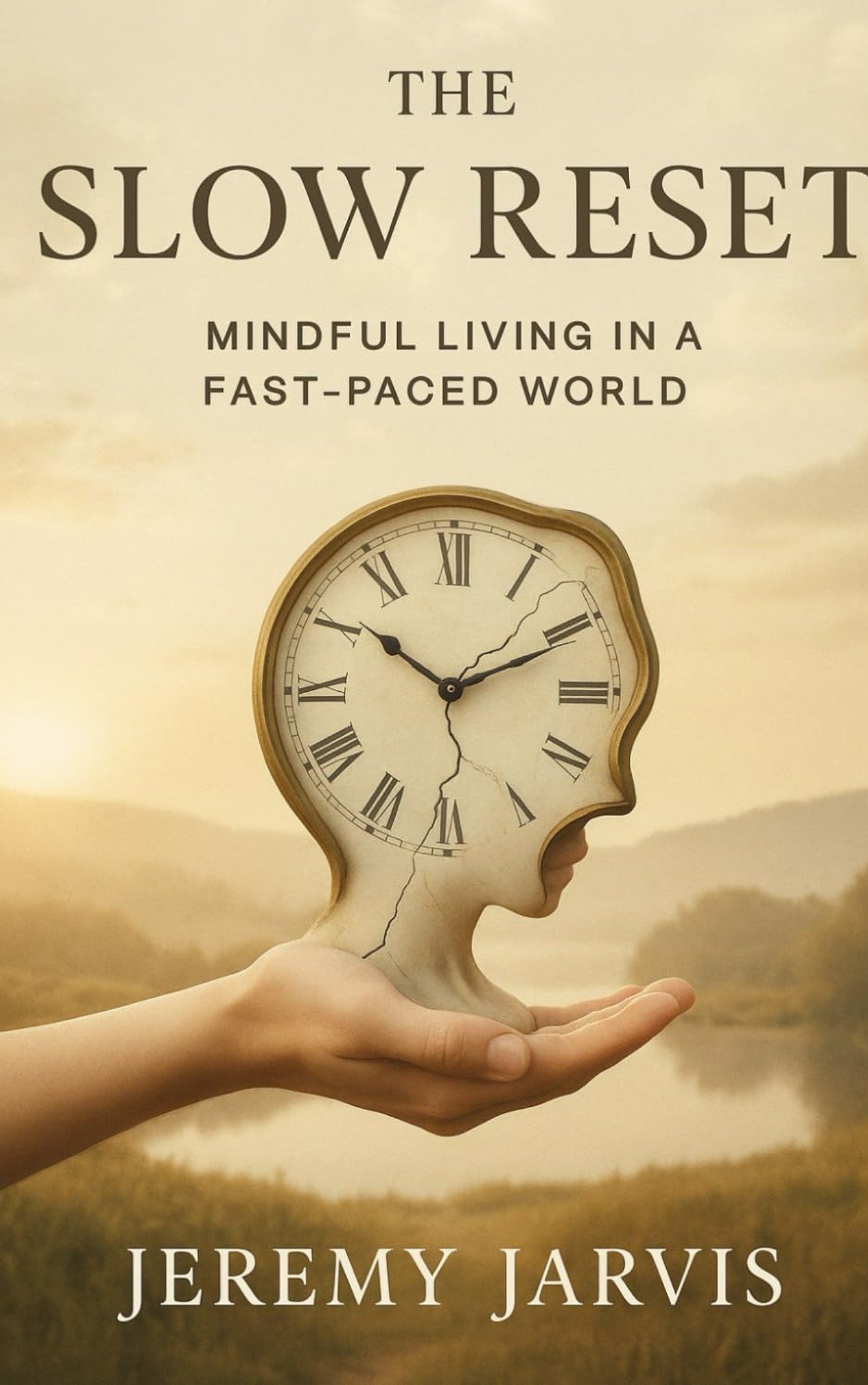
The Slow Reset
Mindful living in a fast-paced world.
View book →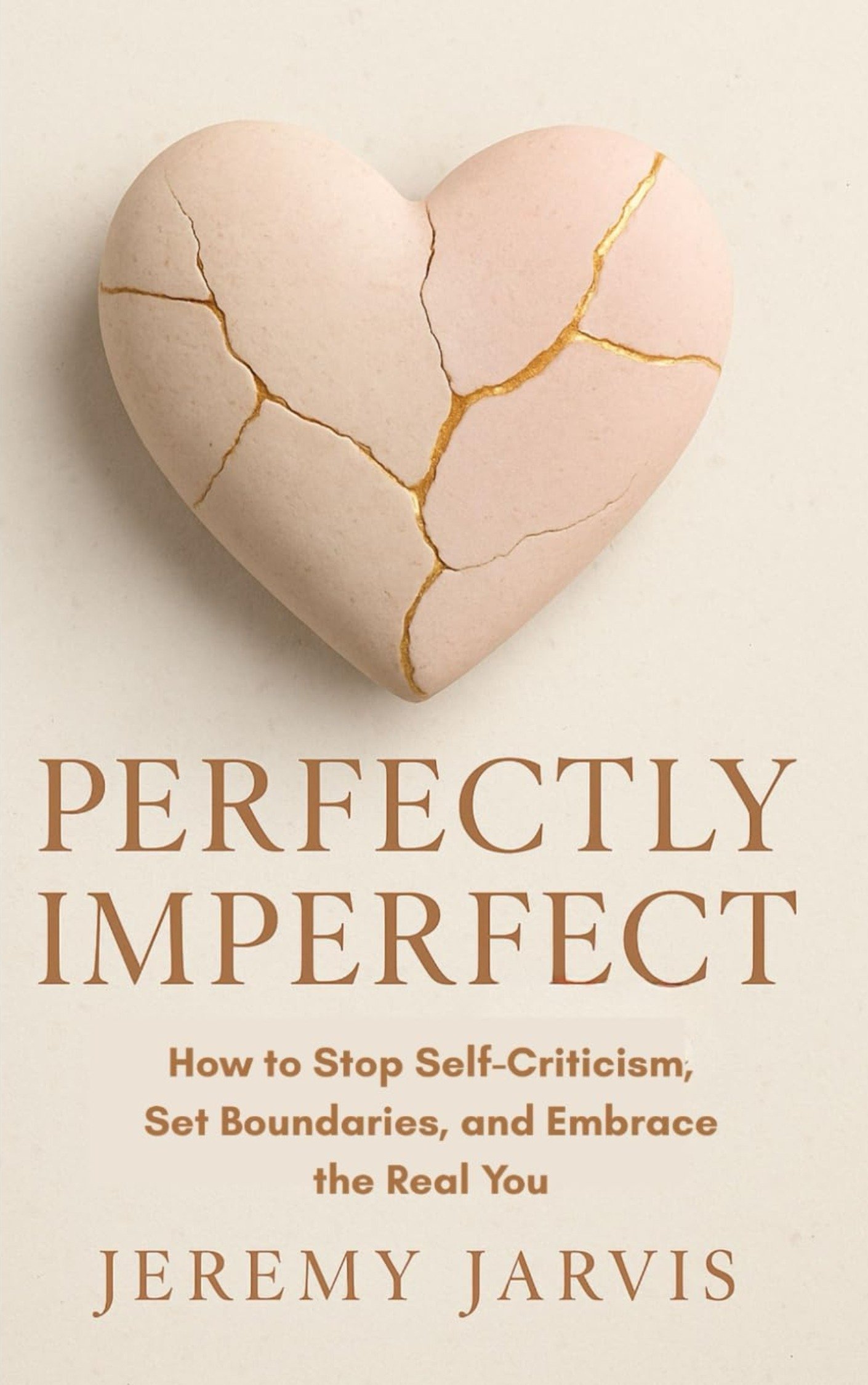
Perfectly Imperfect
Stop self-criticism, set boundaries, and embrace the real you.
View book →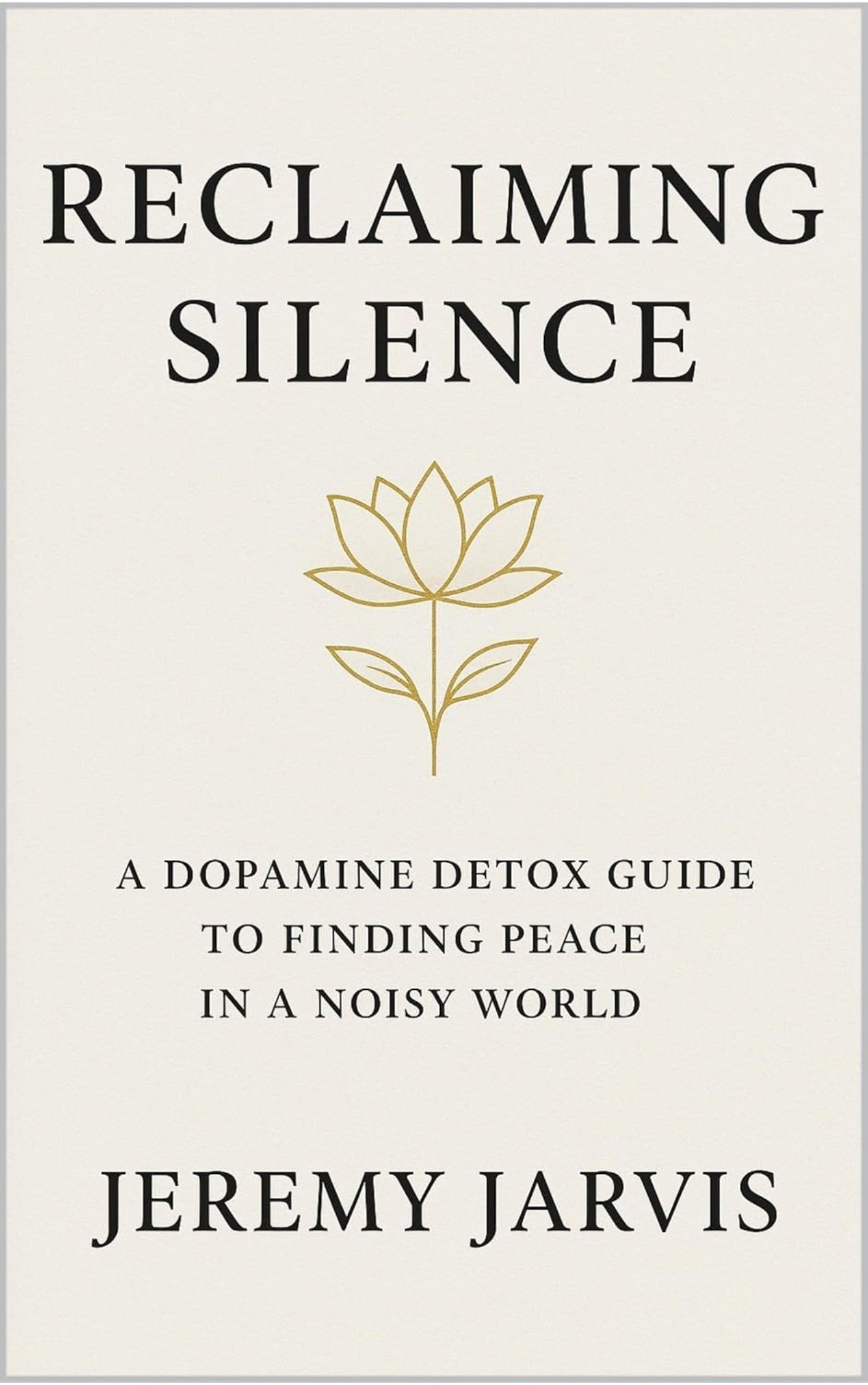
Reclaiming Silence
A dopamine detox guide to finding peace in a noisy world.
View book →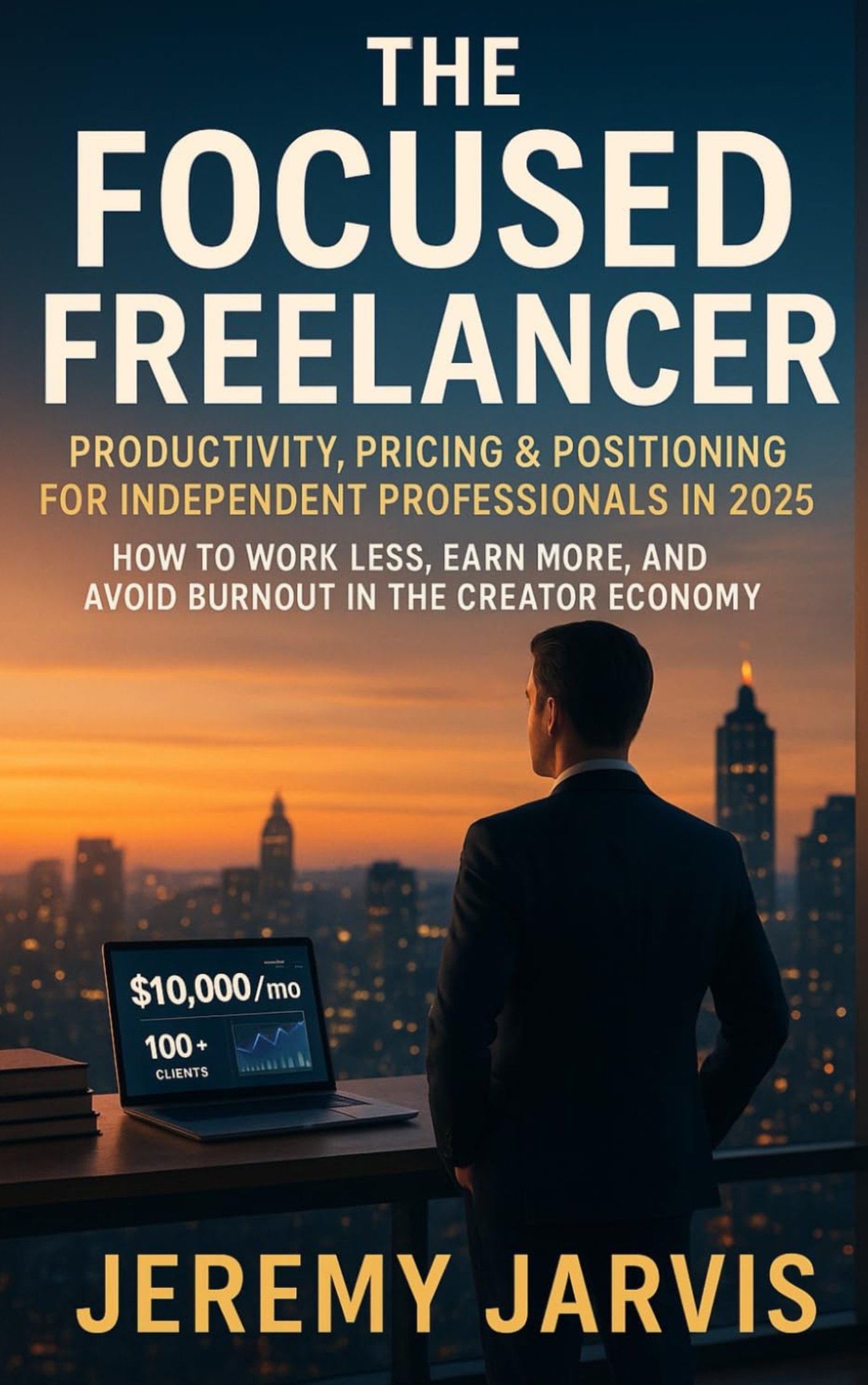
The Focused Freelancer
Productivity, pricing & positioning for independents in 2025.
View book →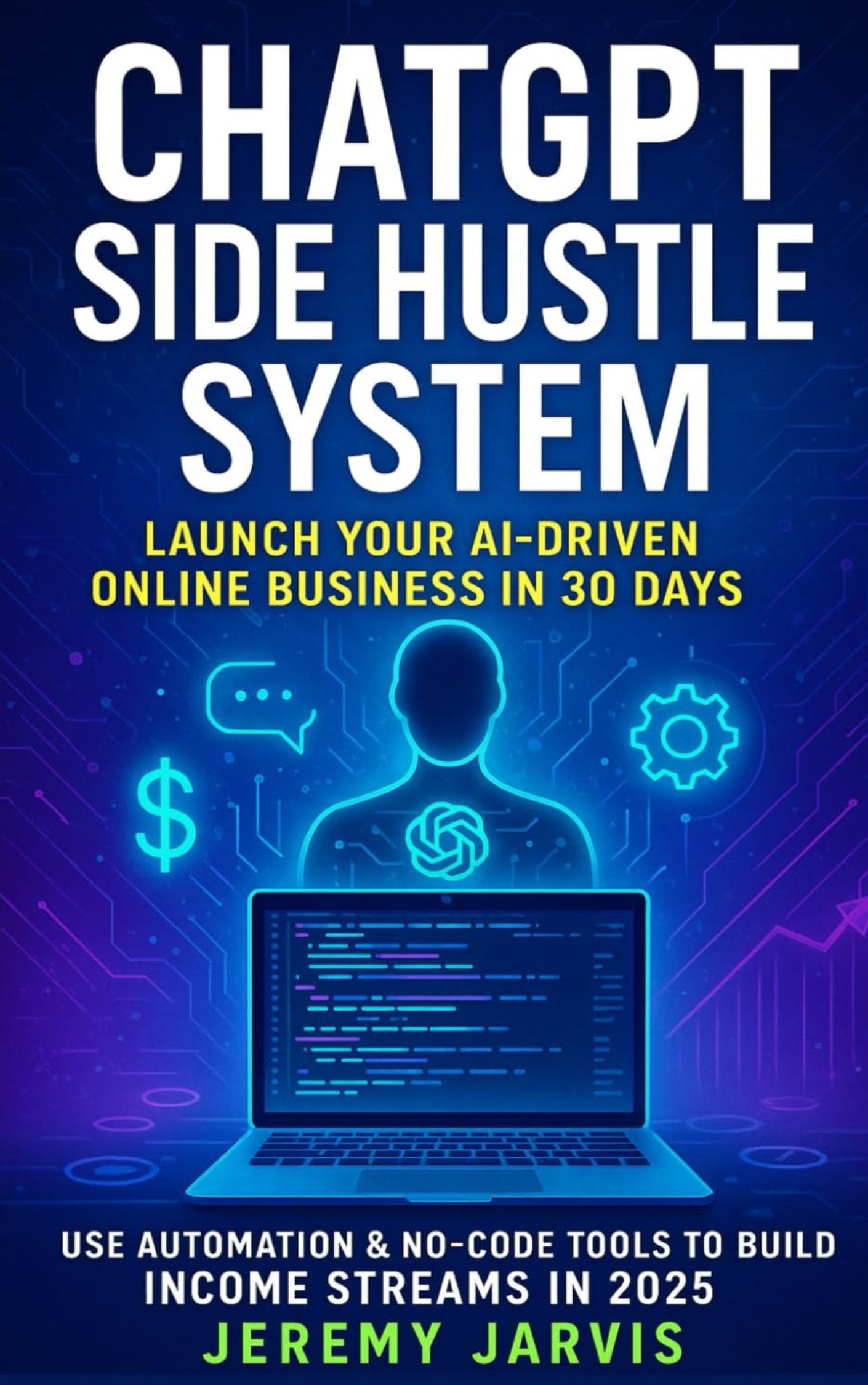
ChatGPT Side Hustle System
Launch your AI-driven online business in 30 days.
View book →
Burnout, Interrupted
A proven path to restore energy and reclaim your life.
View book →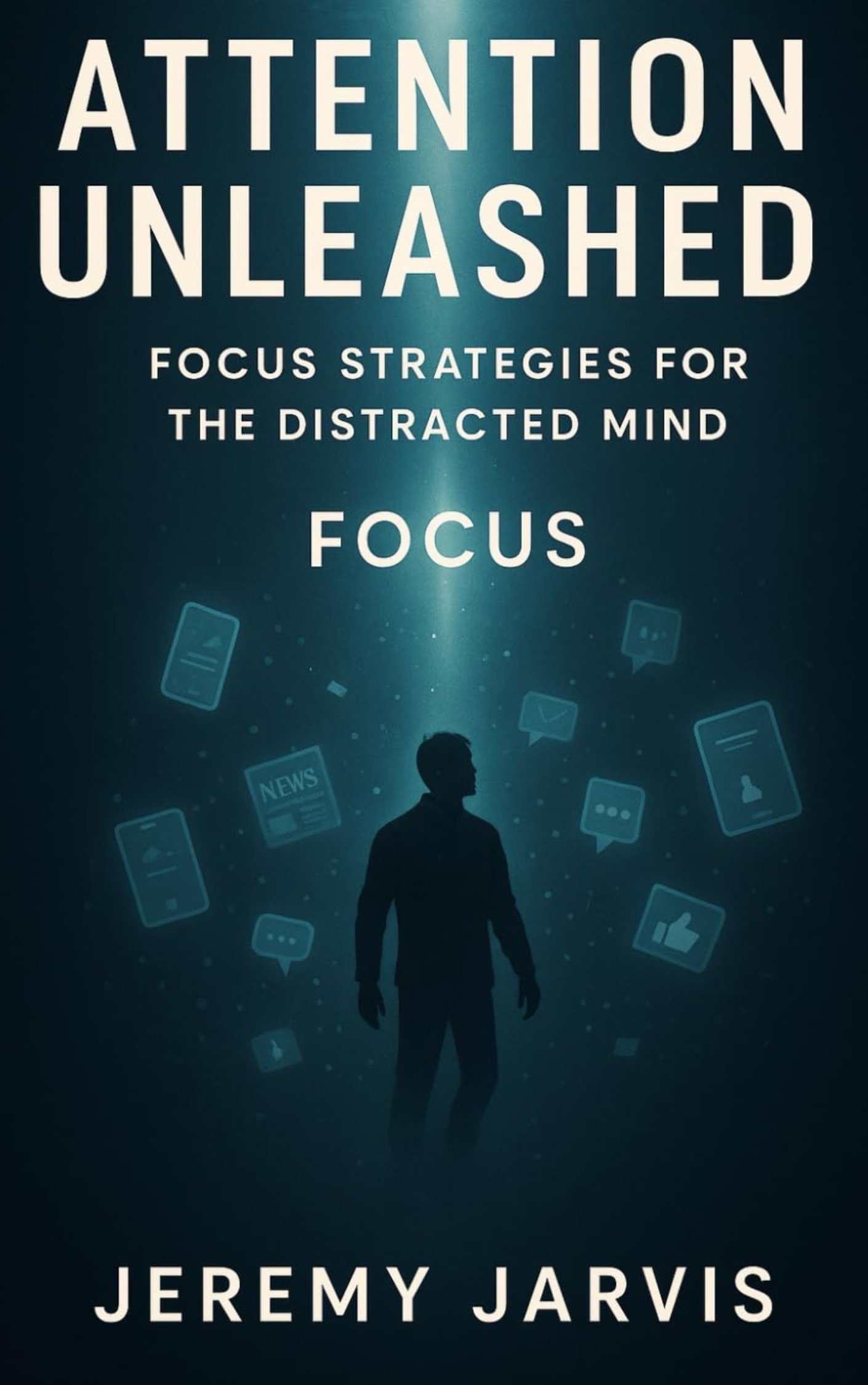
Attention Unleashed
Focus strategies for the distracted mind.
View book →
Side Hustle Launchpad
Your quick-start guide to extra income.
View book →
Digital Clarity
Rewire your brain, escape dopamine traps & regain focus.
View book →
Break the Scroll
Reduce screen time and take back control of your life.
View book →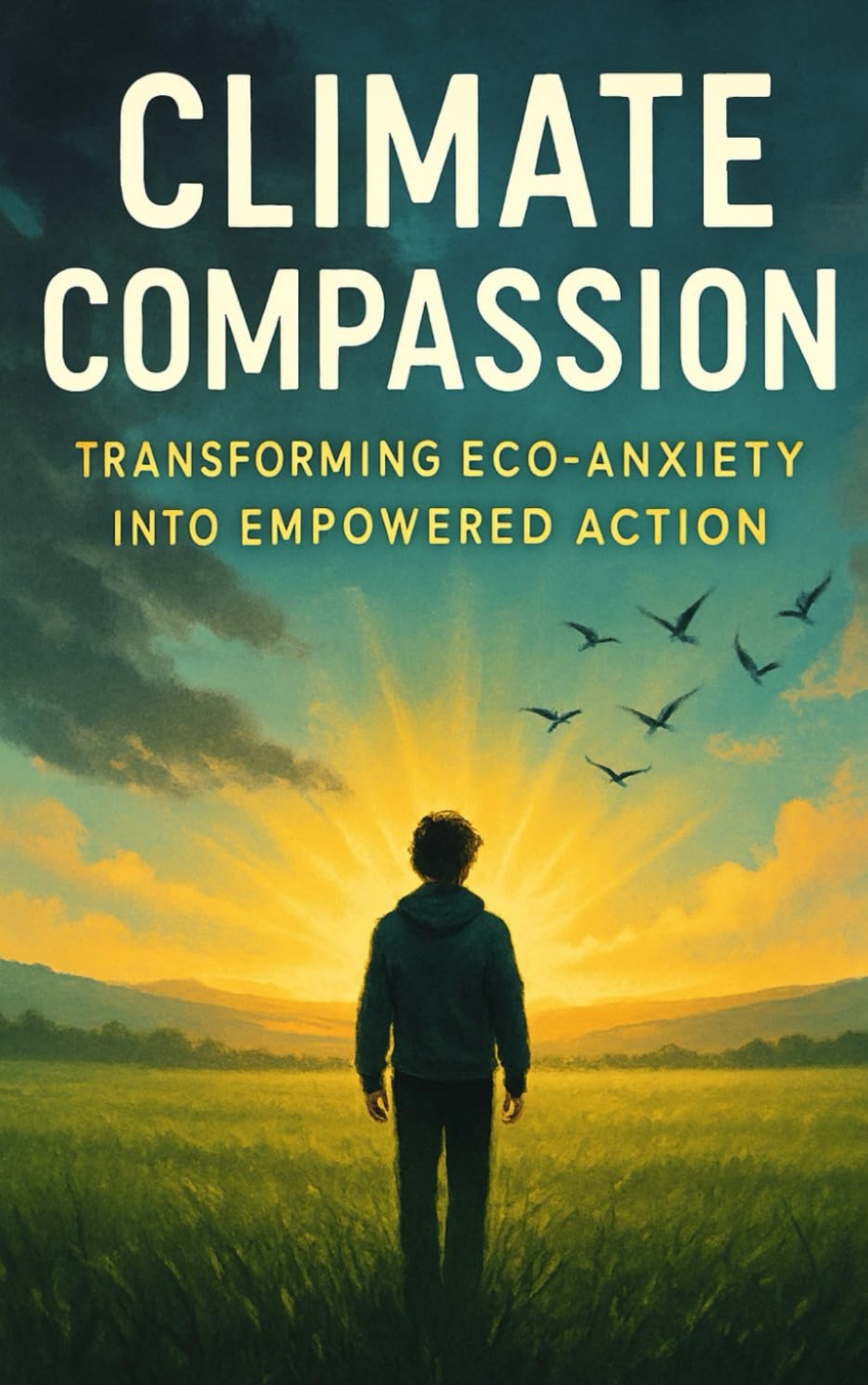
Climate Compassion
Transform eco-anxiety into empowered action.
View book →
Village Mentality
The power of community for mental wellness.
View book →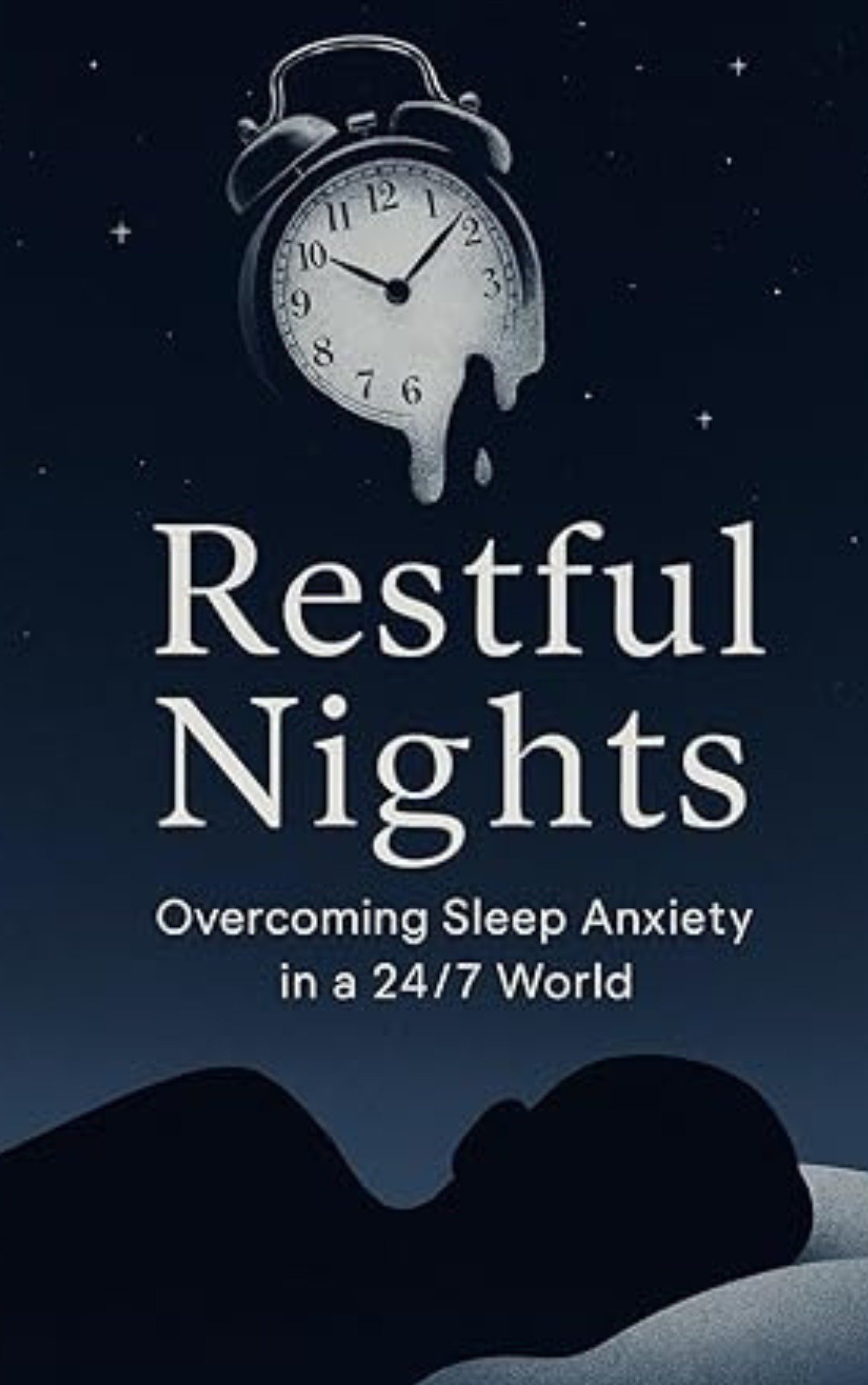
Restful Nights
Overcoming sleep anxiety in a 24/7 world.
View book →
Connected Again
Combat loneliness and build meaningful relationships.
View book →
Focus Recharged
Mastering attention and productivity in the digital era.
View book →
Marketing Magic with ChatGPT
AI-powered content, campaigns, and copywriting to grow faster.
View book →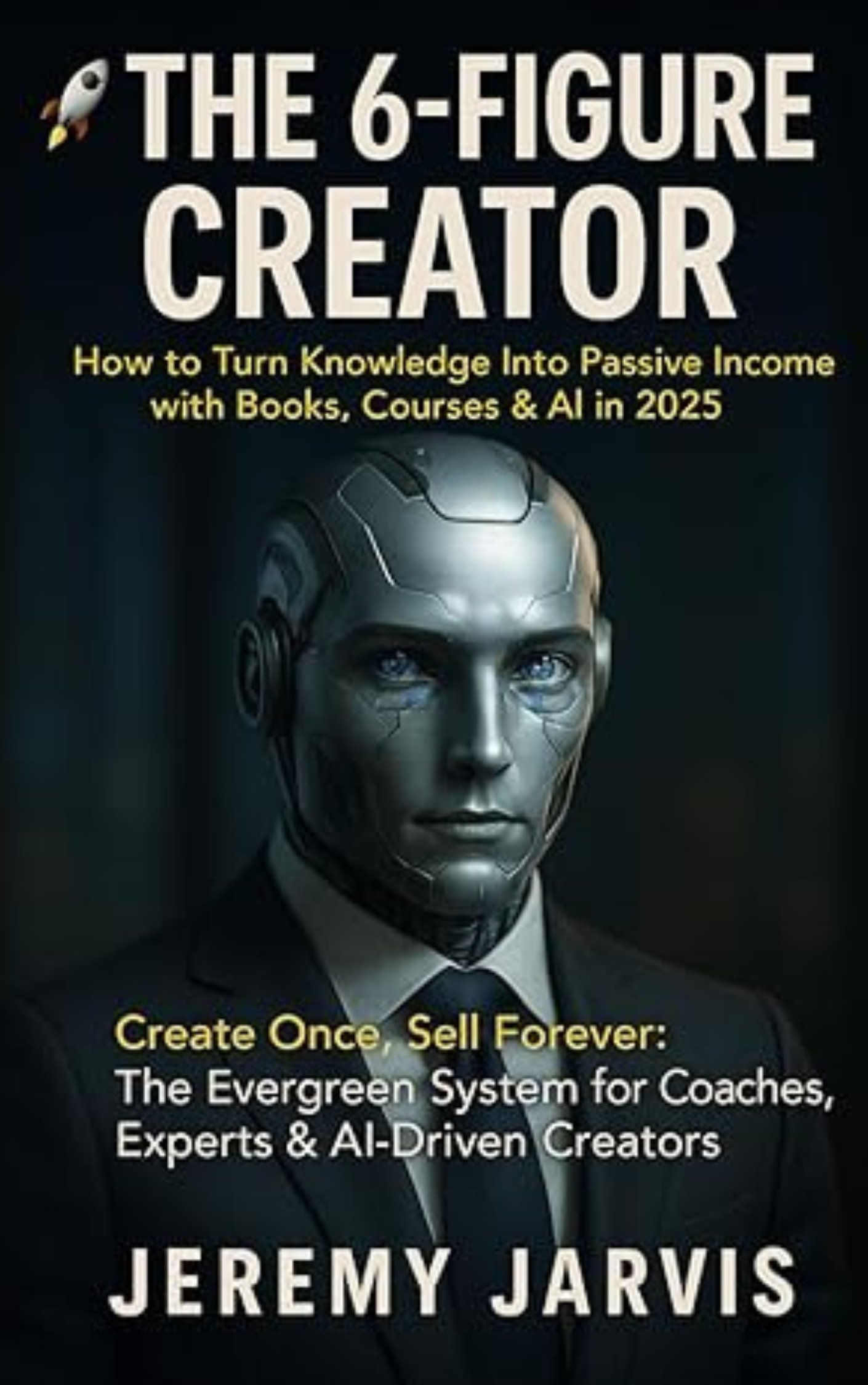
The 6-Figure Creator
Turn knowledge into passive income with books, courses & AI.
View book → Burnout Breakthrough
Reset your work-life balance and thrive in 2025.
View book →
The Emotionally Intelligent Man
A modern guide to self-awareness and communication.
View book →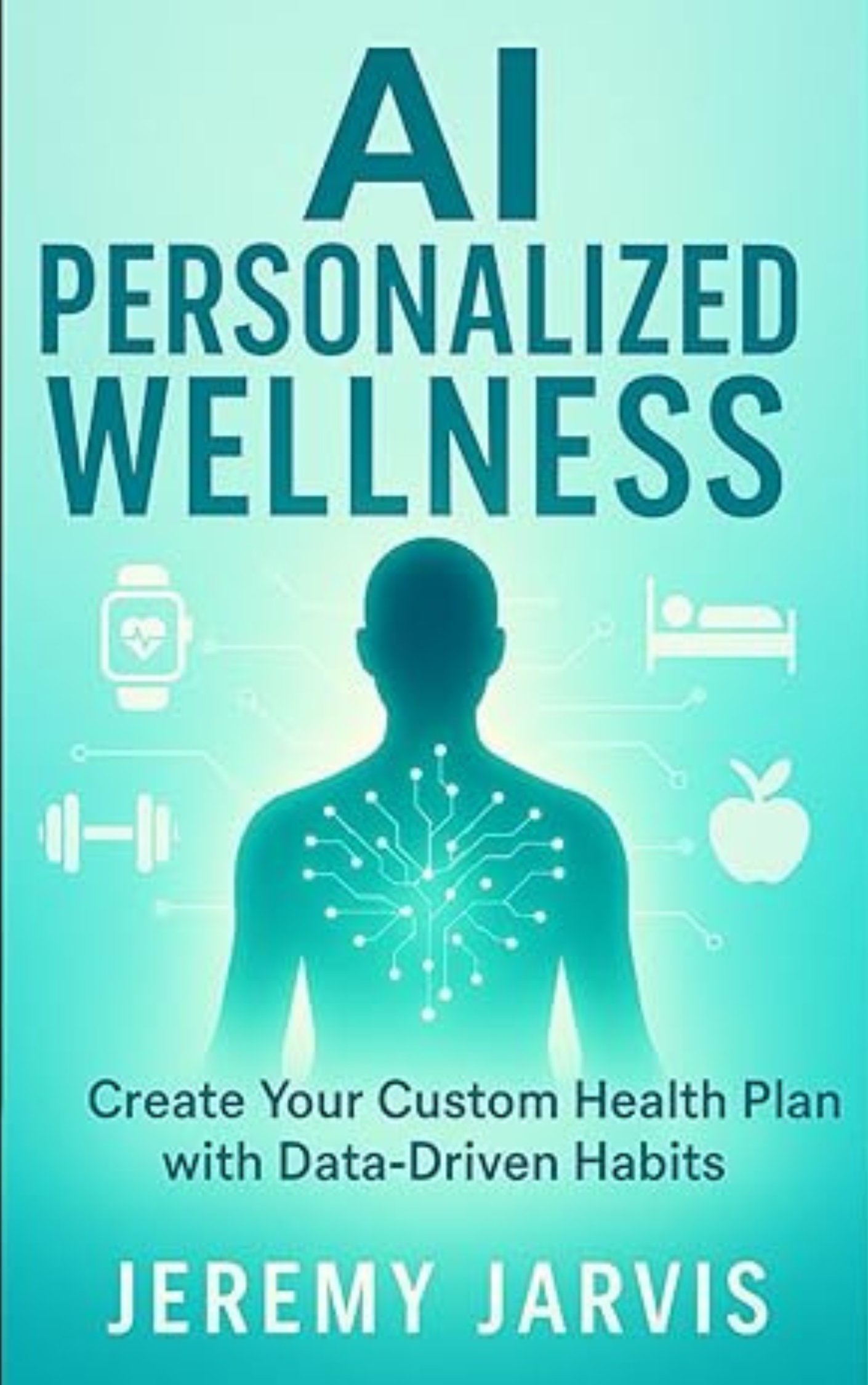
AI Personalized Wellness
Create your custom health plan with data-driven habits.
View book →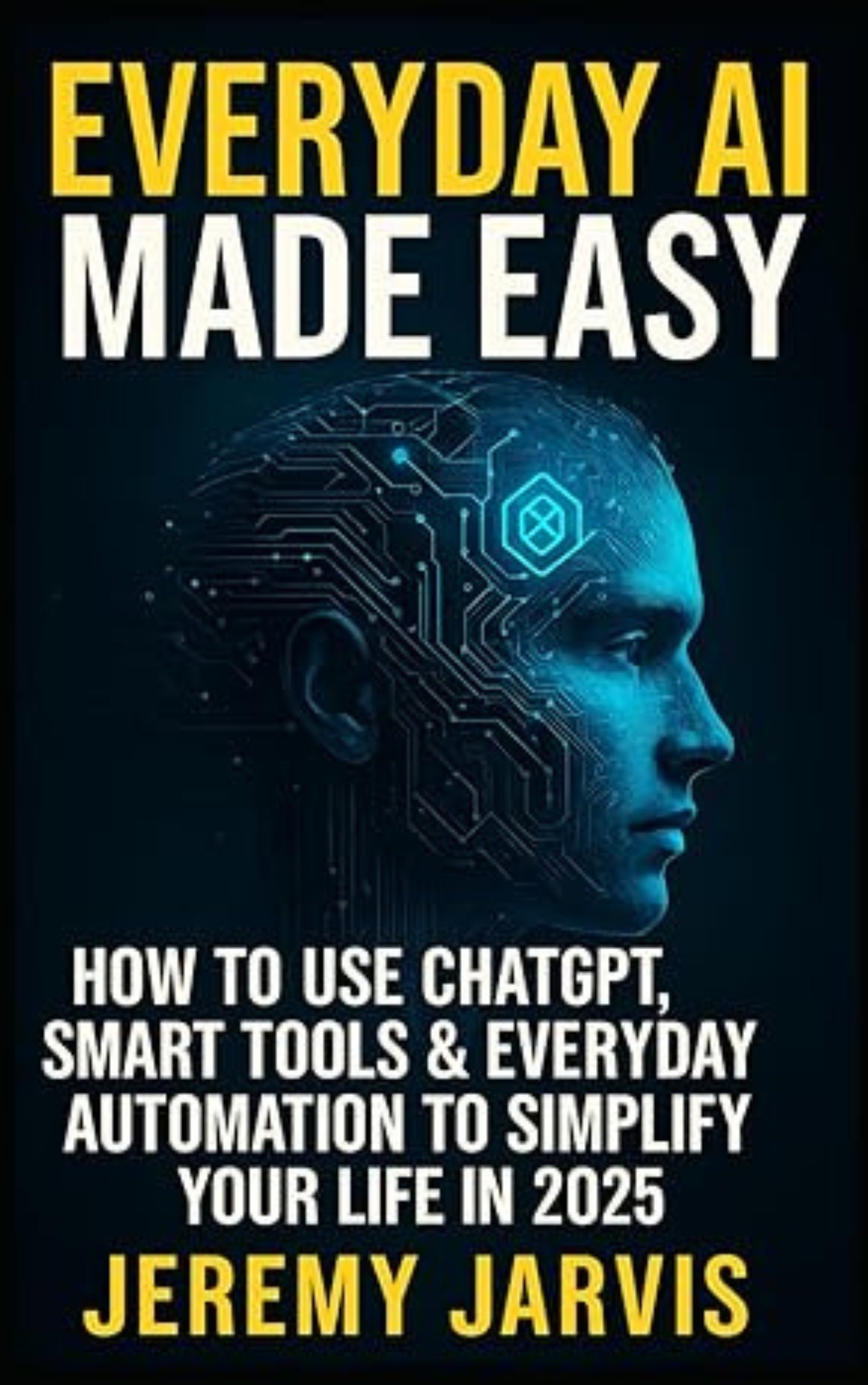
Everyday AI Made Easy
Use ChatGPT and smart tools to simplify life.
View book →
Money Mindfulness
A financial wellness guide for Gen Z & Millennials.
View book →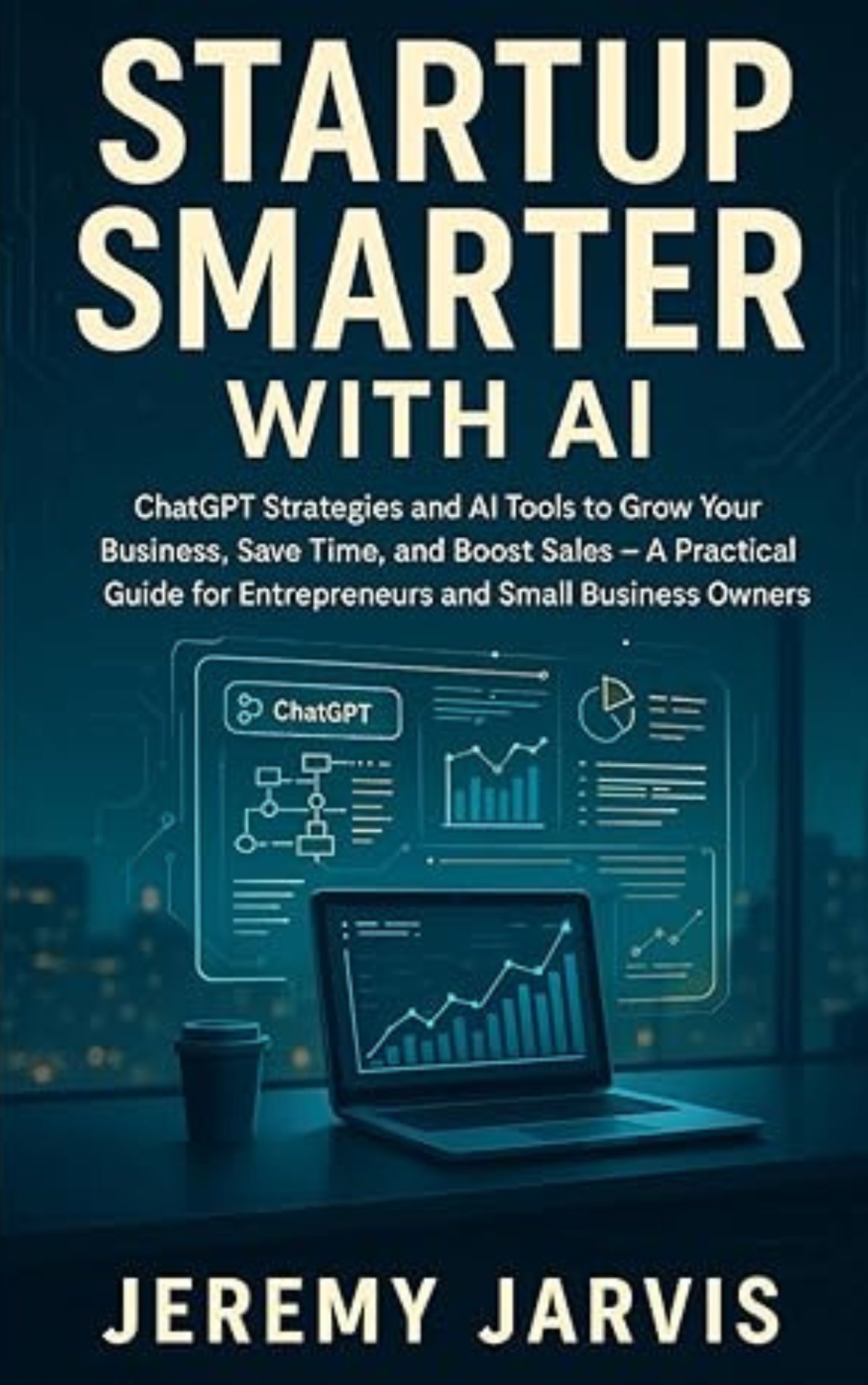
Startup Smarter with AI
ChatGPT strategies and tools to grow your business.
View book →
ChatGPT for Writers & Creators
Unlock AI-powered brainstorming, drafting & editing.
View book →