

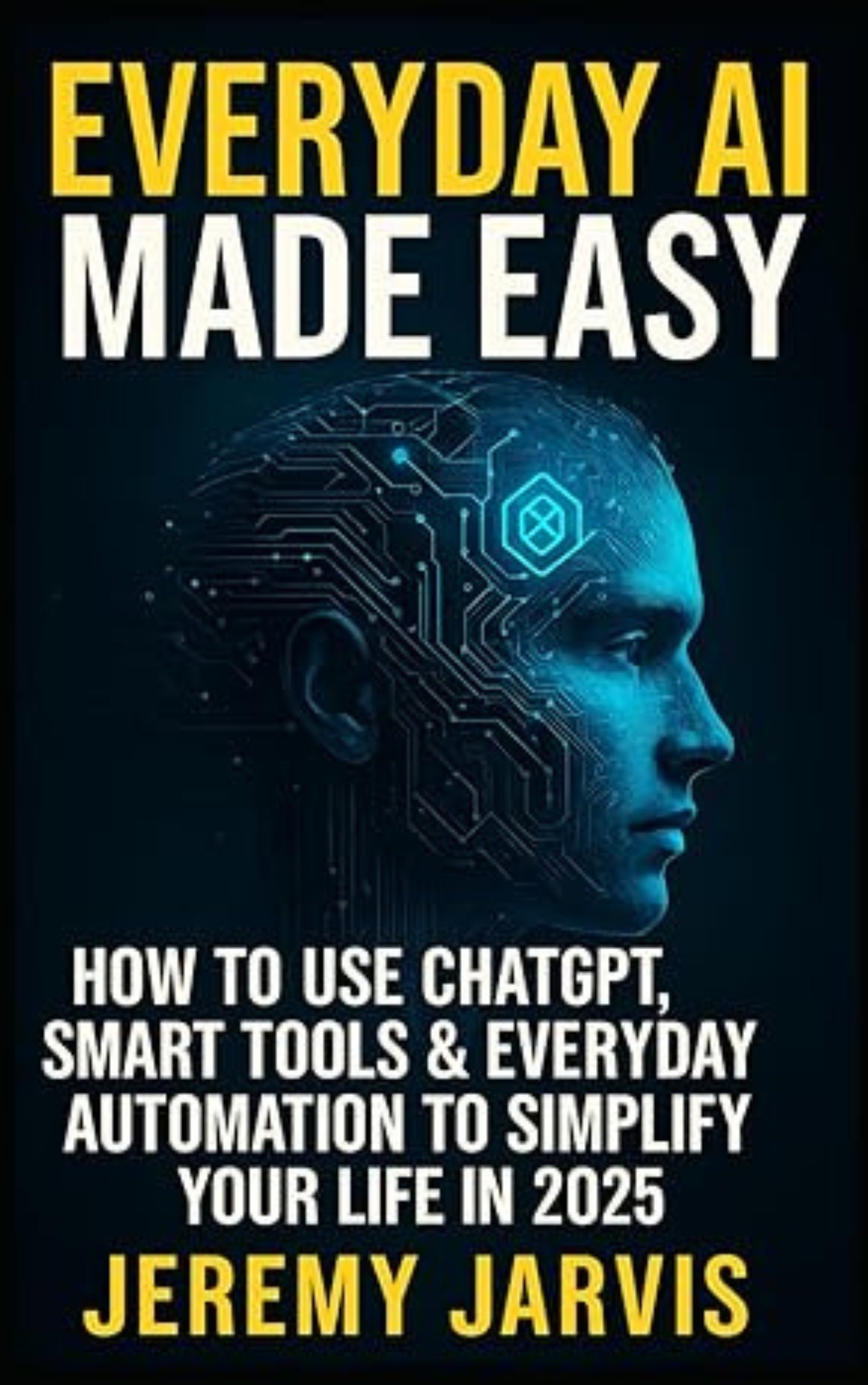
Open AI Books: Everyday AI Made Easy — How to Use ChatGPT, Smart Tools & Everyday Automation to Simplify Your Life in 2025
If you want open ai books that feel practical instead of overwhelming, start here. This page breaks down what’s inside Everyday AI Made Easy and shows how to use ChatGPT with simple, privacy-aware routines for planning, budgeting, meals, travel, learning, and calmer productivity.
View on Amazon →Last updated: October 2025
Affiliate Disclosure: This page contains affiliate links. If you use them to make a purchase, Mind Clarity Hub may earn a commission—at no cost to you. This supports our work and helps us keep publishing practical guides.
Author: Jeremy Jarvis
Publication Date: July 19, 2025 | Print Length: 201 pages
ISBN-13: 979-8293125630 | Language: English
Dimensions: 6 x 0.46 x 9 inches
Open AI Books That Actually Help in Daily Life
Many people search for open ai books because they want results, not hype. In 2025, AI is everywhere, yet it can still feel confusing. That’s exactly why Everyday AI Made Easy focuses on small, repeatable wins. Instead of chasing the newest tool, you learn practical workflows you can run again next week.
Importantly, this is not a “tech culture” book. It is a step-by-step guide that shows how to use ChatGPT and everyday automation to remove friction. As a result, your calendar, your lists, and your routines start working together rather than competing for your attention.
Why Open AI Books Matter More in 2025
Life got noisier, not simpler. Consequently, many people need a system that reduces decision fatigue without adding more apps to manage. This is where open ai books can be useful—when they translate tools into habits. For example, you can turn a messy week into a clear plan, then convert that plan into checklists and reminders that keep you on track.
Meanwhile, the book emphasizes control. You will learn what to share, what to keep private, and how to build “good defaults” so AI helps without creating new risks. If you also care about attention and digital overwhelm, pair this page with Break the Scroll and Rebuild Attention in a World of Distraction.
What’s Inside This Open AI Books Guide
Because clarity beats complexity, each chapter is designed around real situations: getting organized, planning meals, managing money, learning faster, and traveling smarter. Additionally, you get a reusable prompt library, so you can stop reinventing the wheel every time you open ChatGPT.
- Everyday planning: weekly schedules, priority lists, and decision-light routines.
- Home organization: shopping lists, meal plans, and “reset” checklists that keep spaces manageable.
- Learning support: study prompts, summaries, and practice questions that reinforce understanding.
- Personal finance basics: simple budgeting prompts, bill reminders, and calm money check-ins.
- Travel and errands: itineraries, packing lists, and weekend planning workflows.
- Privacy-first habits: safe prompting, permission checks, and data-minimizing templates.
Open AI Books for Beginners: Your First Week With ChatGPT
If you are new, start with one goal and one routine. First, ask ChatGPT to turn your next seven days into a simple plan. Next, turn that plan into a checklist you can copy into your notes app. Then, add one reminder that protects your highest-priority block of time. Therefore, you build momentum without needing a perfect setup.
To go even deeper, you can stack this with the Mind Clarity Hub guides AI & ChatGPT for Beginners and ChatGPT for Writers and Creators, since they help you keep outputs consistent and easy to reuse.
Open AI Books for Productivity: Smarter Routines Without Burnout
Productivity becomes sustainable when the system is light. Instead of tracking everything, you learn to track the few actions that move your day forward. Moreover, the book shows how to set up “if this, then that” prompts for common moments: morning planning, mid-day resets, and end-of-day shutdowns. As a result, you stop carrying unfinished tasks in your head.
If attention has been a struggle lately, it helps to connect AI workflows to focus fundamentals. You can also explore Why Can’t I Focus Anymore? and Neuroscience of Single-Tasking, since they make your routines easier to maintain.
Open AI Books for Everyday Automation: Calendars, Lists, and Simple Systems
Automation should reduce friction, not create it. Consequently, the book favors simple approaches: one calendar workflow, one capture list, and one weekly review. Then, you layer AI prompts on top, so the system stays easy even when life gets messy.
For example, you can run a weekly prompt that produces three things: a top-three priority list, a realistic schedule, and a short “what to ignore” filter. After that, you can reuse the same prompt next week, which is exactly how open ai books become useful in real life.
Open AI Books and Privacy: How to Use AI Responsibly
Responsible AI starts with what you do not share. Therefore, the book encourages “minimum necessary” inputs and practical settings checks. Additionally, it teaches you to separate personal identifiers from the real question you are trying to solve. That way, you can get high-quality outputs while keeping your data exposure low.
For general safety guidance, OpenAI publishes an overview of its approach to safety and risk reduction here. Use that page as a simple reference point, and then keep your prompts specific, bounded, and privacy-aware.
Open AI Books for People 65+: Voice-First and Low-Frustration Workflows
Some readers prefer voice-first help and bigger, simpler steps. Accordingly, the book includes guidance for older adults, including people 65+, who want practical assistance with reminders, routines, and everyday planning. Instead of complicated setups, you’ll see short prompts that produce clear answers and readable checklists.
Likewise, if you want a calmer relationship with screens, connect this approach with Hidden Costs of Screen Time (2025) so your automation supports your attention rather than competing with it.
Want one of the most practical open ai books for daily life?
Get the prompt library, the weekly workflows, and the privacy-first routines you can reuse all year. Open ai books work best when they’re repeatable, and this one is built for that.
Affiliate link disclosure: if you purchase, Mind Clarity Hub may earn a commission at no extra cost to you.
How to Get the Best Results From Open AI Books
Tools are only as useful as your prompts. Accordingly, the book teaches a simple pattern: context, constraints, and a clear output format. For example, you can ask for a weekly plan with time blocks, followed by a checklist, and then a short “next best action” for each block. As you reuse that template, your outputs get better and faster.
If you want to apply these workflows to a business, you can also read Startup Smarter with AI, since it turns AI into a repeatable growth loop instead of a random set of experiments.
Who This Open AI Books Page Is For
This page is for beginners who want a calm on-ramp, as well as experienced users who want cleaner systems. Moreover, it works well for families, students, and professionals who are tired of digital clutter. If you want to simplify life in 2025, open ai books like this help most when you commit to one workflow and run it consistently.
Related Books and Reading Paths
If you enjoyed the approach on this page, you may also like these Mind Clarity Hub titles: The Power of Clarity, Digital Clarity, and Morning Mind Hacks for Focus (2025). Additionally, if you want long-form attention support, read Science of Stillness (2025).
In short, open ai books become powerful when they help you repeat the same few wins every week. That’s the core promise of Everyday AI Made Easy.
Frequently Asked Questions About Open AI Books and Everyday AI
Getting Started With Open AI Books
Do I need to be tech-savvy to use this book?
No. It uses plain language and copy-paste prompts, so you can start quickly and improve as you go.
What tools does this open ai books guide cover?
ChatGPT plus common apps for calendars, notes, budgeting, meal planning, travel planning, and simple automation.
Daily Routines, Privacy, and Safe Use
Will this help me get organized?
Yes. You’ll learn weekly planning workflows, list templates, and automation habits that reduce decision fatigue.
How does it address privacy?
It teaches data-minimizing prompts, permission checks, and safe habits so you keep control of what you share.
Is there content for older adults, including people 65+?
Yes. It includes voice-first prompts and low-frustration steps designed to be clear, readable, and repeatable.
Home, Money, Meals, and Travel Prompts
Does it include budgeting guidance?
Yes. It covers bill reminders, spending categories, and simple check-ins that help you stay consistent.
Are there meal planning examples?
Yes. You get weekly menus, grocery lists, and prompt templates that adapt to preferences and schedule changes.
What about travel planning and weekend ideas?
It includes itineraries, packing checklists, and prompts for researching local activities efficiently.
Prompt Library and Buying
Is there a prompt library?
Yes. You get 100+ ready-to-use prompts organized by scenario: productivity, home, finance, learning, and wellness.
Where can I buy the book?
Use the Amazon button on this page to purchase your preferred format.
Explore the Mind Clarity Hub Library
Practical books on focus, digital habits, resilience, and building a calmer mind.
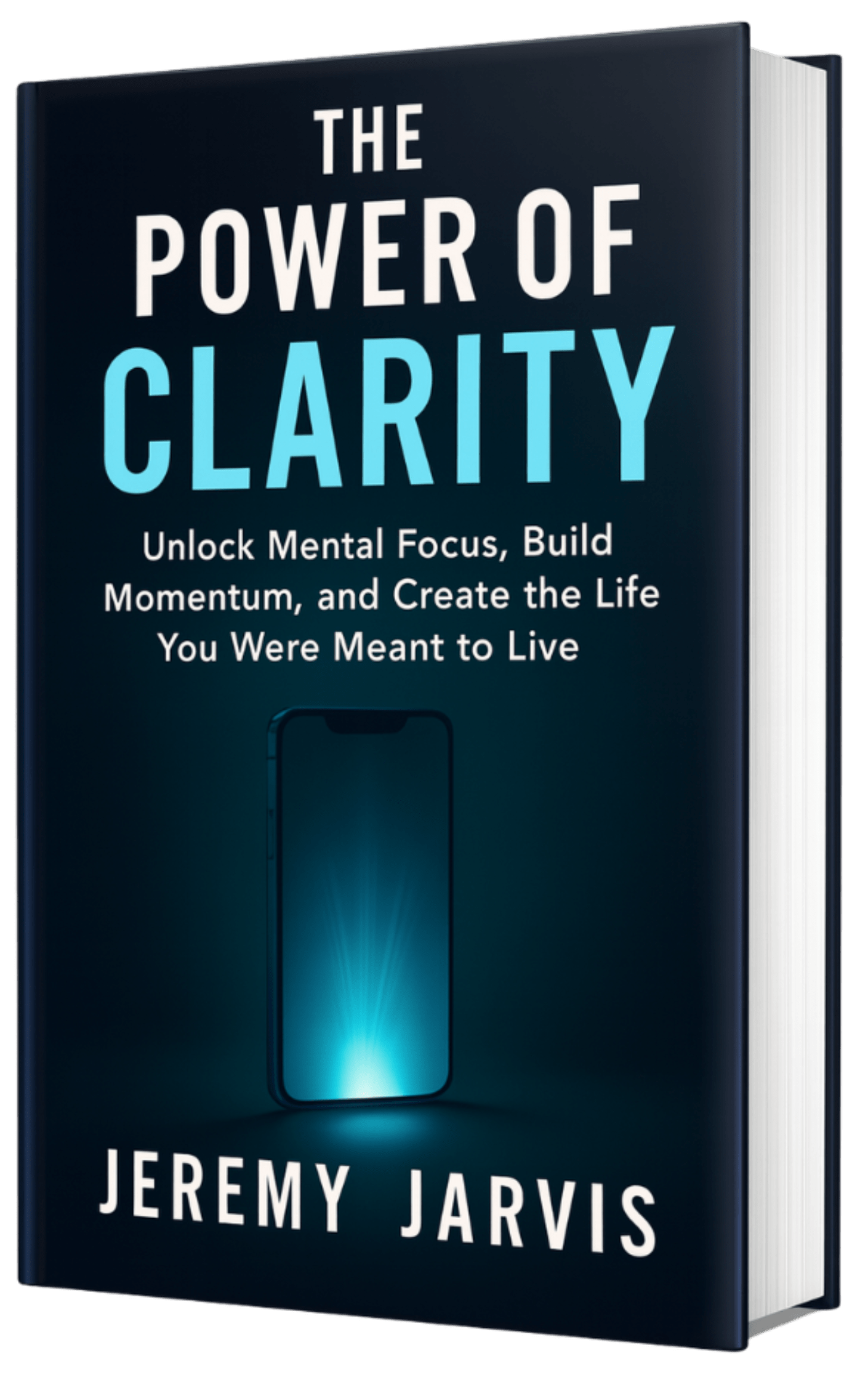
The Power of Clarity
Unlock mental focus, build momentum, and create the life you were meant to live.
View book →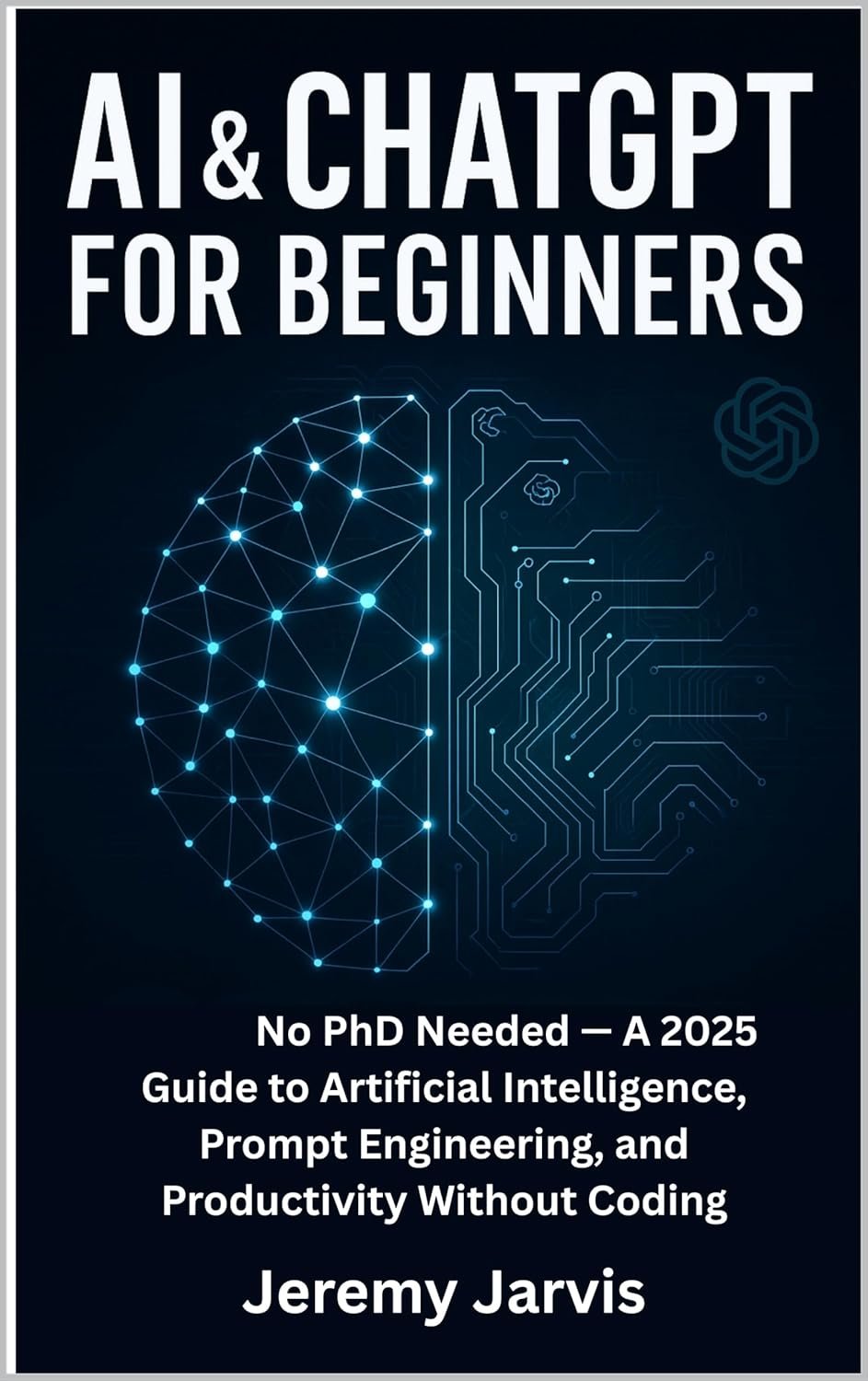
AI & ChatGPT for Beginners
No PhD needed — a 2025 guide to AI, prompts, and productivity without coding.
View book →
Zen in the Digital Jungle
Mindfulness for a chaotic world.
View book →
The Slow Reset
Mindful living in a fast-paced world.
View book →
Perfectly Imperfect
Stop self-criticism, set boundaries, and embrace the real you.
View book →
Reclaiming Silence
A dopamine detox guide to finding peace in a noisy world.
View book →
The Focused Freelancer
Productivity, pricing & positioning for independents in 2025.
View book →
ChatGPT Side Hustle System
Launch your AI-driven online business in 30 days.
View book →
Burnout, Interrupted
A proven path to restore energy and reclaim your life.
View book →
Attention Unleashed
Focus strategies for the distracted mind.
View book →
Side Hustle Launchpad
Your quick-start guide to extra income.
View book →
Digital Clarity
Rewire your brain, escape dopamine traps & regain focus.
View book →
Break the Scroll
Reduce screen time and take back control of your life.
View book →
Climate Compassion
Transform eco-anxiety into empowered action.
View book →
Village Mentality
The power of community for mental wellness.
View book →
Restful Nights
Overcoming sleep anxiety in a 24/7 world.
View book →
Connected Again
Combat loneliness and build meaningful relationships.
View book →
Focus Recharged
Mastering attention and productivity in the digital era.
View book →
Marketing Magic with ChatGPT
AI-powered content, campaigns, and copywriting to grow faster.
View book →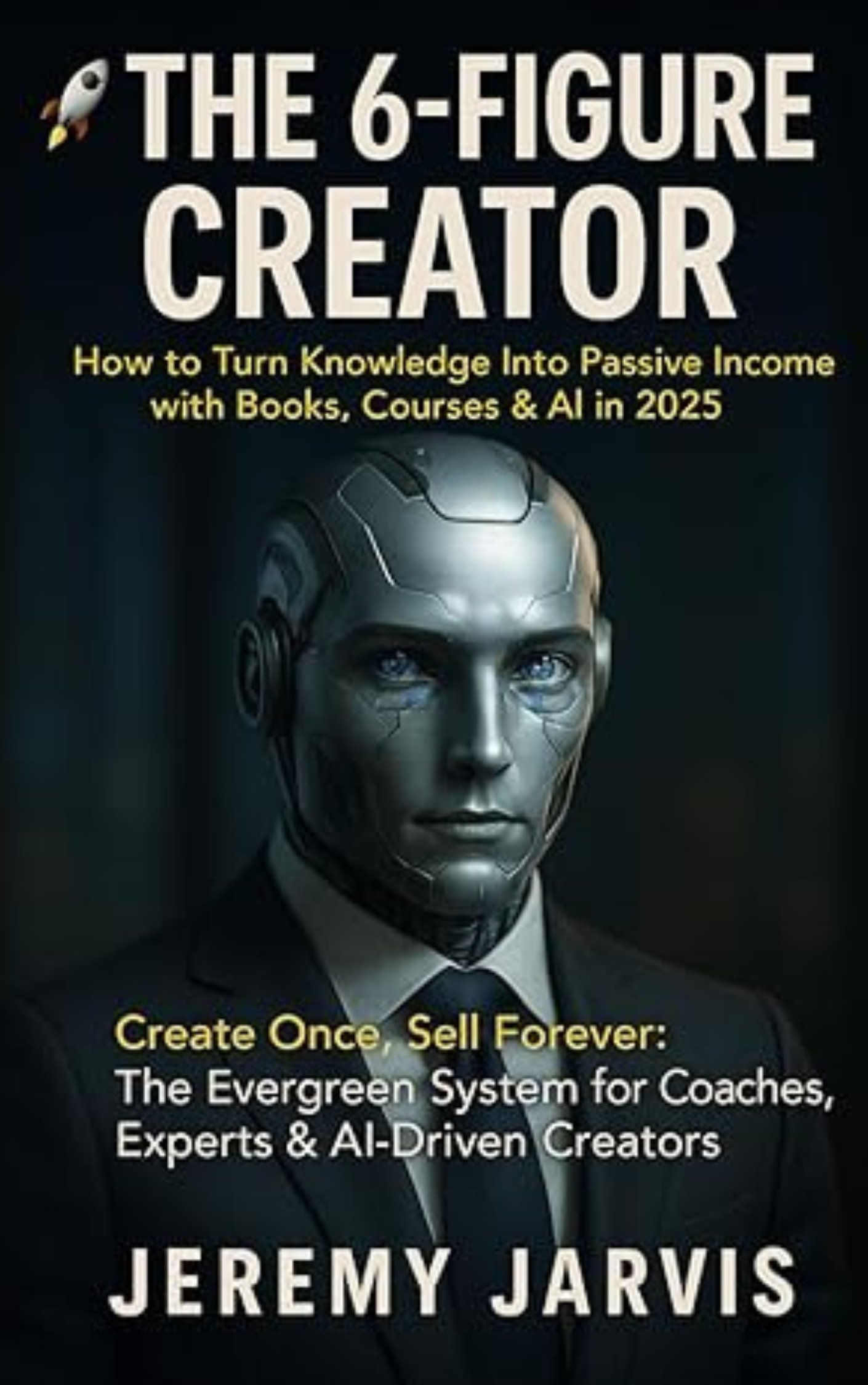
The 6-Figure Creator
Turn knowledge into passive income with books, courses & AI.
View book →
Burnout Breakthrough
Reset your work-life balance and thrive in 2025.
View book →
The Emotionally Intelligent Man
A modern guide to self-awareness and communication.
View book →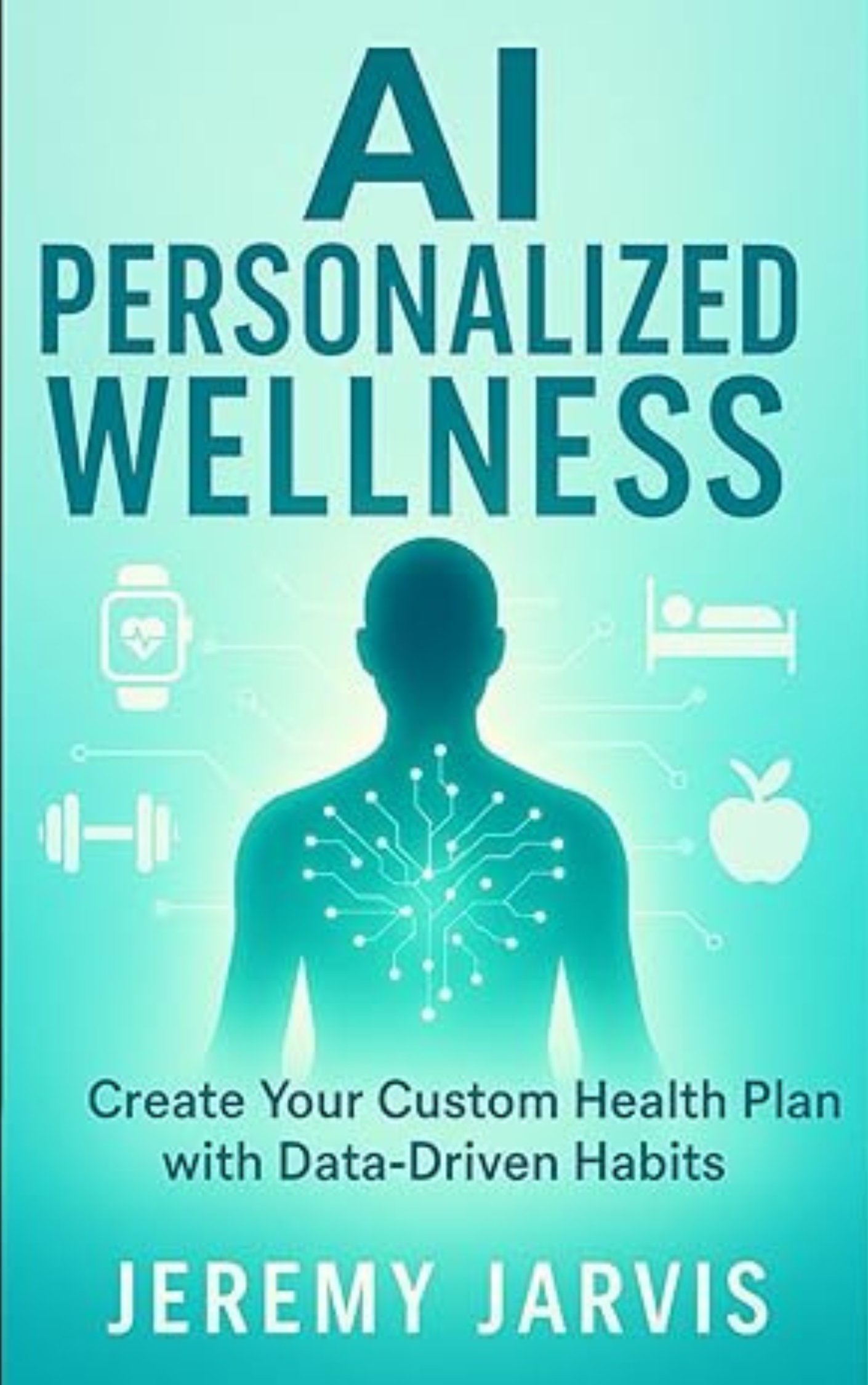
AI Personalized Wellness
Create your custom health plan with data-driven habits.
View book → Everyday AI Made Easy
Use ChatGPT and smart tools to simplify life.
View book →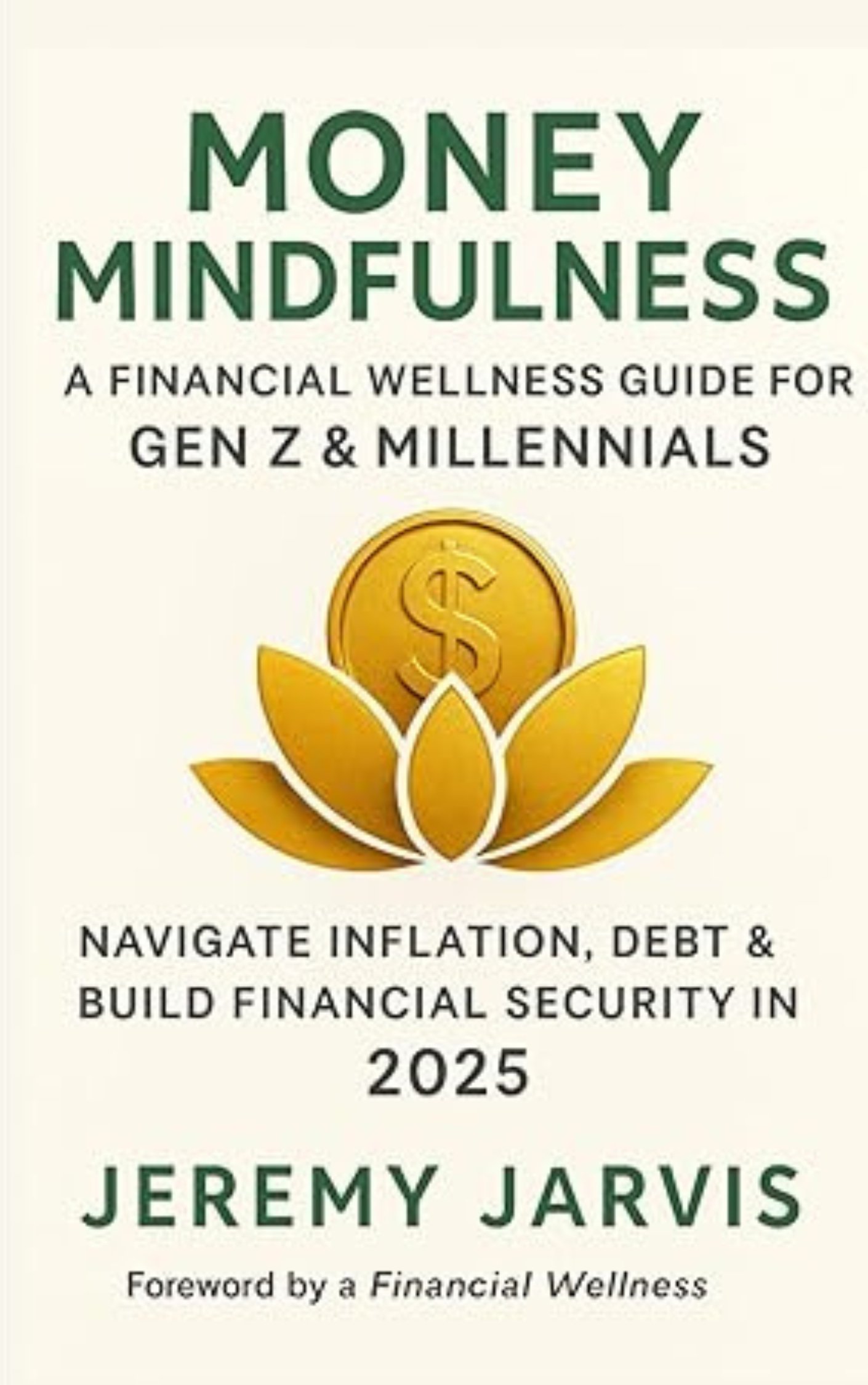
Money Mindfulness
A financial wellness guide for Gen Z & Millennials.
View book →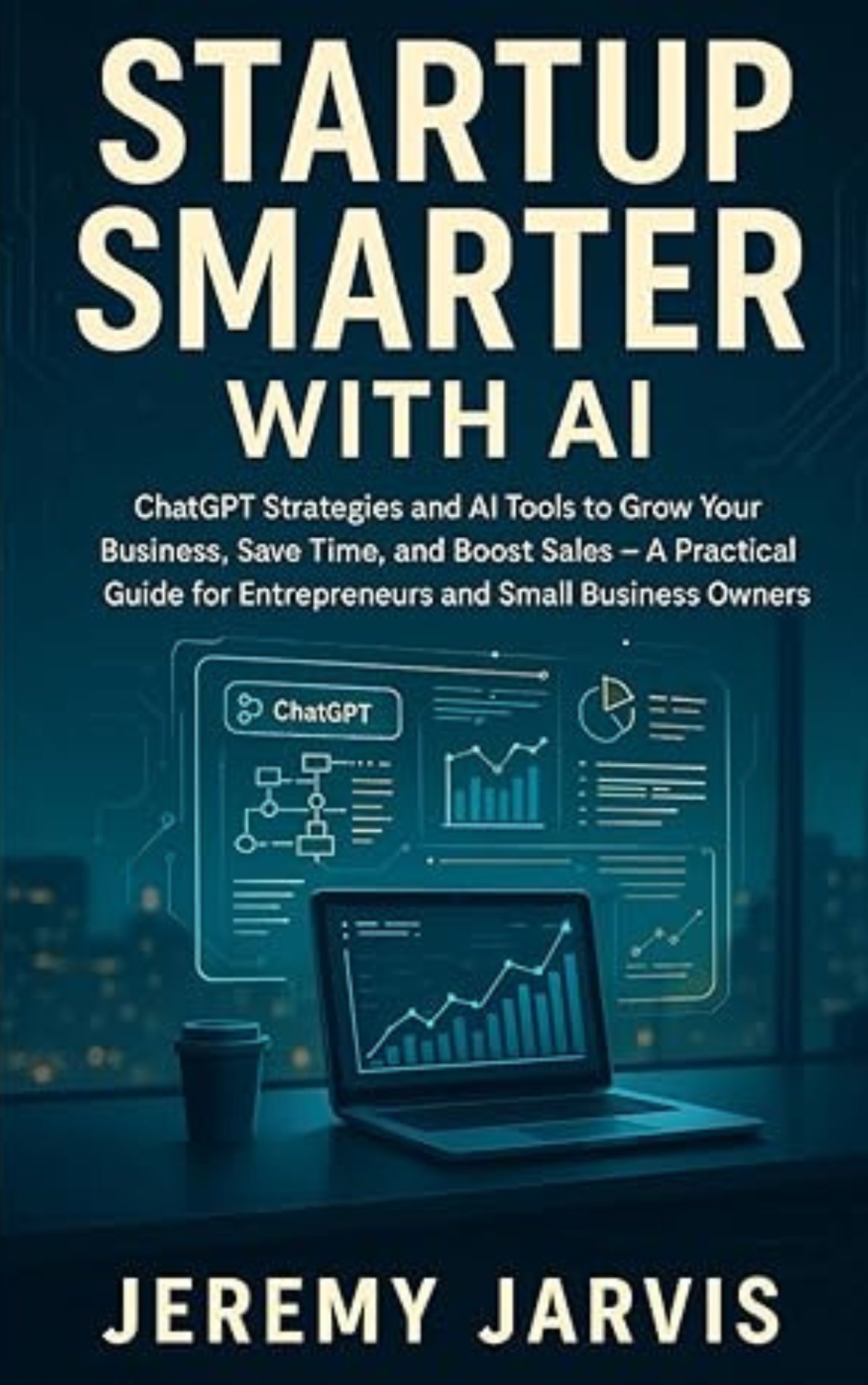
Startup Smarter with AI
ChatGPT strategies and tools to grow your business.
View book →
ChatGPT for Writers & Creators
Unlock AI-powered brainstorming, drafting & editing.
View book →