

To sidestep burnout, you have to get intentional about managing your workload, building in real recovery time, and staying connected to why your work matters in the first place. This isn’t about white-knuckling it or pushing harder. It’s about working smarter and creating sustainable rhythms that protect your mental and emotional energy.
Disclosure: This article may contain affiliate links. If you make a purchase through them, we may earn a small commission at no extra cost to you.
Recognizing Burnout Before It Takes Over
The modern workplace often feels like a relentless sprint, leaving countless professionals feeling depleted, cynical, and less effective than they used to be. If that sounds painfully familiar, it’s not a sign you’ve failed. It’s a bright, flashing signal that you might be on the fast track to burnout—a state of chronic emotional, physical, and mental exhaustion fed by prolonged, unmanaged stress.

Knowing the difference between everyday work pressure and genuine burnout is the first, most crucial step toward pulling yourself back. From a psychological perspective, stress often involves a sense of urgency and over-engagement; you feel like if you could just get on top of things, you’d be okay. Burnout is the opposite. It’s defined by disengagement and emotional exhaustion. When burnout takes hold, you often feel empty, hollowed out, and beyond the point of caring.
This guide provides a practical, research-backed framework to help you navigate this. Important Disclaimer: This article is for educational purposes only and is not a substitute for professional medical or psychological advice from a qualified healthcare provider. If you are experiencing symptoms of burnout, anxiety, or depression, please consult a professional.
The Real Cost of an Unchecked Workload
Burnout isn’t just a buzzword; it’s a widespread crisis with heavy consequences. Globally, almost 50% of workers across major economies report feeling burned out. This isn’t a problem that more grit or willpower can solve. Behavioral research consistently ties it back to systemic issues like crushing hours and unmanageable workloads.
In fact, recent data shows that 58% of employees point to long hours as a primary driver. Avoiding burnout demands a structural change, not just a personal one. It requires setting firm boundaries, capping your work hours, and building dedicated recovery windows directly into your schedule.
Real-World Example: Consider a graphic designer who consistently works 12-hour days to meet tight deadlines. At first, she feels a rush from the challenge. But after months, she feels constantly drained, makes simple design mistakes, and starts dreading opening her laptop. Her unchecked workload has moved her from productive stress into a state of burnout.
Early Warning Signs of burnout at work You Can’t Afford to Ignore
Catching burnout early means tuning in to the subtle shifts in your mood, your behavior, and even your physical health. From a neuroscience perspective, a key factor is the persistent feeling of being mentally drained—a state of deep mental exhaustion where even simple tasks feel like climbing a mountain. This is often linked to an overwhelmed prefrontal cortex, the part of your brain responsible for executive functions. You can learn more about the mechanics behind this feeling in our guide on what is cognitive overload.
Keep an eye out for these common red flags:
- Chronic Fatigue: A bone-deep exhaustion that sleep and weekends no longer seem to fix.
- Increased Cynicism: Feeling detached, irritable, or developing a deeply negative outlook toward your job, colleagues, or the entire industry.
- Reduced Performance: Finding it incredibly difficult to concentrate, make decisions, or stay productive, even on tasks you once found engaging.
- Physical Symptoms: Frequent headaches, stomach problems, or significant changes in your sleep patterns are often your body’s way of sounding the alarm.
Burnout vs Stress Key Differences to Recognize
It’s easy to confuse chronic stress with the early stages of burnout, but they are not the same. Stress can be a motivator in short bursts, but when it becomes relentless, it paves the way for burnout. This table breaks down the key distinctions to help you identify what you’re really experiencing.
| Symptom Area | Normal Stress | Burnout Warning Sign |
|---|---|---|
| Engagement | Over-engaged, urgent, hyperactive | Disengaged, detached, apathetic |
| Emotional State | Anxious, irritable, heightened emotions | Emotionally blunted, feeling empty or numb |
| Motivation | Still believe you can regain control | Feel helpless, hopeless, and see no way out |
| Physical Impact | Energy spikes and crashes, tension | Chronic fatigue, persistent exhaustion |
| Outlook | Sense of urgency, can still find some enjoyment | Pervasive negativity, cynicism, and dread |
Recognizing your experience in the “Burnout” column is a clear signal that it’s time to take immediate, deliberate action. The strategies that work for managing normal stress are often not enough to reverse the deep-seated exhaustion that comes with burnout.
Building Your Daily Burnout Protection Shield
The best way to handle burnout isn’t to wait until you’re exhausted and then try to recover. It’s to proactively build a set of daily habits that guard your mental and emotional energy before they get depleted. This goes way beyond vague advice like “take more breaks.” It’s about creating a defense system, one small, science-backed habit at a time.

One of the most powerful things you can do is create a shutdown ritual. This is just a consistent series of small actions you take at the end of every workday to signal to your brain that it’s time to stop. Without a clear boundary, your brain stays in “work mode,” endlessly chewing on tasks and stressors, which torpedoes any chance of real psychological recovery.
The Power of a Shutdown Ritual
Your shutdown ritual doesn’t need to be complicated. It could be as simple as clearing your desk, writing down your top three priorities for tomorrow, closing your laptop, and saying a phrase out loud like, “And now, work is done.” This creates a strong psychological cue that helps you fully transition into your personal life, shutting down the low-grade stress that fuels burnout.
Real-World Example: A project manager, instead of just slamming her laptop shut, spends five minutes reviewing what she actually got done that day. Then she closes all her work tabs, puts her work phone in a drawer, and walks out of her home office. That small routine creates a definitive end, allowing her brain to truly rest. Over time, this trains your brain to let go—a skill that’s absolutely vital for long-term resilience. We dive much deeper into this in our guide on managing energy, not time, which is all about sustainable productivity.
Restore Focus with Micro-Breaks to avoid burnout
Another key strategy is weaving Cognitive Recovery Micro-Breaks into your day. The part of your brain that handles focus and decision-making—the prefrontal cortex—gets tired just like a muscle. Pushing through for hours on end is the fastest way to fatigue it. Behavioral research shows that short, frequent breaks of just 5-10 minutes are far more effective at restoring its function.
These aren’t just moments to scroll on your phone. True cognitive recovery involves stepping away from screens entirely. Look out a window, stretch, or simply close your eyes and breathe.
Non-Sleep Deep Rest for a Midday Reset
For a deeper reset, especially during that post-lunch slump, try Non-Sleep Deep Rest (NSDR). This is a practice, often a 10-minute guided meditation or body scan, that helps your brain hit a state of deep relaxation without you actually falling asleep.
From a neuroscience standpoint, NSDR is incredibly effective for replenishing dopamine levels—the neurotransmitter tied to motivation and focus. It gives you a clean energy boost for the afternoon, without the jitters of another coffee. For anyone looking to build a more robust toolkit, there are many effective strategies to beat burnout that include similar restorative practices.
Setting Boundaries to Avoid Burnout Without Guilt
A calendar jam-packed with other people’s priorities is one of the fastest ways to burn out. Learning how to protect your time and energy isn’t selfish; it’s a non-negotiable part of professional self-care and a core strategy for avoiding burnout at work.
This is all about moving from a reactive stance, where you say yes to everything that comes your way, to a proactive one where you manage your workload with genuine intention.

This doesn’t have to be a big confrontation. In fact, the most effective boundaries feel collaborative. They’re built on clear, respectful communication that keeps professional relationships strong while protecting your most valuable resource—your focus.
How to Negotiate Your Workload Collaboratively
When a new, urgent task lands on your already-full plate, the default reaction is often to just absorb it and work late. But there’s a more sustainable way.
Instead of silently taking on the extra stress, open up a conversation about priorities. This simple shift reframes the situation from “I can’t do this” to “Help me understand where this fits.”
Try this simple, collaborative script:
“I’m happy to take that on. To make sure it gets the attention it deserves, could you help me clarify priorities? Right now, I’m focused on Project X and the Q3 report. Which of these should I shift to make room for this new task?”
This approach shows you’re committed and engaged, but it also makes your current workload visible. It turns a source of personal stress into a shared, strategic decision. This is a vital skill for anyone trying to figure out how to balance life and work without letting their responsibilities spiral out of control.
Protecting Your Digital Boundaries to avoid burnout
In our always-on work culture, digital boundaries are just as critical as the ones you set in person. Constant pings and after-hours emails create a state of chronic, low-level stress, keeping your nervous system activated and preventing any real psychological recovery.
Here are a few practical ways to build a digital fence around your focus and time:
- Use the “Send Later” Function: If you work odd hours, schedule your emails to arrive during your recipient’s business hours. This small step prevents creating an expectation of an immediate, late-night reply.
- Set Communication Hours: Clearly state your available hours in your email signature or team chat status. A simple line like, “I respond to messages between 9 AM and 5 PM,” sets a powerful expectation.
- Turn Off Non-Urgent Notifications: Not every ping requires an instant response. Be ruthless about disabling notifications for non-essential apps to reclaim your focus.
These digital guardrails are especially crucial for younger and remote workers. Recent global surveys show that Gen Z and millennials are hitting “peak burnout” around age 25, with remote employees facing a 20% higher burnout risk.
With factors like long hours (58%) and heavy workloads (35%) fueling this trend, setting these boundaries is no longer optional—it’s a primary tool for a sustainable career. You can discover more insights in this in-depth research on workplace burnout.
Finding Your Purpose to Counteract Cynicism
Burnout isn’t just about feeling exhausted; it’s often a deeper crisis of meaning. That cynical, detached feeling that creeps in is a classic sign that your work has become disconnected from your personal values. Pushing back against that emotional exhaustion means rebuilding the connection to your “why.”

When your daily tasks start to feel pointless, your brain’s motivation systems—fueled by the neurotransmitter dopamine—begin to power down. Finding a sense of purpose again helps reignite that internal drive, making work feel less like a constant drain and more like a meaningful contribution.
Reshape Your Role with Job Crafting
You don’t always need a new job to find new meaning. A powerful technique from behavioral psychology called job crafting lets you actively reshape your existing role to better align with your passions, strengths, and values. It’s about making small, intentional tweaks to your tasks and relationships.
Here’s how it works:
- Task Crafting: This involves altering the number or type of tasks you do. A marketing specialist getting burned out by endless analytics could propose starting a mentorship program, carving out a small part of her week for an activity that feels more fulfilling.
- Relationship Crafting: This means changing who you interact with at work. An introverted engineer might find large group sessions draining, so they could choose to collaborate more through focused, one-on-one meetings instead.
This proactive approach puts you back in control, turning a rigid job description into something more flexible and engaging.
By consciously mapping your daily contributions to a larger, meaningful outcome, you can rewire the cynical narrative that burnout creates. This isn’t about ignoring problems but about finding pockets of purpose even on difficult days.
Conduct a Values Alignment Check-In
A powerful way to guard against burnout is to periodically check if your role still lines up with what you truly care about. A simple, guided journaling prompt can help you assess this honestly and spot opportunities for small, positive changes.
Set aside 15 minutes and answer these questions in a notebook:
- What are my top three core values? (e.g., creativity, helping others, stability)
- Which parts of my current job actually honor these values?
- Which parts conflict with them?
- What is one small change I could make this month to bring my work more into alignment?
This exercise isn’t just self-reflection; it’s a diagnostic tool. It helps you pinpoint the real sources of your cynicism and dissatisfaction. And while you’re at it, cultivating an attitude of gratitude for the parts that do align can give you an immediate emotional lift.
This sense of agency is critical. Recent data shows that nearly half of U.S. workers report significant burnout symptoms, with a toxic culture being a key driver. When you feel empowered to make changes, you’re building the psychological safety needed to admit you’re struggling and seek solutions—which directly counters the biggest burnout triggers.
Editor’s Note: What Actually Works to Avoid Burnout at Work?
Let’s cut right to it: learning how to sidestep burnout isn’t a one-and-done solution. It’s an ongoing practice. While all the personal strategies in the world are helpful, they can feel like trying to bail out a sinking boat with a teaspoon when you’re up against a toxic culture or a truly impossible workload.
Who This Advice Is Best For: For knowledge workers who have a decent amount of control over their day, a few tactics consistently deliver the biggest impact. I’m talking about a non-negotiable shutdown ritual, having proactive conversations about your workload before you start drowning, and aggressively scheduling unplugged time to recover. These are the habits that build a real, sustainable wall between your work and your life.
These strategies work best when you have some autonomy and can pair them with solid workplace stress management techniques. They give you the tools to manage your own energy, even when the demands outside of you are high.
Important Caveat: However, if you’re stuck in a high-pressure role with very little say over your schedule or tasks, the game changes. Your immediate focus has to be on protecting your mental health with whatever agency you do have, while you start realistically planning an exit. Sometimes, the environment itself is the core of the problem.
The key thing to remember is that personal responsibility has its limits. Real burnout prevention is almost always a mix of building your own resilience while also advocating for healthier conditions—or finding a place where those conditions are the default. Self-care can’t fix a broken system, but it can give you the strength you need to navigate it… or leave it.
Disclaimer: This article is for informational purposes only and does not constitute medical advice. The content is not intended to be a substitute for professional medical advice, diagnosis, or treatment. This site may contain affiliate links.
FAQ: Your Top Questions on How to Avoid Burnout at Work
When you’re wading through the fog of burnout, it’s natural to have a lot of questions. Let’s clear up some of the most common ones with direct, practical answers.
1. What are the top 3 signs of burnout?
The three universally recognized signs of burnout are:
- Exhaustion: A profound physical and emotional fatigue that isn’t fixed by rest.
- Cynicism/Detachment: A feeling of negativity or distance from your job, clients, and colleagues.
- Reduced Efficacy: A sense of incompetence and a lack of achievement in your work.
2. Can you recover from burnout without quitting your job?
Yes, absolutely, provided the work environment isn’t fundamentally toxic. Recovery involves actively implementing strategies like setting firm boundaries, renegotiating your workload, finding meaning in your tasks (job crafting), and prioritizing restorative practices like micro-breaks and a daily shutdown ritual.
3. How do I start a conversation with my manager about burnout?
Frame it collaboratively, not confrontationally. Schedule a private meeting and focus on workload and effectiveness. Try saying, “I’m committed to doing great work, but I’ve been feeling stretched lately. Could we review my priorities to ensure my energy is focused on what matters most?” This opens the door for a productive discussion.
4. Is burnout a real medical condition?
The World Health Organization (WHO) classifies burnout as an “occupational phenomenon,” not a medical condition. It defines it as a syndrome resulting from chronic workplace stress that has not been successfully managed. This recognition validates it as a serious, work-related issue.
5. What is the fastest way to recover from burnout?
There is no “fast” way, as deep recovery takes time. However, the most impactful first step is to create space through time off. A real, unplugged vacation or a few mental health days can break the cycle of stress and give you the clarity needed to implement long-term changes and new habits.
6. Are some personality types more prone to burnout?
Yes. Individuals who are perfectionists, high-achievers, or have people-pleasing tendencies can be at higher risk. However, it’s crucial to remember that burnout is primarily caused by systemic factors like excessive workload and lack of support, not personal failings.
7. How does a “shutdown ritual” help prevent burnout?
A shutdown ritual creates a clear psychological boundary between your work life and your personal life. Simple actions like tidying your desk, listing tomorrow’s priorities, and closing your laptop signal to your brain that the workday is over. This prevents the constant, low-level stress that comes from always being “on.”
8. What’s the difference between stress and burnout?
Stress is characterized by over-engagement, urgency, and a feeling that you can still get things under control if you just push harder. Burnout is the opposite; it’s characterized by disengagement, emotional exhaustion, helplessness, and a sense of being “done.”
9. Can I help a colleague who seems burned out?
Yes, with empathy. Start a gentle, private conversation like, “Things have been intense lately. How are you holding up?” Offer to help with a small task if you have the capacity, or simply encourage them to take a real break. Sometimes just feeling seen and supported can make a huge difference.
10. Besides setting boundaries, what else really works?
Reconnecting with your “why.” Burnout thrives on a sense of meaninglessness. Actively find ways to connect your daily tasks to a larger purpose or value that you care about. This can be done through “job crafting” or simply by reflecting on how your work helps others, even in a small way.
At Mind Clarity Hub, we provide science-based books and guides designed to help you reclaim your focus, manage your energy, and build sustainable work habits. Explore our library to find practical roadmaps for overcoming digital burnout and achieving mindful productivity.
Explore the Mind Clarity Hub Library
Practical books on focus, digital habits, resilience, and building a calmer mind.
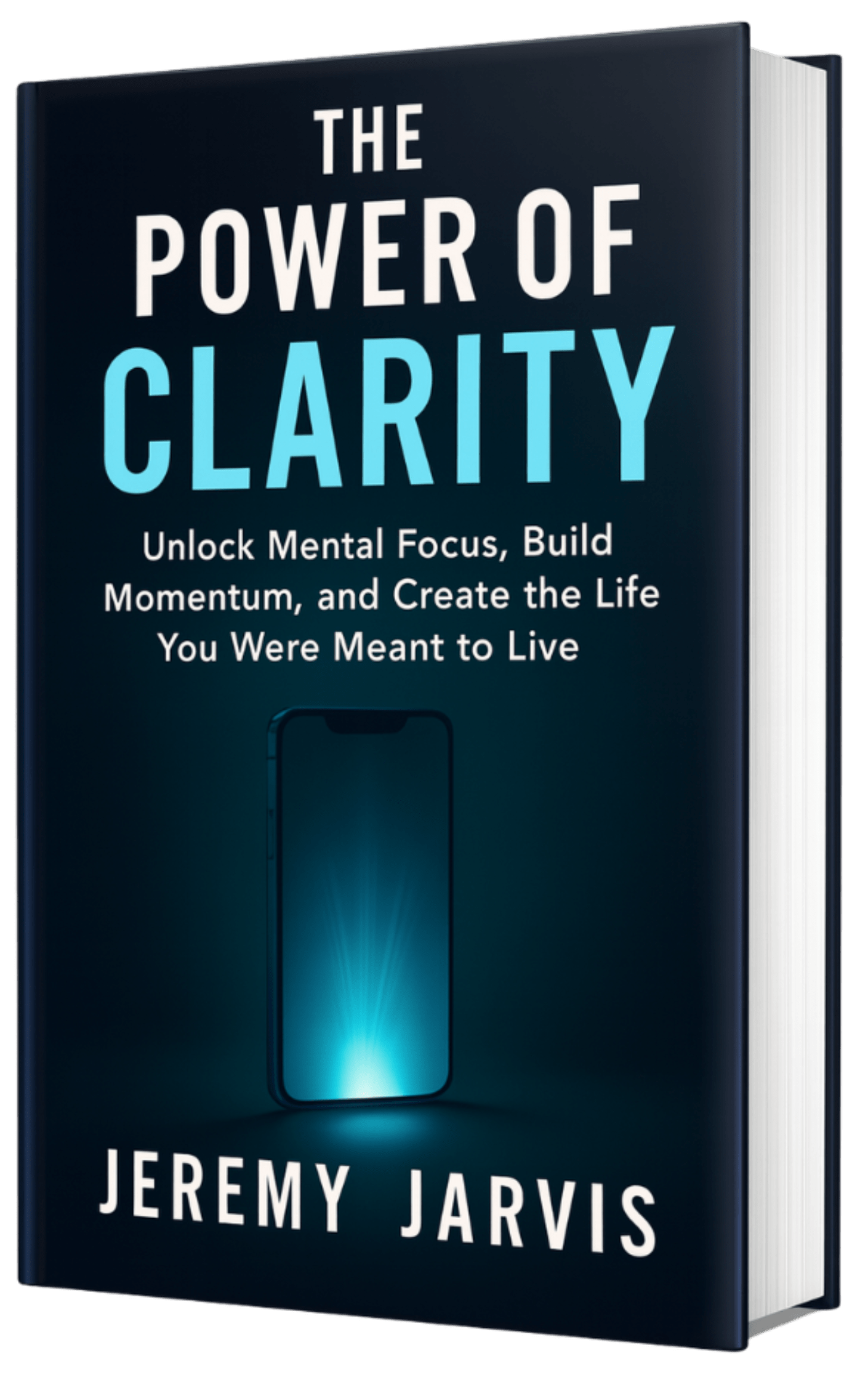
The Power of Clarity
Unlock mental focus, build momentum, and create the life you were meant to live.
View book →
AI & ChatGPT for Beginners
No PhD needed — a 2025 guide to AI, prompts, and productivity without coding.
View book →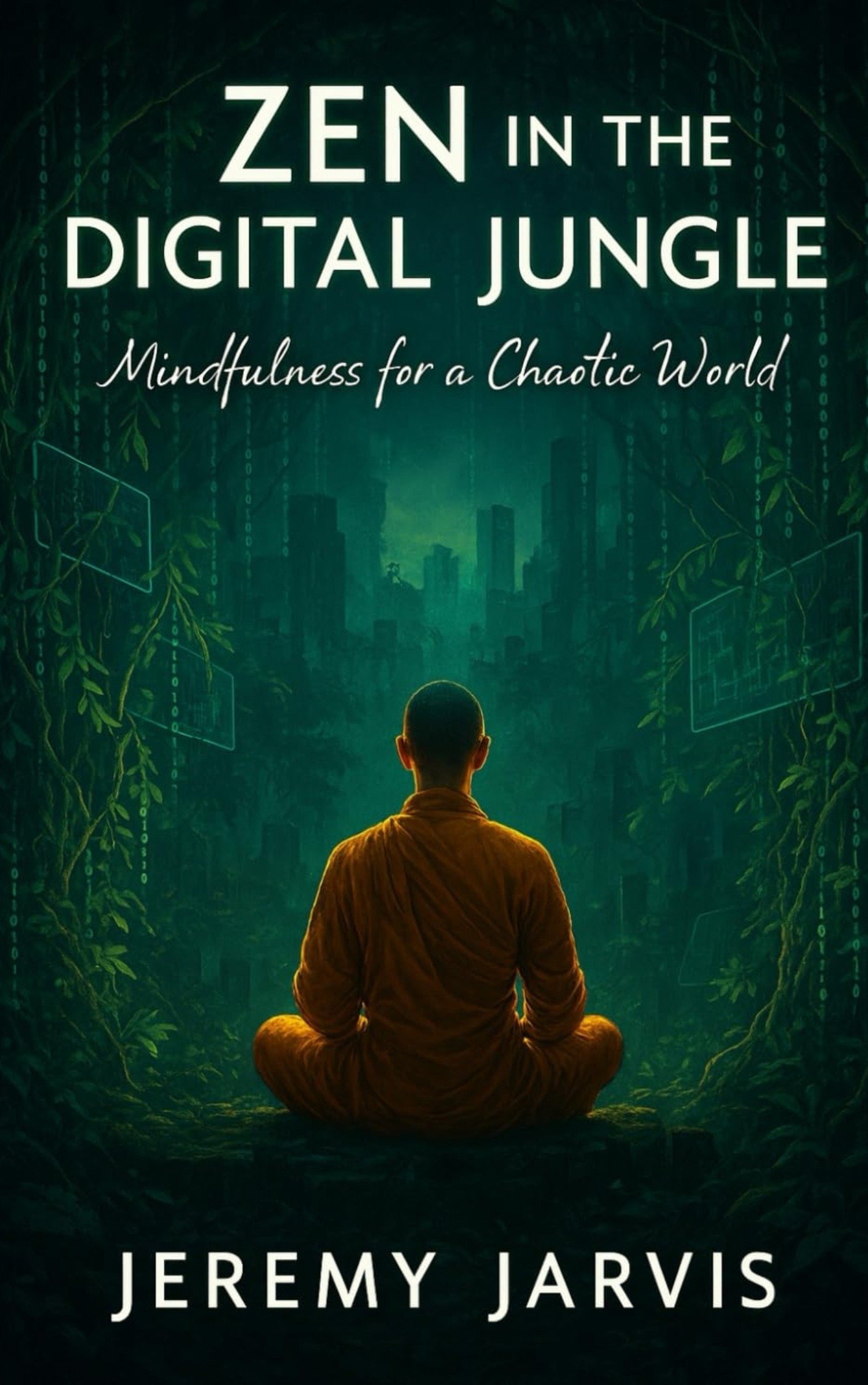
Zen in the Digital Jungle
Mindfulness for a chaotic world.
View book →
The Slow Reset
Mindful living in a fast-paced world.
View book →
Perfectly Imperfect
Stop self-criticism, set boundaries, and embrace the real you.
View book →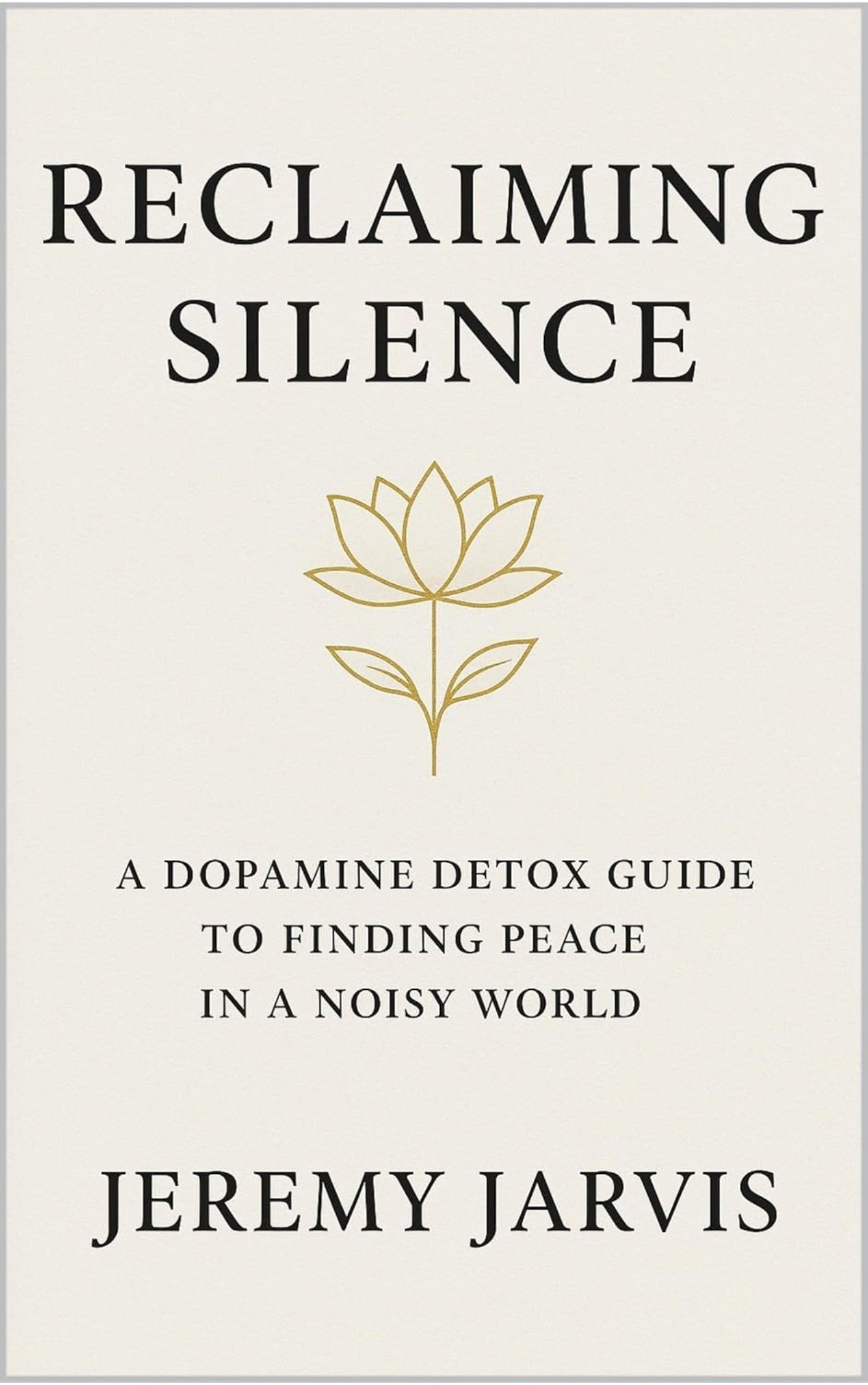
Reclaiming Silence
A dopamine detox guide to finding peace in a noisy world.
View book →
The Focused Freelancer
Productivity, pricing & positioning for independents in 2025.
View book →
ChatGPT Side Hustle System
Launch your AI-driven online business in 30 days.
View book →
Burnout, Interrupted
A proven path to restore energy and reclaim your life.
View book →
Attention Unleashed
Focus strategies for the distracted mind.
View book →
Side Hustle Launchpad
Your quick-start guide to extra income.
View book →
Digital Clarity
Rewire your brain, escape dopamine traps & regain focus.
View book →
Break the Scroll
Reduce screen time and take back control of your life.
View book →
Climate Compassion
Transform eco-anxiety into empowered action.
View book →
Village Mentality
The power of community for mental wellness.
View book →
Restful Nights
Overcoming sleep anxiety in a 24/7 world.
View book →
Connected Again
Combat loneliness and build meaningful relationships.
View book →
Focus Recharged
Mastering attention and productivity in the digital era.
View book →
Marketing Magic with ChatGPT
AI-powered content, campaigns, and copywriting to grow faster.
View book →
The 6-Figure Creator
Turn knowledge into passive income with books, courses & AI.
View book →
Burnout Breakthrough
Reset your work-life balance and thrive in 2025.
View book →
The Emotionally Intelligent Man
A modern guide to self-awareness and communication.
View book →
AI Personalized Wellness
Create your custom health plan with data-driven habits.
View book →
Everyday AI Made Easy
Use ChatGPT and smart tools to simplify life.
View book →
Money Mindfulness
A financial wellness guide for Gen Z & Millennials.
View book →
Startup Smarter with AI
ChatGPT strategies and tools to grow your business.
View book →
ChatGPT for Writers & Creators
Unlock AI-powered brainstorming, drafting & editing.
View book →