


Published: December 14, 2025
Disclosure: This article may contain affiliate links, which means that if you choose to make a purchase, I may earn a commission. This commission comes at no additional cost to you.
Dealing with loneliness isn’t about blaming yourself; it’s about listening to a fundamental human signal. Think of it like hunger or thirst—it’s your mind’s way of telling you a core need isn’t being met. The key is to see it as a prompt for action, not a personal failure, and then take small, consistent steps to rebuild your sense of connection.
Why You Feel Lonely Even in a Connected World

Here’s a paradox most of us know well: you’re surrounded by notifications, DMs, and maybe even people, yet you feel completely isolated. You can be in a crowded office, a busy city square, or at a lively family dinner and still feel profoundly, deeply alone.
This experience isn’t a flaw in your personality. It’s biological. Neuroscience shows our brains are deeply wired for social connection, a survival mechanism passed down through generations. When we lack that connection, our brain perceives it as a genuine threat, similar to physical danger. This triggers a low-grade stress response that can leave us feeling sad, on edge, or withdrawn—often creating a cycle that’s tough to break.
That feeling is a signal, pushing you to seek out the quality of connection you’re missing.
The Different Flavors of Loneliness
To start rebuilding, it helps to pinpoint exactly what kind of loneliness you’re feeling. Psychological research points to three main types, each highlighting a different unmet need.
To make this easier, here’s a quick guide to help you identify what might be going on under the surface.
Three Types of Loneliness: A Quick Guide
This table breaks down the different forms of loneliness to help you identify your specific feelings and needs.
| Type of Loneliness | What It Feels Like | What’s Missing |
|---|---|---|
| Emotional Loneliness | The feeling that you have no one to truly confide in or share your inner world with. | A deep, intimate bond with a trusted partner, family member, or friend. |
| Social Loneliness | A sense of not belonging to a group or community; feeling like an outsider. | A wider circle of friends, a hobby group, or a community that shares your values and interests—your “people.” |
| Existential Loneliness | A profound feeling that no one can ever truly understand your unique experience of the world. | A sense of shared meaning or connection to humanity as a whole; often felt during major life changes. |
Recognizing which of these you’re experiencing gives you a much clearer target. Are you missing one deep friendship, or do you need to find a new community? The answer helps shape your next steps.
The Impact of Our Digital Lives
In our always-on culture, it’s dangerously easy to mistake digital interactions for genuine connection. Scrolling through social media feeds creates the illusion of a social life without providing any of the emotional nourishment our brains actually need.
This constant, low-quality stimulation doesn’t just leave us feeling empty; it can lead to a specific kind of burnout. If you’ve ever felt mentally fried after hours of screen time, you know the feeling. We explore this in our guide on what is digital fatigue and how to recover faster, which offers deeper insights into how screen habits affect our well-being.
By understanding that loneliness is a biological signal, not a personal failing, you can start to address it with compassion and practical, effective strategies.
Immediate Ways to Ease Intense Feelings of Isolation

When an intense wave of loneliness hits, it can feel like a physical weight, making it hard to think clearly. In that moment, you don’t need a five-year plan. You need a lifeline.
The good news is, there are small, concrete actions you can take right now to break the emotional spiral and give your mind some breathing room. These techniques aren’t about “fixing” loneliness for good. Think of them as first aid—tools to calm your nervous system and pull your attention away from those overwhelming thoughts, back into the present moment.
Ground Yourself with a Sensory Check-In
When you feel isolated, your thoughts can start racing, creating a feedback loop that makes everything feel worse. One of the most powerful ways to break this cycle is to ground yourself in your physical environment. The “5-4-3-2-1” method is a simple but surprisingly effective technique rooted in behavioral psychology.
It works by engaging all five of your senses, forcing your focus away from internal distress and onto the world right in front of you. No special equipment needed—just a few moments of quiet attention.
Try This Right Now:
- See 5 things: Look around and name five objects. Notice their color, shape, and texture. For example: “I see a blue pen, a striped coffee mug, a plant with waxy leaves, a framed photo, and a stack of books.”
- Feel 4 things: Bring your awareness to physical sensations. Notice four things you can feel, like the texture of your desk, the warmth of your sweater, or the solid ground beneath your feet.
- Hear 3 things: Listen carefully and identify three distinct sounds. Maybe it’s the hum of your computer, distant traffic, or the sound of your own breathing.
- Smell 2 things: What can you smell? It could be the faint scent of coffee or the clean smell of a book. If you can’t smell anything, just notice the neutral air.
- Taste 1 thing: Focus on one thing you can taste. Take a sip of water, notice the lingering taste of your last meal, or simply focus on the sensation of your tongue in your mouth.
This simple exercise interrupts the abstract feeling of loneliness with concrete, sensory input, offering a quick mental reset.
Key Takeaway: Grounding techniques aren’t about ignoring your feelings. They are about giving your brain a different, more tangible focus to break the momentum of negative thought patterns.
Change Your Scenery to Change Your Mindset
Your environment has a huge effect on your emotional state. Staying stuck in the same room where you feel isolated can reinforce those very feelings. A simple change of scenery, even for a few minutes, introduces new stimuli and can disrupt that mental echo chamber.
You don’t have to go far or even talk to anyone. The goal is just to shift your physical context. Consider a short walk around the block, moving to a different room, or even just stepping outside for a moment. The act of moving your body and seeing different surroundings can provide a surprising psychological lift.
Engage in Mindful Media Consumption
In a moment of intense loneliness, it’s so tempting to scroll through social media. But this often makes things worse, triggering comparison and a deeper sense of disconnection. Instead, you can use media as a tool for comfort and connection, not just distraction.
The trick is to shift from passive scrolling to active, mindful engagement. Choose media that feels like a companion rather than a highlight reel of everyone else’s life.
- Listen to a conversational podcast: Find a podcast where the hosts have a friendly, engaging dynamic. It can create the sense of being part of a conversation, which research from institutions like the American Psychological Association suggests can ease feelings of social isolation.
- Watch a comfort show or movie: Re-watching a favorite film or TV series can be incredibly soothing. The predictability and familiarity provide a sense of emotional safety when you feel adrift.
- Explore guided meditations: Apps like Calm or Headspace offer guided meditations specifically for loneliness. These can help you sit with the feeling without judgment, which is a core part of mindfulness. You can learn more about the cognitive benefits of these practices in our article on the science of stillness and how it boosts brain performance.
These immediate actions won’t solve the root causes of loneliness, but they are powerful first-aid tools. They help you manage the acute pain of isolation, giving you the stability to build more lasting connections later on.
Disclaimer: This article is for educational purposes only and is not a substitute for professional medical advice, diagnosis, or treatment. If you are struggling with persistent feelings of loneliness, anxiety, or depression, please consult a qualified mental health professional.
Building Your Foundation for Social Fitness

While quick coping tools are a lifeline in tough moments, building a real defense against loneliness is more like getting in shape. It’s not something you do once; it’s something you maintain through steady, intentional practice. This is what some psychologists call social fitness.
Think of it like going to the gym. Social fitness means building strength and resilience through small, consistent efforts. This flips the script entirely—connection isn’t some personality trait you either have or you don’t. It’s a skill you can train.
Behavioral research shows that repeated positive interactions literally strengthen the neural pathways in your brain tied to safety and belonging. Every thoughtful text, genuine compliment, or quick phone call is like a single rep, making it easier to feel connected over time.
Creating a Sustainable Social Routine
Big, grand gestures aren’t the answer here. The real key to social fitness is creating a simple, sustainable routine you can stick with even when you’re busy or just not feeling it. When it comes to learning how to deal with loneliness, consistency is far more powerful than intensity.
A great way to structure this is the “3-2-1 Method.” It’s a dead-simple weekly framework that makes sure you’re nurturing different kinds of relationships without overthinking it. The goal is to make outreach a habit, not an afterthought.
Your Weekly 3-2-1 Plan:
- Reach out to 3 friends: This isn’t about deep, hour-long calls. For example: send a funny meme to one friend, text another a quick “thinking of you,” and email a third an interesting article you found.
- Connect with 2 family members: A five-minute call to a parent, a short email to a sibling, or a quick video chat with a cousin all count. The point is the touchpoint.
- Engage with 1 colleague or acquaintance: Offer a genuine compliment on a work project, or ask a neighbor you see often about their weekend. These “weak ties” are surprisingly crucial for our sense of community.
This little structure removes the guesswork and decision fatigue, turning “staying in touch” into a manageable weekly checklist.
Scheduling Social Micro-Doses
Another powerful technique is what some call “social micro-doses.” These are brief, planned moments of connection that slot easily into a packed schedule. Instead of waiting for a free evening to have a long dinner, you intentionally pepper your week with small, energizing interactions.
These small acts are more significant than they seem. Research from major public health organizations shows a strong link between social connection and long-term health. Quality relationships literally act as a buffer against the harms of isolation.
Key Takeaway: The goal of social fitness isn’t to cram your calendar. It’s to consistently send signals to your brain—and to others—that you are part of a supportive network.
The Power of Prosocial Habits
Beyond planned outreach, you can weave small, prosocial habits into your daily life. These are tiny actions that build goodwill and strengthen the scaffolding of your social world, often with very little effort.
Try adding one of these to your daily routine:
- Express Genuine Gratitude: When someone helps you out, tell them specifically what you appreciate. Instead of a generic “thanks,” try, “Thank you for sending that email over so quickly; it really helped me hit my deadline.”
- Offer a Thoughtful Compliment: Go beyond the surface level. Instead of “nice shirt,” try, “You have such a great eye for design; that presentation looked fantastic.”
- Practice Active Listening: In your next conversation, make a real effort to listen without just planning what you’ll say next. Ask a follow-up question that shows you’re actually engaged.
These habits, combined with a structured routine like the 3-2-1 Method, create a powerful positive feedback loop. When you put good social energy out into the world, it tends to come back to you, reinforcing your sense of belonging. This gentle, consistent approach is a core part of what we call The Slow Reset a path to more mindful living, which is all about making sustainable changes instead of chasing quick fixes.
How to Find Your People and Re-engage With the World
The whole idea of “putting yourself out there” can feel like a massive, vague project with no clear first step. It’s paralyzing. But what if re-engaging wasn’t about a high-pressure performance?
It’s far more effective to reframe it as an adventure in curiosity.
This simple shift changes the entire goal. Instead of hunting for “friends,” you’re just “exploring an interest.” When you focus on something you’re genuinely passionate about, you naturally end up in rooms with people who already share that passion. Connection becomes a byproduct of the activity, not the sole objective—which takes nearly all the pressure off.
Lead with Curiosity, Not Outcomes
Forget trying to find the “right” people. Focus on finding the “right” activities for you. Your interests are a built-in filter for like-minded individuals.
Start by jotting down a simple list of things you’ve always wanted to try or activities you used to love. The trick is to choose something where interaction is a natural part of the experience, not something you have to force.
Low-Stakes Ideas to Get Started:
- Join a local hiking or walking group. The shared activity—the trail, the weather, the gear—provides an easy script for conversation and takes the focus off direct one-on-one pressure.
- Sign up for a hands-on class. Think pottery, cooking, or a language workshop. Working alongside others on a project creates an immediate sense of teamwork and shared purpose.
- Volunteer for a cause you care about. This is a shortcut to connecting with people who share your core values, which is a powerful foundation for much deeper relationships.
- Visit a niche bookstore or coffee shop with regular events. Attending a book reading or a trivia night provides a structured social setting without the awkwardness of open-ended mingling.
The goal isn’t to become a social butterfly overnight. It’s to take one small, curiosity-driven step that gets you into a new environment.
Move Beyond Small Talk with Gentle Questions
Okay, so you’re in the room. Now what? The next hurdle is often conversation. So many of us get stuck in the shallow end of small talk—the weather, weekend plans, repeat. To build real rapport, you need to gently wade into deeper waters.
A simple framework for this is to ask open-ended questions that invite a story, not just a one-word answer. Instead of asking, “Do you like hiking?” which only gets a “yes” or “no,” try something with more substance.
Conversation Tip: Frame your questions around experiences, motivations, or passions. This invites the other person to share a small piece of their world, creating a genuine opening for connection.
Examples of Better Questions:
- Instead of “Do you come here often?” try, “What first got you interested in pottery?”
- Instead of “Nice day for a walk,” try, “Have you discovered any other cool trails around here?”
- Instead of “Are you busy?” try, “What’s the most interesting project you’re working on these days?”
These questions show you’re genuinely curious about the other person, not just trying to fill the silence. It’s a subtle shift, but it’s how you move from acquaintance to friend. For a deeper dive into rebuilding these skills, our guide on how to feel connected again and combat loneliness provides a comprehensive roadmap for strengthening relationships.
The Gentle Art of Reconnecting with Old Friends
Sometimes, the connections we need are already in our lives, just dormant. Reaching out to old friends can feel awkward, but it’s often easier than starting from scratch because that foundation of shared history already exists.
The key is to make it low-pressure and specific. A vague “we should catch up sometime” just creates ambiguity and puts the burden on the other person. A concrete, easy-to-accept invitation is far more effective.
Here’s a simple, non-awkward template you can adapt:
- Acknowledge the time: “Hey [Name], I know it’s been a while, and I hope you’re doing well.”
- Mention a shared memory or trigger: “I was just listening to [Band Name] and it made me think of that concert we went to.” or “I drove past [Old Hangout Spot] the other day and it reminded me of you.”
- Make a specific, low-effort ask: “I’d love to catch up properly. Would you be free for a quick 20-minute call sometime next week?”
This approach shows you’re thinking of them specifically and offers a clear, manageable next step. By turning the daunting task of meeting people into an exploration of your own interests and gently reopening doors to past connections, you make it a more natural, and even enjoyable, part of your life.
Using Your Digital World to Foster Real Connection
Screens are a non-negotiable part of modern life, but they don’t have to be a source of isolation. The trick is to shift from being a passive consumer to an active participant. It’s about turning your devices into bridges that support real-world relationships rather than replacing them.
This all comes down to the crucial difference between two types of digital behavior. Passive consumption, like mindlessly scrolling through an endless feed of strangers’ highlights, is strongly linked to increased feelings of loneliness. In contrast, active engagement—using technology to have a real conversation or coordinate an in-person meeting—can actually strengthen your social bonds.
Shifting from Passive Scrolling to Active Engagement
The first step is a mindful audit of your screen time. When you pick up your phone, what’s the real intention? Are you looking to numb out, or are you hoping to connect? Just becoming aware of this pattern is the first step toward changing it.
Psychological studies consistently show that passive social media use often triggers social comparison, where we measure our messy, real lives against someone else’s curated perfection. This nearly always leaves us feeling worse. Active use, however, engages the parts of our brain associated with social reward and belonging.
This simple guide offers a framework for using digital tools to explore, connect, and reconnect with people in a more intentional way.
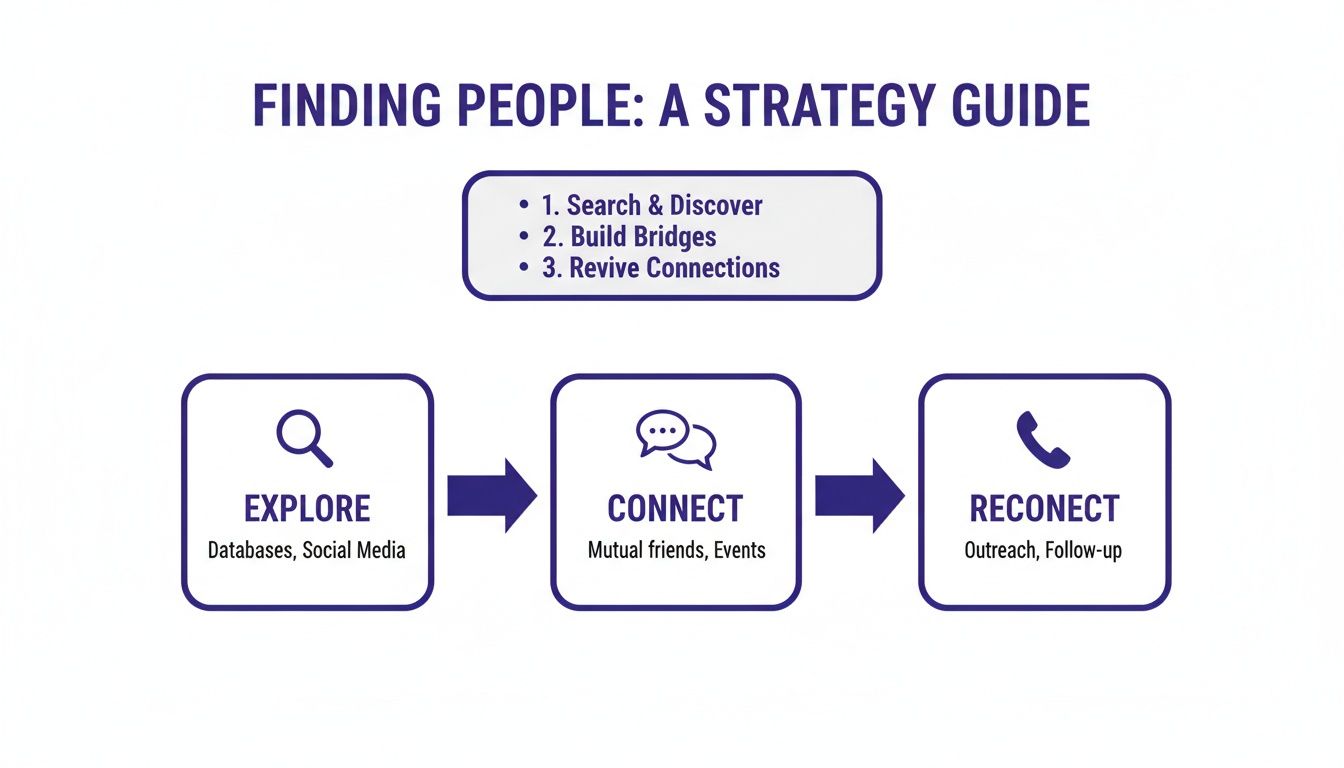
The flowchart maps out a clear path from exploration to meaningful connection, reminding us that technology can be a starting point, not the final destination.
To put this into practice, let’s look at how your digital habits stack up. This table helps you evaluate your online behaviors and shift towards more fulfilling interactions.
| Digital Habit | Passive Use (Increases Loneliness) | Active Use (Fosters Connection) |
|---|---|---|
| Social Media | Endless scrolling through a public feed | Sending a direct message to a friend to ask a specific question |
| Online Groups | Lurking in a large, anonymous forum | Posting a thoughtful question or reply in a small hobby group |
| Content | Watching random short-form videos for hours | Sharing a specific, interesting article with a friend for discussion |
| Events | Vaguely browsing local event listings | RSVPing to an event and messaging a friend to see if they’ll join |
By consciously choosing more active behaviors, you begin to rewire the way your brain sees your digital tools—turning them from sources of distraction into instruments of connection.
Curate Your Feeds for Genuine Connection
Your social media feed is your digital environment. Just as you’d tidy up a messy room, you can clean up your feed to make it a more positive and supportive space. This isn’t about deleting your apps, but about curating them with real intention.
Here are a few practical ways to do this:
- Prioritize Close Friends: Use features like Instagram’s “Close Friends” or Facebook’s “Favorites” to ensure you see updates from people you genuinely care about first. This immediately filters out the noise.
- Mute, Don’t Unfollow (At First): If an account consistently makes you feel inadequate or lonely, just hit the mute button. This removes their content from your feed without the potential awkwardness of unfollowing.
- Join Niche Communities: Find groups on platforms like Reddit or Facebook that align with your specific hobbies—whether it’s vintage cameras, sourdough baking, or a favorite TV show. These spaces are built for active, meaningful conversation.
Your social feed is like a garden. Weed out what makes you feel bad and intentionally plant content that nourishes real relationships and positive feelings.
Use Technology as a Bridge to the Real World
Ultimately, the healthiest way to use digital tools is to get you offline. Technology is brilliant at logistics, making it easier than ever to find and coordinate with people who share your interests. The goal is always to move the conversation from the screen to a shared physical space.
Instead of just chatting in a local hiking group online, be the one to suggest a real trail meetup this weekend.
Here are a few tools built for exactly this purpose:
- Meetup: An app specifically designed to help you find local groups and events based on your interests, from book clubs to tech talks.
- Eventbrite: A great resource for discovering local classes, workshops, festivals, and concerts you can actually attend.
- Local Community Calendars: Don’t forget to check your town or city’s official website for free events like farmers’ markets, outdoor movies, or park concerts.
These intentional shifts require a bit of effort, but they transform your phone from a source of isolation into a powerful tool for building the connections you crave. Setting firm digital boundaries is also crucial to protect your time for these real-world interactions. To help with this, you can explore our practical guide to break the scroll and start a digital detox.
When to Consider Professional Support for Loneliness
The strategies we’ve walked through are powerful tools for building what is sometimes called “social fitness.” But sometimes, even with the best roadmap, you can still feel stuck.
If you’ve been genuinely trying to reconnect but keep hitting a wall, it might be a sign that something deeper is at play. This isn’t a failure—it’s a courageous signal that it’s time to bring in professional support.
There’s a well-established connection between chronic loneliness and conditions like depression and social anxiety. Long-term isolation can hardwire thought patterns that are incredibly difficult to shift on your own. It’s like trying to fix the engine while you’re still driving the car.
A trained therapist gives you a safe, non-judgmental space to pull over and really look under the hood. They can help you trace the roots of your loneliness, which might stem from old experiences, your attachment style, or an underlying anxiety that makes every social interaction feel like a high-stakes risk.
Recognizing the Signs It Might Be Time for Help
So, how do you know when you’ve crossed the line from a tough season into territory where professional guidance is needed? A few key signals suggest that self-help tools alone might not be enough.
It might be time to reach out if you’re experiencing:
- A Persistent Low Mood: You feel sad, numb, or hopeless most days. Even when you do manage to connect with someone, the feeling doesn’t lift for long.
- Disruptive Social Anxiety: The fear of saying the wrong thing or being judged is so intense that it consistently stops you from even trying to connect. It gets in the way of your work, your errands, and your daily life.
- A Lack of Progress: You’ve been putting these strategies into practice for several weeks or months, but your sense of isolation hasn’t improved—or it’s gotten worse.
Important Note: This article is for educational purposes and isn’t a substitute for professional medical advice. If you’re struggling with your mental health, please reach out to a qualified healthcare provider.
Finding the right support is more accessible than it’s ever been. Resources like psychology directories or an Employee Assistance Program (EAP) through your workplace can be a great starting point for finding a qualified therapist who feels like a good fit.
Frequently Asked Questions About Loneliness
As you start this journey, practical questions are bound to come up. It’s completely normal. Let’s walk through some of the most common ones with clear, science-backed answers to help you stay grounded and motivated.
Can I really beat loneliness if I’m an introvert?
Absolutely. One of the biggest myths out there is that introversion and loneliness are the same thing. They aren’t. Introversion is about how you recharge your energy—it has nothing to do with your ability to form deep, meaningful connections.
While a huge party might leave you feeling drained, introverts often find their sweet spot in quieter, more intimate settings. The goal isn’t to become an extrovert; it’s to lean into quality of connection over quantity of interactions. You don’t need a massive social circle. Just a few supportive, genuine relationships can make all the difference in the world.
- Practical Example: Instead of forcing yourself to go to a loud networking mixer that feels like a chore, maybe you join a small book club. The shared interest gives you a natural starting point for conversation, and the calmer, more structured environment is perfect for building a real bond without that feeling of social burnout.
How long does it take to actually stop feeling lonely?
There’s no magic timeline here. Tackling loneliness is more like getting into shape than flipping a light switch. You won’t wake up one day and be “cured.”
Instead, you’ll likely notice small, gradual shifts. A day where that heavy feeling of isolation isn’t quite so intense. A moment of genuine connection that leaves you feeling lighter. Lasting change comes from consistency, not one single grand gesture.
By practicing small “social fitness” habits—like sending a thoughtful text to a friend or scheduling a quick weekly call—you slowly but surely build a stronger support system. Over weeks and months, you’ll probably find that the feelings of loneliness show up less often and don’t hit as hard when they do.
A Quick Neuroscience Insight: Every time you have a positive social interaction, your brain releases neurochemicals like oxytocin (often called the “bonding hormone”). Each one of those small, positive moments helps reinforce the neural pathways tied to safety and belonging, gradually shifting your brain’s default state from threat to security.
What if I’m trying these tips and still feel stuck?
First, please be patient and kind to yourself. You’re working on building meaningful connections and, in many cases, rewiring thought patterns that have been around for a long time. That takes effort. It’s completely normal to have days where you feel like you’ve taken a step back.
But if you’ve been consistently putting these strategies into practice for a while and still feel an overwhelming sense of isolation, it might mean there are deeper patterns at play. This is the perfect moment to think about the professional support we talked about earlier.
A good therapist can help you explore underlying issues that might be making it harder to connect. Things like deep-seated social anxiety, attachment patterns from your past, or unresolved grief can be tough to navigate on your own. Getting support isn’t a sign of failure—it’s a smart, courageous step toward lasting change.
At Mind Clarity Hub, we build science-based roadmaps to help you navigate the complexities of mental well-being in a digital world. If you’re ready to build focus, reclaim your attention, and foster more meaningful connections, take a look at our library of practical guides and books.
Explore the Books at Mind Clarity Hub
Explore the Mind Clarity Hub Library
Practical books on focus, digital habits, resilience, and building a calmer mind.
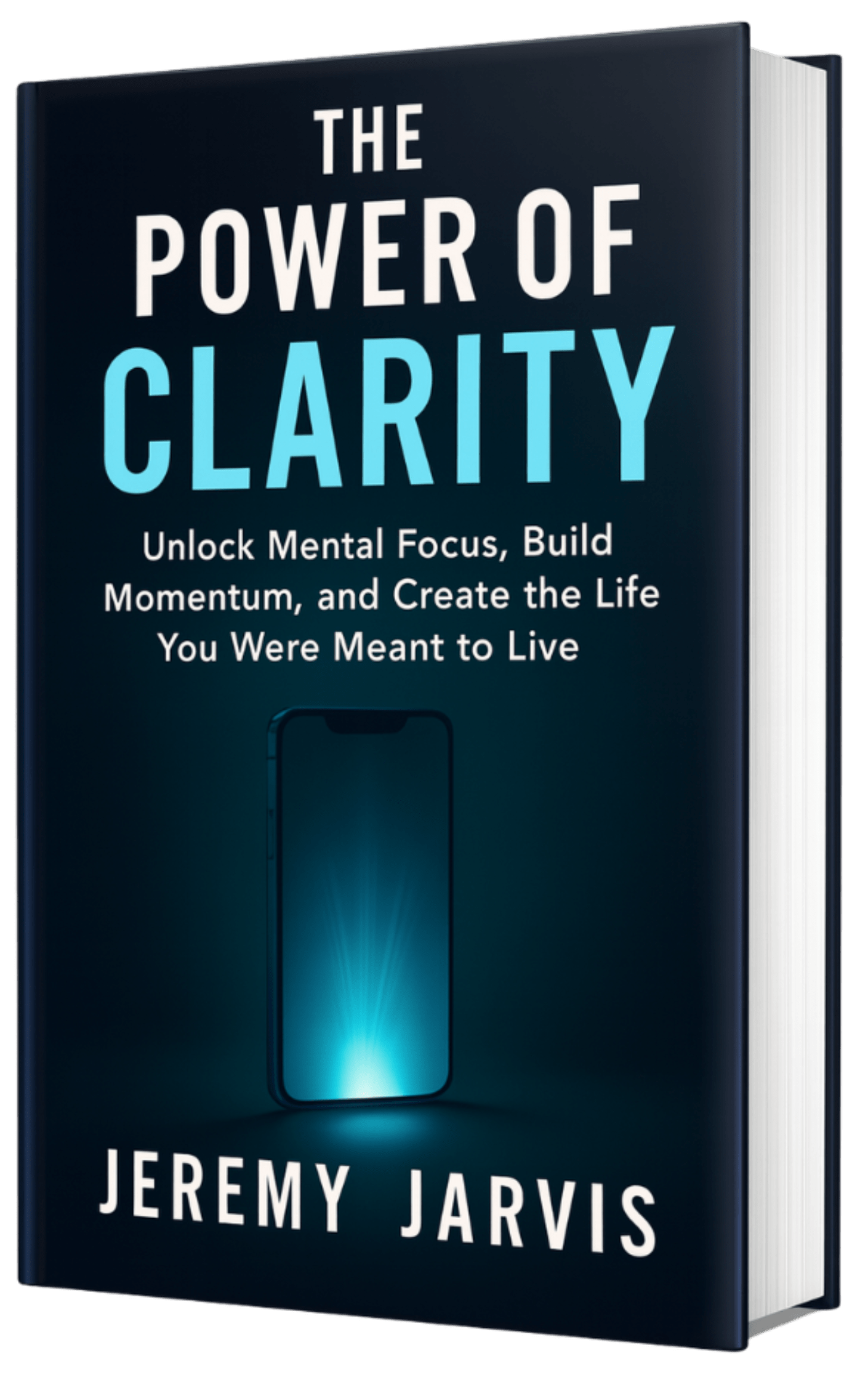
The Power of Clarity
Unlock mental focus, build momentum, and create the life you were meant to live.
View book →
AI & ChatGPT for Beginners
No PhD needed — a 2025 guide to AI, prompts, and productivity without coding.
View book →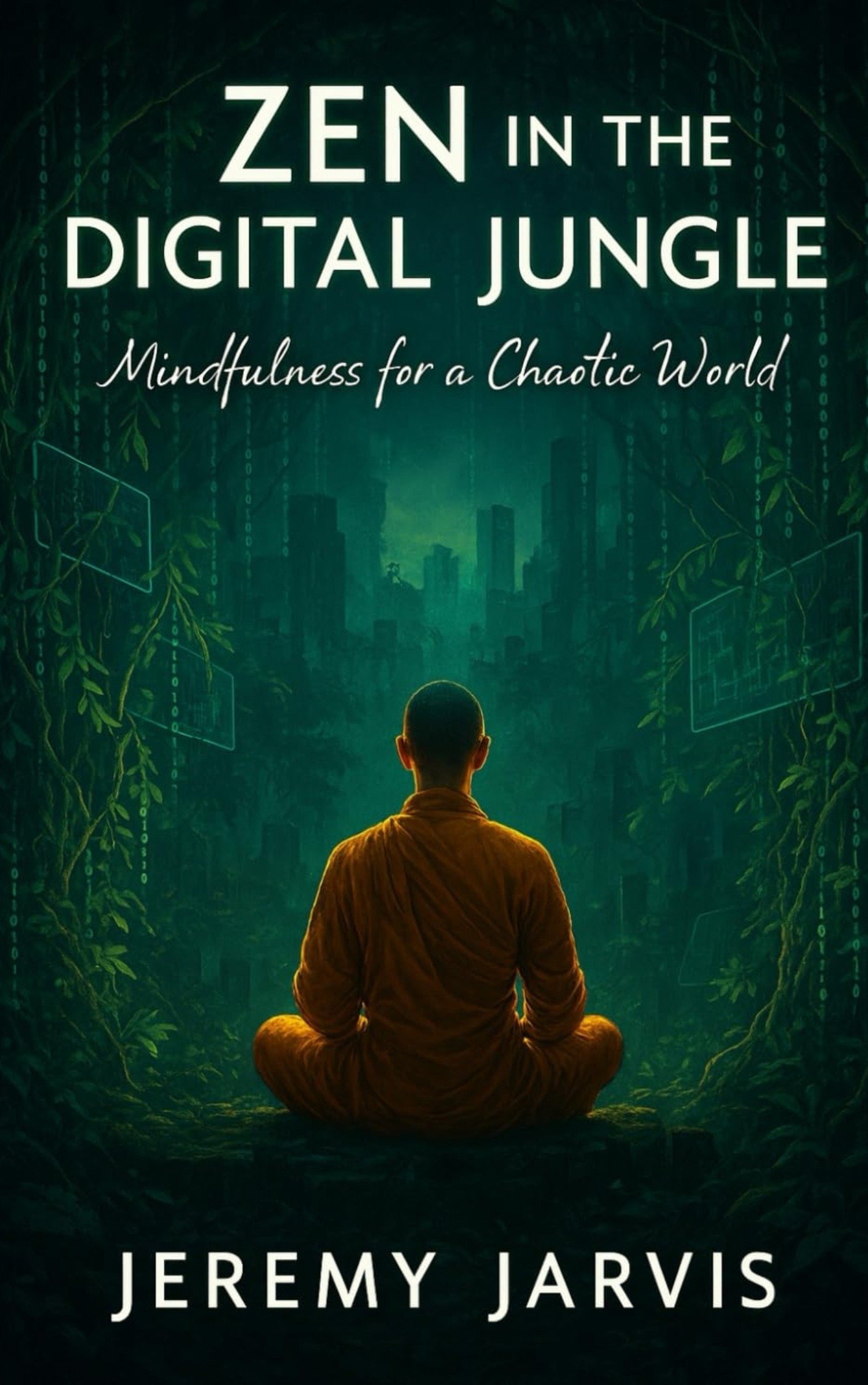
Zen in the Digital Jungle
Mindfulness for a chaotic world.
View book →
The Slow Reset
Mindful living in a fast-paced world.
View book →
Perfectly Imperfect
Stop self-criticism, set boundaries, and embrace the real you.
View book →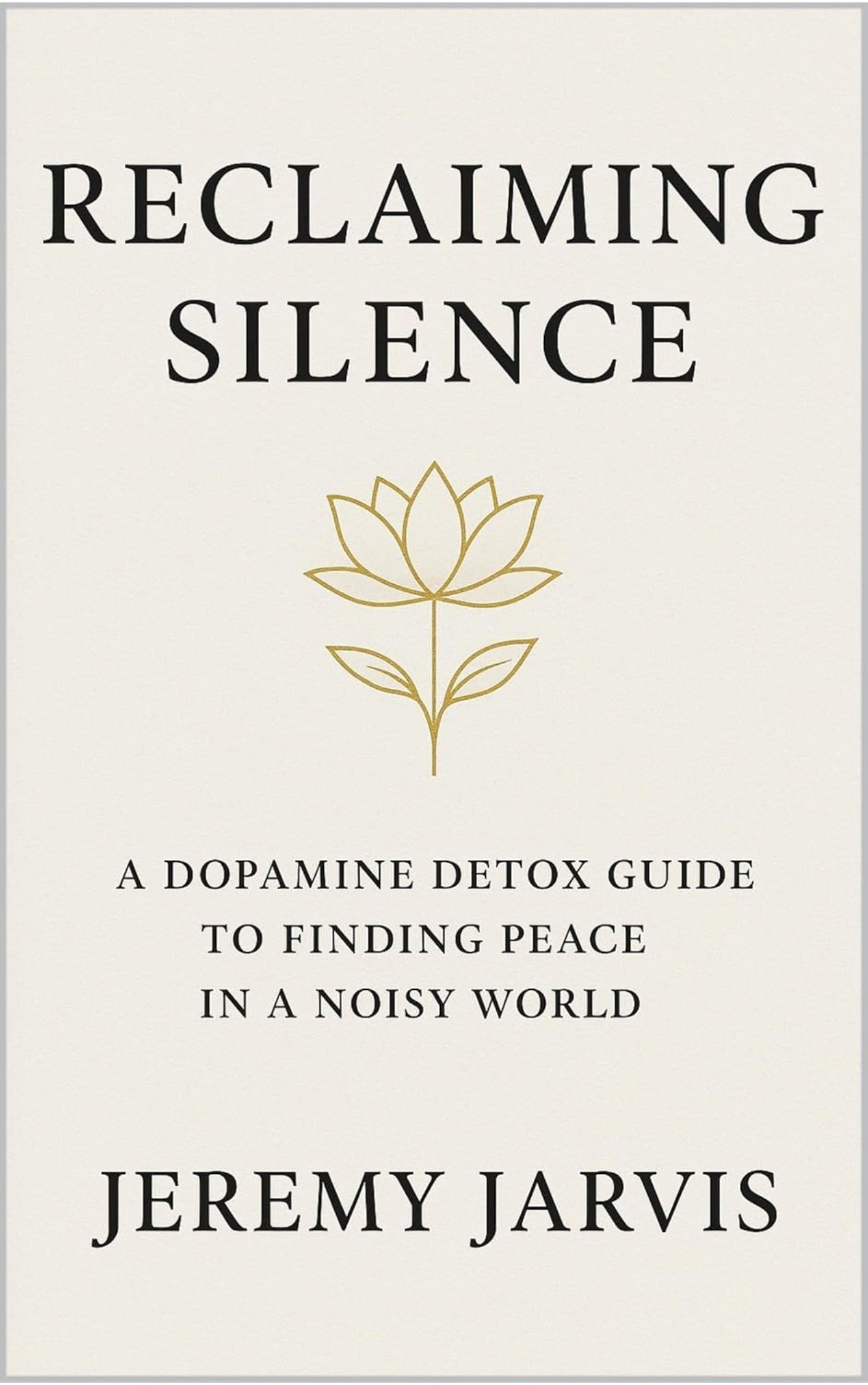
Reclaiming Silence
A dopamine detox guide to finding peace in a noisy world.
View book →
The Focused Freelancer
Productivity, pricing & positioning for independents in 2025.
View book →
ChatGPT Side Hustle System
Launch your AI-driven online business in 30 days.
View book →
Burnout, Interrupted
A proven path to restore energy and reclaim your life.
View book →
Attention Unleashed
Focus strategies for the distracted mind.
View book →
Side Hustle Launchpad
Your quick-start guide to extra income.
View book →
Digital Clarity
Rewire your brain, escape dopamine traps & regain focus.
View book →
Break the Scroll
Reduce screen time and take back control of your life.
View book →
Climate Compassion
Transform eco-anxiety into empowered action.
View book →
Village Mentality
The power of community for mental wellness.
View book →
Restful Nights
Overcoming sleep anxiety in a 24/7 world.
View book →
Connected Again
Combat loneliness and build meaningful relationships.
View book →
Focus Recharged
Mastering attention and productivity in the digital era.
View book →
Marketing Magic with ChatGPT
AI-powered content, campaigns, and copywriting to grow faster.
View book →
The 6-Figure Creator
Turn knowledge into passive income with books, courses & AI.
View book →
Burnout Breakthrough
Reset your work-life balance and thrive in 2025.
View book →
The Emotionally Intelligent Man
A modern guide to self-awareness and communication.
View book →
AI Personalized Wellness
Create your custom health plan with data-driven habits.
View book →
Everyday AI Made Easy
Use ChatGPT and smart tools to simplify life.
View book →
Money Mindfulness
A financial wellness guide for Gen Z & Millennials.
View book →
Startup Smarter with AI
ChatGPT strategies and tools to grow your business.
View book →
ChatGPT for Writers & Creators
Unlock AI-powered brainstorming, drafting & editing.
View book →