
Mind Clarity Hub · Creators & Digital Nomads
Mental Clarity for Creators: How to Think Straight When You’re Online All Day
A practical guide to mental clarity for creators, freelancers, and digital nomads who live on screens – and need their brains to stay sharp, not fried.


Creator, author of The Power of Clarity and Digital Clarity .
Key takeaways
- Mental clarity for creators is hard when your entire workday is built on tabs, feeds, and notifications, but it is not impossible.
- Your brain is not broken; it has been trained into micro-dopamine loops that reward constant switching instead of deep focus.
- You can redesign your days with low-dopamine focus windows, ergonomic setups, and small rituals that protect your best creative work.
- Simple tools – from noise-cancelling headphones to blue light glasses and portable noise machines – can make online clarity much easier to sustain.
If Your Brain Feels “Always On” But Never Clear
You wake up, open a laptop, and spend the entire day inside apps, tabs, and messages. You are a creator, a freelancer, or a digital nomad – and your work depends on staying online. Yet your brain often feels scattered, overstimulated, and strangely foggy when it is finally time to think.
This is the core tension behind mental clarity for creators. You cannot simply log off for a month, but you also cannot keep running your creative brain at this level of micro-stimulation without paying a price. Many readers describe it as feeling “mentally full but never grounded” – especially after long days in creative tools, social platforms, and client inboxes.
If you recognize that feeling, it is worth knowing that your situation is not unusual and not a personal failure. In the related guide Is Your Brain Addicted to Micro-Dopamine? Signs You’re Overstimulated , I break down how micro-rewards from notifications and feeds quietly train your attention away from deep work. This article zooms in on what that looks like for creators – and how to build a calmer, more focused way of working online all day.
Why Mental Clarity Is So Hard for Online Creators
Creators, freelancers, and digital nomads sit at the intersection of three demanding forces: constant online work, algorithm-driven platforms, and unstable schedules. Together, they make mental clarity feel like a luxury.
First, most creative work now happens inside high-stimulation environments: content dashboards, social feeds, analytics tools, and AI assistants. Every one of those surfaces is competing for your attention. Even when you are “just checking something,” your brain is collecting dozens of tiny dopamine hits that reward switching, not staying.
Second, creators are rewarded for responsiveness. Comments, messages, and briefs come in at all hours. You feel pressure to answer quickly, publish often, and adjust to every algorithm change. That pressure erodes the quiet, uninterrupted stretches where your best ideas usually form.
Finally, many digital nomads and freelancers lack structural boundaries. Work happens on couches, in cafés, on trains, and inside Airbnbs. That flexibility is powerful, but it can also blur the line between “I am online to create” and “I am online to cope, scroll, and escape.”
The goal is not to abandon the internet. It is to design a way of working where your tools and environment support mental clarity for creators instead of draining it. That begins with seeing exactly where your energy leaks.
Step 1: Map the Attention Drains in Your Creator Day
Before you rebuild clarity, it helps to see where it is currently leaking. Most creators underestimate how many small drains show up between “open laptop” and “close laptop.”
Spot the hidden micro-dopamine loops
Start by looking for loops you repeat without thinking. For example:
- Opening analytics “for a second” whenever you feel stuck in your work.
- Checking DMs or Slack each time you switch between editing tools.
- Scrolling feeds between export progress bars or upload screens.
- Clicking through to other people’s content every time you publish your own.
Each loop seems harmless. Yet together, they create a day built on interruption and micro rewards. Over time, your brain starts to expect that level of stimulation all the time, which makes quiet tasks – like outlining a script or editing a long piece – feel unusually uncomfortable.
Notice when your brain actually feels clear
It also helps to notice the rare moments when you do feel mentally clear. Perhaps you get your best ideas:
- On a quiet walk without your phone.
- In the first 30 minutes after waking up, before emails and feeds.
- On a travel day, when Wi-Fi is patchy and you finally open a notebook.
Those moments are clues. They show that mental clarity for creators often appears when stimulation drops, not when you add another productivity hack. Your job is to deliberately design more of those low-noise spaces into your online day.
Step 2: Build a Creator Environment That Reduces Noise
Your environment does not have to be perfect. However, small changes to sound, posture, and visual clutter can dramatically improve mental clarity for creators who stare at screens all day.
Protect your brain from constant noise
Audio is one of the fastest ways to calm or overload your nervous system. If you create in cafés, co-working spaces, or noisy homes, your brain spends energy filtering sound before it even gets to your work.
One simple upgrade is a good pair of noise-cancelling headphones . They help you cut down background noise, use consistent soundscapes, and protect your focus during deep work blocks. In the same spirit, a travel-sized noise machine or white noise speaker can make unfamiliar rooms or busy apartments feel calmer in minutes.
Make your body part of your clarity system
It is hard to think clearly when your neck, wrists, and back hurt. Ergonomics is not glamorous, but it is a major part of mental clarity for creators who spend long hours at a laptop.
Consider lifting your screen with a foldable laptop stand and using a separate keyboard and mouse. If you have a fixed workspace, a compact ergonomic office chair can reduce strain across long sessions. Over time, a more comfortable body gives you more bandwidth for actual thinking.
Affiliate note: Some of the links above are Amazon affiliate links. As an Amazon Associate, Mind Clarity Hub may earn from qualifying purchases at no extra cost to you. I only recommend tools that genuinely support creator focus and clarity.
Reduce eye strain and screen fatigue
Long days in front of bright screens also erode focus. You can reduce strain by gently lowering brightness, using dark mode where appropriate, and experimenting with blue light glasses during late sessions. Many creators notice fewer headaches and slightly better sleep when they treat their eyes as part of their clarity toolkit.
Step 3: Create Low-Dopamine Focus Windows for Your Best Work
Tools help, but time structure finishes the job. Mental clarity for creators depends on having clear windows where you are not half-creating and half-reacting.
Define your “always online” vs “deep work” hours
Instead of treating every minute as fair game for messages, divide your day into two modes:
- Fast-response blocks: you answer DMs, email, and comments.
- Deep-focus blocks: you work on scripts, edits, strategy, or long-form writing.
During deep-focus blocks, you silence notifications, close reactive tabs, and commit to one project. During fast-response blocks, you let yourself catch up and be reachable. This simple separation reduces guilt and anxiety on both sides.
Use a gentle attention diet, not an extreme detox
If your days currently feel like one big scroll, a full dopamine detox is unlikely to stick. A more realistic approach is a structured attention diet like the one in The Modern Attention Diet: A Dopamine Detox to Restore Focus in 2025 . You gradually turn down the noisiest inputs – especially short-form video and late-night feeds – so deep work stops feeling like a punishment.
As your baseline stimulation drops, it becomes easier to sit with slow tasks again. That is when long-form reading, thoughtful planning, and high-quality creative work start to feel possible instead of exhausting.
Step 4: Protect Mental Clarity as a Digital Nomad
If you are a digital nomad, you face the same attention challenges as other creators – plus jet lag, unstable Wi-Fi, and constant environmental change. Mental clarity for creators on the road requires a slightly different playbook.
One helpful move is to choose a “default workspace pattern” you repeat in each new city: same style of café or co-working, similar time of day, and the same basic setup ritual. Your brain learns that this pattern means “focus now,” even when the scenery changes.
It also helps to decide which parts of your day belong to exploration and which belong to deep work. You might block mornings for creative work, then keep afternoons for walks, transport, or research. When travel days are intense, you scale down your expectations to a few “minimum viable clarity” habits instead of trying to do everything.
For more sustainable travel ideas and slower, less frantic itineraries, you can explore my sister project Eco Nomad Travel , which focuses on eco-friendly routes, slower movement, and travel patterns that are kinder to your nervous system.
Step 5: Build a Clarity Framework Around Your Creator Work
Habits and tools are powerful, but mental clarity for creators becomes much more durable when it sits inside a bigger framework: what you want your attention, time, and creative energy to actually build.
That is why I write longer-form clarity books you can use alongside guides like this. They give you something deeper to anchor your experiments to, so your new routines do not vanish the next time your schedule gets messy.
Create a North Star with The Power of Clarity
The Power of Clarity is about deciding what truly matters before you decide how to optimize your day. For creators, that might mean: which platforms actually deserve your energy, which projects are long-term bets, and which metrics are worth tracking.
When you know your North Star, it becomes much easier to say no to low-quality work and yes to fewer, more meaningful projects. That alone can free up a surprising amount of mental space.
Rebuild your relationship with screens in Digital Clarity
Digital Clarity goes deeper into the practical side of living online without feeling perpetually overloaded. It walks through notifications, app audits, AI tools, and content consumption, with a specific eye on creators and knowledge workers.
You can read it alongside this guide and the micro-dopamine article to design a tailored “digital hygiene” system for your own life – one that respects your need for the internet while protecting your brain from being swallowed by it.
Turning “Digital Clarity” into a Weekly Creator Ritual
Reading Digital Clarity is a strong start, yet the real shift comes when you turn those ideas into a simple weekly ritual. Instead of treating mental clarity for creators as a one-time reset, you revisit it regularly – just like you would revisit your analytics, invoices, or content calendar.
One approach is to block 30–45 minutes each week for a “digital clarity review.” During this time, you step back from production mode and ask a few honest questions: Which apps are actually helping my work? Which habits are quietly draining my focus? Where did I feel my sharpest thinking – and where did I feel the most scattered?
You can pair this with a short written check-in. For example, you might list the top three things that supported mental clarity for creators in your world this week (a quieter workspace, fewer late-night scrolls, better sleep) and the top three that sabotaged it (doomscrolling after stressful emails, checking stats every hour, or editing while half-watching videos).
Designing a Personal “Digital Hygiene” System
Over time, those weekly reviews feed into your own digital hygiene system. Rather than copying someone else’s minimalist fantasy, you design rules that fit your real life as a creator or digital nomad.
For instance, you might decide that:
- Notifications live on your laptop during the workday, not on your phone.
- Analytics checks happen twice a day, not every time you feel anxious.
- Short-form video is a deliberate research or inspiration block, not a default coping mechanism.
- Client or audience DMs have a defined response window instead of being answered on impulse.
These may sound small. Yet they add up to a powerful boundary system that protects mental clarity for creators who must be online without becoming swallowed by constant micro-dopamine spikes. In practice, this means fewer hijacked mornings, fewer “accidental” late nights, and more hours where your brain is actually available for deep work.
Linking Mental Clarity to the Work You Care About Most
It is also important to connect your digital hygiene rules to something emotionally real. You are not reducing screen time just to hit an arbitrary number. You are doing it so you can write sharper scripts, edit more thoughtful videos, build better offers for your clients, or create work you are proud to sign your name to.
One useful exercise is to identify two or three “clarity projects” – the pieces of work that deserve your best attention. Maybe it is a new course, a book draft, a long-form video series, or a redesigned portfolio. Then you explicitly tie your digital clarity habits to those projects: every low-dopamine focus window is framed as time invested in that work, not just time away from apps.
This shift matters. When mental clarity for creators is about protecting your most meaningful work, you are far more likely to defend it when life gets busy, clients push, or algorithms demand more content.
Editor’s take: A quick Digital Clarity checklist for creators
If you want a simple way to put this into motion, here is a compact checklist drawn from Digital Clarity, The Power of Clarity, and this guide:
- Define one daily low-dopamine focus window (even 45–60 minutes) where notifications are off by default.
- Choose one physical upgrade that supports your nervous system – better lighting, a laptop stand, or an ergonomic chair.
- Set a clear rule for analytics and social checks (for example, twice a day at fixed times).
- Pick a single “clarity project” that will receive your best attention each week.
- Schedule a short weekly digital clarity review where you adjust your rules instead of abandoning them.
You do not need a perfect system from day one. You only need a simple, repeatable structure that you can refine as you learn how your own brain responds to different levels of stimulation, screen time, and deep work.
From Surviving Online Life to Designing It on Purpose
Ultimately, mental clarity for creators is not about escaping the internet. It is about shifting from survival mode – reacting to every ping and trend – into design mode, where your tools, environment, and routines serve the work you want to do.
Digital Clarity and The Power of Clarity are meant to sit beside articles like this and the micro-dopamine guide as a kind of long-term reference shelf. Whenever your days start sliding back into chaos, you can return to them, revisit your digital hygiene system, and recalibrate your attention before burnout or brain-fog become your default.
Step by step, you move from “I have to be online all day, so my mind will always feel scrambled” to “I work online by choice, and I have a clear, evolving plan to protect my best thinking.” That is the real promise of mental clarity for creators – not a life without screens, but a life where screens no longer own your mind.
FAQs: Mental Clarity for Creators and Digital Nomads
Understanding Mental Clarity for Creators
What does “mental clarity for creators” actually mean?
Mental clarity for creators means being able to think straight about your ideas, projects, and priorities, even when you are online all day. It is a mix of focused attention, emotional steadiness, and a clear sense of what matters right now. You still use tools, feeds, and clients, but they do not constantly pull you into chaos.
Why do online creators feel mentally foggy so often?
Many creators live inside micro-dopamine loops: checking analytics when anxious, scrolling between edits, and refreshing feeds between tasks. This constant switching overloads working memory and makes it harder for your brain to hold one thought at a time. Over days and weeks, that shows up as mental fog, low motivation, and “always on, never clear.”
Dopamine, Devices, and Deep Work
Is my brain addicted to micro-dopamine from social media?
It might not be a clinical addiction, but your reward system can absolutely get used to fast, frequent hits of novelty from feeds and notifications. If you struggle to sit with slow tasks, feel restless without your phone, or cannot read an article without checking something else, it is worth exploring the patterns in this micro-dopamine guide .
Can long-form reading really help me think more clearly?
Yes. Long-form reading forces your brain to follow one narrative, integrate ideas, and reflect instead of just reacting. That kind of sustained attention is a powerful counterweight to fragmented, feed-based thinking. Over time, it supports deeper creativity and more coherent decision-making.
Habits, Tools, and Environment
Do noise-cancelling headphones and blue light glasses really matter?
They will not fix everything, but they help. Noise-cancelling headphones reduce the cognitive load of filtering background sound, especially in cafés and co-working spaces. Blue light glasses and better screen habits can ease eye strain and support healthier sleep – both of which matter if you want reliable mental clarity for creators who work long online days.
How can I stay clear-headed when I have to be on social media for my work?
Instead of quitting social media, give it clear containers. Schedule specific blocks for comments, DMs, and publishing. Then protect separate deep-focus windows where those apps stay closed. You can also run a gentle attention diet so you are not consuming the same volume of reactive content that you are creating.
Digital Nomads and Freelancers
What extra challenges do digital nomads face for mental clarity?
Digital nomads juggle time zones, travel fatigue, new environments, and unstable Wi-Fi. All of that adds friction and low-level stress, which makes it harder to protect deep work. A repeatable workspace ritual, a few anchor habits, and realistic expectations on travel days go a long way toward protecting mental clarity for creators on the road.
Can I still be responsive to clients and protect my attention?
Yes. Many freelancers stay clear by using “office hours” even if they do not have an office. They group client responses into specific windows and let people know when to expect replies. That way, they can still deliver great service without sacrificing every deep-focus block to constant pings.
Next Steps and Support
What if I try these tools and still feel mentally overwhelmed?
If mental fog, anxiety, or burnout symptoms stay intense even after you adjust habits and screens, it can help to talk with a clinician or therapist. Attention, mood, and energy are shaped by many factors – including sleep, physical health, and neurodiversity – and sometimes you need more support than a new routine can offer. You can still use these practices as gentle scaffolding while you get professional help.
Next Steps: Design a Creator Life Your Brain Can Actually Handle
You do not need to quit the internet or move off-grid to restore mental clarity for creators. You do, however, need to be more deliberate than the platforms around you.
A simple place to start is this three-part experiment: pick one low-dopamine focus window, make one environmental upgrade, and choose one long-form piece to read or create each week. Then track how your brain feels before and after those sessions. Over time, those small shifts add up to a creator life that is less reactive and far more grounded.
Want a deeper roadmap for your attention?
Pair this article with:
- Is Your Brain Addicted to Micro-Dopamine? Signs You’re Overstimulated for a closer look at how micro rewards hijack your focus.
- The Modern Attention Diet: A Dopamine Detox to Restore Focus in 2025 for a structured attention reset that fits real creator life.
- How to Rebuild Attention in a World Built for Distraction for a full attention rebuild plan across work, tools, and routines.
As you experiment, remember that your brain is allowed to adapt. You have spent years training it to survive an environment of constant noise. You can spend the next season training it to support deeper work, better ideas, and a calmer, clearer life online.
Explore the Mind Clarity Hub Library
Practical books on focus, digital habits, resilience, and building a calmer mind.
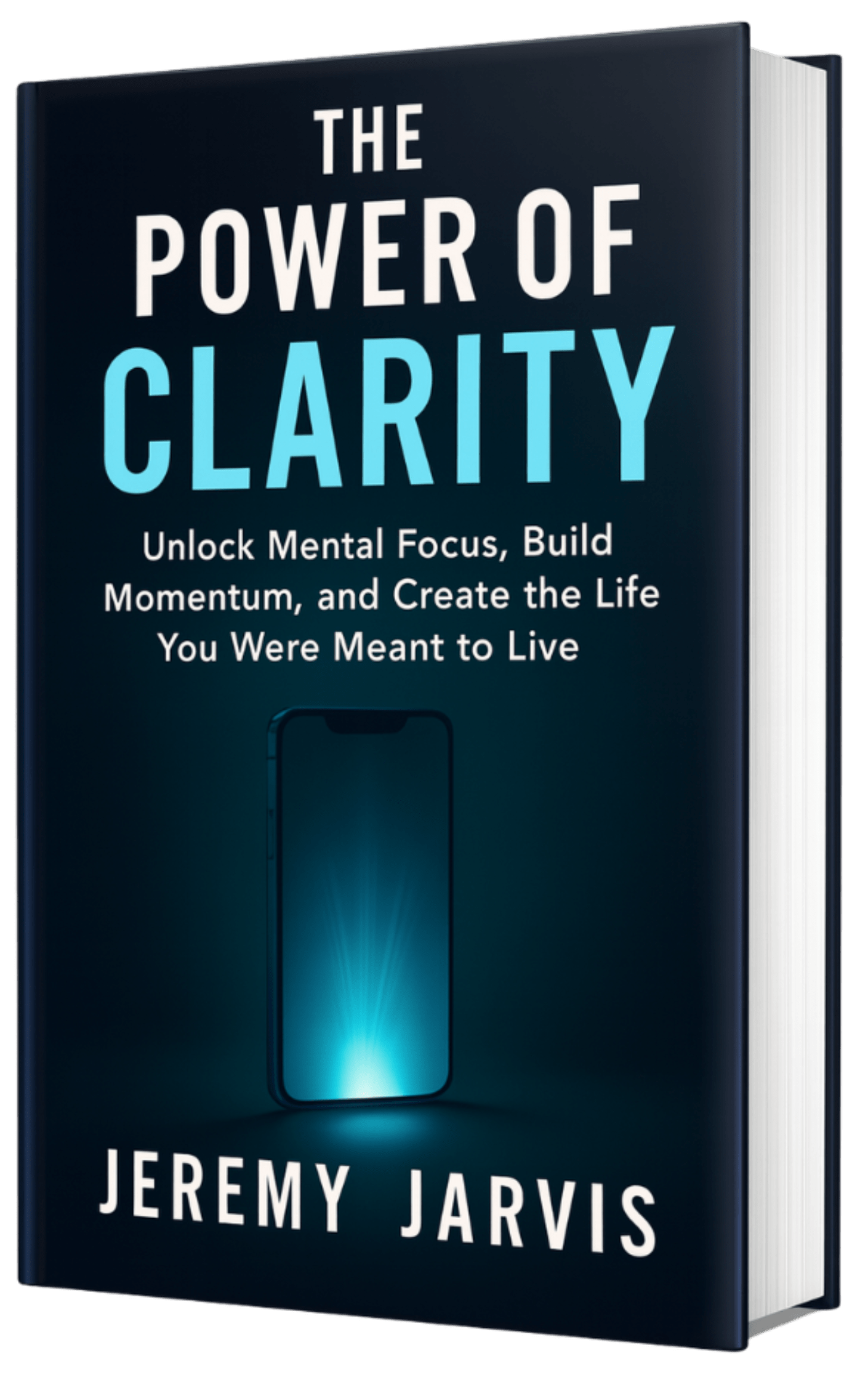
The Power of Clarity
Unlock mental focus, build momentum, and create the life you were meant to live.
View book →
AI & ChatGPT for Beginners
No PhD needed — a 2025 guide to AI, prompts, and productivity without coding.
View book →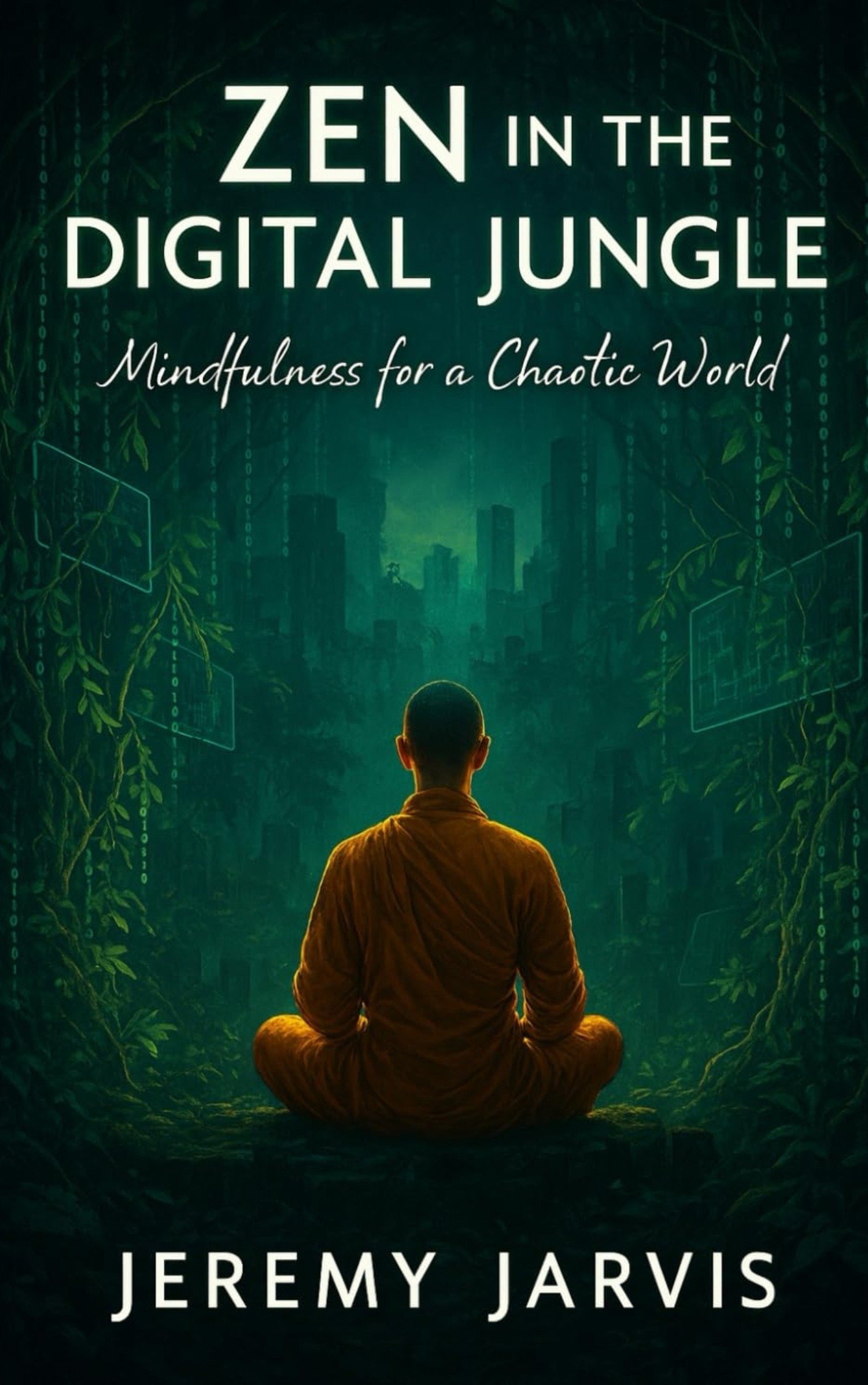
Zen in the Digital Jungle
Mindfulness for a chaotic world.
View book →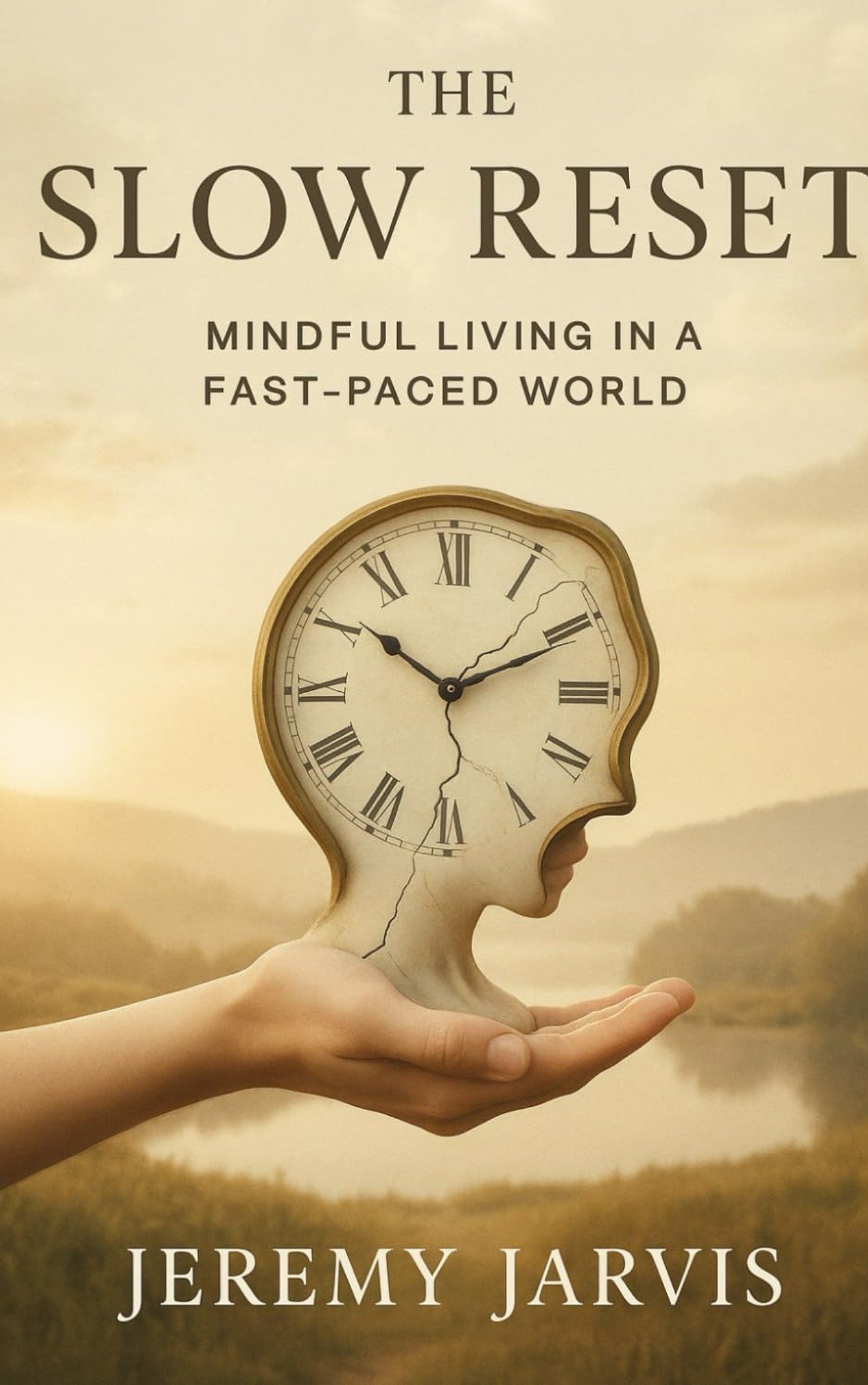
The Slow Reset
Mindful living in a fast-paced world.
View book →
Perfectly Imperfect
Stop self-criticism, set boundaries, and embrace the real you.
View book →
Reclaiming Silence
A dopamine detox guide to finding peace in a noisy world.
View book →
The Focused Freelancer
Productivity, pricing & positioning for independents in 2025.
View book →
ChatGPT Side Hustle System
Launch your AI-driven online business in 30 days.
View book →
Burnout, Interrupted
A proven path to restore energy and reclaim your life.
View book →
Attention Unleashed
Focus strategies for the distracted mind.
View book →
Side Hustle Launchpad
Your quick-start guide to extra income.
View book →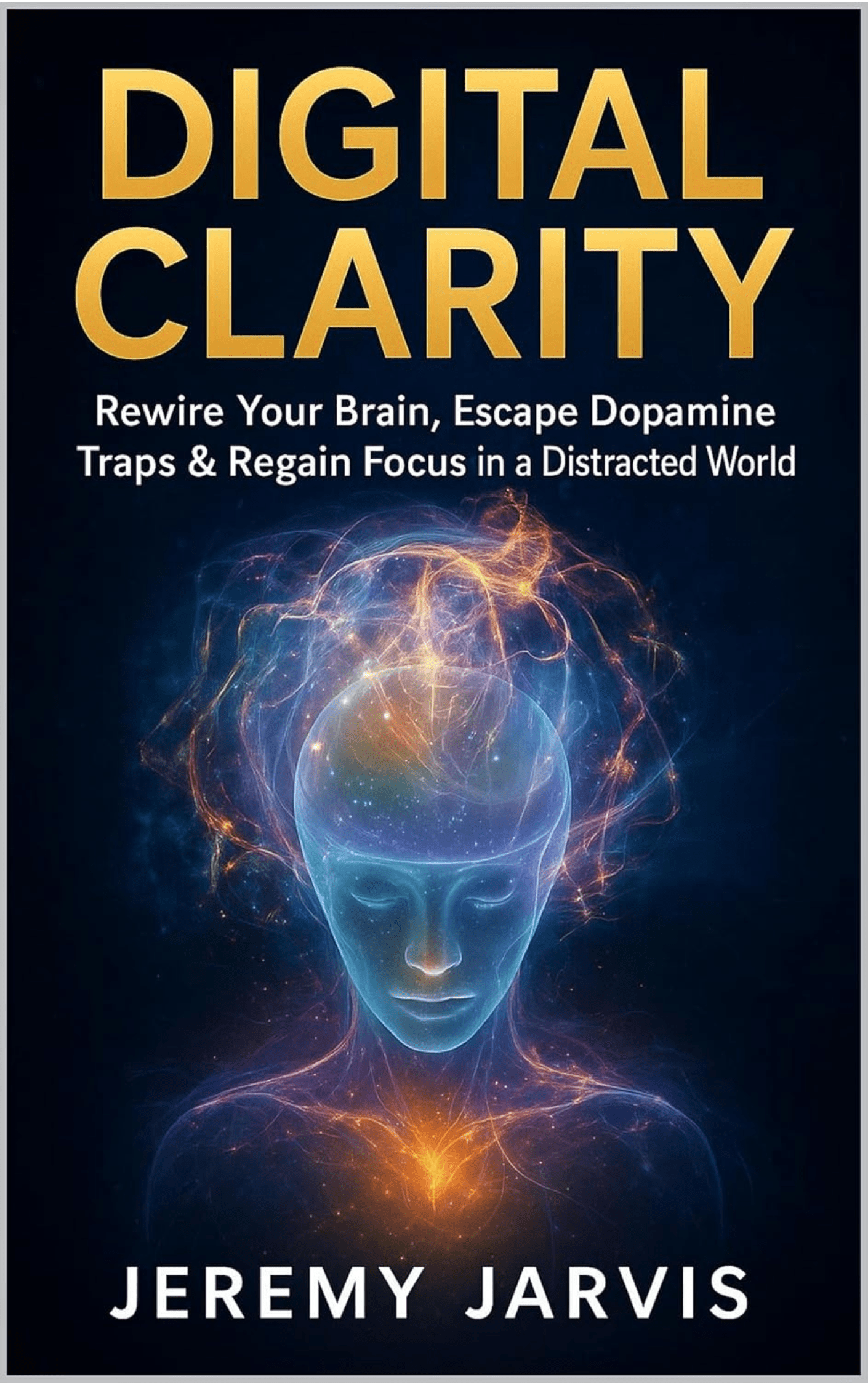
Digital Clarity
Rewire your brain, escape dopamine traps & regain focus.
View book →
Break the Scroll
Reduce screen time and take back control of your life.
View book →
Climate Compassion
Transform eco-anxiety into empowered action.
View book →
Village Mentality
The power of community for mental wellness.
View book →
Restful Nights
Overcoming sleep anxiety in a 24/7 world.
View book →
Connected Again
Combat loneliness and build meaningful relationships.
View book →
Focus Recharged
Mastering attention and productivity in the digital era.
View book →
Marketing Magic with ChatGPT
AI-powered content, campaigns, and copywriting to grow faster.
View book →
The 6-Figure Creator
Turn knowledge into passive income with books, courses & AI.
View book →
Burnout Breakthrough
Reset your work-life balance and thrive in 2025.
View book →
The Emotionally Intelligent Man
A modern guide to self-awareness and communication.
View book →
AI Personalized Wellness
Create your custom health plan with data-driven habits.
View book →
Everyday AI Made Easy
Use ChatGPT and smart tools to simplify life.
View book →
Money Mindfulness
A financial wellness guide for Gen Z & Millennials.
View book →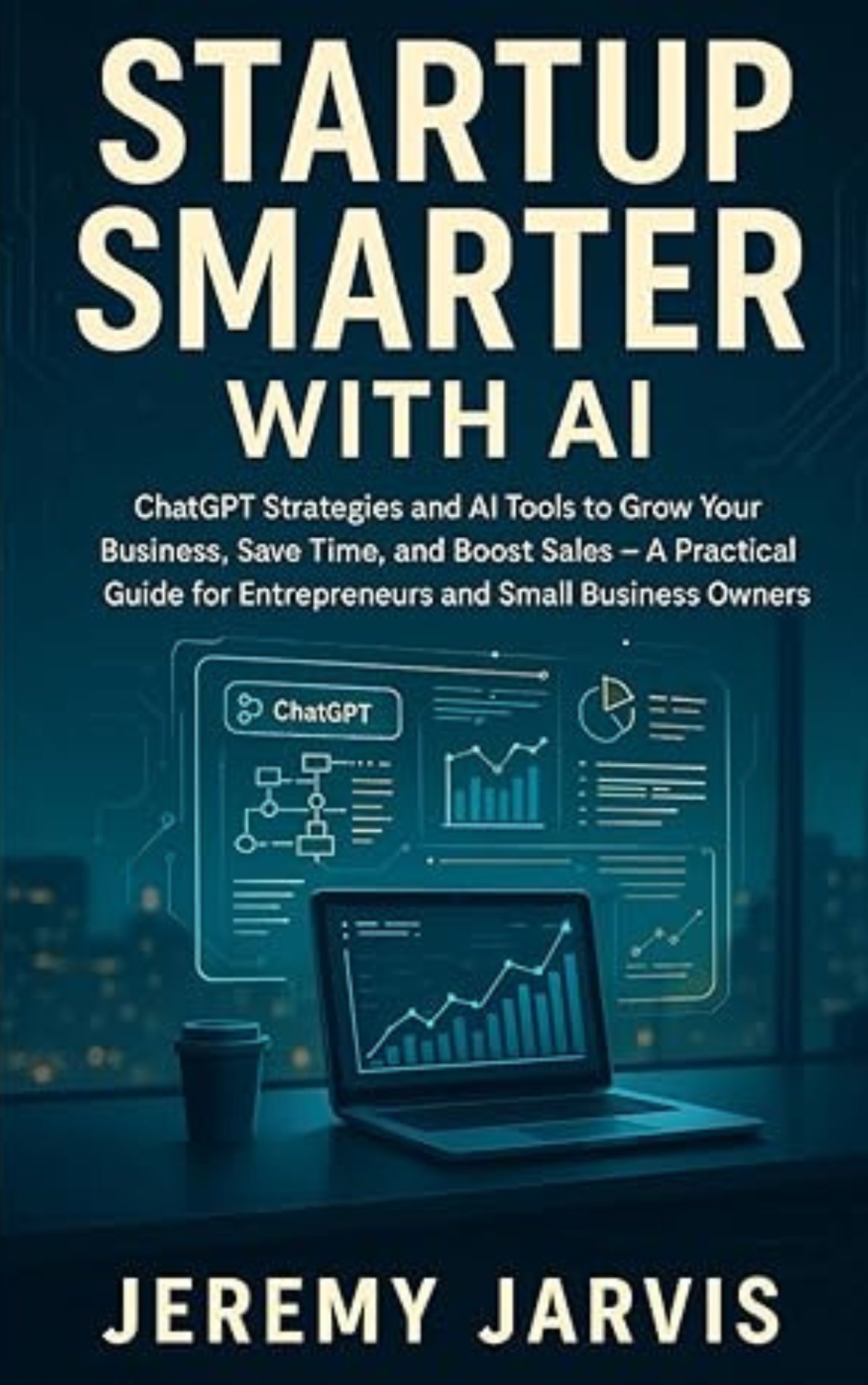
Startup Smarter with AI
ChatGPT strategies and tools to grow your business.
View book →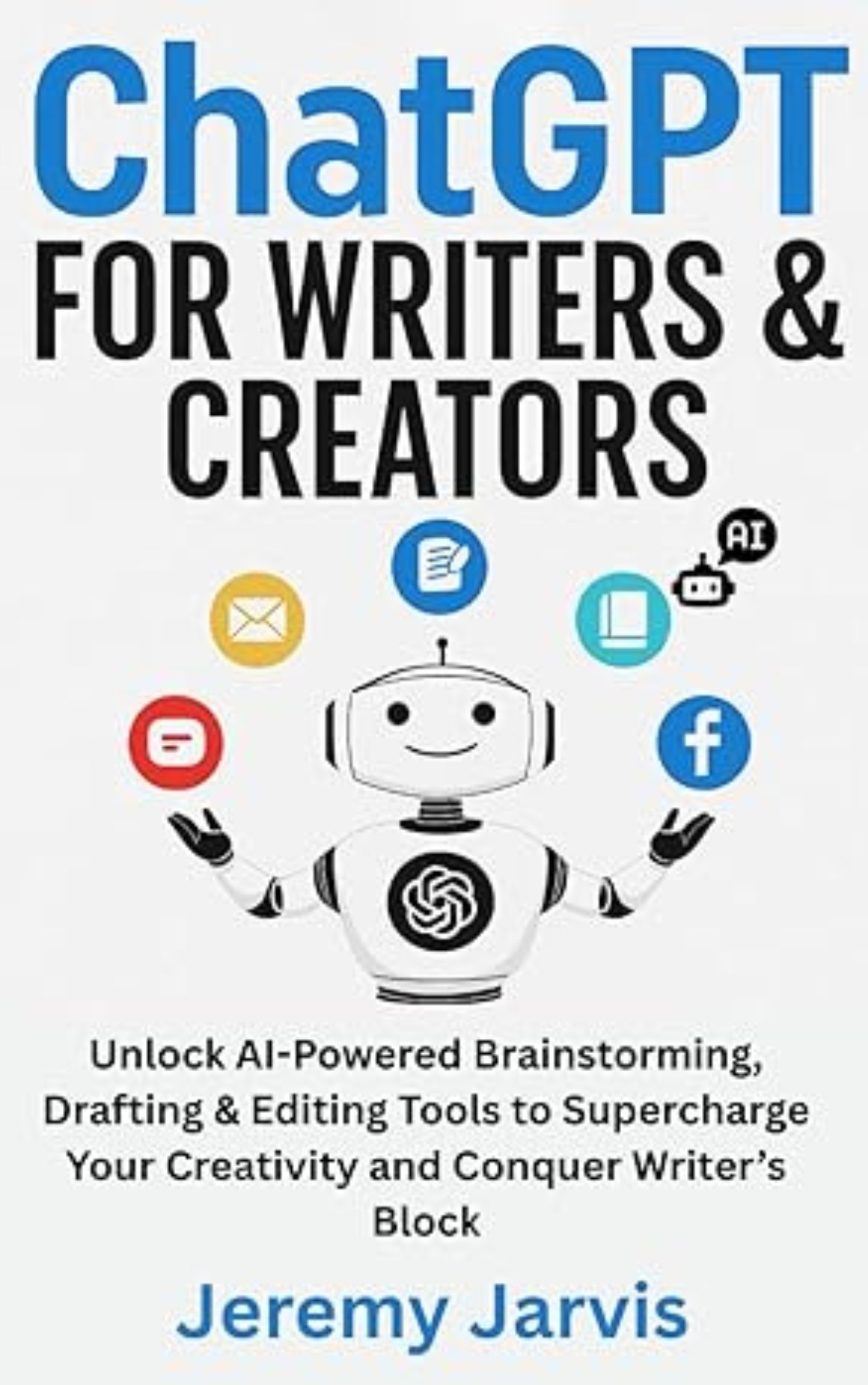
ChatGPT for Writers & Creators
Unlock AI-powered brainstorming, drafting & editing.
View book →