
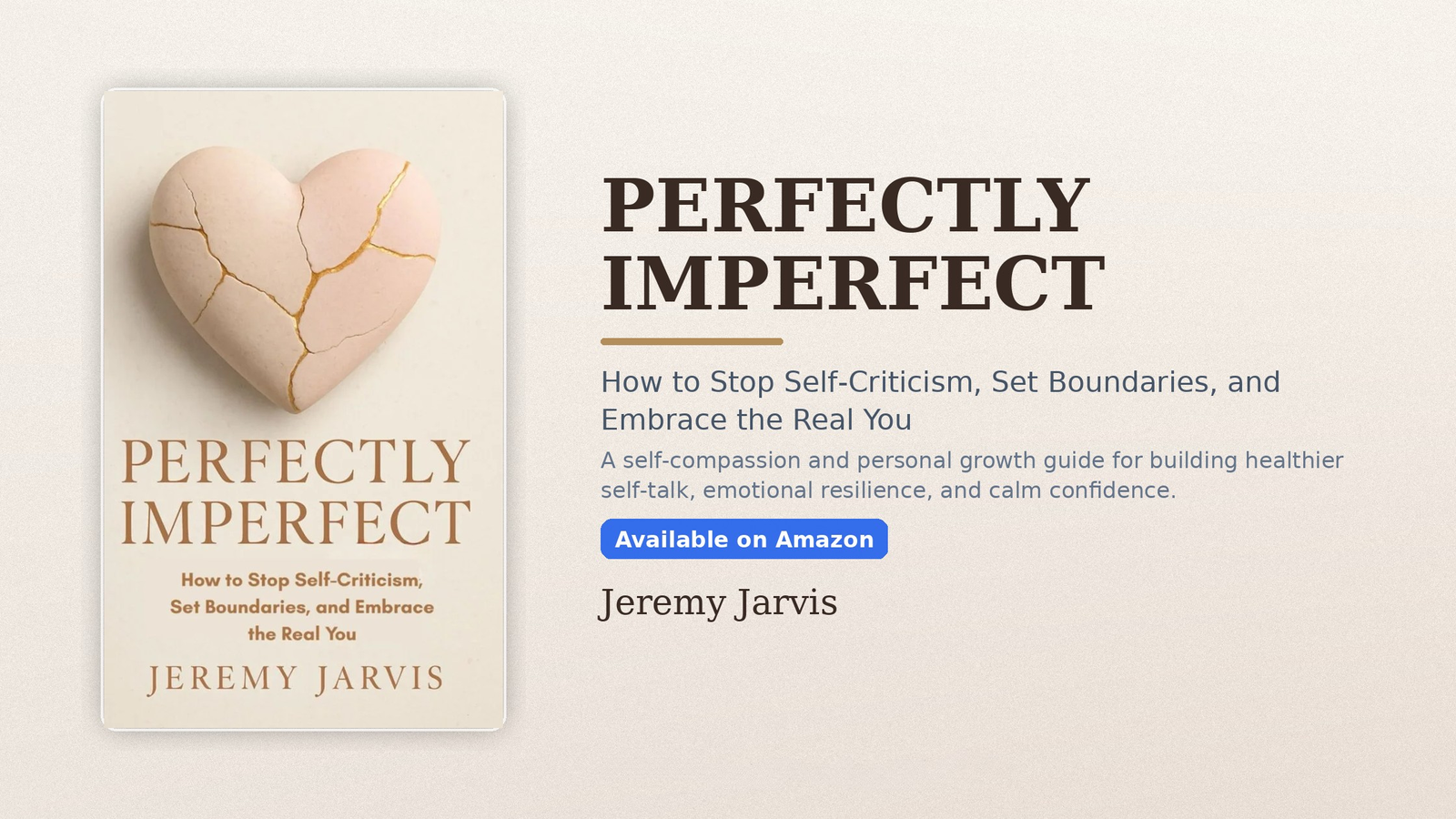
How to Stop Self-Criticism, Set Boundaries, and Embrace the Real You
By Jeremy Jarvis — a warm, honest guide to self-compassion beyond perfectionism, people-pleasing, and high-pressure living.
Affiliate disclosure: If you buy through links on this page, we may earn a small commission at no extra cost to you.
You don’t have to be perfect to be worthy. You just have to be real. If you’re constantly pushing, overanalyzing, second-guessing, and never feeling “good enough,” this book was written for you.
Perfectly Imperfect: How to Stop Self-Criticism, Set Boundaries, and Embrace the Real You is a warm, honest, and empowering guide for anyone stuck in the exhausting cycle of perfectionism, harsh self-talk, people-pleasing, and hidden anxiety. In particular, it speaks to Type A personalities and high achievers who are tired of holding it all together at the cost of their peace.
Backed by psychology and real-life stories, this 45-chapter journey helps you shift from self-judgment to self-compassion, from control to clarity, and from burnout to balance. If you want an additional reading path on Mind Clarity Hub, continue with Quiet Crisis: Feeling Unfocused and Lost and Executive Function Repair (Step-by-Step).
What you’ll learn inside Perfectly Imperfect
This book is designed to help you stop the self-criticism spiral and build a steadier inner voice. Instead of chasing flawless performance, you’ll learn how to practice self-kindness, create healthy boundaries, and make progress without shame.
- Recognize the hidden signs of perfectionism (beyond “being organized”) and how it fuels stress, comparison, and low self-worth.
- Let go without falling apart using simple mindset shifts, daily “let-it-go” rituals, and self-compassion practices.
- Reframe mistakes as growth with mindful self-talk and emotional resilience tools.
- Set boundaries without guilt so you can say no, protect your energy, and stop managing everyone else’s emotions.
- Break chronic overthinking and self-doubt so you stop trying to earn worth through achievement.
- Build authenticity by living in alignment with your values—not your fears.
If you want a related mindset framework, explore Rebuild Attention in a World of Distraction and attention training patterns that support calm focus and less mental noise.
Who this book is for
Perfectly Imperfect is for people who look “fine” on the outside, yet feel pressure on the inside: high achievers, perfectionists, people-pleasers, anxious overthinkers, and anyone who struggles with self-acceptance. It’s also for readers who want healthier relationships—with work, with others, and especially with themselves.
Why this book matters today
Perfectionism often masquerades as ambition, responsibility, or “high standards.” However, over time it can become a hidden form of fear: fear of being judged, fear of disappointing people, and fear of not being enough. As a result, you may push harder, rest less, and criticize yourself more—then wonder why you feel drained.
How perfectionism turns into burnout (and what to do instead)
Just as importantly, perfectionism is rarely “just personality.” It often shows up as overthinking, people-pleasing, hypervigilance, and a constant need to prove your worth. Consequently, your brain stays in a high-alert state: scanning for mistakes, rehearsing conversations, and chasing the next checkbox so you can finally feel calm. Meanwhile, the nervous system never fully downshifts, which is why stress can linger even on days when nothing “bad” happens.
Perfectly Imperfect reframes this pattern as an attention and emotional regulation problem, not a moral failing. In other words, the goal isn’t to lower your standards—it’s to stop using self-criticism as a control strategy. If you’ve been wondering why you can’t focus anymore when you’re “doing everything right,” read Why Can’t I Focus Anymore?. Additionally, if your mind feels constantly “on,” Digital Overwhelm: Attention Hijacking explains why modern inputs intensify perfectionist thinking.
A self-compassion reset that still respects your ambition
Many perfectionists fear that self-compassion means becoming lazy, unmotivated, or “letting yourself off the hook.” However, research-informed practice shows the opposite: when you replace shame with self-trust, you become more consistent, more resilient, and less emotionally reactive. As a result, your focus improves because your energy isn’t constantly being drained by internal conflict and negative self-talk.
This is why Perfectly Imperfect emphasizes emotional resilience, healthy boundaries, and mindful self-talk as real performance tools—not motivational fluff. For a deeper look at how attention stabilizes when you reduce mental context switching, pair this section with Neuroscience of Single-Tasking. Likewise, if your brain feels foggy or scattered from chronic stress, start here: Science of Mental Fog.
Stop the self-criticism spiral and rebuild self-trust
The self-criticism spiral usually follows a predictable loop: pressure → overperformance → exhaustion → guilt → more pressure. Therefore, the first win is learning to notice the trigger moments—before they become a full emotional collapse. In practical terms, that means identifying the “permission slips” your mind demands (more productivity, more certainty, more approval), and then replacing them with small, repeatable self-trust behaviors: a clear boundary, a realistic plan, a short reset, and one compassionate next step.
Over time, those small choices change your internal identity from “I must be flawless to be safe” to “I can handle discomfort without abandoning myself.” Consequently, you spend less time in rumination and more time in grounded action. If you want a companion framework for resetting mental space when you’re overloaded, read Focus Reset: Mental Space.
Finally, if your nervous system is exhausted from always performing, this article helps you rebuild stability without forcing motivation: Executive Function Repair for Overwhelmed Adults. When you combine that with the boundary work inside Perfectly Imperfect, you get something rare: a way to pursue growth while protecting your peace.
Boundaries without guilt: the fastest path back to peace
In many cases, the biggest driver of perfectionism isn’t internal—it’s relational. You over-deliver because you don’t want conflict. You stay available because you fear being misunderstood. You keep carrying the load because you’re “the reliable one.” However, a life without boundaries eventually turns into a life without rest. That’s why Perfectly Imperfect treats boundary-setting as a core mental health skill: it protects time, energy, and attention—so your identity isn’t built on constant approval.
If you’ve been feeling emotionally worn down by constant inputs and expectations, you’ll also benefit from What Is Digital Fatigue (and How to Recover Faster). In the same way, if you want an approach that helps you step out of scrolling as a coping mechanism, read Break the Scroll: Digital Detox. Together, these resources support the same outcome: calmer days, clearer decisions, and a stronger sense of self that doesn’t depend on perfection.
Perfectly Imperfect helps you step out of that loop. Instead of using punishment as motivation, you learn how to build confidence through self-trust, emotional resilience, and boundaries that protect your peace. For deeper support, you can also read How to Recover from Burnout and Mentally Exhausted After Doing Nothing.
Ready to stop the self-criticism spiral?
Told with humor, humility, and personal reflection, Perfectly Imperfect doesn’t just help you manage perfectionism—it helps you outgrow it. Because your worth isn’t in your performance. It’s in your presence. And the person you are—even when things are messy—is more than enough.
Print length: 294 pages •
Language: English •
Publication date: July 6, 2025
Dimensions: 6 x 0.67 x 9 inches •
ISBN-13: 979-8291339640
Affiliate disclosure: If you buy through links on this page, we may earn a small commission at no extra cost to you.
FAQs — Perfectly Imperfect
1. What is Perfectly Imperfect about?
Perfectly Imperfect is a self-compassion and boundaries guide for people stuck in perfectionism and harsh self-talk. It helps you stop self-criticism, reduce overthinking, and build confidence through self-trust.
2. Who should read this book?
It’s ideal for high achievers, Type A personalities, people-pleasers, and anyone who feels they must “earn” worth through performance. It’s also helpful if you struggle with anxiety-driven overthinking.
3. Is this a therapy book?
No. It’s a practical, educational guide. If you’re dealing with severe or persistent mental health symptoms, consider support from a qualified professional.
4. What will I learn about self-criticism?
You’ll learn how self-criticism becomes a habit, how it drives burnout and low self-worth, and how to replace it with realistic self-talk that supports growth without shame.
5. Does the book help with boundaries?
Yes. You’ll learn how to say no without guilt, protect your energy, and stop people-pleasing patterns that keep you stuck in resentment and exhaustion.
6. How is this different from productivity advice?
This is about inner stability and self-respect, not doing more. It helps you build sustainable confidence, emotional resilience, and calmer decision-making—so productivity becomes a byproduct, not a demand.
7. How long is the book?
The print edition is 294 pages and structured into 45 chapters designed for steady, chapter-by-chapter progress.
8. Is it written in a heavy clinical style?
No. It’s written in a warm, honest voice with humor and real-life reflections, while still grounded in psychology-informed concepts.
9. What results can I expect?
Readers typically report less overthinking, more self-trust, and clearer boundaries. With consistent practice, self-kindness becomes a default rather than an exception.
10. Where can I buy Perfectly Imperfect?
Perfectly Imperfect (ISBN 979-8291339640) is available on Amazon. Buy on Amazon →
Explore the Mind Clarity Hub Library
Practical books on focus, digital habits, resilience, and building a calmer mind.
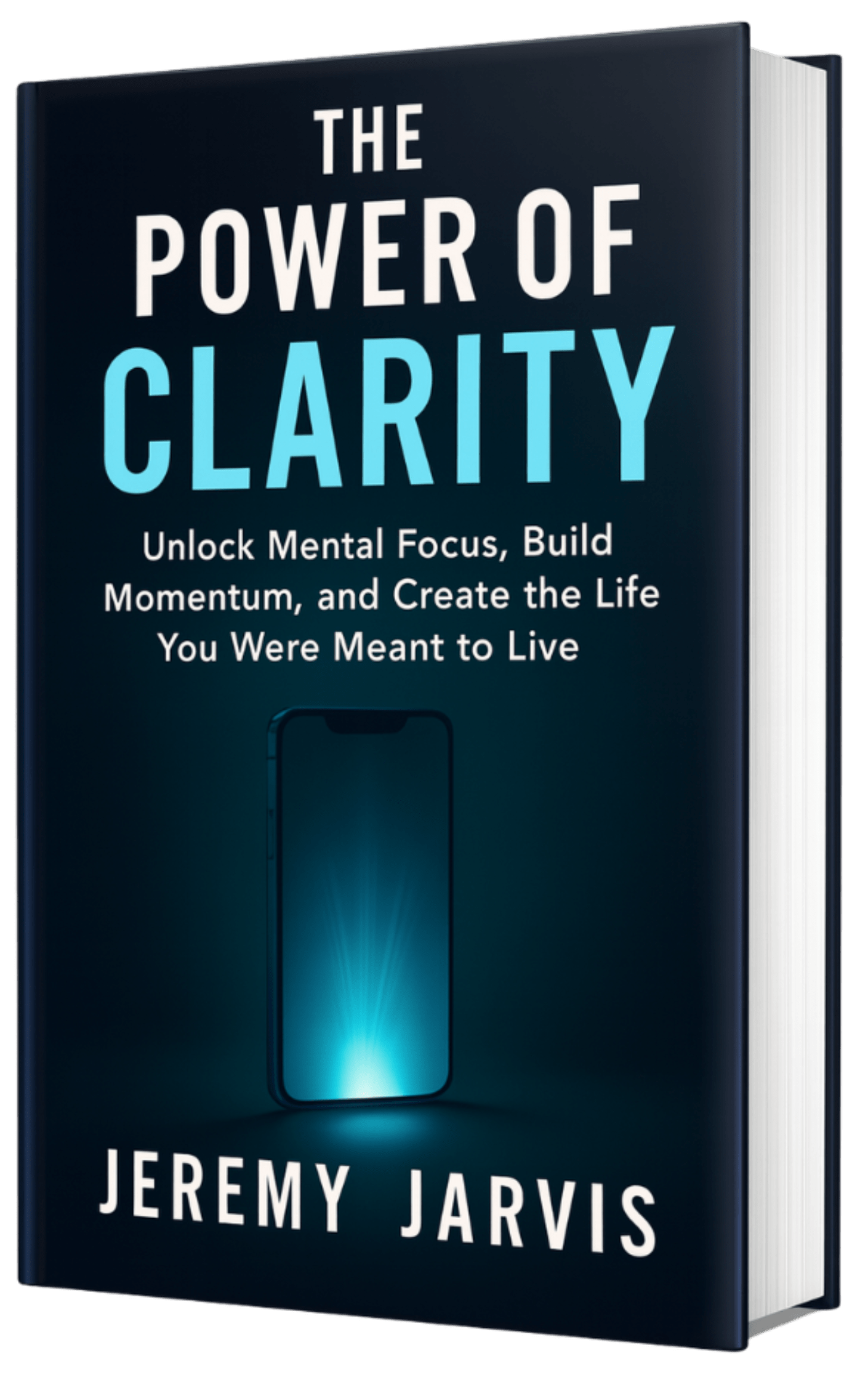
The Power of Clarity
Unlock mental focus, build momentum, and create the life you were meant to live.
View book →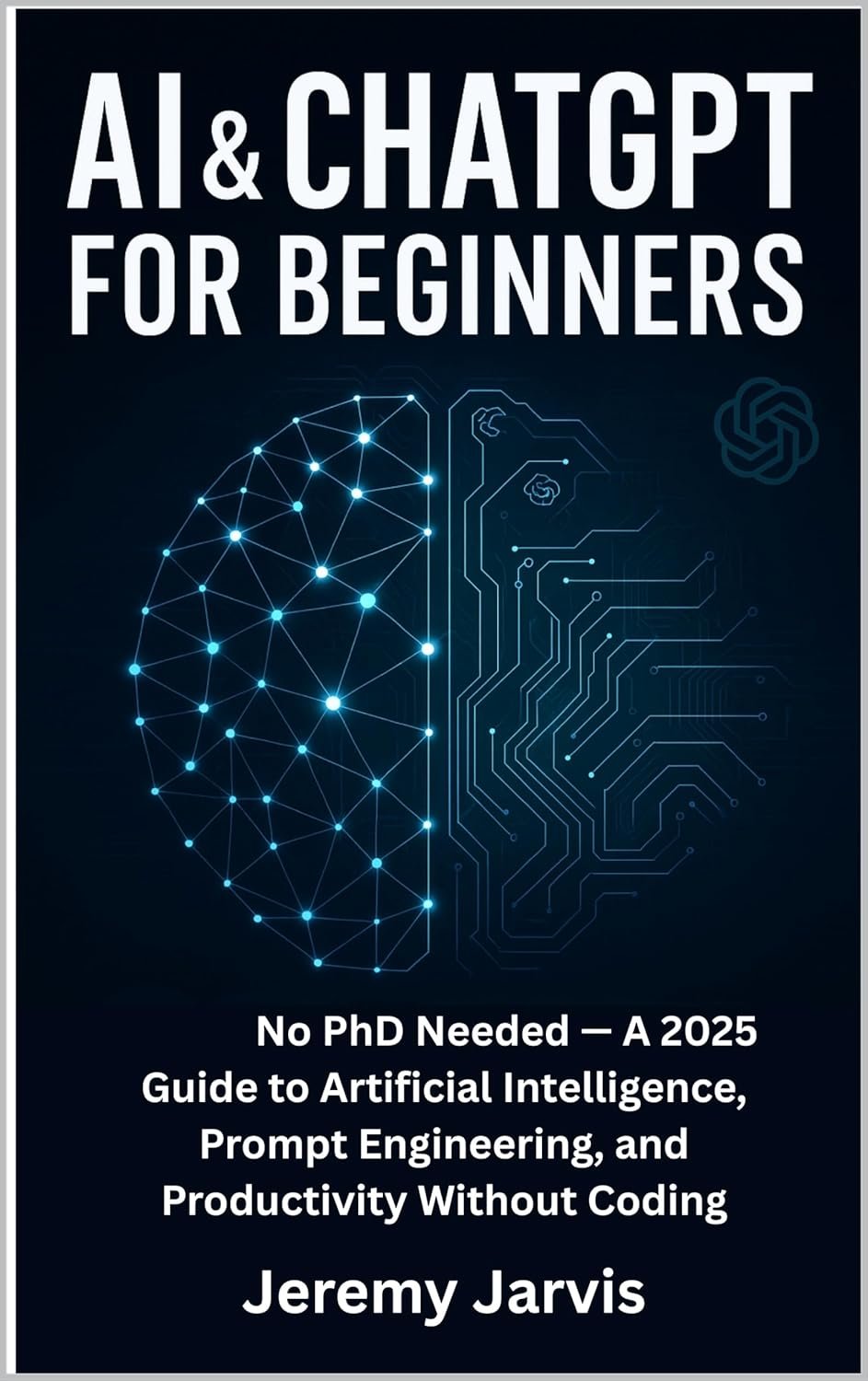
AI & ChatGPT for Beginners
No PhD needed — a 2025 guide to AI, prompts, and productivity without coding.
View book →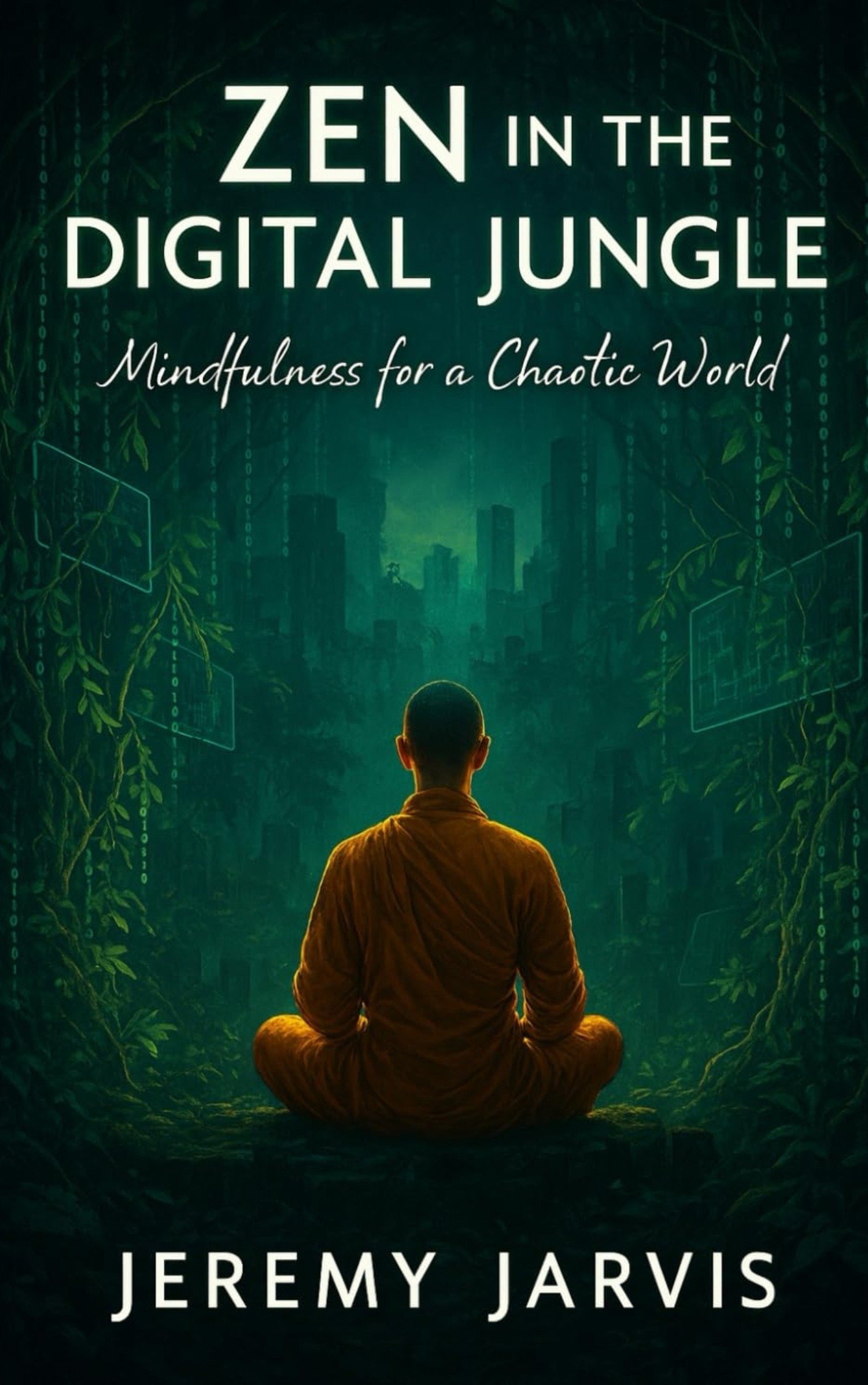
Zen in the Digital Jungle
Mindfulness for a chaotic world.
View book →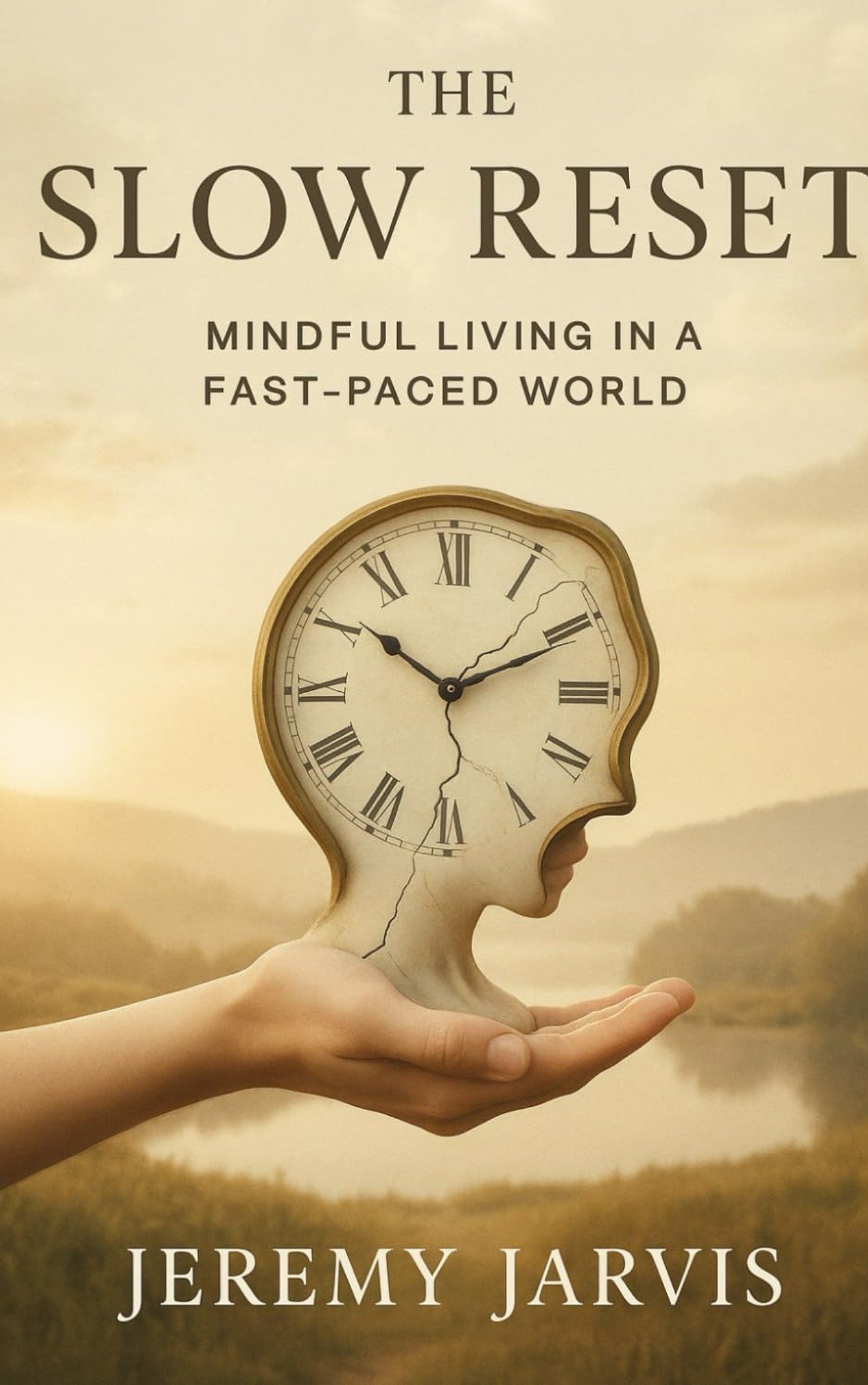
The Slow Reset
Mindful living in a fast-paced world.
View book →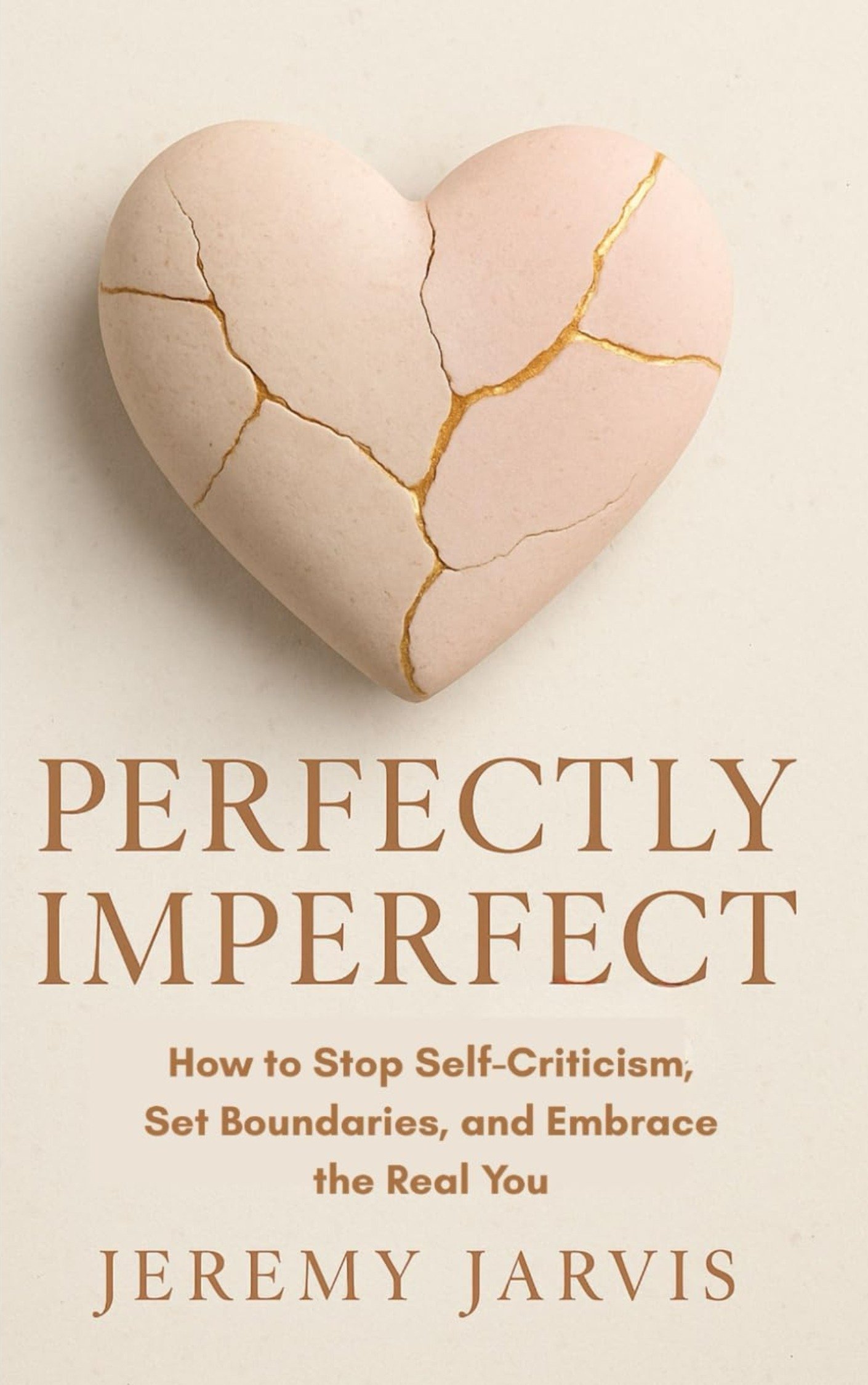
Perfectly Imperfect
Stop self-criticism, set boundaries, and embrace the real you.
View book →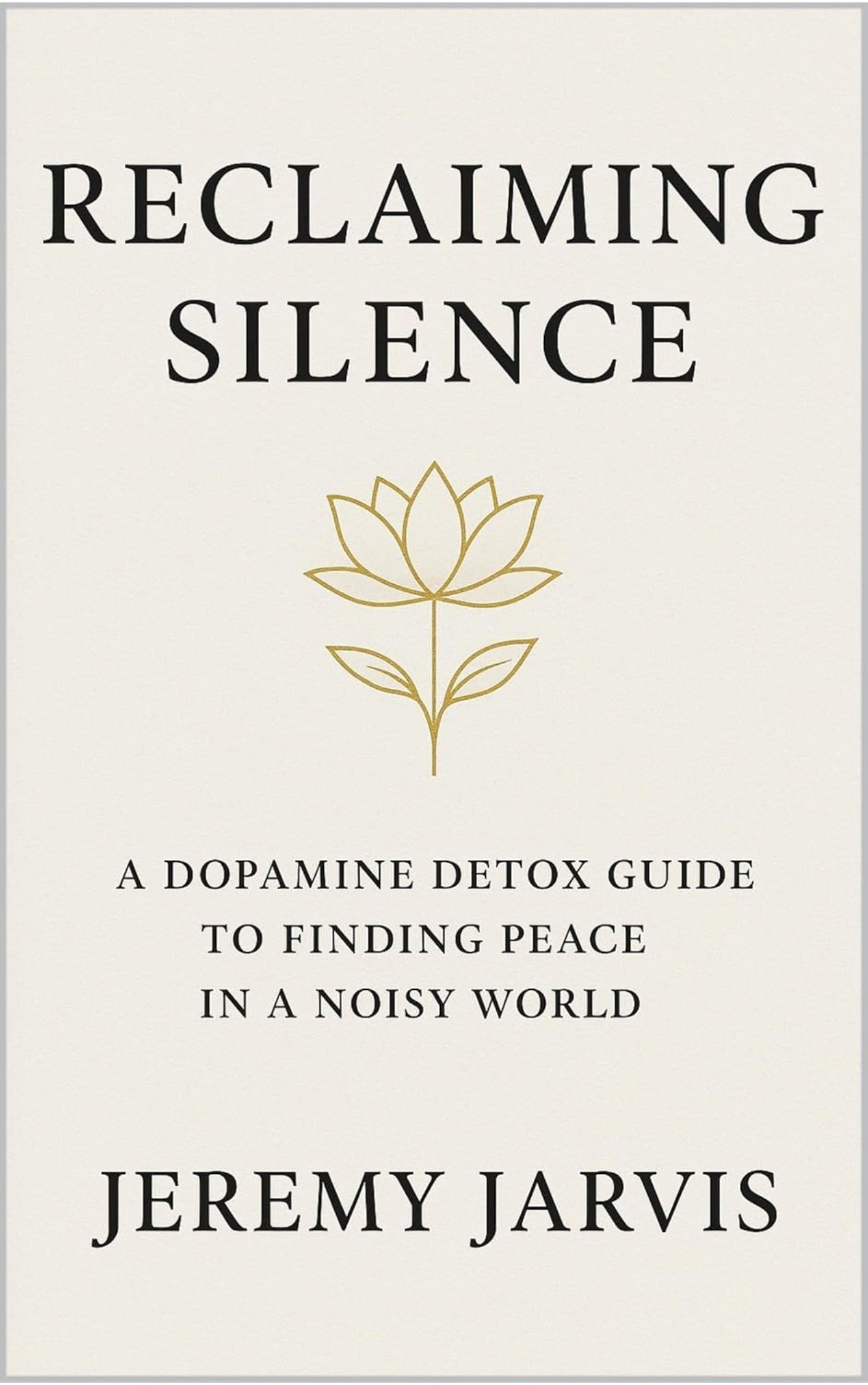
Reclaiming Silence
A dopamine detox guide to finding peace in a noisy world.
View book →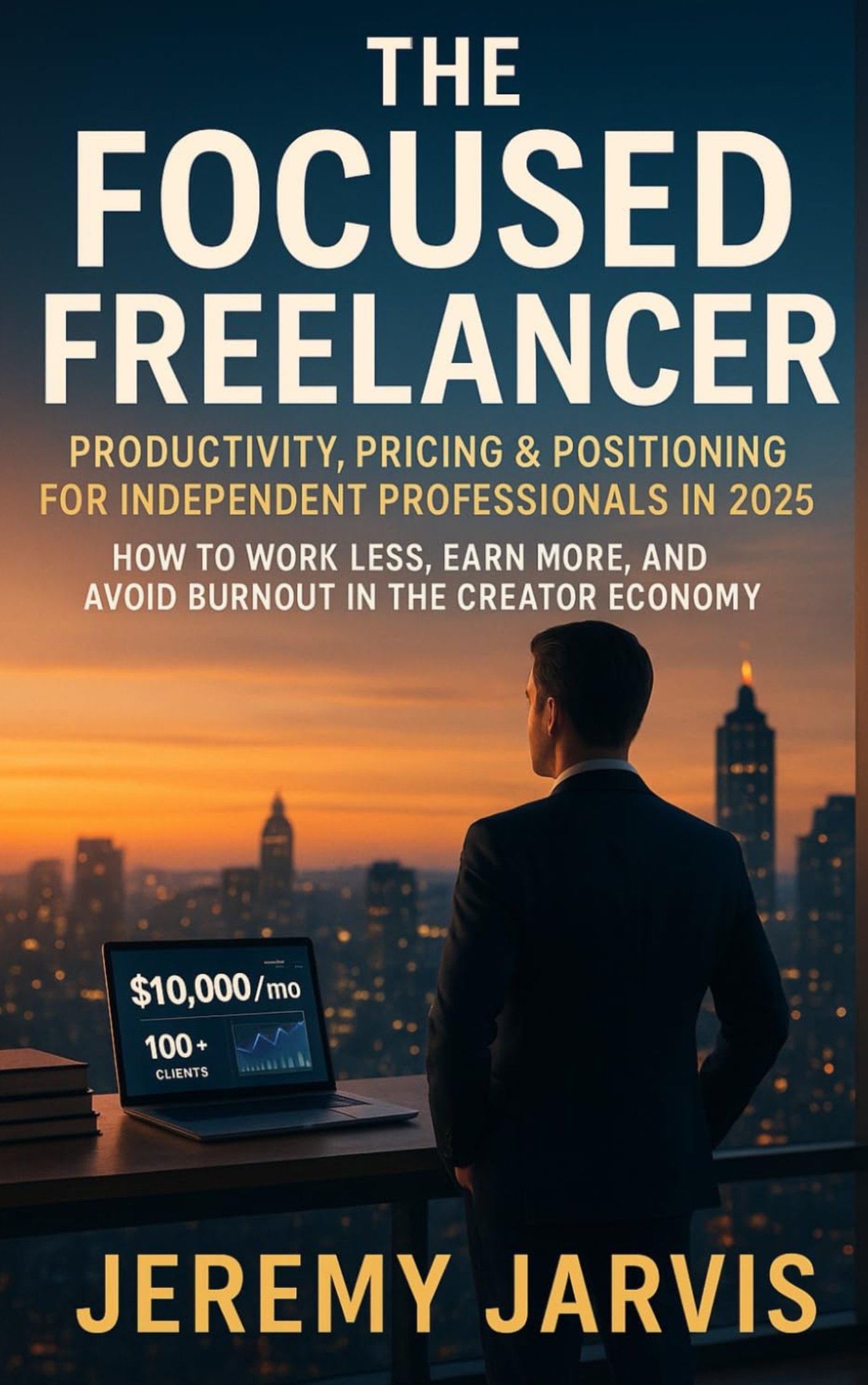
The Focused Freelancer
Productivity, pricing & positioning for independents in 2025.
View book →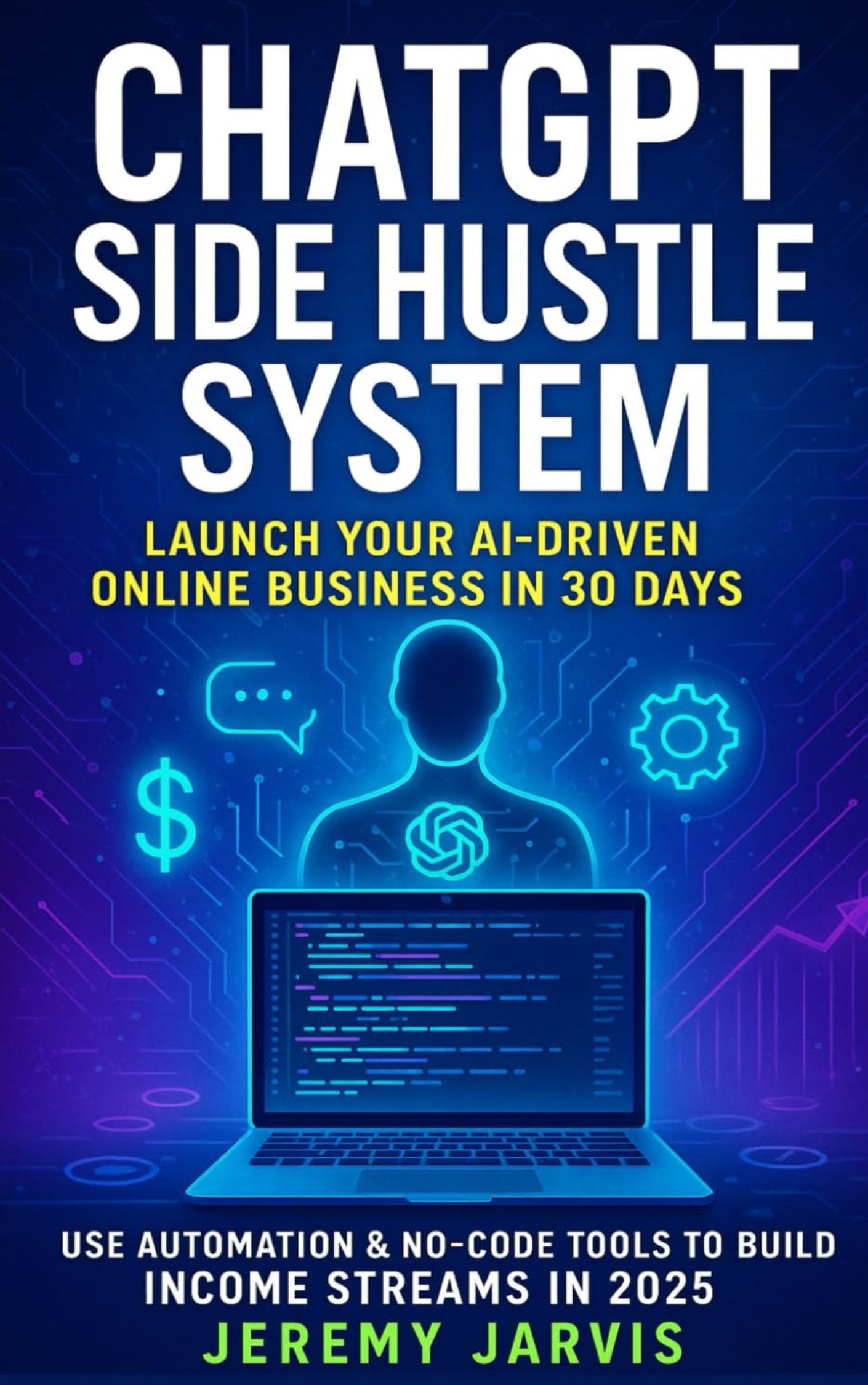
ChatGPT Side Hustle System
Launch your AI-driven online business in 30 days.
View book →
Burnout, Interrupted
A proven path to restore energy and reclaim your life.
View book →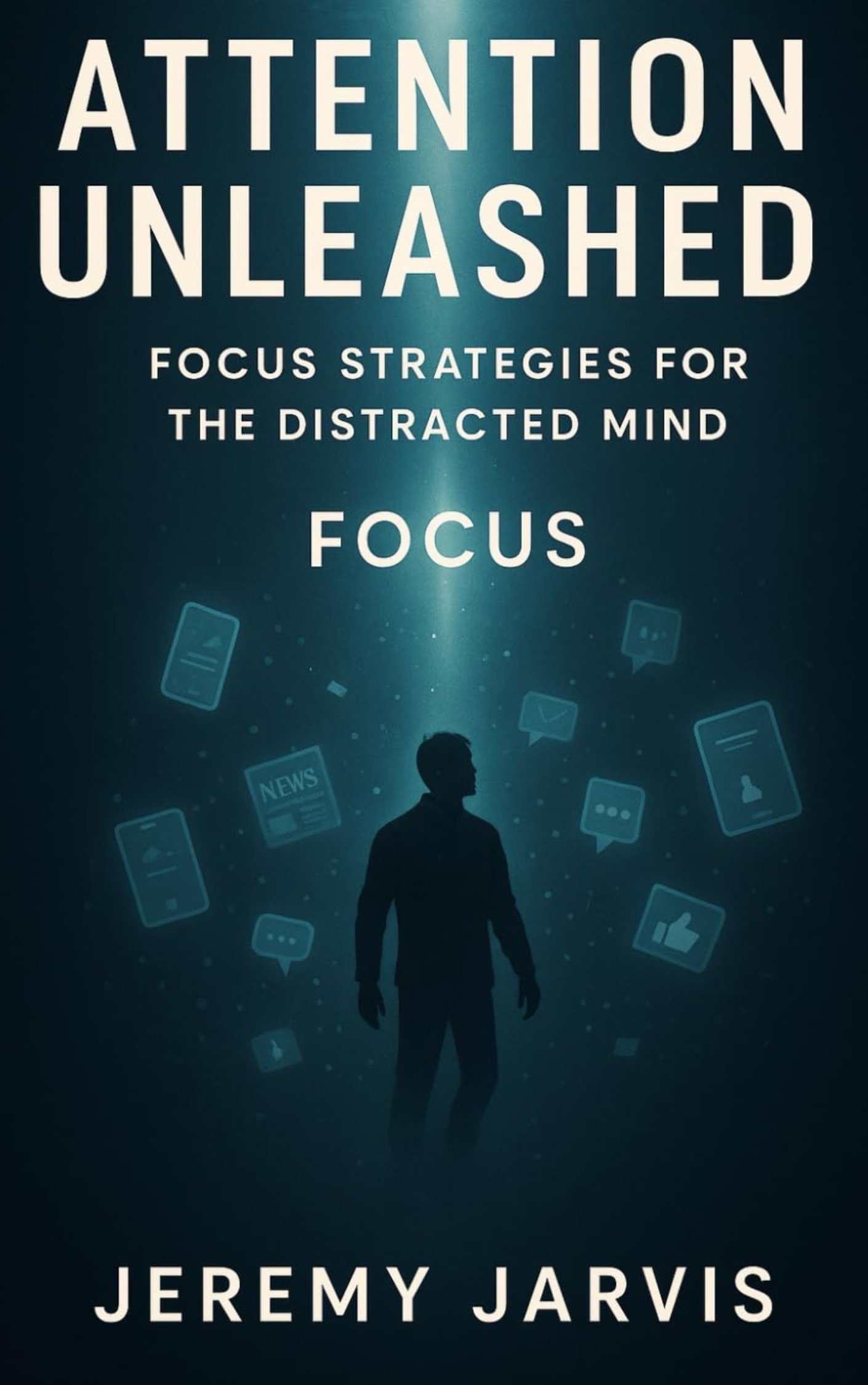
Attention Unleashed
Focus strategies for the distracted mind.
View book →
Side Hustle Launchpad
Your quick-start guide to extra income.
View book →
Digital Clarity
Rewire your brain, escape dopamine traps & regain focus.
View book →
Break the Scroll
Reduce screen time and take back control of your life.
View book →
Climate Compassion
Transform eco-anxiety into empowered action.
View book →
Village Mentality
The power of community for mental wellness.
View book →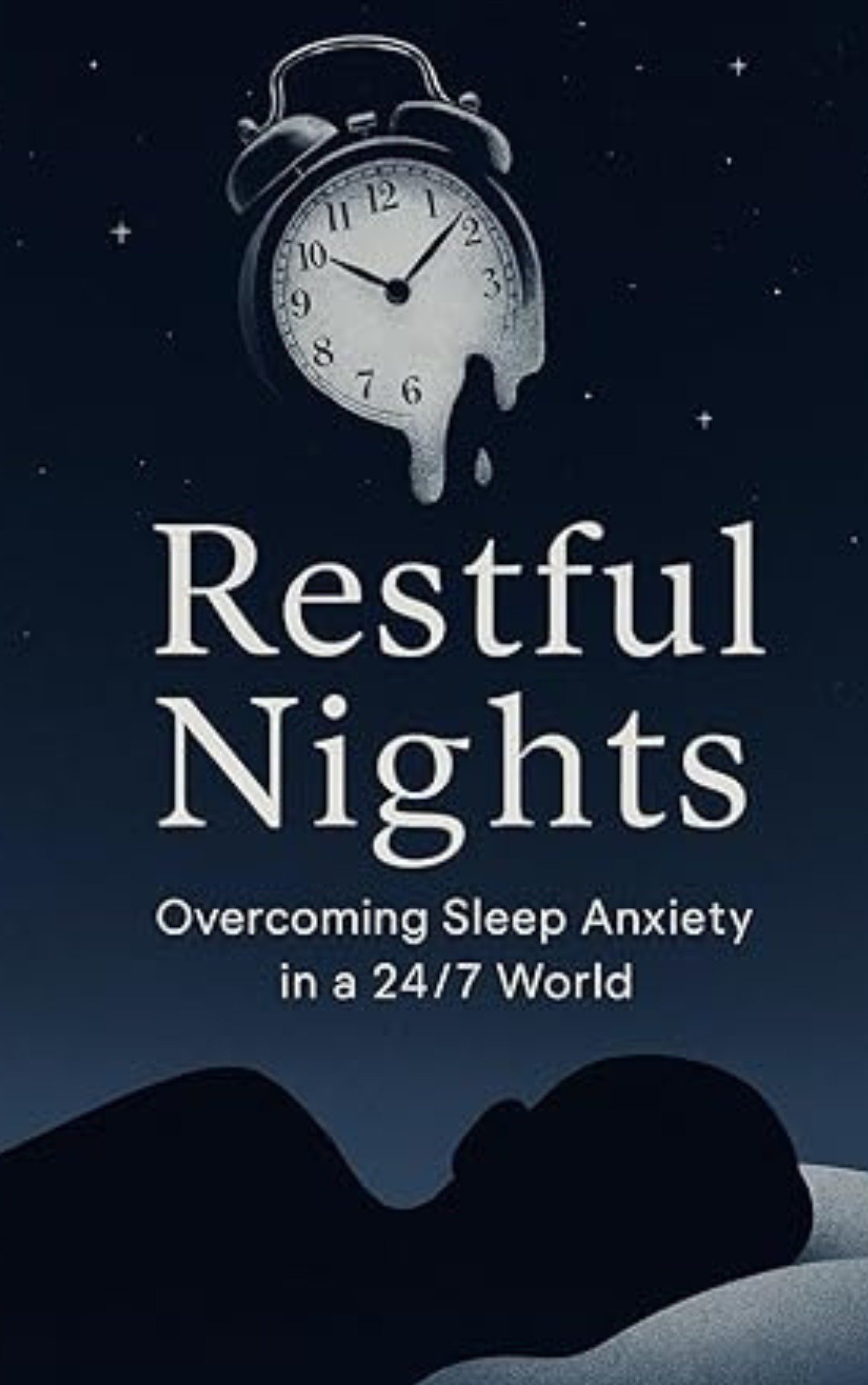
Restful Nights
Overcoming sleep anxiety in a 24/7 world.
View book →
Connected Again
Combat loneliness and build meaningful relationships.
View book →
Focus Recharged
Mastering attention and productivity in the digital era.
View book →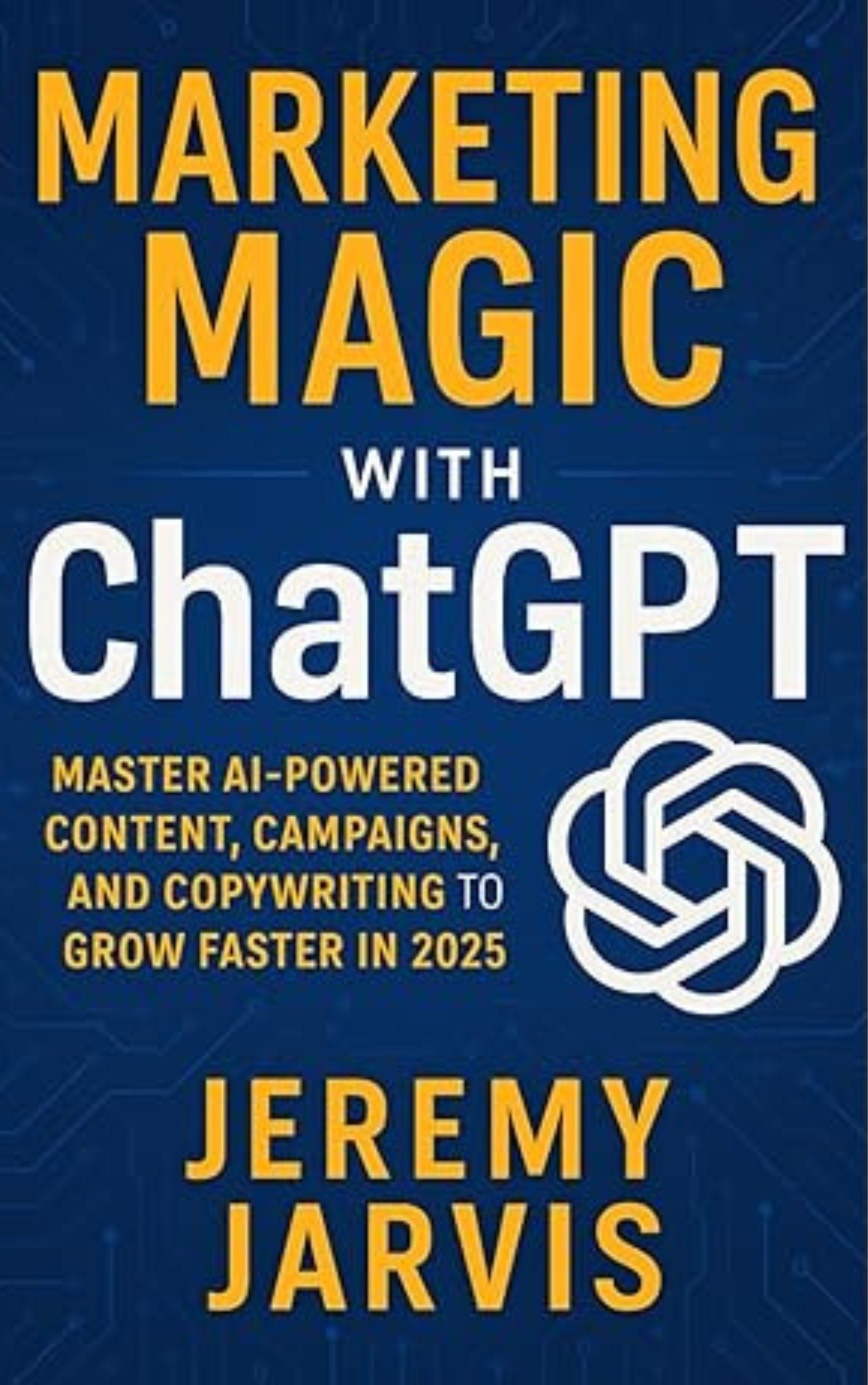
Marketing Magic with ChatGPT
AI-powered content, campaigns, and copywriting to grow faster.
View book →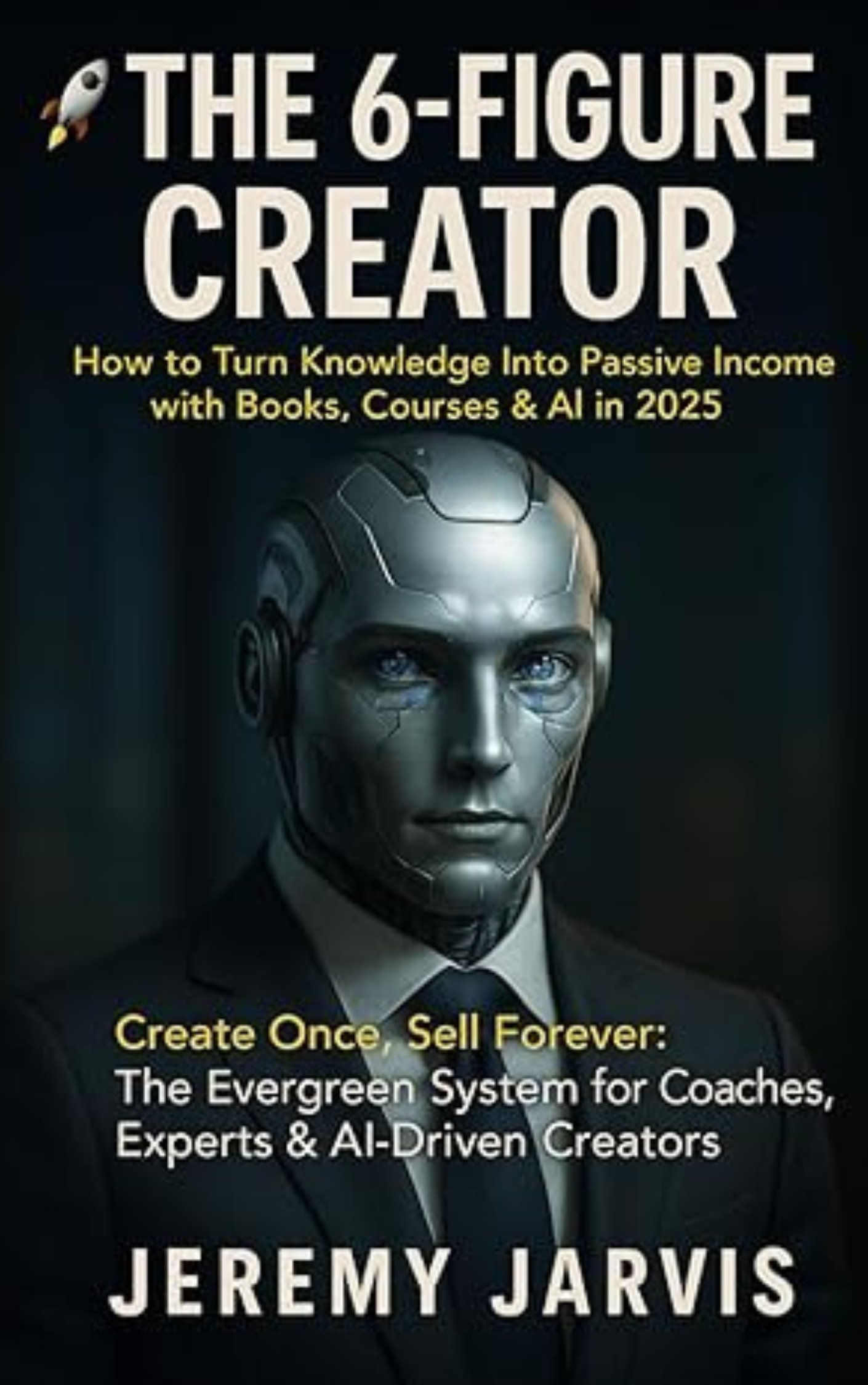
The 6-Figure Creator
Turn knowledge into passive income with books, courses & AI.
View book →
Burnout Breakthrough
Reset your work-life balance and thrive in 2025.
View book →
The Emotionally Intelligent Man
A modern guide to self-awareness and communication.
View book →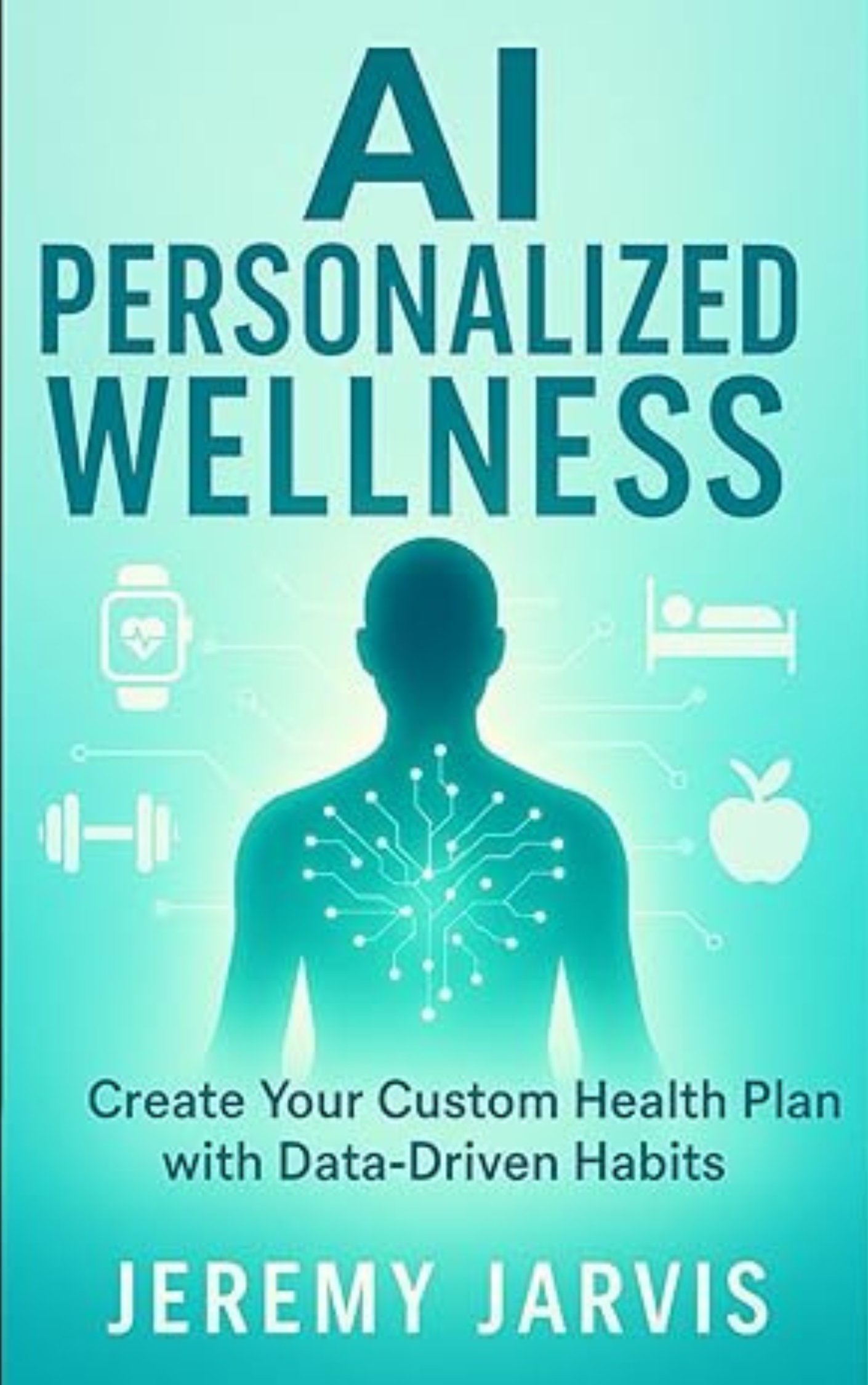
AI Personalized Wellness
Create your custom health plan with data-driven habits.
View book →
Everyday AI Made Easy
Use ChatGPT and smart tools to simplify life.
View book →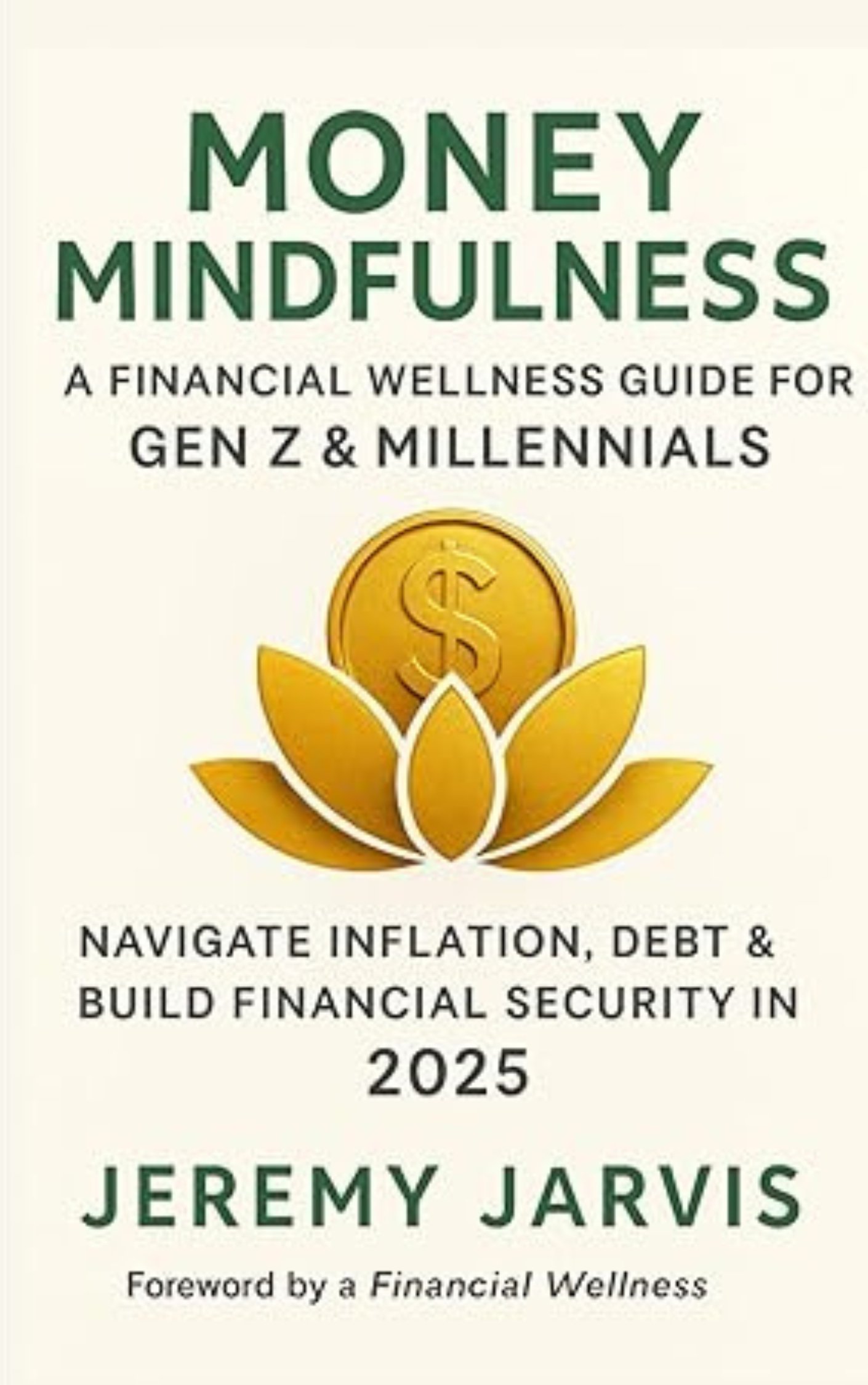
Money Mindfulness
A financial wellness guide for Gen Z & Millennials.
View book →
Startup Smarter with AI
ChatGPT strategies and tools to grow your business.
View book →
ChatGPT for Writers & Creators
Unlock AI-powered brainstorming, drafting & editing.
View book →