
The Quiet Crisis: Why So Many People Feel Unfocused and Lost Right Now

Key takeaways: The “quiet crisis” behind feeling unfocused and lost
- The feeling of being unfocused and lost is rarely a personal failure. It usually reflects a mismatch between how your brain evolved and how modern life is designed.
- Screens, chronic uncertainty, loneliness, and fragmented routines all hijack attention and erode your sense of direction, even when life looks “fine” from the outside.
- Your nervous system is trying to keep you safe, not lazy. When it feels overloaded, it defaults to short-term comfort and distraction rather than long-term clarity.
- You can recover a sense of focus and direction by rebuilding a few simple anchors: body rhythms, daily structure, values-based goals, and real connection with other humans.
Editor’s Pick
Companion read: The Power of Clarity
If you want a practical roadmap for moving from scattered to clear, explore the book page for The Power of Clarity . It pairs well with this article when you are ready to turn insight into a step-by-step focus plan.
Why so many people quietly feel unfocused and lost
On paper, life might look okay. You have responsibilities, a phone full of contacts, and more information than any previous generation. Yet inside, it can feel as if your brain is always buzzing and never landing. To-do lists blur together. Days vanish into screens. Big questions—What am I doing? Why am I doing it?—float in the background like low static.
Many people assume this fog is a personal flaw: not disciplined enough, not grateful enough, not organized enough. In reality, the “quiet crisis” of feeling unfocused and lost is deeply tied to how modern life is structured. Your attention, nervous system, and sense of meaning are being pulled in directions that human brains were never built to handle at this intensity.
Earlier pieces like Why Can’t I Focus Anymore? (Real Causes, Not Clichés) and The Hidden Costs of Screen Time: What 2025 Research Shows About Your Brain unpack parts of this story. This article zooms out even further. It looks at how attention overload, uncertainty, loneliness, and lost routines combine into a quiet, widespread crisis—and then offers concrete ways to rebuild a sense of direction without needing a dramatic life reset.
When your attention is a product, focus becomes harder by design
A big part of this crisis starts with the simple fact that your attention is now an economic resource. Every platform, app, and notification is tuned to keep you engaged a little longer. Nothing about that environment is neutral. Each “ping” or recommendation is a gentle nudge toward micro-distractions instead of deep, satisfying focus.
Over time, your brain adapts. Fast, fragmented inputs become the norm. Long-form reading and sustained concentration feel strangely heavy by comparison. You may still be capable of deep focus, yet the starting friction keeps getting higher. That shift shows up as procrastination, half-finished projects, and evenings where you feel too drained to do anything but scroll.
If you want to understand how this constant stimulation reshapes reward circuits, it helps to pair this guide with Modern Attention Diet & Dopamine Detox . Together, they explain why “just try harder” fails, and why you need a different relationship with screens if you want your focus to feel sturdy again.
Chronic uncertainty keeps your nervous system in low-grade survival mode
Another layer of the quiet crisis is constant uncertainty. Economic news, climate headlines, political tension, and shifting work norms all send the same signal to your nervous system: the future is unstable. Even when you are physically safe in the moment, your body may carry a background sense of “something is off.”
Brains that feel unsafe do not prioritize long-term planning or deep focus. They default to scanning for threat, seeking quick reassurance, and grabbing small hits of comfort wherever possible. That survival mode used to kick in occasionally. Now it can run for months or years at a time, fuelled by the steady drip of alarming information in your feeds.
The result is a strange mix of over-activation and paralysis. You feel restless but stuck, busy but directionless. It becomes much harder to answer questions like “What do I want?” when a large part of you is simply trying to stay emotionally afloat.
Feeling connected online, yet quietly lonely in real life
On the surface, you may be more “connected” than ever. Messages come in all day. Group chats light up. Social feeds stay busy. However, underneath those digital touch points, many people report feeling profoundly alone. They lack consistent, in-person relationships where they can be fully themselves.
Loneliness does more than hurt emotionally. It also scrambles focus. A brain that feels socially isolated tends to ruminate, worry, and replay small interactions on loop. That mental bandwidth has to come from somewhere, so it often comes out of your capacity to pay attention to the work, hobbies, or growth that would actually move life forward.
The paradox is that the more unfocused and lost you feel, the more tempting it is to withdraw. You answer fewer messages, decline plans, or stay in vague contact instead of sharing what is really going on. That withdrawal can deepen the very fog you are trying to escape.
When days blur together, your brain loses its internal map
Human nervous systems like rhythm. Historically, most people had a few strong anchors: predictable work hours, clear seasons, regular community gatherings, and simple physical routines. Modern schedules can feel very different. Hybrid work, constant availability, and on-demand entertainment blur the lines between “on” and “off,” weekday and weekend, work and rest.
Without anchors, time becomes harder to feel. Days roll together. You might finish a week and realize you cannot remember what happened on any specific afternoon. That vagueness is not just a memory problem; it is a sign that your attention never had clear start-and-stop cues. When everything is possible at every moment, nothing feels quite solid.
In The Neuroscience of Single-Tasking , I describe how brains love defined blocks: “now I am doing this, later I will do that.” The quiet crisis erodes those boundaries until every task bleeds into the next and focus has nowhere firm to stand.
It is not just you: Your brain is responding to the environment it is in
Before talking about solutions, it helps to reframe what is happening. Feeling scattered and lost does not mean you are weak. It means your brain is responding—very logically—to an environment that constantly asks for more than it returns.
When attention is commodified, uncertainty is constant, and true rest is rare, your nervous system does what it is designed to do. In that state, your brain prioritizes short-term relief over long-term growth. Instead of pushing you toward demanding projects, it nudges you toward easy comfort. Over time, you stay close to familiar routines, even when those routines quietly leave you unsatisfied.
This reframe matters. Once you see your symptoms as a reasonable response, shame loses some of its grip. You can stop asking, “What is wrong with me?” and start asking, “What does my brain need more of—and less of—so it can work the way it is meant to?”
First step out of the fog: Stabilize your body and nervous system
Clear thinking does not happen in a vacuum. It sits on top of sleep, blood sugar, movement, pain levels, and basic safety. When those pieces are unstable, even the most inspiring goals will feel distant. That is why the first step out of the quiet crisis is often disappointingly simple: give your body a better baseline.
You do not need to overhaul everything. Instead, choose one foundation to stabilize for a month. That might be a slightly more consistent sleep window, a daily 10-minute walk, or one real meal in the middle of the day instead of grazing through snacks. Small, reliable inputs are far more powerful than occasional heroic efforts.
For a deeper tour of how physical foundations and mental fog interact, you can pair this article with Why Do I Feel Mentally Exhausted After Doing Nothing? . Many readers discover that once their nervous system feels slightly safer, focus and motivation start to return on their own.
Rebuilding daily anchors so life stops feeling like one long blur
After the body begins to calm, the next step is to rebuild structure. This does not mean rigid schedules or color-coded perfection. It means giving your attention a few dependable “hooks” to hang on each day so time stops dissolving.
One simple approach is to create three anchors: a morning opener, a mid-day reset, and an evening closer. Each can be small. A five-minute journaling routine, a short walk after lunch, and a deliberate shut-down ritual for screens are enough to start. What matters most is that they happen in roughly the same window most days.
If you want a ready-made scaffold, the routine from The “Clarity Morning” Routine for Executive Function works well here. It gives your brain a predictable way to move from sleepy, scattered states into “okay, I know what I am doing next,” which gradually reduces that lost feeling by lunchtime.
Tiny clarity projects: Choosing direction when everything feels fuzzy
Even with better sleep and more structure, the question “What do I actually want?” can still feel intimidating. Instead of waiting for a lightning-bolt life purpose, it is often more realistic to run a series of small clarity projects—short experiments that test what feels energizing versus draining.
For example, you might pick one area of life to explore for thirty days: relationships, creative work, career, health, or contribution. During that month, you would intentionally try a few small actions in that domain, notice how they feel, and write down what you learn. At the end, you choose either to deepen that path or to gently pivot to another experiment.
This experimental approach matters because it respects how foggy brains actually work. It does not demand a five-year plan from a nervous system that is barely keeping up with email. It asks only for the next wise experiment and a little honest reflection after you try it.
Re-weaving connection and meaning so focus has somewhere to land
Direction rarely appears in isolation. It grows out of relationships and values. Many people notice that their focus sharpens instantly when they are helping someone they care about, mentoring a younger person, or working on a project that clearly serves a group they love.
Re-weaving connection does not have to mean building an entirely new social circle. You can start with one extra check-in per week, one invitation, or one group that meets regularly around something you enjoy. Book clubs, volunteer roles, hobby groups, or faith communities can all serve as anchors. What matters most is that your nervous system experiences regular moments of “I am not doing this alone.”
As meaning and connection strengthen, focus has somewhere to land. Tasks stop feeling like random obligations and start feeling like contributions to a story that makes sense to you.
You are allowed to rebuild your attention and direction slowly
The quiet crisis of feeling unfocused and lost will not be solved by a single productivity hack. However, it can be softened—often more than you expect—by a series of small, kind choices: a steadier sleep window, a calmer digital environment, a few daily anchors, and one or two relationships you invest in on purpose.
You do not need to become a different person to feel grounded again. You need a different context for the person you already are. As your nervous system feels safer, as days become more rhythmic, and as tiny clarity projects stack up, you gradually move from “I have no idea what I am doing” toward “I do not know everything, but I know the next step.”
Turning small choices into an attention support system
In practice, this slow rebuild of attention looks less like a dramatic transformation and more like a series of small, compassionate decisions. Sometimes that means closing one extra tab before bed instead of opening a new one. On another evening, you pause to breathe before checking your phone. On a different day, you might decide to start a task for just five minutes rather than waiting to feel perfectly motivated. None of these moments look impressive from the outside, yet they are exactly the kind of “micro-votes” that change how your brain allocates focus over time.
Moreover, it helps to keep your expectations grounded in how attention actually works. Focus is not a switch you flip; it is a capacity you train. Naturally, it has good days and bad days. It also responds to sleep, stress, hormones, illness, grief, and life transitions. When you expect fluctuations, you are less likely to panic on low-focus days and more likely to treat them as useful signals. That mindset alone reduces anxiety and rumination, which in turn frees up more mental space for deep work, relationships, and genuine rest.
To make this easier, you can design a simple “attention support system” on paper. In one column, list habits that reliably make focus easier: consistent sleep, movement, fewer notifications, single-tasking, and a clear morning starter. In another column, record habits that consistently make you feel more unfocused and lost: late-night scrolling, skipping meals, constant multitasking, and vague to-do lists. Finally, add a third column for your backup plan on hard days. You might borrow ideas from Why Can’t I Focus Anymore? (Real Causes, Not Clichés) and The “Clarity Morning” Routine for Executive Function , so you are not reinventing strategies every time motivation dips.
Additionally, it can help to choose one “keystone” area where better focus would immediately reduce chaos. For some people, that is email or messaging. For others, the keystone shows up in finances, health routines, parenting, or creative work. By picking a single domain and designing a small focus ritual around it, you create fast, visible wins that reinforce the story, “I am capable of changing how my brain behaves in this environment.” Over time, those wins quietly compound your sense of clarity and self-trust.
Building a sustainable focus ecosystem, not a short challenge
From an attention-longevity perspective, it helps to think in terms of a sustainable ecosystem rather than a short productivity challenge. Seven-day sprints and rigid dopamine detoxes can be motivating at first, yet they rarely survive real-world pressures like illness, caregiving, or stressful news cycles. By contrast, a sustainable ecosystem is humbler. It assumes disruption will happen, so it includes gentle ways to restart when you fall off track.
For example, you might establish a weekly “reset block” where you review the past few days, clear digital clutter, and choose one or two focus priorities for the week ahead. In addition, you could create a short list of non-negotiable habits that keep your mental lights on—such as a bedtime window, a short walk, and a screen-free meal. You might even tell one trusted person that you are working on your focus so they can offer encouragement instead of silent pressure. Each of these choices supports attention without demanding perfection.
Furthermore, do not underestimate the grounding power of accurate information. Reading evidence-based resources from organizations like the American Psychological Association can help you distinguish between common attention struggles, digital fatigue, and warning signs that deserve professional support. When you have language for what you are experiencing—whether it relates to stress, burnout, depression, anxiety, ADHD, or something else—you can make clearer decisions about support rather than staying stuck in vague worry.
The more you line up your environment, routines, and relationships in favor of clarity, the less you have to rely on raw willpower. Shrinking friction really matters: fewer notifications, clearer workspaces, pre-decided start times for deep-focus sessions, and simple rituals to mark the end of the day. Each detail seems small on its own, yet together they change the background conditions your brain is trying to operate inside. Instead of wrestling your way to focus every time, you gradually create conditions where mental clarity and direction can settle more naturally.
Ultimately, “direction” does not have to mean a perfectly defined life purpose. For most people, it looks more like a cluster of meaningful themes—people to care for, skills to grow, causes to contribute to, and experiences you want before your time is up. When your days include even small, values-aligned actions in those areas, the sense of being unfocused and lost begins to soften. Uncertainty may still be there. However, you also have a thread to follow, and that thread is often enough to carry you from one clear next step to the next.
Save these ideas and keep gentle reminders in view
Visual cues can make it easier to remember what you are trying to grow toward, especially on the days when your attention feels thin. If you like that kind of support, you can follow Mind Clarity Hub on Pinterest for focus routines, screen-time resets, and nervous-system-friendly workspace ideas: pinterest.com/JeremyJarvisOfficial . As you scroll, pin a few images that represent the calmer, more directed version of life you want—not as a perfection standard, but as quiet reminders that your brain is still capable of change.
FAQs about feeling unfocused, lost, and mentally scattered in modern life
How to use this FAQ to gently rebuild focus and direction
These questions are designed to translate the “quiet crisis” of feeling unfocused and lost into clear, practical steps. You will see repeated themes—nervous-system regulation, digital fatigue, values-based goals, and brain health—because those are the levers that research and lived experience keep pointing back to. As you read, notice which answers feel most relevant, then choose just one or two ideas to test rather than trying to fix everything at once.
1. Why do I feel so unfocused and lost when my life looks “fine” on the outside?
The mismatch between how life looks and how life feels is extremely common. On paper, you may have work, a place to live, relationships, and a full calendar. Internally, however, your nervous system might be overloaded by constant notifications, background worry, and lack of true recovery time. As a result, your brain shifts into survival mode: scanning, scrolling, and putting out small fires instead of settling into deep focus or long-term planning.
Instead of treating this as a character flaw, it helps to see it as a context problem. Your attention is operating in an environment full of digital noise, chronic uncertainty, and blurred boundaries between work and rest. For a deeper breakdown of these root causes, you can pair this FAQ with the article Why Can’t I Focus Anymore? (Real Causes, Not Clichés) , which unpacks the difference between personal “willpower” and systemic attention drains.
2. How can I tell if my lack of focus is stress, burnout, anxiety, depression, or ADHD?
Many conditions can show up as brain fog and distraction. Chronic stress often brings racing thoughts, shallow breathing, and trouble winding down at night. Burnout tends to add emotional numbness and a loss of joy in things you used to care about. Depression frequently brings low mood, slowed thinking, and loss of energy, while anxiety may show up as constant “what if?” loops that hijack concentration. ADHD usually has a lifelong pattern of attention challenges that started in childhood, even if it was never formally diagnosed.
Self-reflection is a helpful starting point, yet it is not a replacement for assessment. When in doubt, it is wise to talk with a doctor, psychiatrist, or therapist who understands adult attention issues. Resources from the American Psychological Association can give you language for your symptoms so you can say more than “I feel unfocused” in that conversation. In parallel, articles like Why Do I Feel Mentally Exhausted After Doing Nothing? can help you map what you are feeling to specific patterns (digital fatigue, emotional overload, or executive-function strain).
3. Are phones and screen time really damaging my focus, or is that overhyped?
The research is still evolving, yet one pattern is clear: timing, intensity, and context matter far more than the simple number of minutes on a screen. Fast, ever-changing content and constant notifications train your brain to expect novelty every few seconds. Over time, this can make slow tasks, deep reading, and quiet thinking feel unusually heavy. Late-night screen use can also erode sleep quality, which directly affects concentration the next day.
However, screens are not inherently toxic. They are tools. When you use them in calmer ways—single-tasking, batch processing messages, avoiding doomscrolling before bed—the cognitive cost drops. If you want a research-grounded explanation of these trade-offs, it is worth reading The Hidden Costs of Screen Time: What 2025 Research Shows About Your Brain alongside Modern Attention Diet & Dopamine Detox .
4. What small daily habits actually help me feel more focused and less lost?
Surprisingly, the most effective focus habits are often simple and boring. A consistent sleep window, one real meal away from screens, a 10–15 minute walk, and a short single-task work block can do more for mental clarity than a stack of complex productivity apps. These small rituals stabilize your nervous system, reduce digital fatigue, and remind your brain that there is structure in the day.
To make it concrete, you might start with three anchors: a short morning opener, a mid-day reset, and an evening shutdown. For example, you could use the routine from The “Clarity Morning” Routine for Executive Function as your opener, then pair it with a brief walk after lunch and a “no scrolling in bed” boundary at night. Even though these changes look small, they create a predictable rhythm that helps your brain feel less aimless.
5. What should I do on days when my brain fog is really bad?
On heavy brain-fog days, pushing yourself to operate at 100% usually backfires. A more realistic approach is to switch into “low-power mode.” First, reduce input: close extra tabs, silence nonessential notifications, and step away from news feeds. Then, shrink your expectations. Choose one tiny, clearly defined task to complete, even if that is just answering one important email or tidying a small corner of your space.
It also helps to check basic physical factors—hydration, food, movement, and sleep debt—since those often underlie fogginess. For a deeper look at why you can feel exhausted after “doing nothing” and how to design recovery that actually works, you can read Why Do I Feel Mentally Exhausted After Doing Nothing? . Over time, tracking these low-focus days can reveal patterns worth discussing with a healthcare professional.
6. How can I stay informed about the news without destroying my attention and mood?
Staying informed does not require constant exposure. In fact, unlimited breaking news is a recipe for chronic anxiety and scattered attention. A more sustainable strategy is to create a “news container.” For example, you might choose one trusted source, one or two specific times of day to check it, and a time limit for each session. Outside those windows, you deliberately avoid news apps and doomscrolling.
You can also protect your nervous system by pairing news with grounding habits. After reading a difficult story, you might stand up, take a short walk, or check in with a friend instead of immediately diving into comments. Articles on attention and digital wellness—such as What Is Digital Fatigue and How Do I Recover Faster? —offer additional ideas for setting boundaries that respect both your values and your mental health.
7. Is it normal to feel lonely and disconnected even when I’m constantly online?
Yes, that experience is extremely common. Online interaction offers small bursts of stimulation but often lacks the depth, nuance, and nervous-system soothing of face-to-face connection. Consequently, you can have a busy inbox and a full feed yet still feel unknown, unsupported, and emotionally hungry. That kind of quiet loneliness pulls attention inward and makes it harder to stay present with tasks or goals.
Gradually adding more embodied, predictable connection can help. That might mean joining a weekly group, scheduling a standing call with a trusted friend, or volunteering somewhere you see familiar faces. Over time, these stable relationships give your brain regular signals of safety—“I belong here”—so it does not have to work as hard scanning for rejection or threat in every interaction.
8. Can therapy or coaching really help with feeling unfocused and lost?
Therapy and coaching do not replace practical focus habits, yet they can make those habits easier to sustain. A good therapist can help you untangle deeper factors that fuel fog and drift—old patterns, unprocessed grief, chronic stress, trauma, or perfectionism. A skilled coach can then help you translate your values into concrete experiments, accountability, and structure.
If you are unsure where to start, you might look for professionals who mention executive function, attention, or burnout in their bios. Reputable directories such as those linked by the American Psychological Association’s stress resources can be helpful. Meanwhile, self-guided frameworks from articles like Modern Attention Diet & Dopamine Detox and Why You Can’t Read Long Articles Anymore can give you a head start while you look for support.
9. How long does it usually take to feel focused again once I start changing habits?
Timelines vary, yet many people notice small shifts within one to three weeks of consistent change. For instance, a calmer evening routine and slightly more regular sleep can reduce brain fog surprisingly fast. Deeper rewiring of attention circuits—especially if you have years of multitasking and digital overload behind you—typically takes longer. Think in terms of months, not days.
The encouraging part is that your brain remains plastic throughout life. With repeated practice, it learns to favor sustained attention again. If you would like a more detailed look at how long this rewiring process can take, and what to expect along the way, you can explore How Long Does It Take to Rewire Your Brain for Focus? . Tracking your progress—sleep, energy, focus blocks completed—also makes it easier to see gradual gains that your day-to-day memory might miss.
10. What if I feel too overwhelmed to start any of these focus and clarity strategies?
Overwhelm often means your nervous system already feels maxed out, so large plans will naturally feel impossible. In that state, the best move is to shrink the first step until it feels almost embarrassingly small. You might read one paragraph, take three slow breaths, drink a glass of water, or write a single sentence about how you are feeling. Once that tiny action is done, you can decide whether to add a second step or rest.
If even tiny steps feel unreachable, or if you notice thoughts of self-harm, hopelessness, or total shutdown, that is a strong signal to reach out for professional help or crisis support in your region. Quietly suffering alone is not a requirement for being “strong.” In fact, asking for appropriate support is one of the most powerful clarity decisions you can make. Over time, combining external help with gentle environmental tweaks often turns the quiet crisis into a much clearer, kinder season of life.
Explore the Mind Clarity Hub Library
Practical books on focus, digital habits, resilience, and building a calmer mind.
The Power of Clarity
Unlock mental focus, build momentum, and create the life you were meant to live.
View book →
AI & ChatGPT for Beginners
No PhD needed — a 2025 guide to AI, prompts, and productivity without coding.
View book →
Zen in the Digital Jungle
Mindfulness for a chaotic world.
View book →
The Slow Reset
Mindful living in a fast-paced world.
View book →
Perfectly Imperfect
Stop self-criticism, set boundaries, and embrace the real you.
View book →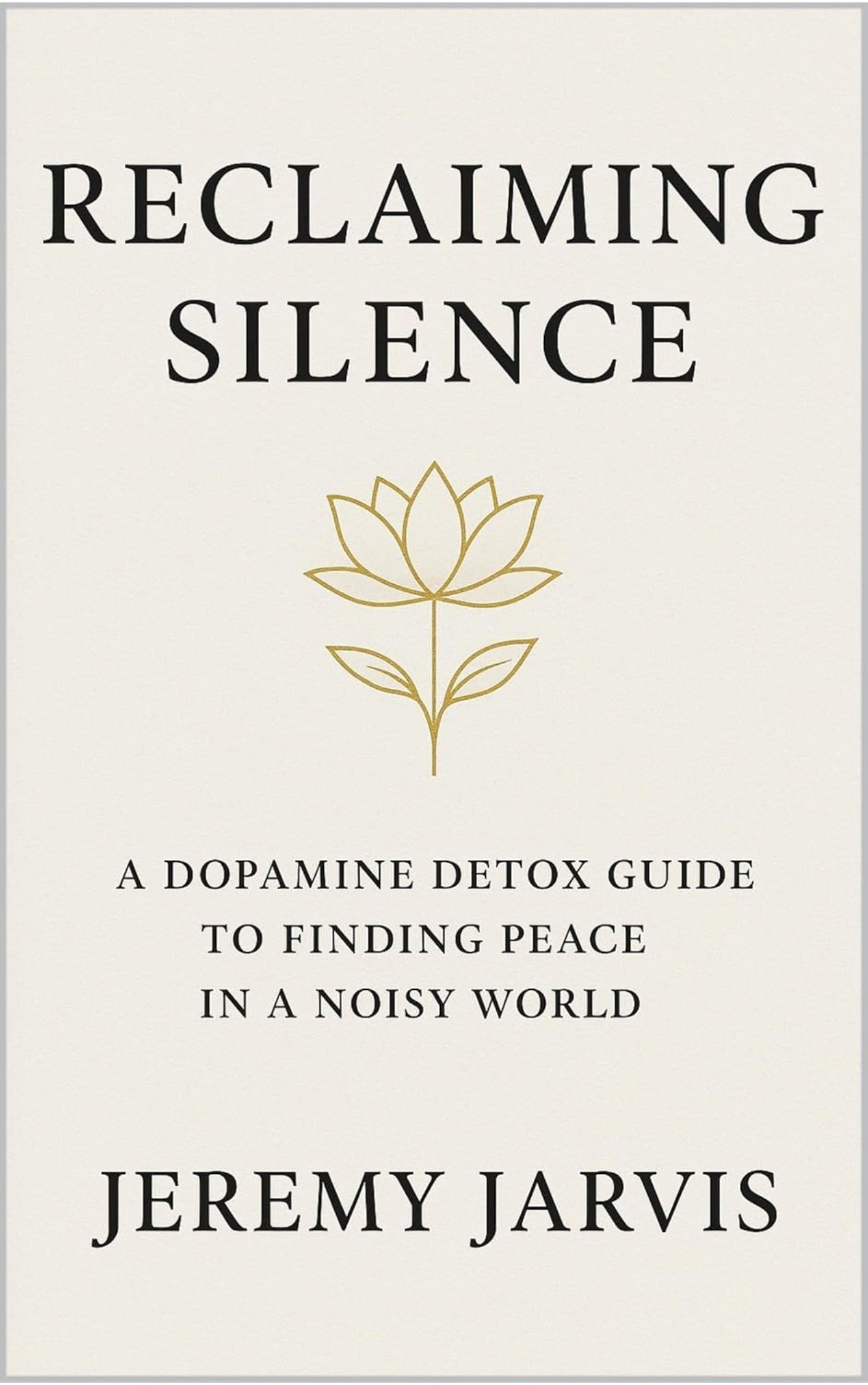
Reclaiming Silence
A dopamine detox guide to finding peace in a noisy world.
View book →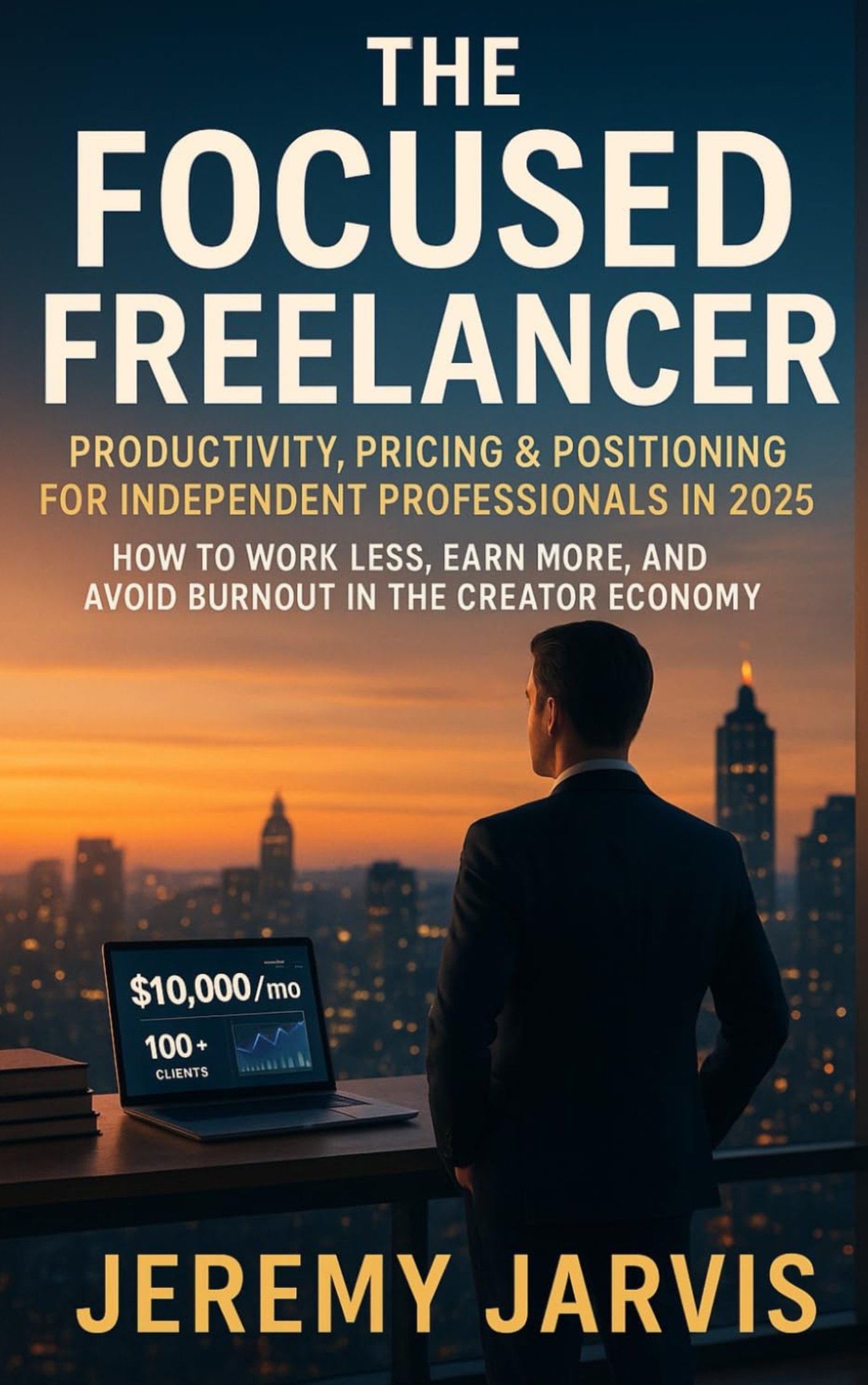
The Focused Freelancer
Productivity, pricing & positioning for independents in 2025.
View book →
ChatGPT Side Hustle System
Launch your AI-driven online business in 30 days.
View book →
Burnout, Interrupted
A proven path to restore energy and reclaim your life.
View book →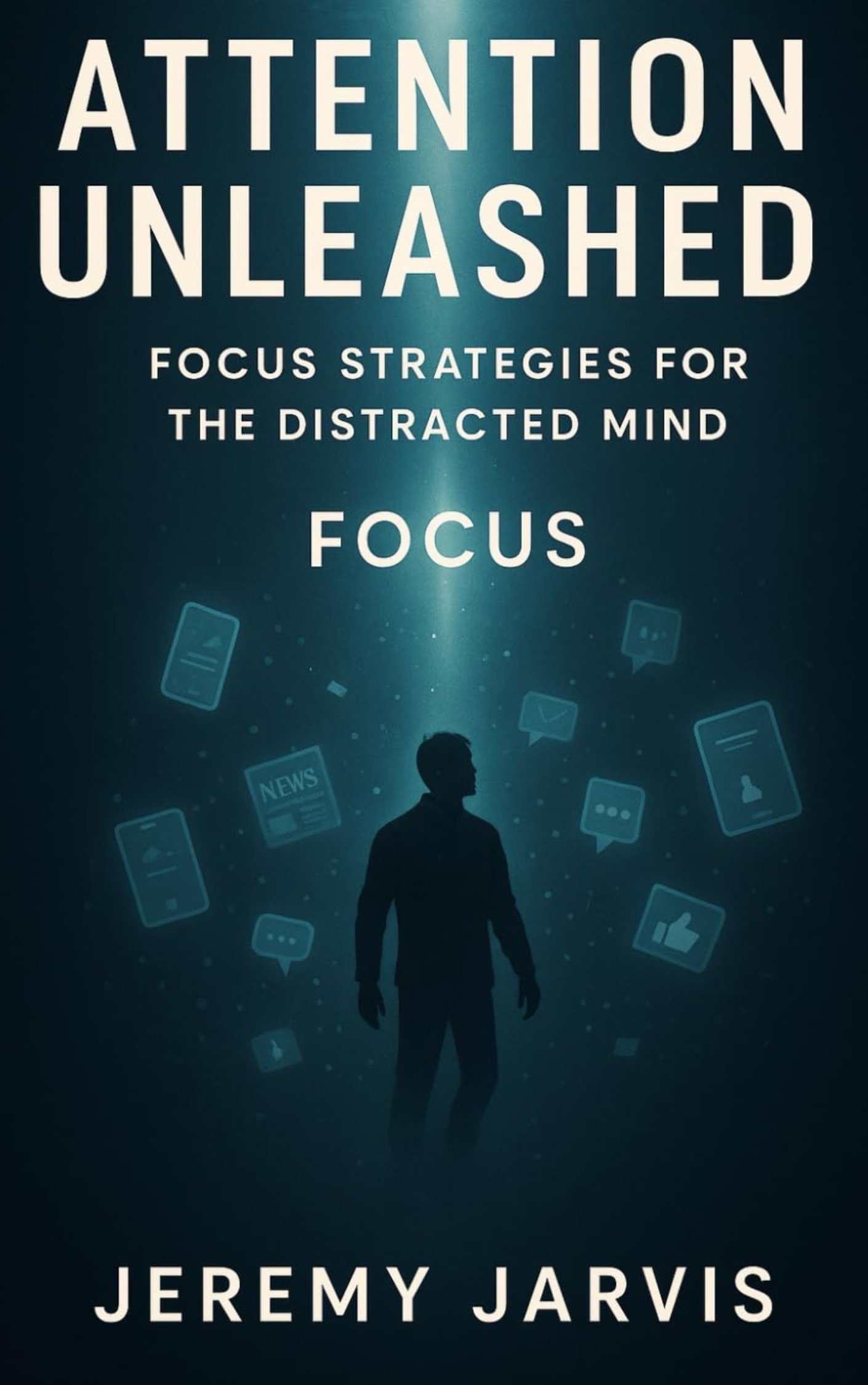
Attention Unleashed
Focus strategies for the distracted mind.
View book →
Side Hustle Launchpad
Your quick-start guide to extra income.
View book →
Digital Clarity
Rewire your brain, escape dopamine traps & regain focus.
View book →
Break the Scroll
Reduce screen time and take back control of your life.
View book →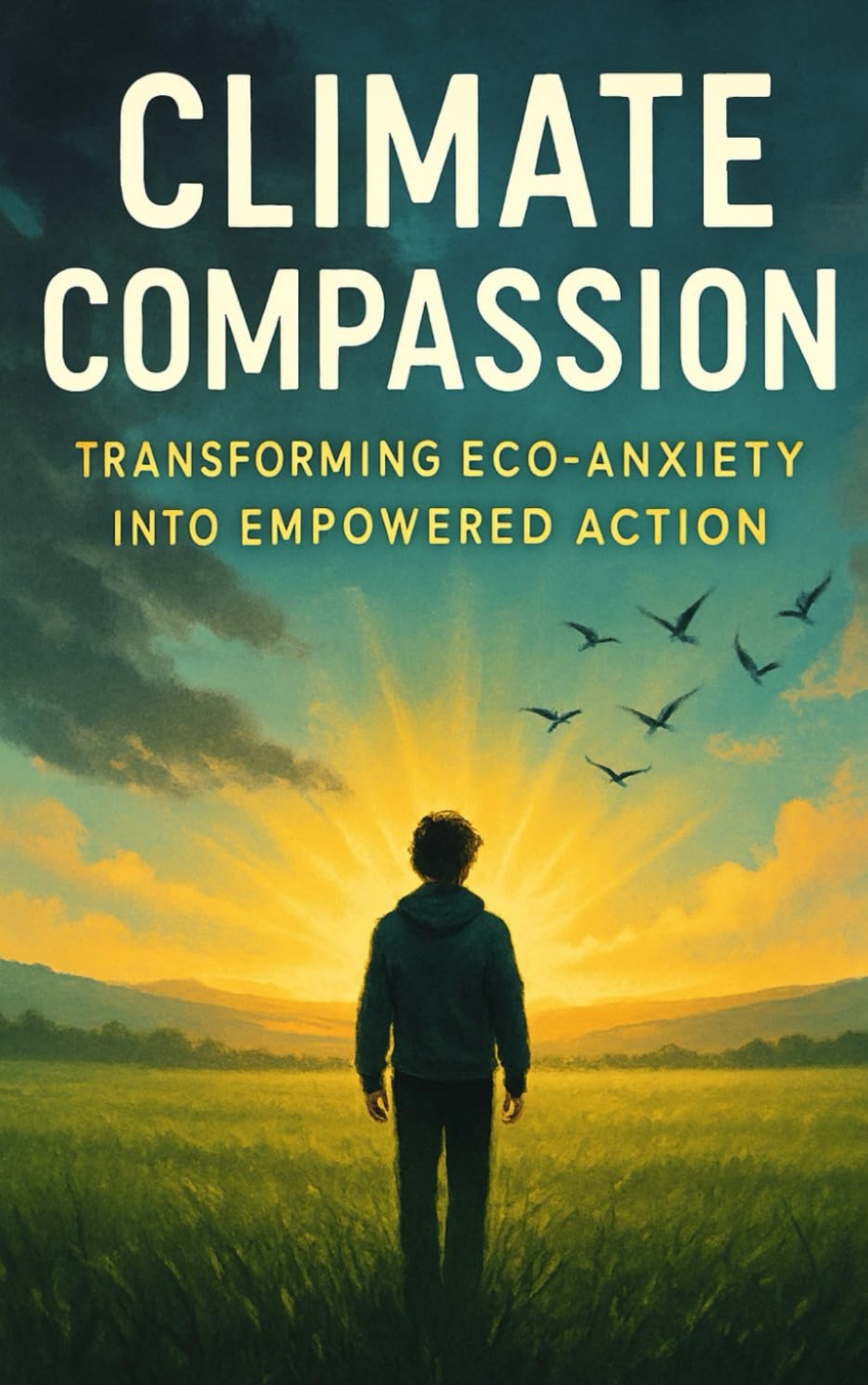
Climate Compassion
Transform eco-anxiety into empowered action.
View book →
Village Mentality
The power of community for mental wellness.
View book →
Restful Nights
Overcoming sleep anxiety in a 24/7 world.
View book →
Connected Again
Combat loneliness and build meaningful relationships.
View book →
Focus Recharged
Mastering attention and productivity in the digital era.
View book →
Marketing Magic with ChatGPT
AI-powered content, campaigns, and copywriting to grow faster.
View book →
The 6-Figure Creator
Turn knowledge into passive income with books, courses & AI.
View book →
Burnout Breakthrough
Reset your work-life balance and thrive in 2025.
View book →
The Emotionally Intelligent Man
A modern guide to self-awareness and communication.
View book →
AI Personalized Wellness
Create your custom health plan with data-driven habits.
View book →
Everyday AI Made Easy
Use ChatGPT and smart tools to simplify life.
View book →
Money Mindfulness
A financial wellness guide for Gen Z & Millennials.
View book →
Startup Smarter with AI
ChatGPT strategies and tools to grow your business.
View book →
ChatGPT for Writers & Creators
Unlock AI-powered brainstorming, drafting & editing.
View book →