

Men today are often living on a biochemical tightrope. Constant notifications, heavy caffeine use, and chronic sleep loss can collide with hormonal shifts, creating the kind of internal pressure that drives burnout. Understanding how stress, hormones, and mental clarity work together is no longer a luxury; it is becoming a real survival skill for 2026.
The Hormonal Equation Behind Modern Burnout
Chronic stress can keep cortisol elevated for too long. When that survival hormone stays high, testosterone and dopamine often move in the opposite direction. The result can look like fatigue, irritability, and a noticeable drop in drive. This kind of imbalance does not just drain energy; it can also affect the motivation circuits that help men stay focused and resilient. Research in 2026 continues to show that hormone balance influences resilience just as much as willpower.
How ProstaVive Supports Hormonal Balance
ProstaVive combines adaptogens like Ashwagandha and Ginseng to regulate cortisol, improve oxygen flow, and sustain testosterone production. Balanced hormones mean sharper focus and steadier mood — essential weapons against burnout.
Resetting Energy and Clarity
Energy isn’t created; it’s reclaimed. Morning sunlight, omega-3-rich foods, and deep sleep trigger hormonal resets. Pairing those with the methods outlined in Burnout Breakthrough forms a 360° recovery plan: physiology, psychology, and daily rhythm all aligned.
The Clarity Loop
Clarity sustains hormones — and vice versa. In The Power of Clarity, author Jeremy Jarvis explains how mental focus reduces stress reactivity, restoring hormonal calm. When men deliberately slow thinking, their endocrine systems follow suit.
Expert Insights: Stress Biology, Hormone Balance, and Modern Life in 2026
To thrive in 2026, men need to treat hormones as feedback, not fate. High cortisol is not proof that something is “wrong” with you forever. It is a signal that your body is adapting to pressure, overload, poor recovery, or chronic sleep disruption. When you start tracking sleep quality, HRV, mood, energy, training load, and screen exposure, patterns become easier to spot. That is where real progress begins. For men trying to improve stress and hormones, awareness is often the first reset.
Modern life pushes the male stress response harder than many people realize. Constant notifications, financial pressure, irregular meals, late-night blue light, shallow sleep, and always-on work expectations can all keep cortisol elevated longer than it should be. Over time, that can affect hormone balance in men 2026, including testosterone, dopamine, sleep quality, mental clarity, and daily drive. The goal is not to eliminate stress completely. It is to become better at recovering from it.
How Recovery Supports Stress Resilience for Men in 2026
One of the biggest shifts in 2026 is that more men are recognizing recovery as a performance tool, not a luxury. Strategic recovery blocks, anti-inflammatory meals, better hydration, and lower evening stimulation can help the nervous system move out of survival mode. When that happens, stress resilience for men improves, energy becomes more stable, and the body is often better able to restore a healthier rhythm across cortisol, testosterone, and sleep-related hormones.
The Mayo Clinic notes that adaptogens may support stress resilience for some people. That fits the bigger picture well: supplements can be useful tools, but they work best when paired with sleep, nutrition, movement, and realistic boundaries. In other words, supplements may support hormone balance, but they do not replace the habits that create it.
Recovery science in 2026 also puts more emphasis on “micro-rests.” These are small resets that interrupt stress before it compounds: a 90-second breathing drill, a few minutes of daylight exposure, a short walk after a block of deep work, or a phone-free pause before the next task. These simple rituals help shift the nervous system from fight-or-flight toward recovery mode. That is a major reason they now show up in more conversations around stress management for men, burnout prevention, and sustainable focus.
Environmental and Psychological Triggers That Disrupt Hormone Balance
Many men think of stress as something purely emotional, but physical and environmental inputs matter just as much. Blue-light exposure at night can delay melatonin release and interfere with sleep timing. Financial uncertainty, information overload, social comparison, and constant task switching can all keep adrenaline elevated. Together, those inputs may feed a low-grade inflammatory loop that quietly worsens fatigue, brain fog, irritability, and poor recovery.
This is why a calmer environment often becomes a real hormone-support strategy. Reducing evening screen time, dimming lights after sunset, limiting doomscrolling, and protecting the final hour before bed can all help restore more natural rhythms. For men dealing with stress and hormones men 2025 concerns that still carry into 2026, these basics are often more powerful than they look at first.
Nutrition for Hormone Balance in Men 2026
Nutrition remains one of the strongest foundations for better hormone health. Cruciferous vegetables may help support healthy estrogen metabolism. Minerals such as zinc, selenium, and magnesium play important roles in testosterone production, stress resilience, sleep quality, and energy metabolism. Stable blood sugar, enough protein, adequate healthy fats, and consistent hydration also make it easier for the body to maintain a steadier cortisol rhythm throughout the day.
For men trying to improve hormone balance in men 2026, the biggest nutrition win is usually consistency. That means fewer skipped meals, less dependence on caffeine to override exhaustion, and more meals built around whole foods that support recovery. Supplementation can help fill real gaps, but the strongest results still come from repeatable habits: protein-rich breakfasts, mineral-dense foods, omega-3 fats, lower ultra-processed intake, and fewer blood-sugar crashes.
When nutrition, sleep, and stress recovery begin to work together, men often notice improvements that go beyond hormone labs alone. Energy becomes steadier. Mood improves. Training feels better. Focus returns more easily. That is why any serious conversation about stress, hormones, and mental clarity has to include food, recovery, and the daily routines that shape both.
Key Takeaways
- Stress and hormones form a feedback loop — balance one to stabilize the other.
- Adaptogens like ashwagandha and ginseng lower cortisol and boost focus.
- Daily sunlight, movement, and mindful breaks rebuild clarity faster than stimulants.
- Consistency creates hormonal equilibrium — not intensity.
Understanding the Science: How Stress and Hormones Shape Men’s Focus
The phrase “stress hormones” usually refers to cortisol and adrenaline — two chemicals that were once essential for short bursts of survival energy. In 2026, those same hormones are being triggered constantly by digital alerts, financial uncertainty, and endless multitasking. When cortisol levels stay elevated, the brain stops distinguishing between real danger and everyday tension, leading to fatigue, brain fog, and irritability. This is why modern wellness now treats hormone balance for men as a core pillar of mental health, not just physical vitality.
Scientific reviews published by the National Library of Medicine confirm that prolonged cortisol elevation can suppress testosterone synthesis by interfering with luteinizing hormone signaling. In plain terms, when stress hormones stay high, reproductive and anabolic hormones drop. The result is slower recovery, reduced drive, and mental sluggishness — the classic symptoms of burnout.
Why Men’s Hormone Health Is Also a Mental Health Issue
When men talk about feeling “off” in 2026, they are often describing more than low energy. Subtle changes in testosterone levels, cortisol balance, and dopamine signaling show up first as shifts in mood, motivation, and mental clarity. Testosterone helps keep dopamine receptors responsive, which is why healthy hormone balance often feels like steady drive, curiosity, and problem-solving power. When testosterone drifts down and stress hormones creep up, the brain’s reward loop weakens, everyday tasks feel heavier, and work that once felt meaningful can start to feel dull or aimless.
This is one reason the broader Men’s Health 2025: Energy, Focus & Clarity framework treats men’s hormone health and mental health as one system, not two separate topics. When the endocrine system is stable, it becomes easier to follow through on habits, think clearly, and stay emotionally steady under pressure.
The good news is that these systems remain adaptable throughout life. Gentle, structured stressors such as resistance training, brisk walking, or short cold exposure trigger a hormetic response: cortisol rises briefly, then the body responds with improved insulin sensitivity, higher anabolic hormone output, and better nervous system resilience. This “stress–recovery–adapt” rhythm is the same pattern described in Burnout Breakthrough, where smart recovery practices allow men to rebuild energy instead of living in permanent overdrive.
How Hormone Imbalance Disrupts Sleep, Focus, and Motivation
One of the clearest signals of hormone imbalance in men is broken sleep. When cortisol spikes late in the evening and melatonin stays suppressed, deep sleep shortens and the brain struggles to clear out adenosine, the fatigue signal that builds up during the day. The result is familiar: waking up unrefreshed, relying on more caffeine, and noticing more brain fog, irritability, and low motivation even after “enough” hours in bed.
Restoring a healthy circadian rhythm is often the fastest lever for better hormone balance for men. Practical steps include shutting down bright screens 60–90 minutes before bed, getting natural morning light, and anchoring sleep and wake times within a predictable window. These simple habits help the body’s master clock coordinate cortisol, testosterone, and growth hormone release—building the foundation for energy that feels natural rather than forced.
The same principles appear across Mind Clarity Hub’s men’s series. Articles like Hormone Balance for Men 2025 and Men’s Health 2025: Energy, Focus & Clarity outline how sleep hygiene, light exposure, and stress modulation work together to restore mental sharpness and emotional steadiness.
Nutrition, Adaptogens, and Natural Recalibration
Diet remains the quiet engine of male hormone health. Cruciferous vegetables support estrogen metabolism, omega-3 fats lower inflammation, and adequate protein provides the raw materials for testosterone and other anabolic hormones. Micronutrients like zinc, selenium, and vitamin D act as cofactors in dozens of endocrine pathways, which is why nutrient gaps often show up as chronic fatigue, low mood, or reduced drive.
On top of whole-food nutrition, many men now use adaptogenic supplements to support stress resilience. Herbs such as ashwagandha, ginseng, and cordyceps help the body adapt to daily stress instead of being overwhelmed by it. In ProstaVive Review 2025, you will see how these adaptogens are combined with prostate-supportive nutrients like saw palmetto and beta-sitosterol to create a formula that supports cortisol control, urinary comfort, and overall vitality. Unlike stimulants, adaptogens tend to smooth out hormonal spikes and crashes, leading to steadier focus and a calmer, more sustainable kind of energy.
For a deeper look at specific herbs, the guide Saw Palmetto Benefits explains how this classic botanical can support prostate health, DHT balance, and men’s wellness when used consistently and paired with lifestyle changes.
Environmental and Digital Stressors in 2026
Men today rarely face physical threats, but they do face constant digital and environmental pressure. Every notification, breaking-news alert, or late-night email can create a micro-surge of adrenaline. Over hundreds of repetitions a day, this “micro-stress” keeps the body in a low-grade fight-or-flight state, pushing cortisol higher and pulling testosterone and restorative hormones lower.
Practical protection starts with controlling inputs: scheduled “focus blocks” without notifications, overnight device charging outside the bedroom, and blue-light filters that reduce eye strain and circadian disruption. At the same time, reducing exposure to endocrine disruptors—using glass or stainless-steel food containers, filtering drinking water, and choosing cleaner household products—helps protect hormone receptors from unnecessary interference.
Mindset, Movement, and Modern Masculinity
Many men still equate strength with constant output. In reality, modern hormone health depends on cycles of effort and recovery. The men who thrive in midlife and beyond are often those who track sleep, heart-rate variability, and focus with the same care they give their business metrics. That data makes it easier to see how training, workload, and stress actually affect their bodies day to day.
Mindfulness, journaling, and simple breathing practices lower amygdala activation—the brain’s fear and stress center—and help rewire emotional regulation over time. When psychological calm is paired with physical support from adaptogens and anti-inflammatory nutrition, men create a dual shield: a more resilient nervous system and a more stable hormonal profile.
Integrating Hormonal Awareness into Daily Life
Effective hormone balance for men is less about chasing lab numbers and more about listening to day-to-day biofeedback: morning energy, libido, training recovery, mental sharpness, and emotional range. When those signals begin to drift, it’s a prompt to adjust training load, improve sleep, simplify nutrition, or re-evaluate supplement choices.
If you want a structured path through these topics, you can move through the core articles in the men’s collection: start with Hormone Balance for Men 2025, then deepen your understanding with Men’s Health 2025: Energy, Focus & Clarity, Reduce Prostate Inflammation Naturally, and Are Prostate Supplements Safe?. Together, these guides connect mood, focus, and physical health into one practical framework.
Ultimately, restoring balance is not about doing more—it is about aligning biology with purpose. When stress becomes a signal you understand rather than a constant background noise, you regain the clarity and confidence that drive every meaningful pursuit.
Stress, Hormones, and Men’s Health in 2026
Understanding the connection between stress and hormones for men in 2026 means looking at how modern life nudges the body out of balance. Chronic digital overload, late-night work, and irregular meal times keep the nervous system on high alert. Elevated cortisol over months or years gradually suppresses testosterone, blunts growth hormone, and increases inflammatory markers. Men feel this as low drive, weaker workouts, softer focus, and less emotional resilience.
Wearables and routine lab work have made this pattern easier to see. When men improve sleep quality, reduce screen time before bed, and bring even a little more movement into their day, both cortisol and inflammation markers start to fall. Many notice that energy, libido, and mental clarity come back not from “hacks,” but from steady rhythms. Guides like Men’s Health 2025: Energy, Focus & Clarity and Hormone Balance for Men 2025 walk through these rhythms step by step.
How Nutrition and Prostate Supplements Work Together for Men’s Health
Nutritional and supplement support can then sit on top of these foundations. For example, ProstaVive Review 2025 explains how a prostate-focused formula that includes saw palmetto, beta-sitosterol, zinc, and adaptogens can complement a lower-inflammation lifestyle. When combined with the dietary strategies in Reduce Prostate Inflammation Naturally and the ingredient breakdowns in ProstaVive vs Other Supplements, men get a clearer picture of how natural compounds can support both urinary comfort and overall vitality.
If you are evaluating different products or wondering whether prostate supplements are safe, the article Are Prostate Supplements Safe? outlines how to check labels, understand standardized extracts, and interpret safety data. Paired with Best Men’s Health Supplements 2025, it gives a practical filter for choosing formulas that match your goals without overcomplicating your routine.
In practice, stress–hormone balance for men comes down to a handful of repeatable habits: consistent bedtimes, daily movement, a mostly whole-food diet, deliberate “offline” blocks, and thoughtful use of targeted supplements when needed. When those pieces come together, the payoff is not just a better hormone panel—it is clearer thinking, better relationships, and a deeper sense of control over how you feel each day.
In short, modern men’s health is no longer about pushing harder; it is about creating conditions where the body and mind can do what they were designed to do. When stress is managed and hormones are supported, clarity and strength stop being goals and start becoming the baseline.
Continue Your Men’s Health 2026 Journey
- ProstaVive Review 2025
- Best Men’s Health Supplements 2025
- Saw Palmetto Benefits
- Reduce Prostate Inflammation Naturally
- Hormone Balance for Men
- Men’s Health 2025: Energy, Focus & Clarity
- Are Prostate Supplements Safe?
- ProstaVive vs Other Supplements
From stress to hormone clarity — explore every post in the Men’s Health 2026 evidence-driven series.
Frequently Asked Questions
Constant cortisol elevation from stress, lack of recovery, and poor sleep gradually deplete energy and testosterone, creating the burnout cycle.
Low testosterone and high cortisol disrupt dopamine and acetylcholine pathways, dulling motivation and mental clarity.
Yes. ProstaVive’s adaptogenic herbs support the body’s natural stress response, complementing healthy routines rather than replacing them.
Most men report improvements within 4–6 weeks with consistent nutrition, rest, and adaptogenic support.
Excess caffeine, late-night screens, minimal sunlight, and chronic overwork elevate cortisol and suppress recovery hormones.
Mindfulness activates the parasympathetic nervous system, lowering cortisol and stabilizing testosterone-cortisol ratio.
Absolutely. Men 40 + can regain energy and focus by combining resistance training, sleep optimization, and targeted adaptogens.
Yes. Constant alerts keep adrenaline high, delaying recovery and reducing REM sleep, which regulates growth hormone and testosterone.
Macro balance matters: protein for hormone synthesis, healthy fats for cholesterol-based hormones, and fiber for detox pathways.
Explore Burnout Breakthrough and our ProstaVive Review 2025 for applied strategies rooted in modern men’s health science.
Final Thoughts: Turning Hormone Awareness into Everyday Clarity
Burnout in 2026 isn’t inevitable — it is information. When energy crashes, irritability rises, or focus disappears, your hormones are sending signals, not defects. Men who learn to read those signals early, adjust stress exposure, and support their biology with smart habits often feel better in weeks, not years.
The most resilient men are not the ones who grind the hardest, but the ones who cycle effort and recovery on purpose. Anti-inflammatory food choices, consistent sleep, strength training, and simple morning routines create a baseline where testosterone, cortisol, and dopamine can work with you instead of against you. From there, targeted supplements add another layer of support.
For men who want structured guidance, the guides in our men’s collection — including Hormone Balance for Men 2025, Men’s Health 2025: Energy, Focus & Clarity, and the full ProstaVive Review 2025 — pull these ideas together into practical plans you can follow at your own pace.
Balanced hormones, calmer stress responses, and more consistent recovery are the real markers of modern strength. When biology is aligned, the workday feels lighter, relationships feel less strained, and long-term goals stop competing with your health. That is the core mission behind Mind Clarity Hub: using clear, research-aware habits to help you feel focused, steady, and fully present.
Affiliate disclosure: If you choose to purchase through this link, Mind Clarity Hub may earn a small commission at no extra cost to you. This helps support independent, research-aware content on men’s health, focus, and hormone balance.
Editor’s Take
From an editorial standpoint, the strongest results come when men treat hormone health as a systems project, not a single pill or quick fix. The patterns we see most often are simple: men who improve sleep quality, clean up their diet, and add a well-formulated supplement such as ProstaVive report better urinary comfort, more stable energy, and sharper focus over 60–90 days.
For deeper context, we recommend reading this article alongside Are Prostate Supplements Safe?, Reduce Prostate Inflammation Naturally, and ProstaVive vs Other Supplements. Together, they offer a realistic picture of how nutrition, supplements, and stress management fit into one men’s health strategy.
This article is educational and does not replace medical care. Always discuss supplement use and persistent symptoms with a qualified clinician who knows your full health history.
Selected Sources & Further Reading
- Harvard Men’s Health Watch — Men’s health and hormone balance overview
- Mayo Clinic — Evidence summaries for common supplements and herbal ingredients
- National Library of Medicine (NCBI) — Research on prostate inflammation, testosterone, and adaptogens
- Best Men’s Health Supplements 2026 — Mind Clarity Hub comparative guide
- Stress, Hormones & Clarity for Men — how stress chemistry shapes focus and mood

Featured Reviews

The Genius Wave Review
Sound-based brainwave training tested for focus & productivity.
Read Review →
Ikaria Lean Belly Juice Review
Deep dive into ingredients, evidence, refund policy & safety.
Read Review →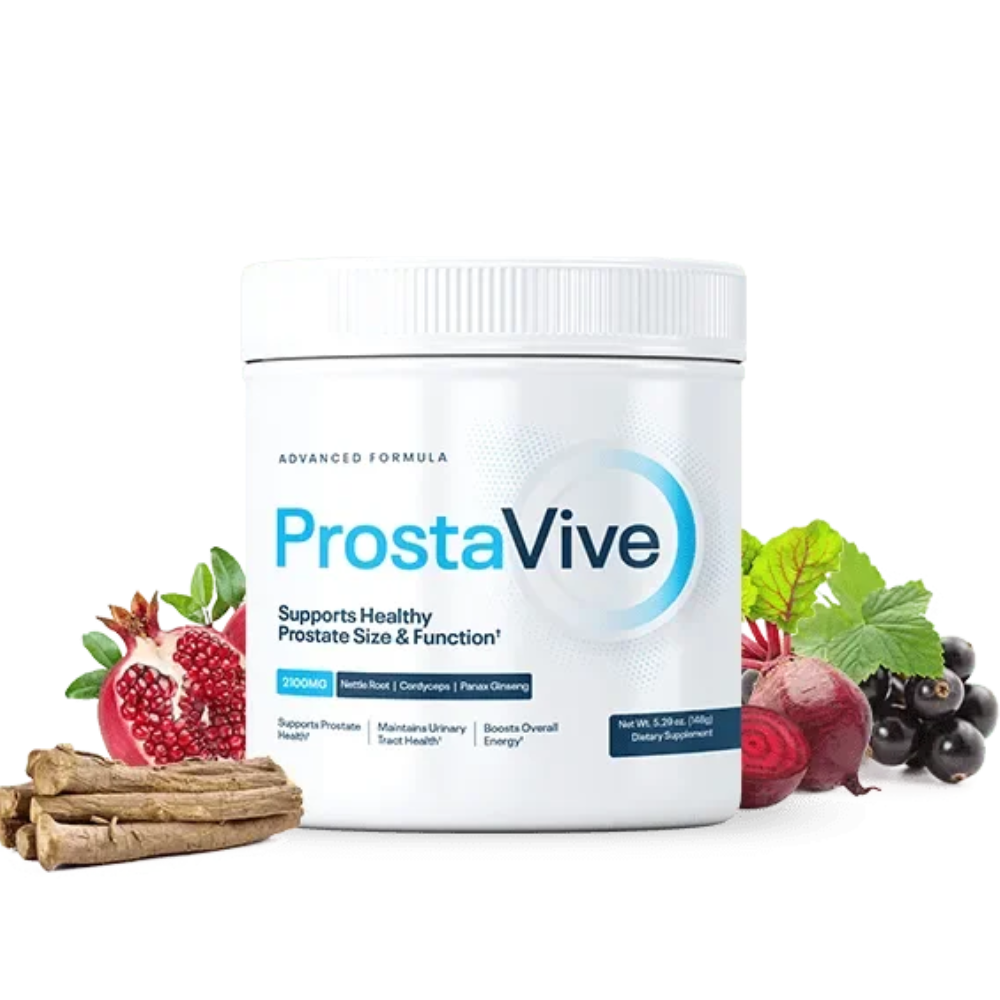

Ikaria Lean Belly Juice Review
Deep dive into ingredients, evidence, refund policy & safety.
Read Review →Explore the Mind Clarity Hub Library
Practical books on focus, digital habits, resilience, and building a calmer mind.
The Power of Clarity
Unlock mental focus, build momentum, and create the life you were meant to live.
View book →
AI & ChatGPT for Beginners
No PhD needed — a 2025 guide to AI, prompts, and productivity without coding.
View book →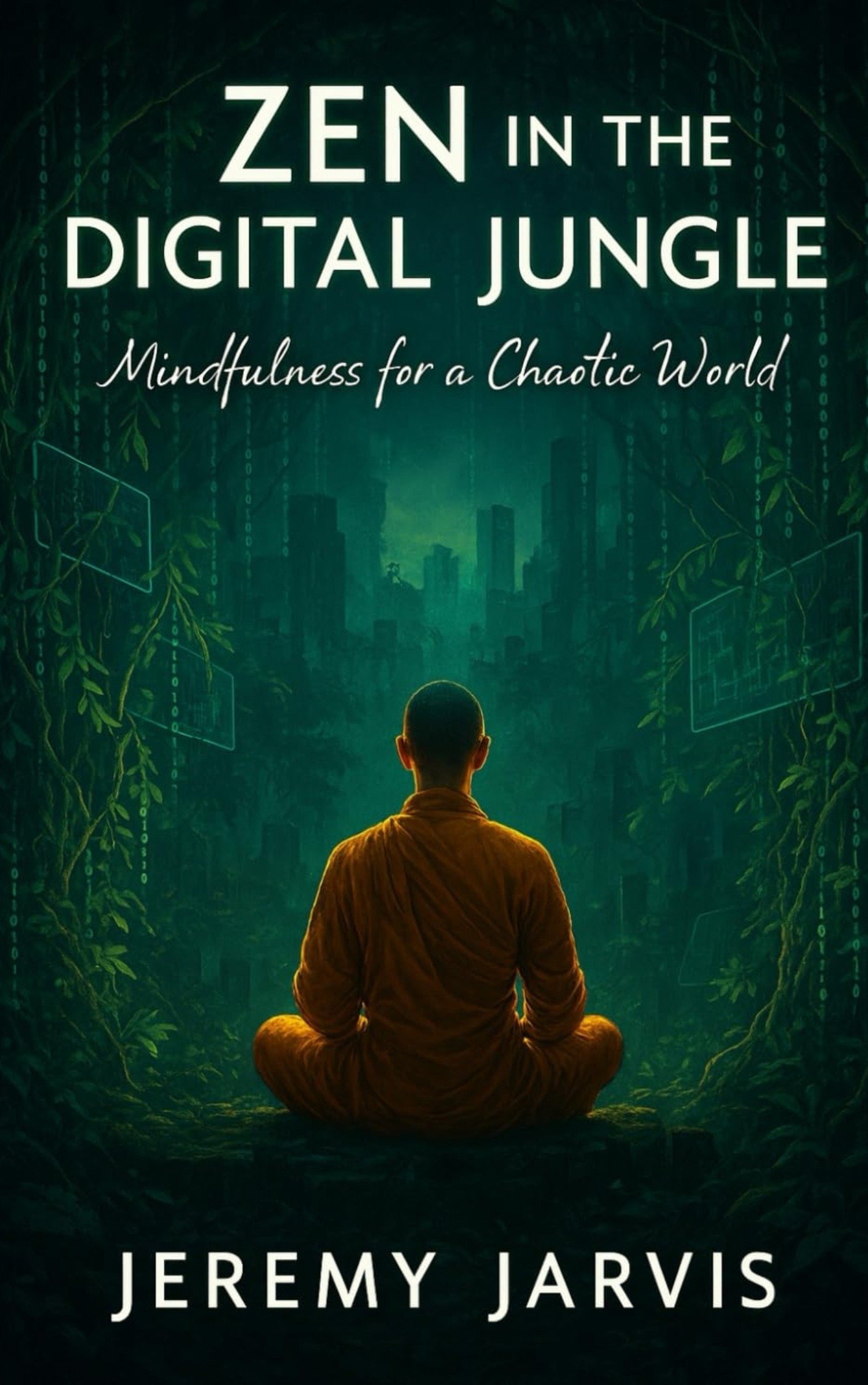
Zen in the Digital Jungle
Mindfulness for a chaotic world.
View book →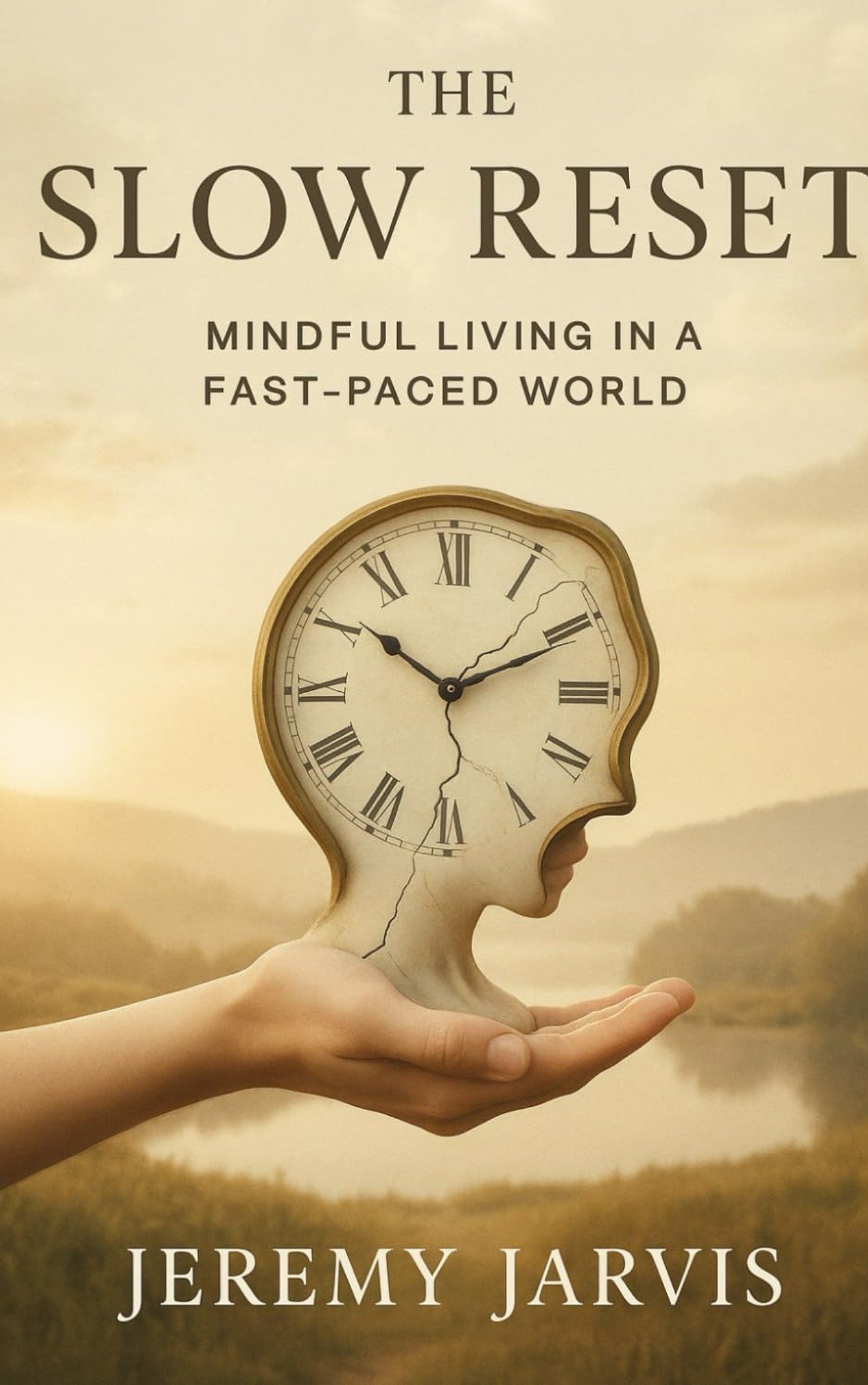
The Slow Reset
Mindful living in a fast-paced world.
View book →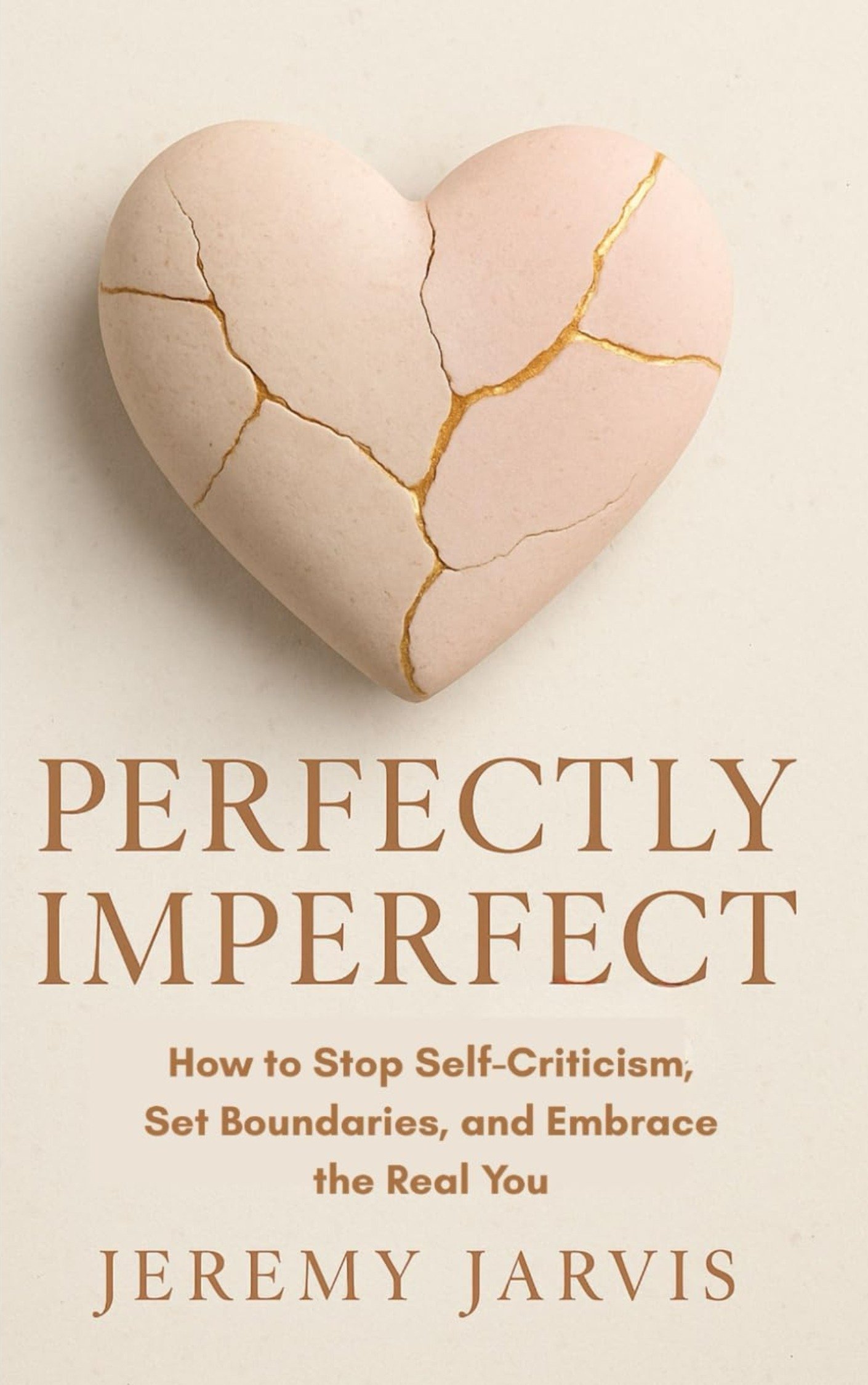
Perfectly Imperfect
Stop self-criticism, set boundaries, and embrace the real you.
View book →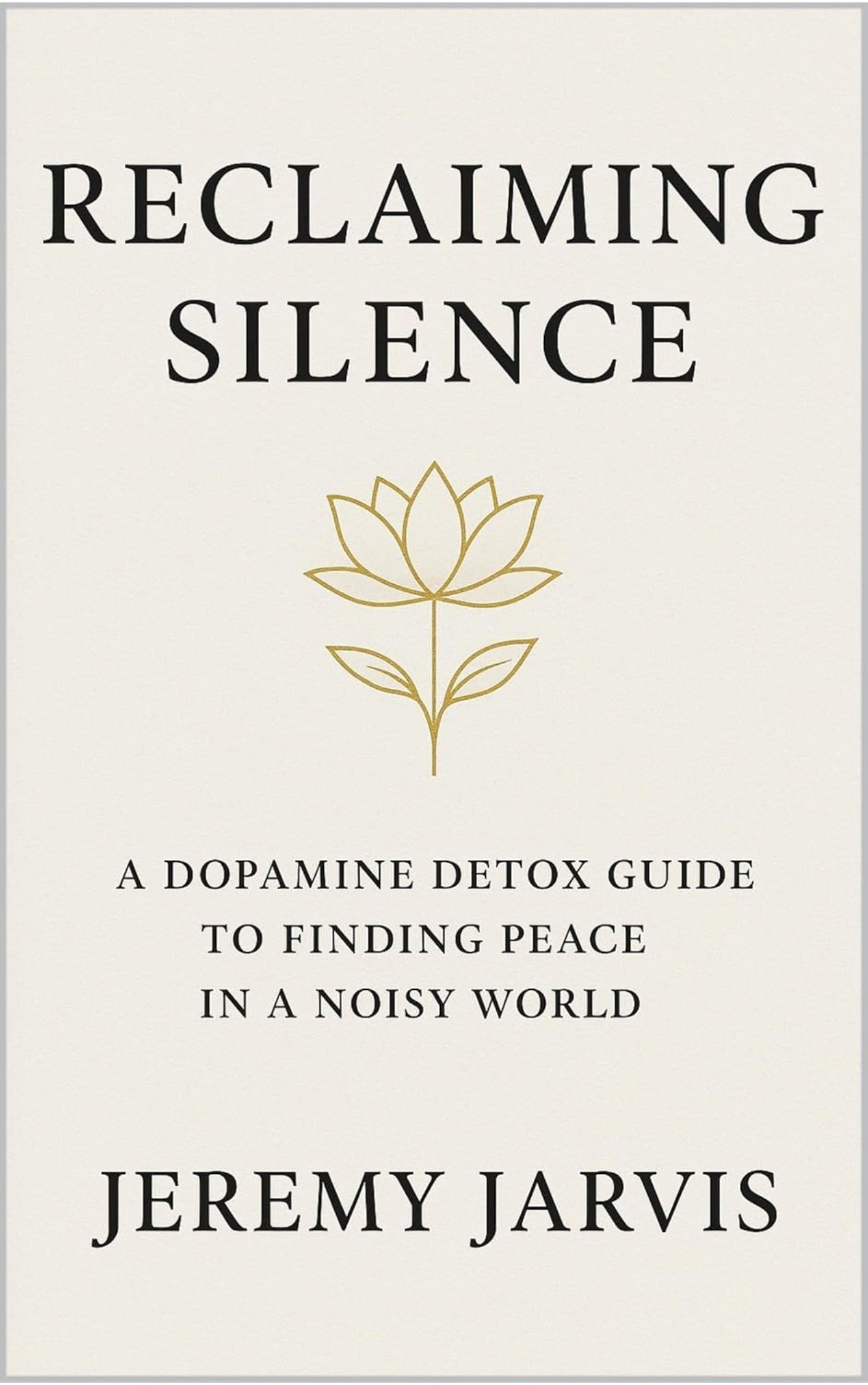
Reclaiming Silence
A dopamine detox guide to finding peace in a noisy world.
View book →
The Focused Freelancer
Productivity, pricing & positioning for independents in 2025.
View book →
ChatGPT Side Hustle System
Launch your AI-driven online business in 30 days.
View book →
Burnout, Interrupted
A proven path to restore energy and reclaim your life.
View book →
Attention Unleashed
Focus strategies for the distracted mind.
View book →
Side Hustle Launchpad
Your quick-start guide to extra income.
View book →
Digital Clarity
Rewire your brain, escape dopamine traps & regain focus.
View book →
Break the Scroll
Reduce screen time and take back control of your life.
View book →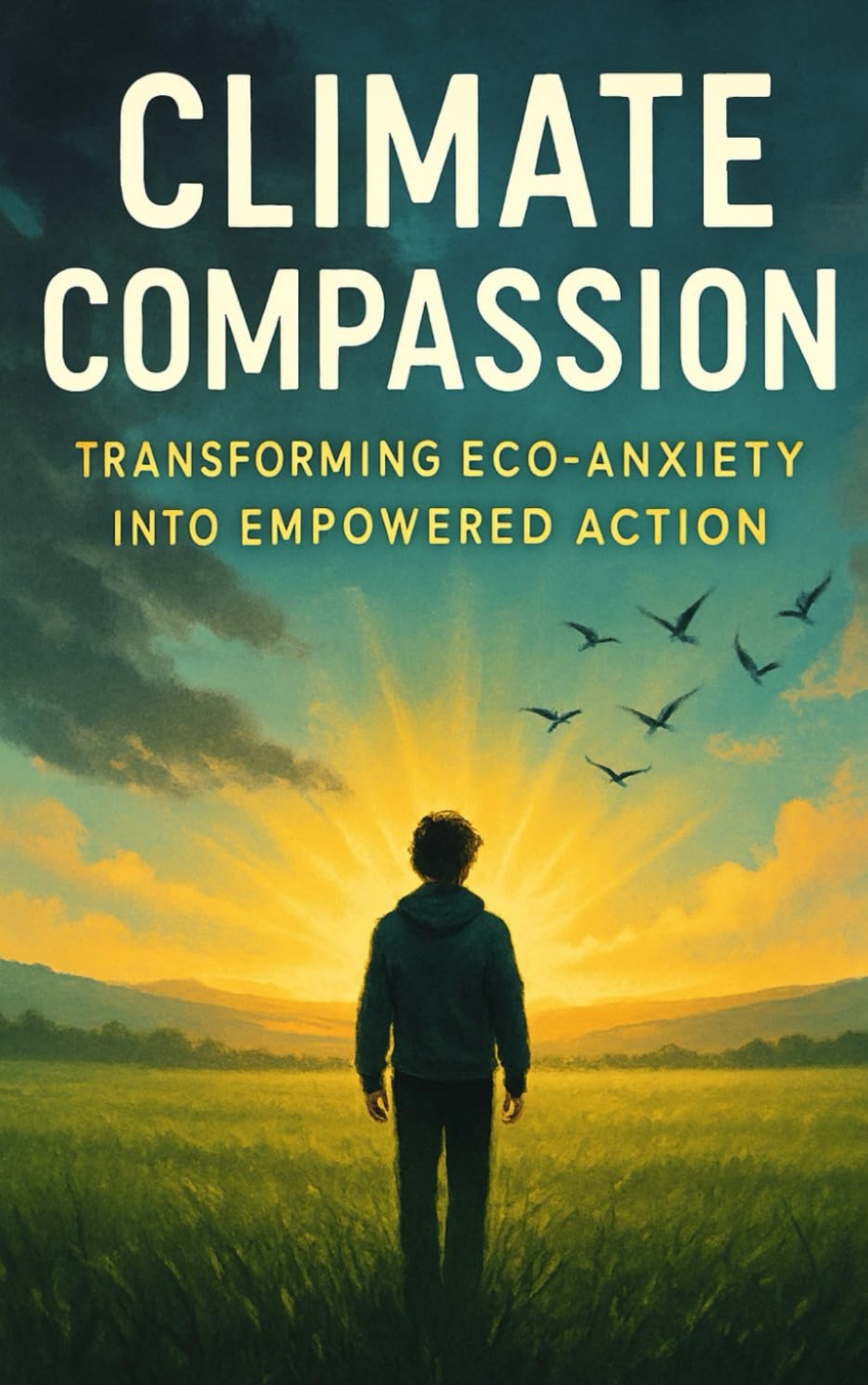
Climate Compassion
Transform eco-anxiety into empowered action.
View book →
Village Mentality
The power of community for mental wellness.
View book →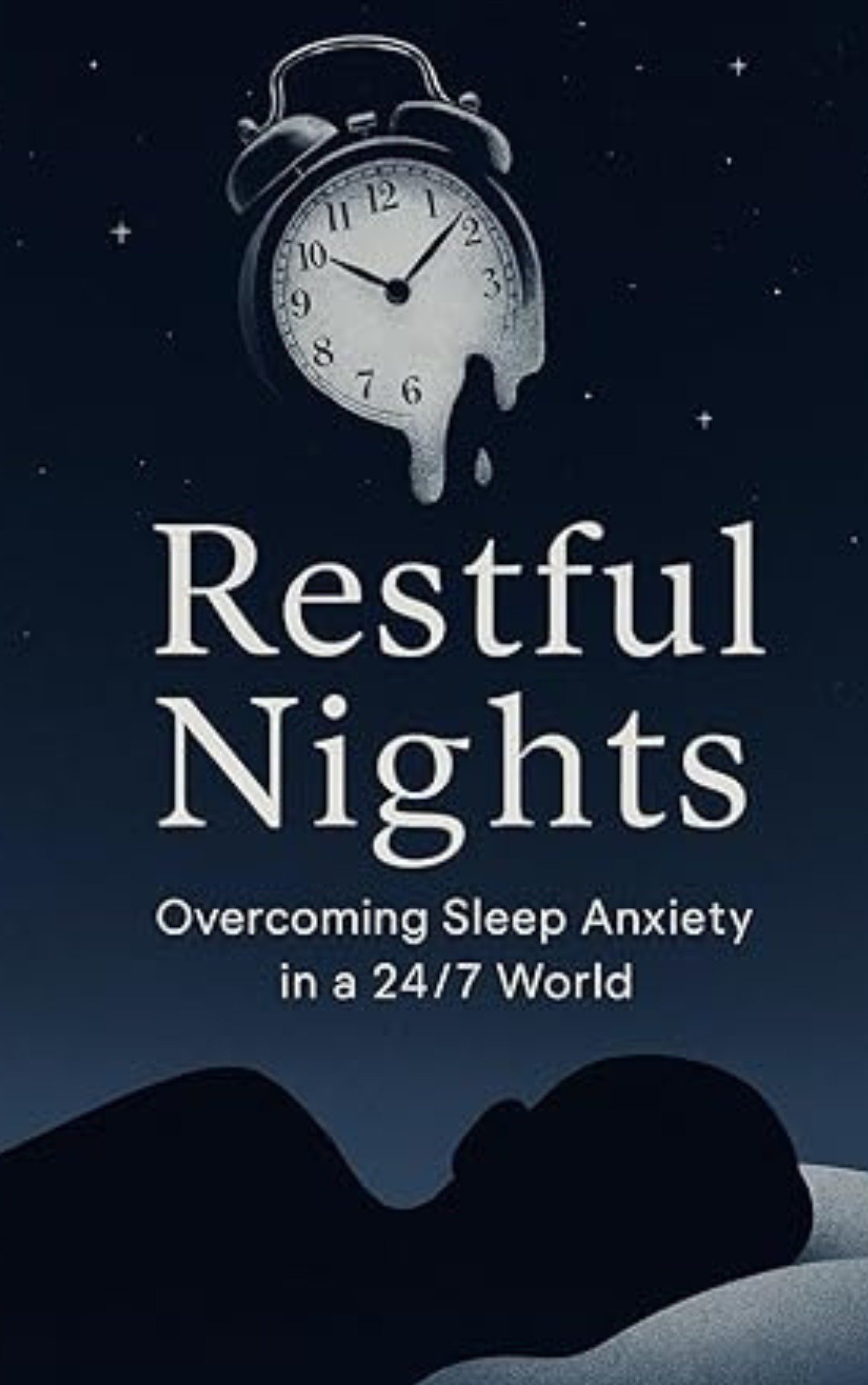
Restful Nights
Overcoming sleep anxiety in a 24/7 world.
View book →
Connected Again
Combat loneliness and build meaningful relationships.
View book →
Focus Recharged
Mastering attention and productivity in the digital era.
View book →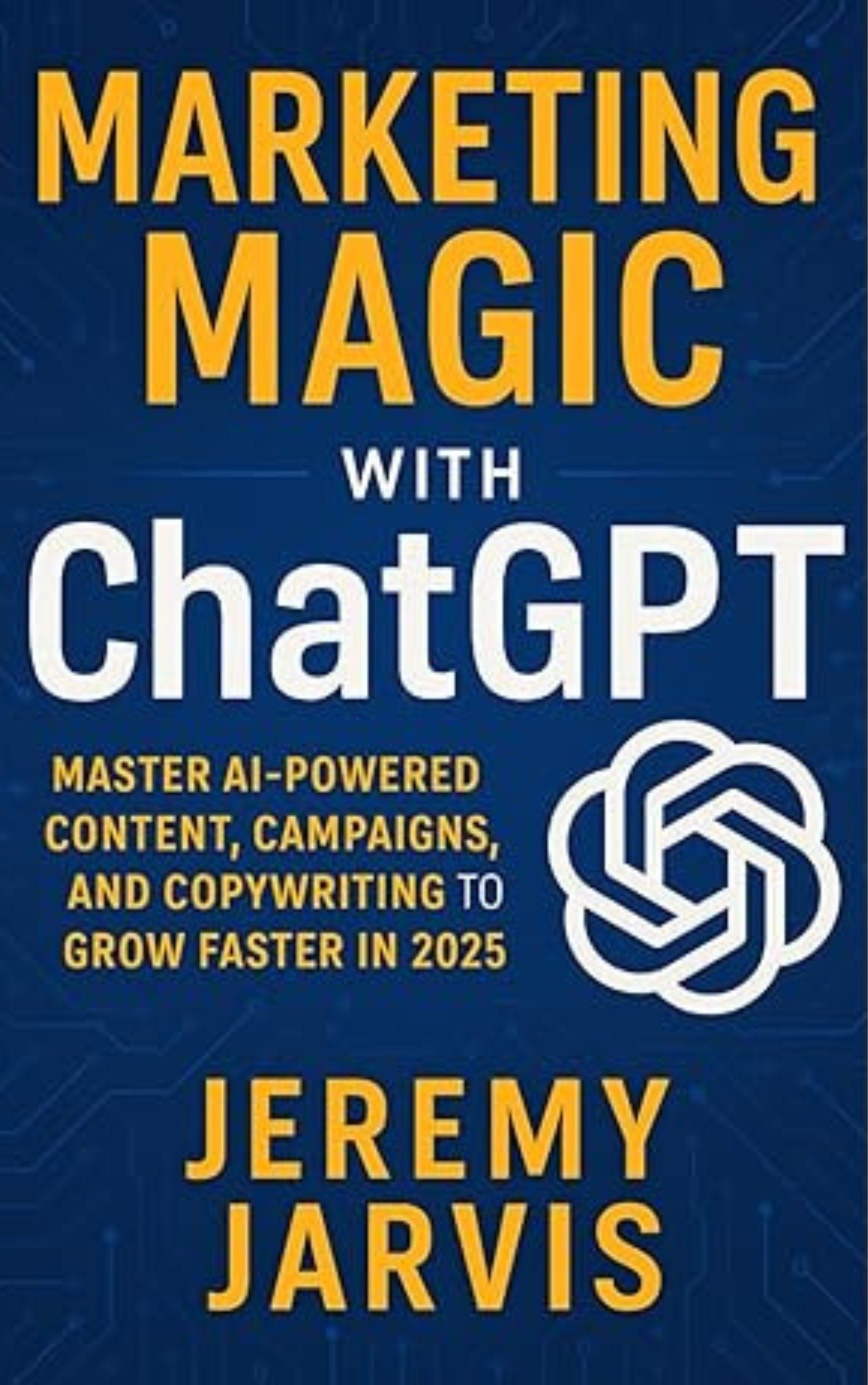
Marketing Magic with ChatGPT
AI-powered content, campaigns, and copywriting to grow faster.
View book →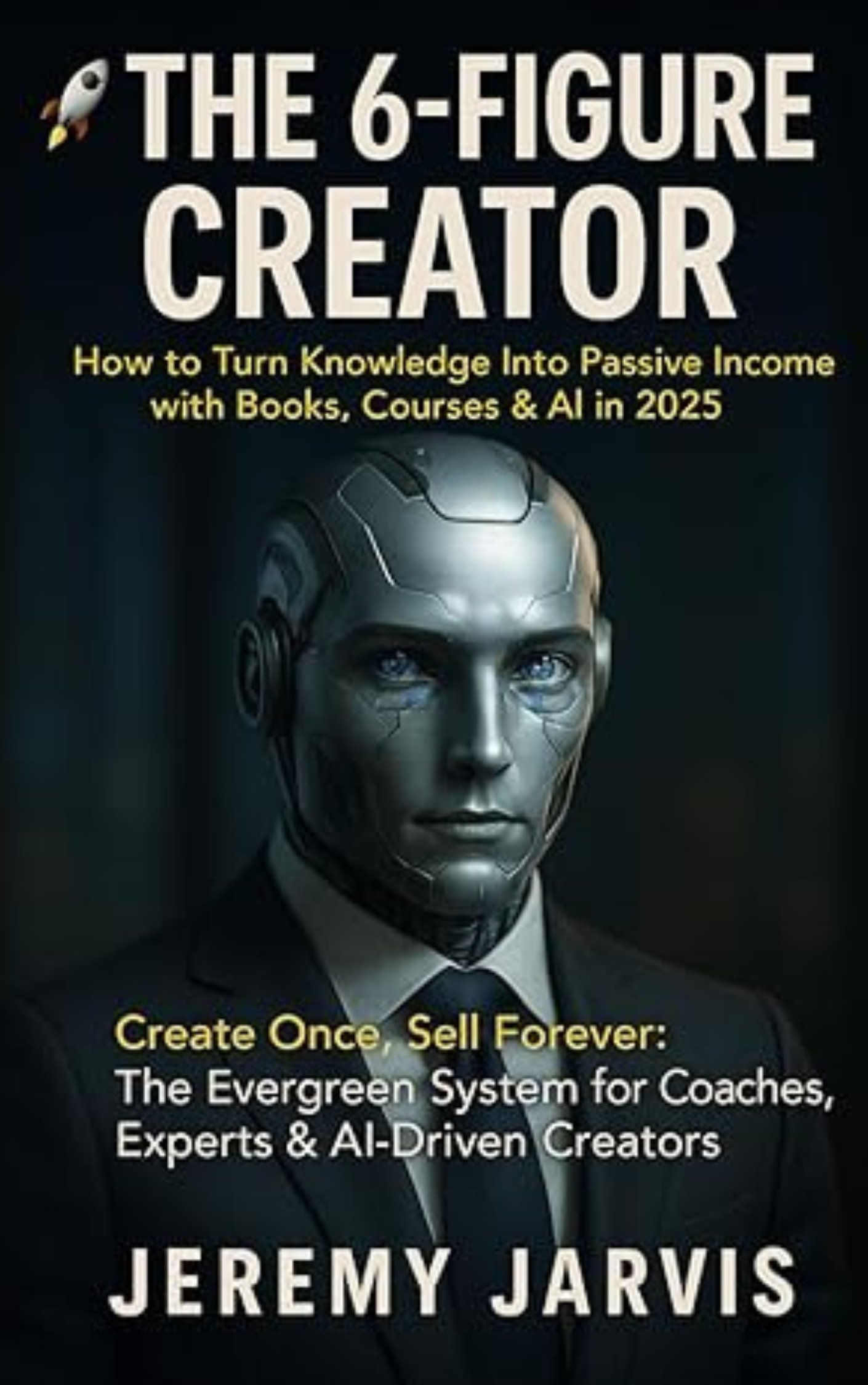
The 6-Figure Creator
Turn knowledge into passive income with books, courses & AI.
View book →
Burnout Breakthrough
Reset your work-life balance and thrive in 2025.
View book →
The Emotionally Intelligent Man
A modern guide to self-awareness and communication.
View book →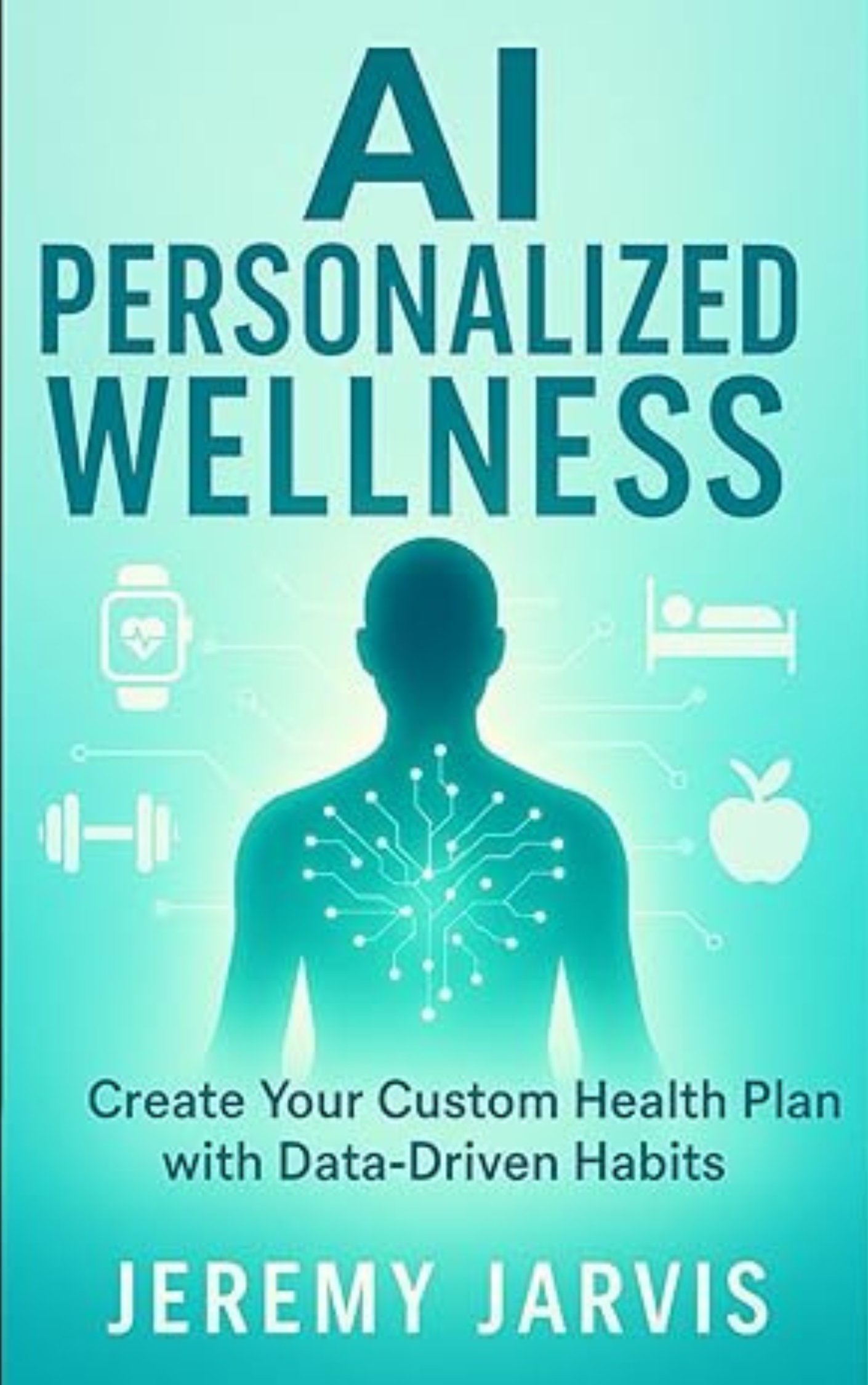
AI Personalized Wellness
Create your custom health plan with data-driven habits.
View book →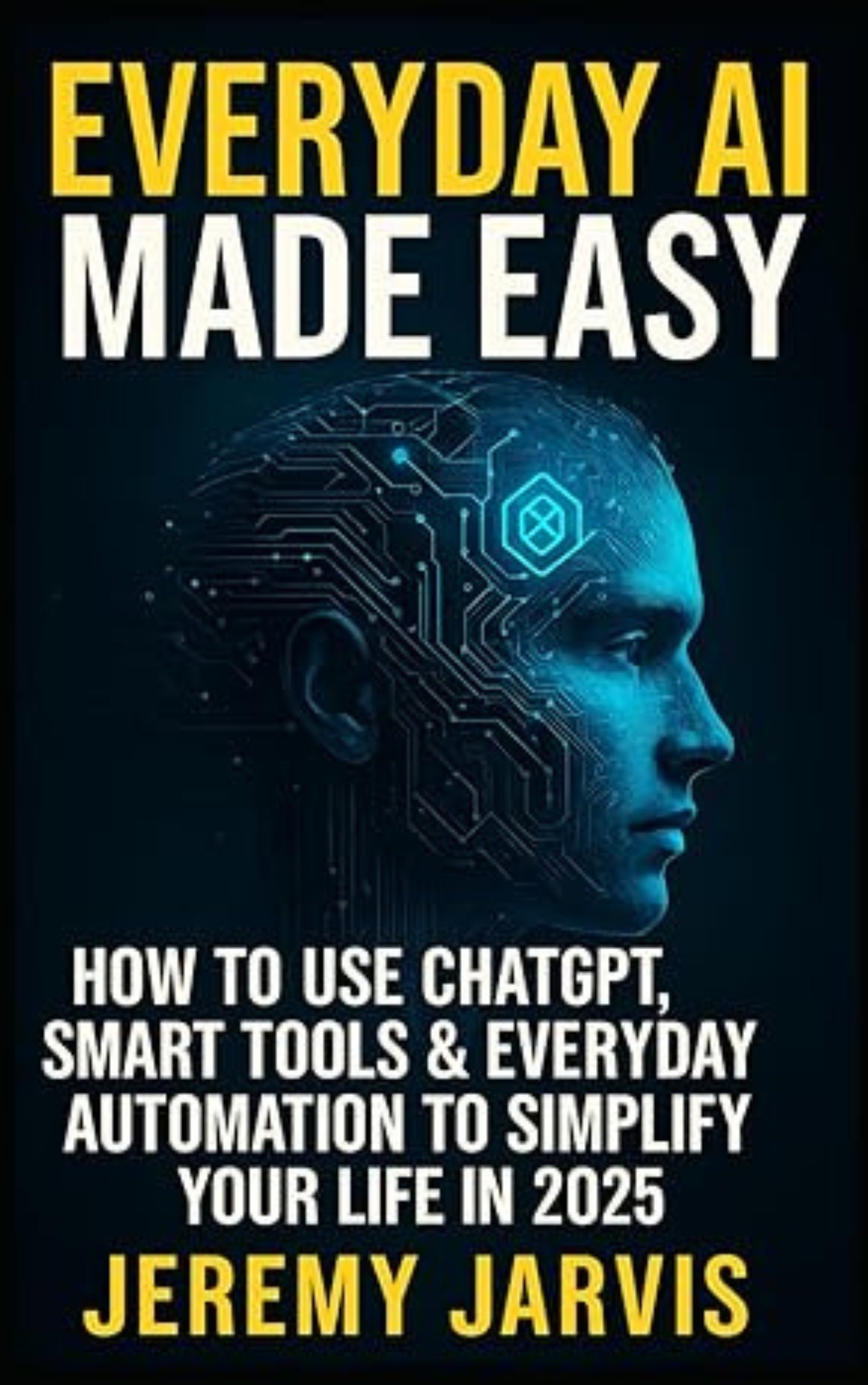
Everyday AI Made Easy
Use ChatGPT and smart tools to simplify life.
View book →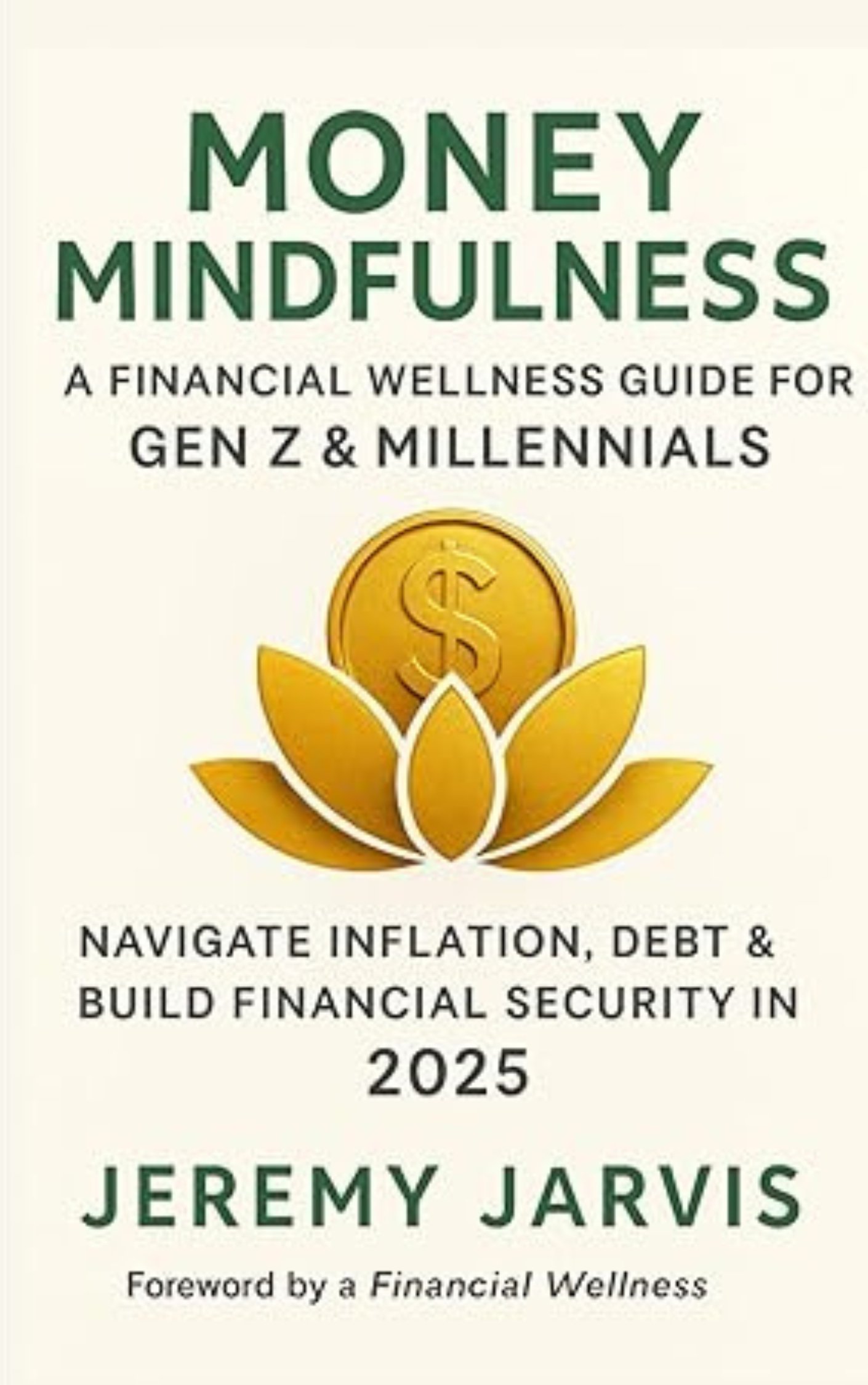
Money Mindfulness
A financial wellness guide for Gen Z & Millennials.
View book →
Startup Smarter with AI
ChatGPT strategies and tools to grow your business.
View book →
ChatGPT for Writers & Creators
Unlock AI-powered brainstorming, drafting & editing.
View book →