
Here’s a fact that can change everything: self-confidence isn’t a personality trait you’re born with. It’s a skill you can build, much like strengthening a muscle at the gym. You can learn how to be more confident in yourself by actively training your brain through repeated thoughts and actions.
True, lasting confidence is a mental state you build, not one you’re gifted. This idea is grounded in a core concept of brain science called neuroplasticity. Put simply, your brain is adaptable. The thoughts you repeat and the actions you take physically strengthen certain neural pathways. When you consistently practice self-belief, you are literally wiring your brain for more confidence.

On the flip side, nagging feelings of low confidence often come from your brain’s built-in “negativity bias.” This is an evolutionary survival tool. It makes us pay far more attention to threats and negative experiences than positive ones. Your brain is designed to keep you safe, not necessarily to make you feel bold. It’s why a single critique can sometimes overshadow a dozen compliments.
This brain-based response is exactly what’s happening when imposter syndrome strikes before a big presentation. You’ve worked for weeks, you know your material inside and out, but right before you go on, your heart races. Your mind floods with doubt: “They’re going to find out I don’t know what I’m talking about.”
This isn’t a signal of your actual incompetence. It’s often just your brain’s fear center, the amygdala, reacting to a high-stakes social situation as if it were a genuine threat to your survival.
Disclaimer: This article is for educational purposes only. It is not a substitute for professional medical or psychological advice, diagnosis, or treatment. If you are struggling with anxiety, depression, or other mental health concerns, please consult a qualified healthcare provider.
Your Brain’s Response to Self-Doubt
When you experience self-doubt, your brain responds to what it perceives as risk. This can trigger a cascade of stress hormones that cloud your thinking. It reinforces a sense of inadequacy. But by understanding this is a biological process, you can start to manage it. You can learn to calm this fear response. You can also consciously activate different neural pathways associated with self-assurance. For a deeper dive on this, you might find our guide on limbic system retraining helpful.
You are far from alone if you struggle with this. It’s a widely shared human experience. A staggering 85% of people worldwide report grappling with low self-esteem at some point. What’s more, a 2023 study found that 93% of individuals link their career success directly to their level of self-confidence. This makes it a critical skill for professional growth.
The key takeaway is this: Confidence is a trainable skill. By understanding how your brain works, you can move from passively experiencing self-doubt to actively building self-belief.
How to Rewire Your Inner Critic and Master Your Mindset
That nagging voice in your head is often the biggest obstacle to real self-confidence. It’s the one that whispers doubts, highlights your flaws, and predicts failure. This “inner critic” is a pattern of thinking. And like any pattern, you can learn how to change it.
Mastering your internal dialogue is the first real step. This isn’t about chanting empty affirmations. It’s about applying practical strategies inspired by Cognitive Behavioral Therapy (CBT). CBT operates on a simple premise: your thoughts create your feelings. If you can learn to challenge and reframe negative thoughts, you can change your emotional state and, in turn, your actions.

Spot and Challenge Your Automatic Negative Thoughts
The first move is to become an observer of your own mind. Many of our most self-critical thoughts are what psychologists call automatic negative thoughts (ANTs). They pop up so quickly and so often that we tend to accept them as facts without a second thought.
Your goal is to catch these thoughts in the act. Think of it like mental fact-checking. When you notice an ANT, you just pause and question its validity.
Real-World Scenario: The Project Deadline
- The ANT: “I’m definitely going to fail this project. The deadline is too tight, and I’m not skilled enough.”
- The Feeling: Anxiety, overwhelm, and a powerful urge to procrastinate.
Instead of letting that thought spiral, you can actively challenge it. This isn’t about forced positivity. It’s about finding a more balanced and realistic perspective based on actual evidence.
“Confidence is not something you’re born with. It’s not something you have, it’s something you create on purpose. Confidence is nothing more than an emotion.” – Mia from She Dreams All Day
Reframe Thoughts with Evidence and Action to Build Confidence
Once you’ve spotted a negative thought, the next step is to reframe it. A powerful reframe doesn’t just deny the negative. It acknowledges the challenge while focusing on your capabilities and a path forward.
Let’s go back to our project deadline scenario and apply this.
The Reframing Process:
- Question the “Fact”: Is it 100% true that you will fail? What evidence do you have from your past that contradicts this absolute statement?
- Gather Counter-Evidence: “Wait a minute. I’ve handled tough projects before. I managed that difficult client last quarter and delivered on time.”
- Create a Balanced, Action-Oriented Thought: “This project is challenging, but I have a track record of handling pressure. I can break it down into smaller, manageable tasks and ask for help if a specific part is too difficult.”
This new thought is far more likely to lead to feelings of competence and motivation. It makes it easier to actually start the work. This mental shift is a critical skill for retraining your brain.
Best Mindset Tools for Beginners
Starting this practice can feel awkward, but a few simple tools can help you build the habit. It’s all about finding what helps you stay consistent.
| Tool | Best for… | How It Boosts Confidence |
|---|---|---|
| Productivity Journal | Those who want to track progress and see tangible proof of their abilities. | Capturing small daily wins helps rewire your brain to notice successes, building a library of evidence against your inner critic. |
| Time Blocking Planner | Individuals who feel overwhelmed and want to regain a sense of control over their day. | Structuring your time proves you can manage your commitments, which directly counters feelings of being incapable or disorganized. |
Using a simple productivity journal is an excellent first step. At the end of each day, just jot down three things you accomplished, no matter how small. This practice creates physical proof of your competence. It makes it easier to challenge your ANTs with real data.
To truly master your mindset, you might also need to learn how to beat imposter syndrome. This often works hand-in-hand with the inner critic to undermine self-confidence. Ready to take a deeper dive? Browse the library of our self-help books to get started.
Reframing your thoughts isn’t a one-time fix. It’s a daily practice—a mental workout that strengthens your self-belief over time. As you build this skill, you’ll find your inner critic’s voice gets weaker, while your confident, capable voice grows stronger.
How to Choose Your First Confidence-Building Habit
Reframing your inner critic is a powerful start, but true, lasting confidence isn’t built on positive thinking alone. It’s built on proof. Your brain needs undeniable evidence that you are capable. Small, consistent actions are the most effective way to provide it.
The secret is to start with a “micro-habit”—a practice so small it’s almost easier to do it than to skip it. We’re not aiming for a massive life overhaul here. The goal is to build momentum and kickstart a positive feedback loop: action builds confidence, and that confidence fuels more action.
Find the Right Starting Point for Your Confidence Goals
Choosing the right first habit is critical. If it doesn’t align with your life or your specific confidence gaps, you’ll struggle to stick with it. Let’s walk through a quick scenario.
Imagine Alex, a freelance writer battling imposter syndrome. A chaotic schedule and missed deadlines feed the inner critic’s story: “I’m disorganized and can’t handle this.” Alex is weighing two new habits: a daily walk or using a time blocking planner.
While a walk is great for mental health, the planner directly targets the source of Alex’s self-doubt. By successfully planning just one workday, Alex gets immediate, concrete proof of being organized. That targeted win is often far more potent for silencing a specific inner critic.
How to Pinpoint Your First Habit
Your first habit should be a strategic choice. What do you need most right now? Is it a quick mental reset? A tangible sense of accomplishment? A jolt of assurance before a big meeting?
Confidence is built on evidence. When you feel overwhelmed, the best way forward is to create a small, specific win. This proves to your brain that you are capable of making progress, which silences the inner critic more effectively than positive thinking alone.
The right habit should feel like a relief, not just another chore on your to-do list. If you’re looking for more ways to build routines that stick, you can find deeper strategies in our book, Focus Recharged. Starting small is the most reliable path to creating change that lasts.
Comparison: Best for Beginners vs. Busy Professionals
To help you decide, let’s compare four simple, evidence-based habits. Consider your main goal and daily schedule to find your best fit. Making a deliberate choice will increase your commitment.
| Habit | Best For | Key Benefit |
|---|---|---|
| Mindful Movement (5-10 min walk) | Busy Professionals needing a mental reset. | Reduces cortisol and boosts mood quickly. |
| Daily ‘Win’ Journaling | Beginners who thrive on seeing progress. | Rewires the brain to notice successes. |
| Power Posing | Anyone needing a quick boost before an event. | Instantly shifts your body language. |
| One Small Skill Practice | Career-focused individuals wanting tangible competence. | Creates undeniable proof of your capability. |
Once you’ve picked a habit, the next challenge is consistency. Using a tool to keep yourself accountable can make all the difference in the beginning. For more on this, check out our guide on the best habit tracking apps.
Don’t aim for perfection. Aim for progress. A single, consistent action is the foundation upon which real self-confidence is built.
Build Real Confidence Through Action and Experience
While changing your mindset is a great start, lasting confidence isn’t just thought; it’s forged in action. You can’t just think your way to feeling capable. You have to prove it to yourself. This is the heart of the competence-confidence loop, a powerful cycle where taking small actions builds real skill, and that new skill, in turn, fuels the confidence to tackle bigger challenges.
This loop provides the undeniable, physical evidence your brain needs to silence that nagging inner critic. Think of it as a feedback mechanism. Every time you successfully do something—no matter how small—your brain registers it as a win. It’s a direct counterargument to the anxious feelings of self-doubt that hold you back.
From Fear to Action: A Practical Roadmap for Being More Confident
Let’s make this real with a common fear: networking or making a cold call. For many, the idea of initiating contact with a stranger is terrifying. The competence-confidence loop helps break this overwhelming fear into manageable, confidence-building steps.
Mini-Scenario: The Solopreneur’s Fear of Cold-Calling
Imagine a solopreneur who knows they need to make sales calls but is frozen with anxiety. Instead of a brutal “just do it” approach that often backfires, they can lean on the loop.
- Start with the smallest possible action. Don’t even think about the phone. The first step is simply to write a basic script. This low-stakes task creates a sense of preparation.
- Practice in a safe environment. Next, they practice the script out loud—first alone, then with a friend. This builds familiarity and smooths out awkwardness without real-world pressure.
- Execute a low-stakes version. Now, it’s time for the first real call. But instead of a high-value prospect, they call a friendly client. The goal isn’t to make a sale; it’s simply to get through the call.
Each successful step provides a small dose of competence. This builds just enough confidence to attempt the next, slightly harder step. This is how you build sustainable momentum. If you find your focus wavering, a good pair of noise canceling headphones can block out distractions.
Making Your First Action Stick
Choosing where to even begin can feel overwhelming. The key is to pick an action that feels both achievable and meaningful to your goals. The flowchart below breaks down a simple process for choosing a foundational habit.

The insight here is that the type of action matters less than the consistency of doing it. Whether it’s movement, journaling, or even practicing confident posture, each path builds confidence through direct experience.
This approach is especially critical when you consider the numbers. Low self-esteem quietly impacts an estimated 80-85% of the US population at some point. For 62% of US college students, it contributes to overwhelming anxiety. But the data also shows that targeted action works. Interventions like Cognitive Behavioral Therapy (CBT) have a 75% success rate for a reason—they are built on changing behaviors to change how you feel.
If you’re looking for an actionable habit to boost your self-assurance, something like beginning martial arts for adults can be a powerful step. Disciplines like these are a perfect real-world application of the competence-confidence loop, built entirely on progressive skill development.
Ultimately, action is the antidote to fear. It moves confidence from a vague idea into a lived experience. If self-doubt is tangled up with social isolation, you might also want to learn more about how to deal with loneliness in our article.
Key Takeaways for Building Lasting Confidence
Here’s what you need to remember as you move from self-doubt to real, earned self-belief.
Confidence is a skill, not a fixed trait. Your brain can change. Think of confidence less like a personality type you are born with and more like a muscle you can train daily through focused thoughts and small, consistent actions.
Challenge your inner critic with hard evidence. The negative voice in your head tells stories, not facts. Get in the habit of questioning those stories and gathering real-world proof of what you can do. A simple habit tracker journal is a great way to log your wins and make your progress undeniable.
Small, consistent actions are everything. Lasting confidence is built on what we call the competence-confidence loop. You build skills by taking tiny, manageable steps, and each small success provides undeniable proof to your brain that you are capable. This is how you earn your own trust.
Your body language and your mindset are a two-way street. The way you carry yourself physically can directly influence how you feel mentally. Adopting a more confident posture, even when you don’t feel it, can create a surprisingly fast shift in your state of mind.
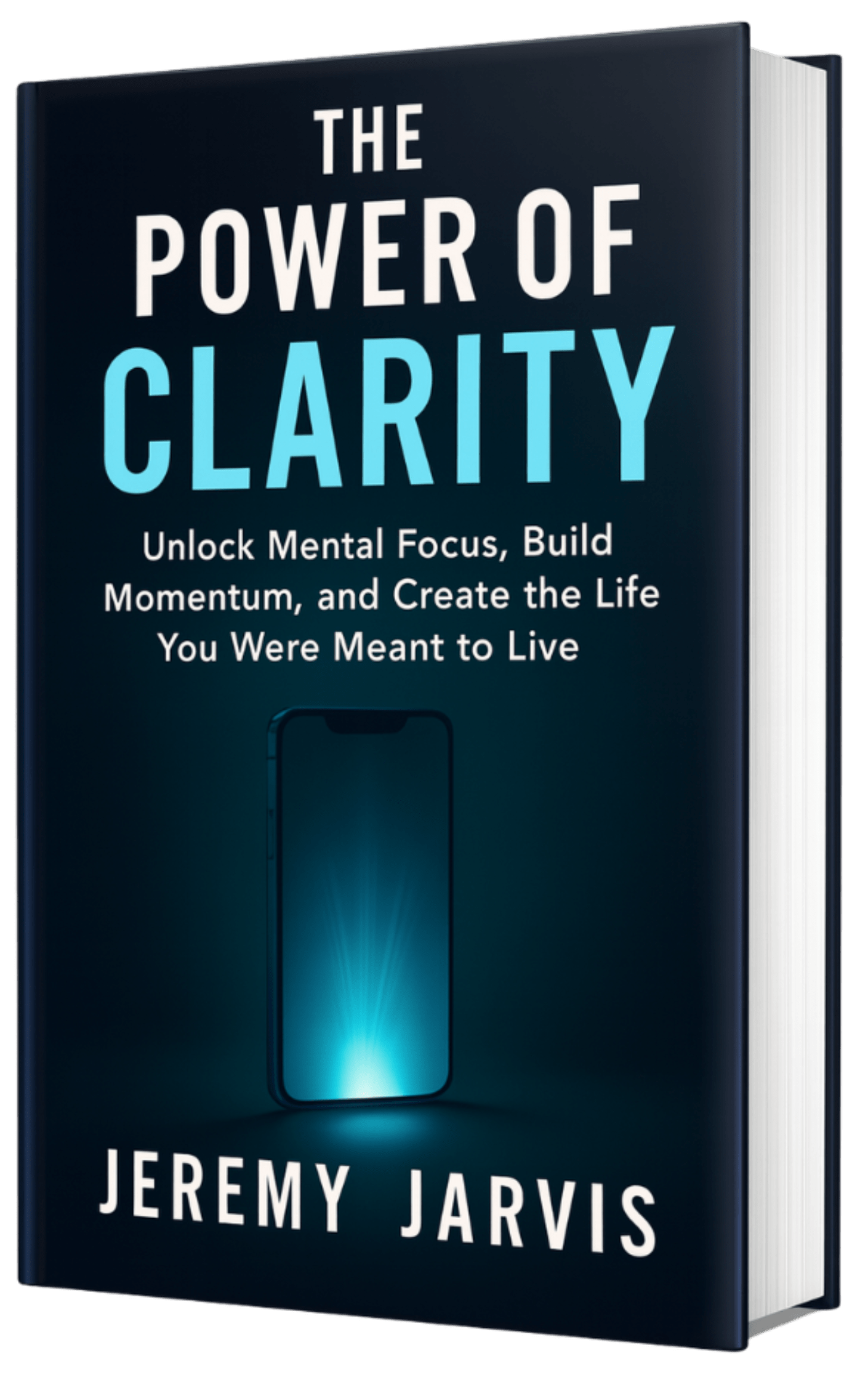
We believe in providing clear, actionable guidance. You can see the book that fits your goal, like The Power of Clarity, to find the right next step.
Editor’s Take: What Really Works for Building Confidence
Let’s get straight to the honest truth. While all these techniques can help, the single most powerful strategy for lasting confidence is mastering the competence-confidence loop. This is the simple, non-negotiable cycle where taking small, consistent actions builds real skills. Those new skills provide undeniable proof to your brain that you are, in fact, capable. Nothing silences that nagging inner critic faster than hard evidence.
This approach is designed for self-motivated people who are truly ready to take action. If you’re willing to step out of your comfort zone, even in small ways, the feedback loop between what you do and what you believe will create powerful momentum.
Who This Advice Is Less Suited For
However, it’s important to be realistic. These methods are less likely to work for someone dealing with severe anxiety, deep burnout, or clinical depression. In those cases, the root issues often need professional support first. If foundational mental health challenges are draining your energy, please make seeking guidance from a qualified therapist or doctor your priority. This guide is for educational purposes, not a substitute for medical advice.
Building real confidence is a slow, non-linear process, and you will have setbacks. The key is to remember that consistency is far more important than perfection. If you often find yourself stuck in cycles of perfectionism, learning to untangle that mindset can be a complete game-changer. Our book, Perfectly Imperfect, offers a practical path to embracing progress over flawless performance—a skill that is essential for this journey. True confidence doesn’t come from getting it right the first time. It comes from trying, learning, and trying again.
Your Questions on Building Self-Confidence, Answered
Even with the best roadmap, building self-confidence brings up questions. It’s a journey, and every step can feel a little uncertain at first. Here are some honest answers to the questions that come up most often in this work.
How long does it really take to build self-confidence?
There’s no finish line here. Think of it less like a project with an end date and more like a lifelong practice, similar to physical fitness. That said, you don’t have to wait months to feel a difference. With consistent daily effort—even just a few minutes—most people start to feel small but meaningful shifts within a few weeks. The goal is steady progress, not a dramatic overnight transformation.
Is it normal to be confident in some areas but not others?
Absolutely. In fact, this is how it works for almost everyone. Confidence is context-specific. You might feel like a rockstar leading your team at work but turn into a bundle of nerves at a social gathering. This isn’t a sign that your confidence is “broken.” The real strategy is to systematically expand your zones of confidence, using the skills you build in one area as a foothold to start exploring another.
What is the difference between confidence and arrogance?
This is a huge, and very common, worry. Many people hold back for fear of coming across as arrogant. But the two are worlds apart. Confidence is rooted in self-awareness and proven competence. It’s a quiet trust in your own abilities, built from experience and a willingness to learn. Arrogance, on the other hand, is almost always a mask for deep insecurity. It’s loud, brittle, and desperate for external validation.
What if I try these techniques and still feel no change?
If you feel like you’re spinning your wheels, it’s time to troubleshoot. First, be brutally honest about consistency. Are you really practicing daily, or just when you feel motivated? Repetition is what rewires the brain. If you’re truly being consistent, make the challenges even smaller. If procrastination is the real enemy, our guide on how to stop procrastinating offers more specific strategies. Finally, if you feel profoundly stuck, it might be a sign that deeper issues like anxiety or depression are at play, and seeking professional support is a courageous next step.
How can I stay confident after a setback or failure?
Setbacks aren’t a sign the process isn’t working; they are a guaranteed part of the process itself. The most confident people aren’t the ones who never fail—they’re the ones who have learned how to get back up. Reframe failure as data for learning. Ask yourself: What can I learn from this? and What will I do differently next time? This is where a habit tracker journal becomes a powerful tool. When you’re feeling discouraged, go back and read your log of past successes. It provides concrete proof that one setback doesn’t erase all your progress.
Free download: 7-Day Mind Clarity Reset
A short daily reset you can actually stick with (no fluff).
Helpful resources for your next step
Affiliate disclosure: As an Amazon Associate, Mind Clarity Hub may earn from qualifying purchases at no extra cost to you. Use this link only if it genuinely helps your planning.
If Master Self-Confidence: How To Be More Confident in Yourself in 2026 is a routine you want to keep using, a simple workbook, planner, or desk tool can make the steps easier to repeat.
Compare related planners, workbooks, and organization tools on Amazon.