
Disclosure: This article may contain affiliate links. If you purchase a product through one of our links, we may earn a small commission at no extra cost to you. This helps support our work in creating valuable content.
In a world saturated with digital noise and endless demands on our attention, the pursuit of productivity can feel overwhelming. The secret to regaining control isn’t found in a single life-altering decision but in the small, consistent actions we take every day. These good daily habits are the foundational building blocks of a focused, intentional, and effective life. They act as a powerful system that runs quietly in the background, automating your success and protecting your most valuable resource: your cognitive energy.
This guide moves beyond generic advice like “wake up early” or “be positive.” Instead, we will explore ten specific, evidence-backed daily habits designed for busy professionals, freelancers, and anyone feeling the strain of digital fatigue. Each habit is presented as a complete toolkit, grounded in principles of neuroscience and behavioral psychology to explain why it works. You will learn not just what to do, but precisely how to implement it with actionable micro-steps.
Disclaimer: This article is for educational purposes only and is not a substitute for professional medical or psychological advice, diagnosis, or treatment. If you are experiencing symptoms of anxiety, depression, burnout, or sleep problems, please consult with a qualified healthcare provider.
Here, you’ll find practical systems to help you cultivate deep work, minimize distractions, and manage your energy without succumbing to burnout. Whether you’re looking to optimize your focus with a reliable productivity journal or reclaim your evenings from screen time, these strategies provide a clear roadmap. Think of this article as your personal blueprint for building a more resilient, productive, and balanced daily routine, one small, powerful habit at a time.
1. Good Daily Habits Start with a Morning Clarity Ritual
Imagine starting your day with clarity and purpose, rather than a frantic rush through notifications. This is the goal of the Morning Clarity Ritual, one of the most impactful good daily habits you can adopt. It involves intentionally delaying engagement with email, social media, and news for the first 60 minutes after waking. This practice protects your most valuable asset: your morning attention.
The Neuroscience of a Calm Start
Neuroscience shows that your brain’s cortisol levels naturally peak in the morning, providing a biological boost for alertness. Simultaneously, your dopamine sensitivity is at its highest. When you immediately reach for your phone, you allow external agendas—emails from your boss, social media updates—to hijack this peak brain state. This reactive mode triggers decision fatigue early, setting a distracted tone for the entire day. By creating a screen-free buffer, you use this prime cognitive window to set your own intentions, dramatically improving focus and proactive decision-making.
How to Implement Your Digital Detox Hour
Making this shift requires a deliberate plan. For example, a freelance writer might start her day by journaling her top three priorities instead of checking client emails. This small change shifts her from a reactive to a proactive mindset.
- Create a Tech-Free Zone: The simplest step is to leave your phone in another room overnight. If you use it as an alarm, consider switching to an analog alarm clock to break the habit of grabbing your device first thing.
- Replace, Don’t Remove: Fill the new space with a positive, non-digital activity. Replace scrolling with brewing tea, five minutes of journaling in a habit tracker journal, or gentle stretching.
- Set Clear Boundaries: Communicate your new routine to family or partners. A simple, “I’m offline until 8 AM to focus,” establishes expectations and creates accountability.
By reclaiming the first hour, you train your brain to prioritize your goals over digital noise. To build a comprehensive plan tailored to your needs, you can learn more about creating a powerful morning routine and take control of your day from the start.
2. Deep Work Block Scheduling: A Foundational Daily Habit
Imagine structuring your workday not by the clock, but by your brain’s natural rhythm for peak focus. Deep Work Block Scheduling is one of the most effective good daily habits for knowledge workers, involving dedicated 90-minute sprints of intense, single-task work. This method moves you from a state of constant distraction to one of profound productivity by aligning your efforts with your mind’s built-in concentration cycles.

The Neuroscience of Ultradian Rhythms
Your brain operates on cycles of high and low energy throughout the day, known as ultradian rhythms. Behavioral research shows these cycles last approximately 90-120 minutes, after which cognitive performance naturally declines. Forcing yourself to push past this limit leads to burnout and diminished returns. By working in 90-minute blocks followed by a 15-20 minute restorative break, you honor this biological reality. This prevents “attention residue,” the lingering cognitive load from switching between tasks, allowing you to return to your next block fully recharged.
How to Implement Your 90-Minute Focus Cycles
Adopting this rhythm requires treating your focus time as a non-negotiable appointment. For instance, a software developer might block 9:00 AM to 10:30 AM for coding, turn off Slack, and then take a 20-minute walk. This structure protects their most demanding cognitive work.
- Schedule Your Blocks: Treat your focus cycles like important meetings. Block them out in your calendar using a time blocking planner to signal to yourself and others that this time is unavailable for interruptions.
- Eliminate Distractions: During each 90-minute cycle, turn off notifications and use a website blocker. Batch all administrative tasks, such as checking email, for the periods outside your deep work blocks.
- Plan Your Breaks: Your break is as important as the focus period. Intentionally plan non-digital activities like a short walk, stretching, or hydrating. Avoid scrolling social media, as it can deplete your focus before the next cycle begins.
By systematically scheduling deep work, you create a powerful structure for achieving your most important goals. To fully master this technique, you can learn more about how to do deep work and transform your productivity.
3. Strategic Notification Elimination as a Daily Habit
Imagine a workday where your attention isn’t constantly hijacked by pings, buzzes, and pop-ups. This is the power of Strategic Notification Elimination, a foundational practice among good daily habits for reclaiming deep focus. This habit involves systematically disabling all non-essential notifications on your devices, moving from a reactive state of constant interruption to one of intentional engagement.
The Neuroscience of Interruption
Our brains are wired to respond to novelty, and a notification is a powerful digital trigger. Each buzz or alert releases a small amount of dopamine, creating an addictive feedback loop that keeps you checking your device. However, this same mechanism also triggers a cortisol response, keeping you in a state of low-grade stress and fractured attention. Behavioral research shows it can take over 20 minutes to fully regain focus after a single interruption. By eliminating these cues, you prevent this addictive cycle, preserving your cognitive resources for meaningful work.
How to Implement Your Notification Shutdown
This isn’t about willpower; it’s about system design. A manager could implement this by turning off email pop-ups and setting a status on Slack that says, “In focused work until 11 AM; will respond then.” This communicates boundaries and protects their team’s focus as well.
- Perform a Ruthless Audit: Go through every app on your phone and computer. Turn off all notifications (badges, sounds, and banners) for anything that is not mission-critical and time-sensitive.
- Establish Focus Blocks: Use your device’s built-in tools like iOS Focus or Android’s Do Not Disturb modes. Schedule 90-minute blocks where only allowlisted contacts can break through.
- Batch Your Communication: Instead of reacting in real-time, schedule two or three specific times per day to check email and messages. Placing your phone in a phone lock box timer during work sprints can make this easier to enforce.
By strategically eliminating notifications, you take back control of your attention. To learn more about curating a focused digital life, explore the principles in my book, Digital Clarity, and build an environment that serves your goals.
4. Dopamine Detox: A Reset for Your Daily Habits
Imagine regaining your ability to find joy in simple activities, like reading or a quiet walk, without feeling the constant pull of high-stimulation distractions. This is the purpose of a Dopamine Detox, a planned fast from activities that flood your brain with cheap rewards. This practice is one of the most transformative good daily habits for restoring focus and appreciating natural sources of satisfaction. It involves periodically abstaining from social media, streaming, and other high-dopamine triggers.
The Neuroscience of a Baseline Reset
Your brain’s dopamine system is designed for seeking rewards, but modern life constantly overloads it. According to neuroscience research, this chronic overstimulation can downregulate your dopamine receptors, meaning you need bigger and bigger “hits” to feel pleasure. This leads to a state where normal, healthy activities feel dull. A scheduled fast allows these receptors to reset, restoring your sensitivity to dopamine. After a detox, a simple conversation or completing a task can feel genuinely satisfying again.
How to Implement Your Dopamine Fast
This isn’t about permanent deprivation but strategic resets. For example, a student feeling burned out from social media might decide to deactivate their accounts from Friday evening to Sunday evening, spending that time hiking and reading instead.
- Schedule Your First Fast: Start with a manageable 24-hour period on a low-pressure day, like a weekend. Plan non-digital replacement activities in advance, such as hiking, cooking, or working on a puzzle.
- Create a Low-Stimulation Zone: Make it difficult to access your triggers. Place your devices away, shut down your laptop, and keep sugary snacks out of sight. The goal is to reduce temptation, not to test your willpower.
- Reintroduce Slowly: After the fast, don’t indulge on everything at once. Reintroduce high-dopamine activities mindfully. This helps you identify which ones most negatively impact your focus and mood, allowing you to build a more balanced digital life.
By scheduling these resets, you can recalibrate your brain’s reward system for sustained motivation. To dive deeper into this practice, you can learn more about how to do a dopamine detox and reclaim your natural drive.
5. Intentional Break Rituals: Strategic Recovery Habits
Recharging your focus isn’t about stopping work; it’s about recovering strategically. The Intentional Break Ritual is a system of structured, non-screen breaks designed to restore your attention and dopamine baseline. Unlike mindless scrolling, which further depletes cognitive resources, these purposeful pauses engage your parasympathetic nervous system, making it one of the most effective good daily habits for sustained productivity.

The Neuroscience of Strategic Recovery
Attention Restoration Theory from psychology explains that our brains have two attention systems: directed attention (for focused tasks) and involuntary attention (effortlessly engaged by nature). When directed attention is fatigued, a short walk outside can restore it. This “soft fascination” allows the prefrontal cortex to rest. Fully disengaging from work for 15-20 minutes prevents decision fatigue and resets your brain for the next high-focus session, significantly improving its quality.
How to Implement Your Strategic Recovery Protocol
The goal is to make breaks non-negotiable recovery sessions. For example, a project manager sets a timer for a 15-minute break after a 90-minute planning session. During that time, they leave their desk to stretch and get a glass of water, avoiding their phone entirely.
- Schedule and Protect Your Breaks: Treat your breaks like important meetings. Block them out in your calendar to make them a firm commitment.
- Create a Recovery Menu: Your brain needs variety. Alternate your break activities: a brisk walk, five minutes of guided meditation, or simple stretching by your desk.
- Fully Disconnect to Reconnect: During your break, put your phone on “Do Not Disturb.” The key is to prevent “work leakage” by completely disengaging from professional thoughts, which allows your brain to truly reset.
By making your breaks intentional, you transform them into a powerful tool for enhancing focus. To dive deeper into managing your energy and preventing mental exhaustion, discover strategies in our guide to overcoming burnout and reclaim your peak performance.
6. Evening Digital Sunset: A Crucial Nightly Habit
Imagine ending your day with restorative calm instead of the stimulating glow of a screen. The Evening Digital Sunset is one of the most powerful good daily habits for cognitive recovery. It involves intentionally disconnecting from all screens—phones, laptops, and TVs—for one to two hours before bedtime, creating a crucial buffer that protects your sleep and recharges your mind for the next day.

The Neuroscience of Restful Sleep
Your brain’s sleep-wake cycle is governed by melatonin, a hormone that signals it’s time to rest. According to sleep science, the blue light emitted from digital screens is a potent suppressor of melatonin production. Exposing your eyes to this light in the evening tricks your brain into thinking it’s still daytime, delaying sleep onset and fragmenting vital deep sleep stages. By implementing a screen cutoff, you allow your natural melatonin synthesis to proceed uninterrupted, leading to deeper, more restorative sleep and significantly improved next-day focus.
How to Implement Your Digital Sunset
Making this transition is about creating a deliberate, screen-free pre-sleep ritual. A professional working from home could set an alarm for 9 PM, at which point they plug their phone in the kitchen and pick up a book or listen to a podcast until bedtime.
- Create a Landing Zone: Designate a spot outside your bedroom to charge your devices overnight. This simple change removes the bedside temptation to scroll.
- Replace and Relax: Fill the new, screen-free time with a calming wind-down activity. Replace social media with reading a physical book, listening to quiet music, or light stretching.
- Signal the Transition: Dim the lights in your home and switch to warm-toned bulbs in the evening to mimic a natural sunset. Communicate your boundary to others, saying, “I’m offline after 9 PM to wind down.”
By protecting the hours before sleep from digital interference, you signal to your brain that it is time to recover. To discover more strategies for a healthier tech-life balance, you can explore other effective ways to reduce screen time and reclaim your evenings.
7. Batch Processing: A Habit for Efficient Communication
Imagine reclaiming hours of focused work from the constant stream of notifications. This is the power of Batch Processing, one of the most transformative good daily habits for any knowledge worker. It involves grouping similar tasks, like responding to emails and Slack messages, into specific, dedicated time blocks rather than reacting to them as they arrive. This practice directly combats the productivity drain of constant multitasking.
The Neuroscience of Attention Residue
Psychology research reveals a phenomenon called “attention residue.” When you switch from one task to another, a part of your cognitive bandwidth remains stuck on the previous task. This residue fragments your focus and reduces cognitive performance. Behavioral research shows that batching tasks minimizes this context-switching cost. By handling all communications at once, you allow your brain to fully disengage and then transition completely to your next high-value activity, preserving mental energy.
How to Implement Your Batch Processing System
Adopting an async-first communication model is a deliberate strategy. For example, a remote team leader can set a new norm: “Check emails at 10 AM and 3 PM.” This allows the team to engage in deep work for long stretches without feeling pressure to respond instantly.
- Schedule Your Batches: Designate specific times for communication. A common starting point is 10 AM, 2 PM, and 4 PM. Add these blocks to your calendar to visually map out your day.
- Communicate Your System: Set clear expectations. Use an auto-responder for email or a status in Slack that says, “I’m in deep work and will be checking messages at 10 AM and 2 PM.”
- Eliminate Distractions: When you are in a deep work block, close your email and communication apps completely. Don’t just minimize them. An under desk walking pad can be a great way to stay active during administrative tasks like these.
By batching shallow tasks, you protect your most valuable windows for creative and strategic thinking. You can learn more about defeating digital distractions and build a system that prioritizes deep, meaningful work.
8. Intentional Technology Selection & Friction Design
Imagine a digital life where your tools serve your goals, rather than dictate your attention. This is the essence of Intentional Technology Selection. It involves deliberately choosing tools that support focus and adding “friction” to distracting platforms, making it one of the most effective good daily habits for the modern worker. Instead of defaulting to what’s popular, you design an ecosystem that works for you.
The Neuroscience of Digital Friction
Your brain is wired to follow the path of least resistance. Addictive apps are designed with zero friction, using variable rewards and push notifications to trigger dopamine hits and keep you engaged. According to behavioral research, adding friction—such as logging out after each session—interrupts this automated stimulus-response loop. This pause forces your prefrontal cortex, the center for rational thought, to engage. It gives you a moment to ask, “Do I really need to do this now?”
How to Implement Intentional Technology Use
Adopting this habit means becoming the architect of your digital world. For instance, a student struggling with social media distraction could delete the apps from their phone and only access them via a web browser on their laptop. This added step provides enough friction to reduce mindless scrolling.
- Audit and Purge: Review every app on your phone and computer. Ask: Does this tool support or drain my focus? Delete anything that doesn’t serve a clear, productive purpose.
- Add Intentional Friction: Make it harder to access distracting sites. Log out of social media after each use. Use website blockers during work hours. To truly master your digital environment, explore the best Chrome extensions for productivity.
- Replace and Upgrade: Swap high-addiction apps for better alternatives. Replace endless scrolling with curated podcasts. Switch from a distracting tablet to a dedicated e-ink device like a Kindle for reading.
9. Journaling & Reflection: A Habit for Clarity
Transforming your internal monologue into a structured dialogue, this practice moves journaling from a simple diary to a powerful tool for metacognitive clarity. Unlike unstructured venting, this habit involves intentional reflection to externalize thoughts and identify cognitive patterns. It’s one of the most effective good daily habits for converting chaotic mental noise into actionable insights.
The Neuroscience of Externalized Thinking
Neuroscience explains that the act of writing engages multiple brain regions, including the prefrontal cortex, which is responsible for executive functions like planning. When you translate abstract thoughts into written language, you force your brain to structure them logically. This process, known as cognitive offloading, frees up working memory. Research indicates that just 10-15 minutes of daily journaling can reduce anxiety by helping you articulate problems and design solutions with greater clarity.
How to Implement Your Metacognitive Clarity Practice
A team lead could use a 5-minute journal entry each morning to outline their top priority and identify one potential obstacle. This simple act primes their brain for proactive problem-solving throughout the day.
- Choose a Consistent Time: Dedicate a specific time for reflection. Morning journaling sets your intentions for the day, while evening journaling helps process events.
- Use Simple Prompts: Overcome the blank page by using prompts. Start with questions like, “What is the most important thing I need to accomplish today?” or “What pattern did I notice in my focus today?” A dedicated productivity journal can provide this structure for you.
- Keep It Simple and Analog: Aim for just three to five sentences to start. Handwriting thoughts can improve retention and provides a welcome break from digital screens, reducing fatigue.
By consistently externalizing your thoughts, you create a feedback loop that sharpens your thinking. To find the right tools for this habit, you can learn more about journals for productivity and start building deeper self-awareness today.
10. Movement & Exercise: A Habit for Better Cognition
Viewing physical activity as a tool for cognitive enhancement transforms it into one of the most powerful good daily habits. Intentional daily movement is a non-negotiable for busy professionals aiming to boost attention and regulate mood naturally. This isn’t about extreme fitness; it’s about using exercise as a direct intervention to optimize your brain’s performance.
The Neuroscience of a Sharper Mind
Physical exercise is one of the most effective ways to increase brain-derived neurotrophic factor (BDNF), a protein often called “Miracle-Gro for the brain.” BDNF supports the survival of existing neurons and encourages the growth of new ones, which is critical for learning and memory. Neuroscience research shows that even a 20-minute walk can regulate dopamine pathways, improving focus and motivation for hours afterward. Consistent exercise is a cornerstone habit for mental clarity.
How to Implement Your Cognitive Boost
Integrating movement doesn’t require a radical lifestyle change. An executive might replace a mid-morning coffee break with a brisk 15-minute walk outside, returning to their desk feeling more alert and focused than caffeine alone could provide.
- Start Small and Stack: Begin with a 20-minute walk before you start your workday or during your lunch break.
- Prioritize Consistency Over Intensity: A daily 20-minute walk is more beneficial for sustained cognitive function than one grueling workout twice a week. Consistency is what drives the long-term changes in brain structure and function.
- Track the Cognitive Benefit: After exercising, pay close attention to your focus and energy levels. Actively noticing the improvement reinforces the habit loop, making you more likely to stick with it.
The key to sustained cognitive and physical benefits lies in consistency. For practical strategies on building this crucial habit, you can explore guides on how to stay consistent with your workouts to create a routine that lasts.
Editor’s Take
So, what actually works from this list? After years of writing about productivity and testing these habits myself, the two with the highest, most immediate impact are the Morning Clarity Ritual and the Evening Digital Sunset. Protecting the first and last hours of your day from screens creates an incredible buffer for your mind. It sets a proactive tone in the morning and ensures restorative sleep at night, which magnifies the effectiveness of every other habit.
This advice is best for knowledge workers, freelancers, and students who feel overwhelmed by digital distractions and are looking for sustainable, low-cost ways to regain control over their focus. The biggest limitation is that these habits require consistency. You won’t see a change overnight. But by starting with just one—like leaving your phone out of the bedroom—you can build momentum toward a more focused life.
Key Takeaways
- Protect Your Bookends: The most impactful habits are protecting the first hour of your day (Morning Clarity Ritual) and the last hour before sleep (Evening Digital Sunset) from screens.
- Work With Your Brain, Not Against It: Use 90-minute Deep Work Blocks to align with your brain’s natural ultradian rhythms for peak focus and avoid burnout.
- Design Your Environment: Reduce reliance on willpower by strategically eliminating notifications, adding friction to distracting apps, and scheduling breaks.
- Recovery is Productive: Intentional, screen-free breaks and daily physical movement are not luxuries; they are essential for restoring cognitive resources and maintaining long-term focus.
- Start Small: Don’t try to implement all ten habits at once. Pick one that feels most achievable and commit to it for one week to build sustainable momentum.
Final Disclaimer and Affiliate Disclosure
Please remember that the information in this article is for educational and informational purposes only and is not intended as medical or psychological advice. Always consult with a qualified health professional for any health concerns or before making any changes to your routine. This site may contain affiliate links, which means we may receive a small commission if you make a purchase through our links, at no extra cost to you.
From Information to Action: Your Next Step
You’ve just navigated a comprehensive blueprint for reclaiming your focus in a digitally saturated world. We’ve explored ten powerful, neuroscience-backed good daily habits, from initiating a Morning Clarity Ritual to implementing an Evening Digital Sunset. Each one is a tool designed not just to make you more productive, but to restore your sense of control.
The Power of One Percent Better
The temptation now might be to try implementing all ten habits at once. We strongly advise against that approach. The path to burnout is paved with unsustainable ambitions. Instead, the most effective strategy is to embrace the philosophy of marginal gains. Your goal is not perfection; it is progress.
Your immediate next step is to choose just one habit from this list. Which one resonated the most? Did the idea of a screen-free first hour feel like a breath of fresh air? Pick the single habit that feels both most impactful and most achievable for you right now.
Once you’ve chosen your starting point, commit to it for just one week. Seven days. Don’t worry about mastering it. Simply focus on showing up and trying. Observe the effects without judgment. Notice any small shifts in your mood, your focus levels, or your sense of calm. This initial, small win will build the momentum needed to layer on another habit when you’re ready.
Building Your Personal Operating System
Think of these good daily habits as the building blocks for your personal operating system. By consciously selecting and integrating them, you move from being a passive recipient of digital noise to an active architect of your own attention. You are not just managing your time; you are managing your cognitive energy.
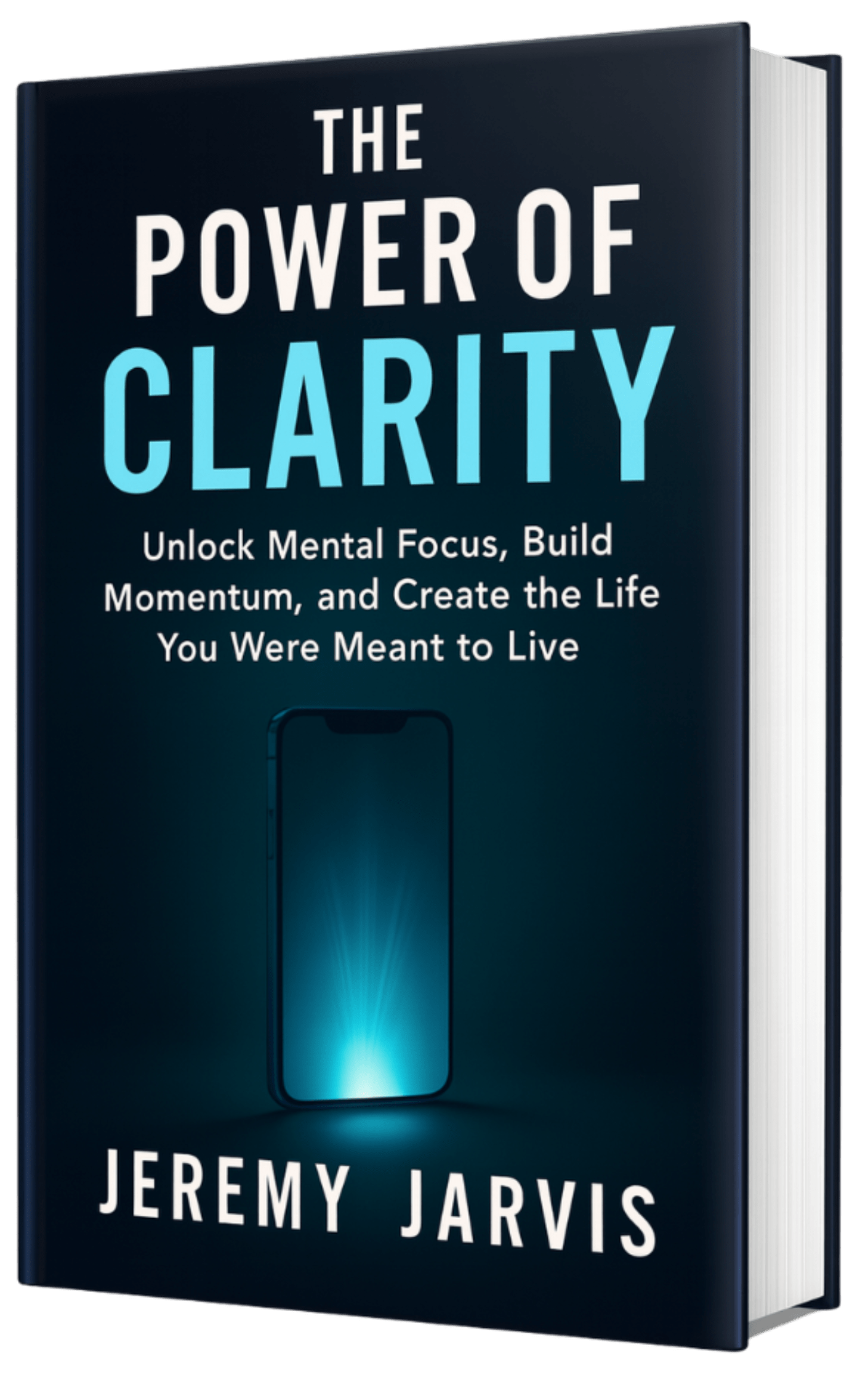
This journey is about replacing reactive, draining routines with proactive, energizing ones. It’s about building a life where your technology serves your goals, not the other way around. For a deeper dive into creating systems that support this transformation, my book, The Power of Clarity, offers a complete framework for structuring your life around what matters most.
Ready to go deeper? If you’re serious about building a focused, intentional life, Mind Clarity Hub offers a complete ecosystem of books and resources designed to help you thrive in the digital age. Explore our library at Mind Clarity Hub to find the perfect guide for your journey toward mastering your attention and achieving your goals.
Frequently Asked Questions (FAQ)
1. What are the 3 most important daily habits?
The three most impactful daily habits for most people are: establishing a screen-free morning routine to set intentions, scheduling dedicated blocks of “deep work” to protect focus, and implementing an evening “digital sunset” to ensure high-quality sleep. These three habits protect your mind at the beginning, middle, and end of the day.
2. How long does it take to form a good daily habit?
While the old “21 days” myth is popular, behavioral research shows it’s more complex. On average, it can take anywhere from 18 to 254 days for a new habit to become automatic. The key is not the timeline but consistency. Focus on showing up every day, even if imperfectly, rather than hitting a specific number of days.
3. Can good daily habits really reduce anxiety or burnout?
Yes, consistent, positive daily habits can significantly impact your mental well-being. Habits like daily movement, journaling, and intentional breaks help regulate the nervous system, reduce cortisol (the stress hormone), and provide a sense of control, which are all crucial factors in managing feelings of anxiety and preventing burnout. However, this content is educational and not a substitute for professional medical or psychological care.
4. What if I miss a day? Have I failed?
Absolutely not. Missing a day is part of the process. The most important rule of habit formation is to “never miss twice.” If you skip a day, simply make sure you get back on track the very next day. Perfection is not the goal; consistency and resilience are.
5. What is the easiest good daily habit to start with?
The easiest habit is often one that requires minimal effort and can be “stacked” onto an existing routine. A great starting point is the “Evening Digital Sunset.” Simply plugging your phone in outside your bedroom an hour before sleep is a small, concrete action with a huge payoff for your sleep quality and next-day focus.