

It is not just you. Focus is getting harder for almost everyone.
If you feel like your brain used to be sharper, you are not imagining it. Many people who could once sink into books, deep work, and long conversations now find themselves bouncing between tabs, half-reading messages, and rereading the same paragraph three times. It is easy to blame yourself: “I am lazy,” “I have no discipline,” “my attention span is ruined.”
Why Your Focus Feels Broken (And Why It Actually Isn’t)
The truth is more complicated—and more hopeful. Your focus has not disappeared. It has been gradually hijacked by a modern attention environment your brain was never designed for. In this guide we will unpack the real, research-backed reasons focus feels so fragile now, and walk through practical ways to rebuild it without relying on sheer willpower.
Key takeaways
- Your focus challenges are less about “broken willpower” and more about a nervous system overstimulated by constant micro-dopamine hits, alerts, and context switches.
- Modern apps are designed to hijack your brain’s reward circuits, making deep work feel unusually effortful compared to quick scrolls and refreshes.
- Chronic stress, sleep debt, and low-grade mental fog quietly erode your ability to hold a thought long enough to finish it.
- A “hyper-processed attention diet” of short clips, notifications, and hot takes trains your brain away from long-form reading and sustained thinking.
- You can rebuild focus using small, realistic shifts in your environment, habits, and “attention diet”—not by shaming yourself into working harder.
1. Your focus problem is not a character flaw
When your attention slips, it is tempting to tell a moral story: “I am not disciplined enough. Other people manage their phones and still get things done.” But your brain is working with rules that evolved long before push notifications, autoplay video, and infinite feeds.
Your attention system is designed to:
- Notice novelty and potential rewards quickly.
- Shift toward anything that seems socially or emotionally important.
- Conserve energy by avoiding hard, uncertain tasks when easier rewards are available.
The modern internet is built to lean on those exact levers. In other words, if you feel pulled toward quick scrolls and away from deep focus, your brain is doing the job it was wired to do. The environment changed; the wiring did not.
That does not mean you are powerless. It means that rebuilding attention is mostly about changing the rules of the game around you, not just yelling at yourself to “try harder.”
2. Micro-dopamine hits are training your brain out of focus
Every time you refresh a feed, check a notification, or see a new message badge, your brain gets a tiny burst of dopamine. These “micro-rewards” are not huge on their own, but they add up through repetition. Over time, your brain learns:
- “Switching tasks equals reward.”
- “Staying with one thing equals boredom.”
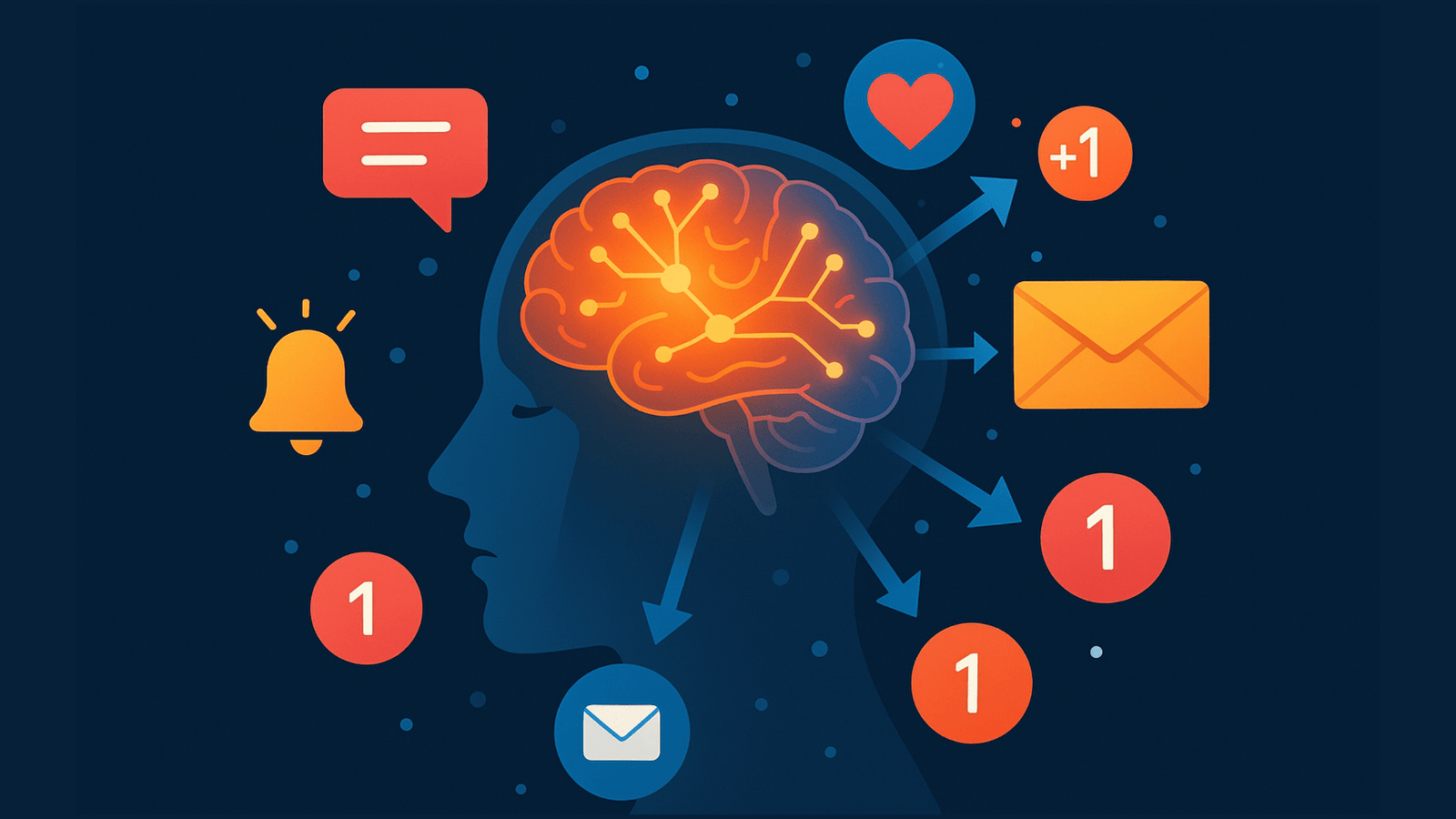
How Micro-Rewards Quietly Rewire Your Brain Against Deep Work
In neuroscience terms, your brain’s reward prediction systems are being recalibrated. The cost of effortful thinking stays the same, but the “background noise” of easy rewards rises. Deep work starts to feel heavier, not because you are incapable, but because the comparison point has shifted.
If this resonates, you might also notice several signs of micro-dopamine addiction and overstimulation —restless scrolling, constant tab-hopping, and a strange discomfort in silence or stillness.
The solution is not to eliminate pleasure. It is to deliberately add more “slow dopamine” activities—things like meaningful conversations, long walks, creative work, and reading—that reward you on a slightly longer delay.
3. Mental fog, stress, and sleep debt are quietly draining your focus
Focus is not just a mindset; it is also an energy problem. Your prefrontal cortex—the part of the brain responsible for planning, self-control, and complex thinking—burns a lot of fuel. When you are underslept, stressed, or nutritionally depleted, it has less to work with.
Common contributors to mental fog include:
- Chronic sleep restriction, even by 60–90 minutes a night.
- High, ongoing stress without adequate recovery.
- Irregular blood sugar from erratic eating patterns.
- Low-level anxiety or depression that has become “normal” background noise.
When your brain is working through fog, it will naturally prefer short, low-effort tasks. That can look like:
- Reorganizing apps instead of starting the project that matters.
- Reading comment sections instead of a long-form article.
- Checking email again instead of writing the important message once.
Before you judge your focus, it is worth asking: “How exhausted am I, really?” Often the first step is not a new productivity system but a realistic plan for rest and recovery.
4. You are stuck in input mode instead of output mode
Many creative people describe their days as “consuming” rather than “creating.” They hop between videos, posts, and commentary but rarely sit long enough to produce something of their own. Over time this trains the brain to expect constant novelty without the slower satisfaction of finishing something.
If you make things for a living—or want to—this matters. Your brain needs stretches of quiet, lower-stimulus time to reach the kind of mental clarity that lets ideas connect. That is why guides like mental clarity for creators emphasize ruthless boundaries around “input windows” versus “deep work windows.”
You might also notice that it feels strangely hard to sit with long-form text. If even a few pages of a book or one serious article feels like a marathon, this companion piece will help: why you cannot read long articles anymore .
5. Burnout and emotional load masquerade as “bad focus”
Sometimes the problem is not attention at all—it is meaning. When you are emotionally exhausted, disillusioned, or quietly resentful of your workload, your brain will resist focusing on it. You can push through for a while, but the friction gets louder over time.
Signs you might be dealing with burnout rather than a pure focus issue include:
- Feeling fine on hobbies but blank when you look at work tasks.
- Dragging your feet on even small steps related to certain responsibilities.
- A sense of cynicism or emotional numbness toward things you used to care about.
If this lands, you may find more targeted support in resources like Burnout Breakthrough , which dives deeper into work–life balance and realistic recovery strategies.
Either way, it helps to distinguish: “I cannot focus” is often partly “I am overloaded, anxious, or disengaged from what I am trying to do.”
6. Your attention diet is hyper-processed
Just as an ultra-processed food diet can leave you feeling wired and undernourished, an ultra-processed attention diet can leave your mind overstimulated but under-fed. Short clips, outrage headlines, and rapid-fire memes are like mental candy: they hit quickly, but they do not build the deep focus “muscles” you want.
A more intentional modern attention diet does not require you to quit the internet. It simply means:
- Reducing how often you snack on random content throughout the day.
- Adding more “whole attention” moments—books, essays, long conversations, deep work sessions.
- Designing your environment so that focused tasks are the default, not the exception.
Over weeks and months, this creates a subtle but powerful shift. Your brain becomes less hungry for constant novelty and more comfortable settling into single-tasking again.
A practical focus reset you can start this week
You do not need a perfect routine to feel sharper. You need a few strategic levers that change what your brain experiences most often. Use this as a simple, real-world focus reset:
- Do a 10-minute input audit. For one normal day, keep a quick note of every time you check your phone, open a new tab, or switch tasks for no real reason. Seeing the number in front of you turns vague guilt into concrete data.
- Pick one daily 45–60 minute “focus block.” During this block, silence all non-essential notifications, close extra tabs, and work on one clearly defined task. Protect it the way you would protect an appointment with someone important. If you want a structured walkthrough of this, explore the focus reset for mental space .
- Remove the top three friction points. Maybe it is your phone on the desk, email always open, or a social site pinned in your browser. Do not try to fix everything at once—just change the three triggers you use most often to escape discomfort.
- Add one “slow attention” habit. This could be 10 minutes of book reading, a daily walk without headphones, or a single long-form article from start to finish. If that last part feels impossible, this guide will help you rebuild that muscle.
- End each day with a two-line plan. Before bed, write down the one task that matters tomorrow and a simple first action. That way, your brain has a runway for focus instead of waking up to vague dread.
These steps are small on purpose. The goal is not to become a different person overnight; it is to slowly retrain your brain to trust that deep focus will be rewarded, not constantly interrupted.
When focus struggles might need more than self-help
While environment and habits explain a lot, they do not explain everything. If you have long-standing attention issues that started in childhood, or if your focus problems come with significant mood changes, it may be worth talking with a mental-health or medical professional. Conditions like ADHD, depression, anxiety, or sleep disorders can all affect concentration.
Self-guided tools and books can still help, but they work best when paired with appropriate diagnosis and support. Seeking help is not a failure of willpower; it is an intelligent way to get more accurate information about how your brain works.
Self-guided tools and books can still help, but they work best when paired with appropriate diagnosis and support. Seeking help is not a failure of willpower; it is an intelligent way to get more accurate information about how your brain works.
How to tell when it is time to get an evaluation
A simple rule of thumb: if your trouble focusing is persistent, shows up across multiple areas of life (work, home, relationships), and has been there for months or years, it is worth a closer look. Occasional brain fog after a bad night of sleep is one thing; ongoing problems with attention, memory, and follow-through are something else.
Red flags that suggest you may want a professional opinion include:
- Focus problems that started in childhood or adolescence and never really went away.
- Big gaps between what you know you are capable of and what you can actually get done.
- Chronic disorganization, missed deadlines, and lost items despite “trying harder.”
- Severe procrastination or task avoidance that makes daily life unmanageable.
- Attention issues paired with intense anxiety, low mood, panic, or emotional swings.
- New or worsening concentration problems after an illness, injury, or major life event.
In these situations, reading about focus, dopamine, or mental fog is helpful background—but it is not a substitute for an evaluation by someone who can look at the whole picture: sleep, stress, medications, hormones, learning history, and mental health.
Who to talk to about long-term focus and attention struggles
If you are not sure where to start, a good first step is often your primary care doctor or GP. They can rule out medical issues that can mimic concentration problems—such as thyroid changes, anemia, certain medications, or untreated sleep apnea—and refer you onward if needed.
From there, people commonly work with one or more of the following:
- A clinical psychologist or neuropsychologist for formal testing around ADHD, learning differences, memory, and executive function.
- A psychiatrist or psychiatric nurse practitioner for evaluation of ADHD, anxiety, depression, and discussion of medication options when appropriate.
- A licensed therapist or counselor to work on habits, perfectionism, emotional regulation, and the day-to-day impact of attention problems.
- A sleep specialist if insomnia, snoring, or non-restorative sleep are part of the picture.
In many cases, the most effective approach blends several layers: medical care, therapy, and practical attention-training tools like the ones we explore in digital overwhelm and attention hijacking and focus reset routines .
The difference between “everyday distraction” and possible ADHD
It is normal for anyone to feel scattered in a world of endless notifications, especially if you are juggling work, family, and constant digital noise. But some people experience a deeper, lifelong pattern of inattention—often paired with impulsivity, hyperactivity, or chronic disorganization—that may point toward attention-deficit/hyperactivity disorder (ADHD) or another neurodivergent profile.
Possible signs of adult ADHD can include:
- Consistently zoning out during meetings or conversations, even when you care about the topic.
- Starting many projects with genuine enthusiasm but rarely finishing them.
- Feeling “all or nothing” with focus—either hyperfocused or unable to get started at all.
- Constantly running late, underestimating how long tasks will take, or misplacing essential items.
- Long history of teachers, bosses, or family members calling you “lazy,” “scattered,” or “not living up to your potential.”
None of these automatically mean you have ADHD—many are also fueled by burnout, poor sleep, or digital overload. But if you recognize yourself strongly in these patterns, it is reasonable to bring them to a clinician and ask for a proper assessment rather than just trying the next productivity hack.
What evidence-based help can look like
If an assessment does point toward ADHD, anxiety, depression, or another condition, you still have many options. Evidence-based treatment plans often combine:
- Skill-based therapy (such as CBT or ADHD-focused coaching) that helps you build realistic systems for planning, organizing, and managing overwhelm.
- Medication when appropriate, to support the brain circuits that handle attention, impulse control, and executive function.
- Lifestyle adjustments around sleep, movement, nutrition, and screen use that support your nervous system instead of constantly overloading it.
- Environmental design—the same principles we discuss in rebuilding attention in a world of distraction —to reduce friction and make focus the easier choice.
This kind of plan is usually more effective than trying to “white-knuckle” your way through focus problems on your own. It shifts the narrative from “I am broken” to “my brain works in a particular way, and here is how I can support it.”
How self-guided focus work fits in once you have support
If you do pursue an evaluation, everything you are already doing to understand your brain still counts. Articles like this one, alongside deeper resources such as Digital Clarity or Attention Unleashed , can become part of your “self-care toolkit” rather than your only line of defense.
In other words, professional help and self-guided focus work are not competing options. They complement each other. A therapist, psychologist, or doctor can help you see the big picture and rule out serious issues. Your daily routines, attention diet, and boundaries with technology turn that insight into lived experience.
If you have been quietly worrying that your focus issues are a personal failing, you do not have to carry that story alone. Asking for a proper assessment, then using structured tools to reshape your habits, is one of the most practical and compassionate things you can do for your future attention.
For a deeper reset: books to rebuild your focus and attention
If this article resonated and you want structured guidance, these Mind Clarity Hub titles dive much deeper into focus, digital overload, and sustainable productivity:
- The Power of Clarity – a practical framework for defining what matters, cutting noise, and building momentum around clear priorities.
- Digital Clarity – a guide to rewiring your relationship with screens, breaking dopamine loops, and creating a calmer digital life.
- Attention Unleashed – focused strategies to train your mind for deeper work in a world that constantly fragments your time.
- Zen in the Digital Jungle – mindfulness tools for staying grounded and present, even when your environment is noisy.
- Burnout Breakthrough – for when your focus battle is really a burnout problem hiding underneath your to-do list.
Further reading and focus resources
Explore these related guides on Mind Clarity Hub to keep building a calmer, more focused mind:
Frequently asked questions about focus, attention, and modern distractions
1. Why can’t I focus like I used to?
In many cases, your attention span has not disappeared—it has simply adapted to a new environment. Over the last few years, you have probably trained your brain to expect fast, frequent hits of novelty from notifications, endless feeds, and short-form content. As a result, even though your deeper focus circuits are still there, they now have to compete with a steady stream of micro-rewards that feel easier and more stimulating.
The good news is that, with deliberate changes to your “attention diet” and your environment, you can slowly retrain your brain to tolerate—and even enjoy—longer stretches of single-task focus again.
2. Is my attention span ruined by social media and short videos?
Not permanently. However, heavy use of social media, short videos, and rapid-fire news can condition your brain to expect constant novelty and instant feedback. Consequently, slower activities like reading a long article, writing a thoughtful email, or working through a complex problem can feel unusually effortful in comparison.
Instead of blaming yourself, it helps to look at your habits. Gradually reducing “snackable” input and adding more “whole attention” time—books, deep work sessions, or long conversations—can make it much easier to focus again. Guides like why you cannot read long articles anymore walk through this in more detail.
3. How do I know if my focus problems are just distraction or possibly ADHD?
Everyday distraction is usually situational: it spikes when you are tired, stressed, or surrounded by interruptions. ADHD, on the other hand, tends to involve a lifelong pattern of inattention, impulsivity, or disorganization that shows up across school, work, and home—even when you genuinely care about the task.
If your focus issues started in childhood, persist across different environments, and cause significant problems, it is wise to talk with a clinician. As the article notes, a mental-health professional or neuropsychologist can help you sort out whether ADHD, anxiety, depression, sleep issues, or something else is affecting your attention, rather than leaving you to guess on your own.
4. Can a “dopamine detox” actually help me focus better?
A strict “dopamine detox” is often marketed in extreme ways, but the underlying idea has some value. Essentially, you are not detoxing from dopamine itself—you are giving your brain a break from constant micro-dopamine hits like notifications, ultra-fast scrolling, and endless tabs. As a result, slower, more meaningful activities have a chance to feel rewarding again.
A more realistic approach is to adjust your modern attention diet : reducing high-friction, high-noise inputs and deliberately adding deep work, reflective writing, walks, and long-form reading. Over time, this can recalibrate your reward system in a sustainable way.
5. How long does it usually take to rebuild focus and concentration?
The timeline varies, but most people notice small improvements within a few weeks of changing their environment and habits. For example, once you protect a daily 45–60 minute focus block and clean up your notification settings, your brain quickly remembers how to stay with a task a little longer.
Deeper changes—such as reversing chronic mental fog, reshaping your digital habits, and healing from burnout—can take several months. That is why slow, consistent adjustments often work better than intense, short-lived productivity sprints.
Practical focus reset questions readers ask most often
6. What are the best first steps to improve my concentration this week?
A simple, science-aligned starting point is to choose one protected focus block per day and one small reduction in digital noise. For instance, you might silence non-essential apps for an hour, close extra tabs, and work on a clearly defined task with your phone in another room.
In parallel, you can follow a structured routine like the focus reset for mental space , which walks you step-by-step through creating more mental clarity, even in a noisy environment.
7. How do sleep and stress levels affect my ability to focus?
Sleep and stress are two of the biggest, but most overlooked, drivers of attention. When you are underslept or chronically stressed, your prefrontal cortex—the area responsible for planning, impulse control, and deep thinking—has less energy to work with. As a result, even simple tasks can feel heavier, and your brain defaults to quick, low-effort distractions.
Therefore, if you are serious about better concentration, it helps to treat sleep, recovery, and basic nervous system care as focus tools, not luxuries. The science of mental fog goes deeper into how this works.
8. Can self-help books and courses really fix my focus problems?
Self-help resources can absolutely make a difference, especially when they are grounded in research and paired with practical experiments in your daily life. However, they work best when they are used as tools—not as proof that you should be able to “fix everything” alone.
If you like structured guidance, you might explore titles like Digital Clarity or The Power of Clarity , then combine them with any recommendations you receive from a clinician. That way, you are working with both evidence-based strategies and a realistic understanding of your own brain.
9. What if I still can’t focus at work even when I care about my job?
When you genuinely care about your work but still cannot concentrate, something deeper is usually going on. It might be unresolved burnout, a misaligned role, unspoken stress, or a brain-based condition like ADHD or an anxiety disorder. In any case, this is not a sign that you are lazy or ungrateful—it is a signal that your current setup is unsustainable.
In addition to experimenting with focus techniques, it is often helpful to talk honestly with a therapist, coach, or trusted professional about workload, boundaries, and long-term fit. Sometimes the most powerful focus intervention is changing what you are focusing on, not just how.
10. When should I talk to a professional about my focus and attention?
You do not need to wait until everything falls apart. If your concentration problems are persistent, cause distress, or make basic life tasks much harder than they need to be, that is enough reason to seek help. Similarly, if you notice significant mood changes, sleep issues, panic, or memory problems alongside your attention struggles, it is especially important to get a professional opinion.
As the main article emphasizes, reaching out to a doctor, psychologist, or therapist is not a sign of weakness. Instead, it is a practical way to get clearer data about your brain and a more tailored plan—so your effort to rebuild focus actually has the support it deserves.
Join the sustainable work and focus movement
If you are working to build a calmer, more sustainable way of working and living, you are not alone. For more practical ideas on designing a low-burnout lifestyle, slow productivity, and eco-aware habits, follow our visual guides and checklists on Pinterest.
Explore the Mind Clarity Hub Library
Practical books on focus, digital habits, resilience, and building a calmer mind.
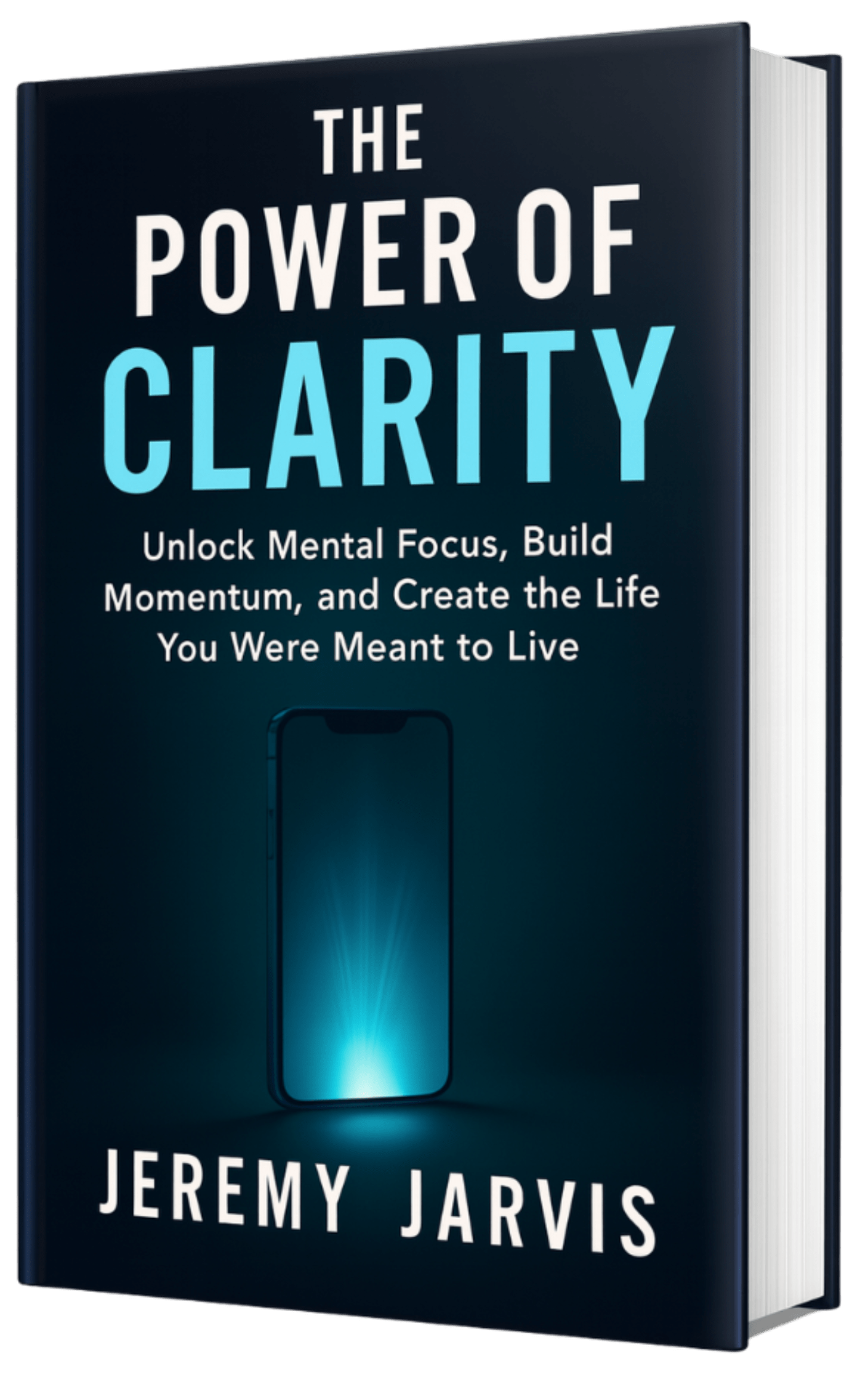
The Power of Clarity
Unlock mental focus, build momentum, and create the life you were meant to live.
View book →
AI & ChatGPT for Beginners
No PhD needed — a 2025 guide to AI, prompts, and productivity without coding.
View book →
Zen in the Digital Jungle
Mindfulness for a chaotic world.
View book →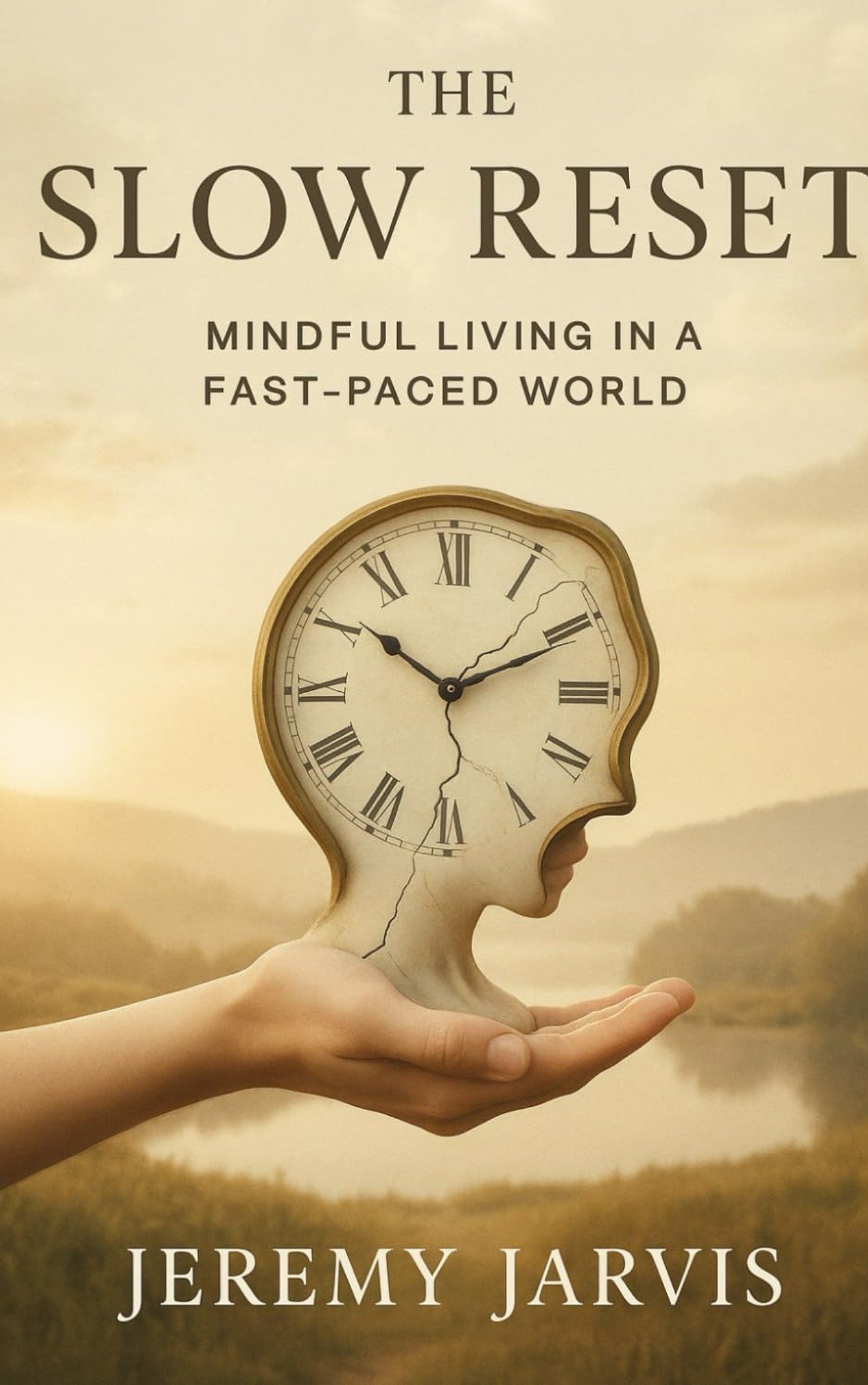
The Slow Reset
Mindful living in a fast-paced world.
View book →
Perfectly Imperfect
Stop self-criticism, set boundaries, and embrace the real you.
View book →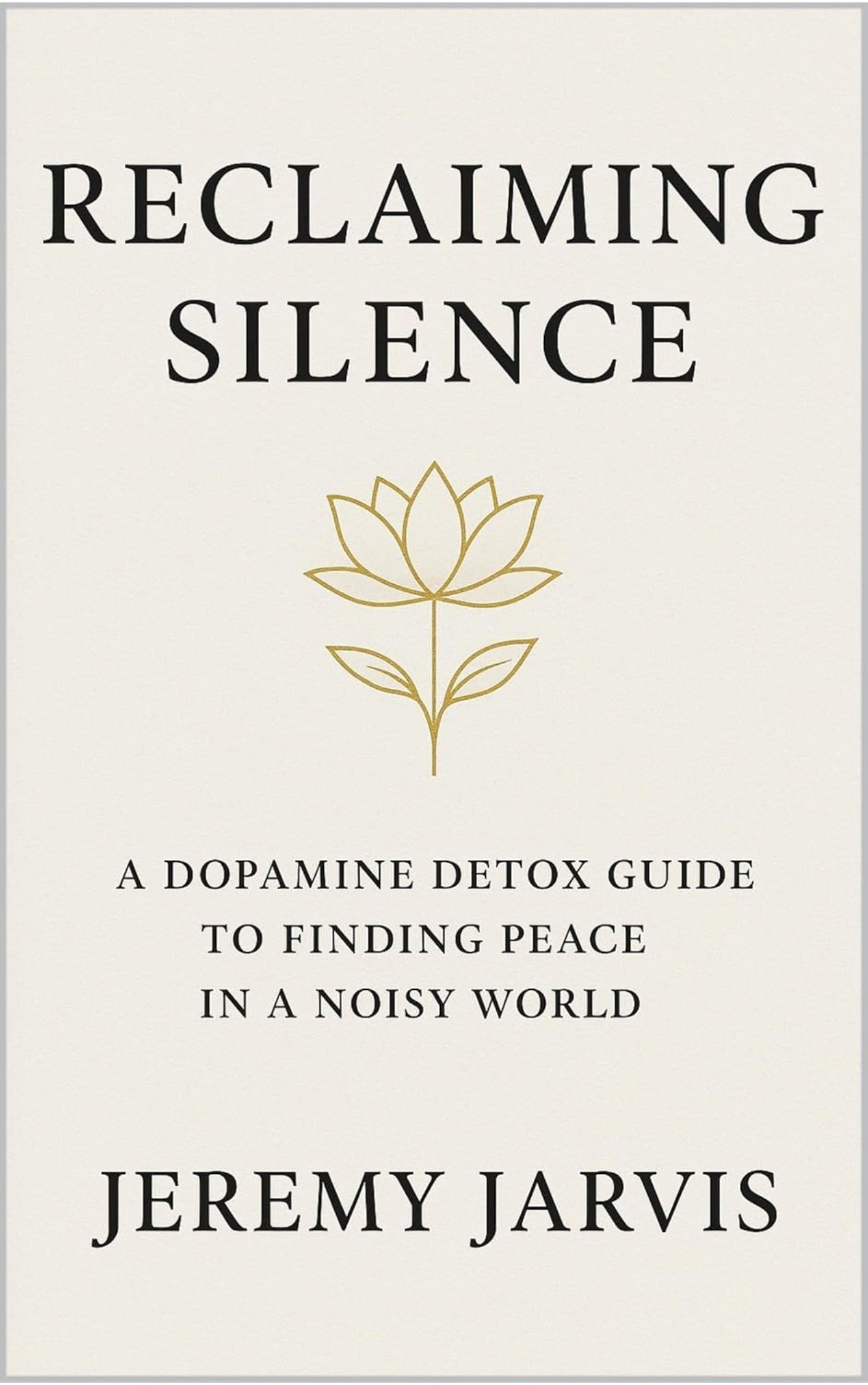
Reclaiming Silence
A dopamine detox guide to finding peace in a noisy world.
View book →
The Focused Freelancer
Productivity, pricing & positioning for independents in 2025.
View book →
ChatGPT Side Hustle System
Launch your AI-driven online business in 30 days.
View book →
Burnout, Interrupted
A proven path to restore energy and reclaim your life.
View book →
Attention Unleashed
Focus strategies for the distracted mind.
View book →
Side Hustle Launchpad
Your quick-start guide to extra income.
View book →
Digital Clarity
Rewire your brain, escape dopamine traps & regain focus.
View book →
Break the Scroll
Reduce screen time and take back control of your life.
View book →
Climate Compassion
Transform eco-anxiety into empowered action.
View book →
Village Mentality
The power of community for mental wellness.
View book →
Restful Nights
Overcoming sleep anxiety in a 24/7 world.
View book →
Connected Again
Combat loneliness and build meaningful relationships.
View book →
Focus Recharged
Mastering attention and productivity in the digital era.
View book →
Marketing Magic with ChatGPT
AI-powered content, campaigns, and copywriting to grow faster.
View book →
The 6-Figure Creator
Turn knowledge into passive income with books, courses & AI.
View book →
Burnout Breakthrough
Reset your work-life balance and thrive in 2025.
View book →
The Emotionally Intelligent Man
A modern guide to self-awareness and communication.
View book →
AI Personalized Wellness
Create your custom health plan with data-driven habits.
View book →
Everyday AI Made Easy
Use ChatGPT and smart tools to simplify life.
View book →
Money Mindfulness
A financial wellness guide for Gen Z & Millennials.
View book →
Startup Smarter with AI
ChatGPT strategies and tools to grow your business.
View book →
ChatGPT for Writers & Creators
Unlock AI-powered brainstorming, drafting & editing.
View book →