
Probiotics and Gut Health: A Science-Backed Guide to a Balanced Microbiome

Jeremy Jarvis
Founder of Mind Clarity Hub • Evidence-Based Wellness Writer
Published: October 29, 2025 • Updated: October 29, 2025
Medically reviewed by: Scientific literature from NCCIH, NIH, and peer-reviewed microbiome studies.
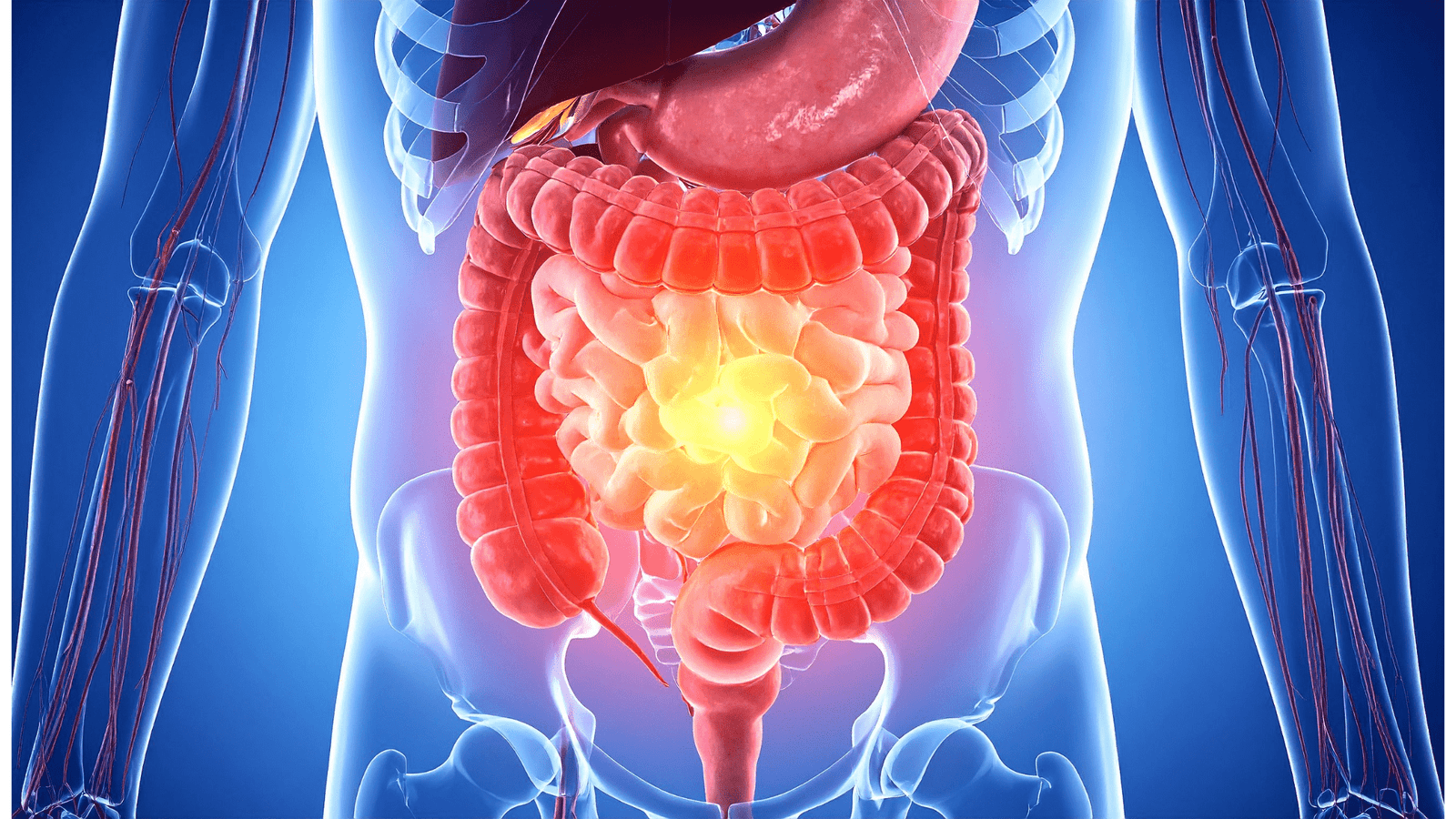
Gut health plays a foundational role in everything from digestion and energy to mood and immunity. At the heart of it all is a balanced and thriving gut microbiome. And probiotics — those beneficial bacteria found in certain foods and supplements — are among the most effective tools to support this internal ecosystem.
What Are Probiotics, Really?
Probiotics are live microorganisms that, when consumed in adequate amounts, can offer health benefits by restoring or maintaining a healthy gut flora. Common strains include Lactobacillus, Bifidobacterium, and Saccharomyces boulardii.
You’ll find probiotics naturally in fermented foods like yogurt, kefir, sauerkraut, and miso — or in the form of dietary supplements.
How Probiotics Support Gut Health
Probiotics support gut health by balancing your microbiome, improving digestion, and reducing inflammation. They work by introducing beneficial bacteria that compete with harmful microbes and promote nutrient absorption.
- Balance microbiota: They help balance good and bad bacteria in the gut.
- Improve digestion: Probiotics can reduce bloating, gas, and constipation.
- Support immunity: Up to 70% of your immune system is in the gut.
- Reduce inflammation: Specific strains may calm chronic gut inflammation.
- Enhance nutrient absorption: Probiotics aid in breaking down food more efficiently.
Probiotics for Gut Health: Strains, Science, and Real-World Results
When people talk about probiotics for gut health, they’re really talking about how living microbes can help rebalance an ecosystem that affects digestion, immunity, metabolism, and even clarity of thought. The gut is home to trillions of bacteria, and the way those bacteria interact with each other—and with you—determines whether you feel light and energized or sluggish, bloated, and foggy.
If you’re just starting and want a plain-language overview of how gut bacteria work, how they’re organized, and why they matter, Gut Flora Explained is a good foundation. From there, our guide How Probiotics Support Whole-Body Wellness walks through how a healthy microbiome can influence everything from digestion and immunity to mood and energy.
The key idea is simple: when beneficial bacteria are thriving, they support smoother digestion, more comfortable bowels, calmer gut nerves, and more efficient signaling between your gut and brain. When the balance tips toward harmful or gas-producing species, symptoms like bloating, reflux, irregularity, and fatigue become much more common. In those situations, targeted probiotic supplements for gut health, combined with diet and lifestyle changes, can help nudge your microbiome back toward a more resilient baseline.
Choosing Probiotic Strains for Your Gut, Not Someone Else’s
Not all probiotics do the same thing. Some strains mainly help with bloating and motility, others with immune balance, and others with mood and stress. Our article Are Probiotic Supplements Worth It? breaks down how to read a label, understand CFUs, and avoid formulas that sound impressive but lack real strain-level evidence.
For people focused on everyday digestion—issues like constipation, loose stools, or cramping— What’s Proven for Digestive Health? summarizes which strains are most frequently studied for symptom relief. If your main concern is persistent sensitivity, food reactions, or suspected barrier issues, the dedicated guide Probiotics for Leaky Gut explains how certain bacteria and supportive nutrients may help strengthen the gut lining under professional guidance.
More complex imbalances—such as long-term bloating, alternating constipation and diarrhea, or a history of antibiotics and infections—often involve shifts in the overall community of bacteria, sometimes called dysbiosis. In those cases, a more structured approach is helpful. Our deep-dive Targeting Dysbiosis with Probiotics shows how multi-strain formulas, prebiotics, and food changes can work together to rebuild balance rather than just masking symptoms.
Do Probiotics Really Change the Microbiome?
The honest answer: sometimes dramatically, sometimes subtly. Research summaries from major health organizations note that probiotics can increase microbial diversity, improve production of short-chain fatty acids, and reduce certain inflammatory markers—especially in people whose microbiomes have been stressed by antibiotics, illness, or highly processed diets.
In people with relatively healthy guts, the effects may feel more modest: less gas after meals, a flatter stomach by the end of the day, more regular bowel movements, and fewer “off” days where digestion feels unpredictable. Our article Stomach Upset & Probiotics explores how to start gently when your gut is easily irritated, including lower doses, particular strains, and timing strategies that reduce the risk of extra bloating when you first begin.
If you want to see how all of this translates into a single supplement designed around digestion, cravings, and weight-related gut issues, start with LeanBiome Review 2025 . It breaks down strain choices, delivery system, and how real users describe changes over time. For on-the-ground experiences, you can also read LeanBiome: Real User Feedback , which collects practical, day-to-day observations from people who tracked their digestion, cravings, and energy over weeks—not days.
How to Get Better Results from Probiotics for Gut Health
To get the most out of any probiotic, two things matter more than anything else: consistency and context. Consistency means taking the supplement daily for at least a few weeks before judging results. Context means looking at what you’re eating, how you’re sleeping, and how much stress you’re carrying while those bacteria try to do their job.
Many people find they do best when they:
- Take their probiotic away from very hot drinks and heavy meals, so more bacteria survive the trip through the stomach.
- Pair capsules with prebiotic foods—oats, garlic, onions, asparagus, bananas—so newly introduced strains have something to feed on.
- Keep ultra-processed foods, deep-fried meals, and heavy alcohol intake to a minimum while the gut is trying to recalibrate.
- Give the process at least 2–4 weeks before deciding whether a formula is helping or not.
If you’re choosing between digestive enzymes, probiotics, or both, our comparison Comparing Digestive Enzymes and Probiotics explains where each tool fits. Enzymes mostly help break down what you eat; probiotics reshape who is living in your gut. Many readers end up using both for a short period, then keeping only what truly makes a difference.
What Current Research Says About Probiotics and the Microbiome
Clinical trials have shown that probiotics can alter the composition and behavior of gut microbes, particularly in people with IBS, post-antibiotic disruption, or chronic digestive complaints. Strains such as Lactobacillus rhamnosus and Bifidobacterium breve have been associated with improvements in stool form, gas, and abdominal pain within four to six weeks of daily use.
That doesn’t mean every formula will work for everyone. Some blends are too weak, some use generic strains with minimal research behind them, and some simply aren’t a match for your particular microbiome. That’s why our collection What’s Proven for Digestive Health? focuses on strain-specific findings rather than broad promises.
For readers who want a broader clinical view, the American Gastroenterological Association and other professional bodies publish accessible summaries of microbiome science and probiotic guidelines, which can be helpful to discuss with your healthcare provider alongside the resources above.
Best Practices for Taking Probiotics
For general support, many practitioners suggest a multi-strain probiotic with at least 5–10 billion CFUs per day, taken consistently and combined with a diet that doesn’t work against those microbes. High-fiber vegetables, whole grains, and fermented foods make it easier for beneficial bacteria to take hold.
If you’re unsure where to begin, our overview How Probiotics Support Whole-Body Wellness lays out simple starting points, while Are Probiotic Supplements Worth It? helps you sort through marketing language versus meaningful details like CFU counts, capsule design, and third-party testing.
For those considering a more comprehensive, metabolism-focused option, our LeanBiome Review 2025 explains how a specific multi-strain formula combines bacterial diversity with plant-based ingredients to support digestion, cravings, and weight balance.
The Gut–Brain Axis: Why Gut Health Shapes Mental Clarity
Your gut and brain are linked through nerves, hormones, and immune messengers. Together, they form the gut–brain axis—a two-way communication network that helps explain why digestive issues and brain fog often show up at the same time. When your gut is inflamed or imbalanced, signals traveling along this axis can become noisy, contributing to poor focus, low mood, and erratic energy.
Several studies have found that certain strains, including Lactobacillus rhamnosus and Bifidobacterium longum, can support calmer stress responses and more stable mood, especially when combined with whole-food nutrition and adequate sleep. If you’re particularly interested in the mental side of gut health, start with How Probiotics Support Whole-Body Wellness , which covers the gut–brain connection in more detail from a focus and clarity perspective.
Foods That Naturally Support Probiotics
Supplements can be helpful, but food is still the foundation. Probiotic-rich foods bring not only beneficial bacteria, but also enzymes, organic acids, and nutrients that support the entire digestive environment. Think of them as daily maintenance rather than a one-time “fix.”
Common examples include kefir, plain Greek yogurt with live cultures, raw sauerkraut, kimchi, miso, tempeh, and kombucha. When you combine these with prebiotic foods—garlic, onions, leeks, oats, bananas, beans, and other fiber-rich plants—you create a synbiotic routine: probiotics plus the fuel they need to thrive.
If you want a structured, step-by-step way to put this into practice, our guide Gut Flora Explained and the broader resource What’s Proven for Digestive Health? outline how to build a food-first plan that works alongside any supplement you choose.
When Probiotics Might Not Help—and When to Be Cautious
Probiotics are powerful tools, but they are not magic and they are not appropriate for every situation. In some cases, they offer very little benefit; in others, they can temporarily worsen symptoms if used at the wrong time or in the wrong way.
You’re more likely to feel disappointed if you pick a formula that doesn’t match your goals, rely on a very low CFU dose, stop after just a week or two, or take probiotics while a more serious condition—such as SIBO or unmanaged dysbiosis—is still flaring. In those scenarios, our resource Targeting Dysbiosis with Probiotics is a helpful place to start a more careful conversation with a practitioner.
Probiotics may also be inappropriate for people with severely compromised immune systems, very recent major surgeries, or critical illness. In these cases, any changes to the microbiome should be guided by a clinician rather than self-experimentation.
My Experience: What Happened When I Took Probiotics for 30 Days
After a stretch of fatigue, heavy meals, and inconsistent digestion, I decided to treat my gut like a real project for 30 days. I chose a broad-spectrum, multi-strain probiotic similar to those reviewed in LeanBiome Review 2025 , made a few manageable changes to my meals, and committed to taking the capsules every morning with water.
The first week was subtle. I noticed a little extra gurgling and a slight shift in bowel habits, but nothing dramatic. By week two, my stomach felt less “full” after meals, my waistband was more comfortable at the end of the day, and I wasn’t reaching automatically for antacids. I also started to realize that the mid-afternoon energy crash—where my brain felt foggy and my motivation dipped—wasn’t as intense or as frequent.
Weeks 3–4: Calmer Digestion, Less Bloating, and Noticeably Sharper Focus
In weeks three and four, the benefits became easier to notice. My digestion settled into a more predictable rhythm, bloating after certain foods eased, and I felt more comfortable experimenting with fiber-rich meals that had previously seemed risky. The biggest surprise was how directly gut comfort linked to my focus: on days when digestion felt calm and light, deep work felt easier, and I wasn’t as distracted by background discomfort.
That 30-day trial also made it clear what probiotics can’t do. They didn’t erase the effects of poor sleep, late-night snacks, or back-to-back stressful days. If I ignored water, fiber, or movement, my gut reminded me quickly. What probiotics did offer was a gentler baseline—a body that responded better when I treated it well, instead of reacting harshly to any small slip.
If you want to see a similar style of real-world feedback focused specifically on a weight- and digestion-oriented formula, LeanBiome: Real User Feedback collects detailed experiences from readers who tracked their bloating, cravings, energy, and regularity over time. Taken together with the main LeanBiome Review 2025 , it gives a fuller picture of what a serious, month-long experiment with probiotics can—and cannot—reasonably deliver.
The takeaway from that month is simple: when matched to your needs and supported by everyday habits, probiotics become one more reliable tool in your gut-health toolkit. They don’t replace good food, sleep, and stress management, but they can make those efforts noticeably more effective—and help your gut respond with a little more kindness when life gets messy.
Other Posts in This Gut Health Cluster
- LeanBiome Review 2025
- Are Probiotic Supplements Worth It?
- How Probiotics Support Whole-Body Wellness
- Probiotics for Leaky Gut
- What’s Proven for Digestive Health?
- Comparing Digestive Enzymes and Probiotics
- LeanBiome: Real User Feedback
- Stomach Upset & Probiotics
- Gut Flora Explained
- Targeting Dysbiosis with Probiotics
Evidence-Based References
This article draws on data from the National Institutes of Health (NIH), the National Center for Complementary and Integrative Health (NCCIH), and peer-reviewed research on probiotics, gut microbiota diversity, and the gut-brain axis. These trusted organizations provide gold-standard guidance for understanding how probiotic strains influence digestive function, immunity, and mental clarity.
Frequently Asked Questions
What exactly are probiotics?
Probiotics are live microorganisms that provide health benefits by balancing the gut microbiome, especially when consumed in sufficient amounts.
Can probiotics improve mental clarity?
Yes, by supporting the gut-brain axis. Certain strains like L. helveticus have shown potential in improving mood, focus, and reducing brain fog.
How long should I take probiotics?
Ideally 4–8 weeks to notice sustained benefits. Consistent daily use is best for long-term gut health and balance.
Do all probiotic supplements work the same way?
No. Different strains serve different purposes — from digestion to immunity to mood support. Multi-strain blends offer broader effects.
Your Gut Health Blueprint Starts Here
Whether you’re navigating digestive issues, improving focus, or just looking to feel better daily, your gut is the right place to start. Here’s how probiotics fit into the bigger picture of total wellness.
Are probiotics safe for everyone?
Generally yes, but those with serious medical conditions should consult a doctor before starting. Always read product labels for allergens.
What are signs probiotics are working?
Improved digestion, less bloating, regular bowel movements, and even sharper focus are good signs of positive microbiome activity.
What’s the difference between prebiotics and probiotics?
Prebiotics are fiber compounds that feed probiotics. You need both — think of prebiotics as “fertilizer” for your gut flora.
Can probiotics help with weight loss?
Some strains may reduce fat absorption or modulate appetite. They’re not magic, but they may support weight goals indirectly.
Are fermented foods as effective as supplements?
Fermented foods offer live cultures, but their potency varies. Supplements provide consistent dosages and strain combinations.
Should I refrigerate my probiotics?
Some require it, others don’t. Check the label — many modern formulas are shelf-stable but should be kept in a cool, dry place.
Have questions about probiotics, gut health, or what worked for you? Drop a comment below or share this post to help others.
💡 Key Takeaways: Probiotics for Gut Health
- ✔ Probiotics for gut health support microbial balance, digestion, nutrient absorption, and immune function.
- ✔ Not all strains are the same: Choose specific strains for your goal — like L. rhamnosus for mood or B. longum for regularity.
- ✔ Results take time: Most users notice digestive or mental clarity improvements within 2–4 weeks of consistent use.
- ✔ Food + supplements work best together: Combine probiotic-rich foods with a clinically backed supplement for maximum effect.
- ✔ Always check CFU count, strain type, and storage instructions: Shelf-stable or refrigerated — quality matters.
Curious how probiotics compare to other gut-support tools? Our evidence-based breakdown, Digestive Enzymes vs Probiotics, explains which option supports digestion, nutrient absorption, and microbiome balance more effectively.
Conclusion: Gut Health Starts with the Microbiome
Gut health is more than a trend — it’s a foundation for physical resilience and mental clarity. By supporting your gut microbiome with fiber-rich foods, fermented foods, and well-chosen probiotic supplements, you give your body the tools it needs to digest efficiently, stabilize energy, and support calmer mood.
The most important step is to start small and pay attention. Introduce one change at a time, notice how your body responds, and prioritize products that use clearly identified strains backed by clinical research rather than vague marketing claims.
If you’re specifically interested in a multi-strain probiotic designed for digestion, cravings, and weight-related gut balance, you can explore our in-depth LeanBiome Review 2025 first, then visit the official LeanBiome website to review the latest formula details, bundles, and guarantee.
Affiliate disclosure: If you purchase through the official-site link above, we may earn a small commission at no extra cost to you. This helps support our research and free educational content.
Scientific Backing: What Trusted Sources Say About Probiotics
The benefits of probiotics are not just based on personal stories — they are documented in a growing body of medical and nutritional research. Major public health organizations now recognize that specific probiotic strains can support digestive comfort, gut barrier integrity, and aspects of immune health.
According to the National Institutes of Health (NIH), probiotics may help with conditions such as irritable bowel syndrome (IBS), antibiotic-associated diarrhea, and some forms of gut-related discomfort. They also note emerging research on how the gut–brain connection links a healthy microbiome with mood and cognitive function. You can explore their plain-language summary here: Probiotics: What You Need to Know – NCCIH (NIH.gov) .
Using trusted sources like the NIH, independent clinical reviews, and peer-reviewed microbiome studies helps separate grounded guidance from hype and gives you a clearer framework for choosing whether a probiotic like LeanBiome, or any other formula, fits your situation.
How We Check Health Information
All health-related statements in this article are cross-checked against authoritative sources such as NCCIH, NIH, and recent peer-reviewed microbiome research. We compare each claim with published clinical data to prioritize accuracy, plain-language explanations, and reader safety. Any supplement recommendations, including links to the official LeanBiome website , are intended as educational starting points, not personal medical advice.
Related Reading
This post is for educational purposes only and does not constitute medical advice. Always consult a healthcare professional before making changes to your diet or supplements.
Featured Reviews

The Genius Wave Review
Sound-based brainwave training tested for focus & productivity.
Read Review →
Ikaria Lean Belly Juice Review
Deep dive into ingredients, evidence, refund policy & safety.
Read Review →

Ikaria Lean Belly Juice Review
Deep dive into ingredients, evidence, refund policy & safety.
Read Review →Explore the Mind Clarity Hub Library
Practical books on focus, digital habits, resilience, and building a calmer mind.
The Power of Clarity
Unlock mental focus, build momentum, and create the life you were meant to live.
View book →
AI & ChatGPT for Beginners
No PhD needed — a 2025 guide to AI, prompts, and productivity without coding.
View book →
Zen in the Digital Jungle
Mindfulness for a chaotic world.
View book →
The Slow Reset
Mindful living in a fast-paced world.
View book →
Perfectly Imperfect
Stop self-criticism, set boundaries, and embrace the real you.
View book →
Reclaiming Silence
A dopamine detox guide to finding peace in a noisy world.
View book →
The Focused Freelancer
Productivity, pricing & positioning for independents in 2025.
View book →
ChatGPT Side Hustle System
Launch your AI-driven online business in 30 days.
View book →
Burnout, Interrupted
A proven path to restore energy and reclaim your life.
View book →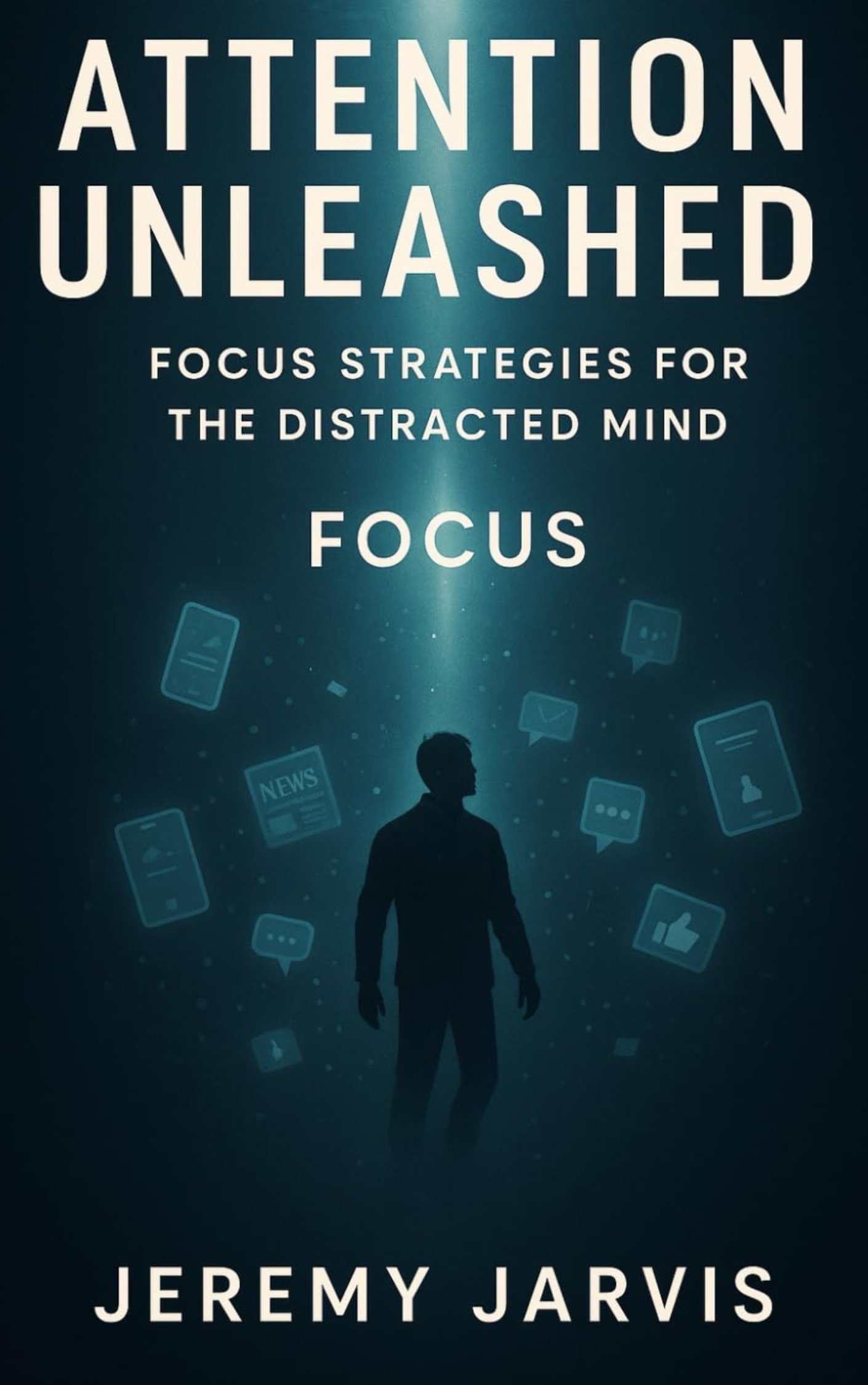
Attention Unleashed
Focus strategies for the distracted mind.
View book →
Side Hustle Launchpad
Your quick-start guide to extra income.
View book →
Digital Clarity
Rewire your brain, escape dopamine traps & regain focus.
View book →
Break the Scroll
Reduce screen time and take back control of your life.
View book →
Climate Compassion
Transform eco-anxiety into empowered action.
View book →
Village Mentality
The power of community for mental wellness.
View book →
Restful Nights
Overcoming sleep anxiety in a 24/7 world.
View book →
Connected Again
Combat loneliness and build meaningful relationships.
View book →
Focus Recharged
Mastering attention and productivity in the digital era.
View book →
Marketing Magic with ChatGPT
AI-powered content, campaigns, and copywriting to grow faster.
View book →
The 6-Figure Creator
Turn knowledge into passive income with books, courses & AI.
View book →
Burnout Breakthrough
Reset your work-life balance and thrive in 2025.
View book →
The Emotionally Intelligent Man
A modern guide to self-awareness and communication.
View book →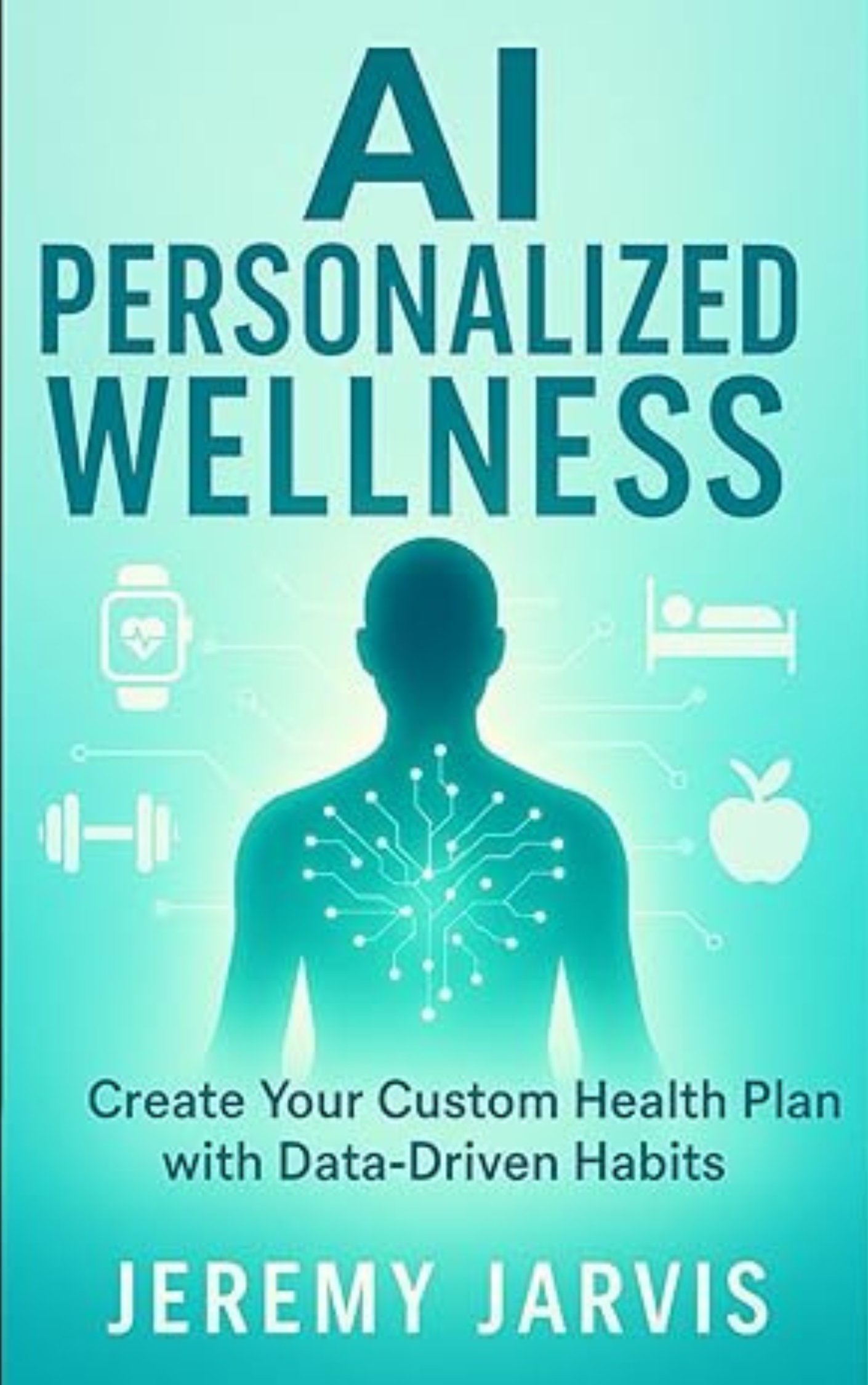
AI Personalized Wellness
Create your custom health plan with data-driven habits.
View book →
Everyday AI Made Easy
Use ChatGPT and smart tools to simplify life.
View book →
Money Mindfulness
A financial wellness guide for Gen Z & Millennials.
View book →
Startup Smarter with AI
ChatGPT strategies and tools to grow your business.
View book →
ChatGPT for Writers & Creators
Unlock AI-powered brainstorming, drafting & editing.
View book →