Last updated: November 2025
Discover what science truly says about probiotics, how they affect digestive health, and what to look for
when choosing a supplement that actually supports microbiome balance and long-term gut function.
The relationship between probiotics and digestive health has become one of the most researched
areas in modern nutrition science. With new clinical studies emerging throughout 2025, we now understand far more
about how targeted strains influence digestion, inflammation, immune activity, and even mood regulation.
For a deeper breakdown of clinically-studied gut health formulas, see our
LeanBiome Review 2025
or explore our guide on
whether probiotic supplements are truly worth it.
Read This First
Key Takeaways About Probiotics and Digestive Health
- Probiotics and digestive health work together to support gut barrier integrity, microbial balance, and nutrient absorption.
- Results depend heavily on strain specificity, dose accuracy, and delivery method—not all formulas are equal.
- They enhance foundational habits like fiber intake, hydration, movement, and sleep quality.
- For deeper strain-level insight, see the LeanBiome Review 2025.
Disclosure: We may earn a small commission from links. Reviews remain evidence-based and independently evaluated.
Why Gut Health Deserves More Attention
The digestive system does far more than process food — it’s an engine of total-body health. Your gut microbiome regulates digestion, immune defense, mood, and even metabolic energy. When bacterial balance shifts, people often feel fatigued, bloated, or mentally foggy. Understanding the connection between probiotics and digestive health helps restore equilibrium.
Recent studies show that gut-microbe diversity is linked to reduced inflammation, improved glucose metabolism, and enhanced serotonin production. That’s why clinicians increasingly view gut balance as foundational to both physical and mental clarity.
How Probiotics Work in the Body
Probiotics are live beneficial microorganisms that, when consumed in adequate amounts,
help maintain a stable, resilient microbiome. Instead of acting like a “magic bullet,” they work more like
supportive teammates—interacting with your existing gut flora, your intestinal lining, and your immune system
to promote balance rather than override it.
At a biological level, probiotics influence how you digest food, absorb nutrients, and respond to everyday
stressors. They produce short-chain fatty acids (SCFAs), help maintain the mucus layer that
shields your intestinal wall, and regulate immune messengers that can either calm or amplify inflammation.
The result, when things are working well, is smoother digestion, more regular bowel habits, and a gut barrier
that is less vulnerable to irritation and “leaky” behavior.
- Competitive exclusion: Beneficial bacteria compete with opportunistic microbes for space
and resources, making it harder for problematic species to take over. - Barrier support: Certain strains enhance mucosal integrity and support tight junction
proteins, helping reduce intestinal permeability and support Leaky Gut Support. - Neuro–gut signaling: Some species produce or influence neurotransmitter precursors,
communicating with the brain via the vagus nerve and potentially supporting calm, focus, and emotional
steadiness, as discussed in our guide on
How Probiotics Affect Wellness. - Metabolic influence: SCFAs such as butyrate, acetate, and propionate help regulate
energy metabolism, insulin sensitivity, and fat storage, a key theme in our
LeanBiome 2025 Review.
Not every probiotic product performs equally. Survival through stomach acid, CFU count at the time of ingestion,
and strain-specific research are critical. Our article
Are Probiotics Worth It?
explains why some blends deliver noticeable benefits while others never move the needle.
For readers who want a step-by-step approach to daily gut habits, the
Balanced Gut Guide
walks through routines that help probiotics work more effectively.
What Science Says: Separating Hype from Proof
Marketing language often promises overnight transformations—“reset your gut in 7 days,” “instant bloat relief,” or
“effortless detox.” The clinical research on probiotics and digestive health paints a more realistic
picture: meaningful improvements are possible, but they are usually gradual, strain-specific, and closely tied to
lifestyle context.
Dozens of randomized, placebo-controlled trials support probiotics for
IBS-related bloating and discomfort, constipation, antibiotic-associated diarrhea, and immune support.
At the same time, broad claims about “total detox,” “instant weight loss,” or “curing every gut issue” go far beyond
what the evidence supports. Our deep dive
Are Probiotics Worth It?
summarizes the strongest findings and where data is still emerging.
For example, research suggests that:
- Lactobacillus rhamnosus GG can reduce antibiotic-associated diarrhea and support post-antibiotic recovery.
- Bifidobacterium infantis 35624 has been linked to improved comfort in people with IBS.
-
Blends containing Bifidobacterium lactis, Lactobacillus plantarum, and related species may support
bowel regularity and lower low-grade inflammation.
These benefits, however, depend on consistent daily use and the right match between strain profile and
symptom pattern. In other words, the question is not “Do probiotics work?” so much as “Which probiotic, for which person,
and for which problem?” Our article
Gut Flora and Harmony
explores this topic in more detail, showing how different microbial “signatures” connect to specific health outcomes.
“The microbiome responds to consistent, targeted support—not quick fixes. Evidence matters more than slogans.”
— Dr. Renee Miller, Integrative Gastroenterology Fellow
For readers who want to see how this plays out in real life, our collection of
Real LeanBiome Reviews
looks at how different people describe changes in digestion, cravings, energy, and mood over several weeks—not days.
Combining this with the clinical overview in the
LeanBiome 2025 Review
provides a balanced, research-aware perspective on what probiotics can realistically deliver.
When Probiotics Are Worth It for Digestive Health
Probiotics tend to be most helpful when the digestive system has been pushed off balance—after a
round of antibiotics, a period of high stress, a travel-heavy month, or years of highly processed eating. In these
situations, a well-chosen formula can help repopulate beneficial species, support the gut barrier, and gently calm
inflammation.
Smart Use Cases for Probiotics
- Post-antibiotic recovery: Supporting microbial diversity and reducing the risk of
antibiotic-associated diarrhea. Our article
Are Probiotics Worth It?
reviews which strains have the strongest evidence here. - IBS-related bloating, gas, or irregularity: Certain combinations of
Lactobacillus and Bifidobacterium may ease discomfort, especially when paired with fiber and
stress reduction. The
Digestive Health Guide
walks through common symptom patterns. - Occasional upset stomach and travel-related issues: Gentle blends can be useful when new foods,
time zones, or stress disrupt your normal rhythm. See
Probiotic Relief for Upset Stomach
for a slower, more cautious approach if your gut is sensitive. - Low-fiber or transition diets: When you’re moving from a low-fiber, ultra-processed pattern to a
more whole-food diet, probiotics combined with prebiotics can smooth the adjustment. The
Balanced Gut Guide
covers how to build these habits over time. - Leaky gut and dysbiosis: For long-term bloating, brain fog, or food reactions,
multi-strain formulas may support barrier repair and microbial balance, especially alongside dietary shifts. Our
Leaky Gut Support
and
Restoring Balance with Probiotics
guides outline a more structured approach. - Metabolism and cravings: Some formulations are designed to support cravings, waistline changes,
and energy levels via the gut. The
LeanBiome 2025 Review
explains how these formulas attempt to link microbiome health with metabolic goals.
Used wisely, probiotics don’t “fix” digestion overnight—they nudge your microbiome in a healthier direction
while you make sustainable changes to sleep, stress, and food. Over a few weeks, these nudges can add up to a calmer,
more predictable gut.
When Probiotics Alone May Not Be Enough
There are also situations where probiotics help only a little—or not at all—because other issues are driving the
symptoms. Common examples include:
- Severe dysbiosis or active infections: When bacterial overgrowth, chronic diarrhea, or strong pain
are present, medical evaluation is essential. Our
Restoring Balance with Probiotics
guide explains why a staged plan often works better than supplements alone. - Very low fiber and ultra-processed diets: Without prebiotic fibers and whole foods, beneficial
bacteria struggle to establish themselves. The
Balanced Gut Guide
offers practical, stepwise ideas for increasing fiber without overwhelming your system. - Enzyme or bile issues: Sometimes symptoms are driven more by low stomach acid, limited enzyme
output, or bile flow than by microbiome imbalance alone. In those cases, the comparison in
Digestive Enzymes vs Probiotics
can help you decide whether enzymes, probiotics, or both make sense. - Inconsistent use or too little time: Many people try a probiotic for 7–10 days, see minimal change,
and conclude it “doesn’t work.” Most gut-level shifts require 3–8 weeks of consistent use plus supportive routines,
as emphasized in
How Probiotics Affect Wellness.
The takeaway: probiotics are often worth it when they are matched to the right situation, paired with
daily habits that support your microbiome, and given enough time to work.
Probiotics and the Microbiome in 2025: What’s Changed
Over the past five years, the relationship between probiotics and digestive health has become one of
the most dynamic areas in nutritional science. What used to be a simple conversation about “good bacteria” has
evolved into a deeper exploration of how trillions of microorganisms shape immunity, metabolism, mood, and
long-term digestive resilience. As we move through 2025, research continues to confirm a simple truth: your
microbiome is not just a digestive organ—it is a full-body control center.
Our resources on
How Probiotics Affect Wellness
and
Gut Flora and Harmony
were created specifically to translate these complex findings into everyday language—so you can see how microbiome
science applies to your own digestion, energy, and mood.
Personalized Microbiome Mapping: Why Probiotics Work Differently for Everyone
Scientists now recognize that each person’s microbiome is as unique as a fingerprint. Two people can take the same
supplement and experience completely different outcomes. Because of this, researchers have shifted toward
precision microbiome mapping, using AI-assisted analysis to identify imbalances and predict which
strains may offer the most benefit.
This AI-driven microbiome sequencing allows for more personalized recommendations: rather than guessing, companies
can examine microbial patterns that point toward dysbiosis, leaky gut, or impaired SCFA production. Our article
Restoring Balance with Probiotics
explains how this concept plays out in practice, especially for people with long-standing bloating or discomfort.
Postbiotics and Next-Generation Gut Therapies: The 2025 Breakthrough
Another key development is the growing focus on postbiotics—the beneficial metabolites created by
probiotic bacteria. While probiotics introduce helpful microbes, postbiotics deliver the bioactive compounds those
microbes produce. These include SCFAs like butyrate, which strengthen the gut barrier, regulate inflammation, and
improve insulin sensitivity.
Many newer formulas now combine probiotics with polyphenols and postbiotic-supporting ingredients. For a concrete
example, our
LeanBiome 2025 Review
breaks down how a multi-strain, polyphenol-enhanced blend attempts to support cravings, metabolic health, and gut
comfort at the same time.
Microbiome Therapeutics: How Probiotics Influence Whole-Body Health
Together, these advances highlight a critical insight: probiotics are no longer just a “digestion” supplement.
They’re part of a broader toolkit known as microbiome therapeutics—a field that links nutritional
science, psychology, immunology, and metabolic health. When your microbiome is stable and diverse, every other
system in the body gains stability.
If you want to see how this fits into day-to-day habits, start with the
Balanced Gut Guide,
then move into more specific resources like
Leaky Gut Support
or
Probiotic Relief for Upset Stomach
depending on your main concerns.
For readers who want to view a science-aligned formula that reflects these innovations, our full breakdown of
LeanBiome 2025 Review
walks through strain selection, clinical trials, and gut-support synergy. If you decide to explore the product
directly, you can visit the official manufacturer’s page here:
Try LeanBiome — Official Site.
Disclosure: This is an affiliate link. If you purchase through it, Mind Clarity Hub may earn a small commission at no extra cost to you.
How to Choose the Right Probiotic for Digestive Health
With so many new products entering the market each year, choosing a probiotic can feel overwhelming. Fortunately,
a few clear criteria make the process much easier. When you understand strain specificity,
CFU stability, delivery systems, and supporting ingredients,
most options quickly sort into “promising” and “probably not worth it.”
Our overview
Are Probiotics Worth It?
provides a high-level checklist. Here, we’ll zoom in on the key factors that matter most when you’re standing in
front of a shelf or scrolling through product pages.
First, prioritize named strains rather than generic species. For example,
Lactobacillus rhamnosus GG is a clinically validated strain, while a label that simply says
“Lactobacillus rhamnosus” tells you very little. Results in probiotic research are
strain-specific
Why CFU Stability Matters for Effective Probiotic Results
Second, look beyond impressive-sounding CFU numbers and ask how many organisms are guaranteed to be alive
at the time of expiration. Many products print their counts at the time of manufacture, which can
drop significantly during storage and shipping. The more honest brands specify “CFU at expiration” and use
strategies like cold-chain shipping or shelf-stable encapsulation to protect viability.
If you want a practical walkthrough of this concept, the
Gut Flora and Harmony
guide explains how live counts, storage conditions, and expiration dates interact in the real world.
Third, consider the delivery method. A probiotic is only useful if it survives your stomach’s
acidic environment. Enteric-coated capsules, delayed-release technology, or lipid-based delivery systems can
dramatically increase the number of organisms that actually reach the intestines. Without these protections, many
cells die before they have a chance to help.
How Prebiotics, Polyphenols, and Postbiotics Boost Probiotic Effectiveness
Fourth, evaluate supporting ingredients. Prebiotic fibers (like inulin or FOS) feed beneficial
bacteria. Polyphenols—such as those derived from green tea—can reduce oxidative stress in the gut and support
metabolic health. Some advanced formulas also include postbiotics, the bioactive compounds that
directly support barrier repair and immune modulation.
Our comparison
Digestive Enzymes vs Probiotics
digs into how these supporting components interact and when it makes sense to combine them.
To make these criteria easier to scan, the table below summarizes what to look for and why it matters:
| Factor | What to Look For | Why It Matters |
|---|---|---|
| Strain specificity | Named strains (e.g., L. rhamnosus GG) | Results are strain-specific, not generic |
| CFU stability | Guaranteed viable count at expiration | Ensures meaningful potency when you actually take it |
| Delivery method | Enteric or delayed-release capsules | Improves survival through stomach acid |
| Complementary ingredients | Prebiotics, polyphenols, or postbiotics | Boosts probiotic performance and gut resilience |
Ultimately, choosing the right probiotic comes down to matching your digestive needs with the right combination of
strains and support. If your primary concern is leaky gut, start with
Leaky Gut Support.
If you’re dealing with long-term bloating or suspected dysbiosis, turn to
Restoring Balance with Probiotics.
And if your focus is cravings, weight, or energy, review the strain-by-strain breakdown in the
LeanBiome 2025 Review.
Brands that share full strain lists, potency at expiration, and third-party testing results show a commitment to
transparency. In a crowded marketplace, that transparency is one of the best indicators you have that what’s on
the label is what’s in the capsule.
The Bigger Picture: How Probiotics Shape Your Gut, Mood, and Metabolism
When people talk about probiotics and digestive health, they are often thinking only about
bloating or regularity. In reality, what happens in your gut ripples out to your brain, your immune system, and
your metabolism. This communication network—often called the gut–brain–immune axis—is where
probiotics do some of their most far-reaching work.
Research summarized in
How Probiotics Affect Wellness
and
Gut Flora and Harmony
shows that microbial balance can influence mood, stress resilience, and cognitive clarity, not just digestion.
That’s one reason many people notice changes in focus or emotional steadiness after several weeks of gut support.
Gut Resilience Starts with the Microbiome
Think of your microbiome as a rainforest—diverse, self-sustaining, and easy to disturb. Stress, antibiotics,
ultra-processed food, and poor sleep act like storms that strip away diversity. This imbalance
(dysbiosis) often shows up as sluggish digestion, brain fog, food sensitivities, or low energy.
Adding probiotics helps reintroduce beneficial species like Lactobacillus and Bifidobacterium,
while feeding them with prebiotics creates long-term stability. Formulas that include polyphenols and barrier
support—such as those analyzed in the
LeanBiome 2025 Review—
go a step further by supporting metabolism and gut lining integrity at the same time.
From Digestive Support to Metabolic Health
One of the most exciting research areas in 2025 is the relationship between probiotics and metabolism.
Specific strains appear to influence how the body processes fats, sugars, and energy. Early trials suggest that
microbes like Lactobacillus gasseri and Bifidobacterium breve may support abdominal fat reduction
and insulin sensitivity when combined with lifestyle changes.
Our resources on
Are Probiotics Worth It?
and
Real LeanBiome Reviews
help put this research in context, so you can see how metabolic outcomes depend on diet, movement, sleep, and
genetics—not just one capsule.
Balancing Probiotics with Digestive Enzymes and Prebiotics
For stronger, more predictable results, many people combine probiotics with digestive enzymes and
prebiotic fibers. Enzymes help break food down more efficiently, reducing the burden on your gut,
while prebiotics from foods like oats, bananas, onions, and asparagus feed beneficial bacteria.
Our comparison
Digestive Enzymes vs Probiotics
explains when each tool is most helpful and how to layer them into a routine without overcomplicating your
supplement shelf.
Healing the Gut Barrier: Beyond the Hype
The concept of “leaky gut” has been debated, but there is growing agreement that barrier integrity
really does matter. Tight junctions between intestinal cells control what passes into your bloodstream. When those
junctions weaken, larger food particles and toxins can escape, triggering inflammation and immune activation.
Certain probiotics—particularly L. rhamnosus, L. plantarum, and B. lactis—have been
studied for their potential to support tight junctions and reduce permeability. If this is your main concern, start
with our dedicated guide
Leaky Gut Support,
then explore the broader series on gut health and microbiome resilience.
Choosing Science-Backed Formulas in 2025
With so many products claiming to be “advanced” or “doctor-formulated,” it is essential to look past slogans and
examine the data. Focus on strain-level evidence, transparent labeling, and third-party testing. Our articles
Balanced Gut Guide
and
Are Probiotics Worth It?
provide practical checklists you can use with any product you’re considering.
For an example of a transparent, research-aligned formula, review the full
LeanBiome 2025 Review,
then, if you choose to, you can visit the official manufacturer’s site here:
Try LeanBiome — Official Site.
Affiliate disclosure: If you decide to purchase through this link, Mind Clarity Hub may receive a small commission at no extra cost to you.
Final Thoughts: The Future of Digestive Wellness
The next era of gut health will blend biotechnology, nutrition, and personalized data. We are moving toward a world
where personalized probiotics, AI-informed microbiome reports, and real-time feedback can guide
our food and supplement choices. Until then, the foundations remain the same: diverse whole foods, consistent
routines, and evidence-based support when you need it.
For a guided path through that foundation, use this article in tandem with:
- How Probiotics Affect Wellness
- Balanced Gut Guide
- Digestive Health Guide
- Restoring Balance with Probiotics
Mind Clarity Hub’s goal is to bridge scientific insight and practical, real-world application—so you can make
decisions about probiotics and digestive health with confidence, not confusion.
Research in this article cross-references guidance from the American Gastroenterological Association and the National Institutes of Health.
Evidence & Sources
At Mind Clarity Hub, we cross-verify every supplement review using independent, peer-reviewed data. Our analysis process includes:
-
Reviewing PubMed-indexed clinical studies
on probiotic efficacy, safety, and strain specificity. - Comparing outcomes with meta-analyses and systematic reviews from 2022–2025 on probiotics, dysbiosis, leaky gut, and IBS.
-
Referencing reputable institutions like
Harvard Health
and
Cleveland Clinic.
For readers who want to see how we translate this evidence into practical recommendations, the following internal guides
provide deeper context:
- Are Probiotics Worth It?
- How Probiotics Affect Wellness
- Leaky Gut Support
- Restoring Balance with Probiotics
Our goal is to provide transparent, evidence-based information so you can make confident, informed decisions about
probiotics and digestive health.
How We Review Digestive Health Supplements
Each supplement we evaluate is scored across transparency, strain specificity, research support, safety profile,
and customer-reported outcomes. Our framework aligns with public scientific standards and is applied consistently
across all products we review—including those highlighted in:
Ready to Support Your Gut and Mind?
Healing your digestive system starts with understanding your microbiome—and using science-backed tools to help it
thrive. If you’re exploring probiotics and digestive health, the next step is to review the
evidence on specific formulas and how they fit into a realistic daily routine.
Start with our in-depth breakdown here:
Read the LeanBiome 2025 Review
If you decide LeanBiome is a good fit, you can then order directly from the manufacturer via the official site.
Some links from our review and this page are affiliate links, which may earn a small commission at no extra cost
to you. We only recommend products that meet our transparency and research standards.

This article was reviewed using peer-reviewed clinical data, manufacturer disclosures, and consumer trial
reports from 2024–2025. Jeremy focuses on evidence-based wellness and mental clarity through nutrition,
neuroscience, and sustainable lifestyle design.
Jeremy has reviewed more than 40+ nutrition and microbiome-related supplements since 2023, with a focus on
transparency, safety, and research-supported formulations.
This article is educational and is not a substitute for personalized medical advice. Always consult a qualified
healthcare professional before making changes to your supplement or treatment plan.
Related Questions People Also Ask
- Which probiotic strains help with gut inflammation?
- How do probiotics affect the gut–brain axis?
- Can probiotics improve post-meal fatigue?
- What’s the difference between probiotics and postbiotics?
- Do probiotics help strengthen the intestinal barrier?
- Can probiotics support immune function through the microbiome?
- Which digestive issues respond best to probiotic supplementation?
- How do prebiotics enhance the benefits of probiotics?
Frequently Asked Questions About Probiotics and Digestive Health
Do probiotics really improve digestion?
Yes. Clinically validated strains such as Lactobacillus rhamnosus GG and Bifidobacterium lactis help improve digestion, support regularity, and enhance nutrient absorption. Their effects are strongest when paired with prebiotic fiber and consistent use.
How long does it take for probiotics to work?
Most people begin noticing improvements within 2–4 weeks. Gut microbiome changes take time, and consistency is the biggest factor in sustained digestive progress.
Can probiotics help reduce bloating and gas?
Yes. Strains like Bifidobacterium infantis 35624 and L. plantarum are well-studied for supporting smoother digestion and reducing bloating caused by dysbiosis or slow fermentation.
Are all probiotic supplements the same?
No. Effectiveness depends on strain specificity, delivery method (delayed-release is best), and verified CFU counts at expiration — not at manufacturing. Generic blends often lack clinical backing.
How Probiotics Influence the Gut Barrier
Do probiotics support the gut barrier (“leaky gut”)?
Emerging research suggests certain strains — especially L. rhamnosus and B. lactis — may strengthen tight junctions and reduce intestinal permeability. This supports immune balance and digestive comfort. See our companion guide here: Leaky Gut & Probiotics.
Should probiotics be taken with or without food?
Most evidence supports taking probiotics 30 minutes before a meal for improved survival through stomach acid. However, some formulas are designed for with-food use — always check your label.
Do I need to refrigerate my probiotics?
Many modern strains are shelf-stable, but refrigeration can extend potency. Look for labels that specify “viable until expiration” — this guarantees effectiveness, not just manufacturing strength.
Can probiotics affect mood through the gut–brain axis?
Yes. Specific strains influence vagus nerve signaling and serotonin pathways. Preliminary studies show benefits for stress resilience, mood stability, and mental clarity. See: Gut Health & Mental Clarity.
Can probiotics help after antibiotics?
Absolutely. Antibiotics wipe out beneficial bacteria along with harmful ones. Probiotics like L. rhamnosus GG can reduce the risk of antibiotic-associated diarrhea and speed microbiome recovery.
Which probiotic strains are best for digestive health overall?
Evidence-backed strains include L. rhamnosus GG, B. lactis, L. plantarum, B. breve, and L. gasseri. For a strain-by-strain breakdown, see the LeanBiome Review 2025.
Explore the Mind Clarity Hub Library
Practical books on focus, digital habits, resilience, and building a calmer mind.
The Power of Clarity
Unlock mental focus, build momentum, and create the life you were meant to live.
View book →

AI & ChatGPT for Beginners
No PhD needed — a 2025 guide to AI, prompts, and productivity without coding.
View book →

Zen in the Digital Jungle
Mindfulness for a chaotic world.
View book →

The Slow Reset
Mindful living in a fast-paced world.
View book →

Perfectly Imperfect
Stop self-criticism, set boundaries, and embrace the real you.
View book →
Reclaiming Silence
A dopamine detox guide to finding peace in a noisy world.
View book →

The Focused Freelancer
Productivity, pricing & positioning for independents in 2025.
View book →

ChatGPT Side Hustle System
Launch your AI-driven online business in 30 days.
View book →

Burnout, Interrupted
A proven path to restore energy and reclaim your life.
View book →

Attention Unleashed
Focus strategies for the distracted mind.
View book →

Side Hustle Launchpad
Your quick-start guide to extra income.
View book →

Digital Clarity
Rewire your brain, escape dopamine traps & regain focus.
View book →

Break the Scroll
Reduce screen time and take back control of your life.
View book →

Climate Compassion
Transform eco-anxiety into empowered action.
View book →

Village Mentality
The power of community for mental wellness.
View book →

Restful Nights
Overcoming sleep anxiety in a 24/7 world.
View book →

Connected Again
Combat loneliness and build meaningful relationships.
View book →

Focus Recharged
Mastering attention and productivity in the digital era.
View book →

Marketing Magic with ChatGPT
AI-powered content, campaigns, and copywriting to grow faster.
View book →

The 6-Figure Creator
Turn knowledge into passive income with books, courses & AI.
View book →

Burnout Breakthrough
Reset your work-life balance and thrive in 2025.
View book →

The Emotionally Intelligent Man
A modern guide to self-awareness and communication.
View book →
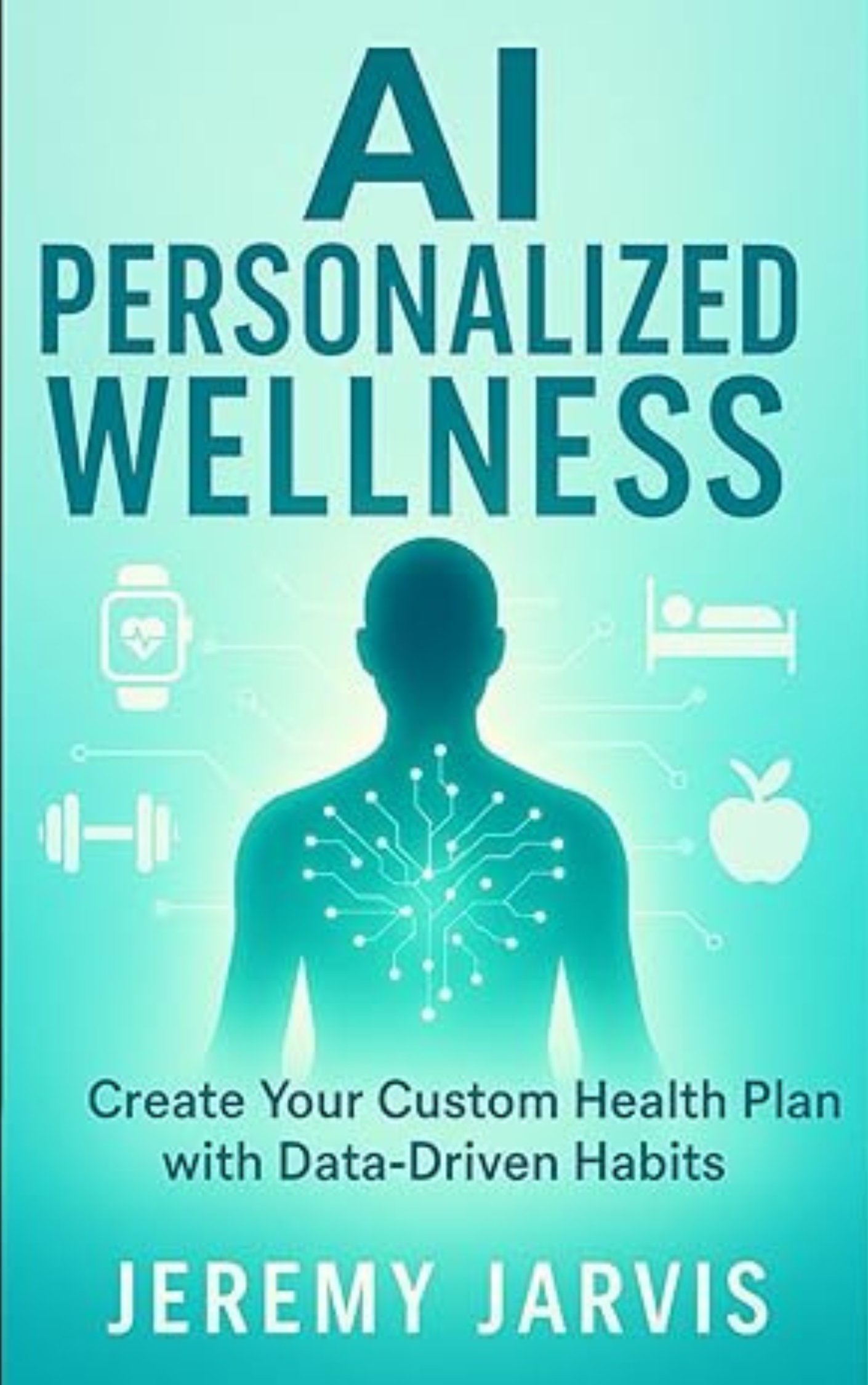
AI Personalized Wellness
Create your custom health plan with data-driven habits.
View book →

Everyday AI Made Easy
Use ChatGPT and smart tools to simplify life.
View book →

Money Mindfulness
A financial wellness guide for Gen Z & Millennials.
View book →

Startup Smarter with AI
ChatGPT strategies and tools to grow your business.
View book →

ChatGPT for Writers & Creators
Unlock AI-powered brainstorming, drafting & editing.
View book →