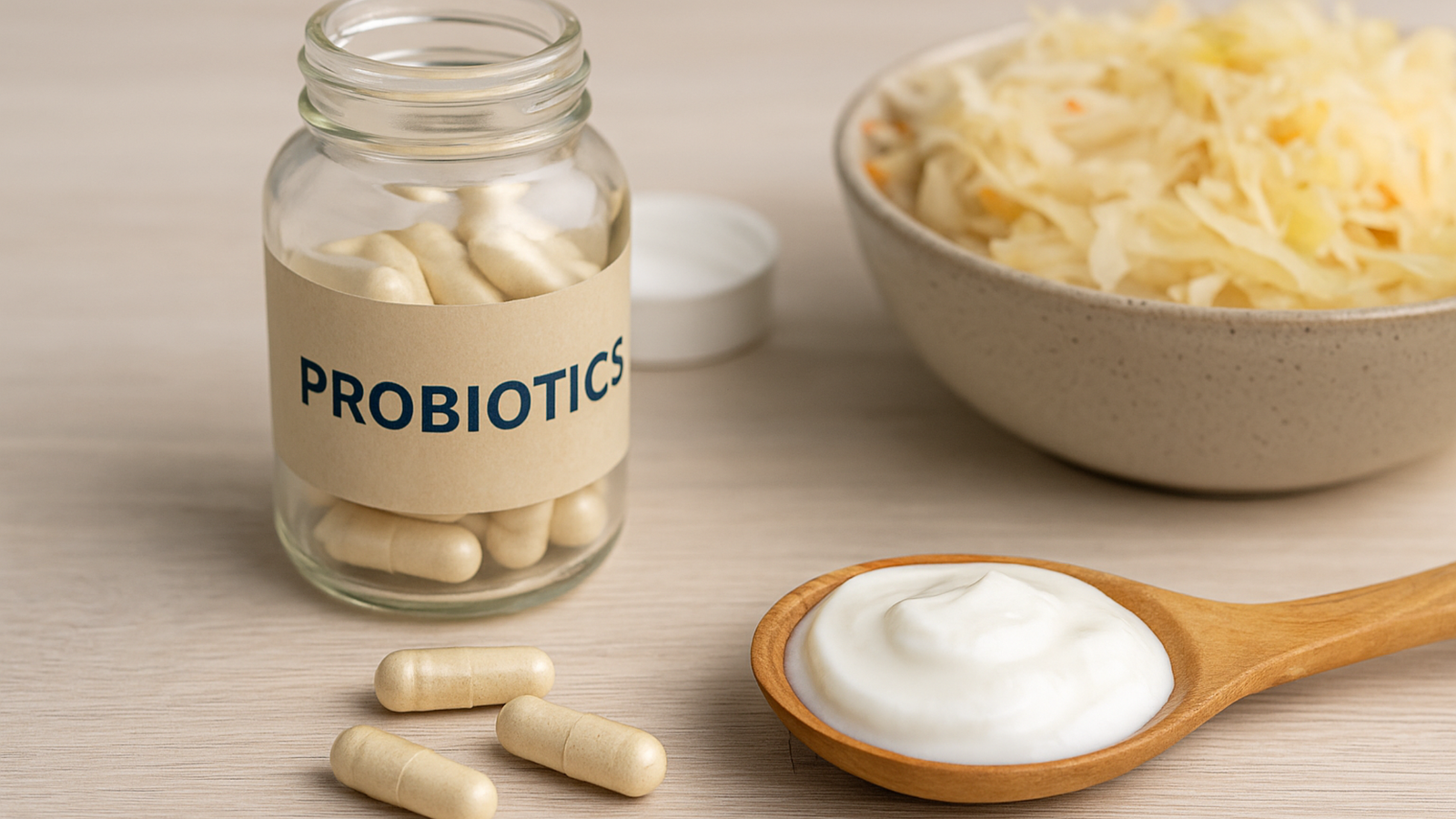
Understanding Gut Flora: How the Right Probiotics Can Improve Digestive Harmony
Your gut flora—trillions of microorganisms working together in your digestive tract—plays a core role in digestion, immune strength, inflammation control and even mood regulation. This guide breaks down how targeted probiotic strains can help restore balance, reduce bloating and discomfort, and support long-term gut resilience.

Written by Jeremy Jarvis
Founder of Mind Clarity Hub • Wellness Researcher • Supplement Safety Reviewer
Read This First
The gut microbiome is one of the most powerful systems in the human body—yet one of the most overlooked. When the balance of gut flora shifts due to stress, diet, antibiotics or lifestyle changes, digestive symptoms often follow: bloating, irregularity, discomfort after meals and general “gut heaviness.” The right probiotic strains may help restore harmony, but only when chosen strategically. This article explains the science, the strain types and the situations where probiotics make the most meaningful difference.
Key Takeaways
- Your gut flora directly influences digestion, immunity and inflammation.
- Probiotic benefits depend on specific strains, not generic labels. Strains like Lactobacillus rhamnosus GG and Bifidobacterium lactis have meaningful clinical support.
- Our research-backed guides such as the LeanBiome Review 2025 help you compare products confidently.
Disclosure: This article may contain affiliate links. If you purchase through our links, we may earn a small commission at no extra cost to you. All recommendations are research-informed and never substitute for professional medical guidance.
What Is Gut Flora?
Every day, trillions of microbes live in your digestive system—this ecosystem is often called “gut flora” or the “gut microbiome.” They help break down food, synthesize key vitamins, regulate immunity and even communicate with your brain. Not surprisingly, when gut flora is out of balance, you may experience gas, bloating, irregularity or low energy.
The term itself was popularized decades ago to refer to the beneficial vs harmful bacteria in the intestine, and modern research continues to show its importance. More than ever, individuals are using targeted supplements and diet strategies to support their microbiome. A recent article from the Cleveland Clinic notes that while probiotic supplements can help, they aren’t a one‑size‑fits‑all solution.
Your Gut Flora Changes Daily — And That’s Why It Matters
Most people imagine gut flora as something relatively fixed, but the truth is more dynamic. Your microbiome shifts in response to meals, stress, sleep cycles, hydration, environment, medications and even the time of day. Researchers at the Harvard T.H. Chan School of Public Health report that microbial balance can fluctuate dramatically in as little as 24 hours. These fluctuations explain why some days digestion feels light and easy, and other days even familiar foods leave you bloated or sluggish.
This is where the strategic use of gut flora probiotics comes in. Unlike generic supplements that offer broad “digestive support,” targeted probiotics introduce strains with specific functions — calming inflammation, strengthening gut lining integrity, improving transit time or enhancing nutrient absorption. When used consistently, they support the resiliency your microbiome needs to handle daily fluctuations.
The Science Behind Microbial Diversity (Why More Strains ≠ Better)
“More strains” is one of the most common marketing claims in supplement ads. Yet, diversity alone does not guarantee effectiveness. A study in Nature Reviews Gastroenterology & Hepatology found that it’s not the number of strains that matters — it’s whether those strains match the outcome you're trying to achieve. For instance, Lactobacillus plantarum 299v is repeatedly linked to gas reduction, while Bifidobacterium infantis 35624 shows strong benefits for bloating and mild IBS-type discomfort.
One of the biggest themes that keeps showing up in microbiome research is just how strain-specific probiotics really are. Two labels can both say “10 billion CFU,” yet behave completely differently in the gut. That’s why, in our broader analysis of gut health and supplements in Probiotics & Digestive Health: What’s Hype vs What’s Proven? and our LeanBiome 2025 Review , we keep coming back to the same conclusion: if a product doesn’t clearly list strains, doses, and supporting research, it’s almost impossible to predict how it will affect your gut flora.
For readers who want a structured overview of how to build a balanced microbiome from the ground up, our step-by-step Balanced Gut Guide pulls these ideas together—covering how to choose targeted probiotics, how to support them with nutrition, and why gut-brain health depends on more than a single capsule.
How Lifestyle Amplifies (or Weakens) Your Gut Flora Results
Taking a probiotic without changing anything else in your routine is a bit like planting seeds in dry soil. Some may sprout, but they won’t transform the landscape. Your gut microbiome responds not just to supplements, but to what you eat, how you sleep, how stressed you are, and how consistently you support digestion day after day.
Research from the BMJ Gut Journal and similar journals shows that diets rich in whole foods, prebiotic fibers, and colorful polyphenols support microbial diversity far more effectively than supplements alone. That’s why we often recommend pairing a targeted probiotic with simple, gut-friendly habits like those outlined in Are Probiotic Supplements Worth It? (2025 Research) .
- Eating more slowly to reduce digestive strain, air swallowing, and gas buildup
- Drinking 6–8 cups of water daily to keep stool soft and bowel movements regular
- Protecting sleep, since your gut bacteria follow circadian rhythms just like you do
- Adding prebiotic fibers such as inulin, resistant starch, and foods like cooked/cooled potatoes, oats, and green bananas
If you’re rebuilding gut flora after antibiotics, high stress, or ultra-processed eating, pairing these habits with a structured probiotic routine—as outlined in our Gut Flora and Harmony guide —usually leads to more stable, predictable results than relying on supplements alone.
When Gut Flora Disruption Becomes Noticeable
Microbiome disruption rarely shows up as a single, dramatic event. More often, it creeps in gradually: occasional bloating becomes a daily issue, “off” days become the new normal, and bowel habits slowly shift from regular to unpredictable. Many readers describe this as feeling like their digestion has lost its “rhythm.”
The gut–brain connection plays a major role here. Dysbiosis—an imbalanced microbiome—has been linked to higher stress reactivity, mood volatility, and brain fog. As we discuss in Probiotics & Gut Health: How They Influence Mental Clarity & Wellness , up to 90% of serotonin is produced in the gut, and changes in gut flora can echo into energy, focus, and emotional regulation.
When you begin restoring your microbiome with targeted strains and better dietary patterns, people often notice improvements in waves: digestion feels calmer, bowel movements become more predictable, and “wired and tired” energy gradually gives way to a steadier baseline. Many of the LeanBiome users we summarize in Real LeanBiome Reviews describe this combination of digestive comfort and quieter, more stable mood as one of the most meaningful changes they experience.
The Role of Gut Lining Integrity (Where Probiotics Stand Out)
A resilient gut lining is one of the most underrated parts of digestive wellness. The intestinal barrier decides what stays inside the gut and what passes into the bloodstream. When that barrier becomes leaky (often called increased intestinal permeability), irritants and partially digested particles can slip through, prompting inflammation and symptoms like bloating, food reactions, post-meal fatigue, and brain fog.
Certain probiotic strains help by increasing production of short-chain fatty acids—especially butyrate—which nourish colon cells and support tight junction integrity. In our deep-dive Leaky Gut & Probiotics: Can They Strengthen the Gut Barrier? , we unpack how strains such as Lactobacillus rhamnosus GG and Bifidobacterium lactis appear to reinforce barrier function and reduce low-grade inflammation—one of the core goals for anyone trying to rebuild healthy gut flora.
If your symptoms include food reactivity, fluctuating energy, or a sense that “everything you eat bothers you,” it’s often worth looking at barrier health alongside microbiome balance rather than focusing on digestion alone.
When to Pair Probiotics With Digestive Enzymes
While probiotics shape the long-term microbiome, digestive enzymes address the mechanical side of digestion: breaking food down into smaller molecules your body can actually use. Many people see the best results when they combine both—especially if they feel heavy or overly full shortly after meals, or notice undigested food in their stool.
Enzymes tend to work quickly, often within the same meal. Probiotics work slowly, altering the microbial ecosystem over weeks. In our comparison guide Digestive Enzymes vs Probiotics , we explain why it’s usually not a question of either/or, but when and how to use both together—especially if your goal is to reduce bloating, improve nutrient absorption, and support long-term gut balance.
For readers who deal with sensitive digestion, pairing a gentle enzyme formula with a microbiome-focused routine from the Balanced Gut Guide can smooth the transition into higher-fiber, whole-food eating without as much discomfort.
Gut Flora, Immunity & Whole-Body Health
Your gut flora doesn’t just affect digestion—it influences immunity, metabolic pathways, skin health, and even how your body responds to stress. Research in journals like Nature Microbiology suggests that microbial diversity and stability are closely tied to inflammatory signaling throughout the body. This is why improving gut flora balance often coincides with clearer skin, more stable energy, and fewer minor illnesses.
We expand on this whole-body picture in Gut Flora and Harmony , where we walk through how probiotics, prebiotics, and lifestyle work together to support immune resilience and long-term wellness—not just relief from bloating or irregularity.
Should You Expect Results Quickly? A Realistic Timeline
It’s reasonable to want fast relief, and in some cases you may notice early wins—especially with post-meal comfort and regularity—within 7–14 days. But meaningful microbiome restructuring usually takes longer. Most studies showing durable changes in gut flora run for at least 6–12 weeks, and it often takes that long for you to feel the full effect on digestion, mood, and energy.
If you’re evaluating an evidence-based formula like the one we analyze in depth in our LeanBiome 2025 Review , consider giving it a consistent 90-day window and tracking simple markers each week: bloating, stool quality, appetite, cravings, energy, and mood. Patterns tend to emerge gradually rather than overnight.
For readers who prefer to look directly at formulation details, ingredient lists, and current offers, you can review the product on the official LeanBiome site while using this guide—and the wider gut-health cluster of resources on Mind Clarity Hub—to make sense of how it might fit into your overall digestive wellness plan.
A Simple 90-Day Gut Flora Microbiome Plan
- Weeks 1–2: Introduce probiotics daily; add one fermented food; hydrate consistently.
- Weeks 3–6: Increase prebiotic fibers; walk after meals; improve sleep rhythm.
- Weeks 6–12: Evaluate improvements; adjust strain or dosage; reduce ultra-processed foods.
By the end of the 90-day window, most people can clearly tell whether their flora is stabilizing.
Where to Learn More (Internal Link Cluster Boost)
To deepen your gut-health knowledge, explore our high-authority internal guides:
- Weeks 1–2: Begin a daily, evidence‑informed probiotic supplement. Add one serving of fermented food and a prebiotic fibre snack each day.
- Weeks 3–6: Monitor changes in digestion, regularity and energy. Reduce processed foods and aim for 7–8 hours of sleep nightly. Link your updates to our review of LeanBiome Review 2025 if you’re following that formula.
- Weeks 7–12: Evaluate your results. If you notice improved digestion, better mood, more regularity and fewer gut‑fluctuations, continue your routine. If not, revisit your approach — perhaps you need a different strain or professional evaluation.
The concept of gut flora probiotics isn’t just academic—it’s about helping you build a resilient microbial ecosystem that serves your digestion, immunity and overall wellness.
Advanced Measures for Gut Flora Recovery
If you're dealing with recurring digestive discomfort, food sensitivities, or a sluggish gut despite dietary improvements, you may need to go beyond basic probiotic use. Restoring a disrupted microbiome — especially after antibiotics, chronic stress, or a poor diet — often requires a more strategic, layered approach.
1. Rotate Your Strains for Microbial Diversity
Just as no single food provides all nutrients, no single probiotic strain supports the entire microbiome. Experts recommend rotating between strains every 1–2 months to avoid stagnation. For example, start with a blend containing Lactobacillus plantarum, then cycle to one with Bifidobacterium longum or Lactobacillus rhamnosus GG.
This diversity helps feed various microbial niches and supports resilience. You can explore our in-depth breakdown of strains in our Science-Backed Guide to Gut Probiotics.
2. Introduce Polyphenol-Rich Prebiotics
Polyphenols — found in green tea, blueberries, pomegranate, and cacao — act as prebiotic compounds that selectively feed good bacteria. They’ve been shown to increase levels of Akkermansia muciniphila, a microbe associated with better metabolic health and gut barrier strength.
For a combination formula that includes polyphenols and time-released probiotics, consider reading our full LeanBiome Review 2025.
3. Rebuild with Postbiotics
Postbiotics are beneficial compounds created by gut bacteria — including butyrate, acetate, and propionate. These metabolites are crucial for gut lining repair and inflammation control. While you can’t supplement postbiotics directly in most cases, you can fuel their production with:
- Resistant starch (e.g. cooked & cooled potatoes or green bananas)
- Inulin-rich foods (like chicory root or asparagus)
- Soluble fiber blends from oats, flaxseed, or acacia gum
4. Consider Functional Testing
If symptoms persist despite consistent changes, consider microbiome or GI testing. Functional stool tests can reveal bacterial imbalances, low diversity, dysbiosis, and even markers of leaky gut or enzyme insufficiency. These insights can help you and your practitioner tailor your recovery protocol.
While not cheap, some users find that testing accelerates results and reduces the time spent guessing with supplements. A great primer on this can be found in Chris Kresser’s 4R Gut Restoration Program, a clinically respected model for healing the gut holistically.
5. Track and Titrate
Finally, don’t guess — track. Keep a simple log of your symptoms, meals, supplement usage, bowel habits, and mood. Over time, you’ll be able to spot patterns, such as bloating after certain foods or improved digestion on higher-fiber days.
This self-awareness improves your ability to refine your routine and select the best gut flora probiotics that match your specific body’s needs.
Looking to Rebuild from the Ground Up?
If you're starting fresh after antibiotics or long-term imbalance, this multi-layer approach — rotating strains, feeding microbes with polyphenols, repairing the gut lining, and tracking results — provides a strong framework for real change. For more on which strains help specific issues, visit our guide on Probiotics and Digestive Health: What’s Hype vs. What’s Proven.
Why Gut Flora Matters for Digestion & Harmony
Your gut flora influences digestion in three core ways:
- Food breakdown: Certain bacteria help you absorb nutrients and reduce undigested residues.
- Barrier protection: A balanced microbiome supports the gut lining, keeping toxins and unwanted particles out.
- Immune regulation: Since around 70% of immune cells are found in the gut, flora imbalances can trigger inflammation, energy dips and digestive flare‑ups.
In fact, recent guidelines about probiotic research emphasize how diet, microbiome context and strain choice affect results. One perspective article in Nature Microbiology outlined best practices for probiotic trials, showing the subtlety of how gut flora responds to interventions.
Choosing Probiotics That Actually Support Gut Flora
When selecting a probiotic, here’s what to look out for:
- Specific strain names – Look for listings like Lactobacillus rhamnosus GG or Bifidobacterium lactis HN019. Generic “probiotic blend” labels don’t give enough clarity.
- Viable count (CFUs) – The dose should be backed by studies for your goal.
- Delivery system – Capsules should protect the bacteria so they reach the intestine alive.
- Third‑party verification – Quality supplements will show independent testing, shelf stability and expiration ensuring live counts at consumption.
For those looking into specific formulas, our comprehensive review offers insights: LeanBiome Review 2025.
Foods & Habits That Reinforce a Healthy Microbiome
Supporting your gut flora isn’t just about taking a supplement—it’s a lifestyle. Below are top habits to consider:
- Eat fermented foods regularly: Yogurt, kefir, sauerkraut, kimchi and tempeh all provide live bacteria.
- Prioritise fiber: Prebiotic fibers such as oats, onions and bananas feed your beneficial gut flora.
- Manage stress & sleep: The gut‑brain connection means poor sleep and high stress can disrupt your microbiome.
- Stay hydrated & move daily: Good digestion supports gut balance and regularity.
To dive deeper, check our detailed article: Probiotics & Gut Health: How They Impact Mental Clarity & Wellness.
Case Study: LeanBiome and Microbiome Balance
One formula many readers choose is LeanBiome, designed to support gut flora in a gentle yet research‑informed way. It combines targeted strains, prebiotic fibers and plant polyphenols—aiming to improve digestive harmony without aggressive action.
While results vary, user feedback suggests improvements in meal comfort, fewer digestive interruptions and better overall digestive tone within 4–8 weeks. As always, these are anecdotal and individual outcomes differ widely.
For the full breakdown of ingredients, trials, and user reports, see LeanBiome Review 2025.
Explore More Microbiome Topics
- LeanBiome 2025 Analysis
- Research-Backed Probiotic Insights
- Probiotics and Whole-Body Benefits
- Your Guide to a Healthy Gut
- Leaky Gut Support Strategies
- Digestive Support with Probiotics
- How Digestive Enzymes Compare
- LeanBiome: Real People, Real Results
- Ease Stomach Upset Naturally
- Restoring Gut Balance with Probiotics
Questions This Guide Answers
- What is gut flora, and why does it matter for digestion?
- How do probiotics influence gut flora balance?
- Which probiotic strains support microbial diversity?
- Can probiotics improve bloating, gas, and stomach sensitivity?
- Which lifestyle habits help strengthen gut flora?
- How long should probiotics be taken for noticeable results?
- What disrupts your gut flora the most?
- Are fermented foods enough to support gut flora?
- Do probiotics affect mood, immunity, or brain-gut health?
- How do I choose a high-quality probiotic supplement?
FAQ: Gut Flora & Probiotics
1. What is gut flora?
Gut flora refers to the trillions of microorganisms living in your digestive tract. These microbes assist with digestion, immunity, nutrient absorption and inflammation control.
2. What does a probiotic actually do for gut flora?
Probiotics add beneficial strains to your microbiome. When used consistently, they help promote microbial balance, improve regularity, and support digestion.
3. Can probiotics really help with bloating or gas?
Yes—specific strains like Lactobacillus plantarum 299v or Bifidobacterium lactis HN019 may reduce gas and improve post-meal comfort.
4. How long until probiotics start working?
Most people notice changes within 7–21 days, though full microbiome shifts may require 6–12 weeks of consistency.
5. Are prebiotics the same as probiotics?
No. Probiotics are live bacteria, while prebiotics are fibers that feed them. Both work together to improve gut flora diversity.
6. What harms gut flora the most?
Antibiotics, frequent stress, alcohol, low-fiber diets, poor sleep and ultra-processed foods can all disrupt microbial balance.
7. Are fermented foods enough without supplements?
They definitely help, but supplements may provide more targeted, research-backed strains—especially for specific symptoms like gas or irregularity.
8. Can probiotics improve mood or mental clarity?
Emerging evidence shows a strong gut-brain axis. Balanced gut flora may reduce stress, improve mood stability and support cognitive clarity.
9. Should probiotics be taken with or without meals?
Most survive better when taken with food or shortly before meals. Stomach acid is lower during digestion, improving survival rates.
10. How do I choose a quality probiotic supplement?
Pick products with strain numbers, delayed-release capsules, third-party testing, and research-backed CFU counts. See our guide: Probiotics & Gut Health.
Final Thoughts: Strengthening Your Gut Flora Is a Long-Term Investment
Your gut flora affects nearly every part of your well-being—digestion, energy, skin, immunity, mood, and even metabolic stability. Supporting it isn’t about quick fixes. It’s about consistent habits + evidence-backed probiotics + nourishing foods that allow beneficial microbes to thrive.
If you’re starting your gut-health journey, pairing daily probiotics with fermented foods, fiber, hydration and stress-aware habits can make a meaningful difference. Strain specificity matters, and you can explore deeper insights in our related guides:
Disclaimer: This article is informational only and not a substitute for medical advice. Consult your healthcare provider before starting any supplement, especially if you have ongoing digestive conditions or are pregnant, nursing, or taking medications.
Explore the Mind Clarity Hub Library
Practical books on focus, digital habits, resilience, and building a calmer mind.
The Power of Clarity
Unlock mental focus, build momentum, and create the life you were meant to live.
View book →
AI & ChatGPT for Beginners
No PhD needed — a 2025 guide to AI, prompts, and productivity without coding.
View book →
Zen in the Digital Jungle
Mindfulness for a chaotic world.
View book →
The Slow Reset
Mindful living in a fast-paced world.
View book →
Perfectly Imperfect
Stop self-criticism, set boundaries, and embrace the real you.
View book →
Reclaiming Silence
A dopamine detox guide to finding peace in a noisy world.
View book →
The Focused Freelancer
Productivity, pricing & positioning for independents in 2025.
View book →
ChatGPT Side Hustle System
Launch your AI-driven online business in 30 days.
View book →
Burnout, Interrupted
A proven path to restore energy and reclaim your life.
View book →
Attention Unleashed
Focus strategies for the distracted mind.
View book →
Side Hustle Launchpad
Your quick-start guide to extra income.
View book →
Digital Clarity
Rewire your brain, escape dopamine traps & regain focus.
View book →
Break the Scroll
Reduce screen time and take back control of your life.
View book →
Climate Compassion
Transform eco-anxiety into empowered action.
View book →
Village Mentality
The power of community for mental wellness.
View book →
Restful Nights
Overcoming sleep anxiety in a 24/7 world.
View book →
Connected Again
Combat loneliness and build meaningful relationships.
View book →
Focus Recharged
Mastering attention and productivity in the digital era.
View book →
Marketing Magic with ChatGPT
AI-powered content, campaigns, and copywriting to grow faster.
View book →
The 6-Figure Creator
Turn knowledge into passive income with books, courses & AI.
View book →
Burnout Breakthrough
Reset your work-life balance and thrive in 2025.
View book →
The Emotionally Intelligent Man
A modern guide to self-awareness and communication.
View book →
AI Personalized Wellness
Create your custom health plan with data-driven habits.
View book →
Everyday AI Made Easy
Use ChatGPT and smart tools to simplify life.
View book →
Money Mindfulness
A financial wellness guide for Gen Z & Millennials.
View book →
Startup Smarter with AI
ChatGPT strategies and tools to grow your business.
View book →
ChatGPT for Writers & Creators
Unlock AI-powered brainstorming, drafting & editing.
View book →