
Why Do I Feel Mentally Exhausted After Doing Nothing?
Last updated: December 6, 2025 • Mind Clarity Hub


By Jeremy Jarvis · Author & Founder of Mind Clarity Hub
Last updated: · Evidence-based focus, mental clarity, and digital wellness.
Explore more clarity tools on Pinterest or visit the latest guides on Mind Clarity Hub .
You wake up, move slowly through the day, barely touch your to-do list—and by evening you feel wiped out. On paper you “did nothing,” yet your mind feels like it has run a marathon. If this sounds uncomfortably familiar, you are not alone. Many people describe feeling mentally exhausted after doing nothing, especially on weekends, work-from-home days, or long breaks.
Why “doing nothing” still drains your brain
It is easy to assume this means you are lazy, unmotivated, or simply not built for modern life. However, the story is usually very different. Often, quiet days are not actually quiet for your brain. Under the surface, background stress, open loops, notifications, and subtle guilt keep your attention permanently “half on,” which is one of the fastest paths to mental fatigue.
In this guide, we will unpack why low-activity days can feel so draining, how invisible cognitive load wears you down, and what you can change so that rest days actually feel restorative. Along the way, we will connect this with earlier Mind Clarity Hub pieces like The Science of Mental Fog and Why You Can’t Focus Anymore , so you can see how all of this fits into a bigger picture of attention and wellbeing.
Key takeaways: Why you feel mentally exhausted after “doing nothing”
- Feeling mentally exhausted after doing nothing is usually a sign of hidden cognitive load, not weakness or laziness.
- “Quiet” days can still be full of background stress, rumination, notifications, and unfinished tasks that keep your brain constantly half-engaged.
- Long stretches of passive scrolling and multitasking drain your attention without giving you the recovery that true rest would provide.
- You can feel better by designing real recovery days, closing mental loops, and creating small focus and movement rituals that reset your nervous system.
- If exhaustion is intense, long-lasting, or paired with symptoms like low mood or disrupted sleep, it is worth speaking with a health or mental-health professional.
Mental exhaustion vs physical tiredness: why they don’t always match
First, it helps to separate mental exhaustion from straightforward physical tiredness. Your body can have an easy day—no heavy lifting, no long commute, no hard workout—while your brain quietly burns a surprising amount of energy. Worry, decision-making, planning, and constant micro-distractions all draw on the same limited pool of cognitive resources.
On a “lazy” day, you might not move much, but you may still be silently:
- Mentally replaying conversations or conflicts.
- Thinking about money, work, health, or loved ones.
- Scrolling through feeds and news, taking in a constant stream of emotional content.
- Feeling guilty about not doing more, even while you are resting.
From the outside, it looks like you did nothing. Internally, your brain has been juggling dozens of open tabs. That invisible load is one of the core themes we explore in Digital Overwhelm & Attention Hijacking , and it sits at the heart of why “doing nothing” can be so draining.
The invisible cognitive load of “quiet” days
On paper, a day with no meetings or deadlines should feel restful. In reality, it often becomes a swirl of half- started tasks: a few emails here, a bit of scrolling there, maybe a small errand, a quick Netflix episode, then more messages. You rarely drop fully into focus or fully into rest. Instead, you hover in a grey zone in between.
This grey zone is exhausting because your brain never gets a clear signal: “We are working now” or “We are off duty now.” Instead, you are constantly switching context and scanning for what you should be doing. This pattern contributes directly to mental fog and is closely related to what I describe in Focus Reset for Mental Space .
When you feel mentally exhausted after doing nothing, you are often feeling the cost of:
- Unfinished tasks silently taking up working memory.
- Constant tiny decisions (what to click, watch, or check next).
- Notifications pulling you into other people’s priorities.
- Background tension about work, finances, or relationships.
None of these show up on your calendar. All of them still drain your brain.
How screens turn “doing nothing” into mental overwork
There is another twist. Many of us try to recover by doing things that feel like rest but are actually more like low-grade work for the brain. Endless scrolling, flipping between apps, and background binge-watching all push a steady stream of novelty, emotion, and information through your attention system.
From a neurology point of view, this looks similar to what I describe in Micro-Dopamine Addiction . You are training your brain to chase small, rapid bursts of stimulation. Your eyes may be still; your nervous system is not. This is why you can close your laptop after “just watching stuff” and still feel wired, tense, and strangely tired.
Over time, your brain becomes highly efficient at spotting and chasing these tiny bursts of stimulation. Meanwhile, the slower rewards of deep reading, single-task projects, or long-term goals feel comparatively dull. You have not ruined your brain. However, you have given one type of reward a lot more practice.
The role of guilt, self-talk, and “I should be doing more”
Mental exhaustion is not only about screens and information. It is also about the story running in the background. On many low-activity days, a quiet stream of self-criticism hums along: “You are wasting time.” “Everyone else is more productive.” “You should be working on that project.” Even if you are physically lying on the couch, that inner commentary keeps your nervous system slightly activated.
This kind of low-level shame uses energy. It tightens your muscles, speeds up your thoughts, and makes it harder to actually drop into deep rest. In Rebuild Attention in a World of Distraction , I talk about how self-talk can either support focus or constantly erode it. The same is true for rest. When downtime feels like a moral failure, your brain never fully lets go.
Over time, this creates a strange loop: you feel too tired to do much, then judge yourself for not doing much, which drains more energy, which makes it even harder to start something meaningful. Breaking that loop requires both structural changes and kinder internal dialogue.
Common hidden culprits behind “tired but did nothing” days
Although everyone’s situation is different, there are a few patterns that show up again and again in readers who feel mentally exhausted after doing nothing. Often, several of these stack together:
- Fragmented sleep. Light, interrupted, or inconsistent sleep will quietly magnify mental fatigue, even if you stay in bed late.
- Low-level anxiety. Persistent background worry taxes attention networks, whether or not you “do” anything that day.
- Unclear priorities. When nothing is clearly “on,” everything feels slightly “unfinished,” which keeps your brain scanning.
- Passive, high-stimulation rest. Long stretches of high-dopamine but low-movement activities (like fast social feeds) rarely leave you feeling genuinely restored.
- Loneliness or lack of meaningful contact. A quiet day alone can tip into emotional drain if you are craving connection and not getting it.
None of this means you are broken. It means your internal systems are doing their best in a modern environment they were not designed for. The good news is that small, consistent changes still make a real difference.
When mental exhaustion might be a health flag
Before we talk about strategies, it is important to add a clear caveat. Sometimes, feeling mentally exhausted after doing very little can be a sign of something deeper. Conditions like depression, anxiety disorders, burnout, chronic stress, sleep apnea, or other medical issues can all show up as disproportionate fatigue, especially on low-demand days.
If you notice that:
- Your energy has been low for months, not just a rough week.
- You have lost interest in activities you used to enjoy.
- Your sleep, appetite, or mood have shifted significantly.
- You feel physically heavy or slowed down much of the time.
then it is worth talking with a doctor or mental-health professional. Articles like this one are designed to give you frameworks and language, not to replace care. A clinician can check for medical causes, offer tailored guidance, and help you decide whether what you are experiencing is mostly lifestyle-driven, clinical, or a mix of both.
Small experiments to make rest days actually restorative
Once you have ruled out urgent health issues—or while you are waiting to be seen—you can still run small experiments to support your brain. Think of these as gentle “patches” for your attention system, not rigid rules you must follow perfectly.
Several readers have found it helpful to borrow ideas from The Modern Attention Diet and How Long Does It Take to Rewire Your Brain for Focus? , then adapt them to “slow” days. For example, you might experiment with:
- A 90-minute block of no screens in the morning, paired with light movement or reading.
- A short “braindump” where you list every open loop, then choose just one small task to complete.
- A simple social connection ritual—a call, a walk, or a coffee with one person—so you do not spend all day in your head.
- A digital sunset where devices stay out of the bedroom for the last 30–60 minutes before sleep.
None of these will instantly erase the feeling of being drained. However, they slowly teach your brain that rest can be predictable, safe, and genuinely restorative instead of a guilt-soaked limbo.
Designing one true recovery day as a test
To really feel the difference, it can be helpful to design a single “recovery day” on purpose rather than waiting for one to appear. You treat it almost like an experiment: What happens if I give my brain the conditions it actually needs to reset?
That might look like:
- Light movement in the morning instead of immediately checking your phone.
- One or two small, clearly defined tasks instead of vague pressure to “catch up.”
- Several hours with notifications off and no news or social feeds.
- More analog activities—cooking, walking, journaling, reading—than usual.
You do not have to keep this schedule forever. You are simply giving yourself a baseline to compare against. If you feel noticeably clearer the next day, that is useful data. It suggests that your mental exhaustion is at least partly responsive to changes in environment and routine, not a fixed character flaw.
You are not lazy—your brain is overloaded in quiet ways
Feeling mentally exhausted after doing nothing is not a personality verdict. It is a signal. It is your brain’s way of saying, “The way we are resting is not actually working.” Once you start to see invisible cognitive load, background stress, and low-quality digital rest for what they are, you can respond with curiosity instead of shame.
From there, you can build a toolkit: a calmer attention diet, clearer focus rituals, and more intentional recovery days. If you want a more guided path, you might pair this article with:
- The Power of Clarity for direction and momentum when life feels scattered.
- Restful Nights for sleep rituals and anxiety-aware evening routines.
- Digital Clarity for a fuller reset of your relationship with screens.
Rest is not something you have to earn by being perfectly productive, and your fatigue does not need a courtroom defense. Instead, you can treat mental exhaustion as information, adjust a few levers in your environment, and gradually build a life where “doing nothing” sometimes feels deeply, genuinely restorative again.
Turning “mentally exhausted after doing nothing” into useful data
Once you see your mental exhaustion as a message instead of a character flaw, you can start asking more useful questions. What exactly is my brain trying to recover from? Is it chronic stress, constant low-level notifications, unspoken worries, or the quiet grief of feeling behind all the time? When you frame it that way, “mentally exhausted after doing nothing” becomes a data point about your nervous system and cognitive load, not a verdict on your worth.
A helpful next step is to map out your invisible inputs. Even on a “rest” day, you might be checking work email, following intense news threads, scrolling social media, and quietly thinking about money or family responsibilities. Each of those streams adds a little more brain fog and drains a little more focus. In The Science of Mental Fog , I break down how this constant low-level stimulation overloads your attention networks, even when nothing urgent is happening on the outside.
At the same time, you may not be giving your brain the kinds of experiences that actually restore it. True recovery usually involves a mix of physical movement, emotional safety, and mental off-duty time. By contrast, a day spent doomscrolling with your shoulders tense and your mind quietly worrying about tomorrow’s tasks gives you almost none of that. It is no surprise that you end up feeling depleted. The pattern is less “doing nothing” and more “doing a lot of invisible, unrewarding work.”
How your attention diet quietly shapes mental exhaustion
From a neuroscience perspective, this is where the idea of an attention diet becomes powerful. Just as nutrition shapes how your body feels, your daily mix of digital inputs shapes how your brain feels. If most of your “downtime” is packed with fast, emotionally charged content and constant micro-decisions, your attention circuits stay in a semi-alert state. In The Modern Attention Diet , we look at how small adjustments to your information intake can noticeably reduce mental fatigue and cognitive overload.
This is also where compassion becomes a practical tool. Instead of saying “I’m so lazy,” you can say, “No wonder I feel wiped out—my brain has been in low-grade fight-or-flight all day.” That reframing makes it easier to test gentle changes instead of swinging between harsh self-talk and complete collapse. For instance, you might decide that on your next “off” day you will leave your phone in another room for the first hour after waking, or that you will check messages in two deliberate blocks instead of in a constant drip.
As you experiment, it helps to track not only what you do but also how you feel afterward. Ten minutes of stretching, a quiet walk, or reading a physical book may feel strangely awkward at first, especially if your brain is used to fast digital rewards. However, you can pay attention to the aftertaste. Do you feel a bit more grounded, or even 5% clearer? Those small shifts are signs that you are giving your focus systems the practice they have been missing. Articles like How Long Does It Take to Rewire Your Brain for Focus? dig into why those tiny repetitions matter more than any single “productivity sprint.”
Closing open loops and getting real help when you need it
You can also reduce mental exhaustion by closing a few open loops. Unfinished tasks quietly occupy working memory, even when you are not actively thinking about them. A simple “brain dump” onto paper, followed by choosing one truly tiny action—replying to one email, paying one bill, clearing one drawer—can give your brain a rare feeling of completion. Over time, that sense of progress helps calm the background hum of anxiety and overwhelm that makes rest days feel so heavy.
Of course, mental exhaustion is not only about lifestyle. If you notice persistent low mood, loss of interest, or major changes in sleep and appetite, it is wise to look beyond self-help content and bring a professional into the conversation. Organizations like the American Psychological Association share evidence-based resources on stress, burnout, and emotional exhaustion. A conversation with your doctor or a licensed therapist can help you understand whether what you are experiencing is primarily situational, clinical, or a blend of both.
Meanwhile, you can still design small, kind structures around your brain. You might borrow a single-focus ritual from The Power of Clarity and use it on slow afternoons, or you could apply one boundary from Digital Clarity to keep at least one part of your day screen-light. These are not dramatic life overhauls; they are quiet, repeatable habits that slowly retrain your nervous system to feel safe in both focus and rest.
Ultimately, the goal is not to eliminate tiredness—you are human, and your energy will always rise and fall. The goal is to make those “mentally exhausted after doing nothing” days less mysterious and less frightening. When you understand the hidden inputs that are wearing you down, you can respond with curiosity, adjust your attention diet, and ask for support when you need it. Over time, that combination of self-awareness, small experiments, and thoughtful help can turn rest from a frustrating void into a real source of clarity and calm.
Save this mental clarity guide for later
Want visual reminders for the days when you feel exhausted after “doing nothing”? Follow Mind Clarity Hub on Pinterest for bite-sized focus routines, attention resets, and calm productivity boards you can pin and come back to.
Editor’s Pick
If your “rest days” never feel restful
For a deeper dive into chronic work-life overload and practical reset routines, explore the book page for Burnout Breakthrough . It builds on the ideas in this article with step-by-step experiments you can run over a few weeks.
FAQs: Feeling mentally exhausted after doing “nothing”
These short answers are for general education only and are not medical advice. They can, however, give you a clearer sense of what may be driving your mental exhaustion and what to explore next.
Why do I feel mentally exhausted after doing nothing all day?
Is it normal to feel tired on days I do not work or go out?
Could mental exhaustion after doing nothing be a sign of depression or burnout?
Does scrolling social media count as rest, or does it make me more tired?
Practical steps to feel less exhausted on low-activity days
What can I change on rest days to feel less mentally drained?
How does sleep affect feeling mentally exhausted after doing very little?
Can planning my day reduce this sense of exhaustion?
Is it okay to do absolutely nothing sometimes and just rest?
Where can I learn more about mental fog, focus, and burnout?
This article is for educational purposes only and is not a substitute for professional medical, psychological, or mental-health advice. Always consult a qualified professional with questions about your own health.
Explore the Mind Clarity Hub Library
Practical books on focus, digital habits, resilience, and building a calmer mind.
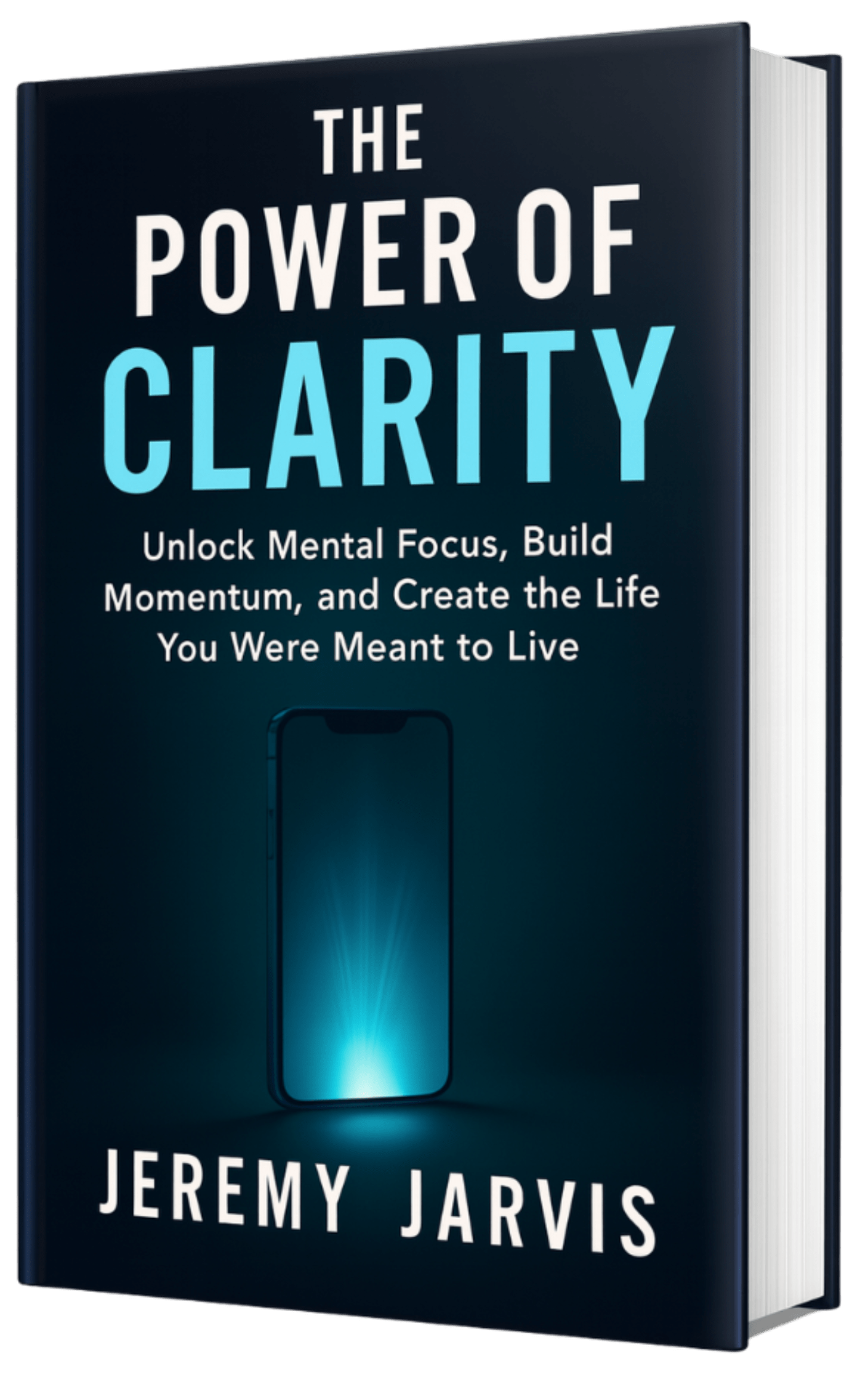
The Power of Clarity
Unlock mental focus, build momentum, and create the life you were meant to live.
View book →
AI & ChatGPT for Beginners
No PhD needed — a 2025 guide to AI, prompts, and productivity without coding.
View book →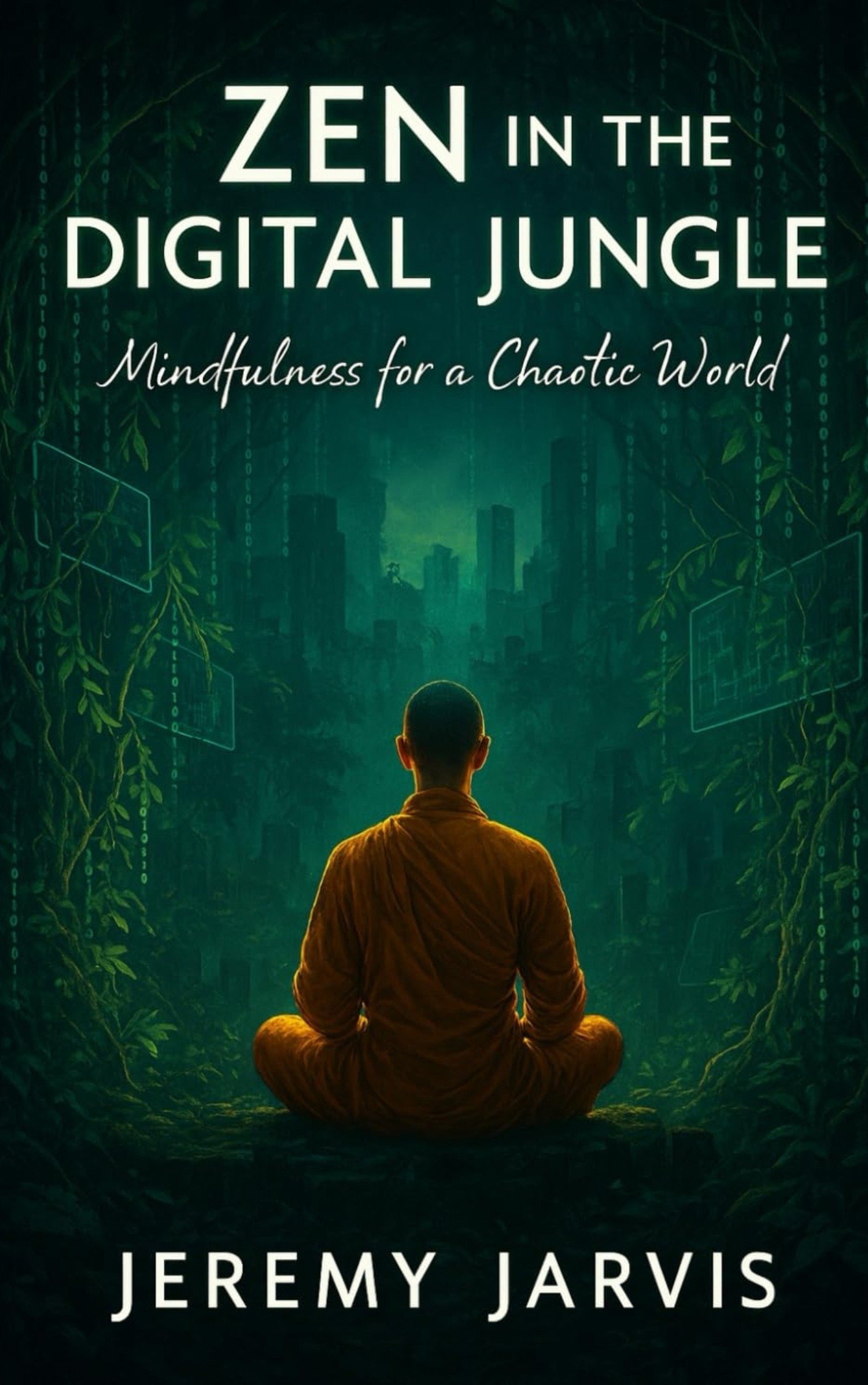
Zen in the Digital Jungle
Mindfulness for a chaotic world.
View book →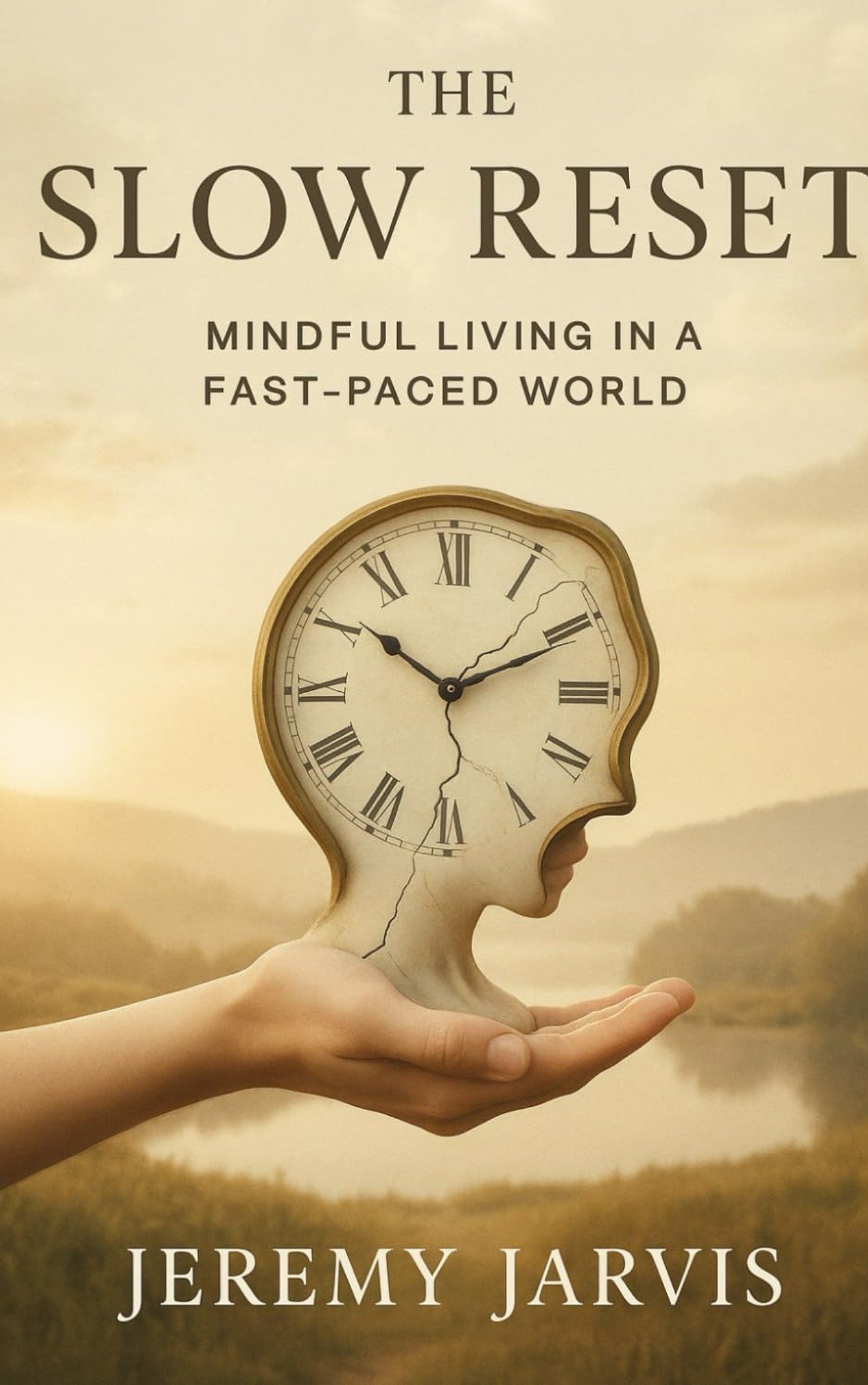
The Slow Reset
Mindful living in a fast-paced world.
View book →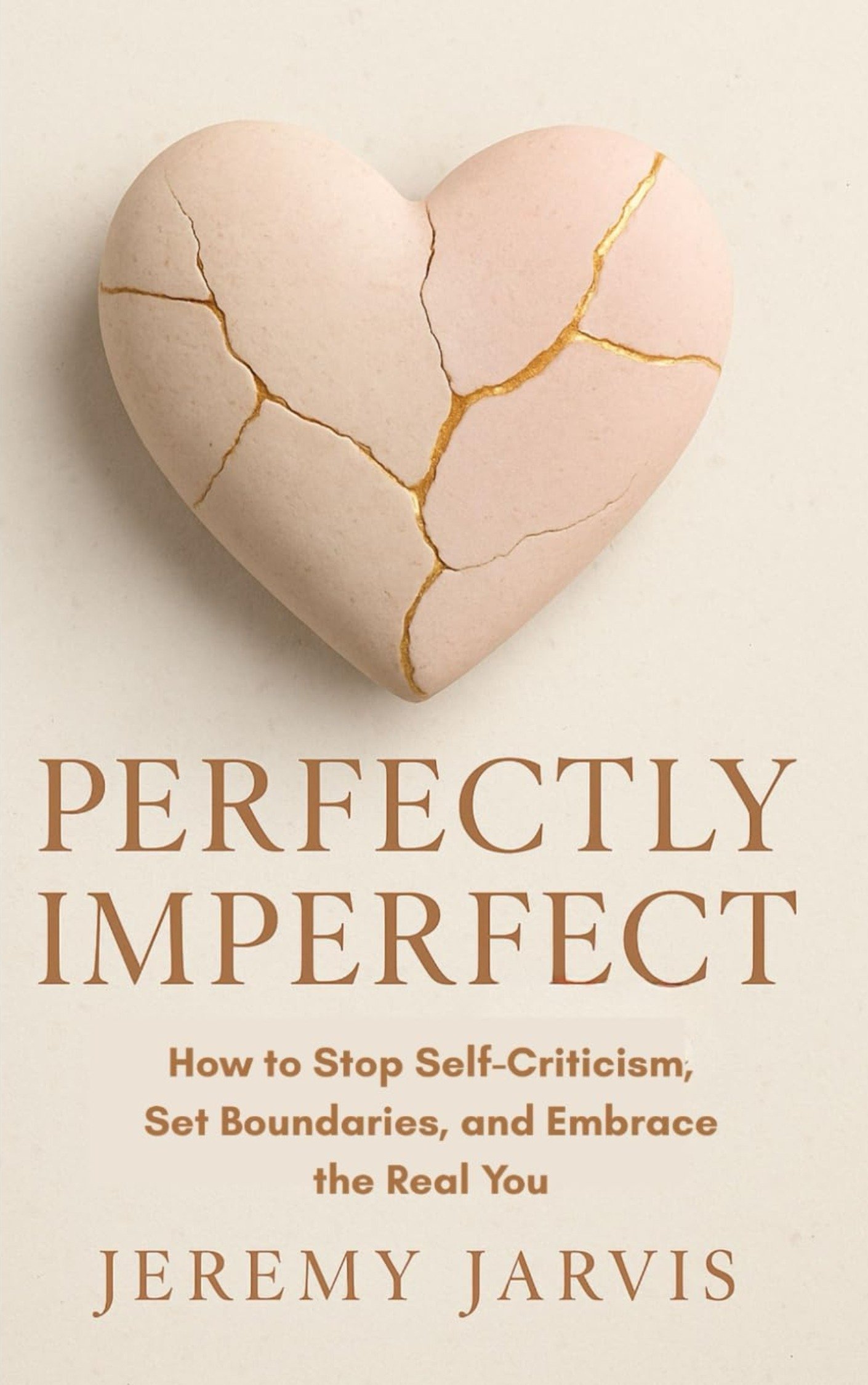
Perfectly Imperfect
Stop self-criticism, set boundaries, and embrace the real you.
View book →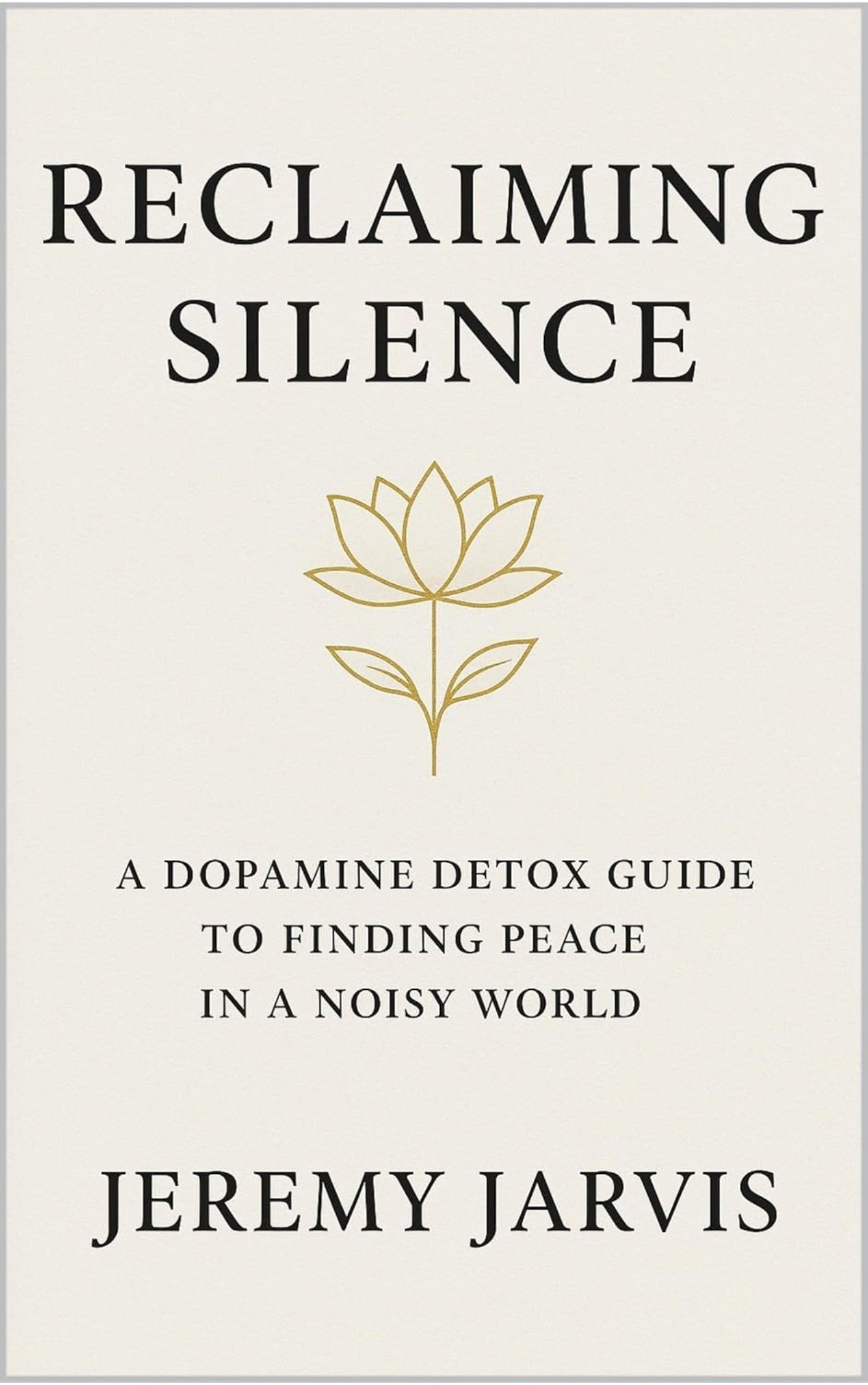
Reclaiming Silence
A dopamine detox guide to finding peace in a noisy world.
View book →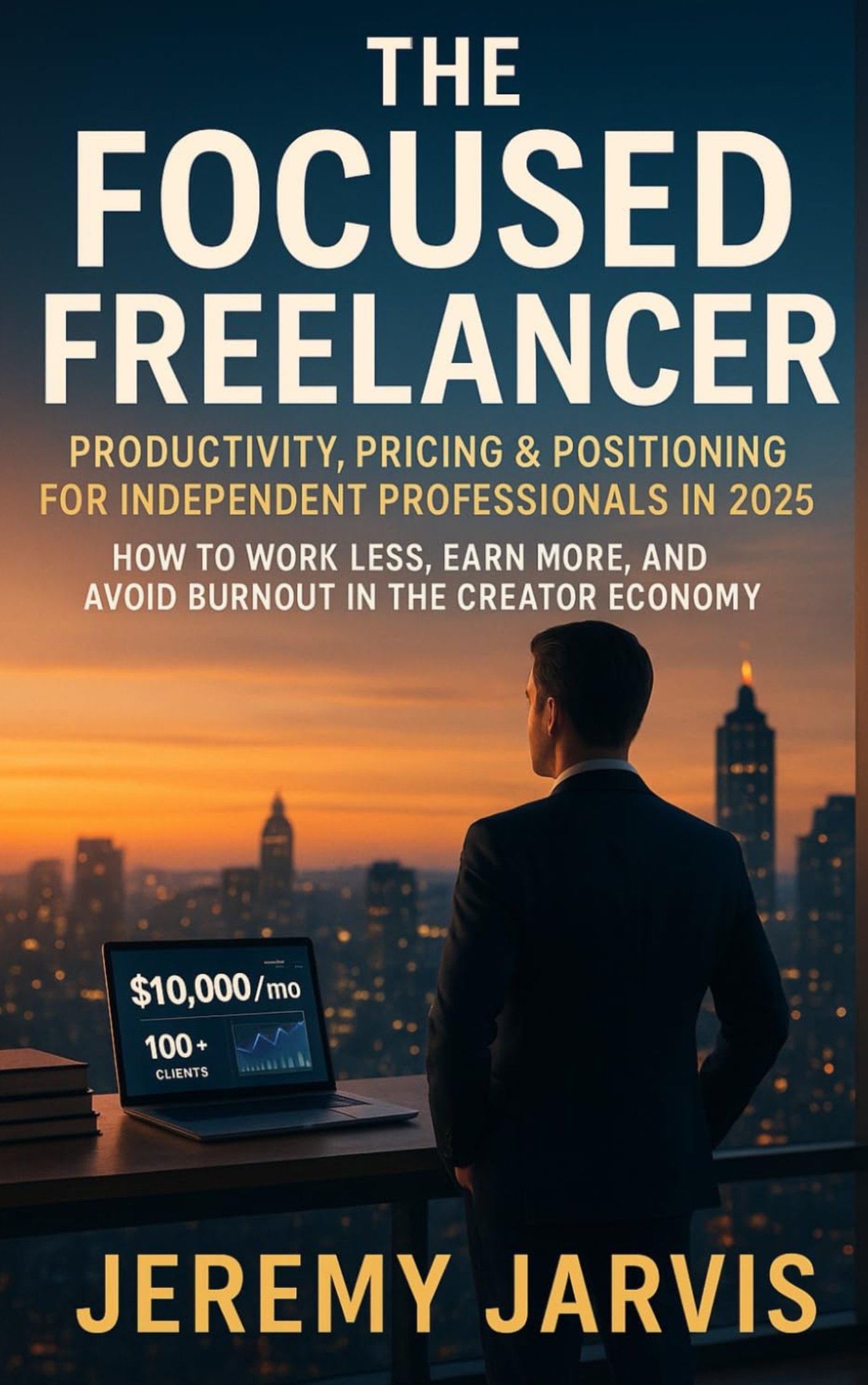
The Focused Freelancer
Productivity, pricing & positioning for independents in 2025.
View book →
ChatGPT Side Hustle System
Launch your AI-driven online business in 30 days.
View book →
Burnout, Interrupted
A proven path to restore energy and reclaim your life.
View book →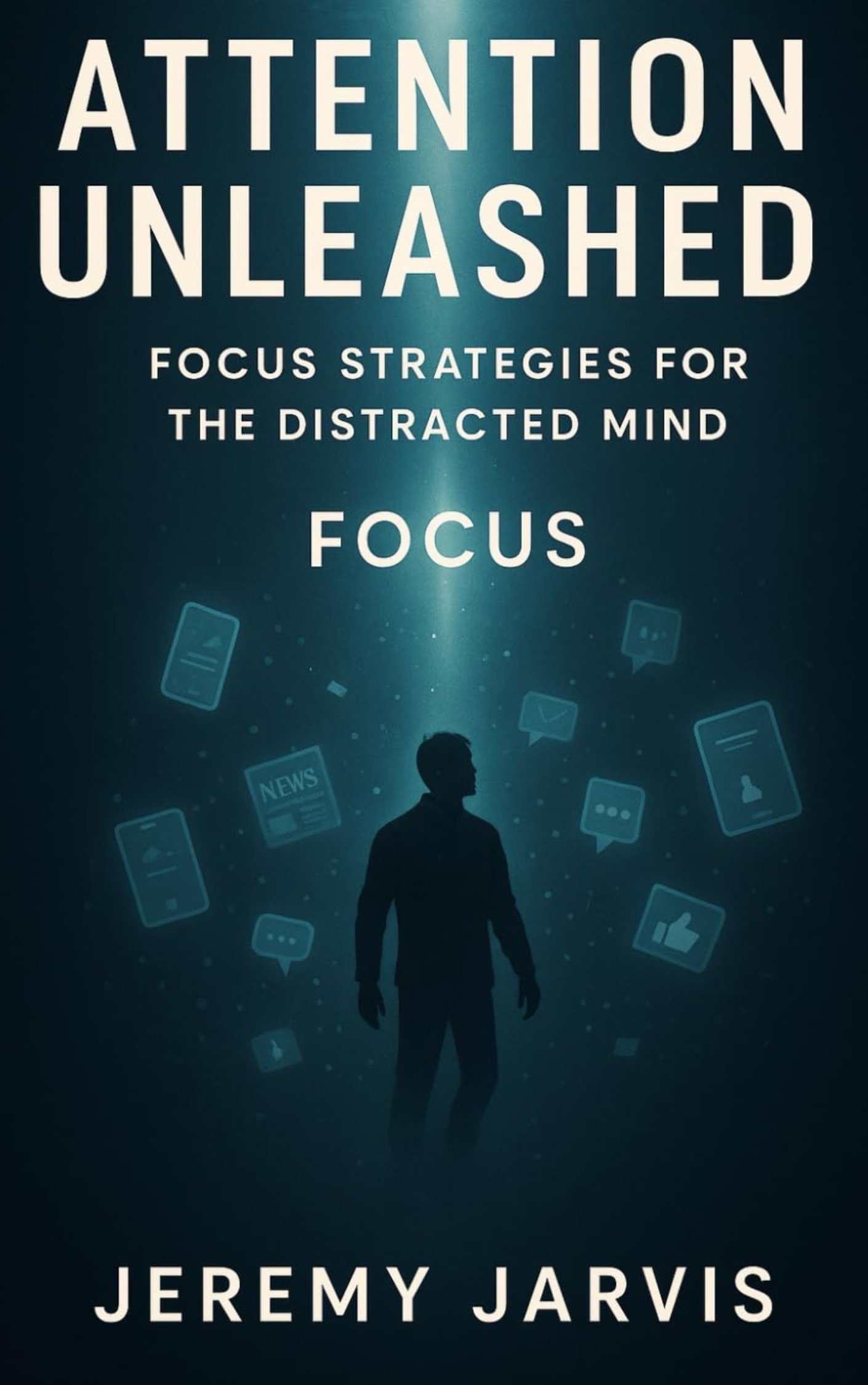
Attention Unleashed
Focus strategies for the distracted mind.
View book →
Side Hustle Launchpad
Your quick-start guide to extra income.
View book →
Digital Clarity
Rewire your brain, escape dopamine traps & regain focus.
View book →
Break the Scroll
Reduce screen time and take back control of your life.
View book →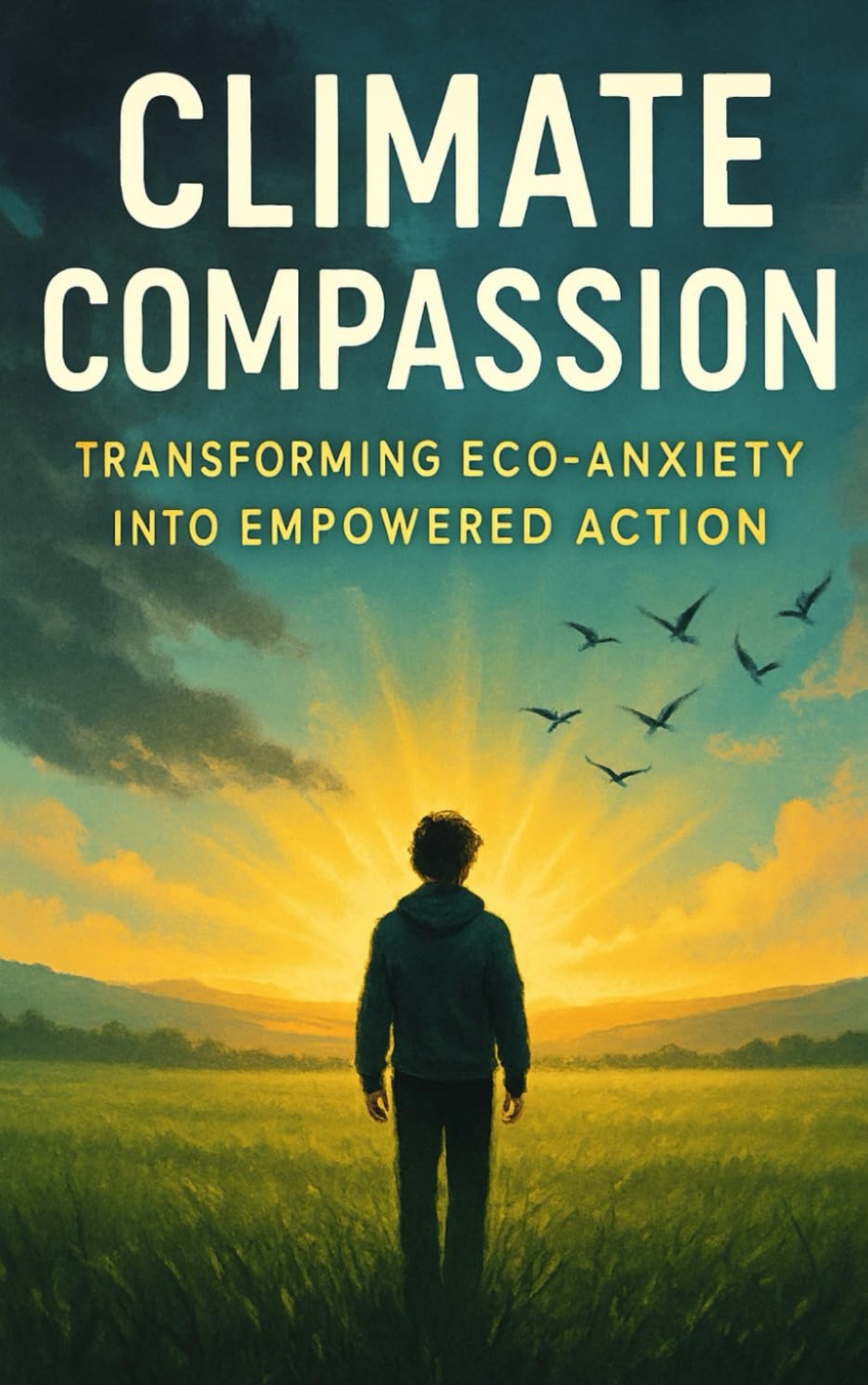
Climate Compassion
Transform eco-anxiety into empowered action.
View book →
Village Mentality
The power of community for mental wellness.
View book →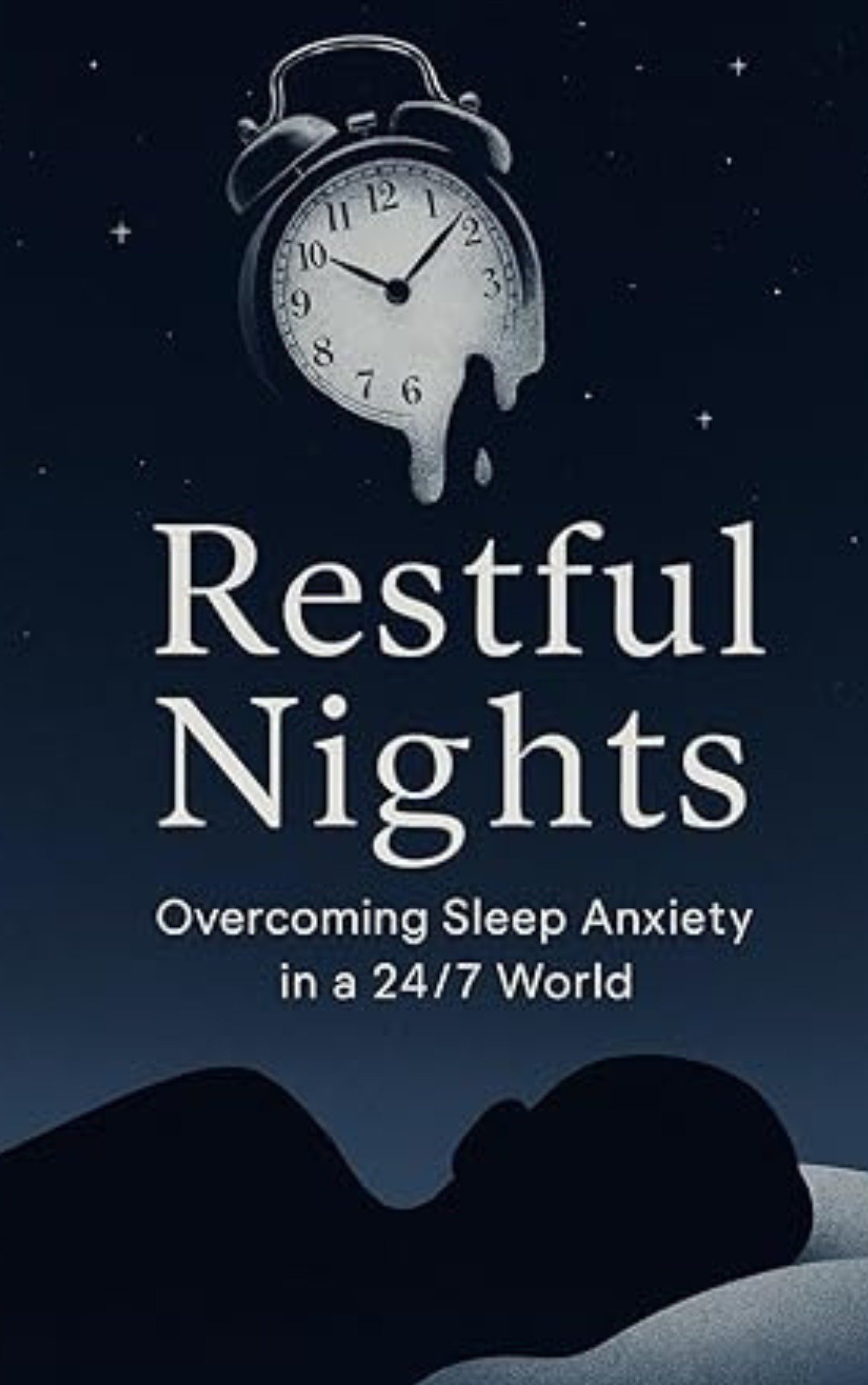
Restful Nights
Overcoming sleep anxiety in a 24/7 world.
View book →
Connected Again
Combat loneliness and build meaningful relationships.
View book →
Focus Recharged
Mastering attention and productivity in the digital era.
View book →
Marketing Magic with ChatGPT
AI-powered content, campaigns, and copywriting to grow faster.
View book →
The 6-Figure Creator
Turn knowledge into passive income with books, courses & AI.
View book →
Burnout Breakthrough
Reset your work-life balance and thrive in 2025.
View book →
The Emotionally Intelligent Man
A modern guide to self-awareness and communication.
View book →
AI Personalized Wellness
Create your custom health plan with data-driven habits.
View book →
Everyday AI Made Easy
Use ChatGPT and smart tools to simplify life.
View book →
Money Mindfulness
A financial wellness guide for Gen Z & Millennials.
View book →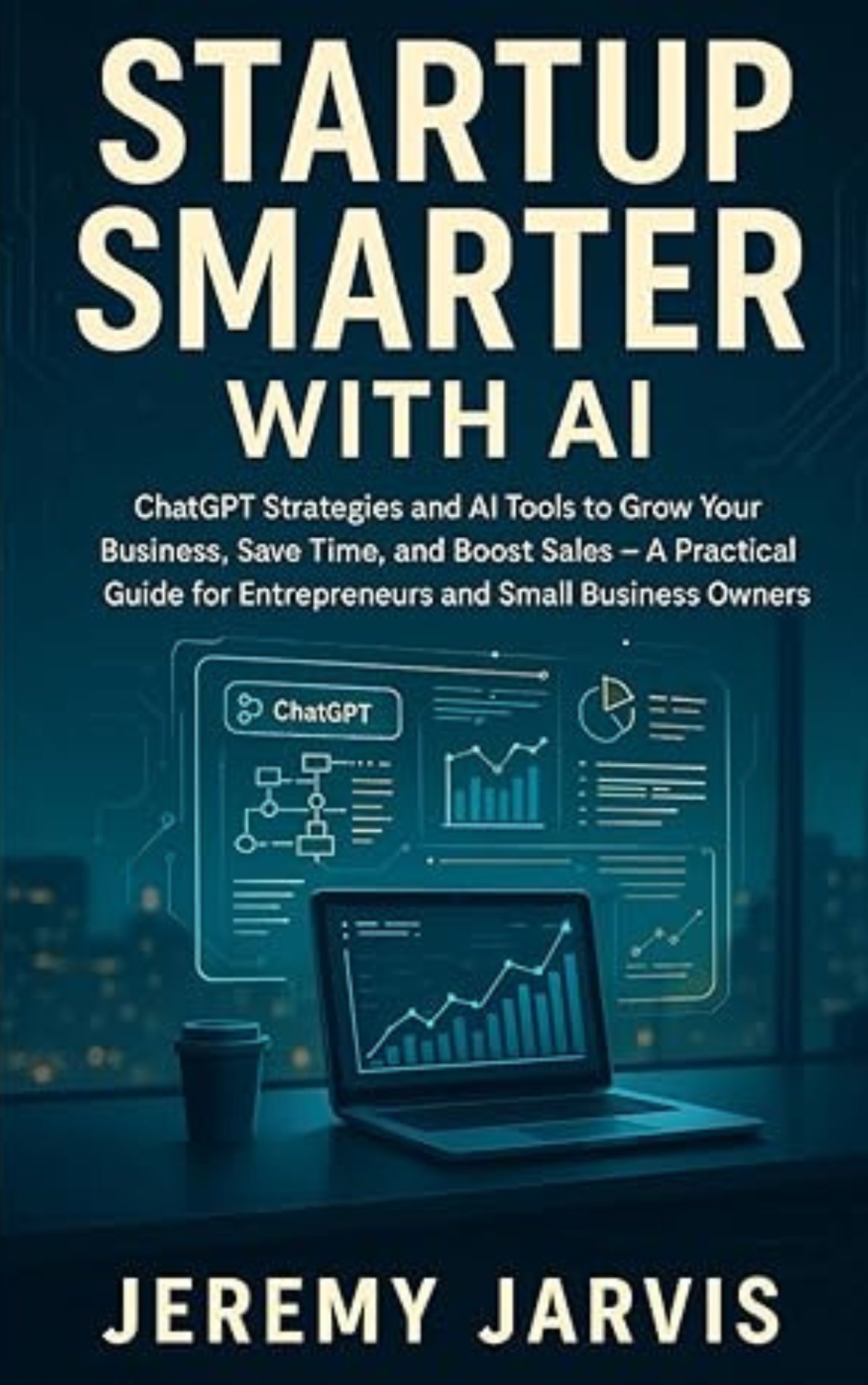
Startup Smarter with AI
ChatGPT strategies and tools to grow your business.
View book →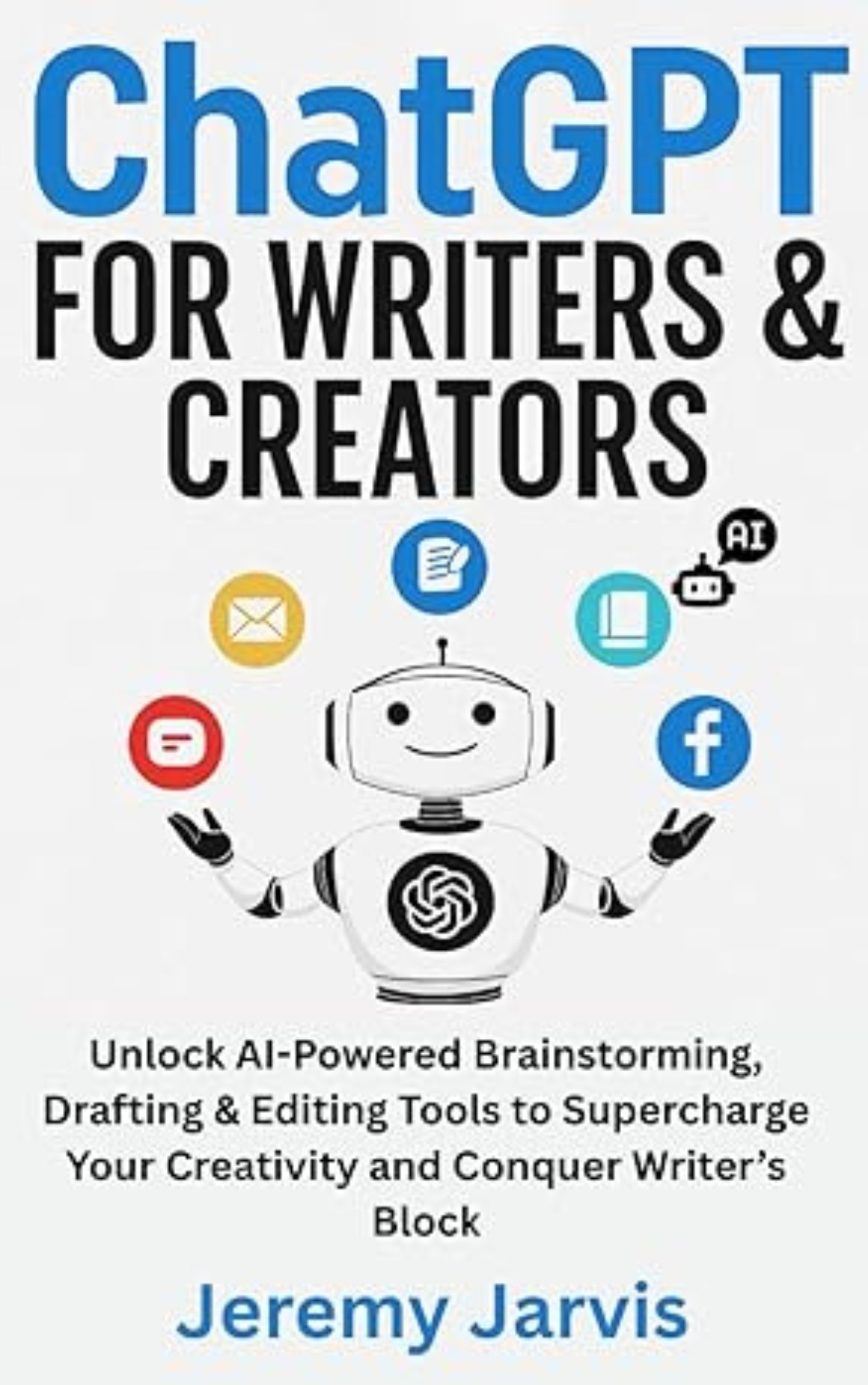
ChatGPT for Writers & Creators
Unlock AI-powered brainstorming, drafting & editing.
View book →