
What Is Digital Fatigue and How Do I Recover Faster?
Last updated: · Digital overwhelm, cognitive load, and practical recovery strategies


By Jeremy Jarvis · Author & Founder of Mind Clarity Hub
Evidence-based guides on focus, digital wellness, and rebuilding mental clarity in a noisy world.
Explore more tools and routines on The Clarity Morning routine and the latest articles at Mind Clarity Hub .
Editor’s Pick
Best companion read: Digital Clarity
If digital fatigue is your daily reality, my book Digital Clarity walks through a step-by-step process to reset your attention diet, rebuild focus, and design screen time that actually supports your goals.
What digital fatigue feels like in real life
Some days you close your laptop and feel like you have run a mental marathon, even though you mostly sat in a chair. Your eyes feel sandpapery, your thoughts feel slow, and yet your brain will not fully switch off. You might call it burnout, brain fog, or just being “fried,” but underneath those labels is a specific pattern: digital fatigue.
Digital fatigue is not just about how many hours you spend on screens. Instead, it is about the quality of those hours: constant multitasking, endless notifications, emotionally intense content, and a workload that never truly ends. That combination quietly drains the same attention circuits you need for focus, creativity, and emotional regulation. Over time, it can feel similar to the mental exhaustion I describe in Why Do I Feel Mentally Exhausted After Doing Nothing? .
Key takeaways: What digital fatigue really is (and isn’t)
- Digital fatigue is more than “too much screen time”—it is a mix of cognitive overload, emotional strain, and constant micro-decisions that wear down your attention.
- Feeling wired and tired at the same time is common: your nervous system stays switched on while your brain struggles to do focused work.
- Recovery is faster when you change your attention diet, not just your hours online: fewer tabs, less multi-tasking, and more intentional deep-rest activities.
- Small, repeatable habits—micro-breaks, device boundaries, restorative routines—rewire your brain for focus and make digital fatigue less frequent and less intense.
The good news is that digital fatigue is not a moral failure or a permanent condition. It is a predictable nervous system response to an environment that keeps your brain “half on” all day. Once you understand what is really happening—and how it connects to focus problems from Why Can’t I Focus Anymore? and the “dopamine detox” debate in Is Dopamine Detox Real or Just Internet Myth? —you can start recovering faster, without having to quit technology altogether.
What is digital fatigue, exactly?
Digital fatigue is the state of feeling mentally depleted, overstimulated, and unfocused after extended or poorly structured screen time. Instead of feeling satisfied when you finish your workday, you feel wired, drained, and strangely restless. This is different from simple sleepiness. It is a mix of cognitive overload, emotional strain, and a nervous system that has been “on call” for too many hours in a row.
In practice, digital fatigue often shows up as:
- Struggling to read even short paragraphs by late afternoon.
- Clicking between tabs without really absorbing information.
- Finding it hard to start tasks that require deep thinking.
- Feeling oddly tired and wired at the same time at night.
- Needing constant micro-distractions just to get through the day.
Importantly, digital fatigue is not a sign that you are “bad at focus.” It is a sign that your brain has been forced into high-intensity, low-recovery mode for too long. When it has no predictable breaks, no clean stopping points, and no real off-duty time, it eventually pushes back with brain fog, irritability, or sudden collapse.
Why normal workdays now feel like a digital marathon
A big reason digital fatigue is so common is that our workdays have quietly changed without our brains catching up. Even “normal” jobs now involve dozens of apps, feeds, and channels. You might start in your inbox, switch to a project board, jump into a chat thread, open a document, respond to a message, and then repeat that cycle every few minutes. Each switch looks tiny, but each one costs attention.
Neuroscience research on task switching and attention residue shows that every time you shift contexts, a little bit of your focus stays stuck on the previous task. When you do this all day, your brain is juggling dozens of open loops at once. The result is a heavy, scattered feeling very similar to what I describe in Digital Overwhelm and Attention Hijacking .
At the same time, digital platforms are designed to compete for your attention with notifications, alerts, and subtle visual cues. Even when you are not consciously reacting, your nervous system is quietly monitoring every ping and badge. Over hours and days, that constant low-level vigilance turns into a kind of background stress that keeps you tired even when you are supposedly resting.
How digital fatigue overlaps with brain fog, burnout, and “dopamine overload”
Digital fatigue rarely shows up alone. It often overlaps with brain fog, early burnout, and the sense that your motivation has quietly vanished. When your brain is bombarded by fast, high-intensity inputs all day, the slower circuits that support deep reading, long-term planning, and emotional regulation get less practice. They do not disappear; they simply lose some of their sharpness.
This is part of why “dopamine detox” became such a popular phrase. Although the science is often oversimplified, people are describing a real experience: a reward system trained to expect constant stimulation. In Is Dopamine Detox Real or Just Internet Myth? , I break down how your brain’s reward prediction systems adapt to repeated quick hits of novelty and why that makes patient, focused work feel heavier than it used to.
If you recognize yourself in these patterns—scrolling late into the night, feeling disconnected from your work, or struggling to read long articles—you are not alone. Many readers first land on pieces like How to Rebuild Attention in a World of Distraction or The Science of Mental Fog when they realize that their issue is not laziness but a brain trying to keep up with a hyper-stimulating digital environment.
How to recover from digital fatigue faster (without quitting technology)
Because digital fatigue is driven by patterns, recovery is driven by patterns too. You do not have to throw away your phone or quit your job. Instead, you need a handful of small, repeatable changes that give your brain predictable off-ramps and genuine rest. Think of it as switching from “always on” to “focused, then off-duty.”
A few recovery levers tend to move the needle most:
- Fewer parallel tasks per hour. Group similar work together—email in one block, messaging in another, deep work in a third—so your brain spends less time context switching.
- Clear visual boundaries. Close tabs when you are done, silence notifications for short blocks, and use full-screen mode for deep work sessions so your eyes are not constantly scanning for new alerts.
- Micro-breaks that are truly offline. Stand up, look out a window, stretch, or do a one-minute body scan instead of reaching for another screen.
- Recovery routines at transition points. A short evening wind-down ritual or a Clarity Morning routine can train your brain that it is safe to downshift.
These are not life overhauls. However, when you repeat them daily, they change the signal your nervous system receives. You move from “always available, always responsive” toward “focused, then released.” Over weeks, that shift can dramatically reduce how often digital fatigue knocks you flat.
When digital fatigue is a signal to slow down and get extra support
Most digital fatigue is situational and reversible. Nevertheless, sometimes it is also a signal that something deeper is going on. If your exhaustion comes with long-lasting low mood, significant anxiety, or major changes in sleep, appetite, or concentration, it is worth talking with a medical or mental-health professional. Digital strain can overlap with depression, anxiety disorders, ADHD, and burnout.
You do not have to wait until things feel extreme. Even one conversation with a doctor or therapist can help you sort out whether what you are experiencing is primarily lifestyle-driven, clinical, or a mix. Organizations like the American Psychological Association offer accessible summaries on stress, attention, and burnout that you can bring into that discussion.
In parallel, it is still valuable to adjust your day-to-day patterns. Books like The Power of Clarity , Attention Unleashed , and Burnout Breakthrough are designed to complement—not replace—professional care by giving you practical tools for designing sustainable focus and work–life rhythms.
Turning digital fatigue into a decision point, not a personal failure
When digital fatigue keeps repeating, it is usually not a random fluke. It is a decision point. Your brain is quietly telling you, “The way we are working and resting is not sustainable.” Instead of treating that message as an accusation, you can treat it as data. How many days in a row have you finished work feeling wired and drained? How often do you wake up already behind, with your first thoughts about email, Slack, or notifications? If the answer is “almost every day,” then your nervous system is doing you a favor by refusing to pretend this is normal.
A practical first step is simply to acknowledge what you are noticing. You might open a blank note and write down a few specific patterns: “My eyes burn by 3 p.m.,” “I check messages during every break,” “I feel guilty when I am not near my laptop.” When you externalize these details, digital fatigue stops being a vague cloud and becomes something you can work with. In Why Do I Feel Mentally Exhausted After Doing Nothing? , I walk through a similar exercise for invisible cognitive load; the same approach works just as well when your main symptom is screen-driven exhaustion.
From there, you can start to ask more constructive questions. Which parts of my day feel most draining? Is it live meetings, constant chat, emotionally intense news, or the quiet pressure of “always on” availability? Instead of trying to overhaul everything at once, you can choose one specific lever to experiment with—such as shorter meeting blocks, fewer tabs, or one screen-free pocket of time that becomes a protected ritual.
Designing a “slow down” plan that fits real life (not a fantasy retreat)
When you realize digital fatigue is more than a bad week, it is tempting to fantasize about huge, dramatic solutions: quitting your job, moving to the woods, or going offline for a month. Those scenarios can be fun to daydream about, but they often backfire in practice because they are too far from your current life. A more sustainable path is to design a realistic “slow down” plan that respects your responsibilities while still protecting your focus, mental clarity, and health.
One way to do this is to think in layers:
- Daily: Where can you add micro-recovery? Five-minute walks, one tech-light meal, a short Clarity Morning routine instead of waking up directly into email.
- Weekly: Where can you carve out one lower-stimulation block—a half day with fewer meetings, a slower Sunday, or a “deep work morning” with notifications paused?
- Seasonal: When could you schedule a deeper reset, like a long weekend with intentional boundaries around work devices, or a mini-vacation that mixes rest with movement and time outdoors?
This layered approach matters because your brain rewires through repetition, not one-off intensity. As I explain in How Long Does It Take to Rewire Your Brain for Focus? , small, consistent tweaks to your attention diet—shorter multitasking windows, more single-task blocks, calmer evenings—are what actually change your default settings around screen time and stress.
If you have the option, you can also bring your employer or clients into the conversation. Sometimes this looks like renegotiating your communication norms (“I check Slack at the top of the hour, not constantly”), asking for meeting-free focus blocks, or simplifying the number of platforms you are expected to monitor. These changes are not always easy to request, but framing them around sustainable performance and reduced errors can make the conversation less personal and more about long-term effectiveness.
When to bring in professional support for digital fatigue and brain fog
Still, there are times when a slower workday and better habits are not enough. If you notice that digital fatigue sits on top of deep emotional numbness, persistent low mood, intense anxiety, or months of poor sleep, your brain may be waving a larger flag. In that situation, reaching out for professional help is not an overreaction; it is a wise next step.
A good starting point is often your primary care doctor or a licensed therapist. You can describe your day in concrete terms—hours on screens, symptoms of brain fog, how long you have felt this way—rather than only saying “I feel burned out.” Many people find it helpful to read a short, evidence-based overview first so they have a shared language for the appointment. For example, the American Psychological Association’s overview of burnout summarizes how chronic stress, emotional exhaustion, and work conditions interact. Bringing that framework into your conversation can make it easier to separate situational overload from clinical depression, anxiety, or other conditions that deserve targeted treatment.
At the same time, you can keep using self-guided tools as a complement, not a substitute, for care. Many readers who see themselves clearly in digital fatigue gravitate toward books like The Power of Clarity or Zen in the Digital Jungle , because they blend practical routines with nervous system awareness. Others prefer shorter, tactical articles such as Why Can’t I Focus Anymore? or the modern attention diet breakdown in Modern Attention Diet & Dopamine Detox .
The point is not to collect more information; it is to use a few trusted resources to design experiments that fit your reality. One experiment might be creating a personal “screen sunset” time three nights a week. On another day, you could schedule a weekly planning session to close open loops instead of carrying them in your head. You might even pair your next therapy session with a small boundary at work, like one protected deep-work block, so your nervous system can feel the difference between talking about change and experiencing it.
In the end, when digital fatigue becomes a signal to slow down and get extra support, it is not a sign that you are fragile. It is a sign that your attention, your nervous system, and your long-term health are asking to be taken seriously. You are allowed to redesign how you use technology, how you rest, and how you ask for help. And you are allowed to do it gradually, one small, repeatable habit at a time, instead of waiting for a crisis to force the change for you.
Further reading & digital fatigue recovery resources
If you want to go deeper into focus, mental clarity, and digital overwhelm, these guides are a helpful next step:
Frequently asked questions about digital fatigue
What is digital fatigue in simple terms?
How is digital fatigue different from normal tiredness?
How long does it take to recover from digital fatigue?
Do blue-light glasses fix digital fatigue?
Is digital fatigue a sign of burnout?
More common questions about screen time, focus, and recovery
Does a “dopamine detox” help with digital fatigue?
How much screen time per day is too much?
What small changes help the most with digital fatigue?
When should I seek professional help for digital fatigue?
What should I read next if I relate strongly to digital fatigue?
Join the sustainable work & focus movement
If you are rebuilding your life around calmer focus, sustainable work rhythms, and lower-impact habits, you are not doing it alone.
Follow our visual ideas and slow-living inspiration on Eco Nomad Travel on Pinterest for more ways to design work, travel, and digital routines that support your attention instead of draining it.
Explore the Mind Clarity Hub Library
Practical books on focus, digital habits, resilience, and building a calmer mind.
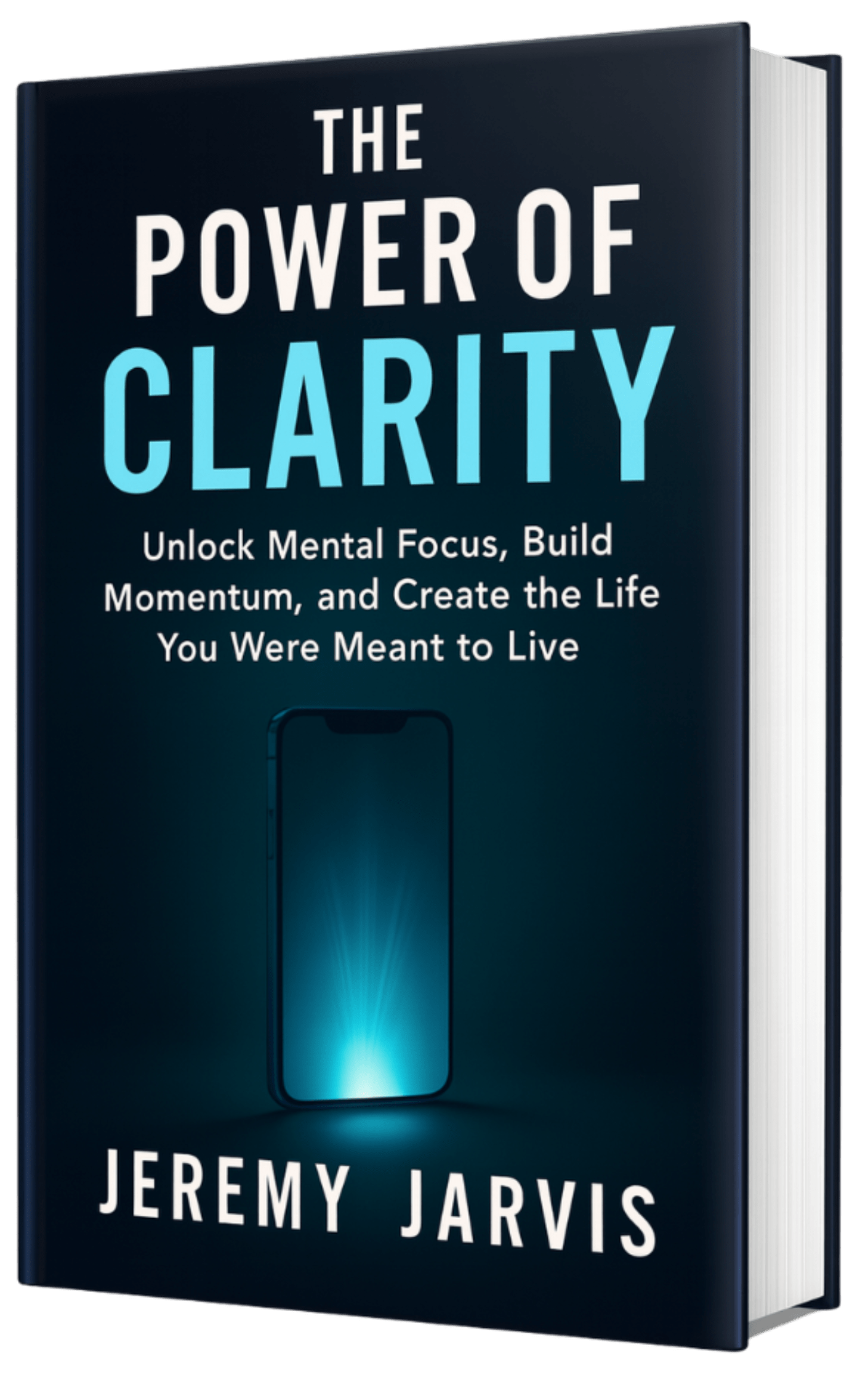
The Power of Clarity
Unlock mental focus, build momentum, and create the life you were meant to live.
View book →
AI & ChatGPT for Beginners
No PhD needed — a 2025 guide to AI, prompts, and productivity without coding.
View book →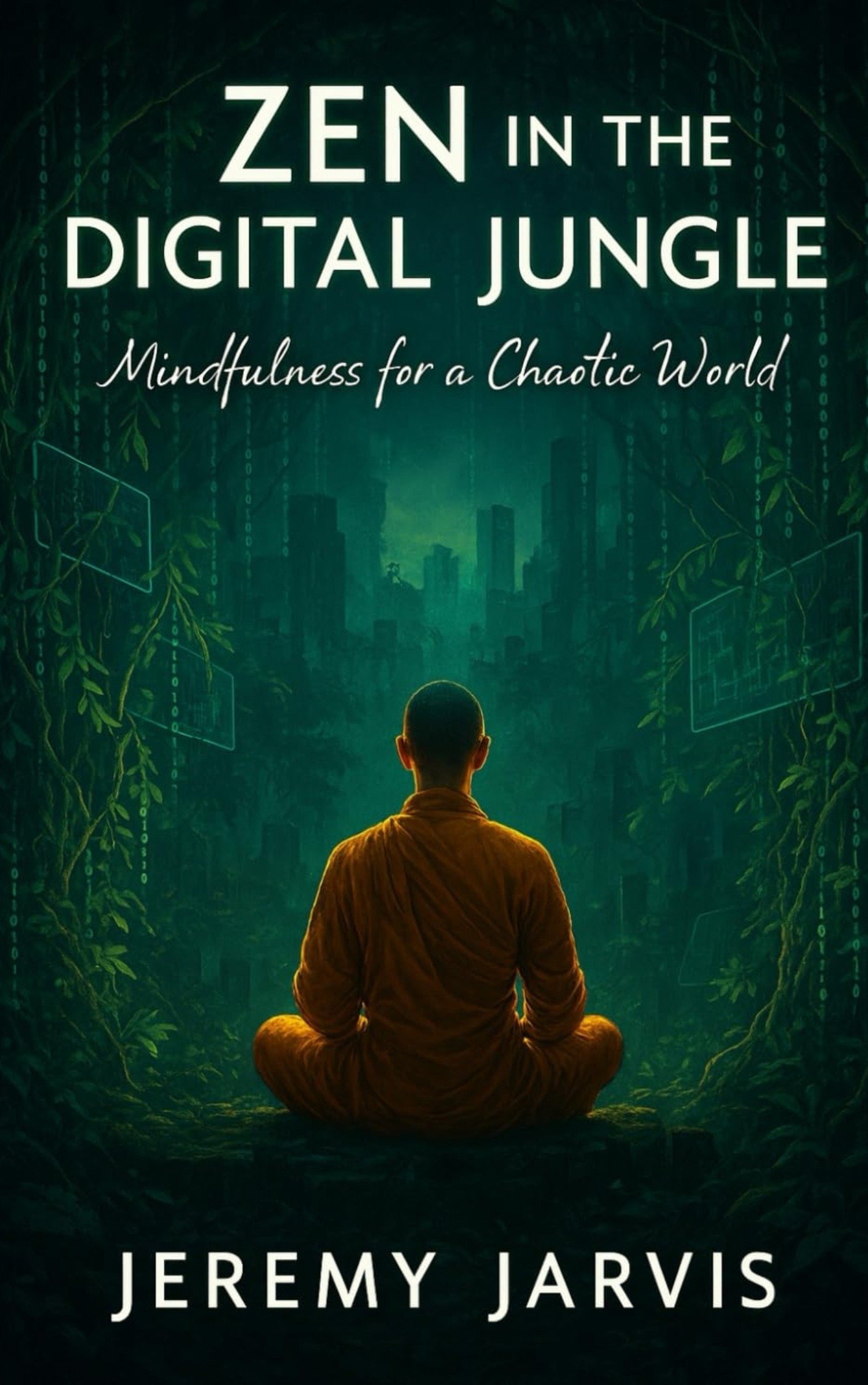
Zen in the Digital Jungle
Mindfulness for a chaotic world.
View book →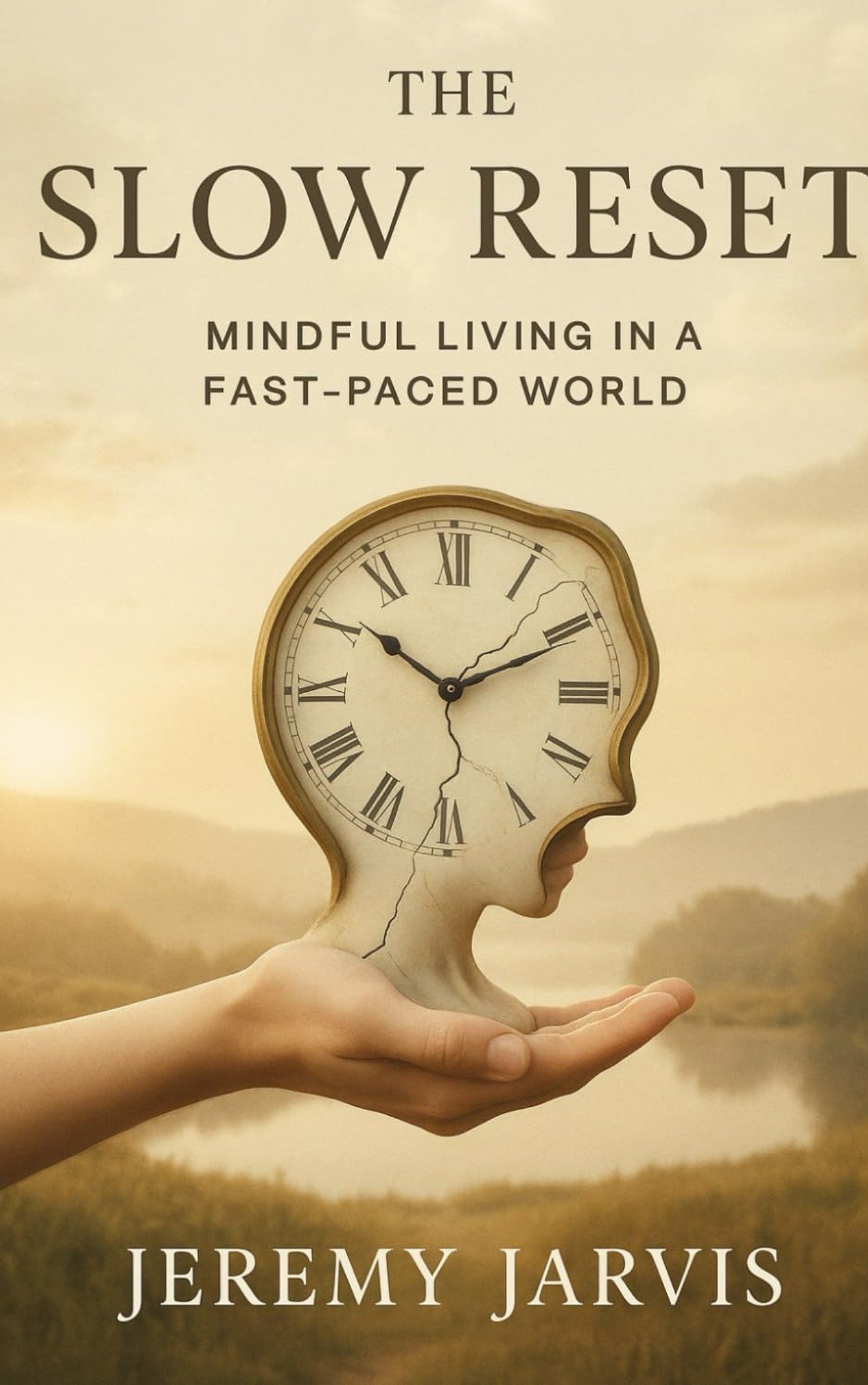
The Slow Reset
Mindful living in a fast-paced world.
View book →
Perfectly Imperfect
Stop self-criticism, set boundaries, and embrace the real you.
View book →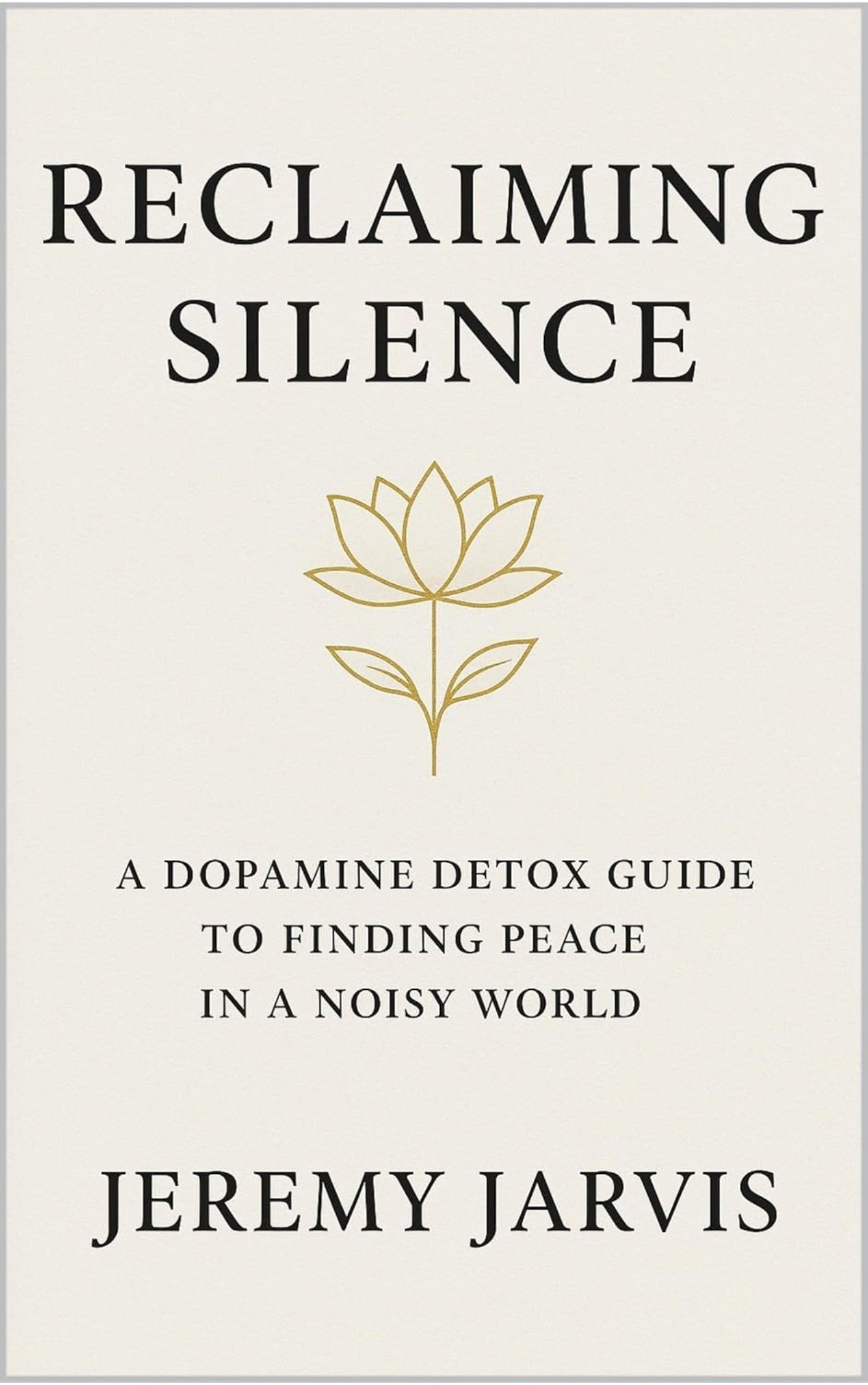
Reclaiming Silence
A dopamine detox guide to finding peace in a noisy world.
View book →
The Focused Freelancer
Productivity, pricing & positioning for independents in 2025.
View book →
ChatGPT Side Hustle System
Launch your AI-driven online business in 30 days.
View book →
Burnout, Interrupted
A proven path to restore energy and reclaim your life.
View book →
Attention Unleashed
Focus strategies for the distracted mind.
View book →
Side Hustle Launchpad
Your quick-start guide to extra income.
View book →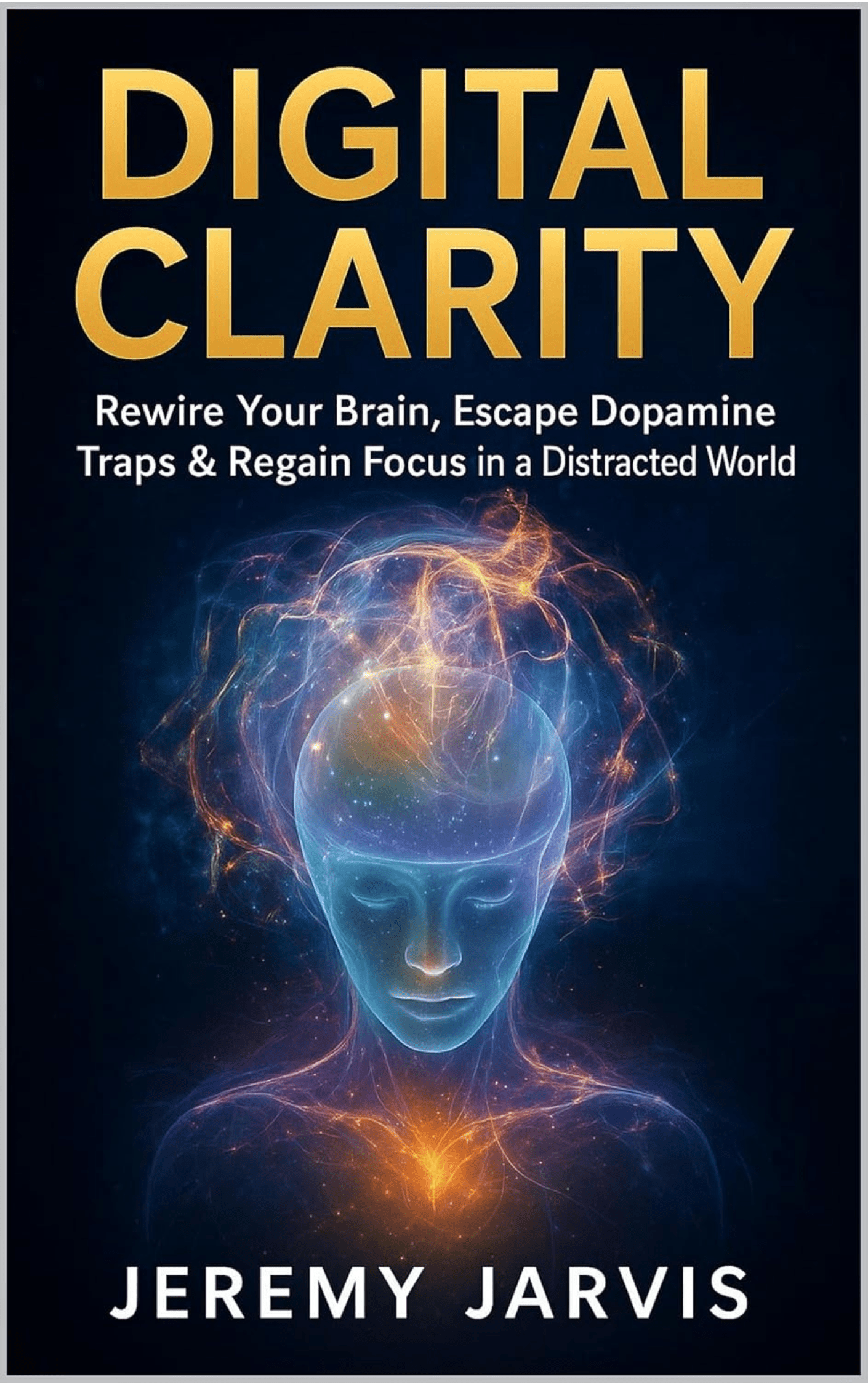
Digital Clarity
Rewire your brain, escape dopamine traps & regain focus.
View book →
Break the Scroll
Reduce screen time and take back control of your life.
View book →
Climate Compassion
Transform eco-anxiety into empowered action.
View book →
Village Mentality
The power of community for mental wellness.
View book →
Restful Nights
Overcoming sleep anxiety in a 24/7 world.
View book →
Connected Again
Combat loneliness and build meaningful relationships.
View book →
Focus Recharged
Mastering attention and productivity in the digital era.
View book →
Marketing Magic with ChatGPT
AI-powered content, campaigns, and copywriting to grow faster.
View book →
The 6-Figure Creator
Turn knowledge into passive income with books, courses & AI.
View book →
Burnout Breakthrough
Reset your work-life balance and thrive in 2025.
View book →
The Emotionally Intelligent Man
A modern guide to self-awareness and communication.
View book →
AI Personalized Wellness
Create your custom health plan with data-driven habits.
View book →
Everyday AI Made Easy
Use ChatGPT and smart tools to simplify life.
View book →
Money Mindfulness
A financial wellness guide for Gen Z & Millennials.
View book →
Startup Smarter with AI
ChatGPT strategies and tools to grow your business.
View book →
ChatGPT for Writers & Creators
Unlock AI-powered brainstorming, drafting & editing.
View book →