Last updated: December 2025 • 11–14 minute read

Written by
Jeremy Jarvis
– author of Digital Clarity and
Zen in the Digital Jungle.
Jeremy writes about attention, dopamine, and mental clarity in a hyper-distracted world, blending research
from psychology and neuroscience into everyday language and practical tools.
Why everyone is suddenly talking about dopamine detox
If you spend any time on YouTube, TikTok, or self-improvement forums, you have probably seen bold promises about
the “dopamine detox.” Spend one weekend offline, the story goes, and you will magically reset
your brain, cure procrastination, and suddenly love doing deep work again. It is no surprise that so many people
are asking a simple question: is dopamine detox real, or is it just another cleverly packaged
trend?
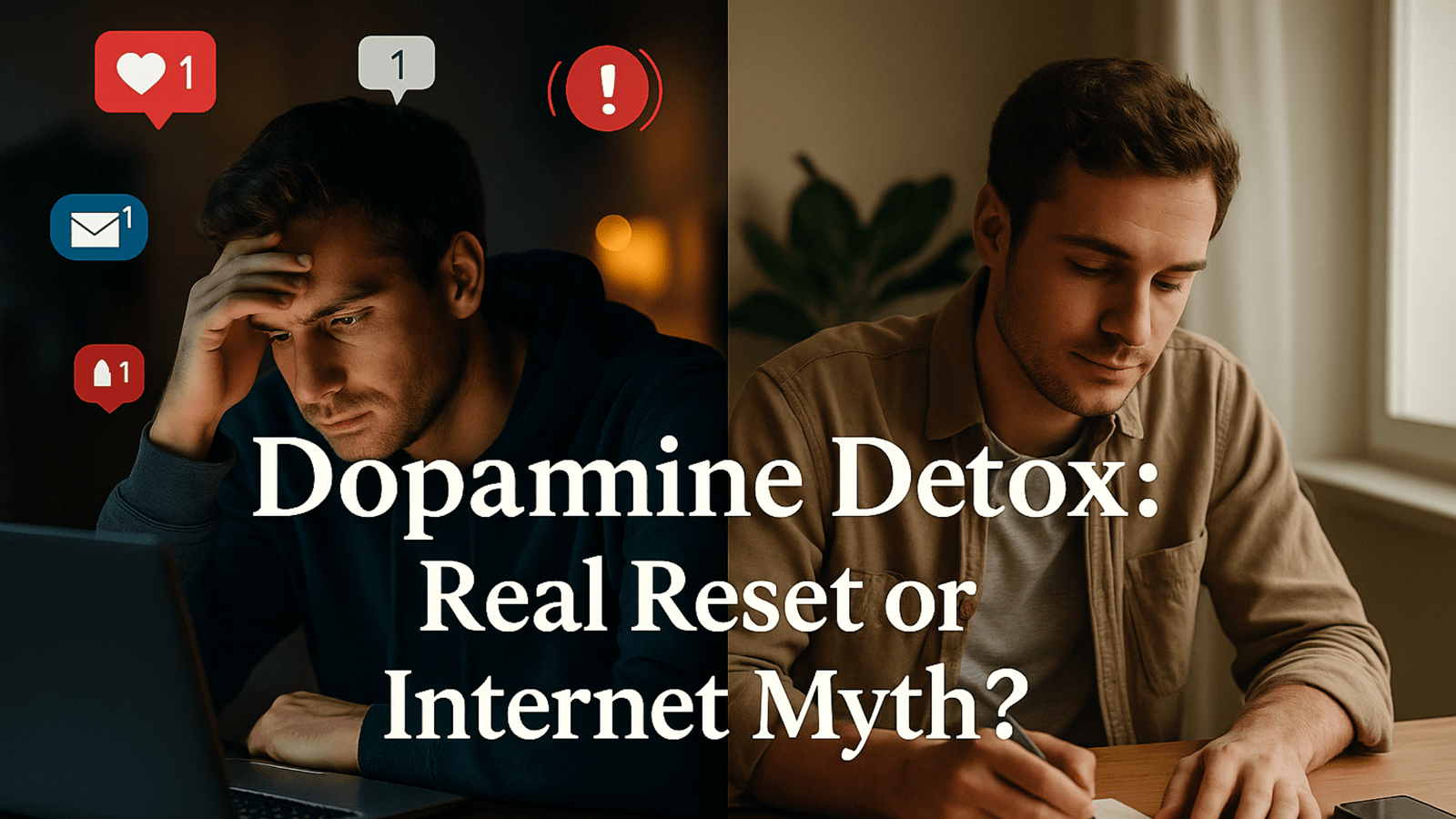
Is dopamine detox real or just another attention trend?
At the same time, you will find just as many voices calling dopamine detox a complete scam or “not real
science.” Therefore it is natural to feel stuck between extremes. On one side, slick videos promise a total
reset in 48 hours. On the other side, skeptical threads insist that everything related to dopamine detox is
nonsense. The reality sits in the middle: the marketing is exaggerated, yet the underlying idea that your brain
can adapt to fewer high-intensity rewards is grounded in how motivation systems work.
Key takeaways: Is dopamine detox real?
-
“Dopamine detox” as marketed online is not a medical detox and cannot flush dopamine out
of your brain in a weekend, even if it feels like a dramatic reset. -
However, your reward system does adapt to your habits, so changing your “attention diet”
over weeks and months can gradually make deep focus feel easier again. -
A realistic protocol focuses on reducing high-stimulation digital inputs, adding low-stimulation focus
blocks, and improving sleep and recovery—not eliminating all pleasure or joy. -
If long-standing attention issues began in childhood or come with anxiety, depression, or intense mental
fog, it may be worth talking with a health or mental-health professional as well.
In other words, the label “dopamine detox” is messy, but the process of changing your daily inputs so your
attention can recover is very real. You are not broken for needing that change. You are simply living in an
environment that constantly pulls you toward short, fast stimulation.
What this dopamine detox guide will actually cover
Because the term is so overloaded, this guide aims to slow everything down. First, we will explain what dopamine
actually does in plain language rather than buzzwords. Next, we will separate common dopamine detox myths from
ideas that align with current research. Then, we will outline a realistic, gentle reset plan you can sustain for
weeks instead of hours. Finally, we will connect all of this to focus, burnout, and your broader attention diet,
linking to deeper resources like
Why Can’t I Focus Anymore?
and
The Modern Attention Diet
.
As you move through the rest of the article, you will see that you do not need a dramatic, all-or-nothing
detox. Instead, you can use small, repeatable changes to slowly retrain what feels rewarding—so that deep work,
long-form reading, and calmer days feel possible again.
What people actually mean when they say “dopamine detox”
Although it sounds like a medical treatment, dopamine detox is mostly an online nickname for
taking a break from high-stimulation habits: endless scrolling, ultra-short videos, hours-long gaming sessions,
rapid-fire notifications, and constant snacking on digital content.
In everyday life, most people who try a detox are simply hoping to:
- Spend less time on addictive apps and platforms.
- Reduce constant notification pings and interruptions.
- Make it easier to enjoy reading, deep work, or offline hobbies again.
In that sense, the intention is reasonable. If you recognize yourself in
micro-dopamine addiction and feeling overstimulated
,
it makes sense that you would want a reset. The problem is not the desire to change. Instead, the problem is how
the idea gets oversimplified and oversold.
Many posts promise that a single “hard reset weekend” will undo years of digital overload. That is where the
myth creeps in. Your brain’s reward system does not reboot like a laptop. It adapts gradually
to what you repeat over and over.
What dopamine really does in your brain (without the hype)
To decide whether dopamine detox is “real,” it helps to understand dopamine itself. Dopamine is often called a
“pleasure chemical,” but that label is only partly correct. More accurately, dopamine is a
motivation and prediction signal. It helps your brain track:
- What feels rewarding or interesting.
- What you should move toward, repeat, or pay attention to.
- Whether something turned out better or worse than expected.
How constant scrolling trains your brain to chase rapid micro-rewards
When you scroll social media, refresh email, or tap from app to app, you are training your reward system to
expect rapid, unpredictable micro-rewards. New comments, likes, headlines, videos—each small
“maybe something good” gives your brain another prediction update.
When your reward system favors quick hits over deep, meaningful focus
Over time, your brain becomes highly efficient at spotting and chasing these tiny bursts of stimulation.
Meanwhile, the slower rewards of deep reading, single-task projects, or long-term goals feel comparatively
dull. You have not ruined your brain. However, you have given one type of reward a lot more practice.
This shift is a big part of why it feels so hard to do focused work in the current attention environment—and
why it can seem as if your concentration has disappeared. For a deeper look at this, you can explore:
If you want external perspectives as well, introductory pieces from
the American Psychological Association
and
Harvard Health Publishing
explain how brain chemistry and habits interact in accessible language.
Where the internet gets dopamine detox wrong
Now that we have a clearer picture of dopamine, we can look at common dopamine detox myths. This is where the
“internet myth” part becomes easier to understand.
Myth 1: You can “flush out” dopamine in a single weekend
Your brain does not store dopamine like water in a tank that you can drain and refill. It is constantly being
produced, released, and recycled. Therefore, a weekend offline might feel refreshing—and that can absolutely be
useful—but it is not a detox in any medical sense.
Myth 2: Dopamine itself is the enemy
You need dopamine. Without it, you would not feel motivated to pursue anything, including healthy habits and
meaningful work. The issue is not dopamine as a molecule. Instead, the issue is
how often and how intensely you chase quick spikes.
Myth 3: You must remove all pleasure to “heal” your brain
Some extreme dopamine detox protocols recommend eliminating almost everything enjoyable for days: music, social
interaction, reading, and even low-key hobbies. For most people, this is unnecessary and unsustainable. It also
confuses “less frantic stimulation” with “no joy at all.”
In reality, a healthier attention diet often includes
more enjoyment—reading real books, long conversations, creative projects that absorb you—just
with fewer hyper-stimulating, low-nutrient inputs. That is a core theme in
attention hijacking in the digital age
.
The real part: you can change your reward landscape
If the myths are exaggerated, what is left? Fortunately, quite a lot. While there is no magic dopamine detox
switch, there is strong evidence that your brain’s reward systems adapt to your habits. When you
repeatedly choose:
- Fewer rapid, unpredictable hits (scrolling, notifications, constant checking).
- More slow, predictable rewards (reading, making progress, finishing deep tasks).
…you are running a longer-term dopamine recalibration. You are not detoxing; you are
retraining. In other words, you are teaching your brain that a calmer, more stable style of reward is what you
want to practice now.
What most people really want when they talk about a dopamine detox
Practically, this is what many people are trying to do when they say “dopamine detox.” They want to feel less
pulled around by screens and more capable of sustained focus. The good news is that this is absolutely possible,
especially when you combine environmental changes, gentle limits, and realistic timelines—similar to the
approach in
The Modern Attention Diet
.

overstimulation.
A science-aligned “dopamine detox” you can actually stick with
Instead of a dramatic, all-or-nothing weekend, think of dopamine detox as a
four-to-six-week experiment in changing your inputs. This timeline matches how habits form and
how attention slowly rebuilds, as discussed in
Rebuild Attention in a World of Distraction
.
Below is a simple structure you can adapt. You do not need to follow it perfectly. Even partial improvements can
change how your brain feels day to day.
Step 1: Lower the noise floor first
Before you worry about creating perfect routines, start by making your default environment less loud. In many
cases, you can quickly remove a surprising amount of friction:
- Turn off non-essential notifications (likes, promotions, suggested videos).
- Move your most tempting apps off your home screen or into a “Later” folder.
- Set one or two specific check-in windows for email and messaging.
These changes often make your nervous system feel less jittery. As a result, focus does not have to fight quite
as hard for space. This is very similar to clearing physical clutter before trying to organize your desk.
Step 2: Add one daily low-digital block
Next, experiment with a daily 30–60 minute block where you deliberately choose low-stimulation
activities. For example, you might:
- Read a print book or long article with your phone in another room.
- Journal by hand about the day, your thoughts, or a single decision.
- Do deep work on one important task with no open tabs unrelated to that task.
This block does not need to be perfect to work. Each time you show up, you are giving your attention circuits
practice at staying with one thing. Over weeks, this practice builds the same way strength training builds
muscle: slowly, but reliably.
If you want a clear starting blueprint, the exercises in
Focus Reset for Mental Space
pair well with this daily block.
Step 3: Change how you use high-dopamine apps, not just how often
It is also important to adjust how you interact with stimulating platforms. Otherwise, you may take a
break, feel better, and then slide right back into old patterns. To prevent that cycle, consider:
- Going in with one clear purpose (post, reply, check one group) and then leaving.
- Using lists, folders, or filters to see fewer random inputs on your home feed.
- Disabling auto-play where possible so content does not keep chasing you.
You are teaching your brain that you can still use digital tools, but in a way that feels more intentional. In
other words, the apps no longer run the show by default.
Step 4: Pair your “detox” with real rest
- A consistent sleep window most nights.
- Simple evening wind-down rituals that do not involve bright screens.
- Short, regular movement breaks during the day.
For many readers, these broader habits turn out to be just as important as any phone rule. When your body is
more rested, your brain has more capacity to respond to calmer rewards and less need for constant stimulation.
For a deeper look at this connection, you can explore
The Science of Mental Fog
.
How dopamine detox connects to focus, burnout, and your attention diet
When you look at dopamine detox through this more realistic lens, it stops being a magic trick and starts
looking like a long-term attention strategy. Gradually, you are shifting:
- From constant micro-rewards to fewer, deeper sources of satisfaction.
- From reactive consumption to more intentional creation and reflection.
- From treating your attention as endless to treating it as a limited resource.
This same pattern runs through
Digital Clarity
,
Why You Can’t Focus Anymore
,
and companion titles like
Attention Unleashed
.
Instead of fighting your brain, you are designing an environment where focus feels less fragile and more
natural again.
Over weeks, the combination of lower stimulation, gentler routines, and clearer priorities creates the feeling
many people are chasing when they search for “dopamine detox”: less noise, more grounded energy, and a quieter,
more trustworthy mind.
When a DIY dopamine detox is not enough
Even with smart changes, some people notice that their attention struggles feel deeper than habit alone. In that
case, it is useful to zoom out. A self-guided dopamine reset is a tool, not a full diagnosis. In particular, it
may be worth talking with a clinician if you notice:
- Long-standing focus problems beginning in childhood or early school years.
- Significant mood shifts, anxiety, or depression alongside distraction.
- Ongoing mental fog that does not improve with rest, better sleep, or lower stimulation.
Conditions like ADHD, anxiety disorders, depression, and certain sleep problems can all shape how your reward
system feels day to day. A dopamine detox experiment can still be part of your toolkit, but it does not replace
a proper evaluation. In many cases, the most powerful approach combines environmental changes, skill-building,
and—when appropriate—therapy or medical treatment.
If you would like to read more about when to seek help, resources from
the National Institute of Mental Health
and
Mayo Clinic
can be a helpful starting point.
So… is dopamine detox real or just a myth?
The answer is both simpler and more hopeful than the headlines suggest. The myth is that you
can “flush out dopamine” in a weekend and wake up with a brand-new brain. The real, science-aligned
idea is that you can gradually retrain what your brain finds rewarding by changing what you expose it
to and how often.
If you treat dopamine detox as a short-term stunt, you will probably be disappointed. However, if you treat it
as a longer-term shift in your attention diet—less frantic stimulation, more deep work and real
rest—you give neuroplasticity room to work in your favor.
You are not broken for struggling to focus in a world designed to hijack your attention. At the same time, you
are not powerless. With small, repeated experiments, you can teach your brain that calm, sustained focus is not
an internet myth at all—it is a skill you can practice again, step by step.
Turning “is dopamine detox real” into your own small experiments
Now that you have a clearer picture of what dopamine does and how your attention diet shapes it, the next step is
to turn this insight into small, low-pressure experiments. Instead of trying to overhaul your entire life in a
weekend, you can approach this like a gentle dopamine reset. In practice, that means choosing a
few specific behaviors to tweak and observing how your brain responds over time. This approach is slower than a
dramatic “hard reset,” but it is also kinder, more sustainable, and far more realistic.
A helpful starting point is to pick one area where digital stimulation feels most out of control:
short-form video, late-night scrolling, rapid news checking, or compulsive email refreshing. If you are not sure
where to begin, you might notice which habit leaves you feeling most scattered or drained. Then, for one to two
weeks, you intentionally lower the friction to stop and raise the friction to continue. That could mean moving the
app off your home screen, adding screen time limits, or giving yourself a simple rule like, “No feeds in bed.” It
is not perfect, but it is a concrete, testable change.
Designing a personal attention reset that fits your real life
Because your brain, schedule, and responsibilities are unique, your answer to “is dopamine detox real” has to be
grounded in your own life. A busy parent, for instance, cannot disappear for a three-day silent retreat, but they
can reclaim ten minutes of quiet reading after the kids are asleep and keep their phone charging in another room.
A creator or knowledge worker might not be able to abandon social media entirely, yet they can batch their posting
and checking into specific time blocks instead of checking “just for a second” every few minutes.
If you want a structured way to build this, you can combine the ideas in this article with the practical exercises
in
Focus Reset for Mental Space
and the long-term strategies inside
Why Can’t I Focus Anymore?
.
Together, they show you how to go beyond theory and actually design a weekly rhythm where deep work, recovery, and
genuine rest all have a defined place.
Stacking small habits to rebuild attention and mental clarity
Furthermore, it helps to think in terms of stacking habits rather than chasing a single, perfect dopamine detox
protocol. For example, you might first create a 30-minute morning focus block, then gradually pair it with a simple
evening “digital sunset” (no feeds for the last 30–60 minutes of the day). Over the next few weeks, you could layer
in one more practice: perhaps a short walk without headphones, a weekly long-form reading session, or a dedicated
planning ritual that lives in your calendar.
Each habit strengthens slightly different circuits: single-tasking, delayed gratification, emotional regulation,
and the capacity to sit with mild boredom without instantly reaching for your phone. Over time, this kind of
focus training shifts your baseline. Tasks that once felt unbearable start to feel more neutral,
and then, in some cases, even satisfying. This is the lived experience of neuroplasticity—not a dramatic overnight
transformation, but a quiet recalibration of what feels normal.
If you are a creator, freelancer, or entrepreneur, you can also explore how this overlaps with
mental clarity for creators
.
Many people find that once they tame their micro-dopamine habits, their creative work becomes deeper, their ideas
come more easily, and their output feels less frantic and more thoughtful.
Connecting dopamine detox to your bigger clarity goals (and books that can help)
It is also worth zooming out and asking what this allows you to do. When you say you want to know whether
a dopamine detox is real, you are rarely just curious about neuroscience. You are usually asking a deeper
question: “Can I actually change how my mind feels?” The long answer, as you have seen, is yes—with time, practice,
and the right support. Yet it becomes even more powerful when you connect it to specific goals: reading full
chapters again, finishing projects, being more present with people you care about, or simply feeling less mentally
exhausted at the end of the day.
If you want a more guided path, you might pair this article with books like
The Power of Clarity
,
which focuses on building direction and momentum, and
Attention Unleashed
,
which dives deeper into attention science and daily focus rituals. For readers who feel especially overwhelmed by
screens and notifications,
Zen in the Digital Jungle
and
Digital Clarity
offer a calmer, more compassionate roadmap to resetting your relationship with technology without opting out of
modern life.
What to do when progress feels slow or uneven
Even with a thoughtful plan, there will be days when you slip back into old patterns. This does not mean your
experiment failed or that dopamine detox is a myth after all. It simply means your old habits are well-practiced and
comforting. When that happens, it helps to respond with curiosity instead of judgment. You can ask: “What was going
on that day? Was I tired, stressed, lonely, or bored?” Then, instead of doubling down on willpower, you can adjust
the environment again: put your phone in another room, schedule your focus block earlier, or shorten it so it feels
more approachable.
In addition, it can be helpful to track a few simple markers over a few weeks: how often you can read for 20
minutes, how many days you complete your focus block, or how frequently you go to bed without taking your phone
with you. These small metrics give you proof that something is changing, even when your subjective sense of
progress lags behind.
Save this dopamine detox guide and keep building your clarity toolkit
is dopamine detox real in a more nuanced way,
you might want to come back to it as your habits evolve. One simple way to do that is to save or pin the visuals
and key points where you will see them again. For many readers, that means creating a small “mental clarity” board
with reminders about attention, digital habits, and focus rituals.
To keep exploring practical tools for attention, dopamine, and calm productivity, you can also follow Mind Clarity
Hub on Pinterest. There you will find visual summaries of articles, book highlights, and bite-sized reminders you
can scan when you only have a few minutes but still want your next scroll to support your attention diet
instead of working against it.
Editor’s Pick
Deep dive companion: Digital Clarity
For a step-by-step system to reset your attention diet and redesign your relationship with screens, explore
the book page for
Digital Clarity
. It expands on many of the ideas in this dopamine detox guide and gives you practical daily exercises.
FAQs: Is dopamine detox real and how does it actually work?
Before you design your own experiment, it helps to clear up a few common questions. These short answers are not
medical advice, but they can give you a more grounded sense of what a realistic dopamine reset looks like.
Is dopamine detox real, or just a trendy buzzword?
your brain’s motivation systems adapt to what you repeat. When you reduce high-intensity stimulation and increase
low-stimulation focus time, you are effectively running a slow, realistic dopamine reset—even if the label is
imperfect.
Can a weekend dopamine detox fix years of distraction?
do is give you a quick taste of what lower stimulation feels like. The deeper rewiring—the part that makes focus
feel easier again—usually happens over weeks and months of consistent habit changes rather than one dramatic reset.
Do I have to quit social media completely for dopamine detox to work?
use social media: fewer random scroll sessions, more intentional check-in windows, and clearer boundaries at
night. This is often enough to lower the “noise floor” so your brain has more room for deep work and real rest.
How long does a realistic dopamine reset usually take?
fewer high-dopamine habits with one daily focus block and better sleep. For deeper rewiring, you are often
looking at several months of practice. That may sound slow, yet it is exactly how neuroplasticity usually works in
day-to-day life.
Practical questions about dopamine detox, focus, and daily life
What should I actually do during a dopamine detox day?
lower-stimulation ones. That might mean reading a physical book, journaling, going for a walk without headphones,
cooking, or doing a single deep-work task with your phone in another room. The key is to keep your nervous system
calmer than usual, not to remove all enjoyment.
Is dopamine detox safe if I already struggle with anxiety or depression?
you live with anxiety, depression, ADHD, or another mental-health condition, it is wise to treat dopamine detox as
one tool among many, not a cure-all. Whenever in doubt, you can discuss any big changes with a clinician or
therapist who knows your history.
How do I know if my problem is habits or something deeper like ADHD?
if you have long-standing attention issues that began in childhood, intense restlessness, or persistent struggles
across many areas of life, there may be more going on. In that case, it can be helpful to combine this dopamine
reset work with a formal evaluation from a qualified professional.
Can I do a dopamine detox while still working a full-time job?
retreat, you can adjust the margins of your day: fewer feeds in the morning, one protected deep-work block, and a
more intentional evening shutdown. These small shifts still change your attention diet, even when your calendar is
full.
What if I “fail” my dopamine detox and end up scrolling again?
habit loop still is. Instead of starting over from zero, you can treat the slip as data: notice what triggered it,
adjust your environment, shorten your focus block if needed, and keep going. Over time, those small course
corrections matter more than a single perfectly strict detox weekend.
Where can I learn more about attention, dopamine, and digital clarity?
Why Can’t I Focus Anymore?
,
The Modern Attention Diet
,
and
Digital Overwhelm & Attention Hijacking
.
For an even more structured path, the books
Digital Clarity
and
Attention Unleashed
bring together the research, habits, and daily rituals into one place.
Save your attention reset toolkit
Follow Mind Clarity Hub on Pinterest for visual guides to dopamine detox, digital clarity, and focus routines
you can pin and revisit whenever your brain feels noisy.
Explore the Mind Clarity Hub Library
Practical books on focus, digital habits, resilience, and building a calmer mind.
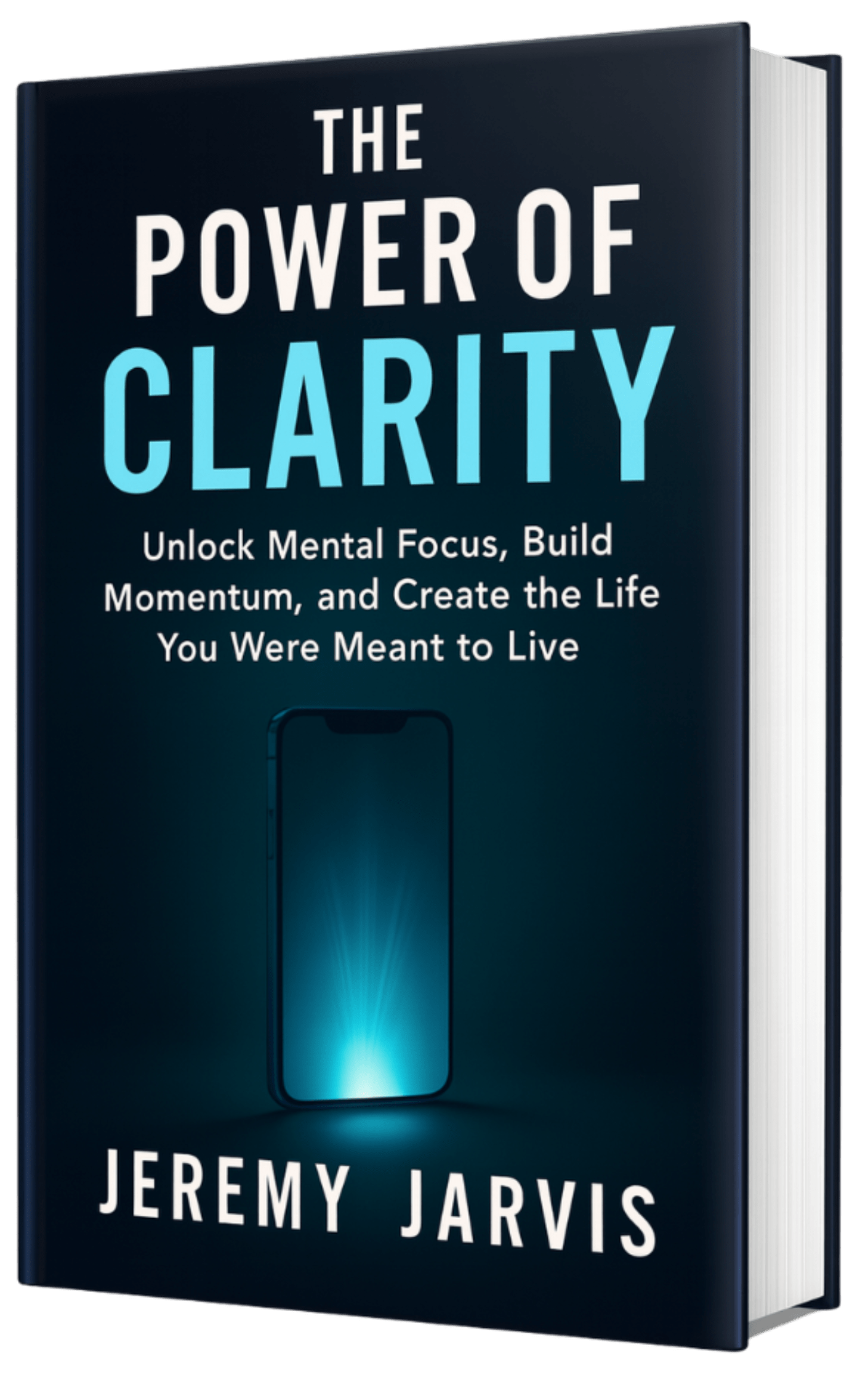
The Power of Clarity
Unlock mental focus, build momentum, and create the life you were meant to live.
View book →

AI & ChatGPT for Beginners
No PhD needed — a 2025 guide to AI, prompts, and productivity without coding.
View book →
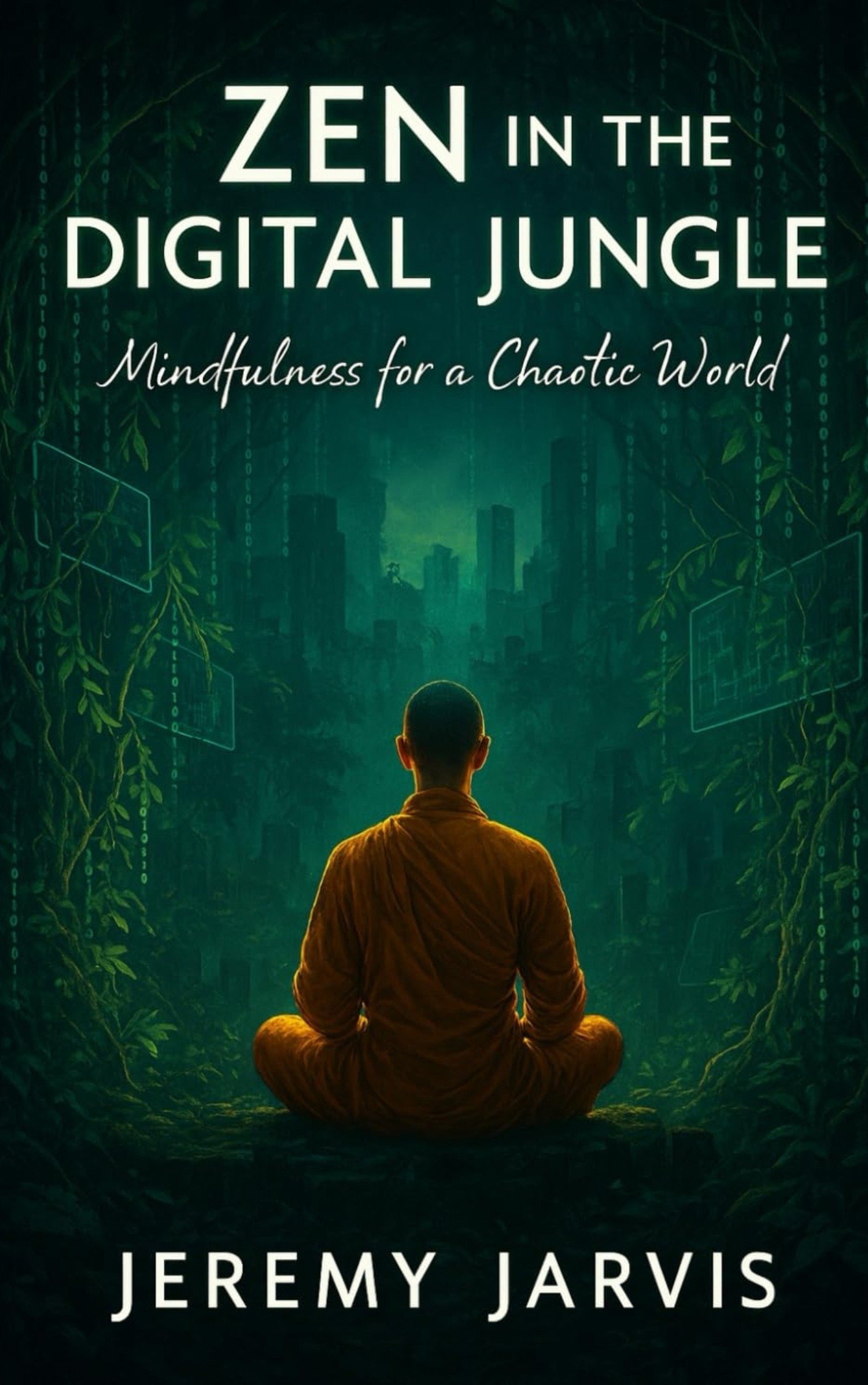
Zen in the Digital Jungle
Mindfulness for a chaotic world.
View book →
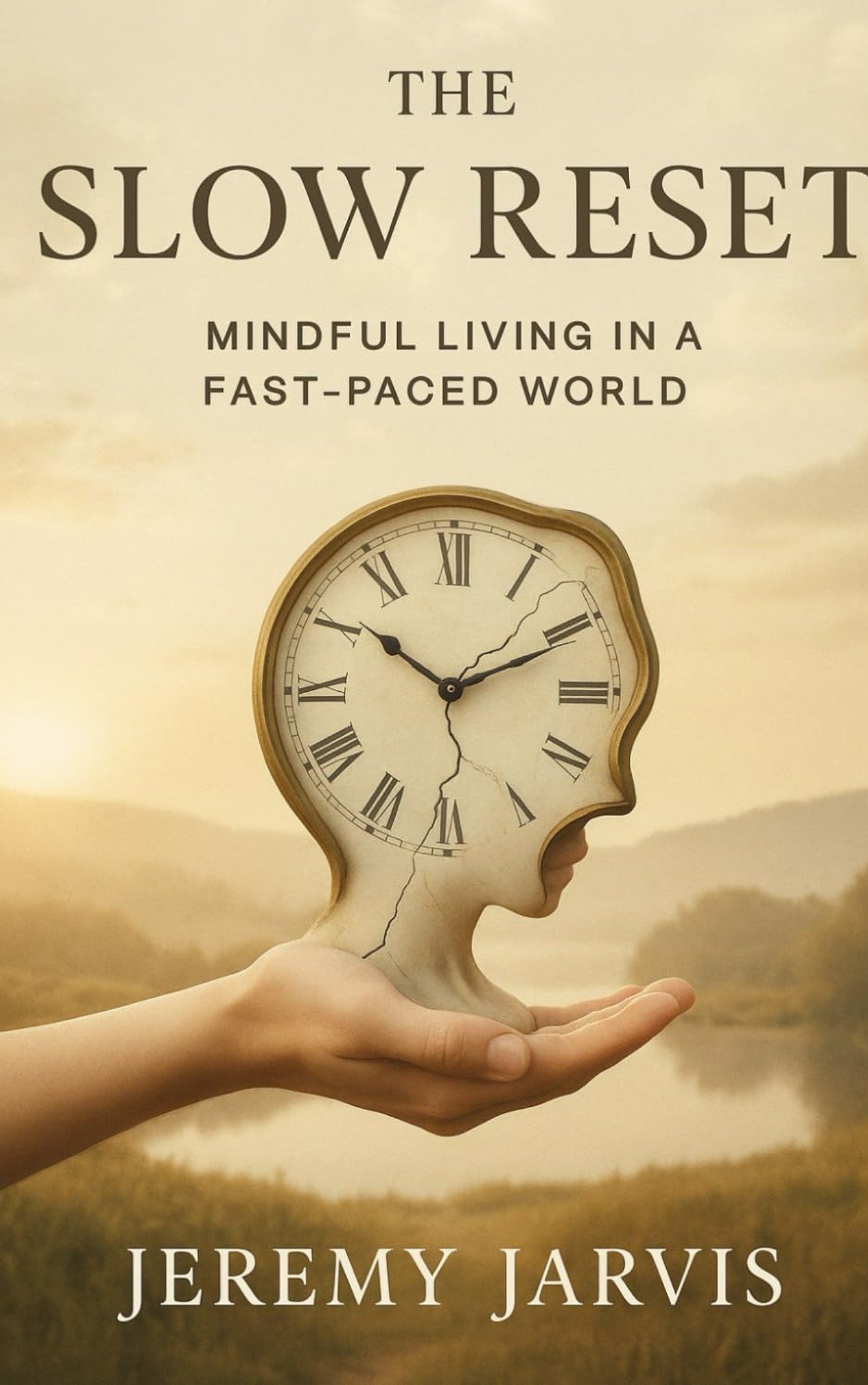
The Slow Reset
Mindful living in a fast-paced world.
View book →
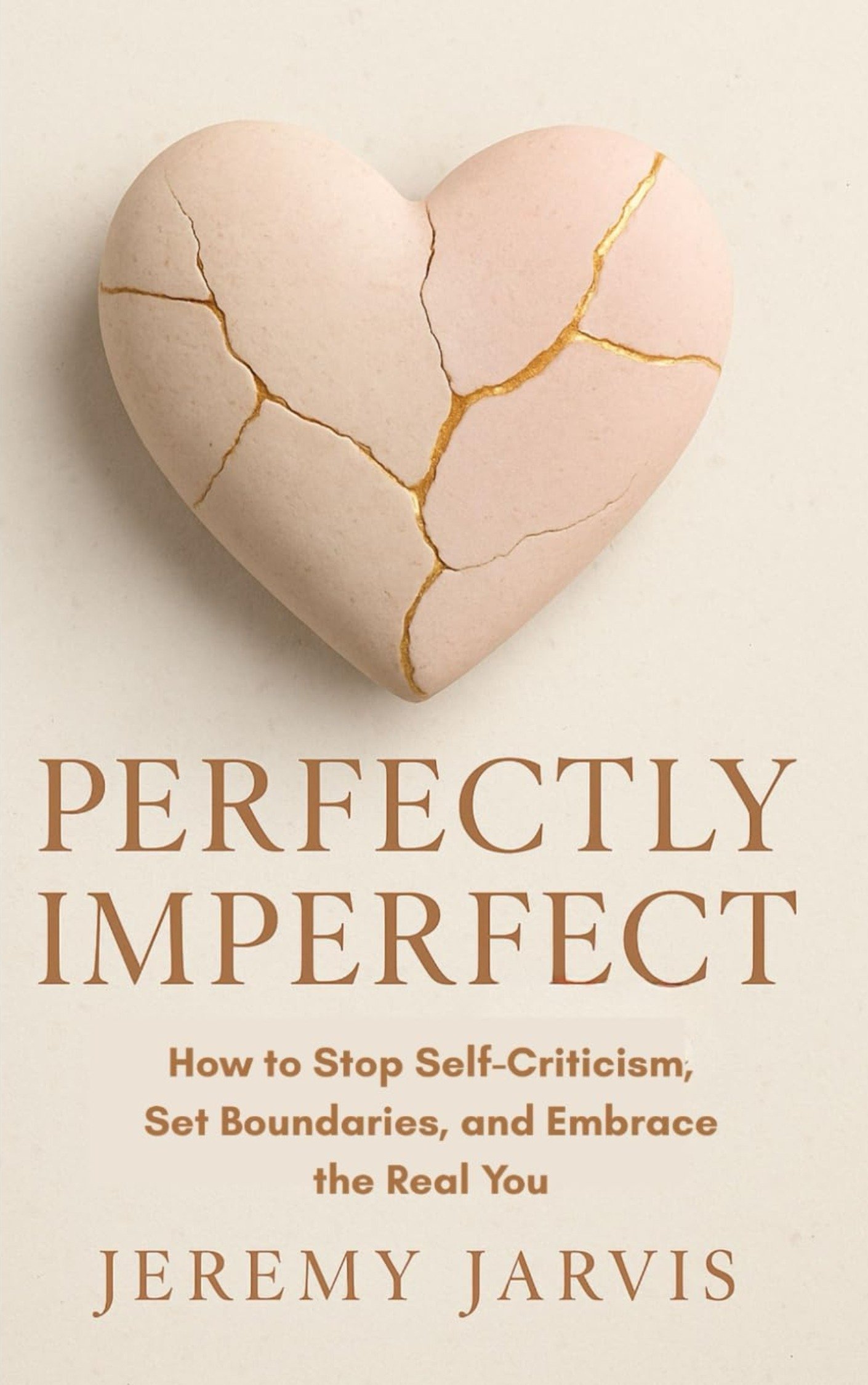
Perfectly Imperfect
Stop self-criticism, set boundaries, and embrace the real you.
View book →
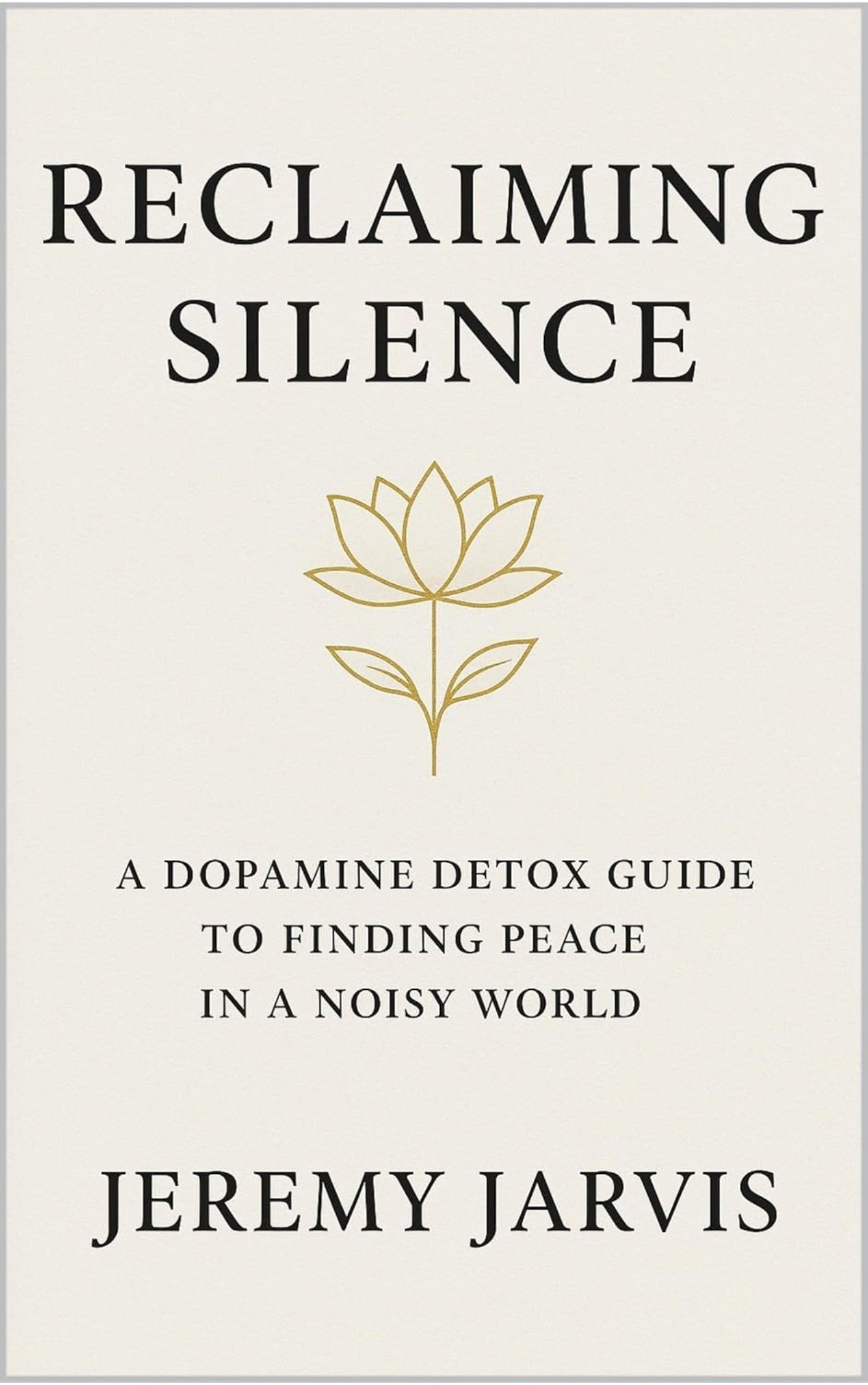
Reclaiming Silence
A dopamine detox guide to finding peace in a noisy world.
View book →
The Focused Freelancer
Productivity, pricing & positioning for independents in 2025.
View book →

ChatGPT Side Hustle System
Launch your AI-driven online business in 30 days.
View book →

Burnout, Interrupted
A proven path to restore energy and reclaim your life.
View book →
Attention Unleashed
Focus strategies for the distracted mind.
View book →

Side Hustle Launchpad
Your quick-start guide to extra income.
View book →
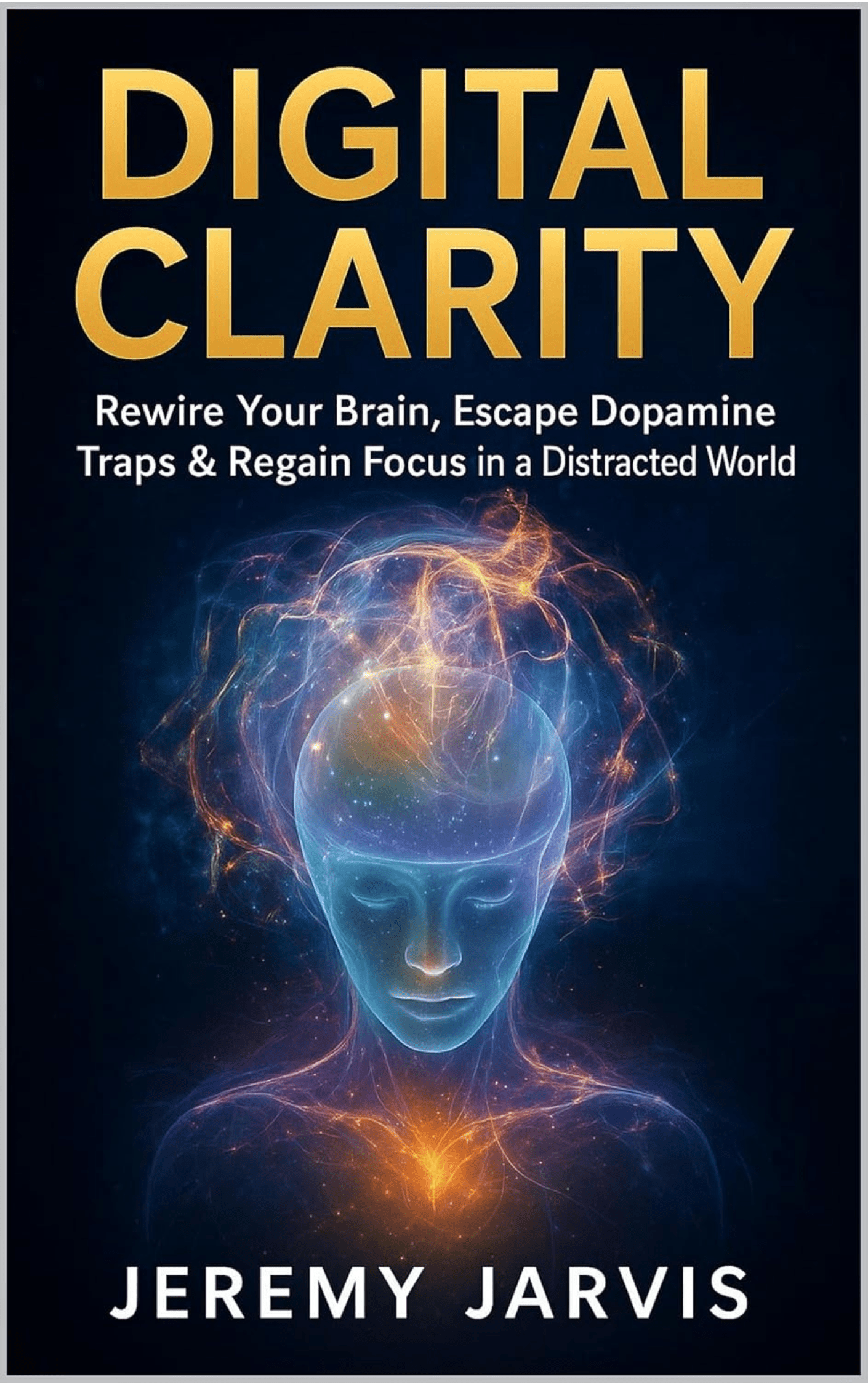
Digital Clarity
Rewire your brain, escape dopamine traps & regain focus.
View book →

Break the Scroll
Reduce screen time and take back control of your life.
View book →
Climate Compassion
Transform eco-anxiety into empowered action.
View book →

Village Mentality
The power of community for mental wellness.
View book →
Restful Nights
Overcoming sleep anxiety in a 24/7 world.
View book →

Connected Again
Combat loneliness and build meaningful relationships.
View book →
Focus Recharged
Mastering attention and productivity in the digital era.
View book →

Marketing Magic with ChatGPT
AI-powered content, campaigns, and copywriting to grow faster.
View book →

The 6-Figure Creator
Turn knowledge into passive income with books, courses & AI.
View book →

Burnout Breakthrough
Reset your work-life balance and thrive in 2025.
View book →

The Emotionally Intelligent Man
A modern guide to self-awareness and communication.
View book →

AI Personalized Wellness
Create your custom health plan with data-driven habits.
View book →

Everyday AI Made Easy
Use ChatGPT and smart tools to simplify life.
View book →
Money Mindfulness
A financial wellness guide for Gen Z & Millennials.
View book →
Startup Smarter with AI
ChatGPT strategies and tools to grow your business.
View book →
ChatGPT for Writers & Creators
Unlock AI-powered brainstorming, drafting & editing.
View book →