
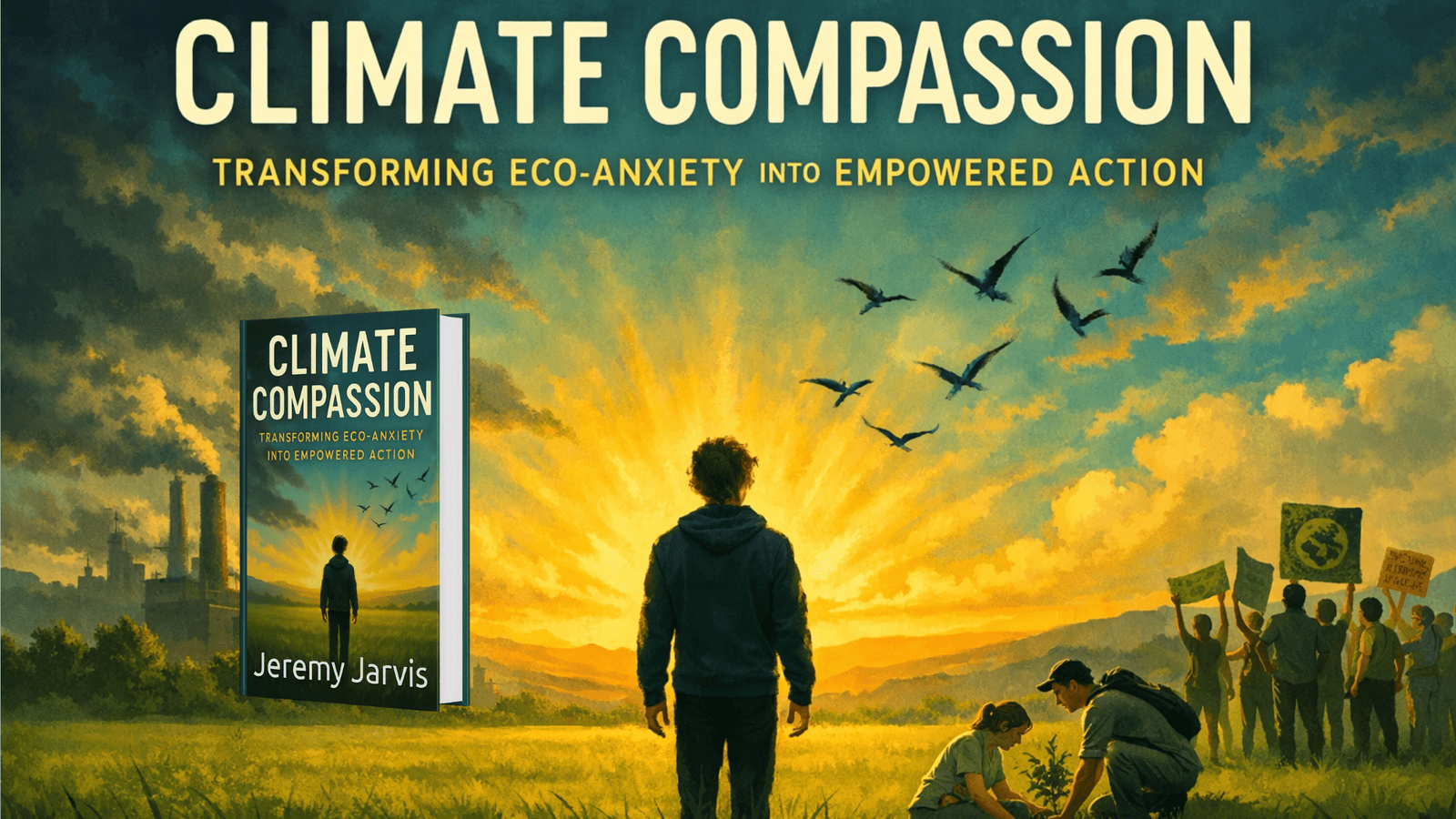
Climate Compassion: Transforming Eco-Anxiety into Empowered Action
A transformative 2025 guide that helps readers overcome climate anxiety, restore balance, and transform fear into purpose through mindful action.
Buy on Amazon →Affiliate Disclosure: This page contains affiliate links. If you purchase through these links, Mind Clarity Hub may earn a small commission at no extra cost to you. These commissions support our research, writing, and community wellness initiatives.
Understanding Eco-Anxiety in a Changing World
If climate headlines make your chest tighten, your mind race, or your hope feel fragile, you are not alone. More people than ever are experiencing eco-anxiety—also called climate anxiety, environmental anxiety, and eco-grief. Sometimes it shows up as doomscrolling, difficulty sleeping, irritability, or feeling disconnected from your normal motivation. At other times, it looks like constant “future scanning,” perfectionism, or a quiet numbness that makes it hard to enjoy the present.
Importantly, eco-anxiety is not a weakness. It is often a sign of empathy and awareness—your nervous system responding to uncertainty, loss, and overwhelm. Still, awareness without a coping framework can turn into climate dread, activism burnout, and emotional exhaustion. That’s where Climate Compassion by Jeremy Jarvis comes in: it’s an eco-anxiety book designed to help you move from fear to steadiness, and from helplessness to grounded, values-based action.
Mindfulness for Eco-Anxiety: Compassion-Based Tools for Climate Change Stress
Rather than preaching perfection, Climate Compassion offers a practical blend of mindfulness for eco-anxiety, compassion-based resilience, and mental health tools for climate change. In addition, it bridges self-care and climate care by showing how healing your attention, nervous system, and daily routines can make sustainable action feel possible again. If your mind also feels overloaded in general, pair this with The Power of Clarity and Focus Reset: Mental Space to reduce mental noise and regain steadier focus.
Ultimately, this book is for people who care—deeply—and want a healthier way to carry that care. It’s for readers who want eco-anxiety relief, climate grief coping strategies, and a realistic path toward empowered climate action without burning out.
Building Emotional Resilience and Inner Calm
In a world that feels unpredictable, emotional resilience is not optional—it is essential. When climate stress builds, the nervous system can slip into a fight-or-flight pattern: racing thoughts, shallow breathing, tense shoulders, restless sleep, and a constant sense that something is wrong. Consequently, even simple decisions can feel heavy. Climate Compassion approaches this with a clear message: you can care about the planet and care for your mind.
Through practical, science-aware techniques, the book teaches how to cope with eco-anxiety using mindfulness practices, self-compassion, and cognitive reframing. Instead of trying to “think positive,” you learn to regulate your internal state first. For example, you’ll practice: breath awareness, grounding exercises, guided visualization, and gentle attention training that helps you step out of mental spirals.
Calm Is a Skill: A Practical “Calm Protocol” for Climate Triggers and Digital Overload
Moreover, the book highlights an important truth: calm is a skill. You do not need perfect circumstances to feel stable. You need repeatable tools. That includes building a personal “calm protocol” for climate-triggered days—something you can return to when news cycles, conversations, or social media reignite fear. If overstimulation is part of your daily life, you may also benefit from Break the Scroll: Digital Detox and Digital Fatigue Recovery.
As a result, resilience becomes less about “toughness” and more about nervous system regulation—the ability to return to center, restore perspective, and keep moving forward without shutting down. Over time, this creates a foundation for climate mental health, hope-based coping, and sustainable engagement.
Turning Fear into Empowered Climate Action
Many climate resources focus on facts. However, facts alone do not tell your nervous system what to do with fear. Climate Compassion focuses on transformation—how to turn climate fear into empowered action without collapsing into guilt, perfectionism, or burnout. Instead of pushing you to detach, the book helps you engage with steadiness and integrity.
Through real-world examples—such as regenerative food systems, mindful communities, and practical everyday shifts—Jarvis shows that action can be small, consistent, and compassion-led. For instance, the book explores how values-aligned choices like reducing waste, repairing instead of replacing, eating more plant-forward meals, and choosing low-impact habits can reduce anxiety because your life begins to match your beliefs.
Additionally, Climate Compassion explains the neuroscience of compassion—how supportive action activates reward and bonding pathways, helping you replace paralysis with momentum. That matters because eco-anxiety often thrives in isolation. When you act with others, anxiety loses oxygen. If loneliness and disconnection amplify your stress, consider pairing this page with Connected Again and Village Mentality.
Most importantly, the book reframes “doing enough.” You don’t need to carry the entire climate crisis alone. You need durable hope, healthy boundaries, and a plan you can sustain. That is what makes this an eco-anxiety relief book—it helps you keep showing up without breaking down.
The Science Behind Climate Compassion
The emotional experience of eco-anxiety is not “all in your head.” It is also in your body. Stress hormones rise, sleep quality can decline, focus becomes fragmented, and rumination increases. In other words, eco-anxiety is physiological as well as psychological. Climate Compassion integrates evidence-informed approaches from psychology, behavioral science, and neuroscience to show how the brain processes threat—and how you can retrain your response toward clarity and calm.
For example, the book covers how compassion practices reduce threat perception, how mindfulness interrupts worry loops, and why community buffers stress more effectively than isolation. Furthermore, it explains why “overexposure” to climate content can intensify anxiety, and how to create a healthier information diet without disengaging from what matters. To improve attention and reduce cognitive overload, explore Rebuild Attention in a World of Distraction and Neuroscience of Single-Tasking.
For a broader, dofollow resource on mental health and climate-related emotional stress, you can also reference: American Psychological Association: Climate Change and Mental Health.
Ultimately, Climate Compassion makes research feel usable. Instead of leaving you with more fear, it gives you a practical map for climate anxiety help, eco-grief coping, and sustainable emotional recovery.
Why Community is Key to Overcoming Eco-Grief
Eco-anxiety often intensifies in isolation. When you carry climate grief alone, your mind tends to loop: “What’s the point?” “Is it too late?” “Am I doing enough?” However, community changes the emotional equation. When people share concerns, share solutions, and share hope, the nervous system receives a powerful message: “I am not alone.”
Climate Compassion explores how community-based action—community gardens, neighborhood mutual aid, repair cafés, volunteering, climate discussion circles, and local sustainability projects—can transform helplessness into belonging. In addition, the book highlights how shared purpose reduces stress and improves follow-through. If you want a dedicated connection blueprint, visit Village Mentality for a deeper framework on building supportive, wellness-centered relationships.
Meanwhile, Jarvis emphasizes the role of storytelling. When people share their climate grief and hope openly, shame decreases and courage increases. As a result, empathy becomes contagious—supporting long-term motivation and reducing the emotional whiplash of the news cycle. If your nervous system is also struggling at night, pairing this theme with Restful Nights can strengthen the recovery loop from stress to rest.
A Sustainable Mindset for the Future
Long-term sustainability requires emotional stamina. Therefore, Climate Compassion teaches a different kind of “green living”: not just habits for the planet, but habits for the mind. The goal is to build a sustainable mindset—one that supports persistence, clarity, and realistic hope even when progress feels slow.
Instead of chasing perfection, the book helps you set values-based goals you can maintain. That includes learning to recognize activism burnout, practicing self-compassion, and building a weekly rhythm that protects your mental health. As you stabilize your internal world, climate action becomes more consistent and less emotionally costly.
In addition, each chapter ends with reflection prompts that help you reframe fear, release guilt, and celebrate progress. Consequently, you learn that climate awareness and mental health can coexist in a balanced way. If you want a broader foundation for calm focus and life alignment, explore Rewire Your Brain for Calm Focus and Science of Stillness.
Over time, compassion-based actions—done consistently—lead to a life of steadier attention, better mood stability, stronger relationships, and environmental integrity. That is the heart of Climate Compassion: not panic, not paralysis, but grounded care that lasts.
Start Your Journey from Eco-Anxiety to Empowered Action
If you’ve been searching for climate anxiety help, eco-anxiety relief, and a practical way to turn environmental anxiety into steady, meaningful progress, Climate Compassion is built for you. This is an eco-anxiety book that blends mindfulness, resilience, community, and values-based action—so you can care deeply without burning out.
For more clarity and recovery tools, browse the Mind Clarity Hub articles or explore the full catalog at Jeremy Jarvis Books.
Get Climate Compassion on Amazon →Prefer a related read first? Start with The Power of Clarity, then continue into connection and support with Connected Again and Village Mentality.
Frequently Asked Questions
What makes “Climate Compassion” unique?
Unlike most eco-anxiety books, it combines mental health science, mindfulness, and sustainable living into a single framework of emotional resilience.
Does it provide practical exercises?
Yes, each chapter includes guided practices to reduce stress, improve focus, and turn eco-anxiety into motivation.
Is it beginner-friendly?
Absolutely. Whether you’re an activist, parent, or student, the language is simple and accessible while grounded in research.
Can it help prevent climate burnout?
Yes. The book emphasizes compassion-based recovery and small wins, helping readers sustain long-term engagement without exhaustion.
Where can I learn more about Jeremy Jarvis’s other books?
Visit Mind Clarity Hub for related titles on mindfulness, focus, and mental clarity.
Explore the Mind Clarity Hub Library
Practical books on focus, digital habits, resilience, and building a calmer mind.
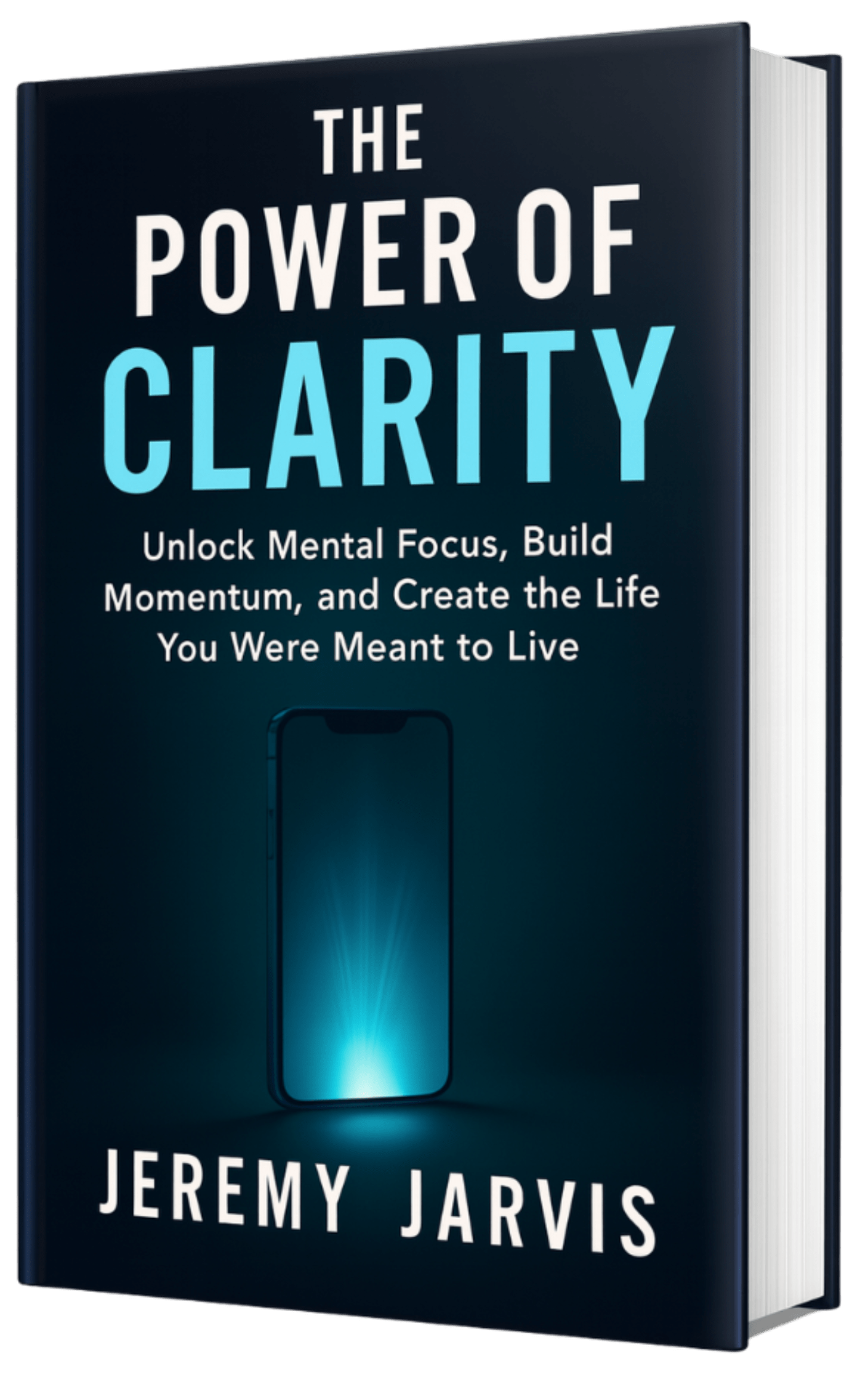
The Power of Clarity
Unlock mental focus, build momentum, and create the life you were meant to live.
View book →
AI & ChatGPT for Beginners
No PhD needed — a 2025 guide to AI, prompts, and productivity without coding.
View book →
Zen in the Digital Jungle
Mindfulness for a chaotic world.
View book →
The Slow Reset
Mindful living in a fast-paced world.
View book →
Perfectly Imperfect
Stop self-criticism, set boundaries, and embrace the real you.
View book →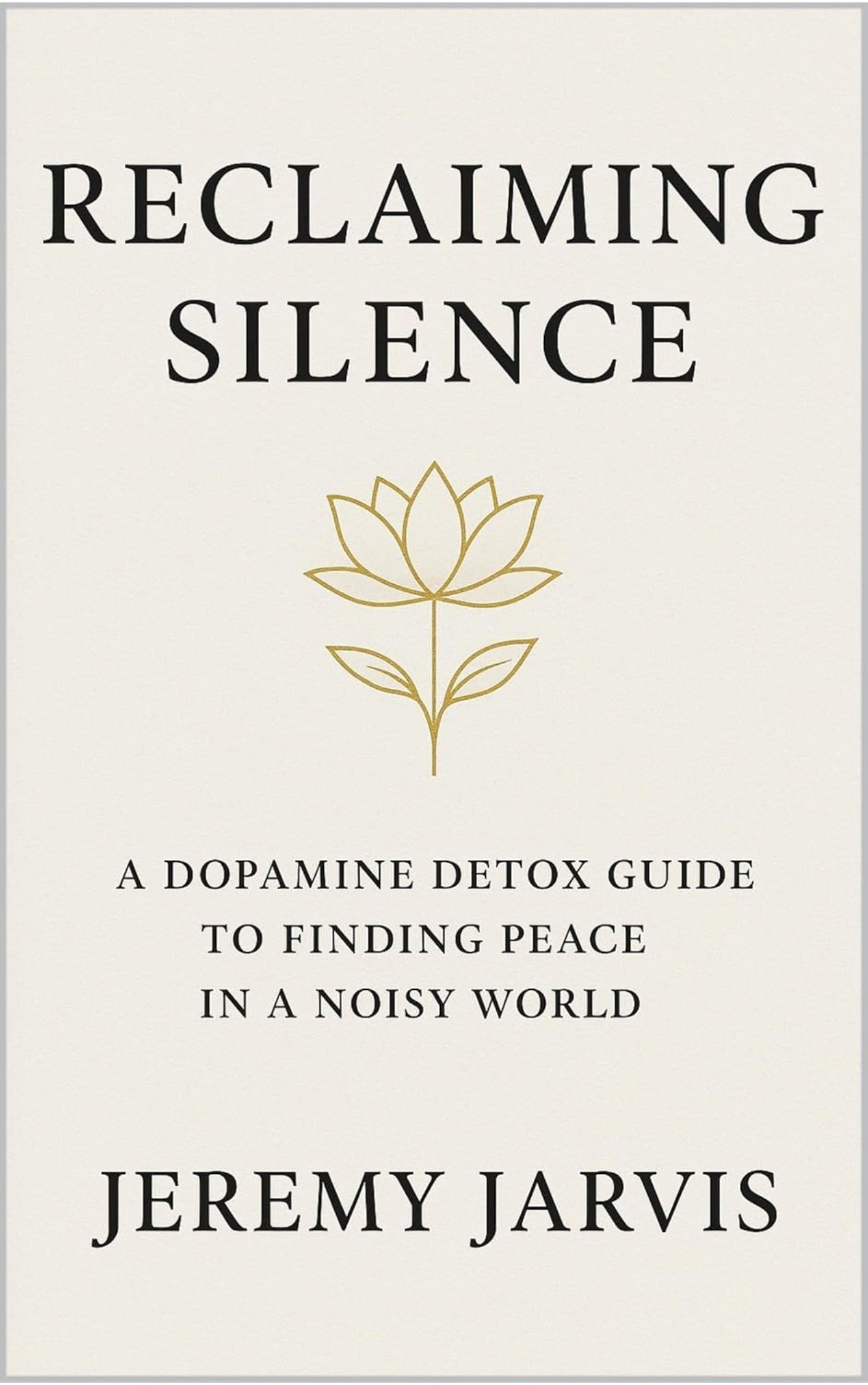
Reclaiming Silence
A dopamine detox guide to finding peace in a noisy world.
View book →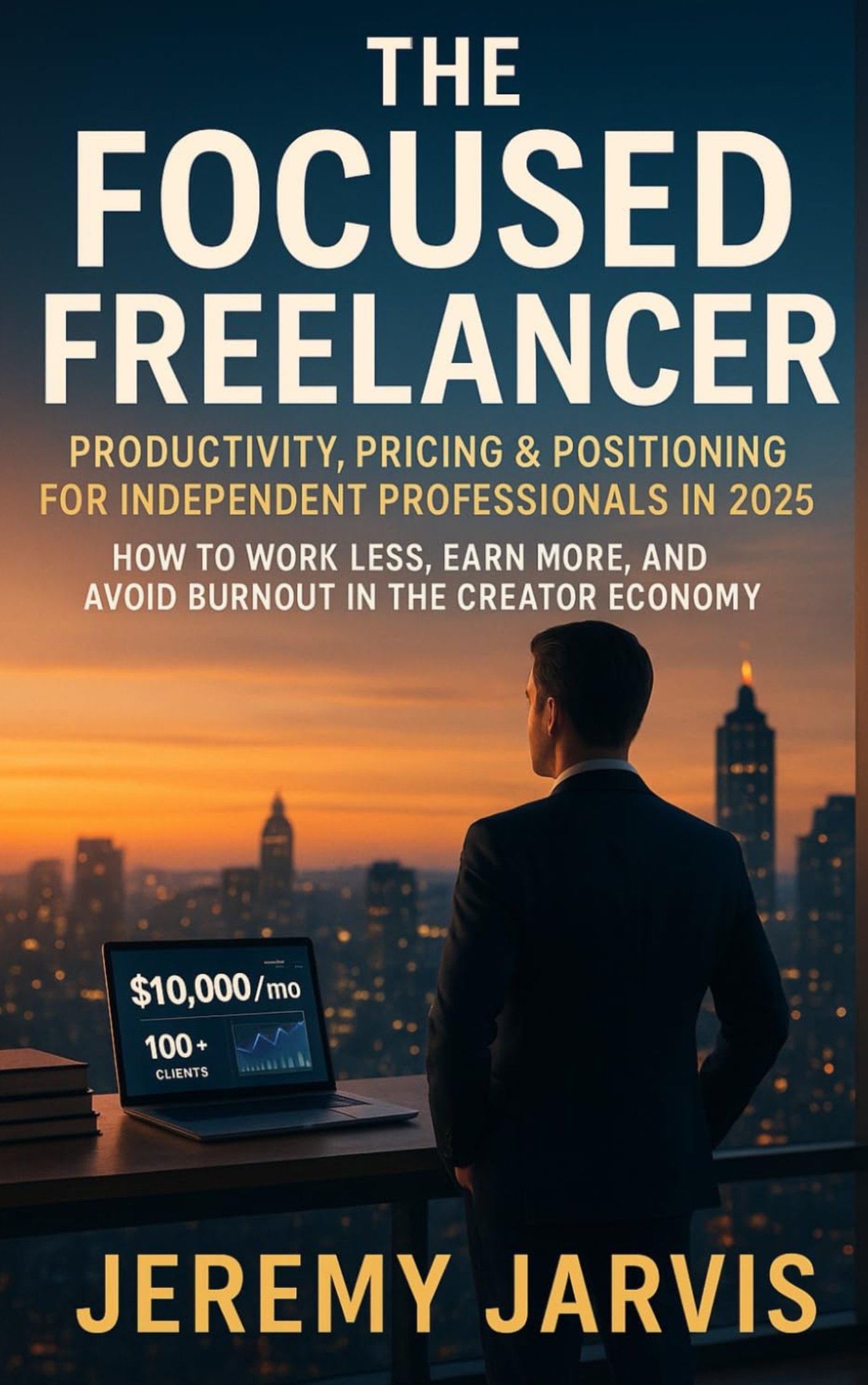
The Focused Freelancer
Productivity, pricing & positioning for independents in 2025.
View book →
ChatGPT Side Hustle System
Launch your AI-driven online business in 30 days.
View book →
Burnout, Interrupted
A proven path to restore energy and reclaim your life.
View book →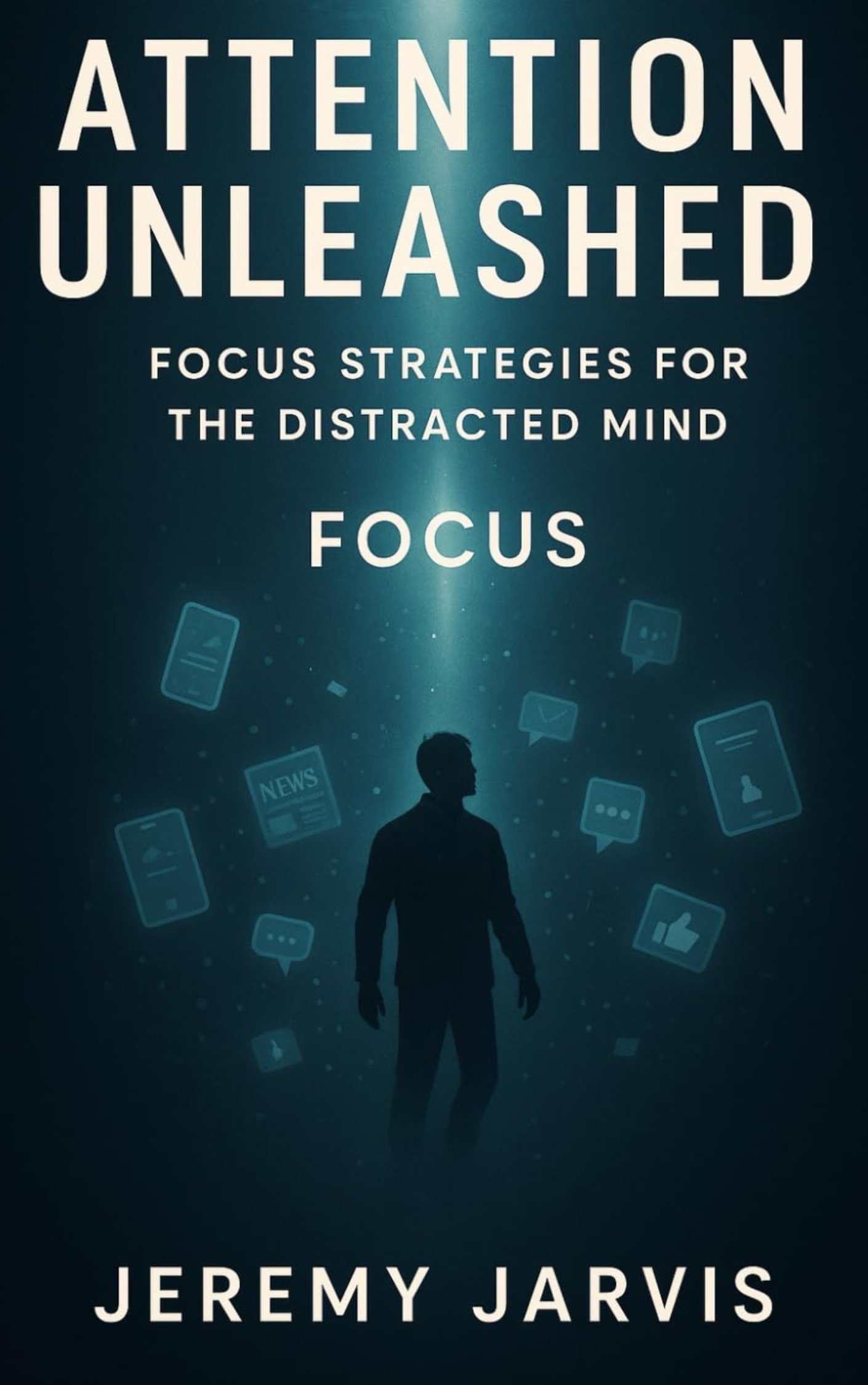
Attention Unleashed
Focus strategies for the distracted mind.
View book →
Side Hustle Launchpad
Your quick-start guide to extra income.
View book →
Digital Clarity
Rewire your brain, escape dopamine traps & regain focus.
View book →
Break the Scroll
Reduce screen time and take back control of your life.
View book →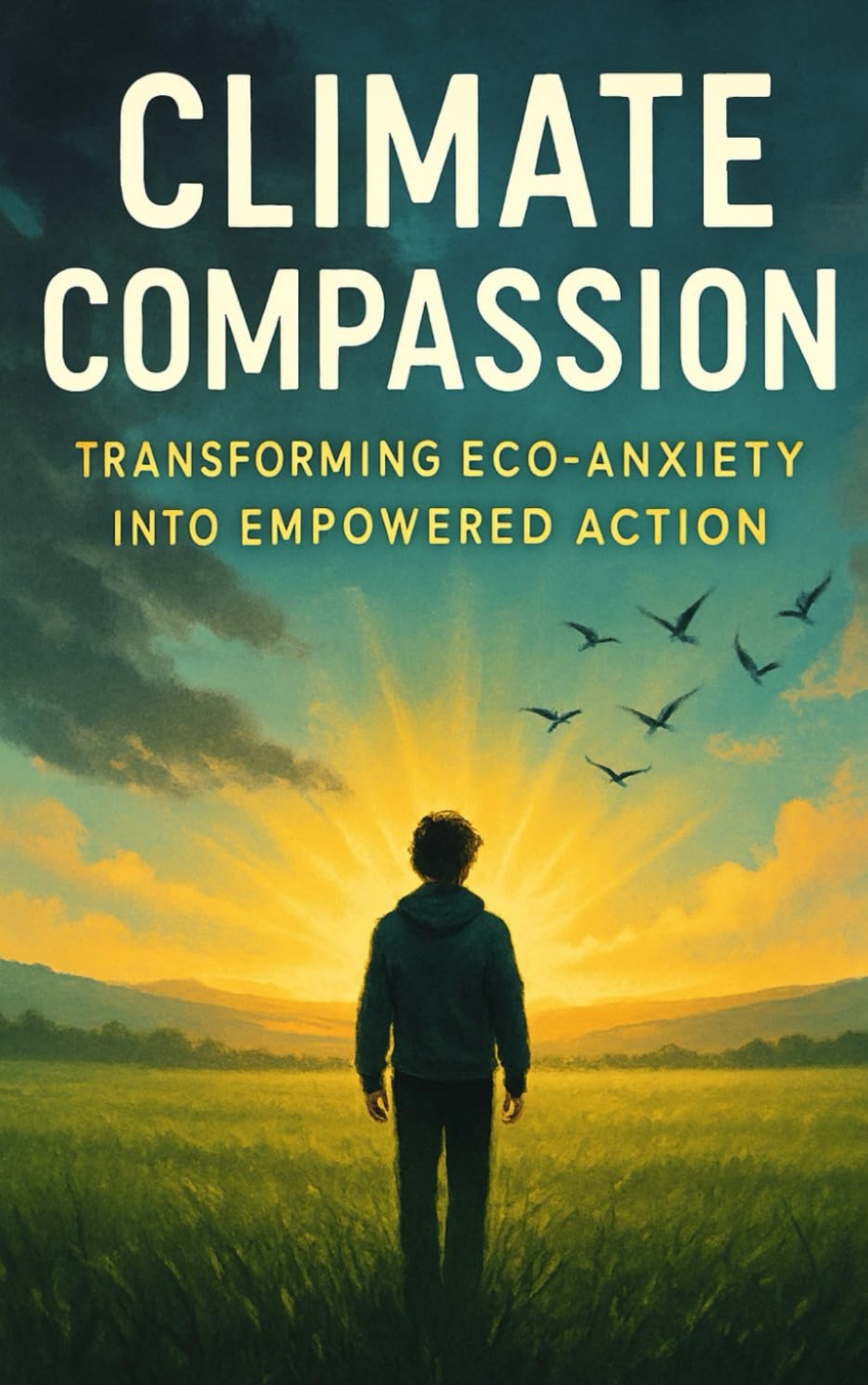
Climate Compassion
Transform eco-anxiety into empowered action.
View book →
Village Mentality
The power of community for mental wellness.
View book →
Restful Nights
Overcoming sleep anxiety in a 24/7 world.
View book →
Connected Again
Combat loneliness and build meaningful relationships.
View book →
Focus Recharged
Mastering attention and productivity in the digital era.
View book →
Marketing Magic with ChatGPT
AI-powered content, campaigns, and copywriting to grow faster.
View book →
The 6-Figure Creator
Turn knowledge into passive income with books, courses & AI.
View book →
Burnout Breakthrough
Reset your work-life balance and thrive in 2025.
View book →
The Emotionally Intelligent Man
A modern guide to self-awareness and communication.
View book →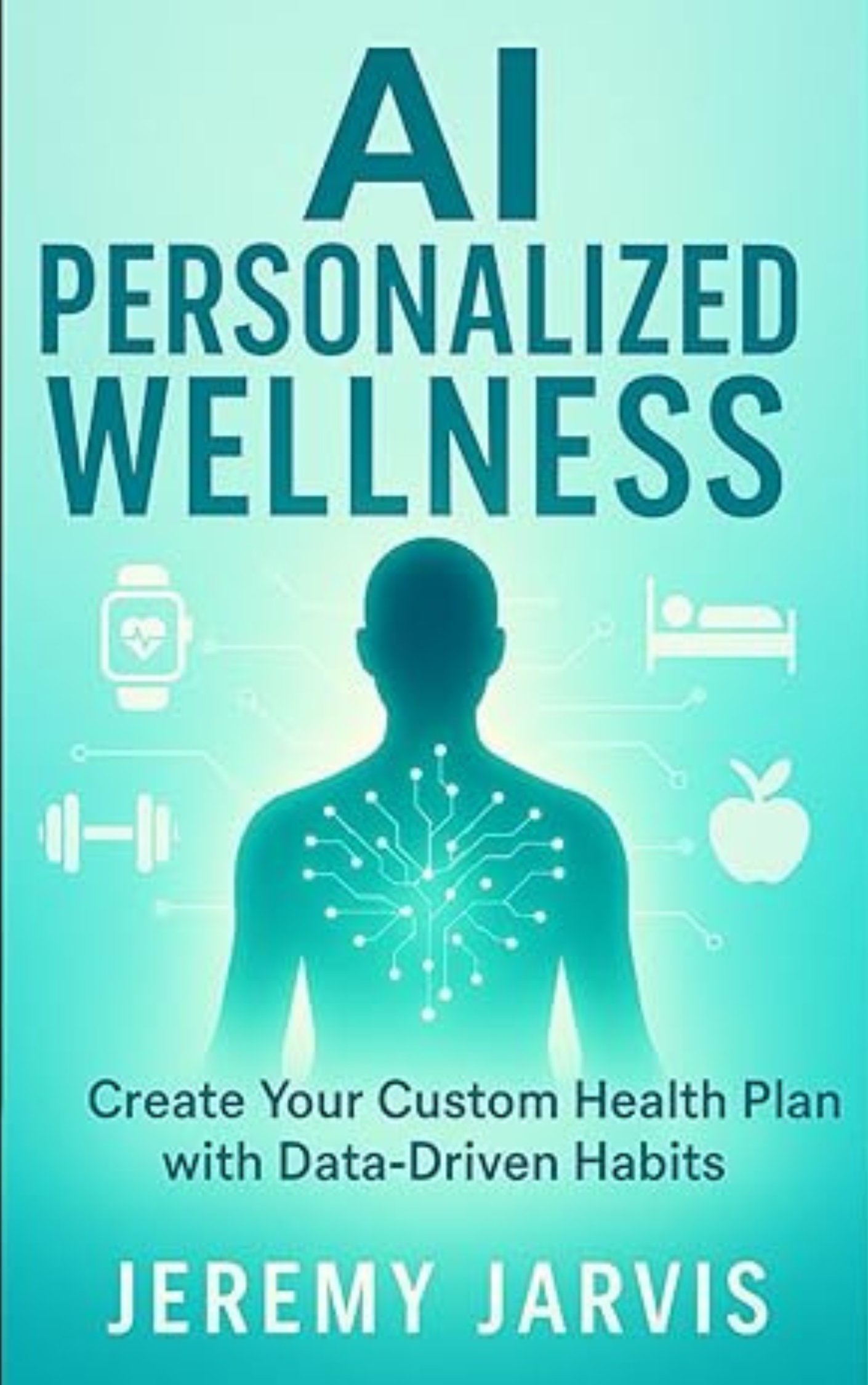
AI Personalized Wellness
Create your custom health plan with data-driven habits.
View book →
Everyday AI Made Easy
Use ChatGPT and smart tools to simplify life.
View book →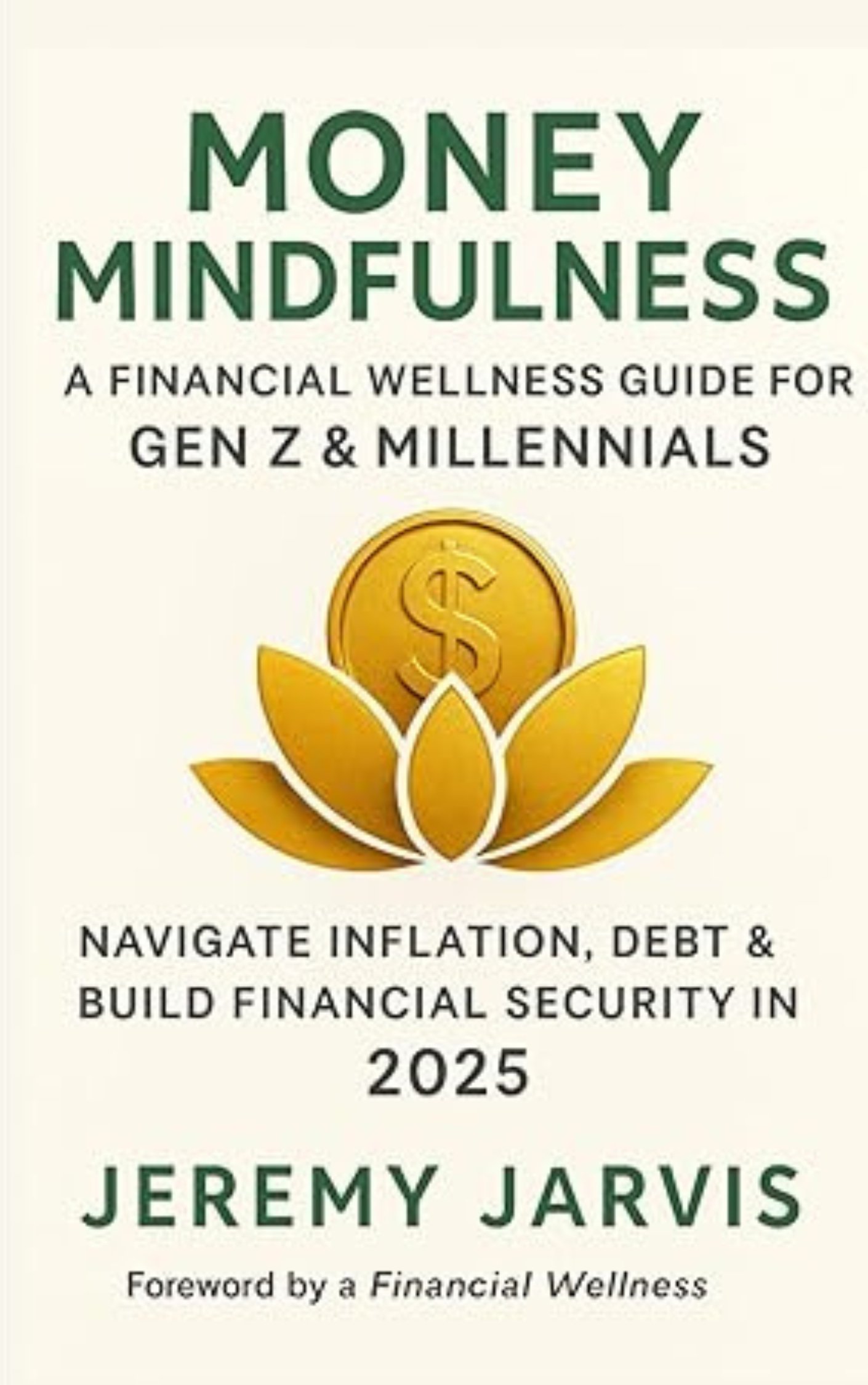
Money Mindfulness
A financial wellness guide for Gen Z & Millennials.
View book →
Startup Smarter with AI
ChatGPT strategies and tools to grow your business.
View book →
ChatGPT for Writers & Creators
Unlock AI-powered brainstorming, drafting & editing.
View book →