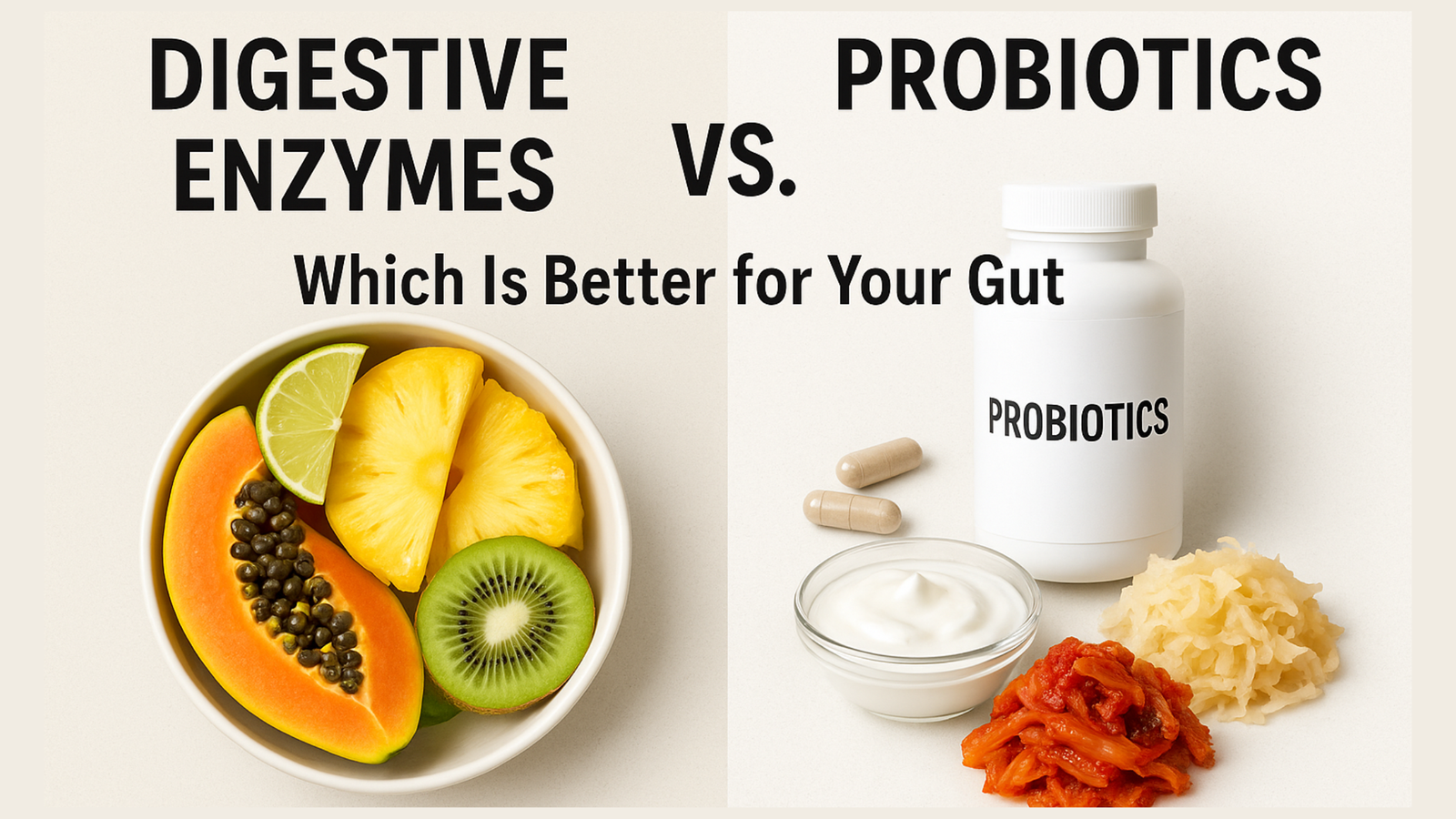
Digestive Enzymes vs Probiotics: Which One Does Your Gut Actually Need?
Enzymes break down food. Probiotics balance the gut. But which supplement supports digestion better—and when should you use both together? Here’s what new research reveals for 2025.
Start the ComparisonPublished: November 17, 2025 | Updated: November 17, 2025

Facebook • Instagram • Pinterest • LinkedIn
Choosing between digestive enzymes vs probiotics can be confusing, because both support gut health in completely different ways. Enzymes help break down food, while probiotics reshape the microbiome and strengthen the gut barrier. For deeper microbiome science, see our foundational guide: Probiotics and Digestive Health: What’s Proven in 2025 .
Read This Before Choosing a Supplement
Key Takeaways: Digestive Enzymes vs Probiotics
- Digestive enzymes break down fats, proteins, and carbohydrates and help reduce bloating after meals—especially useful for enzyme deficiencies or heavy meals.
- Probiotics repopulate good bacteria, support immune function, and strengthen the intestinal lining. They are ideal for long-term gut balance. Learn more in our Balanced Gut Guide .
- They are NOT interchangeable—enzymes support digestion directly, while probiotics address microbiome health, inflammation, and gut barrier integrity.
- The best results often come from using both strategically depending on symptoms. If you experience bloating, fatigue, or microbiome imbalance, read: LeanBiome Review 2025 .
Disclosure: Mind Clarity Hub may earn a small commission. Reviews remain 100% evidence-based.
What Are Digestive Enzymes?
Digestive enzymes are proteins your body produces to help break down the food you eat into smaller, absorbable molecules. They’re released primarily by the salivary glands, stomach, pancreas, and small intestine—and they play a vital role in every stage of digestion.
Digestive enzymes like amylase, lipase, and protease help break down food into usable nutrients. According to Johns Hopkins Medicine, some people benefit from enzyme supplements when natural production is low.
The three main categories of digestive enzymes include:
- Amylase – breaks down carbohydrates like starches and sugars
- Lipase – targets fats for absorption
- Protease – helps break down proteins into amino acids
When your body doesn’t produce enough of these enzymes—or when they’re overwhelmed by a high-fat or high-protein meal—symptoms like bloating, gas, heaviness, or even undigested food in stool can appear. Supplementing with digestive enzymes may help improve post-meal comfort and nutrient absorption.
To explore how enzymes differ from probiotics in terms of digestive impact, see our article: Probiotics and Digestive Health: What’s Hype vs. What’s Proven.
What Are Probiotics?
Probiotics are live microorganisms—mainly beneficial bacteria—that support a balanced and diverse gut microbiome. While digestive enzymes break food down directly, probiotics work behind the scenes to create a healthier internal environment that influences digestion, immune health, mental clarity, and even mood.
Key roles of probiotics include:
- Balancing the ratio of good vs. harmful bacteria in the digestive tract
- Producing beneficial short-chain fatty acids (SCFAs) that nourish your gut lining and reduce inflammation—key to reducing “leaky gut” symptoms. Learn more in our guide: Leaky Gut and Probiotics: Can They Really Strengthen Your Gut Barrier?
- Supporting immune function by regulating inflammatory signals and enhancing gut barrier integrity
Unlike enzymes, probiotics don’t break down food directly—but they help your body do so more effectively over time by creating a resilient, balanced microbiome. Their effects are more cumulative than immediate, and they work best when paired with a fiber-rich, whole-foods diet.
To understand how probiotics influence cognitive function and whole-body wellness, check out: Probiotics and Gut Health: How They Impact Mental Clarity & Whole-Body Wellness.
Digestive Enzymes vs Probiotics: Side‑by‑Side
| Feature | Digestive Enzymes | Probiotics |
|---|---|---|
| Main Role | Break down food into absorbable nutrients | Support gut bacteria & barrier health |
| Best For | Bloating, indigestion, malabsorption | Microbiome imbalance, gut‑barrier issues, immune support |
| Source | Body‑produced, enzyme‑rich foods, supplements | Fermented foods, probiotic supplements |
| When To Use | With meals to improve digestion | Daily support for gut ecosystem and long‑term health |
Expert Insight: How Digestive Enzymes and Probiotics Work Together
Many people approach digestive health as if they must choose between digestive enzymes or probiotics. Yet, as research evolves in 2025, it’s becoming increasingly clear that the digestive system thrives when both tools are used together. Each supports a fundamentally different part of the digestive process, and understanding how these mechanisms interact can dramatically improve gut comfort, nutrient absorption, and long-term microbiome stability. For foundational context, it helps to review our comparison post Digestive Enzymes vs Probiotics, which breaks down their distinct functions and when each option is most effective.
To build a sustainable gut-health plan, you need a combination of immediate support (enzymes), long-term ecological balance (probiotics), and lifestyle-anchored habits that fuel beneficial bacteria. This multi-layered approach is backed by research from the National Institutes of Health, which confirms that digestive health depends on both enzyme activity and microbiome diversity.
The Overlooked Reality of Enzyme Deficiency
To begin with, most people don’t realize that even a clean, whole-food diet can be difficult to break down if the digestive system is under stress. Enzyme deficiency often develops gradually due to factors like aging, low stomach acid, high stress, and specific restrictive diets such as vegan, keto, or low-fat eating patterns. These variables can impair the body’s ability to sufficiently produce lipase, amylase, and protease—the enzymes responsible for breaking down fats, carbohydrates, and proteins.
Because of this, undigested food particles can linger in the small intestine, undergoing fermentation by opportunistic bacteria. This fermentation results in gas, bloating, cramping, and discomfort that many people incorrectly attribute to mysterious food sensitivities or IBS. Yet, the underlying issue may simply be inadequate enzyme activity rather than a structural gut problem. Users searching for symptoms resembling dysbiosis often benefit from reading our breakdown on Probiotics for Dysbiosis, which explains how poor digestion allows harmful bacteria to overgrow.
When these symptoms occur repeatedly, supplementing with digestive enzymes before meals can offer surprisingly fast and substantial relief. Enzymes help ensure that nutrients—including essential fatty acids, amino acids, and micronutrients—reach the bloodstream rather than fermenting in the gut. For many readers, this improvement alone reduces daily discomfort and enhances post-meal energy levels.
Why Probiotics Are the Foundation of Long-Term Gut Stability
If digestive enzymes handle the “front end” of the process, probiotics handle everything after digestion is complete. They help maintain a healthy population of beneficial bacteria, support the gut barrier, and regulate the immune system—which is essential, considering that over 70% of immune cells reside in the gut lining. But their influence extends far beyond immunity.
Probiotics also synthesize vital nutrients like B vitamins and short-chain fatty acids, including butyrate. These compounds support metabolic balance, regulate inflammation, and improve energy production. Readers interested in the metabolism-microbiome connection may enjoy our full breakdown in LeanBiome Review 2025, which explores clinical studies on probiotic influence over weight regulation and energy levels.
How Enzymes Prevent Fiber-Related Bloating During Diet Changes
Furthermore, probiotic diversity is directly tied to mental health via the gut–brain axis. Numerous clinical studies show how beneficial microbes can improve stress resilience, stabilize mood, and reduce anxiety-related digestive symptoms. This is especially important for individuals dealing with chronic stress, ultra-processed diets, or inconsistent sleep patterns—all factors known to destabilize the microbiome.
However, not all probiotic strains survive the harsh environment of stomach acid. This is why targeted strains with proven resilience, such as those found in research-backed formulations, tend to yield more consistent results. Readers wanting a deeper understanding of how probiotics survive digestion can explore our guide Probiotics and Gut Health, which outlines strain-by-strain differences in colonization.
How Enzymes and Probiotics Work Synergistically
When you zoom out, it becomes clear that digestive enzymes and probiotics are not competing products at all. Enzymes handle the very front end of digestion by breaking food into smaller, absorbable pieces. Probiotics step in later, shaping the gut environment where those nutrients are processed, absorbed, and used to fuel your metabolism, immune system, and even brain function.
When enzymes are doing their job, less partially digested food lingers in the gut. That means fewer opportunities for fermentation, gas, and dysbiosis. In simple terms, good enzyme support makes life easier for your gut bacteria. If you’re dealing with persistent bloating, heaviness after meals, or “mystery” reactions, it’s often worth looking not just at your probiotic supplement, but at your digestive capacity overall. For a deeper look at how probiotics shape this ecosystem, see our core guide on Probiotics and Gut Health.
Probiotics return the favor by supporting the gut lining and calming low-grade inflammation. A more stable gut barrier keeps digestion running smoothly and reduces the background stress that can interfere with enzyme activity. This two-way relationship explains why many people notice better results when they support the digestive process and the microbiome at the same time rather than treating them as separate issues. If you want a bigger-picture overview, our article on Probiotics and Digestive Health walks through that connection step-by-step.
The Fiber + Enzyme + Probiotic Trifecta for Total Gut Support
Enzymes and probiotics form a strong foundation, but the real stability comes when you add the third pillar: prebiotic fiber. Fiber gives your gut bacteria something to eat, adds bulk so the colon can move waste efficiently, and fuels the production of short-chain fatty acids that nourish your intestinal lining.
Think of it as a simple three-part system:
- Digestive enzymes — help break down food in the stomach and small intestine.
- Probiotics — support bacterial diversity in the colon and reinforce immune and gut-barrier integrity.
- Prebiotic fiber — feeds beneficial bacteria so they can outcompete harmful strains and produce gut-healing metabolites.
Without enough fiber, probiotics can struggle to establish a healthy community. Without sufficient enzymes, the very foods that should help—like beans, whole grains, and vegetables—can leave you bloated and uncomfortable. And without a balanced microbiome, even a high-fiber diet can underperform because the bacteria that turn fiber into SCFAs simply aren’t there. For a practical, step-by-step look at building this foundation, see our Balanced Gut Guide.
Why Prebiotic Fiber Is Essential for Probiotic Survival and Gut Balance
Prebiotic foods like lentils, oats, asparagus, onions, and berries are more than “healthy carbs.” They act as fertilizer for your gut flora, helping beneficial microbes grow, diversify, and stay resilient under stress. When people jump into a high-fiber diet without enzyme support, they often blame the food for their symptoms. In reality, the issue is usually that the gut is not yet equipped—enzymatically or microbially—to handle that new workload.
If you are upgrading your diet and want your microbiome to keep pace, our deep-dive on Gut Flora and Harmony explains how probiotics and fiber work together to restore balance, especially after antibiotics or periods of high stress.
What Science Says About Combining Both
Clinically, combinations of enzyme supplements and probiotic supplements are now being used more often for functional digestive complaints—things like IBS-type symptoms, functional dyspepsia, and chronic bloating. Research in this area is still evolving, but multiple trials suggest that when enzymes reduce the mechanical strain of digestion and probiotics stabilize the microbiome, many people experience better symptom control than with either approach alone.
This matches what many integrative clinicians see in practice: enzymes help clear the immediate “traffic jam,” while probiotics help rebuild the long-term traffic system. If you’ve been told your symptoms are “just IBS,” it may be worth exploring both angles—digestion and microbiome—rather than focusing on one supplement category. Our article on Restoring Balance with Probiotics breaks down what that looks like when dysbiosis is part of the picture.
My Practical Recommendation
If you are just starting your gut repair journey and feel overwhelmed by the options, a simple, structured plan often works best. Here is how I typically suggest readers approach the digestive enzymes vs probiotics question:
- Begin with a high-quality probiotic that targets microbiome balance and gut-barrier support—especially if you have a history of antibiotics, irregular bowel habits, or “wired and tired” digestion. Our full LeanBiome Review 2025 walks through one of the most researched formulas in this category.
- If you’re eating reasonably well but still feel heavy, gassy, or bloated after specific meals, add digestive enzymes before larger or more complex meals. Pay attention to patterns: do high-fat meals, dairy, or high-protein dishes give you trouble? Adjust your enzyme blend accordingly.
- Increase your fiber intake gradually, aiming for roughly 25–30 grams per day over time. Hydrate generously, and give your gut a few weeks to adapt. For ideas on pairing probiotics with diet upgrades, see Probiotic Relief for Upset Stomach.
- Keep a simple food and symptom log for at least 10–14 days. Quick reactions that show up during or immediately after meals often point toward enzyme issues. Delayed reactions, mood changes, or longer-term irregularity usually suggest a microbiome or gut-barrier component. If “leaky gut” is on your radar, our guide on Leaky Gut Support may be helpful.
As your gut stabilizes, you can refine your routine—scaling back enzymes if digestion feels strong, or adjusting probiotic strains based on how your body responds. For readers who want to see how a specific formula performs in real life, our collection of Real LeanBiome Reviews summarizes common patterns in user experiences, including bloating relief, energy changes, and long-term gut comfort.
Above all, remember that your gut is adaptive. With the right combination of enzyme support, probiotic balance, and fiber-rich nutrition, most people can move away from constant digestive firefighting toward a more stable, predictable baseline.
Which One Should You Take?
Choosing between digestive enzymes and probiotics is less about picking a winner and more about matching the tool to your current symptoms. If your main complaints are heaviness after meals, burping, or seeing undigested food in your stool, an enzyme supplement may give you the fastest, most noticeable relief.
If you are dealing with irregularity, frequent upset stomach, immune sensitivity, or a long history of antibiotics and stress, then a probiotic-first strategy usually makes more sense. Over time, probiotics can help restore microbial diversity, strengthen the gut barrier, and improve the way your body responds to food. Our article Are Probiotic Supplements Worth It? walks through who is most likely to benefit.
In many cases, the most effective approach is not “enzymes vs probiotics,” but enzymes plus probiotics, supported by a fiber-rich diet. Enzymes take pressure off the system in the short term; probiotics and prebiotics rebuild resilience over the long term. As always, if you have a complex medical history or significant symptoms, it is wise to discuss your plan with a healthcare provider who understands both digestion and microbiome health.
If you want a deeper, research-driven comparison of how each category works, you can always return to this guide or explore our broader cluster of gut-health resources, including Balanced Gut Guide and Probiotics and Digestive Health.
Why We Recommend LeanBiome
If you’re leaning toward probiotic support and want a research‑based supplement that also considers metabolic and gut‑barrier benefits, LeanBiome is one of our top picks in 2025. It combines clinically studied probiotic strains with polyphenol support to target both the microbiome and digestion.
- Contains multiple probiotic strains shown to support gut‑health ecosystems.
- Includes ingredients aimed at improving digestion and metabolic wellness.
- Backed by research and formulated for modern gut‑health challenges (stress, processed foods, low fiber).
If you want to explore further, check our full review: LeanBiome Review 2025: Can This Probiotic Supplement Really Support Weight Loss?
Final Thoughts
Digestive enzymes and probiotics both have important roles in gut health—but serve complementary, not competing, functions. Enzymes break down food; probiotics support your internal ecosystem and barrier health.
Match your choice to your symptom profile, support your gut with diet and lifestyle, and consider supplementation when needed. If your goal includes long‑term gut resilience, barrier health, and metabolic support, probiotics like LeanBiome may be the smarter investment. If you’re focused on digestion right now, enzymes may fill the gap.
Your gut is unique. Give it the tools it needs: the right breaks, the right bacteria, the right foods—and the right time to heal.
Reviewed using peer‑reviewed clinical data, manufacturer disclosures, and user trial reports (2025).
Editorial Integrity
Mind Clarity Hub follows independent editorial standards. Our affiliate partnerships never influence our scientific conclusions or editorial tone. Transparency and reader trust come first in every review we publish.
Ready to Optimize Your Gut Health?
For a deep dive into clinically‑studied probiotic support that also targets digestion and metabolic wellness, explore our full guide.
Explore the LeanBiome ReviewPrefer direct purchase? Visit the official LeanBiome store via ClickBank.
Explore More Gut Health Insights
- LeanBiome Review 2025
- Are Probiotic Supplements Worth It?
- Mental Clarity & Probiotics
- Science-Backed Microbiome Guide
- Probiotics for Gut Barrier Support
- Digestive Health & Probiotics
- User Feedback on LeanBiome
- Relieving Upset Stomach with Probiotics
- How Probiotics Support Gut Flora
- Managing Dysbiosis with Probiotics
Frequently Asked Questions About Digestive Enzymes & Probiotics
Do digestive enzymes and probiotics do the same thing?
No—digestive enzymes break down food during the meal itself, while probiotics strengthen the microbiome, gut lining, and long-term immune balance. They address different parts of the digestive process.
Which works faster: digestive enzymes or probiotics?
Digestive enzymes typically work immediately because they assist with food breakdown in real time. Probiotics require consistent use for 2–8 weeks to fully rebalance gut flora and improve microbiome health.
Is it safe to take digestive enzymes and probiotics together?
Yes—many people benefit from both. Enzymes support breakdown of proteins, fats, and carbs, while probiotics help strengthen the gut barrier and microbiome. See our full guide: Probiotics & Digestive Health.
Can probiotics improve nutrient absorption?
Understanding How Long Digestive Enzymes and Probiotics Take to Work
Do digestive enzymes help with bloating?
They can—especially when meals include difficult-to-digest foods like dairy, high-fat dishes, or legumes. Enzyme deficiencies are common and often overlooked.
Can probiotics help repair a leaky gut?
Some strains, like Lactobacillus rhamnosus GG and Bifidobacterium longum, support tight-junction integrity and gut barrier repair. Learn more in our guide: Leaky Gut & Probiotics.
Do I still need probiotics if I eat fermented foods?
Fermented foods help, but they rarely provide clinically verified strains or consistent CFU levels. Supplements can offer targeted benefits supported by clinical trials.
How should I time digestive enzymes?
Most enzymes work best taken 5–10 minutes before meals or with the first few bites of food. Timing affects how well they interact with the digestive breakdown process.
Should probiotics be taken with or without food?
Most shelf-stable probiotics can be taken anytime, though some studies show better survival when taken with a light meal. Always check product instructions.
Is LeanBiome a good probiotic for digestive support?
LeanBiome contains clinically researched strains plus polyphenols. Many readers use it for microbiome balance support. Full analysis here: LeanBiome Review 2025.
Explore the Mind Clarity Hub Library
Practical books on focus, digital habits, resilience, and building a calmer mind.
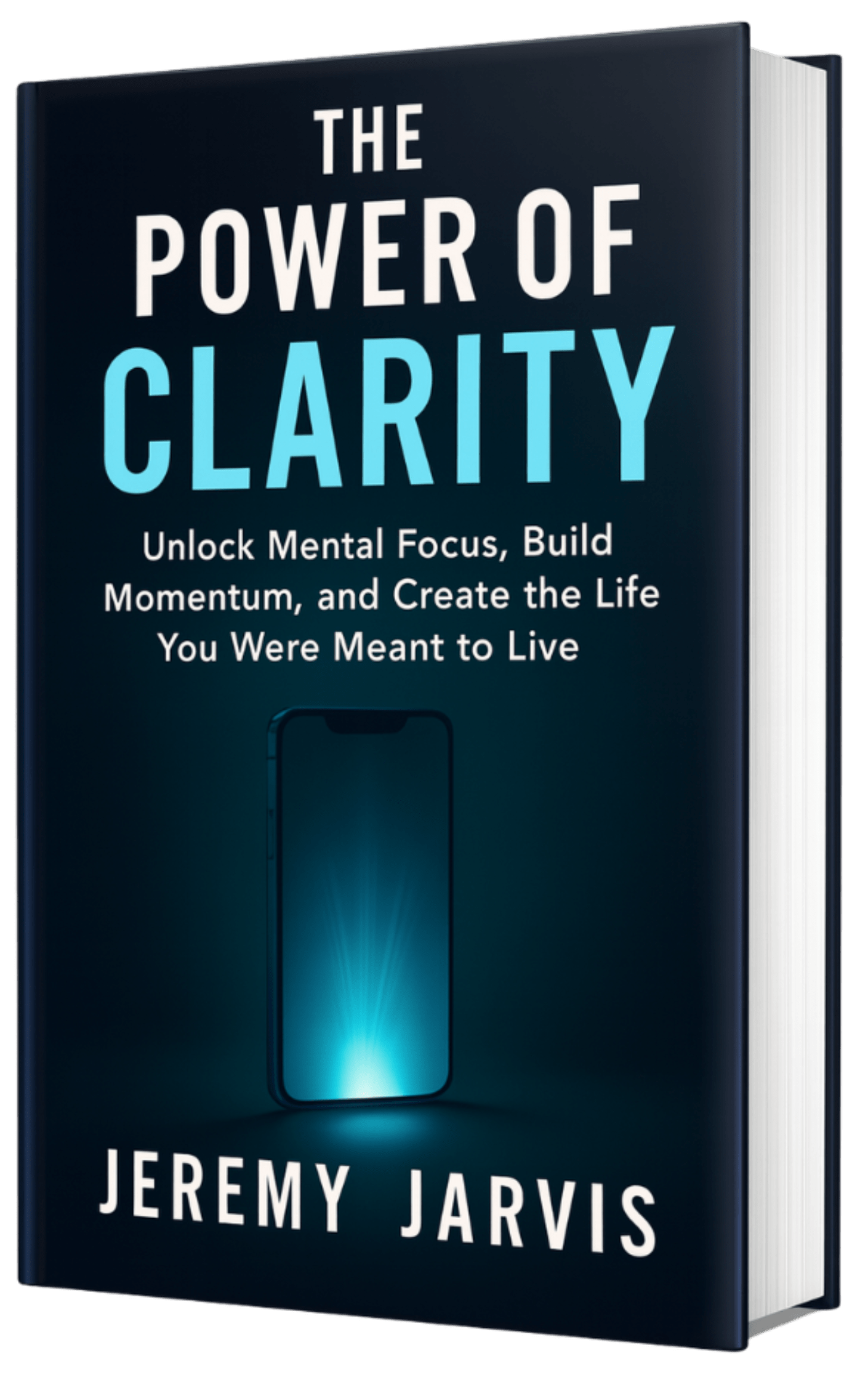
The Power of Clarity
Unlock mental focus, build momentum, and create the life you were meant to live.
View book →
AI & ChatGPT for Beginners
No PhD needed — a 2025 guide to AI, prompts, and productivity without coding.
View book →
Zen in the Digital Jungle
Mindfulness for a chaotic world.
View book →
The Slow Reset
Mindful living in a fast-paced world.
View book →
Perfectly Imperfect
Stop self-criticism, set boundaries, and embrace the real you.
View book →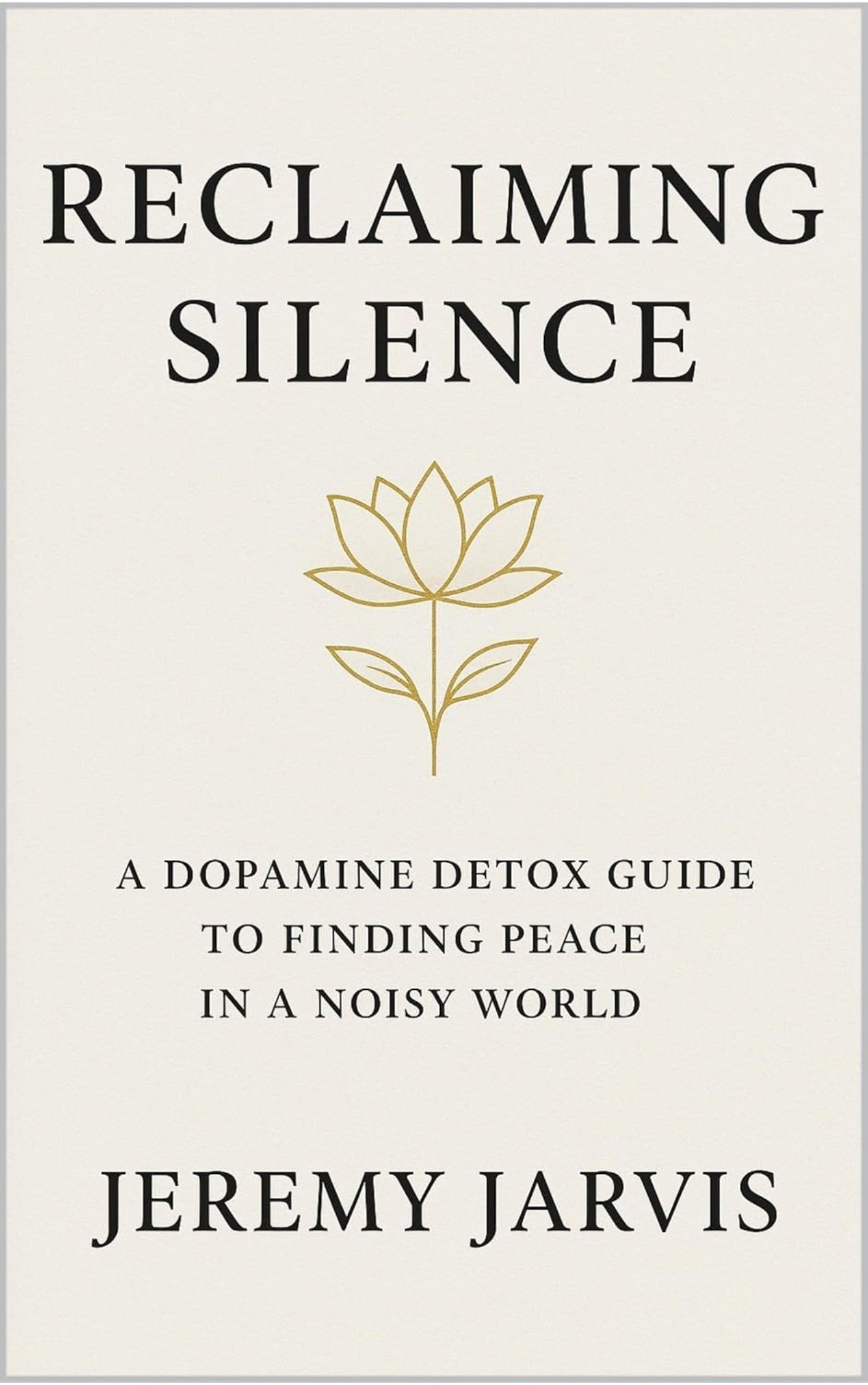
Reclaiming Silence
A dopamine detox guide to finding peace in a noisy world.
View book →
The Focused Freelancer
Productivity, pricing & positioning for independents in 2025.
View book →
ChatGPT Side Hustle System
Launch your AI-driven online business in 30 days.
View book →
Burnout, Interrupted
A proven path to restore energy and reclaim your life.
View book →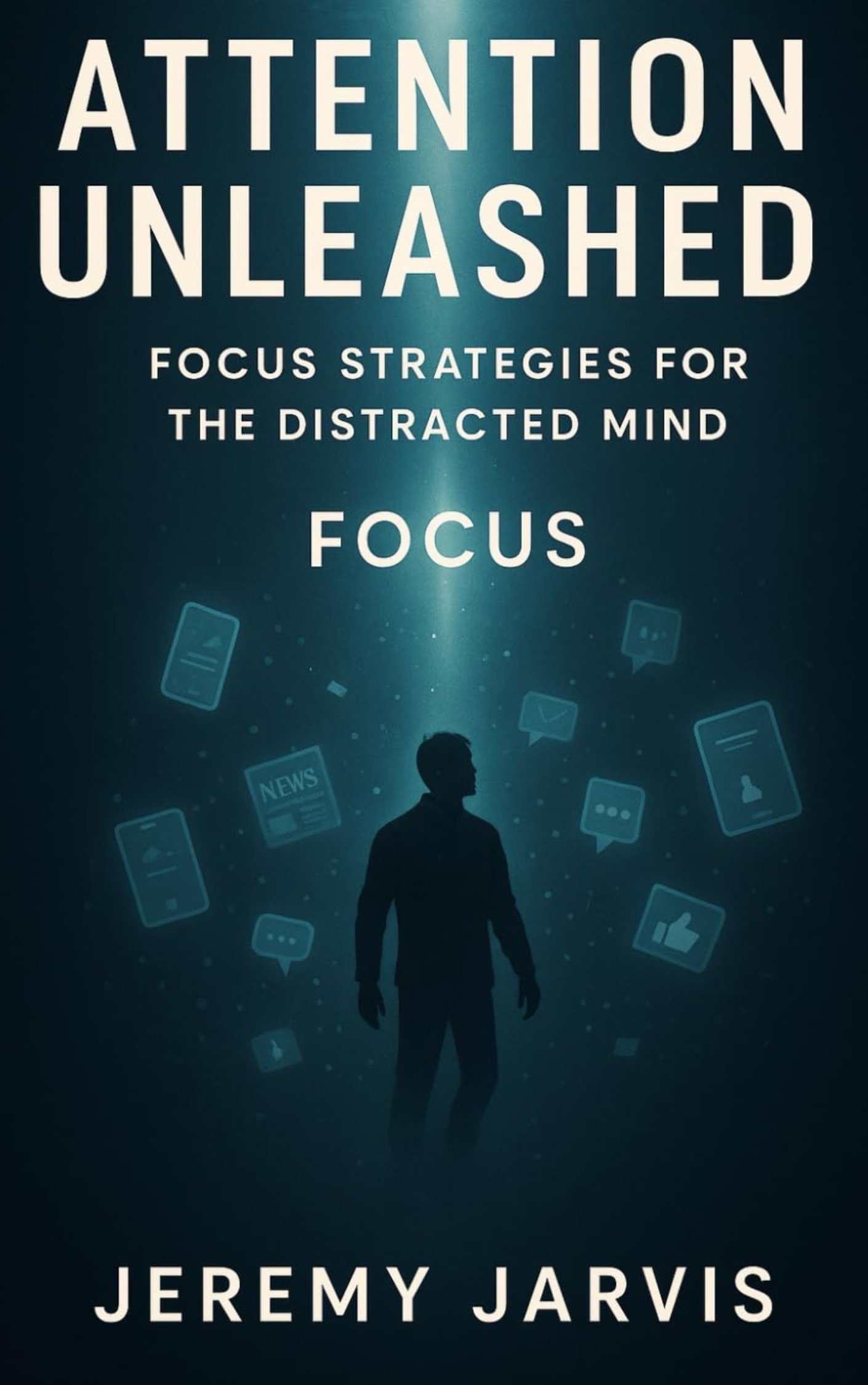
Attention Unleashed
Focus strategies for the distracted mind.
View book →
Side Hustle Launchpad
Your quick-start guide to extra income.
View book →
Digital Clarity
Rewire your brain, escape dopamine traps & regain focus.
View book →
Break the Scroll
Reduce screen time and take back control of your life.
View book →
Climate Compassion
Transform eco-anxiety into empowered action.
View book →
Village Mentality
The power of community for mental wellness.
View book →
Restful Nights
Overcoming sleep anxiety in a 24/7 world.
View book →
Connected Again
Combat loneliness and build meaningful relationships.
View book →
Focus Recharged
Mastering attention and productivity in the digital era.
View book →
Marketing Magic with ChatGPT
AI-powered content, campaigns, and copywriting to grow faster.
View book →
The 6-Figure Creator
Turn knowledge into passive income with books, courses & AI.
View book →
Burnout Breakthrough
Reset your work-life balance and thrive in 2025.
View book →
The Emotionally Intelligent Man
A modern guide to self-awareness and communication.
View book →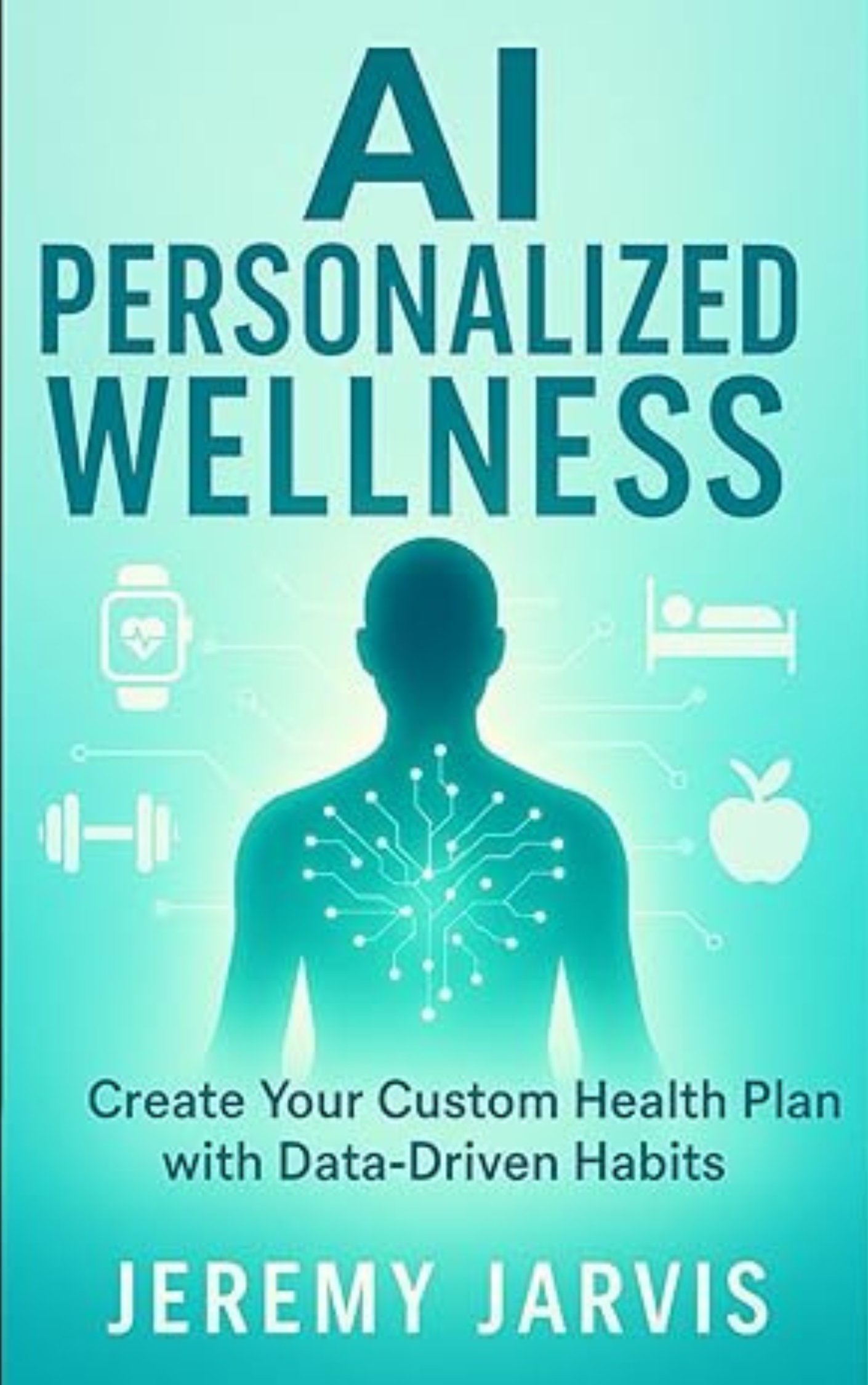
AI Personalized Wellness
Create your custom health plan with data-driven habits.
View book →
Everyday AI Made Easy
Use ChatGPT and smart tools to simplify life.
View book →
Money Mindfulness
A financial wellness guide for Gen Z & Millennials.
View book →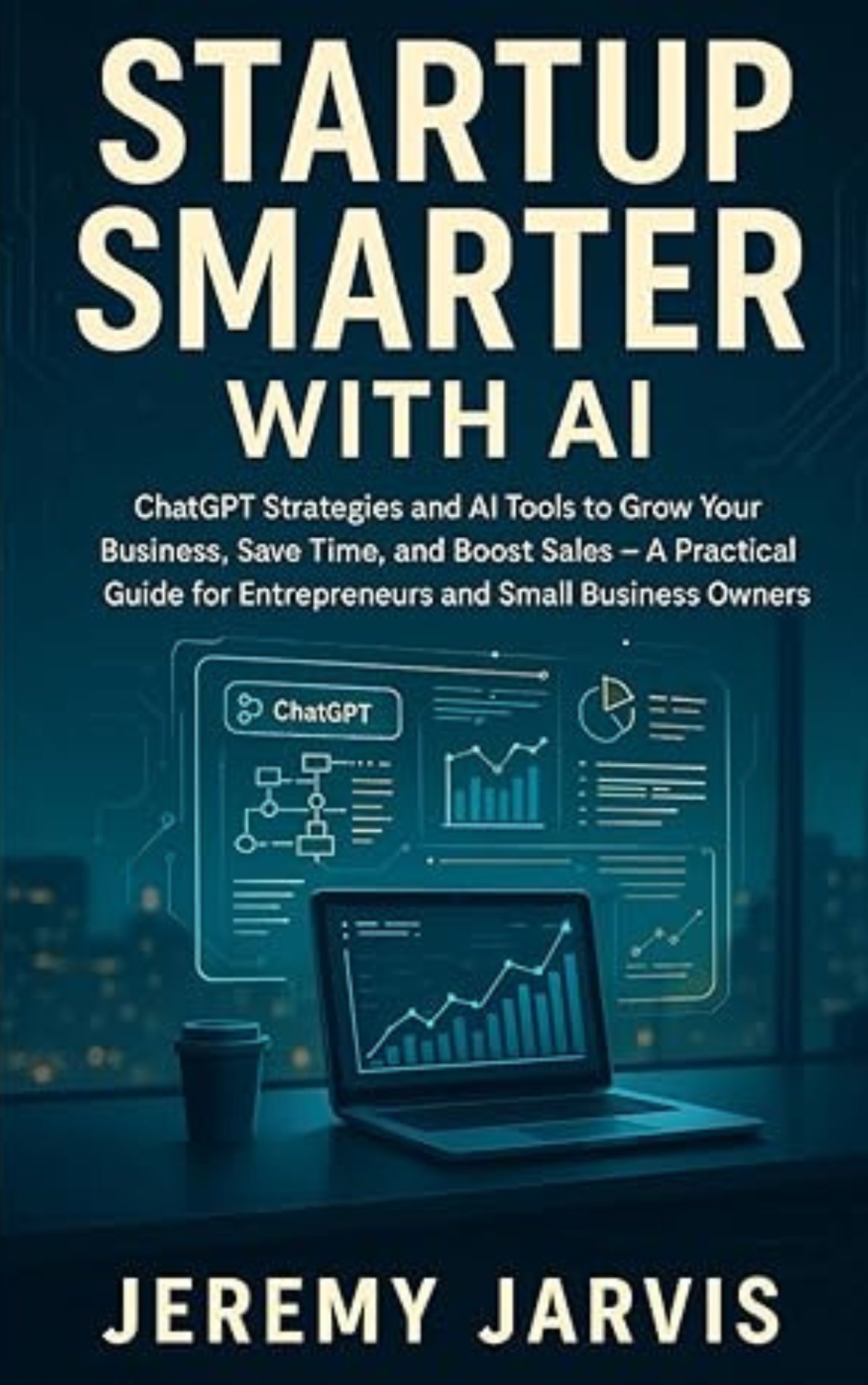
Startup Smarter with AI
ChatGPT strategies and tools to grow your business.
View book →
ChatGPT for Writers & Creators
Unlock AI-powered brainstorming, drafting & editing.
View book →